The Moment You Should Slow Down
If a dealer wants your signature before you can inspect the exact car you might buy, that is a real warning sign. It does not automatically mean something shady is happening, but it flips the usual order of a car deal and puts you on weaker footing. Before you sign anything, you need to know exactly what the document does and whether it creates any obligation.

Why Buyers Instinctively Push Back
Most people expect to see, touch, and inspect the actual vehicle before agreeing to anything. That makes sense, especially when the purchase could cost tens of thousands of dollars. If a dealer will not let you see the car first, they are asking for trust before they have earned it.

The Real Issue Is The Paper In Front Of You
Not all paperwork means the same thing, and that is where the risk starts. A buyer's order, purchase agreement, retail installment contract, or credit application can have very different legal effects. If the dealer cannot explain the form clearly, or will not let you read it at your own pace, that is a bigger red flag than the document itself.
 f.t.Photographer, Shutterstock
A Credit Application Is Not The Same As Buying The Car
Some dealers ask buyers to fill out a credit application early, especially when financing is involved. The Consumer Financial Protection Bureau says dealers often send that application to multiple lenders, and that step is separate from agreeing to buy a specific car. Still, a credit application is not something to sign casually because it includes personal information and gives permission for credit checks.

A Purchase Agreement Is More Serious
If the document is a buyer's order or purchase agreement tied to a specific VIN, slow down. Depending on state law and the wording of the form, your signature may show intent to buy and make it harder to back out later. That matters even more if you still have not inspected the exact car for condition, options, mileage, or damage.

Regulators Have Warned About Car Buying Tactics
In December 2023, the Federal Trade Commission finalized its Combating Auto Retail Scams rule after describing widespread deceptive practices in the market. The FTC said some dealers misstate costs, add charges buyers did not ask for, and use tactics that make paperwork harder to understand. That does not mean every dealer asking for paperwork is deceptive, but it does show why rushed signatures deserve a hard look.

The FTC's Advice Is Pretty Direct
The FTC tells car buyers to get all promises in writing and read every document carefully before signing. There is a reason for that. Verbal assurances can vanish once the paperwork takes over. If a salesperson says, "This does not commit you," ask them to write that on the form itself.

Used Car Rules Added More Transparency
In July 2024, the FTC's updated Used Car Rule took effect and began requiring dealers to display a Buyers Guide for used vehicles offered for sale. That guide includes key warranty and vehicle details. If a dealer does not want you looking closely at the exact used car before you sign, it is fair to ask what else they do not want examined.
The VIN Keeps You Grounded
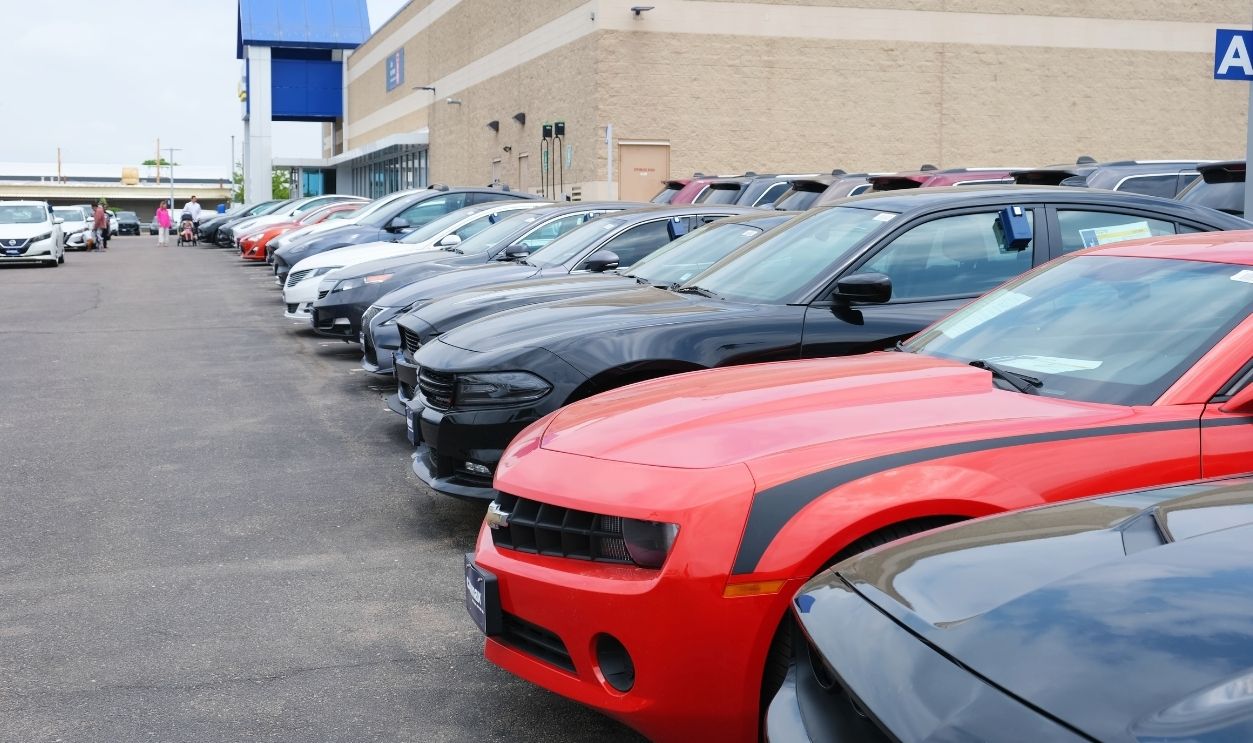
One of the smartest things you can do is focus on the vehicle identification number, or VIN. If the paperwork does not list the exact car by VIN, trim, mileage, and agreed price, you are operating in a haze. If it does list the exact car, then you should inspect that exact car before signing anything that could bind you.
 Hryshchyshen Serhii, Shutterstock
The Car You Drove Might Not Be The Car On The Contract
This is one of the easiest ways buyers get burned. You may test-drive one vehicle, then get paperwork for a similar one with different features, more miles, cosmetic flaws, or transport damage. Checking the exact VIN before signing is the simplest way to avoid that surprise.

Delivery Miles Are Normal, But They Still Count
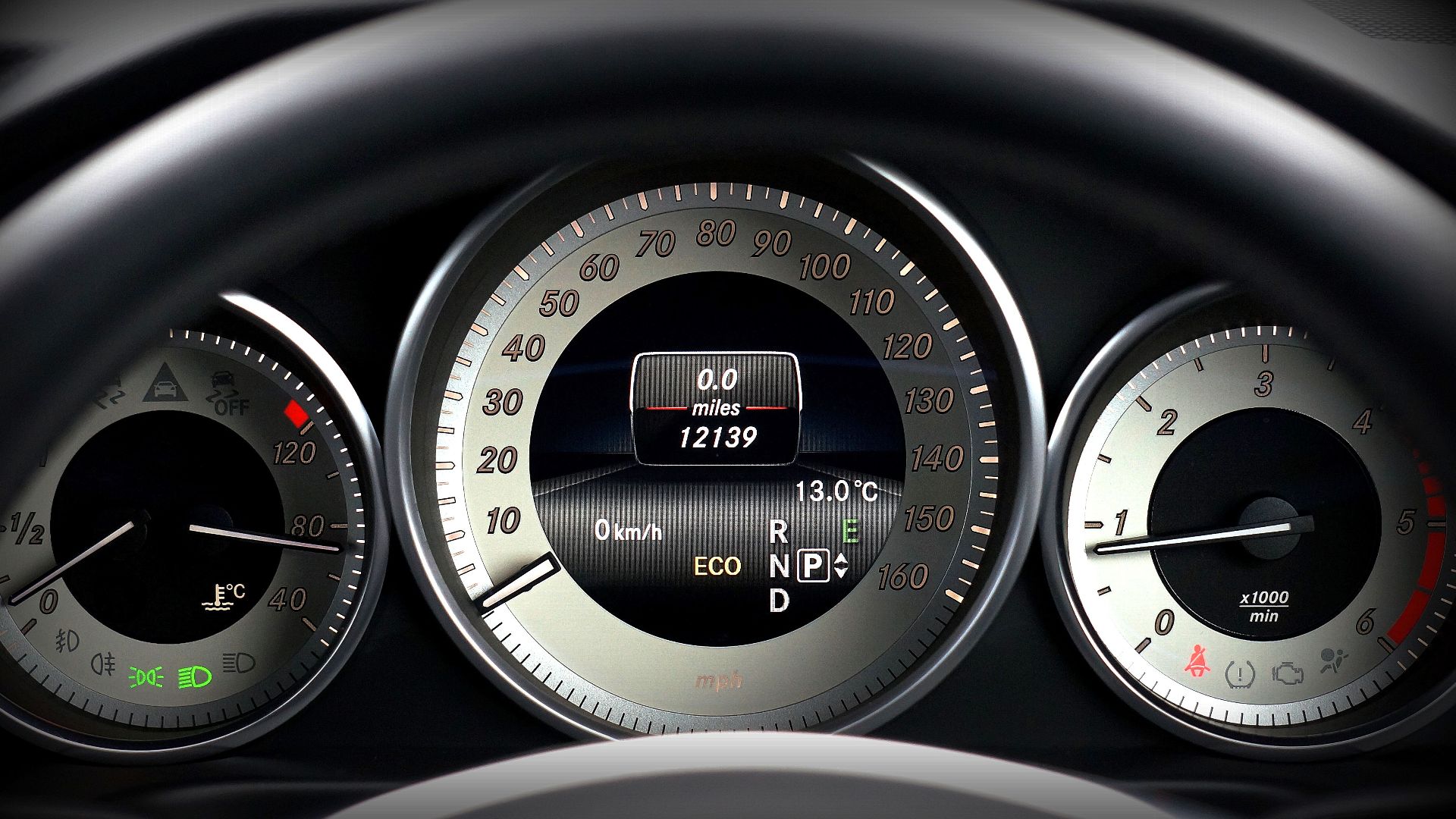
New cars often show a small number of delivery miles, and that alone is not unusual. What matters is whether the mileage on the exact vehicle matches what the dealer told you. If they call the car brand new and untouched but the odometer suggests otherwise, get answers before you sign.
Condition Problems Are Easier To Deal With Before You Sign
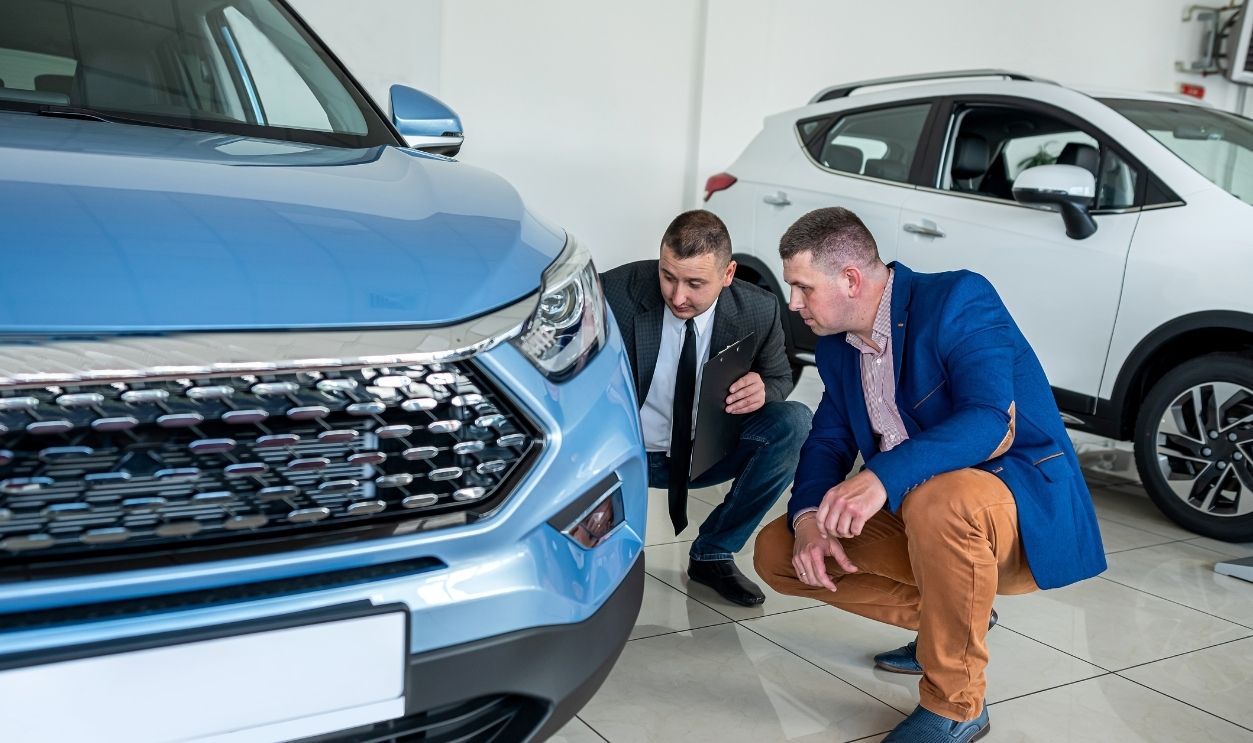
Paint defects, interior scratches, windshield chips, wheel damage, and missing accessories are much easier to raise before the paperwork is done. After you sign, your leverage often drops fast. A dealer that steers you away from a close inspection may be trying to dodge questions about the car's real condition.
Even New Cars Can Have Damage History
Many buyers assume only used cars need careful inspection, but that is not always true. Cars can be damaged in transit, on the lot, or during prep. The National Automobile Dealers Association has told shoppers to inspect the vehicle and ask about prior damage and repairs before taking delivery.

Spot Deliveries And Yo-Yo Financing Raise The Stakes
The CFPB has warned about financing confusion in dealer deals, including cases where buyers think everything is final and then the financing changes later. If a dealer is pushing paperwork before inspection, be extra careful about whether you are also stepping into a financing arrangement that is not really settled. Read every line about financing approval, conditional delivery, and cancellation rights.

State Law Can Change Everything
Car sales are heavily shaped by state law, and cancellation rights vary a lot. In many states, there is no automatic cooling-off period for vehicles bought at a dealership. The FTC specifically notes that the federal Cooling-Off Rule does not apply to dealership car purchases, which makes caution before signing even more important.

That "Refundable Deposit" Might Not Be So Simple
Sometimes a dealer says they only need a signature or deposit to hold the car. That can sound harmless, but the details matter. If the form says the deposit is nonrefundable, or if it quietly works like a purchase commitment, you may be walking into a dispute you never meant to start.

Ask To Read The Form Without Pressure
A straightforward dealer should let you read the document fully before asking for your signature. You should be able to take a photo, ask questions, and spend a few minutes understanding it. If the staff gets irritated because you want to read a legal document before signing, that is a good reason to slow the deal down.

What A Reasonable Dealer Would Do
There are legitimate reasons a dealer might want a preliminary signature, such as confirming an incoming vehicle or authorizing a credit pull. But a reasonable dealership should explain that clearly and still let you inspect the actual car before any binding purchase obligation begins. That is the difference between normal process and sales pressure.

A Simple Script That Works
You do not need to argue or make a scene. Try this: "I am happy to keep talking, but I will not sign a purchase document for a specific VIN until I inspect that exact vehicle." It is polite, clear, and hard to twist.

Pull The Conversation Back To The Car
Ask to see the window sticker, the Buyers Guide if it is a used car, the odometer reading, and the VIN plate. Ask whether the car has had any repairs, paint work, or accessories installed. A dealer acting in good faith should be able to answer those questions before asking for a binding commitment.
 Hryshchyshen Serhii, Shutterstock
Get Every Promise On Paper
If the dealer says the signature is only procedural, ask them to write that the deal depends on your inspection and acceptance of the exact vehicle. If they promise to fix cosmetic damage, put that in writing too. Verbal promises are easy to make and even easier to deny later.

Watch For Add-Ons Buried In The Forms
The FTC and CFPB have both flagged dealer add-ons in consumer guidance and enforcement discussions. Service contracts, GAP, wheel protection, etching, and alarm packages can show up in the paperwork before buyers fully realize it. Reading every page matters, but seeing the actual car first also helps you decide what you really need, if anything.

Inspect Before You Lock In Financing
It is smarter to settle questions about the car itself before finalizing the loan. Once financing starts moving, many buyers feel emotionally committed and become less likely to walk away. Dealers know that momentum helps close sales, which is exactly why you should not let yourself get rushed.

Remote Deals Need Even More Care
If you are buying from out of town, the pressure to sign before inspection can be even stronger. In that situation, ask for detailed photos, a video walkaround, the VIN, mileage, and copies of every proposed form before you travel or send money. If the dealer still will not let you inspect the car or arrange an independent inspection before a final commitment, walk away.

When This Turns Into A Major Red Flag
The situation gets much more serious when the dealer will not identify the exact VIN, blocks inspection, pushes you to sign fast, or insists the paperwork means nothing while also refusing to give you time to read it. Those signs build on each other. Together, they suggest the dealer is trying to control the deal by keeping you in the dark.

When It May Be Less Serious
If the dealer is only asking for a clearly labeled, refundable deposit form on an incoming car, and the form says the purchase depends on inspection and acceptance, that is less alarming. It still deserves a careful read, but it is not the same as signing a final purchase or finance contract blind. Context matters, and the wording matters even more.

Your Cleanest Exit
You do not have to force yourself to accept a process that feels wrong. If a dealer will not let you inspect the exact car before a binding signature, the simplest move may be to leave. There are too many dealers, too many cars, and too much money at stake to gamble on pressure tactics.
The Bottom Line For Buyers
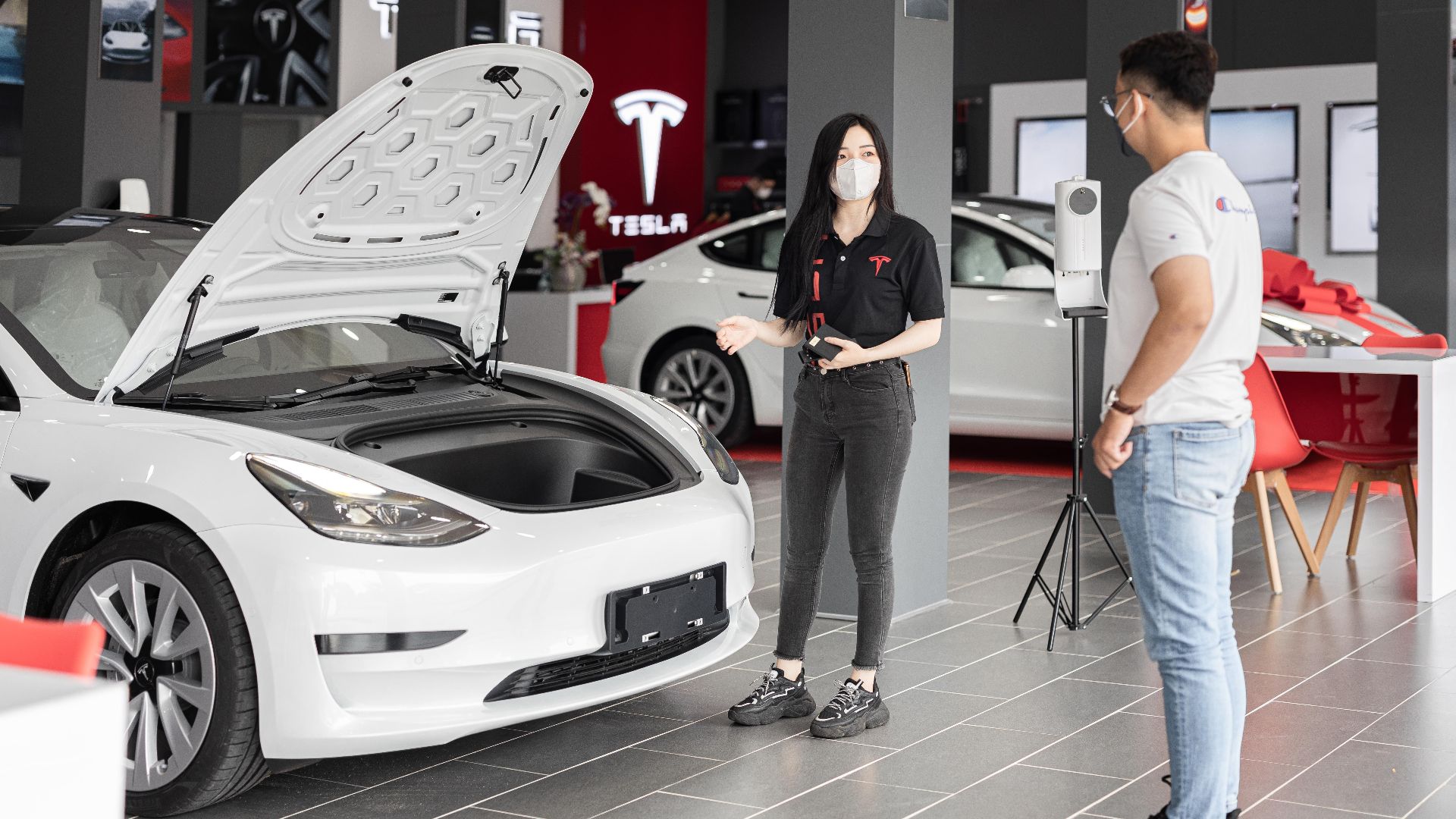
Yes, being asked to sign paperwork before inspecting the exact car can be a major red flag, especially if the document looks binding or the dealer is vague about what it does. The safest move is to inspect the exact VIN first, read every page slowly, and get every contingency and promise in writing. A little caution at the start of a car deal is usually much cheaper than a fight after the fact.