The Surprise $4,000 Call
You've finally chosen the car you want and made the order, but before it arrives you get a call from the dealer. They say unforeseen market fluctuations have increased the price on your car by $4,000. No pay, no car.
When you order something, you expect the price to be locked in, but that's not always the case. If you find yourself in this situation, you likely still have options, but that will depend on the deal that you made.

An Order Is Not Always A Sale
This is the part many buyers miss. A factory order is often just a request placed through a dealer, not a finished sale with a final, enforceable price. Whether the price is locked usually depends on the exact documents you signed and the law in your state.

The Key Document Is The Buyer’s Order
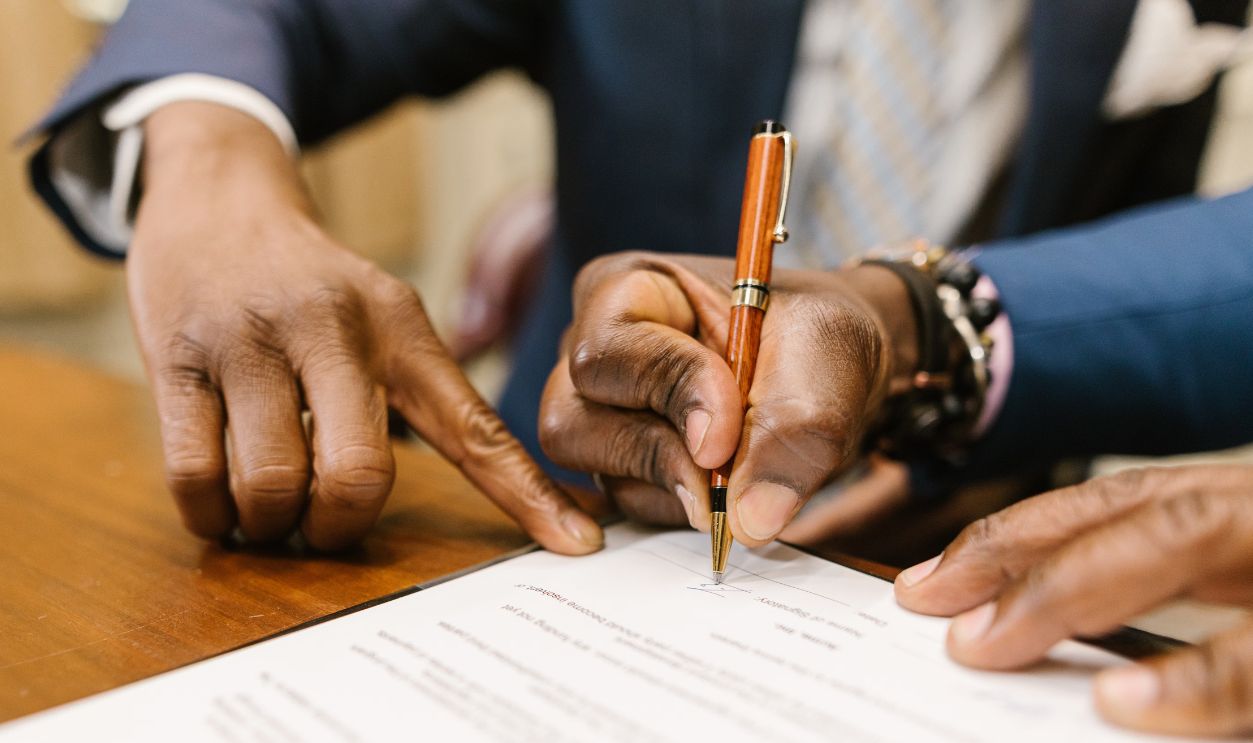
If you want to know whether the dealer can raise the price, start with your paperwork. Look for a buyer’s order, purchase agreement, retail order, or something similar that lists the vehicle, price, fees, deposit terms, and signatures. If it says the price can change, or that the order is not final until delivery, financing approval, or manager signoff, that language matters.

Deposits Do Not Automatically Freeze The Price
Many buyers think a deposit locks in the whole deal. Often it does not. A deposit may only hold your place in line or show you are serious, unless the written agreement clearly says the price is fixed and the deposit applies to a binding sale.

Why Dealers Try This In Hot Markets
When inventory is tight and demand jumps, some dealers see a chance to make more money. During the supply crunch of recent years, stories about markups and changed terms spread across the car business. If your ordered car can now sell to someone else for more, that temptation can land right on your deal.

Automakers Have Acknowledged The Markup Problem
Ford openly addressed the issue during the recent stretch of tight supply and strong demand. The company pushed dealers to treat reservation and order customers fairly, especially for EVs and other hard-to-get models. That does not mean every dealer played along, but it shows the problem was serious enough to get the factory involved.
Ford Sent A Clear Warning To Dealers
In January 2022, Ford sent dealers a memo saying it would compare reservation and order holders with dealer sales data and could cut future allocations for stores that flipped vehicles or sold them to other buyers at much higher prices. The Detroit Free Press and other outlets reported on it at the time. It did not create a blanket legal price lock, but it did show that automakers knew some dealers were changing the deal at the last minute.

General Motors Also Weighed In
General Motors took a similar public stance around the same time. In 2022, GM said it would require Chevrolet, Buick, GMC, and Cadillac dealers to sign a pledge tied to EV reservations and ordering, including a promise in certain situations not to charge above MSRP. That was company policy, not a general law, but it showed automakers understood how badly surprise pricing could hurt trust.

MSRP Is Not The Same As Your Price
This catches a lot of shoppers off guard. MSRP is the manufacturer’s suggested retail price, not a required selling price unless a specific program or agreement says otherwise. A dealer can often charge above or below MSRP unless state law, a signed contract, or a brand policy limits that freedom.

Price Protection Is Real, But Limited
Some automakers offer price protection when they raise MSRP on vehicles that were already ordered. In those cases, the manufacturer may reimburse the dealer or credit the sale so the customer can still pay the earlier price. But price protection depends on the brand and the program, and it does not always stop a dealer from trying to add its own markup.

Ask Whether Your Order Has Factory Price Protection
This is one of the smartest questions you can ask. If the automaker raised MSRP after you placed the order, there may be a formal policy that protects your original price, or at least part of it. Ask the dealer to show you in writing whether your order qualifies and how the numbers are being applied.

Fine Print Can Change Everything
Some order forms give the dealer a lot of room to move. They may say the price is only an estimate, based on current MSRP, or subject to manufacturer changes, equipment changes, or final inspection. Others say no oral promises are binding, which can make it much harder to enforce what a salesperson told you face to face.

Verbal Promises Are Weak Protection
If the salesperson said, “Don’t worry, your price is locked,” that may sound comforting, but by itself it is not much protection. Courts and regulators usually care most about signed documents and written communication. Still, save texts and emails, because they can help show what you were told and whether the dealer acted deceptively.

Email Trails Can Be Gold
If the dealer sent you a breakdown with a specific out-the-door price when you placed the order, keep it. Print it, save it as a PDF, and store screenshots in more than one place. If the dispute turns serious, a dated written record can become your best leverage.

Do Not Ignore The Deposit Language
Another ugly twist in these fights is the deposit itself. Check whether the form says your deposit is nonrefundable, refundable if the vehicle is not delivered, or refundable if financing falls through. If the dealer changes the price and you refuse the car, the deposit can become a second battle.

Spot The Difference Between MSRP Increases And Dealer Markups
These are not the same thing. If the automaker raised the sticker price after your order date, the dealer may point to that increase, and there may be a real question about price protection. But if the extra $4,000 is just a dealer markup or forced accessories that were not in your agreement, that is a different and often more troubling issue.

The FTC Has Warned Shoppers About Add-Ons
The Federal Trade Commission has repeatedly told car buyers to study dealer paperwork and challenge charges they never agreed to. In December 2023, the FTC announced an action involving California dealer Passport Automotive Group and alleged bait-and-switch tactics and junk fees. That case was not specifically about factory-order price jumps, but the message is clear: surprise dealership charges are a major consumer protection issue.

The CFPB Has Flagged Dealer Financing Pitfalls
The Consumer Financial Protection Bureau has warned that financing talks can distract buyers from the total deal. If the dealer says your monthly payment will stay about the same even though the price just went up by $4,000, slow down and recalculate everything. A surprise price hike buried inside financing is still a price hike.

State Law Matters More Than Most Buyers Realize
Car sales are heavily shaped by state law. Rules on deposits, disclosures, advertising, and deceptive practices can vary a lot. Your state attorney general, motor vehicle dealer board, or consumer protection office may have guidance that speaks directly to price disputes and whether a dealer can change terms after taking a deposit.

Ask For A Written Itemization Immediately
Do not argue in circles. Ask the dealer for a signed written breakdown showing the original numbers, the new numbers, and the exact reason for every change. That request alone can reveal whether this is a real factory price issue, a dealer markup, or just a pressure move.

Escalate To The General Manager Fast
Your salesperson may not control the decision, and the clock matters if the car is sitting on the lot. Calmly ask for the general manager or dealer principal and say you want the store to honor the written terms you relied on. Keep it professional and stick to dates, documents, and what was promised.

Then Contact The Automaker’s Customer Service Line
If the dealer sells a brand that publicly pushed back on order markups, mention that when you call the manufacturer’s customer service team. Ask whether your order qualifies for any price protection and whether the dealer’s conduct lines up with brand policy. The factory cannot always force a dealer to sell at a certain price, but a case number and factory attention can add pressure.

Regulators Can Matter More Than You Think
If the dealer will not back down, file complaints with your state attorney general, state dealer licensing board, and local consumer protection office if there is one. The FTC also takes reports about auto sales practices, and while it does not step in on demand for each buyer, complaints help show patterns. If financing is part of the dispute, the CFPB complaint system may matter too.
Small Claims Court May Be An Option
If your documents are strong and the amount fits within your state’s limit, small claims court may be worth a look. That is especially true if the dealer kept your deposit or clearly broke a written agreement. Before filing, gather every signed page, all texts and emails, and a timeline showing when the order was placed and when the price changed.
 https://kaboompics.com/, Pexels
Do Not Let A Payment Pitch Distract You
Some buyers get pulled away from the real fight when the conversation shifts to monthly payments. A dealer might stretch the loan term or change financing to make a higher price seem painless. Focus on the full purchase price, fees, interest rate, loan length, and total cost, not just the monthly number.

What Usually Decides These Cases
In the real world, three things usually matter most. First, the wording of the signed agreement. Second, whether the change came from a manufacturer MSRP increase or from the dealer adding markup or extra products. Third, the paper trail showing what the dealer said before the vehicle arrived.

So Does An Order Lock In The Price
Sometimes yes, often no, and never just because you assumed it did. An order can lock in the price if your documents clearly say so, if the dealer accepted the deal on those terms, or if brand price protection applies. But if your paperwork leaves room for changes, the dealer may try to raise the price, and your best defense is a strong paper trail and fast action.

The Smartest Move Before You Order Again
Before placing your next factory order, ask one direct question and get the answer in writing: “If the car arrives three months from now and market prices go up, will you still sell it to me for this exact amount?” If the paperwork does not clearly say yes, assume the price is not really locked and push for better terms before you leave a deposit.