Five Years Old And Already Looking Worn Out
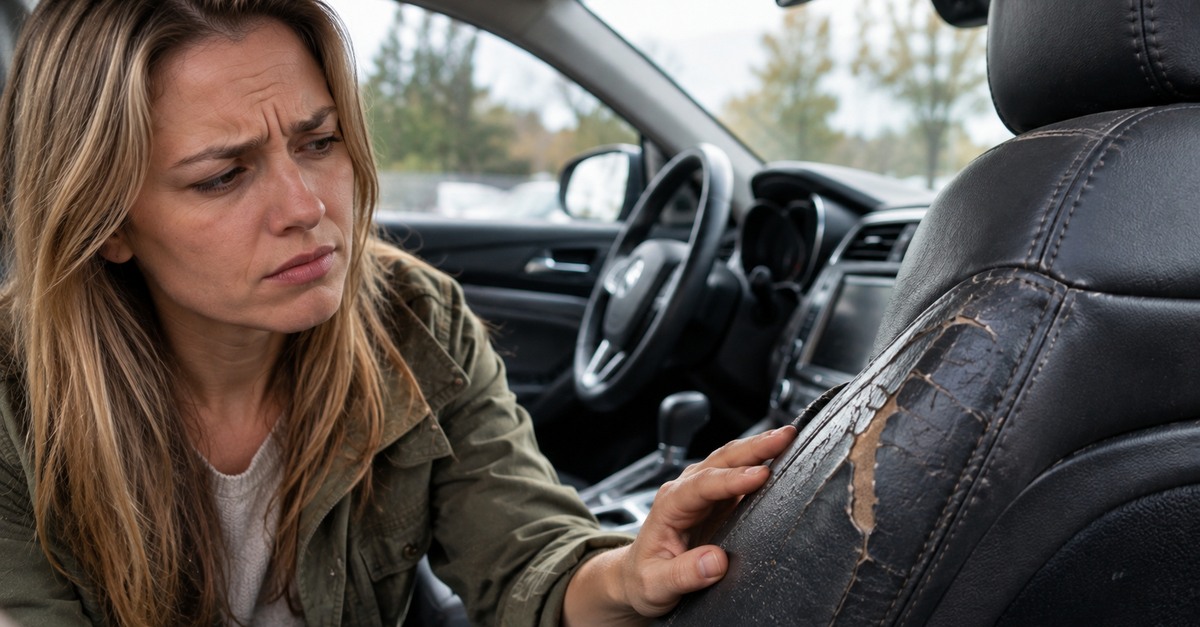
When I bought my car, I expected the interior to hold up for considerably longer than five years. Instead, the seats are showing wear, some plastic surfaces look tired, and the trim doesn't feel as solid as it once did. I'm careful with my belongings, so watching the cabin deteriorate this quickly is frustrating. Is this just normal aging, or did I buy a car with disappointing interior quality?
Some Wear Is Normal, But Not Everything
Every vehicle interior experiences wear as people climb in, adjust seats, touch controls, and carry belongings. However, Consumer Reports advises used-car shoppers to look closely at upholstery condition because excessive wear can indicate problems beyond ordinary use. Light creasing and minor scratches are different from torn seats, peeling surfaces, or broken trim. A five-year-old car can show its age without looking like it's falling apart.
Sunlight May Be The Biggest Culprit
One of the most damaging influences on a vehicle's interior is prolonged exposure to sunlight. AAA explains that ultraviolet radiation and heat can damage dashboards, upholstery, and plastic components. Over time, these materials may fade, become brittle, or develop cracks. A car parked outside every day can therefore experience considerably more interior deterioration than one regularly kept in a garage.

Your Dashboard Takes A Beating
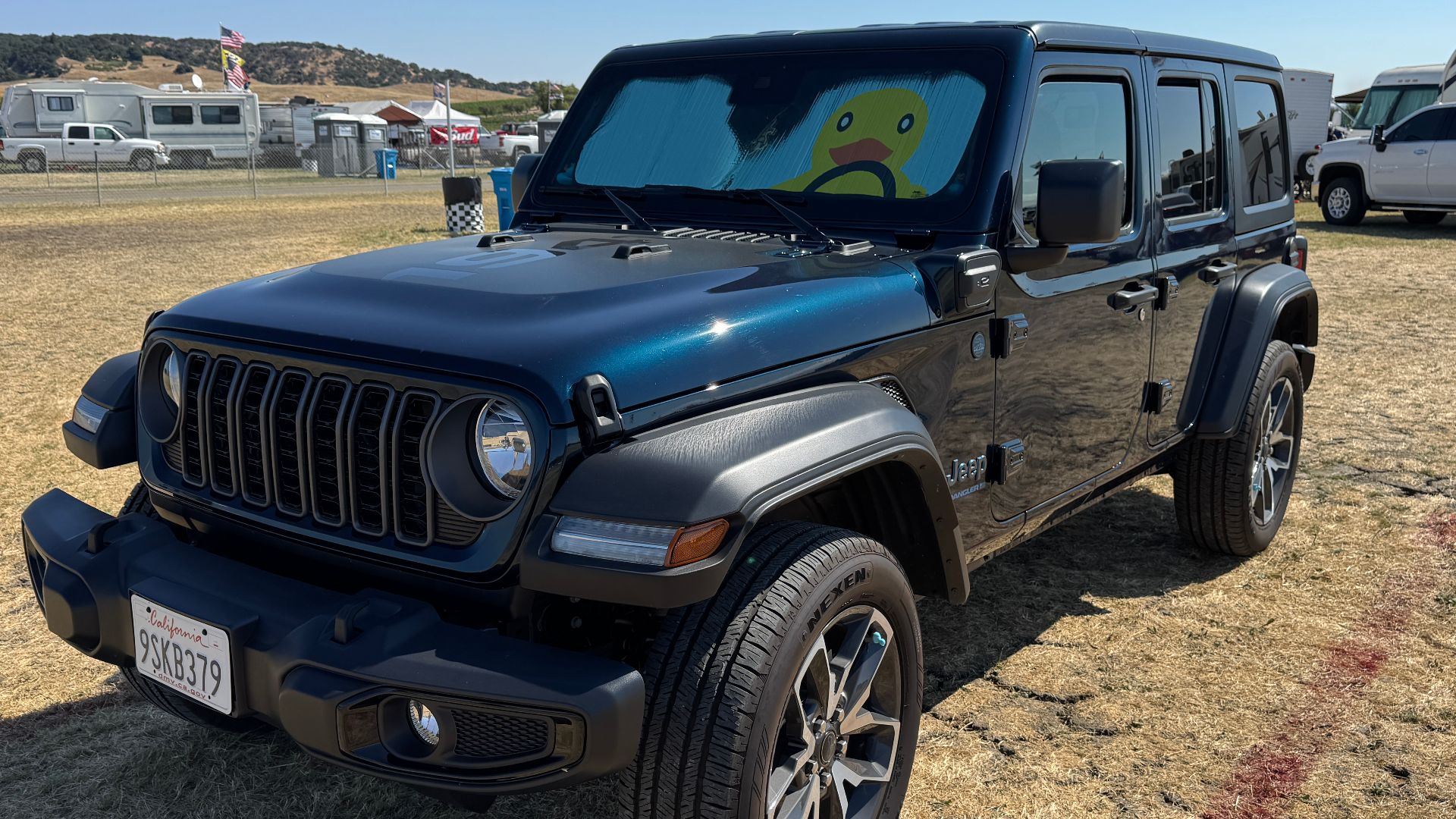
The dashboard sits directly beneath the windshield, where sunlight can expose it to intense heat and ultraviolet radiation. AAA identifies cracking and fading as common consequences of prolonged exposure. Some dashboard materials may become brittle as they deteriorate, while others primarily lose their original appearance. A windshield sunshade can help reduce exposure and protect vulnerable surfaces.

Leather Seats Aren't Invincible
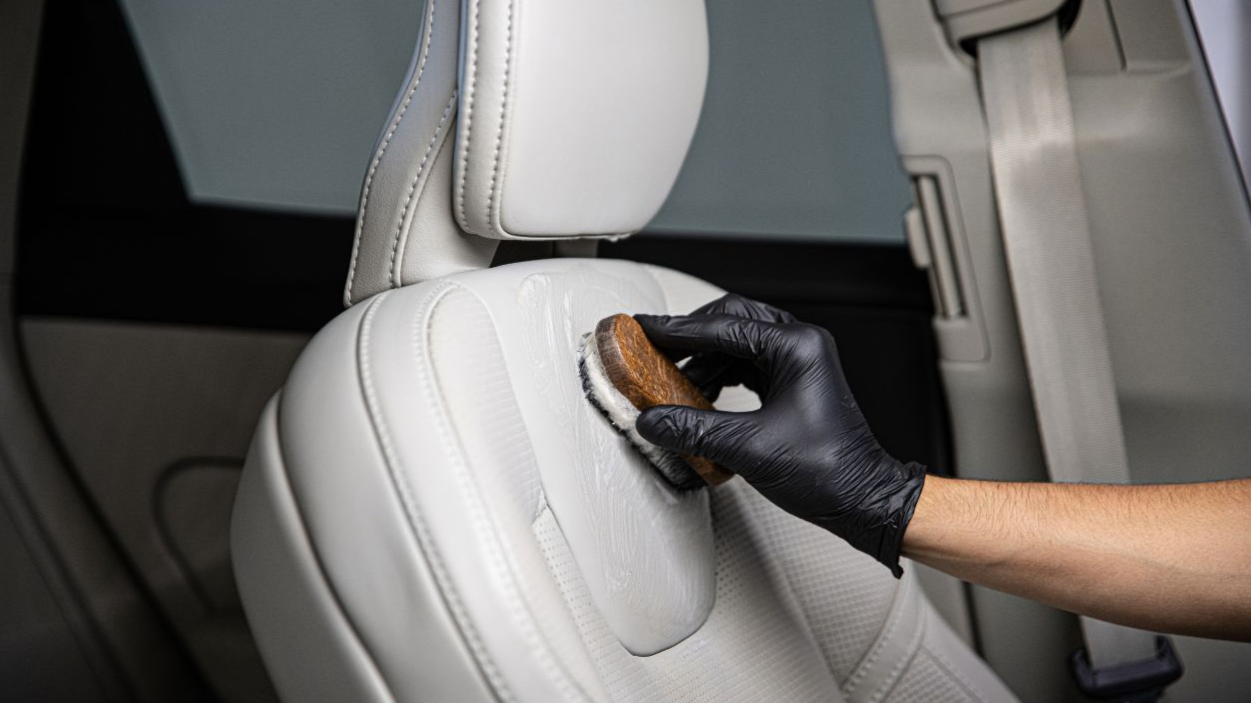
Leather upholstery might look luxurious when a car is new, but it still requires appropriate care. Consumer Reports recommends gentle cleaning and automotive-specific leather conditioner to help prevent drying. AAA also warns that prolonged sunlight can cause leather to fade and crack. Without suitable maintenance and protection, expensive-looking seats can begin showing their age sooner than expected.
 YAKOBCHUK VIACHESLAV, Shutterstock
Synthetic Leather Has Its Own Problems
Not every seat that looks like leather is made from natural leather. Many vehicles use synthetic upholstery materials, including vinyl-based surfaces that require suitable cleaning methods. Consumer Reports notes that leather and vinyl upholstery commonly have protective finishes that can be damaged by inappropriate products. If the surface coating begins deteriorating, ordinary cleaning may not restore its original appearance.
Cloth Seats Can Look Old Quickly
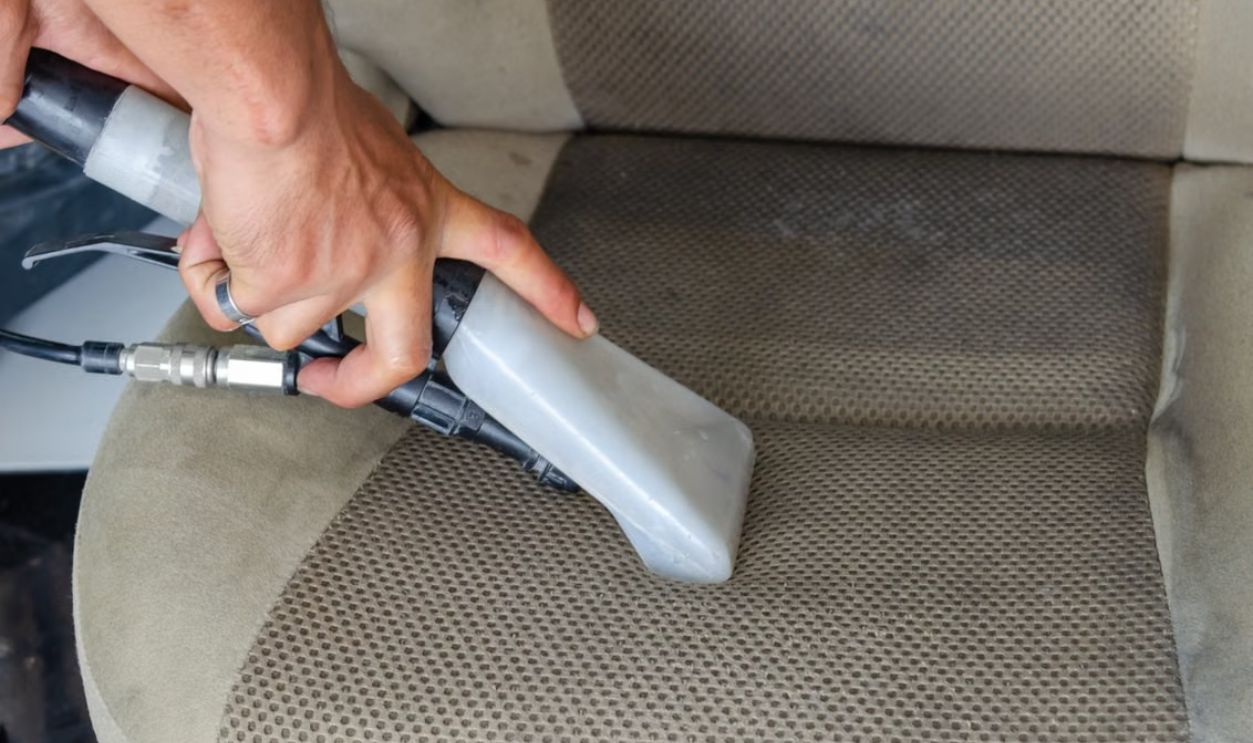
Fabric upholstery avoids some of the concerns associated with leather, but it introduces different maintenance challenges. Consumer Reports explains that dirt, crumbs, and spills can become difficult to remove when allowed to accumulate. AAA also notes that prolonged sunlight can fade cloth upholstery. Regular vacuuming and prompt stain removal can help keep fabric seats looking presentable for longer.
The Driver's Seat Gets The Worst Treatment
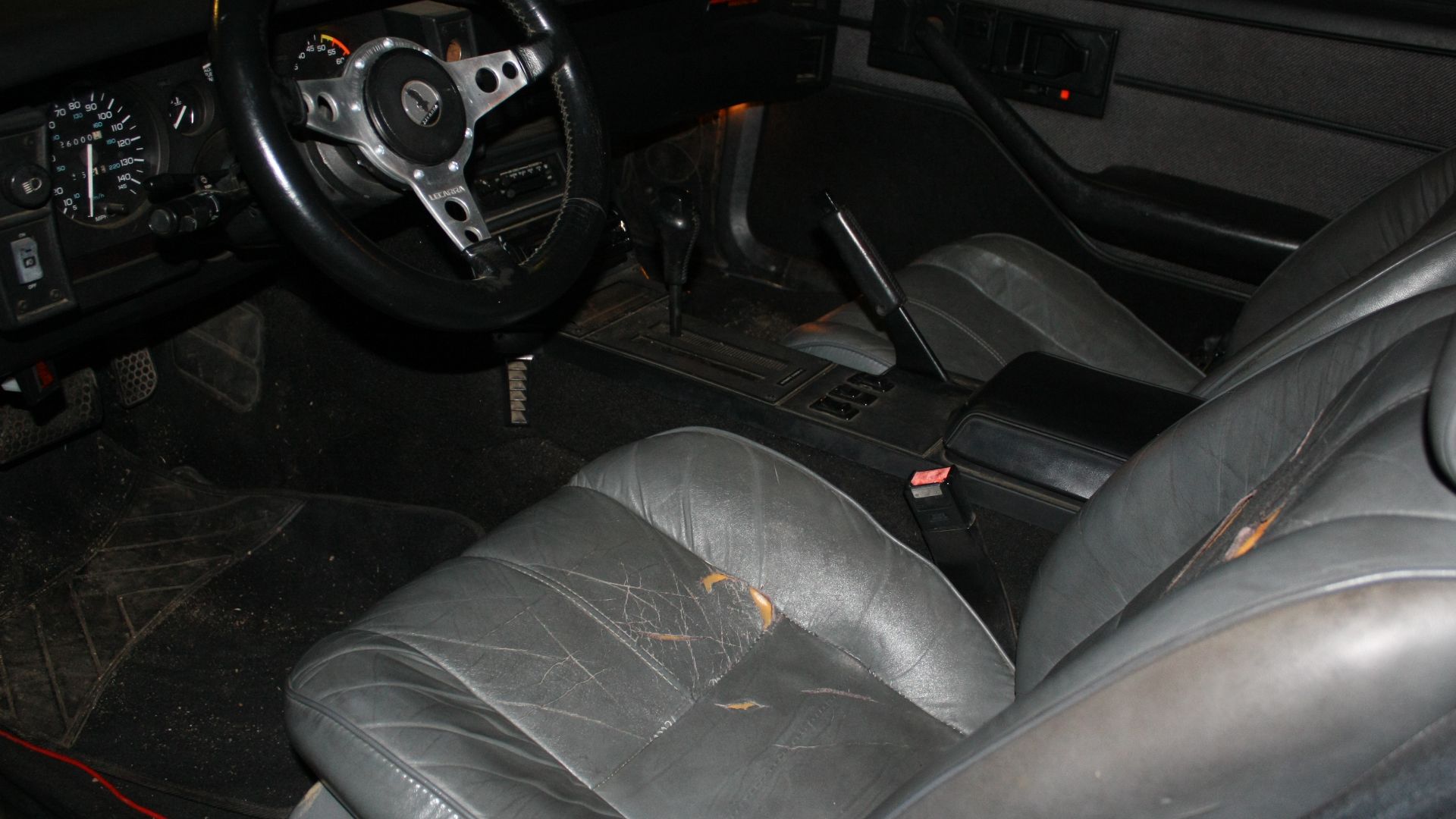
The driver's seat experiences repeated contact every time someone enters or exits the vehicle. Consumer Reports recommends inspecting seat upholstery, padding, and adjustment mechanisms when evaluating a used car. Excessive wear, damaged fabric, and uneven support are all worth investigating. If the driver's seat is deteriorating much faster than the others, its condition deserves a closer look.
 Nick Ares from Auburn, CA, United States, Wikimedia Commons
The Steering Wheel Can Reveal A Lot
A steering wheel is among the most frequently touched surfaces inside a vehicle. Consumer Reports includes steering wheels in its recommendations for cleaning high-contact interior components. Dirt, oils, and unsuitable cleaning products can complicate the care of coated surfaces. If the finish is peeling or becoming sticky, identifying the material and appropriate cleaning method is more useful than simply scrubbing harder.

Peeling Buttons Are Especially Annoying
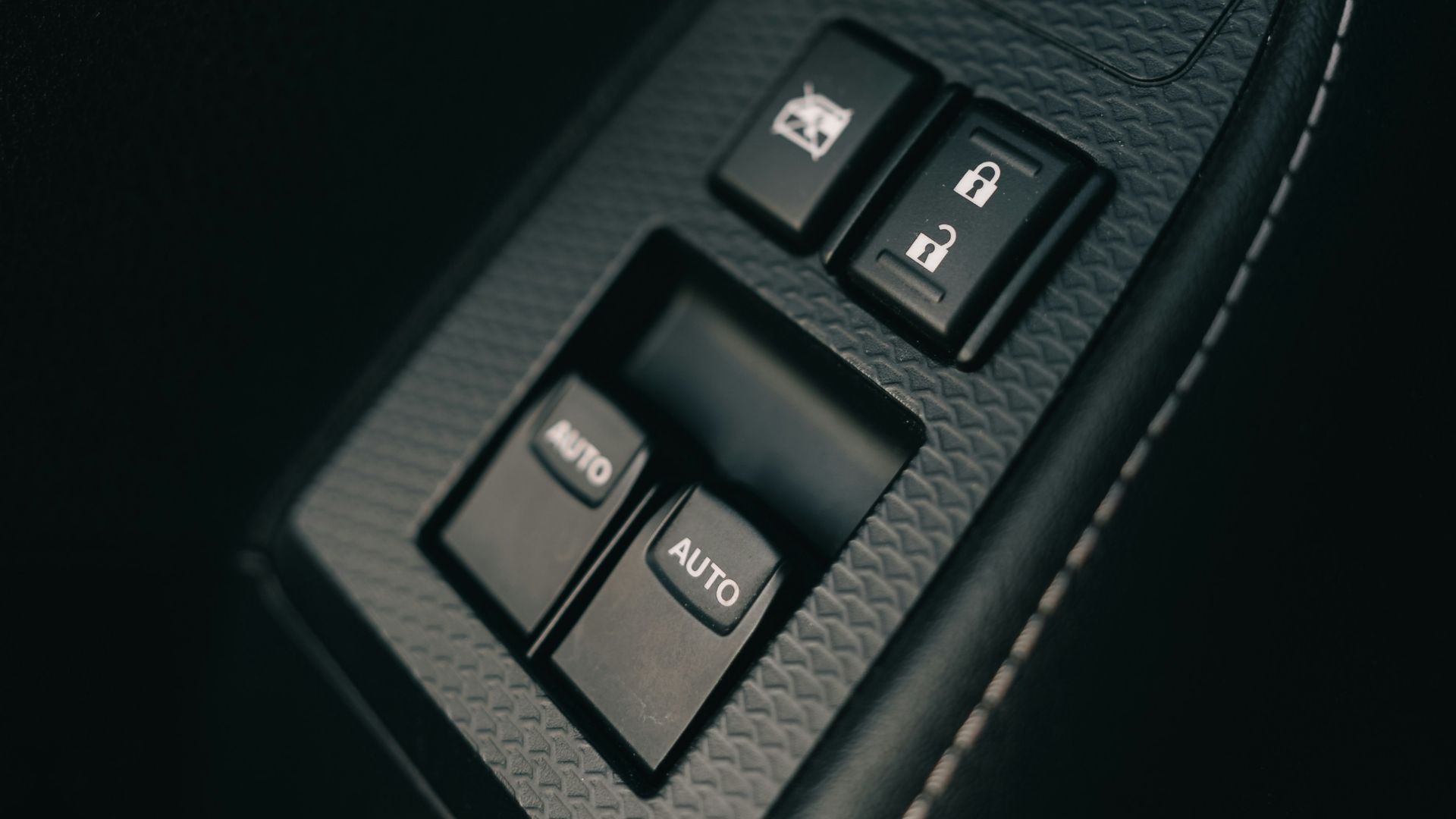
Climate controls, window switches, and other buttons are handled repeatedly throughout a vehicle's life. Consumer Reports recommends cleaning frequently touched controls gently and avoiding products that could damage their finishes. A button that has lost its printed symbol may still function, but it can make operating the vehicle less convenient. Replacement or refinishing may be necessary when the original surface coating has physically deteriorated.
Those Scratches Might Be Permanent
Hard plastic trim can accumulate scratches from keys, bags, shoes, and everyday contact. Consumer Reports recommends gentle cleaning methods for interior surfaces because aggressive treatment can cause additional damage. Cleaning may remove dirt that makes a scratch more noticeable, but it cannot reliably eliminate a deep gouge. Before attempting a repair, it's worth determining whether the damage affects the surface finish or the underlying material.
Some Cleaning Products Make Things Worse
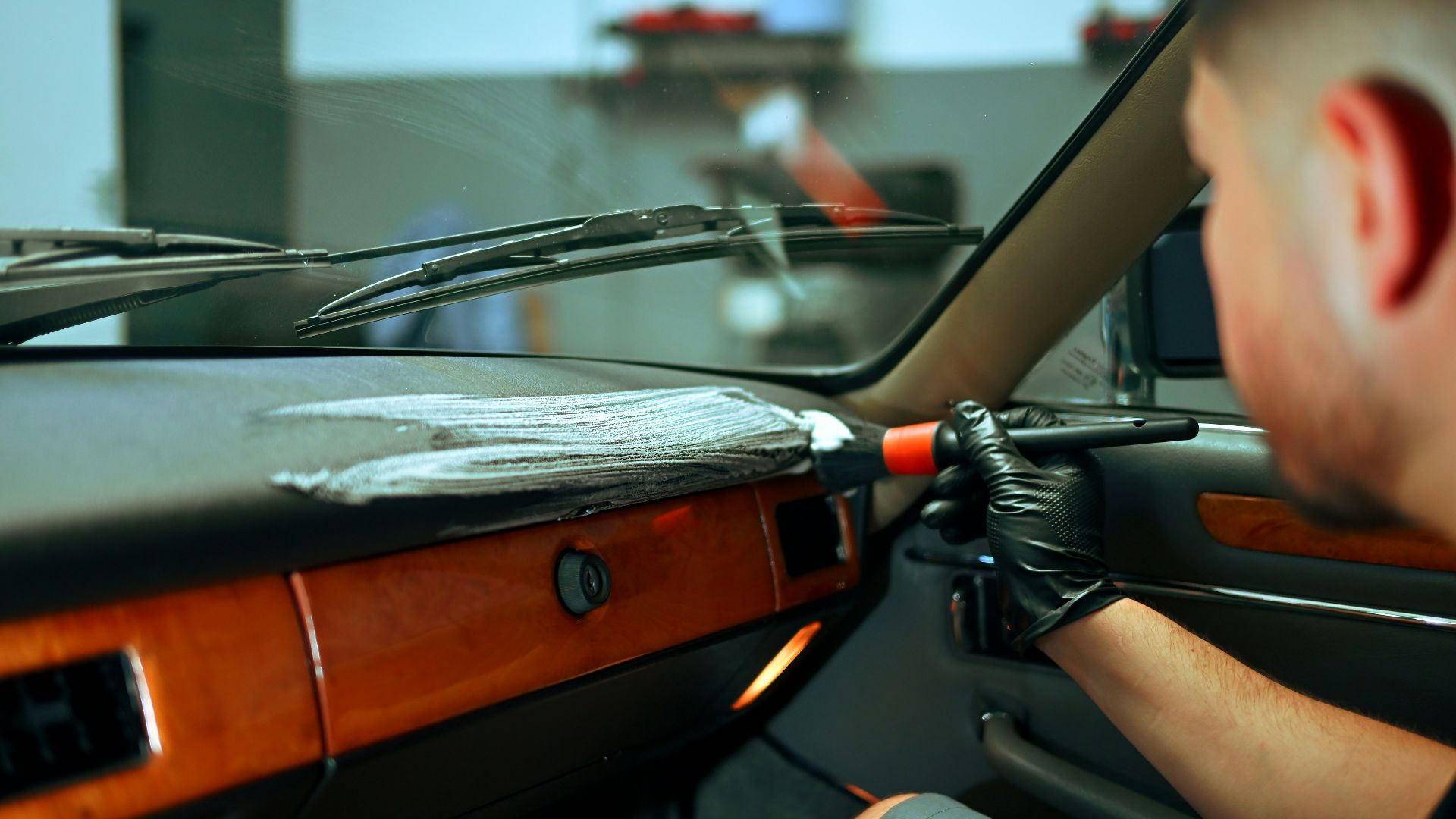
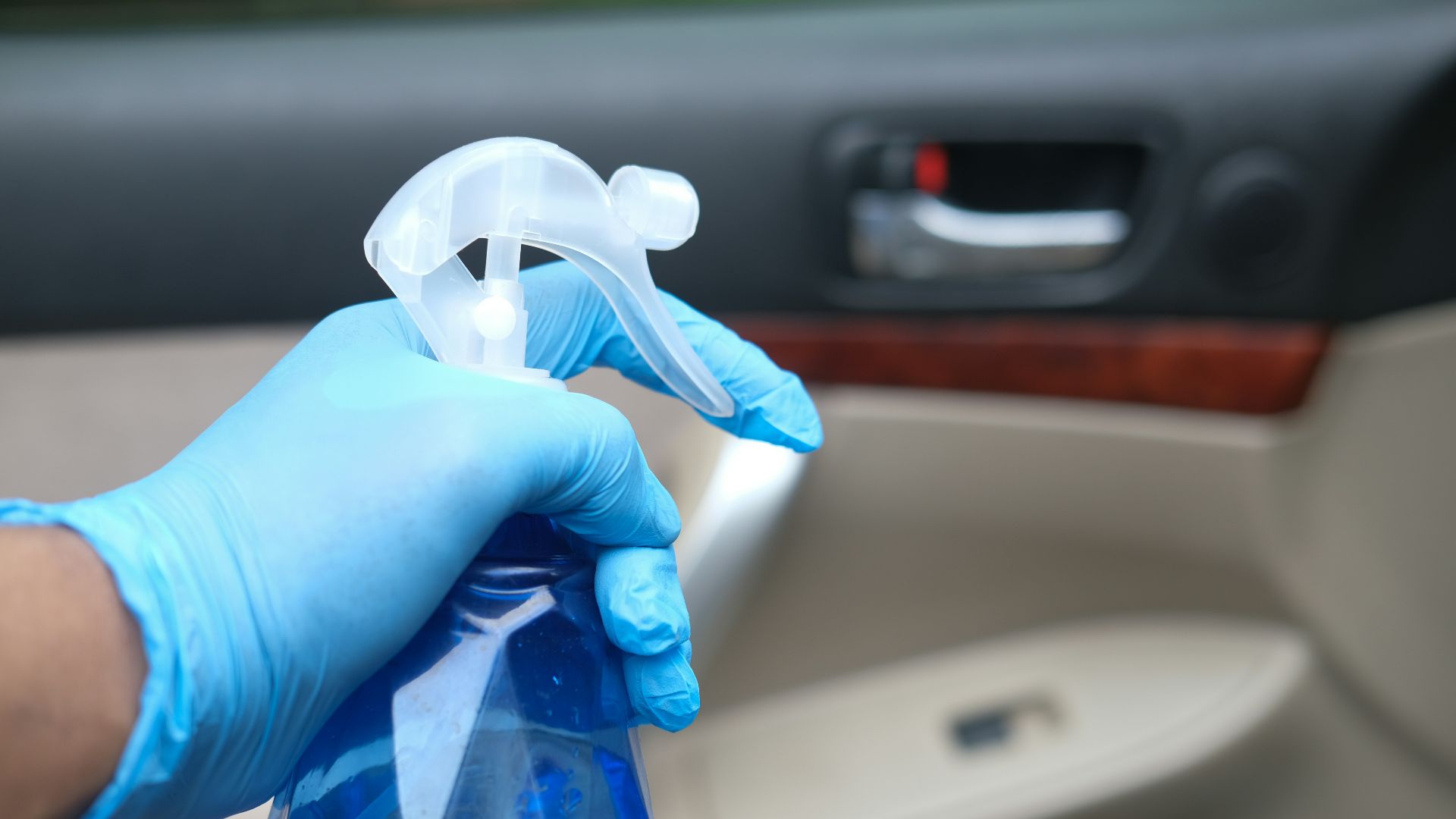
Using stronger chemicals might seem like the obvious solution when interior surfaces become dirty. However, Consumer Reports warns against bleach, hydrogen peroxide, and ammonia-based cleaners because they can damage upholstery or protective screen coatings. Even excessive scrubbing can wear away delicate finishes. Choosing products compatible with the manufacturer's instructions is safer than assuming an ordinary household cleaner will work.
Touchscreens Need Special Treatment
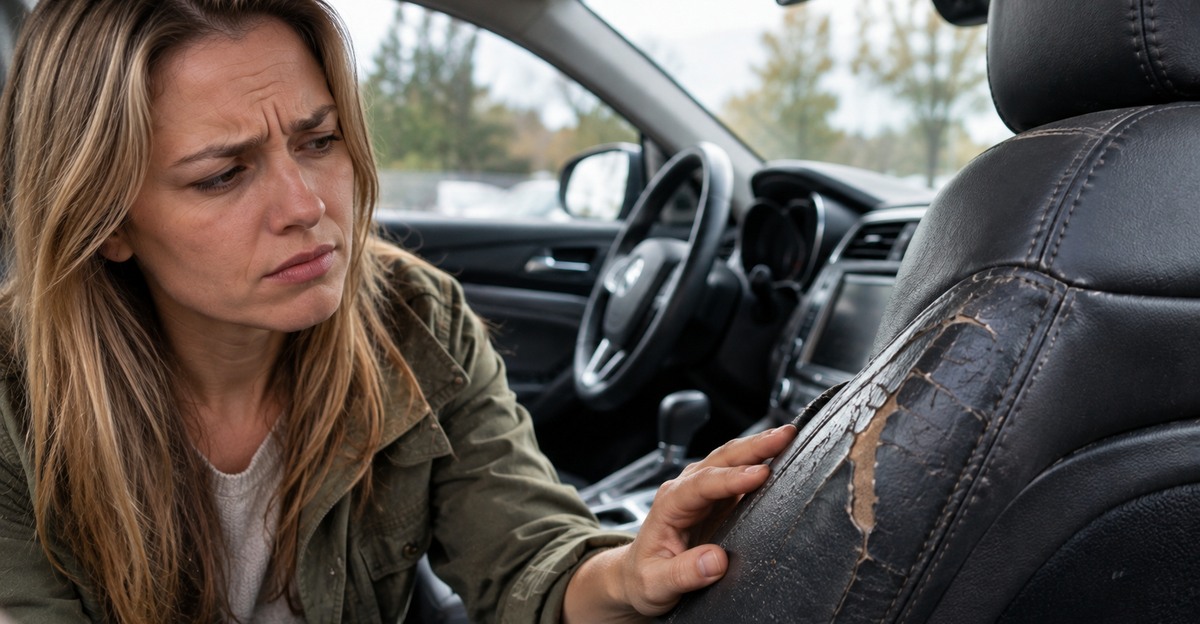
Modern infotainment screens are frequently touched, making fingerprints and smudges unavoidable. Consumer Reports warns that ammonia-based glass cleaners can damage anti-glare and anti-fingerprint coatings. The publication recommends gentle cleaning with an appropriate microfiber cloth and suitable cleaner. If a screen already has permanent coating damage, repeatedly polishing it may only make the problem worse.

Heat Can Make The Damage Worse
AAA reports that parked vehicles can become extremely hot, even when outside temperatures seem relatively moderate. In intense sunlight, interior surfaces can reach temperatures far above the surrounding air. This heat contributes to deterioration of dashboards, seats, and other cabin materials. Frequent exposure can therefore affect interior condition even when the vehicle has relatively low mileage.
 Vinícius Henrique Photography, Unsplash
A Sagging Headliner Is Hard To Ignore
The fabric covering a car's ceiling can become another source of frustration when it starts drooping. Car and Driver explains that excessive moisture or aggressive scrubbing can loosen headliner fabric from its foam backing. Once the material separates, ordinary cleaning won't necessarily put it back in place. An upholstery specialist can assess whether a localized repair or more extensive replacement is appropriate.
Rattles Can Point To Assembly Problems
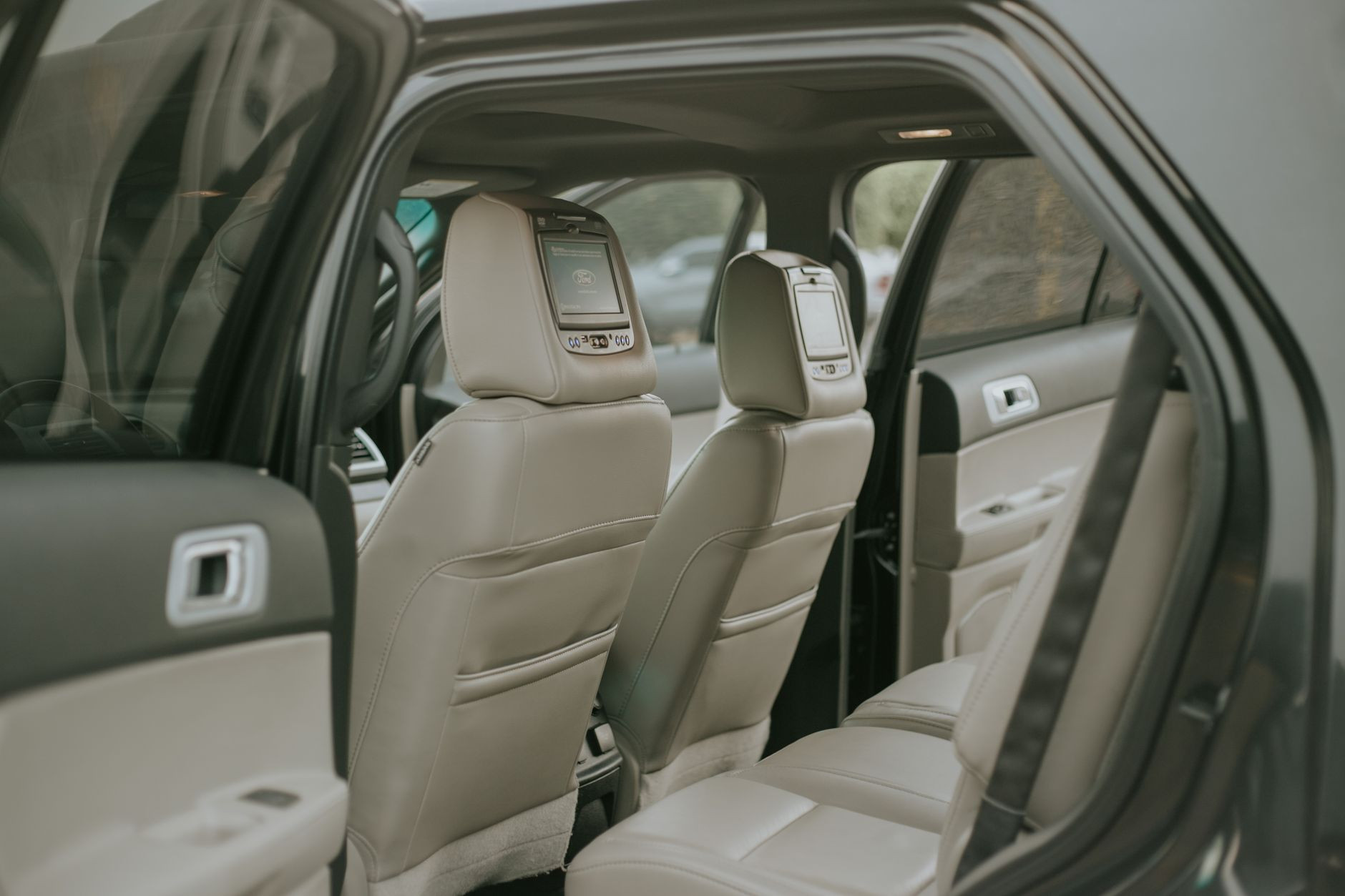
A cabin that develops new rattles and squeaks can feel much older than it actually is. Consumer Reports tracks these complaints in its vehicle reliability surveys, alongside loose trim and other build-quality problems. Some noises may come from components that have loosened rather than surfaces that have visibly deteriorated. Identifying the source is important before assuming that replacing an entire dashboard or door panel is necessary.

Not Every Car Ages The Same Way
Consumer Reports gathers owner feedback on interior trim, rattles, body hardware, and other reliability concerns across different models. Its findings show that build-quality problems vary between vehicles, even when they are relatively new. That makes it worth researching the specific model and model year rather than assuming all cars age similarly. A pattern of complaints involving the same component may also strengthen a conversation with the manufacturer.
 https://kaboompics.com/, Pexels
Mileage Isn't The Only Factor
A car's odometer doesn't reveal how much sunlight, heat, or repeated contact its interior has experienced. AAA identifies environmental exposure as a major contributor to cabin deterioration, while Consumer Reports emphasizes the importance of cleaning and material care. A low-mileage vehicle that spends years parked outdoors can still develop visible interior damage. Judging the cabin's condition therefore requires looking beyond its age and mileage.
 Alexander Koerner, Getty Images
Poor Interior Quality Can Affect Resale Value
Interior condition becomes particularly important when it's time to sell or trade in a vehicle. Consumer Reports notes that regular cleaning can help preserve resale value and that deeply embedded stains may become difficult to remove. Visible deterioration can also make a vehicle less appealing during a buyer's inspection. Addressing manageable cosmetic problems before selling may improve its presentation without requiring an expensive restoration.

Check Your Warranty Before Paying
A five-year-old vehicle may still have some warranty protection, depending on the manufacturer, mileage, and coverage terms. The Federal Trade Commission explains that automotive warranties cover specified defects or malfunctions for defined periods. Normal wear and tear is often treated differently from defects in materials or workmanship. Reviewing the original warranty booklet is the first step toward determining whether deteriorating interior components might qualify.

An Extended Warranty Might Not Help
Owners sometimes assume that purchasing an extended warranty means nearly every repair will be covered. However, the FTC explains that vehicle service contracts vary considerably and often exclude normal wear and tear. Some contracts focus on mechanical failures rather than cosmetic interior damage. Before paying for replacement upholstery or trim, check the agreement's specific exclusions and covered components.

Document Everything Before Visiting The Dealer
If several interior components are deteriorating prematurely, it's worth documenting the problems carefully. Take clear photographs, record when the damage appeared, and keep any relevant maintenance or repair receipts. The FTC recommends maintaining records and understanding warranty terms when seeking covered repairs. Having organized evidence can make it easier to explain the problem and request a written assessment.

Ask About Manufacturer Assistance
Even when a vehicle is outside its original warranty period, contacting the manufacturer may still be worthwhile. The FTC recommends approaching the seller or manufacturer when warranty-related problems arise and keeping a record of the complaint. Owners can ask whether any applicable coverage, service program, or discretionary assistance is available. Such assistance is not guaranteed, but requesting it costs little compared with replacing expensive interior components yourself.

Check For Recalls And Safety Problems
Most cosmetic interior deterioration isn't a safety recall issue, but some interior components perform important safety functions. The National Highway Traffic Safety Administration maintains a database of vehicle recalls and safety complaints that owners can search using their vehicle identification number. If a defect affects an airbag cover, seat belt assembly, or another safety-related component, it deserves particular attention. An open safety recall may qualify for a free manufacturer repair.

Professional Repairs Can Be Worth Considering
Not every damaged interior component requires replacing a complete seat, dashboard, or door panel. An upholstery or interior restoration specialist can assess whether a smaller repair is feasible. Before authorizing work, the FTC recommends obtaining a written estimate that identifies the proposed repairs and associated costs. Comparing repair options can help avoid spending more than necessary on cosmetic problems.

Prevention Is Cheaper Than Restoration
Protecting the remaining interior surfaces is usually easier than restoring materials that have already cracked or peeled. AAA recommends windshield sunshades and reducing prolonged exposure to direct sunlight. Consumer Reports also advises regular cleaning with suitable products and gentle methods. These habits cannot reverse existing damage, but they can help slow further deterioration.
So Is This Normal For A Five-Year-Old Car?
Some interior wear after five years is entirely reasonable, especially in a vehicle used daily or regularly exposed to harsh sunlight. However, widespread peeling, broken trim, deteriorating upholstery, and persistent rattles shouldn't automatically be dismissed as unavoidable aging. Consumer Reports' reliability research recognizes these problems as legitimate quality concerns, while AAA identifies environmental exposure as a major contributor. Before accepting expensive repairs, I'd document the damage, investigate warranty coverage, and determine whether the problems reflect ordinary wear or premature failure.
You May Also Like:
Classic Truck Features That Drivers Miss Now That Pickups Have Gone Luxury