Your Car Key Might Be Sitting In Your Pocket
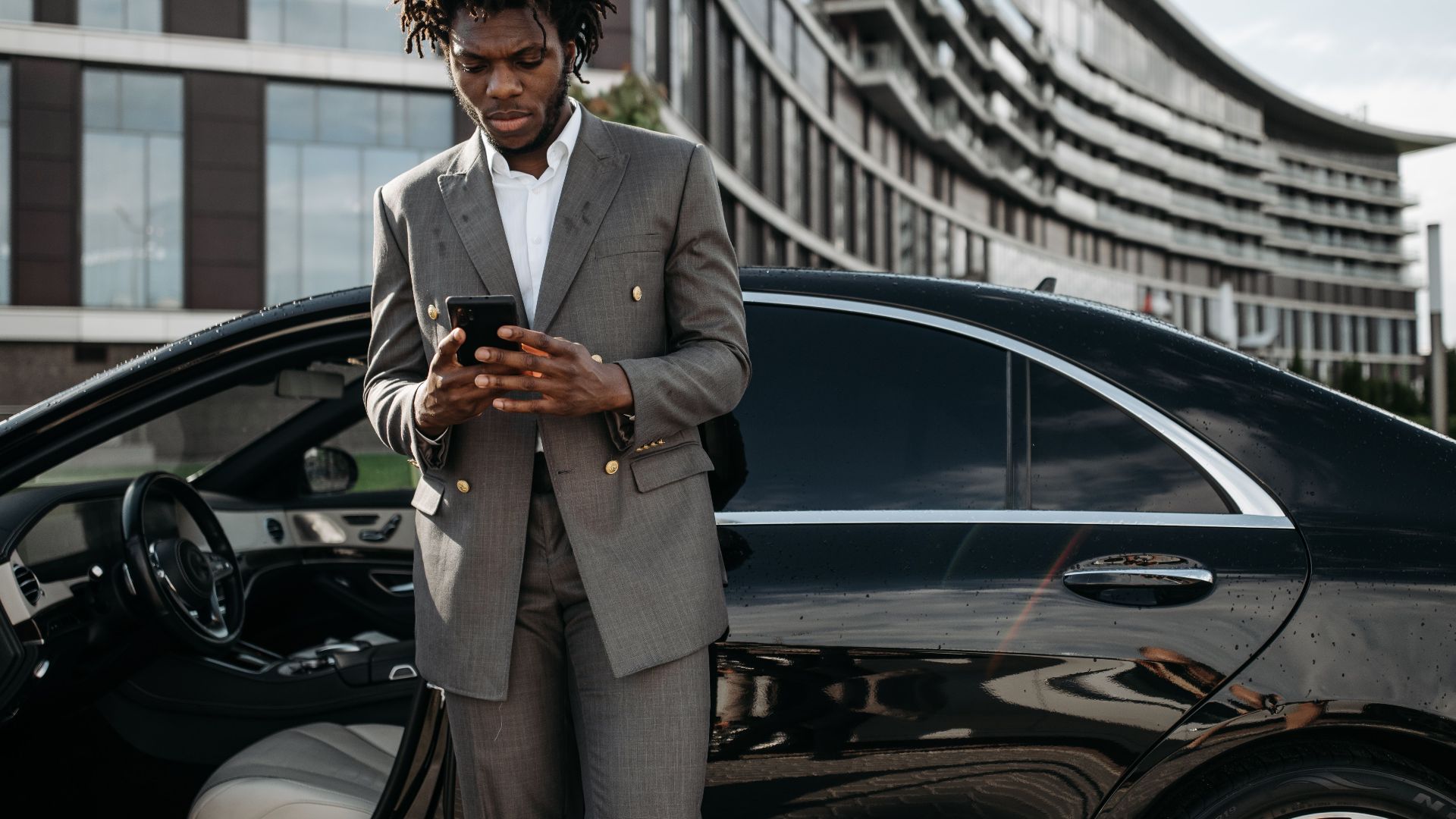
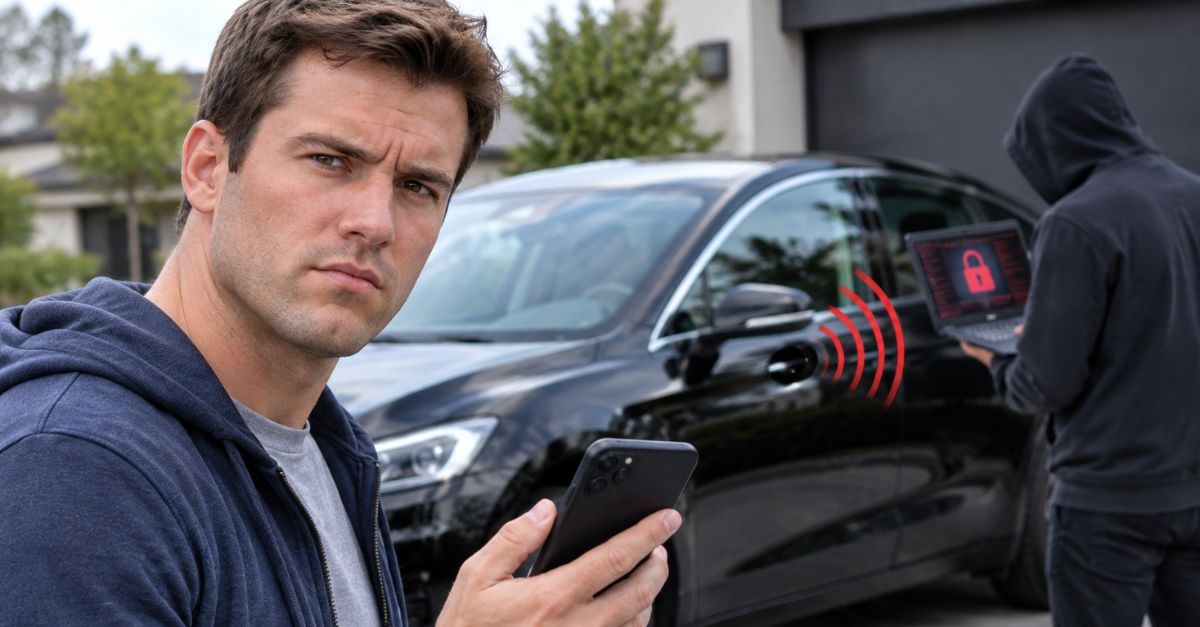
These days your phone can control almost everything in your car, but if you're smart, you've probably wondered: If someone gets access to my phone, could they steal my car? That's not just paranoia, because for many cars the answer is straightforward: Yes. But the risk for your particular vehicle depends on what its app can do, how well your account is protected—and how good the thief is.
What Remote Unlock Actually Means
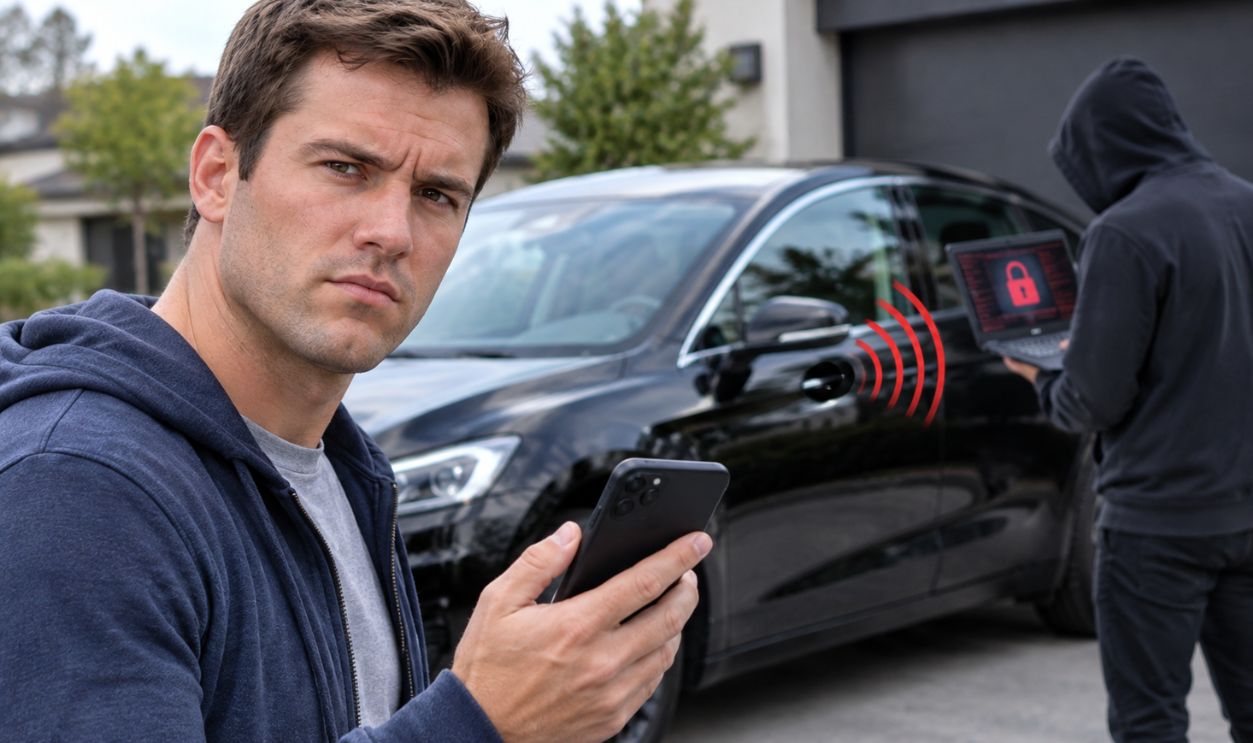
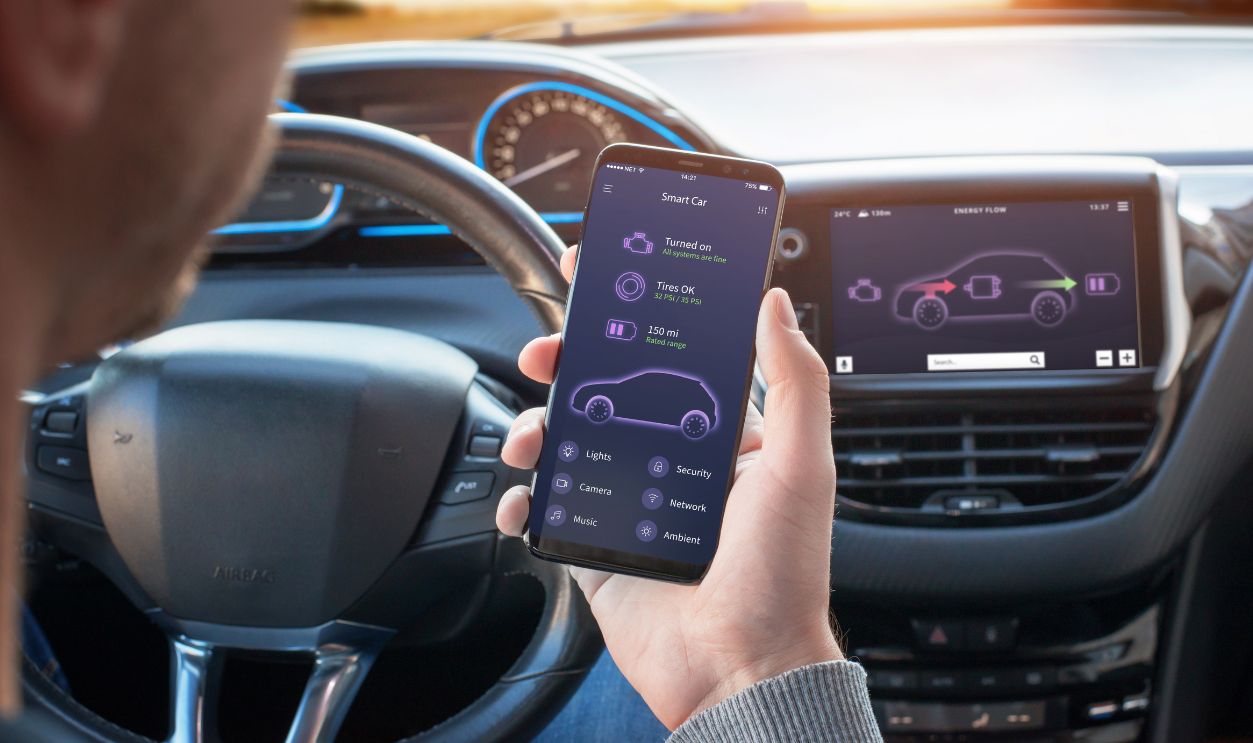
Many automakers now offer apps that can lock and unlock doors, start the engine, flash the lights, and show the car’s location. Those features are usually tied to your account with the manufacturer, not just the phone itself. So if a criminal gets into your phone or your login, they may be able to send the same commands you can.
The Good News Comes First
Remote unlock does not always mean an instant theft. In many cars, unlocking the doors is not the same thing as letting the vehicle drive away. Some apps can start the car remotely, but the vehicle may still need the key fob inside before it can be put into gear.
The Risk Is Not Hypothetical
This is not just a movie plot or an internet scare story. Security researchers have shown again and again that weak app design, exposed backend systems, and account takeovers can lead to real vehicle access. The details change from brand to brand, but the bigger lesson has stayed the same for years.
Tesla Owners Got A Wake-Up Call In 2016
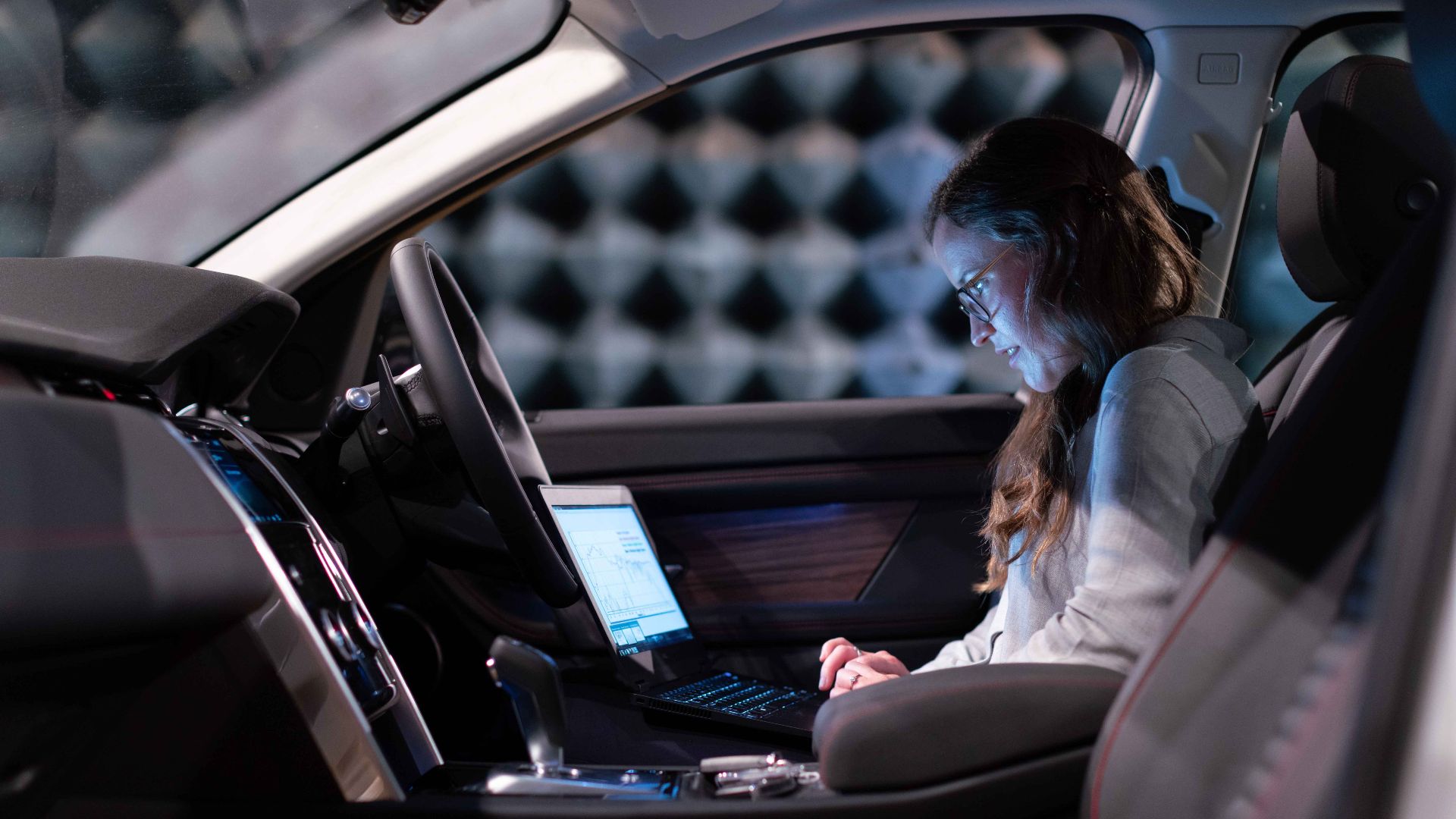
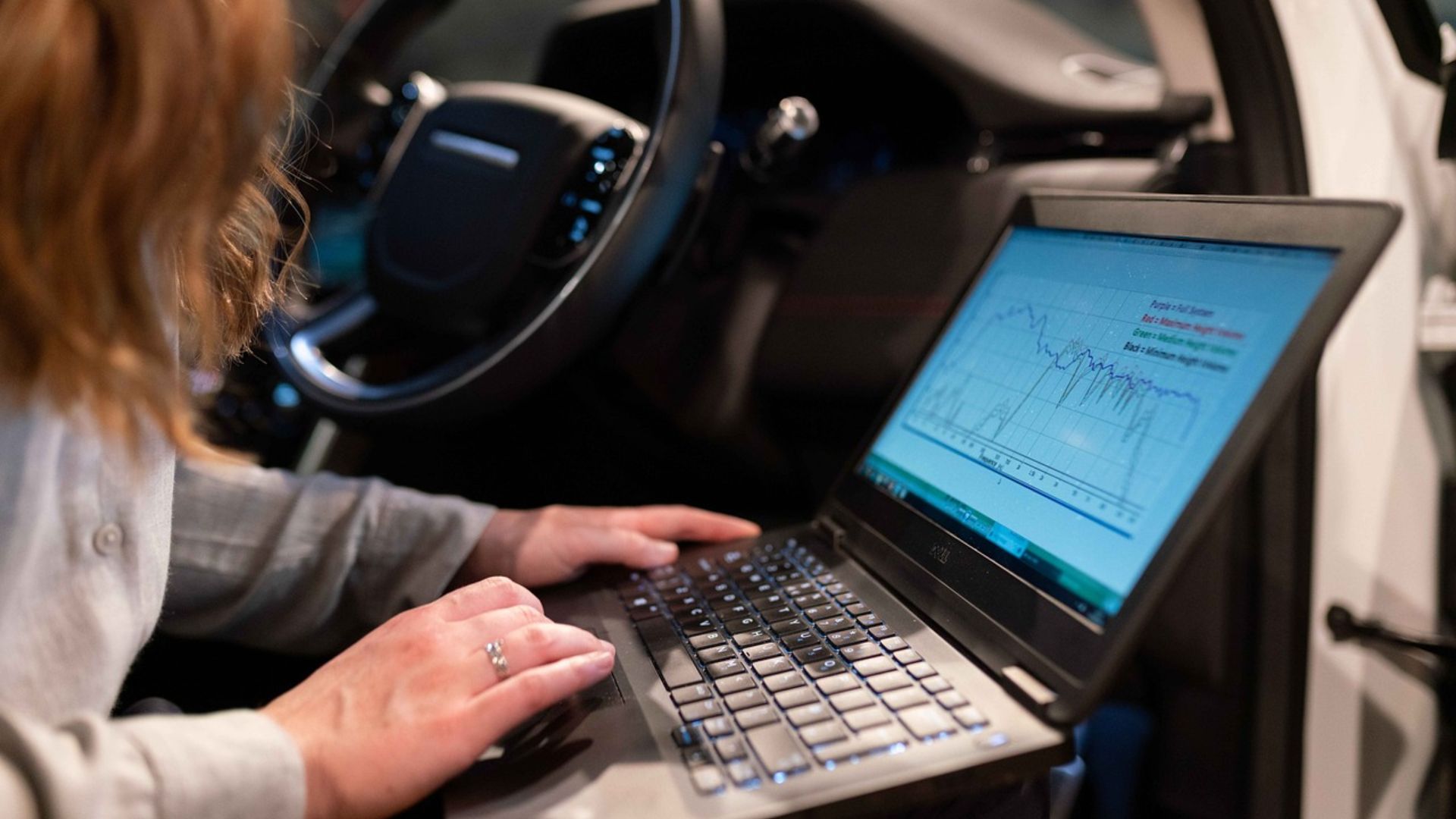
In 2016, researchers from Chinese security firm Tencent Keen Security Lab published work showing they could remotely compromise a Tesla Model S. Tesla said it fixed the issue within 10 days after it was reported responsibly. The attack chained together several flaws, and it became one of the clearest early examples of the risks that come with internet-connected cars.
Why That Tesla Case Still Matters
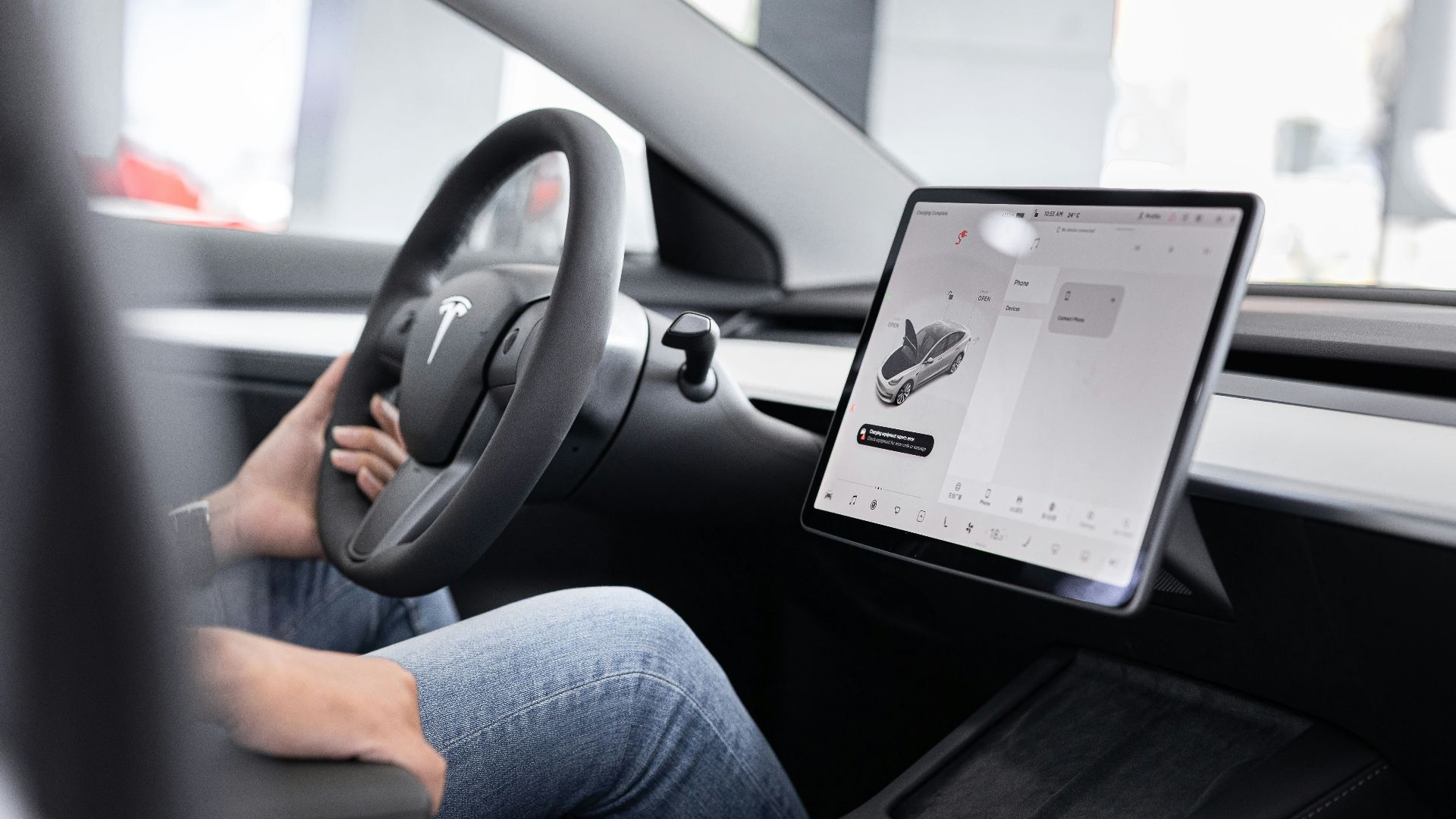
The Tesla research was not just about unlocking doors from a stolen phone. It showed that when a car is tightly linked to apps, cloud services, and onboard software, a weakness in one place can sometimes reach much farther than drivers expect. It also showed how much fast patching and responsible disclosure can cut the danger.
Kia And Hyundai Faced Sharp Scrutiny In 2022
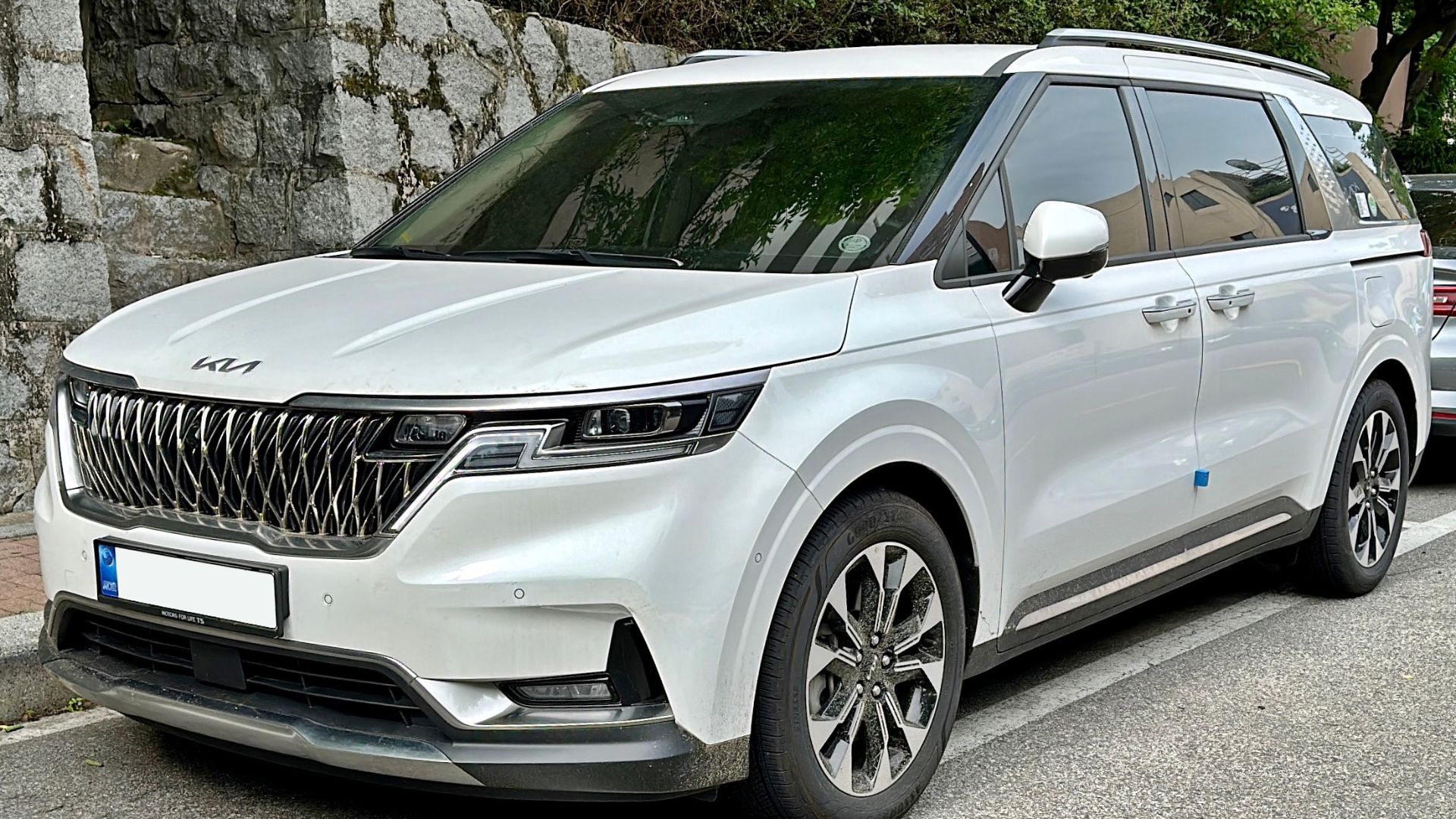
In 2022, Sam Curry and other researchers disclosed flaws involving Kia and Hyundai web systems and owner account flows. Their write-up said a victim’s car could be located, unlocked, started, and stopped in some cases using publicly visible information and weaknesses in the web apps. The companies said they fixed the issues after disclosure.
This Was Not A Theoretical Chain
What made that Kia and Hyundai research stand out was how little an attacker might need to get started. According to the researchers, the path could begin with something as basic as a license plate number in some cases. That does not mean every car from those brands could be stolen on the spot, but it does show how dangerous weak account and backend security can be.
A Massive API Problem Surfaced In Early 2023
In January 2023, security researcher Sam Curry described a broad set of automotive API flaws affecting multiple brands and vendors. His team found ways to interact with backend systems tied to companies including Kia, Infiniti, Nissan, and others, depending on the service. In some cases, those backend weaknesses could expose customer data or vehicle controls without anyone physically touching the car.
Researchers Kept Finding Weak Links
In March 2023, researchers at Syrus published findings on flaws affecting the SiriusXM connected vehicle platform. They said the bugs could have allowed access to remote functions for millions of vehicles across multiple brands. According to the researchers, they were able to send commands such as unlock and engine start on some supported vehicles. SiriusXM said it fixed the issue after disclosure.
Account Takeover Is Often The Real Threat
For most drivers, the biggest danger is not a Hollywood-style hacker attacking the car directly over the air. It is a compromised phone, a reused password, a phishing link, or a stolen one-time code. If someone gets into your automaker account, the app may hand them the same powers it gives you.
Your Phone Does Not Need To Be Completely Owned
A full phone compromise is bad, but it is not always needed. If a thief can read your email, intercept password resets, or get into saved passwords, that may be enough to break into the car app account. On some phones, a lock-screen preview of a two-factor code can also create an opening if the settings are too loose.

Why Backend Systems Matter So Much
Your car app is only the front end. Behind it is a stack of identity systems, cloud servers, APIs, and vendor links that decide whether a command is valid. If any one of those systems is poorly built, your strong phone passcode may not be enough to protect you.
Two-Factor Authentication Helps A Lot
When automakers support strong two-factor authentication, the risk drops fast. A stolen password is a lot less useful if the attacker also needs a code from an authenticator app or a hardware key. Not every car app offers the same level of protection, which is one reason some brands create more real-world risk than others.
Push Notifications Can Become Warning Signs
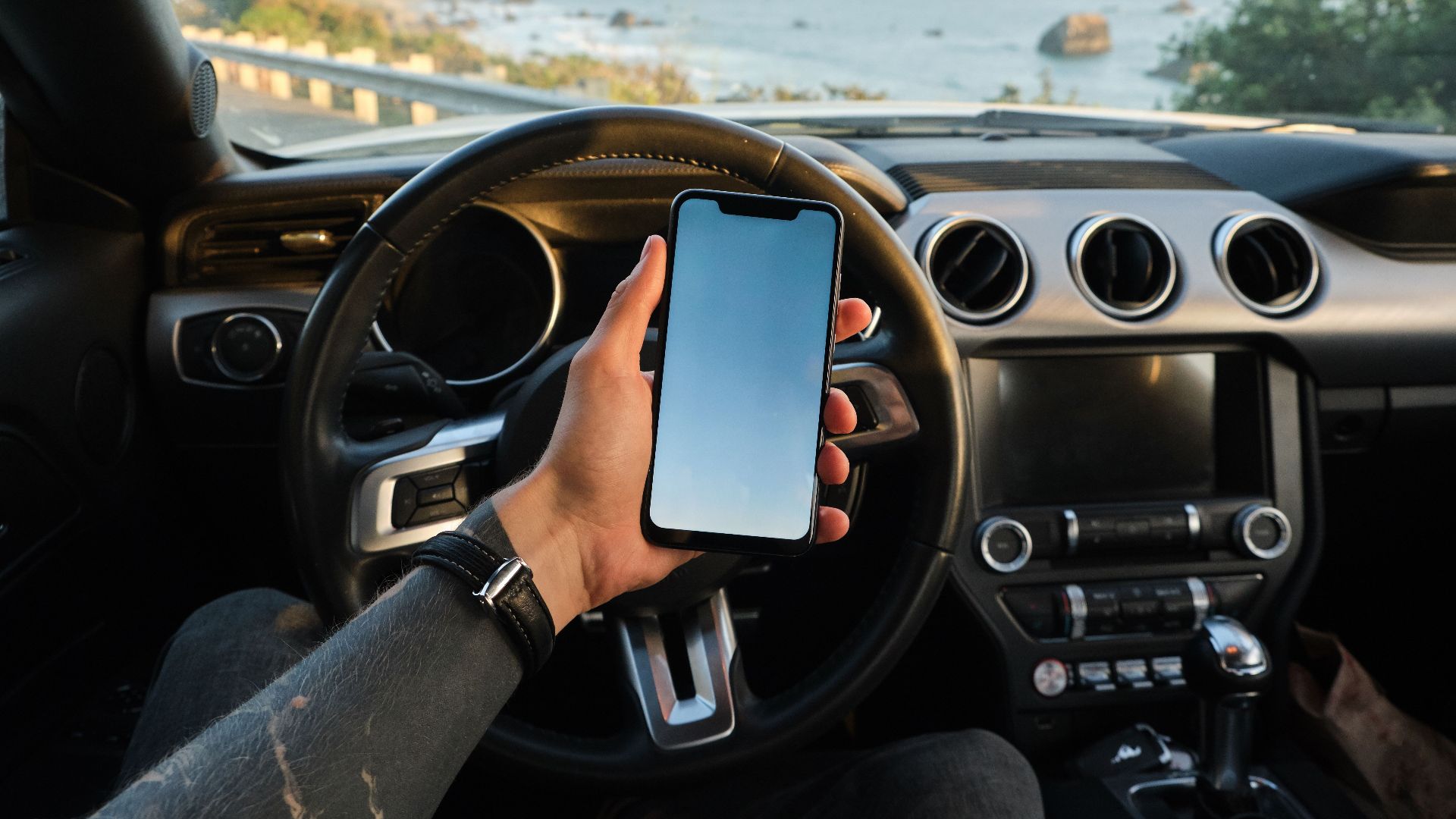
Remote-car apps often send alerts when doors are unlocked, the engine starts, or the car moves. That can work in your favor if someone abuses your account. If you see an unlock or start event you did not trigger, treat it like a possible account breach and change your password right away.

Could Someone Actually Drive The Car Away
Sometimes yes, sometimes no. If the app only unlocks the doors, a thief may still need the key fob or another valid credential to drive off. If the app also supports digital key features or remote start with broader permissions, the path to theft can get much easier, especially if the criminal is already near the vehicle.
Digital Keys Change The Conversation
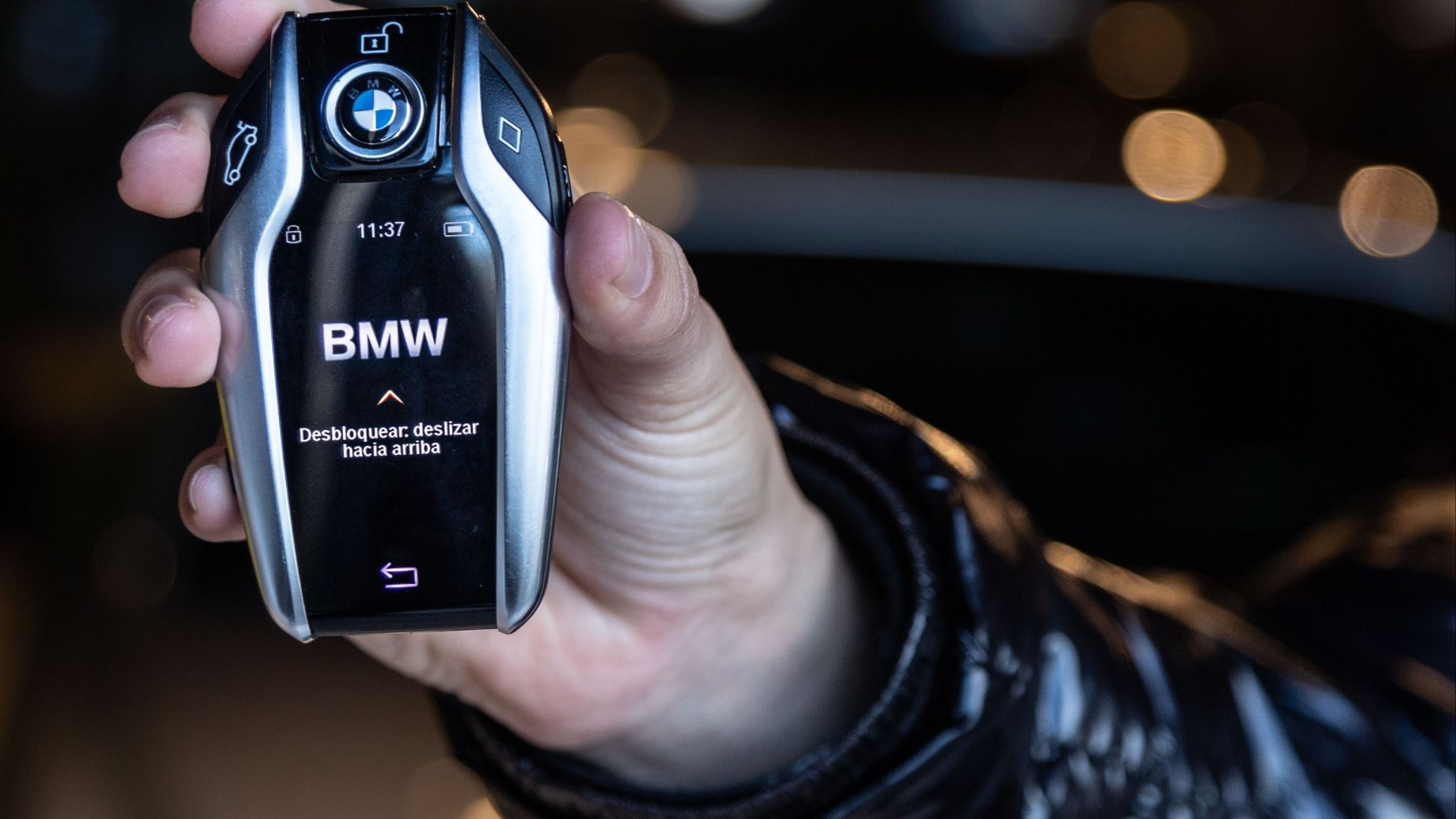
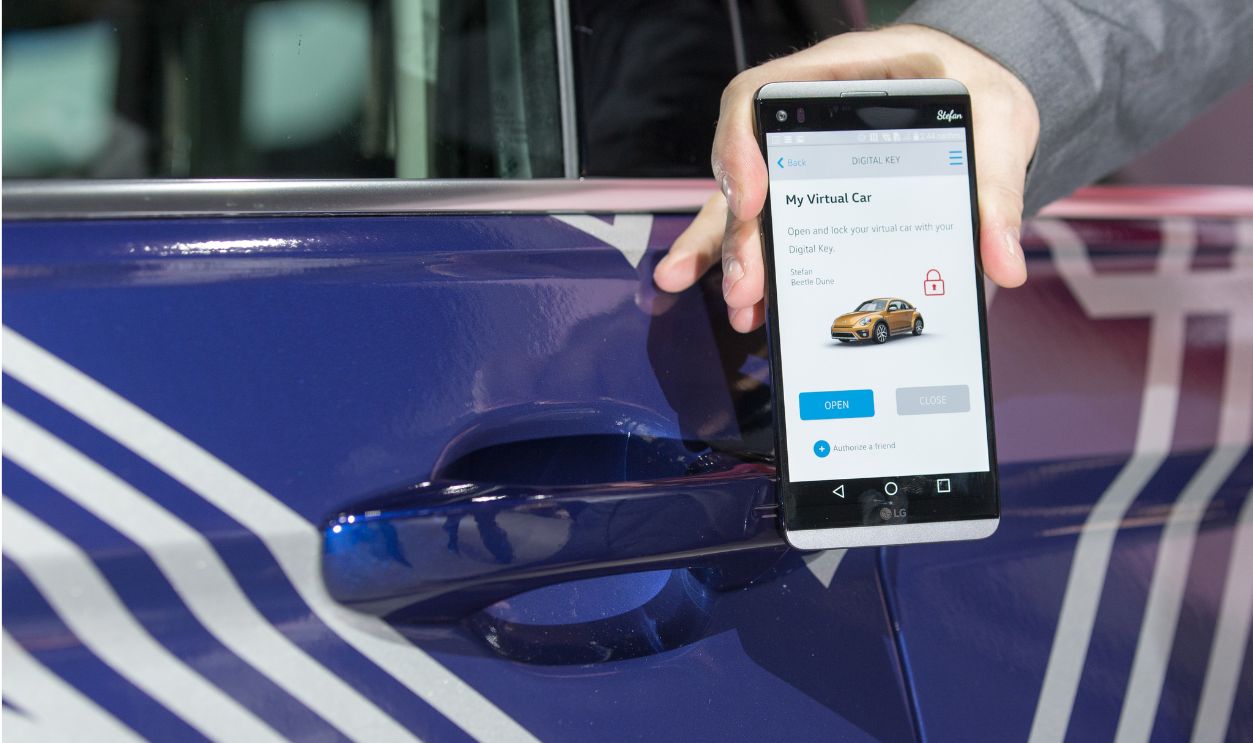
Some newer vehicles support phone-as-key systems using Bluetooth, NFC, or ultra-wideband, sometimes through Apple Wallet or Android-based systems. If your phone itself acts as a key, then a stolen and unlocked device becomes a much bigger problem than a basic remote-control app. At that point, your car security starts to look a lot like your phone security.
 picture alliance, Getty Images
Apple And Android Add Useful Safeguards
Modern phones offer biometric locks, remote device wipe, app permission controls, and stolen-device protections. These features do not remove the risk, but they can lower the odds that someone with your phone can get into your car app or email account. Turning them on is one of the smartest steps a driver can take.
Automakers Have Improved, But Not Uniformly
There has been real progress. Many companies now run bug bounty programs, patch cloud systems faster, and take coordinated disclosure more seriously than they did a decade ago. But security maturity still varies by brand, by supplier, and even by feature inside the same app.
Thieves Do Not Always Need Fancy Exploits
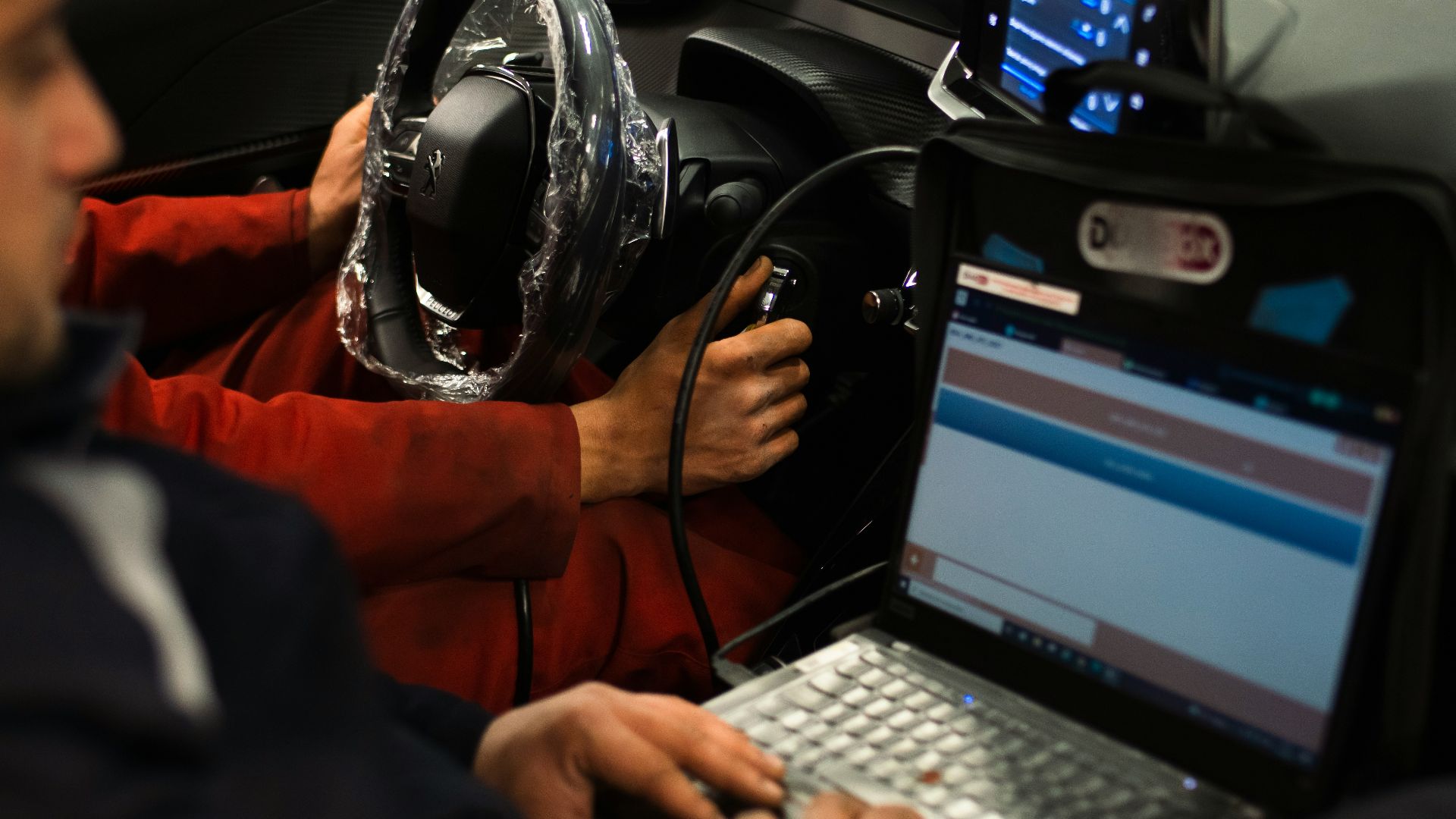
Before worrying about elite hackers, it helps to remember that plain old scams still work. Fake login pages, SIM-swap fraud, password reuse, and stolen phones are still common ways into digital accounts. In other words, the easiest path to your car may start with the same mistakes that put a bank account or email inbox at risk.
What If Your Phone Is Lost, Not Hacked
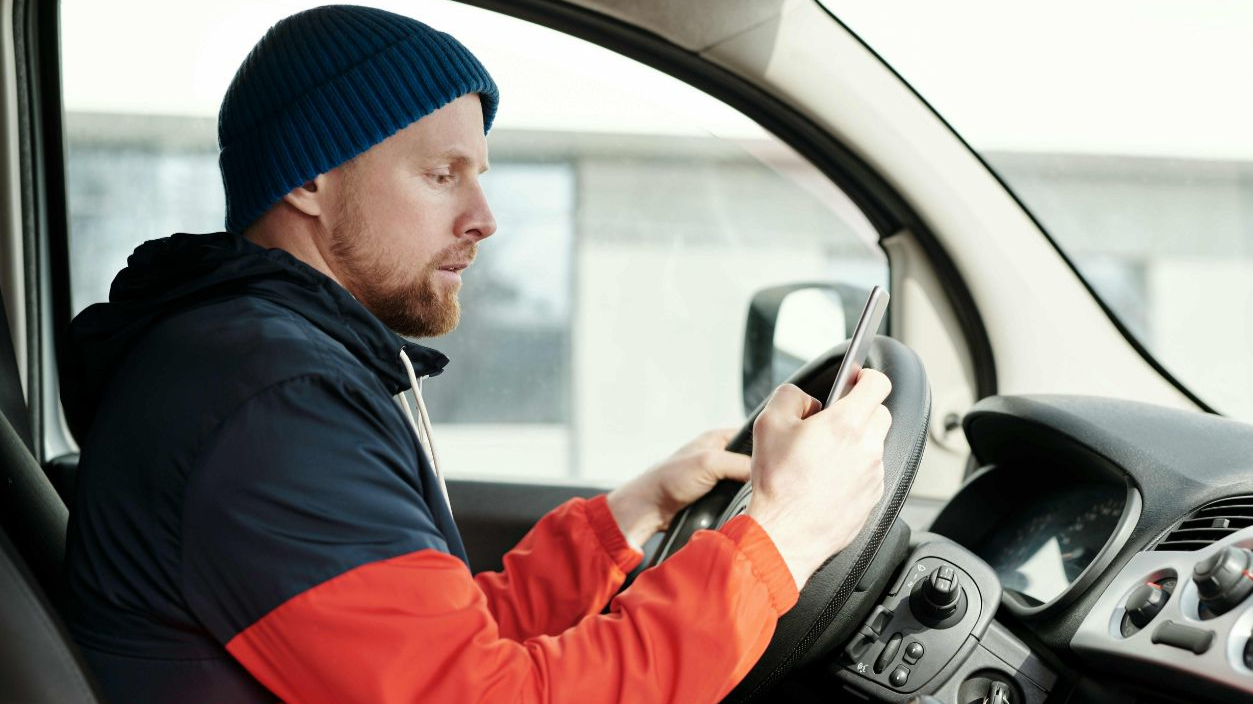
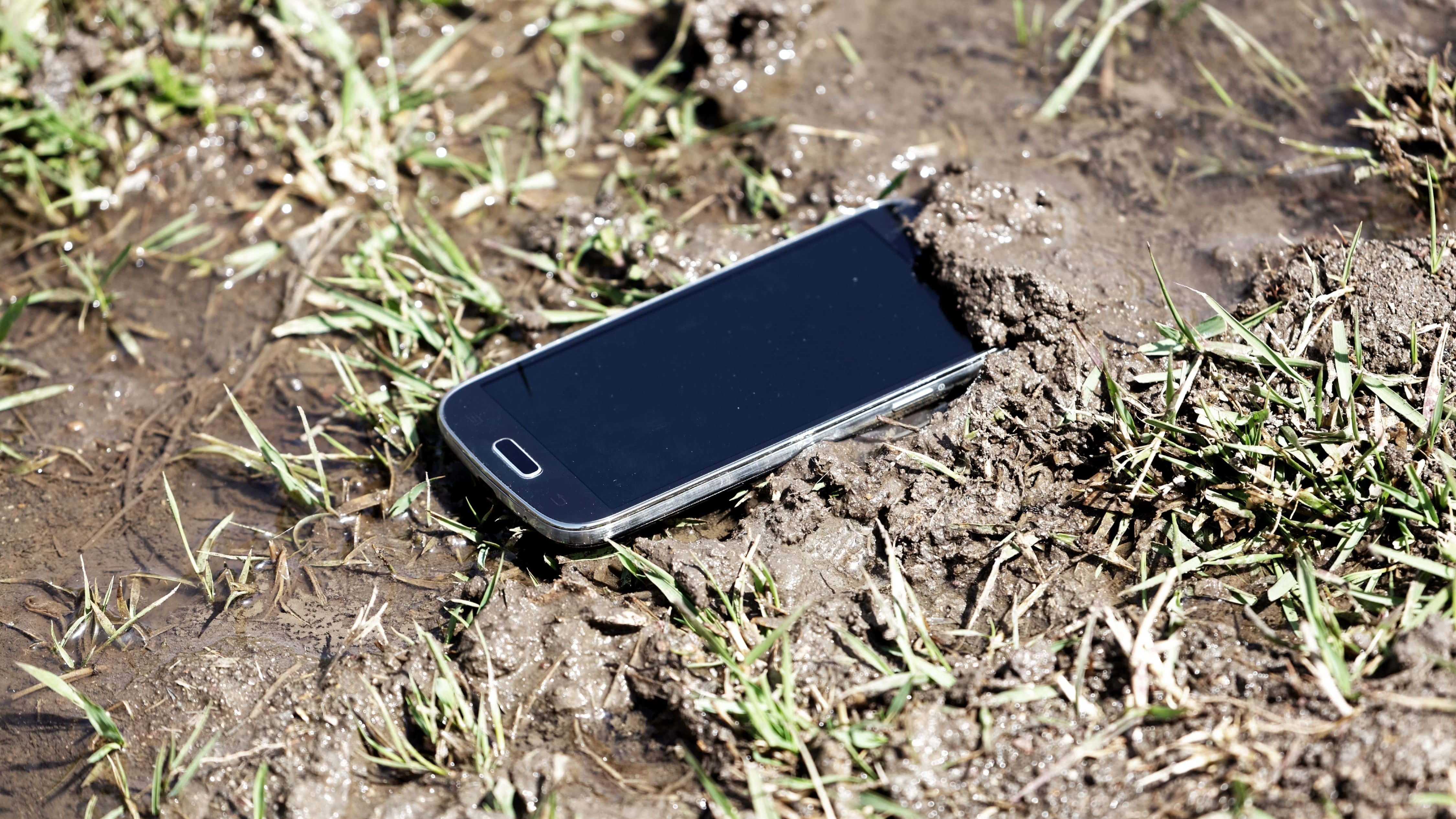
A lost phone can create almost the same danger if it is unlocked or easy to unlock. That is especially true if your car app stays signed in and your email app is open too. In that situation, someone who finds the phone might not need any technical skill at all.
Start With The Basics Right Now
Use a strong screen lock, turn on biometric authentication, and enable remote-find and remote-wipe tools for your phone. Then give your automaker account a unique password and turn on two-factor authentication if the service offers it. Those simple steps cut off a huge amount of real-world risk.
Review What Your Car App Can Actually Do
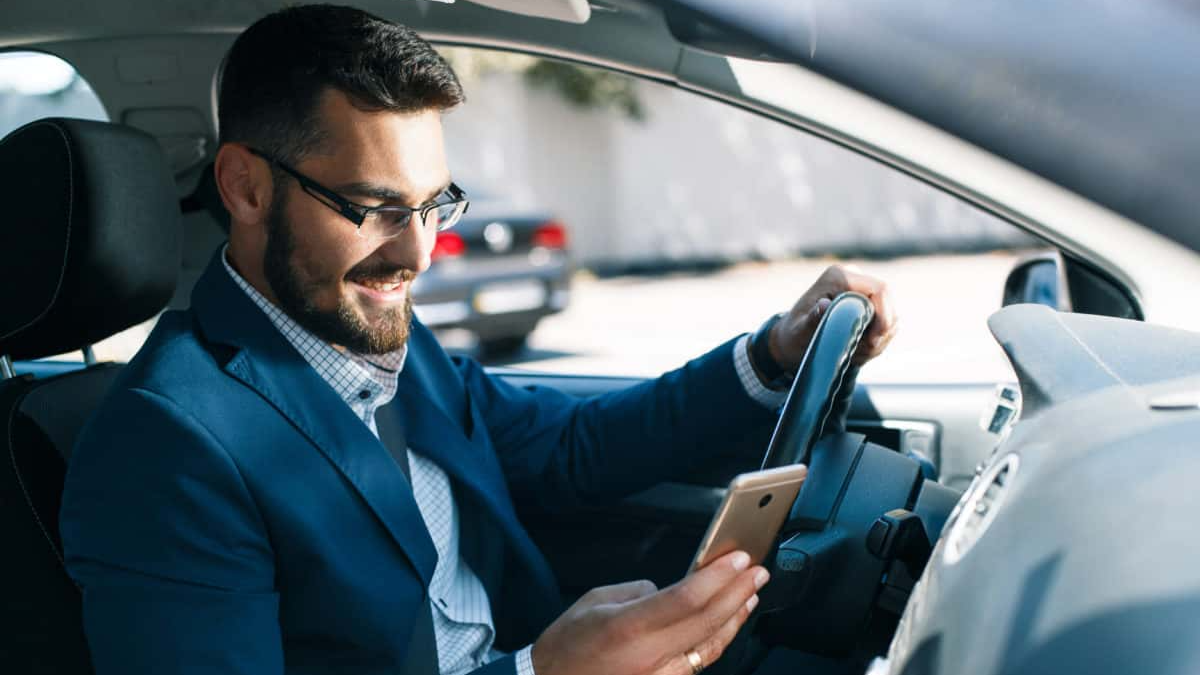
Open the app and look at its features and permissions. Can it only lock and unlock doors, or can it also start the car, share digital keys, show location, and manage driver access? The more power the app has, the more carefully you should protect both the phone and the account behind it.
Turn Off Features You Do Not Use
If your app allows digital key sharing, guest access, or long-term logins across devices, think about whether you really need them. Convenience is great until it quietly makes a hacked account much more dangerous. Cutting unnecessary access is still one of the oldest and smartest security habits around.
Watch For Telltale Signs Of Trouble
Unexpected password reset emails, login alerts, app re-authentication prompts, and remote-command notifications can all point to account abuse. So can smaller clues, like changed profile information or a new trusted device showing up in your settings. If something looks off, move fast instead of waiting for proof.
What To Do If You Think Your Car App Was Compromised
First, change the password for your automaker account and the email account tied to it. Then sign out of all sessions, remove shared keys or authorized devices, and contact the automaker’s support team. If your phone may be compromised, use another trusted device to secure your accounts and remotely lock or wipe the phone.

Should You Stop Using The App
For most people, no. Remote-car apps are useful, and the answer is usually better security, not panic. But you should treat that app like a house key, a credit card, and a location tracker all rolled into one, because that is pretty close to what it is.
The Bottom Line For Drivers
Yes, if your phone or your automaker account gets hacked, someone may be able to unlock your car remotely, and in some setups they may be able to do much more. The biggest risks documented in recent years have usually involved weak account security or backend flaws uncovered by researchers such as Tencent Keen Security Lab, Sam Curry and his collaborators, and the team at Syrus. The best defense is not guesswork. It is strong phone security, strong account security, and a clear sense of what your car app is actually allowed to do.