A Family Favor Can Get Expensive Fast
If you've got a trailer, you're probably going to have family members who want to borrow it. But when your brother takes it for an entire week and brings it back with the tires worn totally smooth, that is worth pushing back on. Not only are new tires a serious financial commitment—but just as much, bald tires are a serious safety problem.

Bald Trailer Tires Are More Than A Cosmetic Problem
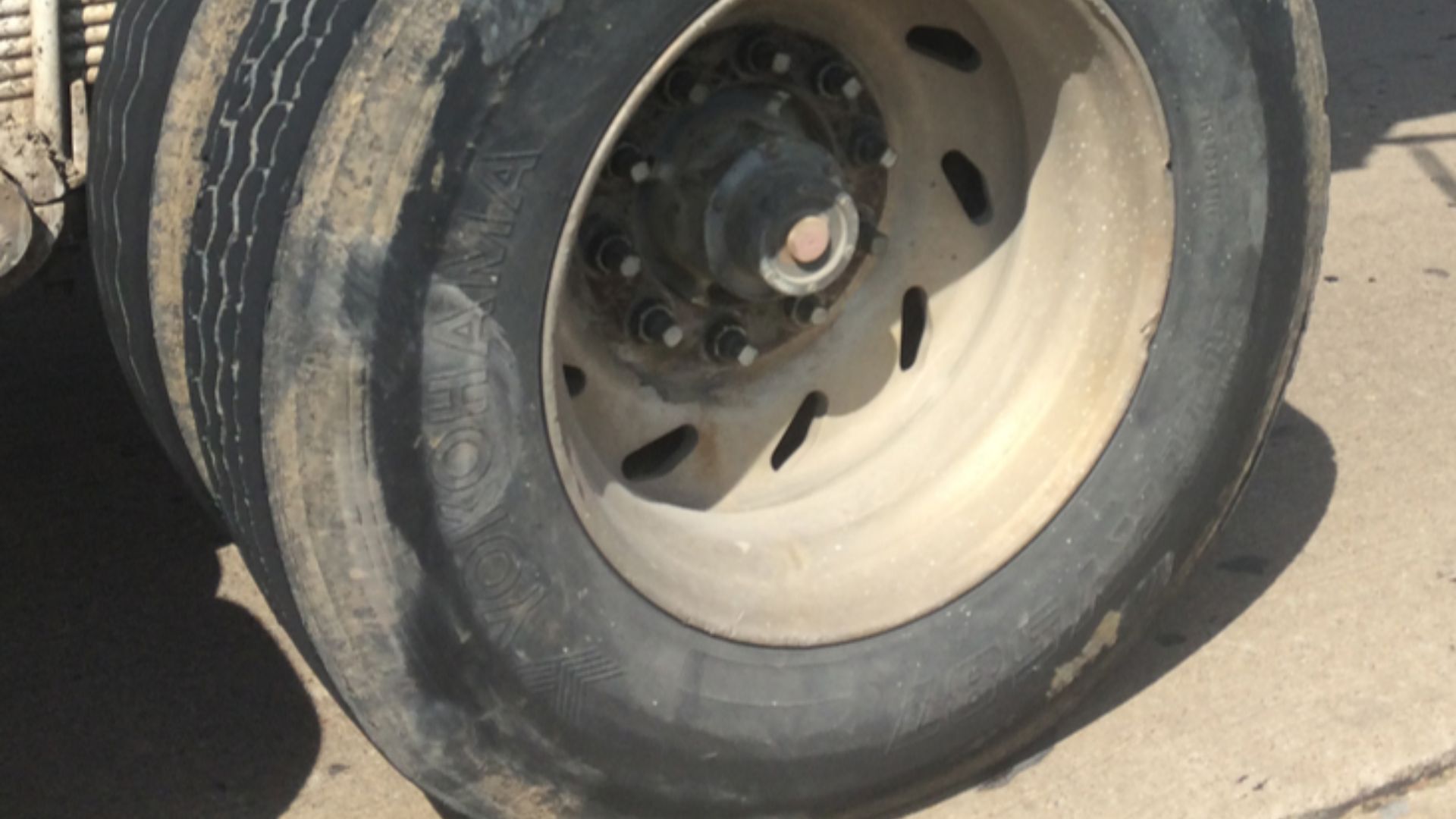
Tire tread helps a trailer keep its grip, especially on wet roads. The National Highway Traffic Safety Administration says tires should be replaced when tread depth gets down to 2/32 of an inch. If your trailer tires are bald, the issue is not just who pays. It is whether the trailer should be used at all before getting new tires.
 Heyyouoverthere, Wikimedia Commons
The First Thing To Check Is Whether The Tires Were Already Near The End
If the tires were already old, cracked, or close to worn out before your brother borrowed the trailer, that matters. Fast tire wear and tire failure usually have more than one cause. A calm look at the tires' age, tread depth, and condition before the loan can keep this from turning into a bigger family fight.
Tire Age Matters Even If Tread Looked Decent
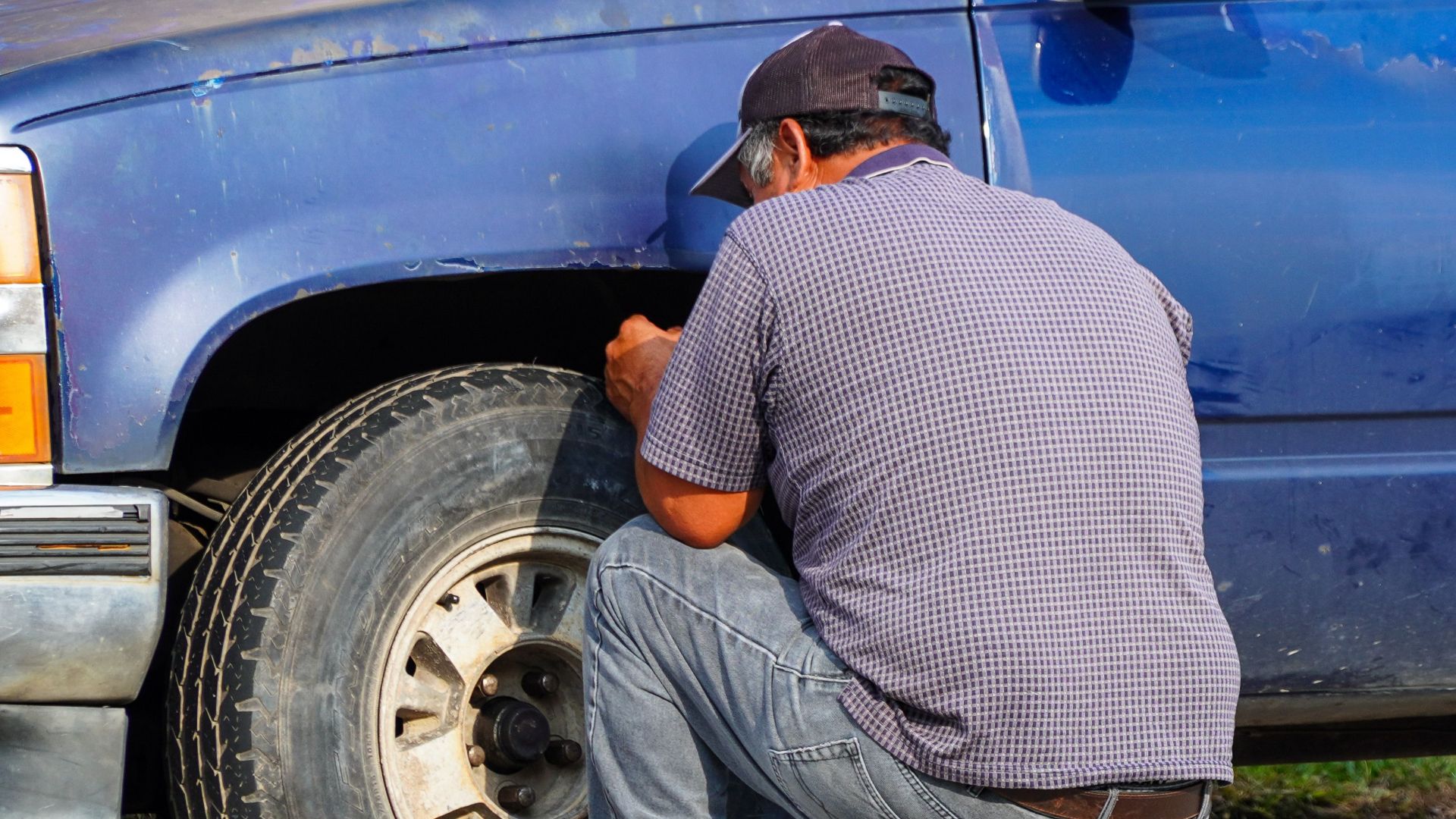
NHTSA says tire age can play a big role in failure, and a lot of people never check the date code on the sidewall. The last four digits of the DOT code show the week and year the tire was made. If your trailer tires were already seven or eight years old, your brother may not be the only reason they are finished.
Trailer Tires Have A Hard Life
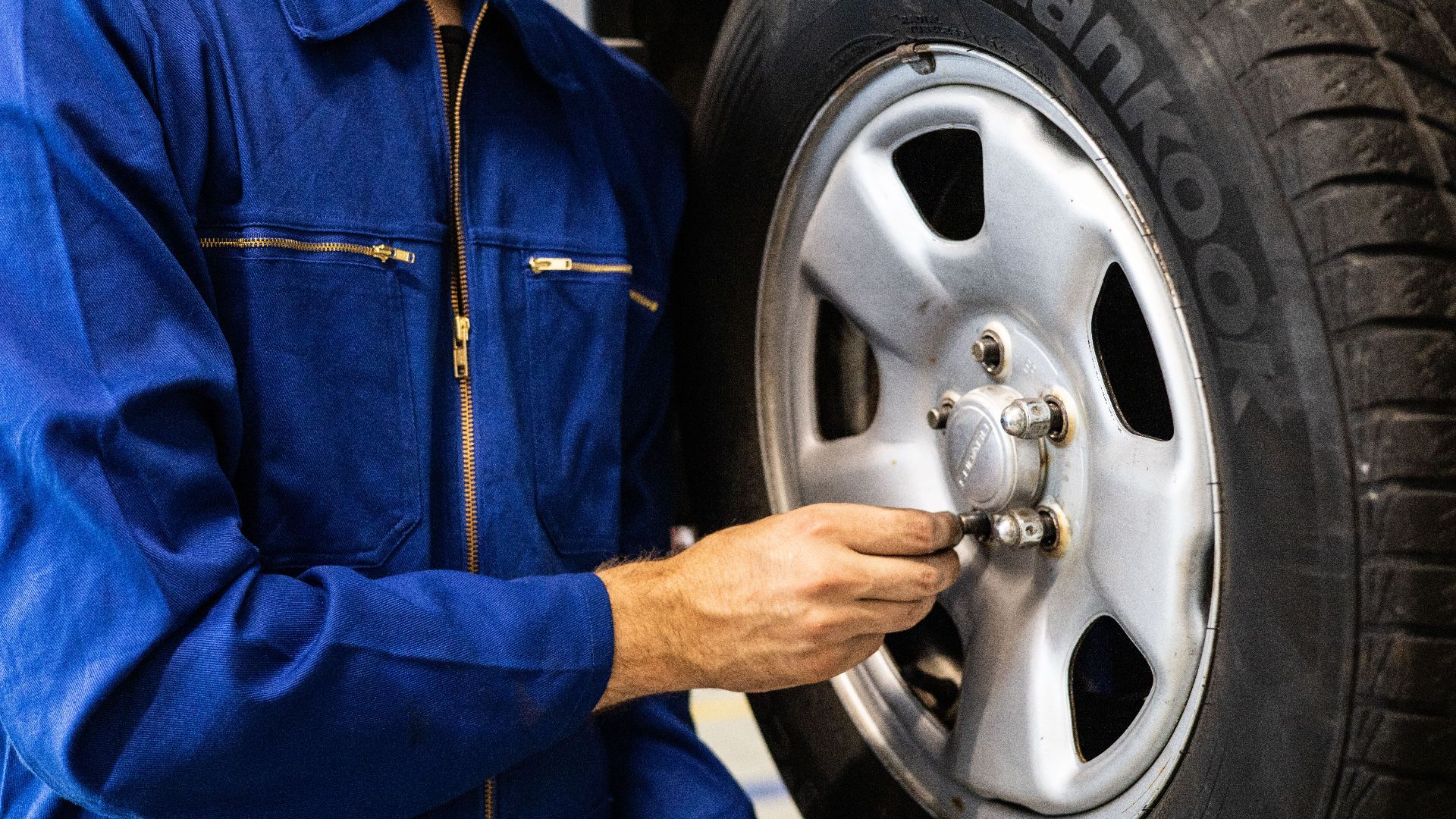
Trailer tires do not live like car tires. They often sit for long periods, then suddenly carry heavy loads. That can be rough on the rubber, belts, and sidewalls. Discount Tire points out that trailer tires can age out before they wear out, which is why tread alone does not tell the whole story.
Underinflation Is A Tire Killer
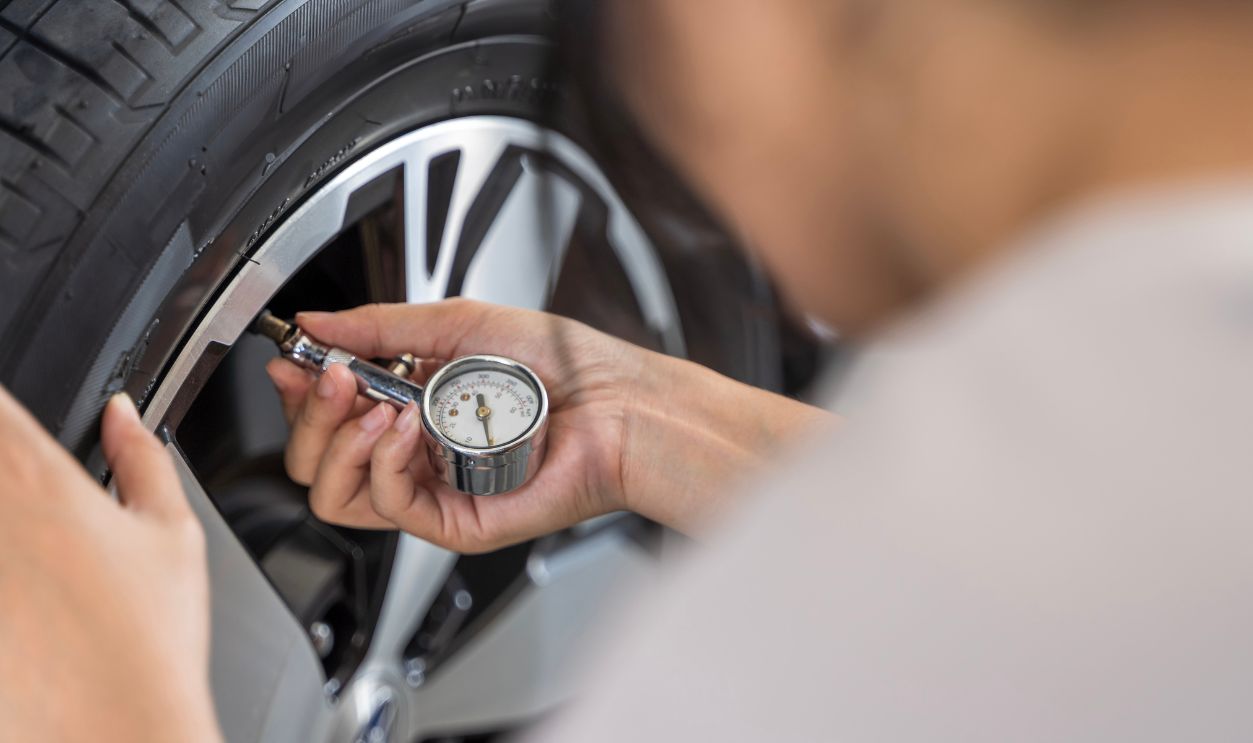
One of the fastest ways to ruin trailer tires is to run them low on air. Goodyear says underinflation can cause extra heat, uneven wear, and even failure. If your brother returned the trailer with bald shoulders or clear signs of heat damage, low tire pressure may have been a big reason.
Overloading Can Wreck A Set In A Hurry
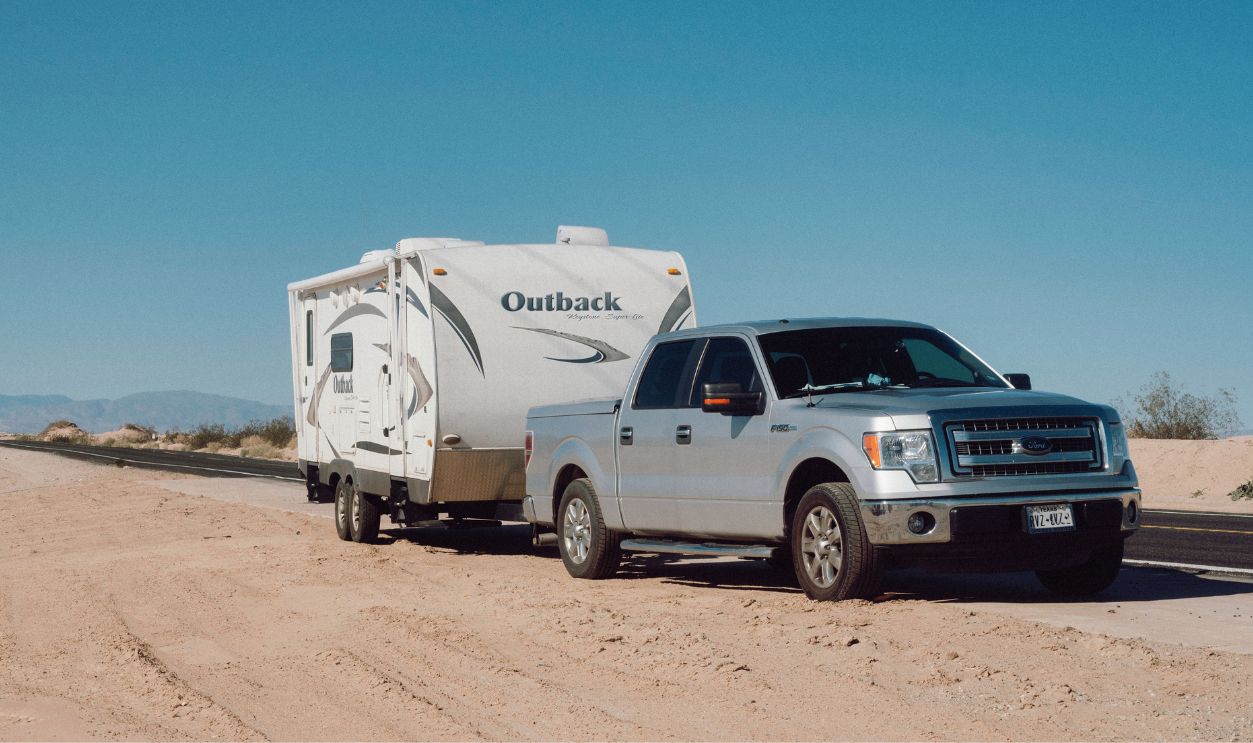
If he loaded the trailer past its tire or axle limits, that could wear the tires down fast. The safe limit depends on the trailer's GVWR and the load rating stamped on the tires. If your brother hauled something much heavier than what you agreed on, your case for repayment gets much stronger.
Speed Is Another Big Clue
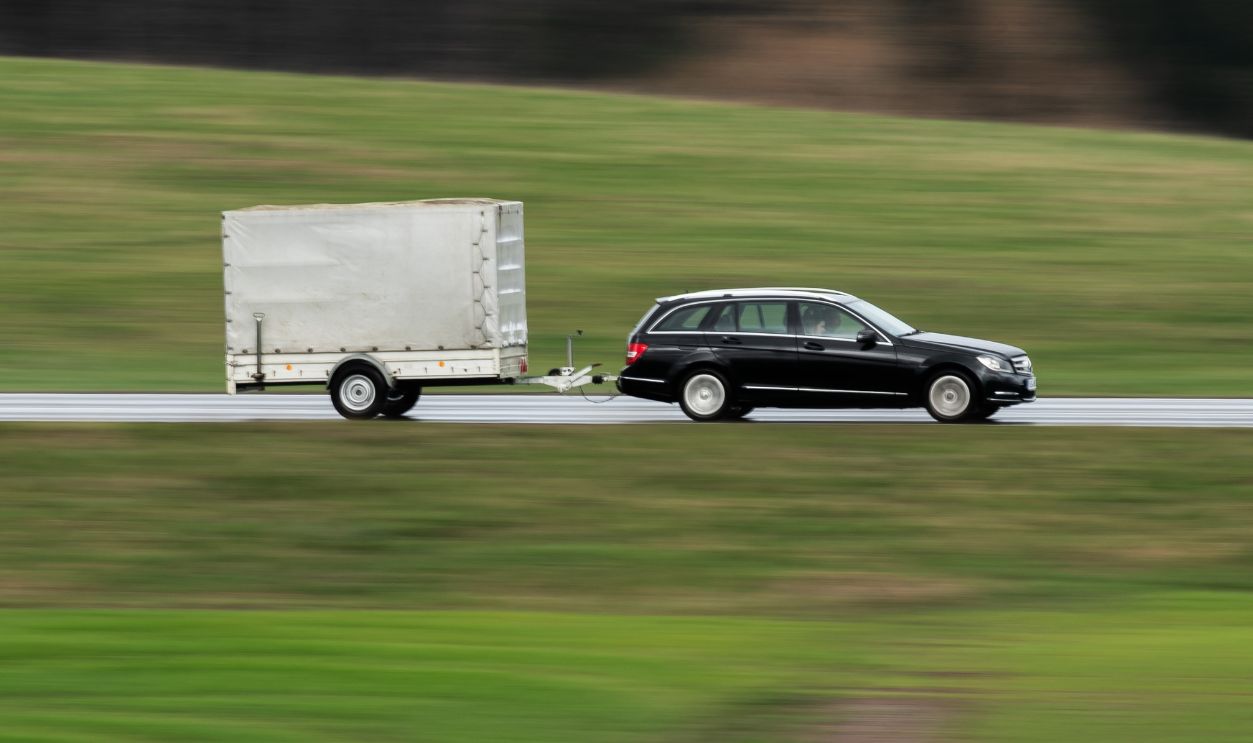
Many Special Trailer tires, often marked ST, have speed limits that people ignore. Goodyear and other tire makers warn that towing faster than the rated speed builds heat and shortens tire life. If he pulled it a long distance at highway speeds on a hot day, that matters.
 picture alliance, Getty Images
Misalignment And Suspension Problems Can Mimic Abuse
If the trailer has a bent axle, worn suspension parts, or alignment trouble, the tires can wear in odd ways even if it was driven carefully. Etrailer notes that wear on the inside or outside edge can point to mechanical problems, not just misuse. That is why it helps to take photos of the wear pattern before replacing anything.
Look Closely At The Wear Pattern
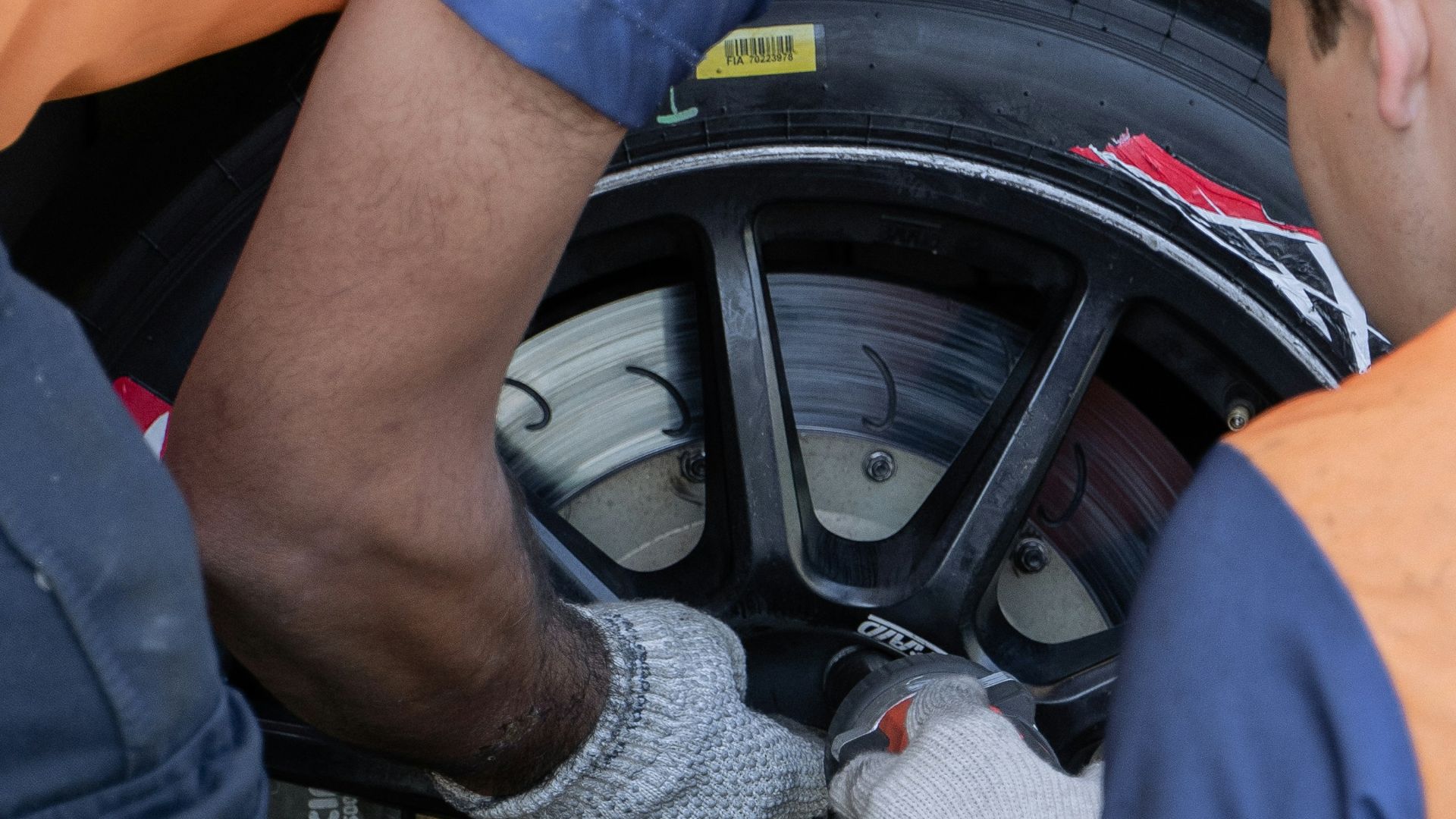
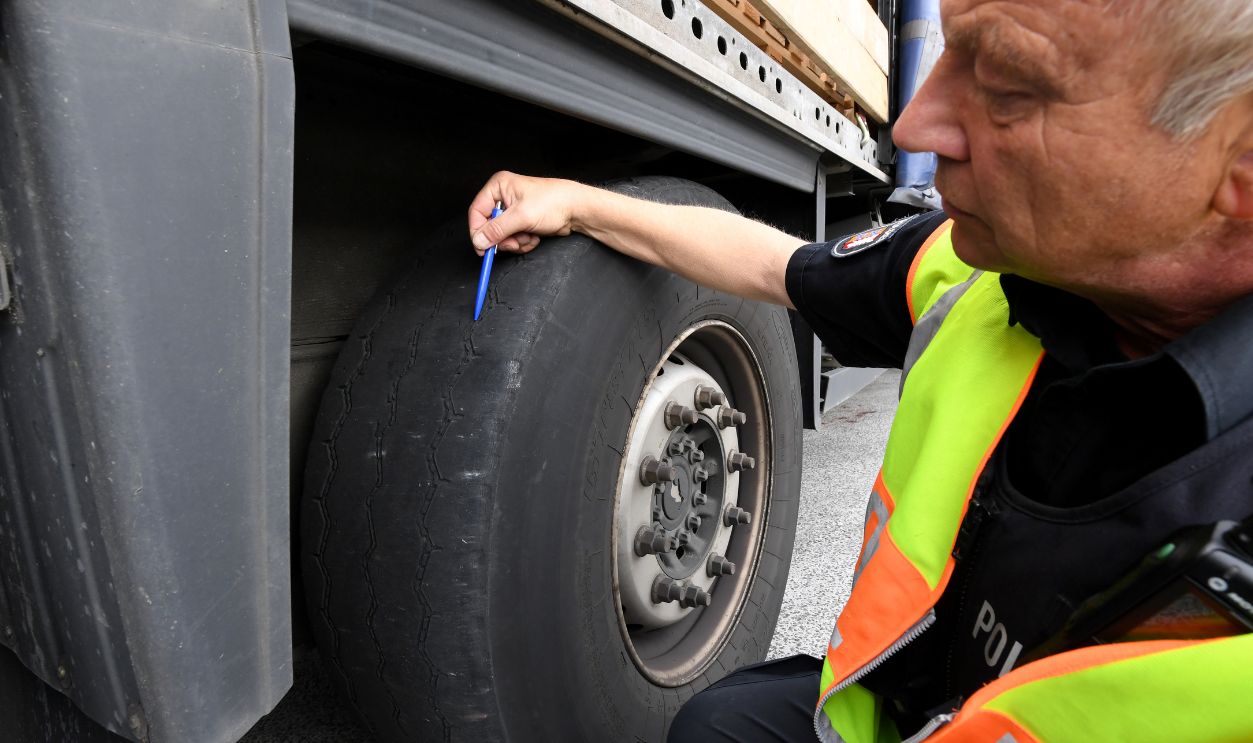
Even wear across the tread usually points to normal wear over time. Center wear can mean overinflation. Wear on both shoulders can suggest underinflation. Cupping, feathering, or one-sided wear can point to axle, bearing, or suspension trouble.
Document What You Find Right Away
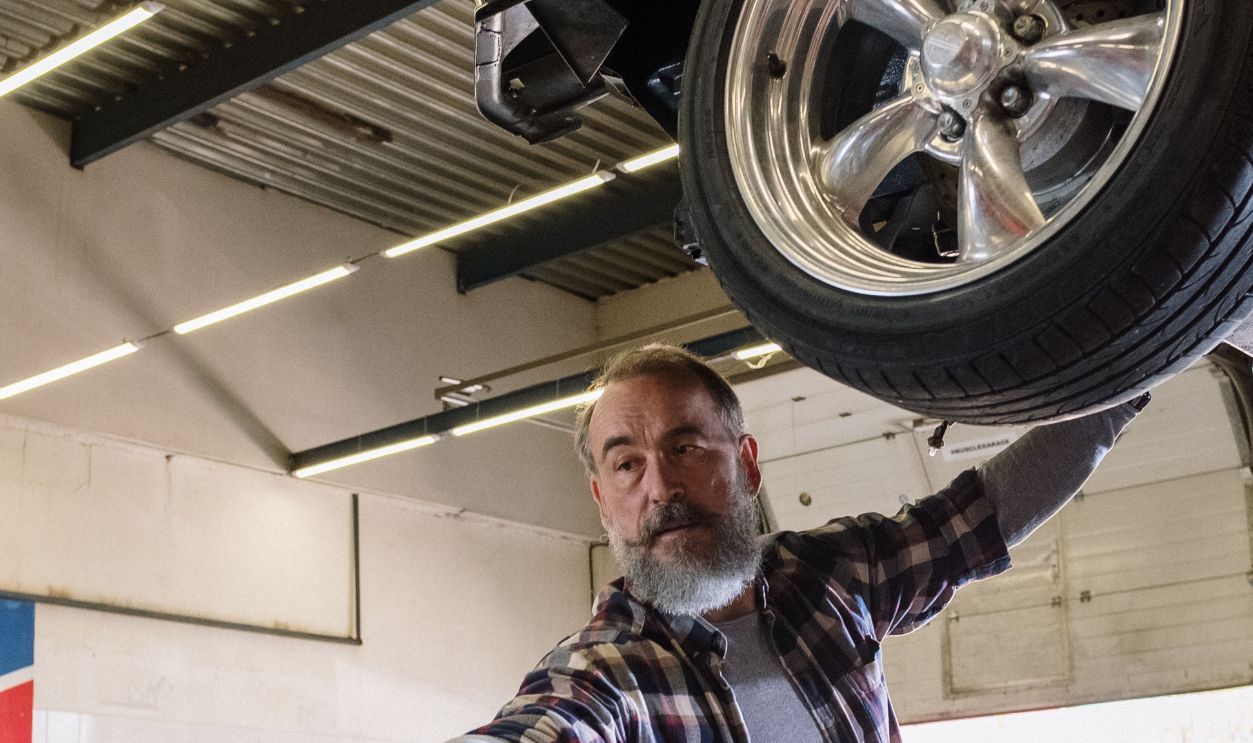
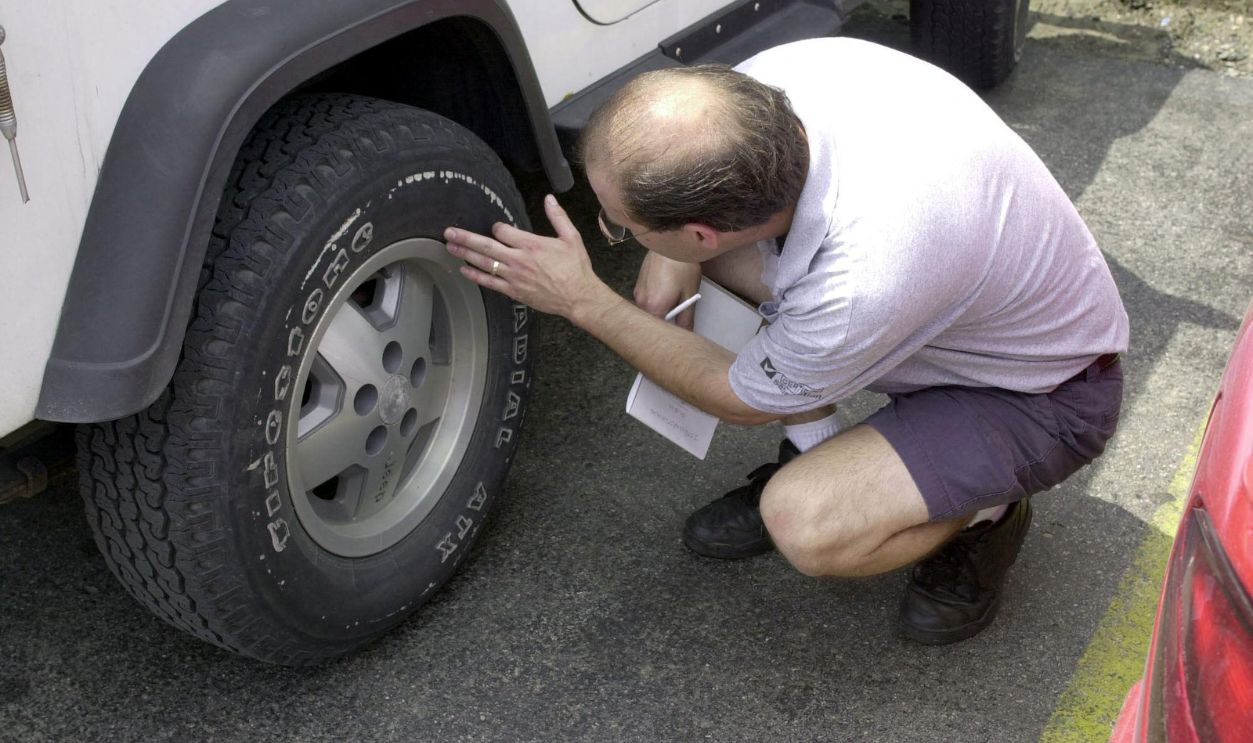
Take clear photos of each tire, including the tread, sidewalls, and DOT date codes. Write down when the trailer left, when it came back, and what your brother hauled if you know. A simple record keeps the conversation grounded in facts instead of emotion.
 Xinhua News Agency, Getty Images
Measure The Tread Instead Of Guessing
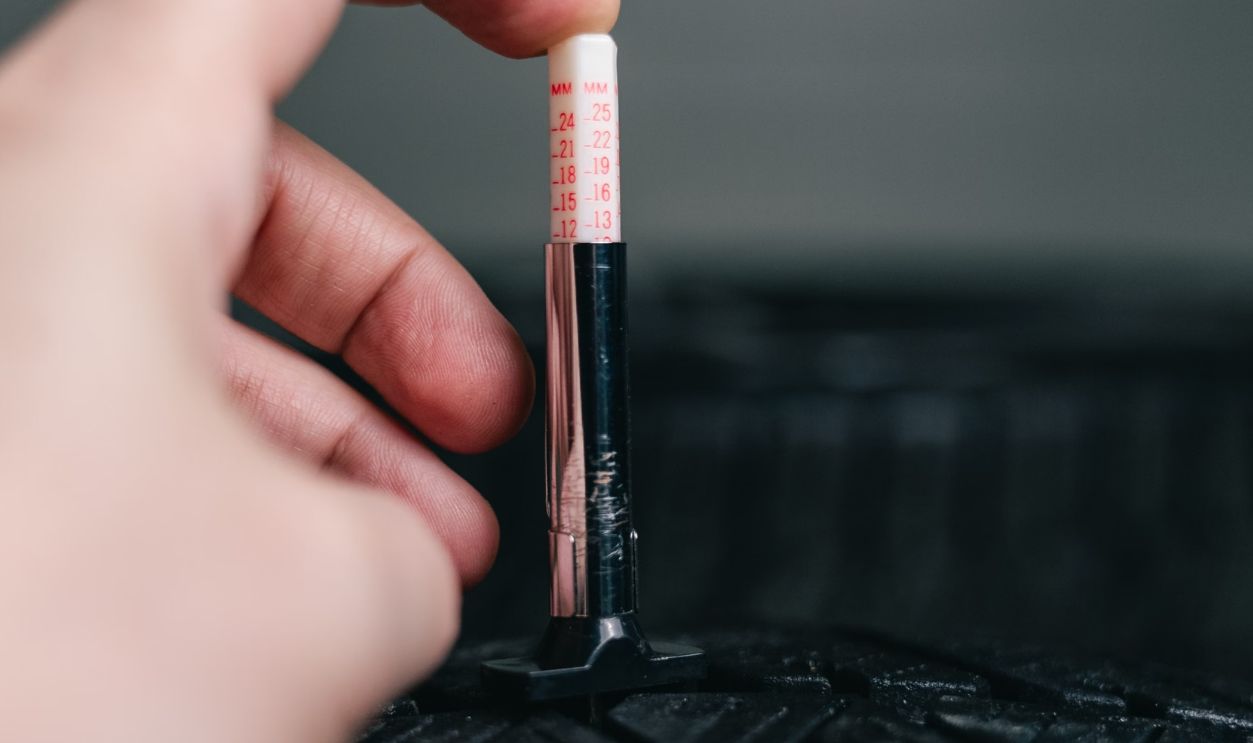
A tread depth gauge is cheap, and while a coin check can give you a rough idea, a real gauge is better. NHTSA's replacement point of 2/32 inch is the legal minimum in many cases, but replacing trailer tires earlier can still be the smart move. If the tires came back below that mark and they were not there before, you have a concrete problem.
The Bill Should Match The Actual Loss
If the tires were already halfway worn before the loan, asking for the full cost of a brand-new set may not be fair. A better way is to figure out how much useful life was actually lost. In other words, ask for the value of the tread your brother used up, not automatically the full replacement price.

There Is A Difference Between Wear And Damage
Normal use causes wear, even when someone borrows your equipment responsibly. Damage is different. If he overloaded the trailer, drove on low tires, scraped them badly, or ignored an obvious problem, then charging him is a lot easier to justify.

If He Borrowed It For One Short Trip, The Story Changes
One short local trip usually does not turn healthy trailer tires bald overnight. If the tires came back dramatically worse after limited use, that suggests they were already in bad shape or the trailer has a mechanical issue. That is worth knowing before you ask for money.
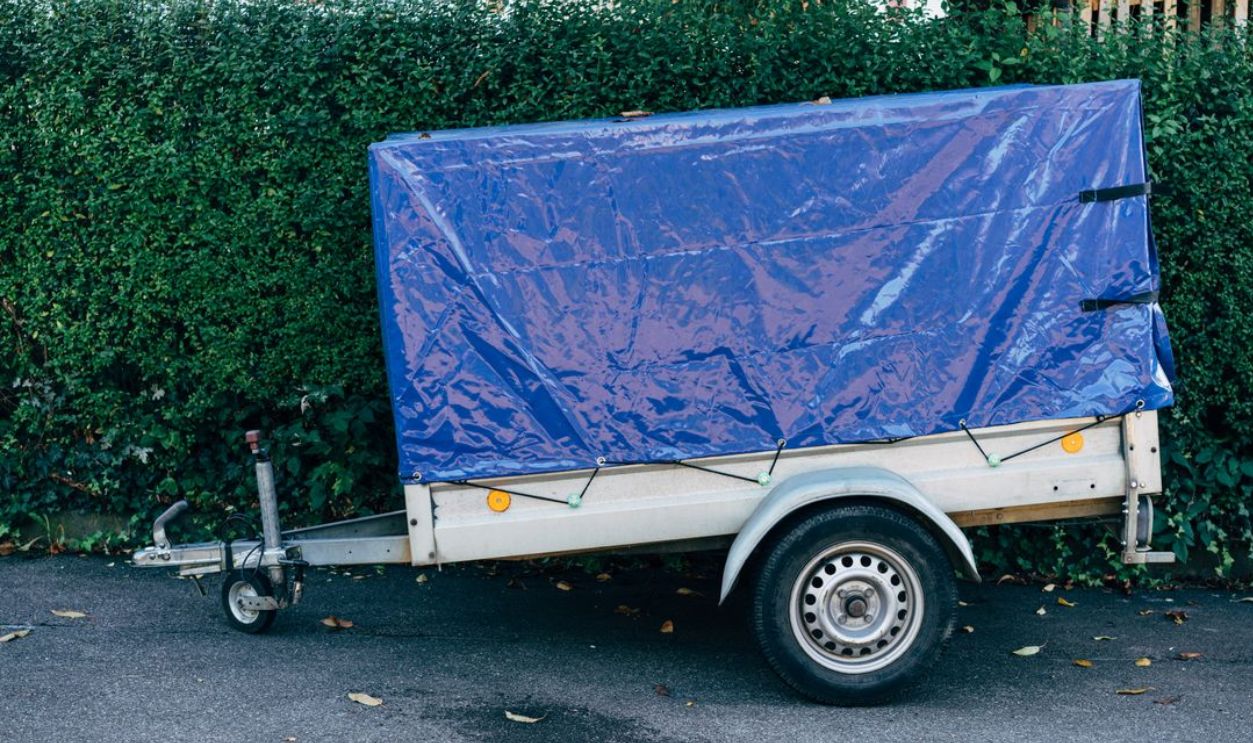
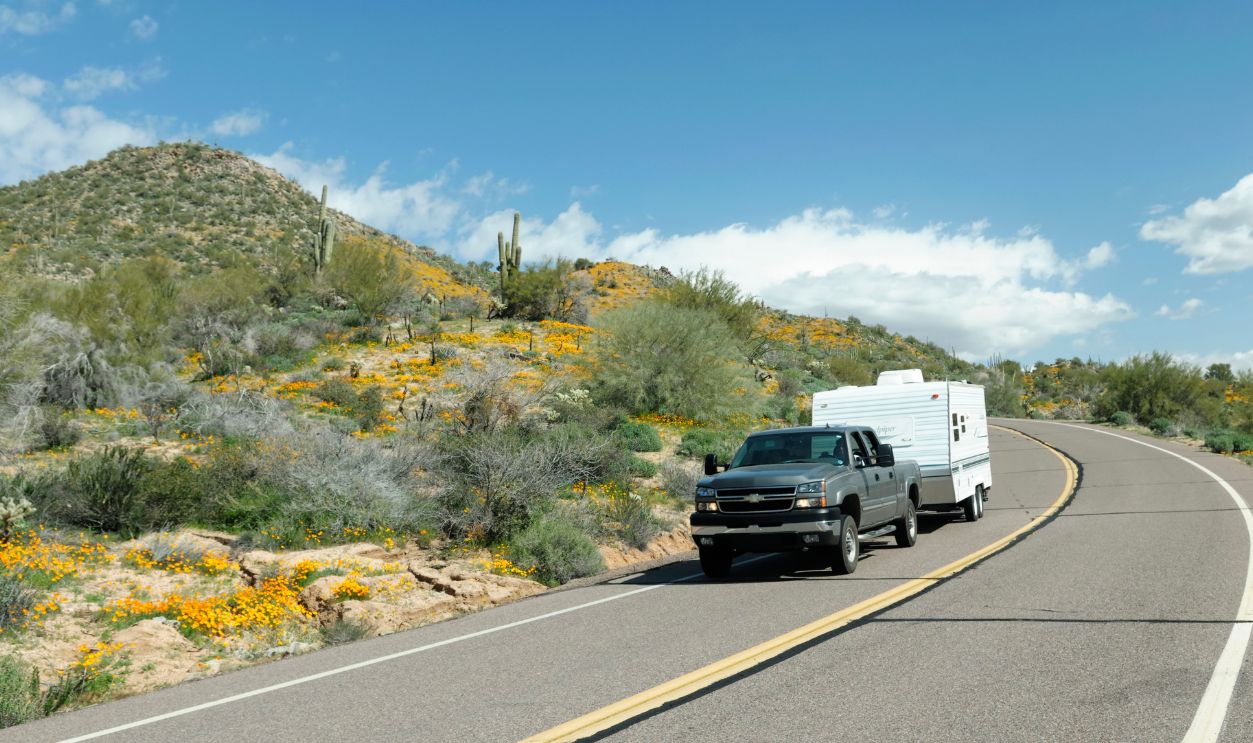
If He Took It Cross Country, The Math Looks Different
Hundreds or thousands of miles under load can take a real bite out of trailer tire life. Add heat, speed, and poor inflation, and the wear can pile up fast. In that case, some reimbursement may be completely fair.
 UniversalImagesGroup, Getty Images
Ask The Questions Before You Ask For Money
Start with the basics. How far did he tow it? How much weight was on it? Did he check tire pressure before leaving? The answers can tell you whether this was bad luck, old tires, or careless use.

A Tire Shop Can Help Settle The Argument
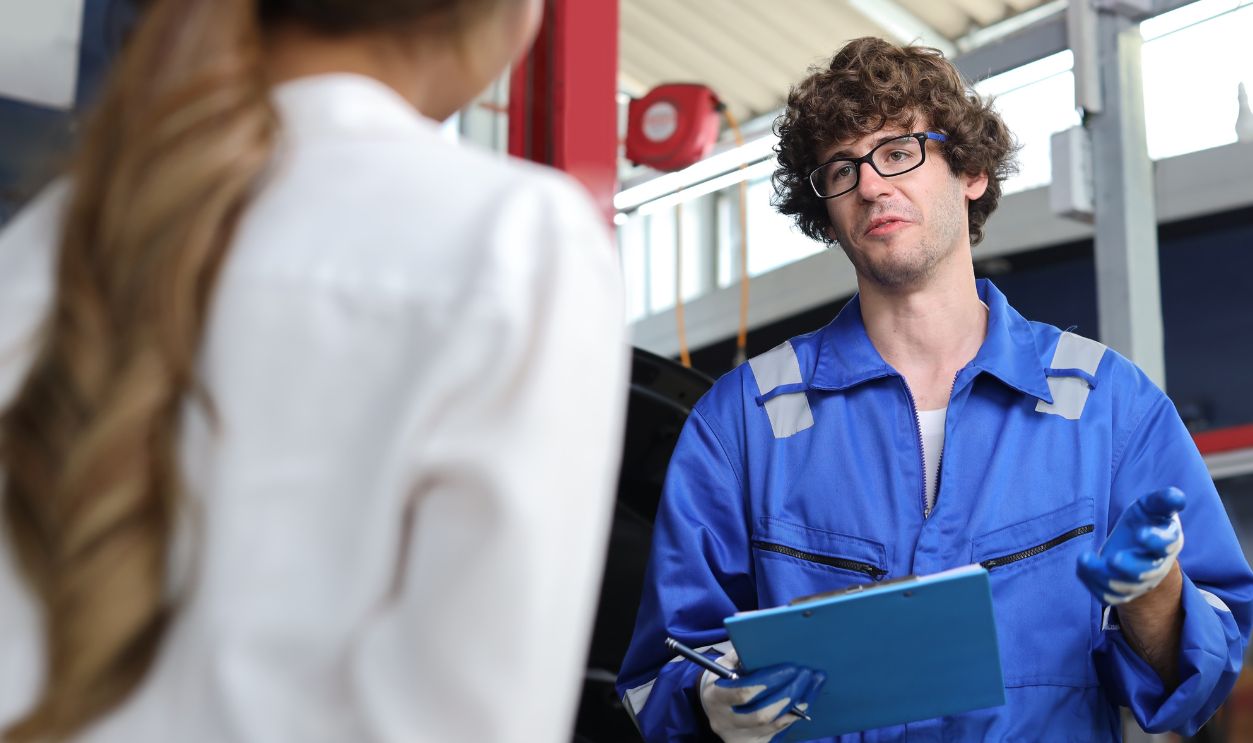
If you want an outside opinion, take the trailer to a good tire shop. A technician can often spot signs of age, underinflation, overloading, or alignment trouble. That gives you something stronger than a family argument based on guesses.
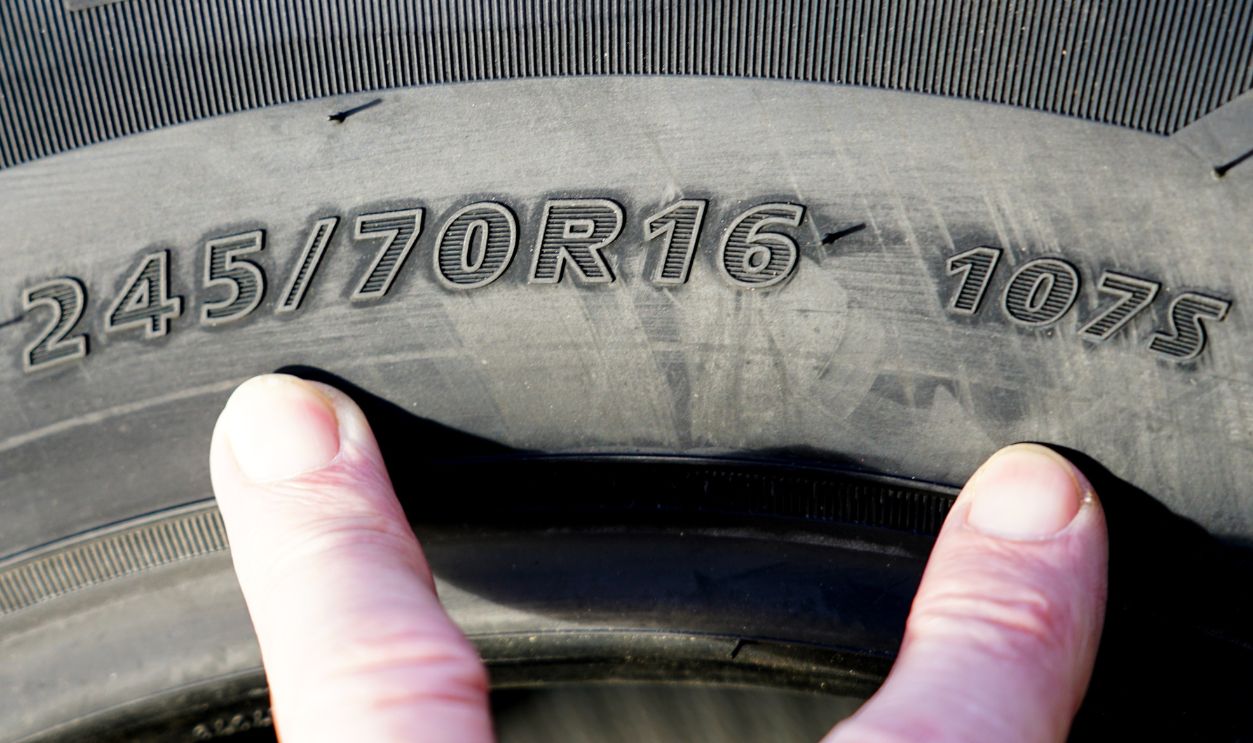
Do Not Forget The Date Code
The DOT date code can change the whole story. If the tires were made years ago, dry rot and internal breakdown may have been building long before your brother borrowed the trailer. That does not automatically let him off the hook, but it can change what is fair.
 Zigmunds Dizgalvis, Shutterstock
There Is Also The Safety Angle
Bald trailer tires are not just a money issue. They can fail on the highway, damage the trailer, and put other drivers at risk. Before you even decide who should pay, the smart move is to park the trailer until the tires are safe.
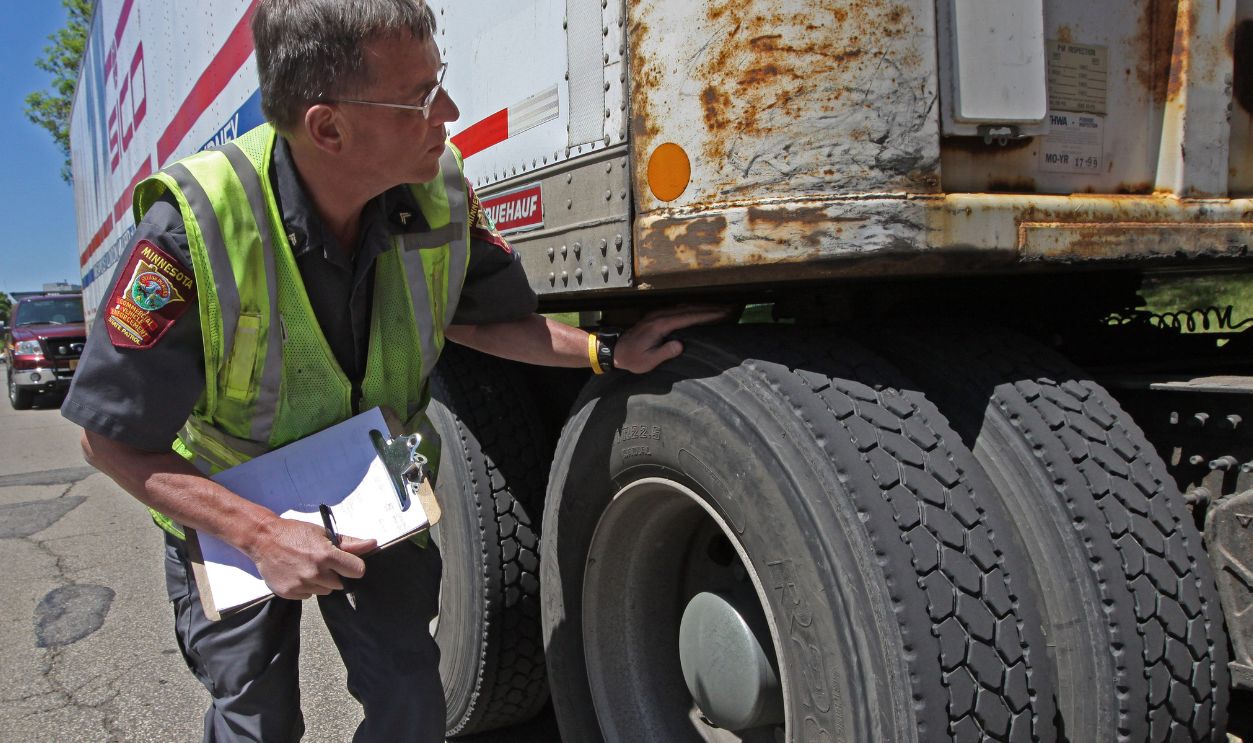
So Should You Send Him The Full Bill
Usually, not right away. First figure out whether the tires were already close to replacement, whether there is proof of abuse, and whether the trailer has a mechanical problem. The fair answer often lands somewhere between paying for everything yourself and asking for the full cost of a new set.
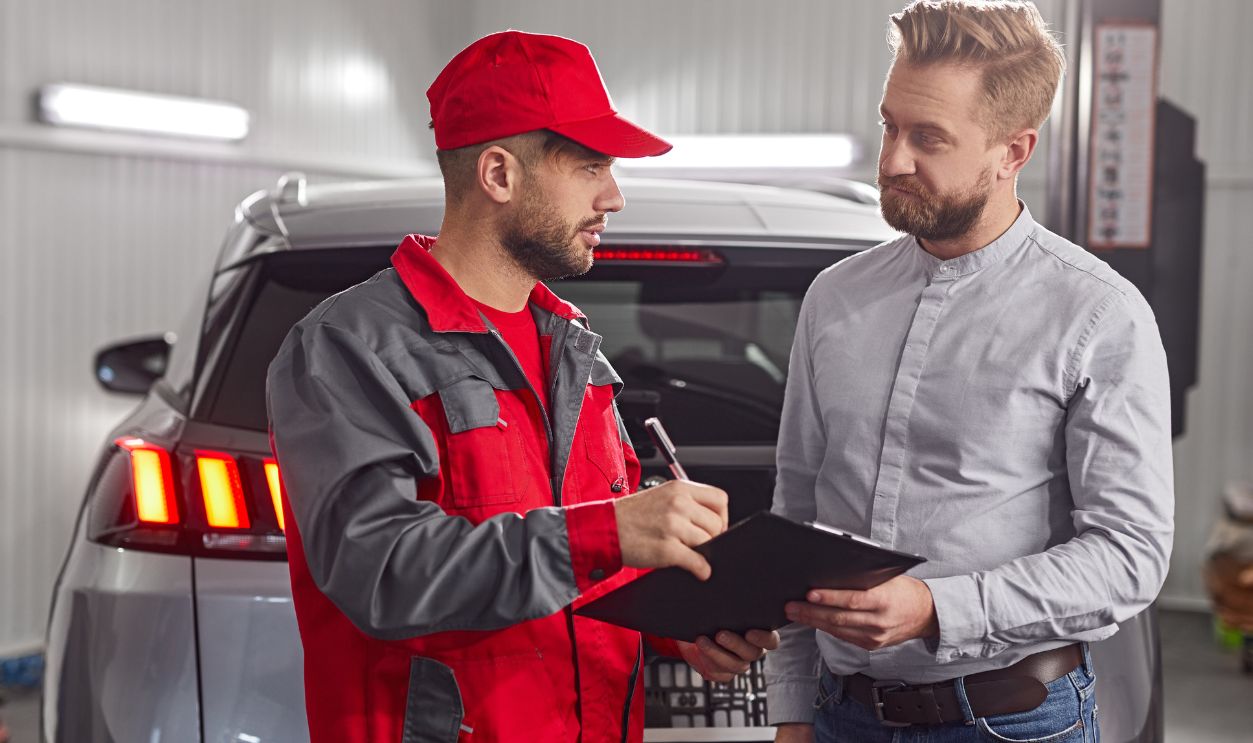
A Prorated Approach Is Often The Smartest Move
If the tires had about 40 percent of their useful life left and your brother clearly used up that remainder, asking him to cover 40 percent of the replacement cost is a reasonable middle ground. It feels less like punishment and more like simple math. Family disputes usually go better when the numbers make sense.

If He Caused Clear Damage, Ask For More
If a shop finds obvious signs of overloading, low-pressure use, or impact damage, then a larger reimbursement is justified. At that point, you are not charging him for normal wear. You are charging him for avoidable damage.
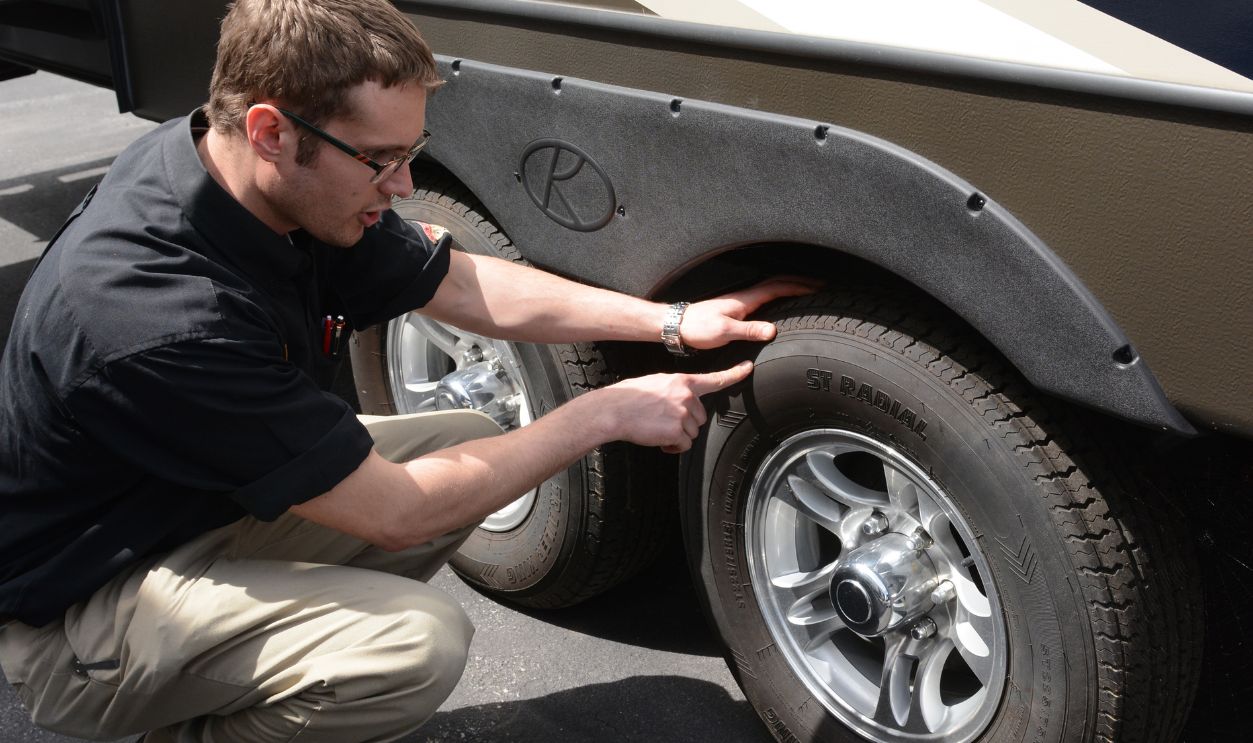
If The Tires Were Old, Consider Splitting It
Sometimes the fairest answer is to split the cost. That is especially true if the tires were aged out, the tread was already low, or the trailer had a maintenance issue. You still end up with safe tires, and the relationship has a better shot at surviving the bill.
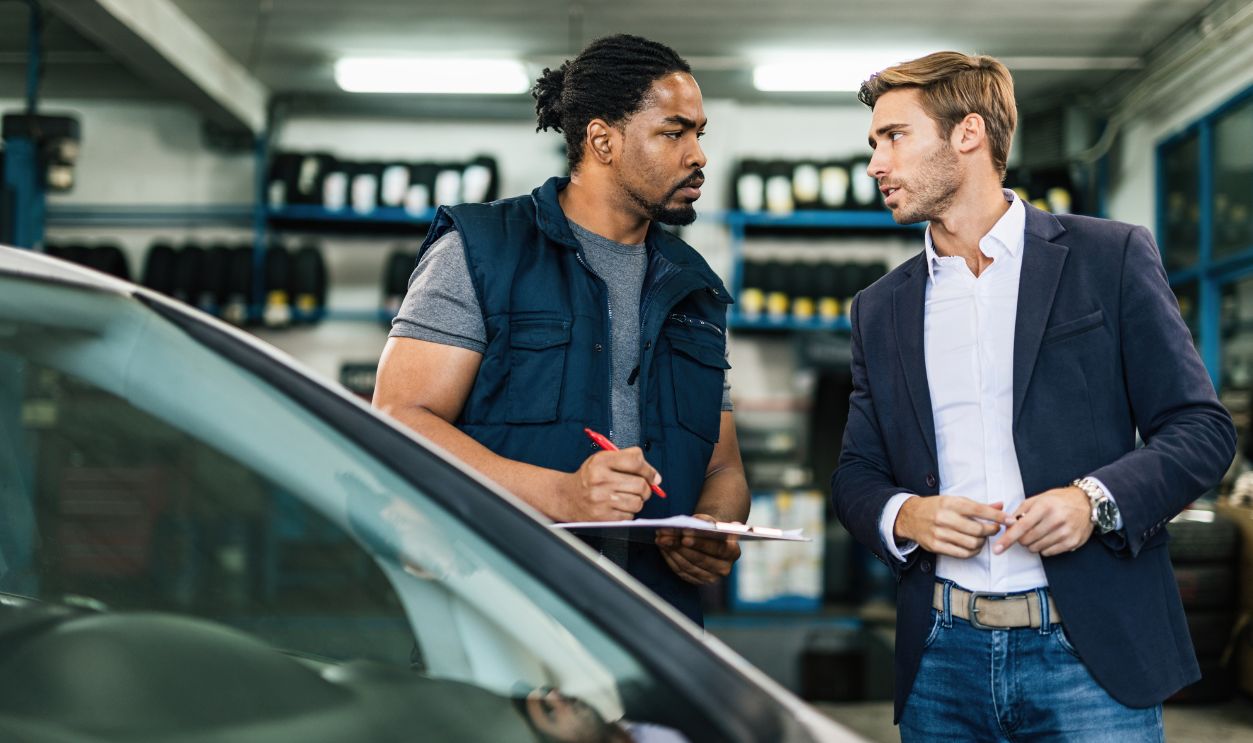
How To Bring It Up Without Starting World War Family
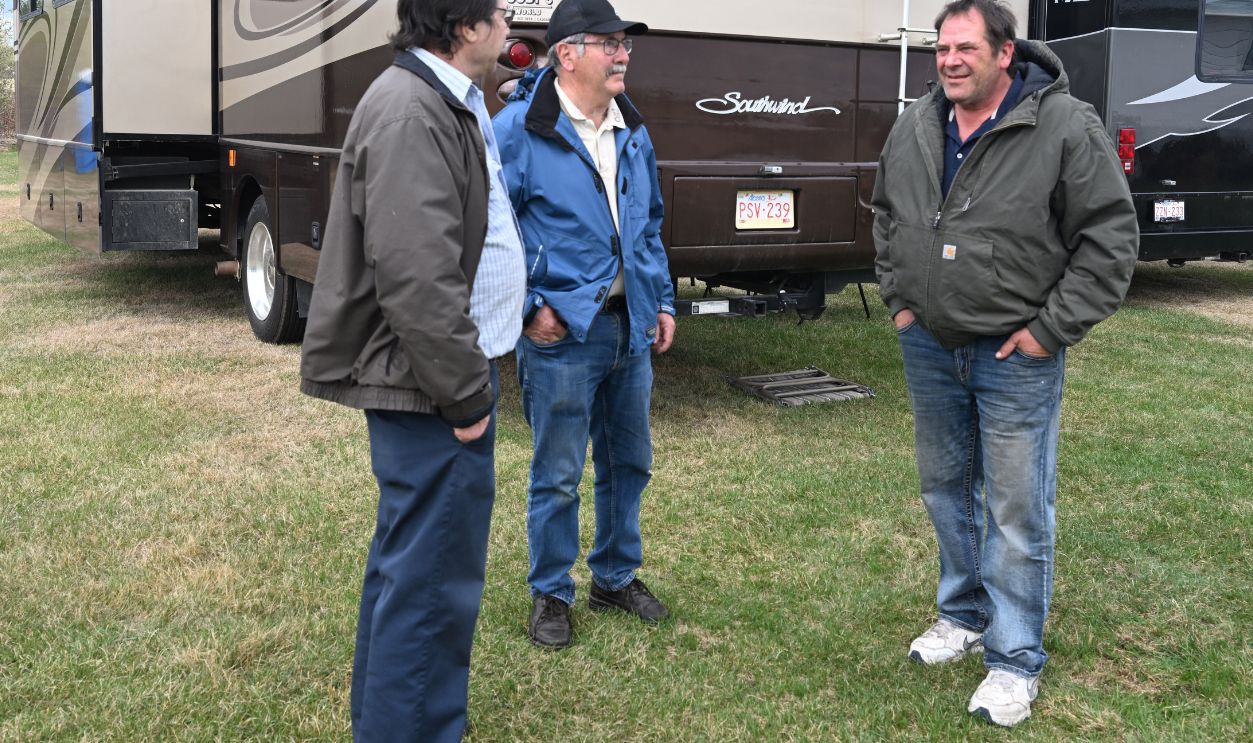
Keep it simple and factual. Tell him the trailer came back with unsafe tires, you had them checked, and here is what the shop found. Then suggest a fair amount based on age, wear, and cause instead of opening with a demand for every dollar.
 WALTER TYCHNOWICZ, Getty Images
The Best Rule For Future Loans
Before anyone borrows your trailer again, take photos, check tire pressure, and agree on how it will be used. Make sure the borrower knows the load limit and understands that damage beyond normal wear is on them. Five minutes of prep can save a messy conversation later.
The Bottom Line
Yes, you can send your brother the bill, but only after you separate normal wear from real damage. Check the tread depth, tire age, load history, inflation clues, and wear pattern first. The strongest answer is the one backed by evidence, not frustration.
 picture alliance, Getty Images