You Bought The Car, So Why Is Navigation Extra?
You spend a small fortune on a new car, then find out a built-in feature may not fully work unless you keep paying every month or every year. When that feature is navigation, the whole thing feels especially annoying because getting from one place to another seems like something your car should just handle.

The Subscription Era Has Reached The Dashboard
Automakers have spent the last few years hunting for new money after the initial sale. Connected services, app controls, Wi-Fi hotspots, and software upgrades have all become part of that push. Navigation got pulled in too, since modern factory systems often depend on cloud services, live traffic, and map databases that need regular updates.
Yes, You Probably Did Buy The Hardware
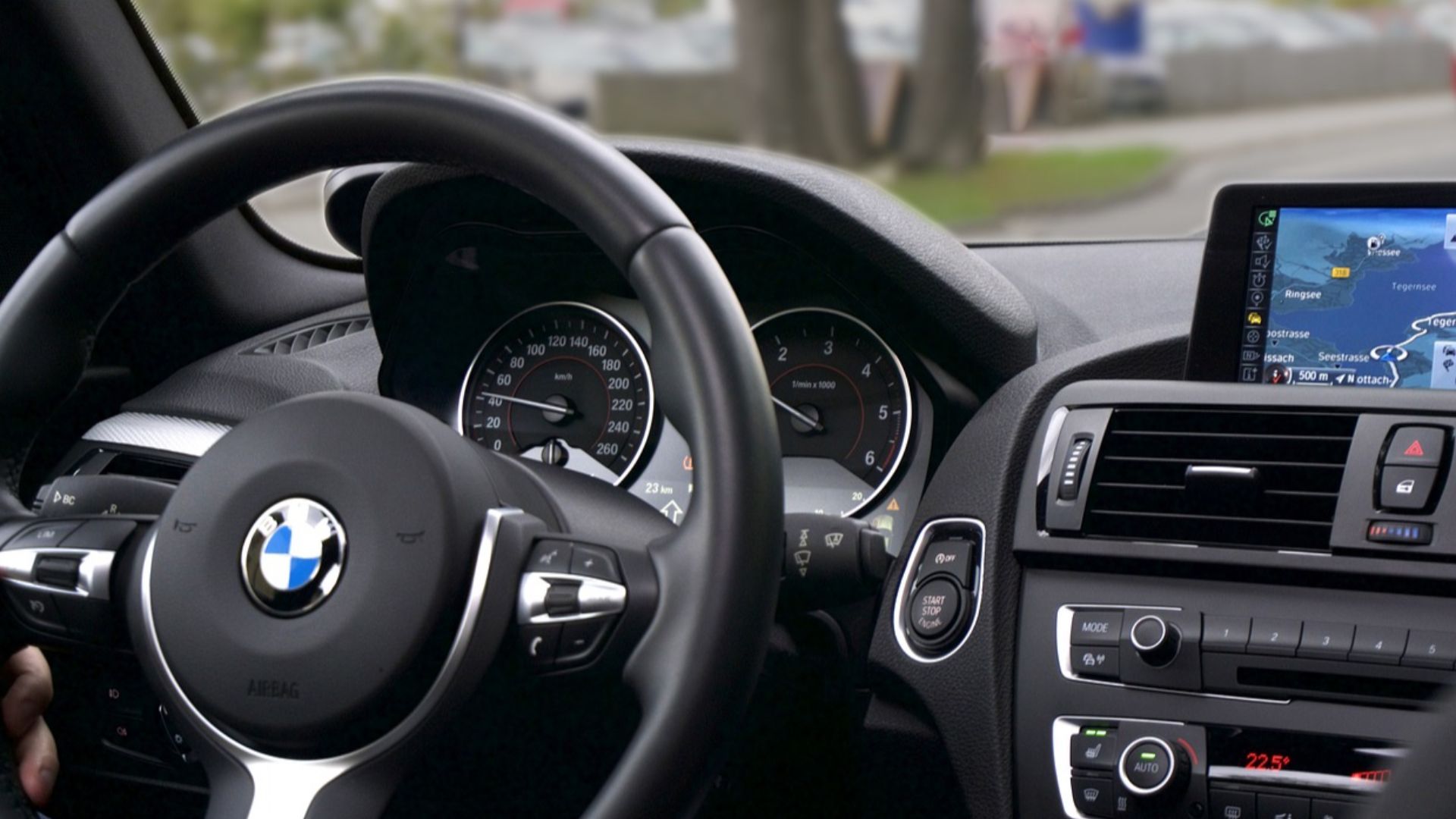
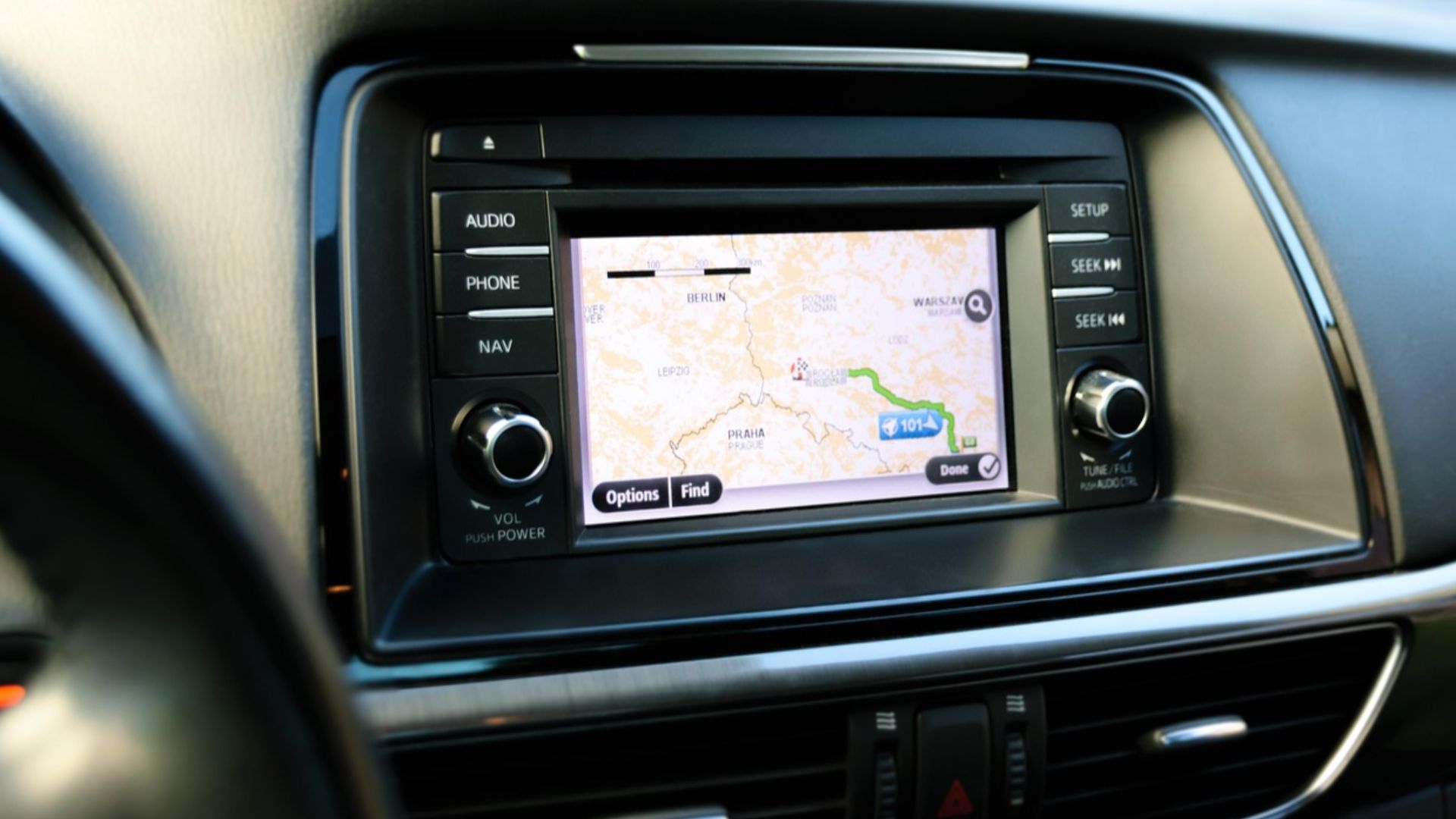
In most cases, the screen, GPS antenna, processor, and controls are physically part of the car you bought. What you may not have purchased forever is the software service layered on top of that hardware. That is the part many drivers hate, because the car is sitting in the driveway, but some of its features are still treated like rented software.
The Fine Print Usually Tells The Story
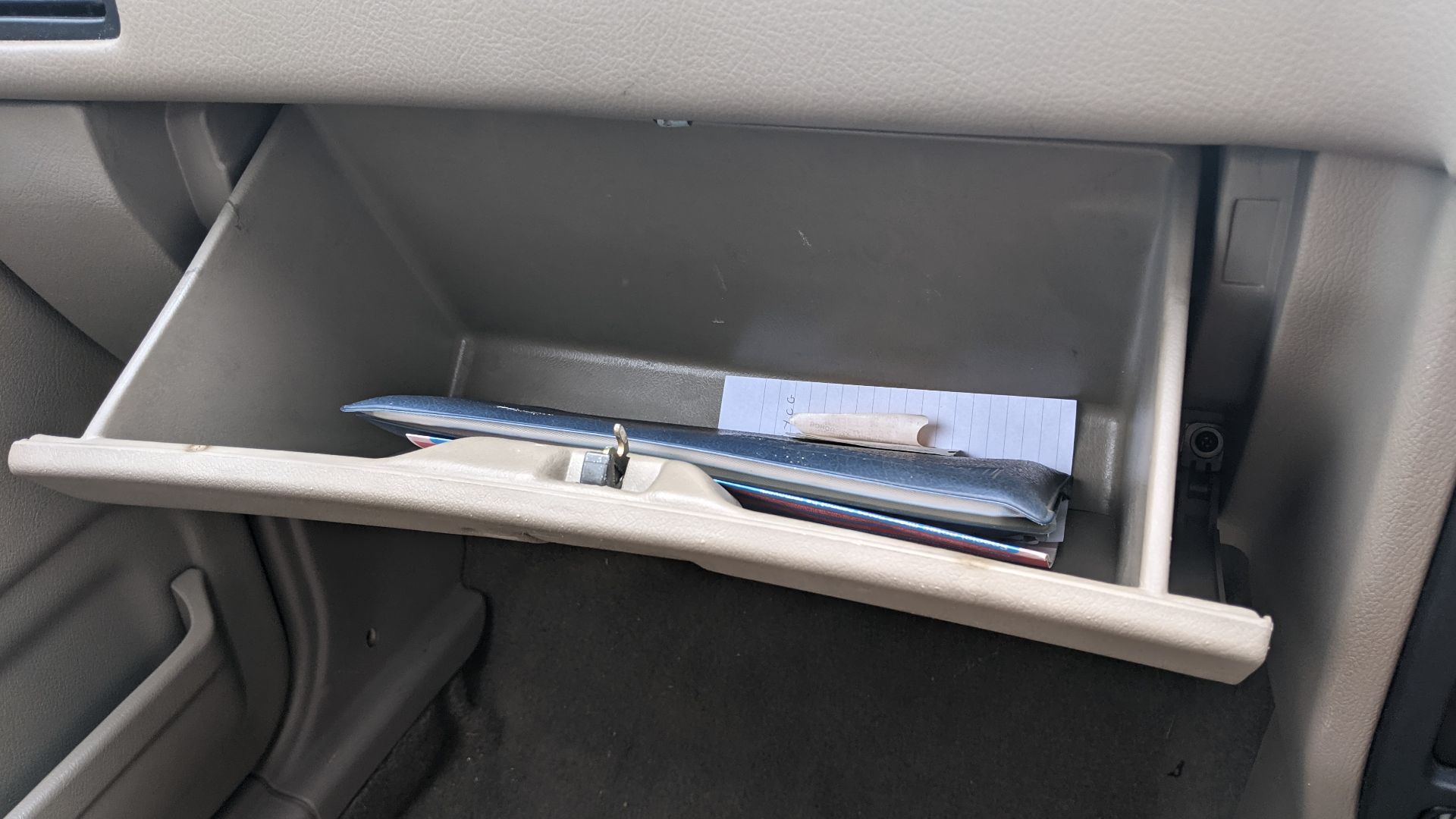
Automakers and dealers often separate the vehicle itself from the connected-services package in the paperwork. A car may come with a trial period for navigation services, traffic data, destination search, or remote app features. Once that free period ends, continued access may depend on a paid plan buried in terms and conditions many owners never look at closely.
Toyota Helped Trigger The Conversation In Late 2021
One of the biggest flashpoints came in December 2021, when reports showed that some Toyota owners could lose a voice-command path to navigation after a trial connected-services period ended. The New York Times reported on December 8, 2021 that a 2018 Toyota RAV4 owner's remote-connected trial had expired, affecting use of the microphone button for directions. The story spread fast because drivers saw it as a sign of where car subscriptions could be heading.
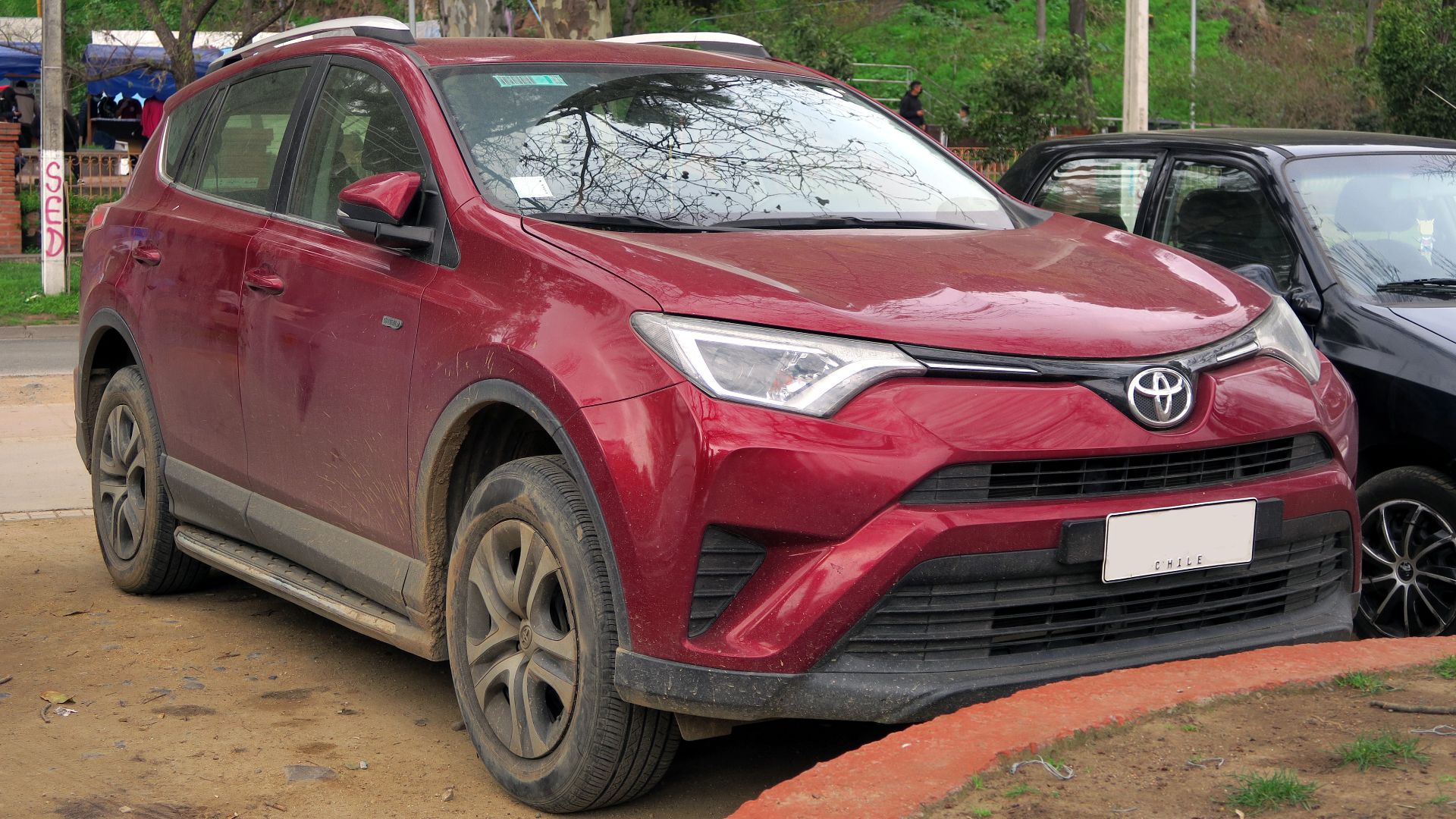 RL GNZLZ from Chile, Wikimedia Commons
What Toyota Said Was Actually Happening
Toyota said at the time that Destination Assist and some connected features were tied to subscription services, not that all onboard maps disappeared. In statements reported by multiple outlets in December 2021, Toyota explained that voice-based navigation routing through the microphone button could depend on a connected-services package after the trial ran out. That detail mattered, but it did not calm the broader backlash.
 Matti Blume, Wikimedia Commons
The Frustration Was Bigger Than One Button
Drivers were not just upset about a single voice-control feature. They were reacting to the idea that a built-in system could feel partly disabled after purchase because a service expired. Even if the contract allows it, the ownership experience feels very different from the old model where installed equipment kept working year after year.

BMW Turned Heated Seats Into A Global Headline
Navigation is not the only feature caught up in the subscription fight. In July 2022, reporting from outlets including The Verge drew major attention to BMW offering heated seats as a subscription in some markets through its Connected Drive store. That story hit hard because it made the paywalled-car idea impossible to ignore.

BMW Later Backed Away From That Plan
BMW's subscription test became a warning for the rest of the industry. In September 2023, BMW's board member for sales and marketing told Autocar the company had dropped plans to charge recurring fees for heated seats, pointing to negative customer reaction. That reversal showed buyers can still push back when a paywall crosses an obvious line.
 Matti Blume, Wikimedia Commons
Navigation Fees Usually Cover More Than A Static Map
Automakers argue that subscription-priced navigation is not just a map stored on a chip. It can include cloud search, real-time traffic, over-the-air updates, route planning, hazard alerts, and live points of interest. Those services need data connections, servers, and licensing deals, which gives manufacturers their case for ongoing fees.

Some Brands Bundle Navigation Into Connected Packages
A common setup is to wrap navigation into a larger subscription instead of charging for maps by themselves. General Motors, Lexus, Toyota, and other brands have offered trial periods that later roll into paid connected-services tiers, though the package names and pricing vary by model and year. So the fee may be less about owning maps and more about keeping a data-linked system active.
GM Has Been Open About Chasing Subscription Revenue
General Motors has been more direct than most about the value of software and subscription income. In investor-facing discussions and reporting over the past several years, GM has described connected services as a growth business. That matters because it helps explain why features that once felt included are now being tied to recurring plans.
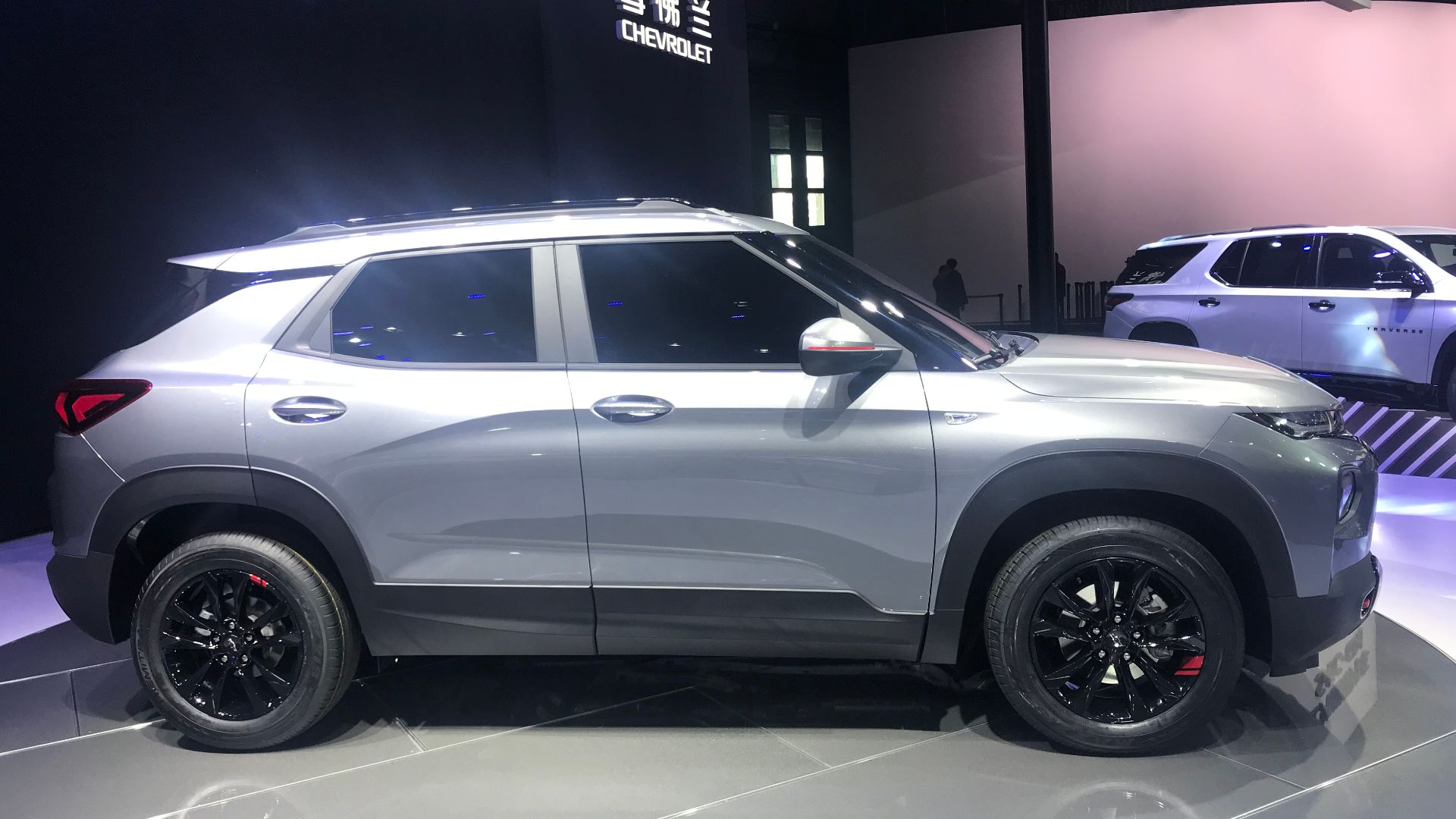 Jengtingchen, Wikimedia Commons
Then GM Made Another Bold Move With Smartphone Mirroring
In 2023, GM confirmed it would phase out Apple CarPlay and Android Auto in future EVs, starting with the 2024 Chevrolet Blazer EV, as Reuters reported in March 2023. The company said it wanted a more tightly integrated in-house infotainment system built with Google. For many drivers, that raised the stakes around paying for factory navigation, because the easy phone-based backup could disappear in some models.
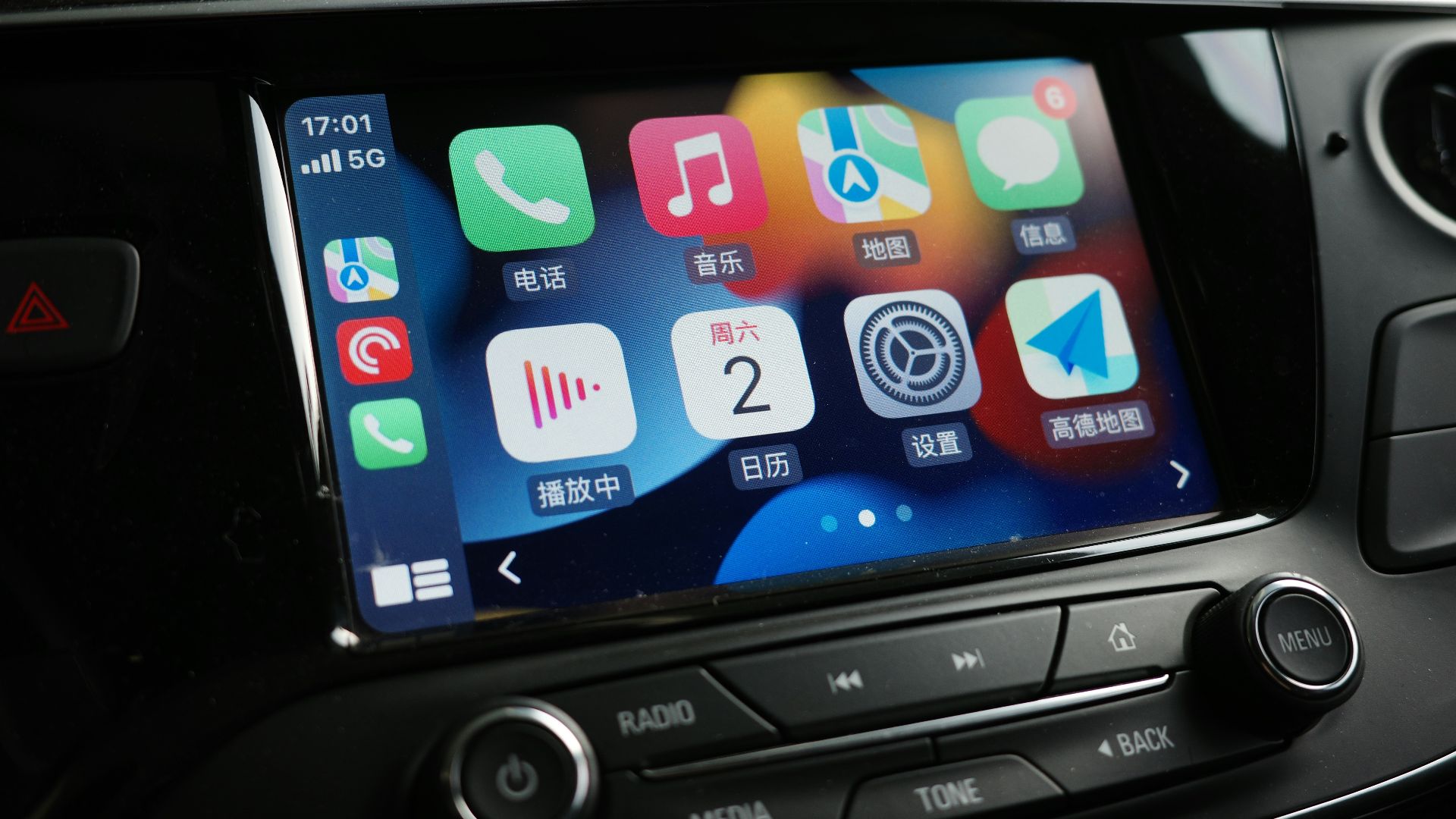
Why CarPlay And Android Auto Matter So Much
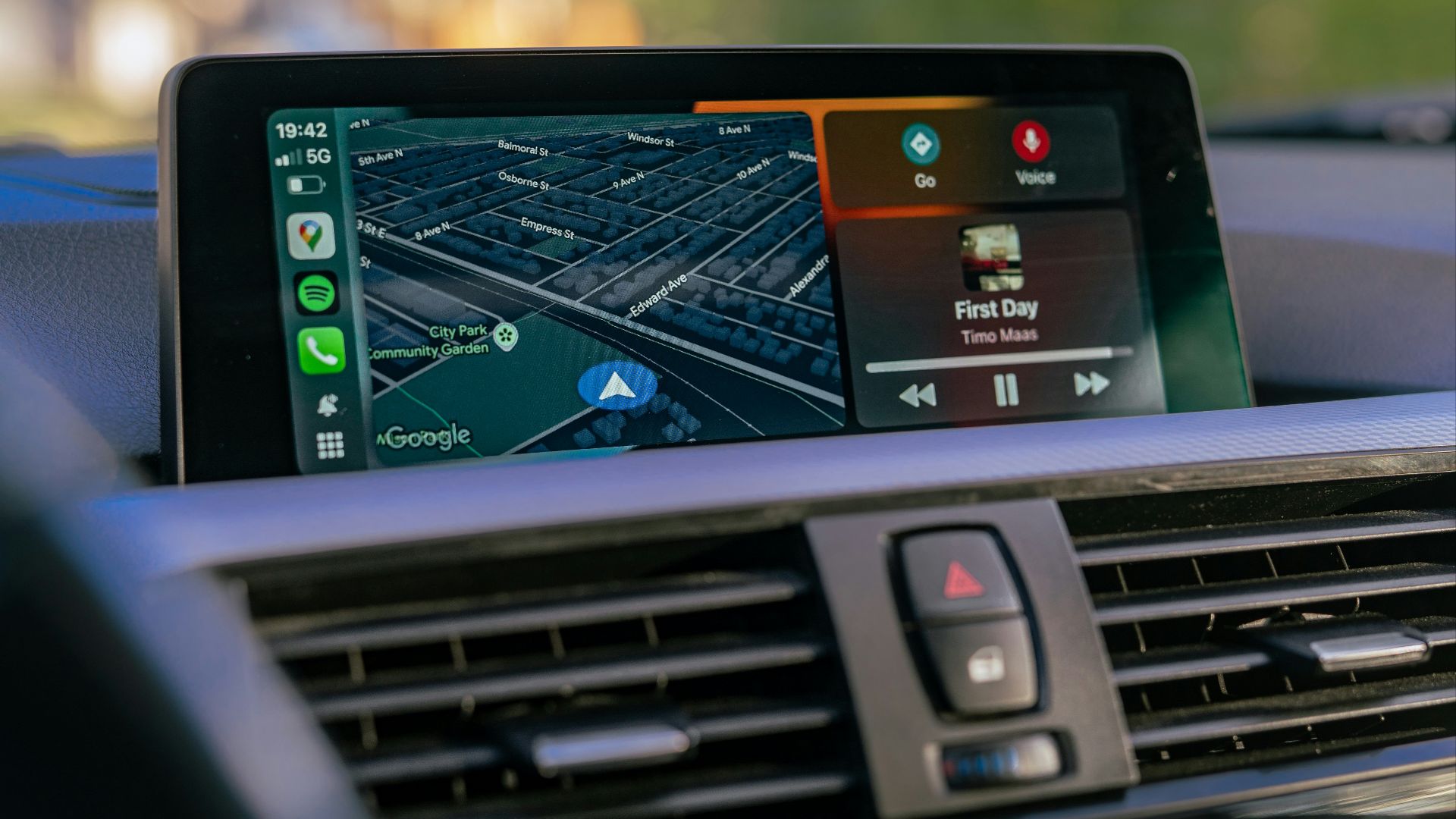
When a car supports Apple CarPlay or Android Auto, drivers can often ignore the factory navigation system completely. Google Maps, Apple Maps, and Waze may offer fresher data and a more familiar interface through the phone people already use every day. If that option goes away or gets limited, any subscription tied to the built-in system starts to feel a lot less optional.
Not All Built-In Navigation Systems Work The Same Way
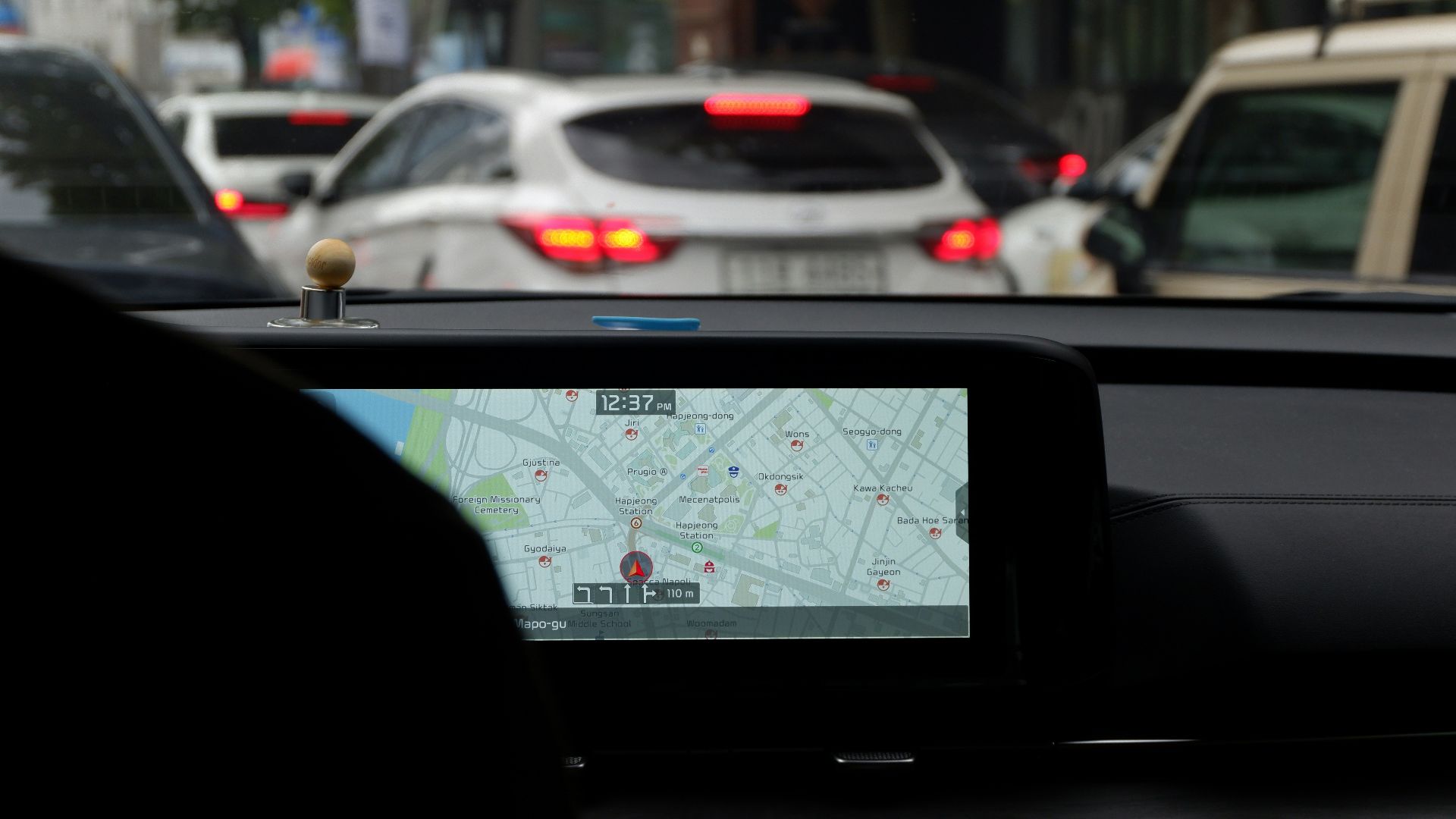
There is an important difference between offline onboard maps and connected navigation features. Some vehicles can still give basic route guidance from stored maps after subscriptions expire, while live traffic, search, voice functions, or destination assistance may stop working. Others lean much more heavily on cloud-linked services, so the drop-off can be much bigger.
Map Updates Have Long Been A Sneaky Cost
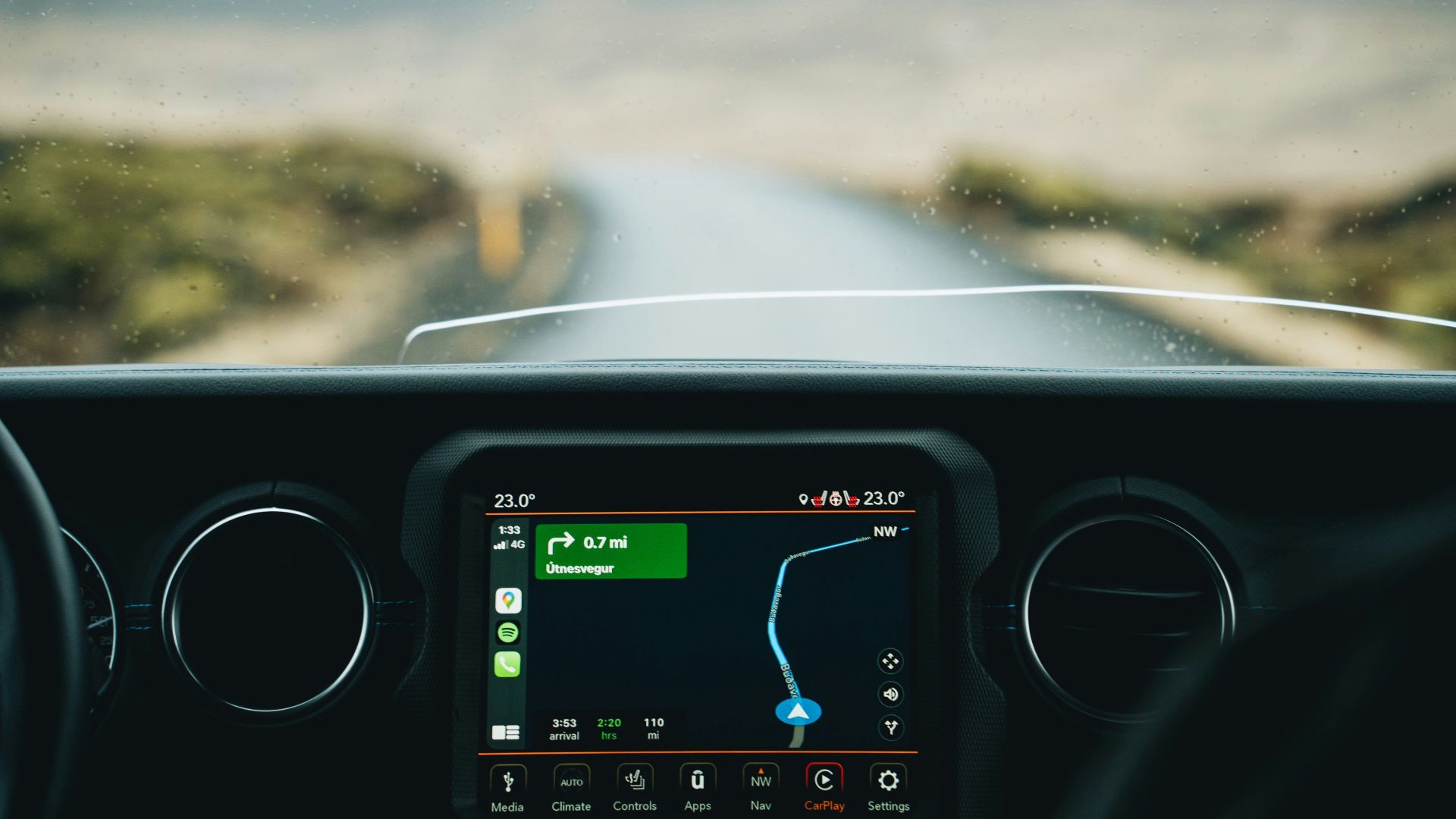
Even before monthly subscriptions, factory navigation often came with a catch. Owners of older cars regularly had to pay for map update discs, SD cards, or dealer-installed software refreshes if they wanted current roads and points of interest. In that sense, recurring navigation costs are not new, but the subscription model makes them harder to miss and more frequent.
 Dithira Hettiarachchi, Unsplash
What You Own Versus What You License
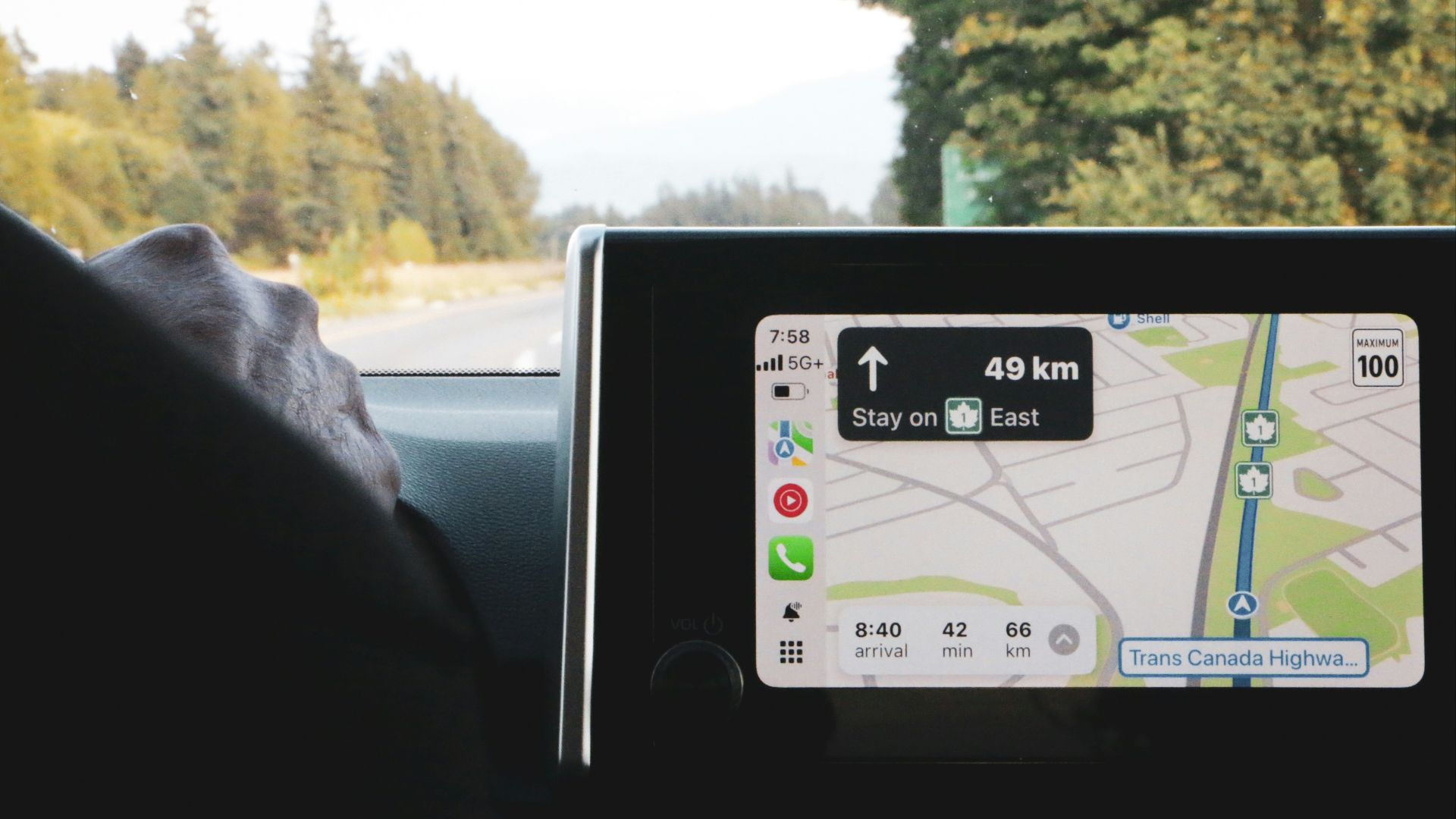
This is really the core of the fight. You own the vehicle and its hardware, but much of the software experience is licensed under rules set by the manufacturer and its partners. That legal setup may hold up on paper, but it still clashes with what many buyers think “included” should mean in a car they already paid for.

Dealers Do Not Always Explain It Clearly
Most shoppers are focused on price, monthly payments, trade-in value, and interest rates when they sign the paperwork. Trial periods for navigation or connected services can easily get lost in the blur. That can lead to a nasty surprise months or years later when a renewal notice shows up or a familiar feature suddenly asks for payment.

There Is Also A Resale Problem
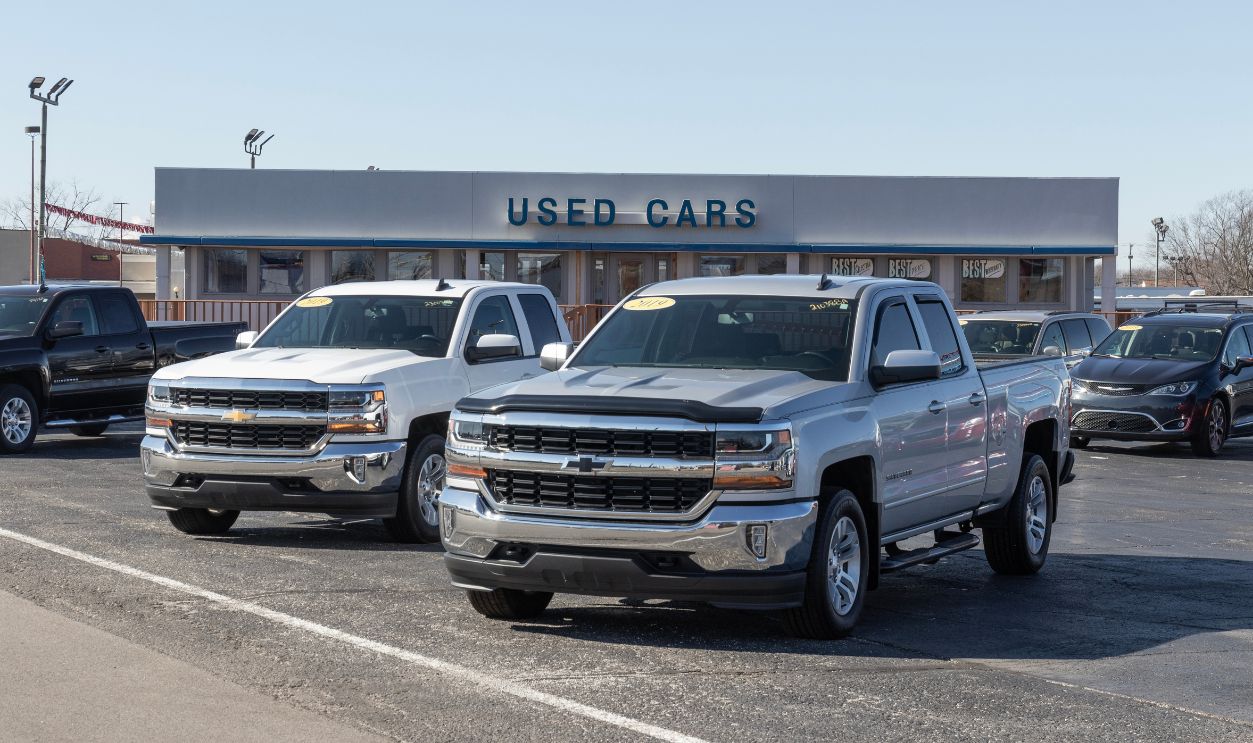
Subscriptions can make used-car shopping trickier because the second owner may not get the same free trial or feature bundle as the original buyer. A used listing may advertise built-in navigation, but the most useful parts of that system could depend on an expired plan. Buyers need to check what actually works now, not just what appears on the screen.
Leased Cars Blur The Logic Even More
On a lease, manufacturers may feel more comfortable folding software features into temporary service periods because the ownership window is shorter. For the driver, though, it can still be confusing if one connected feature lasts longer than another. Navigation may work one way during the lease and another way if the car is bought at the end.
 order_242 from Chile, Wikimedia Commons
Right-To-Repair And Digital Ownership Debates Feed This Too
The navigation fight is part of a much bigger argument about how much control buyers really have over modern products. Cars are becoming computers on wheels, and software licensing gives manufacturers power long after the sale. That tension shows up in repair access, feature activation, data collection, and the basic question of what ownership means in a connected car.

Automakers Are Testing Consumer Boundaries
The heated-seat backlash showed that customers do have limits. So did the uproar over Toyota's connected-service controversy in 2021 and the debate around GM's infotainment strategy in 2023. Automakers want steady recurring revenue, but drivers are making it clear that some features feel too basic to be rented out forever.
 Sergei Gontsarov, Shutterstock
When A Navigation Fee Might Be Fair
A charge can make more sense if it clearly pays for live services with ongoing real-world costs. Real-time traffic, cloud search, concierge destination help, stolen-vehicle tracking, and in-car Wi-Fi all need infrastructure and data. If an automaker explains that clearly and leaves core offline guidance in place, many buyers will see the deal as more reasonable.

When It Feels Like A Cash Grab
The mood changes fast when a subscription seems to unlock hardware that is already installed and already paid for, or when the car loses a useful feature owners assumed would be permanent. Buyers are especially sensitive if the automaker also blocks easy alternatives like smartphone mirroring. At that point, the fee feels less like a service charge and more like getting billed twice for the same car.
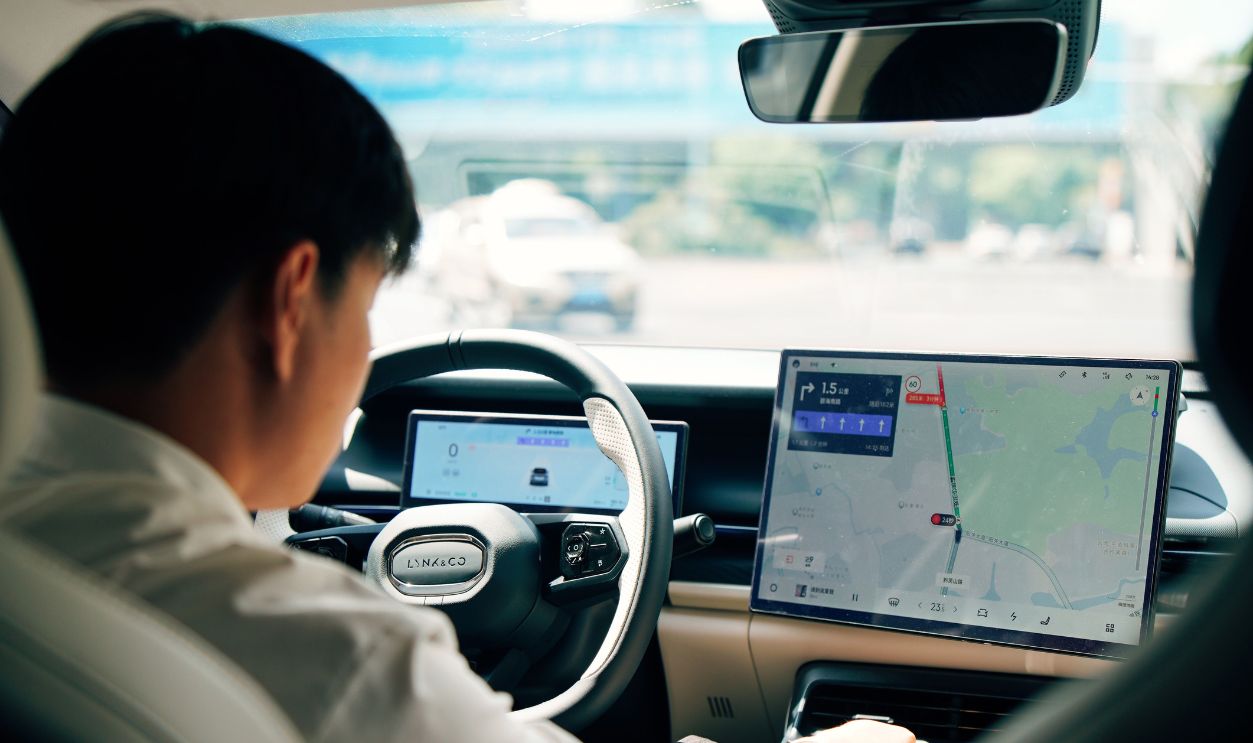
How To Protect Yourself Before You Buy
Ask the dealer which navigation features still work after the free trial ends and which ones need a paid plan. Get the exact package name, renewal price, and trial end date in writing. Also ask whether Apple CarPlay and Android Auto are included, because those can be your easiest way around an expensive factory system.
 f.t.Photographer, Shutterstock
What Used-Car Buyers Should Check
Test the navigation in the actual vehicle, not just the menu screen. Make sure route guidance works, check whether voice commands function, and find out whether live traffic or destination search need an active subscription. If possible, check the manufacturer's owner portal or have the seller show the current connected-services status before you hand over any money.

Can You Simply Use Your Phone Instead?
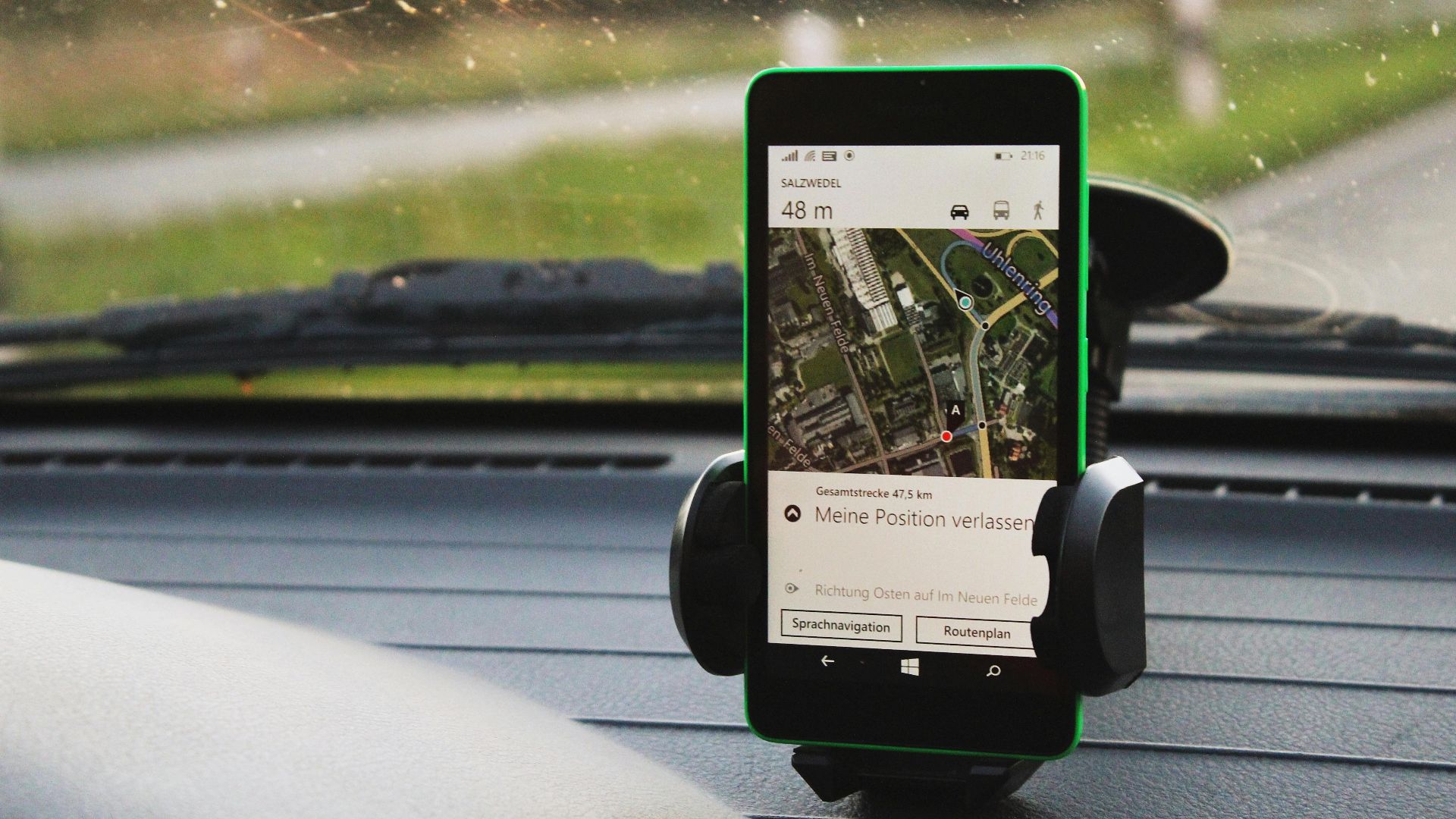
For many drivers, yes, and that is a big reason this debate matters so much. A windshield mount or a supported CarPlay or Android Auto setup can deliver excellent navigation without a separate car-company map fee. The downside is that phone-based navigation depends on cellular coverage, battery life, and, in some cases, a data plan you are already paying for anyway.
The Bottom Line On Whether You Already Bought It
You almost certainly bought the car's navigation hardware, but you may not have bought every navigation service forever. The key difference is between built-in equipment and the software, data, and connectivity layered on top of it. If that sounds like a bad deal, plenty of drivers agree, and the industry's recent reversals show automakers know people are watching.