The App Is Not The Whole Story
How much information is your car sending to the company every day? The reality is, a modern vehicle transmits constant information through its built-in cellular modem, telematics hardware, and onboard software, even if you've never touched the app. That's the uncomfortable starting point for this question, and it's backed by years of reporting, privacy reviews, and government disclosures.

Why This Became A Big Deal
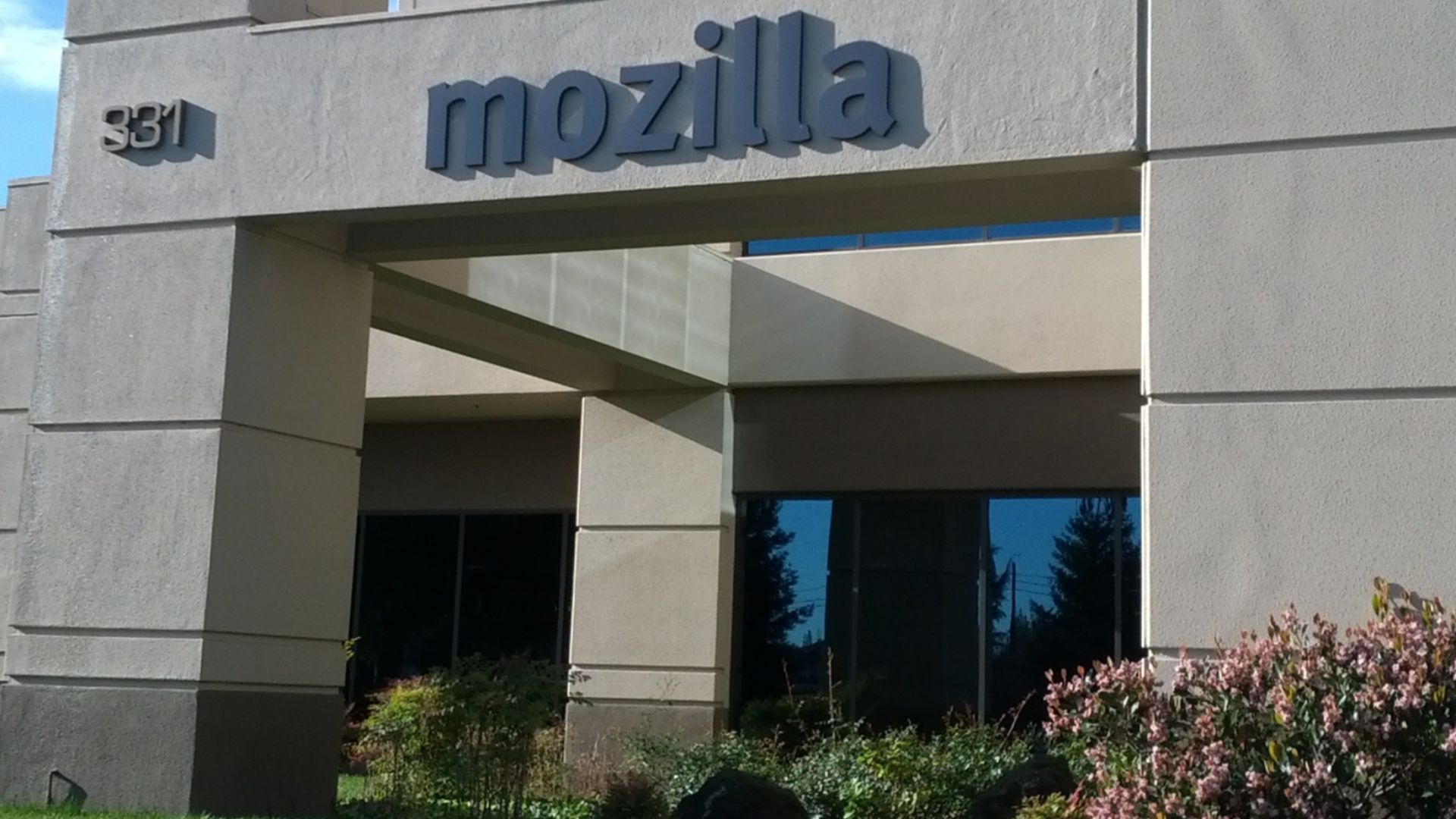
The issue burst into public view in September 2023, when the Mozilla Foundation published a sweeping privacy review of major car brands. Its researchers called cars a privacy nightmare and found that many automakers collected broad categories of personal data, often far beyond what drivers would expect. The report did not create the problem, but it gave millions of people a clear reason to ask what their own vehicles were doing in the background.
Mozilla Put Car Privacy Under A Bright Light
Mozilla’s review covered 25 car brands and said every one earned its Privacy Not Included warning label. The group reported that brands could collect data such as geolocation, driving behavior, voice information, and linked-device data, depending on the company and the vehicle features involved. The takeaway was simple: your car may act more like a rolling connected device than a sealed-off machine.
Your Car Has Its Own Connection
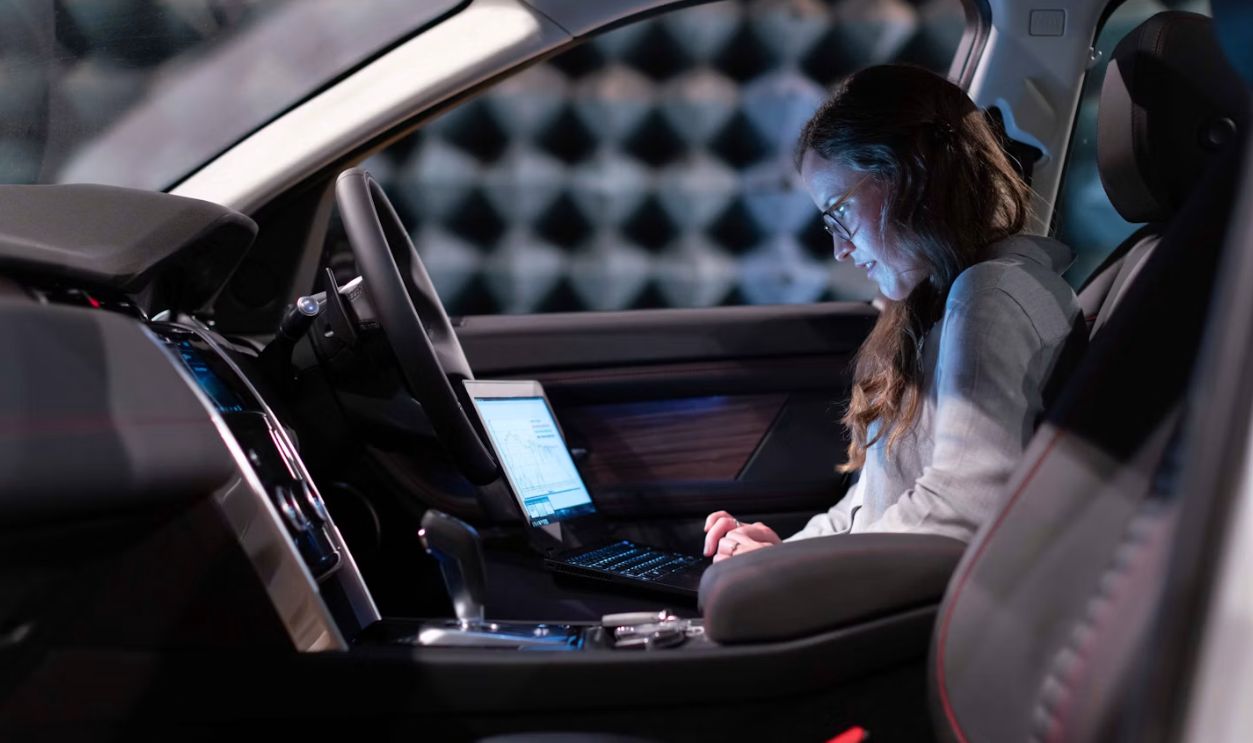
The reason an app is not required is pretty simple. Many newer vehicles have embedded telematics systems with their own cellular connections, often used for emergency calling, remote diagnostics, software updates, navigation, stolen-vehicle services, and subscription features. If that hardware is active, the car can communicate with the automaker or service providers without any help from your phone.
What Telematics Can Send
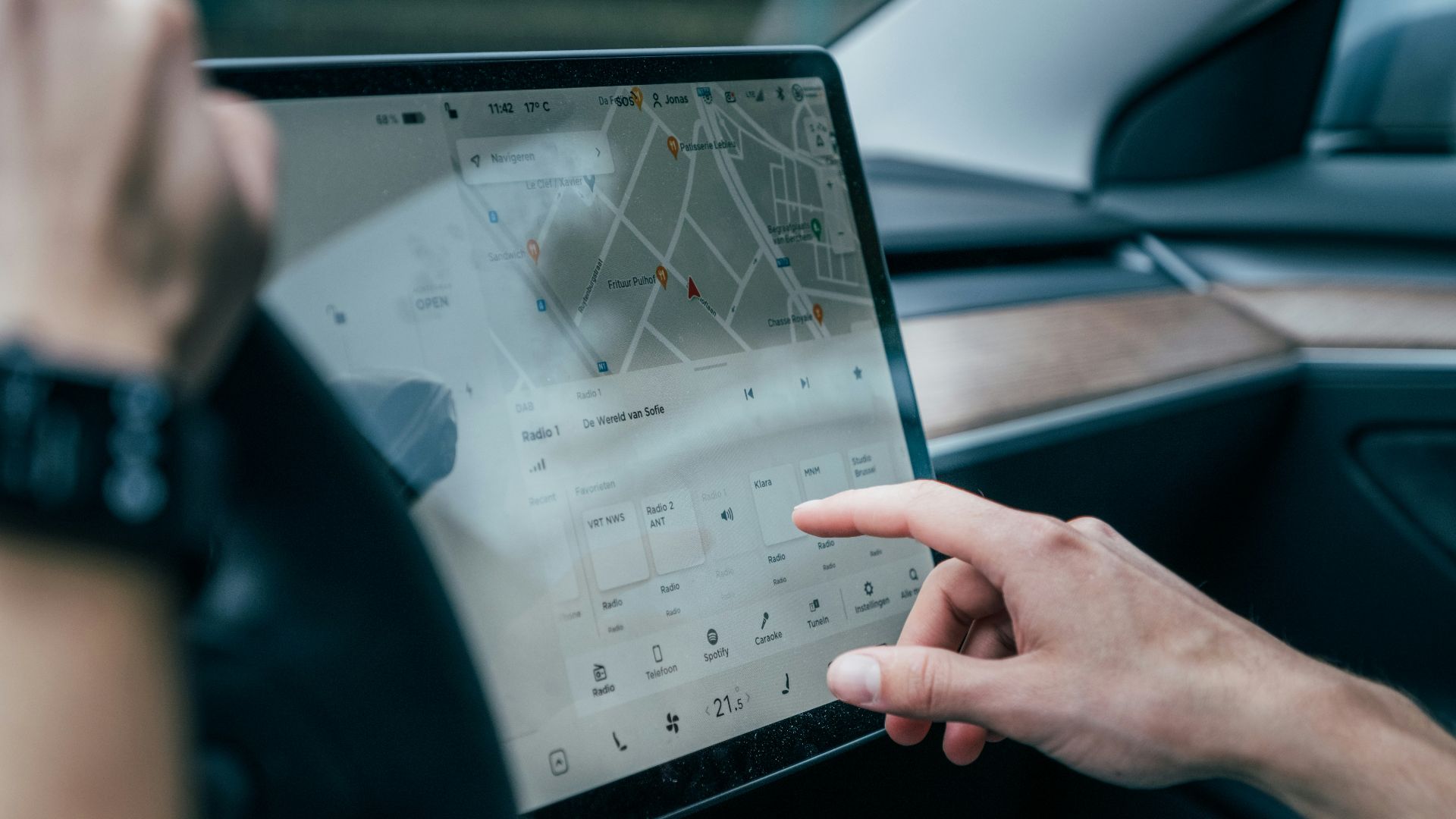
The exact data varies by brand and model year, but common categories include vehicle location, speed, acceleration patterns, braking events, seat belt status, odometer readings, maintenance codes, battery or fuel state, and trip information. Some privacy policies also describe collection of infotainment and connected-service usage data. In plain English, the car can know a lot about where it goes, how it is driven, and what systems are being used.
The Fine Print Usually Says Plenty
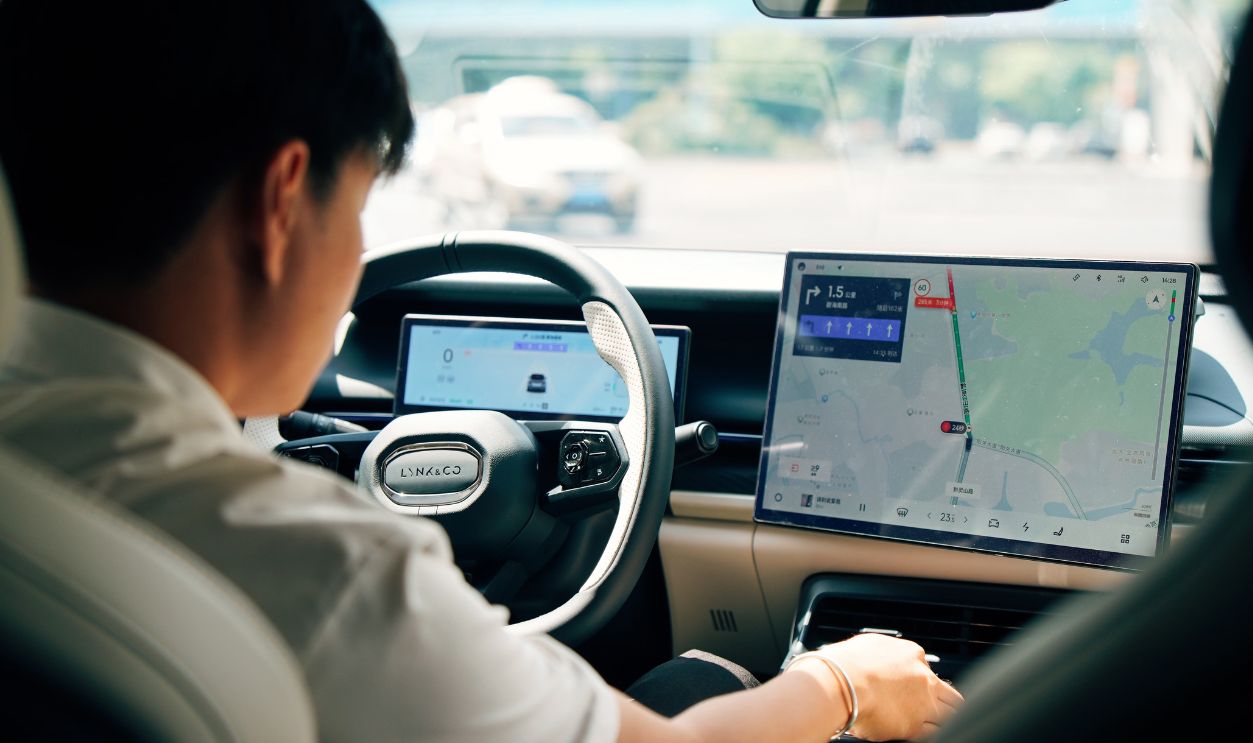
If you dig into automaker privacy notices and connected-services terms, the language is often broad. Companies commonly explain that they collect vehicle data, diagnostics, precise or approximate location, account information, and usage details to provide services, improve products, enforce contracts, and comply with law. Drivers who never installed an app may still have accepted this setup by buying the vehicle, activating connected features, or using the infotainment system.

One Discovery Came From The New York Times
In March 2024, Kashmir Hill reported in The New York Times on how driving data from connected vehicles had been shared with data brokers that created risk scores for insurers. The article highlighted LexisNexis Risk Solutions and Verisk, and described how some drivers said they did not realize their driving behavior was being collected and distributed this way. That reporting gave the public a concrete example of how telematics data could travel far beyond the dashboard.
 New America, Wikimedia Commons
GM Became The Flashpoint
The New York Times reporting focused heavily on General Motors and its OnStar Smart Driver program. According to the article, some customers learned only after insurance consequences that data tied to hard braking, late-night driving, speeding, and mileage had been shared with third parties. The uproar was immediate because this was no longer an abstract privacy concern. It was a real-world case with premiums, records, and angry owners.

What OnStar Smart Driver Actually Did
OnStar Smart Driver was marketed as a feedback tool that scored driving habits and offered coaching. But in 2024, many readers were stunned to learn that program data could also be furnished to outside companies used by insurers. GM later said it had stopped sharing Smart Driver data with LexisNexis and Verisk, a major shift that showed how much pressure the company faced once the practice became widely known.

This Was Not Just A PR Mess
Regulators moved in too. In January 2025, the Federal Trade Commission announced proposed action involving General Motors and OnStar over allegations about collection, use, and disclosure of geolocation and driver behavior data. The FTC said the proposed order would bar GM from sharing sensitive geolocation and driver behavior data with consumer reporting agencies for five years, turning a public controversy into a formal federal consumer-protection matter.

The FTC Spelled Out The Sensitivity
The FTC’s announcement is useful because it shows exactly what officials considered sensitive. The agency referred to precise geolocation data and driving behavior information, including things like hard braking, hard acceleration, night driving, long drives, and seat belt usage. That list gives drivers a realistic sense of how detailed telematics records can become even when they are not opening an app every day.

California Investigators Also Dug In
State regulators were paying attention too. In July 2024, the California Privacy Protection Agency announced a formal inquiry into connected vehicle manufacturers and related technologies. The agency said it was examining how automakers collect, use, and share drivers’ personal information, including location data, which showed how wide the concern had become.
Connected Cars Can Know Where You Sleep
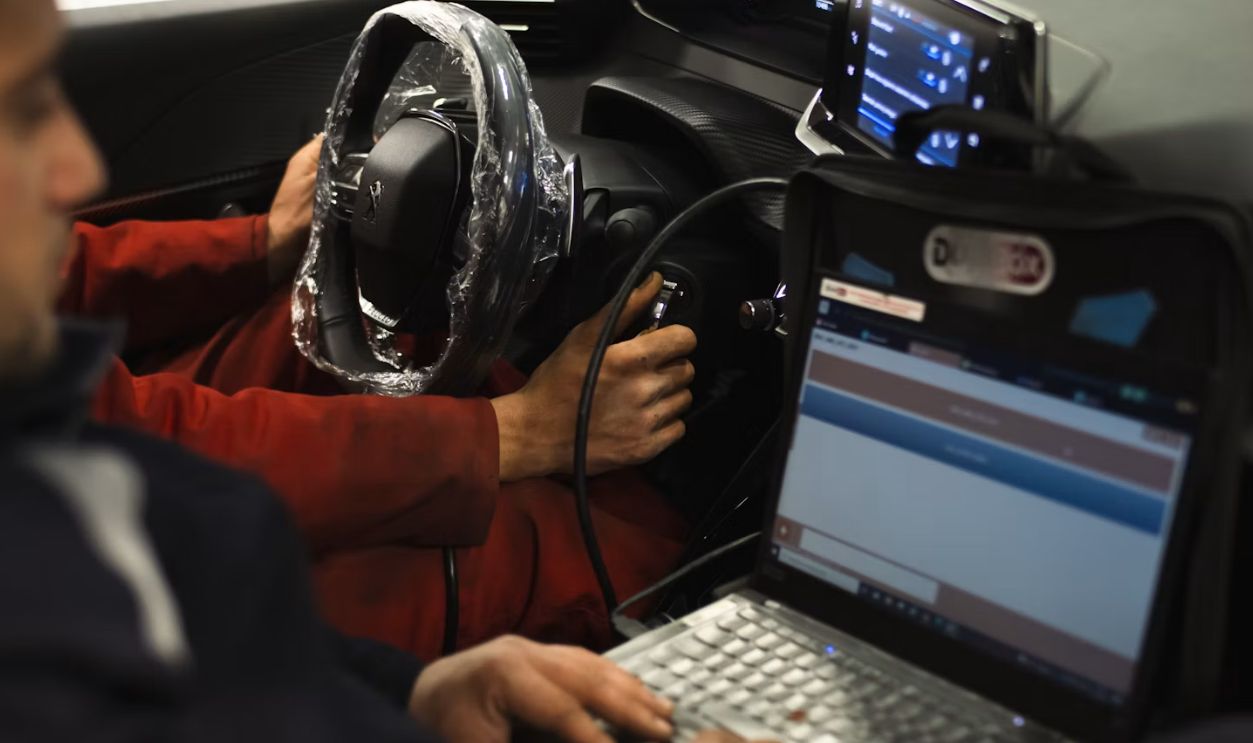
Location data is one of the most revealing categories because repeated trips can expose home addresses, workplaces, schools, places of worship, medical visits, and daily routines. Privacy advocates have warned for years that geolocation can become deeply personal even without a person typing anything into an app. A car that quietly logs routes over time can build an unusually intimate picture of daily life.
Driving Style Data Can Be Just As Revealing
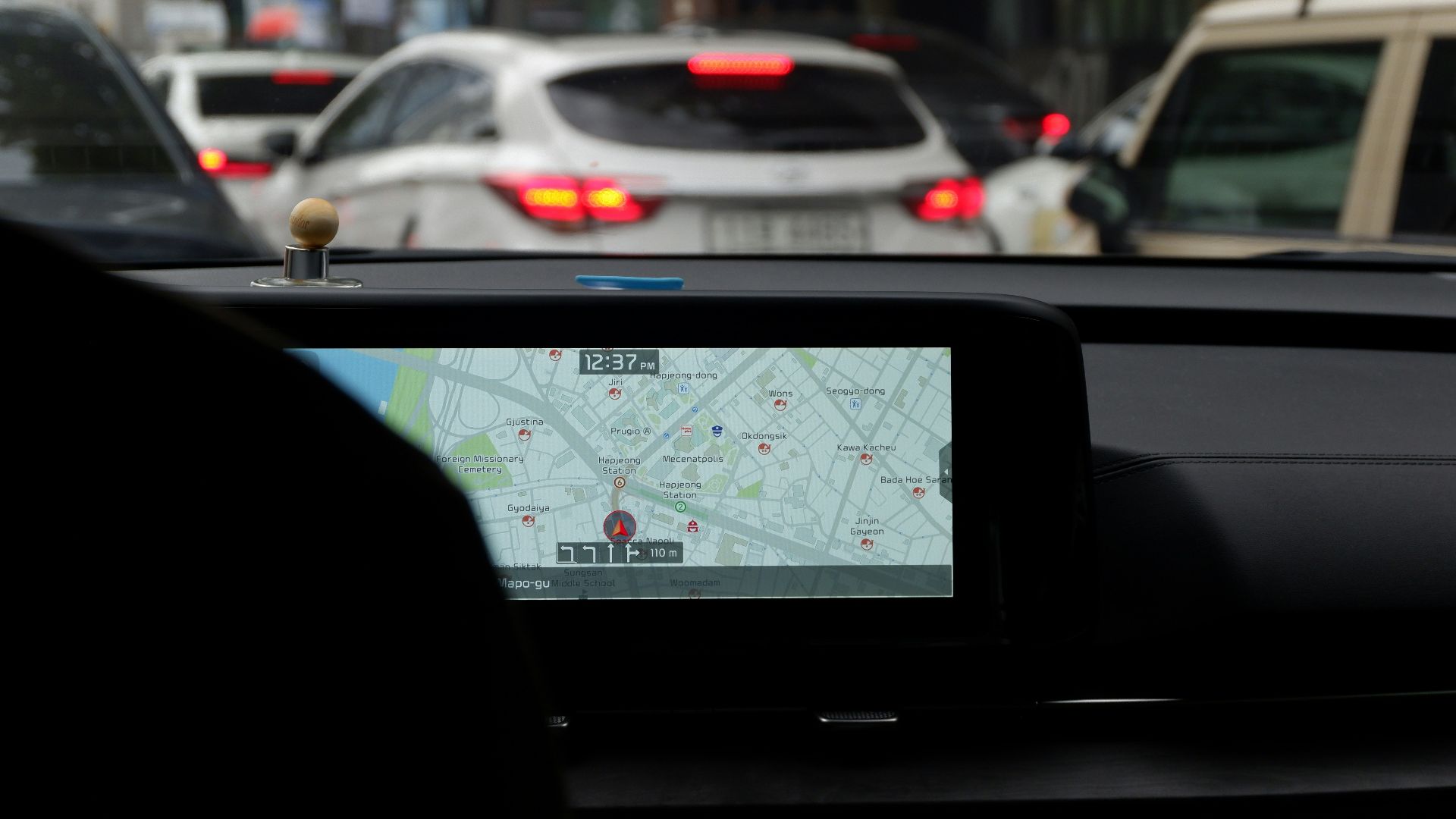
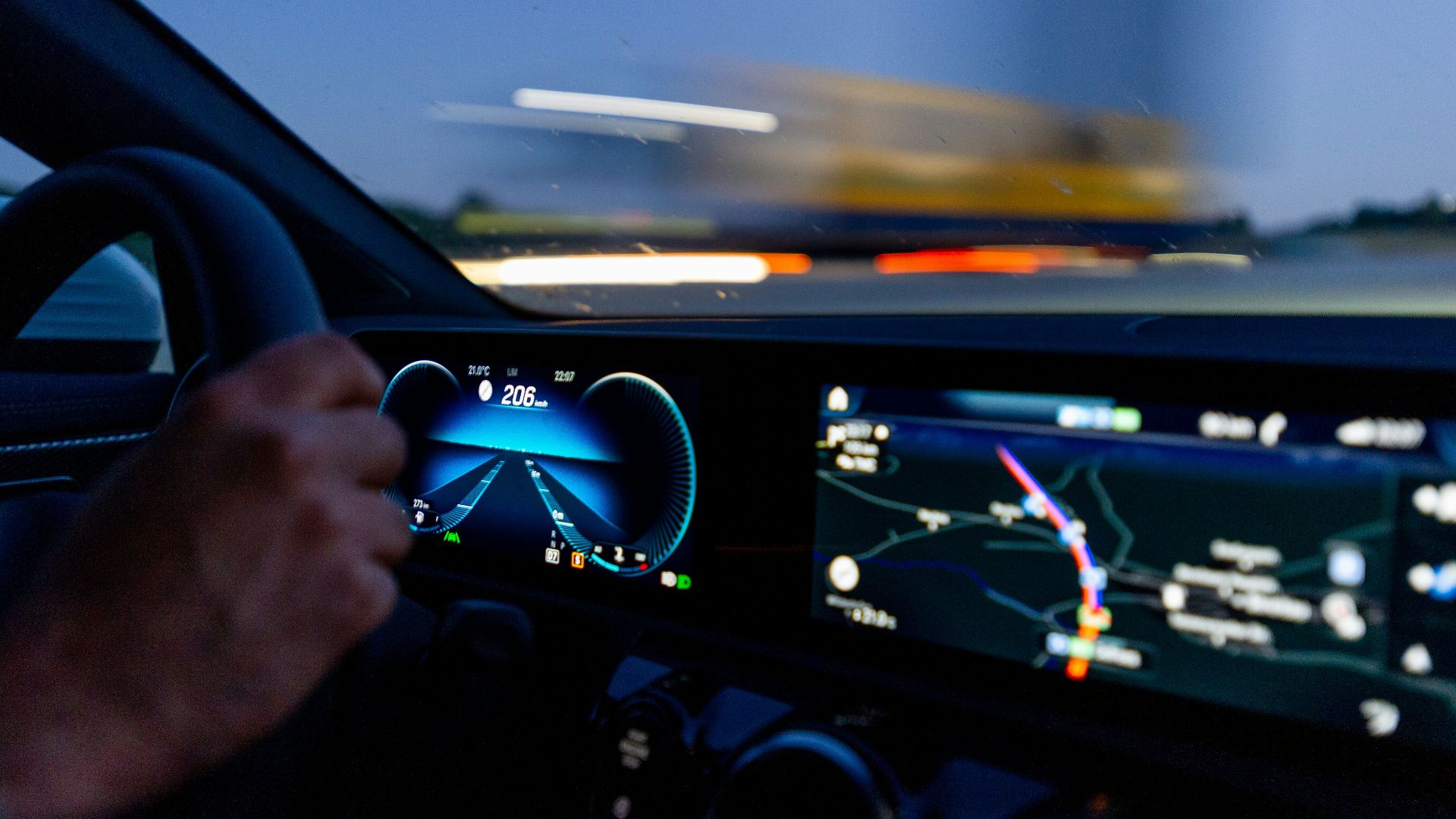
The car may also track how you drive, not just where you go. Hard braking, rapid acceleration, speed relative to posted limits or inferred road conditions, trip length, time of day, and frequency of use can all feed a behavioral profile. That profile may be used for safety coaching, product development, subscription features, or insurance-related scoring, depending on the program and the permissions involved.
Phone Pairing Opens Another Door
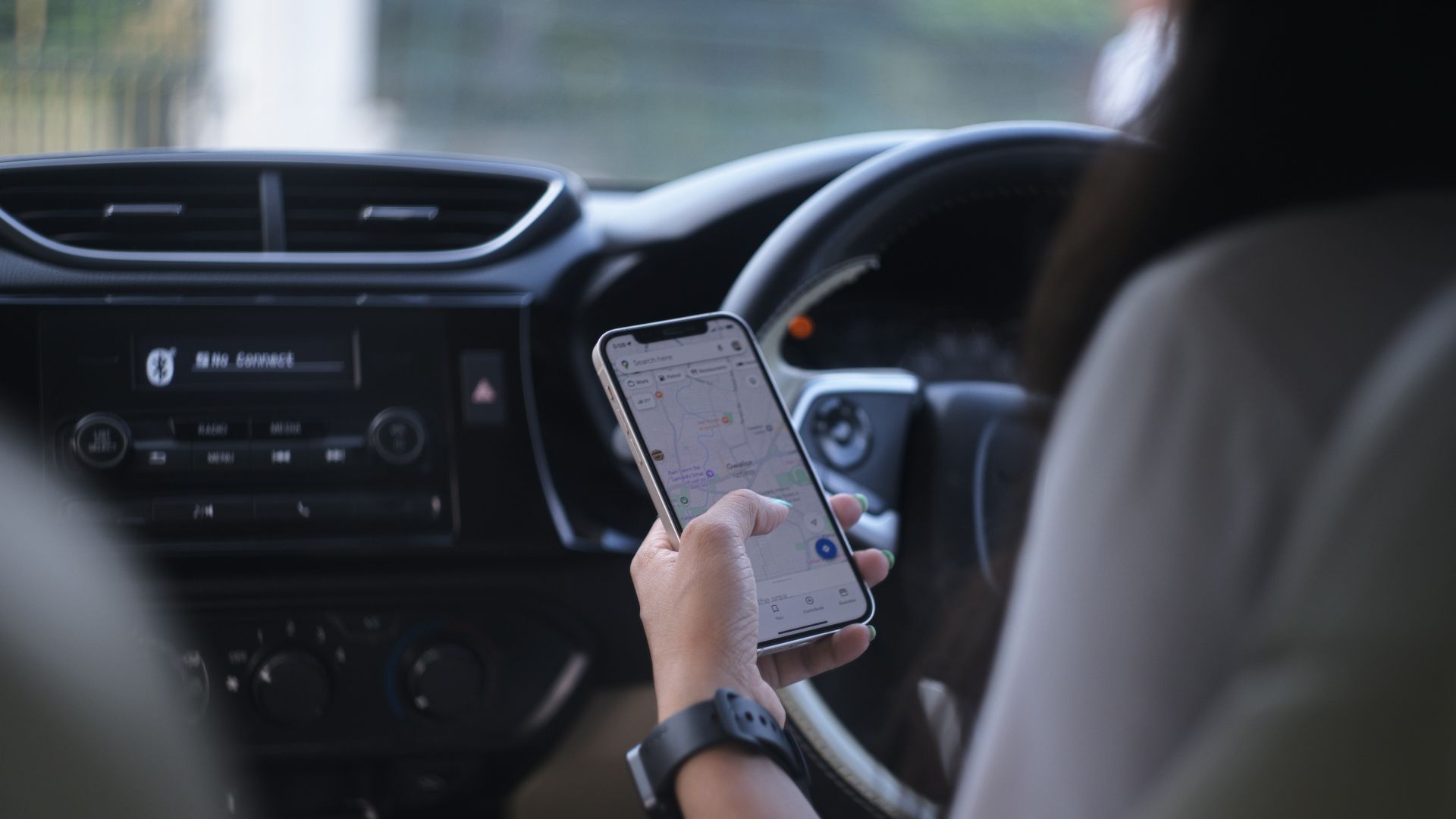
Even if you skip the official automaker app, connecting your phone through Bluetooth, Apple CarPlay, Android Auto, or the infotainment system can still open up additional data flows. Contact lists, call logs, text metadata, media usage, and device identifiers may be accessible to the vehicle, depending on settings and system design. Mozilla’s 2023 review warned that several brands described collecting data from connected devices and in-car services.
Voice Assistants Add More Data Points
Many late-model vehicles include voice assistants or cloud-based voice processing for navigation and cabin controls. That can mean voice commands, transcripts, or audio snippets are handled by the automaker or technology partners to provide the service. The practical point is that convenience features often come with a backend data trail, whether or not the phone app is part of your life.
Diagnostic Data Is Constantly Valuable
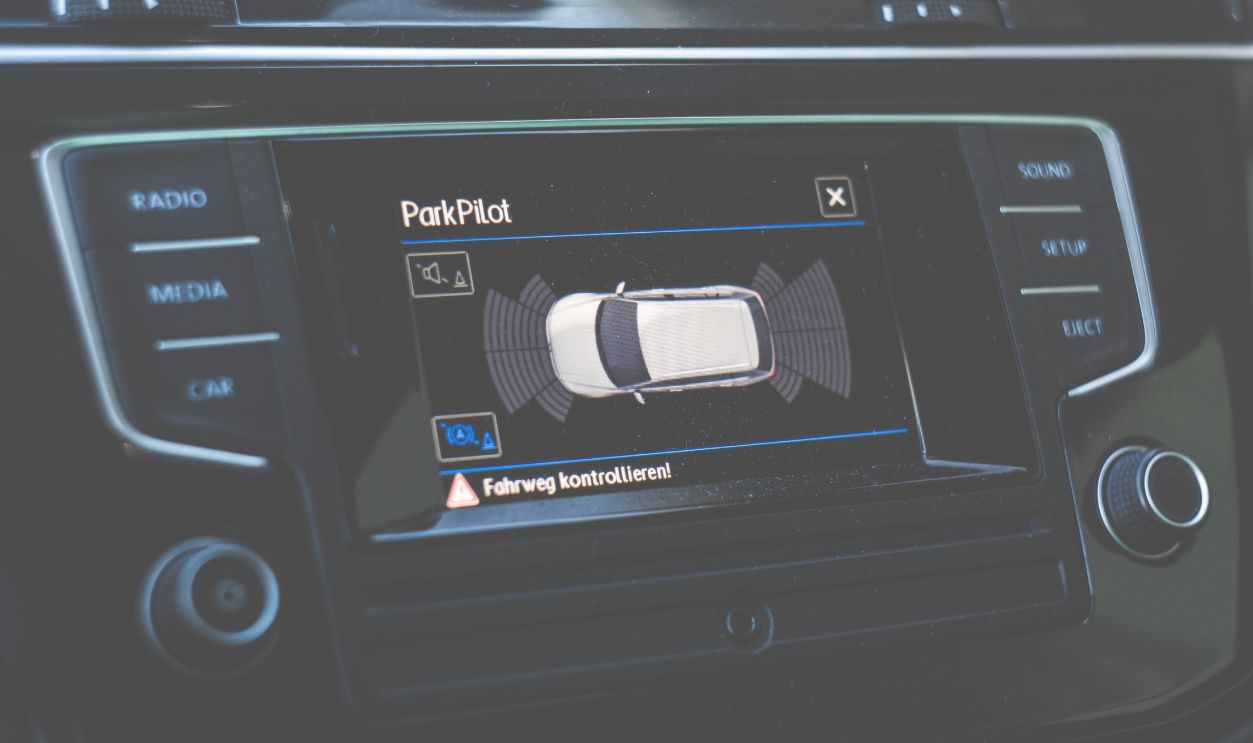
Some of the least surprising data collection is also the most constant. Automakers want diagnostic trouble codes, battery status, engine or powertrain performance information, and software fault reports because that helps with maintenance alerts, warranty decisions, recalls, and over-the-air updates. This category may feel harmless, but it still confirms that the car is talking to someone even if you never touch the app.
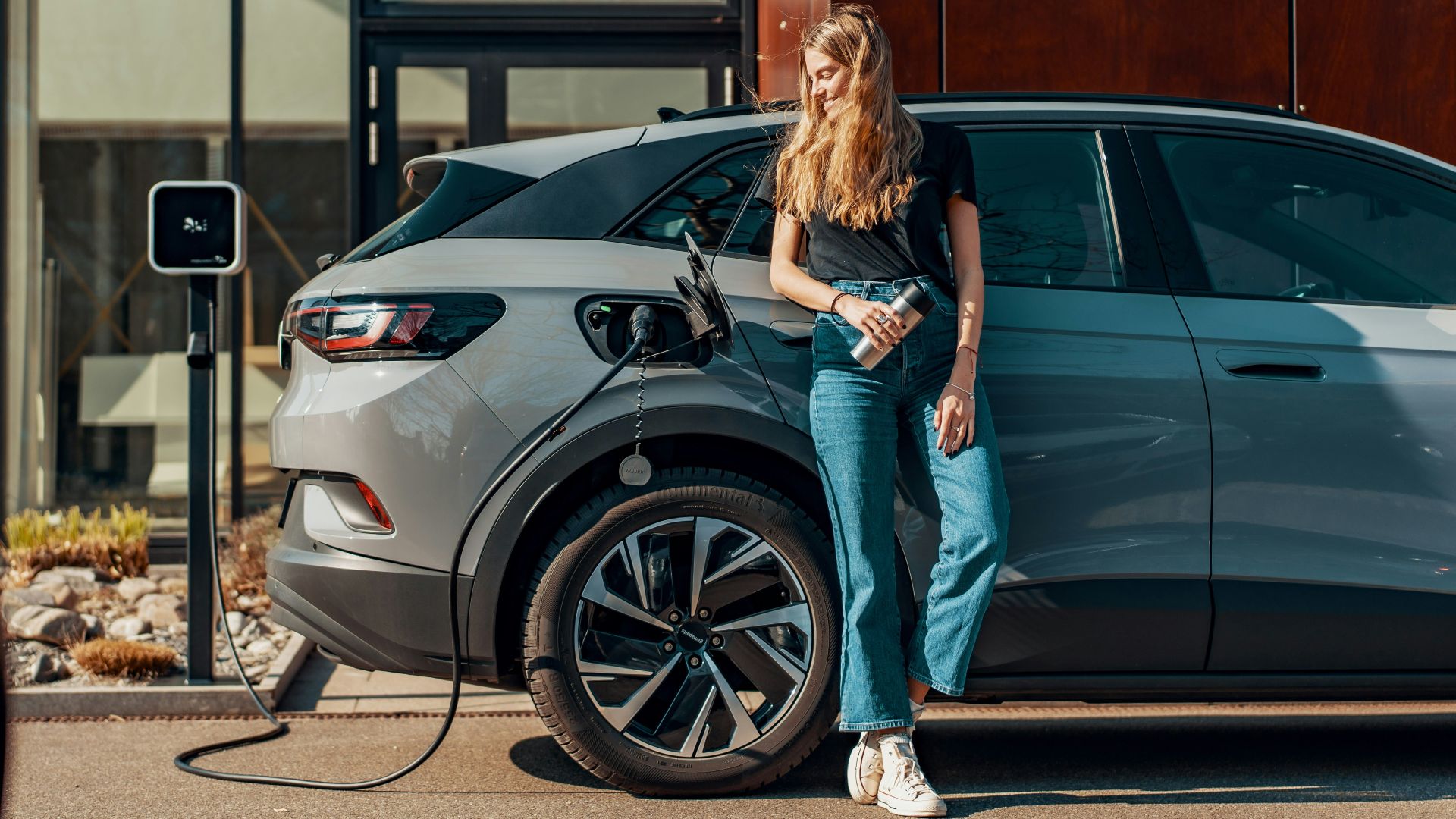
Electric Cars Can Be Especially Chatty
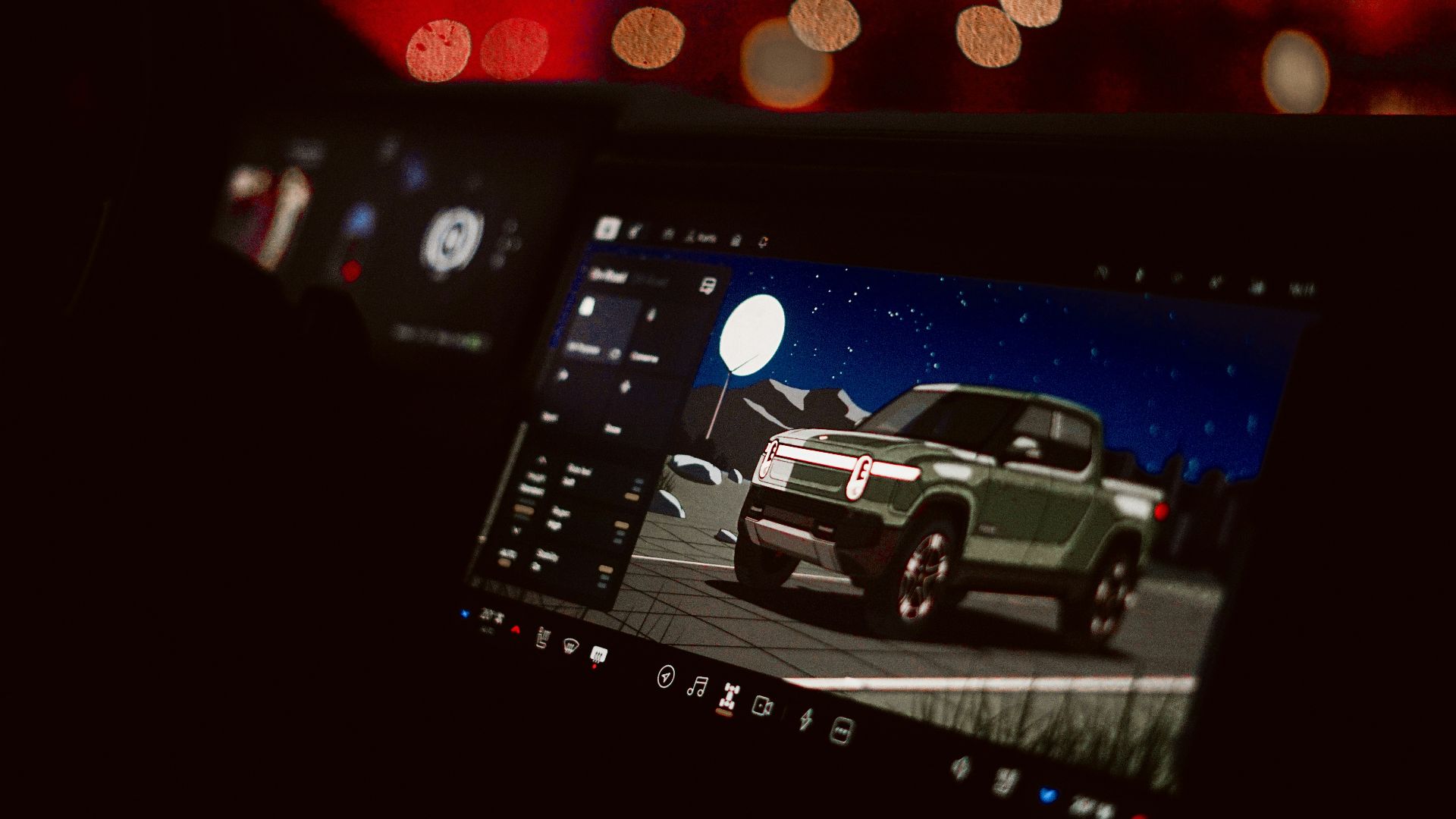
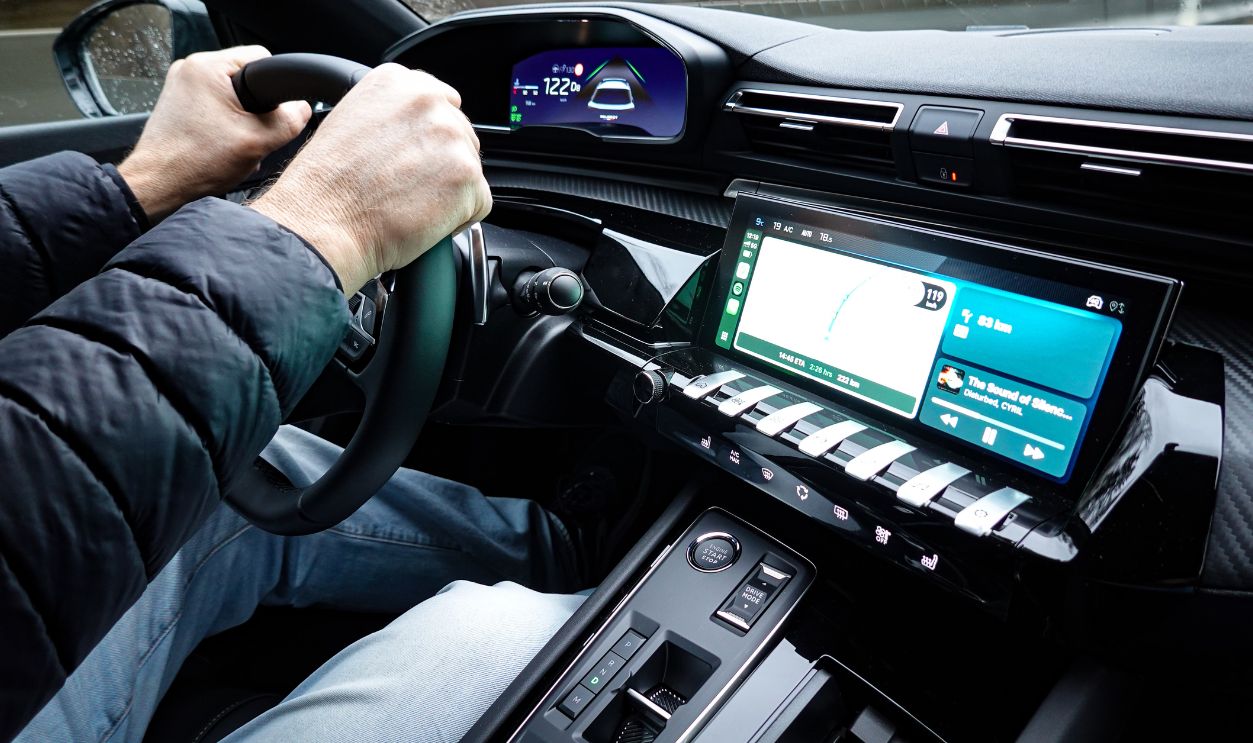
EVs often rely heavily on connectivity for charging management, route planning, battery preconditioning, software updates, and energy-use analytics. That means state of charge, charging times, charger locations, consumption patterns, and trip planning data may all be transmitted to support normal operation. Drivers sometimes think of this as a Tesla-only issue, but the broader connected-EV market has similar technical needs.
Insurance Is Where Drivers Notice Fast
The reason this topic suddenly feels personal is that insurance pricing can turn hidden data collection into a monthly bill. The New York Times reporting in 2024 showed how drivers discovered telematics records when they requested LexisNexis consumer disclosures or saw premium effects. Few things sharpen privacy awareness like learning your own car may have helped create a risk profile you never knowingly reviewed.

Can A Car Send Data Without Your Consent
The legal answer depends on the jurisdiction, the terms you agreed to, the account setup, and the specific data category. In practice, many drivers consent through purchase paperwork, privacy notices, connected-service enrollment, vehicle settings, or continued use of features rather than through one dramatic app pop-up. That gap between technical consent and real understanding is exactly why this has become such a hot consumer issue.
Used Car Buyers Face A Sneaky Problem
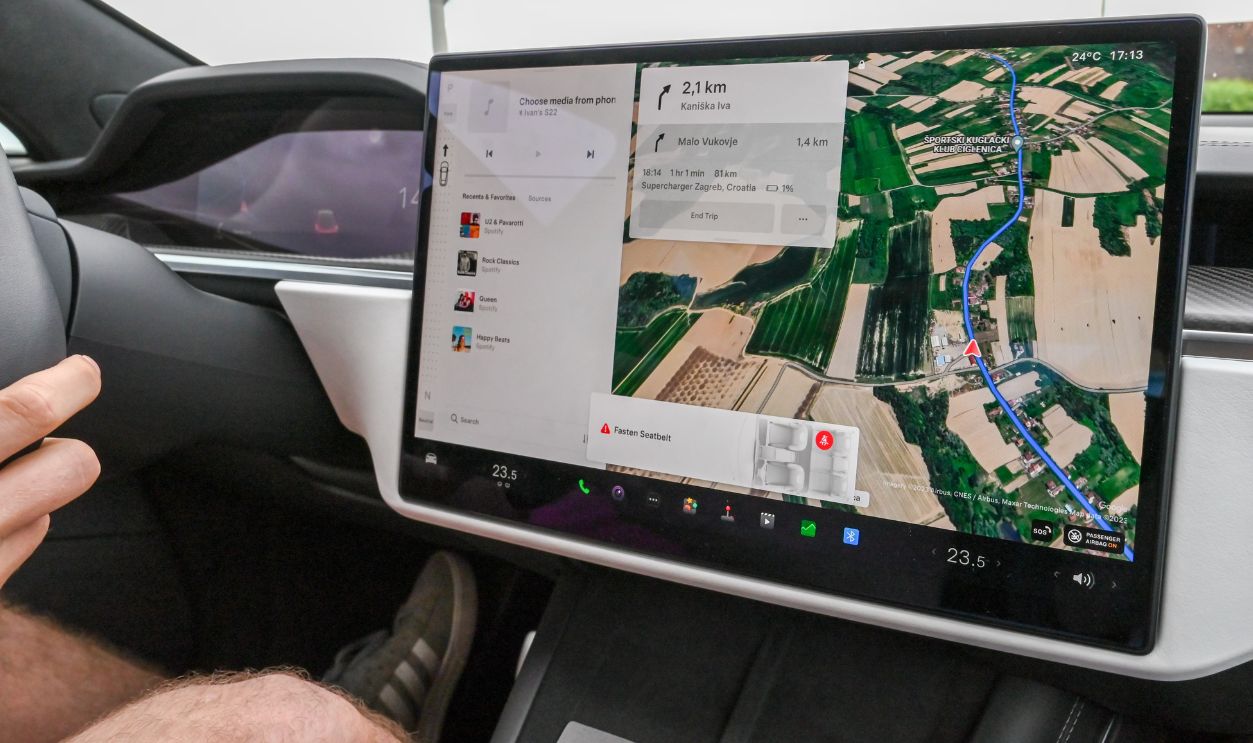
Pre-owned vehicles add another wrinkle because prior owners may have activated services, paired phones, or left accounts linked to the car. A buyer can inherit a connected vehicle with dormant or active subscriptions, stored personal data, and privacy settings they never set up. Consumer Reports has warned owners to reset infotainment systems and review connected-service enrollment when buying or selling a used car.

How Much Data Are We Really Talking About
The honest answer is that it ranges from modest diagnostics to a very detailed stream of information. A basic connected vehicle may mostly report maintenance and emergency-service data, while a fully enrolled vehicle with navigation, remote services, safety packages, voice tools, and driver scoring can generate a much richer profile. The difference is not whether the app exists. The difference is what hardware, subscriptions, and permissions the car itself already has.
The Car Is A Computer On Wheels
This phrase gets repeated so often that it can sound tired, but it matters here because computers log events by design. Modern vehicles contain multiple control modules, event records, connectivity units, and cloud-linked services that exist to monitor status and exchange information. Once you accept that reality, it becomes easier to see why silence from your phone does not mean silence from your car.

What You Can Check Right Now
Start with the owner’s manual, privacy notice, and connected-services terms for your exact make, model, and year. Look in the infotainment menus for privacy, data sharing, connected services, vehicle data, driving analytics, and emergency communication settings. If the vehicle has a customer account portal, check what services are active and whether any driving-score or insurance-linked features were enabled.

What To Ask Your Automaker
Ask whether your car has an embedded cellular modem, what data categories are collected, whether precise location can be disabled, whether driving behavior is shared with outside companies, and how to opt out of nonessential collection. Also ask how to delete stored vehicle and account data, especially if the vehicle is used. Automakers do not always make this easy, but direct questions can reveal far more than a glossy brochure ever will.

What To Do Before You Sell The Car
Remove your phone pairings, sign out of connected accounts, perform a factory reset of the infotainment system, and confirm that remote-access services are deactivated. If the brand offers a web portal, revoke the vehicle from your account there too. This is not just tidy housekeeping. It is basic privacy hygiene for a machine that may remember far more than you think.

The Bottom Line For Drivers
Yes, a modern car can often send meaningful amounts of information even if you never use the automaker’s app. The biggest public wake-up calls came from Mozilla’s 2023 privacy review, The New York Times reporting in March 2024 on insurance-data sharing, California’s 2024 inquiry, and the FTC’s January 2025 action involving GM and OnStar. If your vehicle is connected, assume it may be communicating unless you have verified the settings, the subscriptions, and the privacy terms for yourself.