It Feels Fine
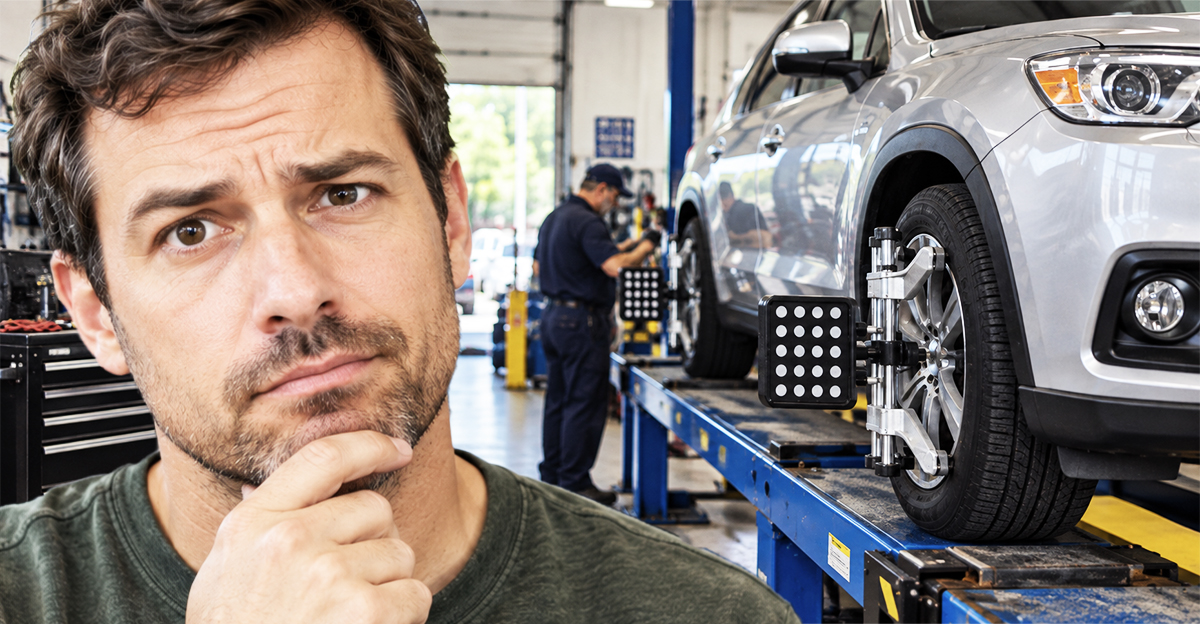
Your mechanic says the alignment is off, but your car tracks straight and the steering wheel looks centered. So why spend money fixing something you cannot feel? Alignment problems can be surprisingly subtle, and the measurements from a proper alignment machine may reveal trouble before the driver notices anything.
Alignment Means Suspension Angles
Despite the name, a wheel alignment does not involve adjusting the tires on their wheels. Technicians adjust or measure steering and suspension geometry so the wheels sit at the angles specified by the manufacturer. Correct alignment promotes predictable handling, good road contact and even tire wear.
Three Angles Matter
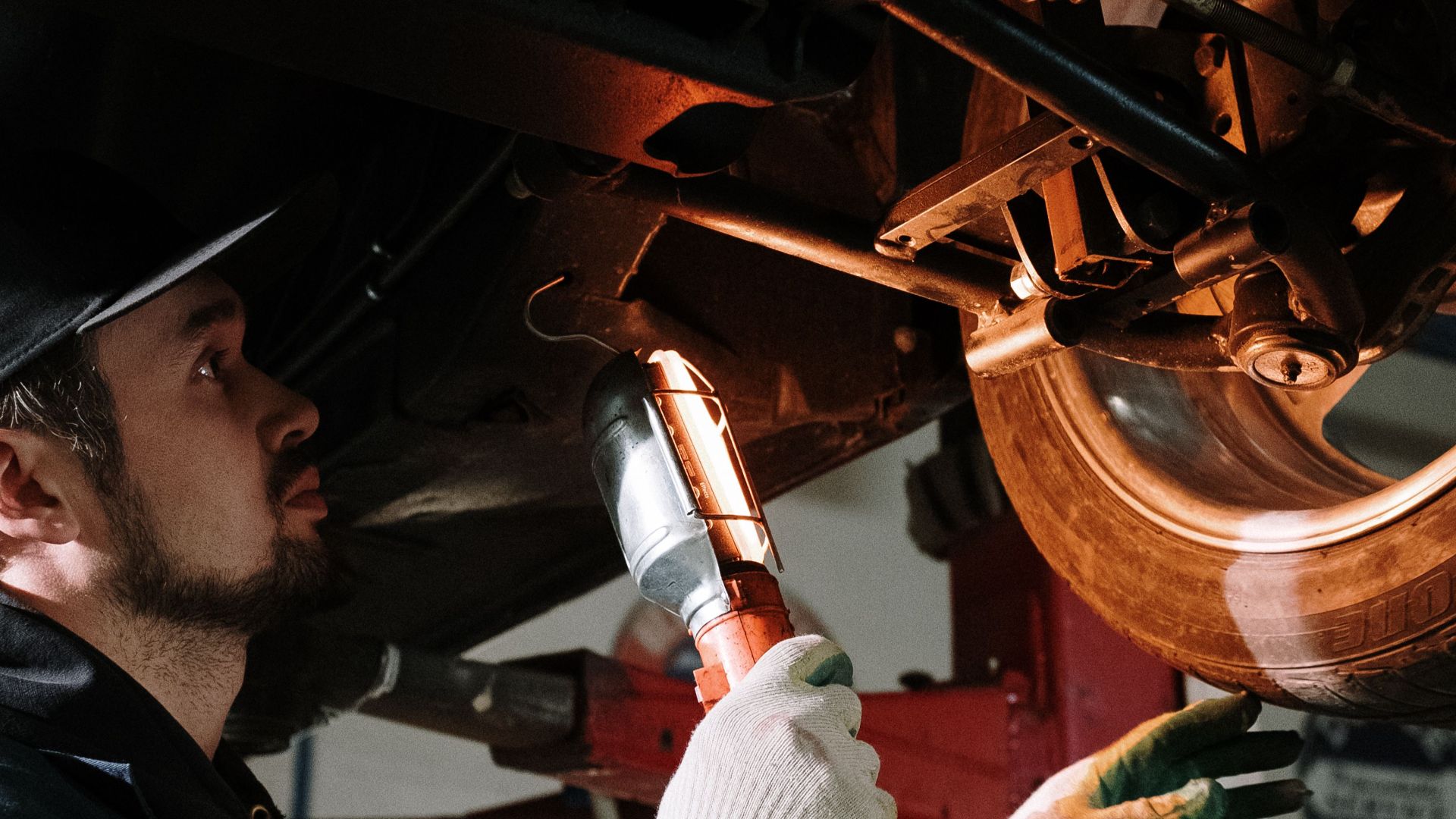
Alignment equipment primarily measures camber, caster and toe. Camber describes the wheel's inward or outward tilt, caster relates to the steering axis, and toe describes whether the tires point slightly toward or away from each other. Each measurement has a manufacturer-specified acceptable range.
Straight Does Not Prove It
Yes, your car can drive straight while one or more alignment measurements are outside specification. Small errors may not produce an obvious pull, particularly when different alignment angles partially compensate for one another. Tire wear may become apparent long before the car becomes difficult to keep straight.

Toe Can Hide Trouble
Toe deserves particular attention because even relatively small errors can scrub rubber from the tires as they roll. Both front tires can be incorrectly toed while the car still travels in a seemingly straight direction. You may therefore be wearing expensive tires without experiencing an obvious steering problem.
Camber Leaves Clues
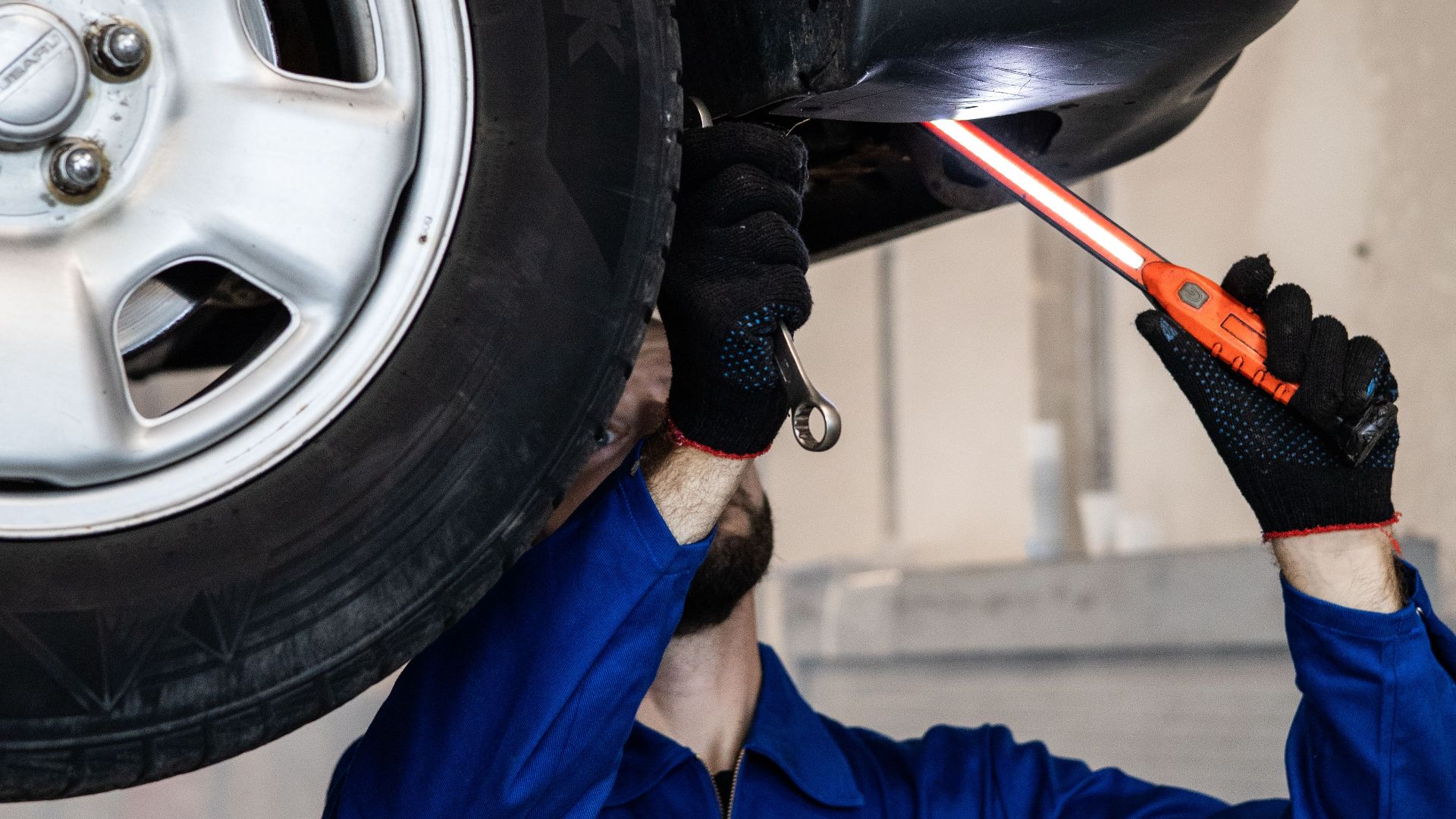
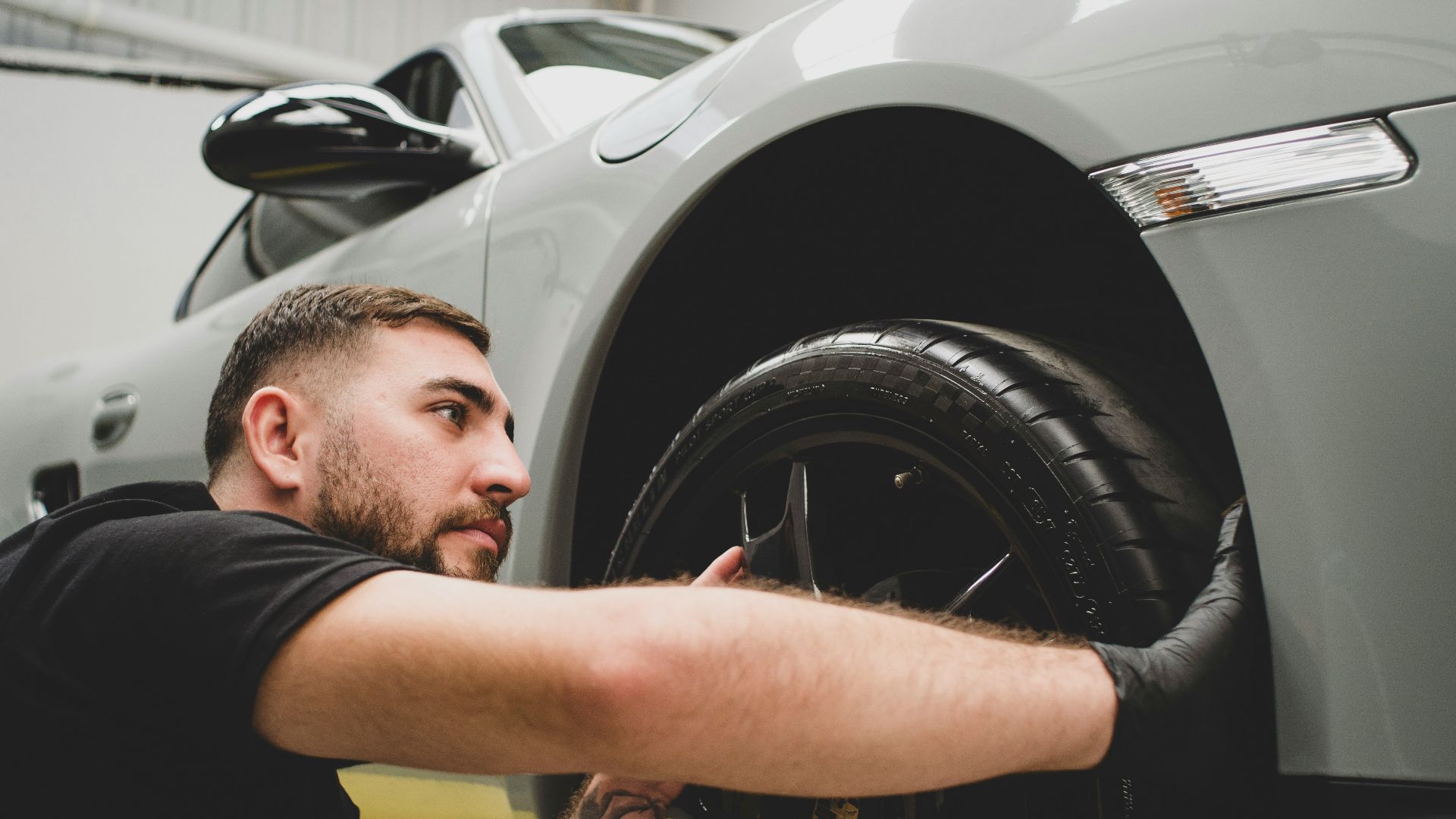
Viewed from the front, camber describes how far a wheel tilts inward or outward. Excessive positive or negative camber can concentrate wear toward one side of the tread. Inspecting the inner edges matters because serious wear there can remain almost invisible when casually looking at the car.
Caster Affects Steering
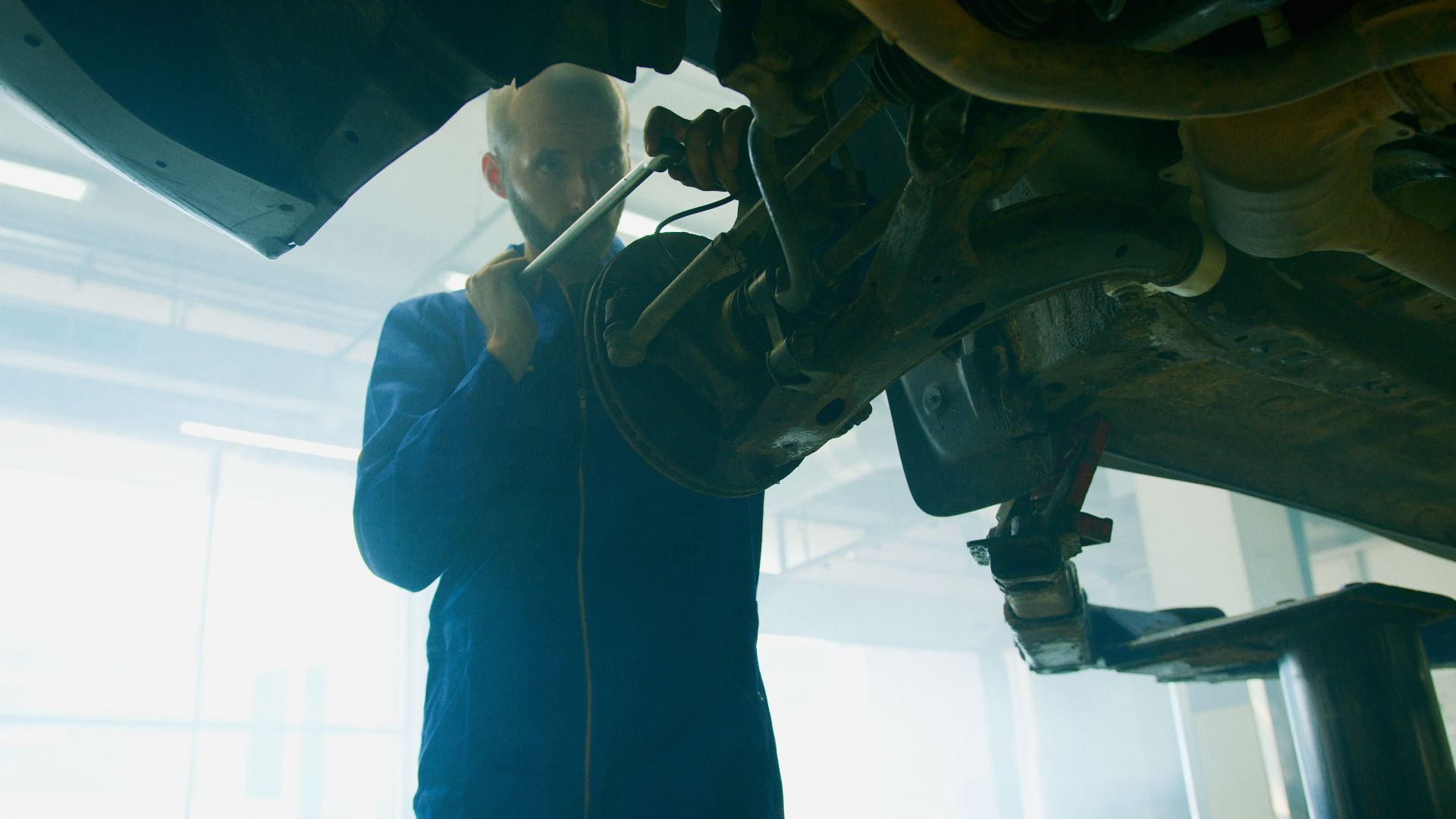
Caster helps determine straight-line stability and how naturally the steering wheel returns toward center after a turn. Incorrect caster can contribute to wandering, pulling or unstable steering. Unlike toe and camber problems, caster trouble may announce itself more through steering behavior than an easily recognized tire-wear pattern.

Ask For The Printout
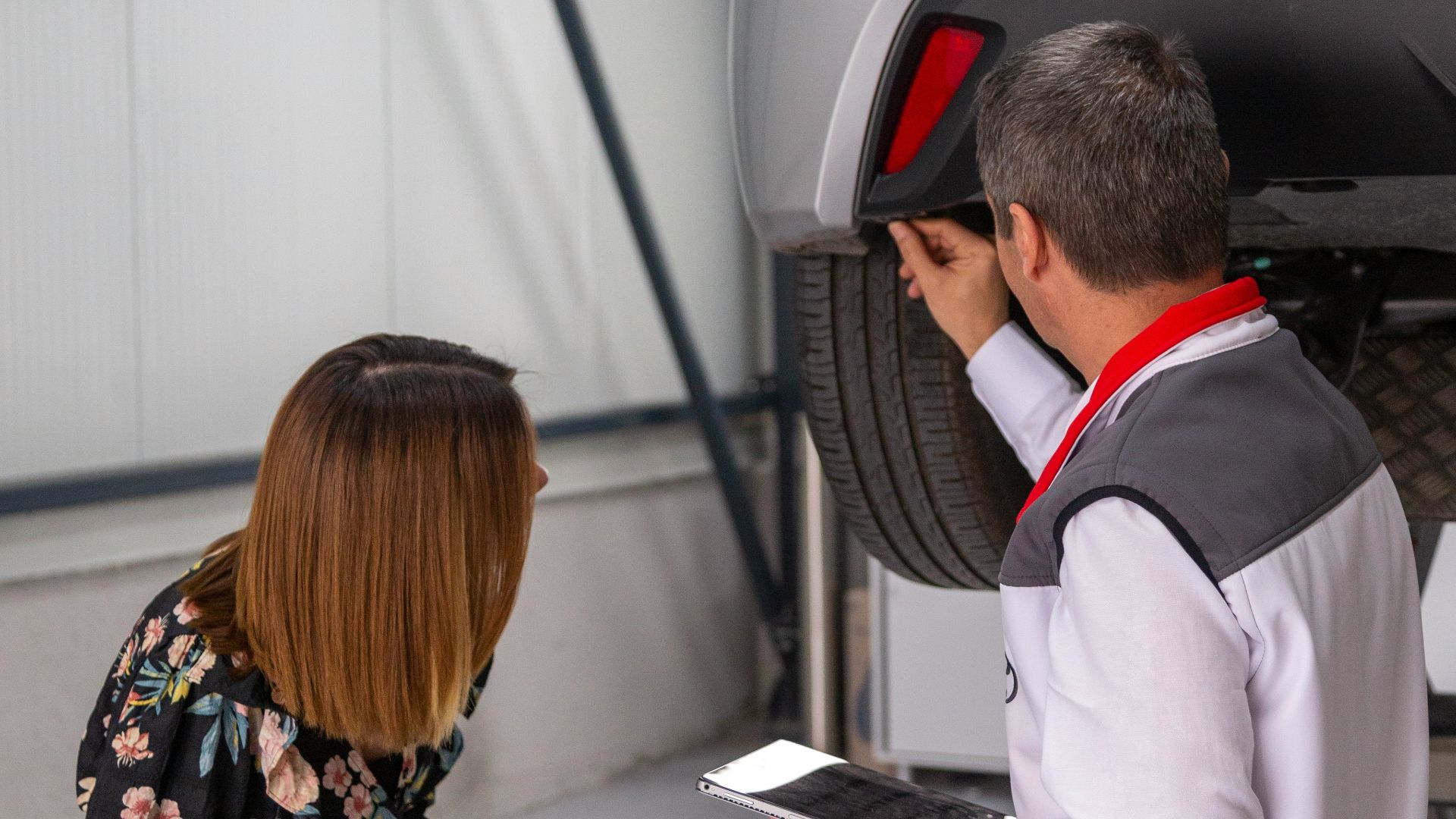
You do not have to accept "your alignment is off" on faith. Ask the shop for the alignment-machine results showing the measured angles and your manufacturer's specifications. Many systems clearly identify measurements that are inside or outside the allowable range, giving you something concrete to discuss before authorizing adjustments.

Measurements Beat Guesswork
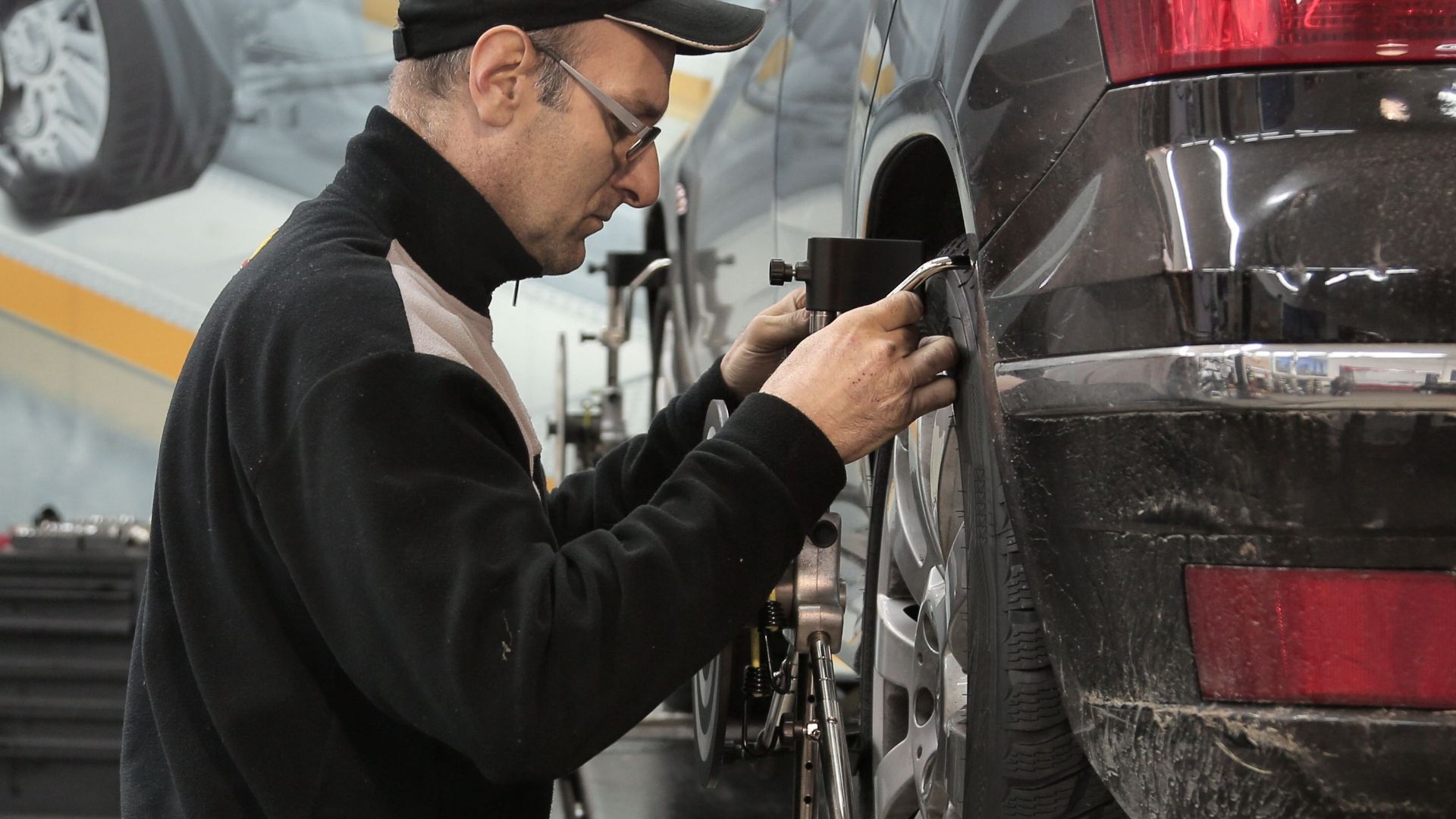
Modern shops typically place the car on an alignment rack and attach sensors or targets to the wheels. Computerized equipment measures wheel positions and compares them with vehicle specifications. The technician can then see which measurements require adjustment and monitor changes while bringing adjustable angles back into specification.
Inspect Your Tires
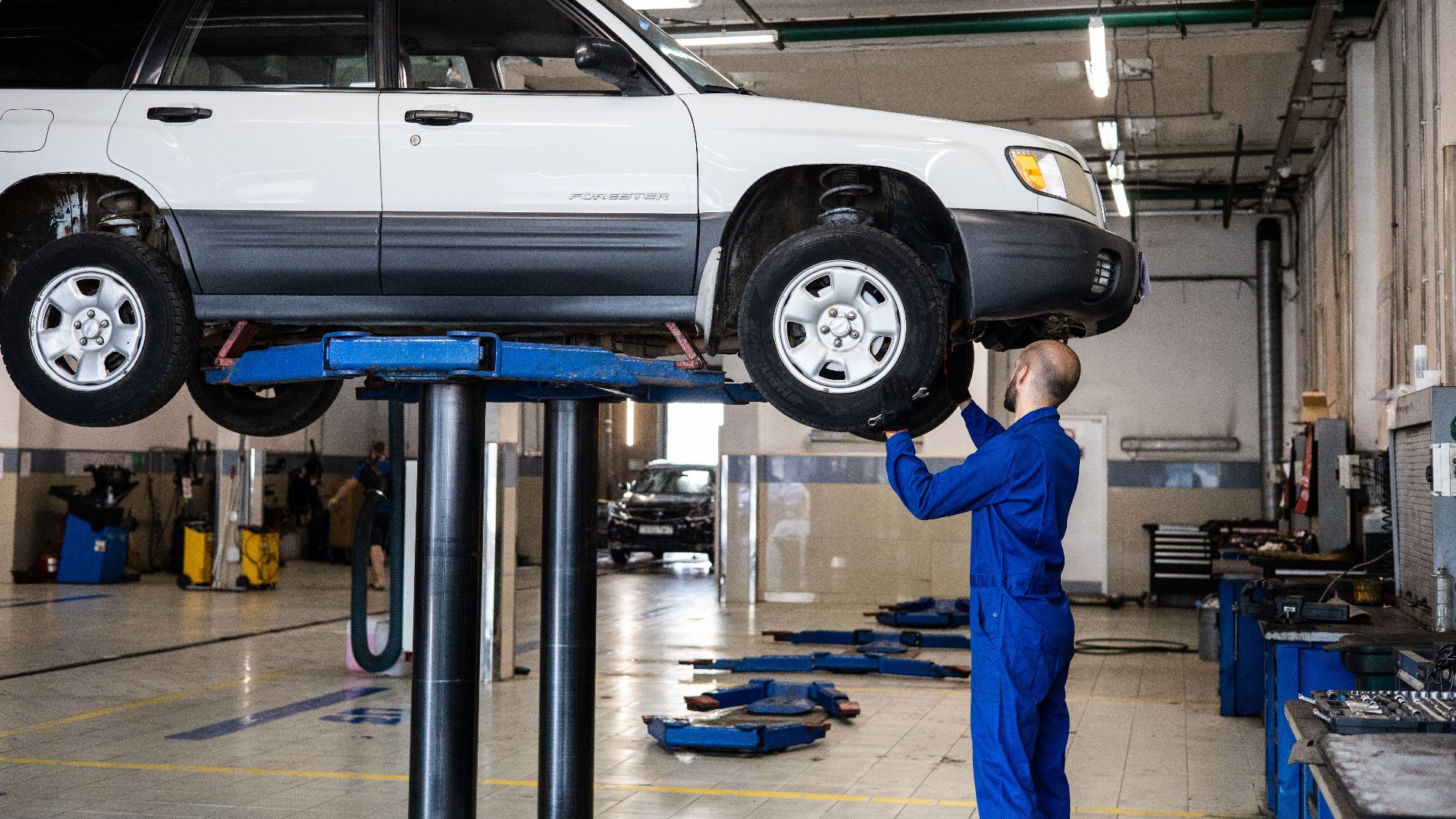
Your tires provide their own evidence. Compare tread depth across the inside, center and outside of each tire. One-sided wear can indicate alignment or suspension trouble. Running your hand carefully across the tread may also reveal feathering, where tread ribs feel smoother in one direction than another.
Check The Steering Wheel
Find a reasonably flat, straight road and notice the steering wheel's position while traveling straight. If the wheel must remain noticeably turned to one side, alignment deserves investigation. Remember that road crown can create some drift, so one imperfect stretch of pavement is not a definitive test.

Pulling Has Other Causes
A car that pulls does not automatically need an alignment. Unequal tire pressures, tire defects, worn or bent suspension components and other mechanical problems can produce similar symptoms. AAA recommends a thorough inspection to identify the cause rather than treating every steering pull as proof that alignment adjustment is required.

Alignment Is Not Balancing
Alignment and wheel balancing are different services. Alignment concerns suspension and steering geometry. Balancing corrects uneven weight distribution within the rotating wheel-and-tire assembly. A vibration, particularly as speed increases, may point toward a balance or tire problem rather than proving the wheels need alignment.
 Jose Ricardo Barraza Morachis, Pexels
Potholes Can Change Things
One hard pothole can potentially alter alignment, particularly if the impact is severe enough to affect a wheel or suspension component. Rough roads and repeated pothole impacts increase the opportunity for trouble. If the steering suddenly feels different after a major impact, having the alignment checked makes sense.

Curbs Are Another Culprit
Clipping or mounting a curb can deliver a substantial sideways impact to a wheel. The resulting problem might involve alignment, but a sufficiently hard strike can also damage a tire, wheel, tie rod or another suspension component. That is another reason an inspection should accompany the alignment check.

Driving Habits Matter
Aggressive driving, regularly encountering rough roads and striking curbs can contribute to alignment problems. Ordinary suspension wear can gradually change geometry too. Modified vehicles deserve additional attention because lifting or lowering a car changes suspension relationships and may require alignment or additional components to restore appropriate geometry.

Mileage Is Not Everything
There is no magical mileage at which every car suddenly falls out of alignment. AAA materials have recommended checks around every 12,000 miles, while newer AAA guidance suggests at least annual checks. Your owner's manual, tire condition, road environment and recent impacts provide more useful context than mileage alone.

New Tires Deserve Protection
An alignment check when installing new tires can be inexpensive insurance against prematurely destroying your purchase. AAA recommends checking alignment when new tires are installed. If measurements are already within specification, adjustment may not be necessary, but discovering bad toe after ruining new tires is an expensive alternative.
Repairs Can Require Alignment
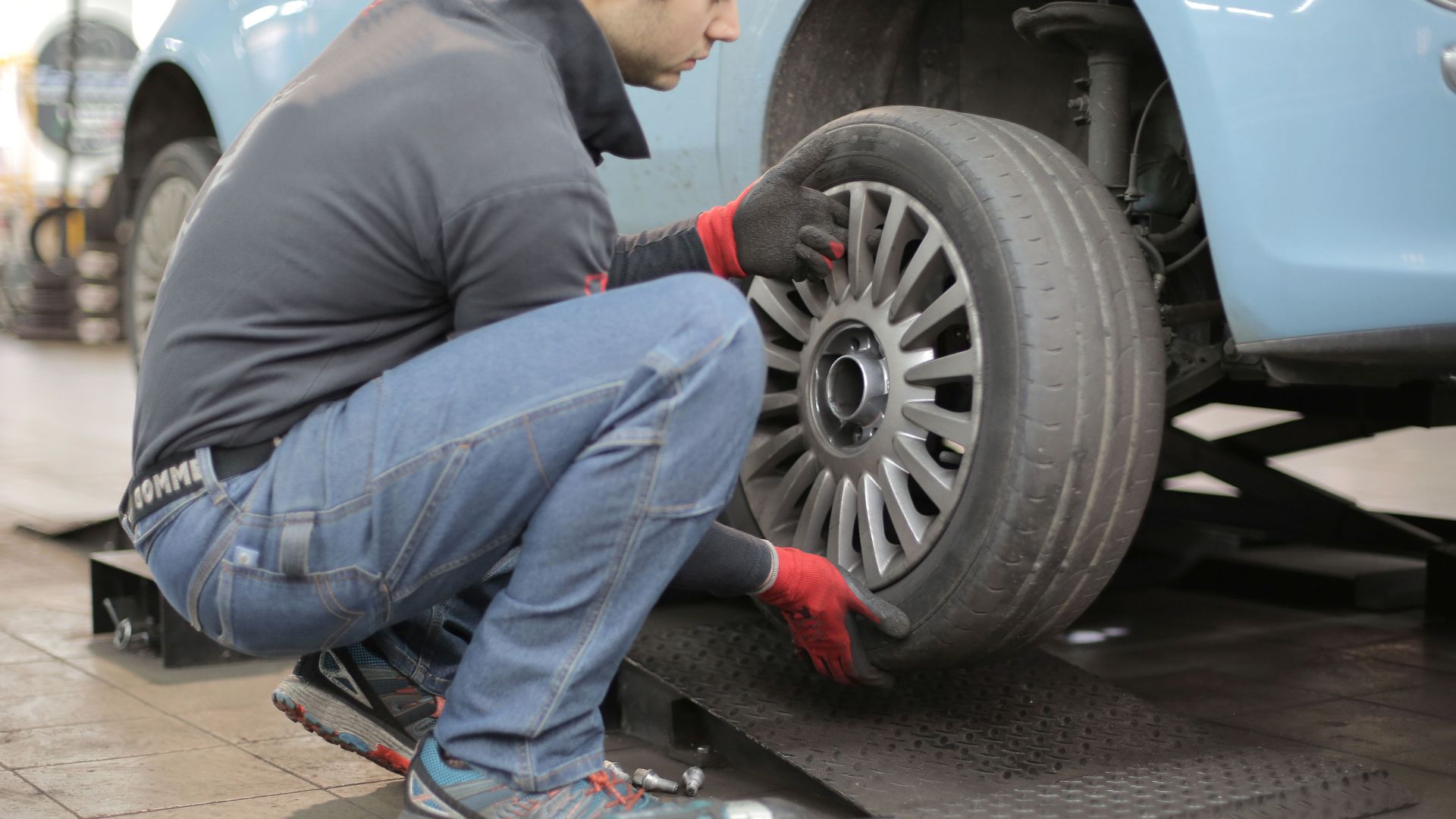
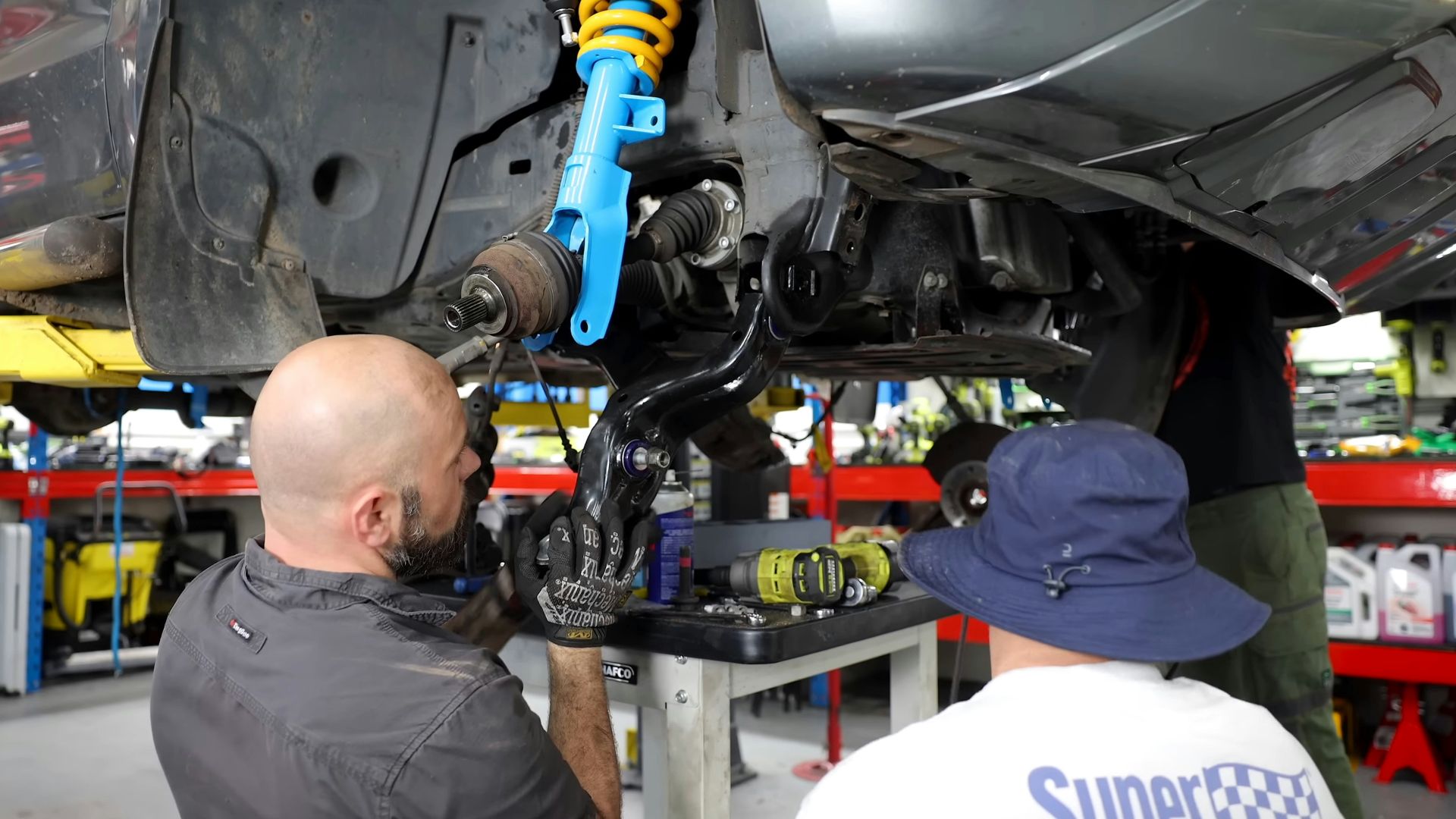
Replacing certain steering or suspension components can change wheel geometry. Tie rods and steering racks are obvious examples. Collision or structural repairs can also make an alignment essential. In these situations, the service is not simply routine maintenance but part of ensuring repaired components leave the wheels positioned correctly.
 Bengkel Mobil Matic Bandung, Unsplash
Worn Parts Come First
An alignment cannot permanently compensate for loose or damaged suspension and steering components. If ball joints, tie rods or other parts allow unwanted movement, the geometry may change again after adjustment. A competent technician should identify relevant mechanical problems and address them before attempting to finalize the alignment.
Two Or Four Wheels
You may still hear "front-end alignment," but many modern vehicles call for four-wheel alignment. AAA notes that two-wheel alignment can remain appropriate for some vehicles with solid rear axles, while four-wheel alignment measures and addresses the relationship among all four wheels and the vehicle's centerline.
Bad Alignment Costs Money
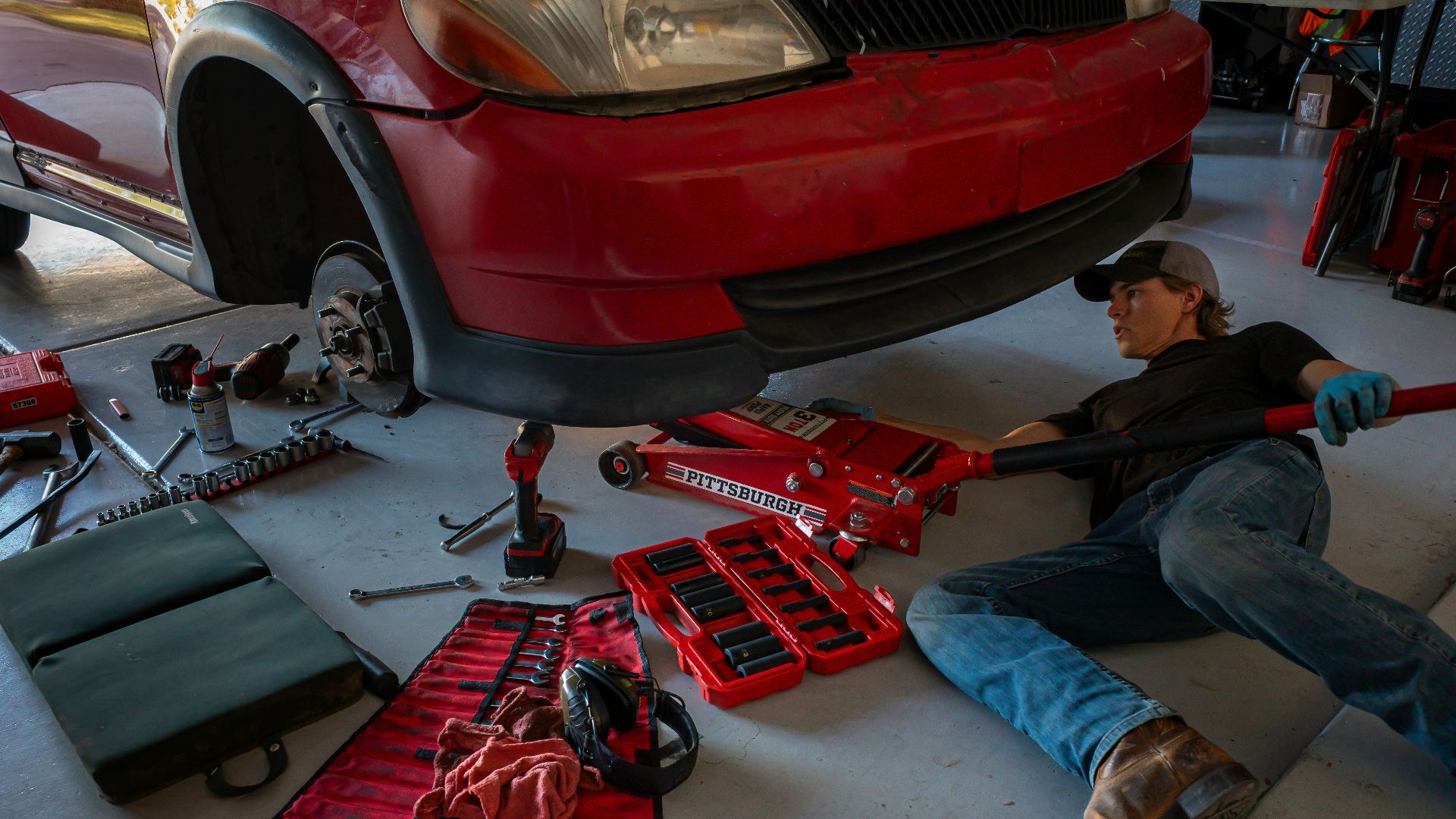
Ignoring genuine misalignment can shorten tire life, and a prematurely ruined set of tires can cost considerably more than an alignment. Incorrect geometry may also increase rolling resistance and hurt fuel economy. Financially, alignment is most valuable when it prevents unnecessary tire wear rather than simply satisfying a maintenance schedule.
Expect A Reasonable Price
AAA currently estimates a wheel alignment at roughly $75 to $200, while another AAA guide puts four-wheel service around $100 to $168. Prices vary by vehicle and location, and specialized suspensions may cost more. Ask whether the quoted price covers measurement, adjustment and all four wheels.

Get Another Measurement
If the car drives perfectly, its tires are wearing evenly and a shop recommends an alignment without showing you why, asking for the measurement report is reasonable. If you remain unconvinced, another reputable alignment shop can measure the geometry independently before you authorize potentially unnecessary work.
Let The Numbers Decide
A straight-driving car is encouraging, but it is not an alignment machine. Look for uneven tire wear, consider recent potholes, curb strikes or repairs, and ask to see the actual specifications. If the measurements are genuinely outside the manufacturer's range, an alignment can be worthwhile before symptoms become expensive.
You May Also Like: