All-Wheel Drive Feels Reassuring.
It can make a vehicle launch confidently through snow that leaves a two-wheel-drive car struggling, but that confidence can disappear the moment you hit the brakes. The missing piece is that AWD primarily helps you accelerate, while stopping still depends overwhelmingly on the grip available between four tires and the road.
AWD Helps You Get Moving
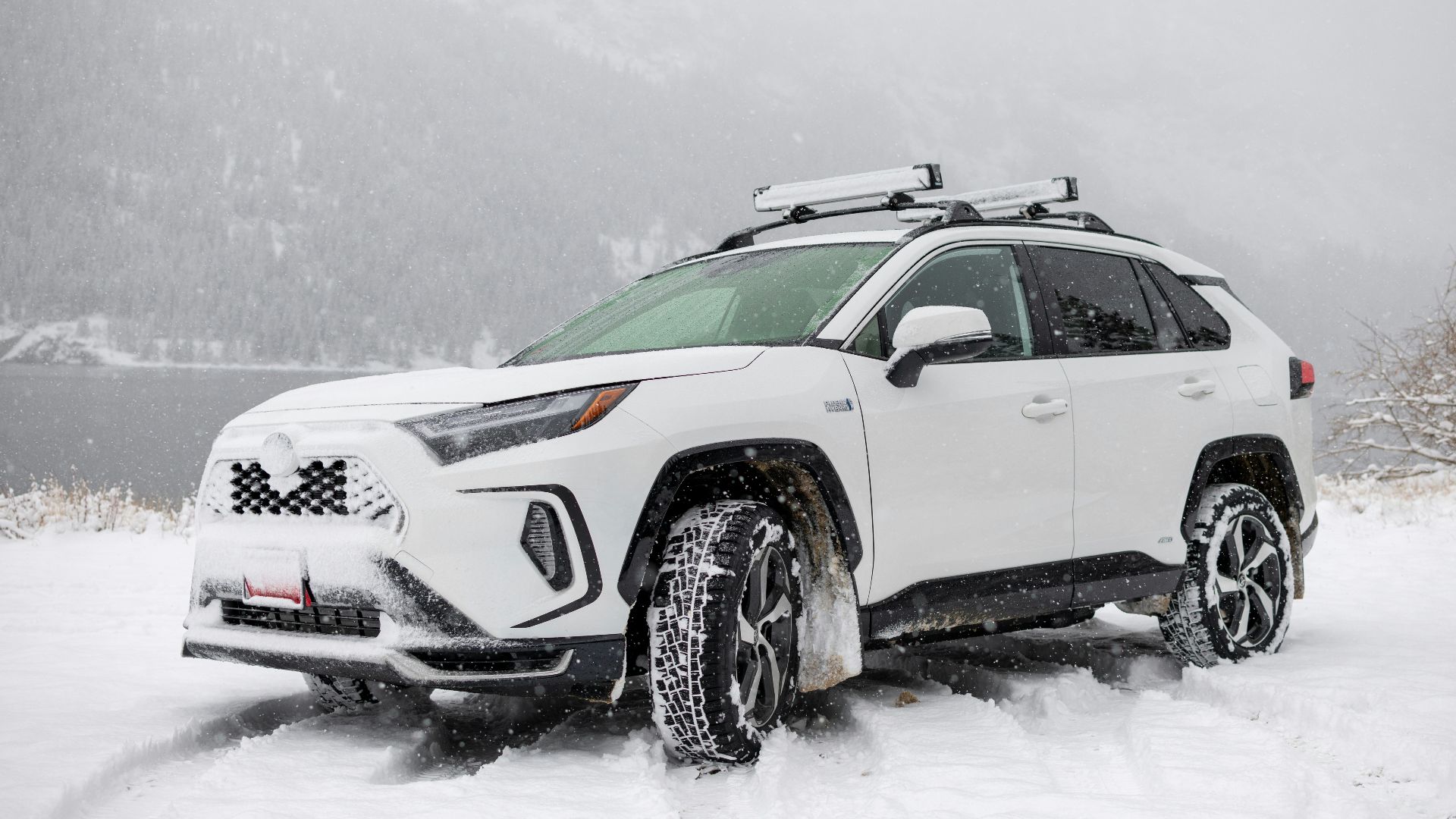
An all-wheel-drive system can send engine or motor torque to more than one axle when the vehicle needs traction. That gives more tires an opportunity to find grip when accelerating through snow, slush, or a slippery hill. It explains why an AWD vehicle can feel dramatically more capable as soon as you press the accelerator.
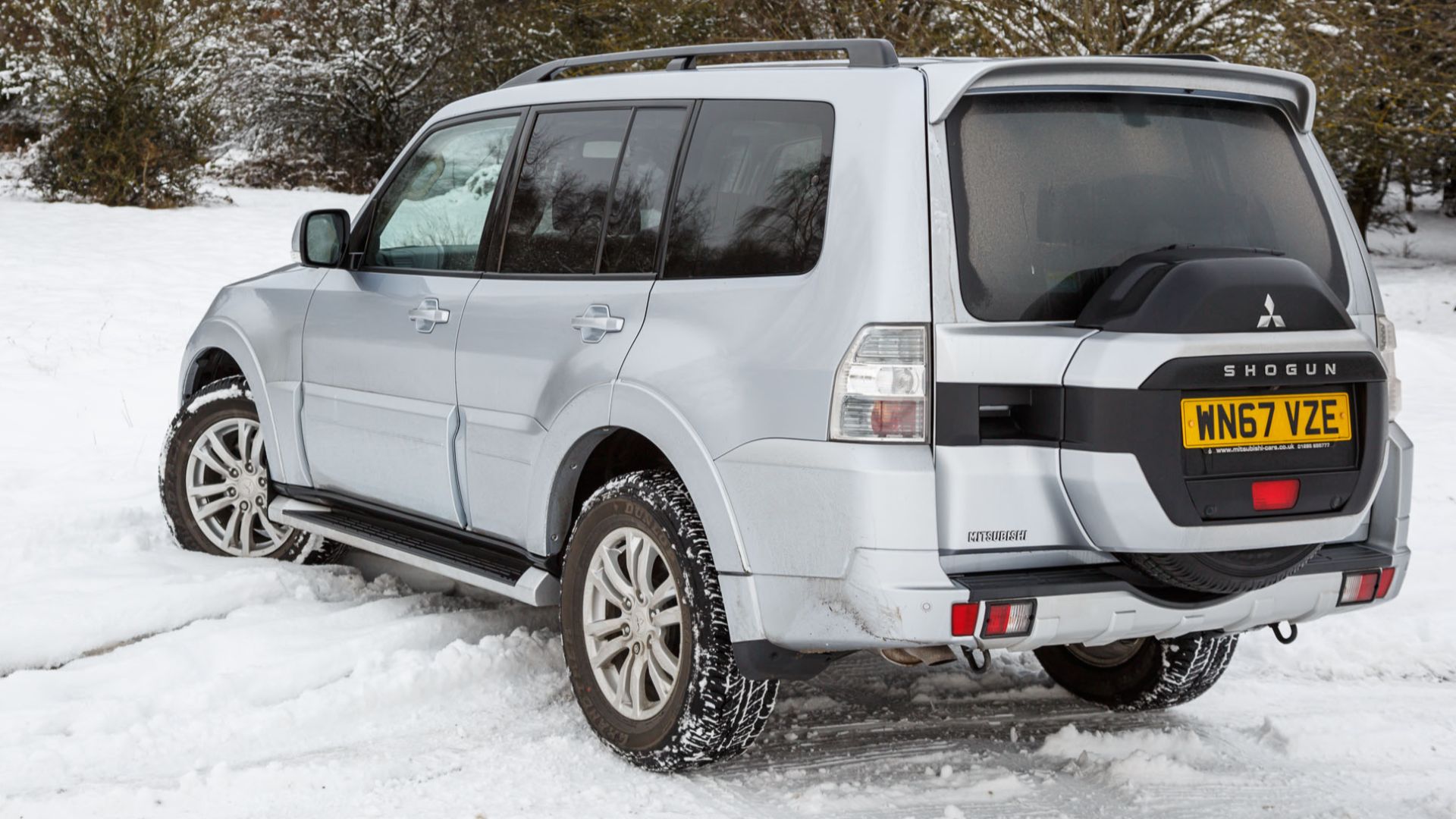 Motor Verso, Wikimedia Commons
Braking Is A Completely Different Job
When you step on the brake pedal, all four tires already participate in slowing the vehicle regardless of whether it has front-, rear-, or all-wheel drive. AWD cannot create additional friction between those tires and an icy road. AAA specifically warns that AWD vehicles can accelerate better in winter without braking any better than conventional vehicles.
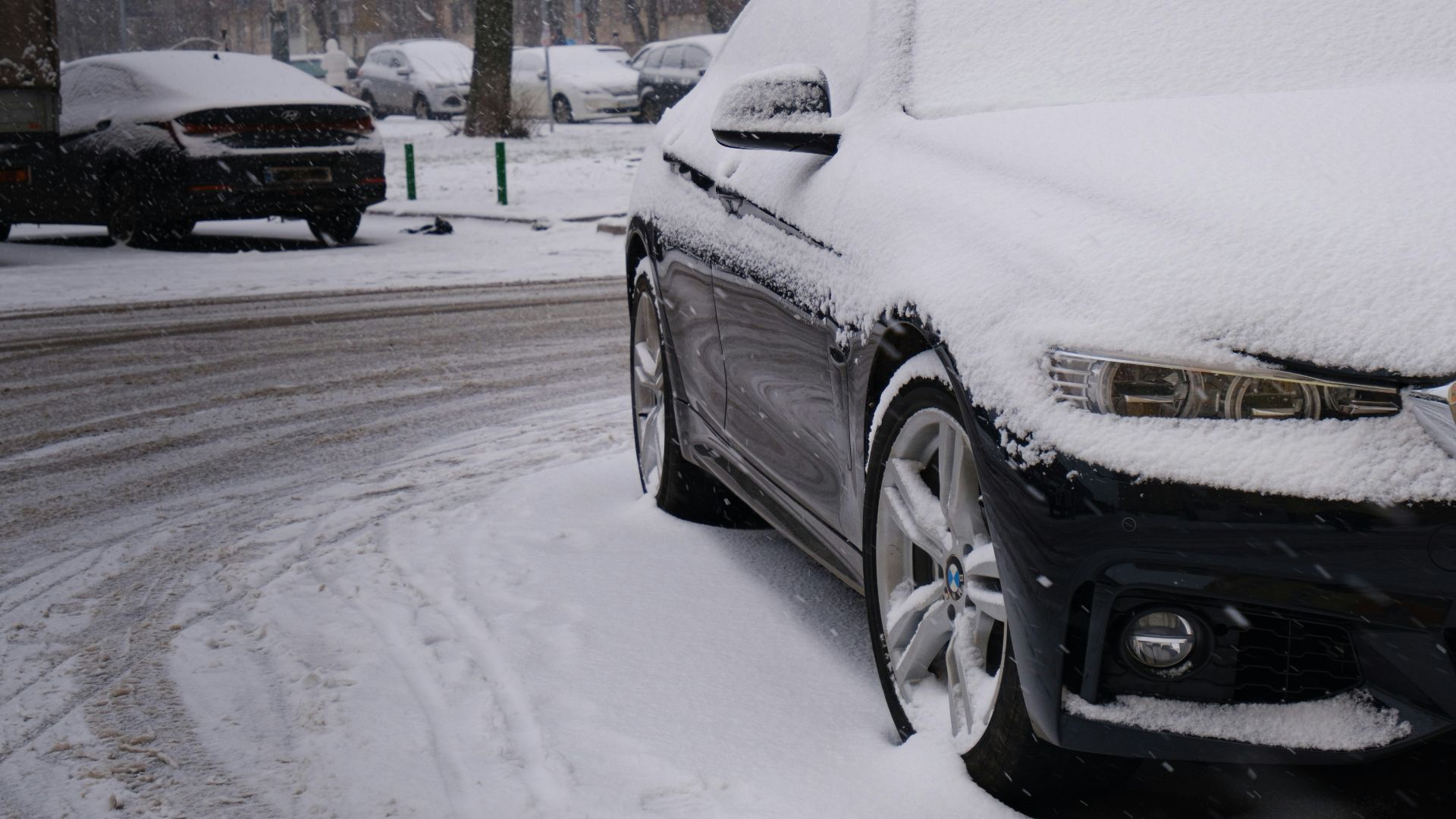
The Tires Decide How Much Grip Exists
Your brakes can only use the traction the tires can generate. If the road is covered with ice or packed snow, that available grip may be extremely low. Michelin notes that AWD does not improve braking or cornering on slippery surfaces because those abilities ultimately depend on the tires.
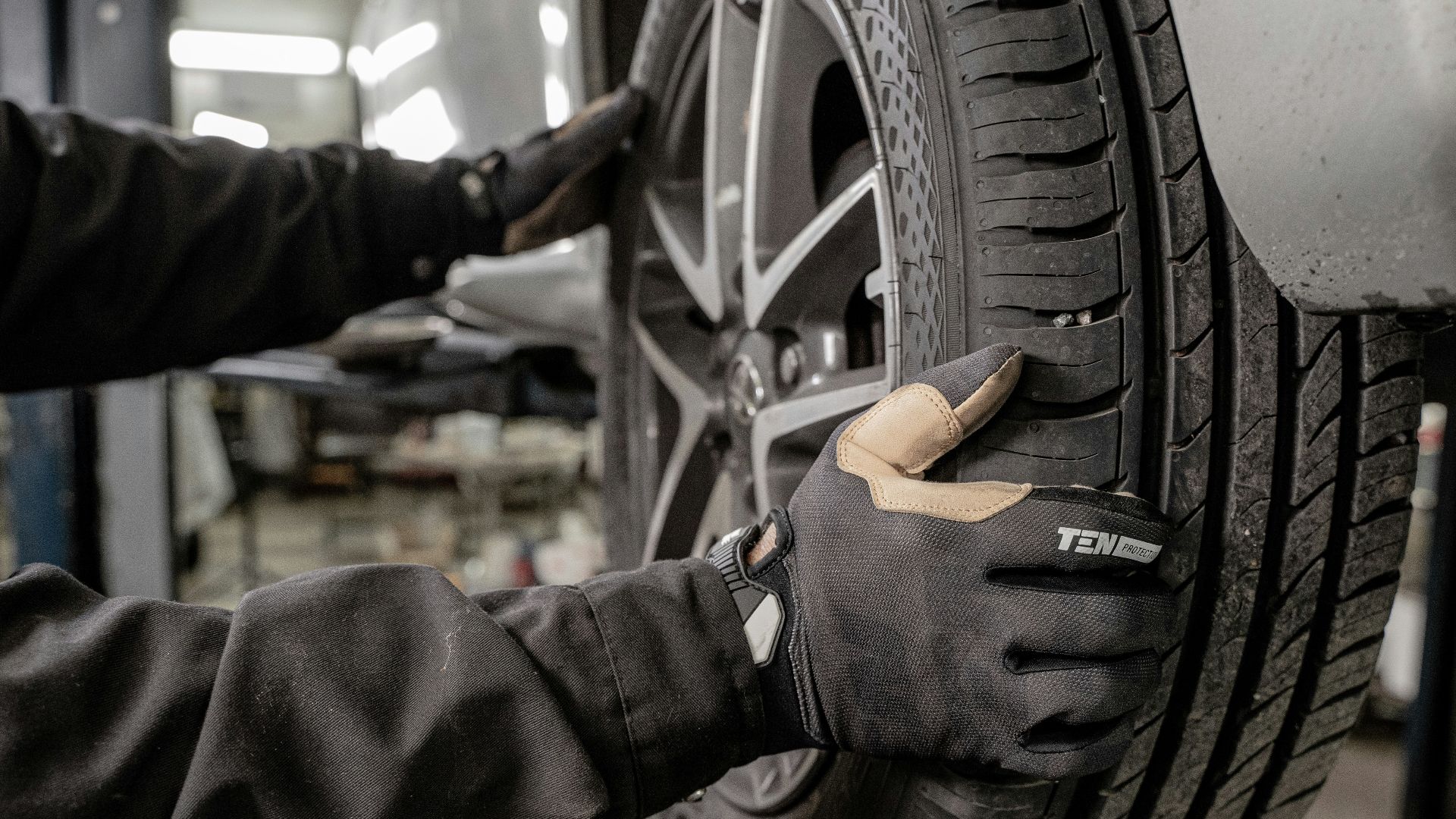
Quick Acceleration Can Create False Confidence
This is where many drivers get fooled. An AWD vehicle may pull away from an icy intersection with very little wheelspin, making the road feel less slippery than it really is. The driver can then reach a higher speed before discovering that the same road provides very little stopping grip.
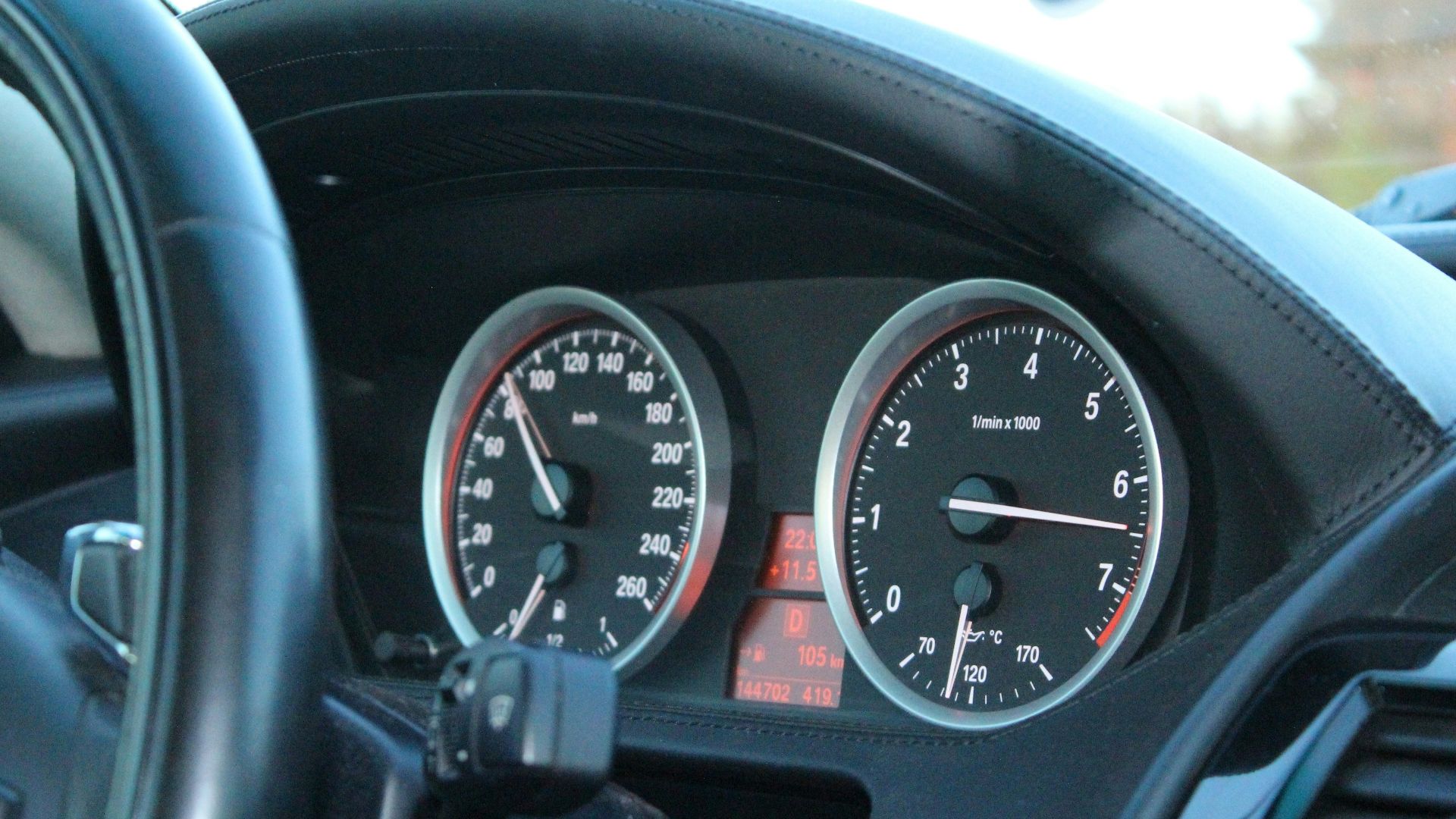
Four Driven Wheels Are Not Four Magic Brakes
AWD terminology can make it sound as though all four wheels gain some special winter capability. In reality, modern passenger vehicles already brake through all four wheels. AWD changes how propulsion reaches those wheels, not the basic amount of tire-to-road friction available during a stop.
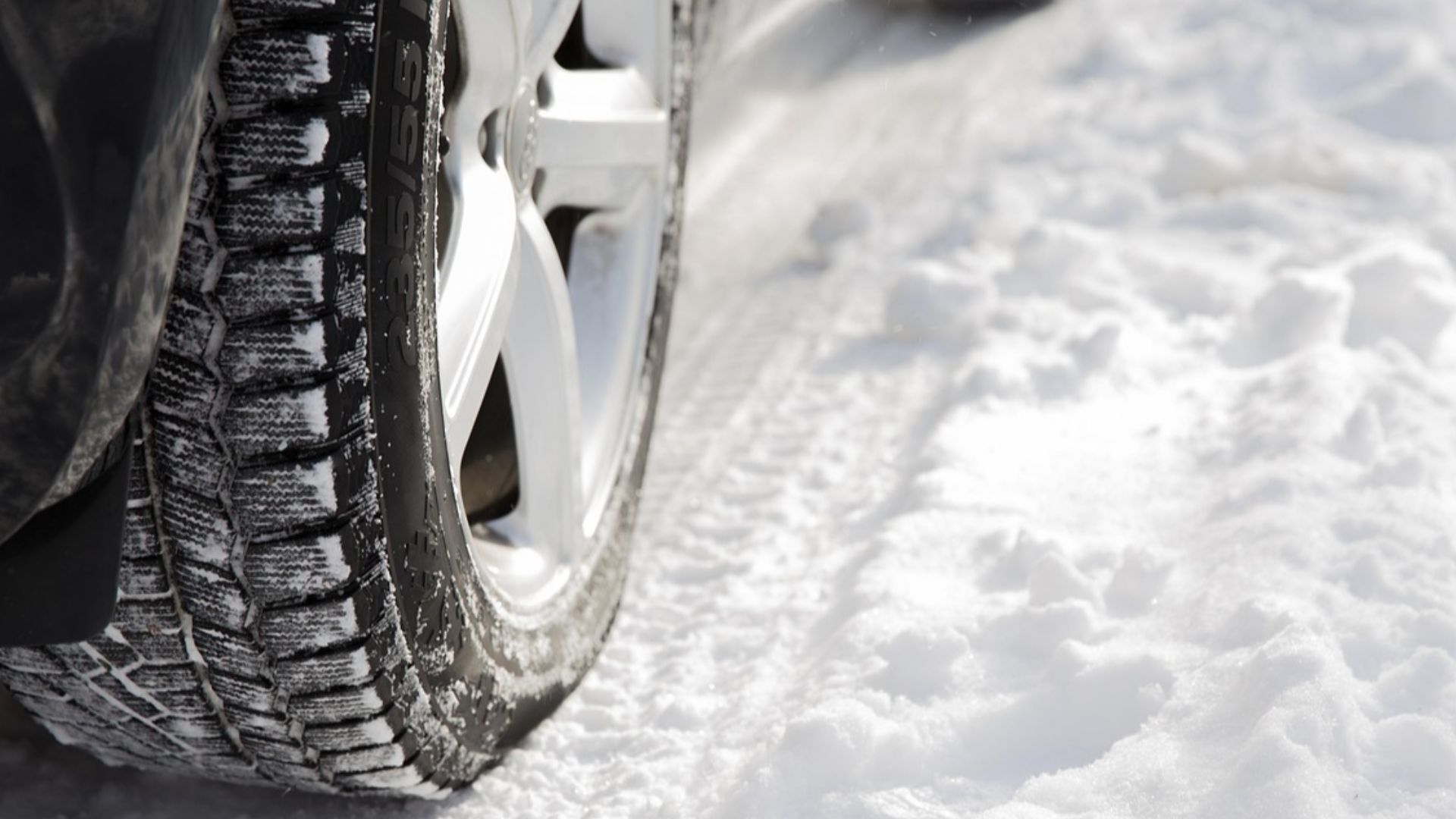
Winter Tires Make The Bigger Braking Difference
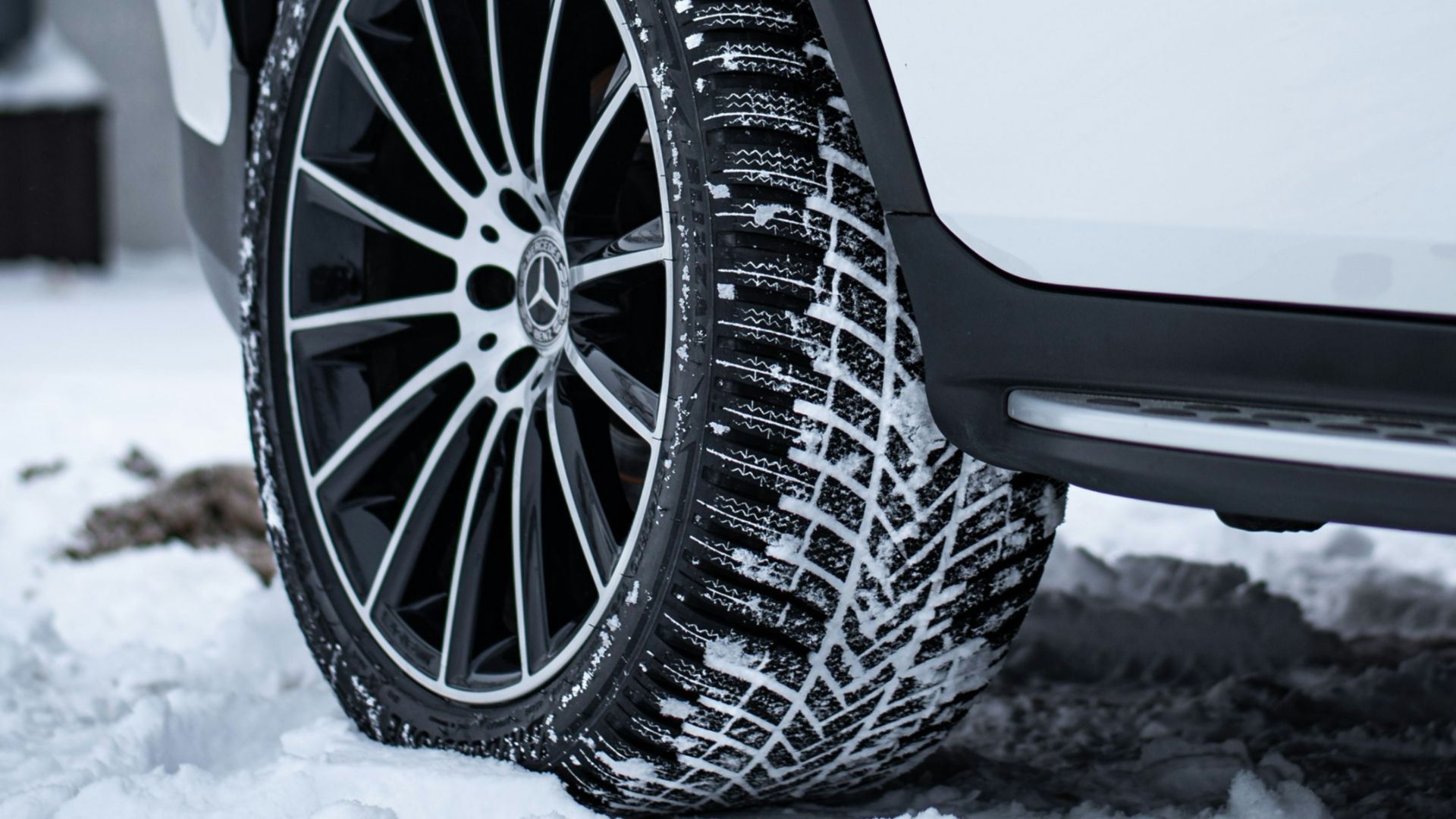
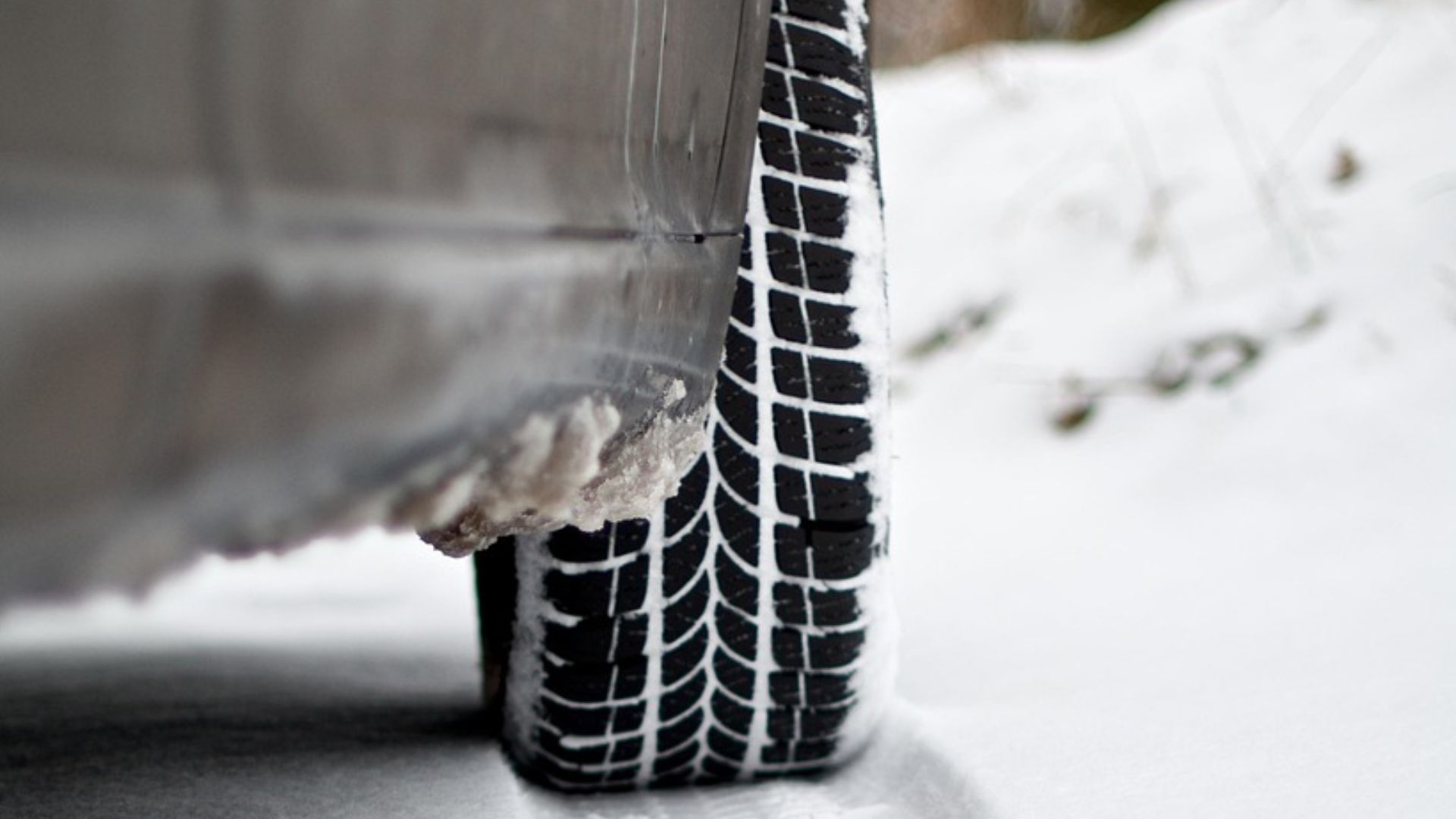
Dedicated winter tires use rubber compounds and tread designs intended for cold temperatures, snow, and ice. Michelin says those compounds remain more flexible in low temperatures and improve braking, cornering, and stability compared with less specialized tires. That benefit applies whether the vehicle uses AWD, front-wheel drive, or rear-wheel drive.
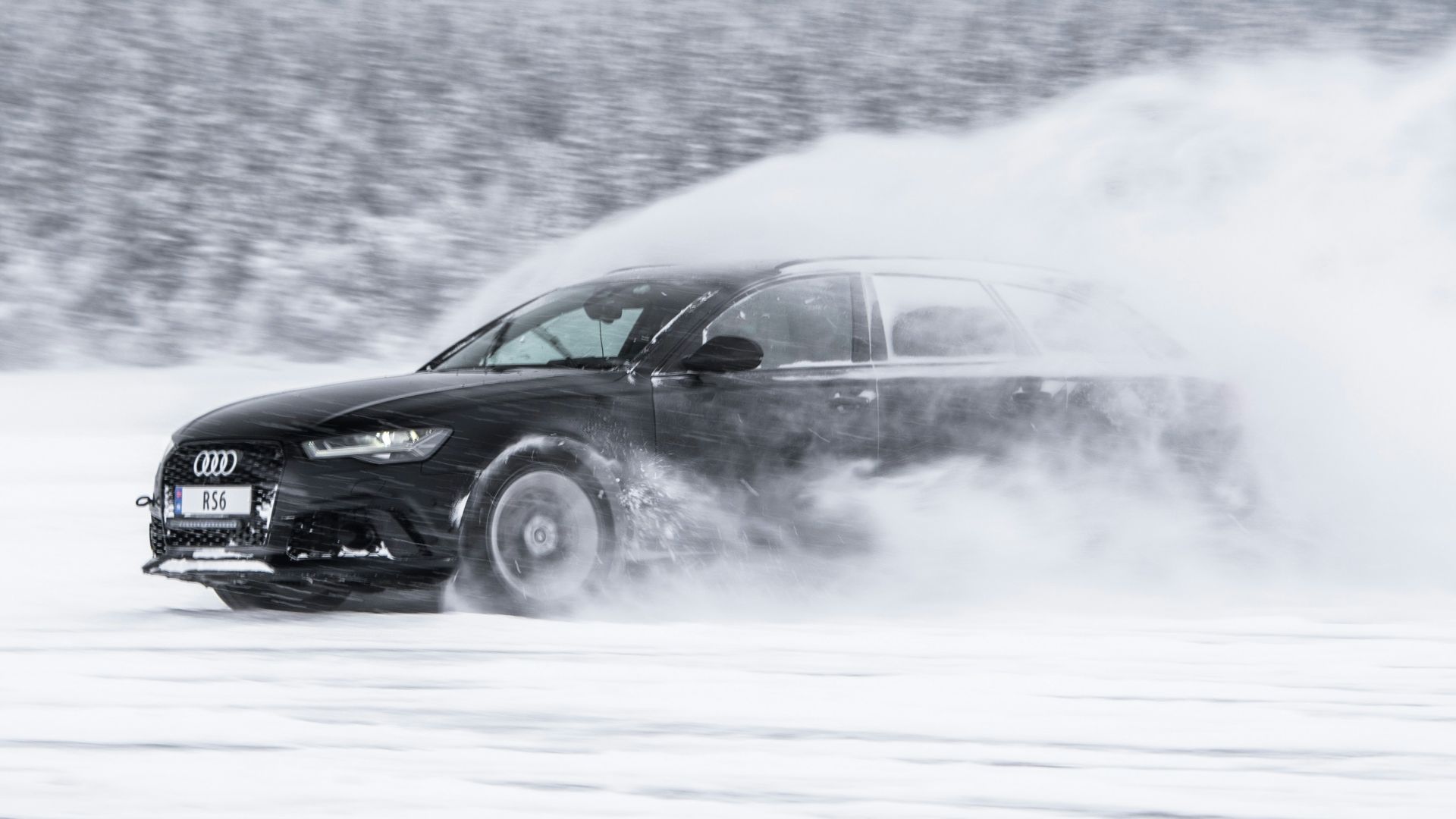
The Test Numbers Can Be Dramatic
Tire Rack once compared winter tires with standard all-season tires during braking on ice from only 12 mph. The winter-equipped car stopped in 35.1 feet, while the all-season version required 53.6 feet. That 18.5-foot difference occurred at a speed lower than most drivers travel through ordinary traffic.
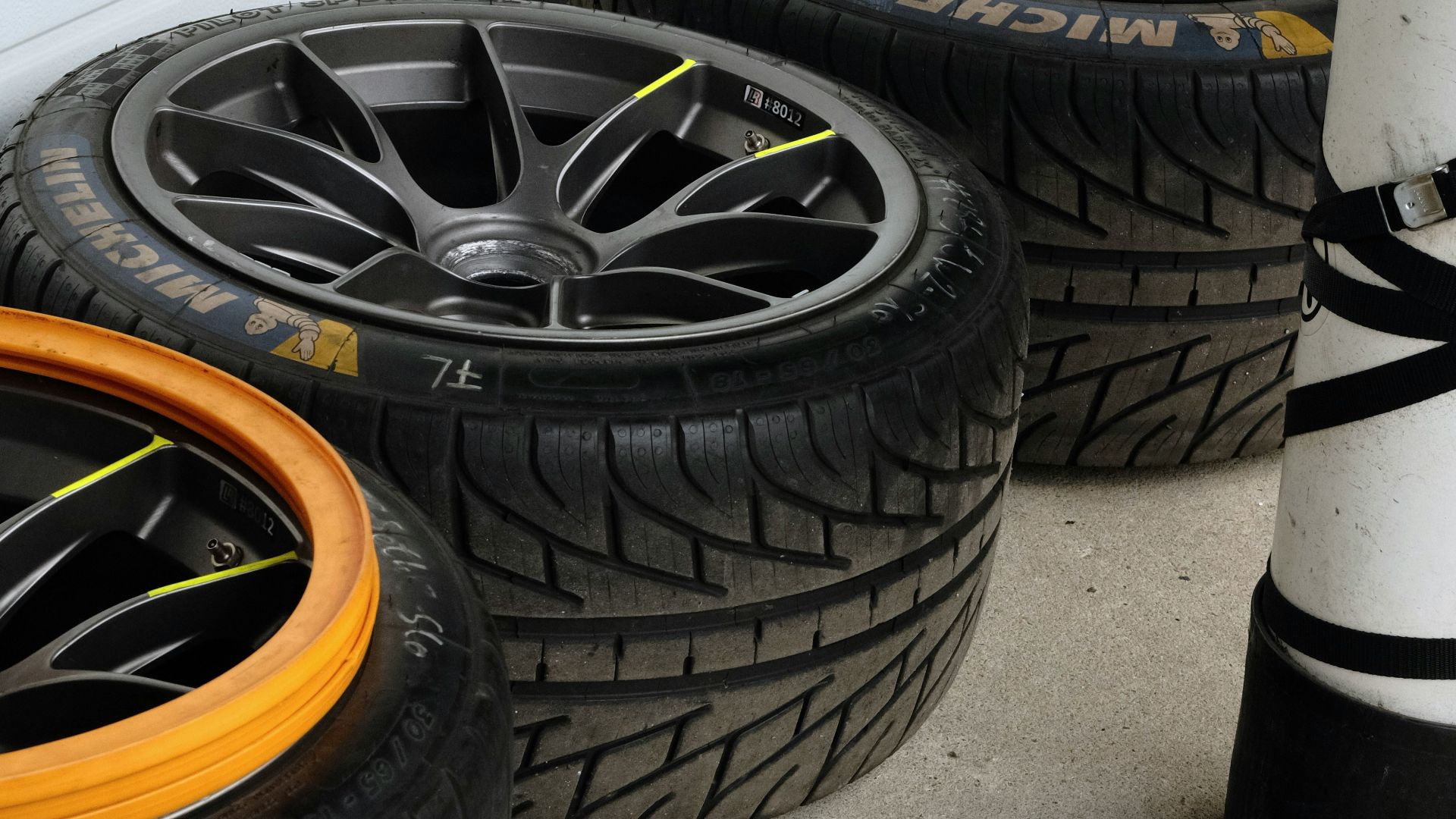
Speed Magnifies Every Grip Problem
Stopping distance does not increase in a simple one-to-one relationship with speed. Tire Rack points out that differences between winter-capable tires become much larger when braking tests are extrapolated to higher road speeds. A few extra miles per hour can therefore turn a manageable icy stop into a slide through an intersection.
Snow And Ice Are Not The Same Surface
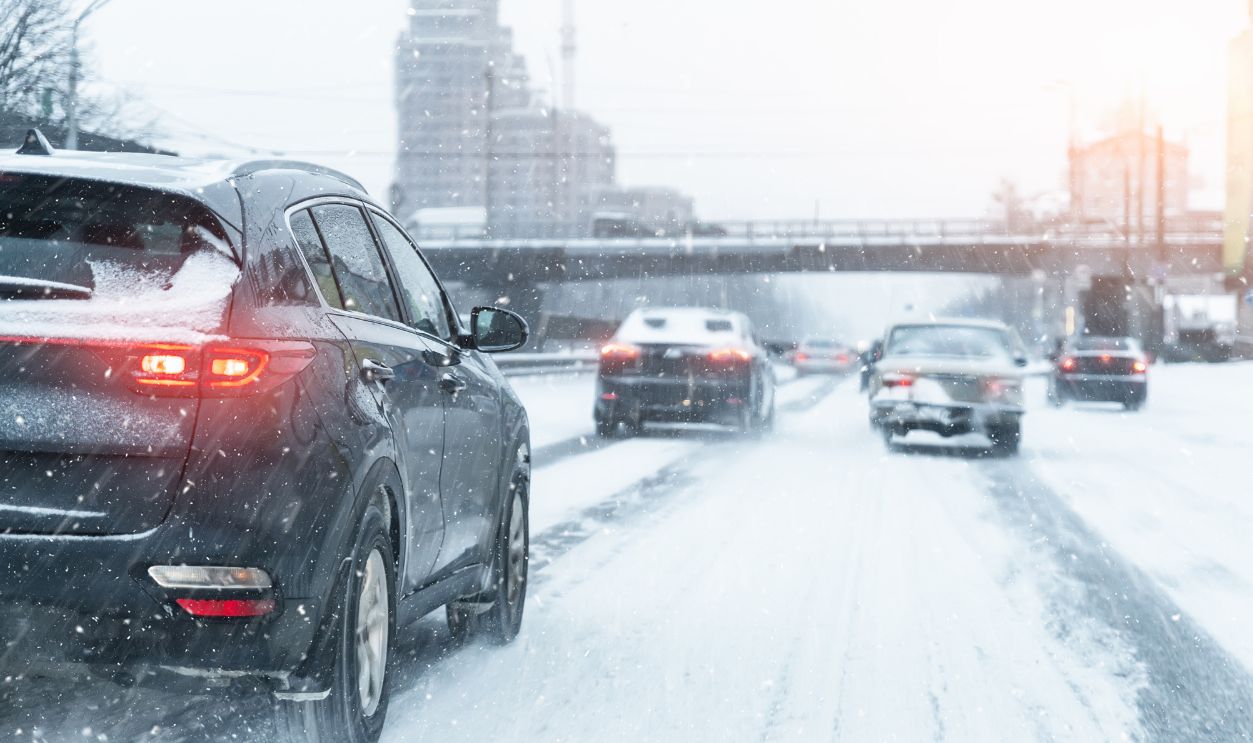
Fresh snow, packed snow, slush, polished ice, and freezing rain offer very different levels of traction. NHTSA warns that winter precipitation can make controlling or stopping a vehicle substantially harder. Conditions can also change within a few hundred feet as traffic compacts snow or temperatures cross the freezing point.
Black Ice Is Especially Deceptive
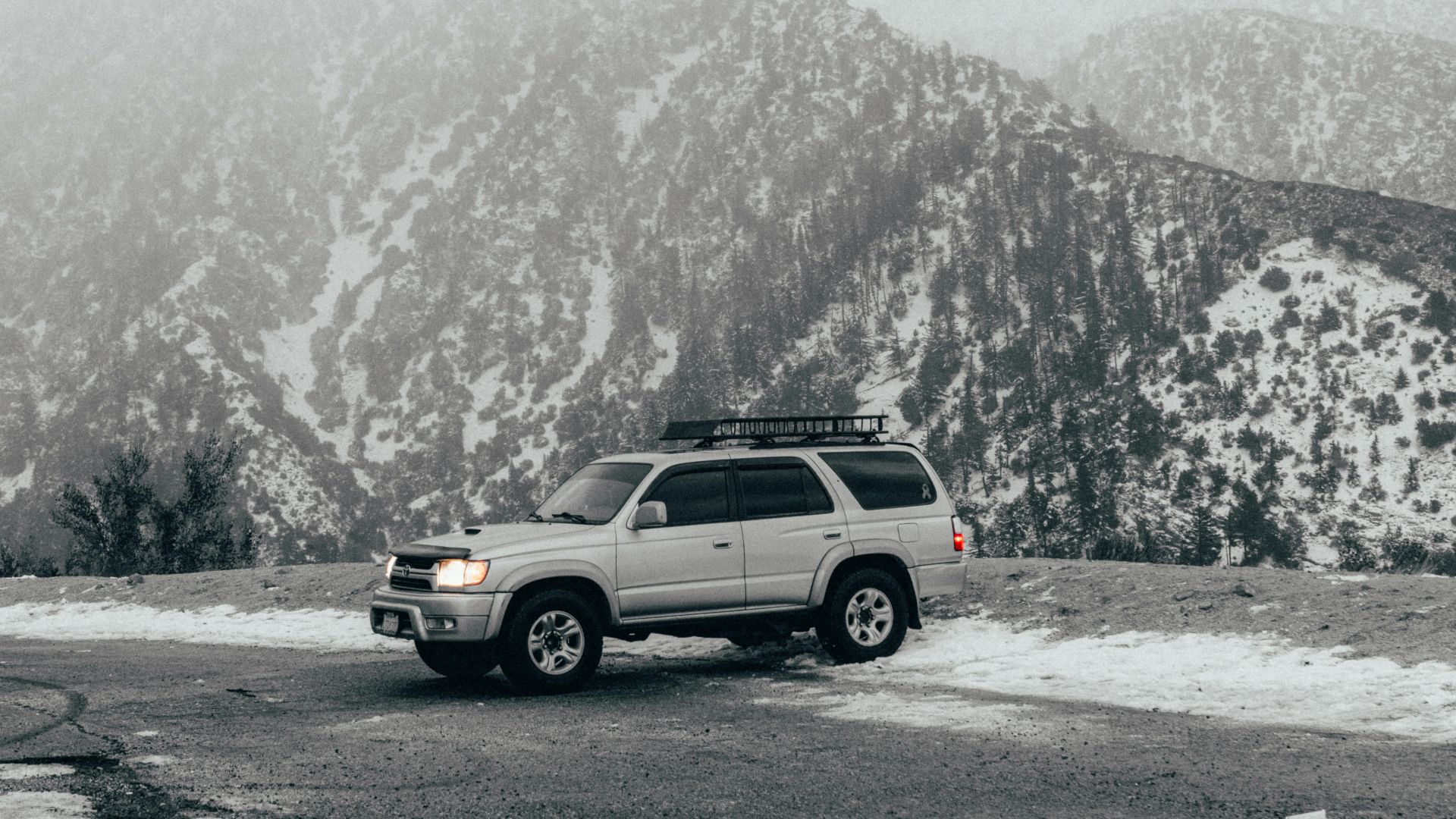
A roadway can appear merely wet while carrying a thin layer of nearly invisible ice. Shaded areas, bridges, overpasses, and locations exposed to freezing moisture can remain icy even when nearby pavement looks clear. AWD cannot compensate when all four tires suddenly encounter a surface with drastically reduced grip.
Bridges Can Surprise You First
Bridges and overpasses lose heat differently because cold air circulates around more of the structure. NHTSA advises drivers to watch for slippery patches even when surrounding roads appear clear. Approaching those locations at a speed that leaves extra stopping room is far more useful than relying on drivetrain technology.
All-Season Does Not Mean Best In Every Season
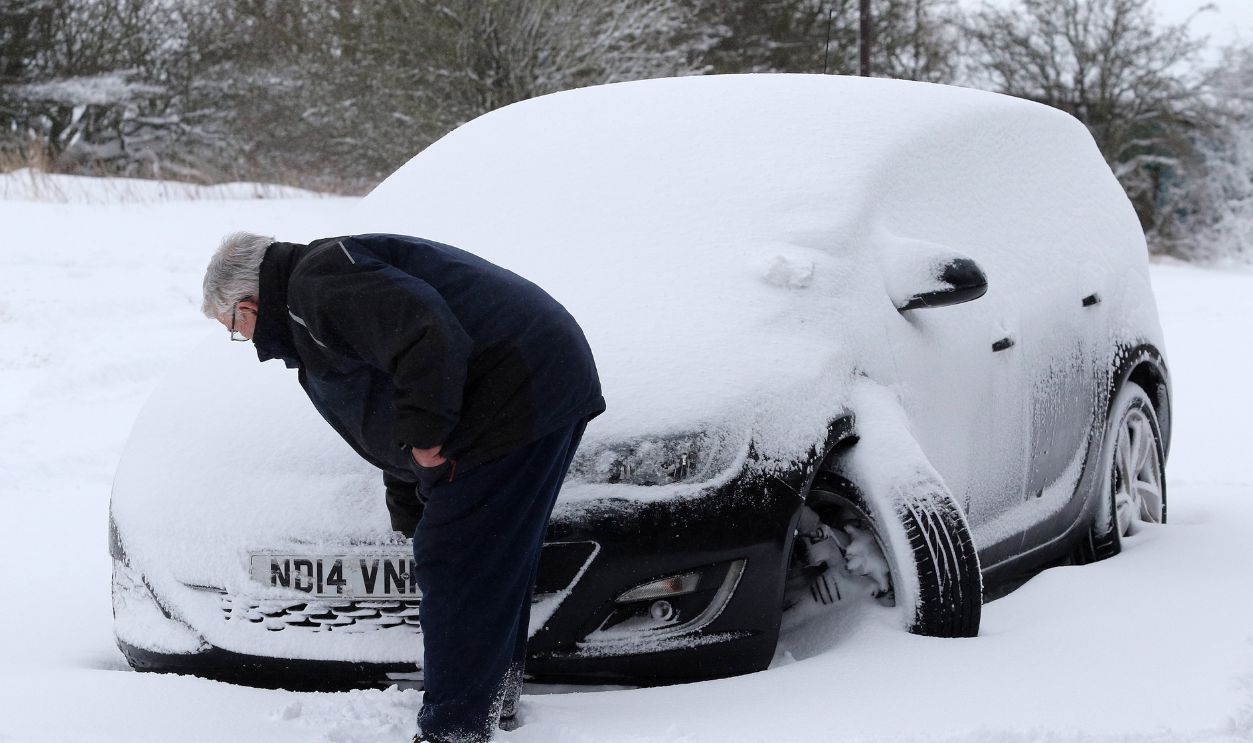
All-season tires are designed to handle a broad range of conditions rather than excel at the most severe winter extremes. NHTSA says they offer some mud and snow capability, while winter tires are more effective in deep snow. That compromise can become noticeable when temperatures plunge or roads remain covered for long periods.
Cold Weather Changes Rubber Too
Snow is not the only reason winter tires help. Michelin says winter compounds are designed to remain flexible when temperatures fall below roughly 45 degrees Fahrenheit. Other tire compounds can become less compliant as temperatures fall, reducing their ability to conform to the pavement and generate grip.
The Mountain-Snowflake Symbol Matters
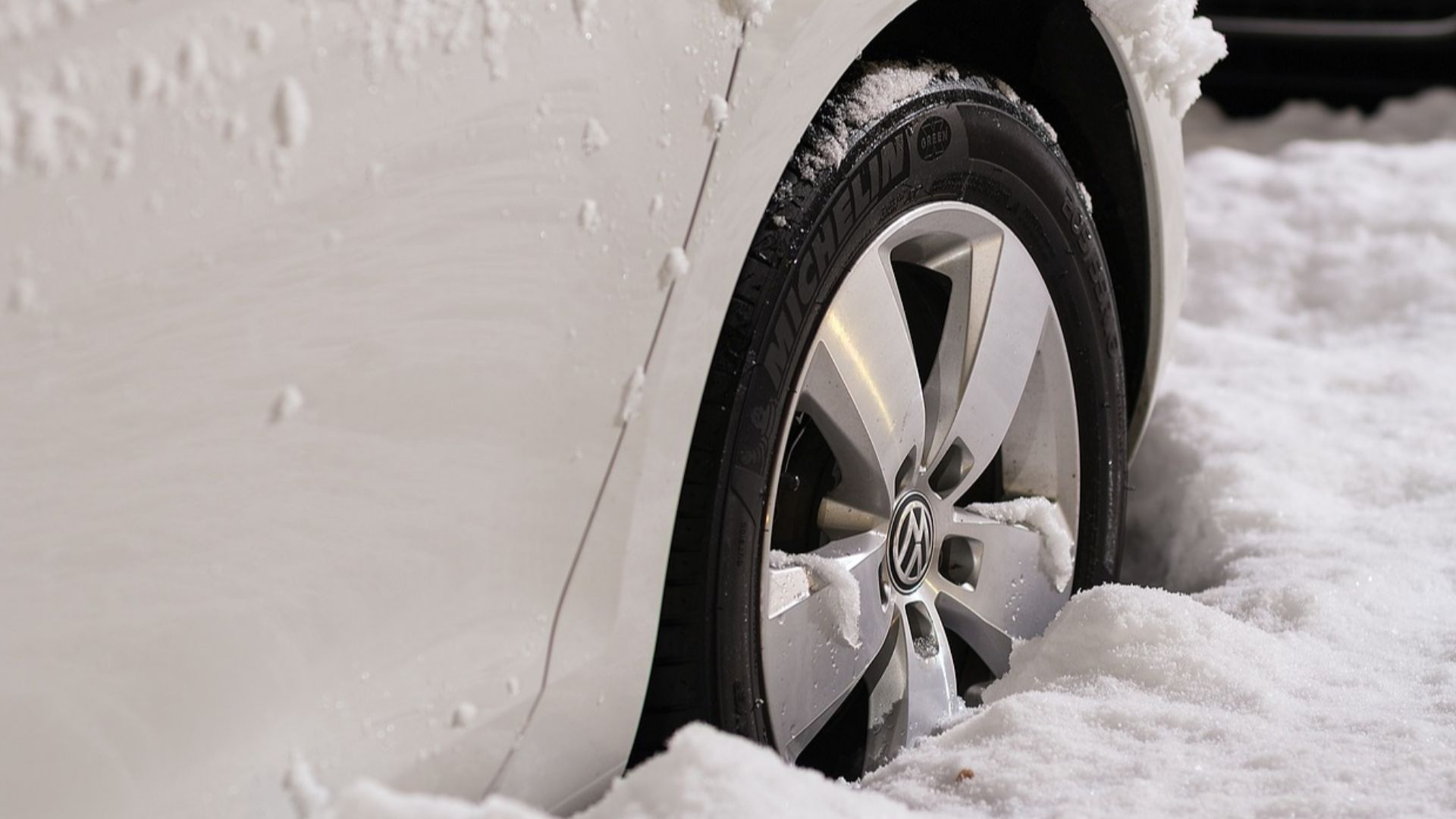
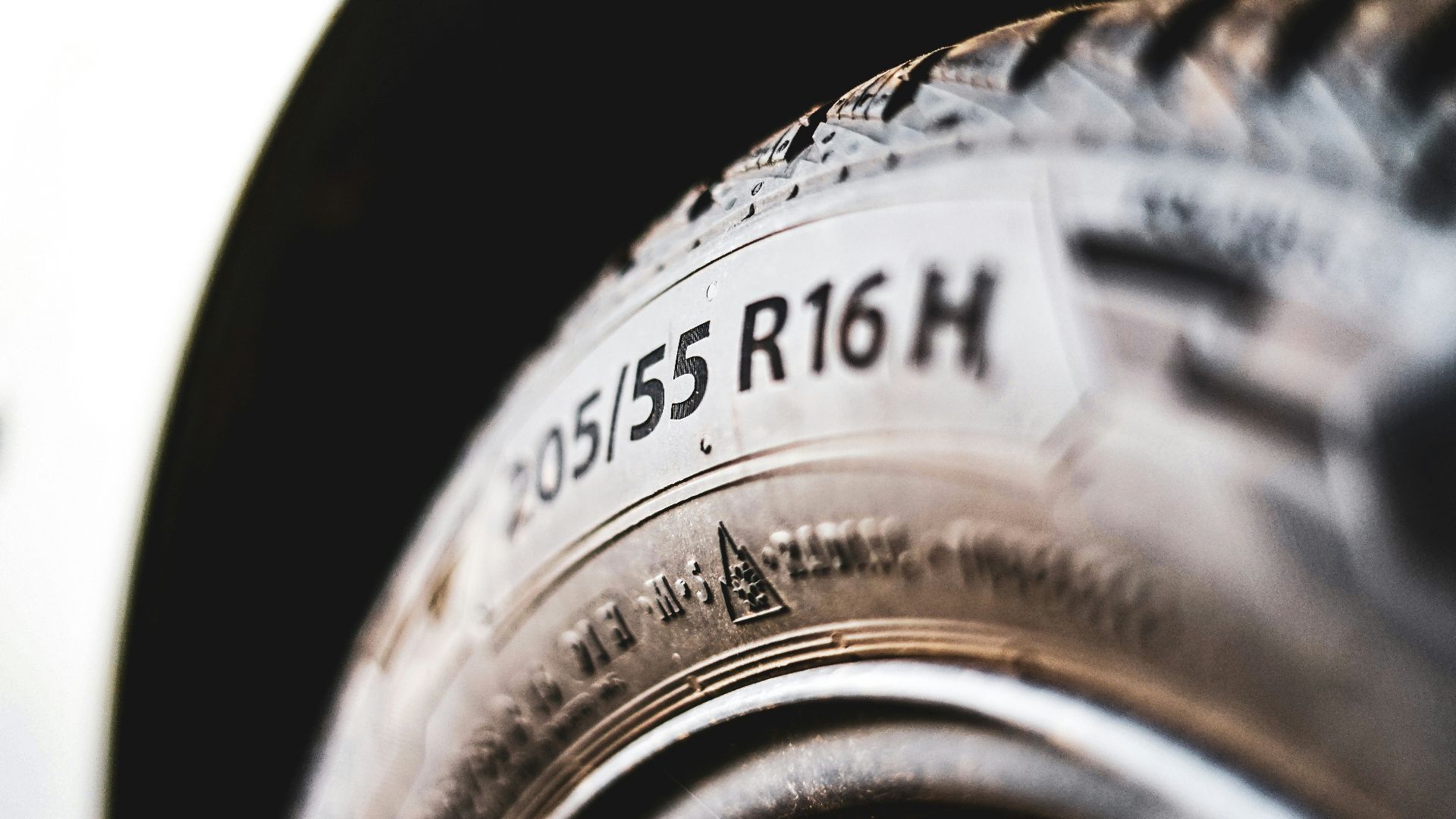
The three-peak mountain snowflake symbol identifies tires that meet a standardized level of performance in severe snow conditions. It is a more meaningful winter indicator than simply seeing “M+S” molded into a sidewall. Drivers regularly facing harsh winter weather should understand which certification their tires actually carry.
All-Weather Tires Offer A Middle Ground
Drivers who experience meaningful winter conditions but do not want seasonal tire changes can consider certain all-weather tires carrying the three-peak mountain snowflake symbol. They attempt to combine year-round usability with stronger snow capability than traditional all-season designs. Dedicated winter tires can still provide an advantage during demanding ice and snow conditions.
Two Winter Tires Are Not Enough
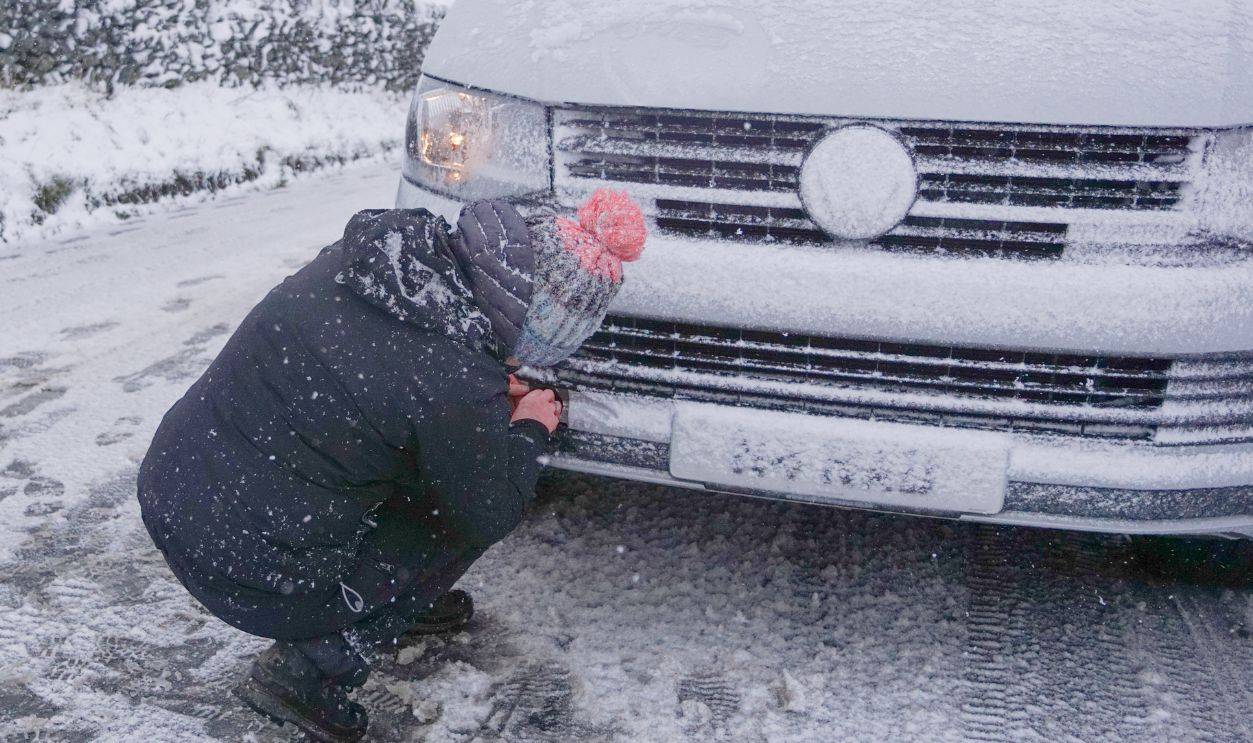
Putting winter tires only on the driven axle can create a major traction imbalance. Tire Rack testing found that a rear-wheel-drive car with winter tires only at the rear needed substantially more stopping distance than the same vehicle equipped with four winter tires. Modern recommendations therefore call for winter tires on all four corners.
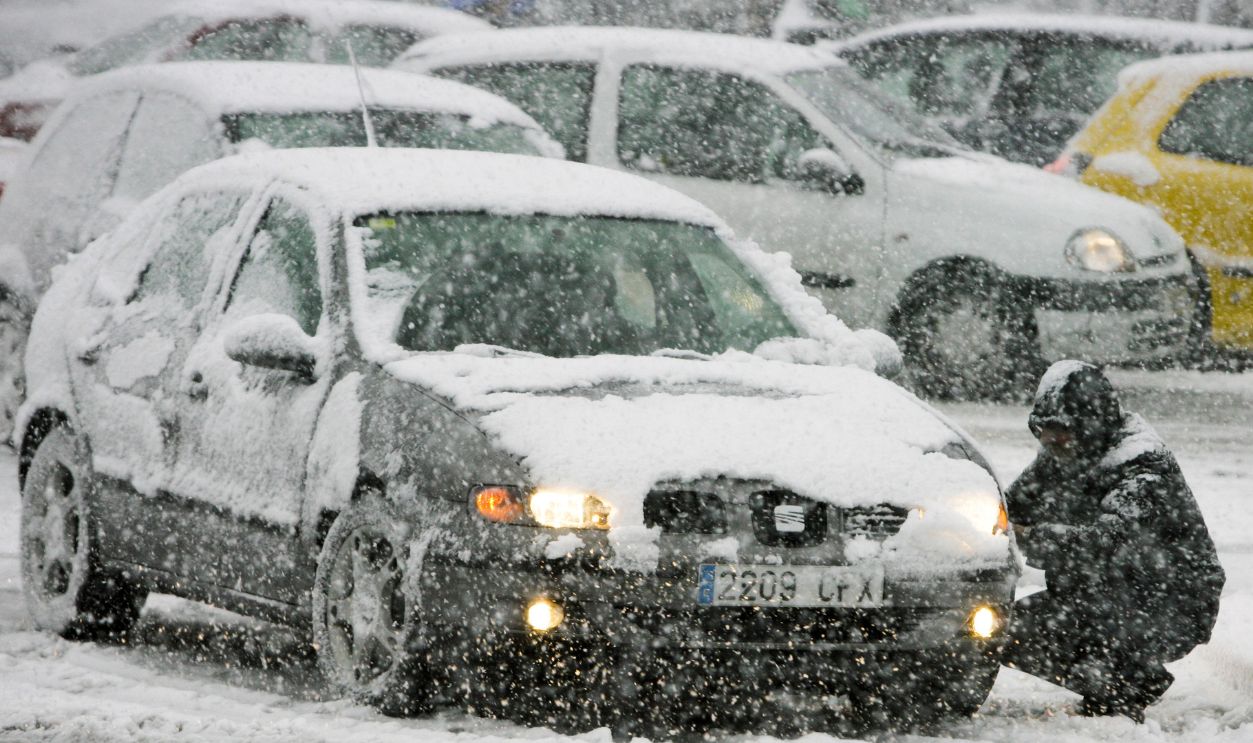
AWD Makes Four Matching Tires Even More Important
AWD systems rely on tires behaving predictably across both axles. Tire size, tread depth, and construction should follow the vehicle manufacturer’s requirements. Mixing significantly different tires can affect handling and may create additional drivetrain concerns on some AWD vehicles.
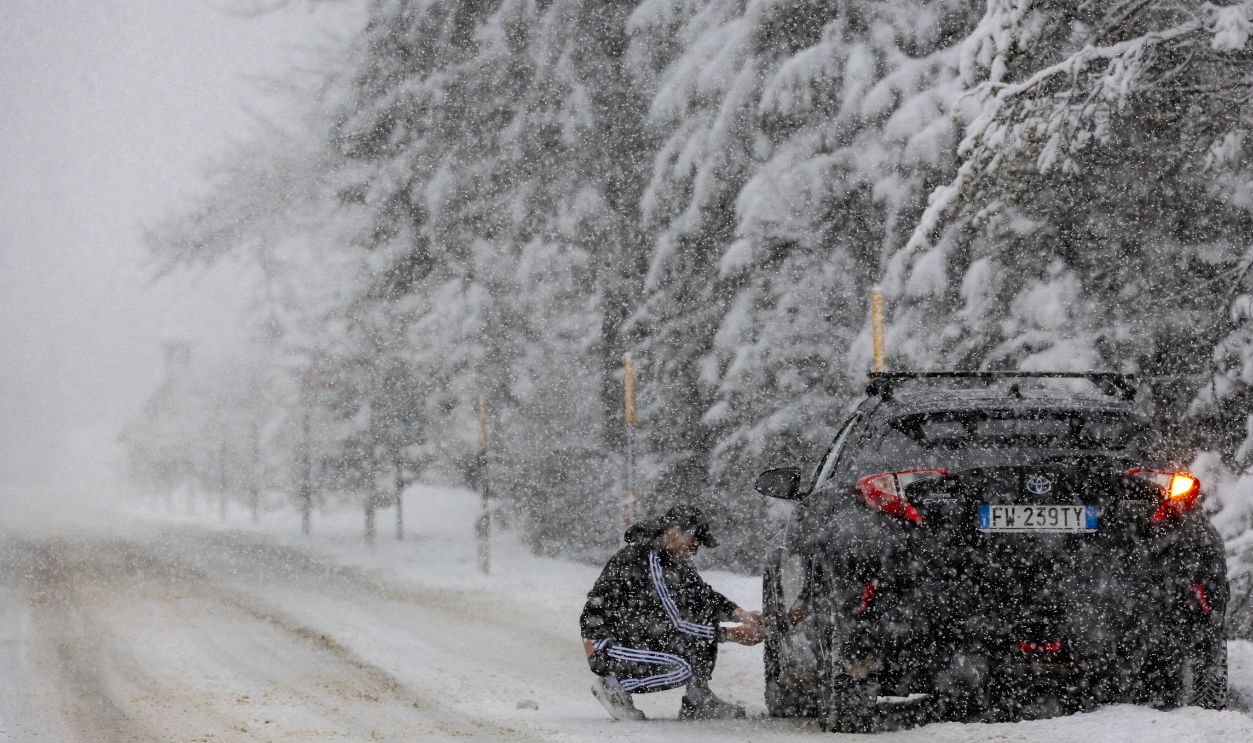
Tire Pressure Drops With Temperature
Cold air reduces tire inflation pressure. NHTSA advises checking tires when they are cold and setting them to the pressure specified on the vehicle placard or in the owner’s manual. Underinflated tires can compromise handling and should not be ignored simply because the vehicle has AWD.
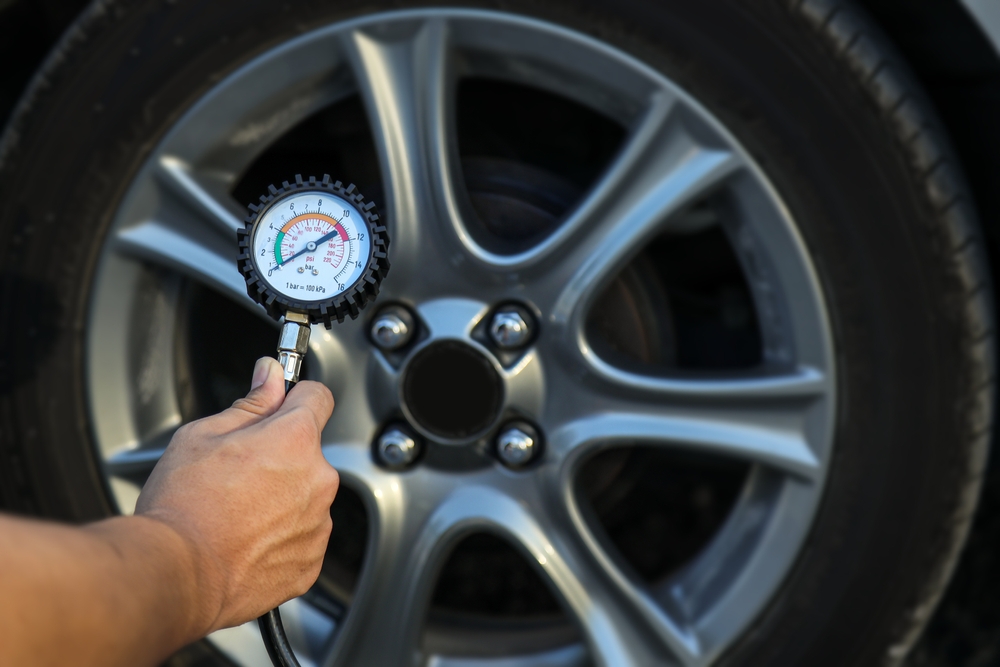 Eakrin Rasadonyindee, Shutterstock
The Sidewall Number Is Not Your Target
The pressure molded onto a tire sidewall is not normally the pressure you should use for everyday driving. NHTSA says that figure represents the tire’s maximum pressure rather than the vehicle manufacturer’s recommended inflation setting. The correct number is usually found on the driver-side door placard.
Tread Depth Still Matters
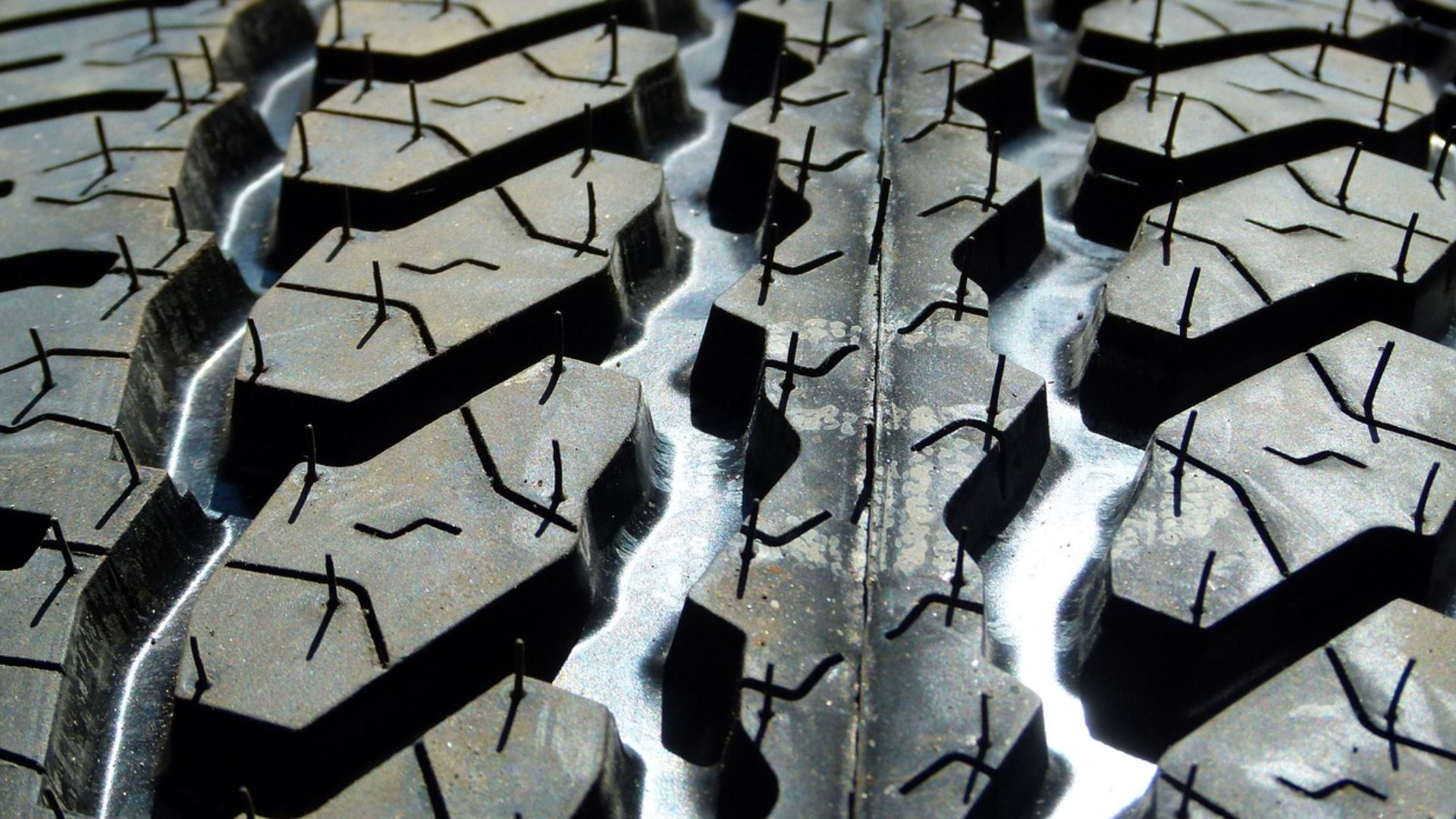
Even an excellent winter tire loses capability as its tread wears down. Tread channels and biting edges have to manage loose snow and slush while maintaining contact with the road surface. NHTSA recommends regular tire inspections and says passenger tires should have at least 2/32 inch of tread, although winter performance can diminish before that legal minimum is reached.
ABS Cannot Manufacture Traction
Antilock brakes help prevent the wheels from locking during hard braking. That allows drivers to retain more steering control while the system rapidly manages brake pressure. NHTSA advises drivers with ABS to apply firm, continuous pressure, but ABS still works within the traction limits of the tires.
The Pedal May Feel Strange On Ice
During an ABS stop, the brake pedal may pulse or vibrate as the system repeatedly adjusts pressure. That sensation can surprise drivers who rarely trigger ABS on dry pavement. Releasing the pedal because of the vibration can reduce the braking effort when you need it most.
Stability Control Has Limits Too
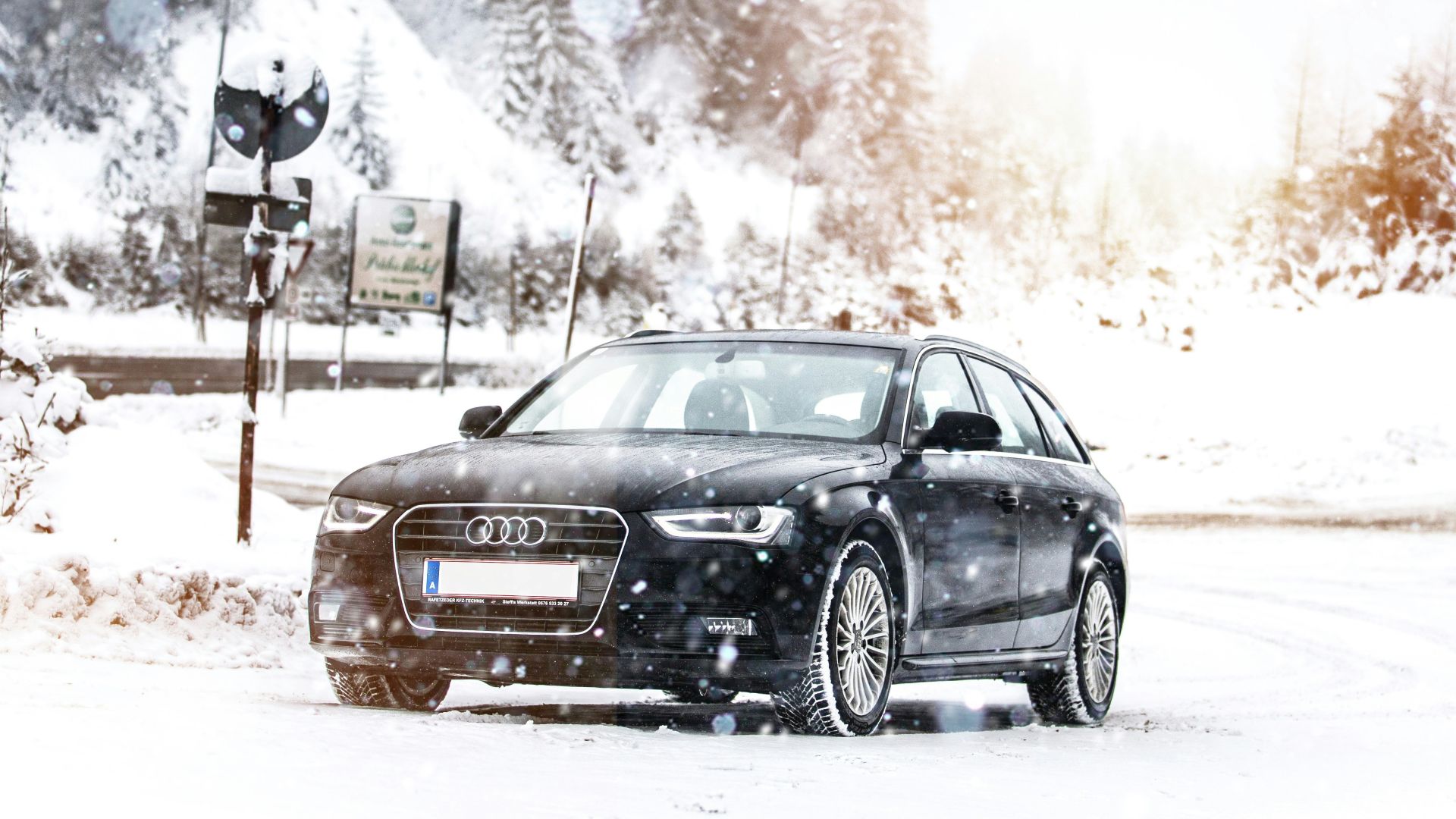
Electronic stability control can selectively brake wheels and reduce engine power when sensors detect that the vehicle is not following the driver’s intended path. It is an important safety technology, but it cannot override physics. Tire Rack testing has shown that stability systems cannot keep a car on course when the tires simply lack enough grip for the requested speed.
Heavier Vehicles Still Need Room
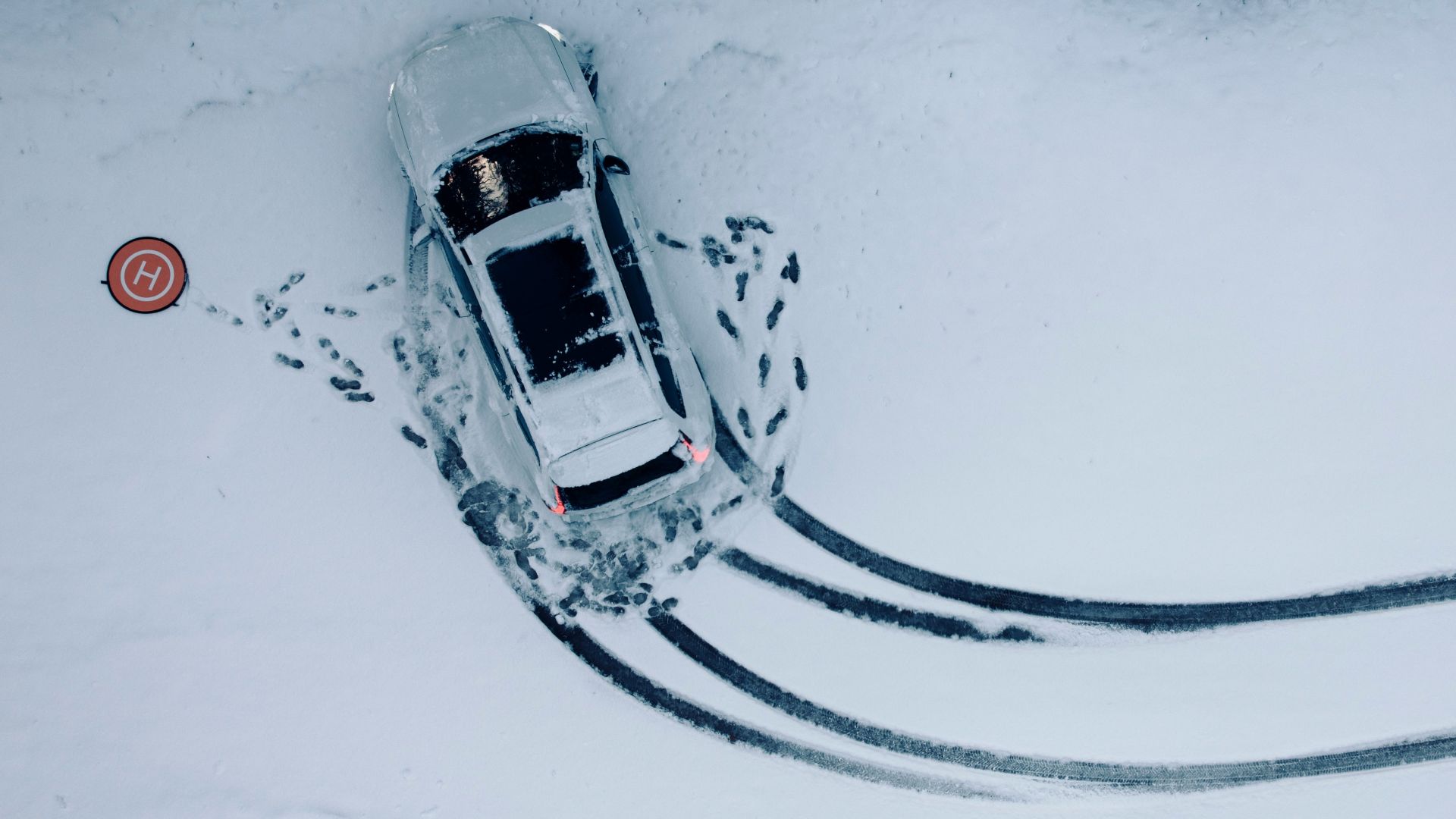
Many AWD vehicles are crossovers, SUVs, trucks, and EVs with substantial curb weights. Regardless of drivetrain, the tires must generate enough force to slow that mass on a low-friction surface. A larger, heavier vehicle should never be assumed to stop quickly merely because it feels secure and substantial from behind the wheel.
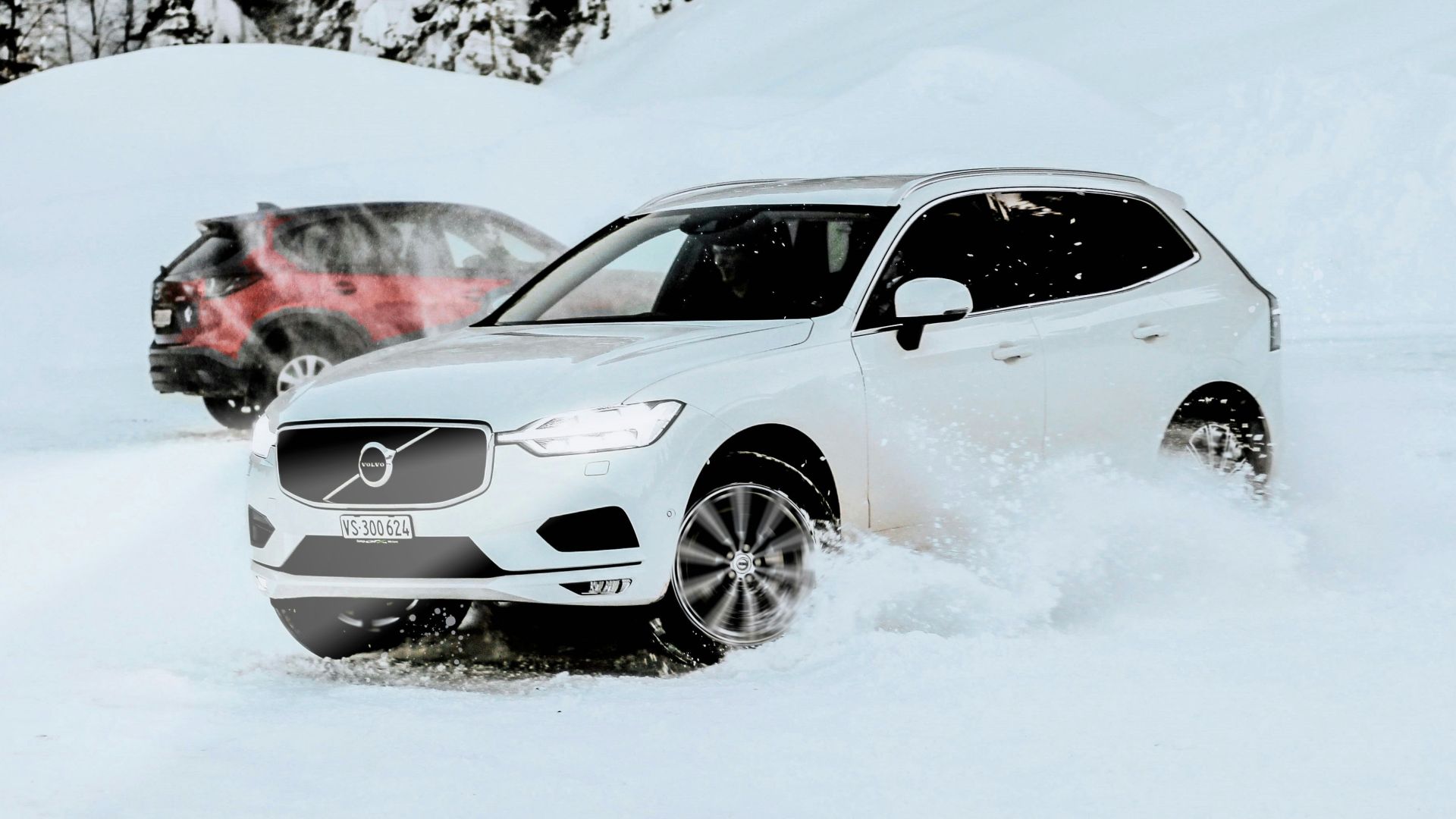
Following Distance Has To Grow
NHTSA recommends increasing following distance substantially on slick or snow-covered roads. Extra space gives you time to react and allows the vehicle to decelerate more gradually. The usual dry-road gap can become dangerously inadequate once snow or ice reduces tire grip.
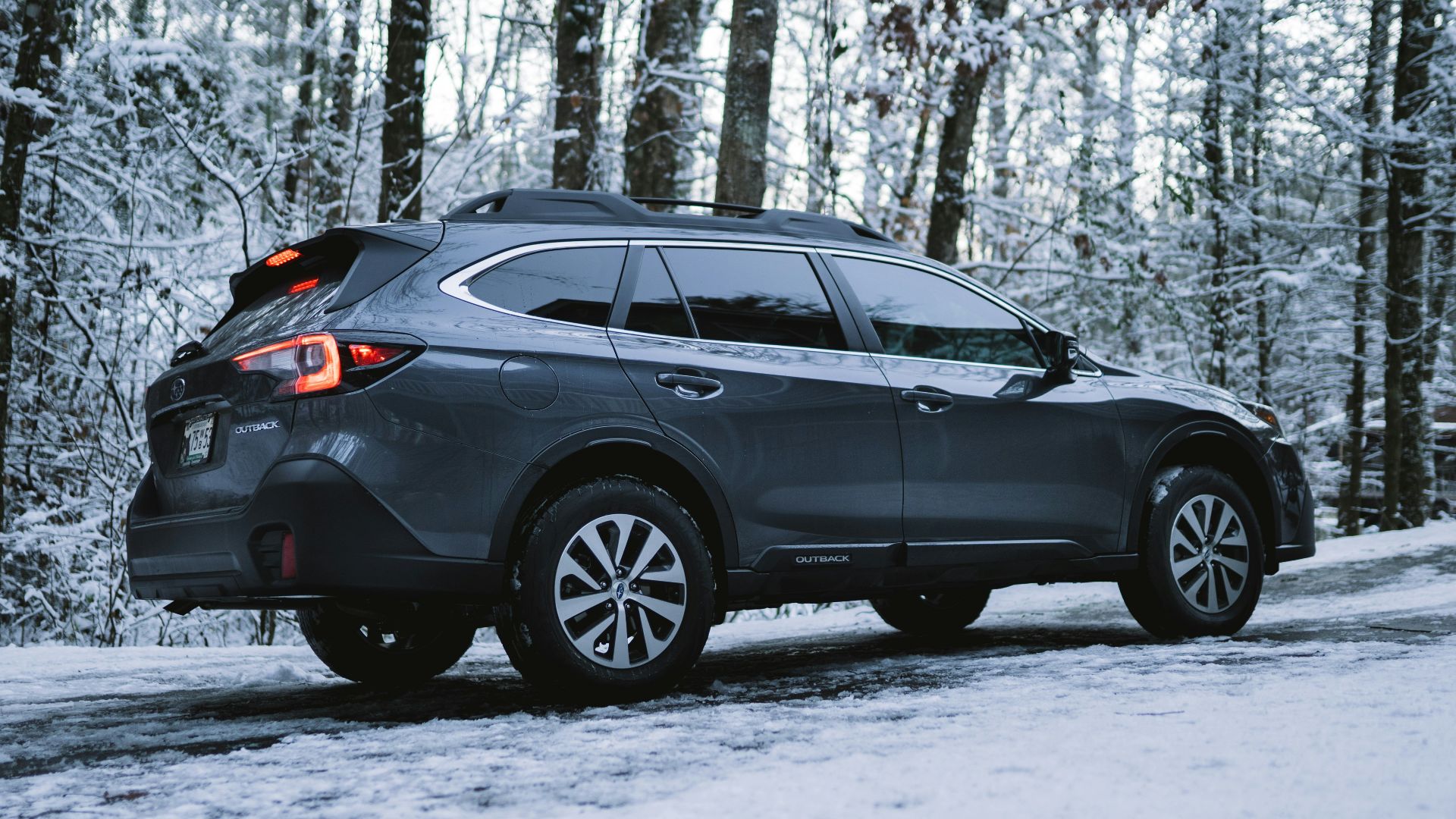
Smooth Inputs Protect What Grip You Have
Hard acceleration, abrupt steering, and sudden braking all demand traction from the tires. Michelin recommends smooth, deliberate driver inputs on snow and ice. Asking the tires to brake heavily while also turning can exceed their limited traction more easily than performing either task gently.
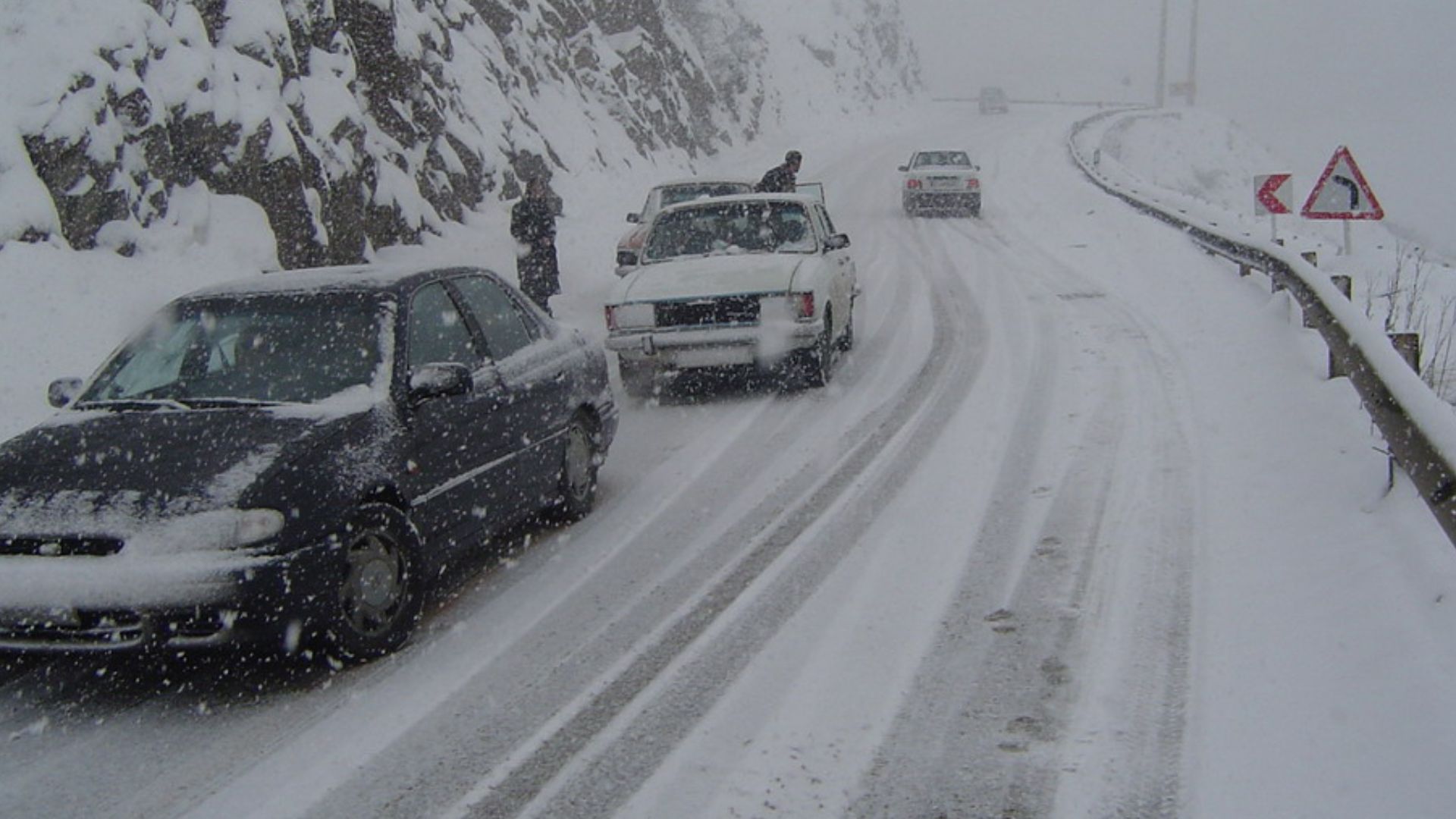 Babak Farrokhi from Tehran, IRAN, Wikimedia Commons
Slow Down Before The Turn
Braking hard once you are already in a slippery corner asks the tires to manage steering and deceleration simultaneously. Reducing speed before entering the turn leaves more available grip for changing direction. AWD may help you accelerate out afterward, but it does little to rescue an overly fast approach.
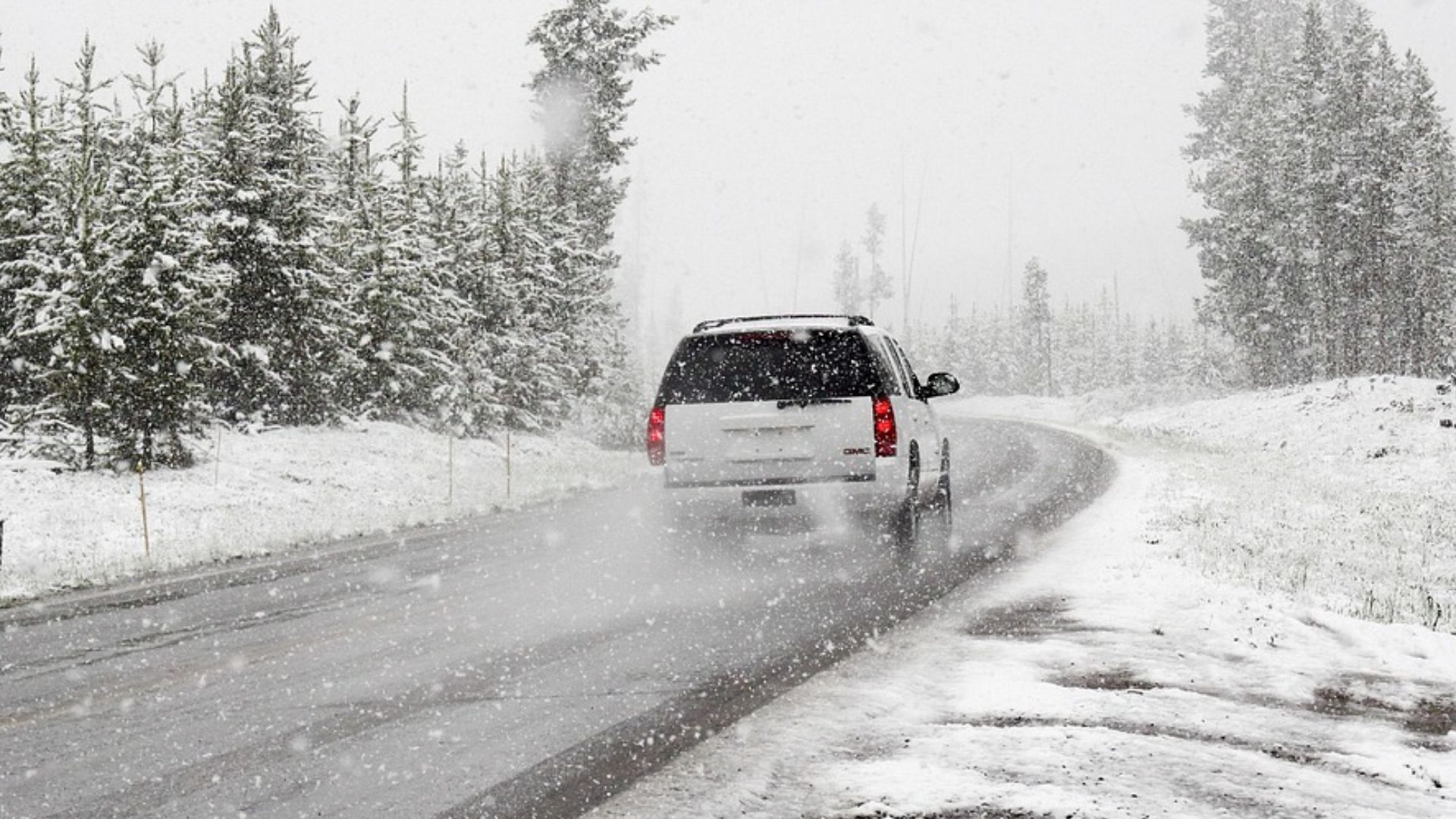
Test The Grip Carefully
AAA advises drivers to understand how their vehicle stops in winter conditions rather than assuming AWD will save them. In a safe, legal, traffic-free location, gentle braking at very low speed can provide a sense of how slippery the surface has become. The purpose is awareness, not deliberately pushing the vehicle until it slides.
AWD Is Still Valuable In Winter
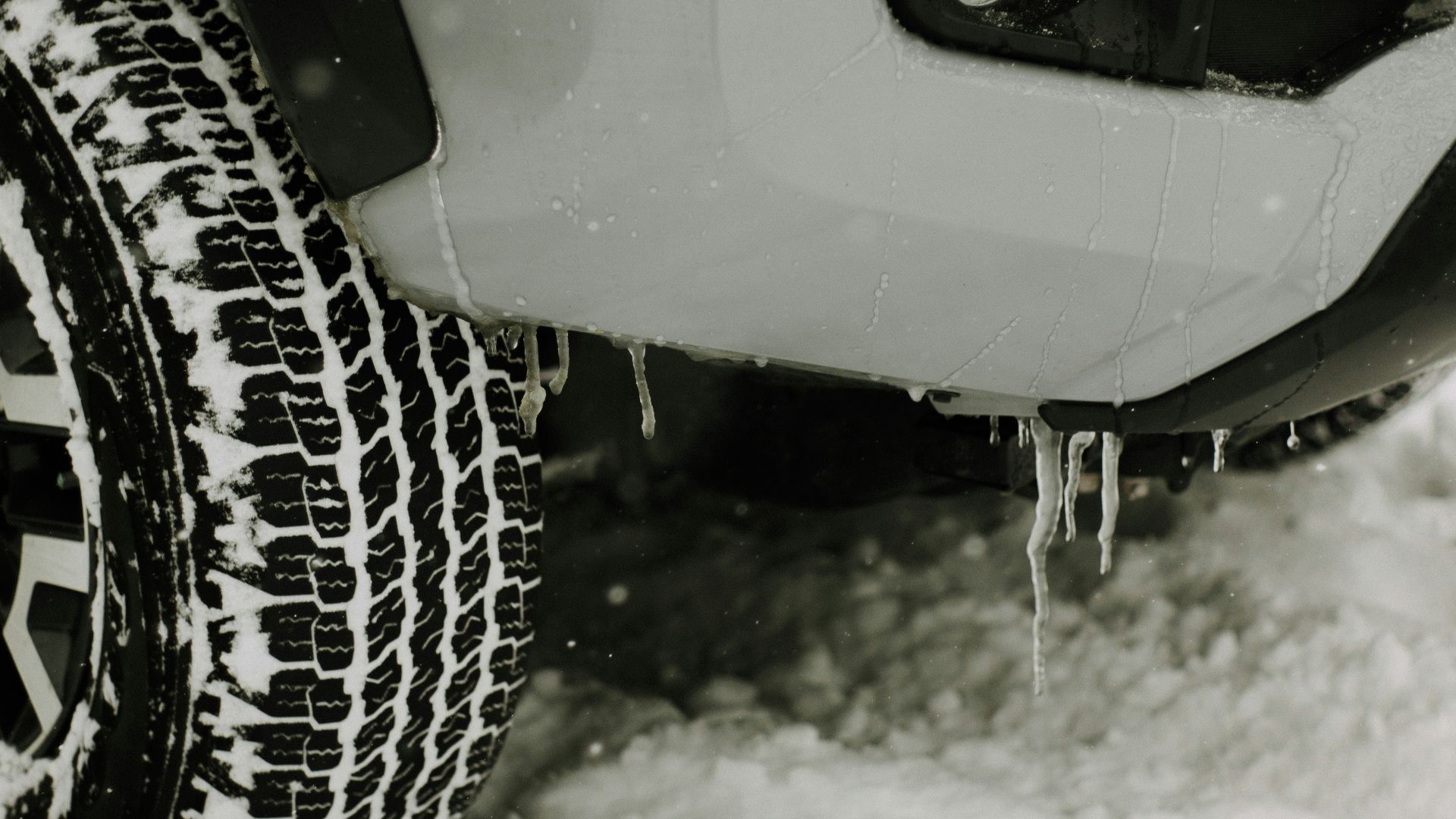
None of this means buying AWD was pointless. It remains extremely useful for starting on slippery hills, moving through deeper snow, and distributing propulsion when individual tires lose traction. The misunderstanding was expecting that acceleration advantage to extend equally to stopping.
Tires Complete The AWD Package
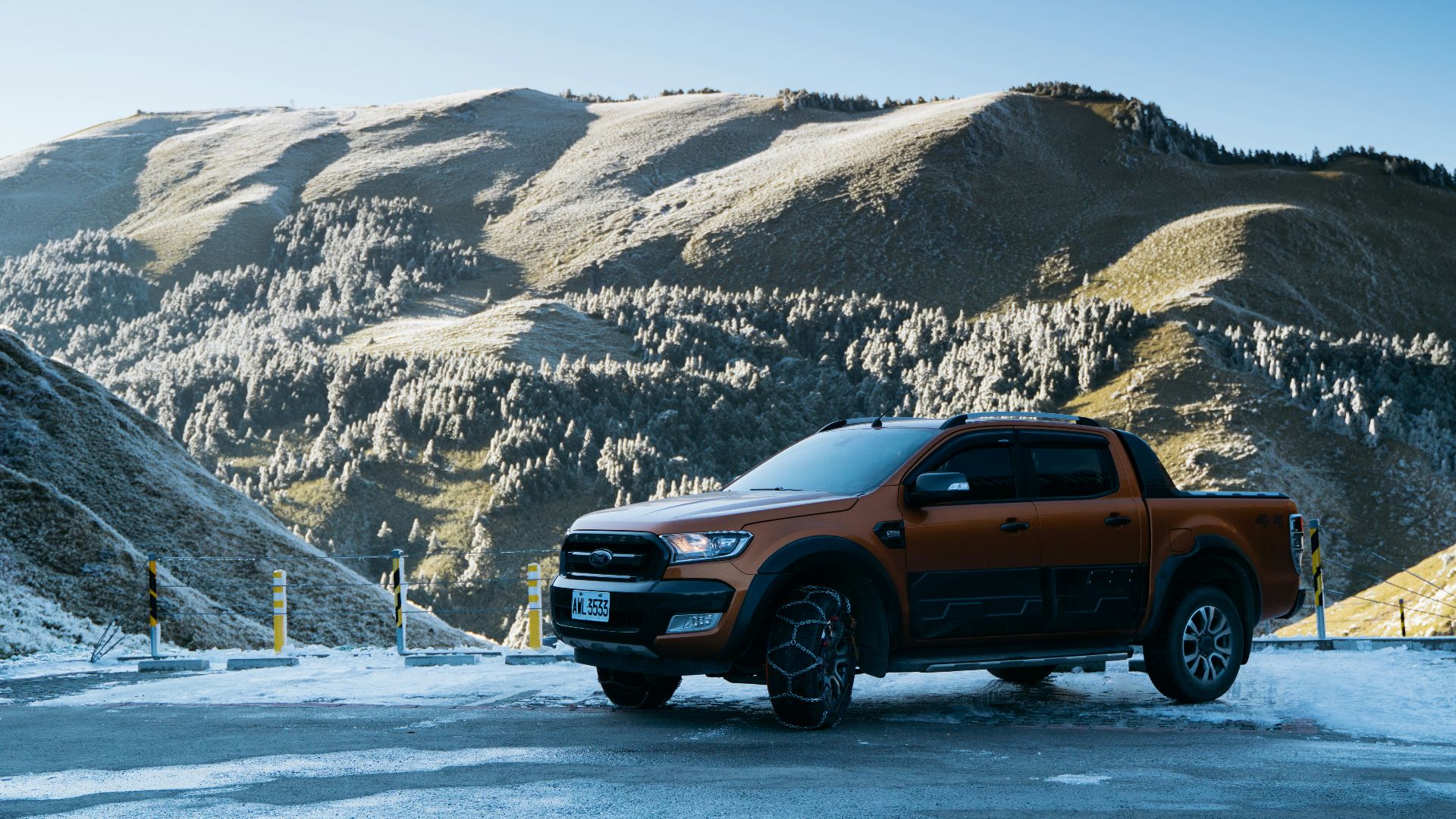
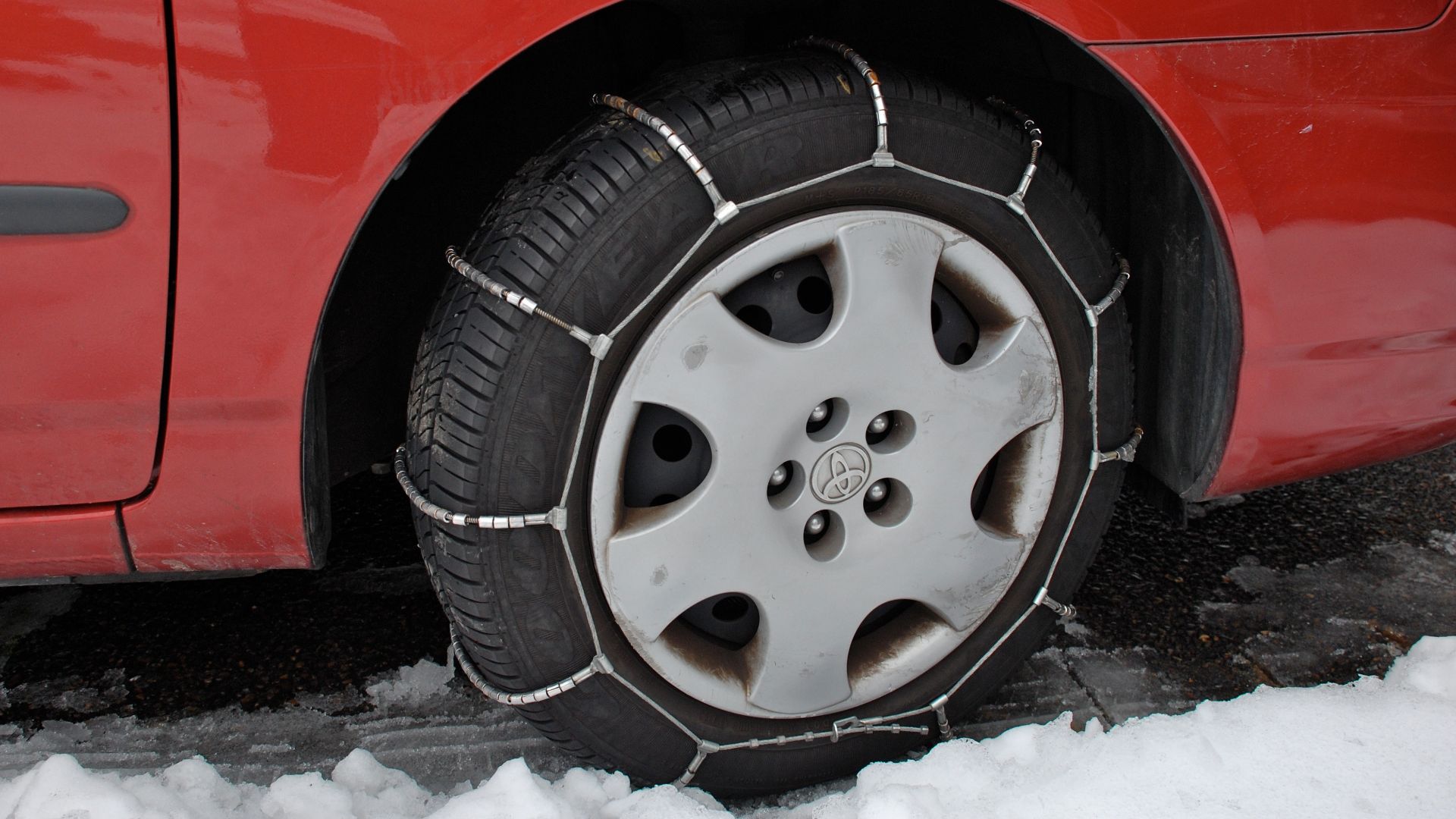
AWD and quality winter tires complement each other rather than replace each other. The drivetrain helps distribute power while the tires supply the grip needed to accelerate, steer, and brake. Putting serious winter tires on an AWD vehicle allows the drivetrain to use its capability much more effectively.
 Steve Morgan, Wikimedia Commons
The Real Upgrade Is More Grip And More Space
Your vehicle probably behaved exactly as its designers intended. What surprised you was the enormous difference between having traction to accelerate and having enough traction to stop on a slippery road. Equip the vehicle with appropriate tires, maintain them properly, slow down, and leave much more space ahead, because AWD cannot shorten a stop when the road itself has run out of grip.
You May Also Like:
Mechanics Say They Hate It When Customers Do These Things—So Don’t Do Them
Forgotten Sports Sedans That Deserve More Respect Than They Get