The Premium Gas Debate That Never Dies
Somebody always swears premium fuel makes any car run smoother, faster, and longer. Some even say they can feel the difference. It sounds believable because “premium” sounds like “better,” even when the engine never asked for it. The real story is about octane, something called "knock," and what your car was designed to do.

What “Premium” Actually Means
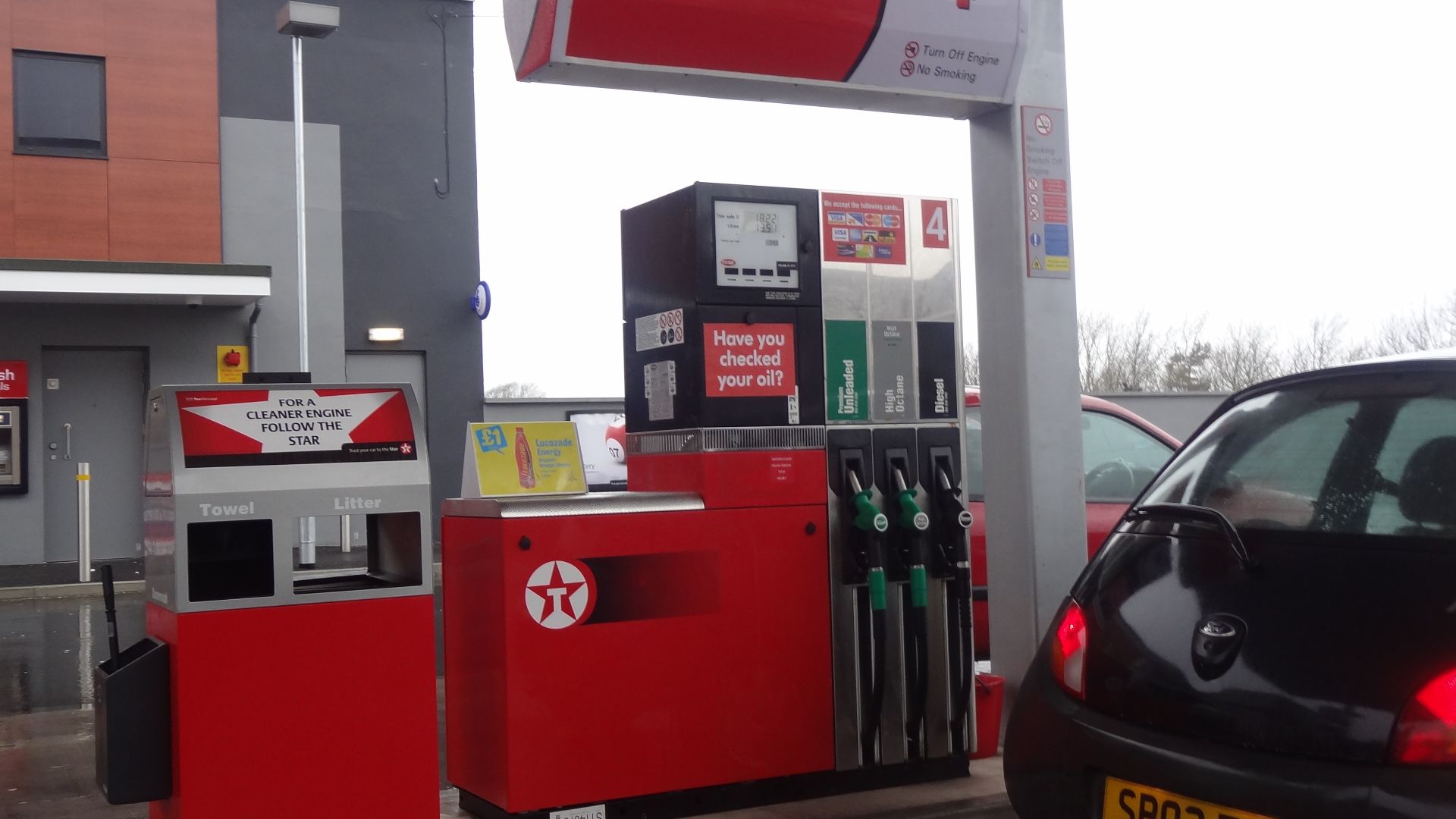
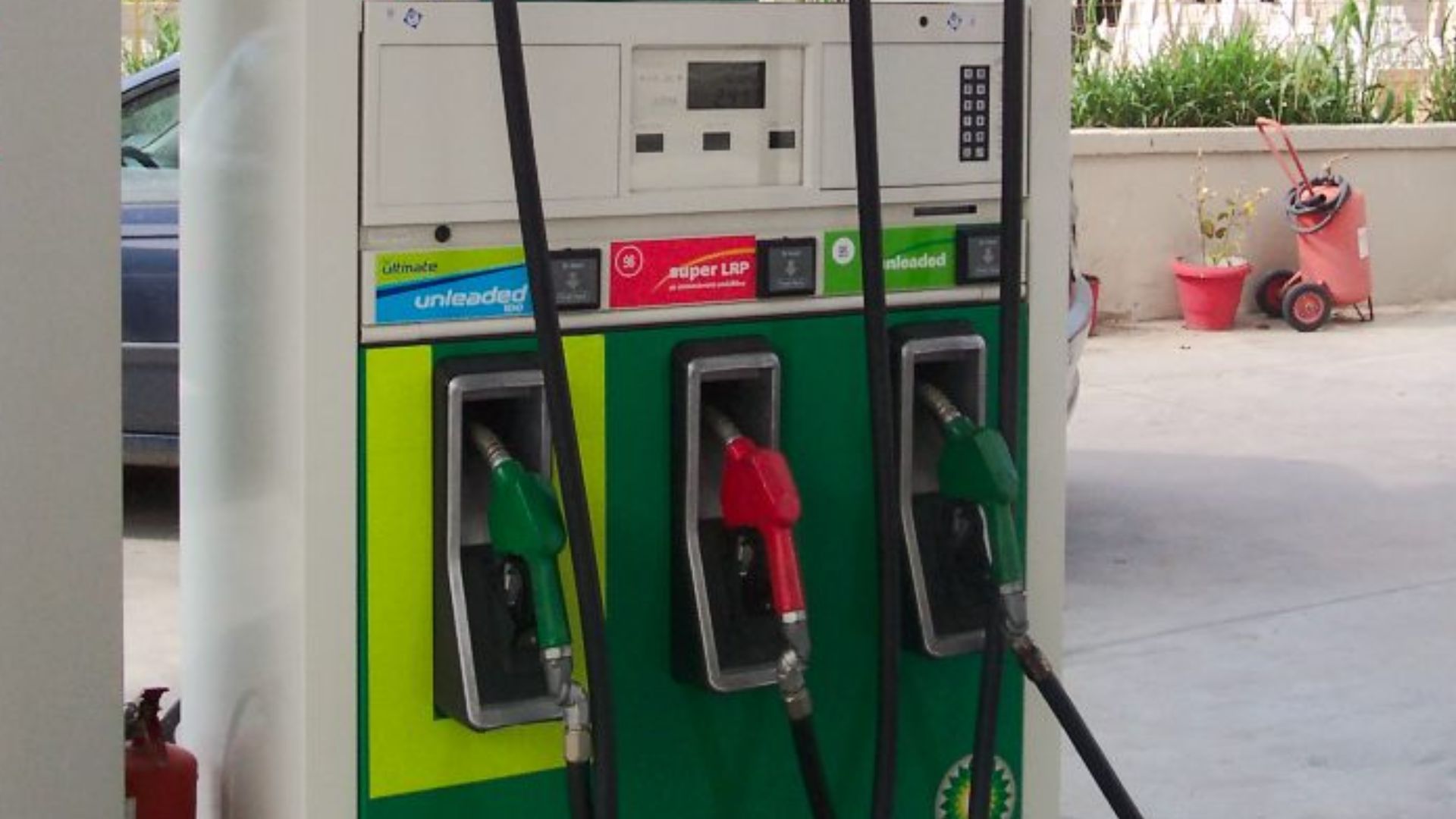
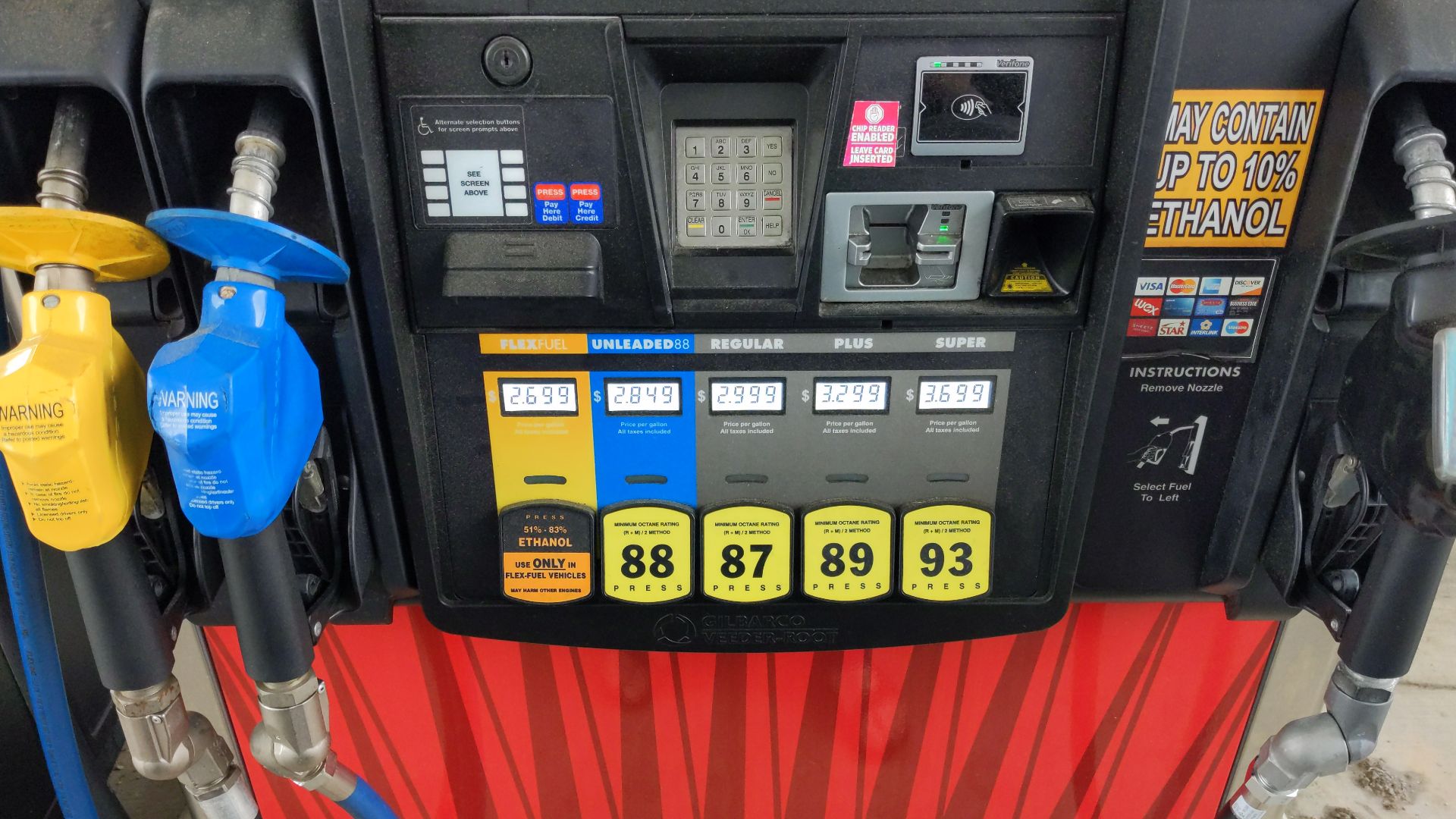
At the pump, premium usually means a higher octane rating than regular. Octane is not a “power” number or a “cleanliness” score. It is a measure of a fuel’s resistance to knock, which is abnormal combustion in the cylinder.
 Aaron Lawrence at English Wikipedia, Wikimedia Commons
Octane’s Origin Story Starts With Engine Knock
Engine knock became a major barrier as early engines pushed for more compression and more efficiency. In the early 1920s, researchers at General Motors looked for ways to control knock so engines could run higher compression ratios. That work eventually made “octane rating” a household term at gas stations.
 The original uploader was Bobak at English Wikipedia., Wikimedia Commons
The 1921 Breakthrough That Changed Gasoline
In 1921, Thomas Midgley Jr. and Charles F. Kettering at General Motors discovered that tetraethyl lead greatly reduced engine knock. The discovery let automakers raise compression ratios without destructive pinging. It also kicked off decades of leaded gasoline use before the health risks became undeniable.
 AEMoreira042281, Wikimedia Commons
Why The Octane Scale Uses “Iso-Octane”
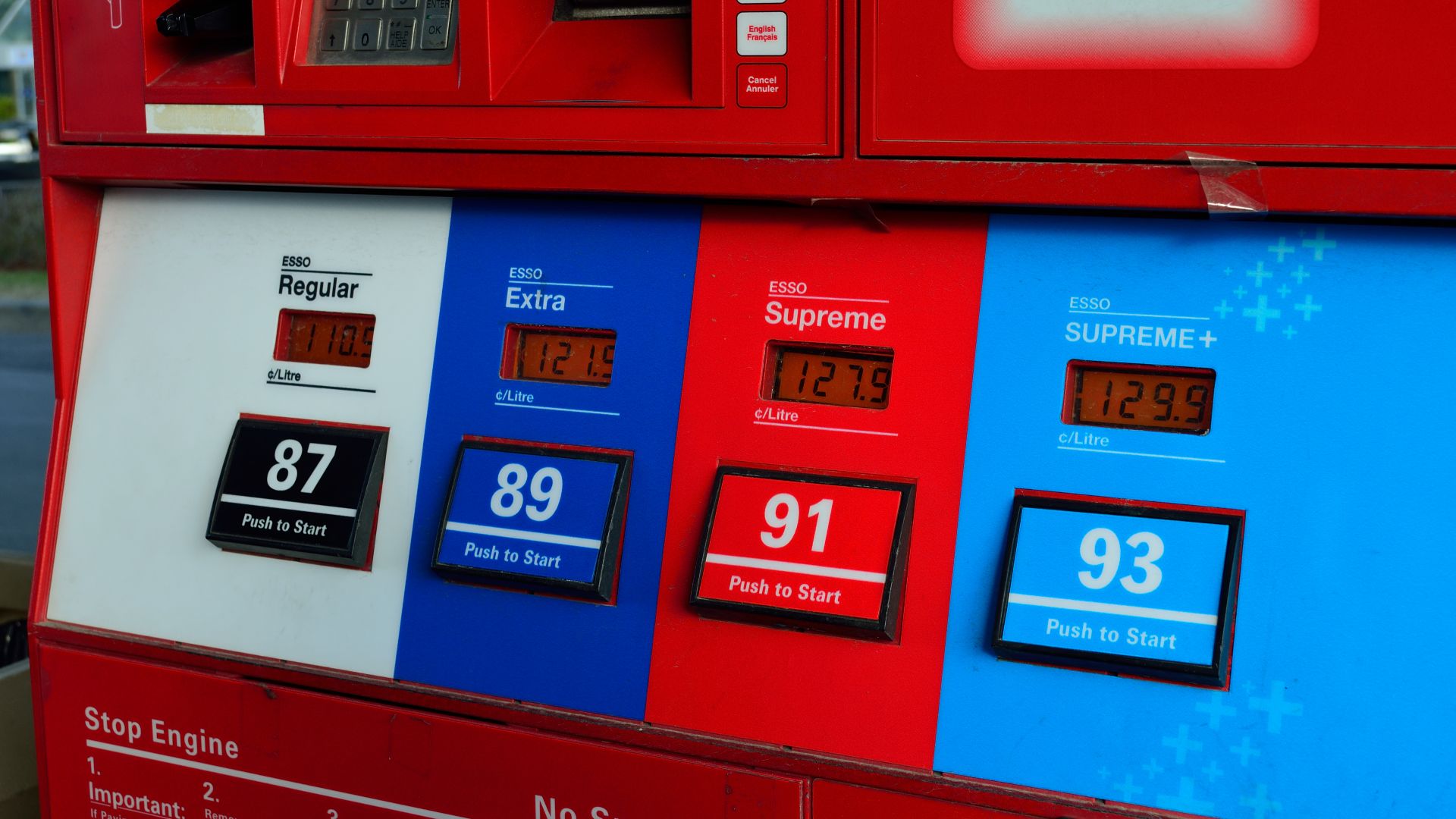
The octane rating scale is built around reference fuels that behave predictably in knock tests. Iso-octane is defined as 100 on the scale, and n-heptane is defined as 0. Your fuel’s octane number reflects how it compares to those references under standardized test conditions.
 Raysonho @ Open Grid Scheduler / Grid Engine, Wikimedia Commons
When Standardized Octane Testing Became Real
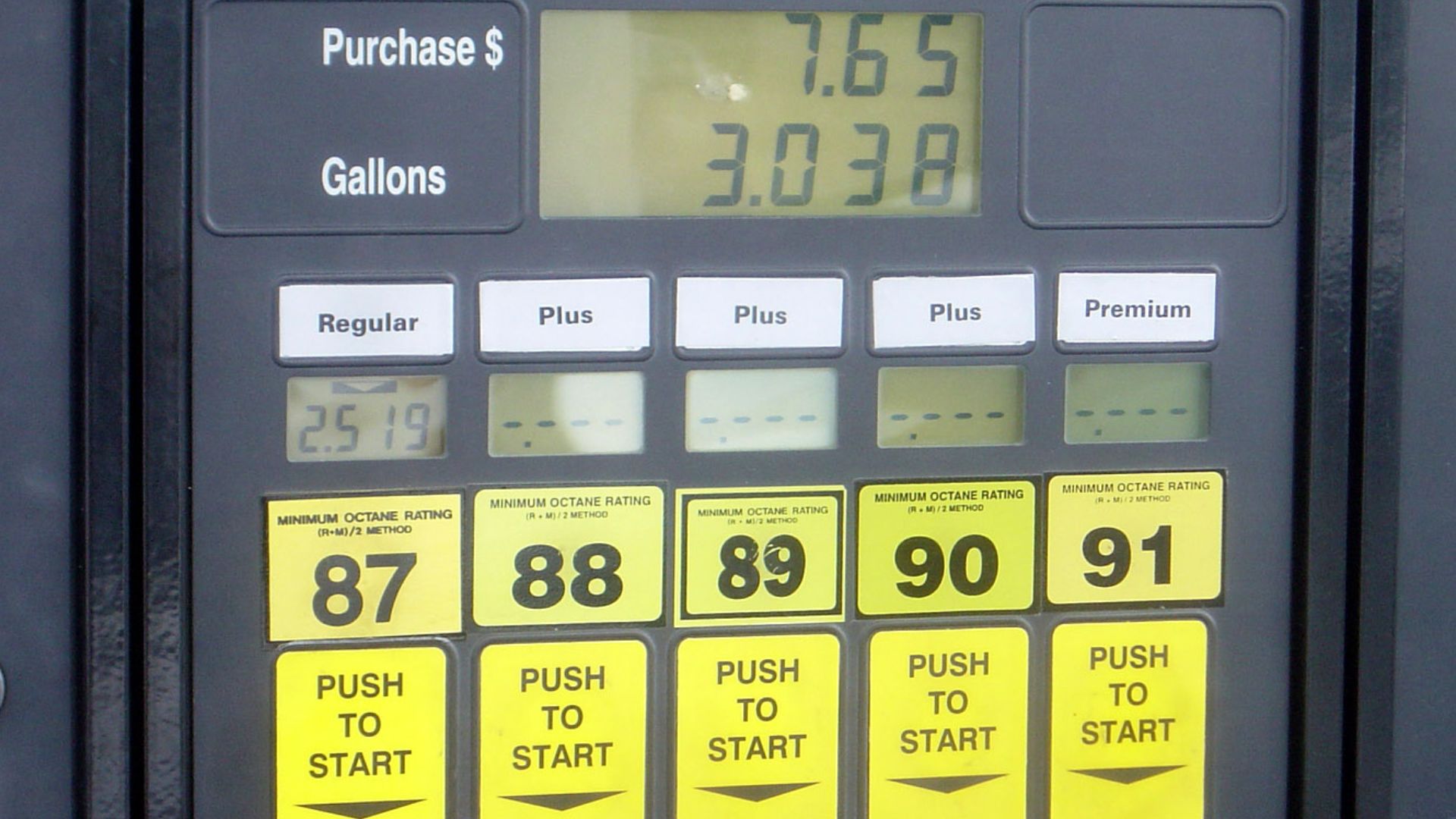
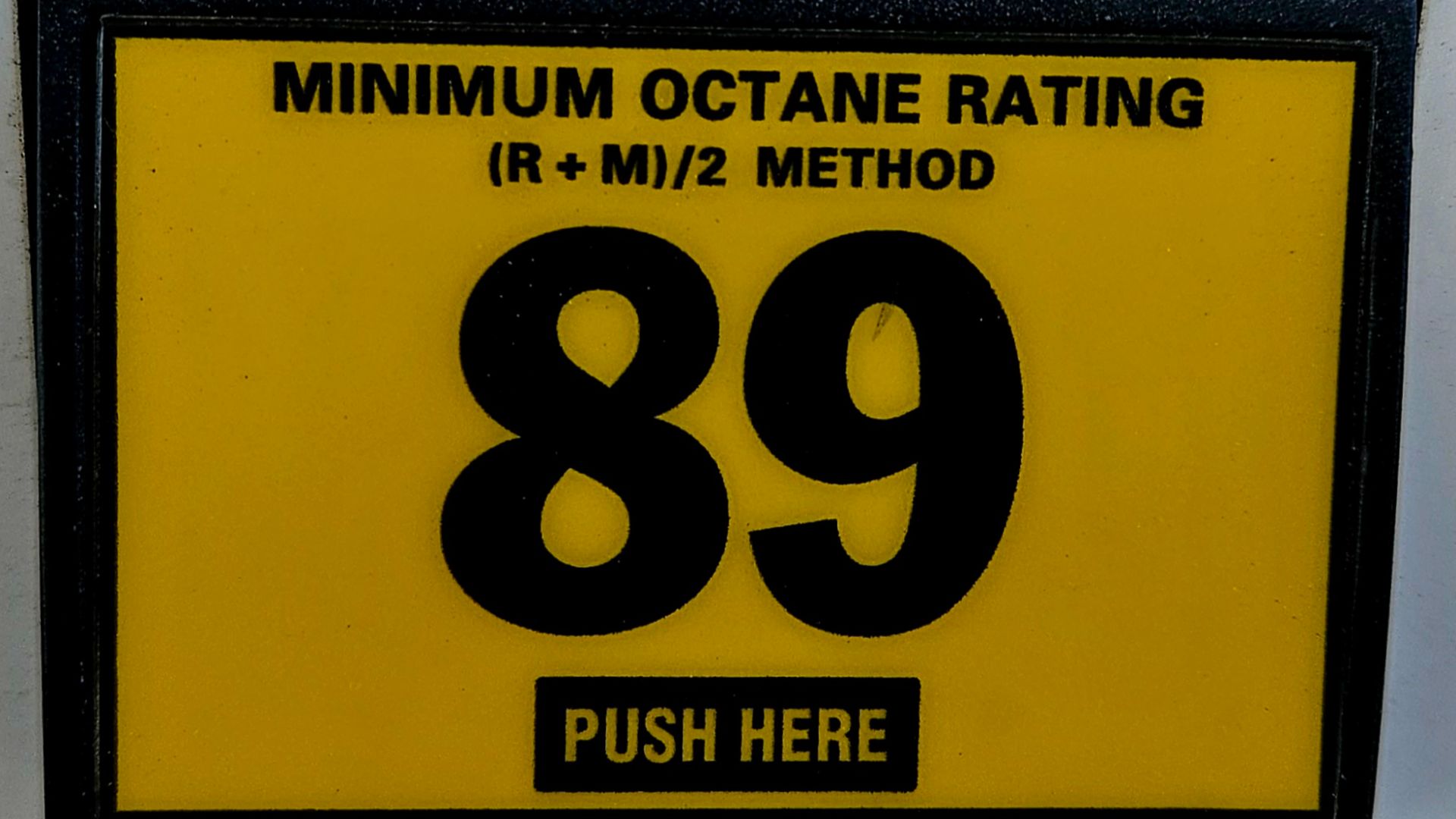
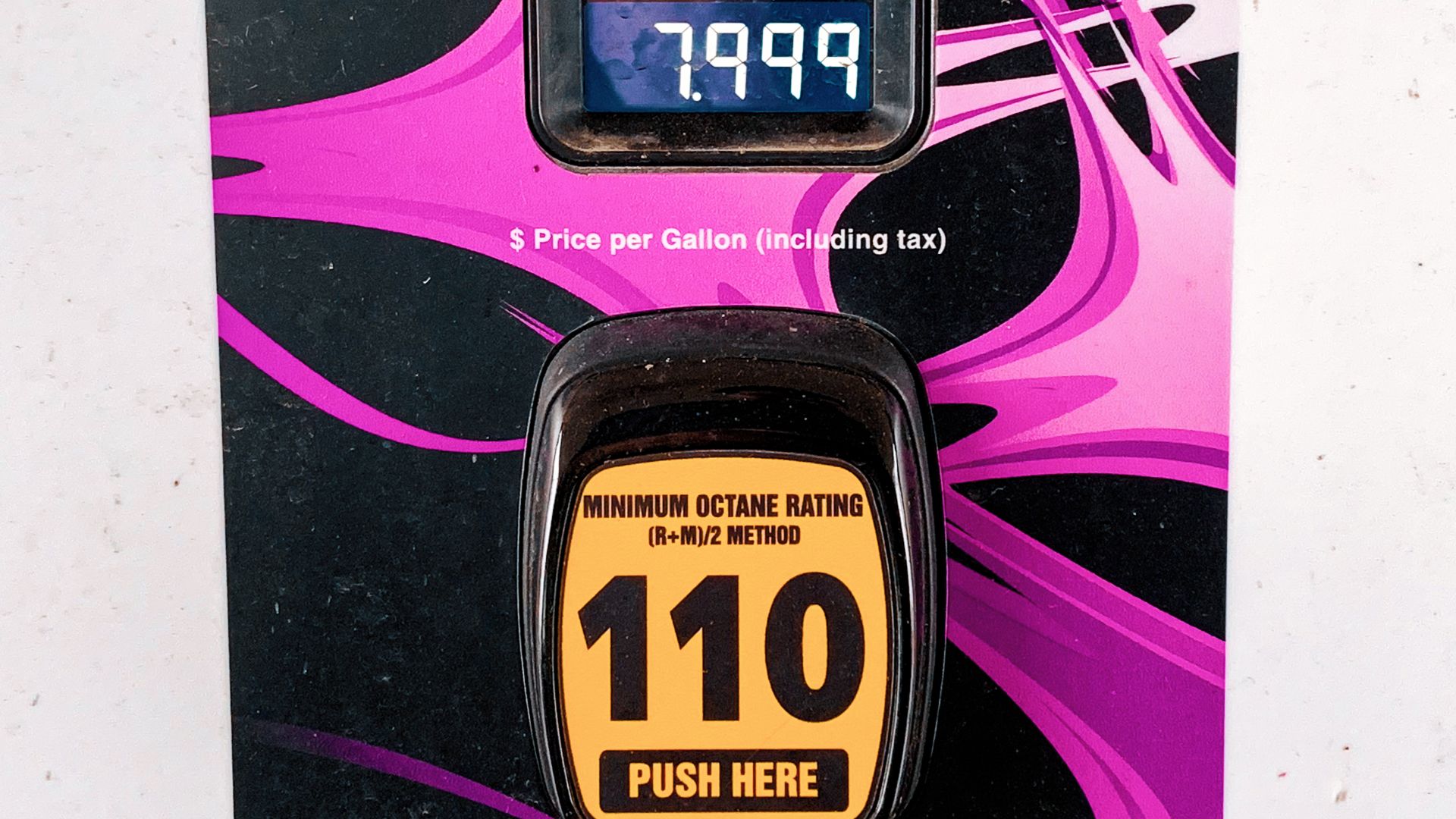
Octane numbers are determined using standardized ASTM test methods that specify how to measure Research Octane Number and Motor Octane Number. In the U.S., the number on the pump is typically the Anti-Knock Index, which is the average of RON and MON. That is why you may see it shown as (R+M)/2.
What The Pump Number Really Tells You
The Anti-Knock Index is not a promise of better mileage or more horsepower in every engine. It is mainly a promise of knock resistance under certain conditions. If your engine does not knock on regular, higher octane has little to “fix.”
 Lionel Allorge, Wikimedia Commons
So Does Premium Make A Regular Car Run Better?
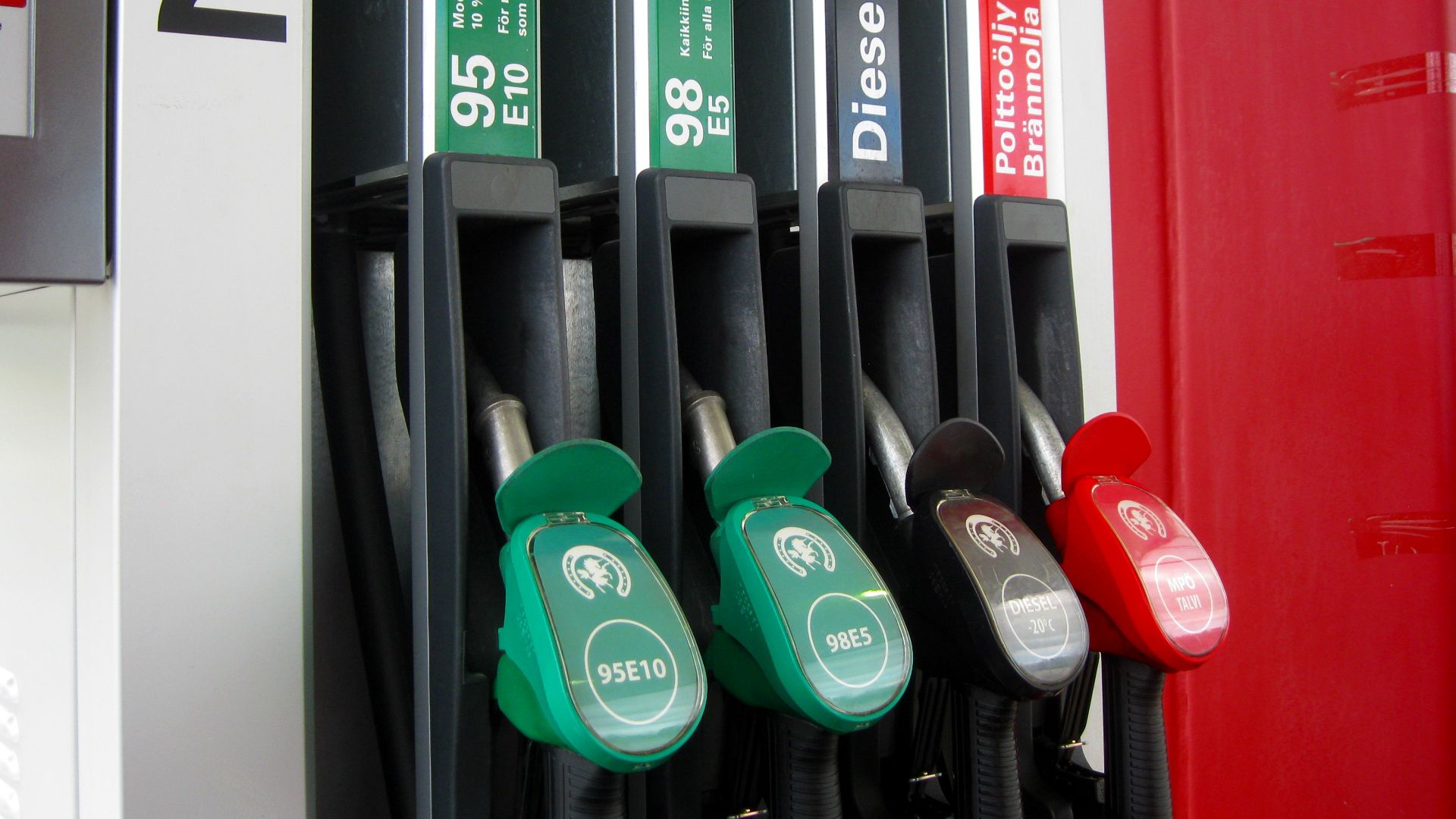
In a car designed for regular fuel, premium usually does not improve performance. Many modern engines use knock sensors and computer timing control, so they can protect themselves if knock appears. If the engine is already operating without knock on regular, there is no extra performance left on the table.
 Santeri Viinamaki, Wikimedia Commons
Where Premium Can Help Even If It Is Not Required
There are edge cases where a “regular recommended” engine may run closer to its best on premium in heat, at high load, or while towing. In those moments, the engine computer may pull timing on regular to avoid knock. Premium can reduce knock risk and let the engine keep more optimal timing, but it is not guaranteed and it is not universal.
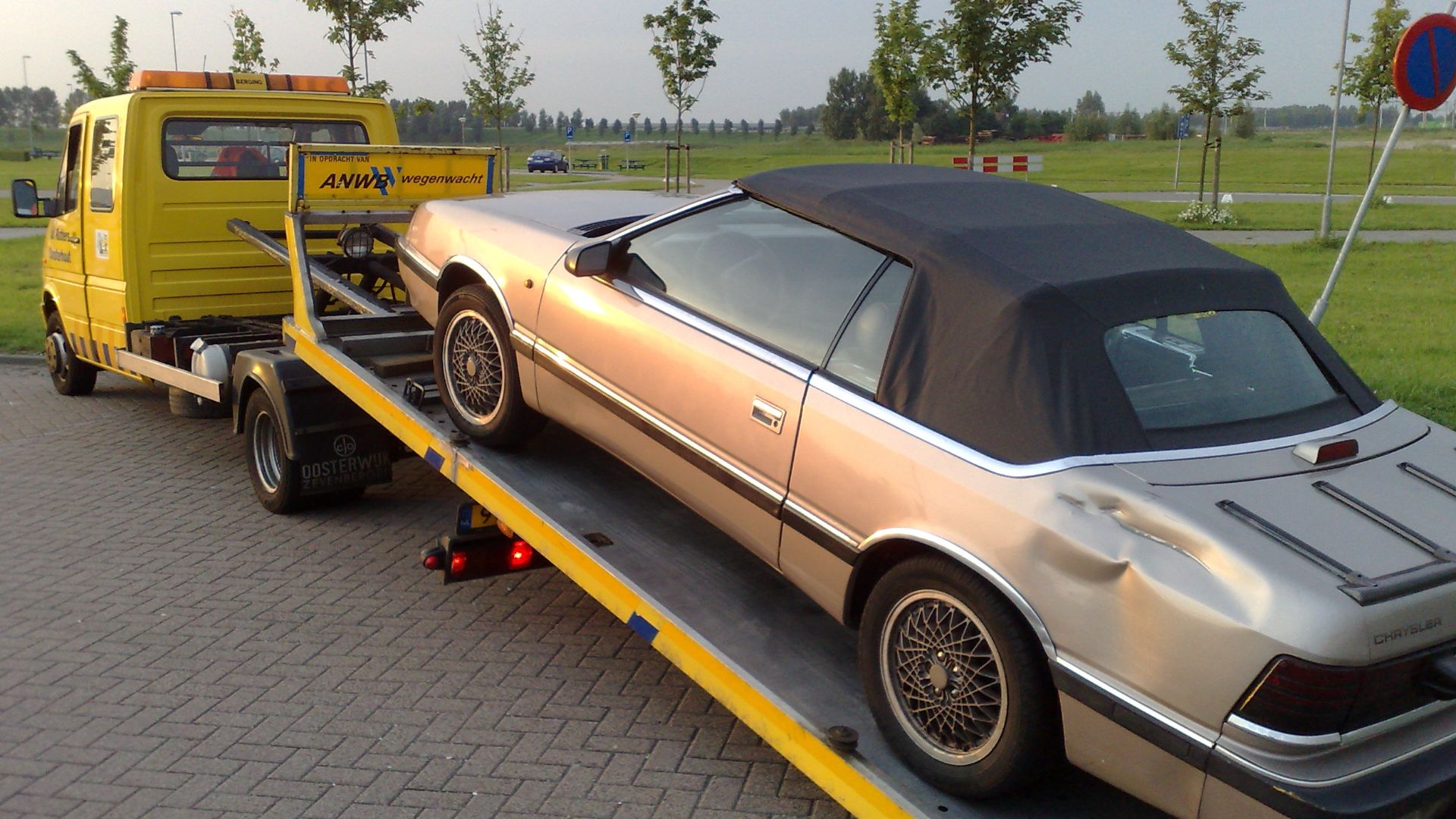 Ruben de Rijcke, Wikimedia Commons
The Big Misunderstanding: Octane Is Not Energy
Higher octane does not automatically mean more energy per gallon. Gasoline’s energy content varies by formulation, and octane rating is a separate property from energy density. You cannot assume premium equals more “fuel strength” just because it costs more.
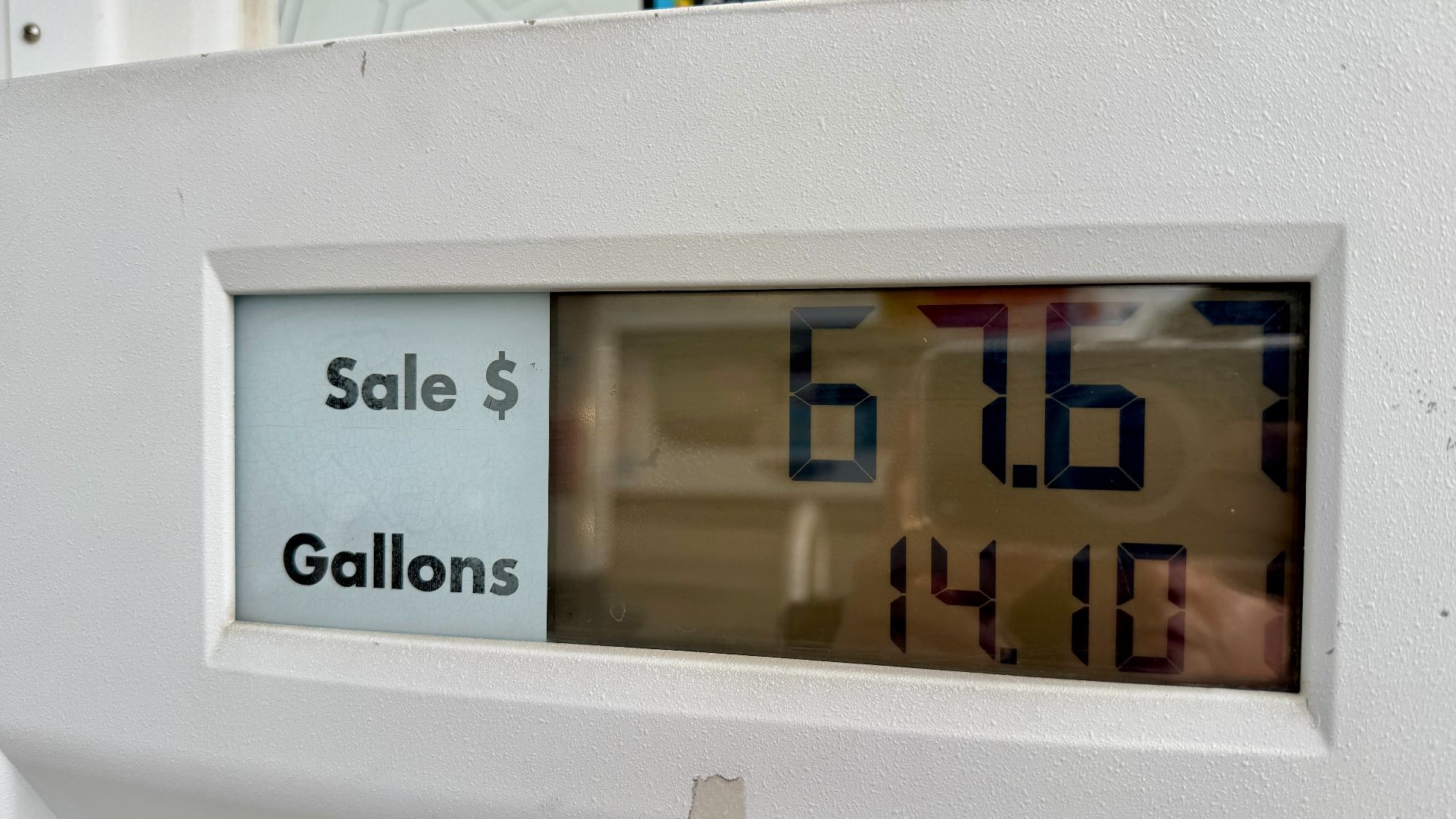
Premium And Fuel Economy: What Usually Happens
Most regular-fuel engines see little to no MPG change when switching to premium. The U.S. Department of Energy notes that using a higher octane than required offers no benefit in most cases. If your owner’s manual says premium is required, that is a different situation.
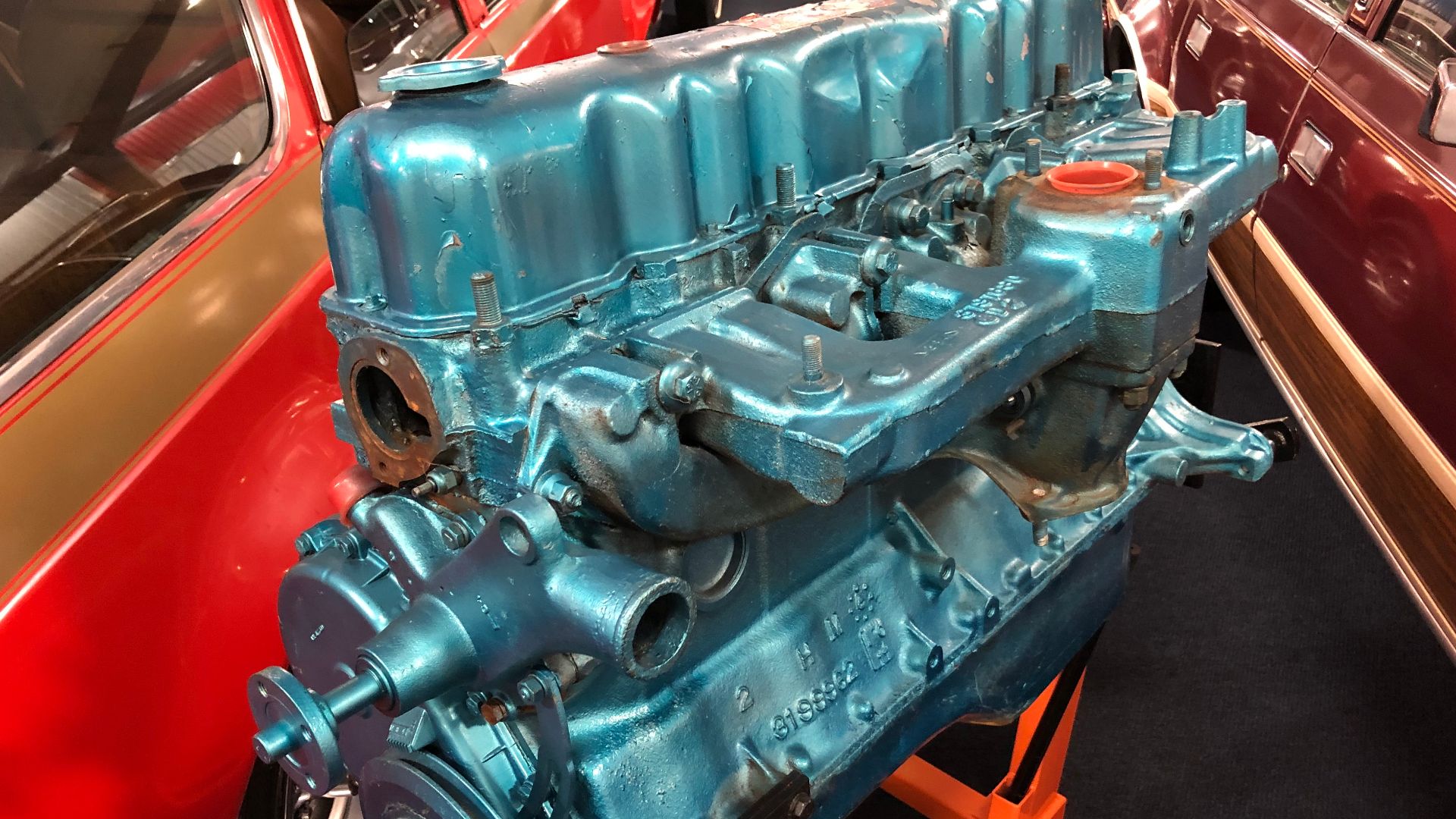
Required Vs Recommended Is Not Word Games
If your manual says premium is required, the engine is designed around higher knock resistance, often due to higher compression and turbocharging. If premium is only recommended, the engine can run on regular but may reduce performance in some conditions. The simplest rule is to follow the manual, not the pump label.
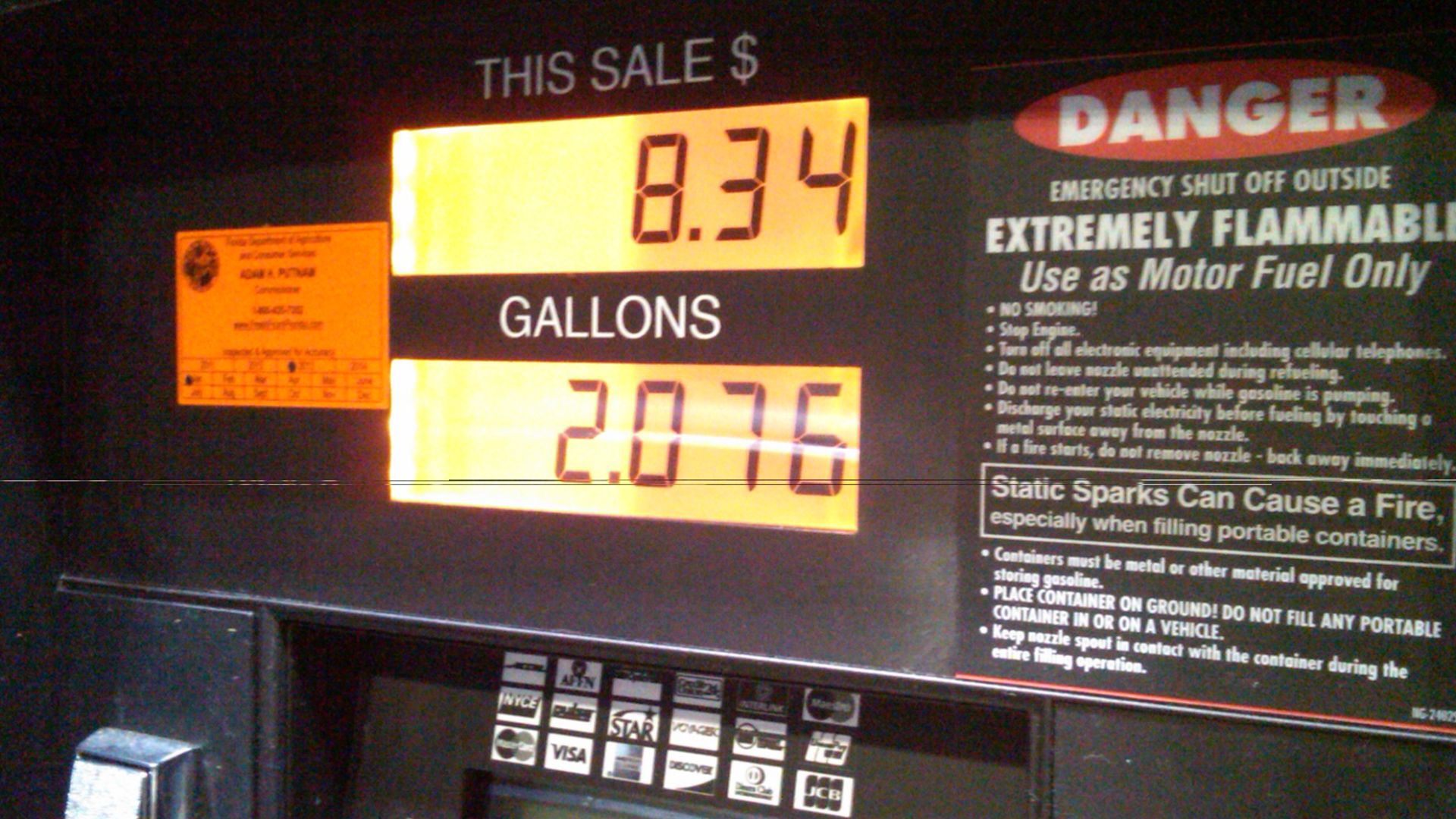 Anthony Inswasty, Wikimedia Commons
What “Knock” Sounds Like And Why It Matters
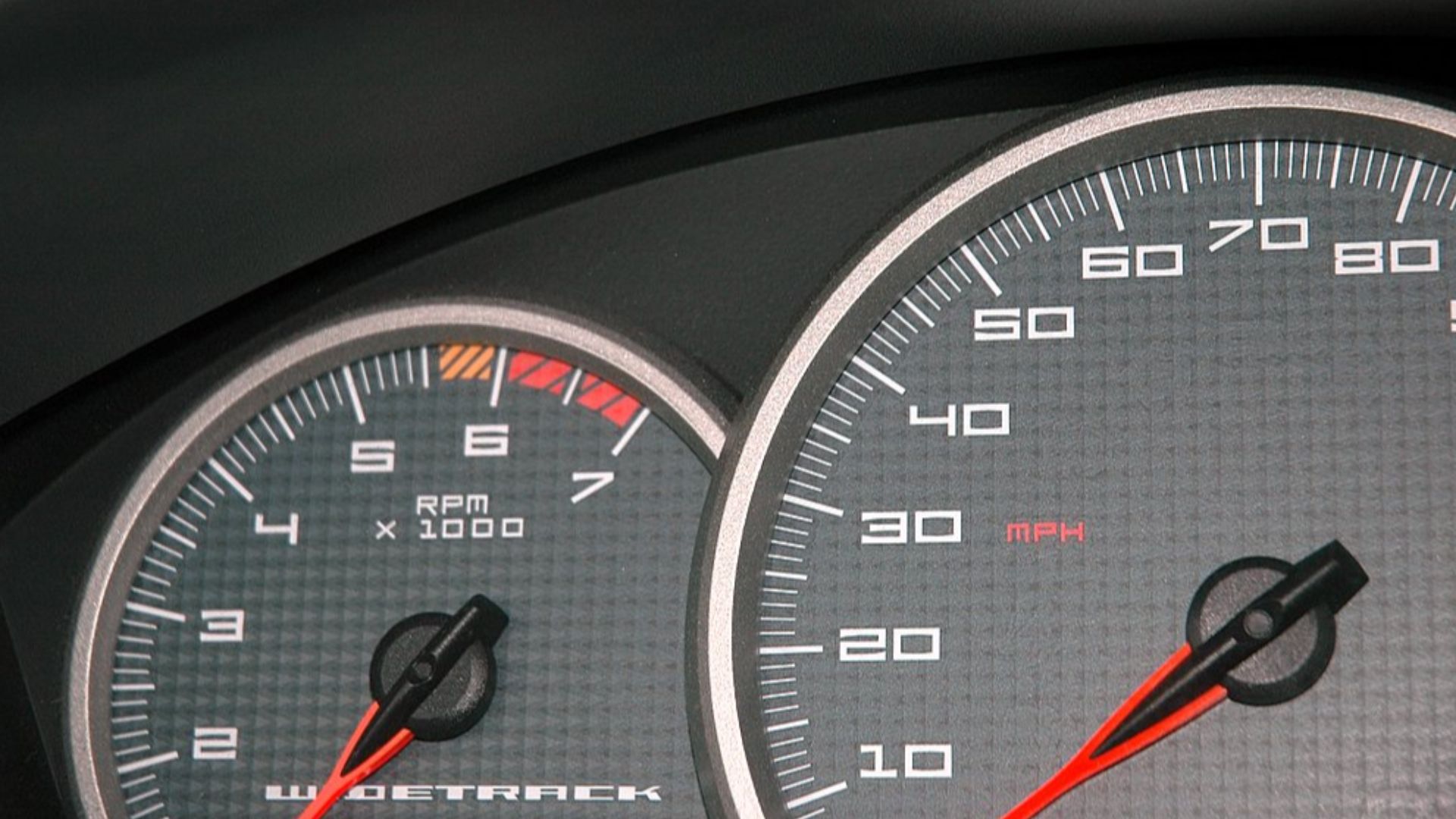
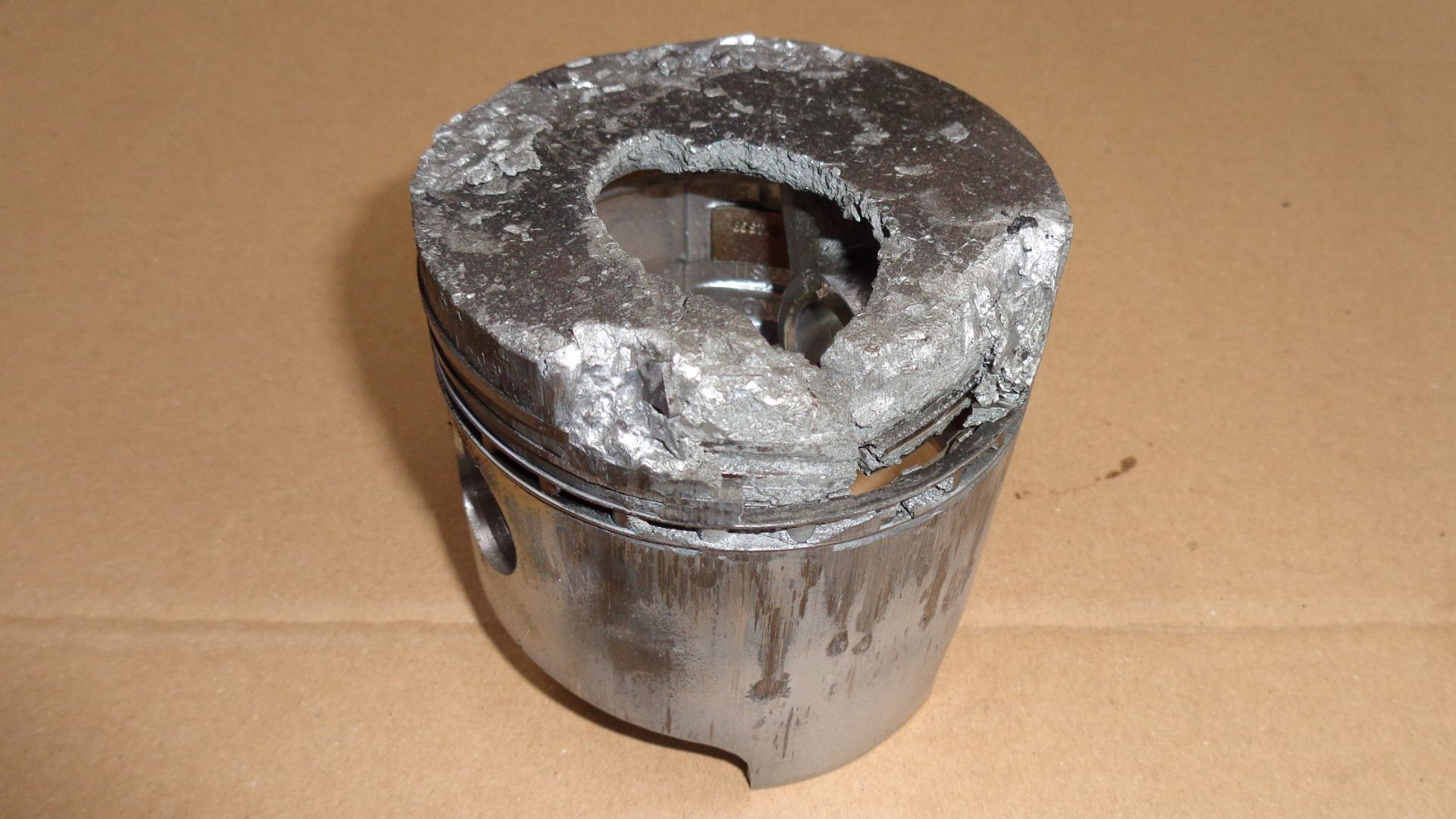
Knock can sound like a metallic ping under acceleration, especially at low RPM with high throttle. Persistent knock is bad for engines because it increases pressure spikes and heat. Modern knock sensors help prevent damage, but preventing knock in the first place is still the goal.
 Greg L. Wright - SnapJag, Wikimedia Commons
How Modern Engines Protect Themselves
Most newer cars use knock sensors to detect knock vibrations and adjust ignition timing. When the computer retards timing, the engine can lose some power and sometimes efficiency. Premium can reduce the chances the computer needs to intervene, but only if knock would have happened on regular.
 Tony Webster from Minneapolis, Minnesota, United States, Wikimedia Commons
Does Premium Keep The Engine Cleaner?
The octane rating itself does not mean the fuel has more detergents. Detergent additives are a separate part of gasoline formulation. In the U.S., all gasoline must contain deposit-control additives, and some brands go beyond the minimum.
 Tony Webster from Minneapolis, Minnesota, United States, Wikimedia Commons
The “Top Tier” Detail People Miss
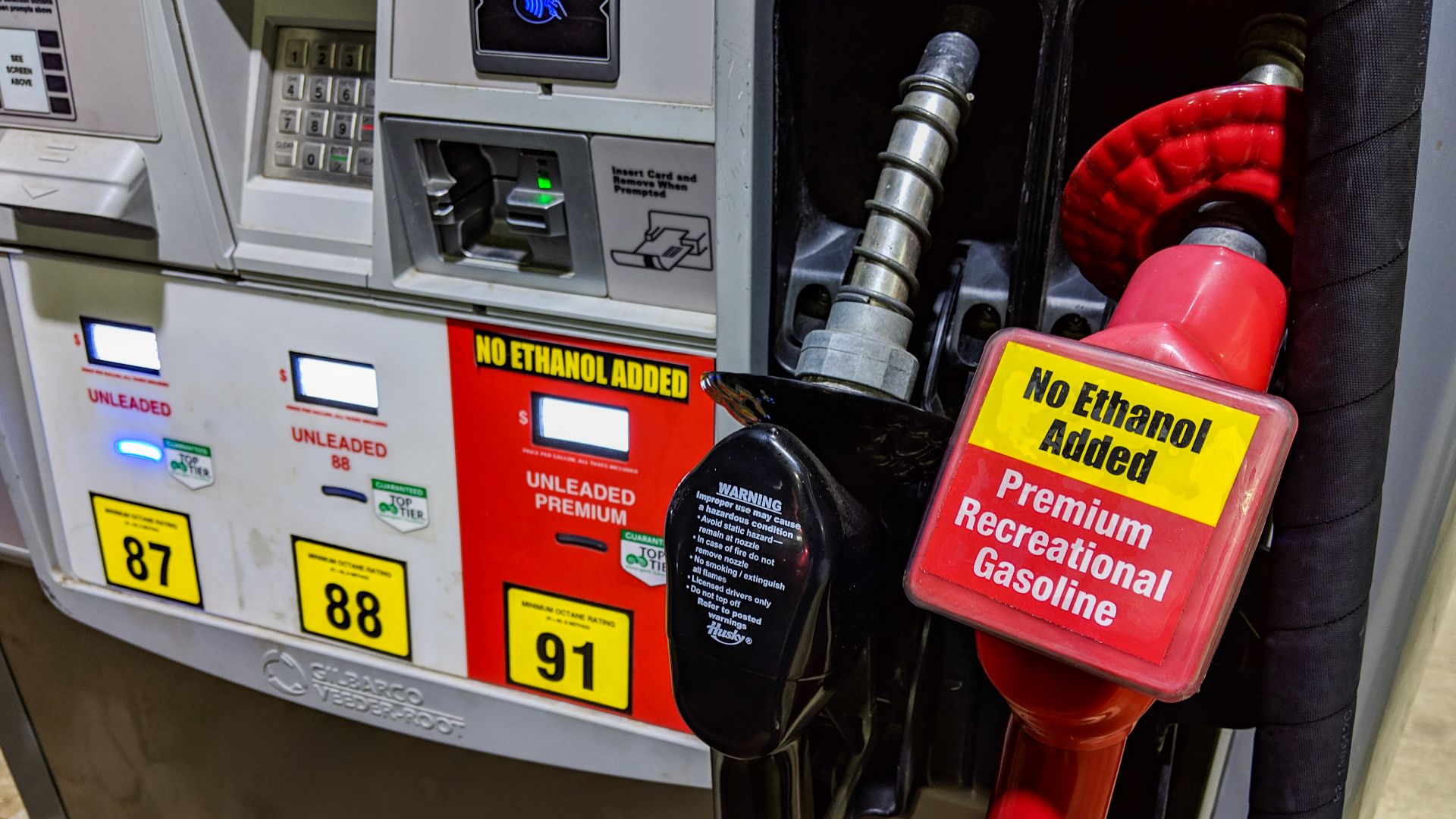
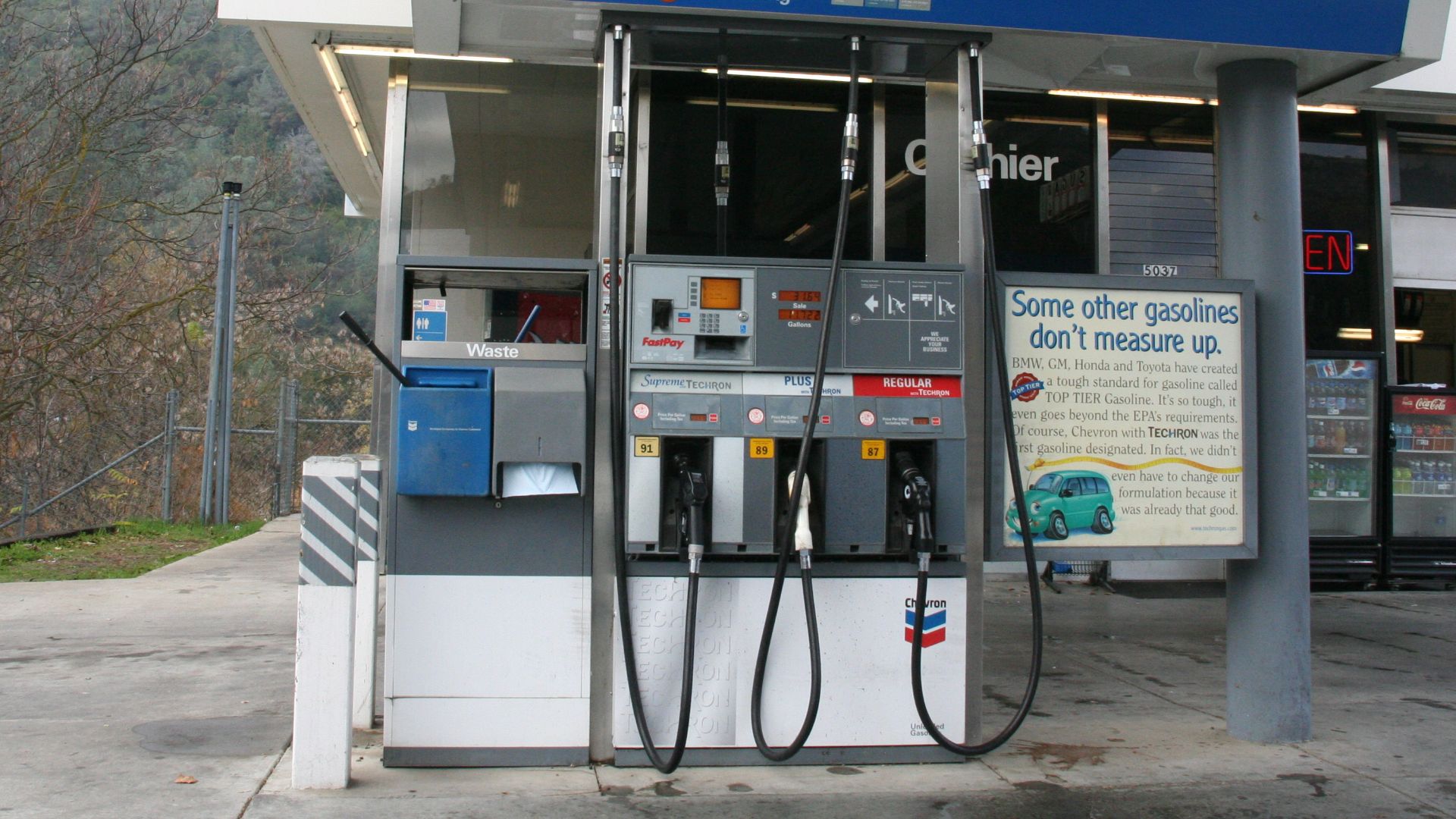
Top Tier is a voluntary gasoline performance standard created by automakers in 2004 to encourage stronger detergent packages than the federal minimum. Top Tier applies to all octane grades sold by a participating brand, not just premium. If you want extra detergency, choosing a Top Tier retailer matters more than choosing premium.
 Person Lin from Taoyuan, Taiwan, Wikimedia Commons
Will Premium Make Your Car Last Longer?
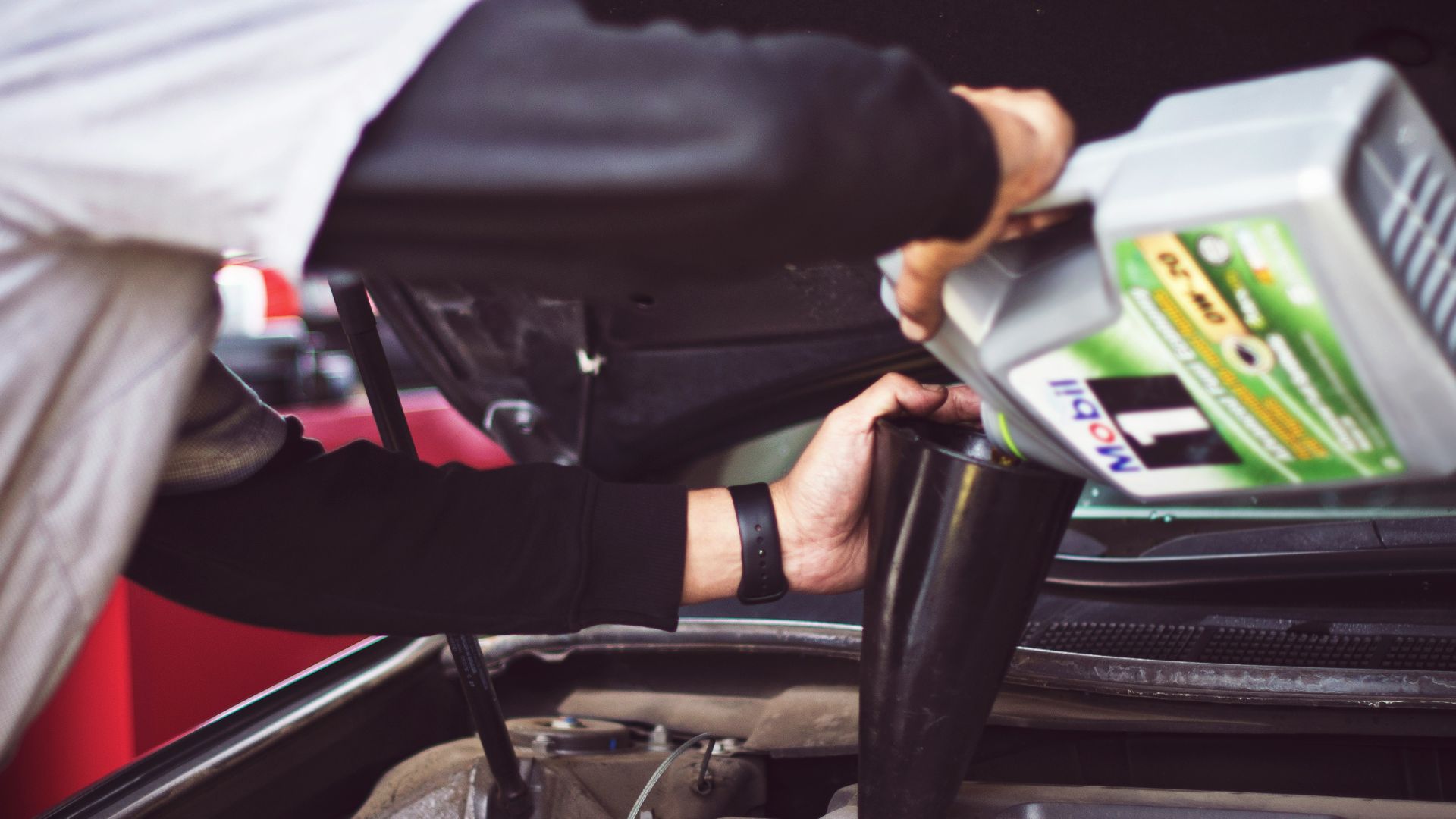
If your car is designed for regular and does not knock on regular, premium is unlikely to extend engine life. Longevity is more strongly tied to oil changes, coolant health, air filtration, and not overheating or running low on oil. Premium can matter for longevity mainly when an engine truly needs higher octane to avoid knock under normal use.
The Leaded Gas Era Shows Octane Can Be A Trap
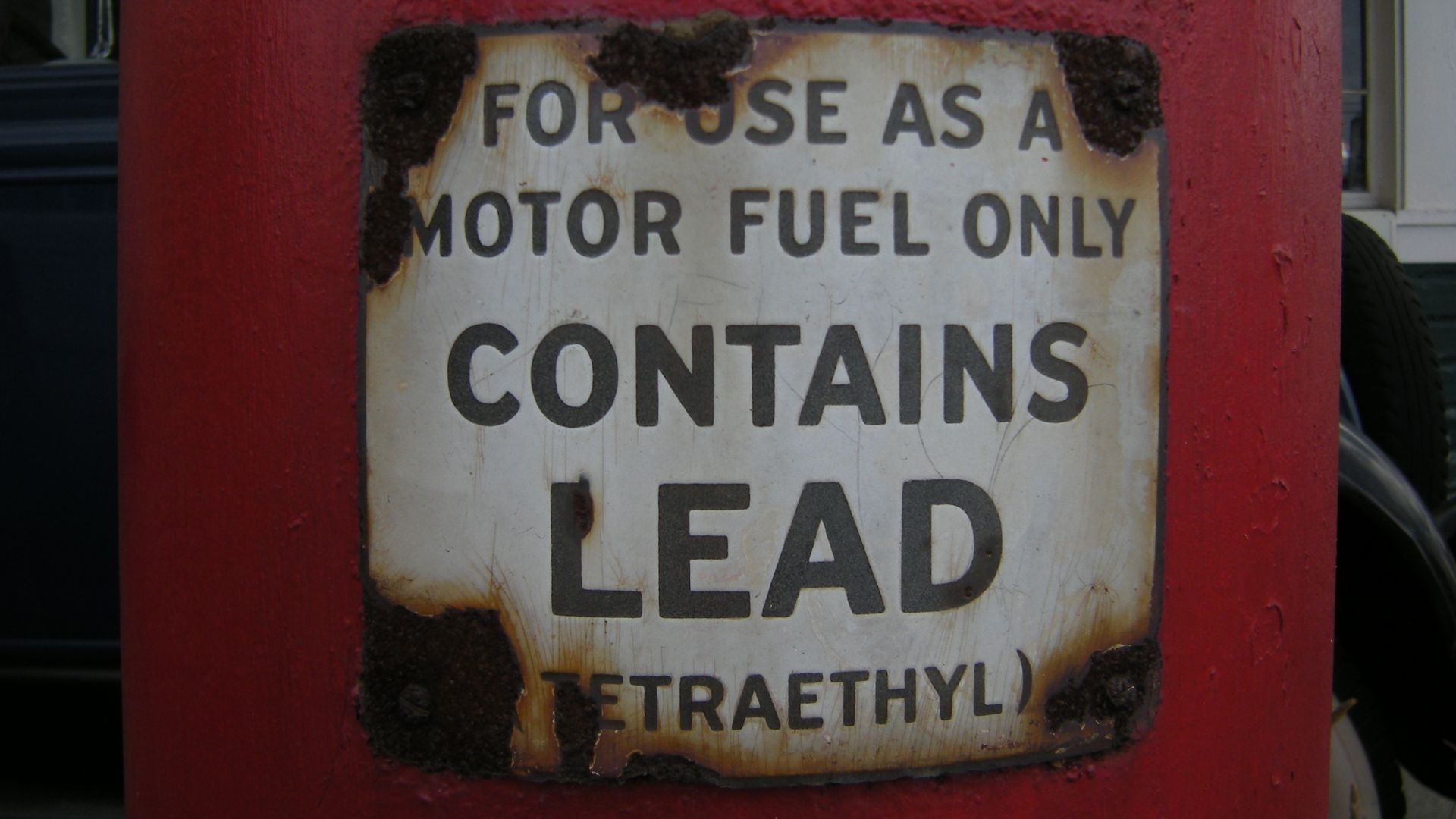
Leaded gasoline raised octane and reduced knock, but it came with huge public health costs. The U.S. Environmental Protection Agency began regulating lead in gasoline in the 1970s, and the phase-down accelerated through the 1980s. For most on-road vehicles, leaded gasoline was effectively gone by the mid-1990s in the U.S.
Why Your Friend’s “Smoother” Feeling Can Be Real
Sometimes drivers notice smoother acceleration after switching grades, and it can be real if the engine was lightly knocking or pulling timing on regular. It can also be confirmation bias, because people expect pricier fuel to feel better. The only reliable way to know is to track MPG and performance over multiple tanks in similar conditions.

What About Turbo Engines And Premium?
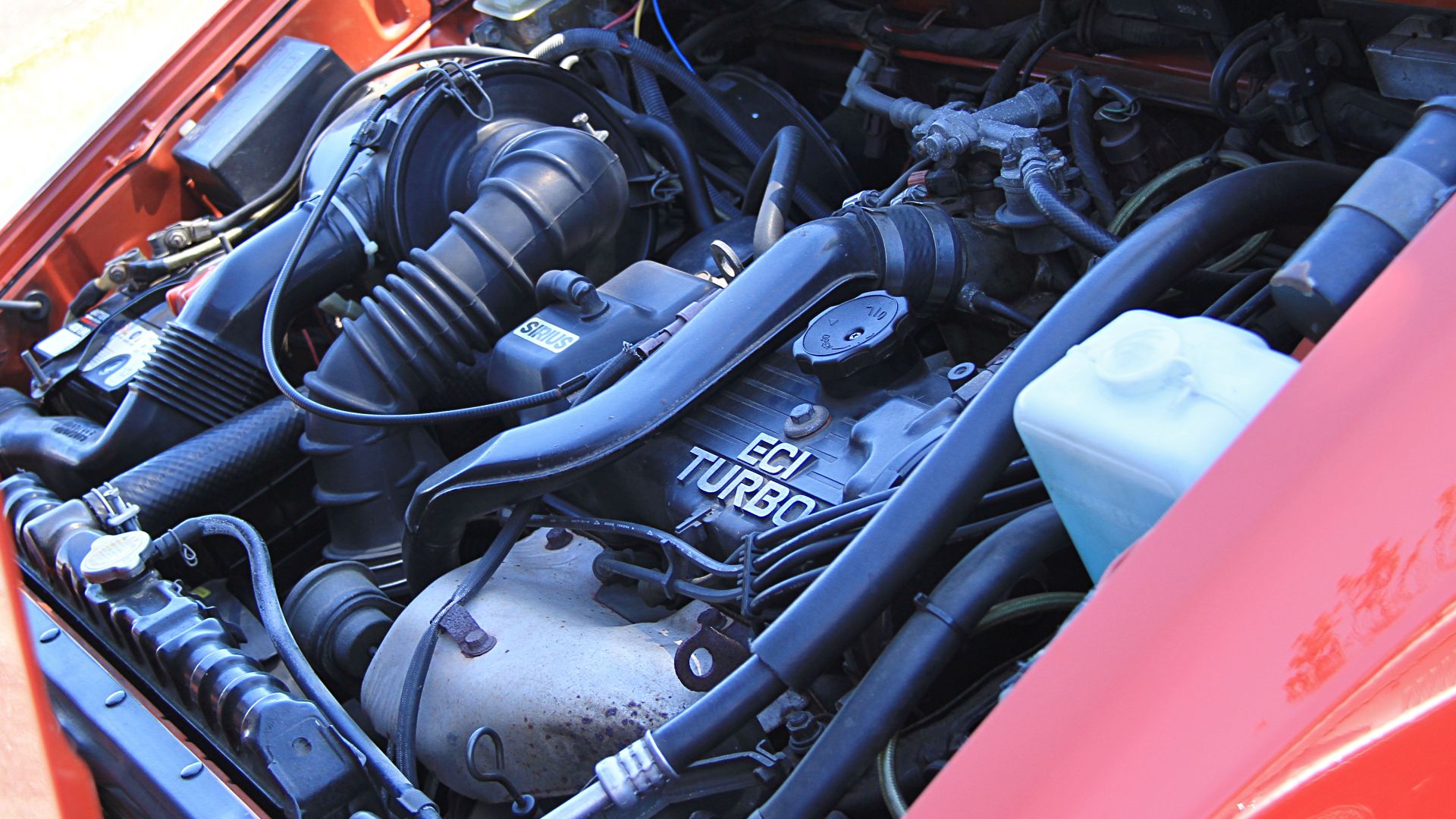
Turbocharged engines are more knock-prone because boosting increases cylinder pressures and temperatures. Many turbo cars either require premium or deliver rated power only on premium. In those cars, using regular can reduce power and sometimes MPG, and the manual usually spells this out.
Altitude Can Change The Math
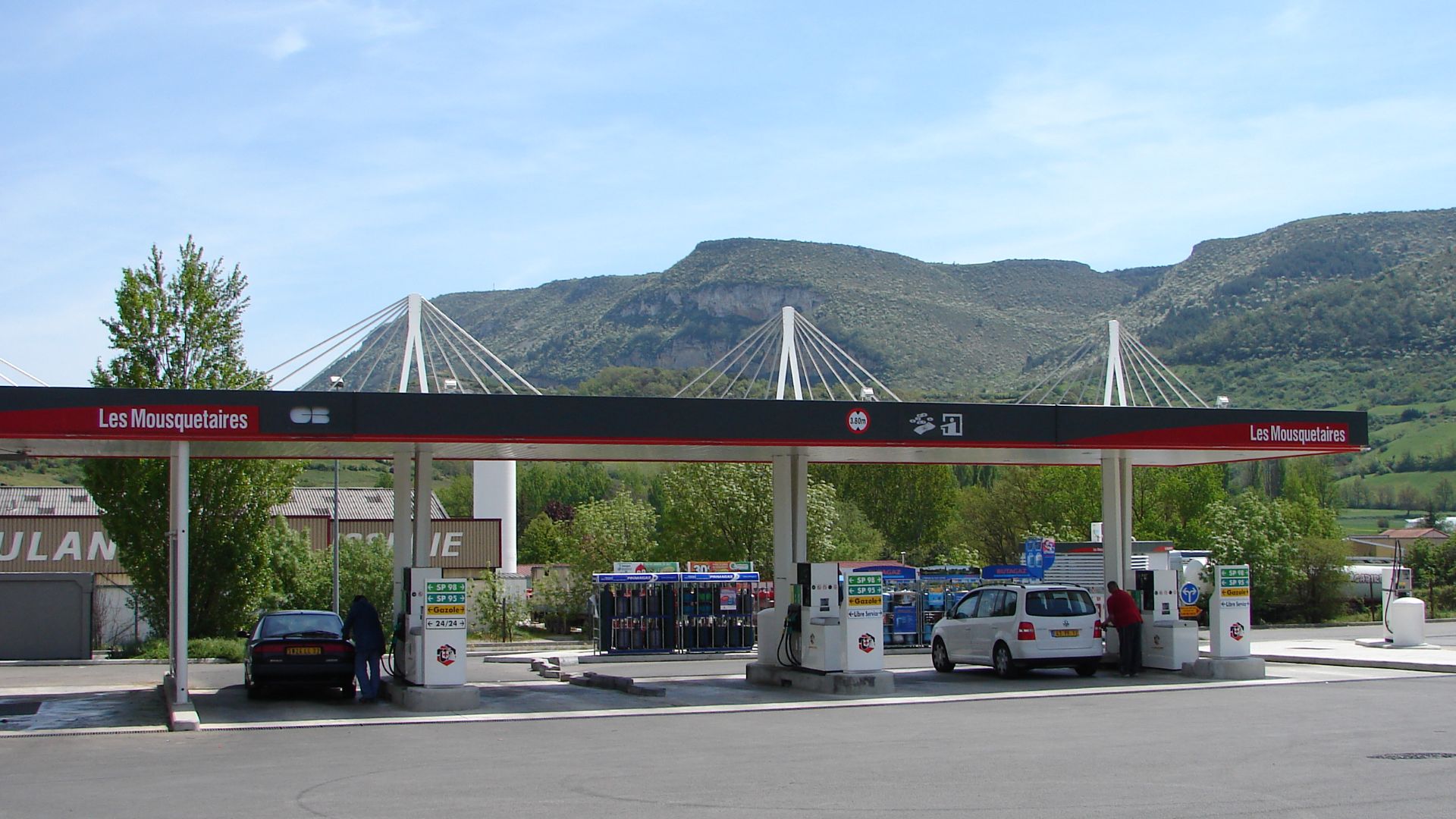
At higher elevations, air density drops and engines are less prone to knock, which is why some regions sell lower octane regular. If you live at altitude and your car is designed for regular, premium is even less likely to help. If you drive down to sea level with a heavy load, knock risk can increase.
 Mark Brouwer, Wikimedia Commons
When Premium Is A Smart Move In A Regular Car
If you hear pinging on regular, premium can be a useful diagnostic step while you also check for underlying issues like carbon buildup, incorrect spark plugs, or failing sensors. If the pinging persists, do not treat premium as a permanent bandage. You want to fix the cause, not just raise octane.
Carbon Buildup And “It Needs Premium Now”
Carbon deposits can raise effective compression and create hot spots that promote knock. That can make an older engine more sensitive to regular fuel than it used to be. Solving deposits and maintenance issues is usually more cost-effective than buying premium forever.
Is Premium Ever Worse For A Regular Engine?
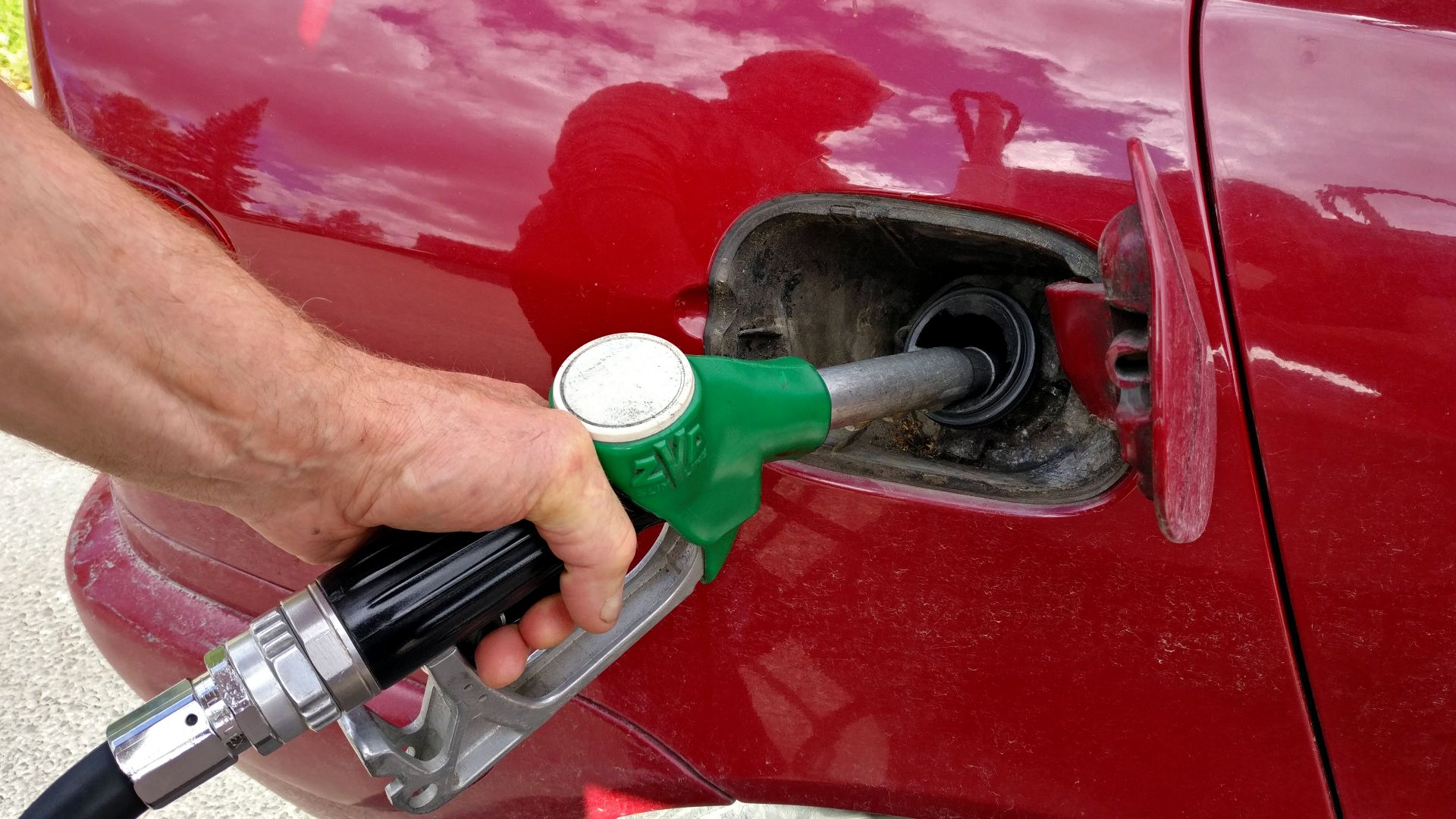
In general, premium will not harm a regular-fuel engine. The main downside is cost, and potentially wasted money over thousands of miles. If the engine management is calibrated for regular and is not knock-limited, it just will not use the extra octane.
 Santeri Viinamaki, Wikimedia Commons
The Simple Test That Beats Arguments
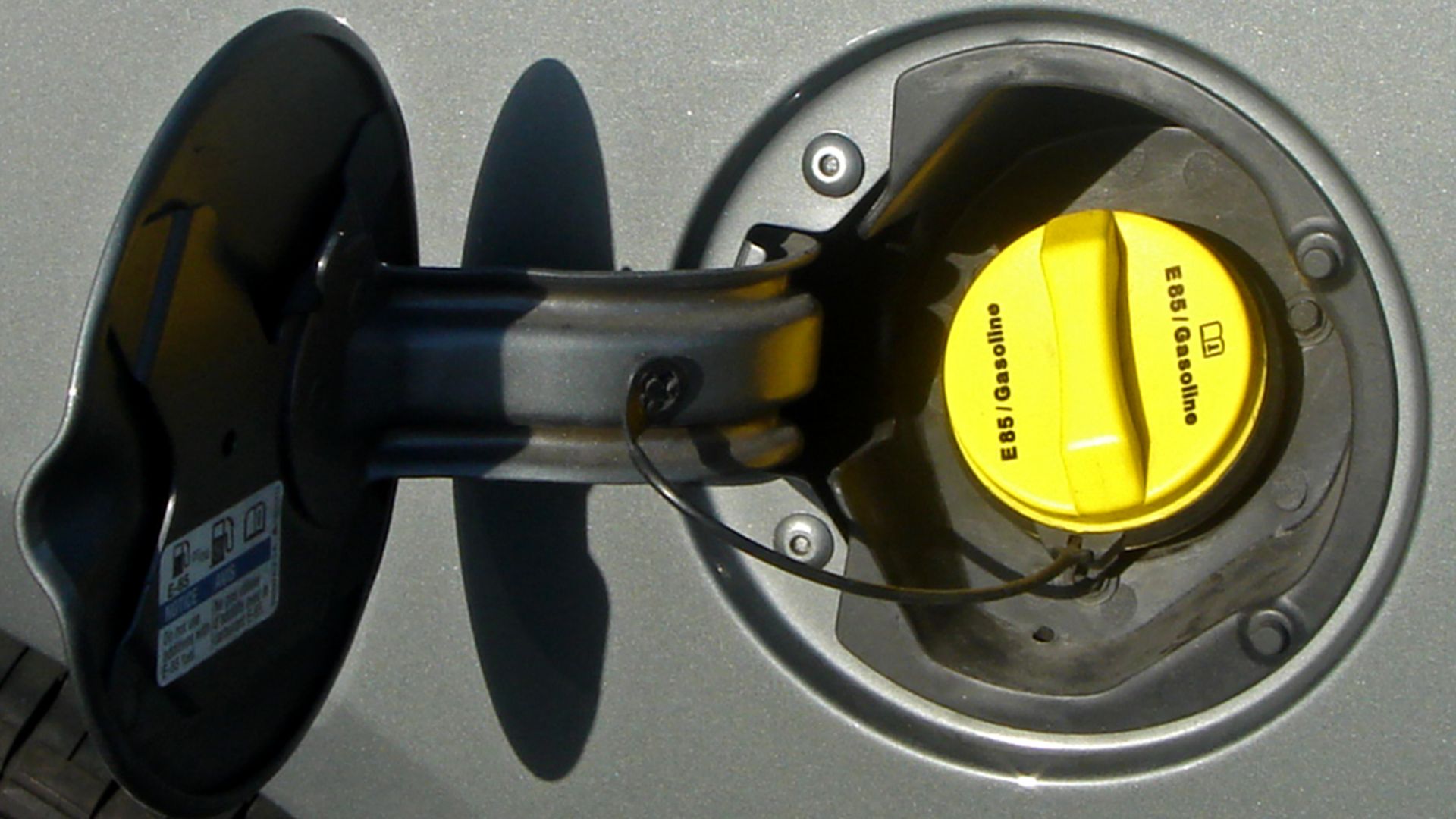
Check your owner’s manual and fuel door label first, because the manufacturer’s requirement is the baseline. If premium is only recommended, test it across a few tanks while tracking MPG and how the car behaves in the same commute. If nothing changes, you have your answer.
 Mariordo Mario Roberto Duran Ortiz, Wikimedia Commons
What To Tell Your Friend Without Starting A Fight
Premium gas is not “better gas” in a general sense, it is just harder to knock. If the engine does not need that knock resistance, you usually get no performance or longevity payoff. The best money for long engine life is boring stuff like maintenance, good oil, and fixing small problems early.

The Bottom Line For Most Regular Cars
For most cars designed for regular, premium is mostly a myth as a performance and longevity upgrade. Use the octane your manufacturer requires, and focus on fuel quality and maintenance instead of price per gallon. If you do have knock, heavy towing, or extreme heat use, premium can be situationally useful.