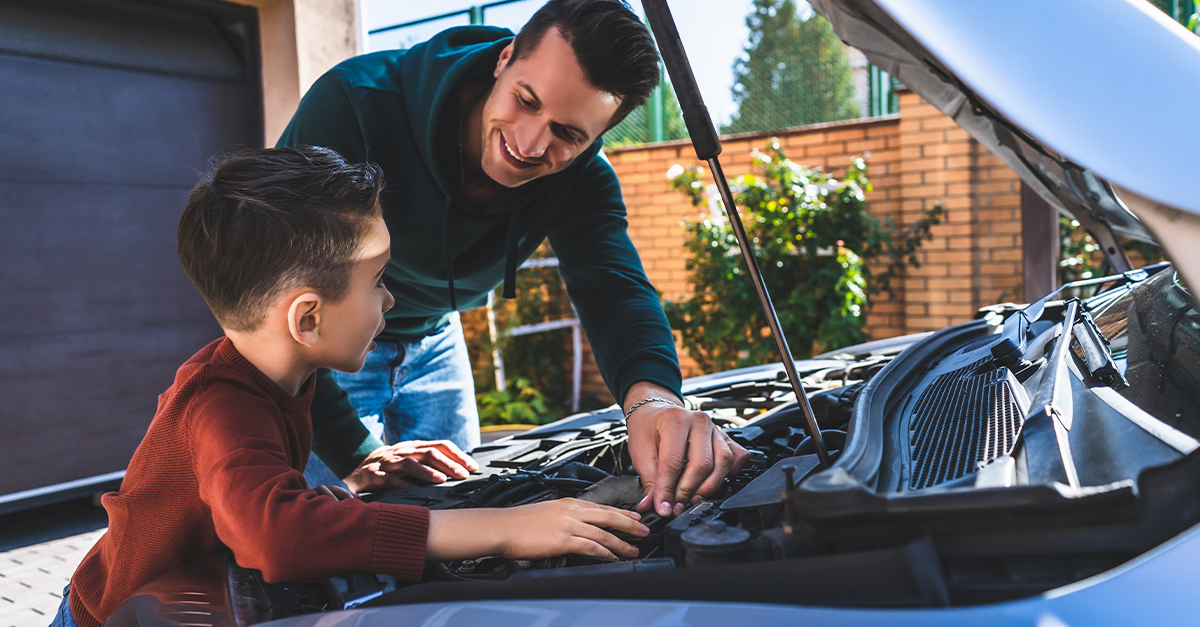
Embracing car ownership is more than the thrill of the open road—it also means being your vehicle's caretaker. While some issues require a professional touch, many tasks are well within your DIY grasp. Prepare to dive under the hood as we navigate you through key maintenance tasks. We'll explain why they're important and provide practical how-to steps. So, let's gear up and get hands-on with your four-wheeled companion!
Safety Disclaimer: Before undertaking any do-it-yourself maintenance tasks, it's crucial to prioritize safety. Always work on your vehicle in a well-ventilated area, use the correct tools for the job, and wear appropriate protective gear. If you're unsure about any aspect of a task, consult a professional. Do not attempt tasks that are beyond your skill or comfort level.
1. Checking and Changing Engine Oil
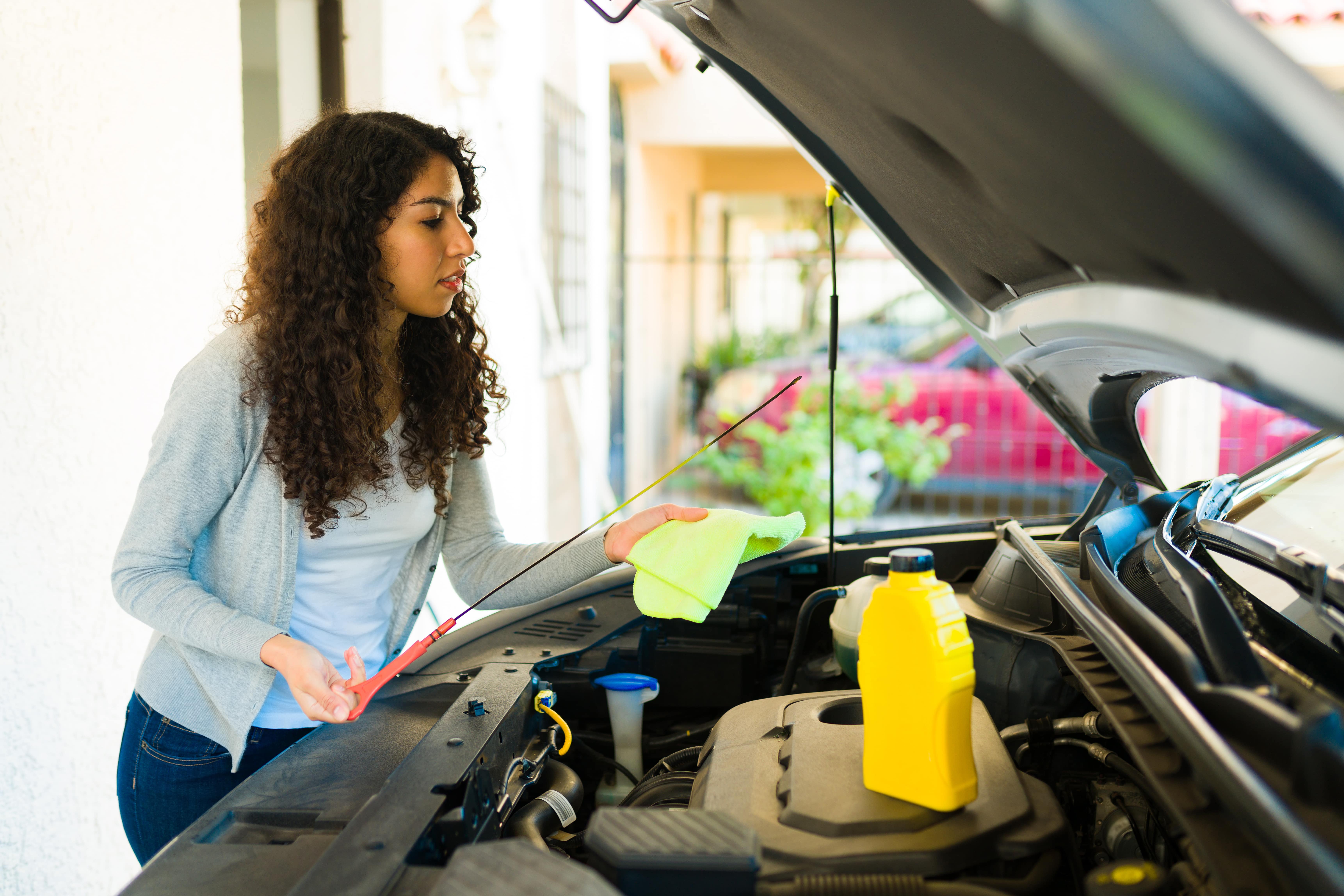
What is it: Engine oil lubricates your car's engine, reducing friction and dissipating heat.
Why it's important: Regularly checking and changing your oil ensures your engine runs smoothly and reduces the risk of engine damage due to excessive friction or overheating.
How to do it: Locate the oil dipstick, pull it out, and wipe it clean. Reinsert it fully, pull it out again, and observe the oil level. If it's low, add more oil. To change the oil, you'll need to drain the old oil and replace the oil filter.
2. Checking and Refilling Coolant
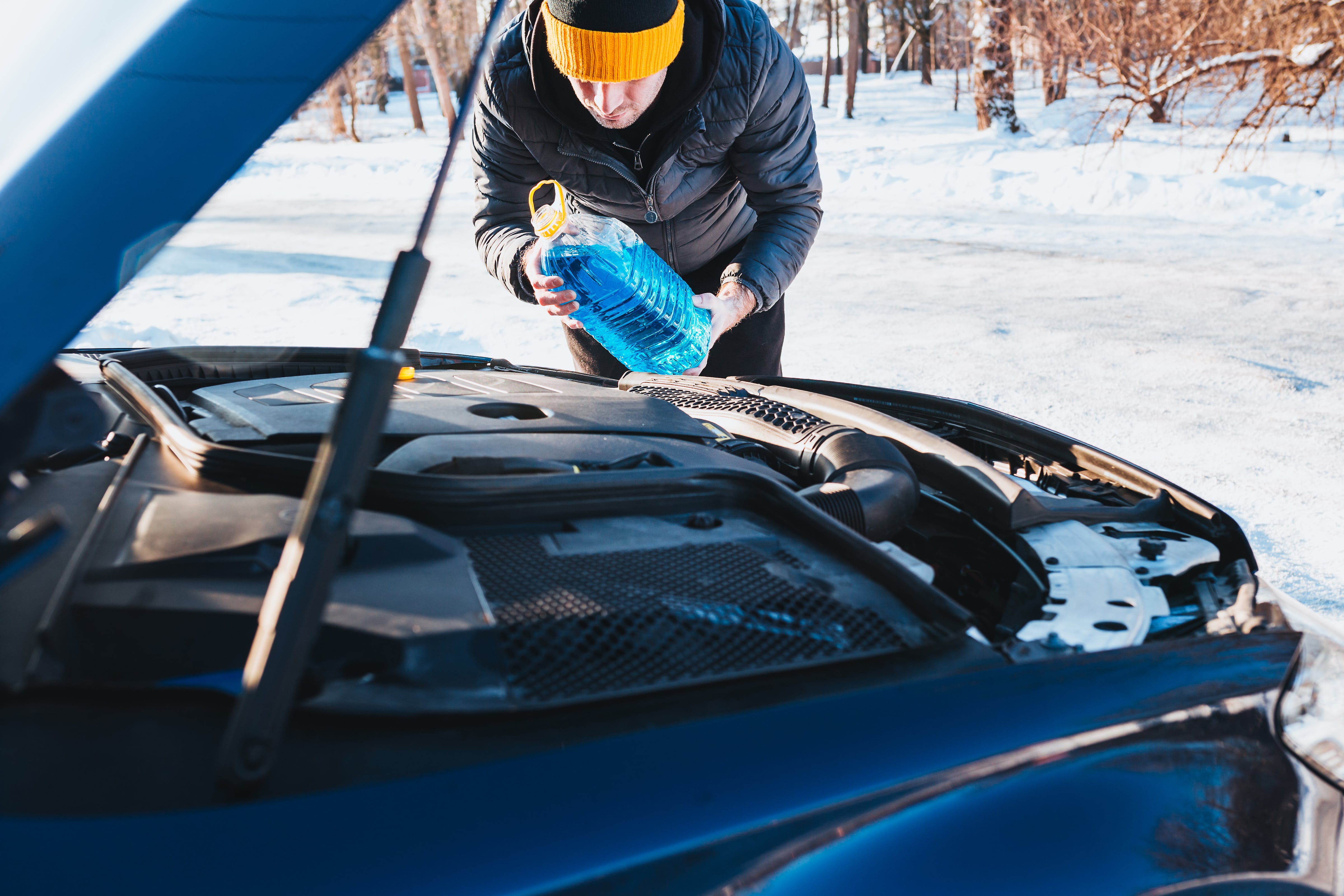
What is it: Coolant, or antifreeze, is a fluid that absorbs heat from the engine and then dissipates it through the radiator.
Why it's important: Maintaining the correct coolant level helps keep your engine at the optimal temperature, preventing overheating that can cause engine damage.
How to do it: Check the coolant reservoir under your car's hood. If it's low, mix the coolant with water and pour it into the reservoir until it reaches the correct level.
3. Replacing Windshield Wipers

What is it: Windshield wipers clear rain, snow, and debris from your windshield.
Why it's important: Worn-out wipers can't effectively clear your windshield, compromising visibility and safety. Regular replacement ensures good visibility.
How to do it: Lift the wiper arm away from the windshield, press the small tab under the wiper where it meets the wiper arm, slide the wiper off, and attach the new wiper.
4. Checking and Replacing Air Filters

What is it: The air filter cleans the air that goes into your engine for combustion.
Why it's important: Dirty air filters restrict airflow to the engine, affecting its efficiency and performance. Regular replacement ensures your engine gets clean air and operates optimally.
How to do it: Locate the air filter unit, check the air filter, and if it's clogged with dirt, replace it.
5. Checking Tire Pressure and Tread Depth
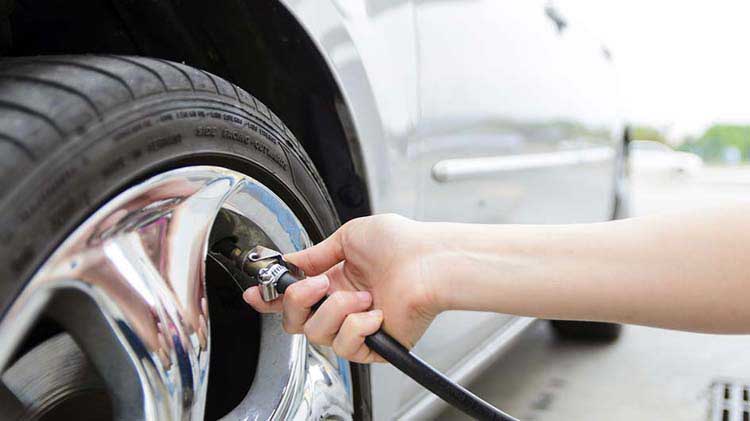
What is it: Tire pressure and tread depth significantly affect your car's handling and traction.
Why it's important: Improper tire pressure or worn-out tread can affect fuel efficiency, handling, and safety. Regular checks and maintenance ensure optimal performance and safety.
How to do it: Use a tire pressure gauge to check each tire's pressure, and a penny to check tread depth. Inflate or deflate as needed, and replace tires when tread depth is insufficient.
6. Replacing Brake Pads

What is it: Brake pads create friction against your brake rotors, slowing down or stopping your car.
Why it's important: Worn-out brake pads compromise your car's braking ability and can damage other brake components, leading to more expensive repairs.
How to do it: You'll need to jack up your car, remove the wheels, remove the brake pads, replace them, and then reassemble everything.
7. Replacing Burned Out Lights
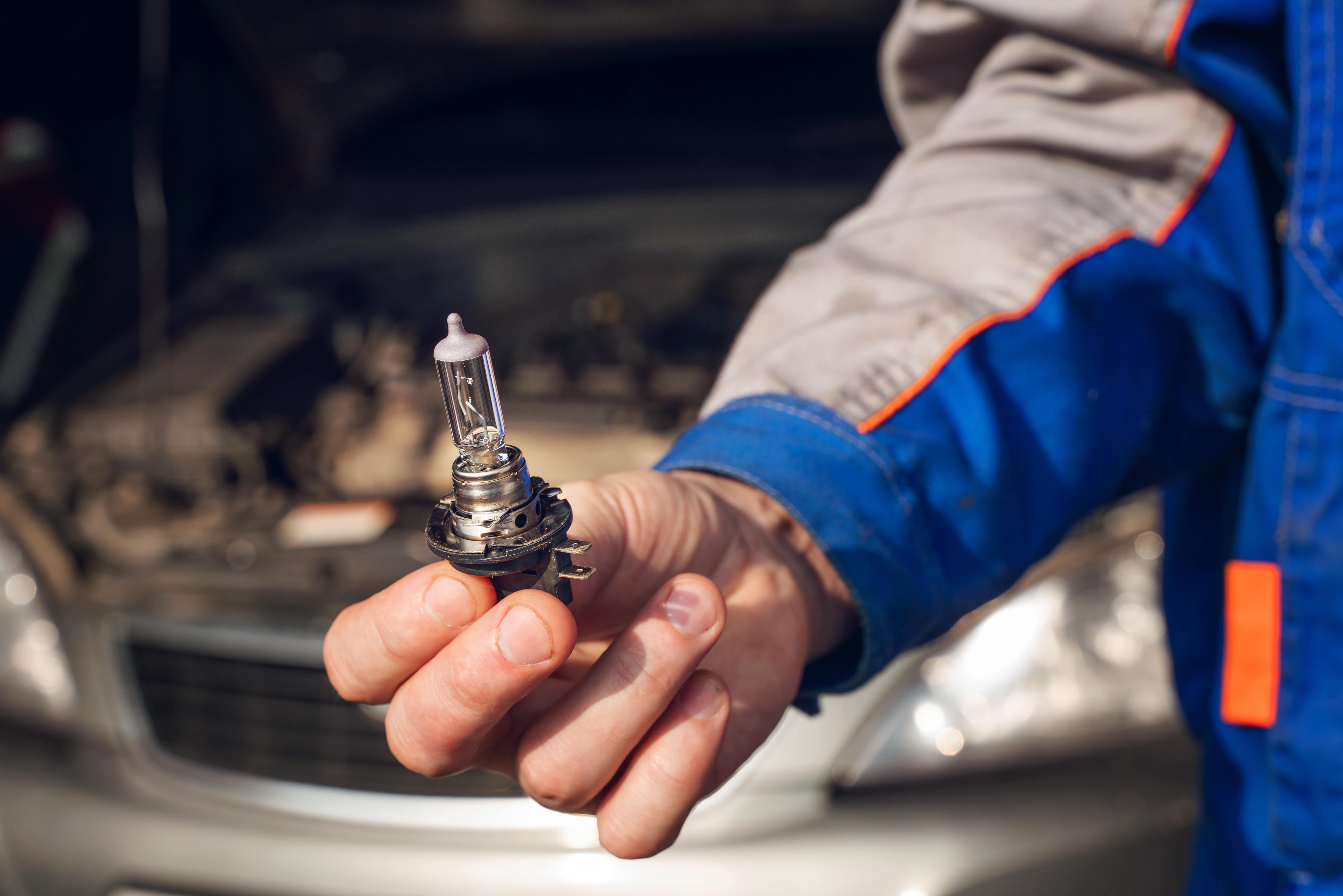
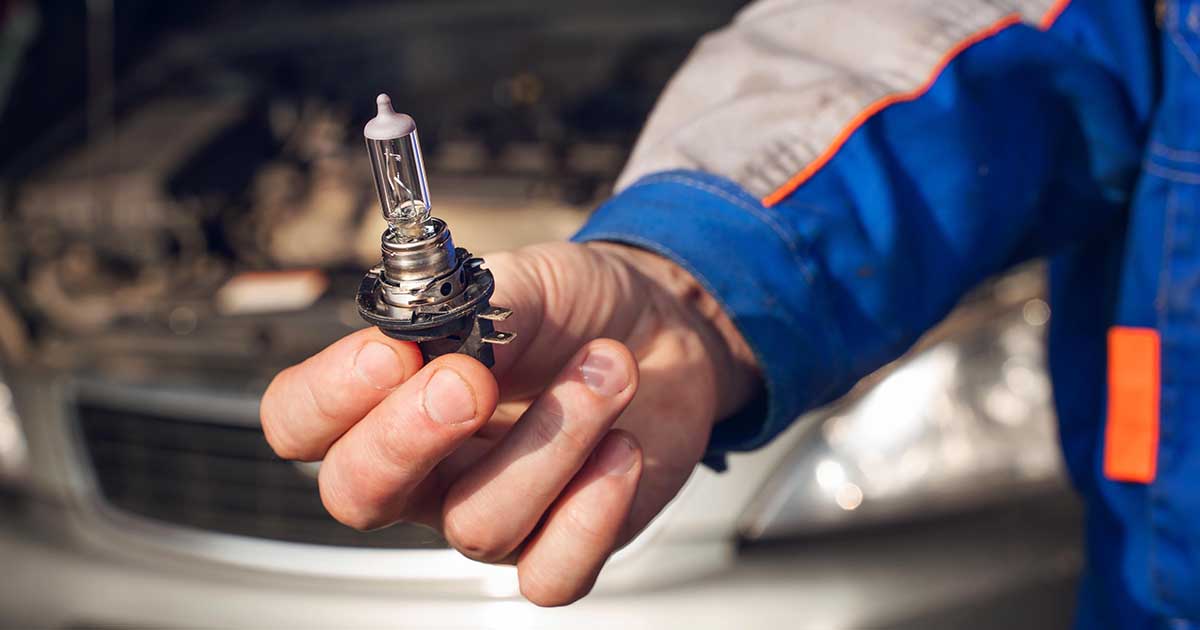
What is it: Your car's lights enhance visibility and communicate your actions to other road users.
Why it's important: Burned-out lights reduce visibility and your car's visibility to others, compromising safety. Regular checks and prompt bulb replacement ensure safe driving conditions.
How to do it: Identify the burned-out bulb, then purchase and install a replacement.
8. Replacing the Battery

What is it: The battery powers all the electrical components of your car, including the starter motor.
Why it's important: An aging or failing battery risks leaving you stranded. Regular checks and timely replacement ensure your car is always ready to start.
How to do it: Identify the positive and negative terminals, disconnect the cables, remove the old battery, insert the new one, and reconnect the cables.
By undertaking these tasks, you're not only saving money on potential mechanic bills but also building a comprehensive understanding of your vehicle. The better you know your car, the more equipped you are to spot minor issues before they turn into costly problems. Moreover, each of these tasks increases your vehicle's lifespan and reliability, providing you with a safer, smoother ride. Always remember, your owner's manual or a reliable guide can offer detailed instructions specific to your vehicle model. Enjoy the journey of car ownership, and remember, a well-maintained car is the key to happy and worry-free driving.