Risky ATV Behavior That Could Cost You Your Life
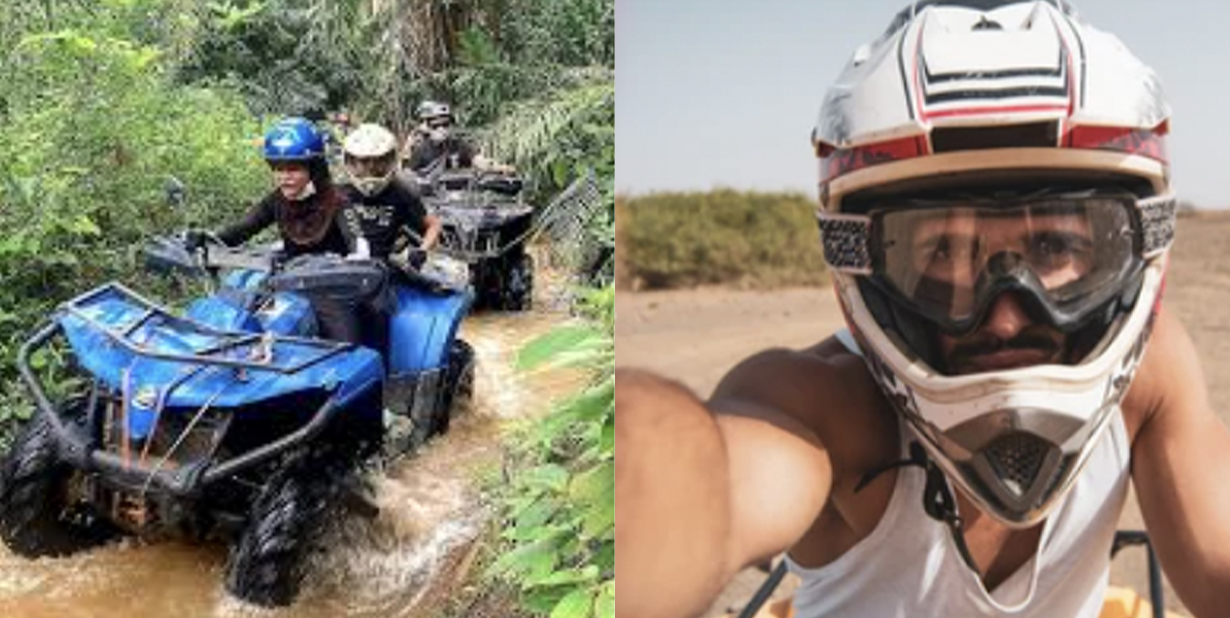
ATVs (All-Terrain Vehicles) provide thrilling outdoor adventures, but they can also pose serious risks when operated improperly.
To ensure your safety and maximize the enjoyment of your ATV, it's crucial to recognize and avoid common mistakes.
In this article, we'll explore some of the dangerous mistakes people make while operating ATVs and provide valuable tips on how to steer clear of them.
Skipping Safety Gear
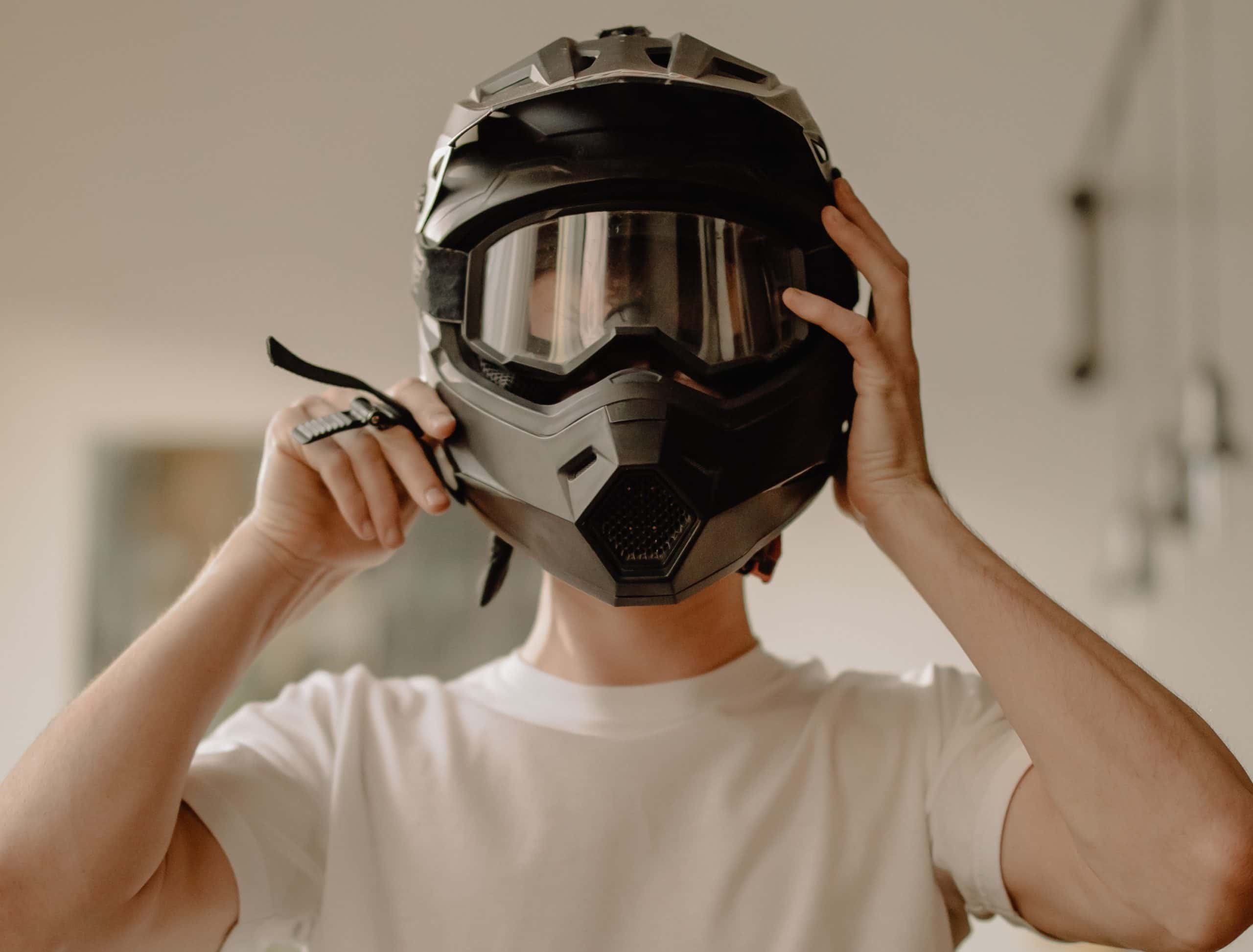
Wearing proper safety gear is non-negotiable when riding an ATV. Neglecting essentials like helmets, gloves, goggles, and protective clothing increases the risk of injury. Always gear up before hitting the trails to safeguard yourself from potential accidents.
According to the U.S. Consumer Product Safety Commission (CPSC), in ATV-related fatalities, over 90% of riders were not wearing helmets.
Overloading the ATV
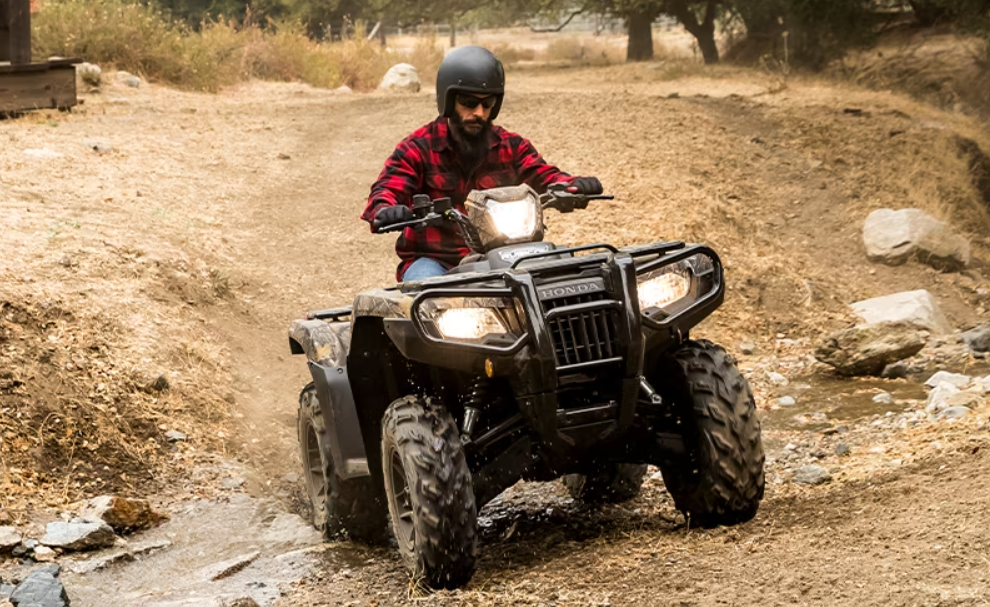
Exceeding the recommended weight capacity of your ATV can lead to loss of control and accidents. Read your owner's manual to understand the ATV's load limits, and never carry more than it's designed to handle. Distribute cargo evenly for better balance.
The CPSC reports that overloaded ATVs are more prone to tip-overs, and this factor contributes to many ATV accidents.
Ignoring Rider Training
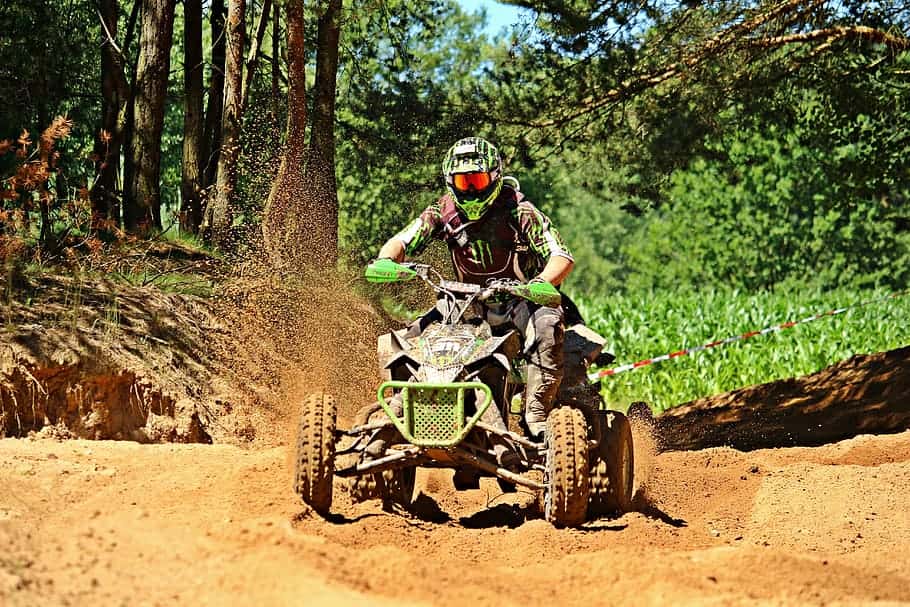
Many ATV accidents result from lack of training and experience. Completing an ATV safety course is essential, as it teaches riders about proper operation, terrain management, and emergency procedures. Invest in training to boost your riding skills.
Approximately 75% of all ATV-related accidents involve riders who have not received formal ATV safety training, as reported by the CPSC.
Riding Without Supervision
 Sergei Domashenko, Shutterstock
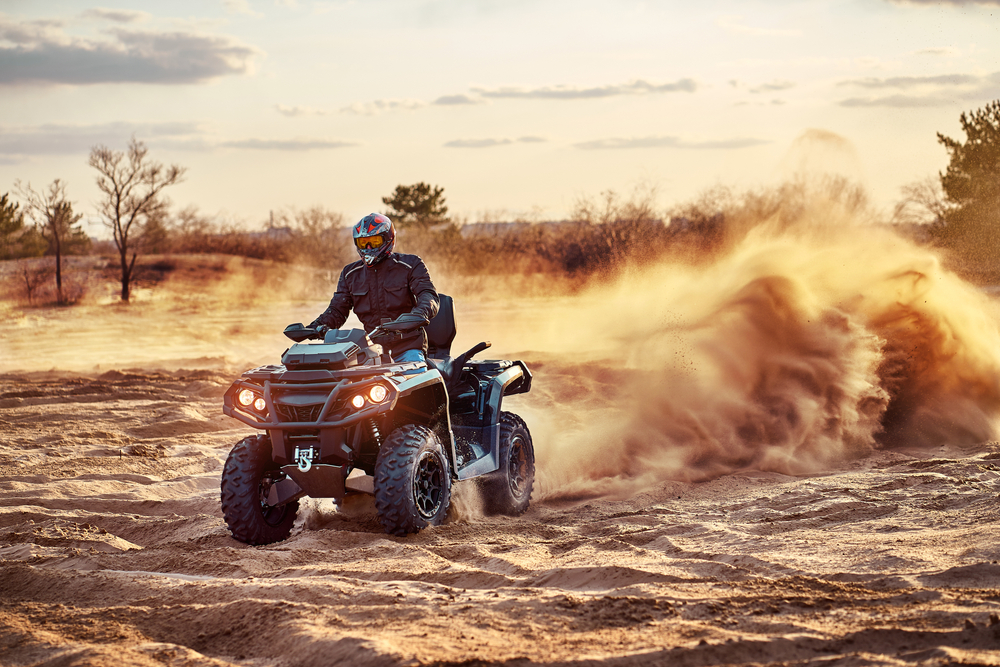
Allowing children or inexperienced riders to operate ATVs without supervision can be hazardous. Always ensure that riders are appropriately trained and closely supervised, especially if they are younger or less experienced.
Children under the age of 16 are involved in about one-third of all ATV-related accidents, according to the CPSC.
Speeding and Reckless Riding
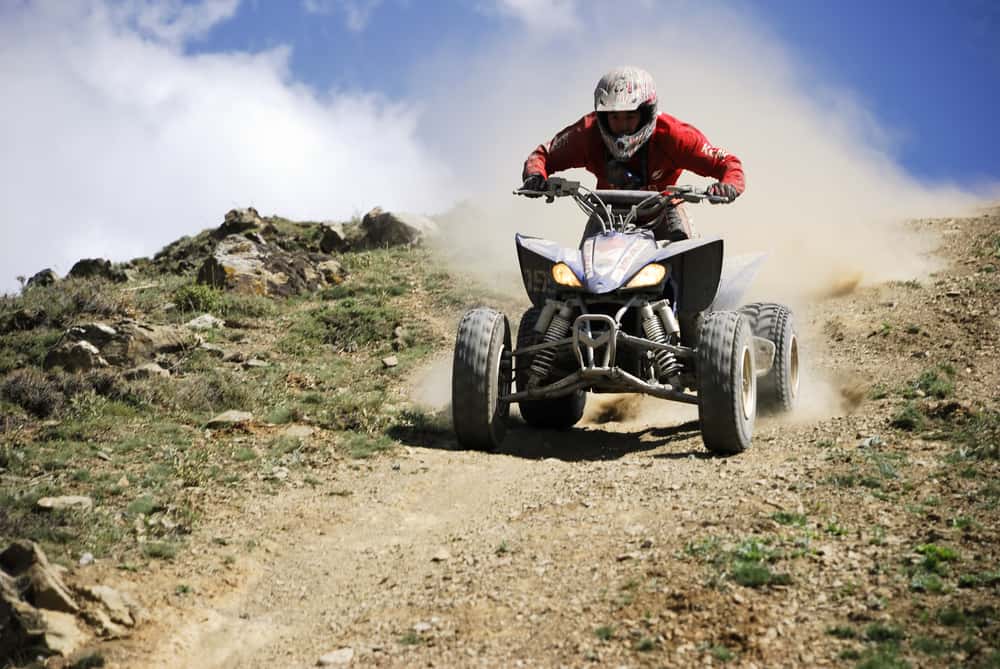
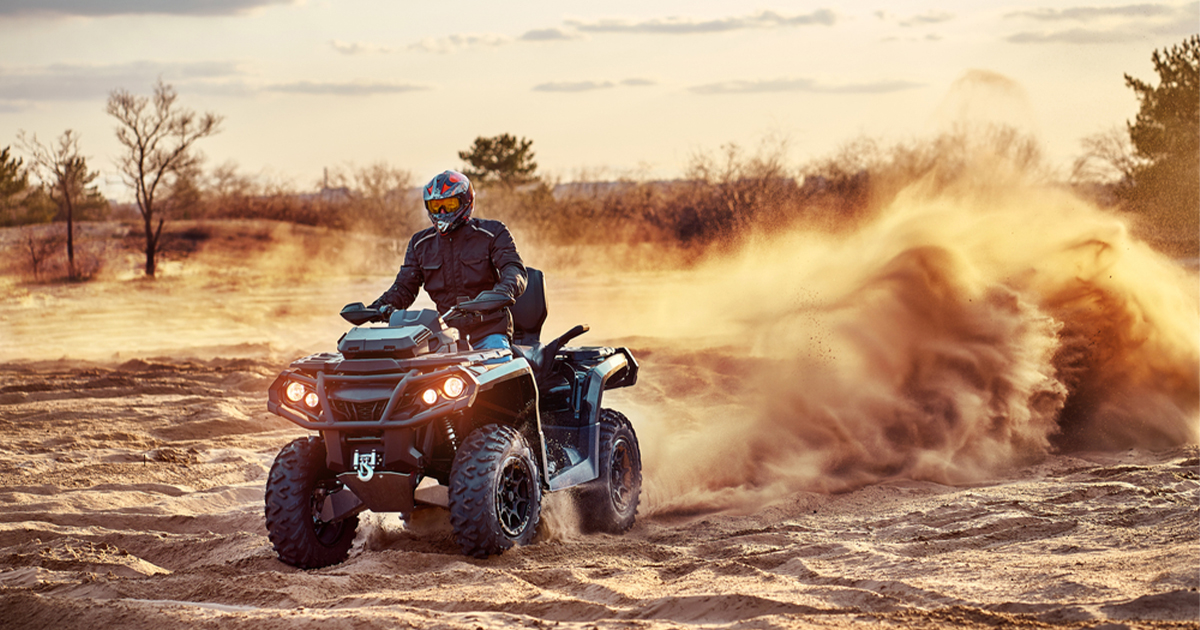
Excessive speed and reckless behavior are leading causes of ATV accidents. Ride at a safe and controlled speed for the terrain and conditions. Avoid sharp turns, jumps, and other risky maneuvers that could result in rollovers.
The CPSC found that excessive speed is a contributing factor in a significant number of ATV accidents, leading to injuries and fatalities.
Inadequate Pre-ride Inspection
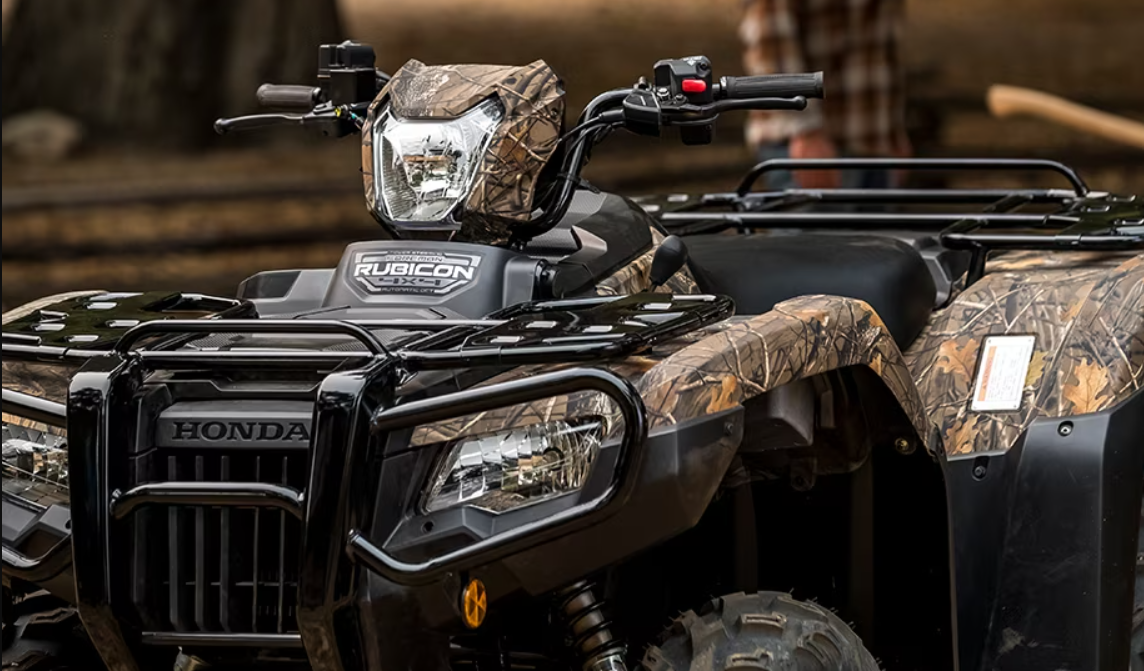
Neglecting to inspect your ATV before each ride can lead to mechanical failures and accidents. Regularly check tire pressure, brakes, lights, and fluids. Address any issues promptly to ensure your ATV is in optimal working condition.
Improperly maintained ATVs can lead to accidents. Regular inspections can help prevent accidents caused by mechanical failures.
Riding on Unfamiliar Terrain
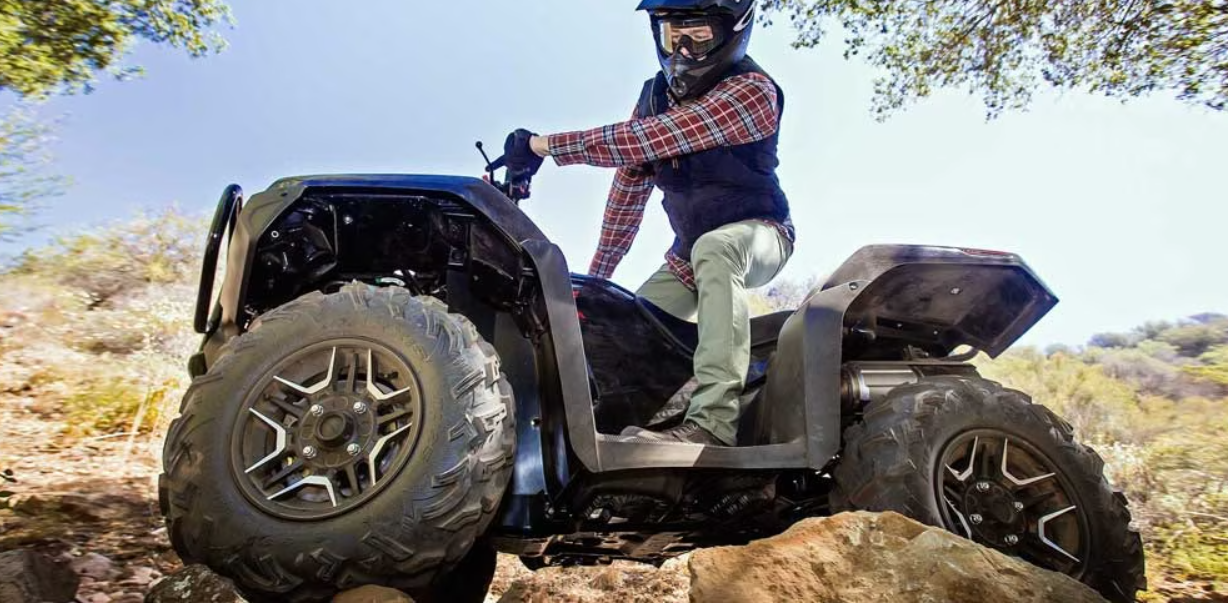
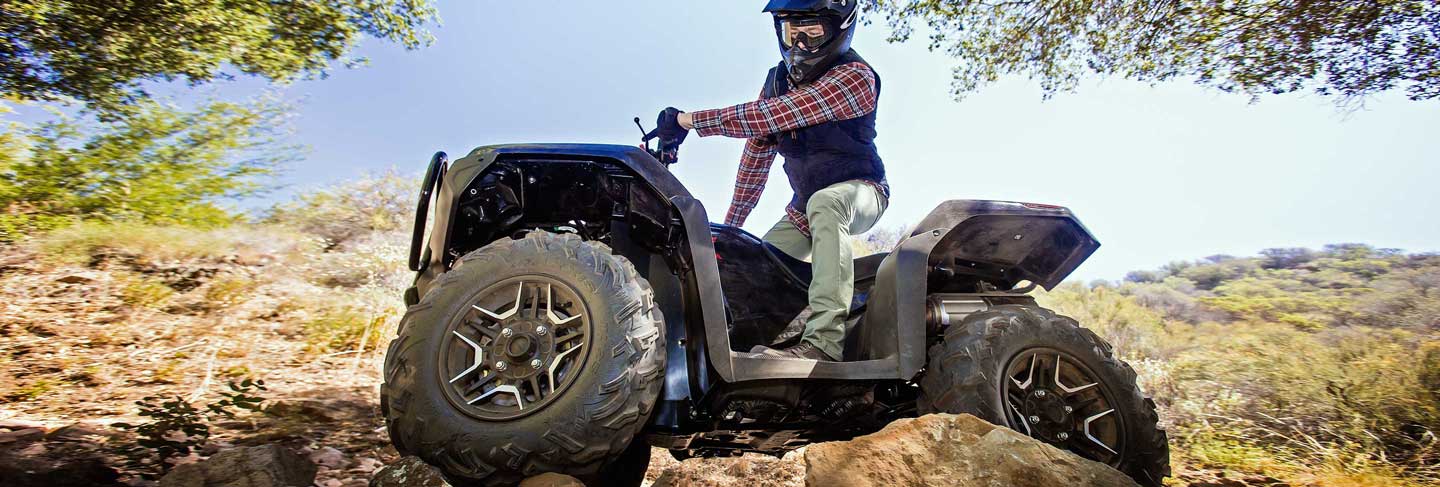
Venturing onto unfamiliar or hazardous terrain without proper knowledge can be disastrous. Study the terrain, be aware of obstacles, and follow designated trails. Avoid off-trail riding, which can damage ecosystems and pose hidden dangers.
The CPSC states that riding off designated trails and onto unfamiliar terrain is a common factor in ATV accidents.
Not Using the Kill Switch
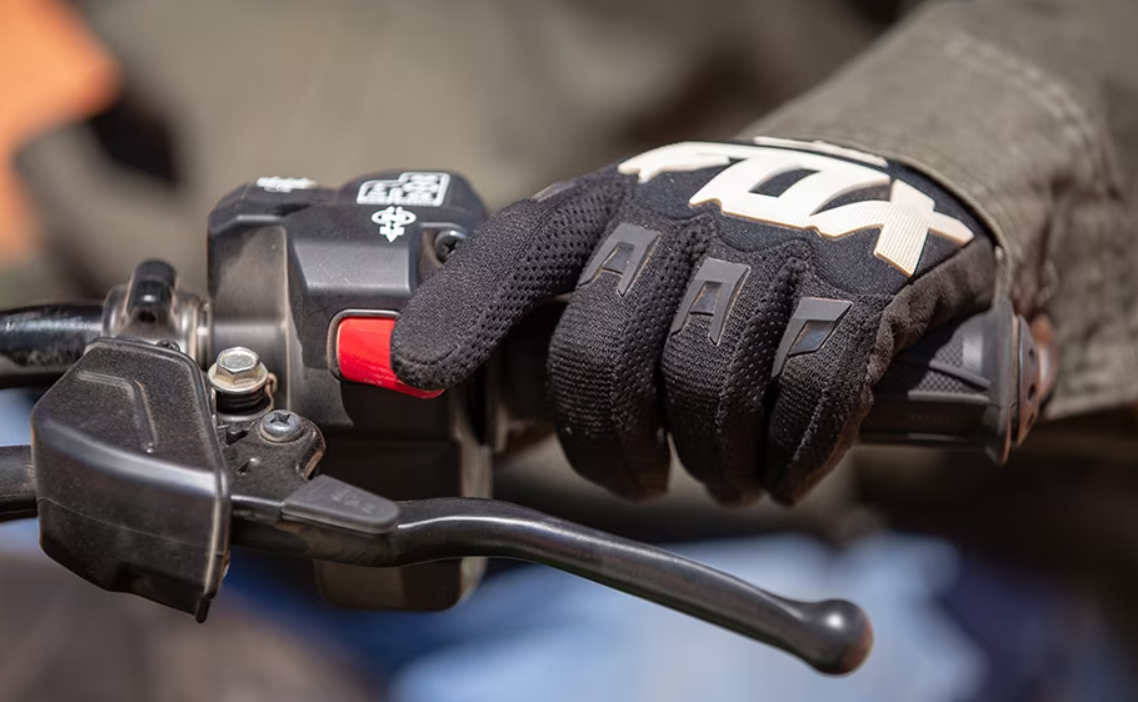
The kill switch or engine cutoff switch is a crucial safety feature on ATVs. Failing to use it in emergency situations can lead to loss of control. Practice locating and using the kill switch to quickly shut off the engine if necessary.
The CPSC recommends using the kill switch as a safety measure in case of emergencies, emphasizing its importance in preventing accidents.
Improper Passenger Handling
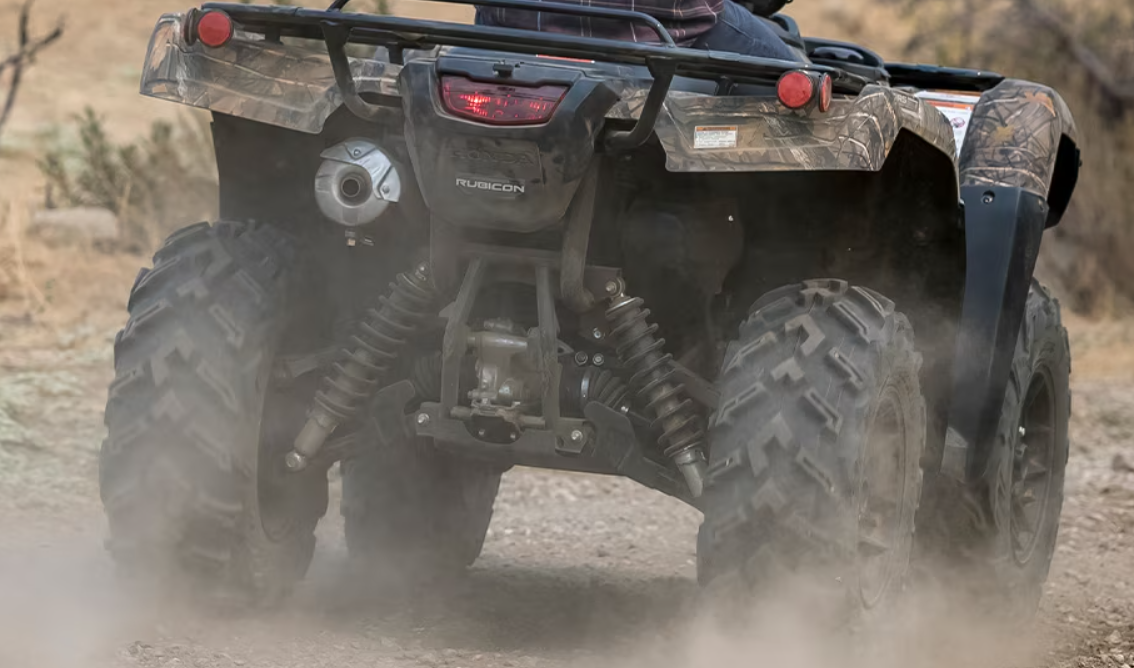
Carrying passengers on an ATV can affect balance and control. If your ATV is designed for passengers, ensure they hold on to handholds, wear appropriate safety gear, and understand the importance of maintaining stability while riding.
The CPSC reports that passenger-related accidents account for a significant portion of ATV-related injuries, stressing the importance of proper passenger handling.
Disregarding Weather Conditions
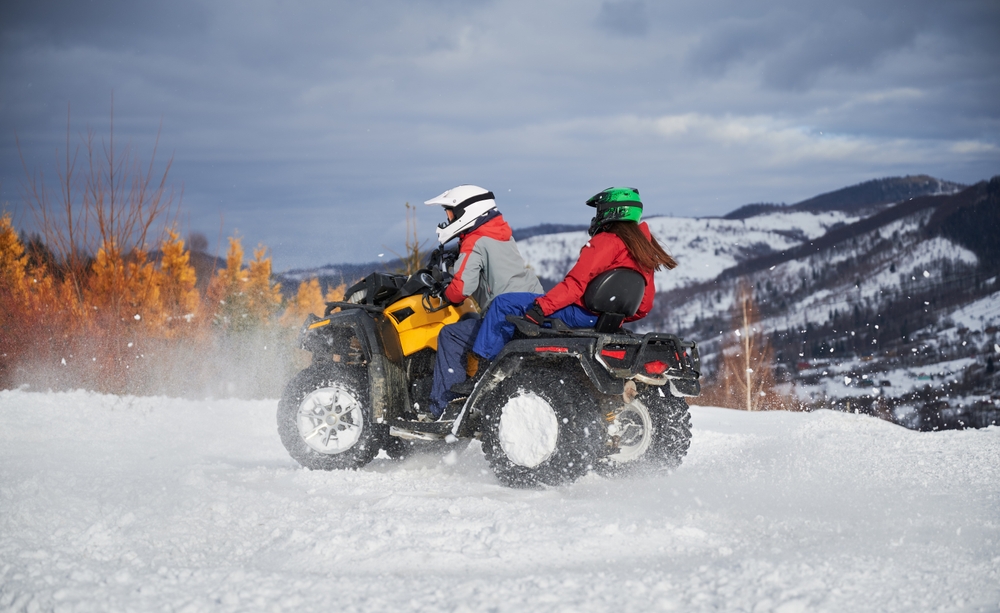
Riding in adverse weather conditions like rain, snow, or icy terrain can be extremely dangerous. Poor visibility, reduced traction, and slippery surfaces increase the risk of accidents. Plan your rides carefully, and consider rescheduling if conditions are unfavorable.
Adverse weather conditions contribute to a significant number of ATV accidents, as reported by the CPSC.
Final Thoughts
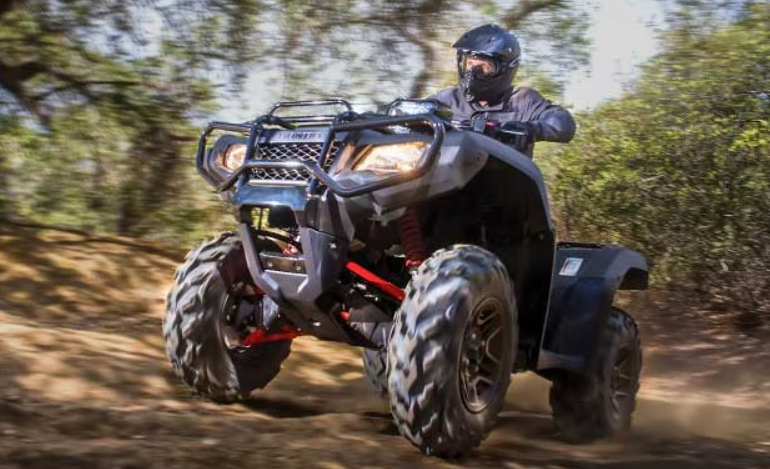
Operating an ATV is a thrilling experience, but safety should always be the top priority. By avoiding these common and dangerous mistakes, you can enjoy your ATV adventures while minimizing the risks associated with this exhilarating outdoor activity.
Remember, a responsible rider is a safe rider.