Absurd Speed, Surprisingly Public
Some cars whisper ambition. This one shouted access. Dodge built something outrageous that skipped velvet ropes and instruction manuals, handing high straight-line speed to ordinary buyers. The story ahead explains how engineering, rules, and reaction collided. Stick around. The details make the madness make sense.

Muscle Without the Velvet Rope
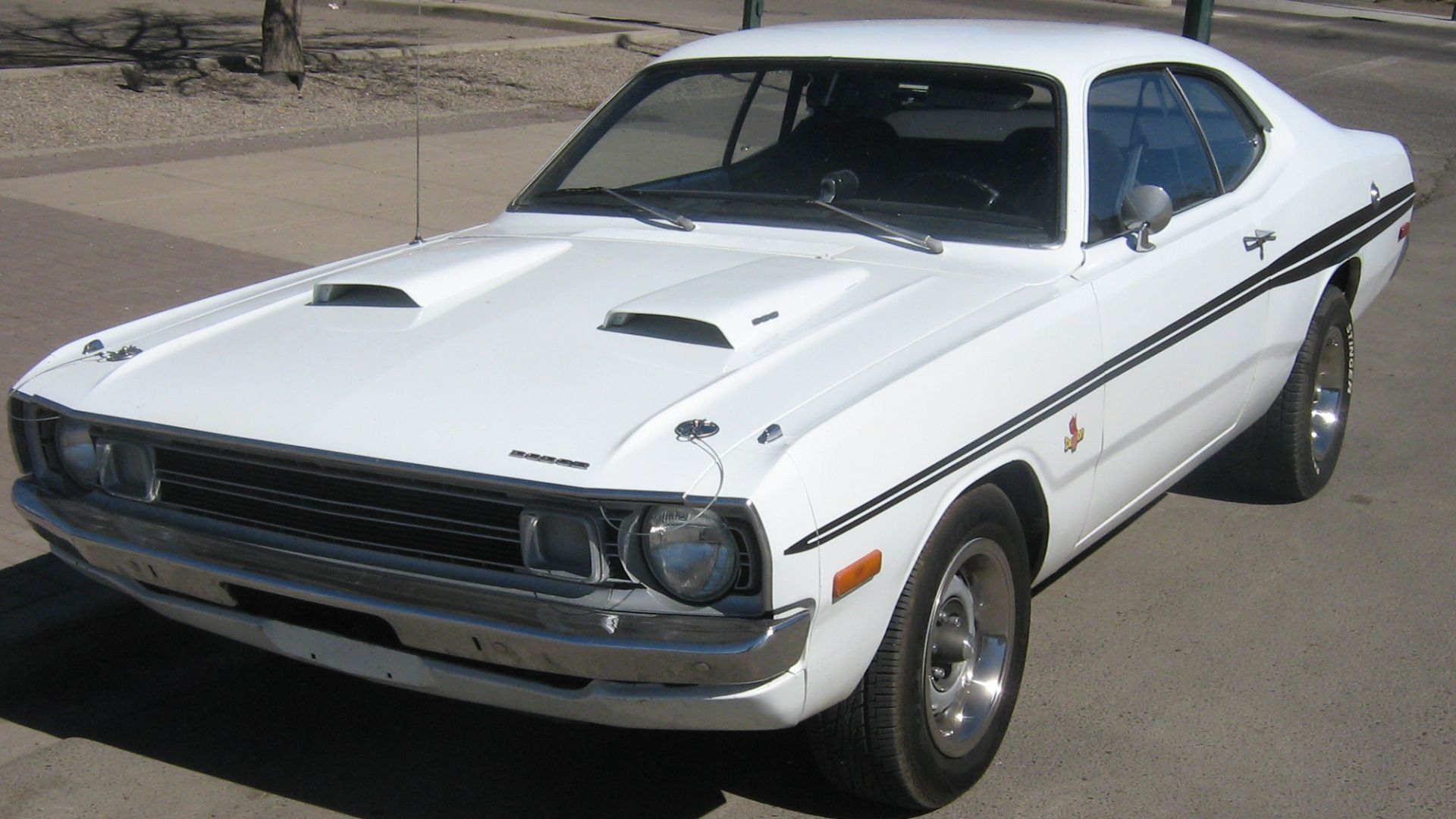
The Dodge Demon felt like permission. Suddenly, outrageous speed no longer belonged only to collectors or track insiders. Dodge aimed straight at regular buyers who wanted absurd acceleration without custom builds. And that mindset shaped every choice, from engineering priorities to street legality.
 dave_7 from Lethbridge, Canada, Wikimedia Commons
Engineering at the Edge of Physics
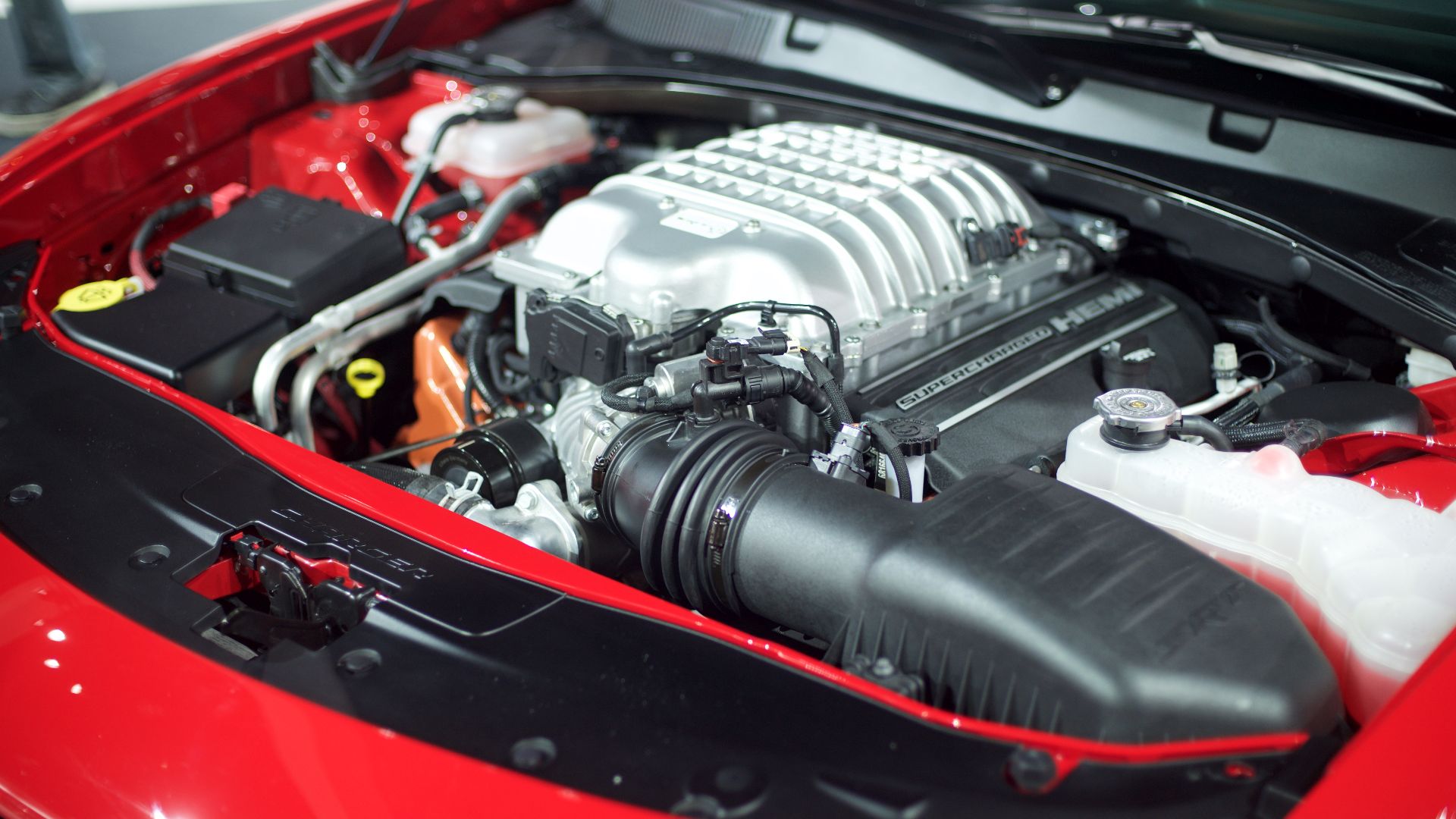
Engine development prioritized forced induction efficiency. A 2.7-liter supercharger pushed airflow density higher, and reinforced internals tolerated extreme cylinder pressure. Moreover, precise engine mapping controlled detonation risk, producing certified power figures that satisfied emissions requirements yet operated near mechanical thresholds.
 steve lyon from los angeles, ca, usa, Wikimedia Commons
When the Numbers Stop Sounding Real
At first glance, the numbers sound fictional. Then reality hits at launch. The car squats, the nose rises, and the horizon tilts. Besides, few factory vehicles make drivers laugh out loud before reaching second gear. Straight line violence became the point, and subtlety stayed home.
Built to Go Straight, Period
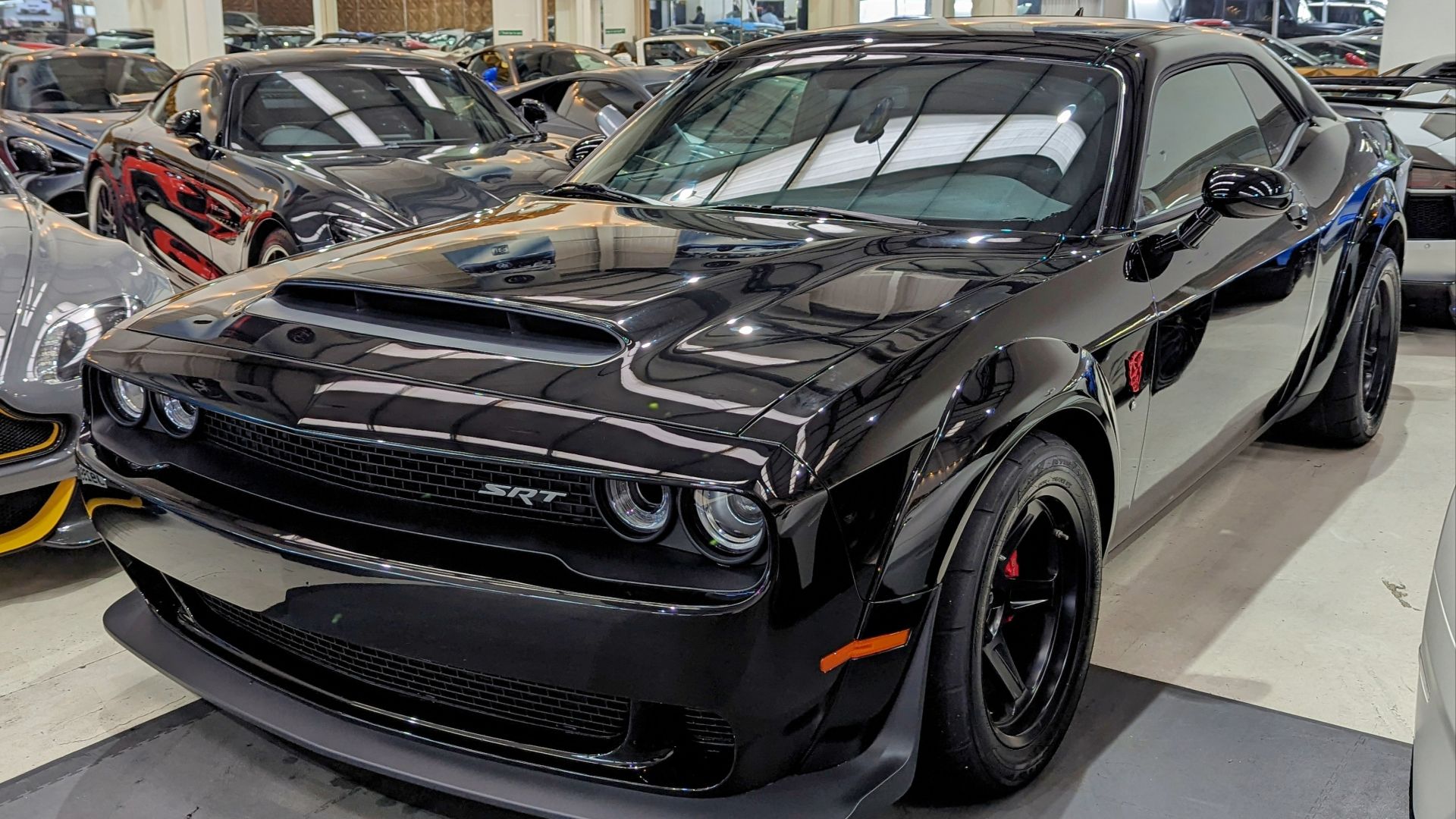
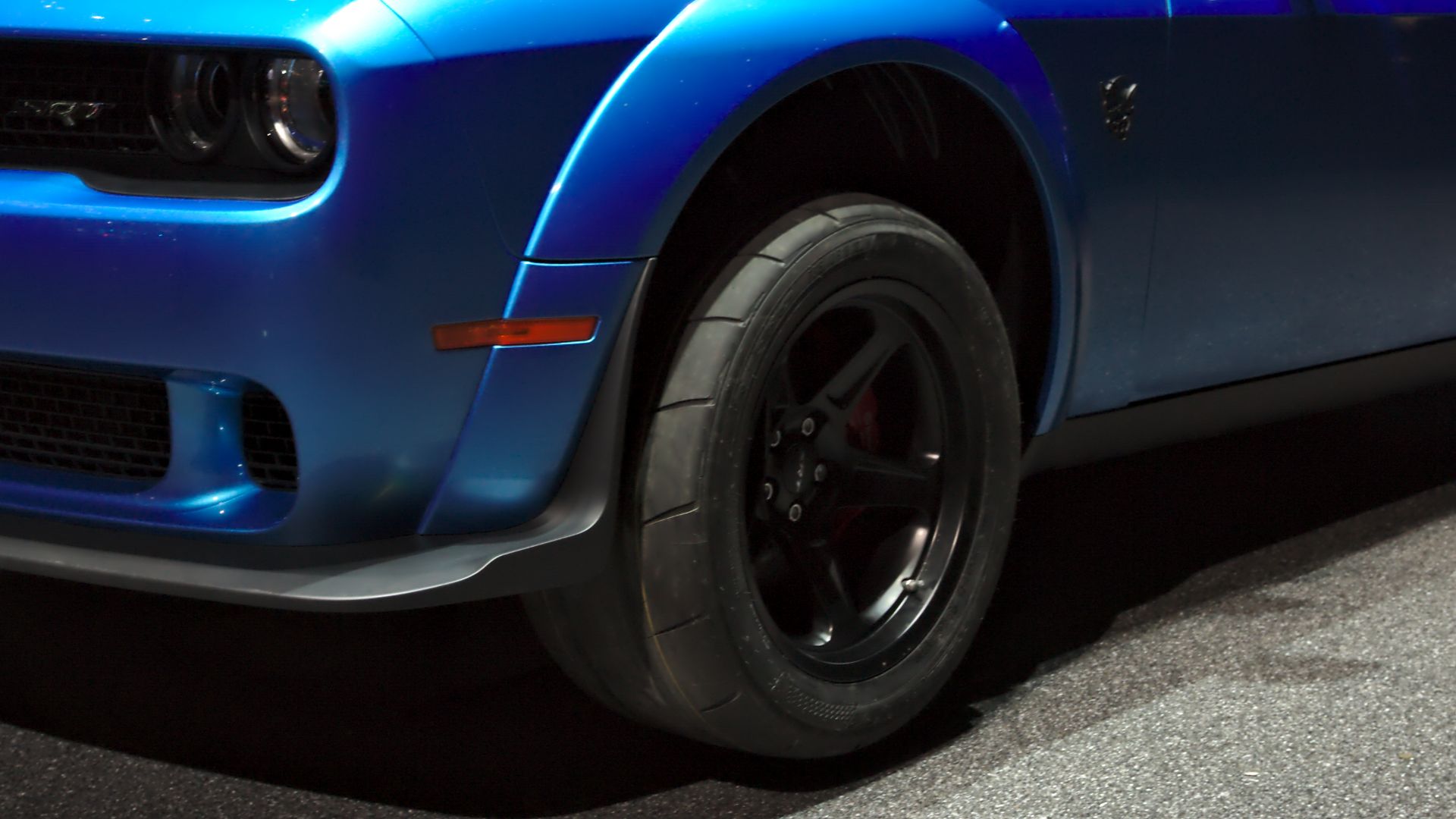
Dodge engineered the suspension for drag racing physics. Softer front settings encouraged weight transfer, while the rear geometry maximized tire contact. In addition, factory-installed drag radials provided immediate traction. Cornering ability took a back seat because straight-line performance defined the mission.
Luxury Was Optional, Speed Was Not
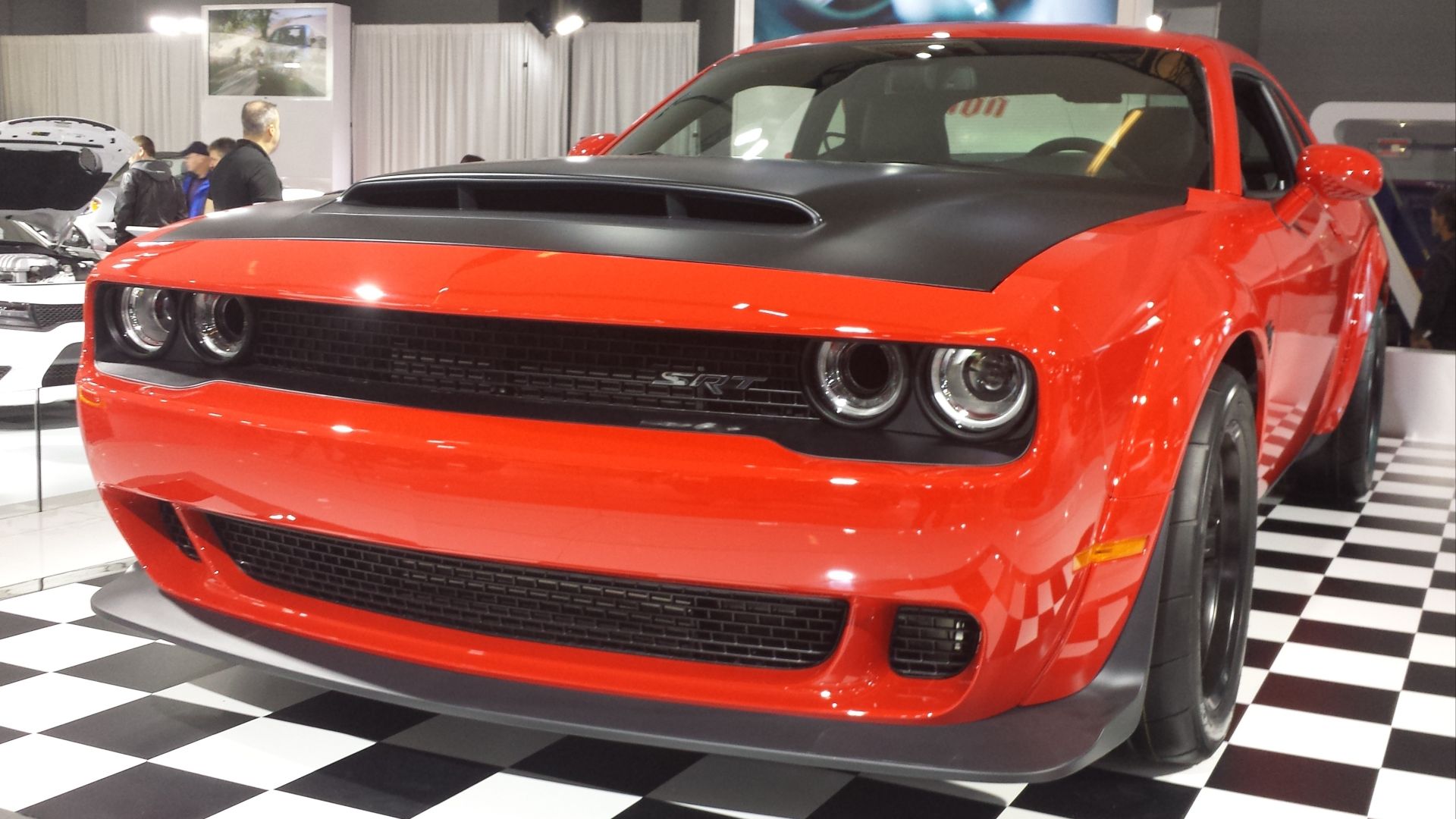
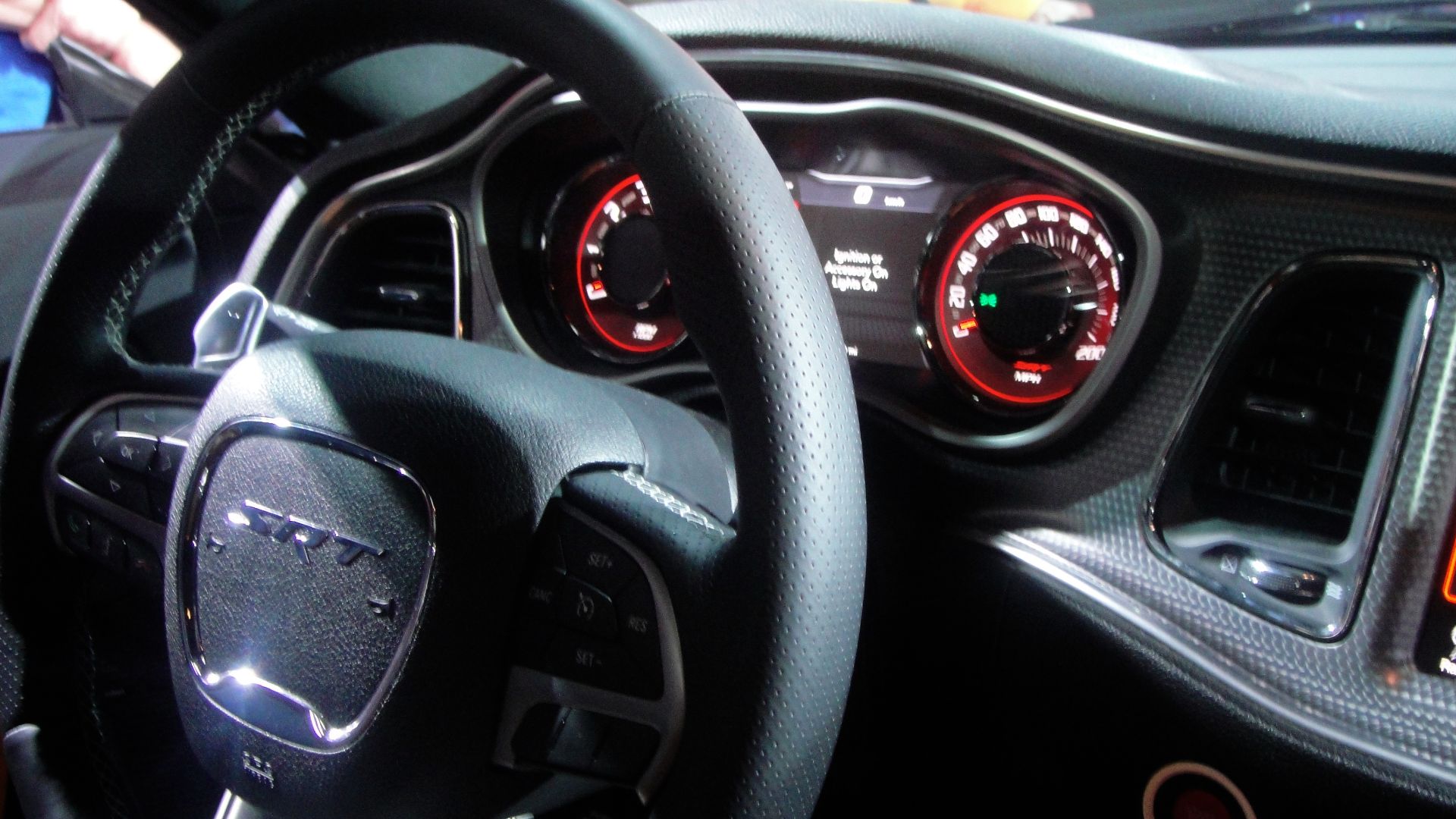
Comfort politely exited the room. Rear seats disappeared, sound insulation thinned, and luxury expectations quietly reset. However, nobody shopping for quarter-mile dominance asked for plushness. Dodge stripped unnecessary features to reduce weight and sharpen acceleration, keeping the focus firmly on straight-line performance.
 Yahya S. from Livonia, United States, Wikimedia Commons
Designed Around the Launch
Everything revolved around the launch. Heat arrived instantly, so cooling capacity rose. Torque hit just as fast, so drivetrain parts grew stronger. Meanwhile, software stepped in to manage wheelspin. No effort went toward versatility. Winning the first sixty feet decided the outcome, and Dodge leaned fully into that reality.
 Alexander Migl, Wikimedia Commons
Old Muscle, New Language
Older muscle cars promised rebellion through noise and presence. The Demon echoed that spirit through data and grip. Afterward, enthusiasts recognized the same emotional pull, only translated for a modern era. Raw acceleration replaced chrome bravado, yet the thrill stayed familiar.
The Moment the Crowd Realized
Extreme weight transfer occurred during launch due to rearward load shift, suspension compliance, and tire grip. Under optimal conditions, this caused measurable front wheel lift. Consequently, the vehicle demonstrated how factory tuning alone could replicate behaviors typically limited to modified drag cars.
Why Restraint Never Entered the Chat
Ownership appealed to something primal. Power figures felt confrontational, daring drivers to test restraint. Because the car arrived ready, hesitation vanished. Buyers sensed access to forbidden performance without gatekeepers. That feeling of instant legitimacy pushed demand beyond rational metrics like practicality or efficiency.
Fuel Stops Were Part of the Deal
Fuel economy never joined the conversation. Smiles did. Trips to the pump became routine, yet nobody complained. Besides, drivers accepted the trade willingly. A machine built for single-digit quarter miles was never meant to sip fuel politely, and expectations stayed refreshingly honest. (Note: EPA-rated at 13 mpg city / 22 mpg highway for accuracy.)
 Michael Barera, Wikimedia Commons
Software That Took Pressure Off the Driver
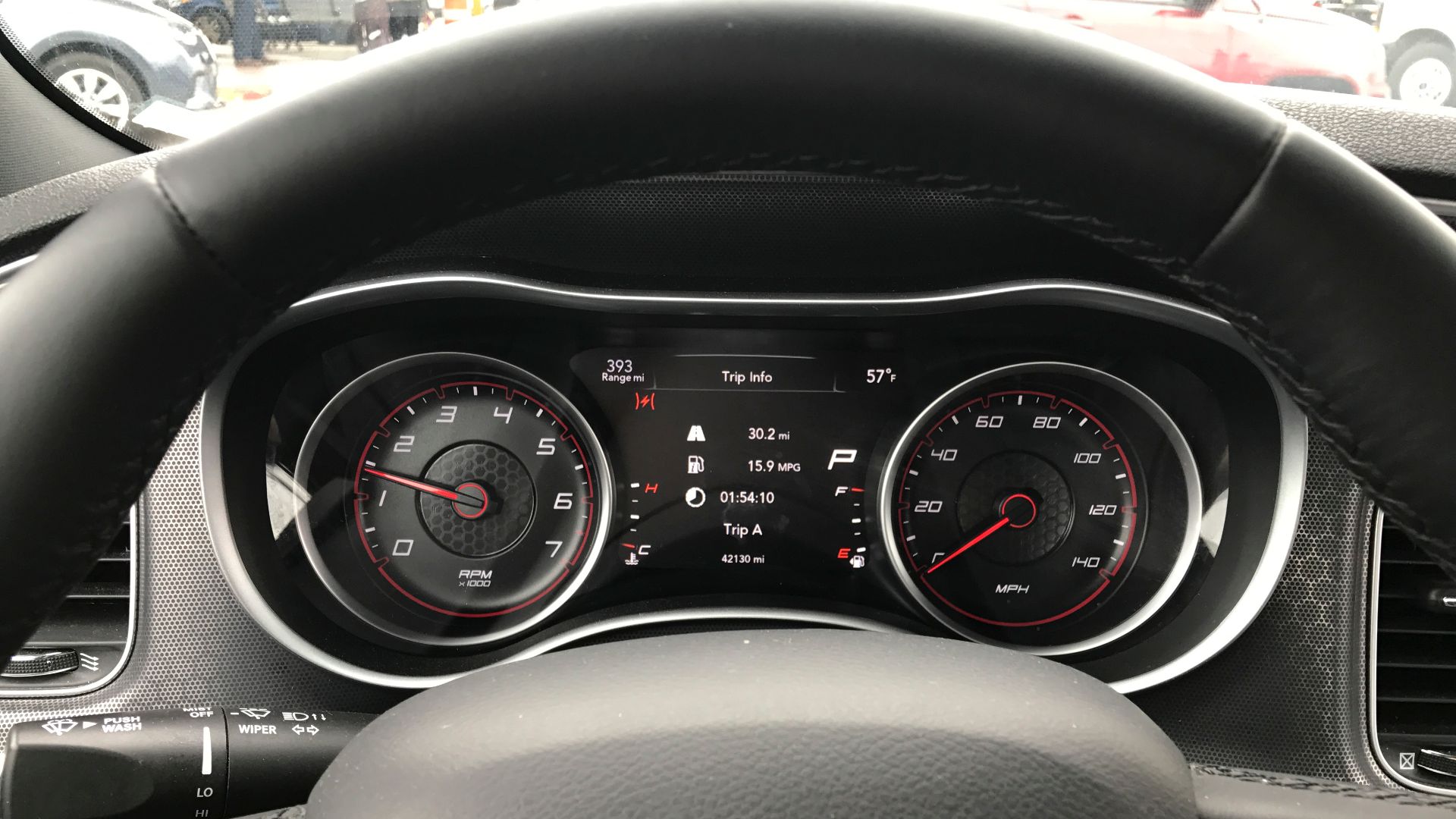
Modern muscle usually demands learning curves. Here, electronics handled the hardest moments. Launch control and torque management worked quietly at release. As a result, drivers focused on staging and timing rather than corrections. Confidence grew quickly because mistakes felt less punishing during repeated runs.
 Billie Grace Ward from New York, USA, Wikimedia Commons
Heat Became the Limiting Factor
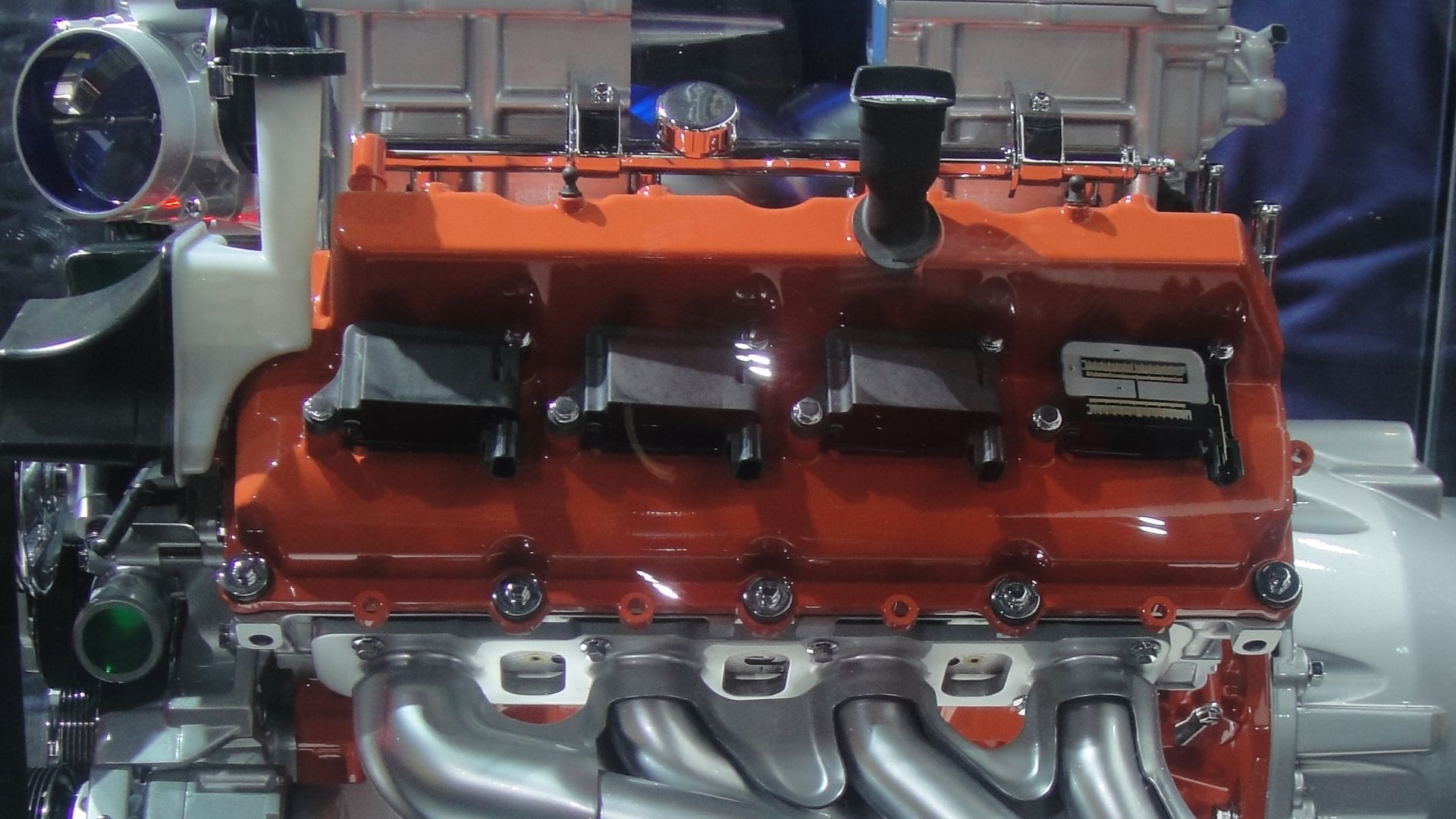
Rapid acceleration generated extreme thermal spikes across engine and transmission systems. Therefore, Dodge expanded cooling capacity and airflow routing. Larger heat exchangers stabilized operating temperatures during back-to-back launches. Performance stayed consistent longer, since power delivery no longer faded after a single aggressive pass.
 Yahya S. from Livonia, United States, Wikimedia Commons
Factory Tires That Changed the Conversation
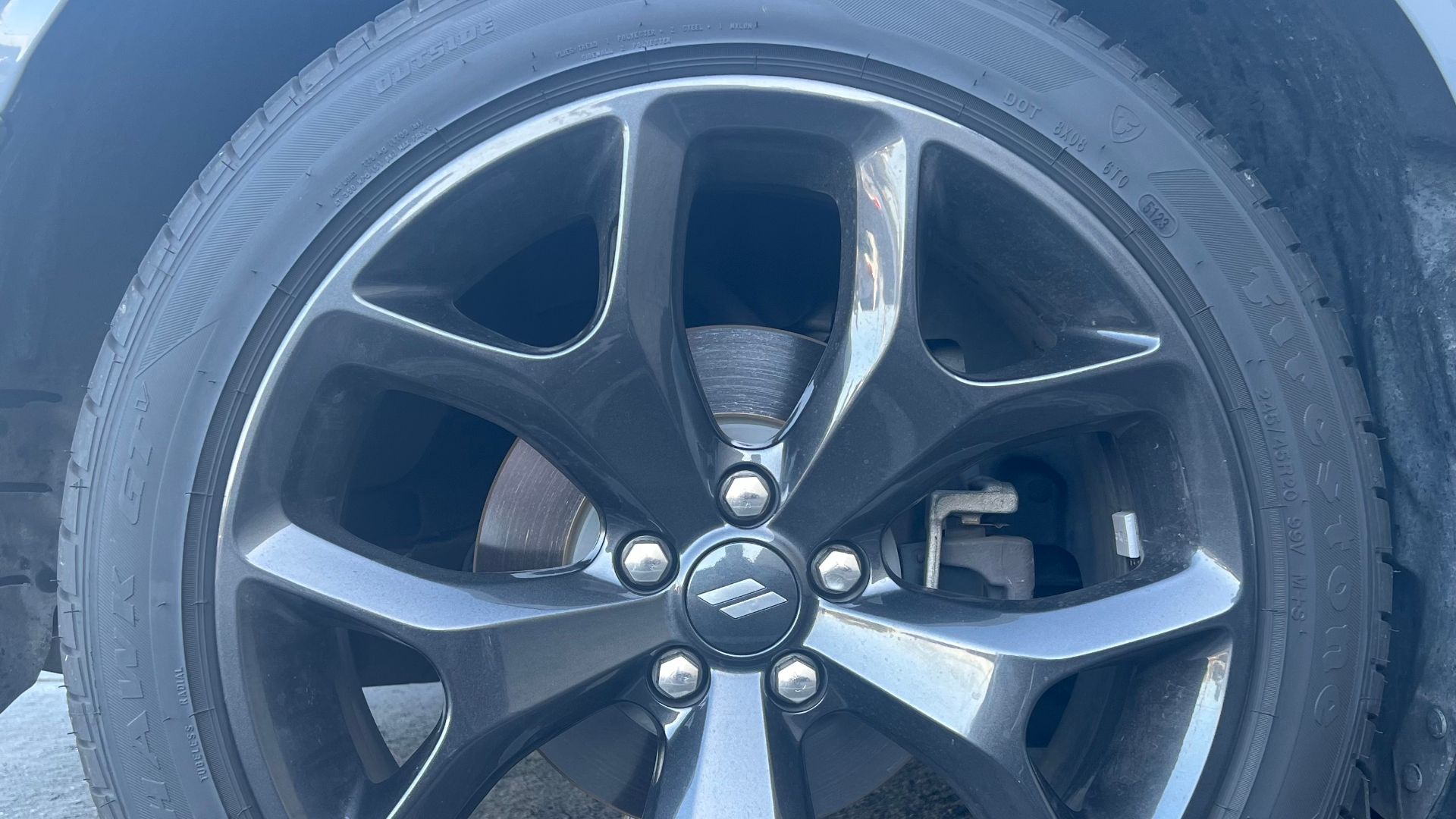
Drag radials arriving from the factory felt almost mischievous. Then, the grip explained everything. These tires heated quickly, hooked hard, and tolerated street use better than expected. Besides, their presence made a statement. Dodge skipped polite compromises and handed buyers traction without excuses.
 TaurusEmerald, Wikimedia Commons
A Transmission Built for Repetition
Power reached the pavement through a reinforced automatic transmission tuned for high torque loads. Stronger internals improved durability during repeated launches. In addition, shift programming favored consistency over comfort. Longevity also mattered here, because drag-focused driving punished weak components faster than most street use ever could.
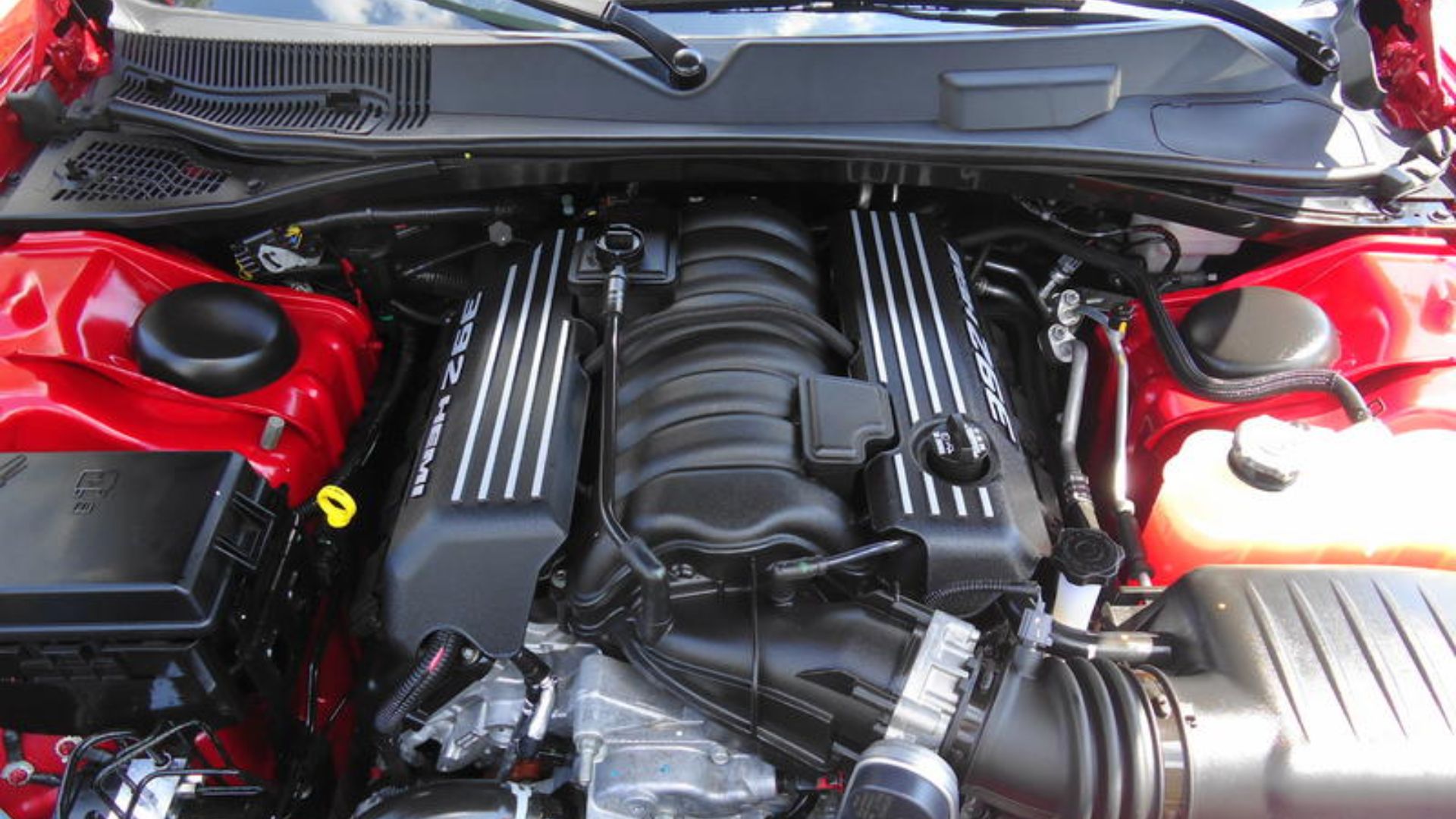 Ammar shaker, Wikimedia Commons
Handling Was Never Invited
Cornering ability entered the conversation briefly. Then it left. Steering and lateral grip played supporting roles, whereas straight-line performance dominated development. However, the criticism missed the intent entirely. Expecting balance here resembled bringing hiking boots to a sprint and blaming the track afterward.
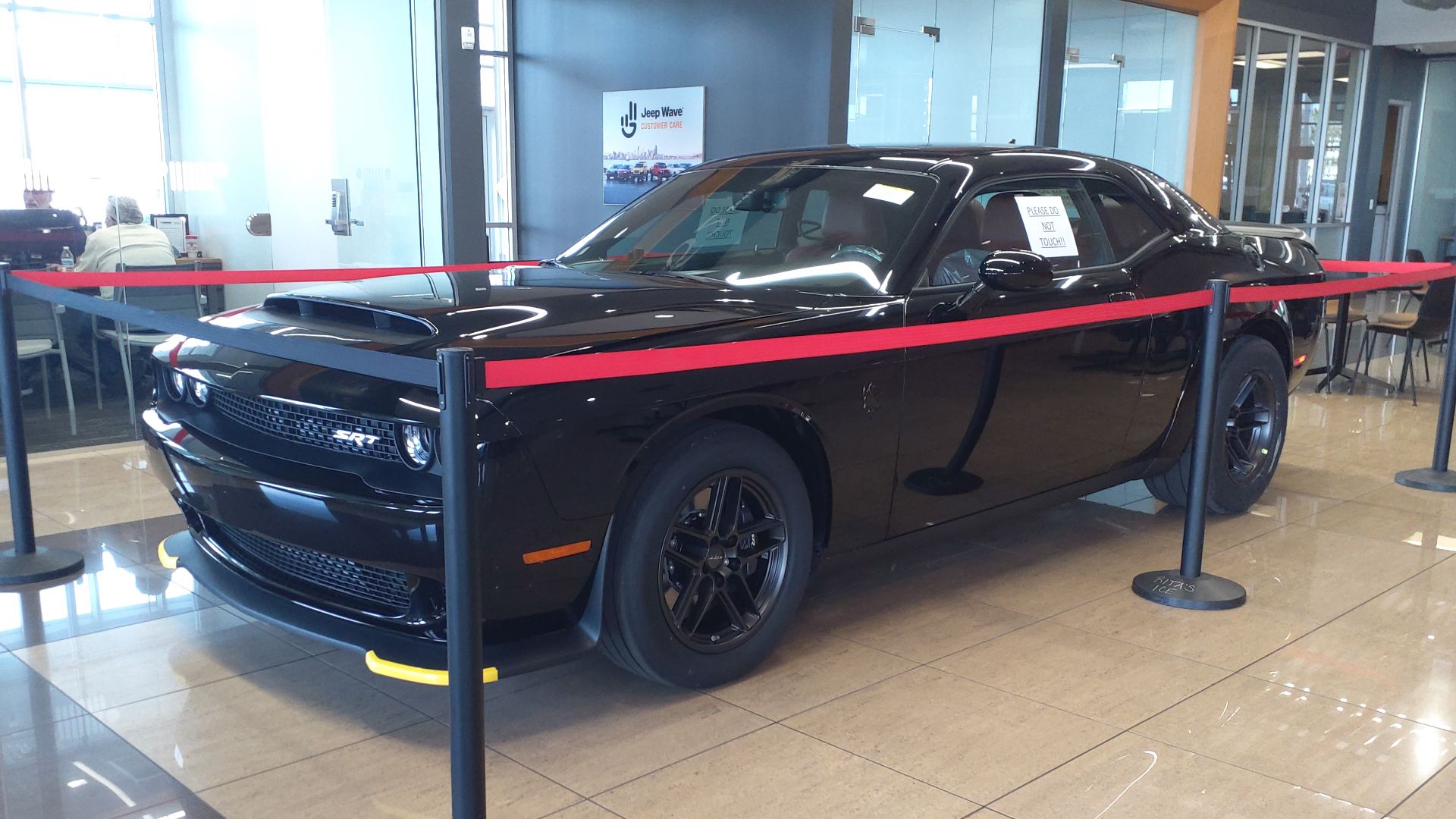
Weight Reduction as a Strategy
Reducing mass shaped every decision. Interior deletions lowered curb weight, and thinner materials reduced inertia during launch. Moreover, lighter components improved the reaction without adding power. Therefore, speed arrived through subtraction, reinforcing a philosophy that valued efficiency more than excess.
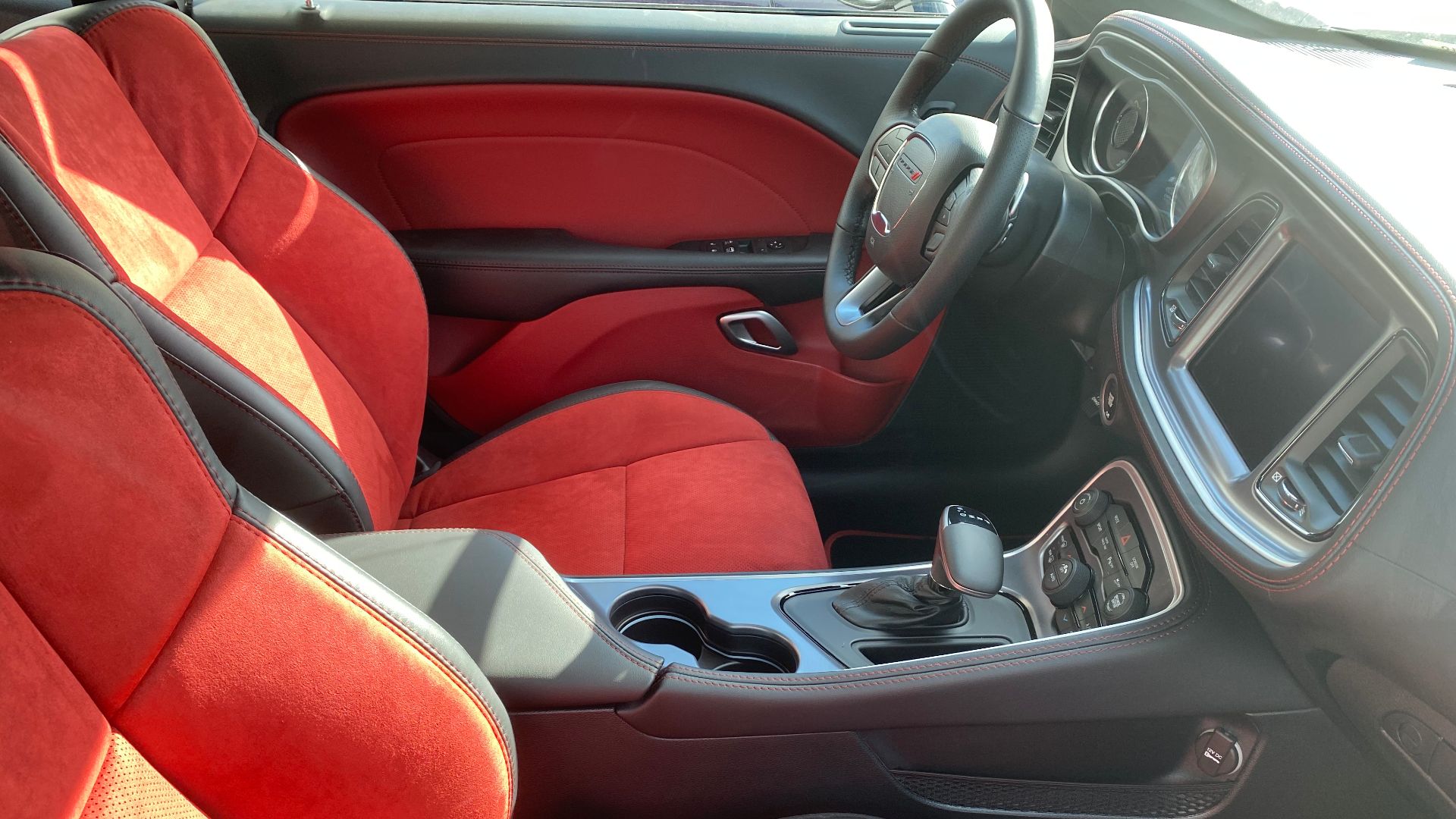
Old Muscle Thinking, New Tools
Earlier muscle cars prized simplicity and shock value. This one echoed that mindset through modern engineering. Afterward, longtime fans recognized the feeling immediately. Technology advanced, numbers escalated, yet the emotional payoff stayed familiar to anyone raised on straight roads and loud results.
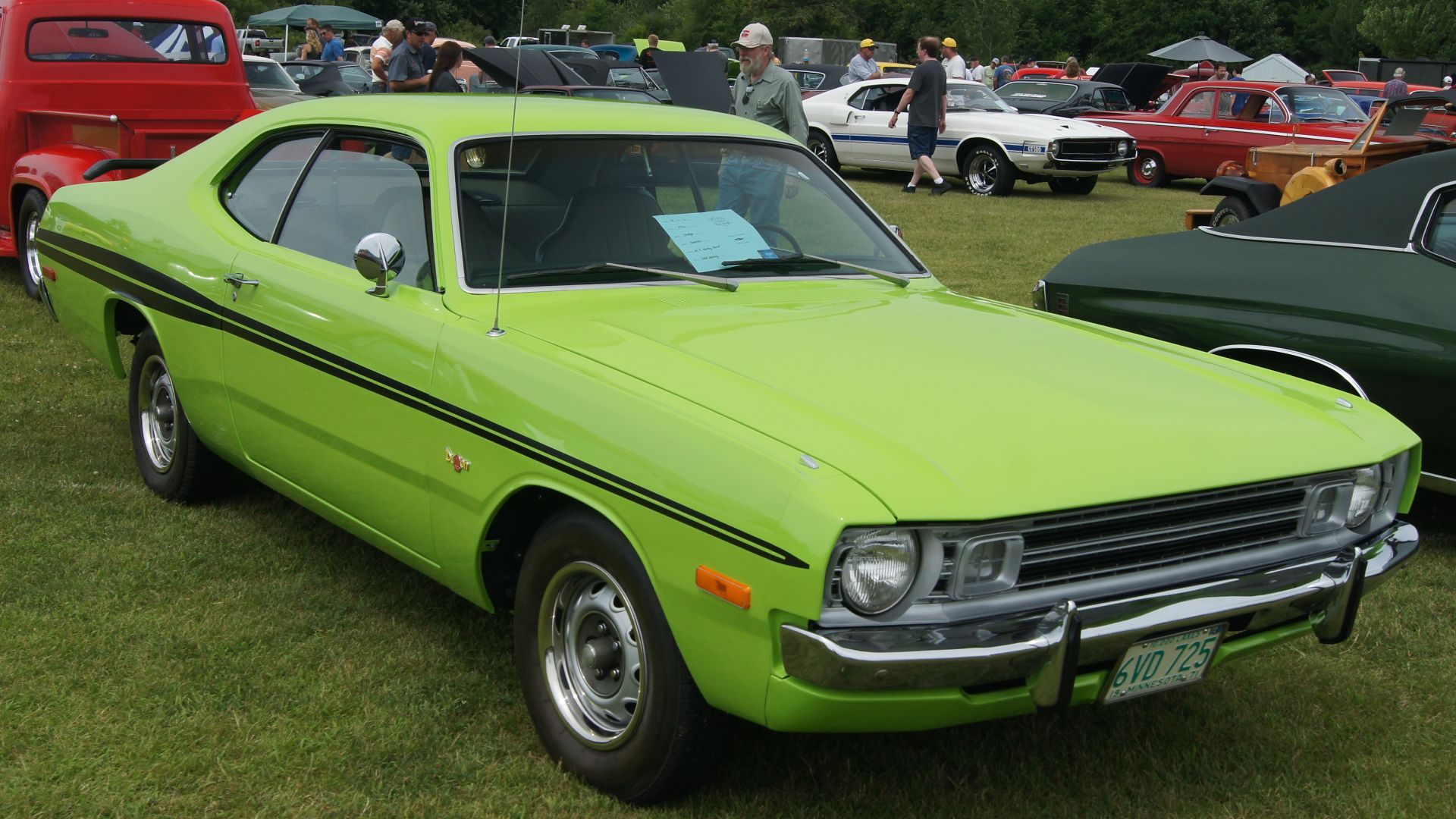 Greg Gjerdingen from Willmar, USA, Wikimedia Commons
When the Rules Had to Respond
Performance crossed a threshold that regulators could not ignore. Sanctioning bodies reacted after real-world runs blurred long-standing boundaries. Suddenly, additional safety requirements like roll cages were mandated for factory vehicles running sub-10-second times. Such a shift mattered because a showroom car forced institutions to reassess what street-legal performance actually meant.
 David Merrett from Daventry, England, Wikimedia Commons
Scarcity Did the Persuading
Limited production changed how people decided. Shoppers knew availability would not last long, and waiting felt costly. Access carried its own appeal. As a result, purchasing became personal, less about specs and more about belonging to a brief moment that few others would experience.
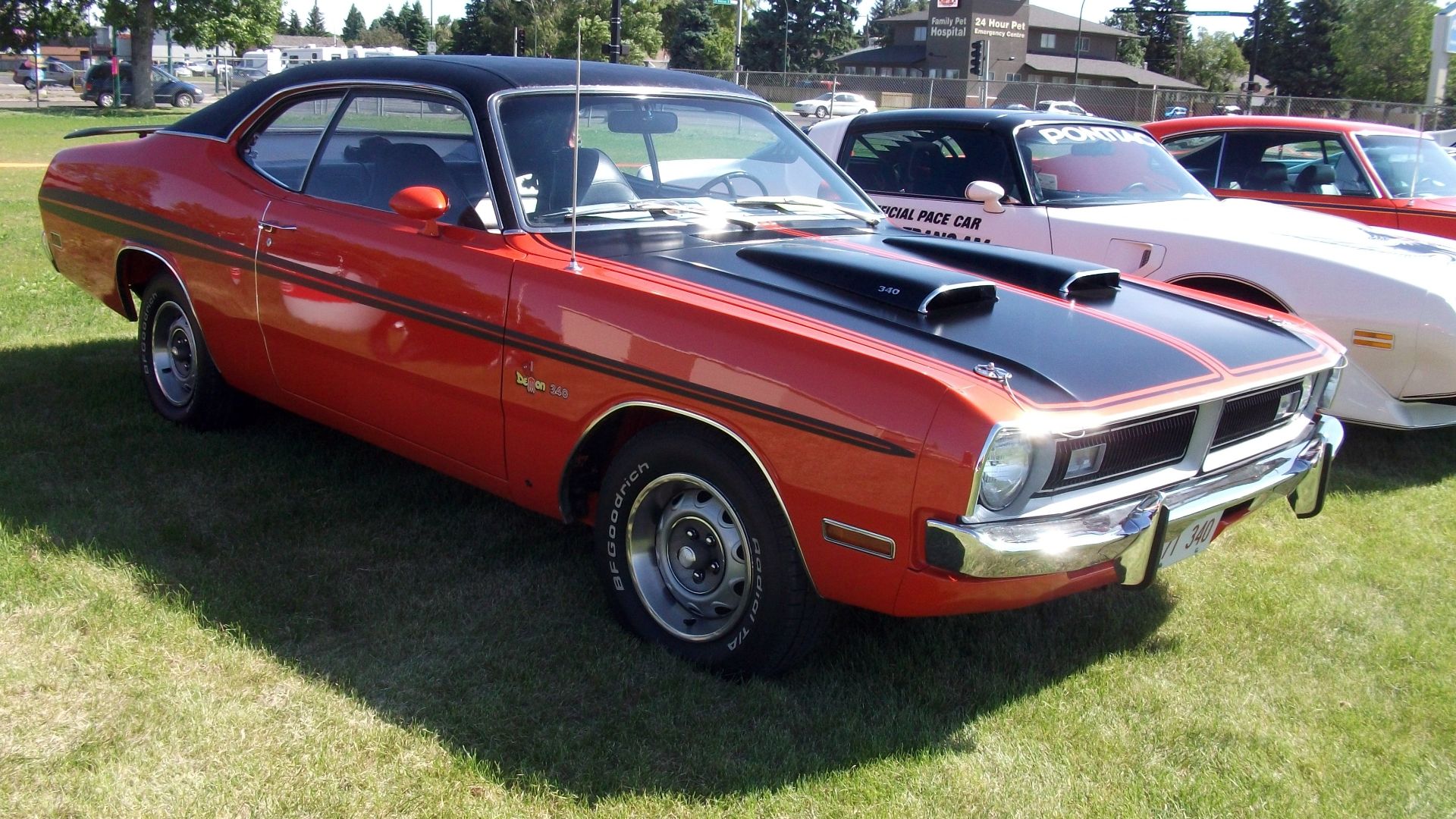 dave_7 from Lethbridge, Canada, Wikimedia Commons
Accepting the Tradeoffs
Daily ownership involved tradeoffs everyone saw coming. Fuel bills rose, tire replacements arrived sooner, and strangers stared constantly. Still, enjoyment never dipped. Owners treated those inconveniences as part of the deal, especially when every drive delivered acceleration few street-legal cars could match.
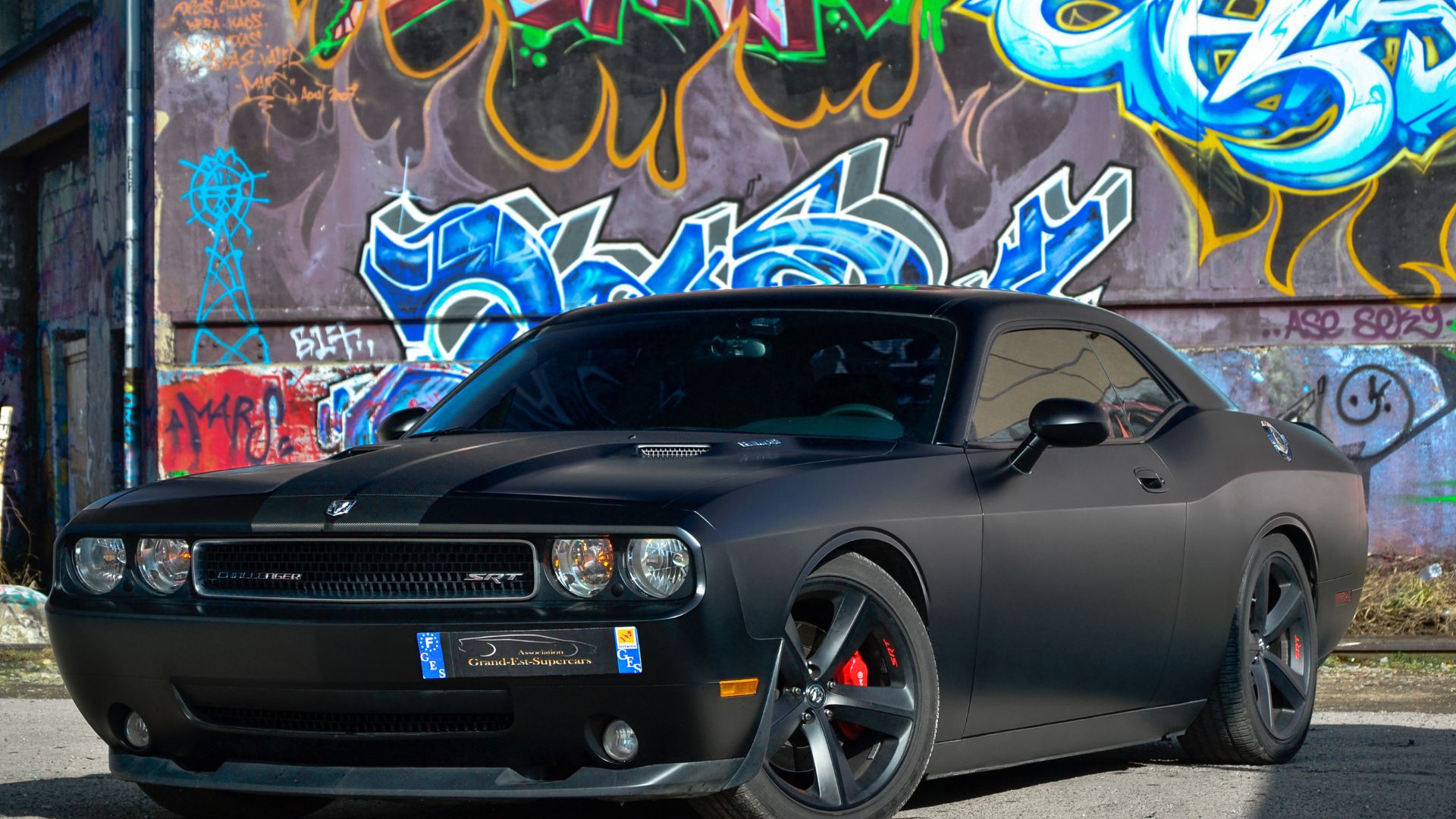 Alexandre Prévot from Nancy, France, Wikimedia Commons
How Much Is Too Much for the Street
At what point does legality clash with capability? This car forced that question into public view. Street registration remained intact, yet performance nudged professional territory. The gap between sanctioned racing and public roads narrowed, prompting debate about responsibility, restraint, and where boundaries should sit.
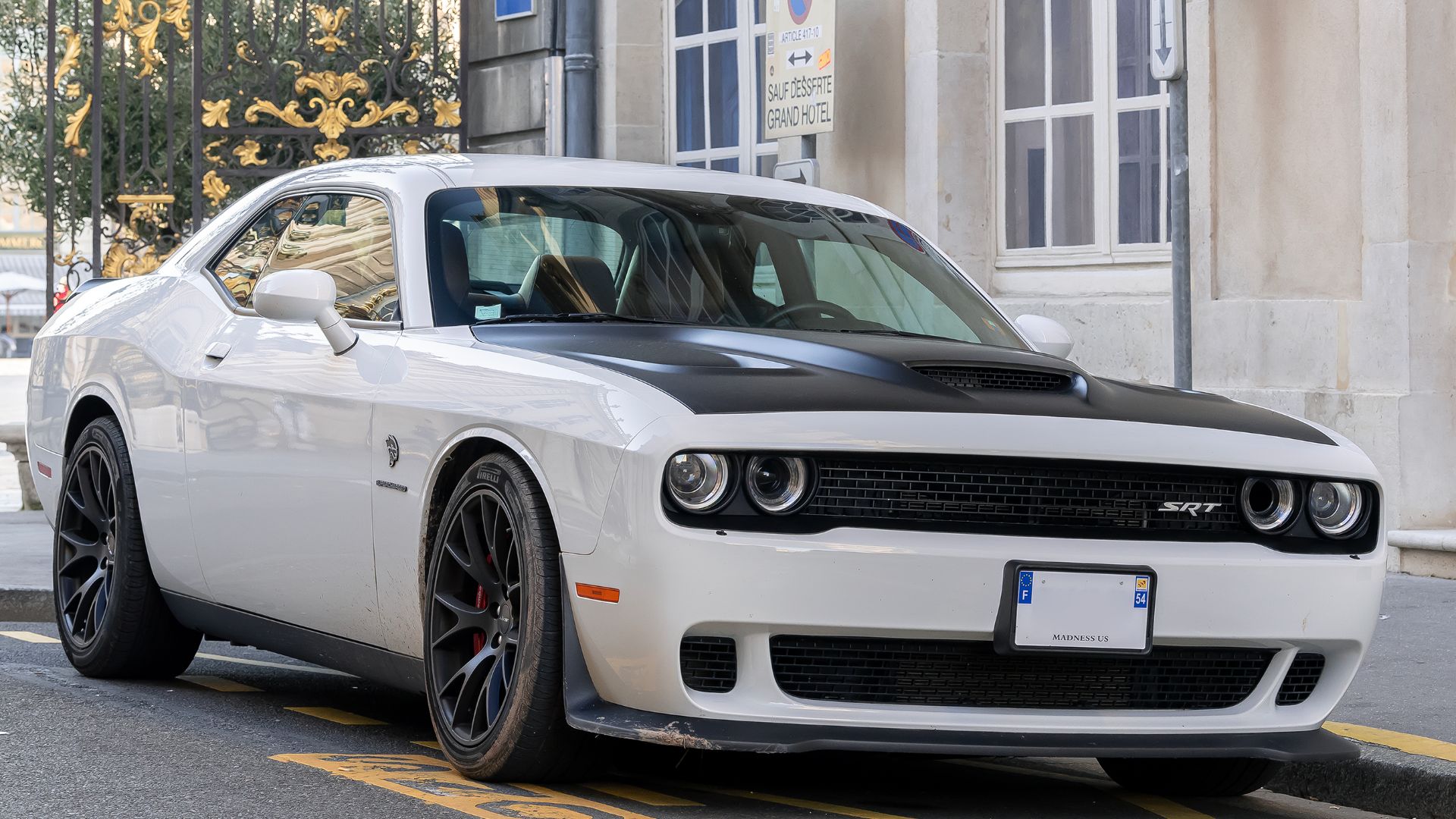 Alexandre Prevot from Nancy, France, Wikimedia Commons
A Car That Changed the Conversation
Early test runs spread quickly through forums and tracks. Videos circulated, disbelief followed, and expectations shifted. Suddenly, factory performance meant something different. Ordinary buyers watched a production car perform feats once reserved for custom builds, and the narrative around muscle cars quietly reset.
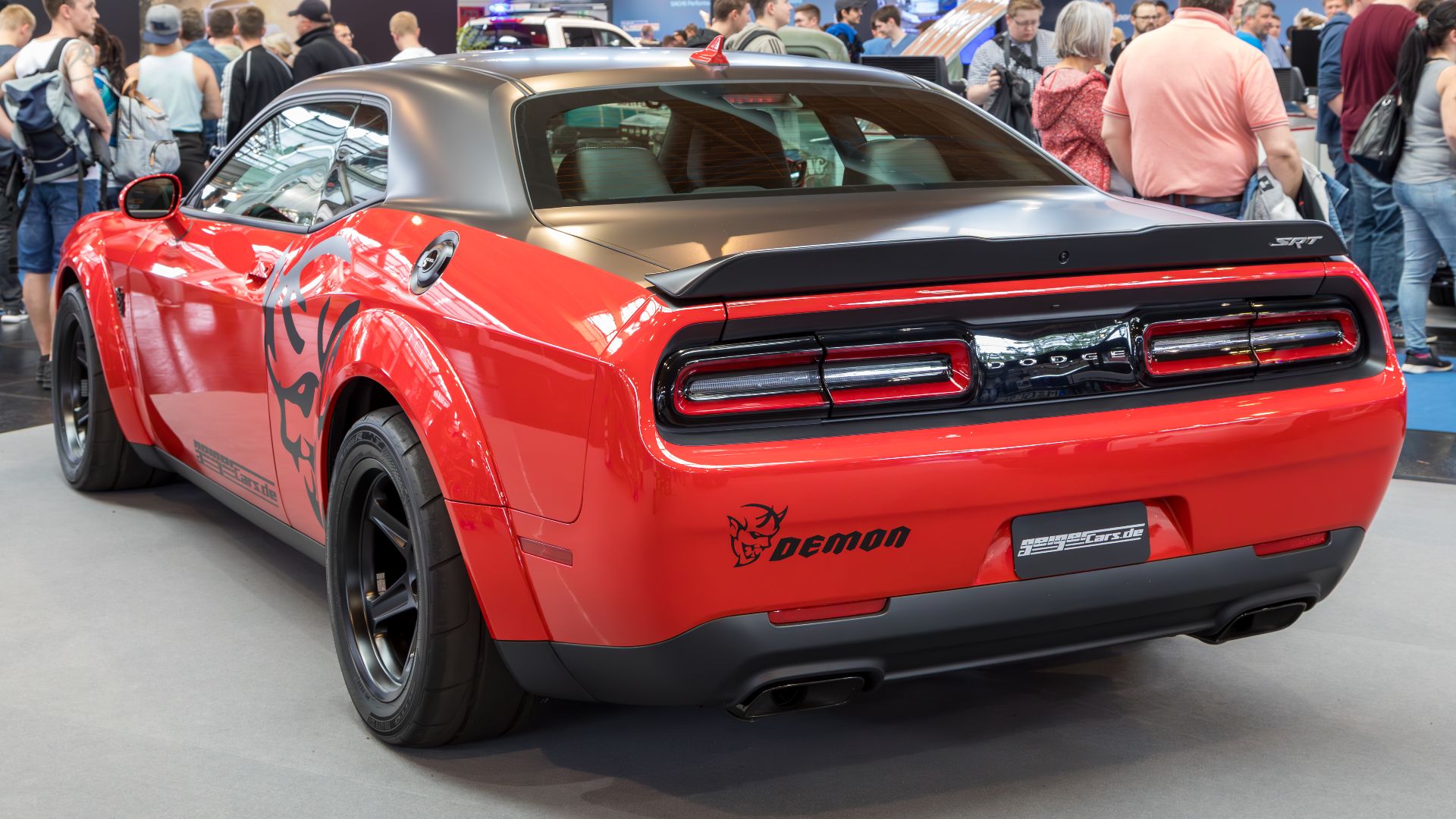 Matti Blume, Wikimedia Commons
Power as a Statement
The vehicle operated like a declaration. Numbers mattered, yet intent mattered more. Acceleration spoke directly, without ornament or apology. In that sense, the car became less about transportation and more about assertion, signaling how far manufacturers could push without losing authenticity.
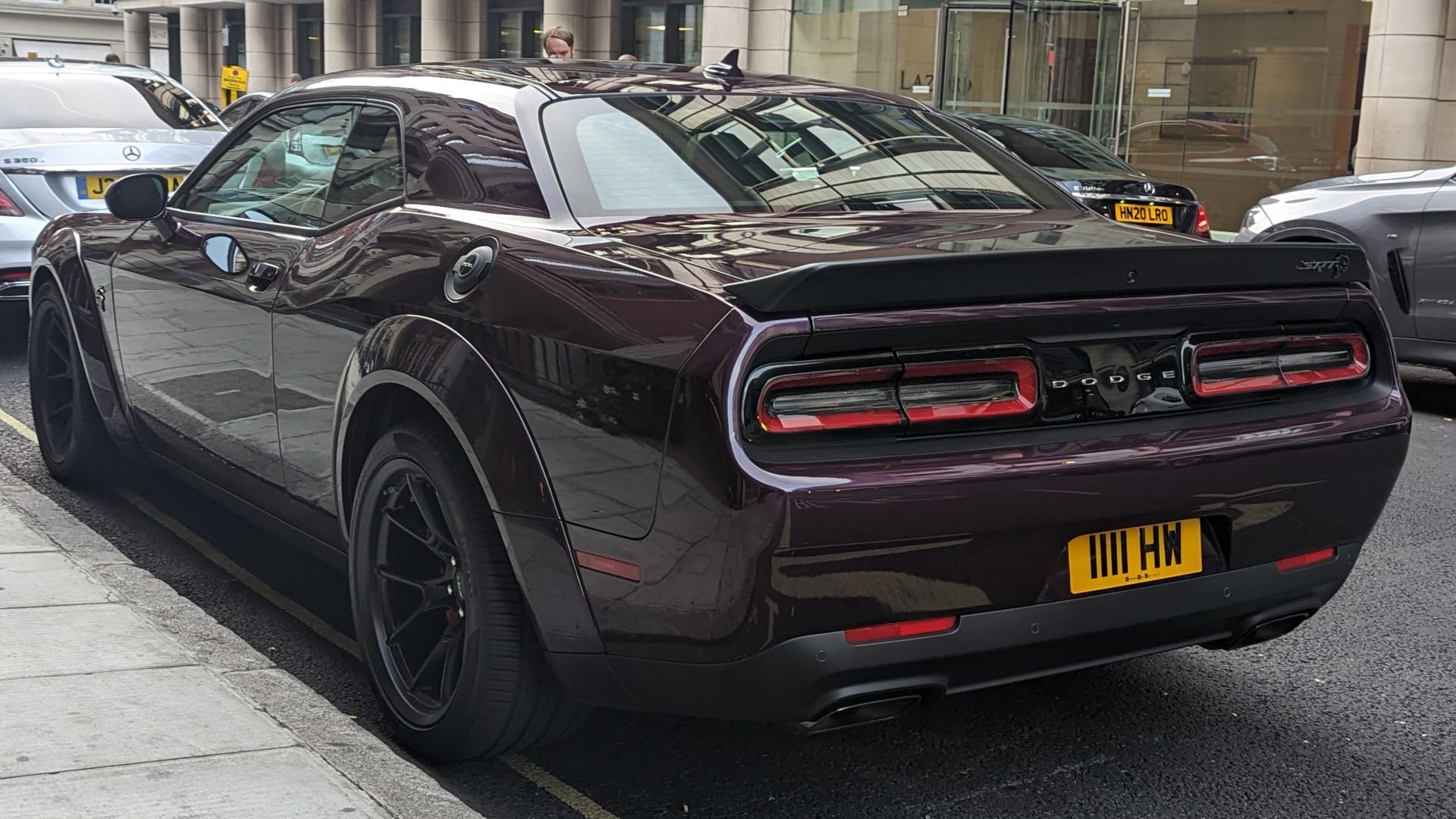
Not Subtle and Proud of It
Subtlety never applied. Noise announced arrivals, visuals demanded attention, and performance settled arguments instantly. Still, charm lived underneath the excess. Owners also leaned into the absurdity by enjoying a machine that never pretended restraint had any place in its personality.
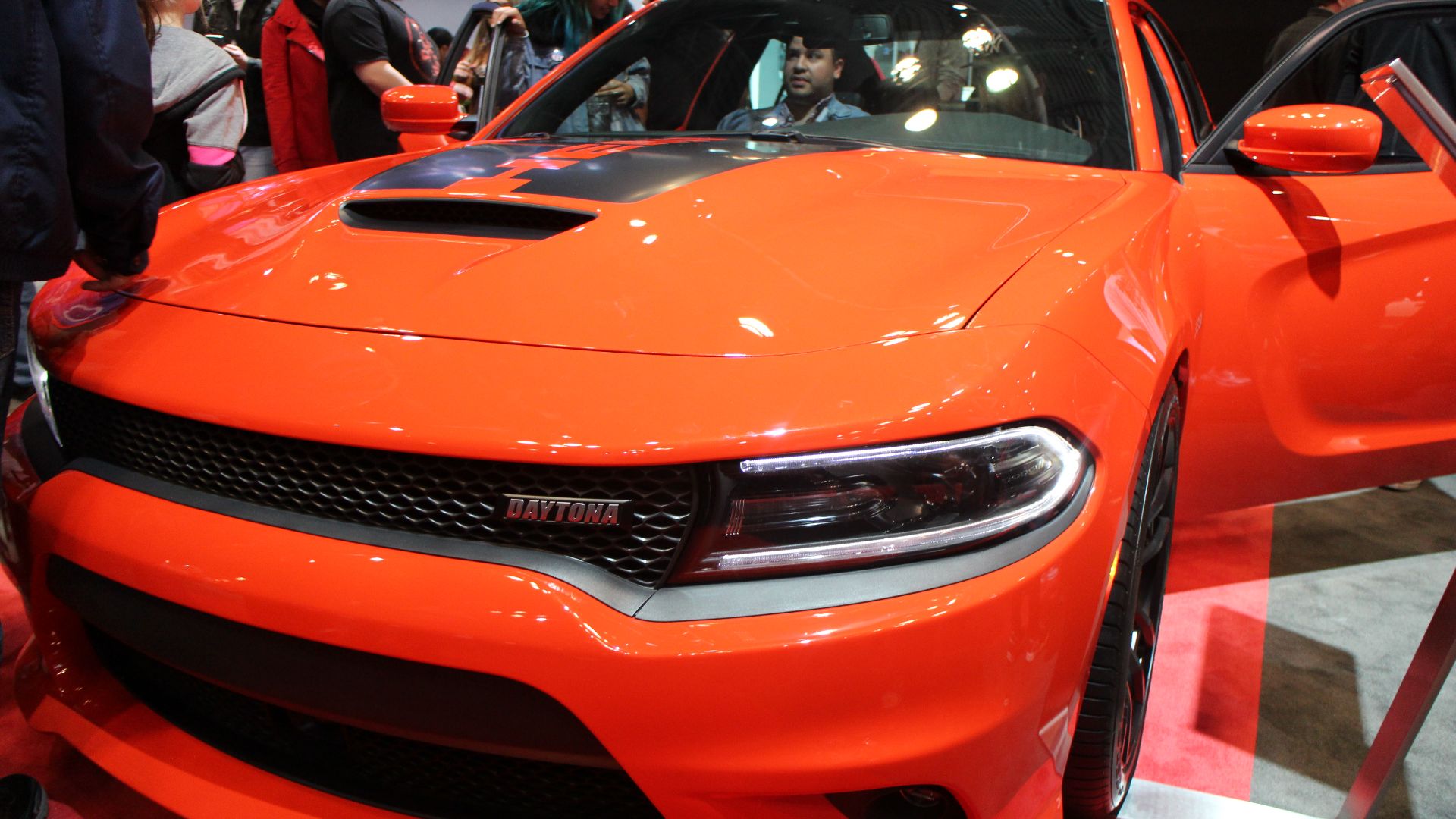 Dreamsoffuture, Wikimedia Commons
Where It Ultimately Lands in History
Although time will smooth the shock, significance remains. This model proved that factory engineering could challenge limits without apology. More importantly, it widened access to extreme performance. The legacy rests not only in speed, but in who finally felt invited to experience it.
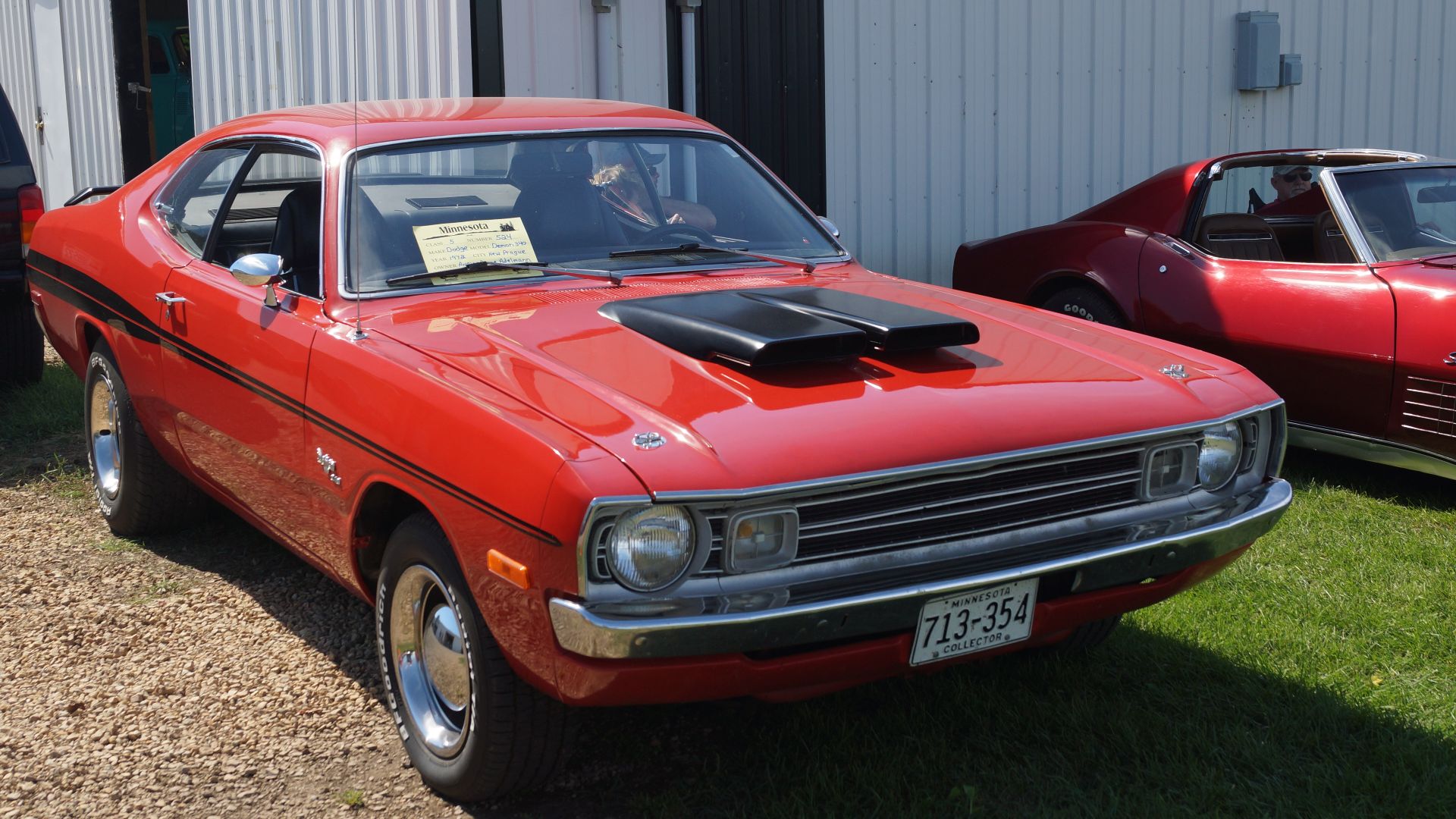 Greg Gjerdingen from Willmar, USA, Wikimedia Commons