
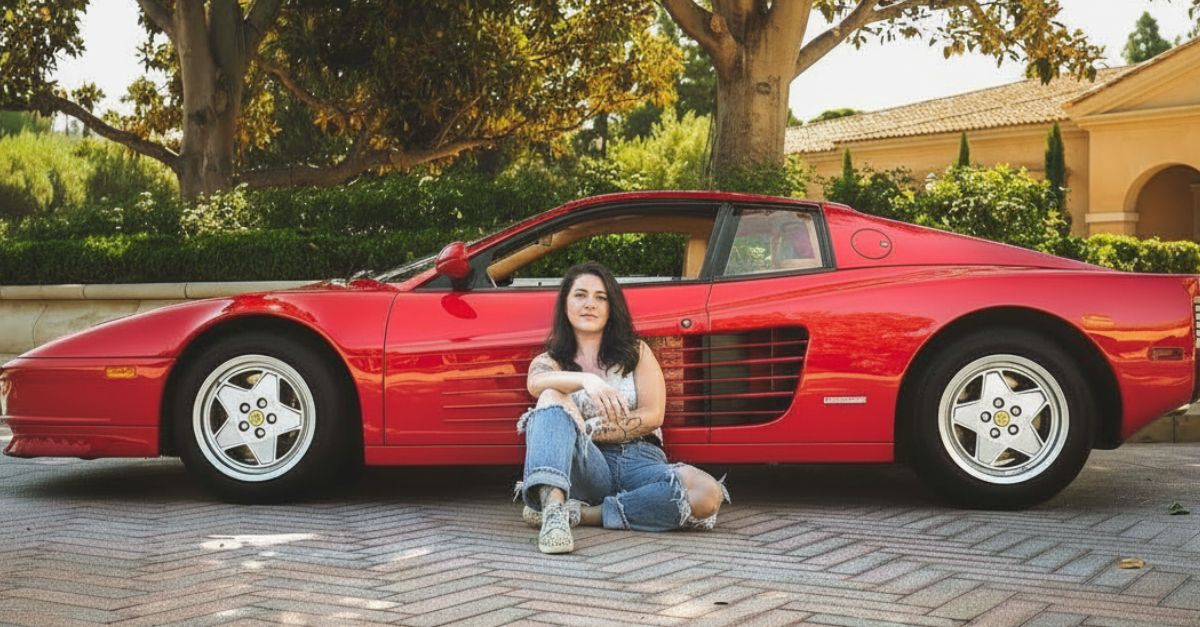
The Unmistakable Rhythm Of 80s Car
Every generation has cars that define its mood, and the 80s did it with boost and a bit of rebellion. Some models captured that spirit better than others, which became standout pieces of design and culture along the way.
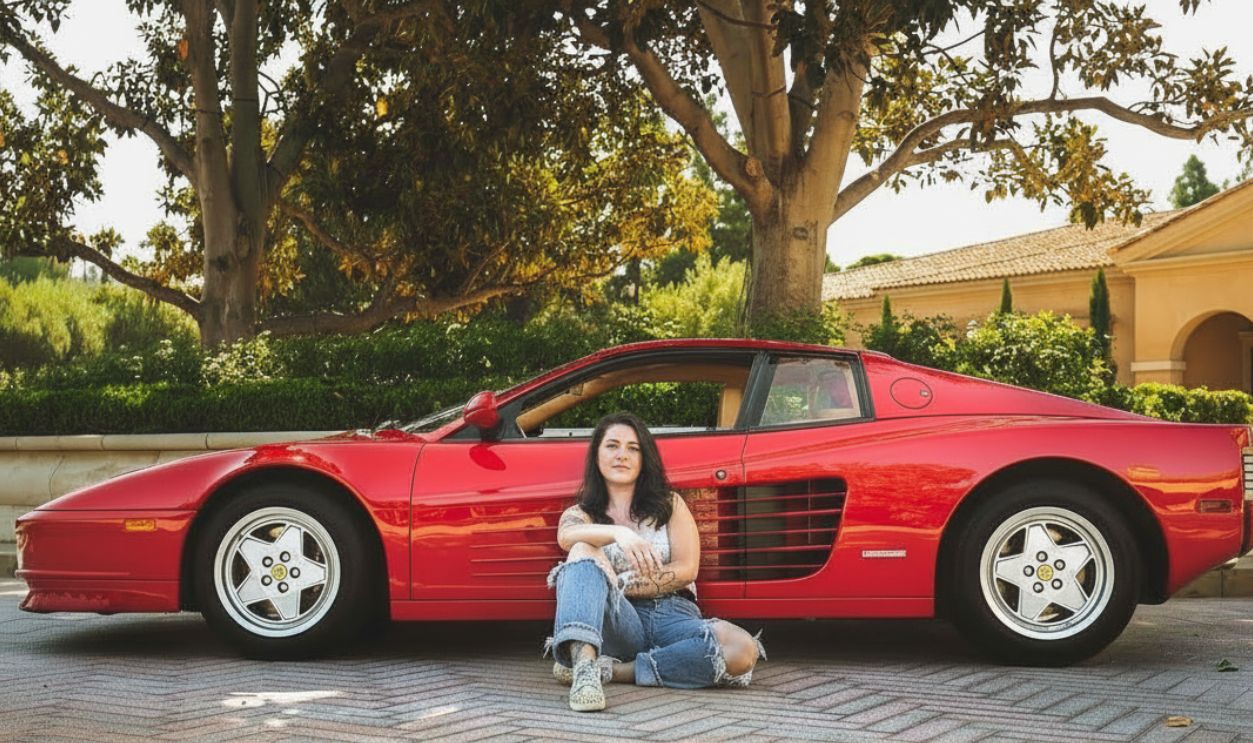
Buick GNX (1987) $178,753
With only 547 units ever built, the GNX took the Grand National formula and dialed it all the way up. Its turbocharged 3.8-liter V6 officially made 276 hp, though many believe the real figure was higher. It even embarrassed Corvettes in 1987 quarter-mile runs.
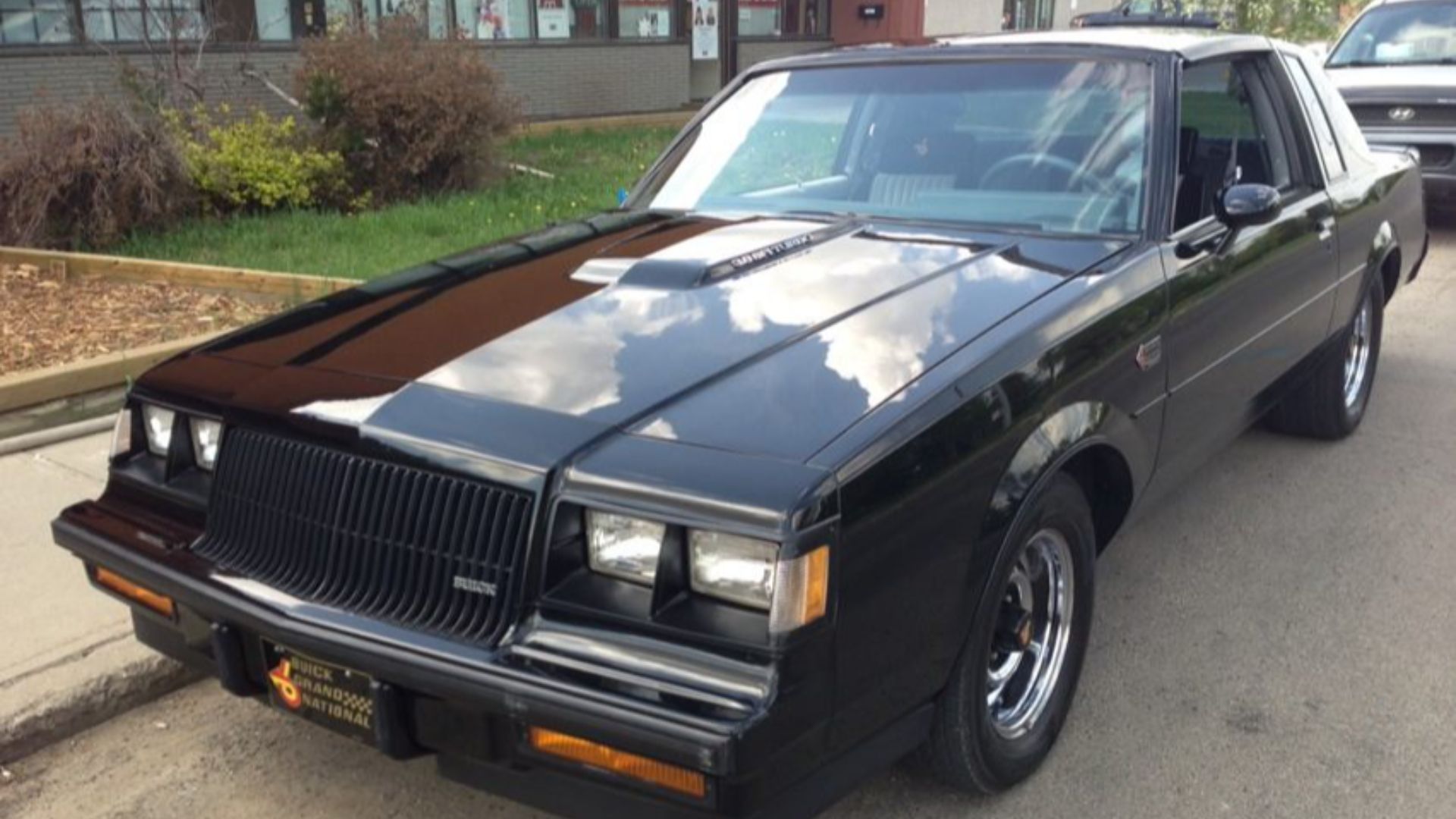
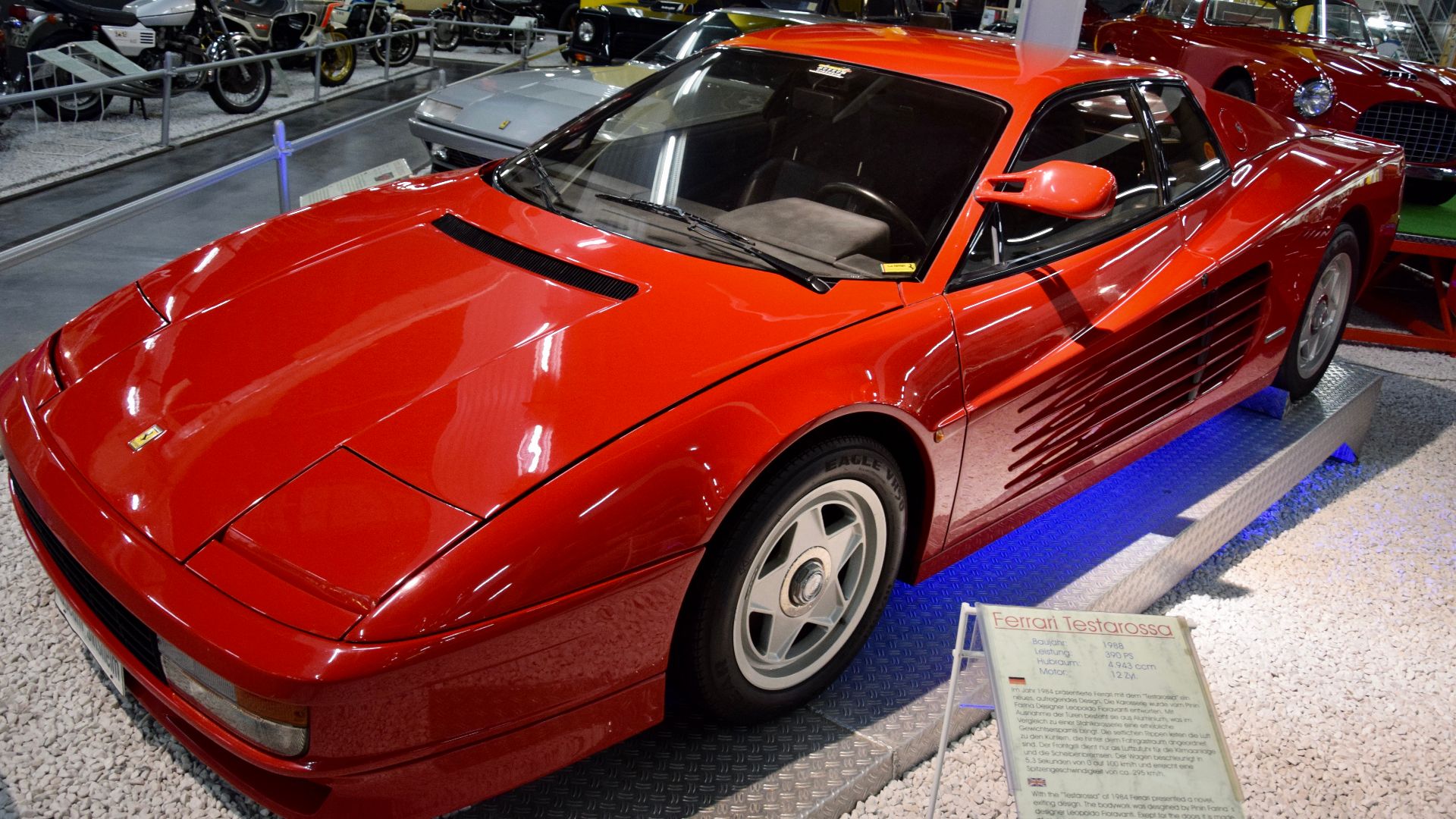
Ferrari Testarossa (1984–1991) $161,000
Ferrari’s flat-12 icon wasn’t just an 80s status symbol—its 4.9-liter engine and over 7,000-unit production run made it one of the brand’s most recognizable flagships. The wild side strakes, nicknamed “cheese graters,” and their constant appearance in Miami Vice cemented it as the peak pop-culture Ferrari.
Porsche 930 Turbo (1980s)- $145,600
The 930’s 3.3-liter turbo flat-six delivered blistering speed alongside notorious turbo lag that hit like a switch, which earned it the “Widowmaker” label. As the first Porsche Turbo with an intercooler, it helped define the brand’s forced-induction heritage and kept drivers on their absolute A-game.
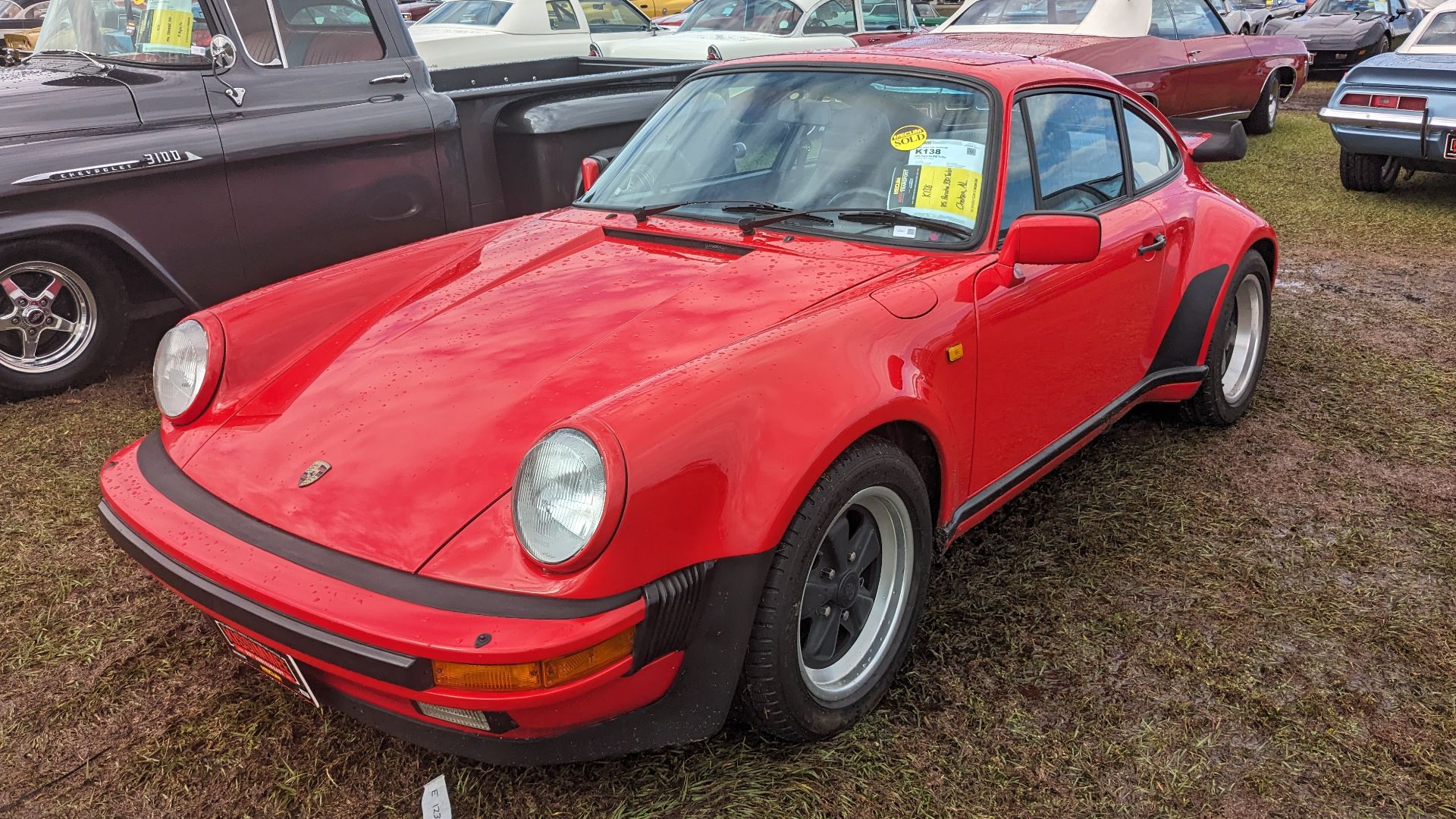 Pokemonprime, Wikimedia Commons
BMW M3 E30 (1986–1991) $34,000
Born purely for Group A homologation, the E30 M3 came with a high-revving 2.3-liter four-cylinder making roughly 200 hp and a chassis engineered for racing. Its DTM dominance and razor-sharp driving feel helped establish what a true M3 should be.
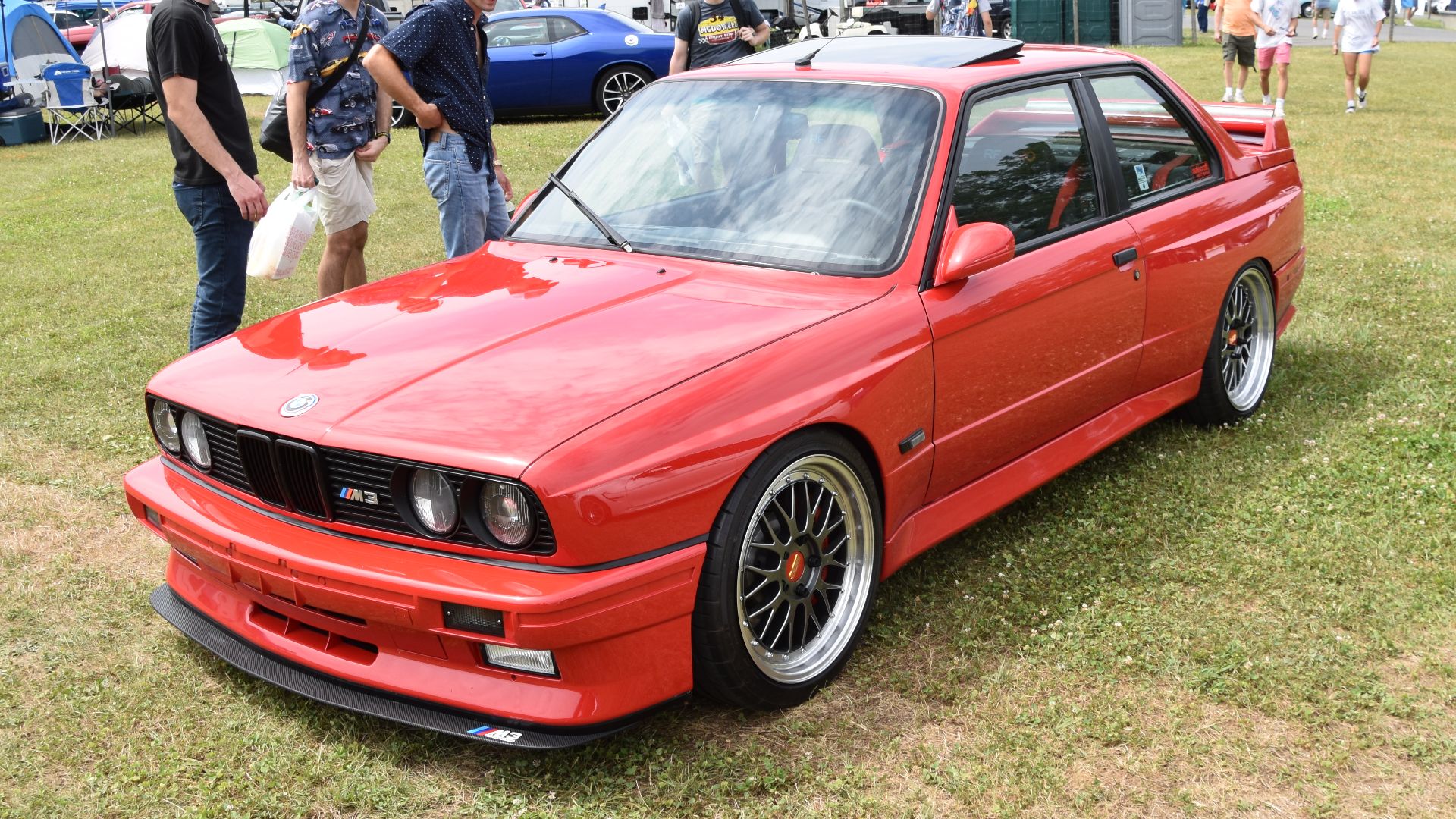 Charles from Port Chester, New York, Wikimedia Commons
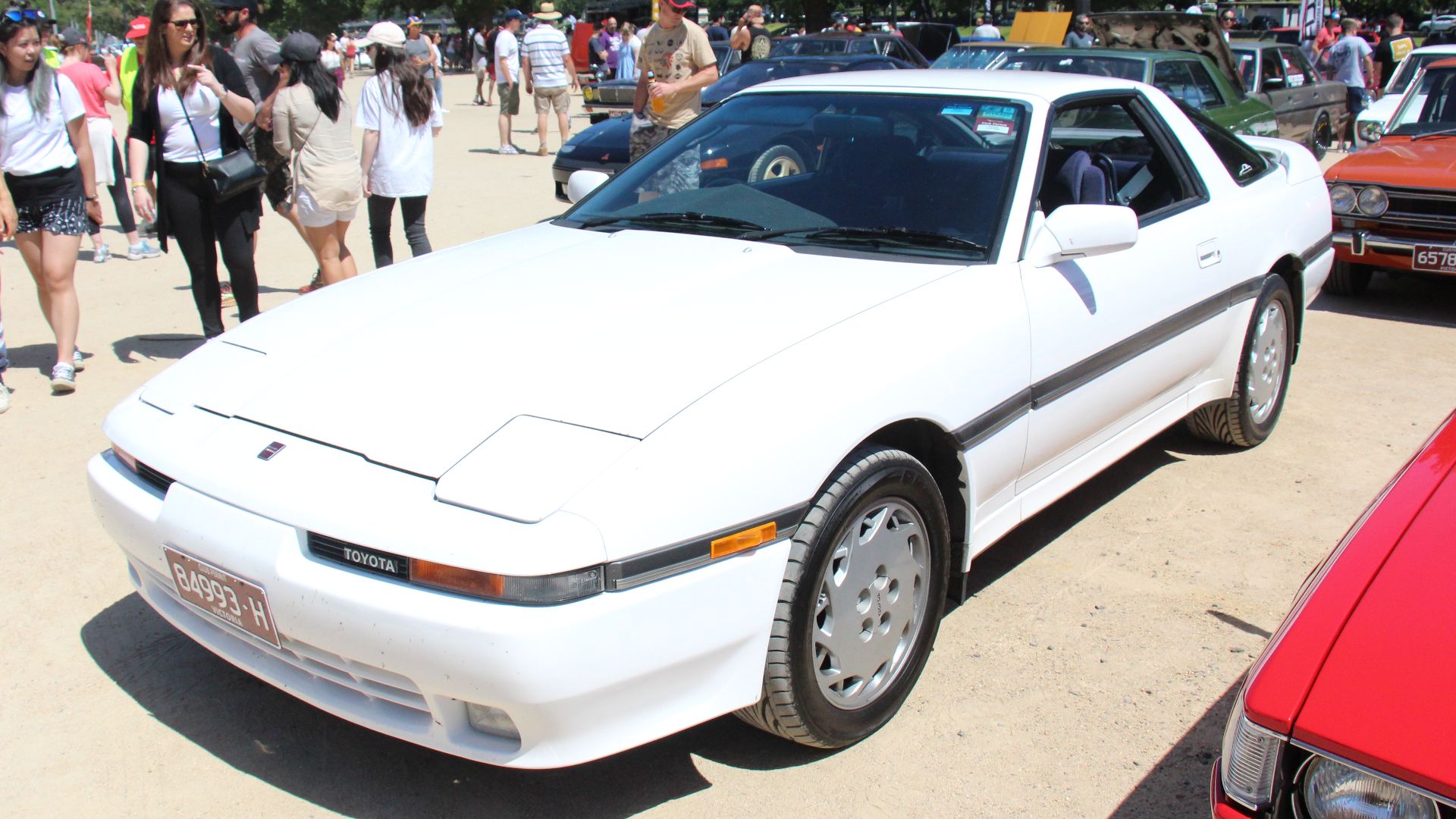
Toyota Supra MkIII (1986–1992) $15,000–$18,000
The Supra’s cameo in the Gran Turismo film and its long-standing role in the game series helped revive interest in the third-gen model. That attention highlights its real-world breakthroughs, including the Supra line’s first turbocharged setup and an independent rear suspension, all wrapped in unmistakably 80s pop-up-headlight flair.
Mercedes-Benz 190E 2.3-16 (1984–1988) $35,000
What surprised most enthusiasts was the Cosworth-tuned 16-valve engine hiding under the hood. Built for touring-car homologation, the 190E 2.3-16 proved its capability immediately when Ayrton Senna won its debut race. From that moment, it became the BMW E30 M3’s hardest-fought rival.
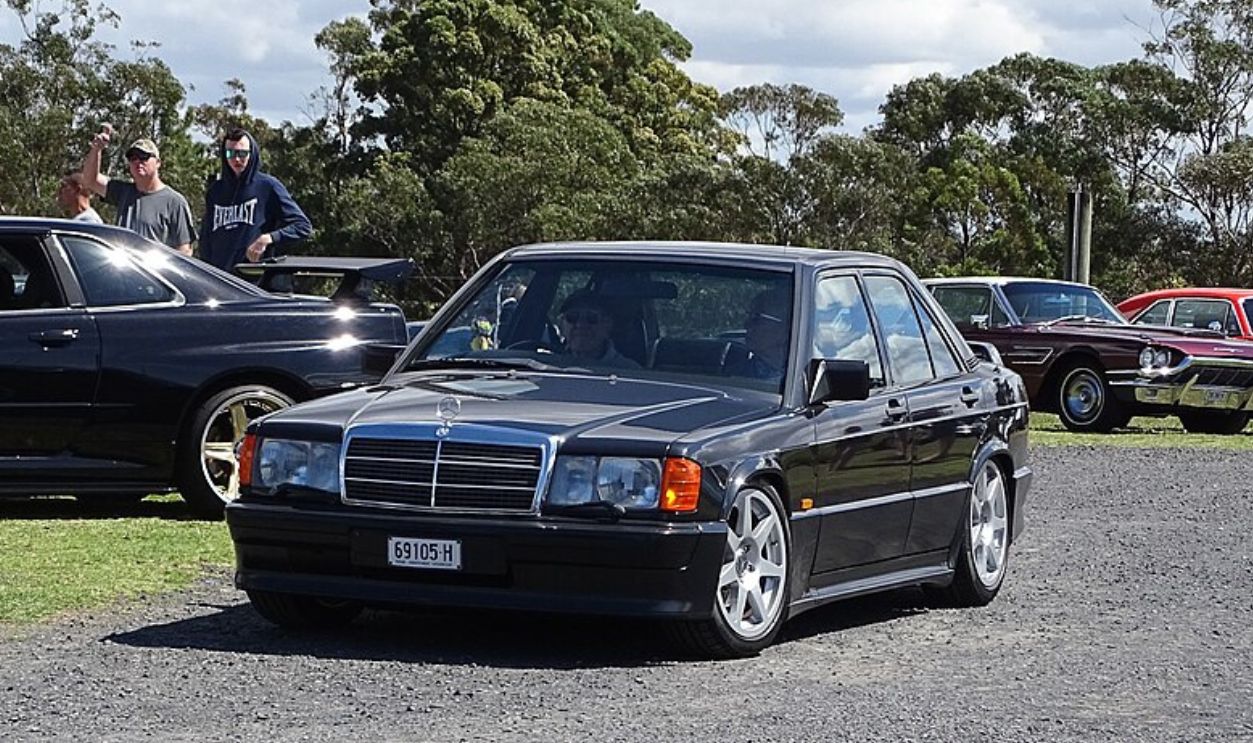 FotoSleuth, CC BY 2.0, Wikimedia Commons
Volkswagen Golf GTI Mk2 (1984–1992) $15,000–$20,000
Hot-hatch fans quickly noticed how much more grown-up the Mk2 GTI felt. A 1.8-liter engine and sturdier chassis gave it real composure, yet it still kept the playful spark of the original. Frequent rally appearances helped it earn a cult following across Europe and beyond.
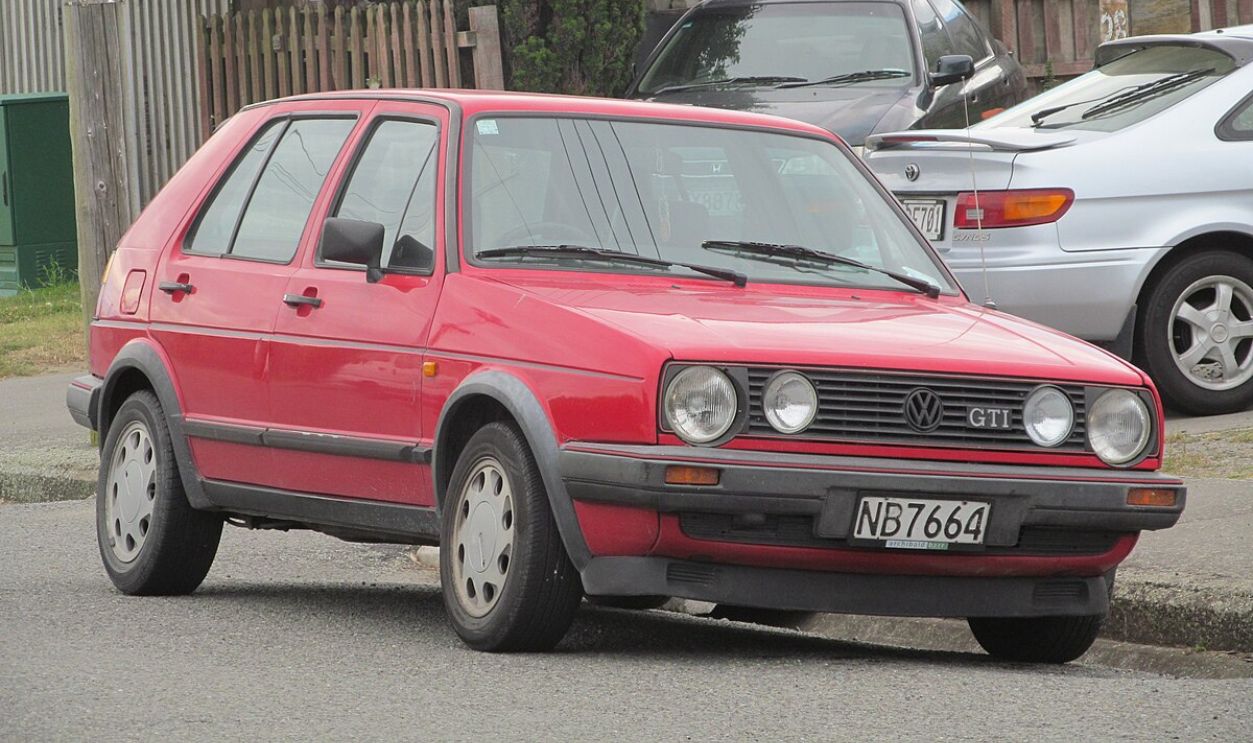 Riley, CC BY 2.0, Wikimedia Commons
Ford Mustang SVO (1984–1986) $15,000
A Mustang with a turbo four-cylinder wasn’t what anyone expected in the mid-80s. The SVO made its case through sharp engineering rather than brute force. Limited production—around 9,800 cars—plus the quirky dual-plane spoiler gave it instant collector appeal. It even costs more than the V8 GT.
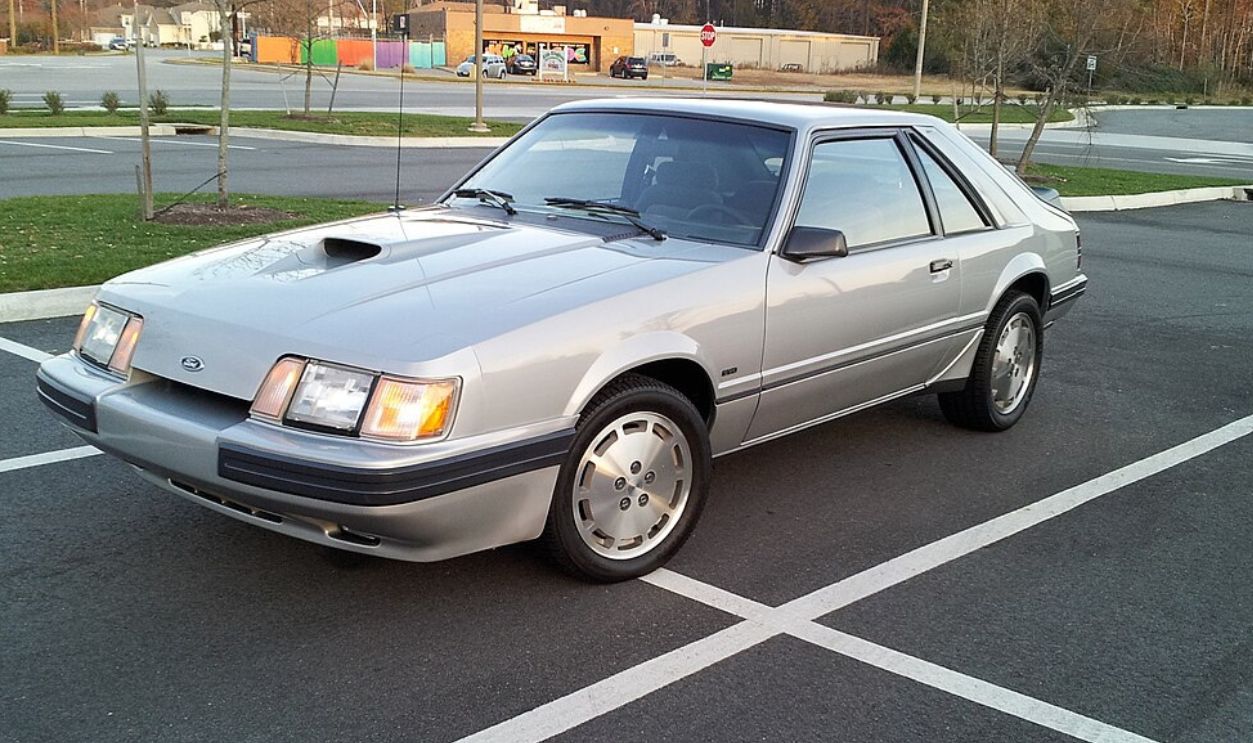 Jimnva, CC BY-SA 3.0, Wikimedia Commons
Honda CRX Si (1985–1987) $7,999
Lightweight was the CRX Si’s real secret weapon. With a curb weight near 2,000 pounds and a lively 1.5-liter fuel-injected engine, it delivered efficiency and genuine handling fun. The platform later became a tuner favorite thanks to how easily it accepted more powerful Honda engines.
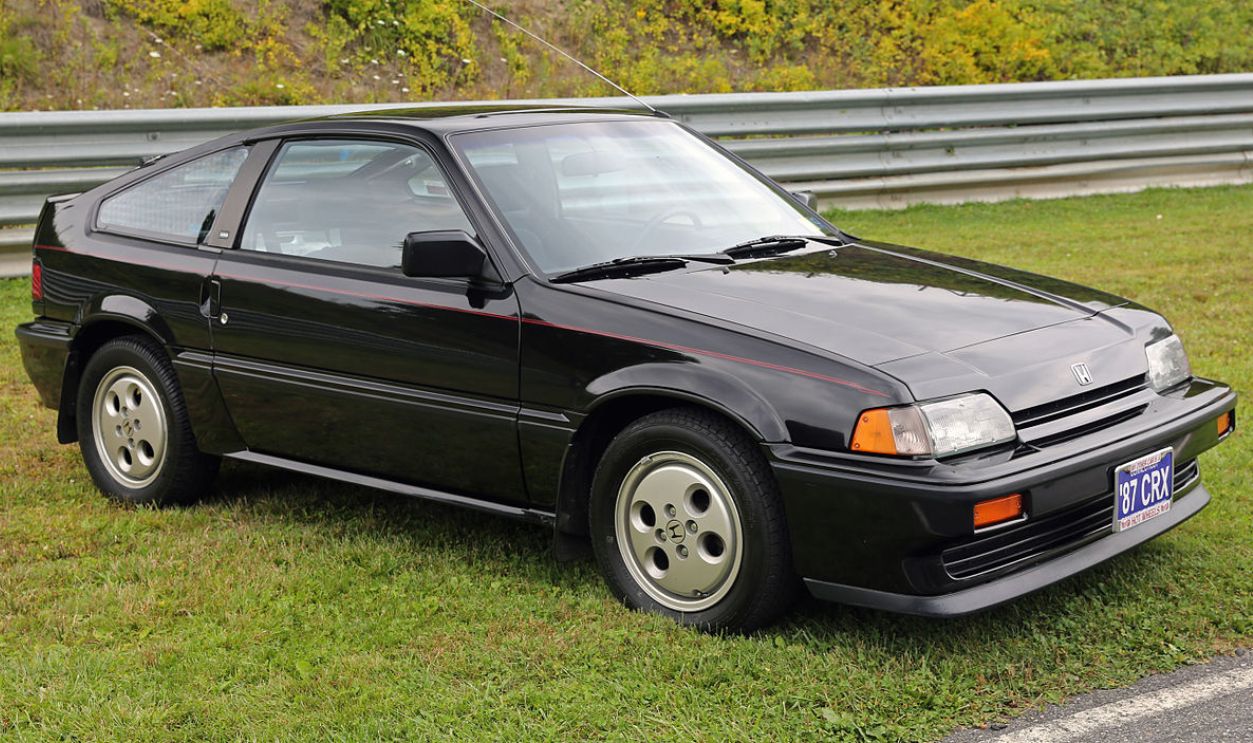 Mr.choppers, CC BY-SA 3.0, Wikimedia Commons
Peugeot 205 GTI (1984–1994) $13,000
Ask any European enthusiast about defining hot hatches, and the 205 GTI almost always enters the conversation. Offered in 1.6- and 1.9-liter forms, it combined razor-sharp responses with rally-bred character. Its willingness to rotate made it thrilling, eventually earning the enduring title “King of Hot Hatches”.
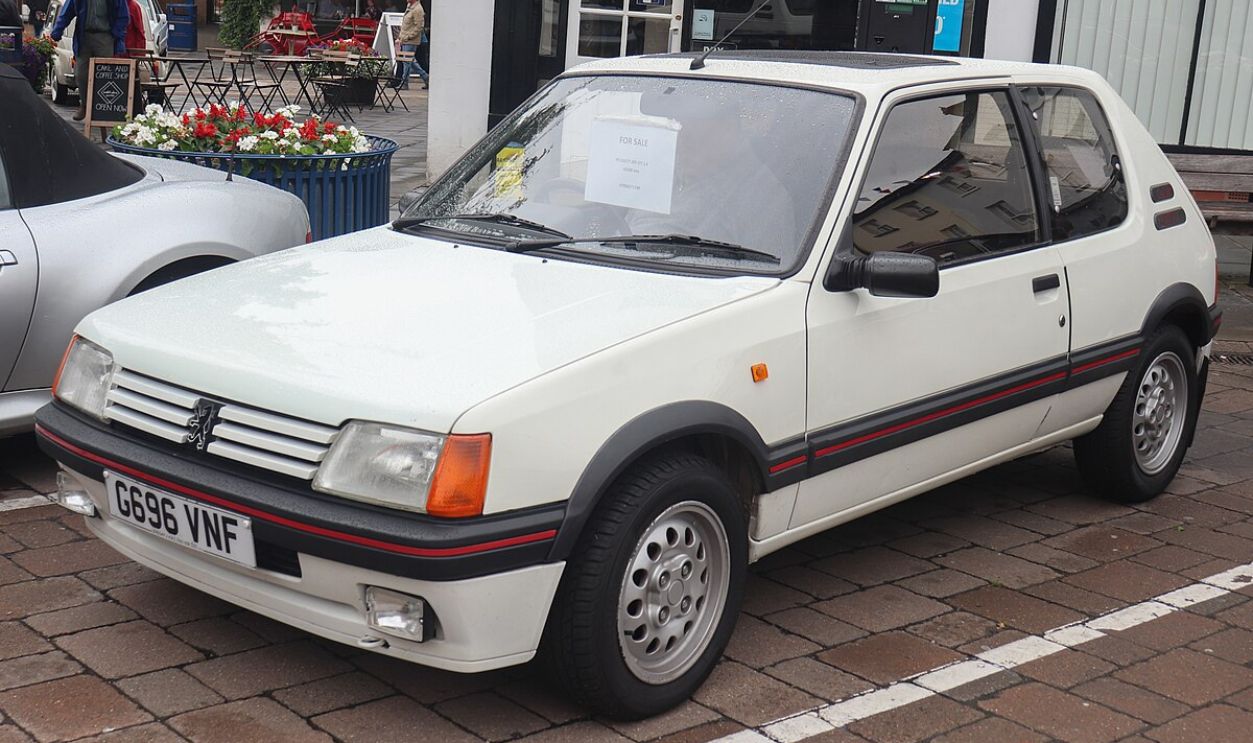 Vauxford, CC BY-SA 4.0, Wikimedia Commons
Audi Quattro (1980–1991) $40,000–$90,000
All-wheel drive in a performance coupe wasn’t the norm until the Quattro proved how unstoppable the layout could be. Its turbocharged inline-five created a rally legend that reshaped the sport, which earned the nickname “Ur-Quattro” as newer models followed its groundbreaking formula.
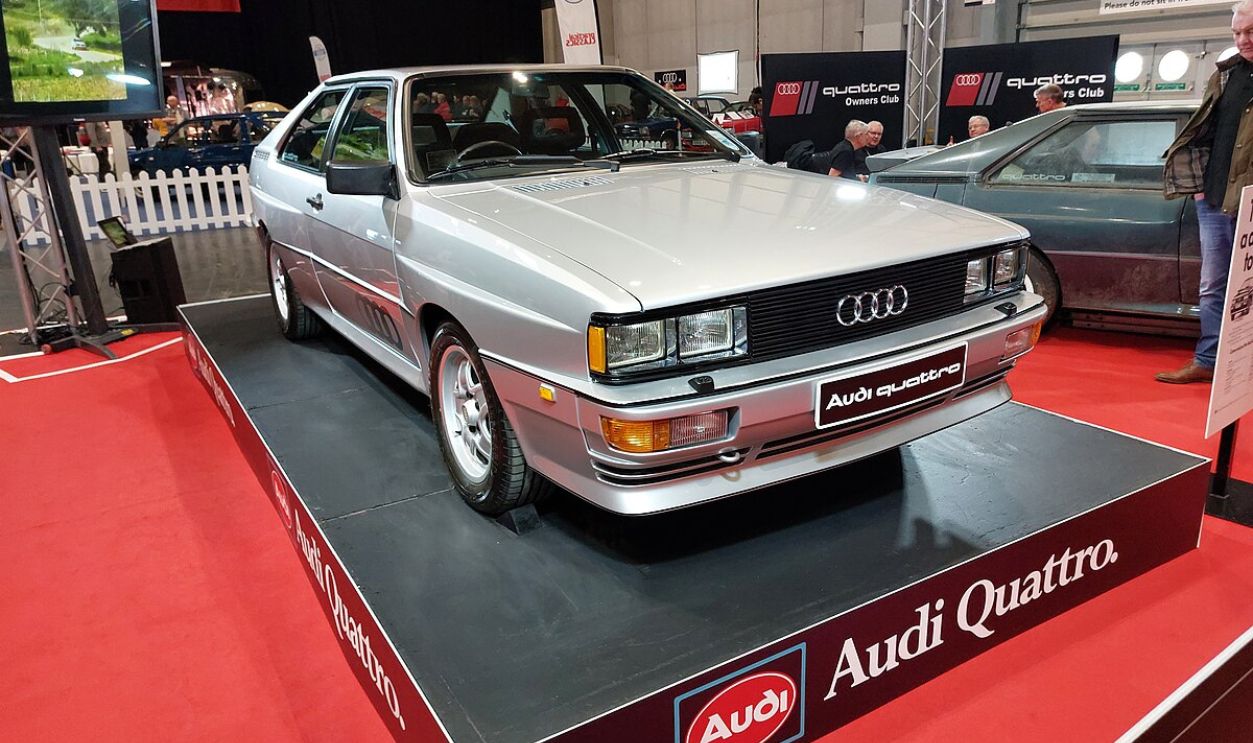 kieranwhite599, CC BY 2.0, Wikimedia Commons
Chevrolet Camaro IROC-Z (1985–1990) $10,000–$15,000
80s car culture found one of its loudest ambassadors in the IROC-Z. Tuned suspension and a name borrowed from the International Race of Champions gave it instant credibility. Music videos and movie cameos only amplified its reputation as an American muscle hero of the decade.
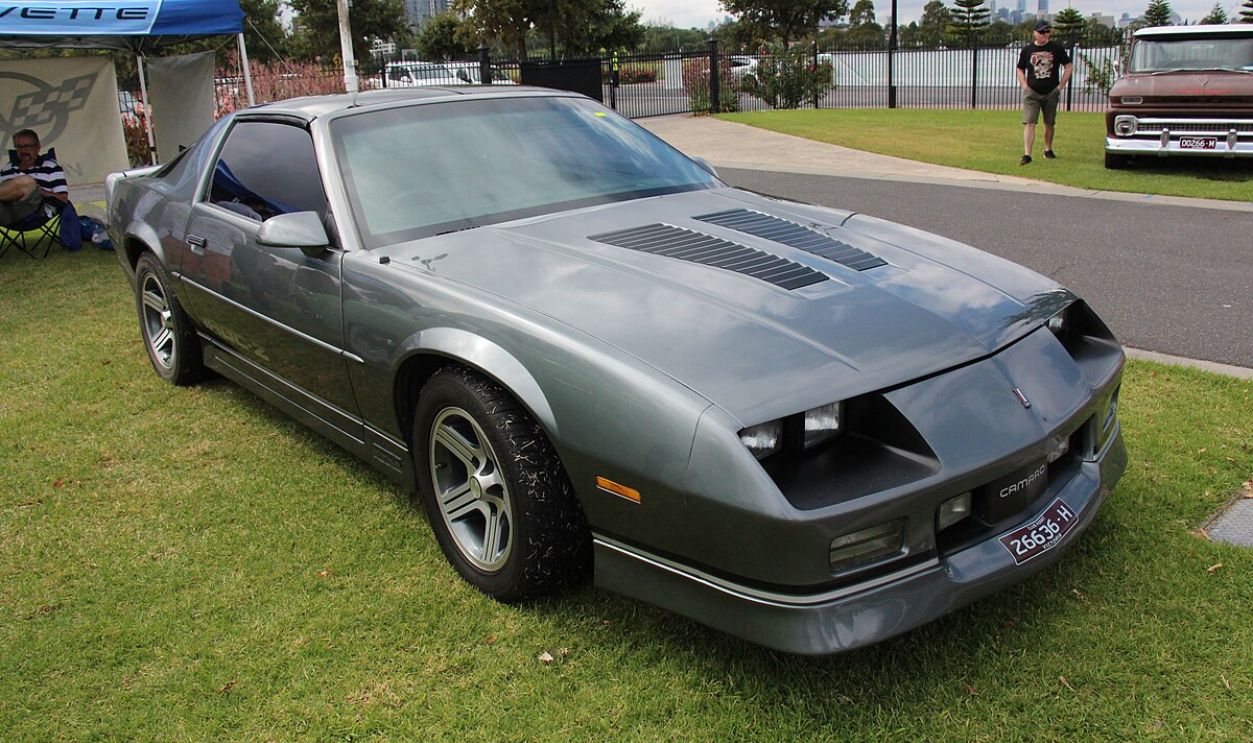 Sicnag, CC BY 2.0, Wikimedia Commons
Mazda Miata NA (1989) $13,800
When Mazda introduced the Miata, the lightweight 1.6-liter roadster revived a type of sports car many thought was gone forever. Its playful, simple mechanics and pop-up headlights made it an instant classic. Few 80s cars offer such reliable fun with this much charm.
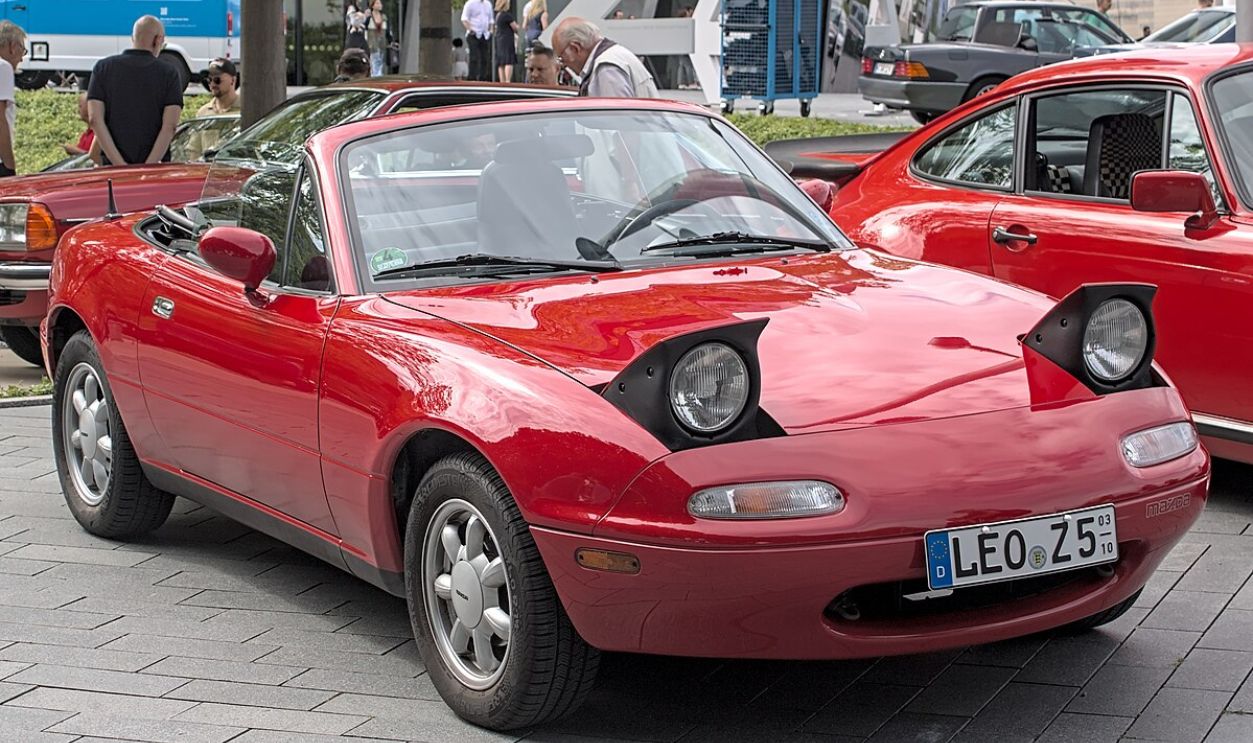 Alexander-93, CC BY-SA 4.0, Wikimedia Commons
Jaguar XJ-S V12 (1980s) $44,000
Luxury and long-distance comfort defined Jaguar’s V12-powered XJ-S, a grand tourer that quietly stayed in production from 1975 to 1996. The 5.3-liter V12 delivered effortless power, and a role in Return of the Saint helped the model gain recognition beyond traditional British-car circles.
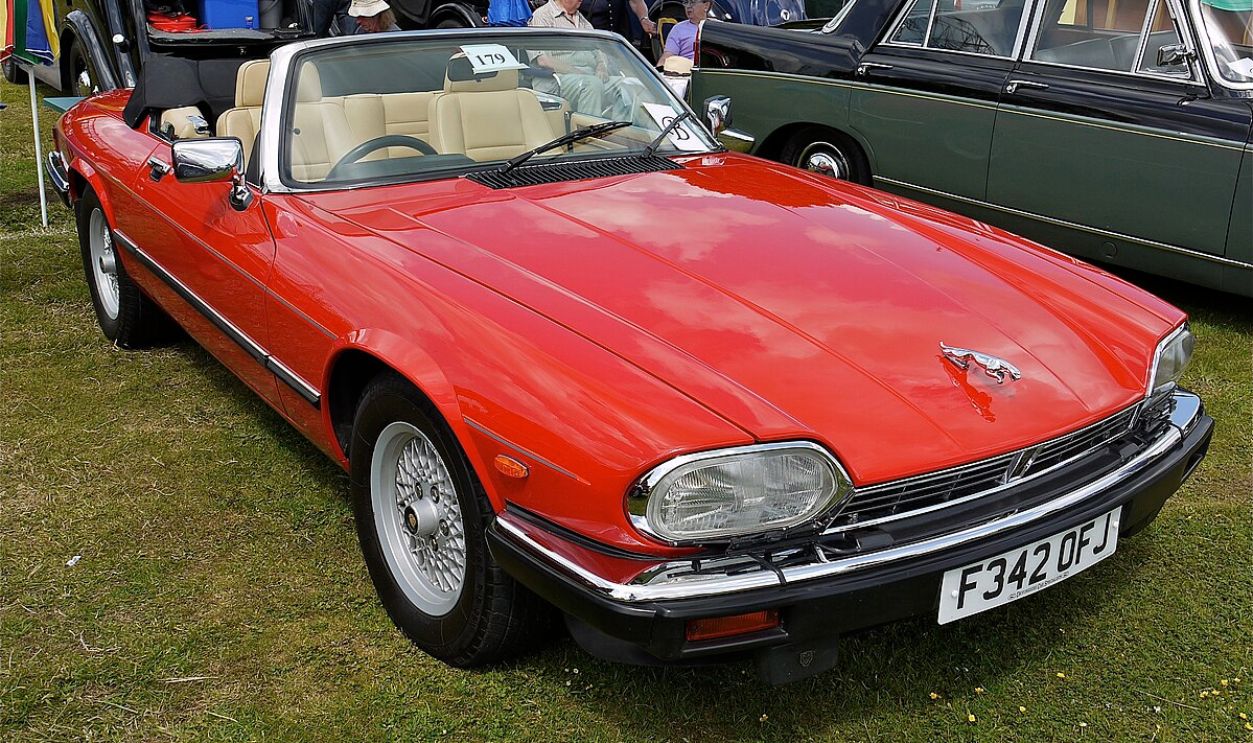 Mick, CC BY 2.0, Wikimedia Commons
Nissan/Datsun 280ZX Turbo (1981–1983) $20,800
Turbocharging arrived in the Z-car lineup with the 280ZX Turbo, a milestone for Nissan’s performance division. Its boosted inline-six offered strong straight-line pace, and the model even earned Motor Trend’s Import Car of the Year. Digital gauges made the interior feel distinctly futuristic for its time.
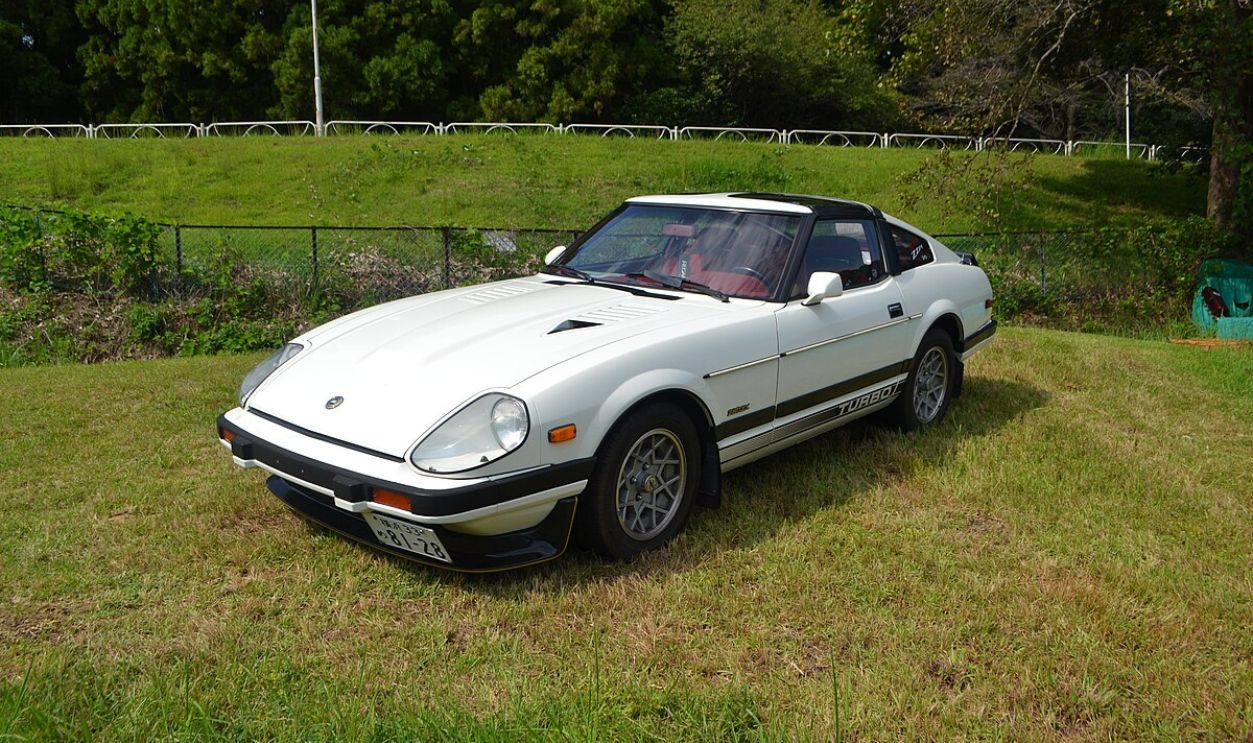 Follow the beginning of the past, CC0, Wikimedia Commons
Porsche 944 Turbo (1985–1989) $27,600
Performance didn’t have to come from a big engine, and the 944 Turbo proved it. Its 2.5-liter turbo four and near-perfect 50/50 balance made it one of Porsche’s best-handling cars of the era. Its sharp handling and balance boosted its reputation among 80s enthusiasts.
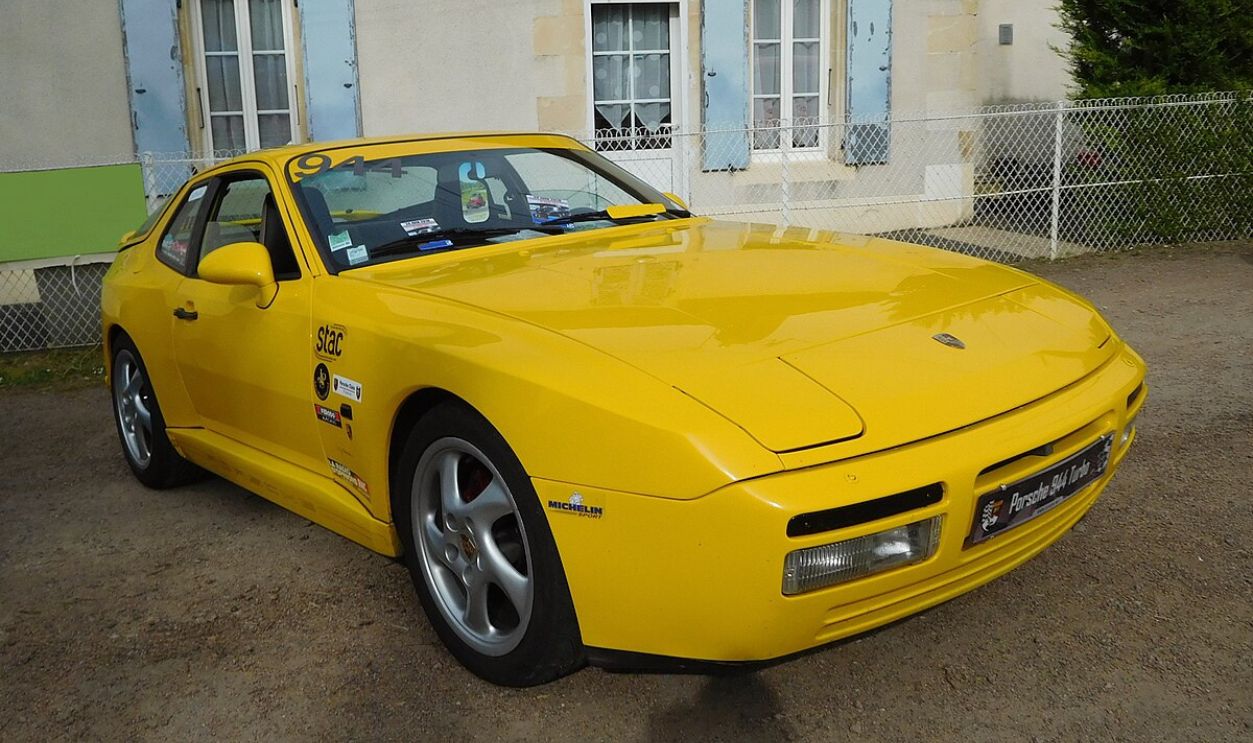 Cjp24, CC BY-SA 4.0, Wikimedia Commons
Lamborghini Countach 5000 QV (1985–1988) $654,000
Every kid who had a bedroom poster in the 80s probably knew this car. The 5000 QV version brought a 5.2-liter V12 and four valves per cylinder, giving the wedge-shaped icon even more attitude. Most buyers added the massive rear wing—even though it technically reduced top speed.
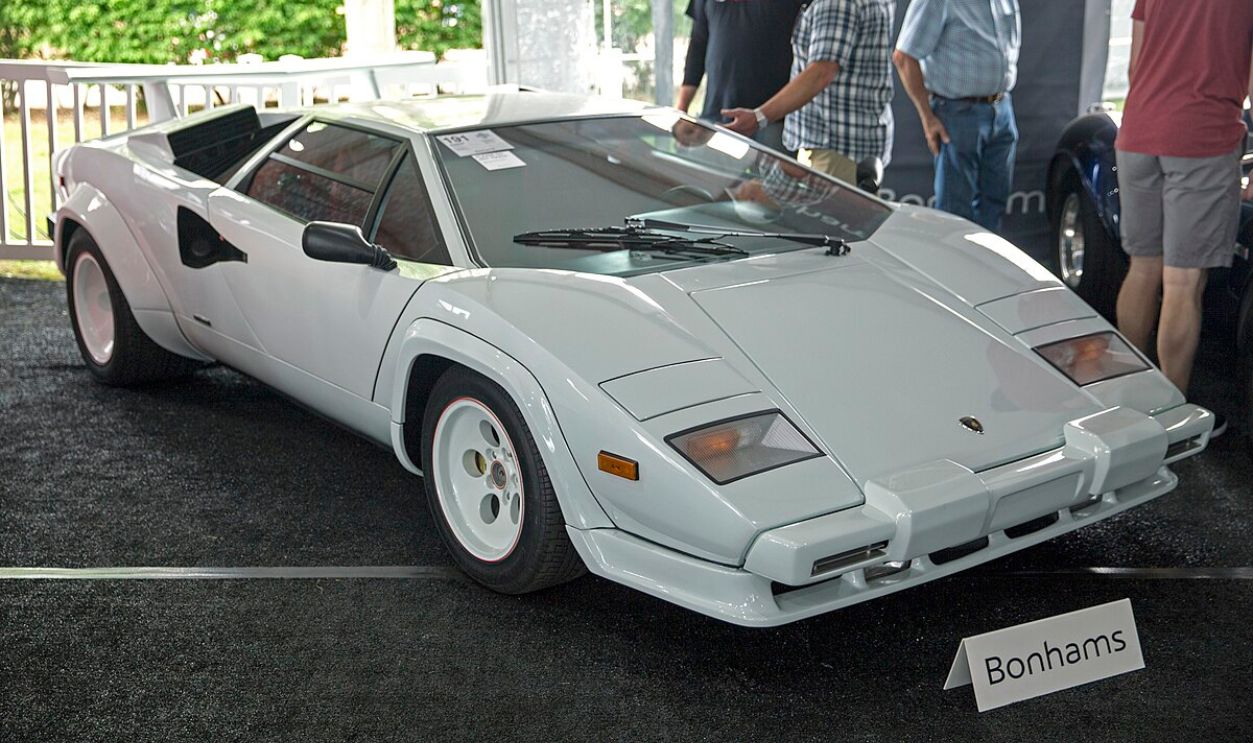 Mr.choppers, CC BY-SA 3.0, Wikimedia Commons
Ford Escort RS Turbo (1984–1986) $29,000–$35,000
Ford’s decision to build a limited-run turbocharged Escort created a cult favorite in the UK. Early models were famously offered only in white, and the 1.6-liter turbo engine delivered lively performance for its size. Local enthusiasts embraced it long before collectors realized its rarity.
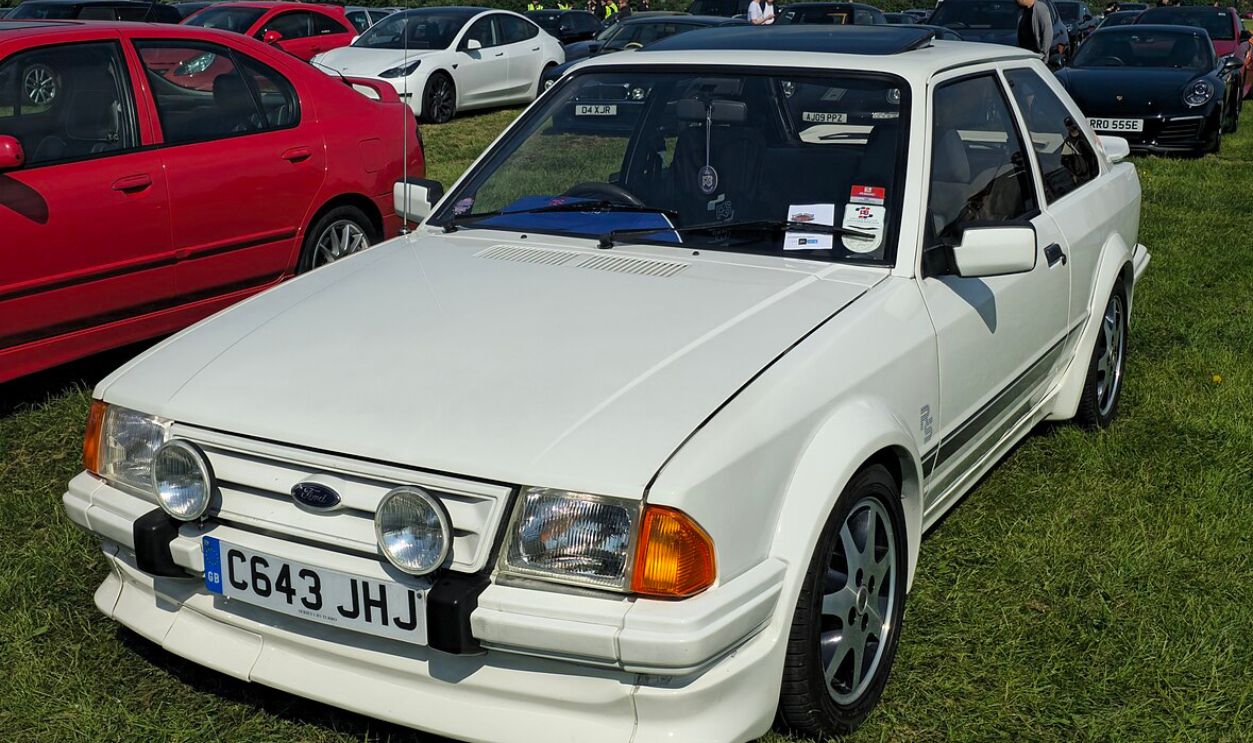 Calreyn88, CC BY-SA 4.0, Wikimedia Commons
Toyota MR2 AW11 (1984–1989) $17,932
Mid-engine balance wasn’t common in affordable cars, which is why the AW11 MR2 felt so special. Weighing around 2,300 pounds and packing rev-happy four-cylinder power, it quickly earned the “poor man’s Ferrari” nickname. It also became the first mid-engine production car from a Japanese manufacturer.
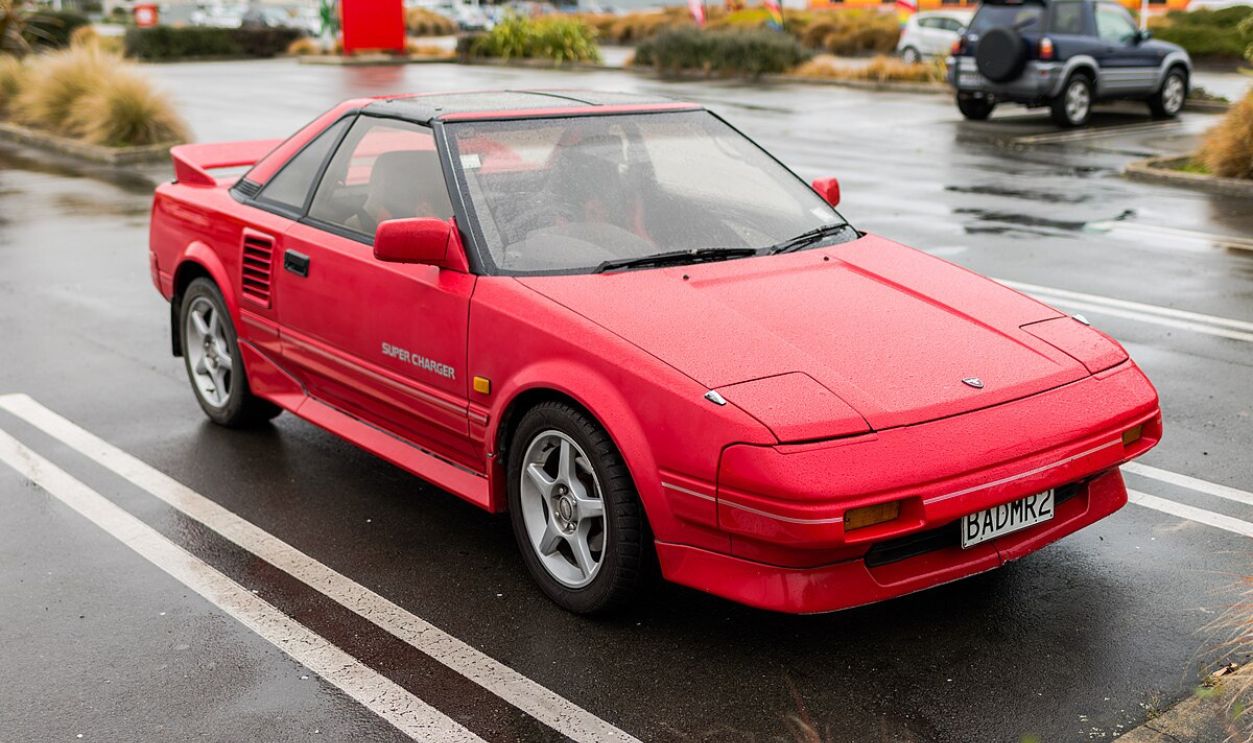 SealyPhoto, CC BY-SA 4.0, Wikimedia Commons
Saab 900 Turbo (1980s) $14,666
Its distinctive personality earned it a reputation as the thinking person’s car, which solidified its cultural footprint. Character mattered as much as speed in the Saab 900 Turbo. Its hatchback design and turbocharged four-cylinder attracted a devoted following—especially among writers and academics.
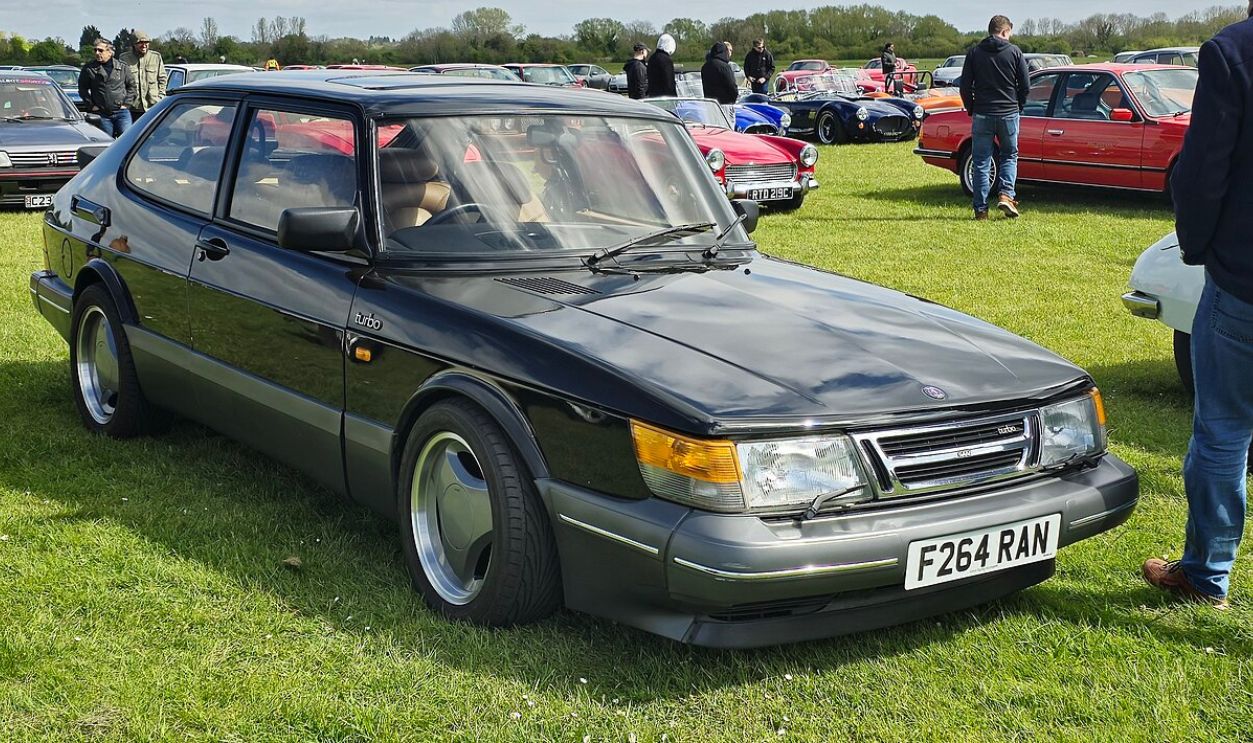 Calreyn88, CC BY-SA 4.0, Wikimedia CommonsChrysler Conquest/Mitsubishi Starion (1982–1989) $11,500
Widebody versions of the Conquest/Starion turned heads instantly, and the turbocharged four-cylinder backed up the dramatic look. In Japan, it carried the nickname “Star Machine”. The chassis gained a second life in grassroots racing, where owners appreciated its balance and tunability.
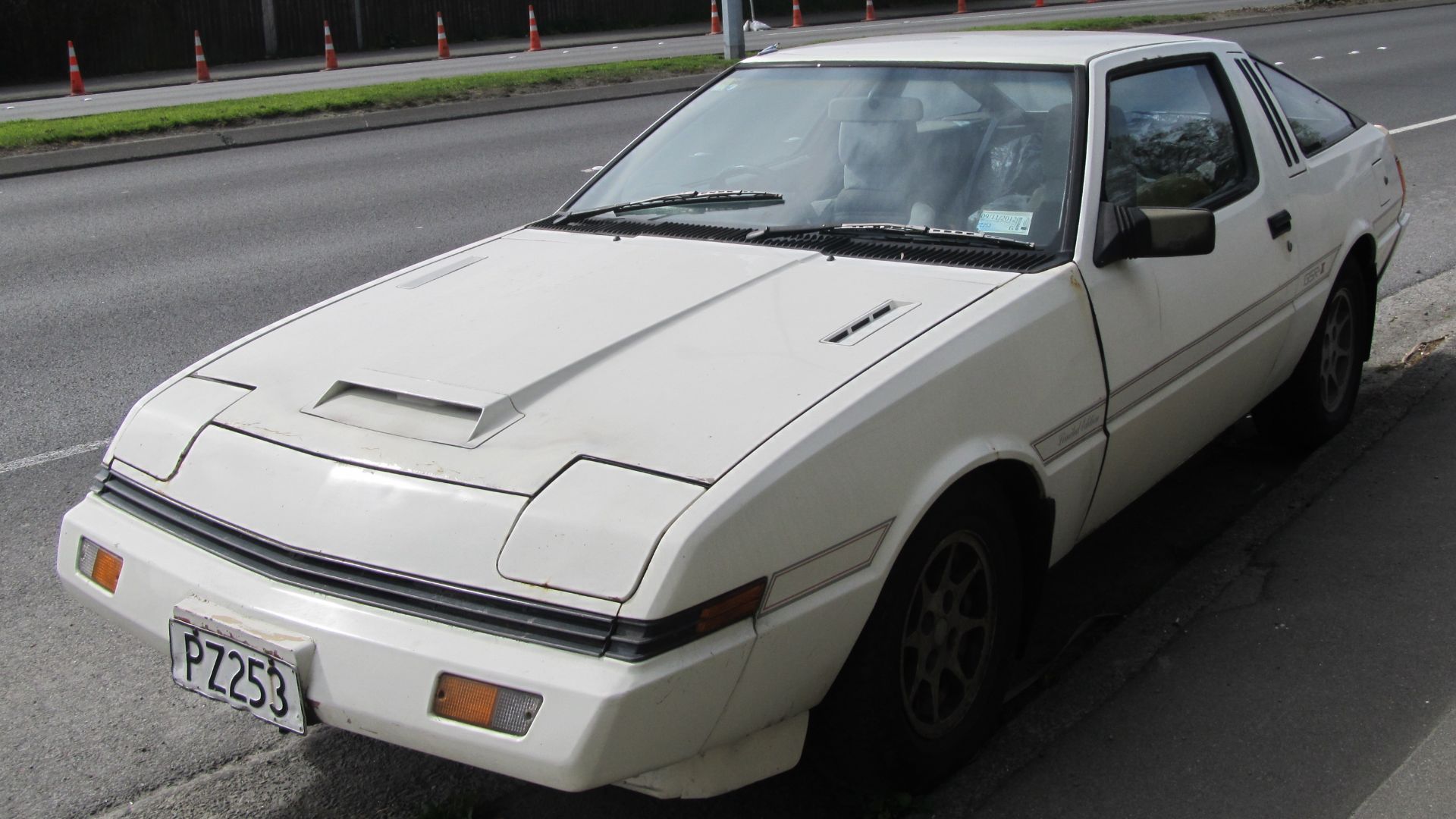 Riley from Christchurch, New Zealand, Wikimedia Commons
Alfa Romeo Spider Graduate (1980s) $13,495
A classic roadster feel defined the Spider Graduate, powered by a 2.0-liter four-cylinder that favored charm over brute force. Its name honored The Graduate, where Dustin Hoffman drove an earlier version. Affordable pricing in the 80s made it a common entry point into the Alfa Romeo world.
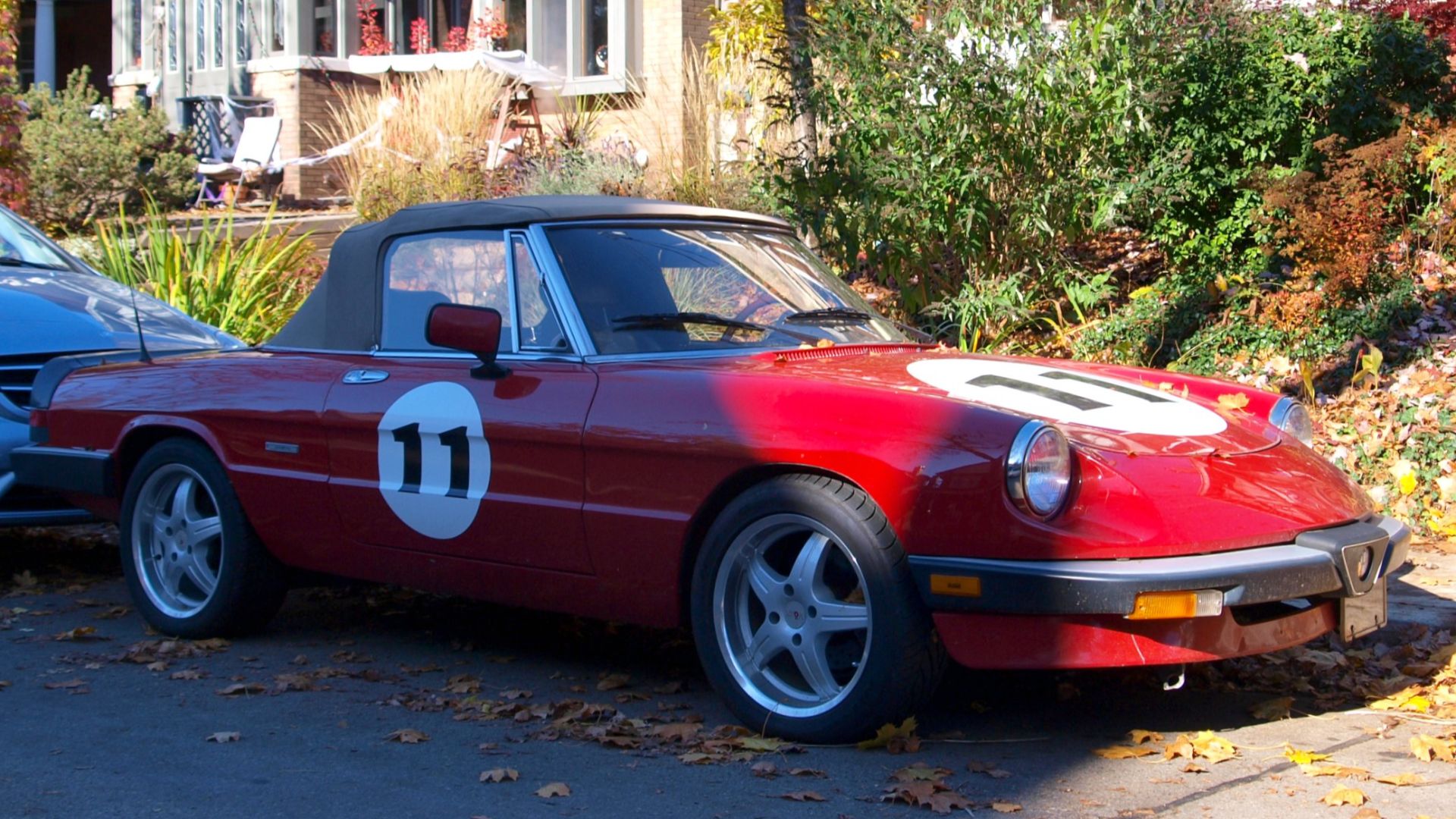 Michael Gil from Calgary, AB, Canada, Wikimedia Commons
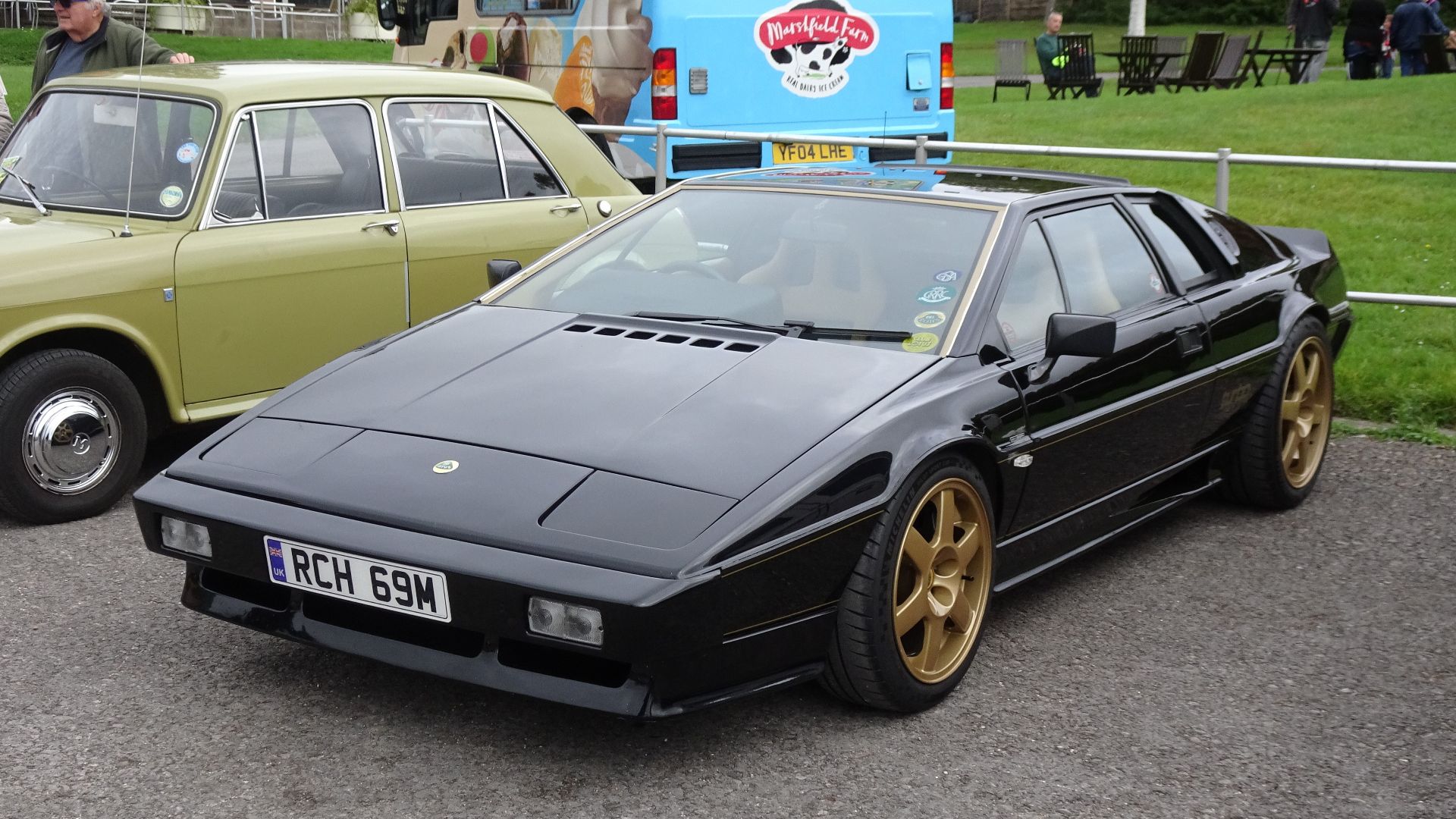
Lotus Esprit Turbo (1980s) $30,000
Sharp wedge styling wasn’t the Esprit Turbo’s only draw—the fiberglass body and 2.2-liter turbo engine gave it genuine lightweight performance. Its appeal only grew as drivers discovered a uniquely precise, almost surgical feel that set it apart from heavier, more conventional rivals.
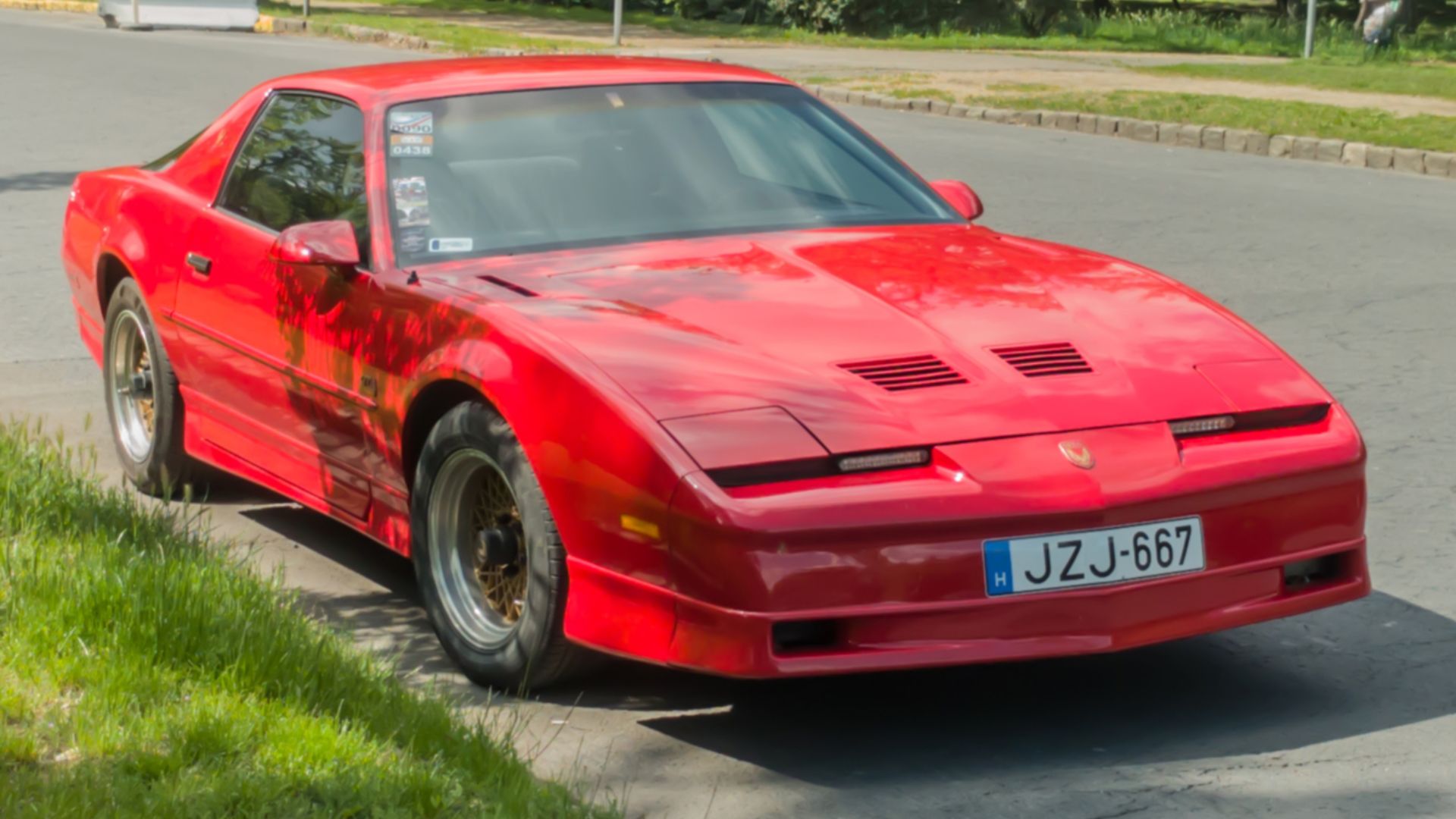
Pontiac Trans Am GTA (1987–1989) $12,500
Muscle came with refinement in the Trans Am GTA, especially with the optional 5.7-liter V8 under the hood. As a high-performance trim, it appealed to drivers who wanted more than straight-line speed. Its connection to the Knight Rider fame of the Trans Am platform didn’t hurt either.
 Johannes Maximilian, Wikimedia Commons
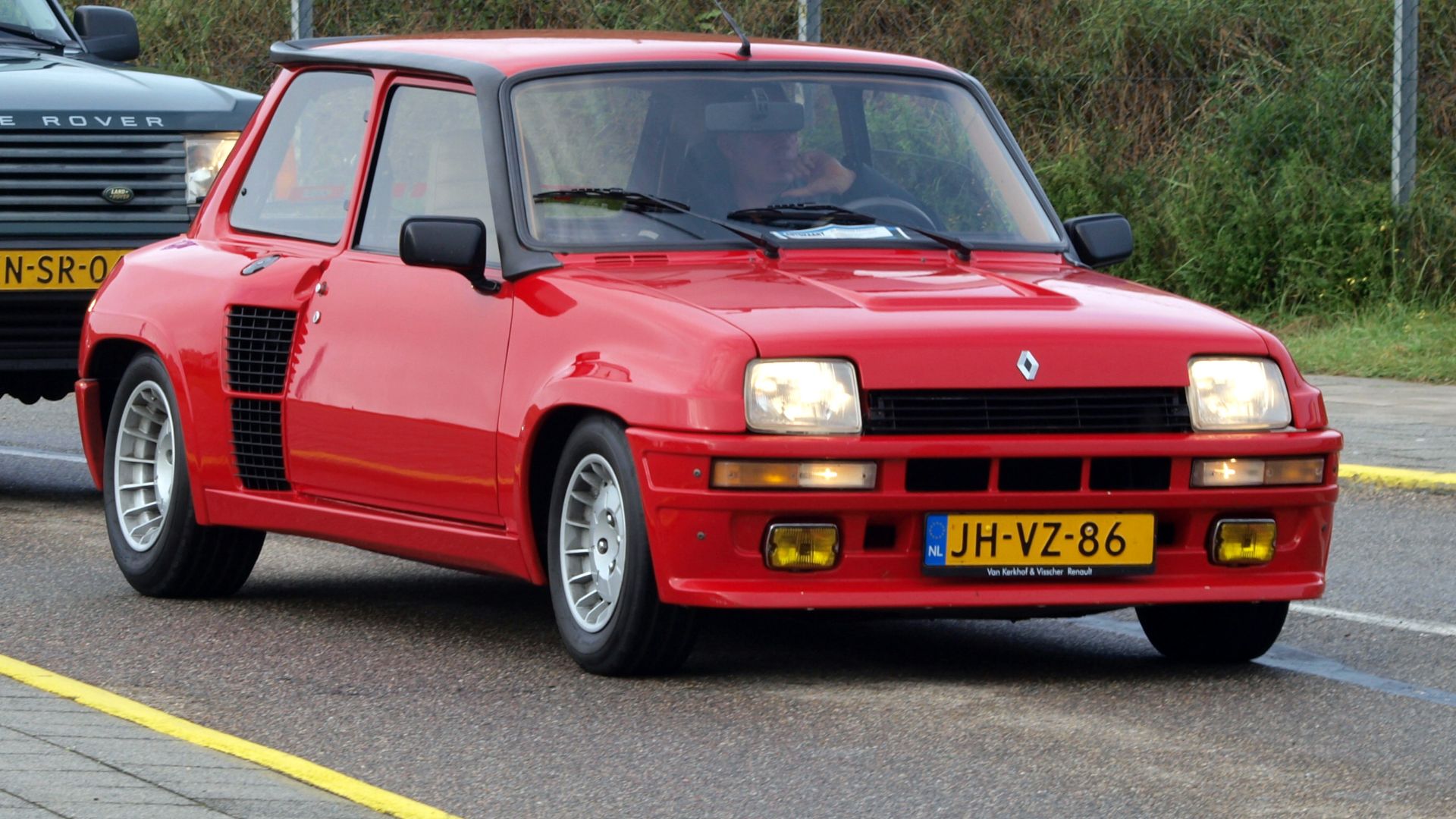
Renault 5 Turbo (1980–1986) $30,000
Nothing about the Renault 5 Turbo followed small-car conventions. The engine sat in the middle, the body was dramatically widened, and the whole package existed purely for rally homologation. Its 1981 Monte Carlo Rally victory proved the concept worked—and earned it the affectionate nickname “Supercinq”.
 Alf van Beem, Wikimedia Commons

.jpg)
.jpg)

.jpg)


.jpg)
_IMG_0206.jpg)

.jpg)


