Metal Meets Art
The smell of gasoline, the gleam of polished chrome, and engines that roar like wild beasts—classic cars carry a story beyond speed. Every curve and badge whispers decades of design obsession and racing dreams.
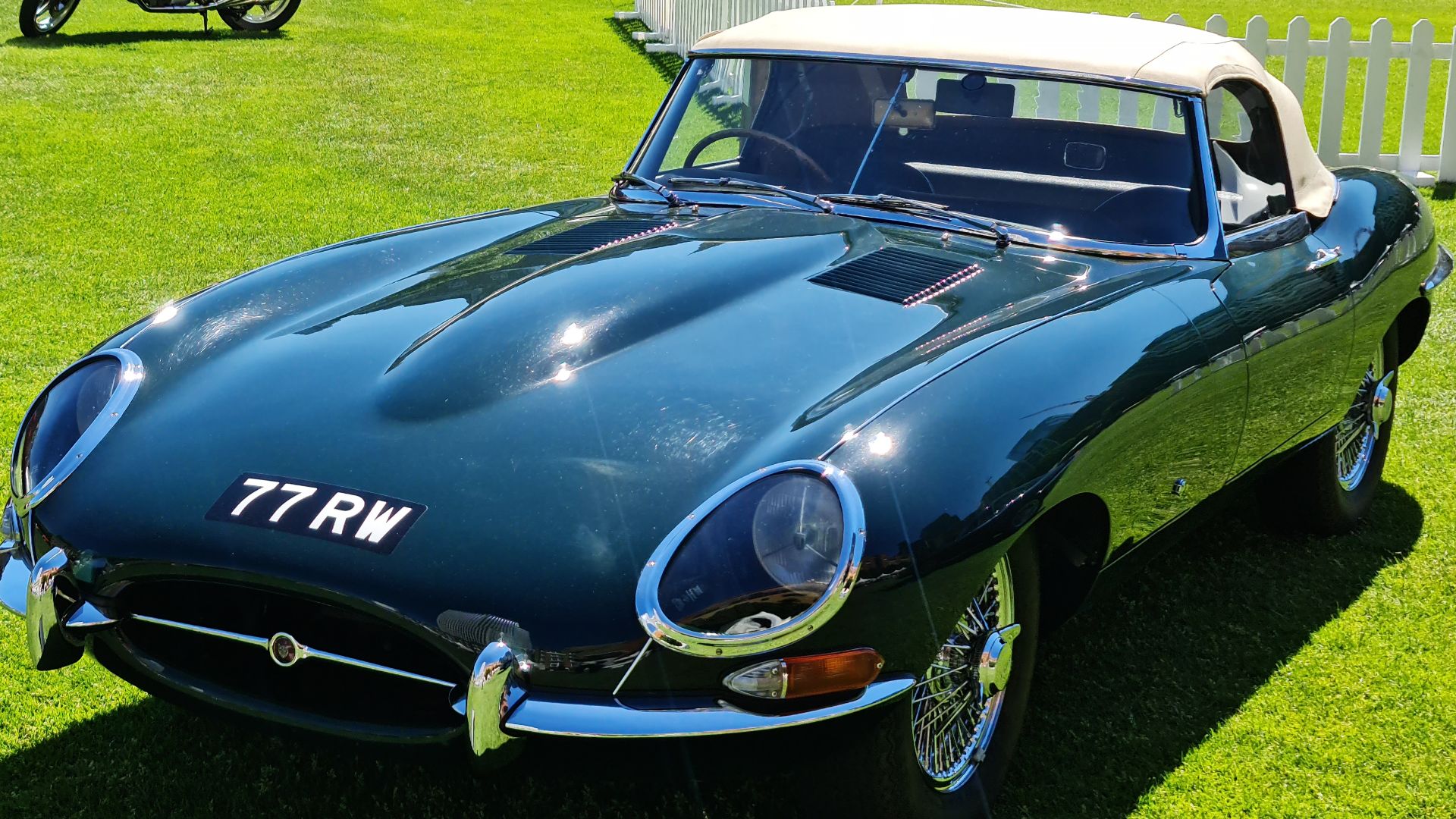
Jaguar E-Type
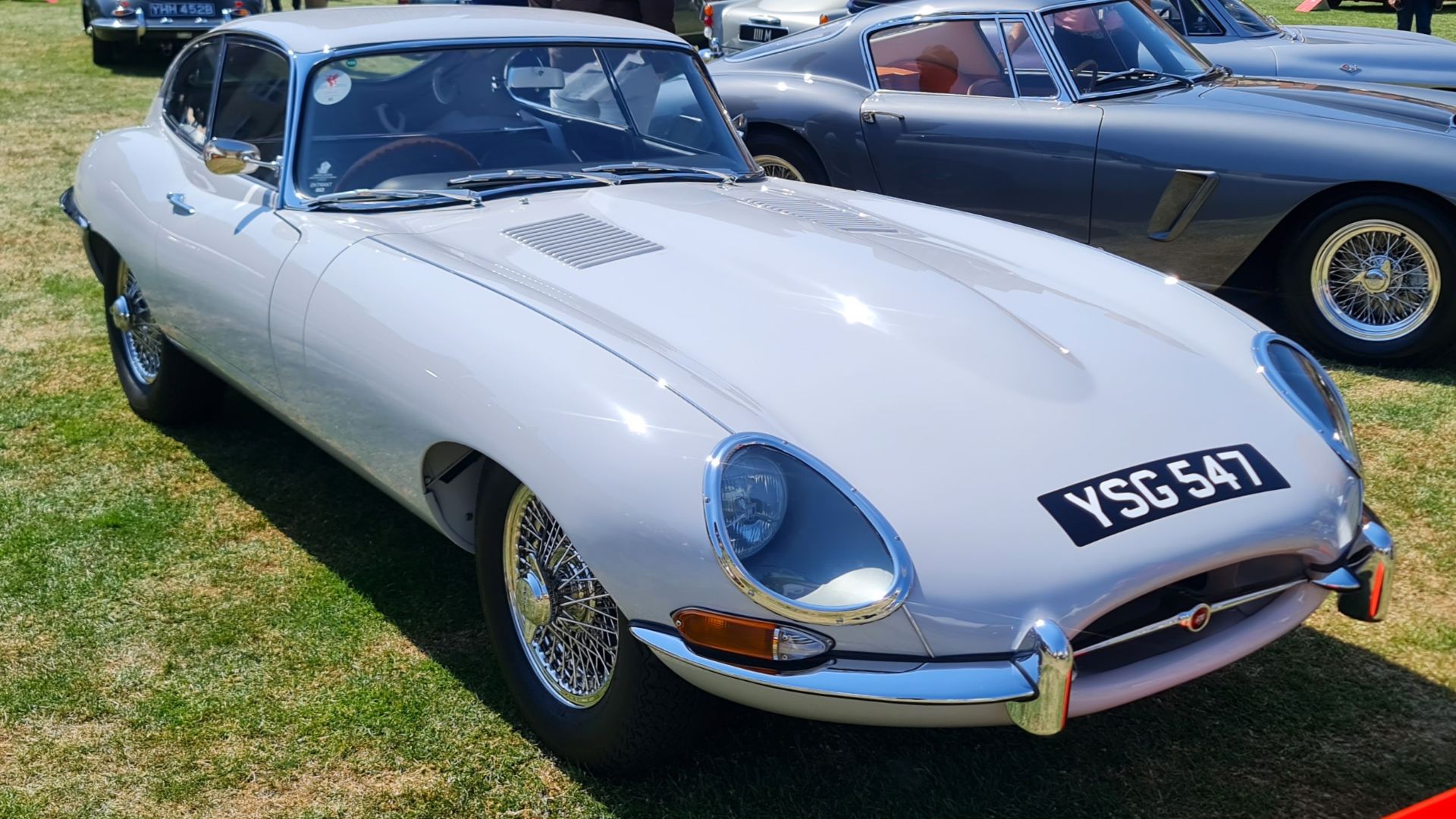
Enzo Ferrari himself called it "the most beautiful car ever made" when the Jaguar E-Type debuted at the Geneva Motor Show in 1961. This wasn't mere hyperbole—the car's impossibly long hood, perfectly proportioned curves, and feline stance created an automotive silhouette that belongs in art museums as much as in garages.
Jaguar E-Type (Cont.)
Even today, the E-Type's design language continues to influence modern vehicles across the industry. Capable of reaching 150 mph when most family cars struggled to hit 70, the beast packed racing technology into a road car at a fraction of Ferrari's prices.
Ferrari 250 GTO
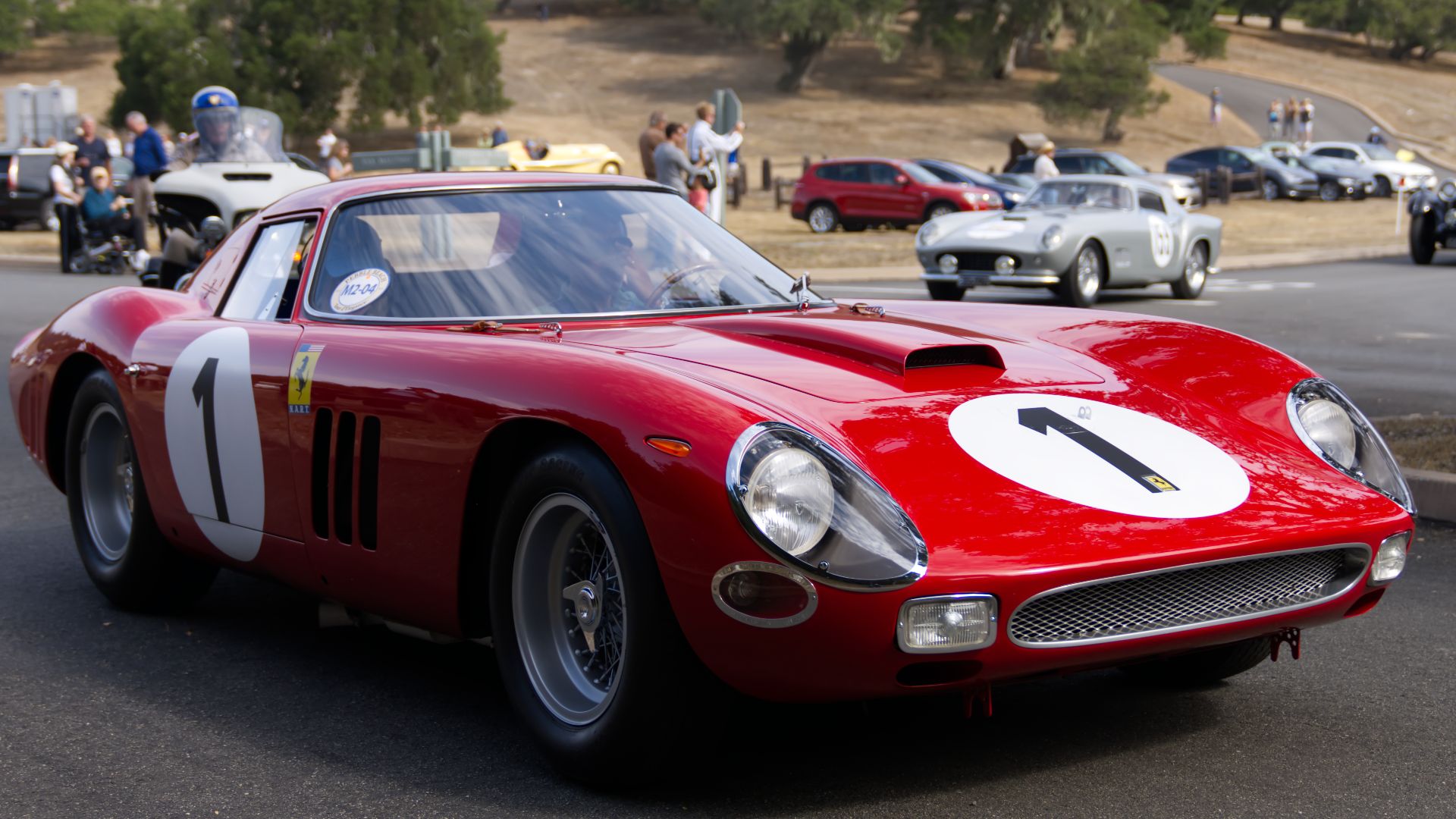
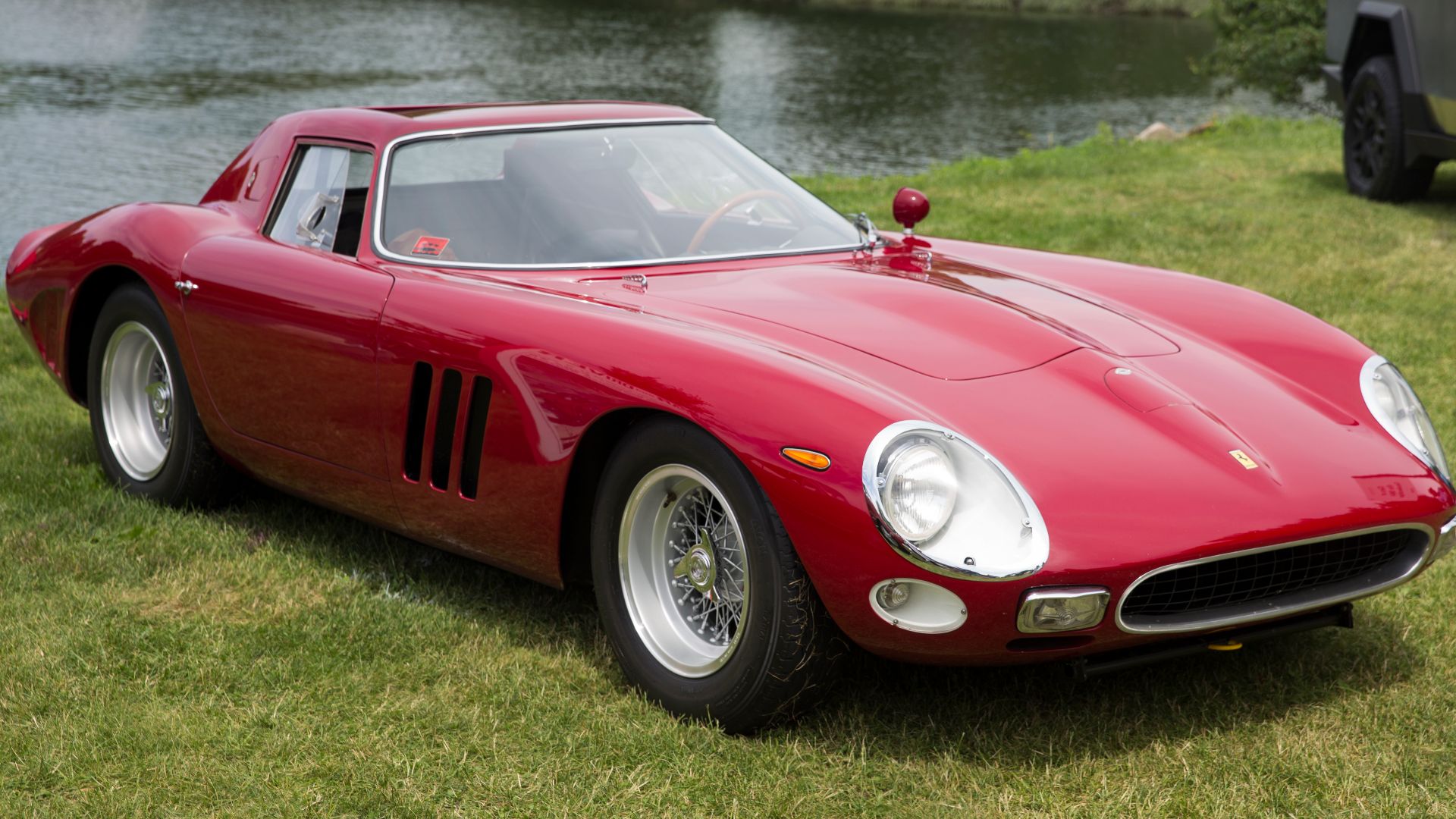
Around 36 examples of the Ferrari 250 GTO were ever produced between 1962 and 1964, building an exclusivity that has driven auction prices to astronomical heights—with one example even selling for over $70 million in a private sale.
 Guy Churchward, Wikimedia Commons
Ferrari 250 GTO (Cont.)
This rarity, combined with its racing pedigree and the mystique of the Ferrari brand, has cemented the 250 GTO as perhaps the ultimate collector's car. Each surviving example is meticulously documented, with its whereabouts closely tracked by enthusiasts worldwide.
 Mr.choppers, Wikimedia Commons
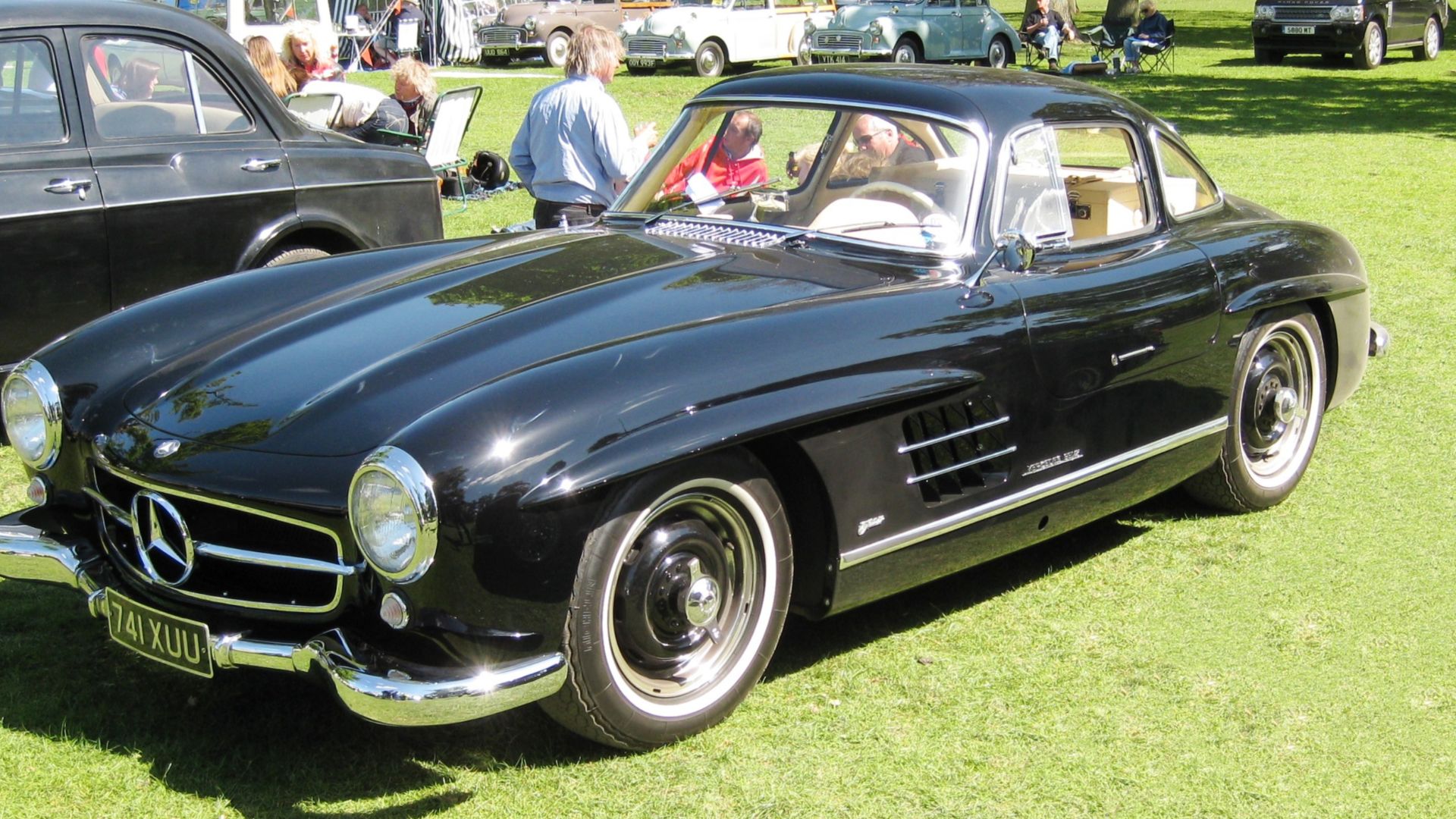
Mercedes-Benz 300SL Gullwing
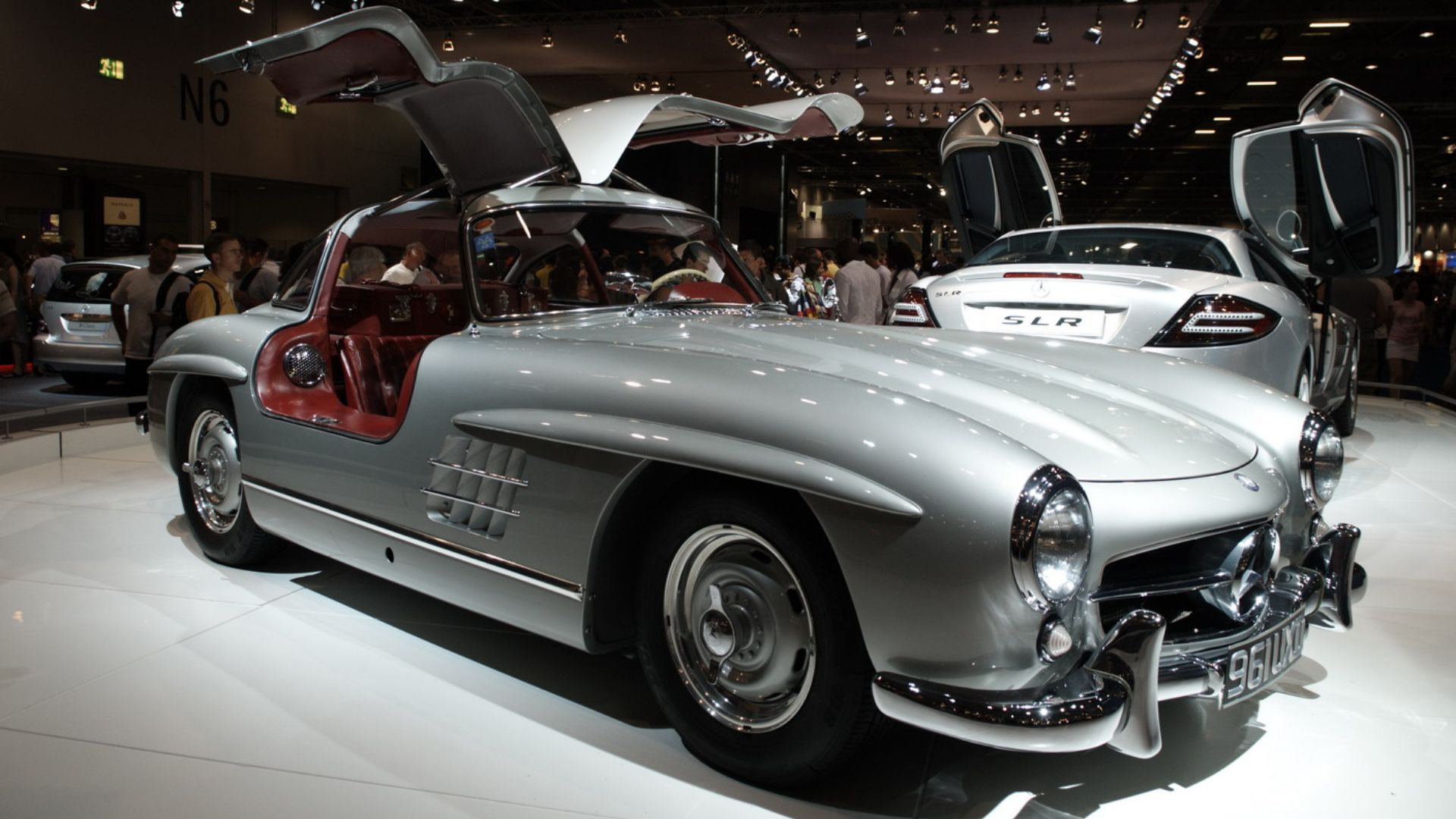
Those iconic upward-opening doors were a necessary engineering solution. The 300SL's tubular frame chassis required high sills, making conventional doors impossible, so Mercedes engineers made the now-legendary gullwing design. This solution turned a technical challenge into the car's most distinctive feature.
 Gerard McGovern from London, United Kingdom, Wikimedia Commons
Mercedes-Benz 300SL Gullwing (Cont)
The 300SL was the fastest production car of its time, capable of 160 mph. Mercedes built around 1,400 of these technological marvels. The first direct fuel-injection system in a production car pumped fuel into the 3.0-liter straight-six engine, producing 215 horsepower when most sports cars offered half that figure.
Shelby Cobra
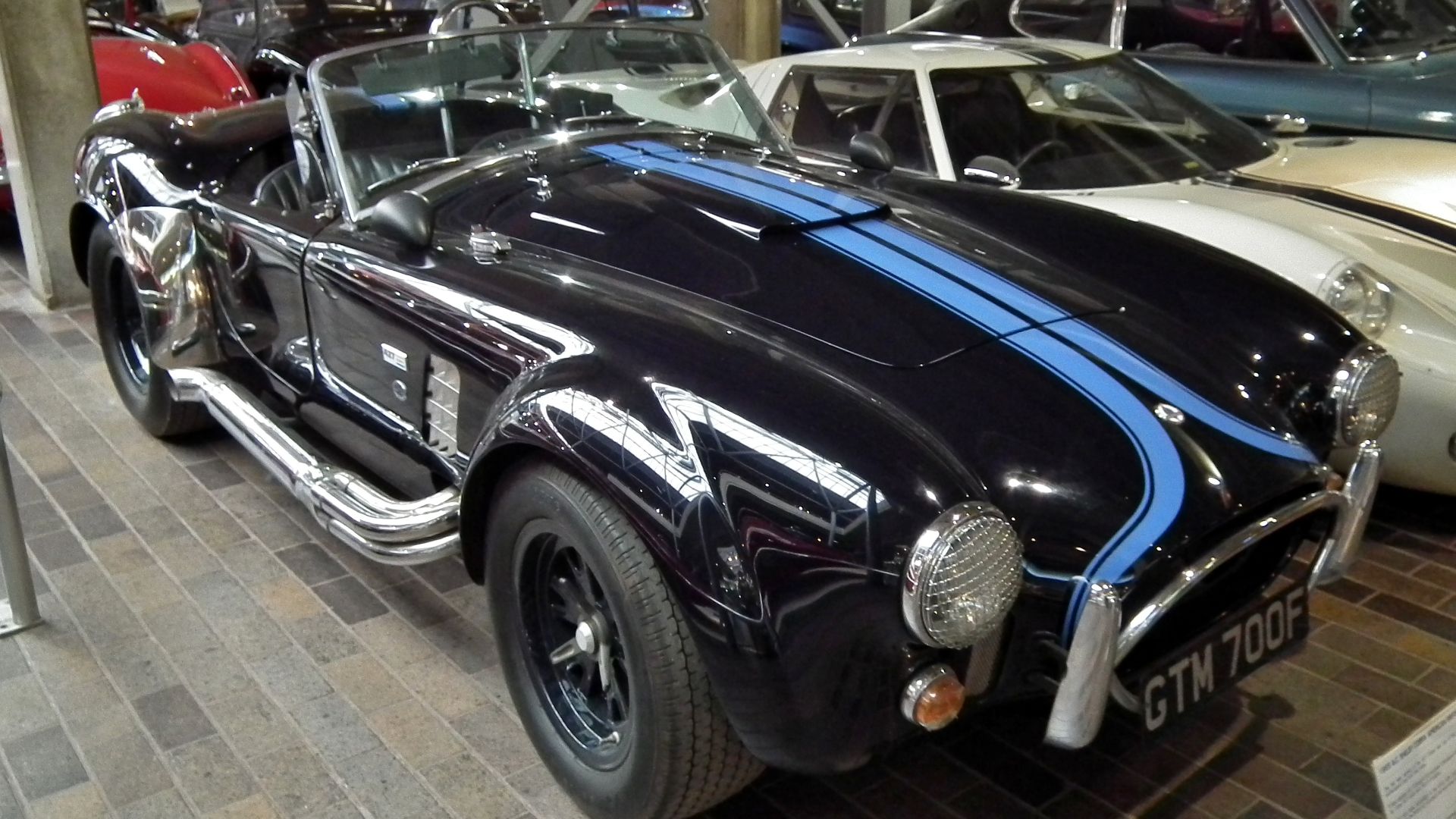
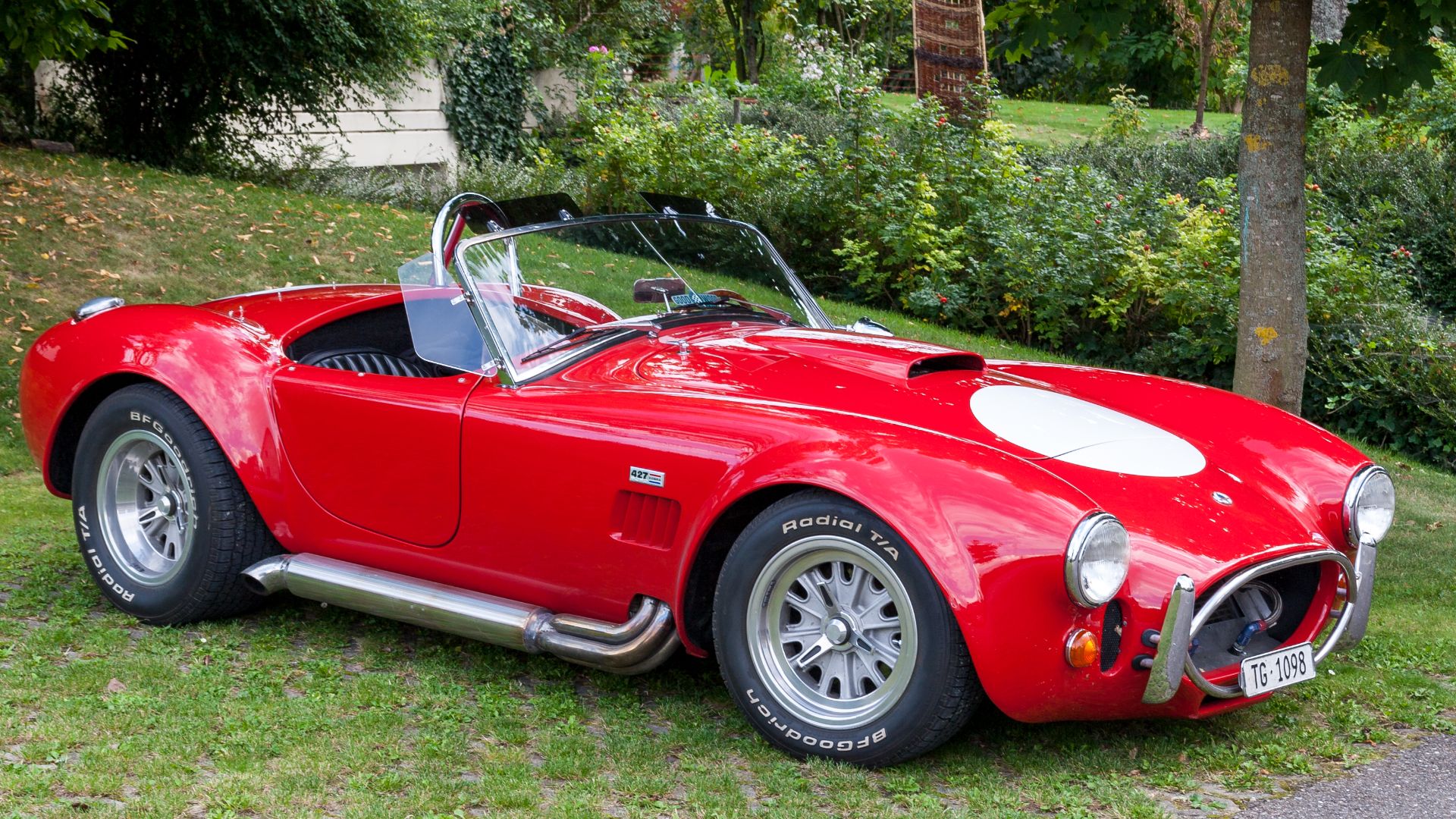
Carroll Shelby's vision created automotive history when he stuffed a Ford V8 engine into the lightweight British AC Ace chassis. The most sought-after version, the 427 Cobra, paired a massive 7.0-liter Ford engine with a featherweight body, creating a power-to-weight ratio that remains impressive even by today's standards.
Shelby Cobra (Cont.)
Original examples now command prices upwards of $2 million. The raw, visceral driving experience of a Cobra cannot be replicated in modern vehicles. With minimal electronics, no driver aids, and essentially a massive American heart in a tiny British body, the Cobra represents automotive purity in its most extreme form.
 JoachimKohler-HB, Wikimedia Commons
Chevrolet Corvette Sting Ray
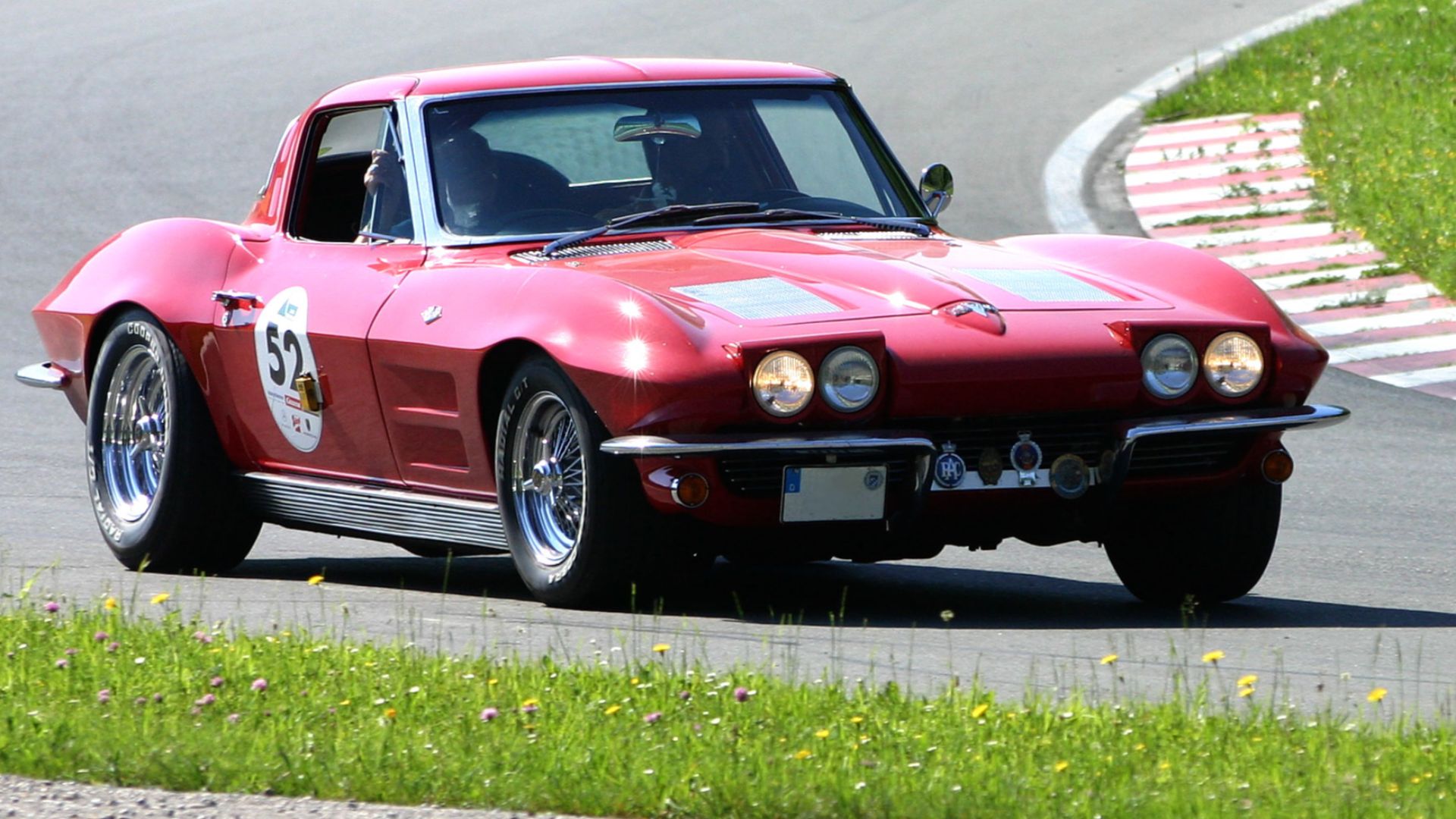
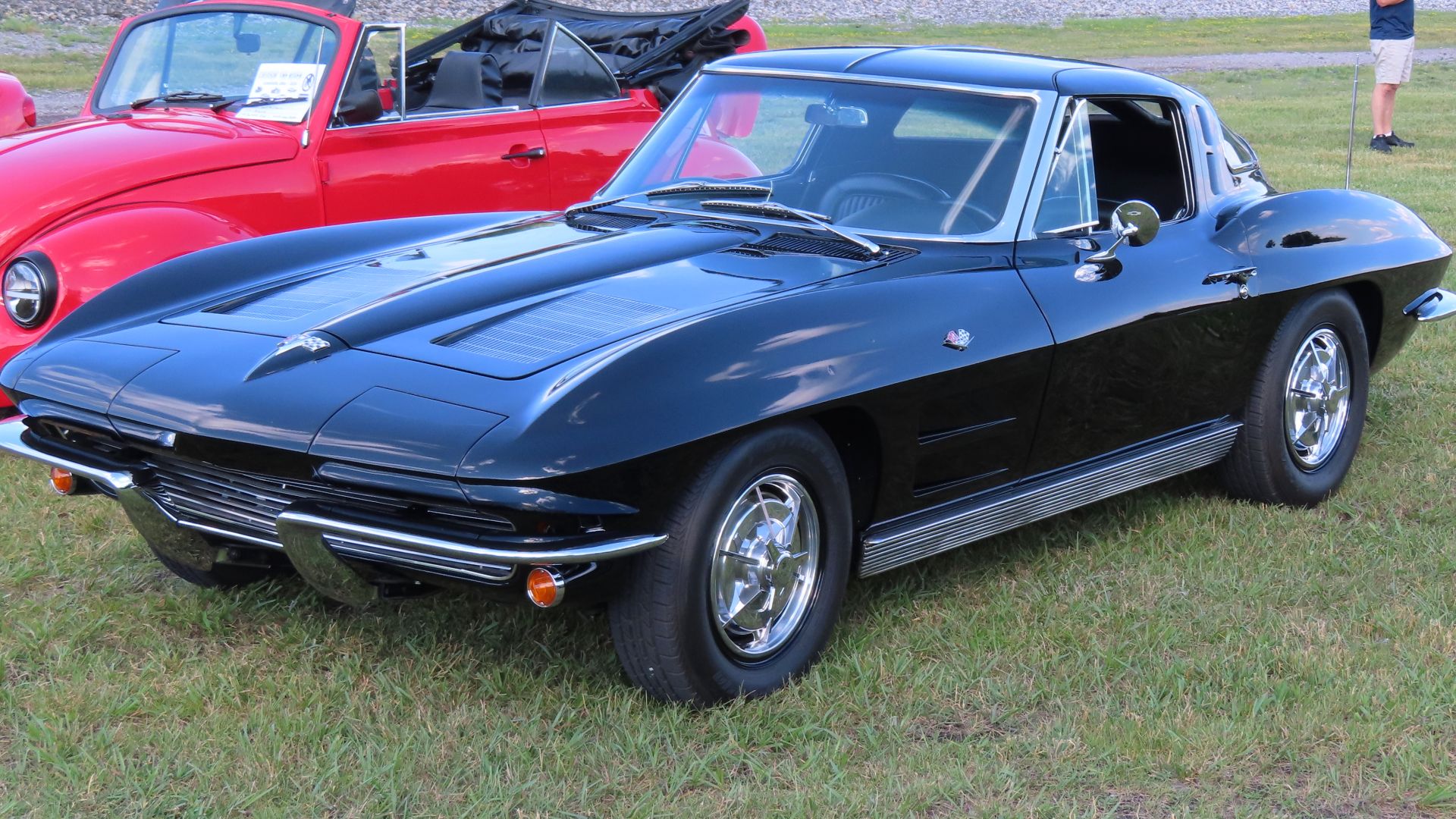
That split-window design of the 1963 Corvette Sting Ray coupe lasted for just one model year, making it one of the most distinctive and collectible American cars ever produced. Designer Bill Mitchell drew inspiration from a mako shark he caught while deep-sea fishing.
 Softeis~commonswiki, Wikimedia Commons
Chevrolet Corvette Sting Ray (Cont.)
Though the split window was controversial even within GM (engineers complained about rear visibility), today it's considered the holy grail of Corvette collecting. America's answer to European sports cars, the second-generation Corvette introduced in 1963 finally gave the model the handling to match its straight-line speed.
 MercurySable99, Wikimedia Commons
Ford Mustang GT500
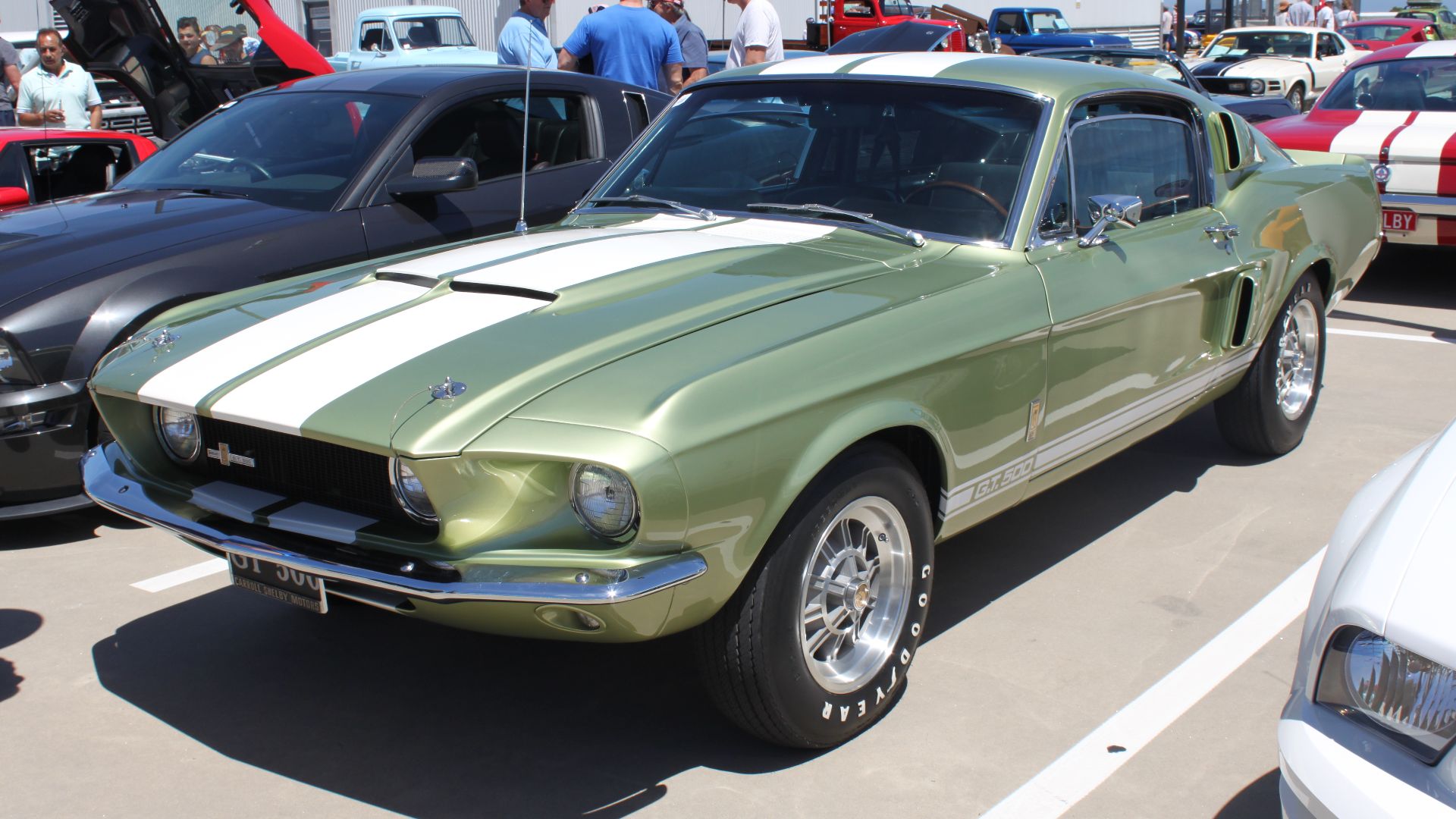
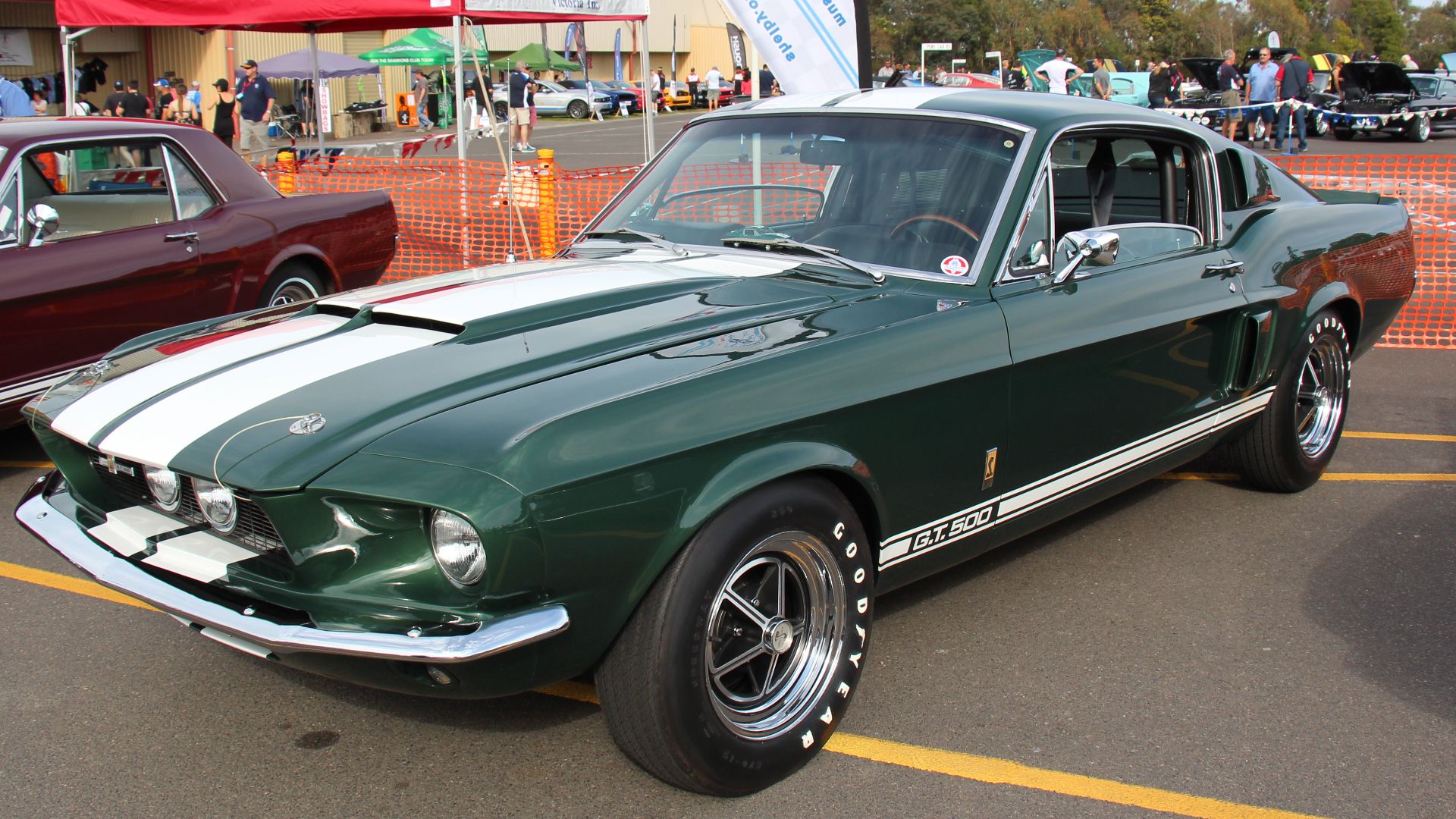
"Eleanor" from the 2000 film Gone in 60 Seconds introduced an entire new generation to the mystique of the Shelby GT500. The 1967 model stands as the perfect evolution of the pony car concept, taking the Mustang's accessible performance and elevating it to supercar levels.
 Jeremy from Sydney, Australia, Wikimedia Commons
Ford Mustang GT500 (Cont.)
Carroll Shelby's touch converted Ford's affordable sports car into a fire-breathing monster with racing credentials. The original GT500 was equipped with a huge 428 cubic-inch (7.0-liter) Police Interceptor V8 under its lengthened fiberglass hood.
Porsche 911
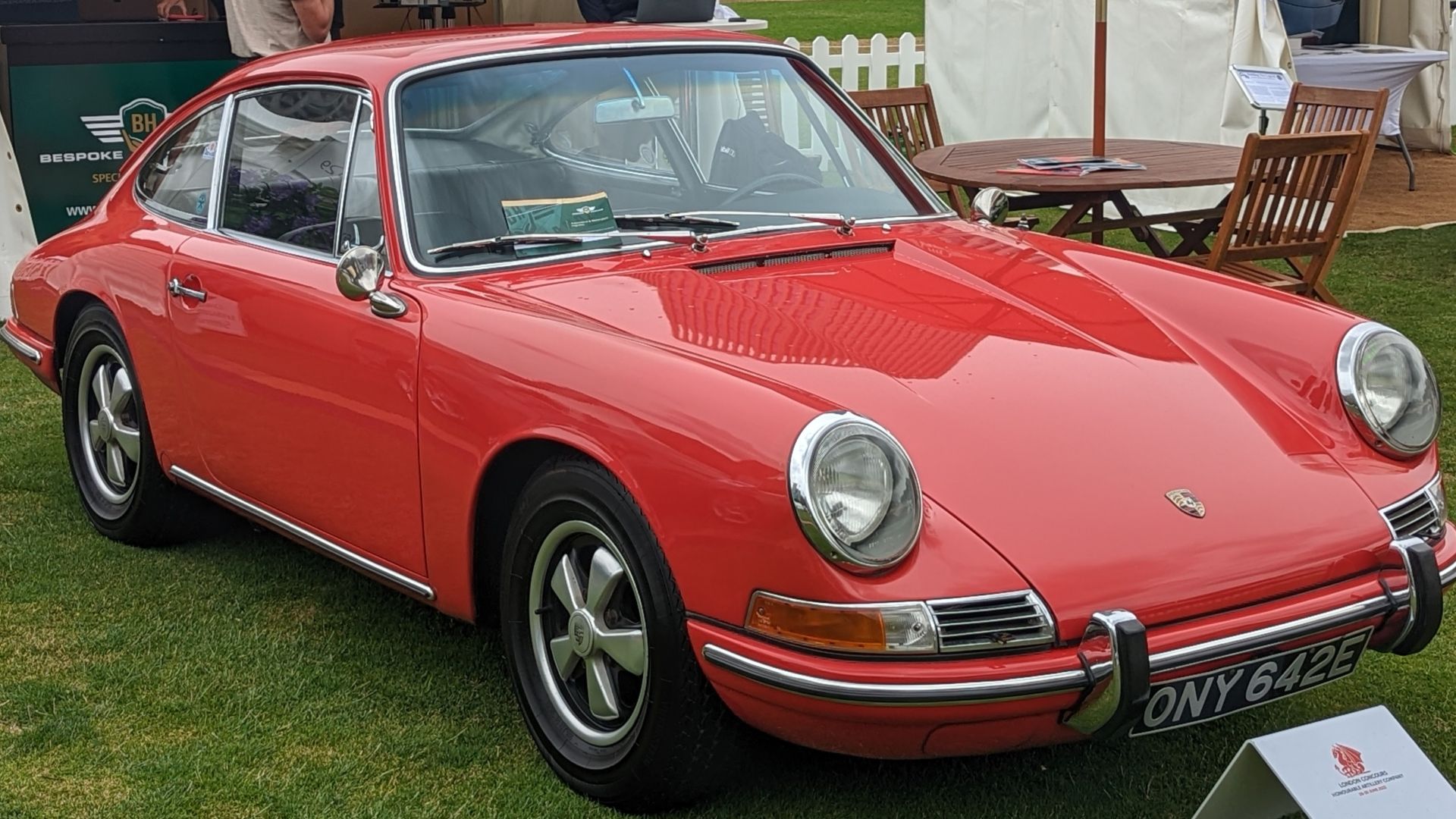
Few automotive designs have remained as instantly recognizable across six decades as the Porsche 911. When Ferdinand "Butzi" Porsche penned the original 901 (later renamed 911) in 1963, he crafted a superb silhouette. The rear-engine layout was once considered quirky and potentially dangerous.
Porsche 911 (Cont.)
Over time, it has been refined into Porsche's signature engineering approach. What makes the early 911 models particularly special is their purity of purpose. Unlike modern vehicles laden with electronic aids and creature comforts, these machines offered a direct, unfiltered connection between driver and road.
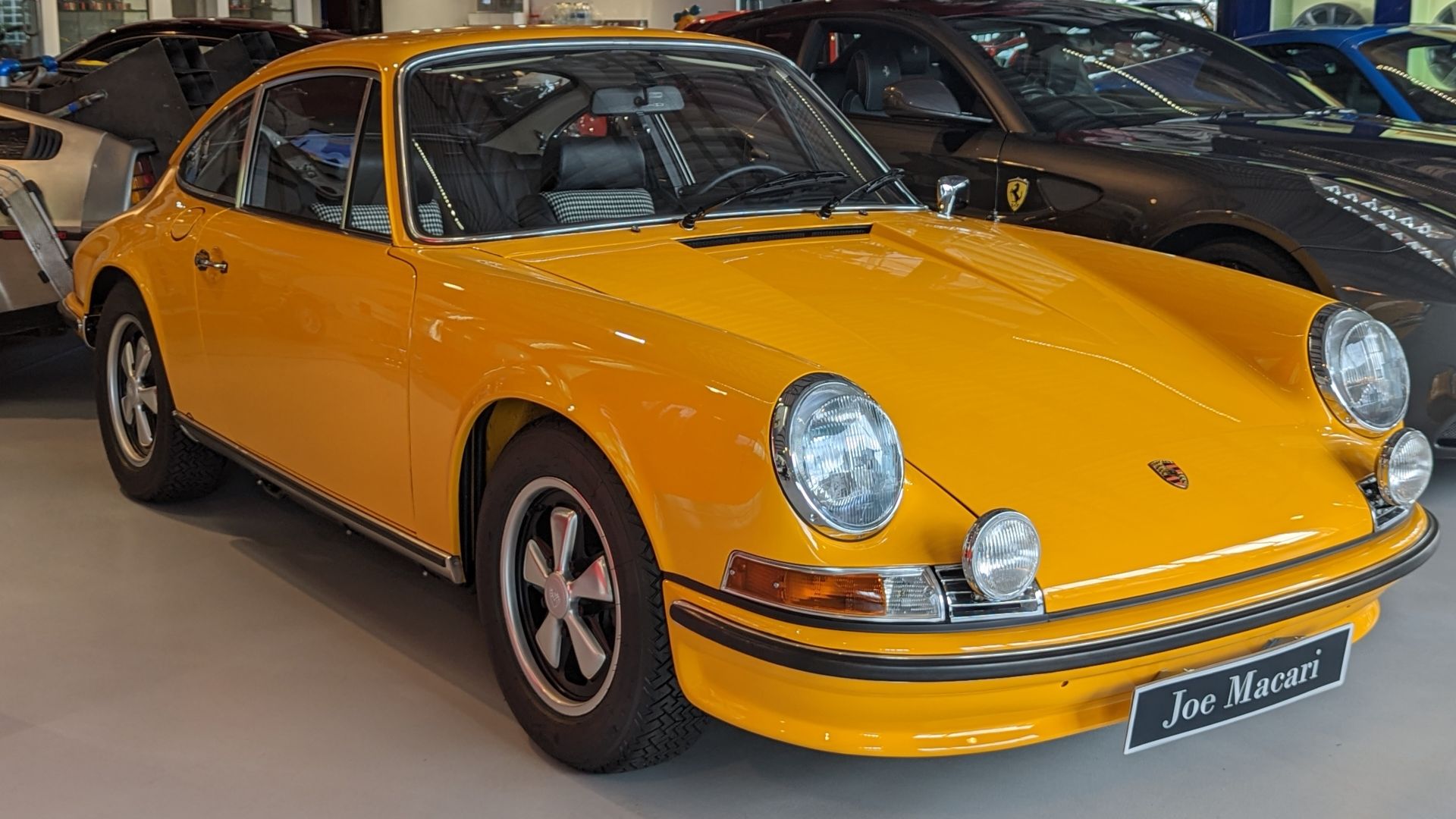
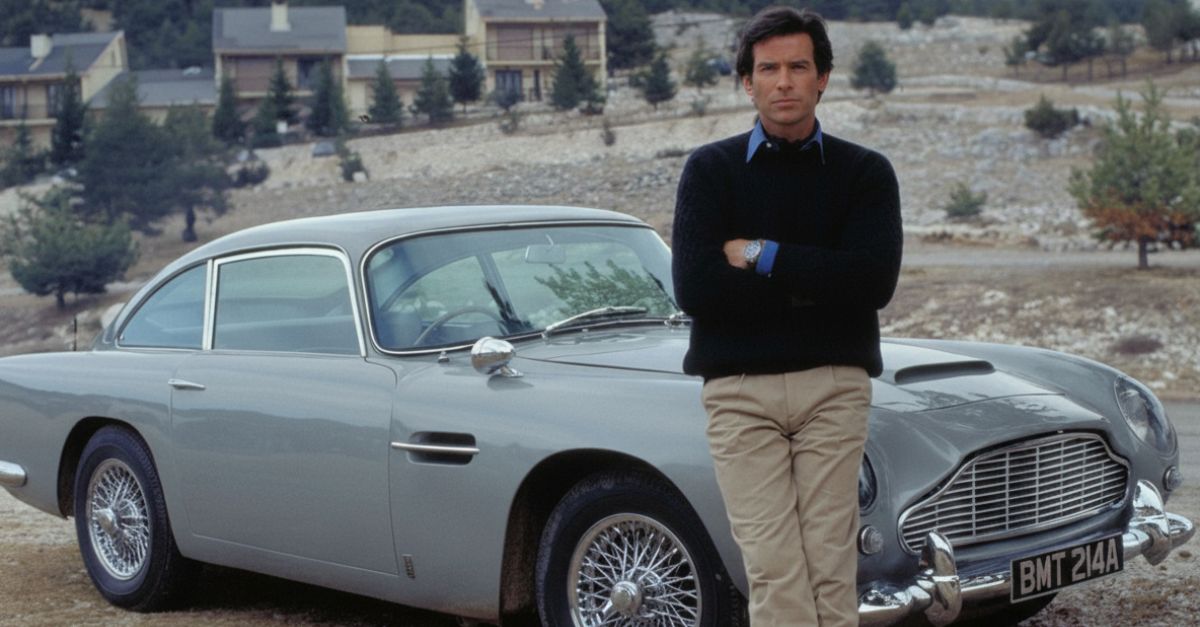
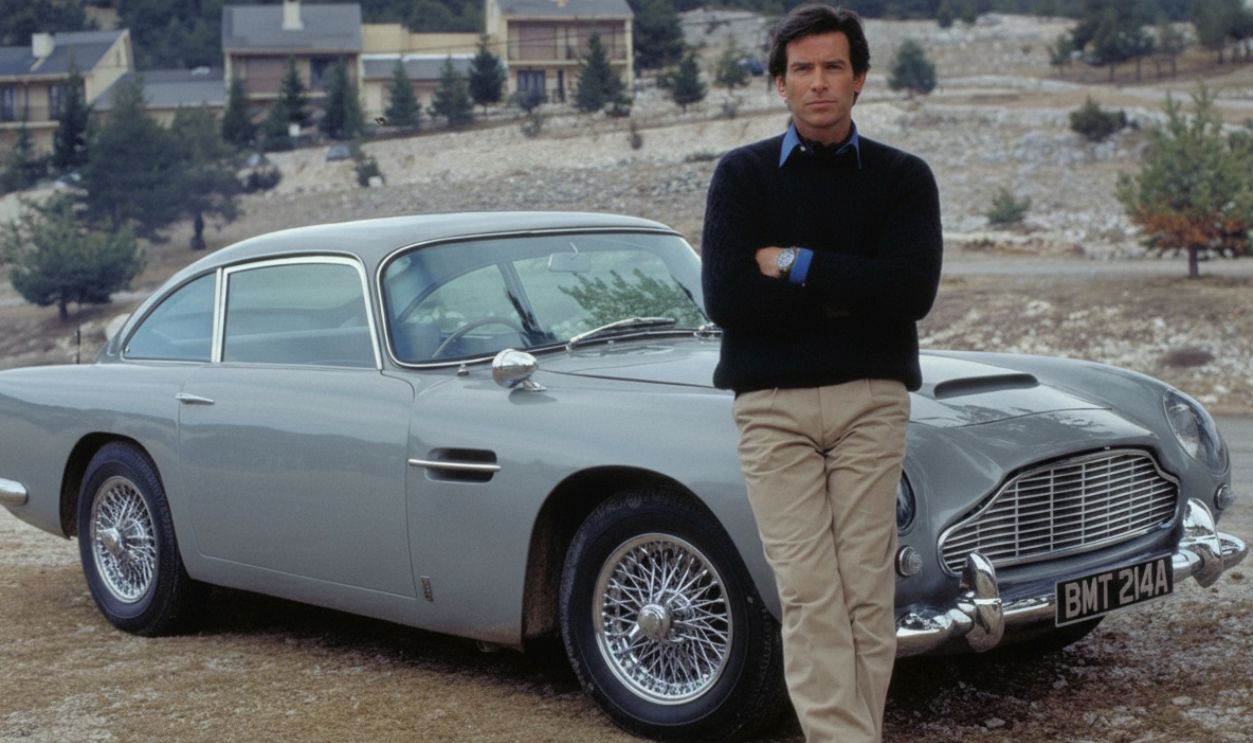
Aston Martin DB5
James Bond's choice of transportation in 1964's Goldfinger catapulted the Aston Martin DB5 from impressive sports car to global icon status overnight. While most cinematic product placements are quickly forgotten, the marriage of 007 and the silver DB5 cooked up automotive immortality.
 Michel Curi, Wikimedia Commons
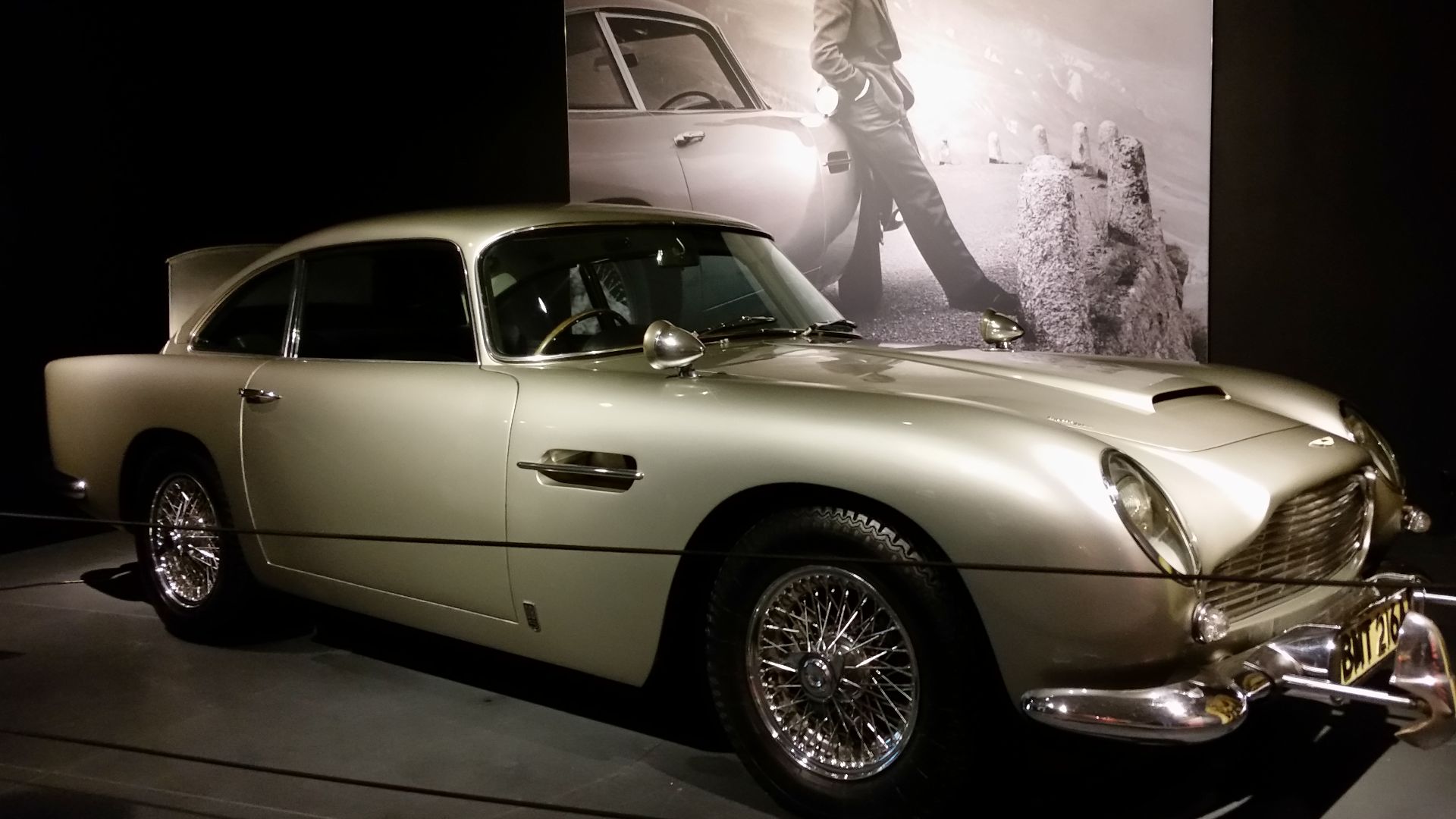
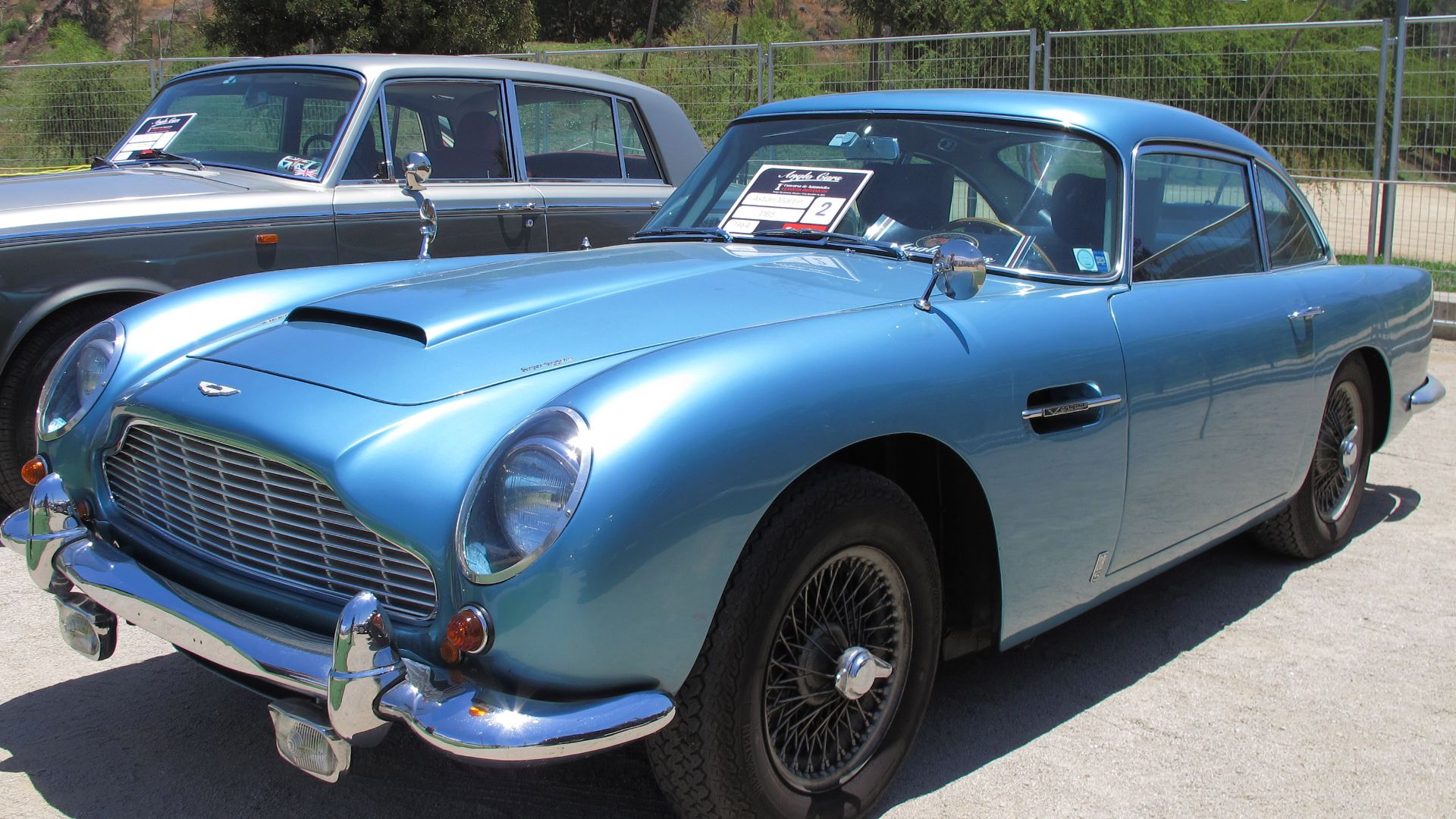
Aston Martin DB5 (Cont.)
Sean Connery's Bond sliding behind the wheel established the DB5 as the ultimate gentleman's express—sophisticated yet capable of outrunning villains when required. Even without machine guns and ejector seats, the actual production car was impressive enough. The actual specifications of the DB5 reveal a genuinely impressive grand tourer.
 order_242 from Chile, Wikimedia Commons
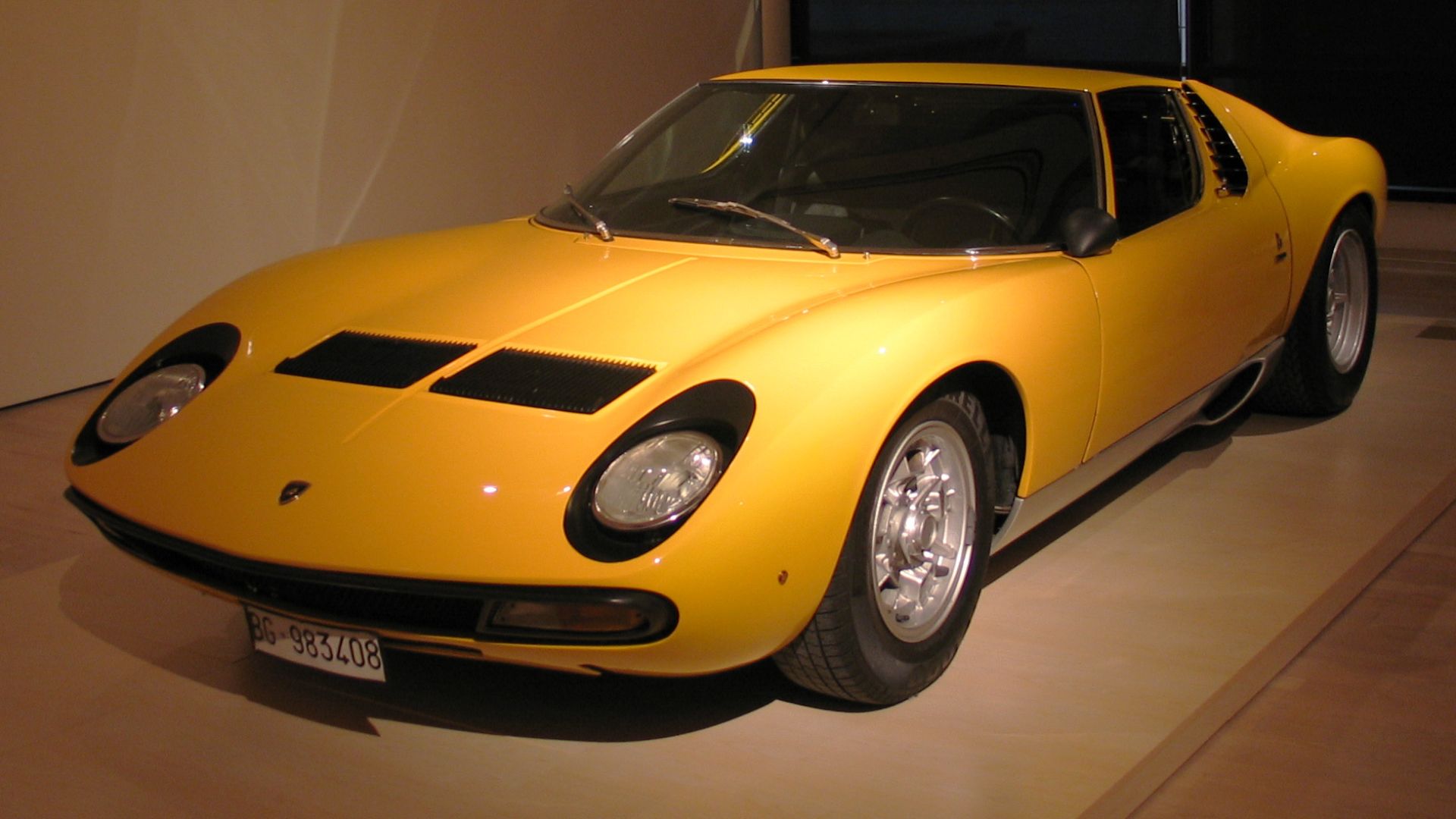
Lamborghini Miura
Automotive legend suggests that Ferruccio Lamborghini, a well-known tractor manufacturer, built his car company after Enzo Ferrari dismissed his complaints about a Ferrari he had purchased. Whether true or not, the Miura that debuted in 1966 certainly got Ferrari's attention.
 Davide Oliva from Italy, Wikimedia Commons
Lamborghini Miura (Cont.)
Often credited as the world's first supercar, the Miura shocked the automotive world with its transversely mounted V12 engine positioned behind the driver. The opening sequence of 1969's The Italian Job features a Miura carving through Alpine roads.
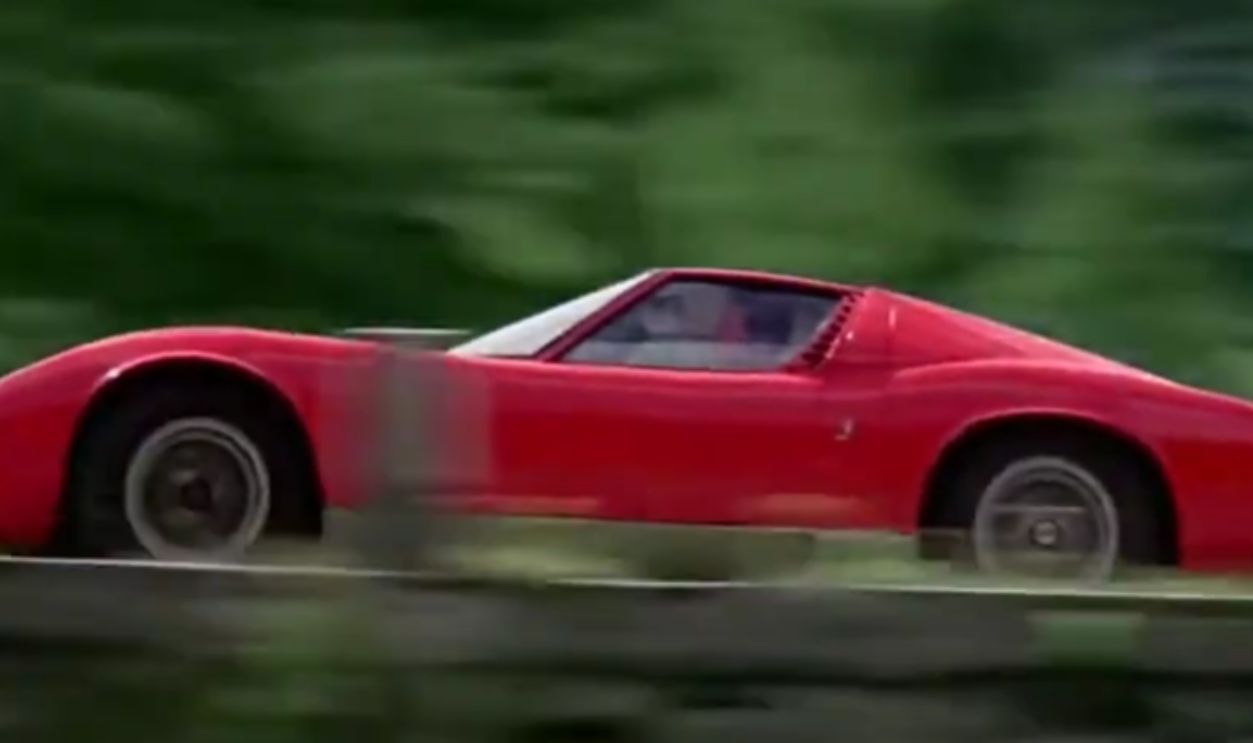 Paramount Pictures, The Italian Job (1969)
Dodge Charger
The 1968–1970 Dodge Charger achieved immortality as the menacing orange "General Lee" in The Dukes of Hazzard television series, but this muscle car icon deserves recognition beyond its Hollywood fame. The second-generation Charger's "coke bottle" styling had curved sides, hidden headlights, and a distinctive rear fascia.
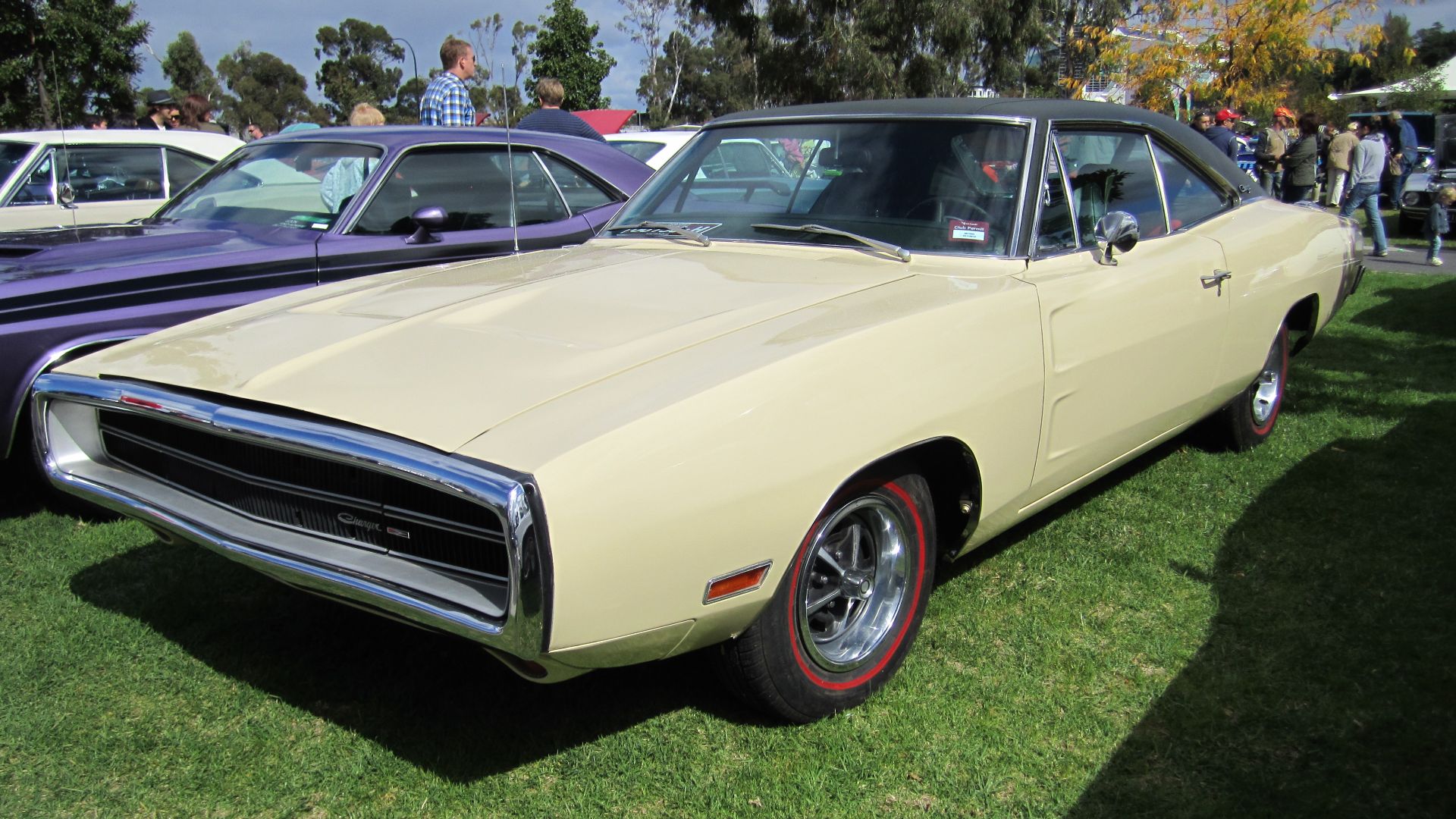
Dodge Charger (Cont.)
Mopar enthusiasts know that the ultimate Charger was the 1969 Charger Daytona with its aerodynamic nose cone and towering rear wing. Created specifically to dominate NASCAR superspeedways, the Daytona was the first car to break 200 mph on a closed circuit.
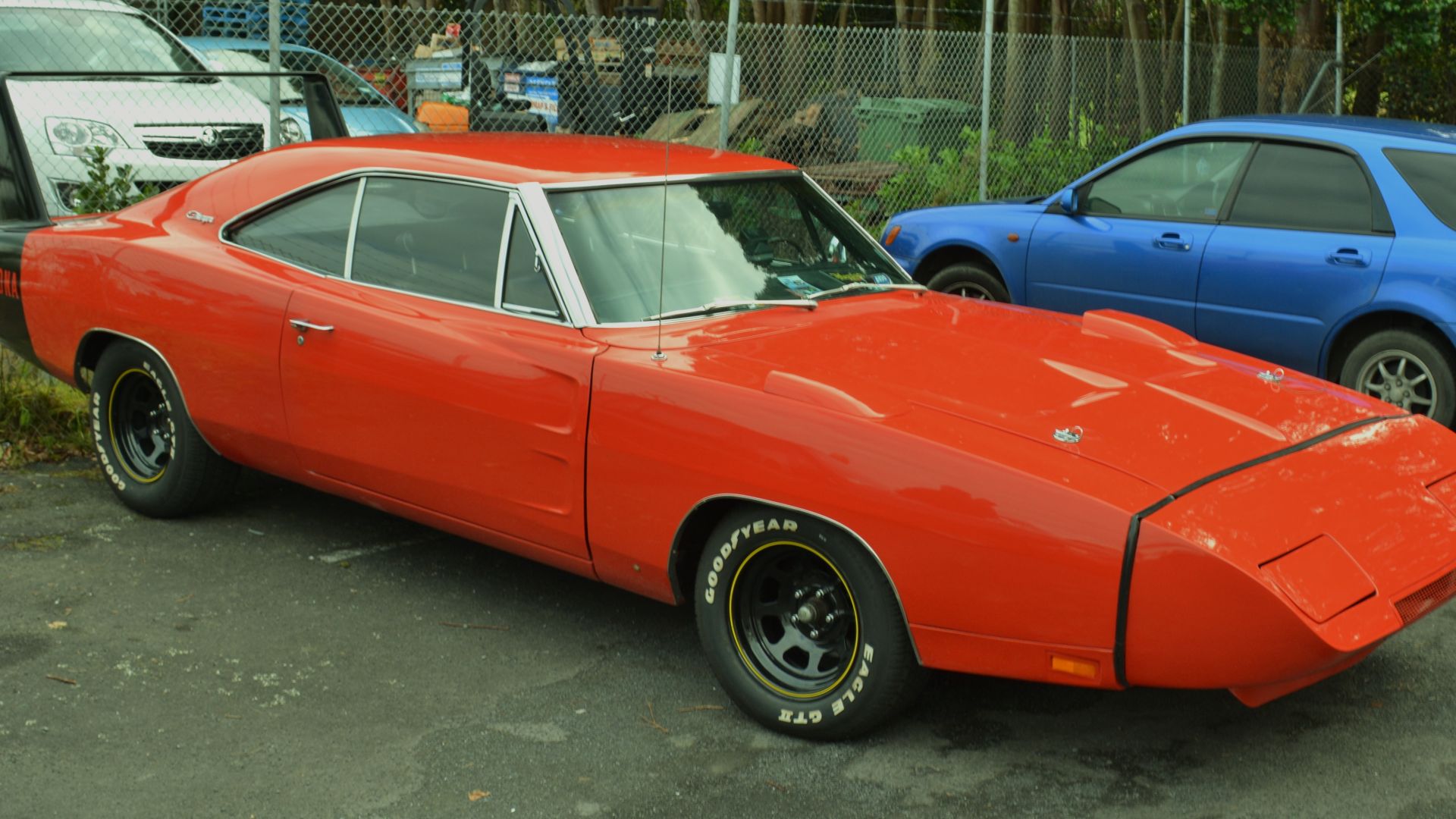 GPS 56 from New Zealand, Wikimedia Commons
Plymouth Barracuda
Talk about the pinnacle of Mopar muscle, with the ultra-rare Hemi 'Cuda convertible standing as the ultimate prize for collectors. Only 11 Hemi 'Cuda convertibles were built in 1971, explaining why these cars have sold for over $3 million at auction.
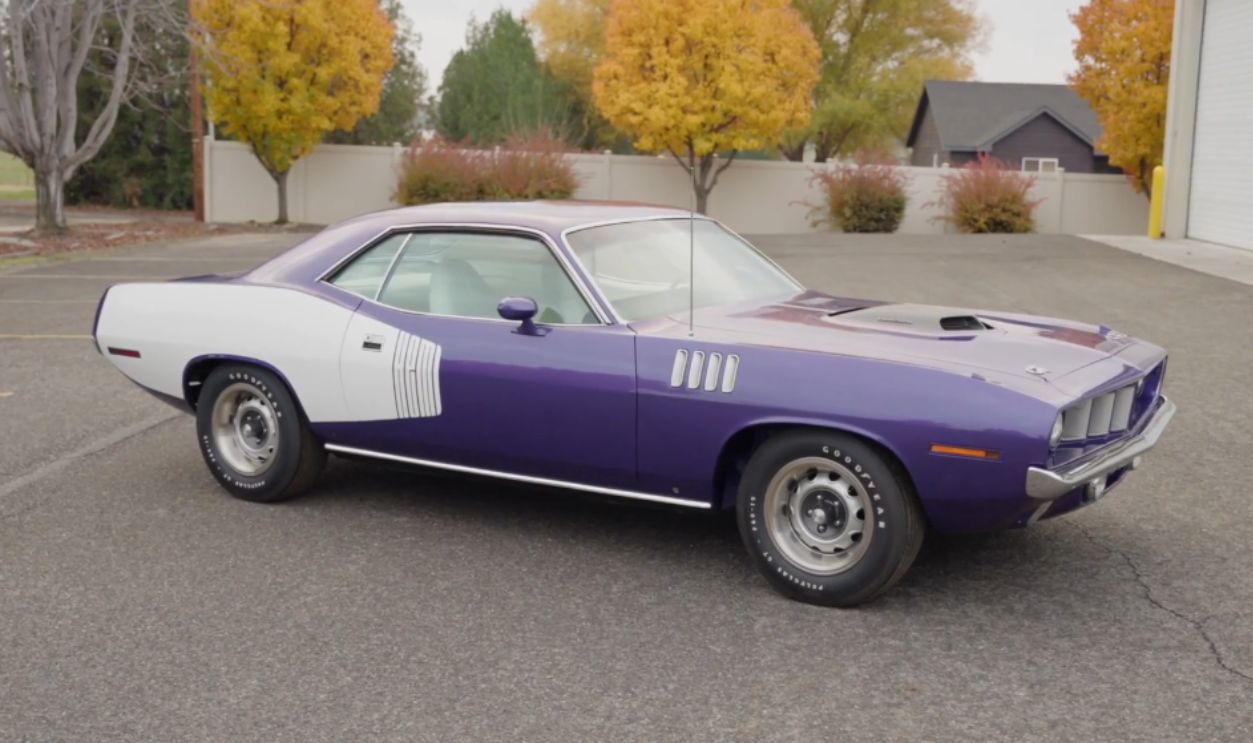 FIRST LOOK - 1971 Plymouth HEMI 'Cuda - BARRETT-JACKSON 2024 SCOTTSDALE AUCTION by Barrett-Jackson
Plymouth Barracuda (Cont.)
With their iconic "Shaker" hood scopes, bold color options like "Plum Crazy" and "Vitamin C Orange," and available billboard-sized rear quarter panel graphics, these E-body Mopars mirrored the exuberance of the muscle car era just before emissions regulations changed everything.
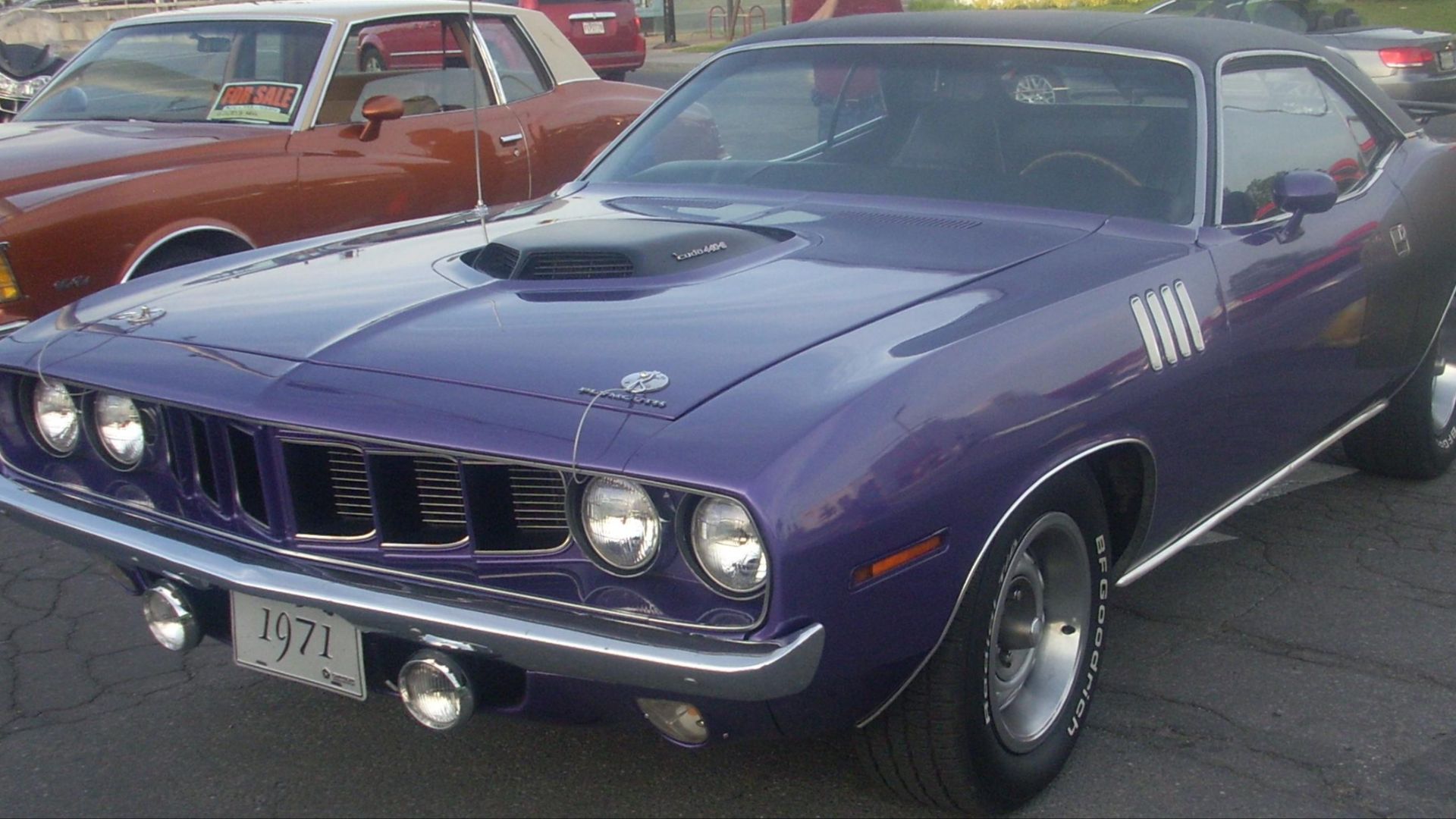
Pontiac GTO
The muscle car phenomenon began with one vehicle: the 1964 Pontiac GTO. When Pontiac engineer John DeLorean (yes, that DeLorean) stuffed a 389 cubic-inch V8 into the midsize Tempest, he produced the blueprint for the American muscle car: big engine, intermediate body, aggressive styling, and reasonable price.
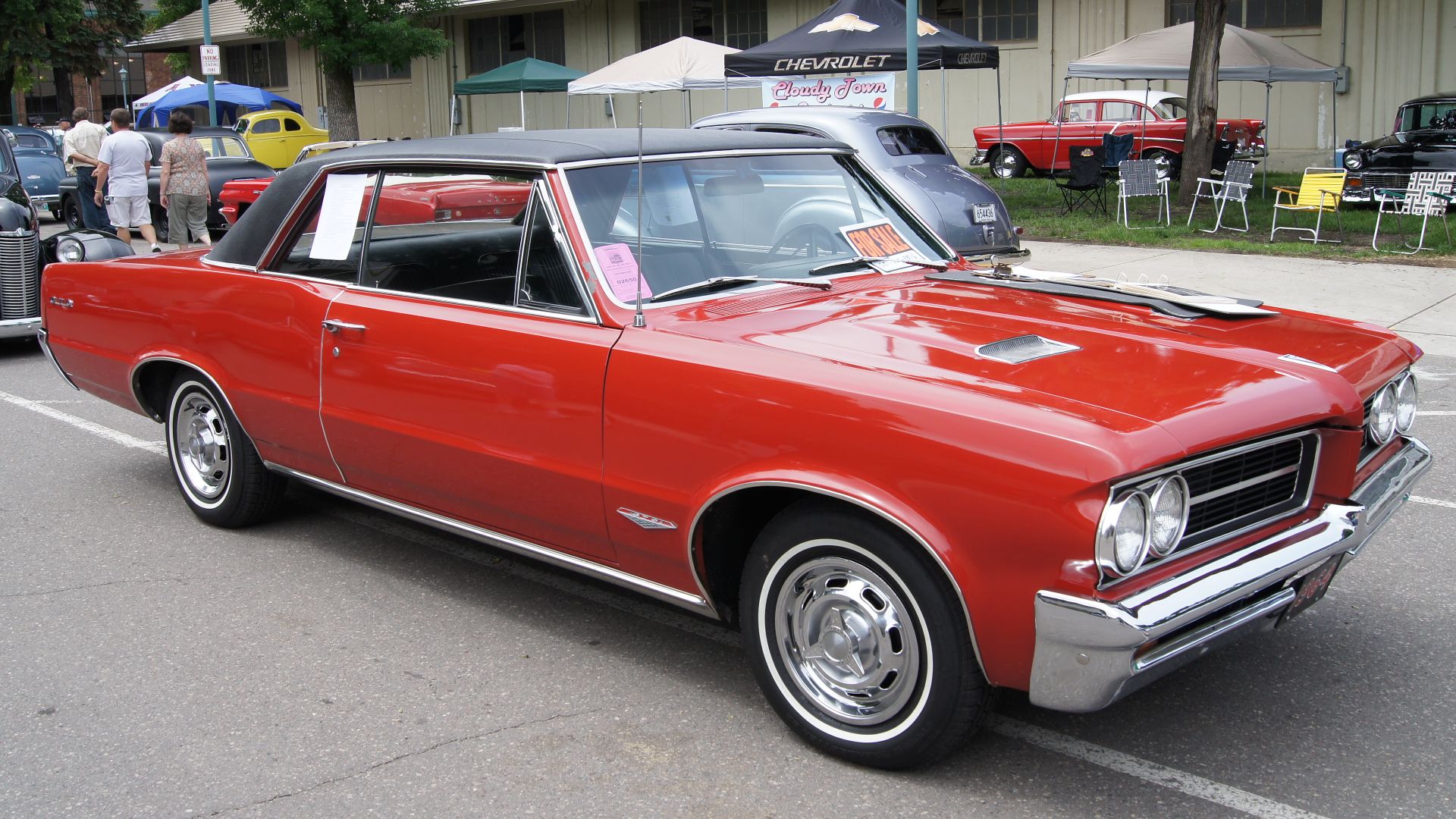 Greg Gjerdingen from Willmar, USA, Wikimedia Commons
Pontiac GTO (Cont.)
This formula proved wildly successful, with Pontiac selling over 32,000 GTOs that first year despite conservative initial production estimates. The automotive world would never be the same. Rather than emphasizing luxury or practicality, Pontiac directly targeted young buyers looking for speed and status.
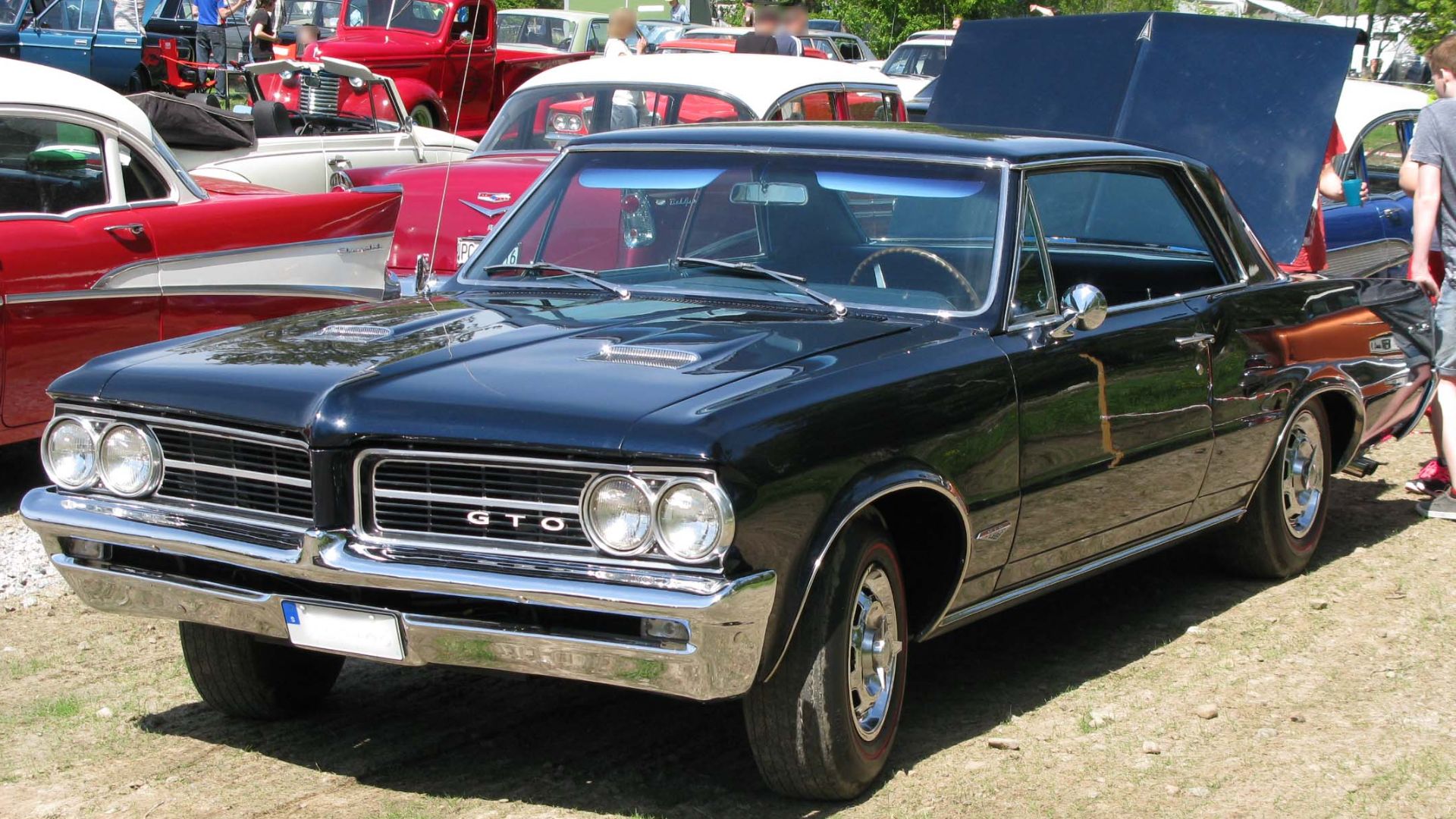 Herranderssvensson, Wikimedia Commons
Chevrolet Camaro Z/28
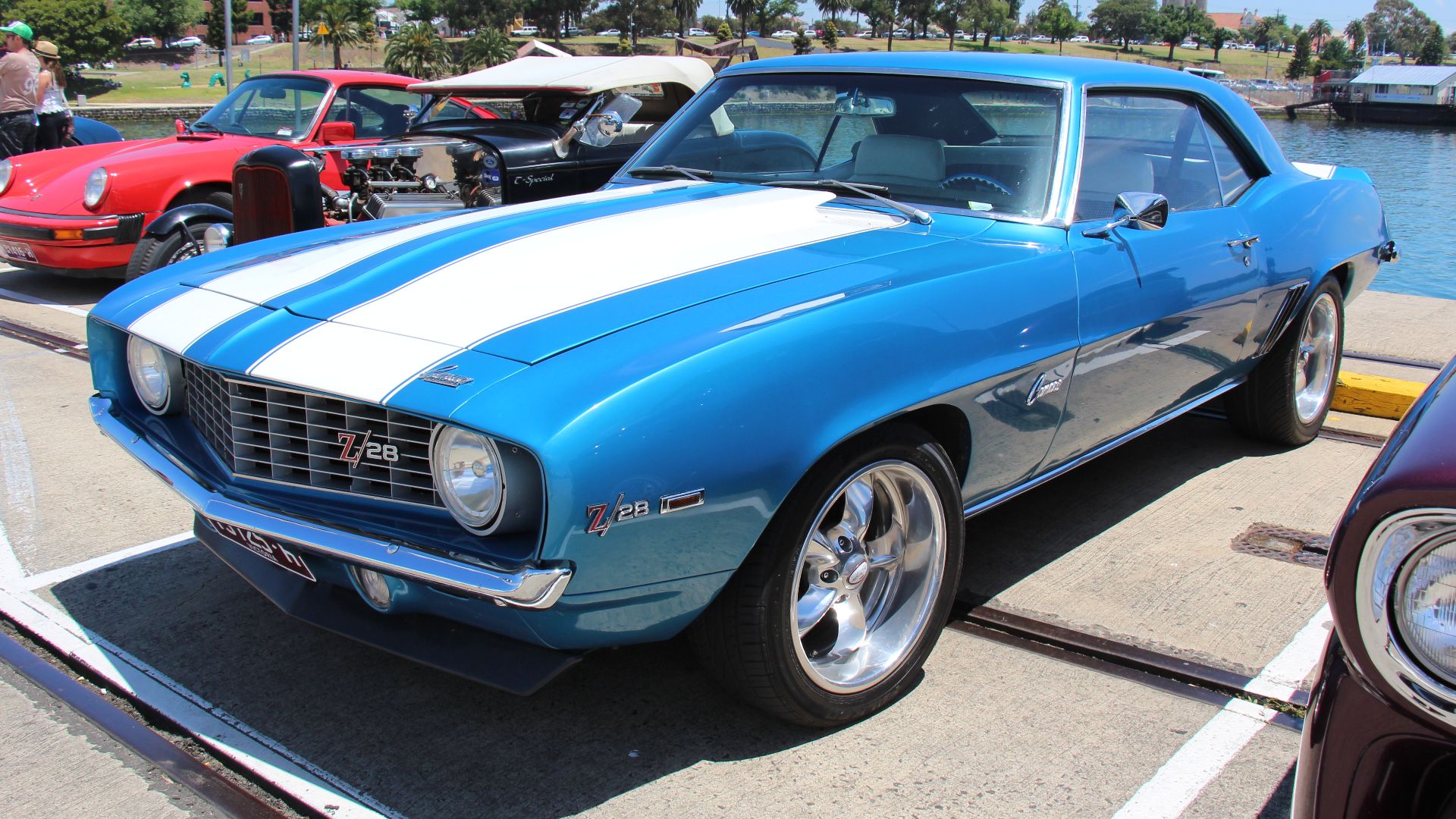
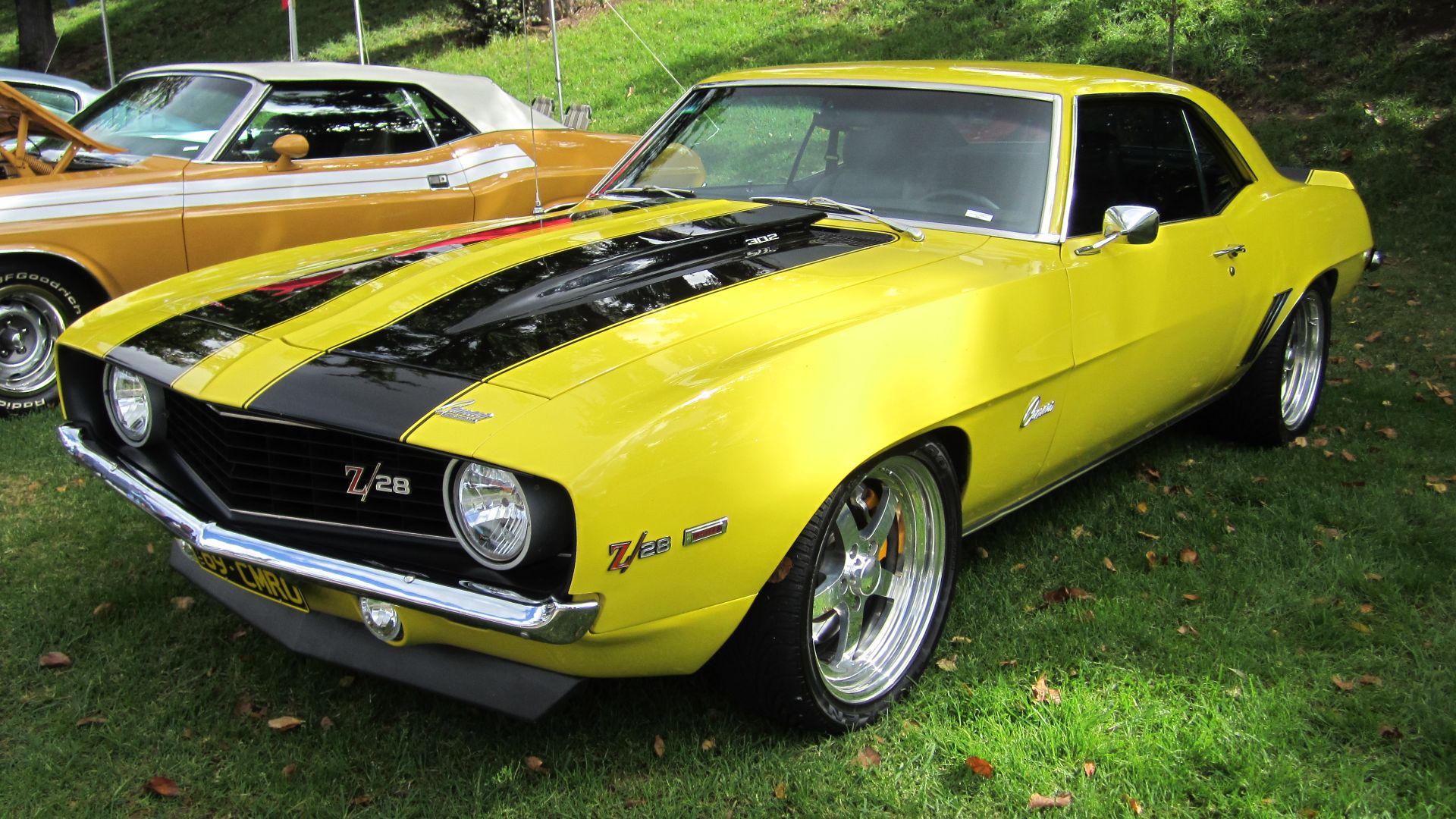
Conceived specifically to compete in the SCCA Trans-Am racing series, the original Z/28 package converted the Camaro from a stylish pony car to a track weapon. Unlike other muscle cars focused on quarter-mile times, the Z/28 was engineered for balanced handling on road courses.
Chevrolet Camaro Z/28 (Cont.)
Its high-revving 302 cubic-inch small-block (formed by combining a 327 crankshaft with a 283 bore) officially produced 290 horsepower—a deliberate underrating to keep insurance companies happy. In reality, the engine delivered closer to 360 horsepower when equipped with the optional dual four-barrel cross-ram intake.
Ford GT40
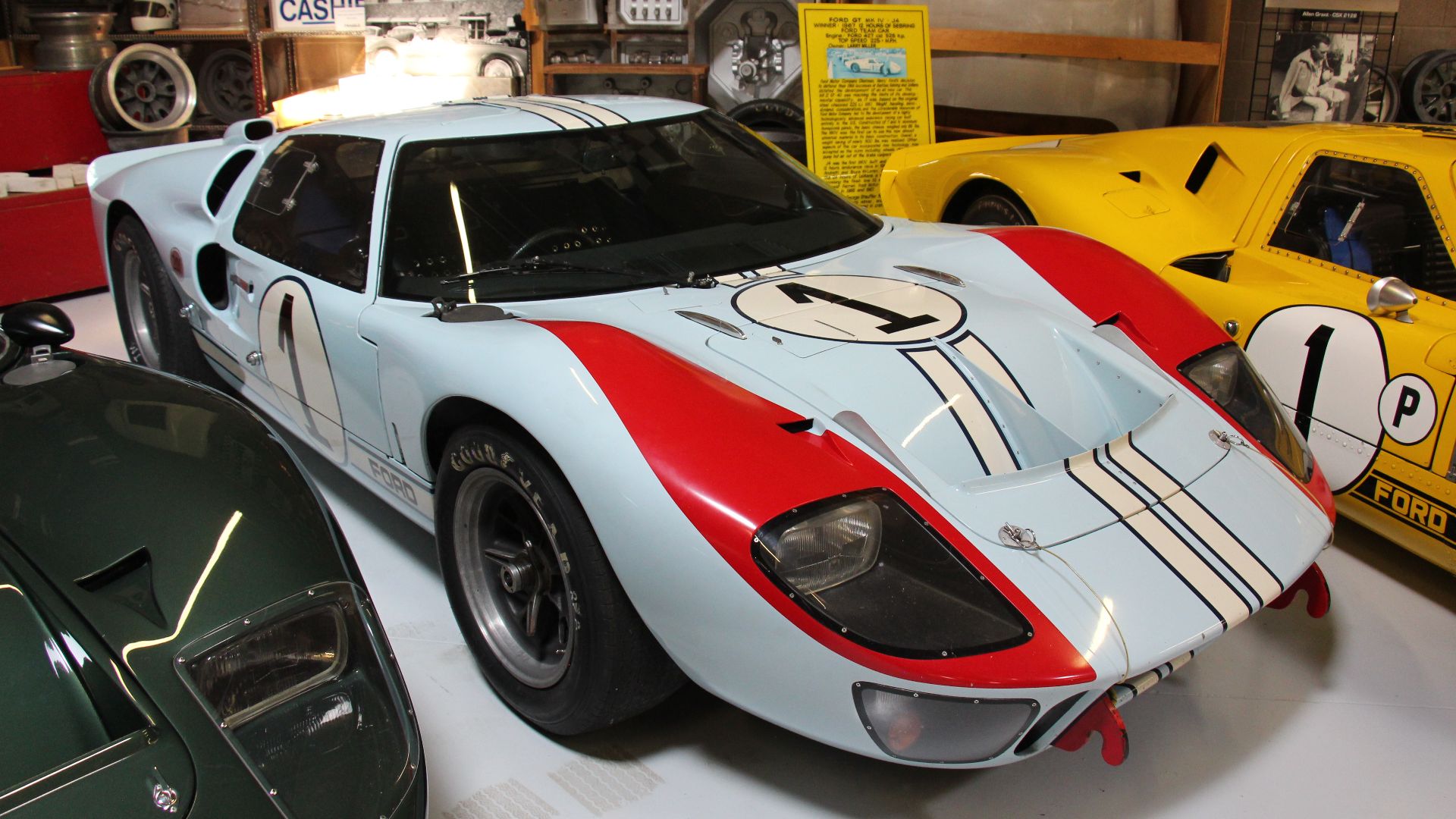
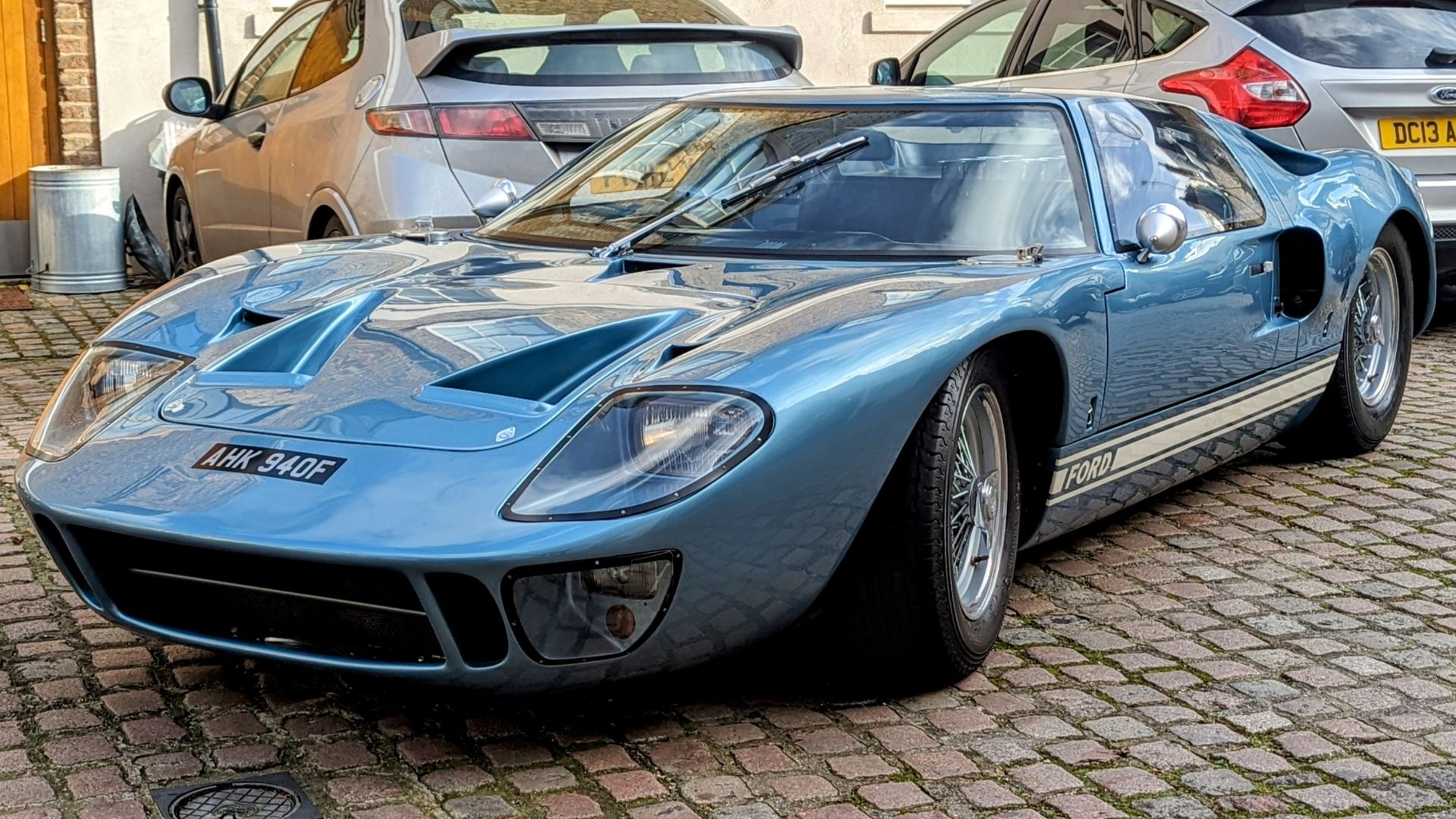
Henry Ford II, after being rebuffed in his attempt to purchase Ferrari, famously ordered his racing division to build a car that would beat Enzo Ferrari at his own game. The resulting GT40 did exactly that, winning the 24 Hours of Le Mans four consecutive times from 1966 up until 1969.
Ford GT40 (Cont.)
This included a 1-2-3 finish in 1966 that remains one of motorsport's most iconic moments. Standing just 40 inches tall (hence the "40" in its name), the GT40's low-slung profile created an unmistakable silhouette that still turns heads more than five decades later.
BMW 507
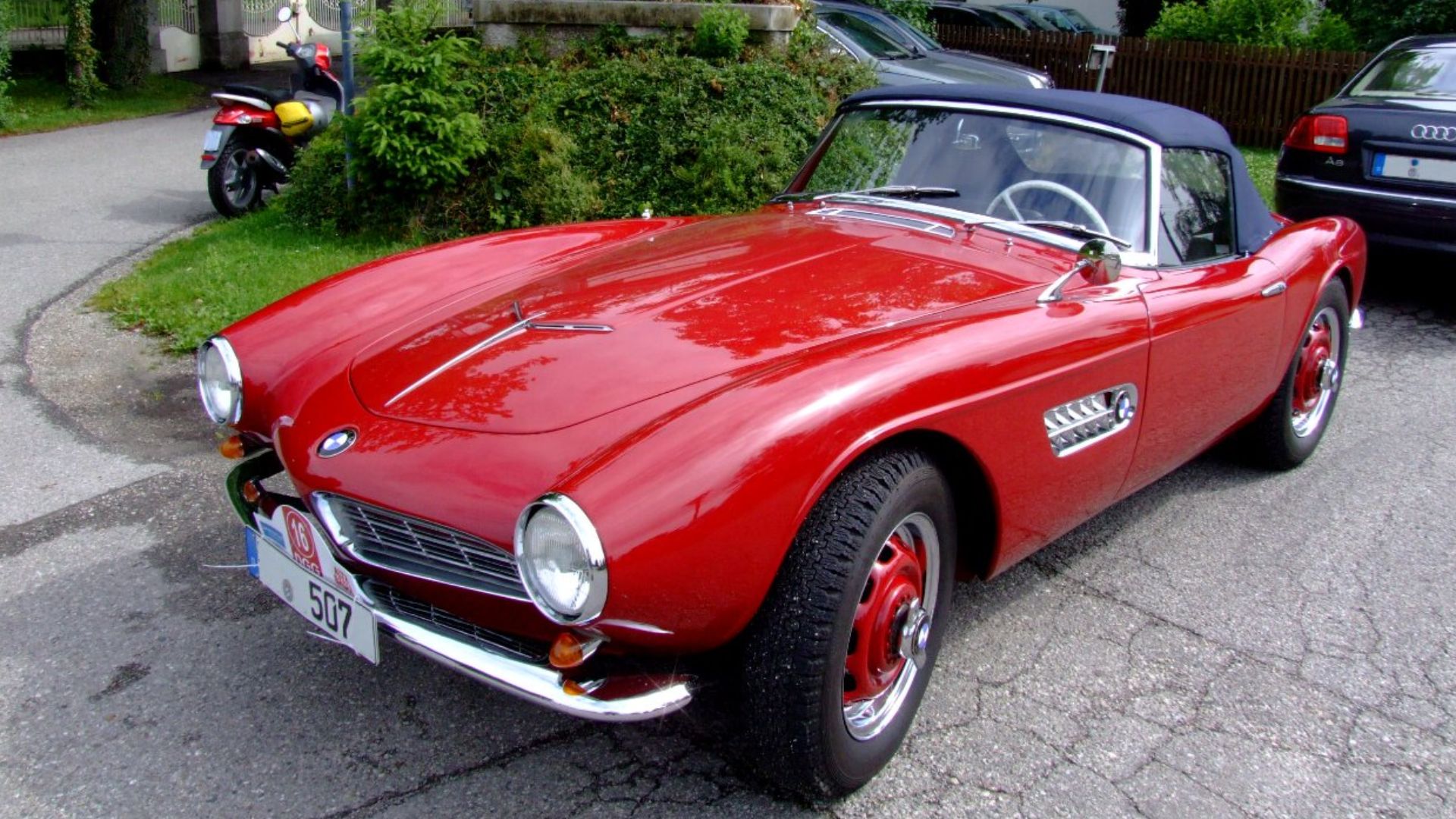
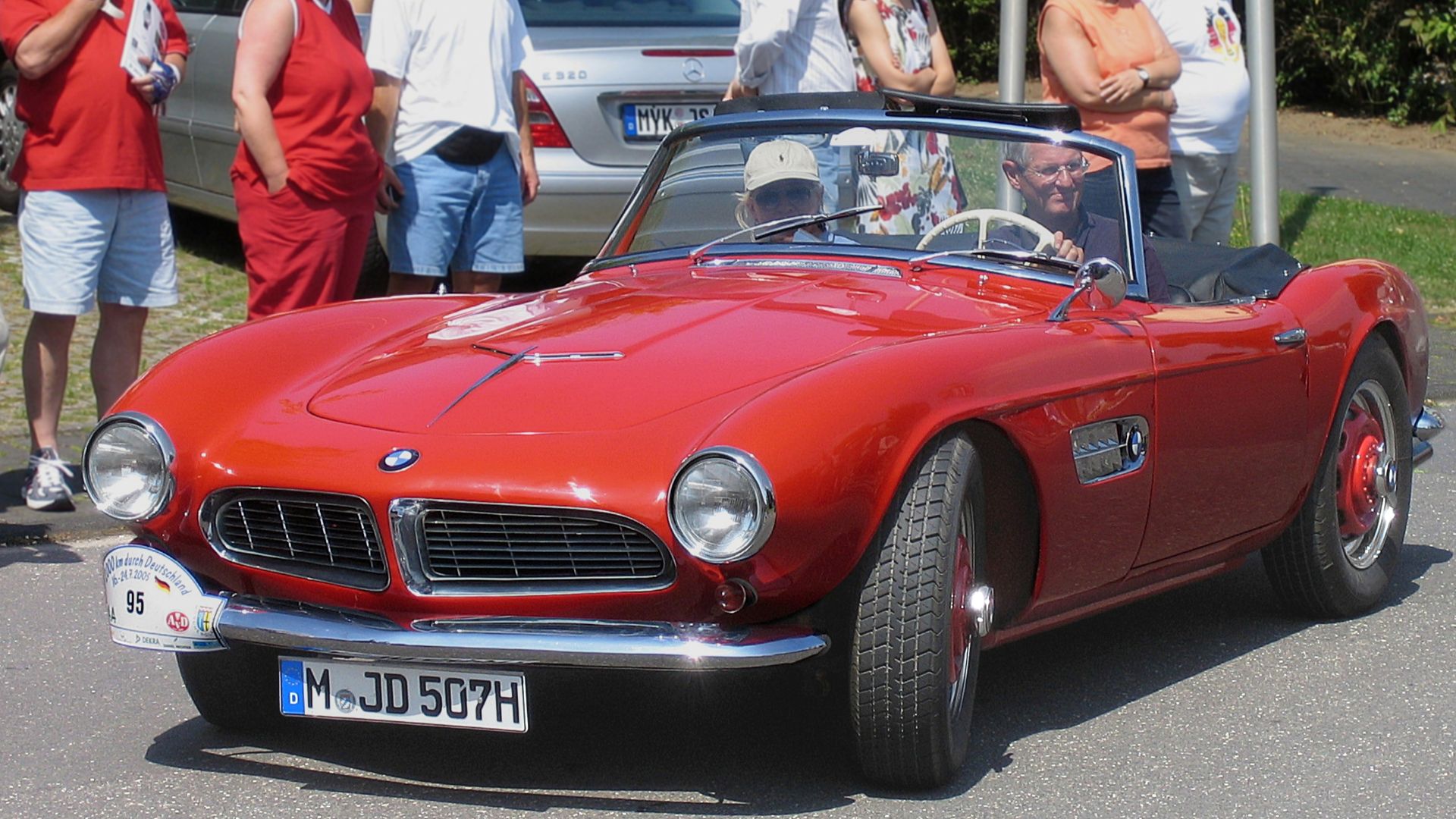
Elvis Presley fell in love with the BMW 507 while stationed in Germany during his military service, eventually purchasing one for himself—a car that BMW later spent years tracking down and restoring. The King's taste was impeccable as Count Albrecht von Goertz designed it.
 User ChiemseeMan on de.wikipedia, Wikimedia Commons
BMW 507 (Cont.)
Sadly, its high production costs nearly bankrupted BMW, with only 252 examples produced between 1956 and 1959. Originally intended as BMW's entry into the lucrative American sports car market, the 507's price nearly doubled during development, positioning it against established exotics rather than competitors like the Corvette.
 Lothar Spurzem, Wikimedia Commons
Alfa Romeo Giulia
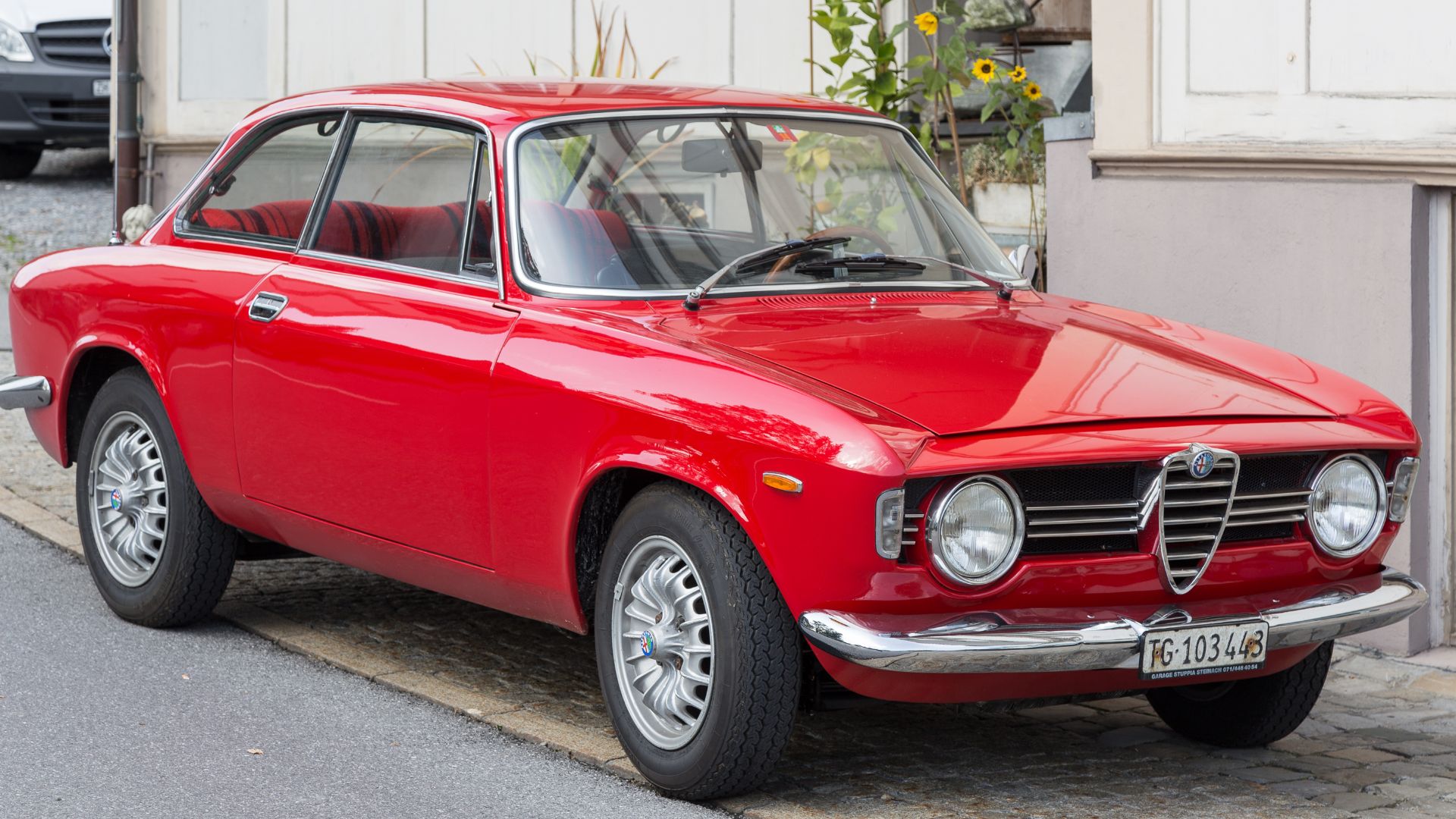
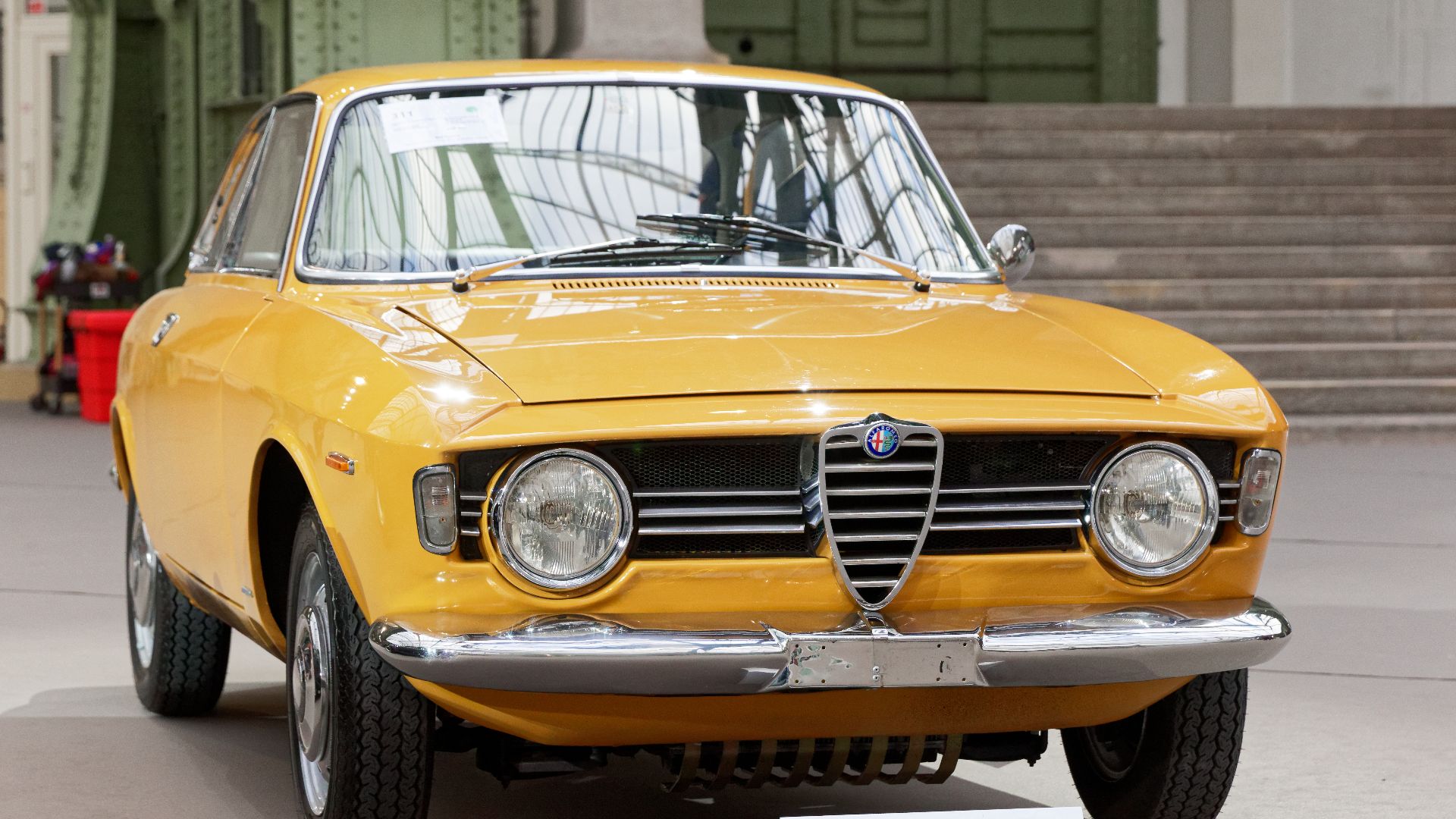
The Giulia Sprint GT, with its distinctive "step-nose" front end and well-balanced proportions, represents designer Giorgetto Giugiaro's first masterpiece. Created during his tenure at Bertone, the compact 2+2 coupe paired Italian passion with surprising practicality. Its lightweight construction made it a giant-killer on both road and track.
 JoachimKohlerBremen, Wikimedia Commons
Alfa Romeo Giulia (Cont.)
Automotive enthusiasm often means accepting compromise, but the Giulia Sprint GT delivered driving pleasure without significant sacrifices. The twin-cam, all-aluminum 1.6-liter four-cylinder engine revved eagerly to 7,000 rpm, producing a soundtrack that puts many modern sports cars to shame.
 Thesupermat, Wikimedia Commons
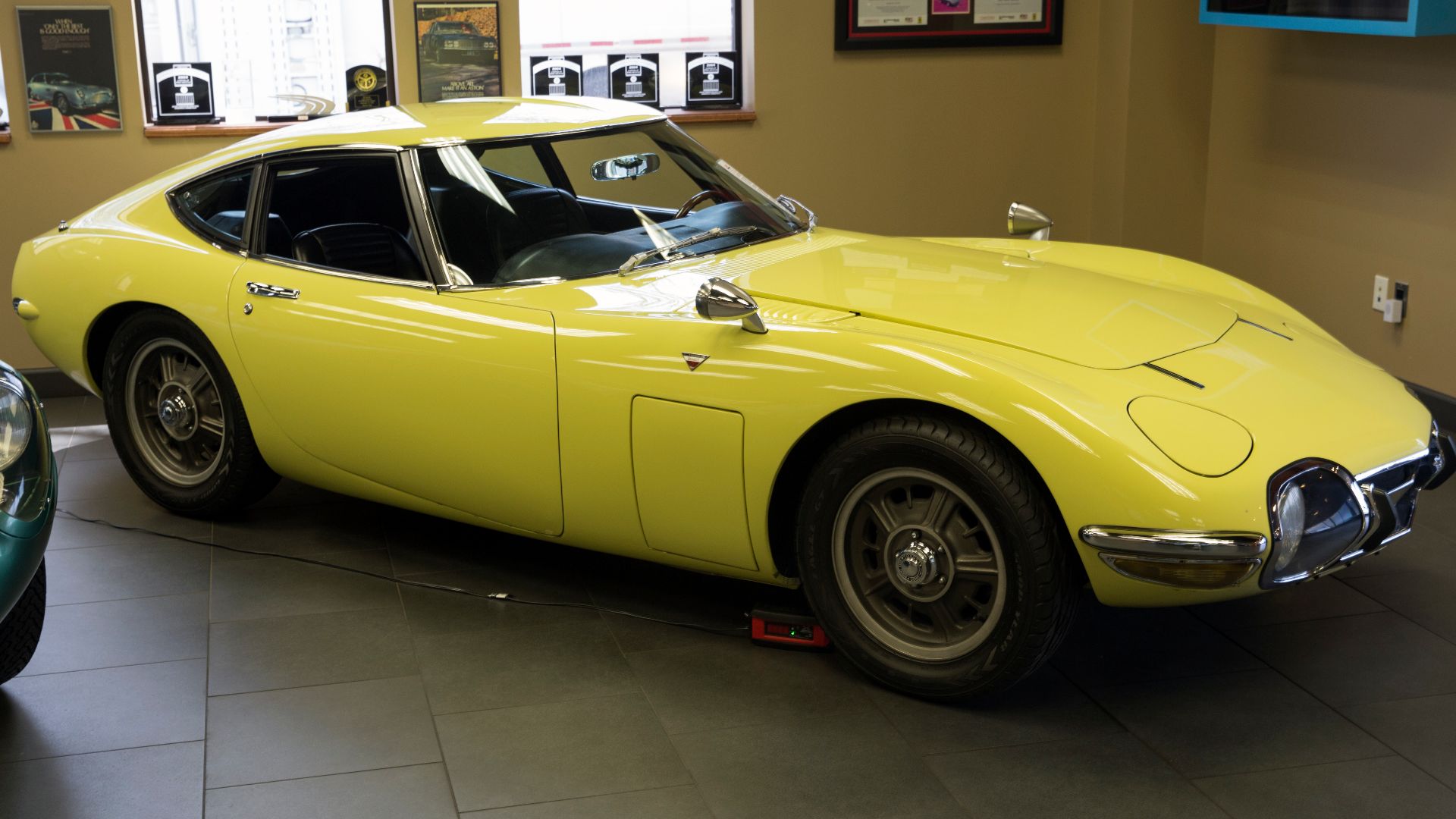
Toyota 2000GT
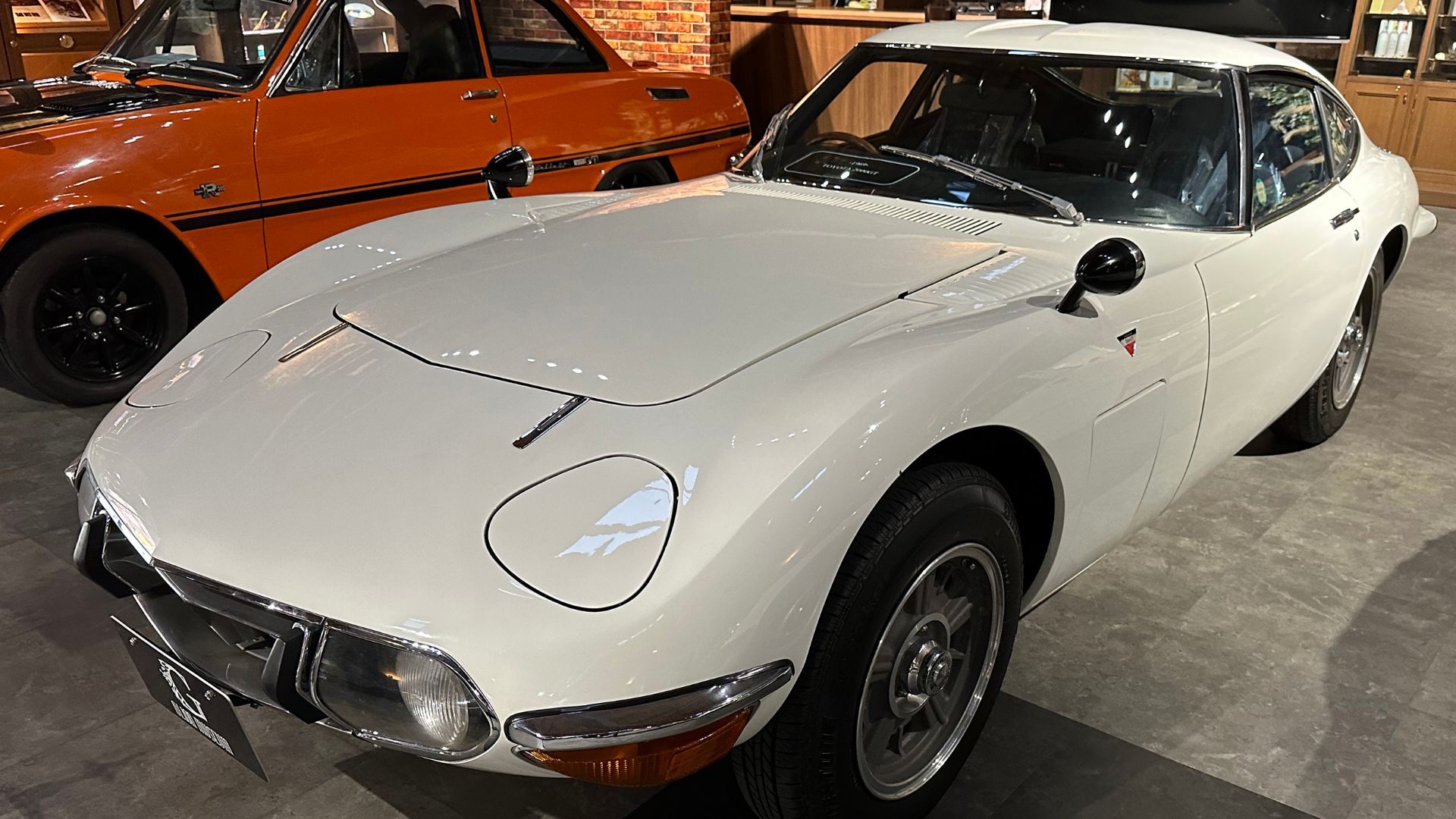
James Bond's Japanese adventure in 1967's You Only Live Twice featured a custom convertible version of the Toyota 2000GT. No actual production convertibles were made, adding to the mystique of Japan's first true supercar. The same was developed in partnership with Yamaha.
 Tokumeigakarinoaoshima, Wikimedia Commons
Toyota 2000GT (Cont.)
Apparently, the 2000GT announced Japan's arrival as a serious player in the sports car world, challenging the notion that the country could only produce economical family cars. Under its gorgeously sculpted hood sits a 2.0-liter inline-six engine with a dual-overhead-cam design influenced by Yamaha's motorcycle expertise.
 Mr.choppers, Wikimedia Commons
Datsun 240Z
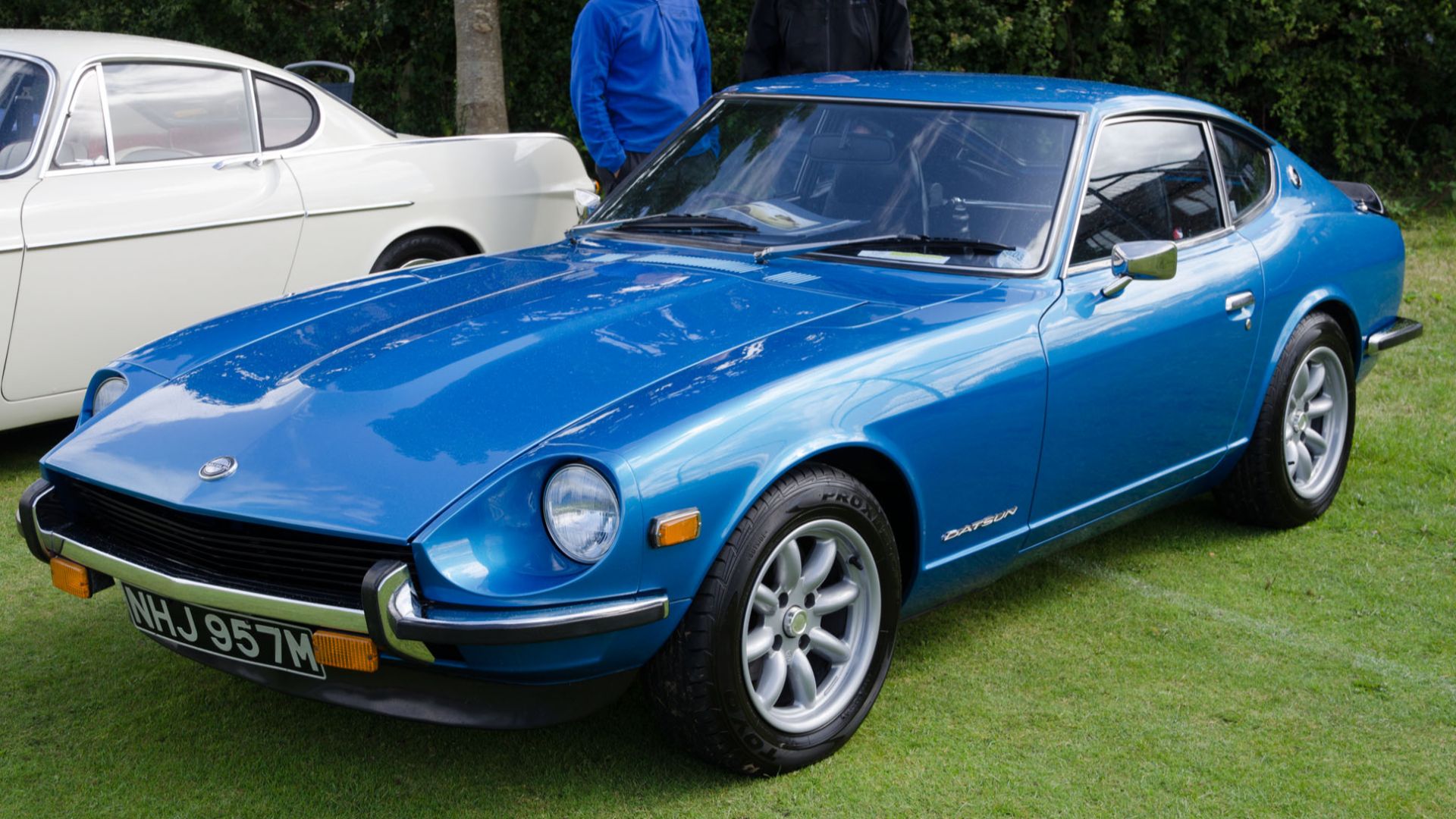
The automotive world changed forever when the sleek, affordable Datsun 240Z arrived on American shores in 1970 with a starting price under $3,500. Offering European sports car styling and performance at a fraction of the price, the Z-car forced established manufacturers to reconsider their entire approach.
Datsun 240Z (Cont.)
Technical sophistication set the 240Z apart from its similarly priced competitors. While American sports cars like the Corvette still used pushrod V8s and leaf-spring rear suspensions, the Z displayed a modern overhead-cam inline-six engine and fully independent suspension all around.
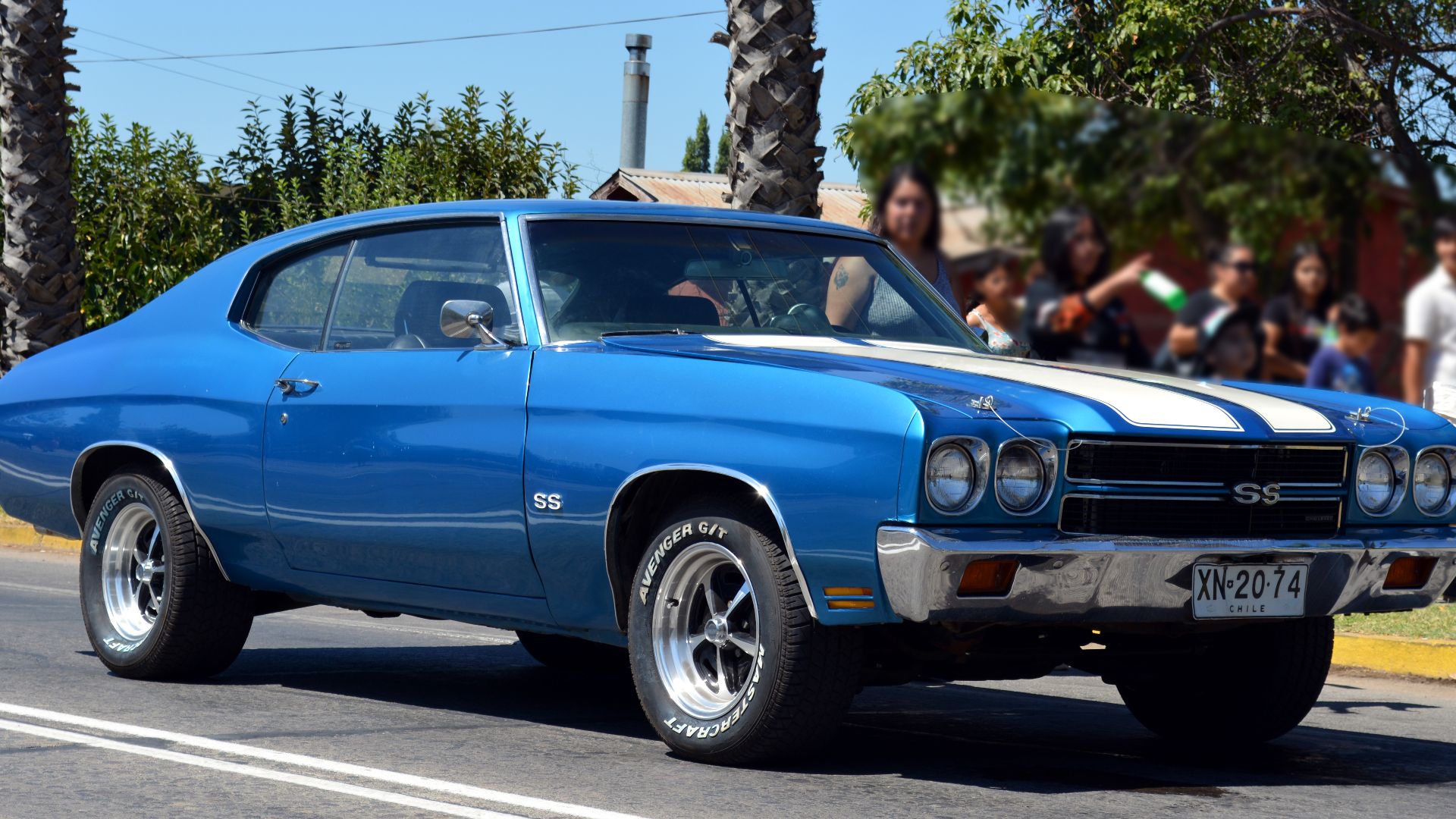
Chevrolet Chevelle SS
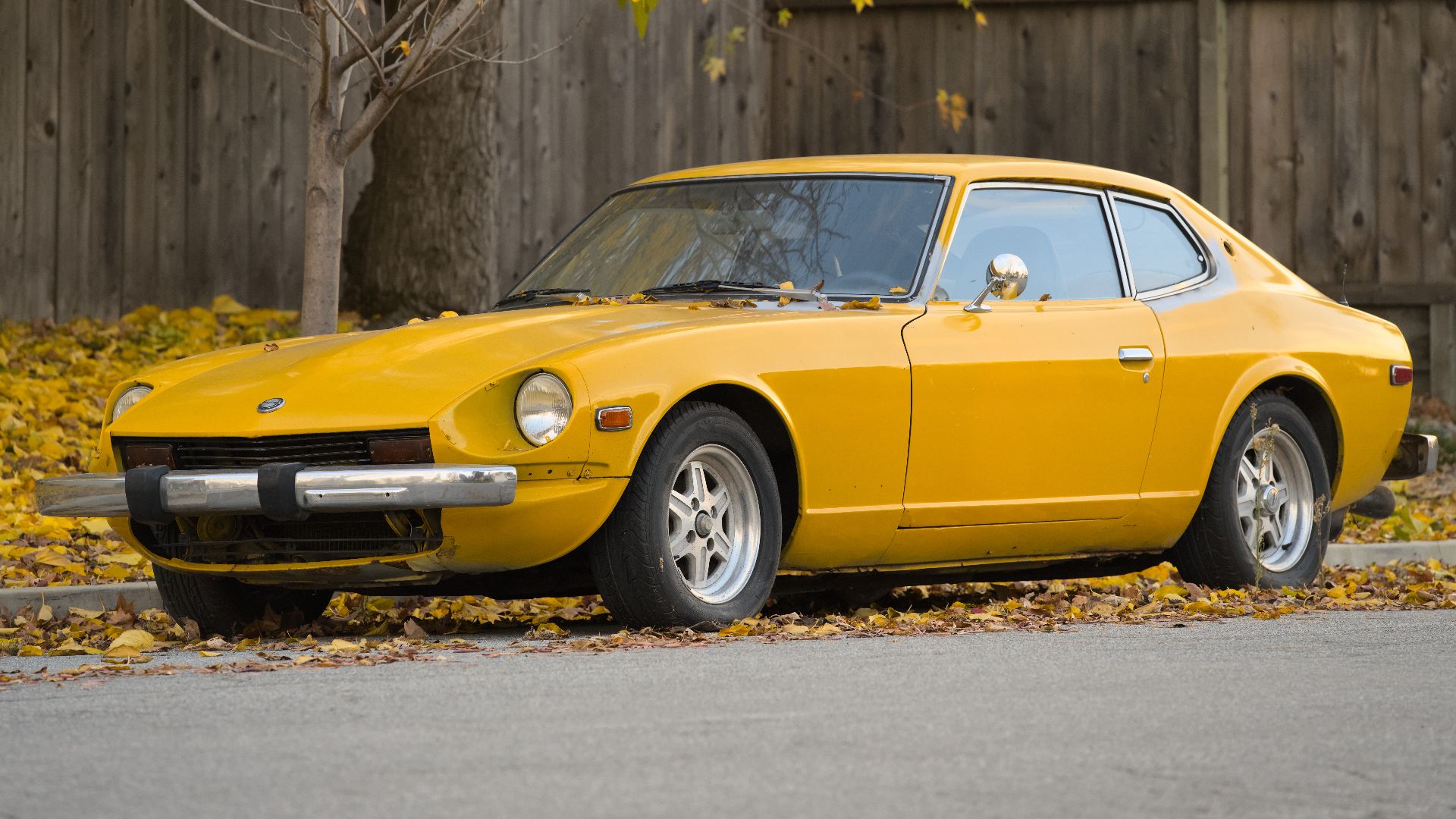
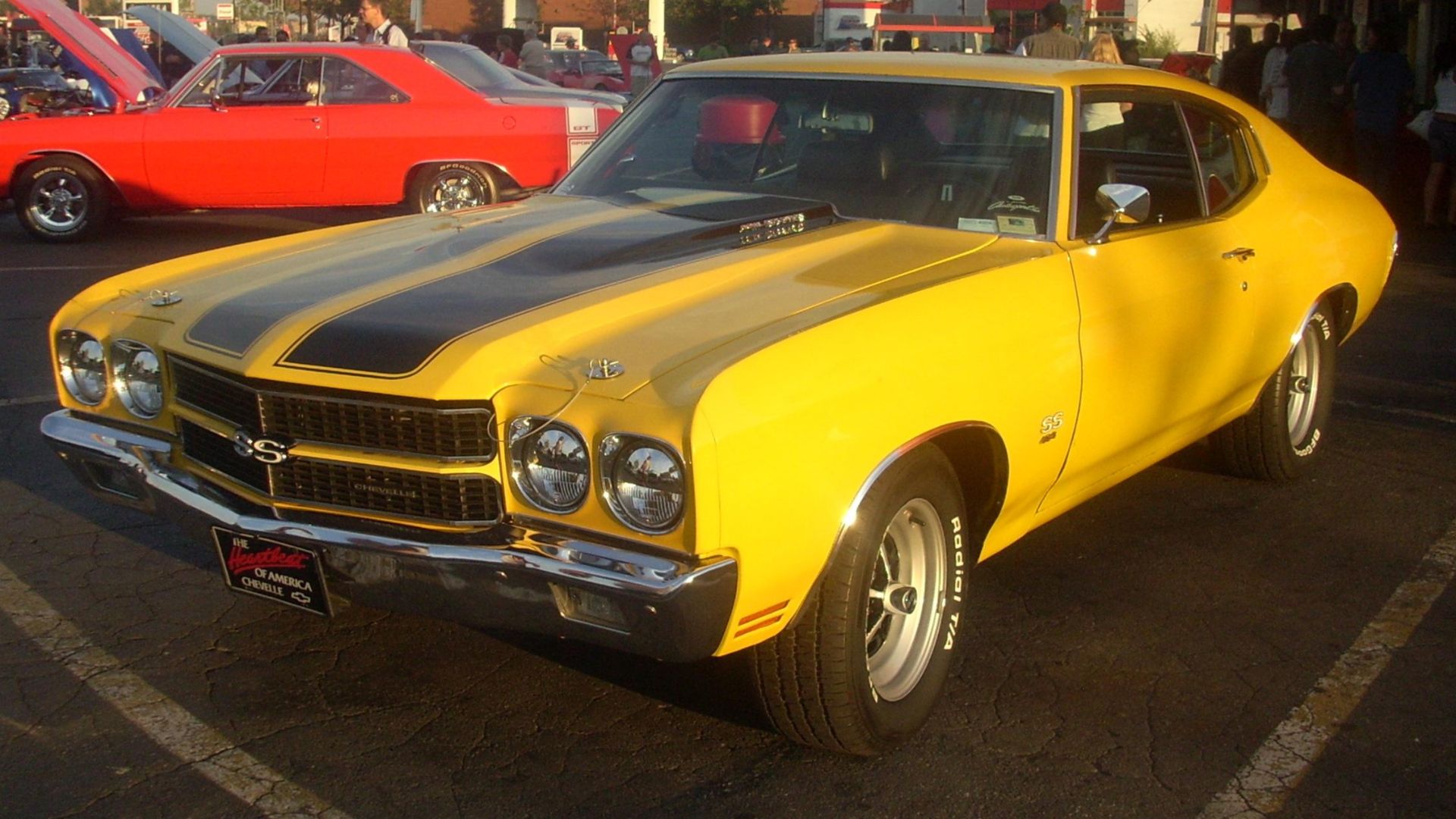
Chevrolet's 454 cubic-inch big-block with the LS6 option produced a factory-rated 450 horsepower and 500 lb-ft of torque—figures that remain impressive even by modern standards. Contemporary road tests recorded quarter-mile times in the low 13-second range, rendering it one of the quickest production cars of its day.
Chevrolet Chevelle SS (Cont.)
Those twin racing stripes and aggressive stance left no doubt about the car's performance potential. The most desirable examples come with the cowl induction hood, which contained a vacuum-operated flap that opened under heavy acceleration to draw in cooler outside air.
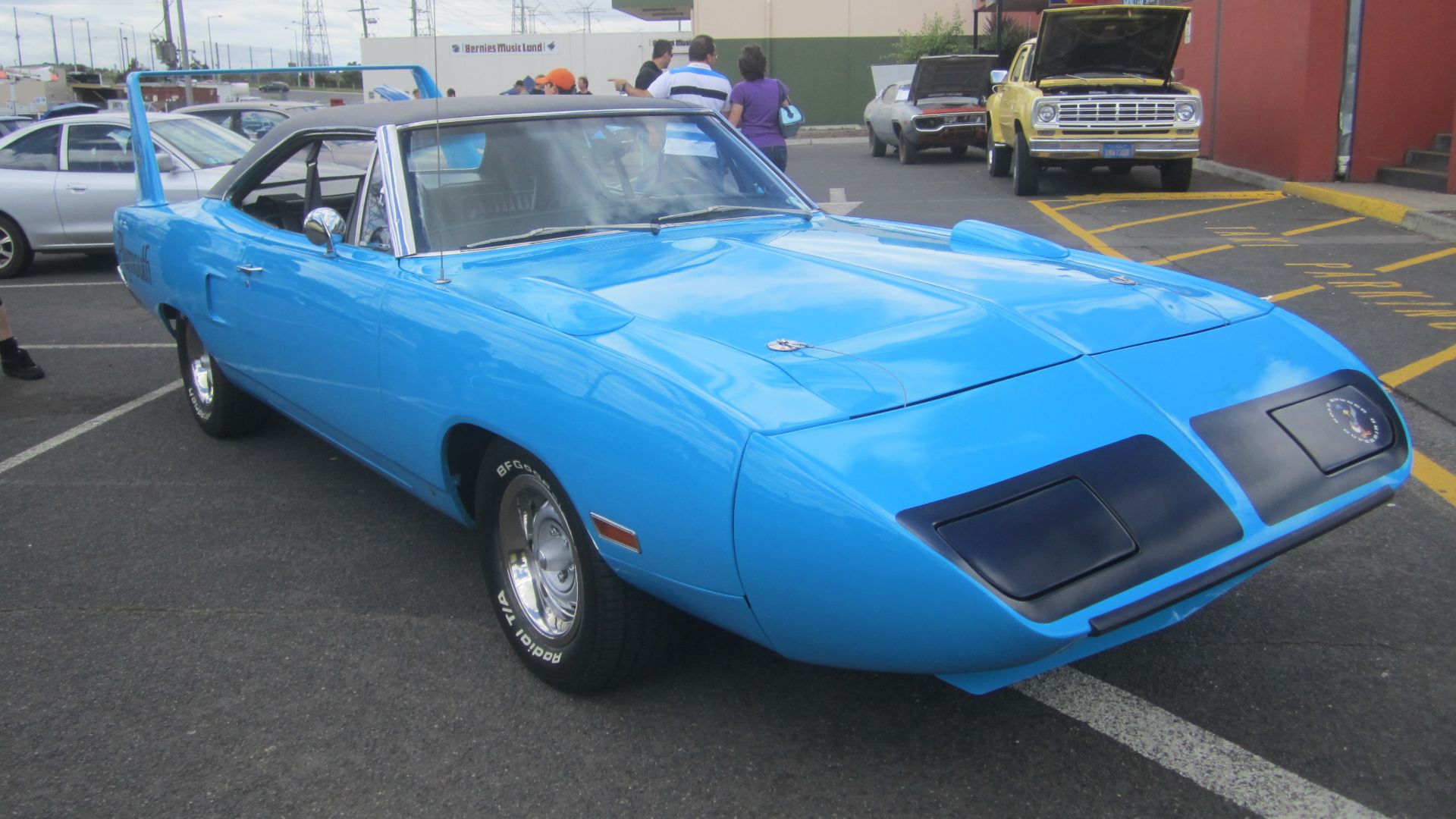
Plymouth Superbird
NASCAR rule changes for the 1970 season required manufacturers to produce at least one road-going version of their race car for every two dealerships, resulting in Plymouth building approximately 1,935 Superbirds for public sale. The car had an outrageous appearance.
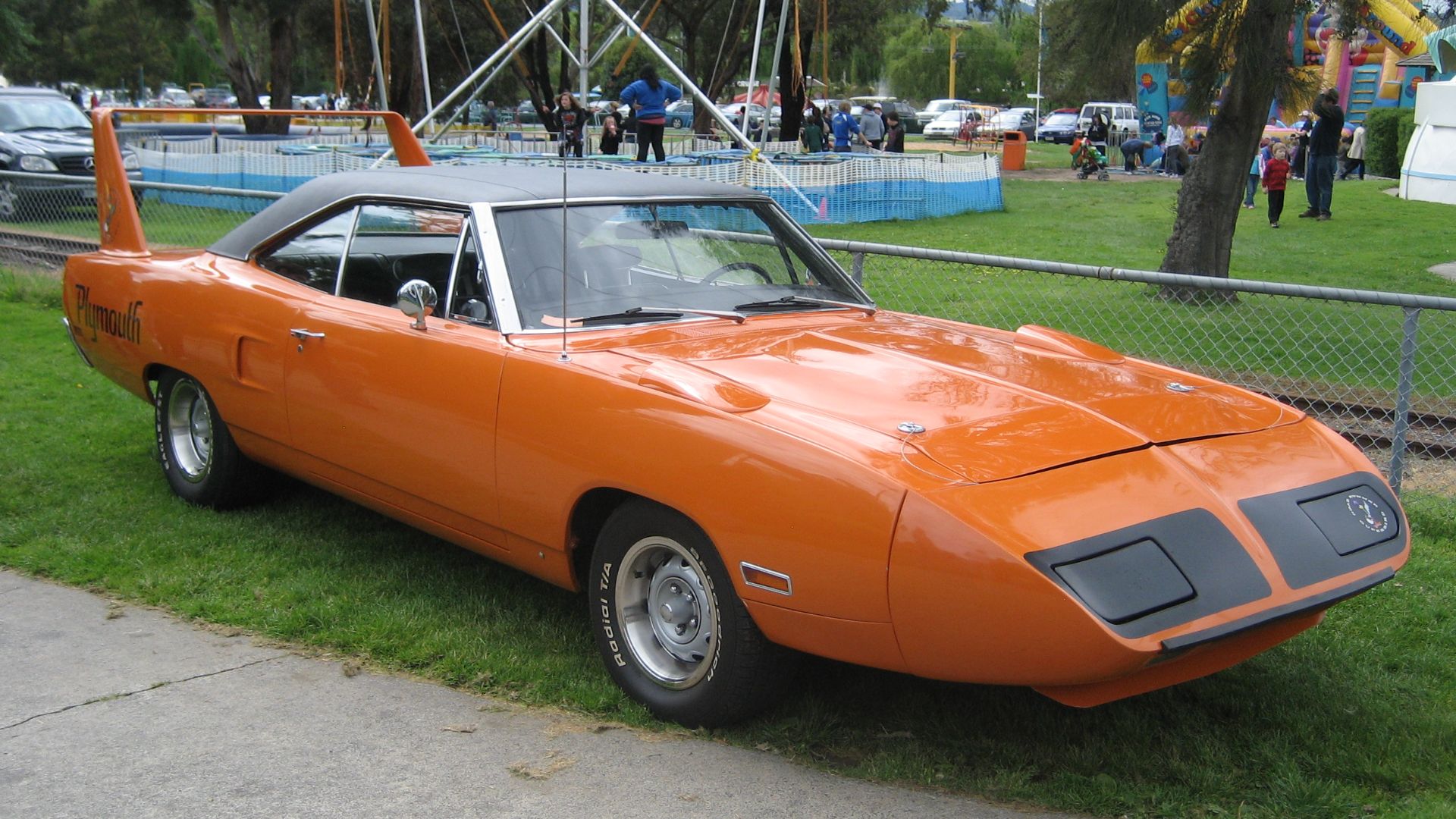
Plymouth Superbird (Cont.)
Many dealers actually removed the extreme aerodynamic features to move cars off their lots. The engineering behind the Superbird's unusual appearance was surprisingly sophisticated for the time. Wind tunnel testing revealed that the rear wing needed to be mounted high to place it in clean air above the turbulence caused.
Buick GSX
The muscle car era reached its zenith in 1970, and few cars peaked more thoroughly than the limited-production Buick GSX. When most people think of muscle car manufacturers, Buick rarely tops the list—which makes the GSX's capabilities all the more intriguing.
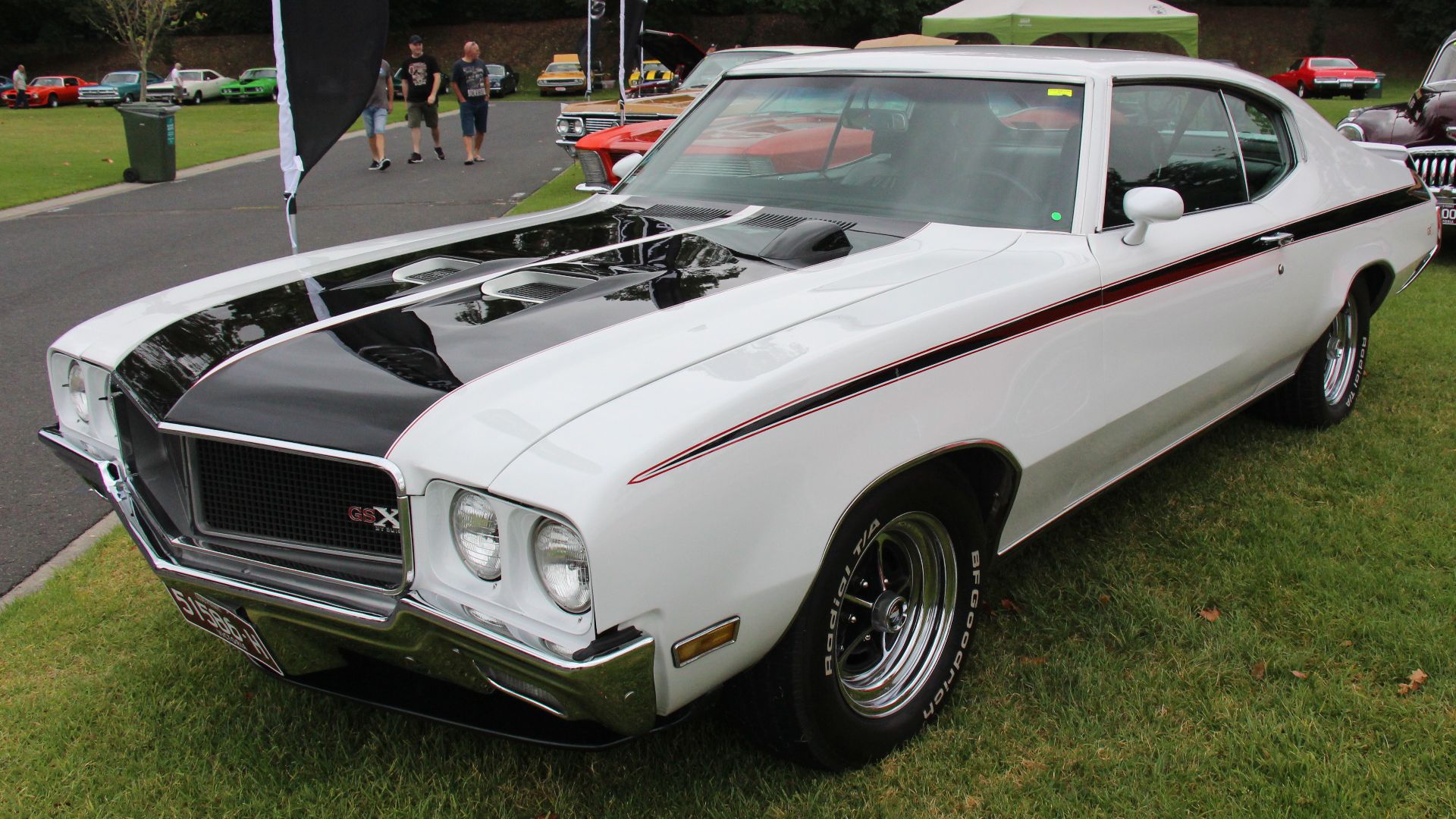
Buick GSX (Cont.)
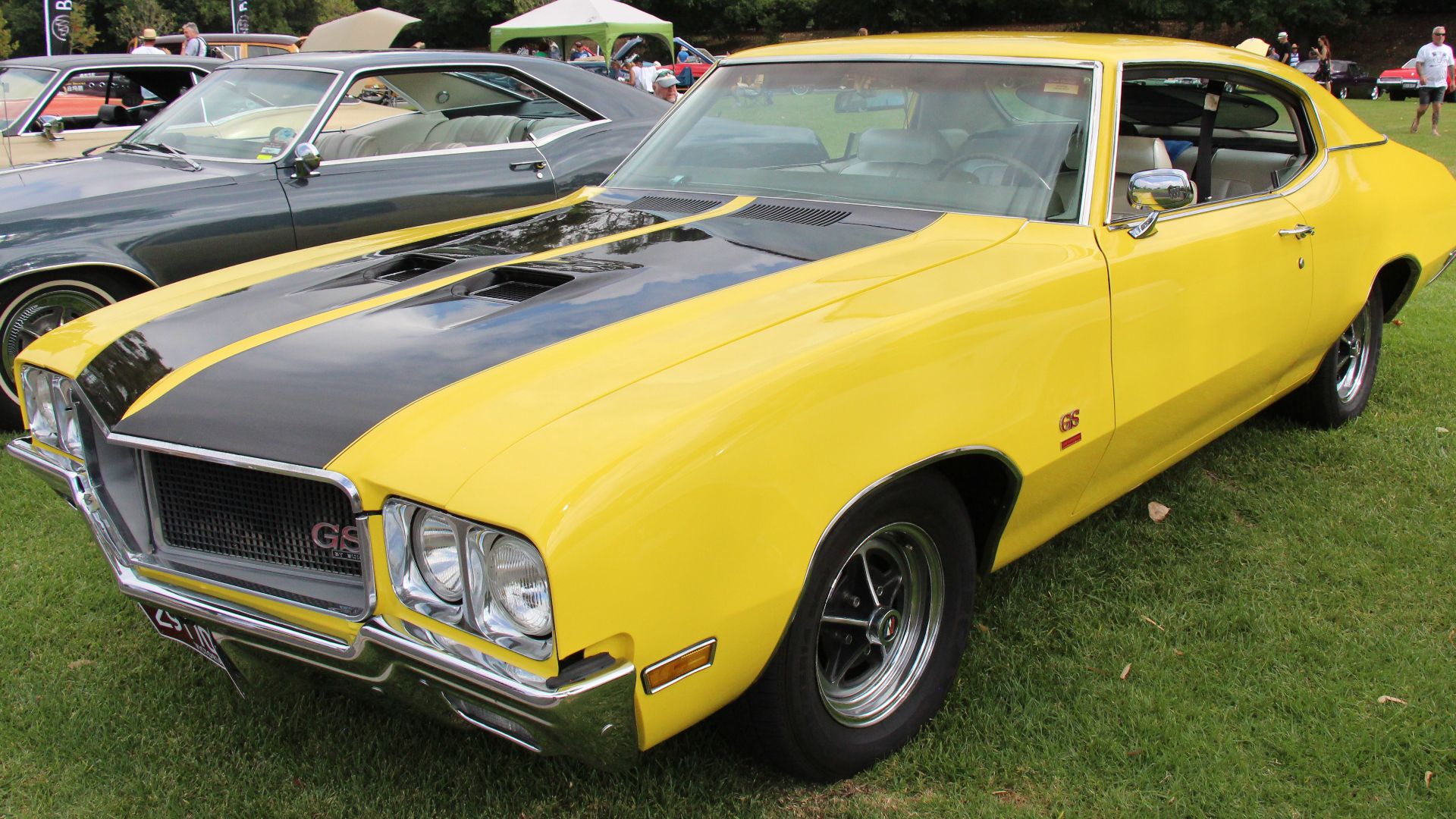
Its Stage 1 455 cubic-inch V8 produced a conservatively rated 360 horsepower and an astounding 510 lb-ft of torque, the highest torque rating of any American production car until the modern era. This muscle car came dressed in eye-catching Saturn Yellow or Apollo White paint with contrasting black stripes.
Oldsmobile 442
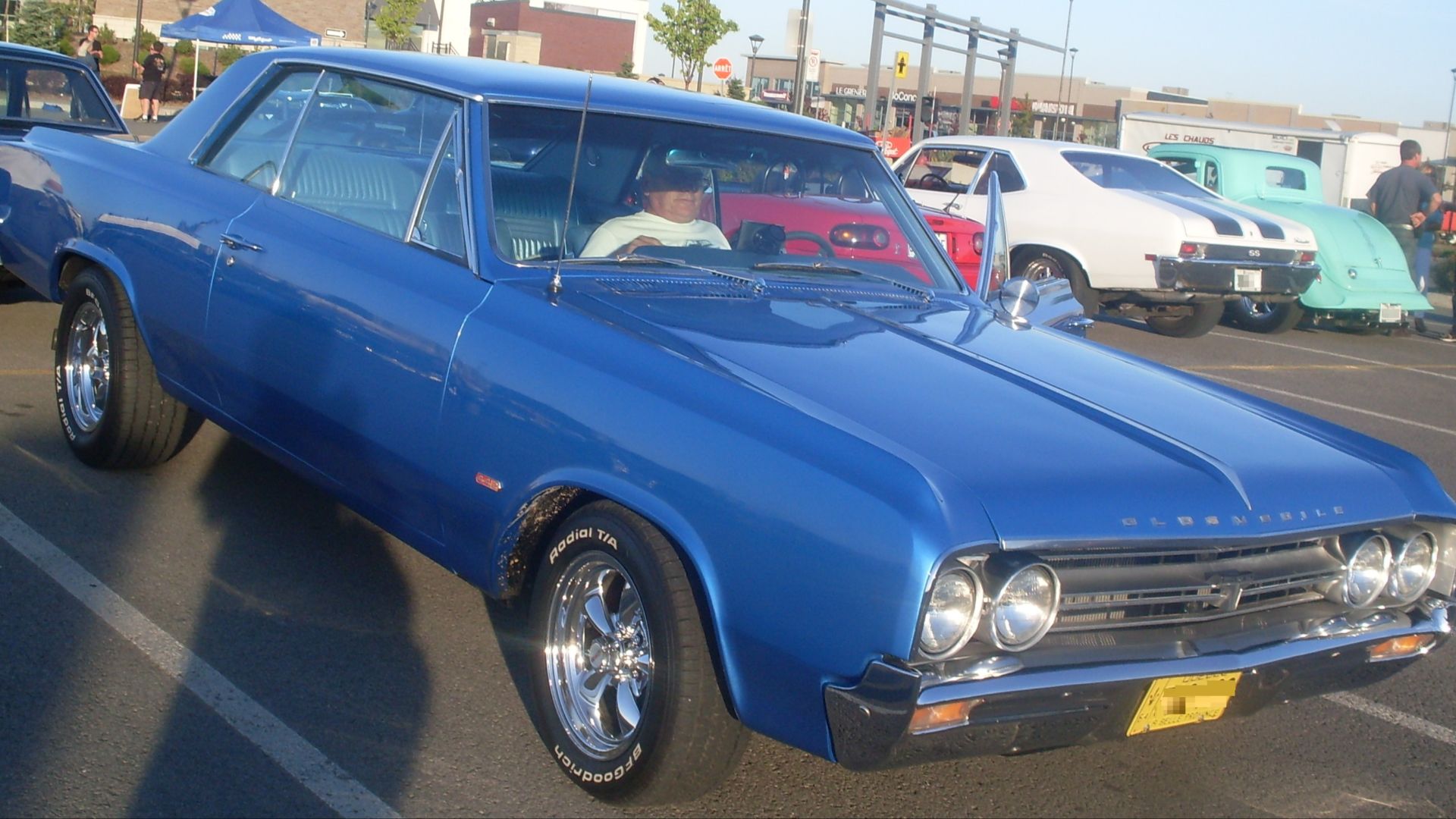
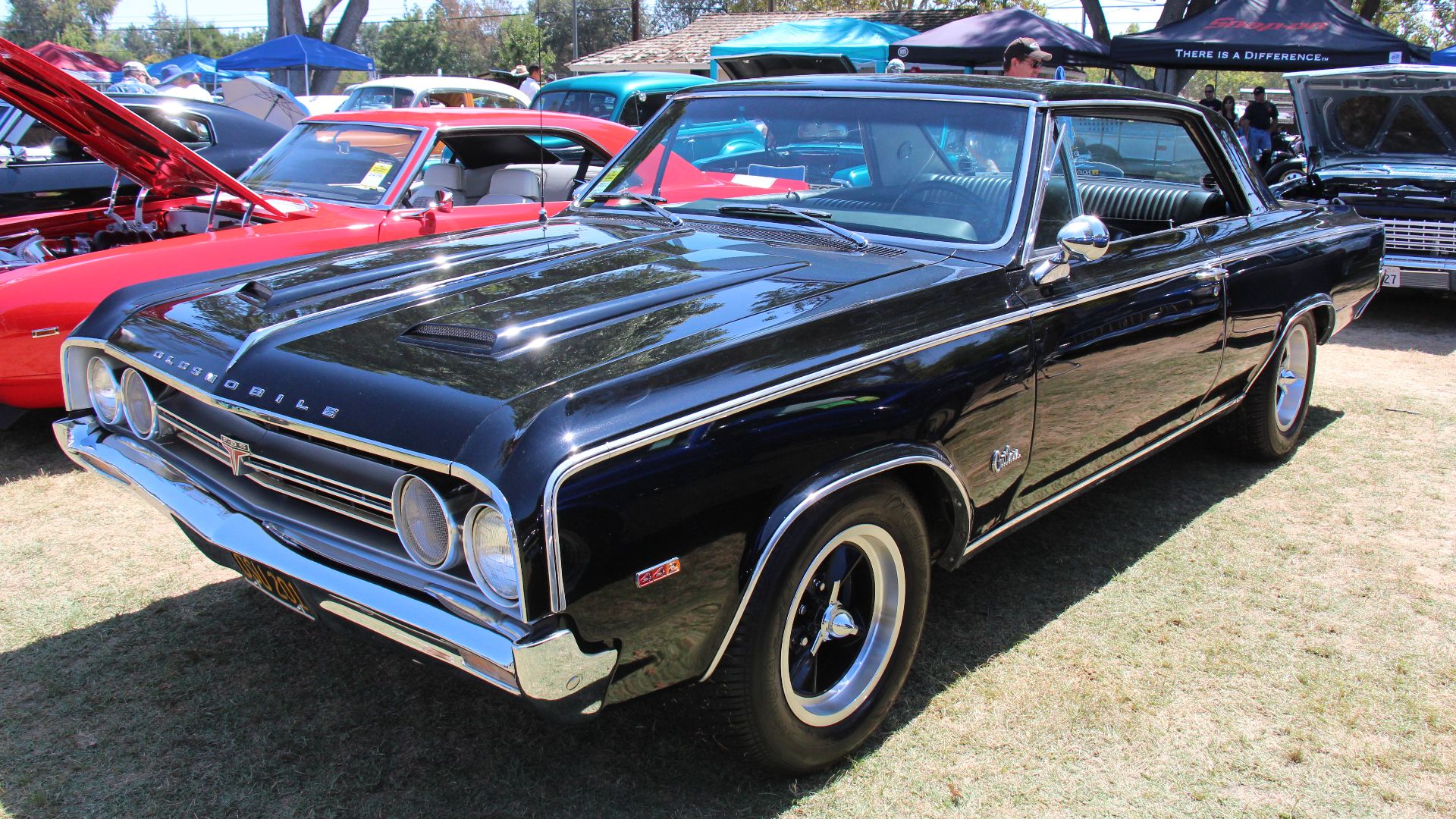
“4-4-2”, yes, four-barrel carburetor, four-speed manual transmission, and dual exhausts—that's how this iconic beast got its name when introduced in 1964 as an option package for the Oldsmobile Cutlass. By 1970, the 442 had evolved into a separate model.
Oldsmobile 442 (Cont.)
This option included a fiberglass hood with functional air scoops, an aluminum intake manifold, a special camshaft, and several other performance enhancements that boosted the 455 cubic-inch V8 to 370 horsepower and 500 lb-ft of torque. Magazine tests recorded quarter-mile times in the mid-13-second range.