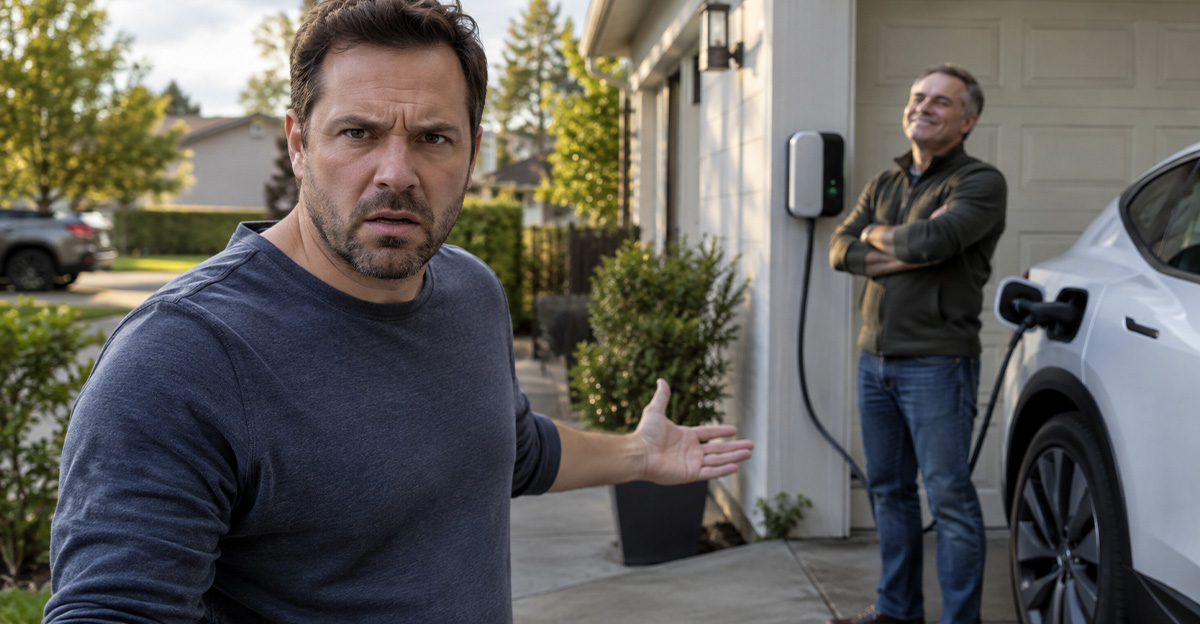
The Shocking Return Home Scenario
You leave town with an old, reliable, and totally paid-off car in the driveway. Then you come back to find it gone, traded in, and replaced by a brand-new pricey loan. It's hard to even wrap your head around, but versions of this mess come up often enough that consumer lawyers and motor vehicle agencies deal with them all the time. The short answer is that it depends on who owned the car, whose name was on the title, and whether anyone went as far as to do something like forging a signature.

The First Question Is Simple But Crucial
Before anyone gets into what feels fair, the law usually starts with one basic question: whose name was on the title when the car was traded in? A paid-off car can still be sold or traded only by the legal owner or by someone who had permission to act for that owner.

If The Title Was Only In Your Name
If the title listed only you, your spouse usually could not legally transfer ownership without your signature or a valid power of attorney. State title systems are built around that rule. The National Highway Traffic Safety Administration explains that title documents show ownership, and the states control how a vehicle can be transferred.

If Both Spouses Were On The Title
This is where things can get messy fast. If both names were on the title, whether one spouse could sign alone often depends on whether the title says “and” or “or” between the names. That small detail matters because many states treat “and” as requiring both owners to sign, while “or” may let either owner transfer the vehicle.

The Tiny Word That Can Change Everything
The Indiana Bureau of Motor Vehicles puts it plainly. If a title shows two owners joined by “AND,” both signatures are required. If they are joined by “OR,” only one owner has to sign. That one word can decide whether a trade-in was valid or not.

A Real Example From A State Motor Vehicle Agency
The Nebraska Department of Motor Vehicles gives similar guidance. Its public instructions say that when there are multiple owners, the signatures needed for a transfer depend on how the names appear on the title. That is not dealership gossip. It is how state title law works in real life.

A Dealer Cannot Just Ignore The Title
Dealers are not supposed to just take someone’s word for it when a trade-in shows up. They usually must collect a properly assigned title and other ownership papers before they can resell the car or retitle it. If they took a trade without the signatures the law requires, the problem may go well beyond a family dispute.

But Could The Dealer Still Let It Happen
Yes, in the sense that bad paperwork and sloppy practices do happen. A dealer employee might not check signatures closely, or someone may show up with forged documents. That does not make the deal legal. It just means the mess may have to be sorted out through the dealer, the lender, the DMV, the police, or a court.

The Loan Is A Separate But Related Problem
Even if the trade-in itself was mishandled, the auto loan raises a different set of legal questions. A lender usually expects the borrower to sign the loan or retail installment contract personally. If your name was put on a large loan while you were away and you never signed anything, that points to possible fraud or forgery, not just a fight between spouses.

Federal Regulators Have Warned About Forged Auto Loans
The Consumer Financial Protection Bureau has documented cases involving forged signatures and fake income information in auto finance. In January 2023, the CFPB announced an enforcement action against Credit Acceptance Corporation and described misconduct that included consumers being put into loans they could not afford and false information being used in the loan process. That does not prove what happened in your situation, but it shows that serious abuse in auto lending is very real.

The FTC Has Also Flagged Dealer Misconduct
The Federal Trade Commission has repeatedly warned that some dealerships and finance offices use deceptive tactics. In December 2023, the FTC announced action against several dealerships and described unlawful junk fees and deceptive practices tied to vehicle sales and financing. If paperwork was pushed through without proper consent, regulators would not see that as a harmless mix-up.

Marriage Does Not Automatically Create Unlimited Authority
A lot of people assume a spouse can sign anything for the other spouse. That is usually not how vehicle titles and credit contracts work. Marriage can affect property rights under state law, especially in community property states, but it does not usually give one spouse the right to forge the other person’s signature on a title transfer or loan agreement.

Community Property Does Not Mean Anything Goes
Community property rules in states like California, Texas, and Arizona can affect who has an interest in property bought during marriage. But title rules and contract rules still matter. A dealership and lender still need valid signatures and lawful authority for a trade-in and a new debt.

If Your Spouse Signed Only For Herself
If the new loan is only in your spouse’s name, the lender may treat it as her debt alone, depending on state law and the wording of the contract. But that still may not solve the trade-in problem if your old car was titled only to you. In that situation, ownership of the old car and responsibility for the new loan can turn into two separate disputes.

If Your Name Was Forged
If your signature was forged on the title, bill of sale, odometer statement, power of attorney, or finance contract, the situation gets a lot more serious. Forgery can invalidate important documents and can lead to both civil and criminal consequences. It can also trigger your rights under federal credit reporting law if the loan starts showing up on your credit report.

Your Credit Report Can Reveal The Damage Fast
One of the first places to look is your credit report. The FTC tells consumers to review their credit reports for unfamiliar accounts and mistakes. If a new auto loan shows up there and you never signed for it, you may need to dispute it right away and create an identity theft report.

The FTC Lays Out The Identity Theft Steps
The FTC’s identity theft portal explains what to do when someone opens an account in your name without permission. The basic steps are to report the fraud at IdentityTheft.gov, contact the company involved, and dispute the account with the credit bureaus. If a forged auto loan is part of the problem, that guidance becomes important very quickly.

Act Fast With The Dealer
Time matters because cars can move through the sales pipeline fast. Contact the dealership in writing as soon as possible and say that you dispute the trade-in and any financing signed without your permission. Ask for copies of the title assignment, buyer’s order, odometer disclosure, power of attorney, retail installment contract, and any identification used in the deal.

Then Contact The Lender Immediately
If a lender is involved, notify it in writing that you dispute any account opened in your name without your consent. Ask for the application, contract, signature pages, and any electronic signature records. If the lender gets a fraud claim early, it may be able to pause collection activity while the documents are reviewed.

The DMV May Hold Key Answers
Your state motor vehicle agency can often tell you whether the title has already been transferred and what paperwork was submitted. Some states can also provide records or explain how to challenge an improper title transfer. This is where things get concrete, because the actual signatures and documents usually matter more than anyone’s version of events after the fact.

A Police Report May Be Necessary
If you think signatures were forged or false documents were used, filing a police report may be necessary. The FTC notes that creditors and credit bureaus often want documentation when fraud is disputed. A police report can also help create a paper trail if you later need to go to court or deal with an insurer.
Do Not Forget About Insurance
If the original car was wrongfully transferred and is now gone, your insurer may need to be told, especially if there is a theft or unauthorized use issue. Coverage questions vary, and insurers do not all handle title disputes the same way. Still, waiting too long can create even more problems.

Could The Trade Be Undone
Possibly, but it depends on how far the deal has gone. If the dealer still has the traded vehicle and the paperwork is clearly defective, unwinding the deal may be easier. If the car has already been sold, the case can get more complicated and may turn into a damages claim instead of a simple return of the vehicle.

What Courts Usually Care About
Courts usually focus on documents, authority, and reliance. Did the spouse actually have the authority to transfer the vehicle or sign for the loan? Did the dealer and lender have reason to think the signatures were real? Those details often decide whether the transaction stands, gets reversed, or turns into a fraud case.
This Is Where A Consumer Lawyer Earns Their Fee
A lawyer can help separate the title issue from the loan issue and figure out whether there are claims against the spouse, the dealer, the lender, or all three. Consumer law and state title law overlap here in ways that are not always obvious. If the loan is large and the car is gone, this usually stops being a do-it-yourself problem pretty quickly.

The Bottom Line On Whether It Can Even Happen
Yes, it can happen in the real world because people sign things they should not, dealers sometimes miss problems, and lenders may process bad paperwork. But whether it can happen legally is a different question. If your spouse was not on the title, did not have authority, or forged your name, both the trade-in and the loan may be open to challenge.

The Fastest Practical Checklist
Pull your credit reports and look for the loan. Contact the dealer, lender, and DMV in writing and demand copies of every document. If your signature was forged, report identity theft through the FTC, consider filing a police report, and talk to a consumer lawyer in your state as soon as possible.