
The Truck in Your Driveway Can Start a Neighborhood Fight Fast
An old pickup might just be your transportation, but it can turn into the center of a very exhausting HOA dispute. If your neighbor keeps reporting your truck because they think it drags down property values, the frustrating truth is this: An HOA sometimes can force changes, but only if its governing documents and state law actually support that move.
 Matt Fitz Gibaud, Pexels, Modified
The First Question Is Not Whether Your Truck Is Old
The real question is whether your homeowners association has authority over what is parked on your lot or on association property. HOAs get that authority from recorded covenants, conditions, and restrictions, usually called CC&Rs, along with bylaws and rules adopted under those documents. If the rule is not in those documents, or was not properly adopted, the HOA may have a much weaker case than your angry neighbor claims.

What HOAs Usually Regulate
Vehicle restrictions in HOA communities are common, but they usually focus on specific issues rather than age by itself. The usual targets are inoperable vehicles, commercial vehicles, RVs, trailers, vehicles parked in common areas, and cars described as unsightly or in disrepair. Whether an old truck fits one of those labels depends on the exact wording of the rule, not on one neighbor's opinion.
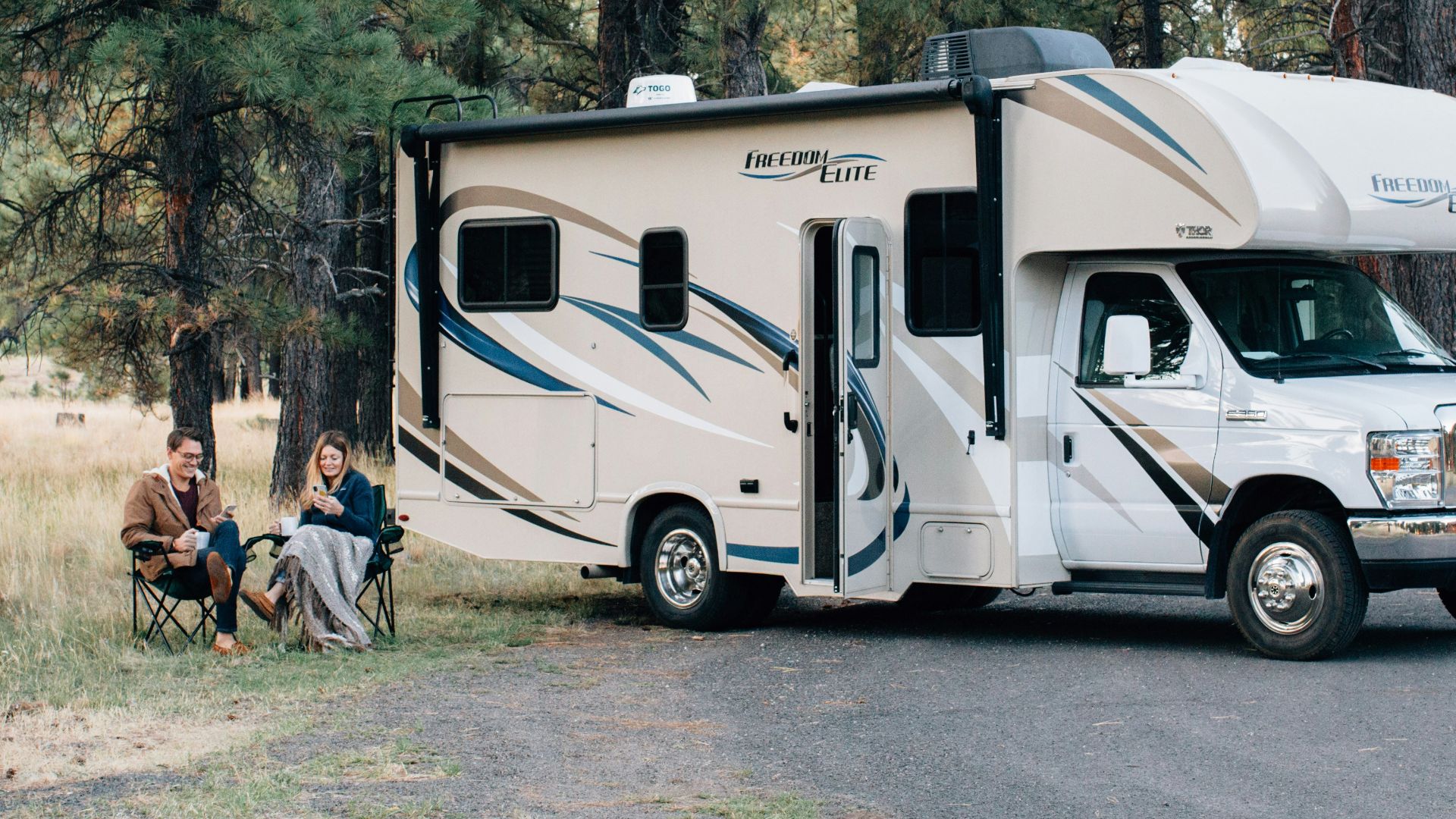
Property Values Are the Claim People Love to Make
You hear this line in almost every HOA parking argument. The problem is that “hurts property values” is often more of a talking point than a legal standard. Unless your governing documents actually ban certain vehicle conditions or appearances, a vague complaint about value may not be enough on its own.

The HOA's Power Starts With Recorded Covenants
The Community Associations Institute explains that CC&Rs are recorded real estate covenants that generally run with the land and bind owners in the community. That matters because those recorded restrictions can be enforced like a contract. In plain English, if a valid restriction is in the documents you bought into, it can be much harder to ignore.

State Law Can Rein In Overreach
Even when an HOA has rules, state statutes can limit how far those rules go. Some states now protect common situations like parking personal vehicles, displaying emergency service vehicles, or keeping pickup trucks that are not used commercially. That means the answer can change a lot depending on where you live.

Texas Is a Good Example of State Limits
Texas Property Code section 202.020 limits HOA regulation of certain vehicles on roads, streets, driveways, and garage areas in some residential subdivisions. The law says an HOA generally may not prohibit or regulate the parking of a motor vehicle owned or leased by a property owner or resident if it is a passenger vehicle, motorcycle, light truck, or other vehicle allowed by the statute, unless a listed exception applies. Those exceptions include blocking sidewalks, commercial advertising, inoperable vehicles, and threats to health or safety.

That Light Truck Language Matters
If you own an older pickup in Texas, the phrase “light truck” is not a small detail. It can be the difference between a neighbor's complaint and an enforceable violation. The same truck that sparks repeated reports might be protected by state law if it is operable, properly parked, and not covered in business advertising.
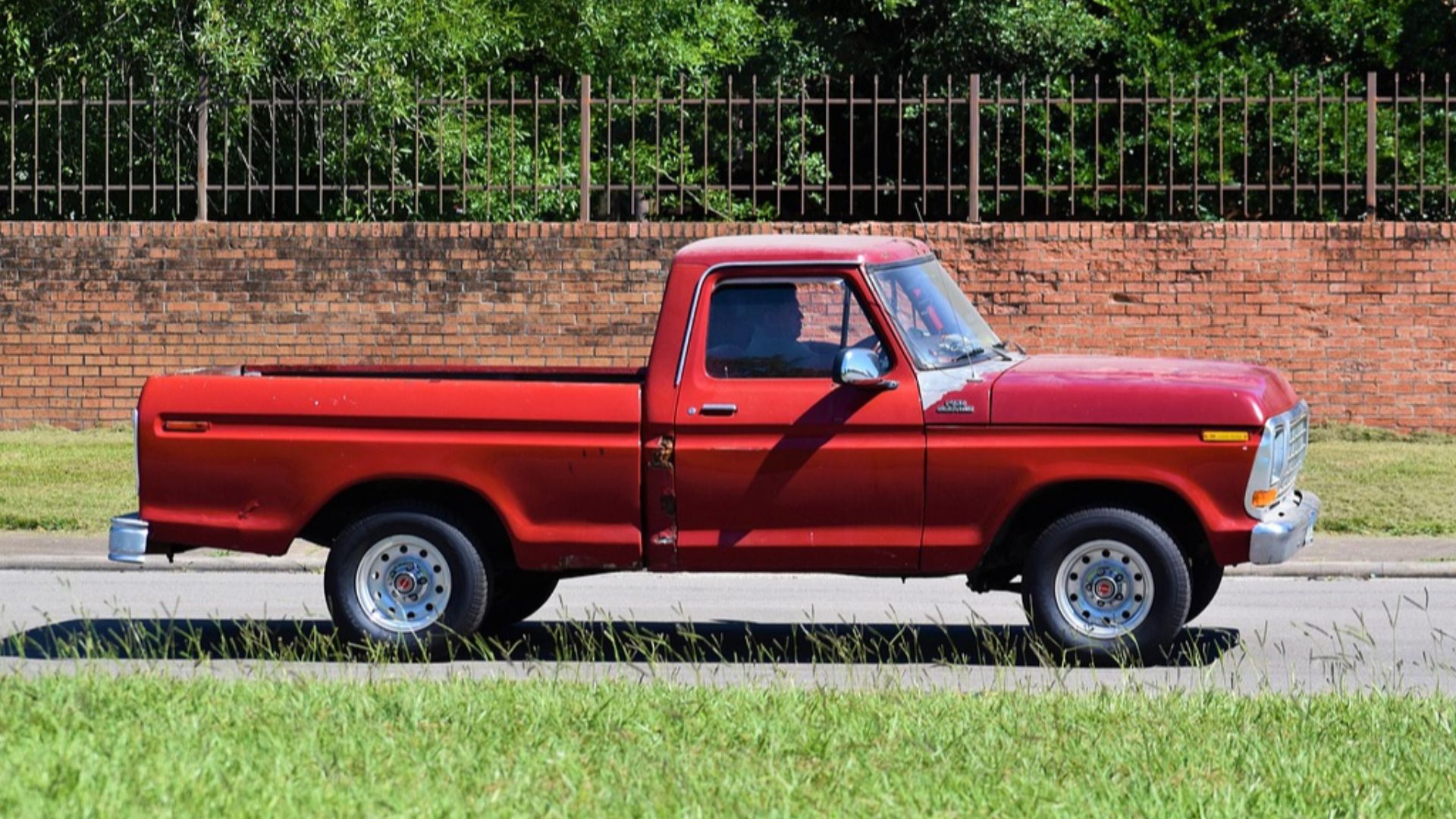
Florida Also Curbed Some HOA Parking Restrictions
Florida Statutes section 720.3075 says homeowners association documents, including declarations and rules, may not prohibit owners or certain residents from parking personal vehicles, including pickup trucks, in their driveways or in areas where they have a right to park. The statute has limits and does not give a free pass for commercial nuisance issues or vehicles that are not otherwise lawful. Still, it sharply weakens blanket HOA claims that pickups alone are not allowed.
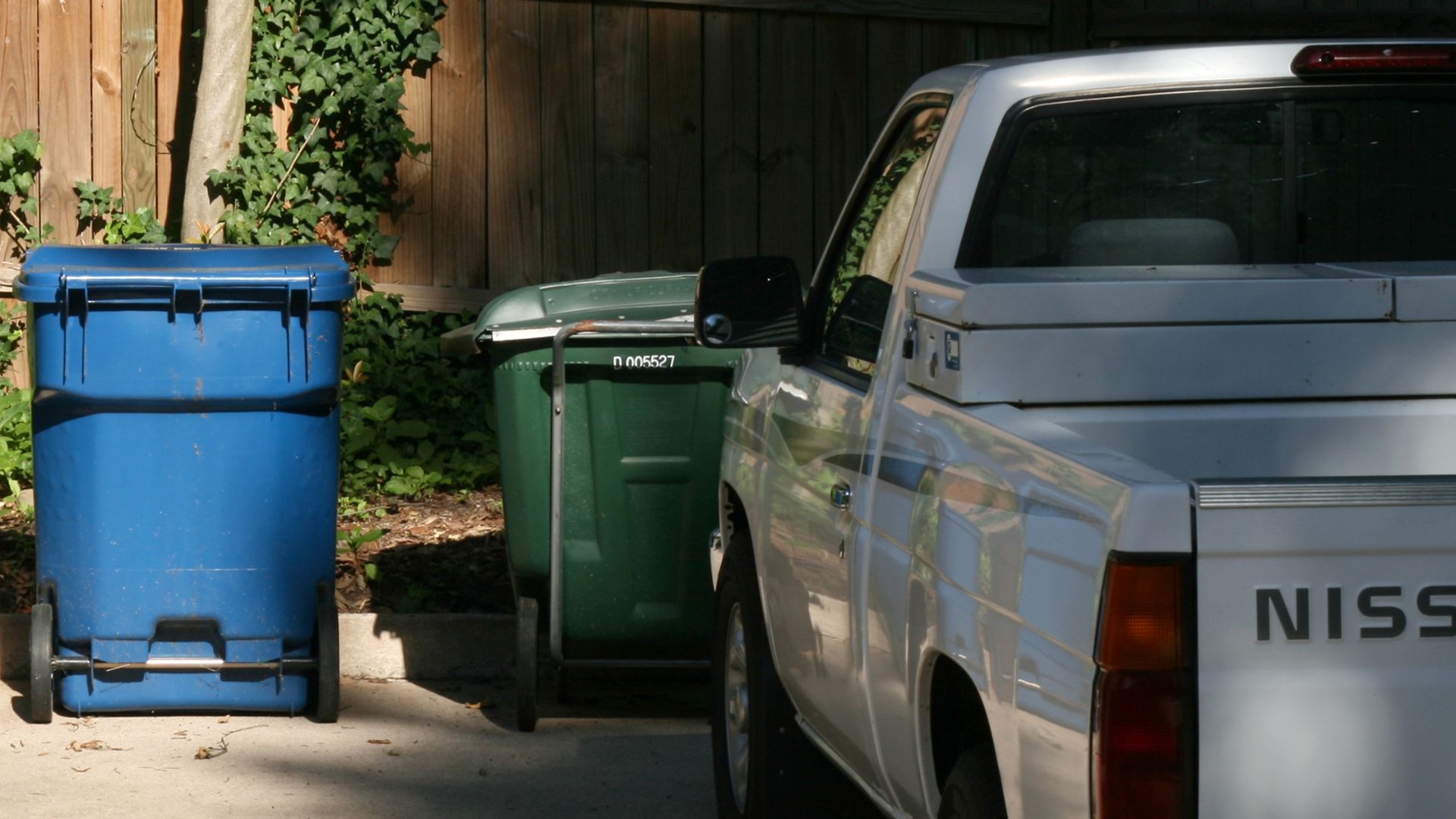 Ildar Sagdejev (Specious), Wikimedia Commons
California Takes a Different Route, but the Theme Is Familiar
California law heavily regulates HOA governance and enforcement procedures, even when it does not specifically protect old trucks. The Davis-Stirling Act requires notice and hearing procedures before many disciplinary actions, and the Davis-Stirling website explains how associations handle parking rules and fines under that framework. That means procedure matters almost as much as the rule itself.

Due Process Is Not Just Legal Jargon
Before many HOAs can fine you, suspend privileges, or escalate enforcement, they must follow the procedures in their governing documents and applicable state law. That usually means written notice, a chance to be heard, and a board decision. If your HOA skipped those steps and jumped straight from a neighbor complaint to punishment, that can matter a lot.

An HOA Usually Cannot Act on Vibes Alone
A board generally needs to point to an actual covenant or rule that your truck violates. “It looks bad” is not enough unless the documents contain enforceable language about vehicle condition, visibility, storage, or maintenance. Even then, the rule usually has to be applied consistently to avoid selective enforcement problems.

Selective Enforcement Can Blow Up a Weak Case
If three other owners have aging pickups, project cars, or visibly rough vehicles and only your truck gets cited, you may have a fairness argument. Courts often look skeptically at arbitrary or uneven enforcement. A pattern of acting only when one irritated neighbor complains can make the HOA's position look shaky.

Look Closely at Words Like Inoperable and Unsightly
These terms show up in many HOA documents, but they are not the same thing. An inoperable truck might mean expired registration, flat tires, missing parts, or the inability to move under its own power. An unsightly vehicle claim can be more subjective, which makes it easier to challenge if the documents are vague.

Where the Truck Is Parked Can Change Everything
A truck parked in your private driveway may be treated differently from one parked on a street, in guest parking, or on common property. Some HOA documents control common-area parking much more aggressively than driveway parking. State law can also draw that line, as seen in statutes that specifically protect driveway parking.
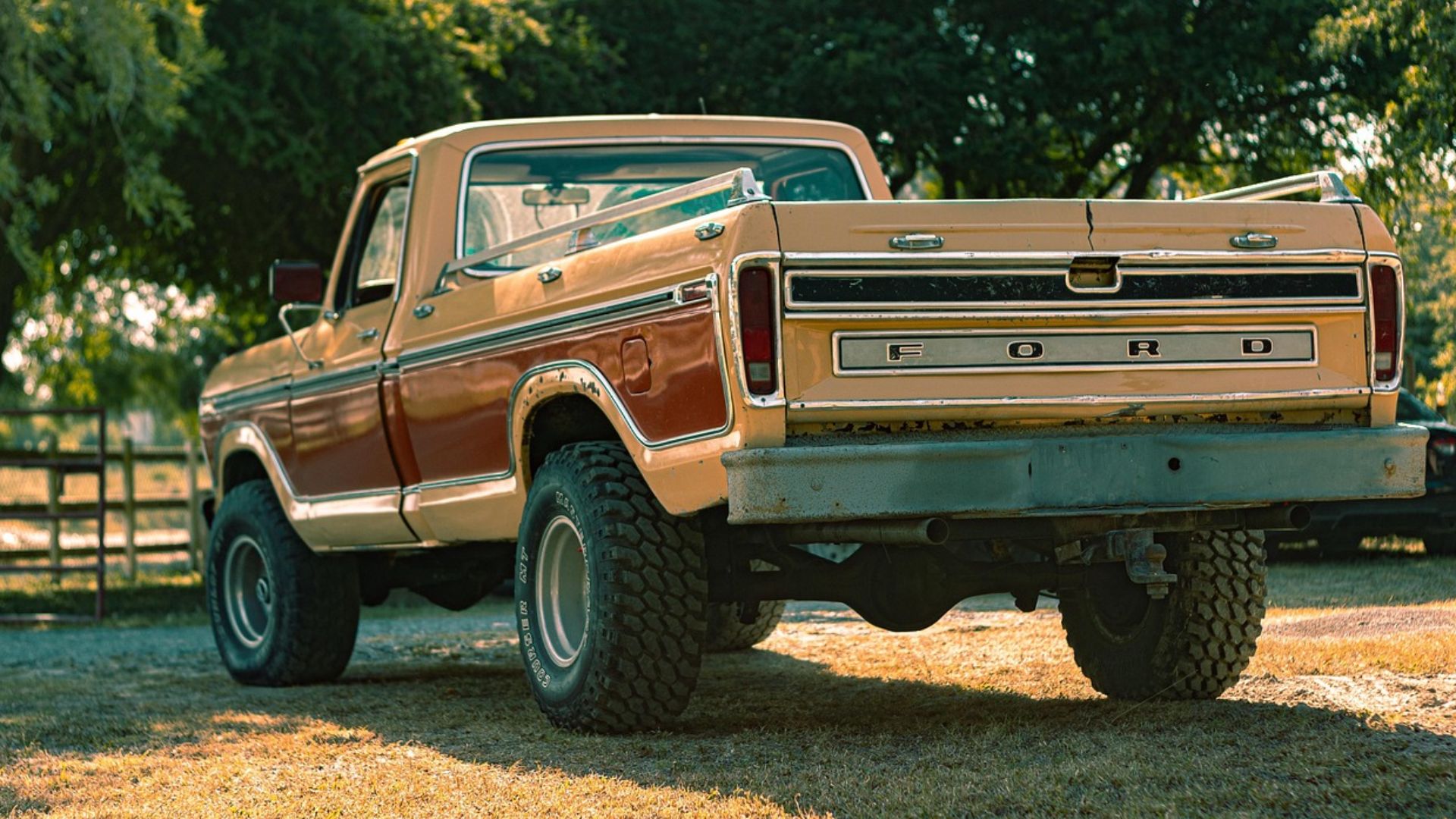 Cristhian_Adame_Photo, Pixabay
A Nonworking Project Truck Is Harder to Defend
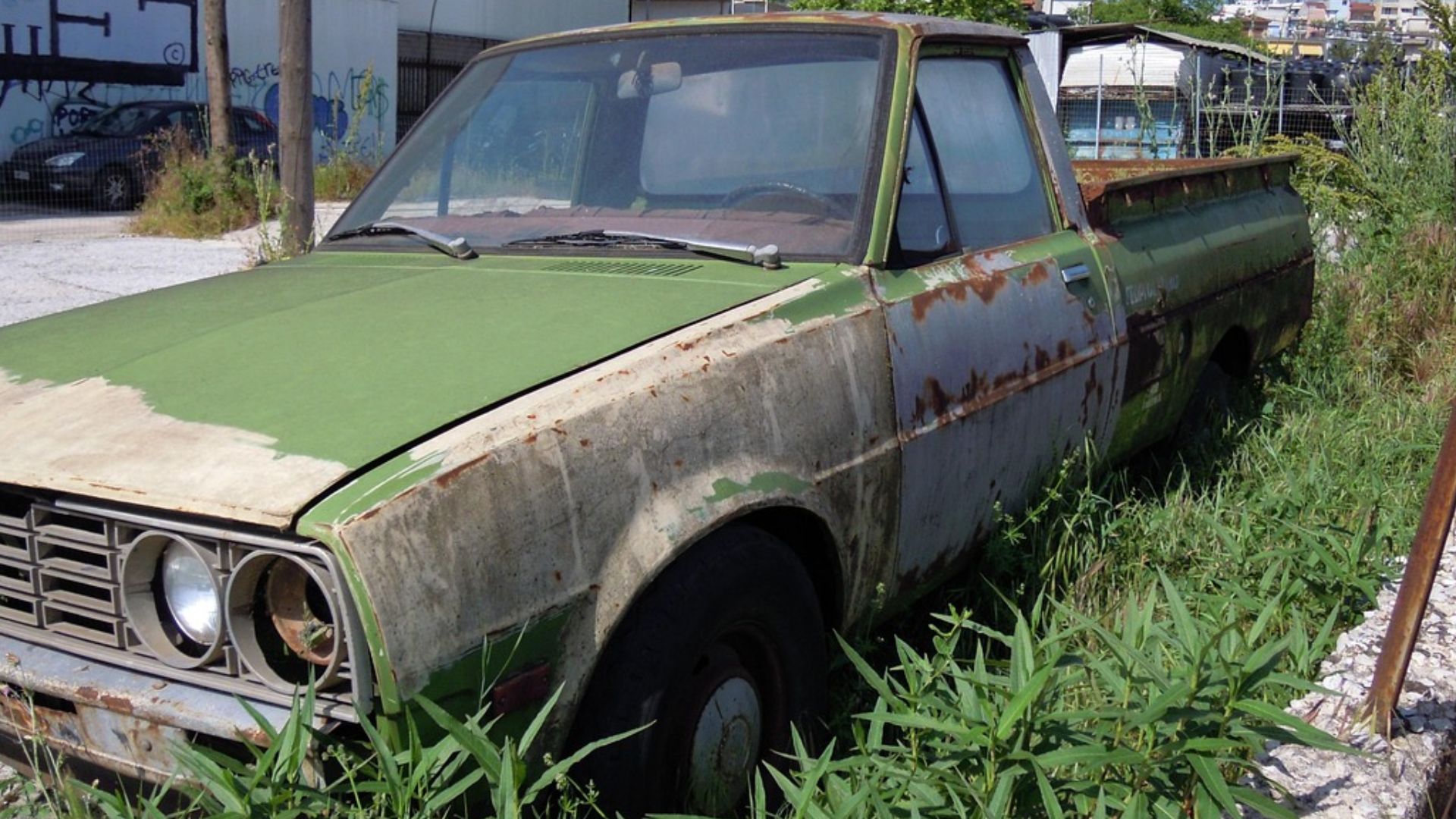
If the old truck does not run, has broken glass, leaks fluids, or sits on jack stands for months, your HOA may have a stronger claim. Many communities ban storage of disabled or dismantled vehicles, especially if they are visible from the street. At that point, the dispute is usually less about age and more about condition and storage.
Commercial Clues Can Trigger Legitimate Restrictions
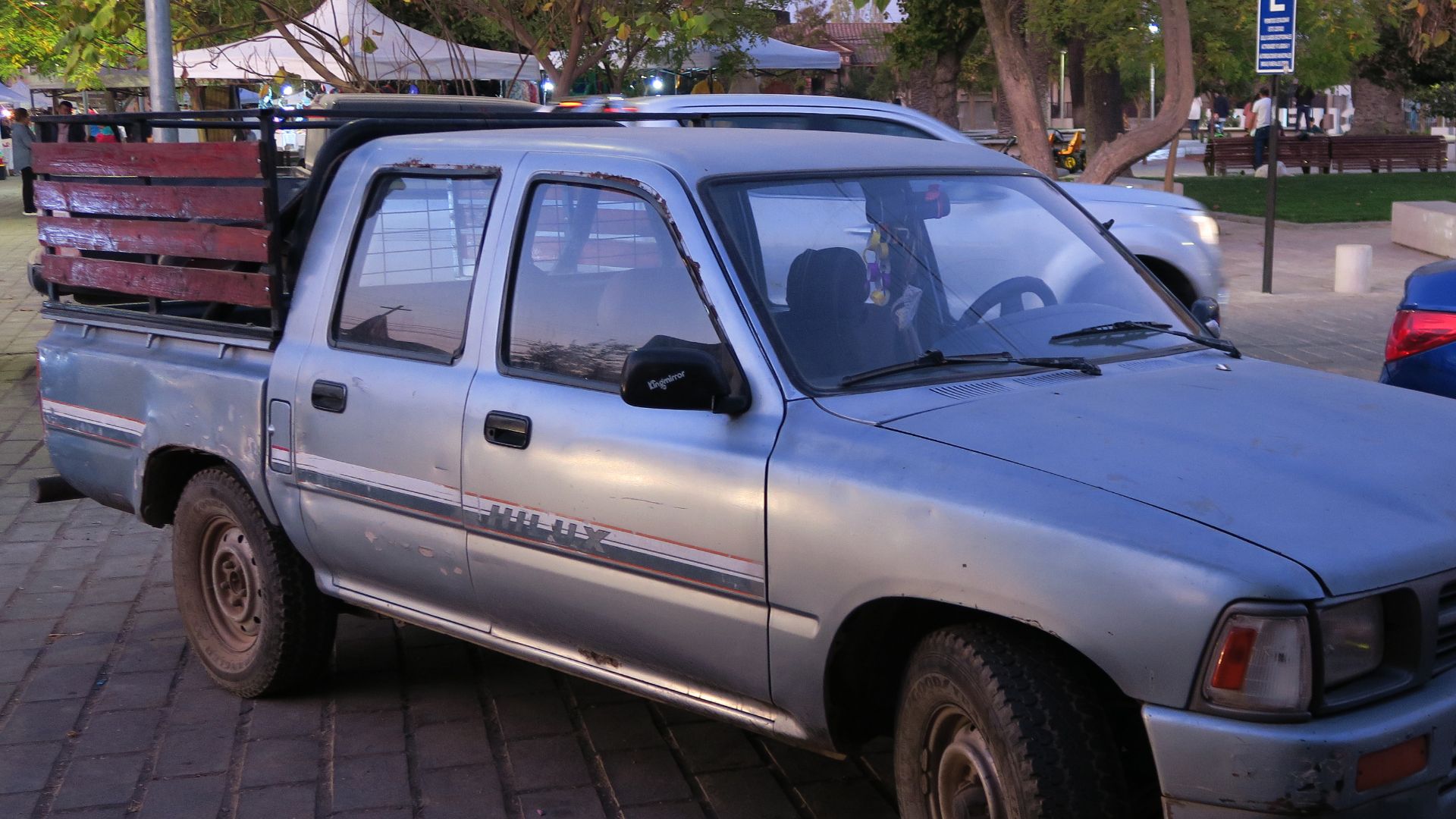
A pickup with ladder racks, jobsite materials, oversized toolboxes, or advertising decals may run into a separate set of HOA rules. Even states that protect pickup trucks often still allow restrictions on commercial vehicles or vehicles displaying business advertising. If your old truck doubles as rolling marketing, the HOA may have firmer ground to stand on.
 RL GNZLZ from Chile, Wikimedia Commons
Fines and Towing Are Not Automatic
HOAs do not get unlimited power the second a complaint lands in the inbox. Their ability to fine, tow, suspend rights, or place liens depends on state law, governing documents, and proper procedure. In many places, towing from private or common property has its own legal requirements and notice rules.

Start by Pulling Every Governing Document You Can Find
Ask for the declaration, CC&Rs, bylaws, rules, parking resolutions, and any architectural or nuisance guidelines. Read the exact vehicle language and look for definitions, enforcement steps, hearing procedures, and appeal rights. This is where the real answer is, not in neighborhood gossip.

Then Compare the Complaint to the Actual Rule
If the letter says your truck hurts property values, but the rule only bans inoperable vehicles, that mismatch matters. If the truck is registered, runs, and is parked in your driveway, that weakens a broad appearance complaint in many states. Facts beat opinions once a dispute starts moving toward formal enforcement.

Document the Truck's Condition Before the Fight Escalates
Take dated photos showing the truck from several angles. Keep proof of registration, insurance, and, if relevant, maintenance receipts showing it is operable. If the HOA later claims the truck was abandoned or dismantled, your records can become your best defense.

Ask for a Hearing and Make the Board Point to the Rule
If you receive a violation notice, respond in writing and request a hearing if your state and documents provide one. Ask the board to identify the exact covenant, rule, and factual basis for the alleged violation. That simple step can expose a weak complaint very quickly.

Be Ready to Raise State Law, Not Just Common Sense
If you live in a state with owner-friendly vehicle protections, cite the statute directly in your response. Texas and Florida are two clear examples where legislatures narrowed HOA authority over personal vehicles in certain situations. A calm letter with the right statutory reference can do far more than an emotional argument about your neighbor's attitude.

Sometimes a Practical Fix Is Smarter Than a Long War
Even if you are technically right, a months-long HOA dispute can wear you down. Washing the truck, fixing obvious cosmetic issues, removing old business decals, or screening it if your rules allow can lower the temperature. A small fix can save your sanity without giving up legal ground you do not actually have to give up.
When the HOA Probably Can Force the Issue
If your documents clearly ban inoperable or visibly deteriorated vehicles, if the truck violates a valid parking rule, and if the HOA follows the required notice and hearing procedures, enforcement can get very real. That can mean fines, demands to move the truck, or litigation in serious cases. The more precise the rule and the worse the truck's condition, the stronger the HOA's position usually gets.

When the HOA Probably Has a Weak Hand
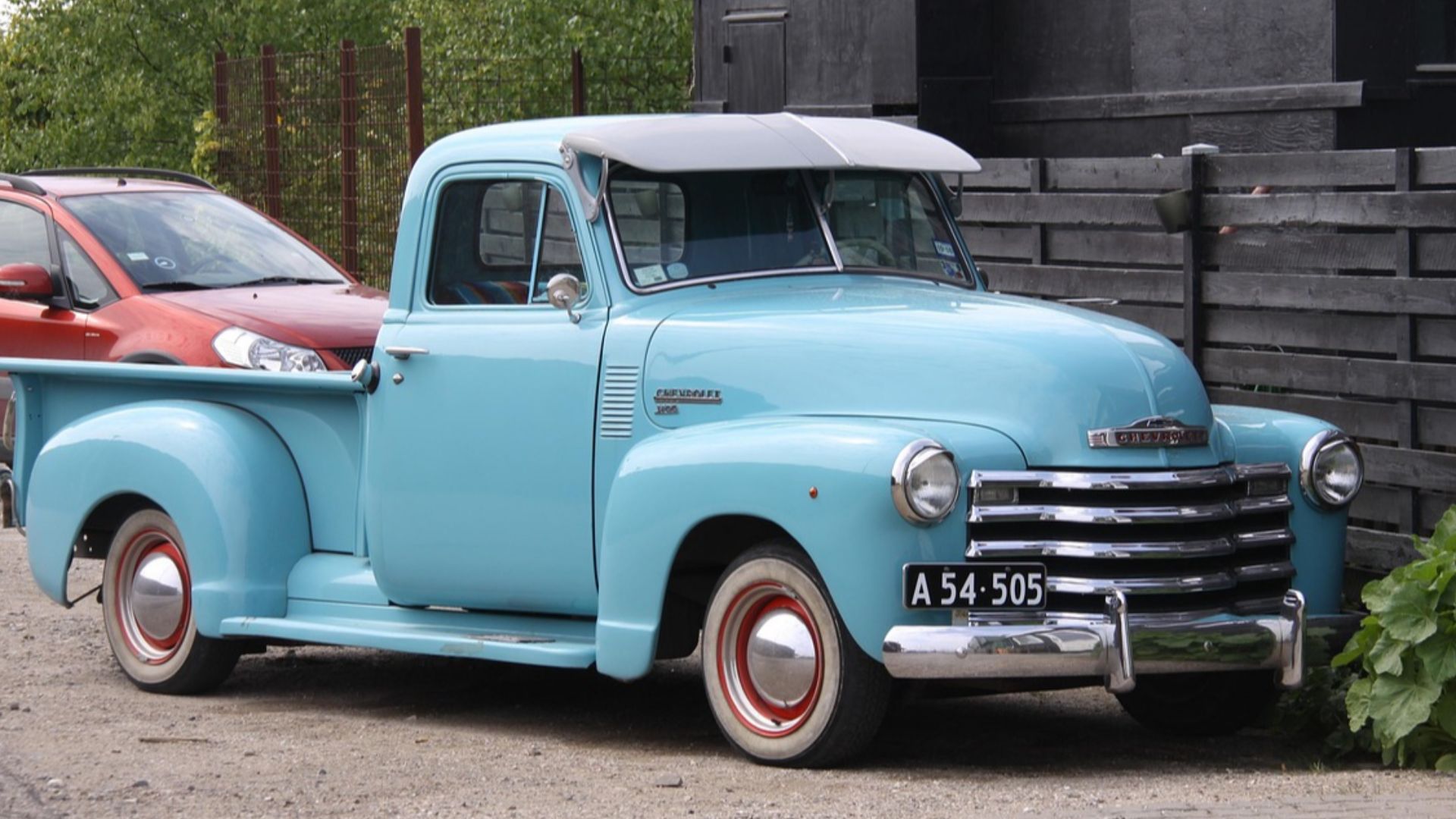
If the truck is operable, legally registered, parked in your own driveway, and your state protects personal vehicles or pickups, the HOA may have little room to maneuver. The same is true if the documents are vague or enforcement is obviously selective. In those cases, “property values” may sound dramatic, but it may not carry much legal weight.

The Bottom Line for Old Truck Owners
Your neighbor cannot personally force you to get rid of your truck. The HOA might be able to, but only if valid governing documents, state law, and proper procedures all line up in its favor. If you own an older pickup, do not panic, but do get organized, because the real battle is usually won in the paperwork.