
The Suspicion Every Driver Has Heard
Cars keep getting more expensive, more computerized, and often harder to fix in your own garage. But the evidence does not show a secret industry plan to make modern cars die young just so dealerships can rake in repair money. At worst, it is mostly likely to just be a profitable side-effect for modern car makers.

What Your Mechanic Is Really Seeing
Independent mechanics often deal with the worst side of modern car ownership. They see failed sensors, sealed transmissions, pricey modules, and repairs that turn a small issue into a huge bill. That frustration is real, but it is not the same as proof that automakers are deliberately building cars to fail early.

Cars Actually Last Longer Than They Used To
One of the biggest facts working against the theory is how long cars now stay on the road. S&P Global Mobility reported in 2024 that the average age of vehicles in operation in the United States reached 12.6 years, a record high. If modern cars were broadly engineered to quit early, that number would be going the other way.

The Average Vehicle Age Keeps Rising
S&P Global Mobility has tracked this trend for years, and the pattern is pretty clear. In 2023, the average age hit 12.5 years, and in 2024 it rose again to 12.6 years. That does not mean every model is dependable, but across the whole fleet Americans are keeping vehicles running longer than ever.

Reliability Has Improved In Important Ways
Modern engines often make it well past 150,000 miles with basic maintenance. Better rust protection, tighter manufacturing, improved oils, and smarter engine management have all helped. The result is that many problems that were common in the 1970s, 1980s, and 1990s show up less often today.

So Why Do Repairs Feel Worse Now
Because breakdowns and repair costs are not the same thing. A 1990s car might need more frequent work, but many fixes were simple and cheap. A modern car may fail less often overall, yet a bad touchscreen, radar sensor, high-pressure fuel pump, or transmission control module can still lead to a brutal bill.

Complexity Is The Real Villain
The simplest explanation is complexity, not conspiracy. New vehicles are packed with emissions gear, turbochargers, driver-assistance systems, infotainment tech, cameras, and layers of software that older cars never had. Every extra feature adds another thing that can go wrong, even if the car overall is still tougher than older models.

Regulations Changed What Cars Had To Be
Automakers do not build cars in a vacuum. Safety and emissions rules pushed the industry toward airbags, anti-lock brakes, stability control, onboard diagnostics, catalytic systems, and much more advanced engine controls. These systems save lives and cut pollution, but they also add cost and make repairs more complicated.

OBD-II Was A Turning Point
The federal requirement for OBD-II diagnostics took effect for 1996 model-year cars sold in the United States. That system made emissions monitoring much more standardized and gave technicians better fault data. It also marked the point when electronics became central to diagnosing even everyday drivability problems.

Safety Gains Came With More Hardware
The National Highway Traffic Safety Administration says electronic stability control became mandatory on new passenger vehicles beginning with the 2012 model year. Rearview cameras became mandatory on new vehicles produced on or after May 1, 2018. Both rules improved safety, but each added sensors, wiring, modules, and calibration work.

Dealer Service Departments Do Make Money
This part is not a myth. Public dealership groups regularly show that service and parts operations are major profit centers. Anyone who reads annual reports from large dealer groups can see how important fixed operations are to the dealership business.

Profit Centers Are Not Proof Of Sabotage
Still, a profitable service department does not prove automakers intentionally make cars fail early. Dealers also make money from warranty work, routine maintenance, recalls, collision repair, and used-car reconditioning. Service revenue is a business reality, not evidence of a coordinated plot.

There Is A Real Incentive To Reduce Warranty Claims
If an automaker truly engineered a car to fail early, it could end up paying for those failures during the factory warranty period. That would hurt profits, damage the brand, and make customers think twice about buying again. Manufacturers usually want parts to last through warranty and ideally much longer, because reliability sells cars.

Customer Satisfaction Is A Brutal Scorecard
Automakers live and die by reputation. Consumer Reports, J.D. Power studies, and owner forums all shape what people buy next. A company that gets known for weak engines or glitchy electronics can lose shoppers for years.

Sometimes Companies Do Make Bad Choices
This is where the argument gets more interesting. There is a big difference between designing a vehicle to fail early and making short-sighted engineering decisions driven by cost, packaging, or performance goals. History has plenty of examples where a design turned out to be weak, even without evidence that it was meant to fail.

GM Ignition Switches Show Cost Pressure Can Be Deadly
One of the clearest documented examples of harmful decision-making came from General Motors. In 2014, GM admitted that faulty ignition switches in several small cars could slip out of the run position, disabling airbags and other systems. A report by former U.S. Attorney Anton Valukas described how the problem dragged on for years amid organizational failures and cost concerns, but it was not a plan to create more dealership repair revenue.

Ford PowerShift Became A Major Warning Sign
Ford's DPS6 PowerShift transmission in certain Fiesta and Focus models led to years of owner complaints, lawsuits, and investigations. The trouble centered on shuddering, hesitation, and premature wear in a dry-clutch automatic design. Reporting and court records pointed to a flawed product and a slow response, not proof that it was intentionally built to enrich dealers.

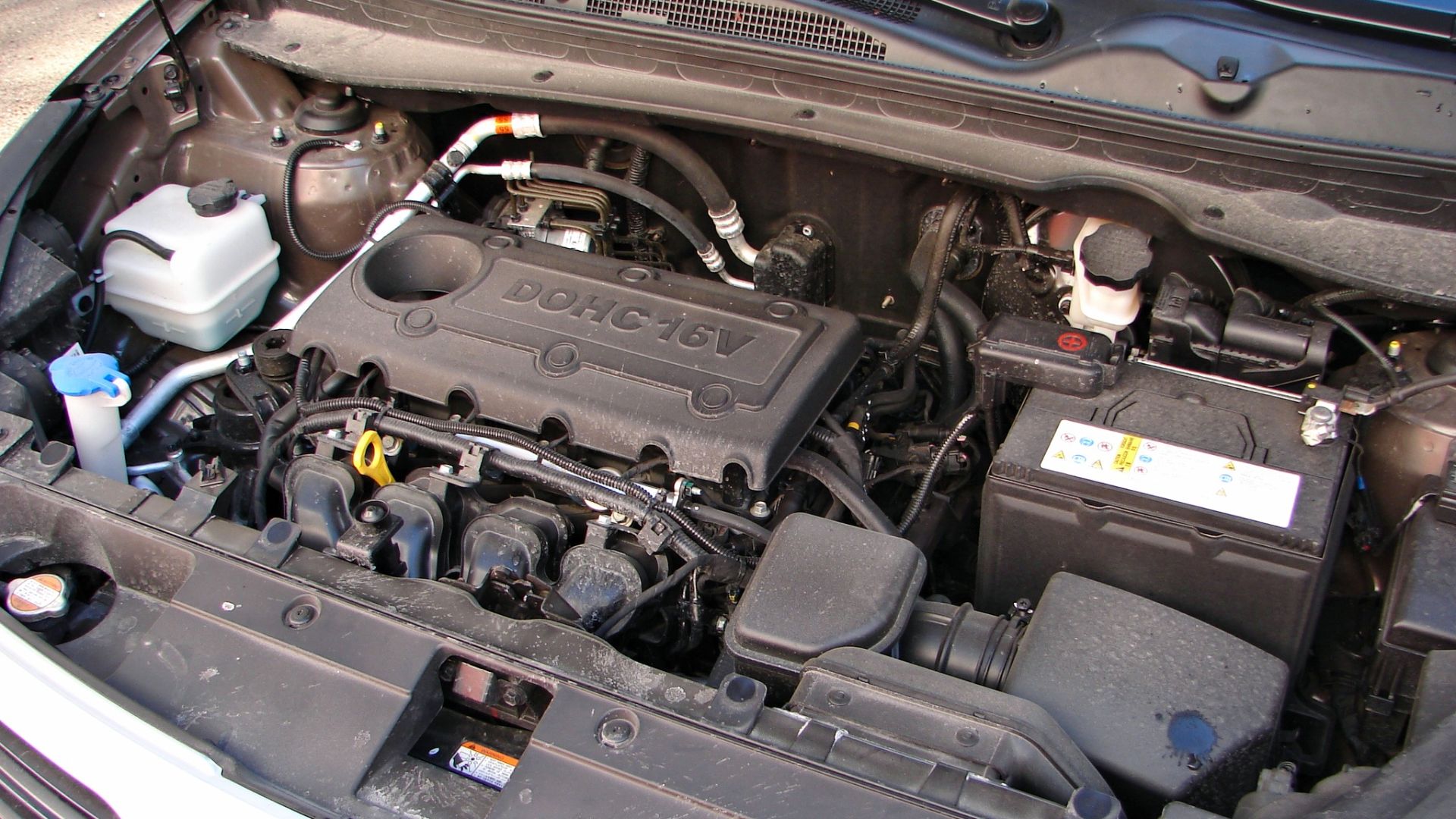
Hyundai And Kia Engine Problems Were Real
Hyundai and Kia faced heavy scrutiny over engine failures and fire risks tied to certain Theta II engines. In 2020, the National Highway Traffic Safety Administration announced consent orders and civil penalties after finding delays in recalling vehicles for engine defects. That is a documented case of serious defects and regulatory action, but it still does not show a deliberate plan for early breakdowns as a profit strategy.
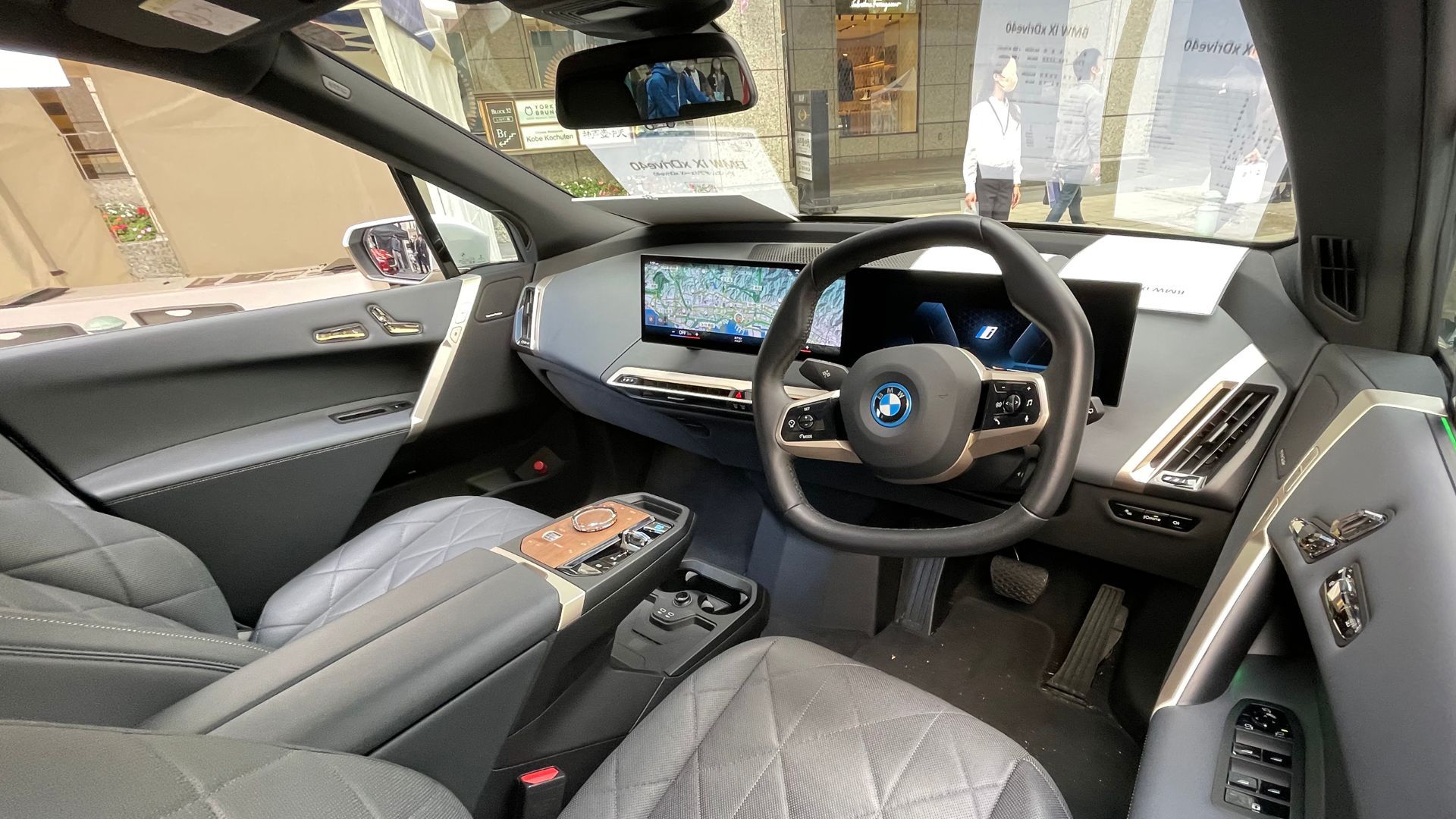
BMW And Subscription Features Added Fuel To The Fire
Drivers got even more suspicious when automakers started experimenting with software-gated features and subscriptions. BMW drew attention in 2022 for offering subscription access to certain features, including heated seats, in some markets. That felt like a glimpse of a future where car ownership becomes a stream of recurring charges, even though it is different from designing hardware to fail.
 Tokumeigakarinoaoshima, Wikimedia Commons
Right To Repair Is Where The Real Fight Is
If there is a real modern-car controversy, it is often about repair access rather than intentional failure. Independent shops and consumer advocates argue that automakers restrict diagnostic tools, software access, telematics data, and parts pairing in ways that push owners toward dealership service. That debate is active, specific, and much easier to document than broad claims of planned failure.
 Quality Stock Arts, Shutterstock
Massachusetts Put The Issue On The Ballot
In 2020, Massachusetts voters approved an update to the state's right-to-repair law aimed at expanding access to mechanical and telematics data. The measure became a national flashpoint because it directly challenged automaker control over repair information. Court fights followed, showing how much money and power are tied up in who gets to fix modern vehicles.

Software Locks Change The Ownership Experience
Modern vehicles increasingly need software authorization after certain parts are replaced. A battery, headlight module, camera, or infotainment unit may need coding or pairing before it works properly. That can make independent repair harder and definitely increase dealership leverage, even without proving the car was designed to fail early.

Sealed For Life Often Means Expensive Later
Another thing that feeds suspicion is the rise of components sold as sealed or filled for life. In the real world, many technicians argue that fluids still wear out and that skipping service can shorten the life of a component, especially a transmission. That looks less like sabotage and more like marketing language crashing into real-world use.

Turbo Engines And CVTs Are A Mixed Bag
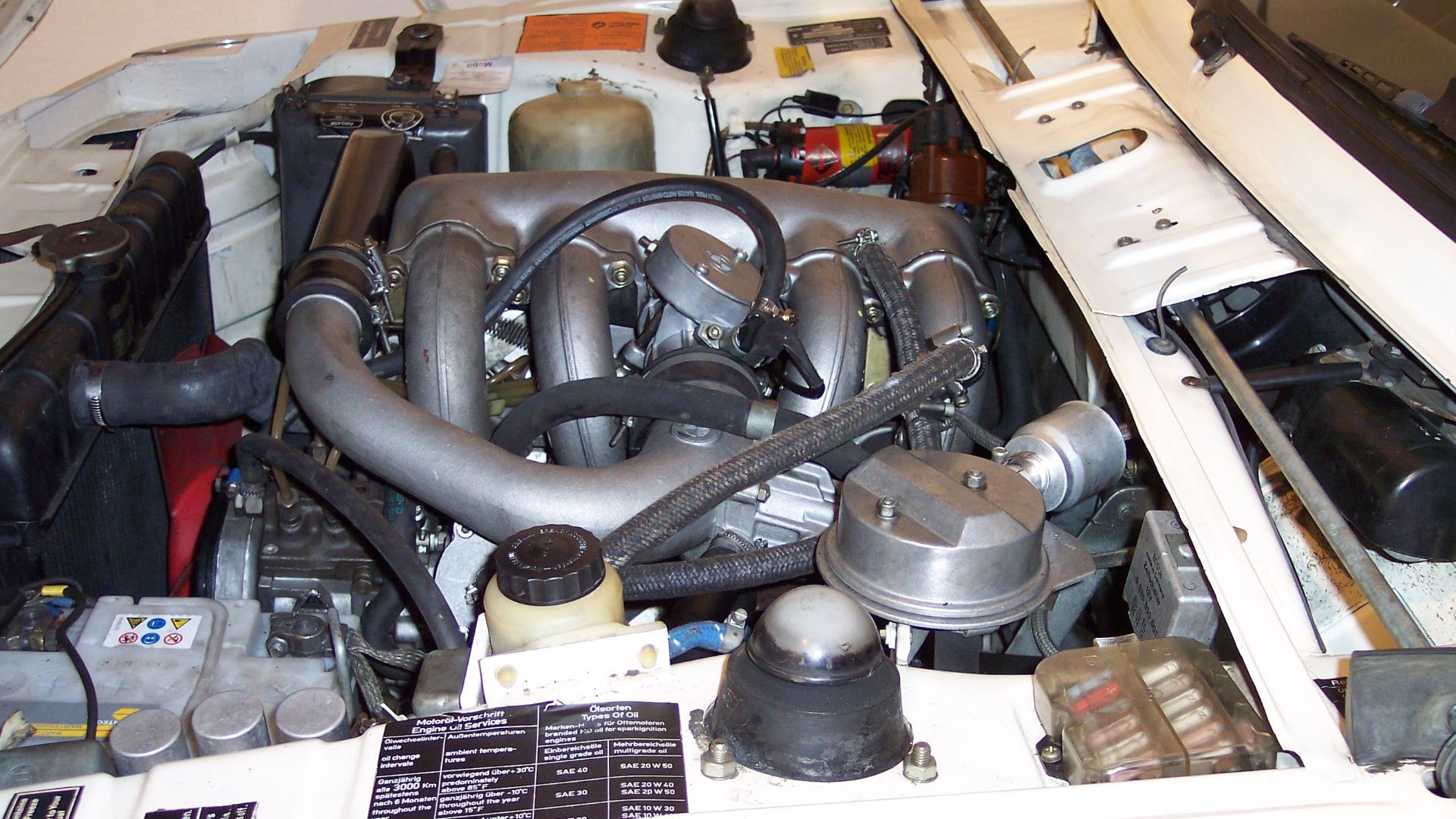
Downsized turbo engines and continuously variable transmissions helped automakers meet fuel-economy and emissions goals. They can work well, but they also run under tighter margins and can be less forgiving of poor maintenance or weak component design. Owners often read those failures as proof of intent when they may be better explained by engineering tradeoffs.
 Stahlkocher, Wikimedia Commons
Why Old Cars Feel More Honest
Older cars often seem more trustworthy because their problems are easier to see and understand. A failing alternator or leaking radiator feels straightforward compared with a dead control module hidden behind the dashboard. That emotional difference matters, and it helps explain why many drivers feel modern vehicles are somehow rigged against them.

What The Data Really Supports
The evidence supports a narrower conclusion. Modern cars are generally lasting longer in service, but they are also becoming more complex, more software-dependent, and often more expensive to repair. In some cases, manufacturers and suppliers have made bad design choices or fought repair access, yet that is not the same as a proven industry-wide scheme to engineer early failure.
How Drivers Can Protect Themselves
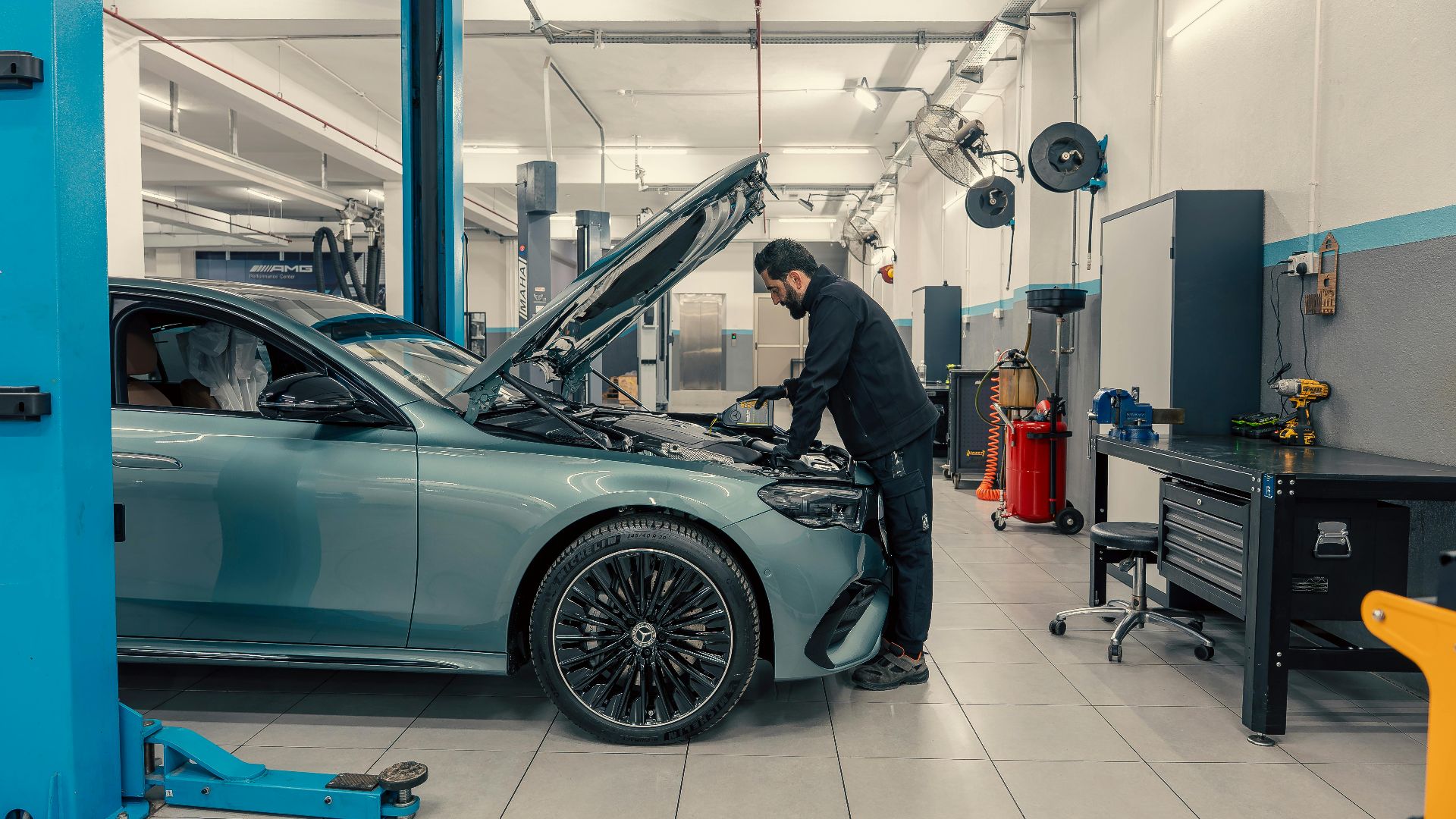
The smartest response is practical, not paranoid. Research model-specific reliability trends before buying, follow maintenance schedules closely, change fluids that manufacturers call lifetime if trusted experts for that platform recommend it, and check for recalls and technical service bulletins. If you want to avoid massive repair bills, simplicity still has value.
The Bottom Line
Your mechanic is not crazy, but he's overstating his claim. The modern car business absolutely includes incentives around dealer service, software control, and costly repairs. The stronger factual case is that cars are designed around complex tradeoffs and controlled repair systems, not that they are universally engineered to fail early on purpose.