The Advice Sounds Smart, But It Is Not A Rule
You might have probably heard this before: Always take advantage of financing for you new car, even if you can pay cash. Well, your friend isn't necessarily wrong, but the better move depends on interest rates, rebates, your savings, and how long you plan to keep the car.
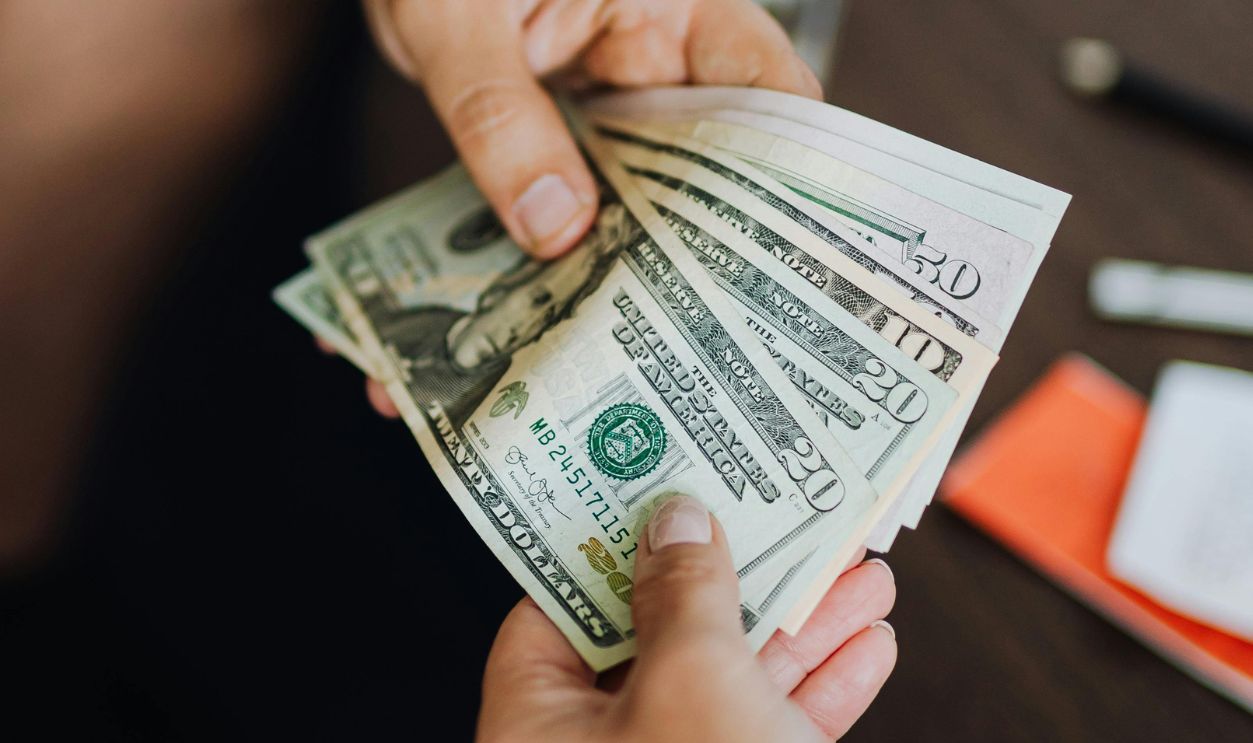
 Gustavo Fring, Pexels, Modified
Why People Keep Saying It
The idea is simple. Keep your cash, invest it, and let the loan sit in the background. Sometimes that works. But it only works when the math still makes sense after interest, fees, taxes, and the chance that your investments do not perform as hoped.

What Consumer Watchdogs Actually Say
The Consumer Financial Protection Bureau says auto loans are a major financial commitment and warns buyers to look at the total cost, not just the monthly payment. That matters because financing can make an expensive car seem manageable each month while quietly raising the total amount you pay. The Federal Trade Commission gives similar advice and tells buyers to compare financing offers before signing anything.

Interest Rate Drives The Whole Decision
If your loan rate is very low, financing can make sense even if you have the cash. If the rate is high, paying cash can save you far more than many people expect. Over 60 or 72 months, the gap between a low APR and a high one can mean thousands of dollars.

Low APR Deals Are Real, But There Is Usually A Catch
Automakers and captive finance companies do offer 0% APR and other low-rate deals. But those offers usually go to well-qualified buyers, and they may mean giving up a cash rebate. The better deal is whichever option leaves you paying less in total.

The Rebate Versus APR Choice Trips Up A Lot Of Buyers
This is where the “always finance” argument often falls apart. A dealer or automaker may let you choose between a cash rebate and a low APR, but not both. In that case, paying cash and taking the rebate can be the better deal, or financing can be better. It depends on the numbers.

Monthly Payment Can Hide A Bad Deal
The FTC has warned for years that focusing only on the monthly payment can push buyers into longer loans and higher overall costs. A 72- or 84-month loan can make the payment look smaller while raising the amount of interest you pay. It can also keep you upside down on the car for longer.

Long Loans Can Leave You Owing More Than The Car Is Worth
That is not just a theory. CFPB guidance notes that cars lose value, and borrowers can end up owing more than the vehicle is worth, especially with long loan terms, small down payments, or extras rolled into the loan. If the car is totaled or you need to sell it early, that gap becomes a real problem.

Paying Cash Has One Big Advantage
The case for paying cash is straightforward. You avoid lender interest, skip the monthly bill, and lower the odds of buying more car than you need. For people who like certainty, that is hard to beat.

But Paying Cash Can Create A Different Problem
Emptying your savings to buy a car can leave you exposed. The CFPB advises households to keep emergency savings for unexpected costs. If paying cash drains your reserves, one repair, job loss, or medical bill could push you into expensive debt later.
The Best Reason To Finance Is Flexibility
This is where the debate gets more interesting. Keeping cash available for emergencies or near-term expenses can be smarter than tying it all up in a car that loses value over time. A modest loan at a low rate may be a fair price for that flexibility.
The Investment Pitch Is Not Free Money
The boldest version of this argument usually goes like this: take the loan and invest the cash. That only works if your after-tax, after-fee return beats the loan’s APR. And there is no guarantee that it will.

Risk Can Flip The Math Fast
A guaranteed 6% loan cost is not the same thing as a hoped-for 8% market return. Investments can lose value during the years you own the car, especially over shorter periods. Financing just so you can invest is not automatically smart if that money is going into something volatile.

Taxes Matter Too
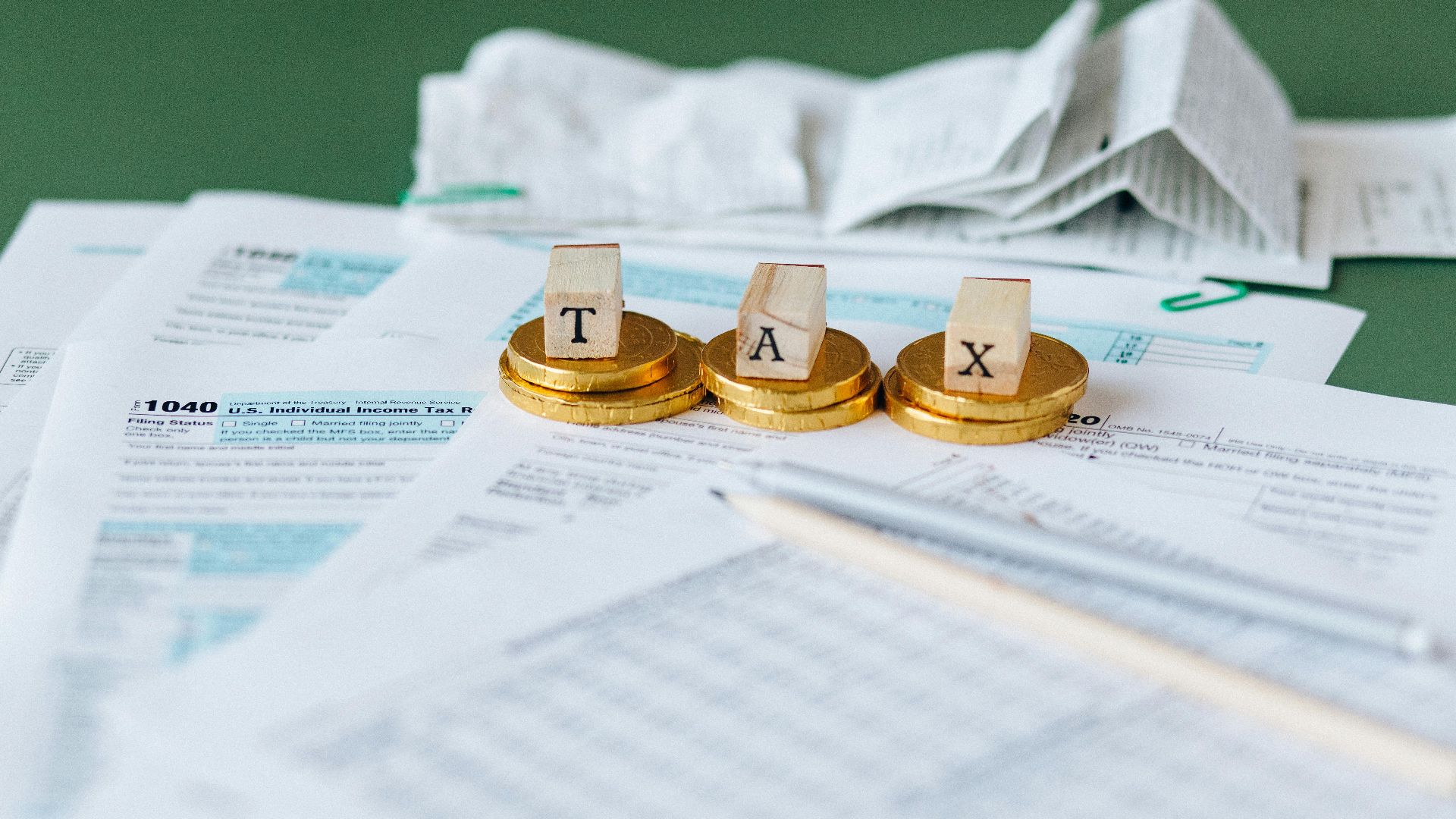
If your money is in a taxable account, investment gains can come with a tax bill. That lowers your real return and makes it harder to beat the loan rate. People who say “always finance” often skip that part.
Your Credit Score Changes The Answer
Whether financing makes sense depends a lot on the rate you actually qualify for. The CFPB notes that credit history affects loan pricing, and weaker credit usually means higher APRs. If your rate is ugly, paying cash starts to look much better.

Used Cars Usually Cost More To Finance
There is another twist. Used-car loans often come with higher interest rates than new-car promotional financing. So the right answer can change for the same buyer depending on whether the vehicle is new, certified pre-owned, or an older used car.

Dealer Financing Is Easy, Not Always Best
Dealers can set up financing quickly, but the FTC and CFPB both recommend shopping around. Banks, credit unions, and online lenders may offer better terms. Getting preapproved before you go to the dealership gives you something solid to compare against.

Preapproval Gives You More Control
Once you have a preapproved loan, you can compare it with the dealer’s financing instead of guessing. That makes it easier to focus on the car price separately from the loan. It also helps you avoid getting pushed toward a payment target instead of a sensible total cost.

Add-Ons Can Quietly Make The Loan Worse
Extended warranties, service contracts, GAP coverage, and accessories can all be rolled into the loan. That means you may pay interest on those extras for years. Even a decent APR gets more expensive when the loan amount grows with products you did not really need.

Building Credit Is A Real Benefit, But A Limited One
Some people finance because they want to build credit. A loan paid on time can help your credit profile, but that does not mean it makes sense to pay a lot of interest just to do it. Better credit matters, but unnecessary interest is still unnecessary.

A Loan Has No Magic Benefit On Its Own
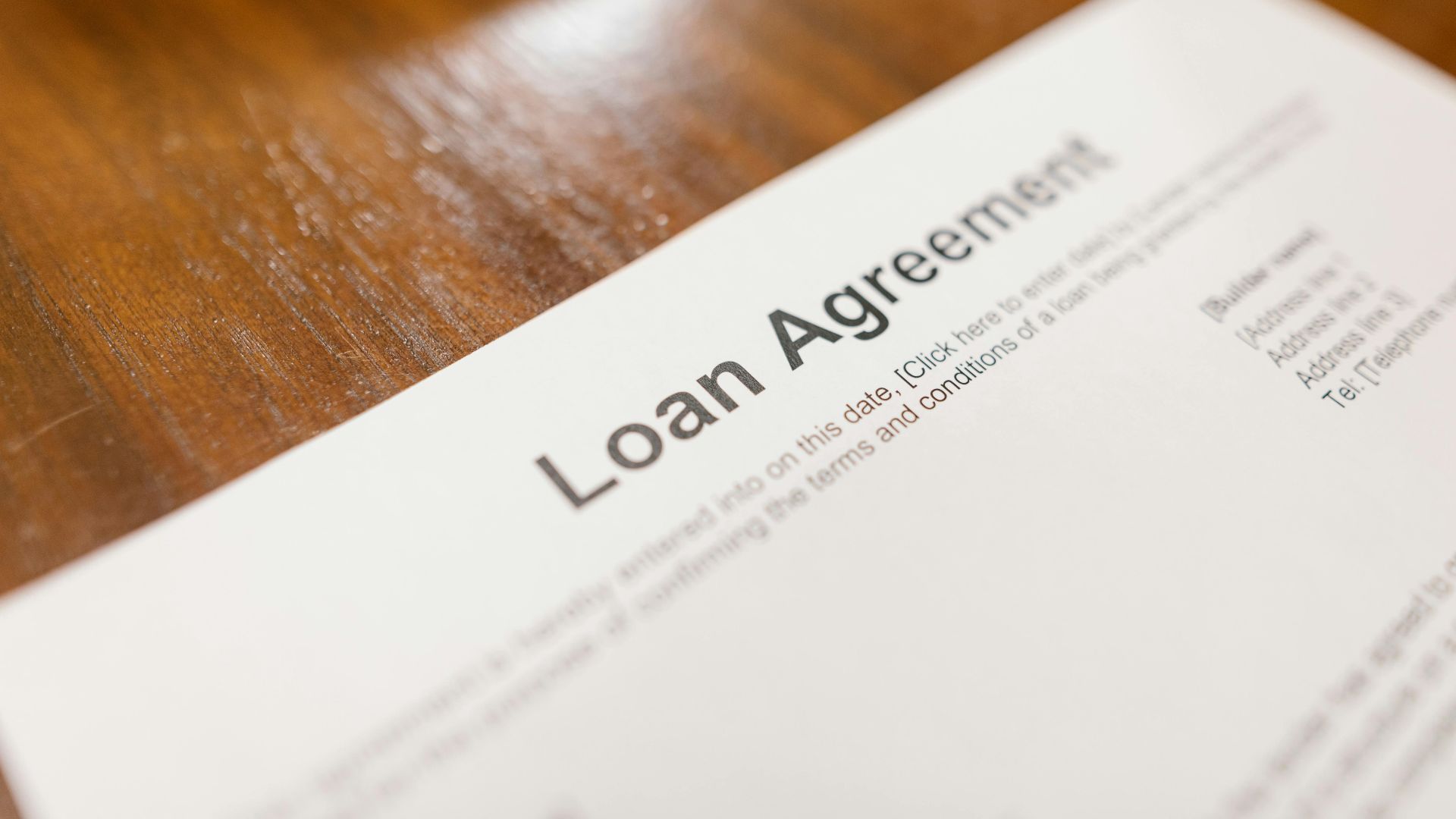
It is worth saying clearly. Financing is not smarter just because some wealthy people or personal finance voices say they never pay cash. A loan only helps if it keeps useful cash in your hands, gives you a truly low APR, or fits into a bigger plan based on real numbers.
When Financing Probably Makes Sense
Financing is often reasonable when you qualify for a very low APR, can keep a healthy emergency fund, and can comfortably afford the payment. It can also make sense when the manufacturer’s financing deal beats the value of a cash option. In that case, the loan is just a tool.
When Paying Cash Probably Makes Sense
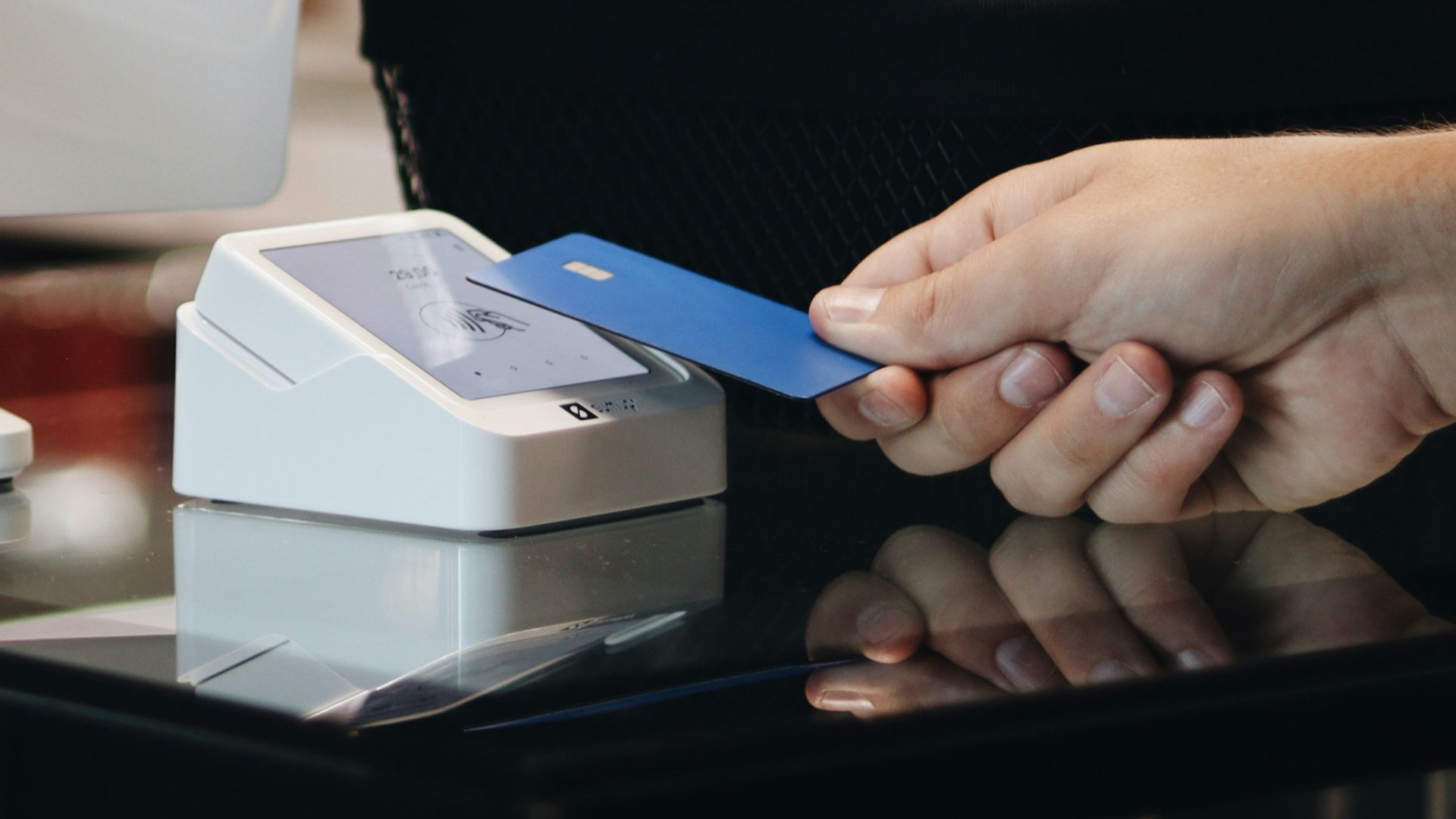
Paying cash is often the better move when the APR is high, your savings will still be in good shape after the purchase, and there is no major rebate or promo-rate advantage tied to financing. It is also appealing if you hate debt and want the simplest possible ownership experience.

A Simple Break-Even Question Helps
Ask yourself one thing: will your cash, after taxes and fees, likely earn more than the loan costs over the same period without taking on more risk than you can handle. If the answer is no, or even maybe not, paying cash or making a larger down payment deserves a serious look.

The Smart Middle Ground Is Often A Big Down Payment
This choice is not only between paying all cash and financing the whole car. A lot of buyers land in a better middle ground. A large down payment can reduce interest costs, keep the monthly payment manageable, and still leave you with enough cash for emergencies.
Focus On The Out-The-Door Price First
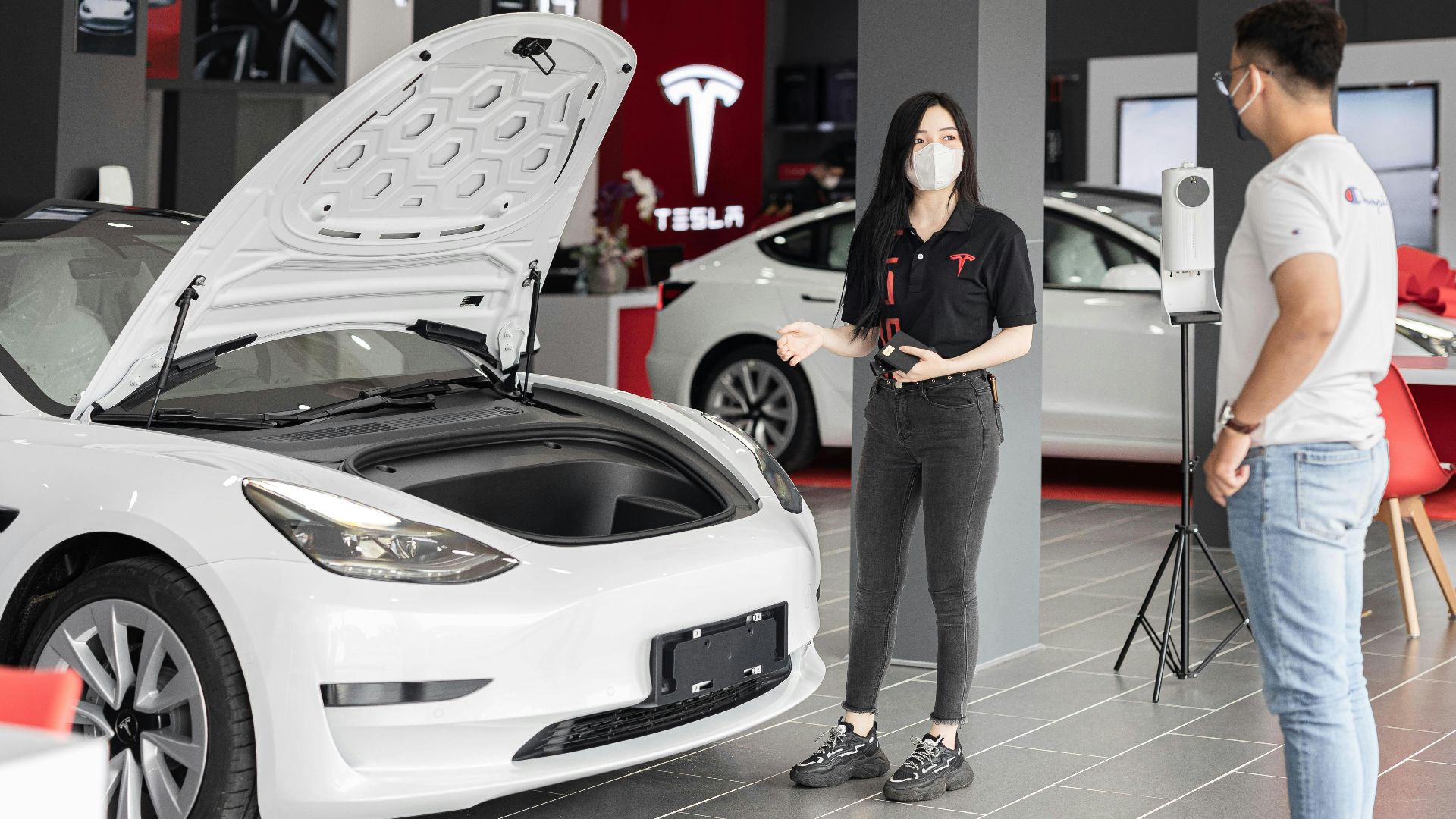
Before choosing cash or financing, lock down the real price of the car. That means taxes, title, registration, dealer fees, and any extras. A great rate on an overpriced car is still a bad deal.

The Real Problem With The “Always Finance” Claim
“Always finance” is not a law of smart money. It is a strategy that works only under the right conditions, with the right rates, the right incentives, and enough cash left over to protect your finances. For many buyers, paying cash is still the cleaner and cheaper move.
The Best Answer Is Usually The Least Flashy One
No, it is not automatically smarter to finance when you can pay cash. Sometimes financing is the better move, sometimes it is clearly worse, and often the right answer is somewhere in the middle. Run the numbers, compare the rebate and APR options, protect your emergency fund, and be wary of any advice that starts with “always.”