The Pandemic Car Question
If a friend tells you any vehicle built during the pandemic is a bad bet, that sounds a little dramatic, but it's not made up. The short answer is yes, pandemic-era production did create real quality risks, especially from 2020 through 2022. The more useful answer is that the risk depends on the model, the factory, the parts involved, and how well the automaker handled the chaos.

Why This Rumor Took Off
Car shoppers were not imagining the mess. In March 2020, factories across North America and around the world shut down as COVID-19 spread. When automakers restarted, they were dealing with restrictions, parts shortages, and labor problems. That kind of stop-and-start production can easily lead to uneven quality, even if it did not ruin every vehicle built in that stretch.

What Happened On The Factory Floor
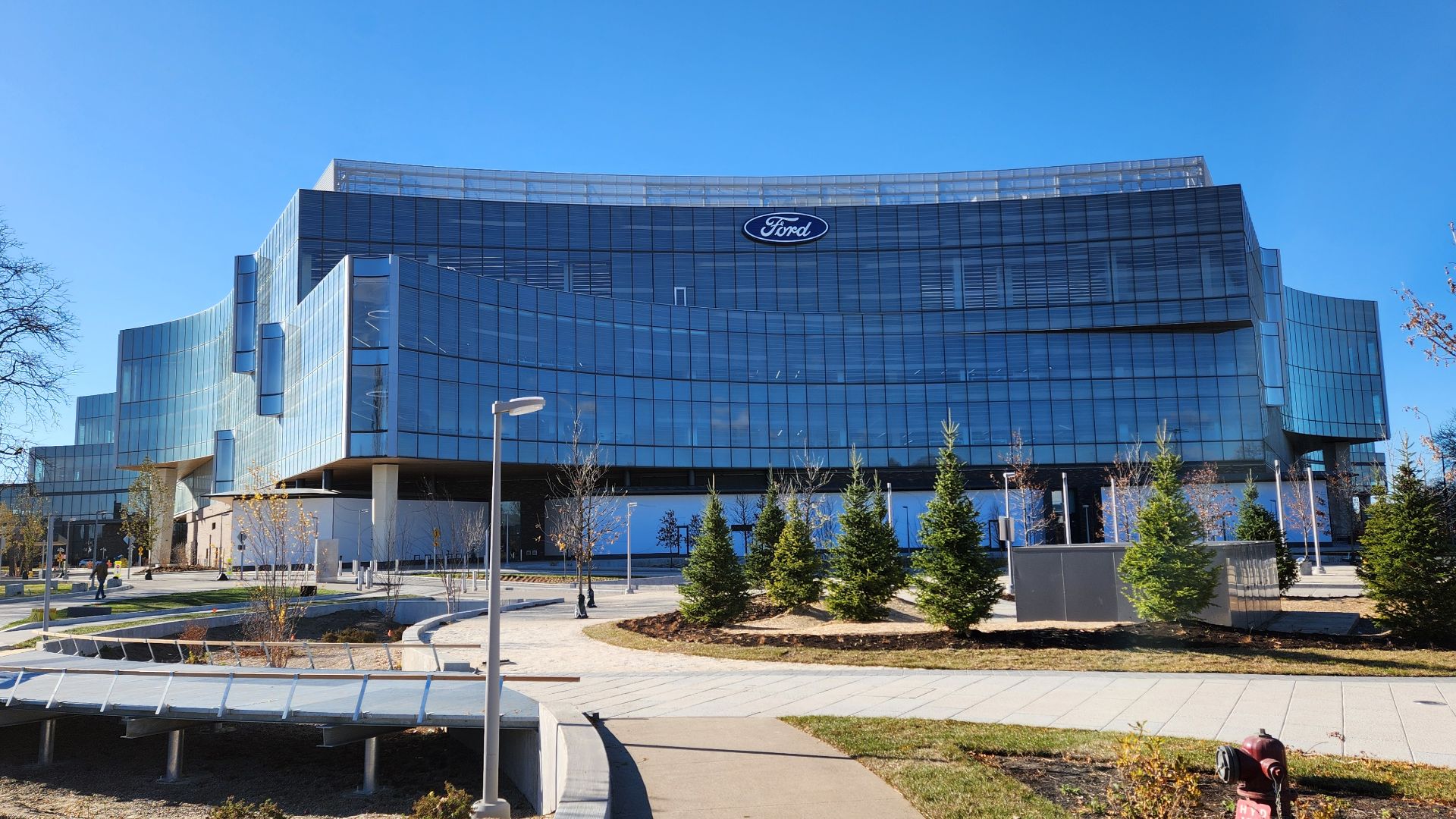
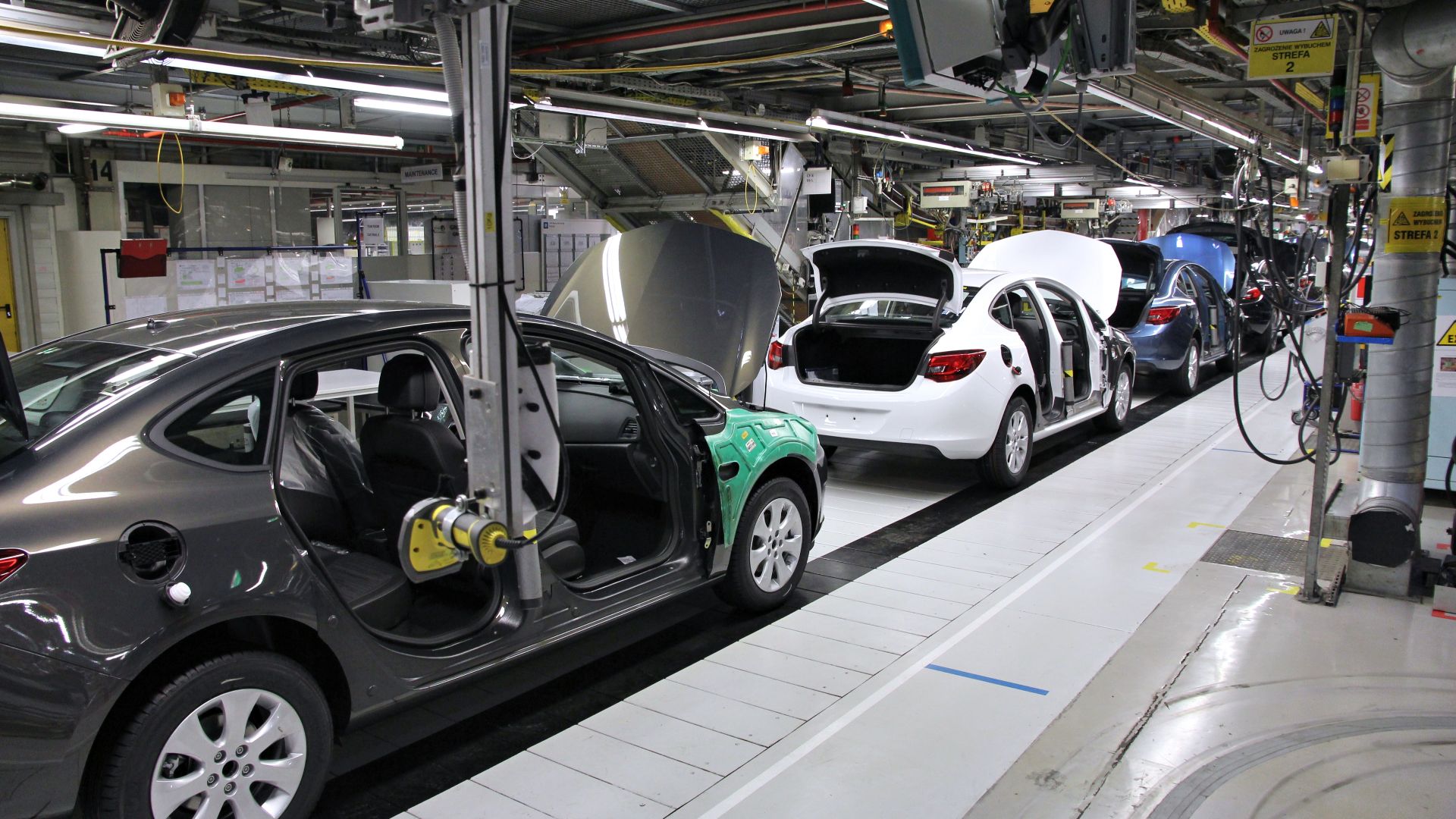
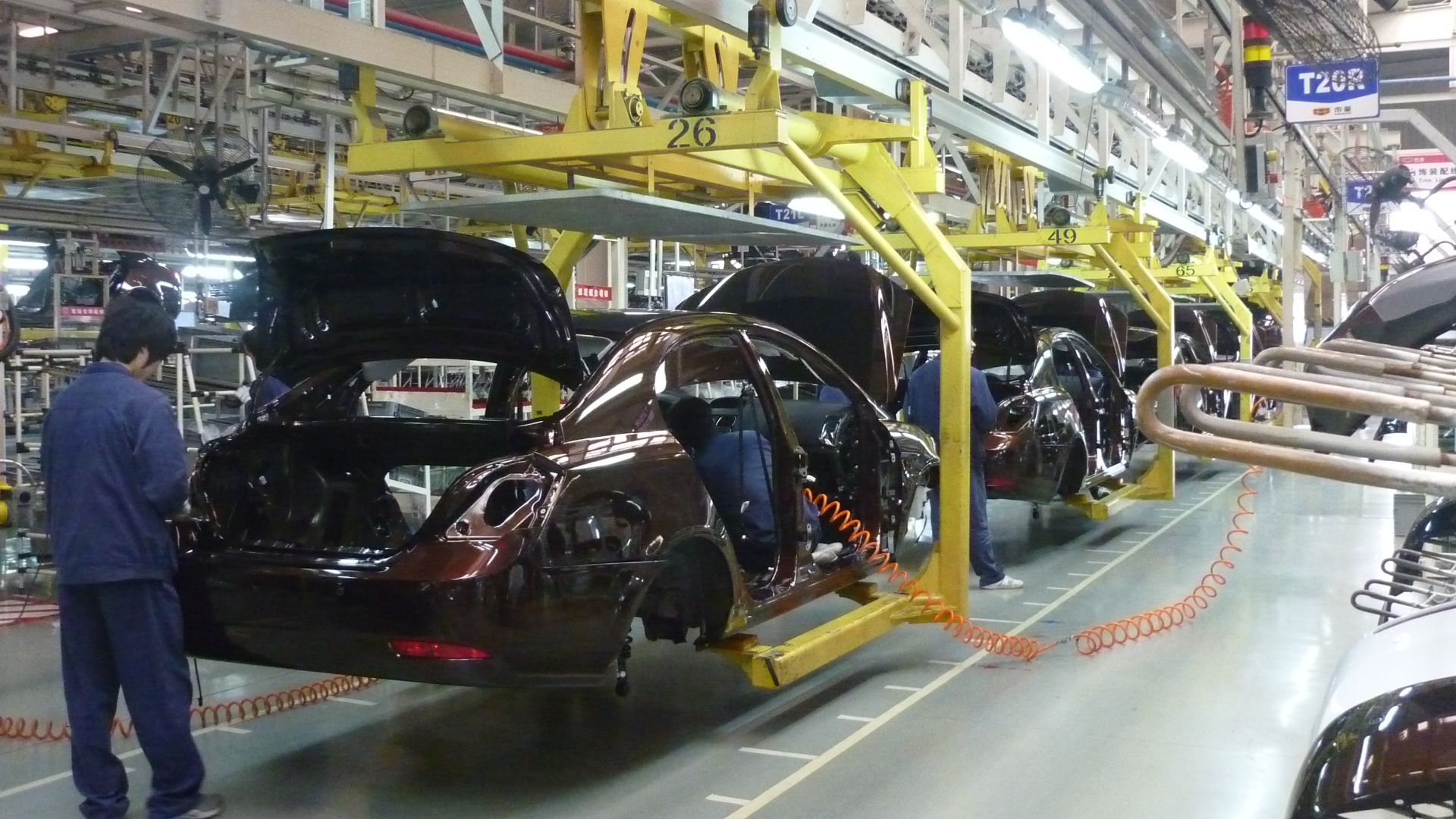
Major automakers paused production in March 2020, including Ford, GM, and Stellantis, according to Reuters. Plants later reopened with health rules, staffing issues, and suppliers that were not always ready. When assembly lines lose their rhythm, quality control gets harder, especially on high-volume models.
The Chip Shortage Changed Everything
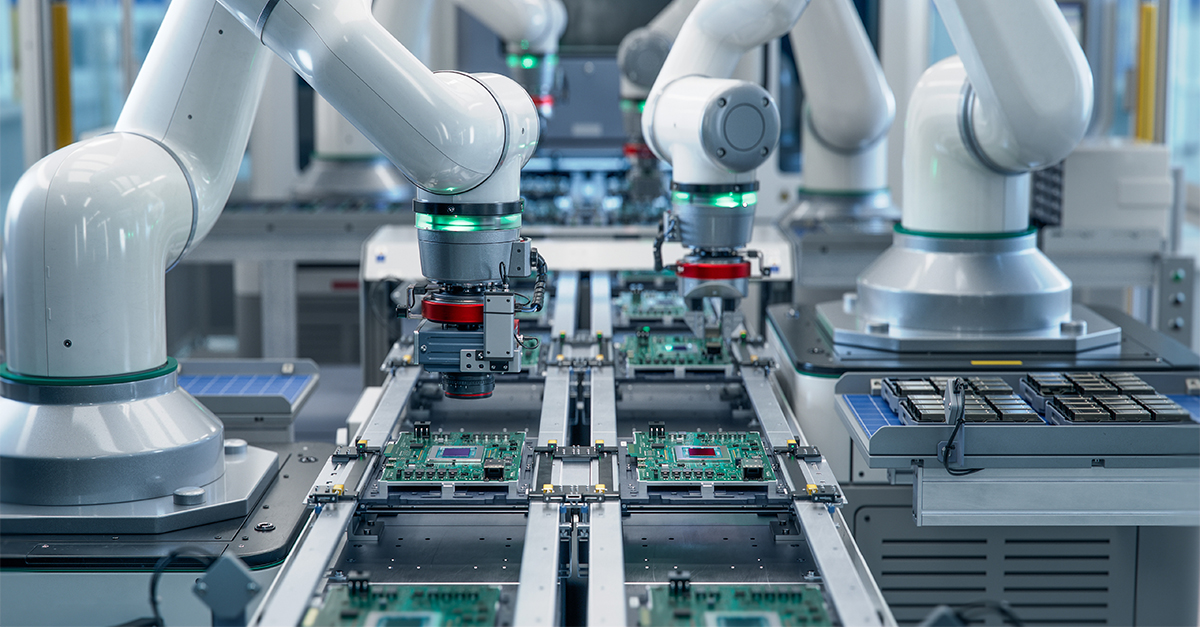
If one thing defined vehicle manufacturing after the first shutdowns, it was the semiconductor shortage. The problem got worse through 2021 and threw off production schedules around the world, as the U.S. Department of Commerce documented and Reuters reported. Automakers built vehicles out of sequence, parked unfinished units, and in some cases shipped vehicles with missing features to be completed later.
Why Missing Chips Matter To Buyers
Modern vehicles need chips for almost everything, from engine controls and safety systems to screens and infotainment. When chips were hard to get, automakers had to prioritize certain models, swap parts when they could, and delay the installation of some components. That did not automatically make a vehicle unreliable, but it did raise the odds of build differences and late fixes.

J.D. Power Saw Quality Slip
One of the clearest warning signs came from J.D. Power. In its 2022 U.S. Initial Quality Study, released in June 2022, the company said initial quality hit its worst level in the 36-year history of the study, with pandemic-related disruption and supply chain trouble among the main reasons. That gave real weight to the idea that cars from this period were built under extra pressure.
 Marek Slusarczyk (Tupungato) Photo portfolio, Wikimedia Commons
Then 2023 Brought Another Red Flag
J.D. Power's 2023 U.S. Initial Quality Study, released in June 2023, found the industry improved only a little from 2022 and still stayed below pre-pandemic levels. The company said new model launches and ongoing supply chain problems were still causing trouble. In plain terms, the recovery had started, but it was far from complete.
 Wedmoments.stock, Shutterstock
But Initial Quality Is Not The Whole Story
Initial quality tracks problems owners report early on, not how a vehicle will hold up over 10 years. A car can have annoying software bugs or trim issues in the first 90 days and still last a long time. That is why sweeping claims like “never buy a pandemic car” go too far.

Recalls Also Rose During This Period
Another reason buyers got nervous is that recalls stayed a big story in the early 2020s. The National Highway Traffic Safety Administration tracks recalls, and many pandemic-era vehicles have needed fixes for software, electrical, and safety-related problems. That does not mean the pandemic caused all of them, but buyers should absolutely check a vehicle's recall history by VIN before buying.
Consumer Reports Found Reliability Became More Uneven
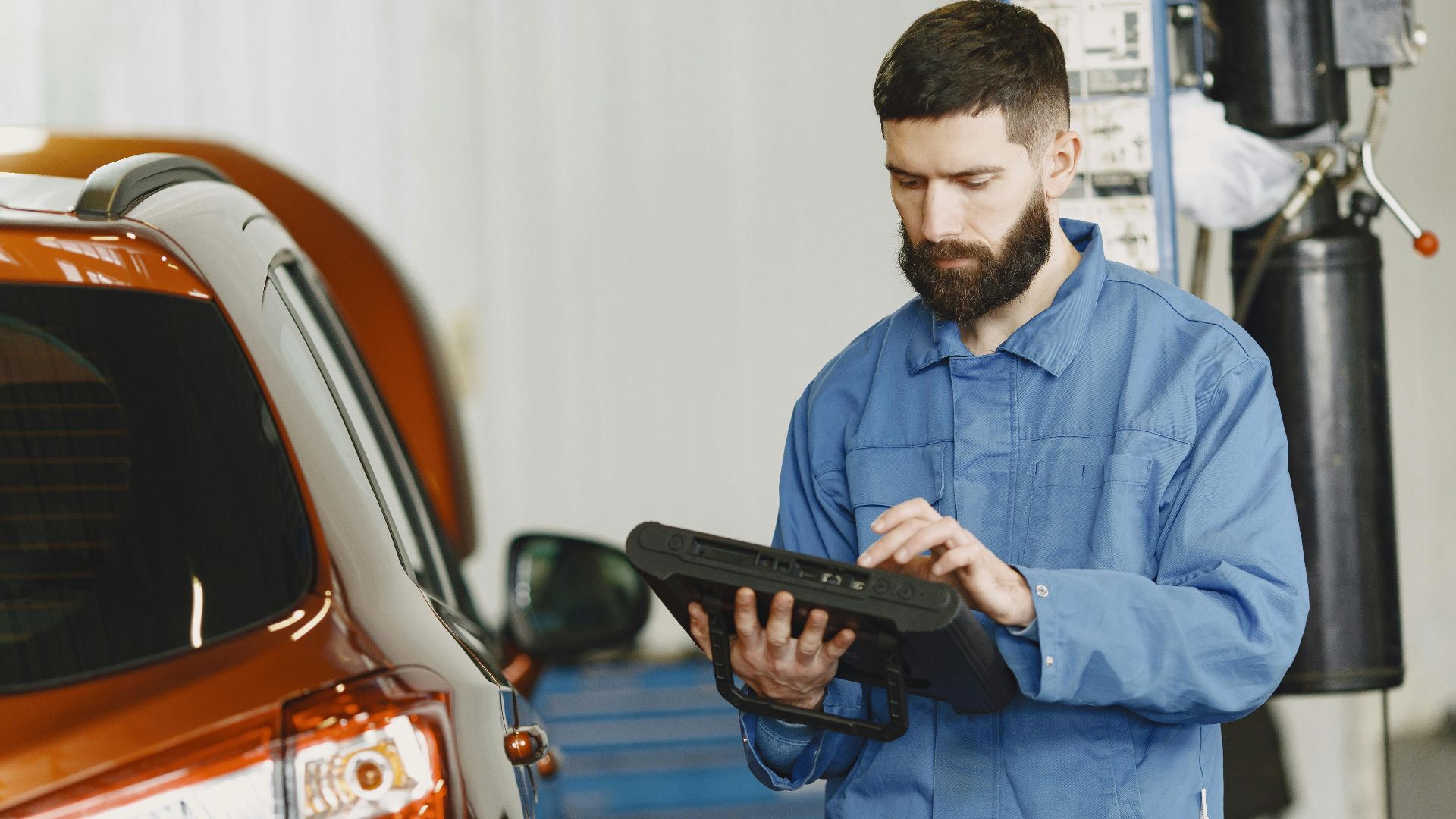
Consumer Reports has repeatedly pointed out that reliability varies more by model than by brand image or ad copy. In its yearly reliability reporting, the group has highlighted ongoing trouble spots with in-car electronics, EV systems, and newer tech features. That matters because pandemic-era production collided with a time when cars were also getting much more complicated.
Software Became A Bigger Headache
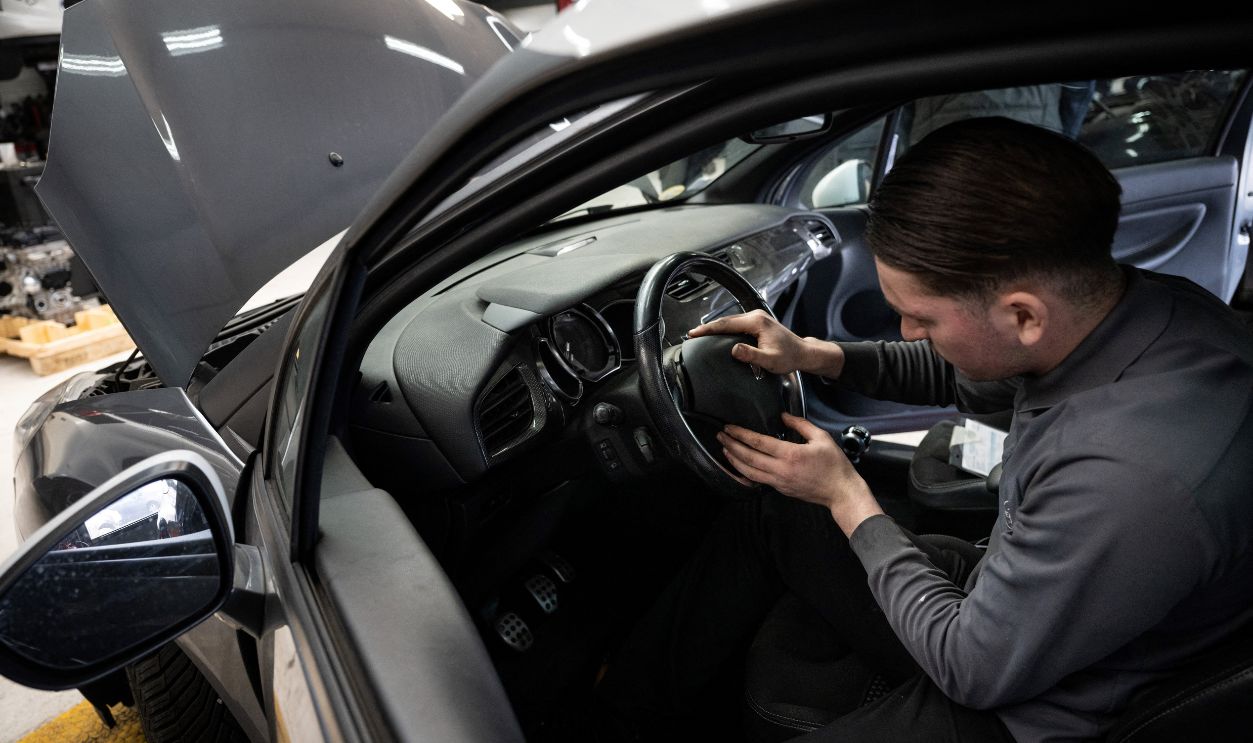
Many quality complaints in recent years have involved touchscreens, connectivity, driver-assistance tech, and digital interfaces. J.D. Power specifically said infotainment remained one of the worst trouble spots in its 2022 and 2023 studies. So if you are shopping for a 2021 or 2022 model, software deserves just as much attention as the engine or transmission.

Some Vehicles Sat In Storage Lots Waiting For Parts
One of the strangest images of the pandemic era was rows of unfinished vehicles sitting in storage lots, waiting for chips and electronic modules. Reuters reported widely on automakers parking incomplete trucks and SUVs until parts showed up. That does not prove the finished vehicles were bad, but it does show just how unusual the production process became.
 China News Service, Wikimedia Commons
Labor Disruptions Added More Pressure
Factories were not just short on parts. They also dealt with absenteeism, quarantine rules, training disruptions, and frequent schedule changes. In manufacturing, stable staffing and repeatable processes are a huge part of quality, and both were under strain.
Not Every Brand Suffered Equally
This is where the blanket warning starts to break down. Some automakers handled supply chains and quality control better than others, and some models were already mature and steady before the pandemic hit. A 2022 vehicle from a long-running platform may be a safer choice than a 2021 first-year redesign, pandemic or not.
New Designs Were Usually Riskier
Brand-new generations, major redesigns, and fresh powertrains usually carry more risk in any year. From 2020 through 2022, that normal risk was piled on top of production instability. If you are shopping for a pandemic-era vehicle, it makes sense to lean toward models with a few years of proven history.

Used Car Prices Hid A Lot Of Flaws
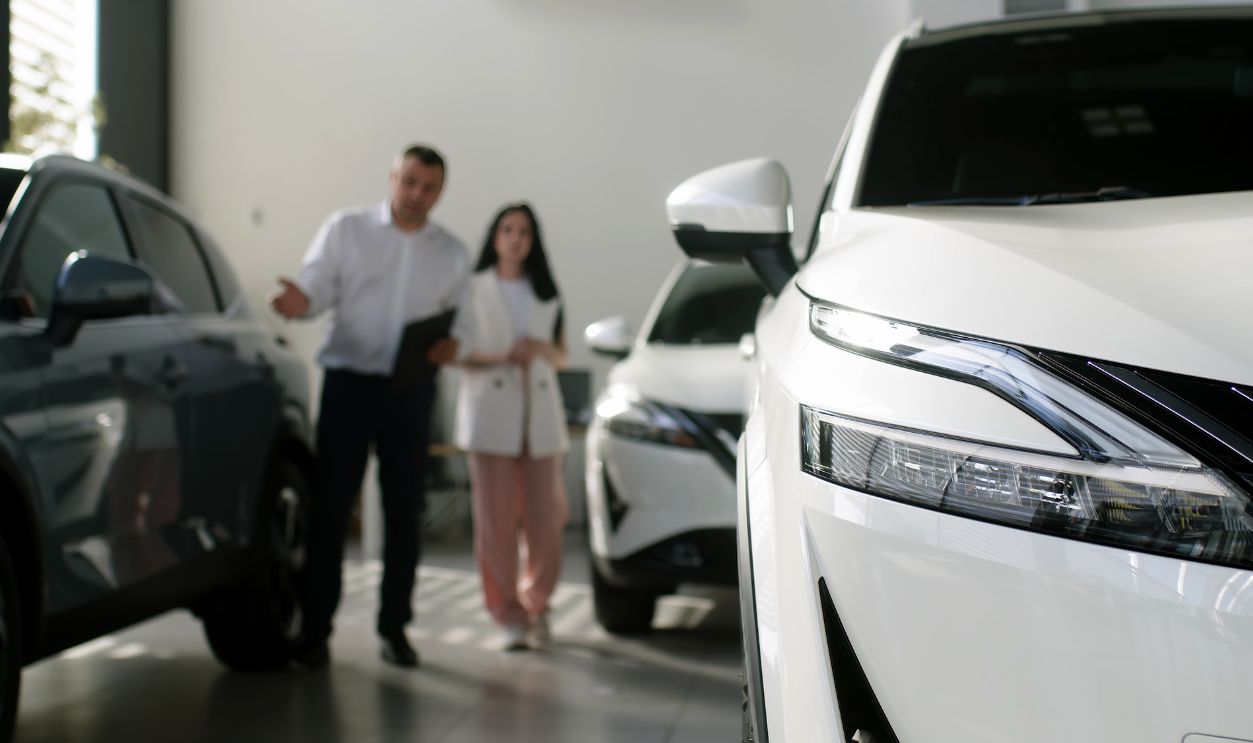
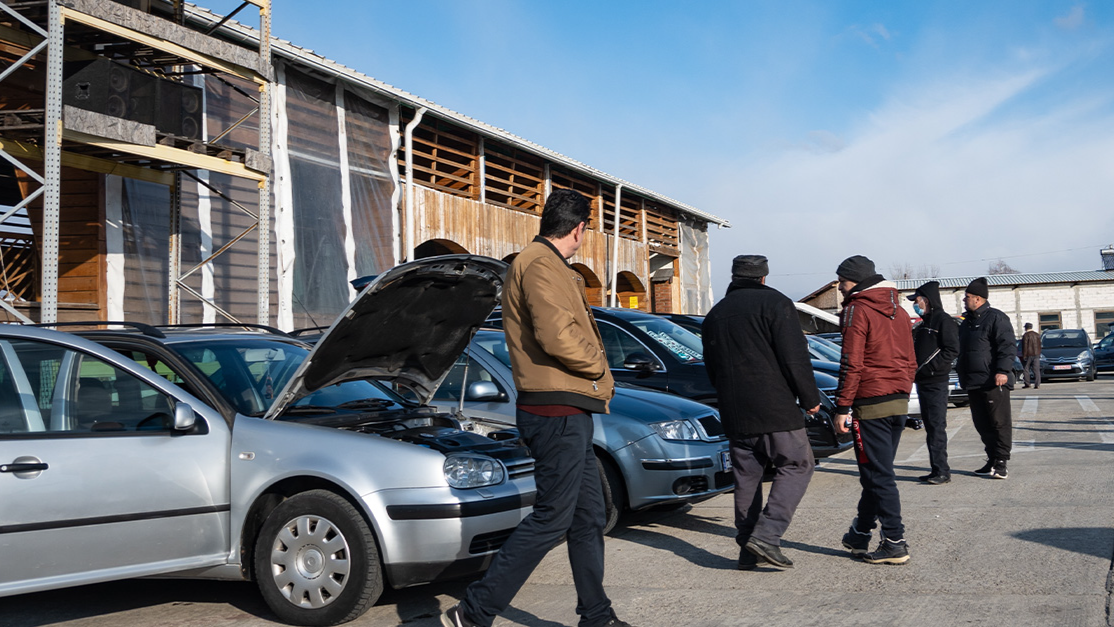
The used car market exploded during the shortage years, and plenty of buyers overlooked red flags. Cars sold quickly, inspections were rushed, and even average examples brought inflated prices. In that market, a mediocre vehicle could easily slip through because buyers had so few options.
 Bodgan Vacarcuic, Shutterstock
Build Date Matters More Than Model Year
Two vehicles with the same model year can have very different build stories. A 2022 model assembled in late 2021, during the worst shortages, may deserve more scrutiny than one built later after supply conditions improved. You can usually find the build date on the driver's door jamb sticker, and it is worth checking.

The Sweet Spot May Be Late Pandemic Production
By 2023, many supply chain conditions had improved, even if the industry was still not fully back to normal. Some late-2022 and 2023 builds may have missed the worst shutdowns and the most desperate chip substitutions. That does not make them perfect, but it can make them less risky than early-pandemic builds.

The Best Test Is Model-Specific Data
If you want facts instead of fear, look up owner complaints, recalls, technical service bulletins, and reliability data for the exact year, trim, and powertrain. NHTSA recall records, Consumer Reports reliability guidance, and J.D. Power quality studies can all help fill in the picture. The key is being specific, not panicking.

A Pre-Purchase Inspection Matters Even More
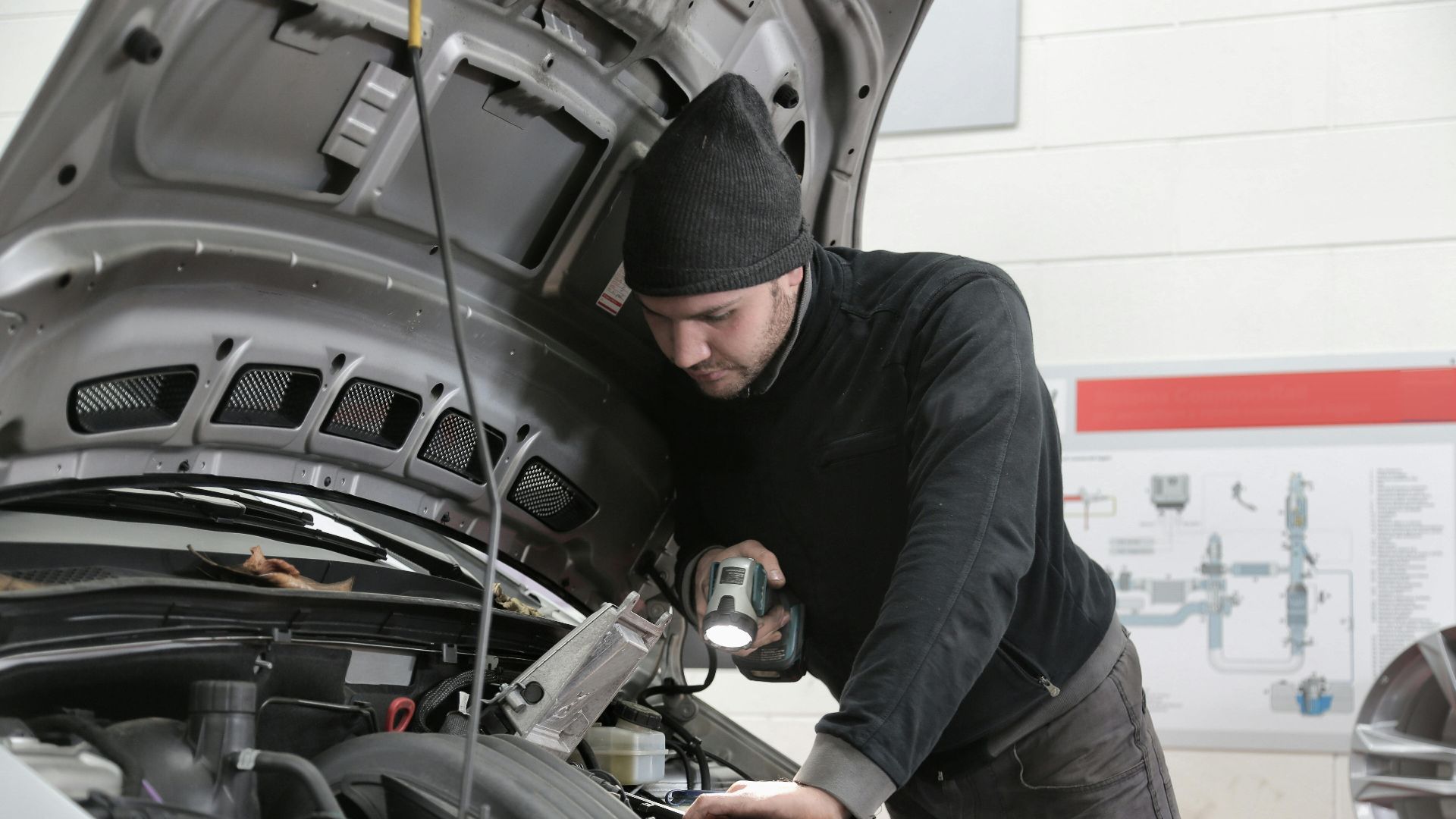
For a used pandemic-era vehicle, a professional pre-purchase inspection is money well spent. Ask the mechanic to scan for stored fault codes, confirm recall work has been done, inspect the battery and charging system, and test every electronic feature. On these vehicles, small electronic issues can be an early warning sign.
Check For Missing Features Or Late Retrofits
During the shortage years, some vehicles were delivered without features that had been promised earlier, while others were completed later. Make sure the vehicle actually has the equipment you expect, especially heated features, driver-assist tech, premium audio, and connectivity hardware. A window sticker, VIN decoder, and service records can help confirm that.

Service History Tells A Bigger Story
A clean service record with recalls handled on time and no repeat visits for electrical glitches is a good sign. Multiple trips for infotainment resets, warning lights, or module replacements deserve a closer look. The pandemic did not create every defect, but it did make consistency harder to count on.

Warranty Coverage Can Tip The Balance
If you are unsure about a 2021 or 2022 vehicle, factory warranty coverage or a strong certified pre-owned program can lower the risk. Extra protection matters most when the concern is electronics, sensors, and software fixes. Those problems can be frustrating and expensive, even when the engine and transmission are solid.

Electric Vehicles Need Their Own Filter
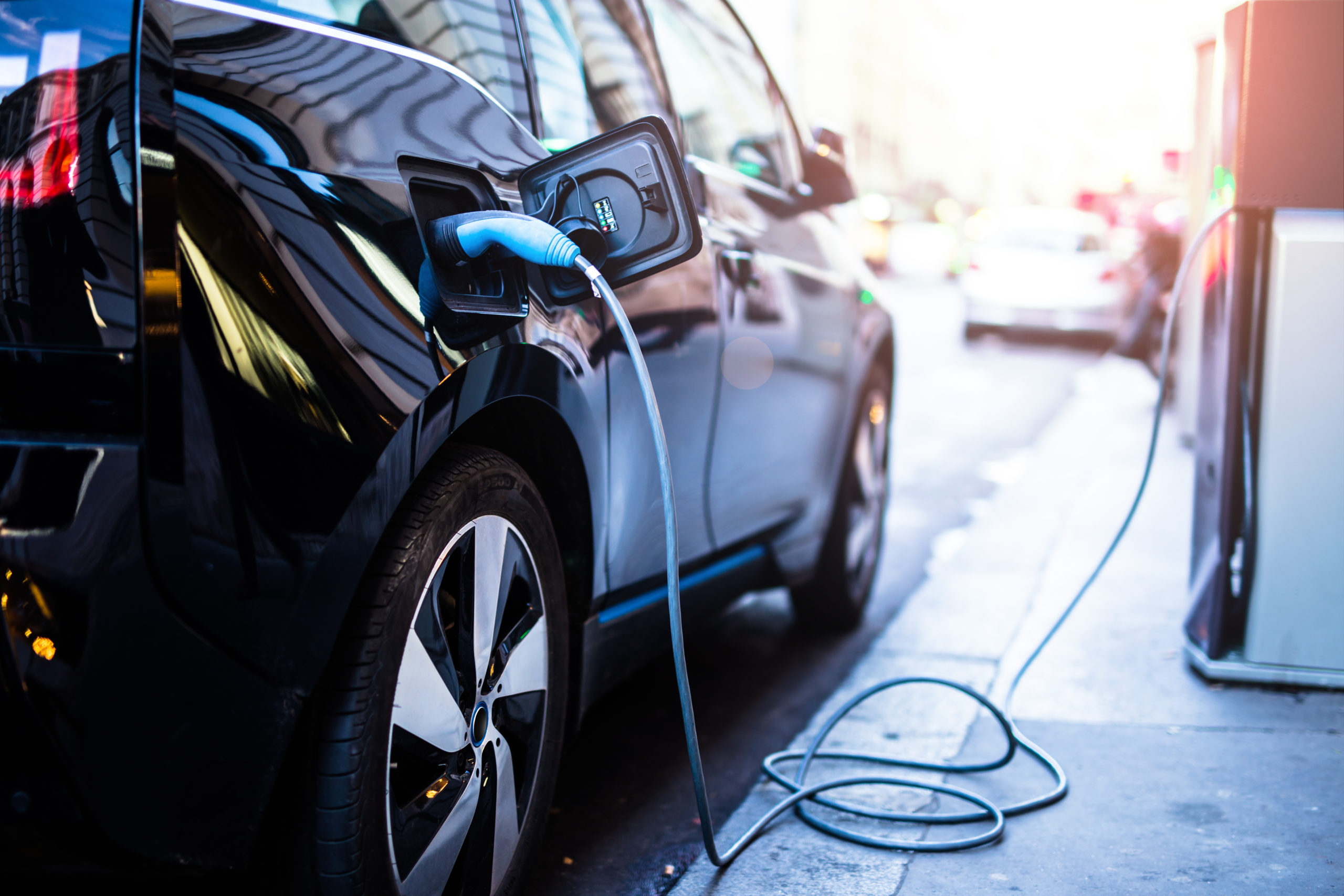
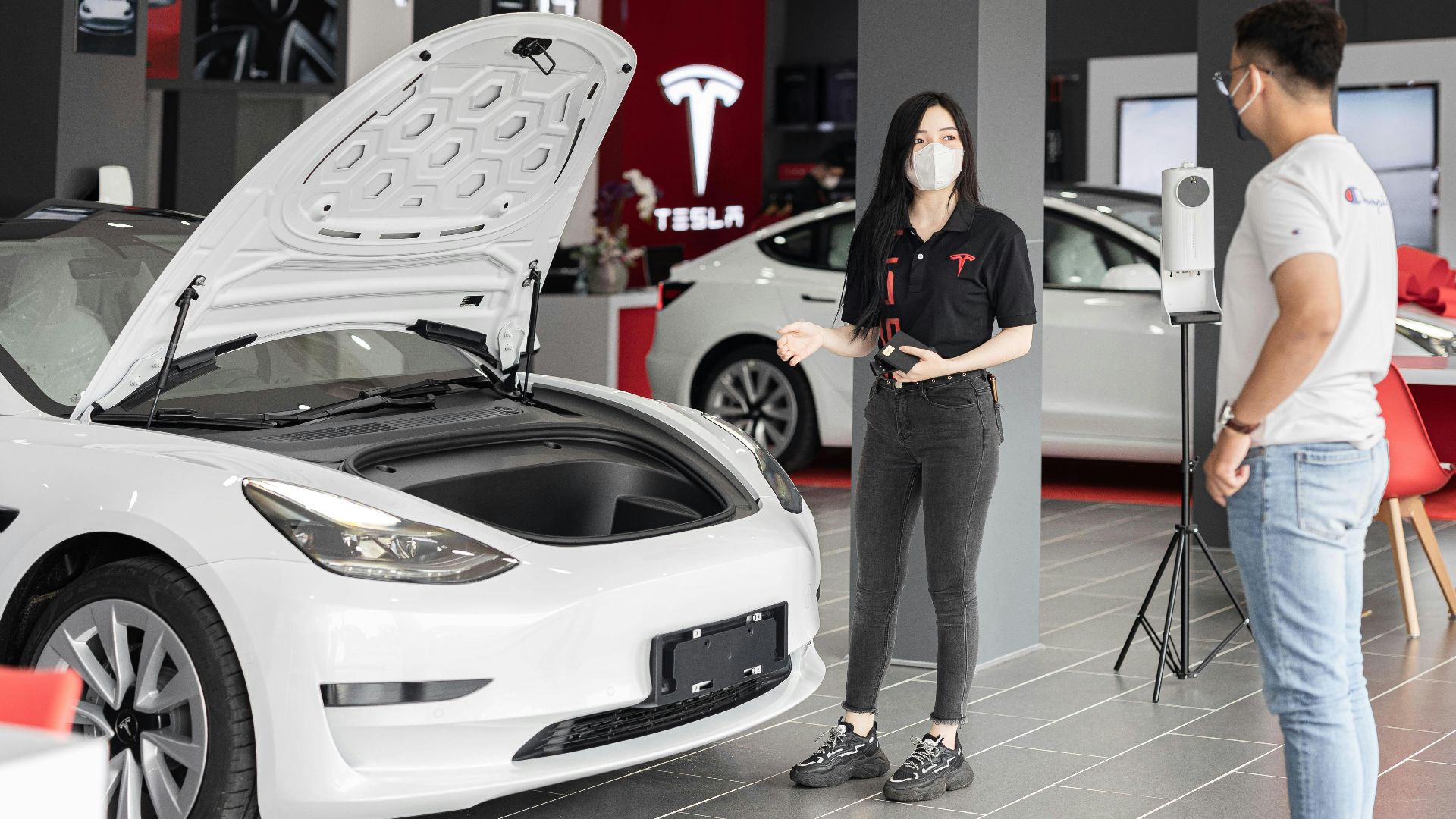
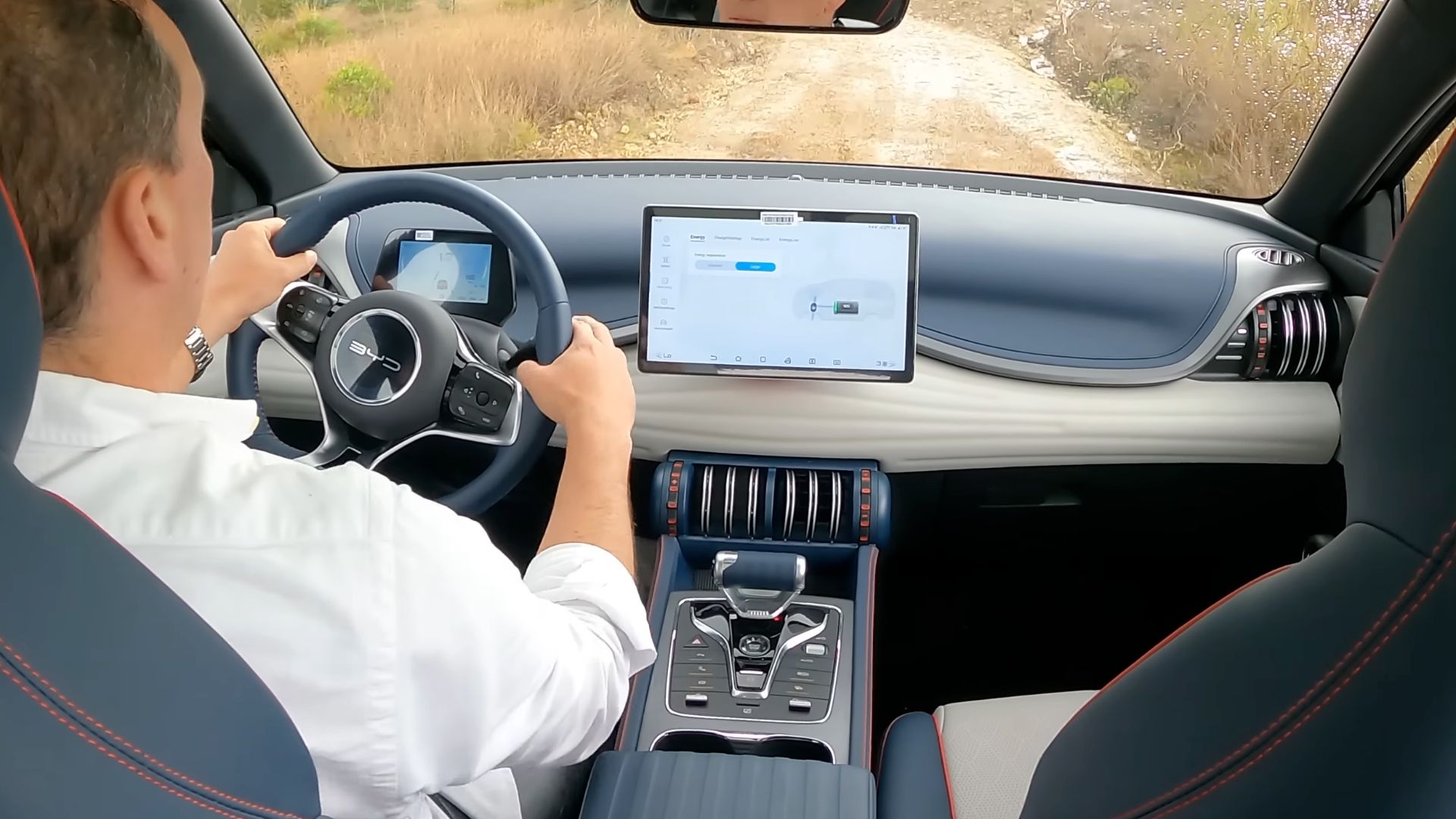
EVs built during the pandemic deserve the same careful checks, but for slightly different reasons. They rely even more heavily on software, and some brands were launching brand-new battery-electric platforms while supply chains were unstable. In those cases, model maturity and update history matter even more.
 Autosdeprimera, Wikimedia Commons
So Is Your Friend Right
Your friend is right that pandemic-era vehicles deserve closer scrutiny. Data from J.D. Power, along with the real manufacturing disruptions of 2020 through 2022, show that the risk was real. But saying any vehicle made during the pandemic is risky goes too far, because results varied a lot by model and manufacturer.

The Smarter Buying Rule
Do not reject a vehicle just because it was built during the pandemic. But do not assume it is fine just because it is newer, either. Check the build date, recall history, service records, owner complaint trends, and whether the model was already mature before the shortages hit.

The Bottom Line For Shoppers
If you do your homework, a pandemic-era vehicle can still be a very good buy. The real danger is not the calendar year by itself. The real danger is buying blind during a period when the auto industry was operating under some of the strangest manufacturing conditions in modern history.