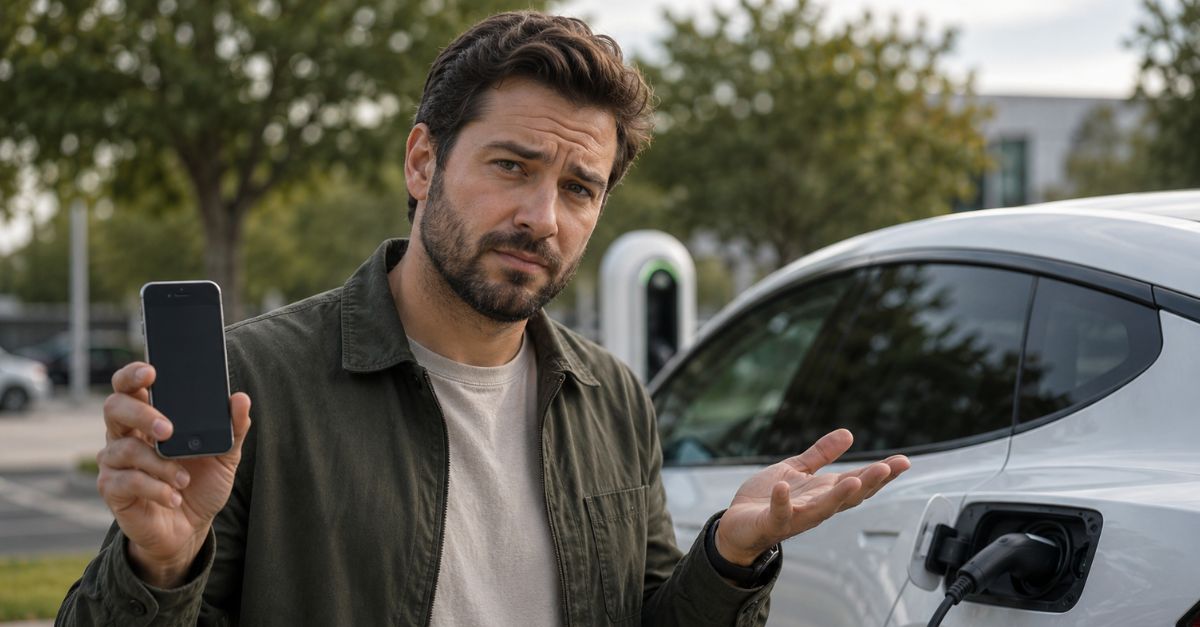
The First iPhone Comparison Sounds Smart, But It Only Goes So Far
Your friend is tapping into a real concern. Nobody wants to spend serious money on a new EV only to feel like it is outdated before the first tire swap. But EVs are not moving at the same speed smartphones did in the late 2000s. Some parts of the market are changing fast. The cars themselves are changing much more slowly.
Why People Keep Making The Comparison
The first iPhone came out in June 2007. Just one year later, Apple released the iPhone 3G in July 2008. That second phone added faster mobile data and the App Store, which changed what the device could do. EV buyers see new battery claims, charging upgrades, and software features, so it is easy to think the same thing is about to happen here.

Cars And Phones Live On Different Timelines
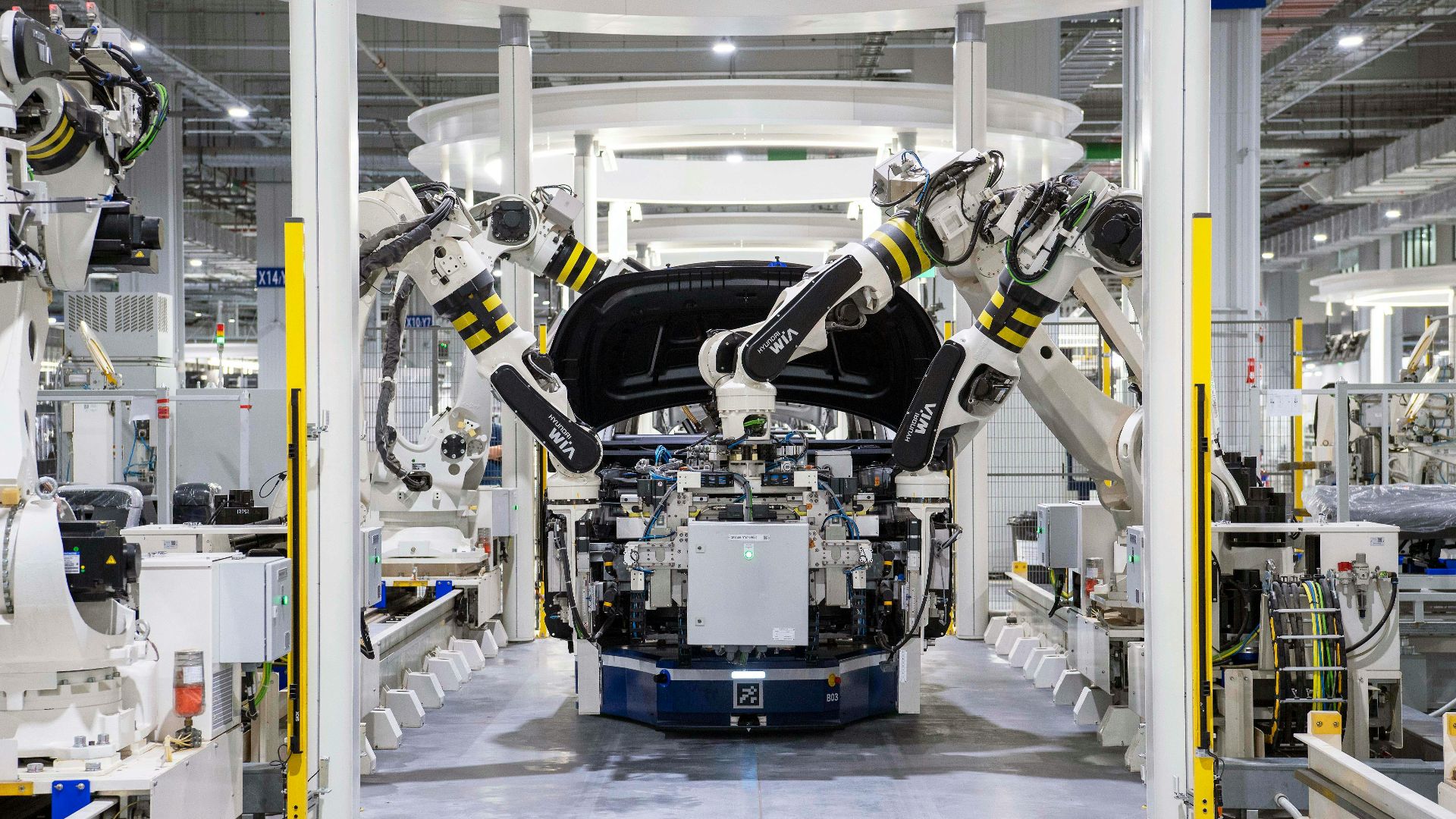
A smartphone is a gadget people replace often. A car is a heavily regulated machine built to last years and cover a lot of miles. That alone makes the iPhone comparison shaky. The auto industry moves much more slowly than consumer electronics.
Battery Prices Have Fallen, But Over Many Years
Battery progress is real. BloombergNEF reported average lithium-ion battery pack prices of $139 per kilowatt-hour in 2023, down from more than $1,000 per kilowatt-hour in 2010. That is a huge drop. But it took more than a decade, not one or two model years.

Range Has Improved, Just Not In Giant Yearly Leaps
EPA data shows many modern EVs now offer 250 to 300 miles of rated range, and some go much farther. About a decade ago, many mass-market EVs were closer to 80 to 100 miles. That is a big improvement, but it is not the kind of yearly jump that makes last year’s car useless.
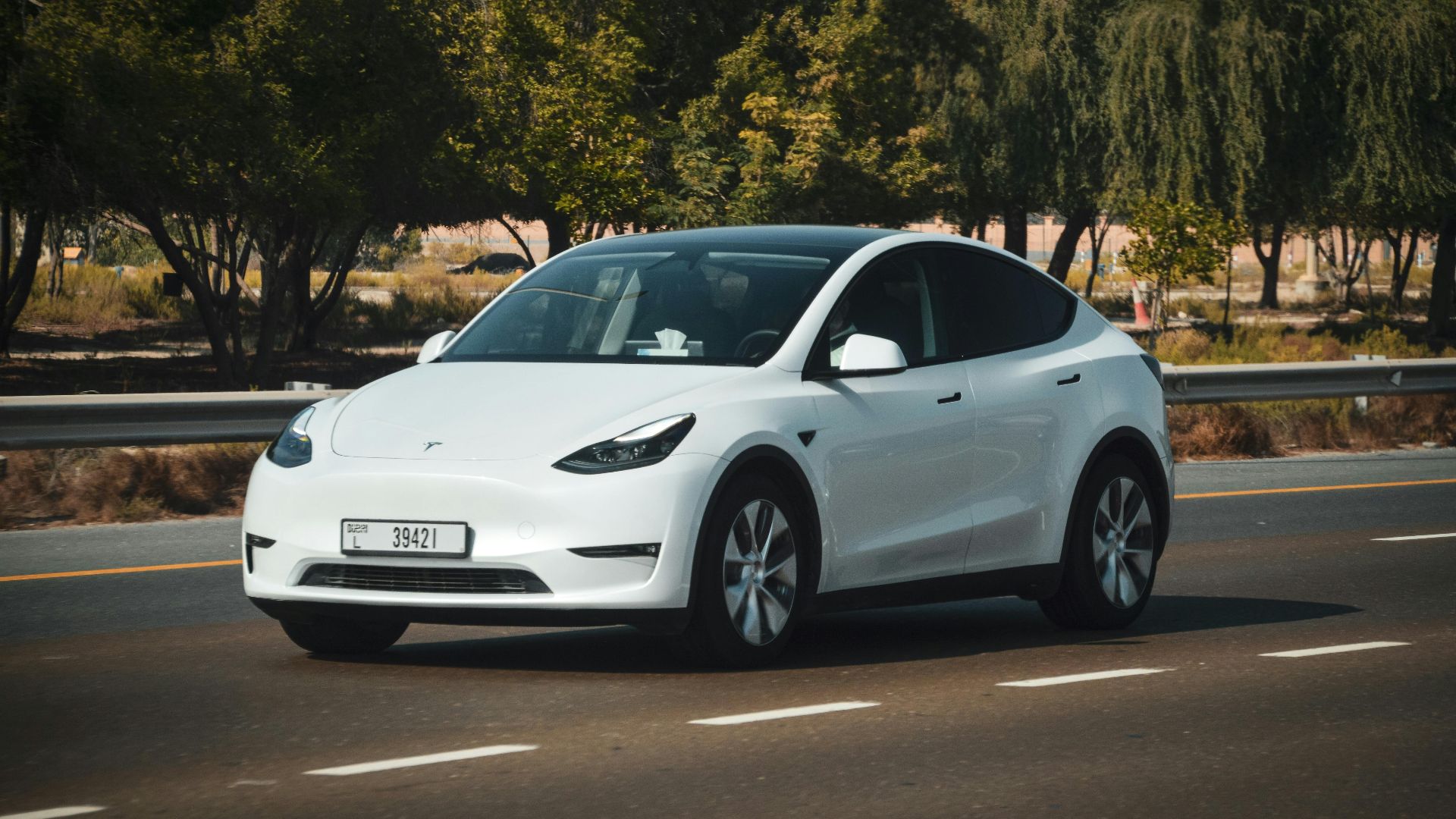
Charging Is A Big Reason EVs Feel Like They Are Changing Fast
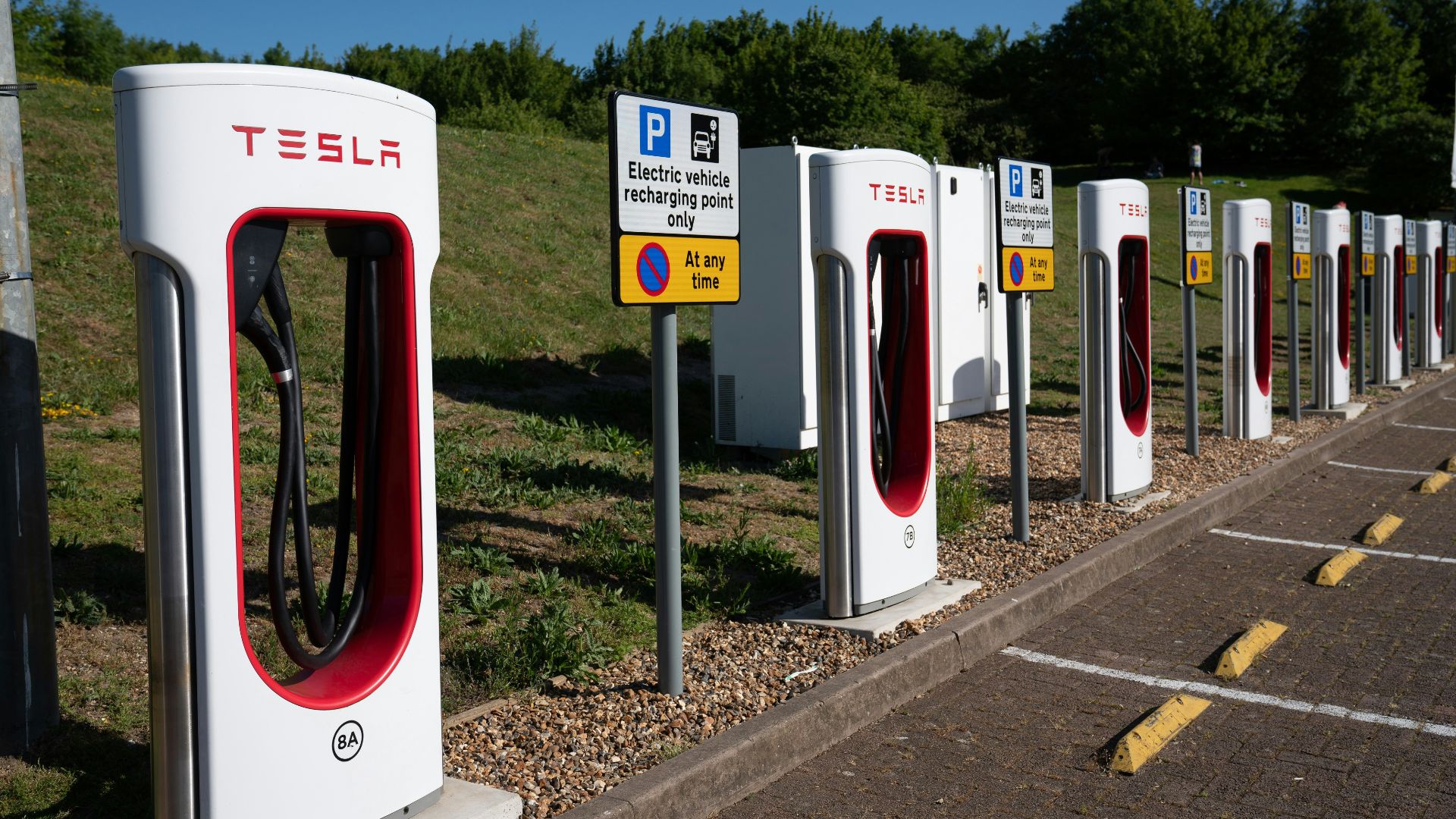
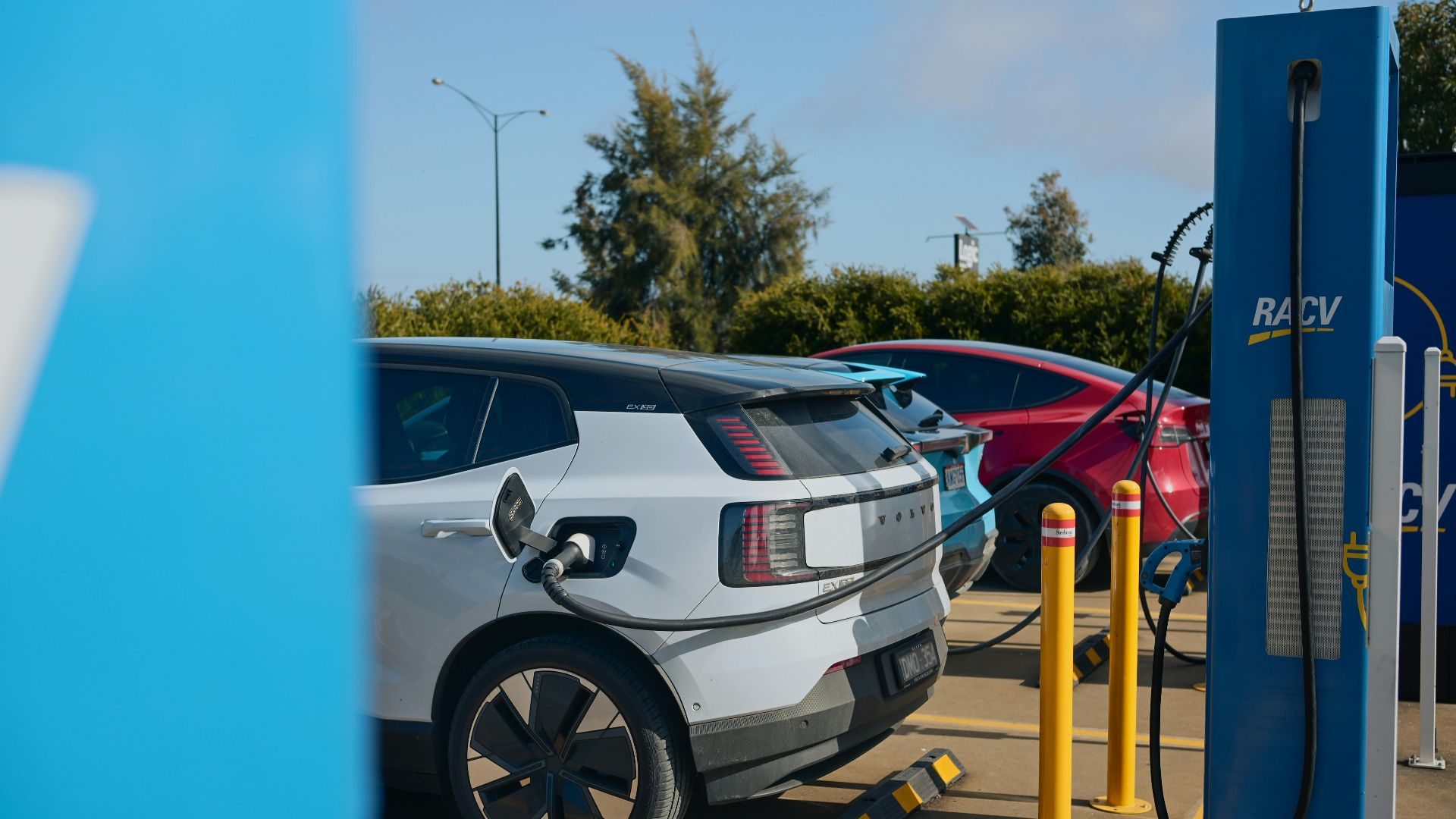
If EVs seem to be evolving quickly, charging is a major reason. Tesla launched its Supercharger network in 2012, and it became a huge advantage for long trips. What is changing now is not just the vehicle, but the network around it. That can make an older EV feel more usable without changing the car itself.
NACS Shifted The Industry Conversation
In May 2023, Ford said it would adopt Tesla’s North American Charging Standard, or NACS. General Motors followed in June 2023, and many other automakers joined after that. It was a major moment for the industry, but it did not instantly make every older EV obsolete.
The Charging Port Story Is Less Dramatic Than It Sounds
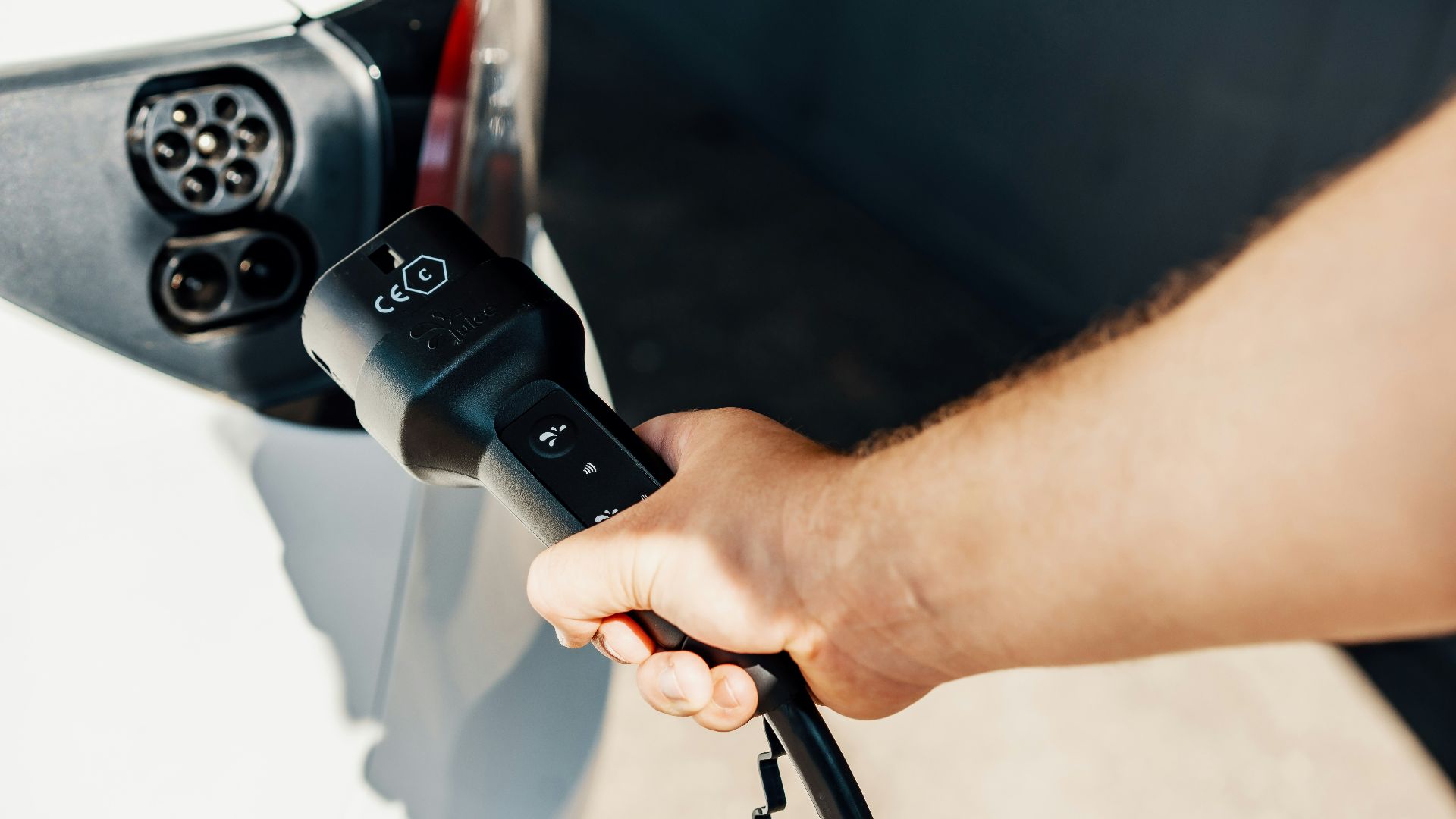
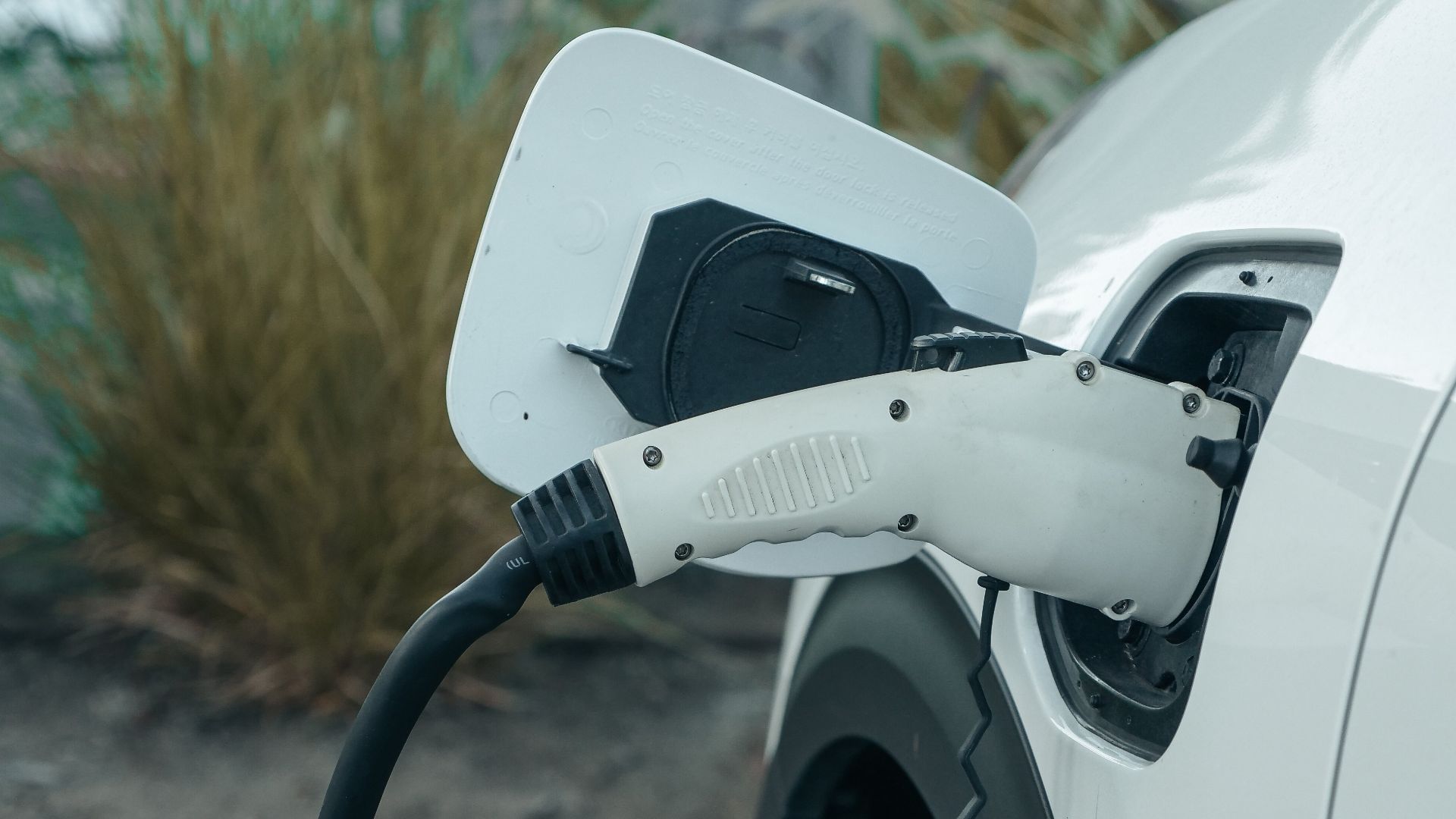
For many current EV owners, adapters are helping bridge the move to NACS. That means some CCS-equipped vehicles can still get access to more chargers as approved hardware and software support roll out. It is an important change, but it is more like the industry settling on a better gas pump nozzle than inventing a whole new kind of car.
Public Charging Is Improving, But Slowly
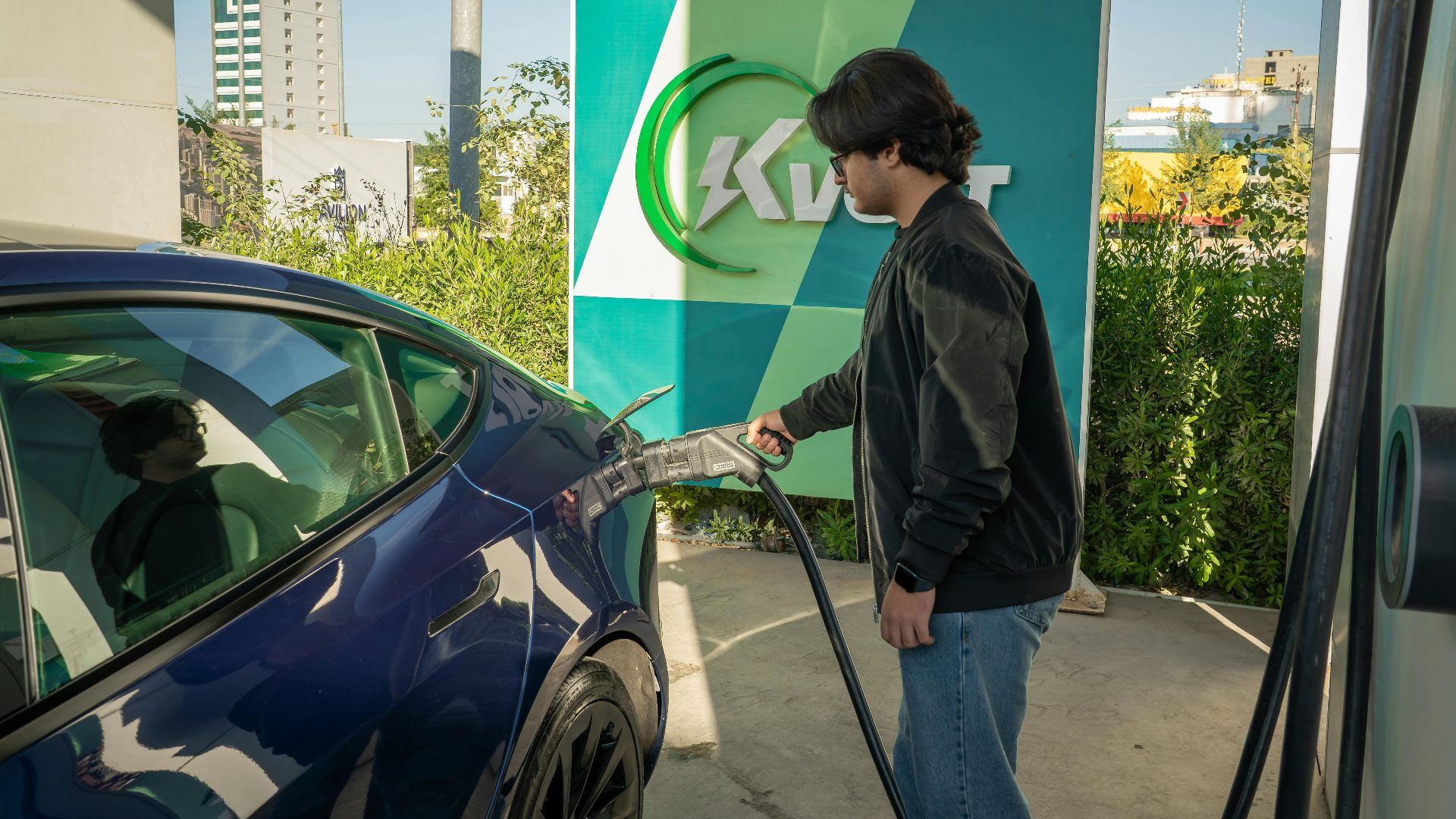
The federal government’s National Electric Vehicle Infrastructure program came from the Bipartisan Infrastructure Law signed in November 2021. Its goal is to help states build more reliable fast charging along major travel routes. That matters for buyers, but it is infrastructure catching up, not proof that a new EV bought today will feel ancient next year.
Software Helps EVs Age Better
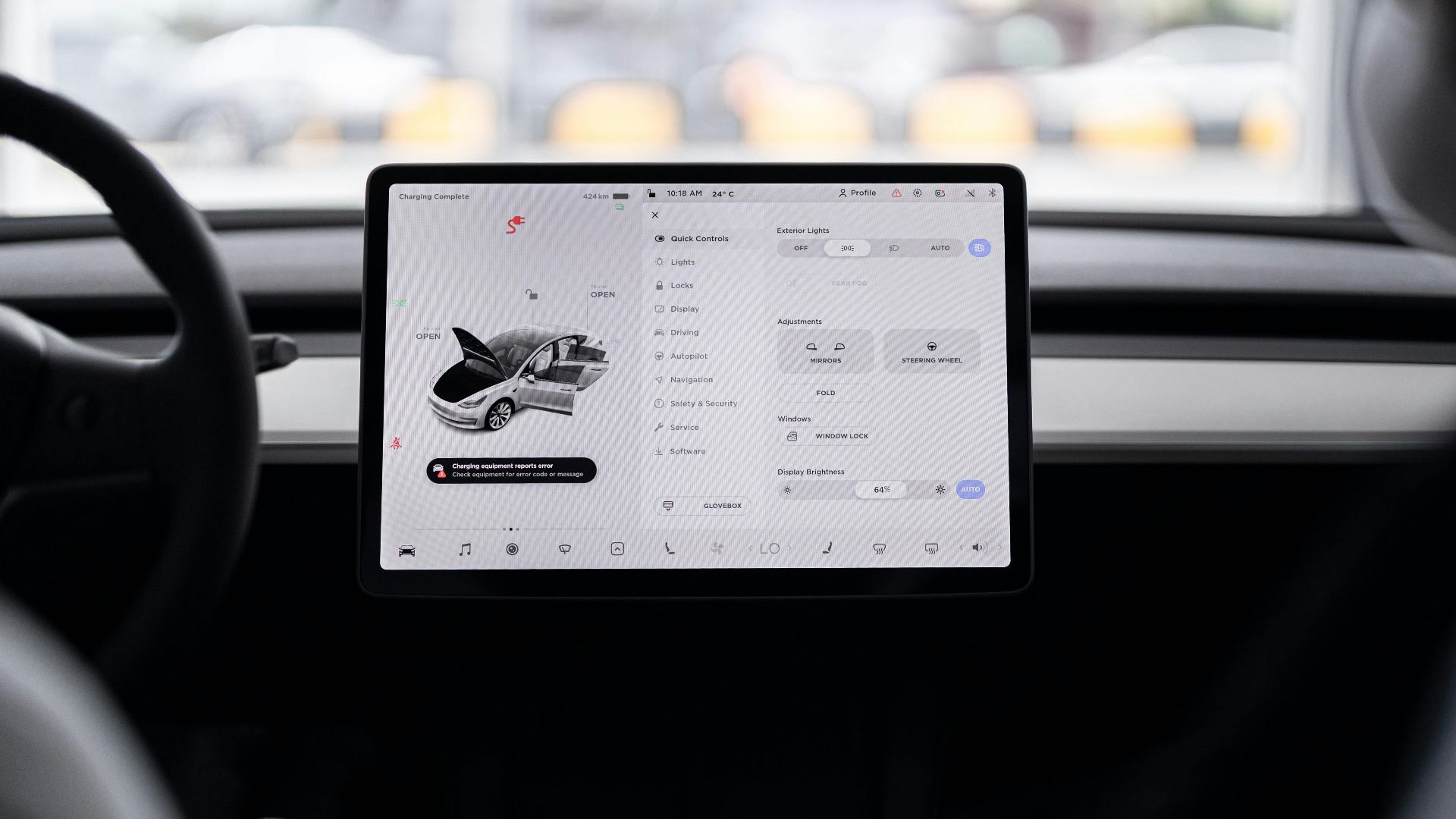
One reason the iPhone comparison sticks is that EVs depend much more on software than traditional gas cars. Tesla made over-the-air updates famous, and other automakers are building out that ability too. Software updates can improve route planning, charging behavior, efficiency displays, and convenience features. In some cases, that helps an EV stay fresh longer than an older gas car would.
But Software Cannot Rewrite The Hardware
There are still hard limits. Software cannot turn a 400-volt system into an 800-volt one. It cannot make a battery lighter or swap in different charging hardware. Future EVs will keep getting better, but many of the biggest gains will still come with full redesigns, not yearly smartphone-style jumps.
Battery Breakthrough Headlines Need A Reality Check
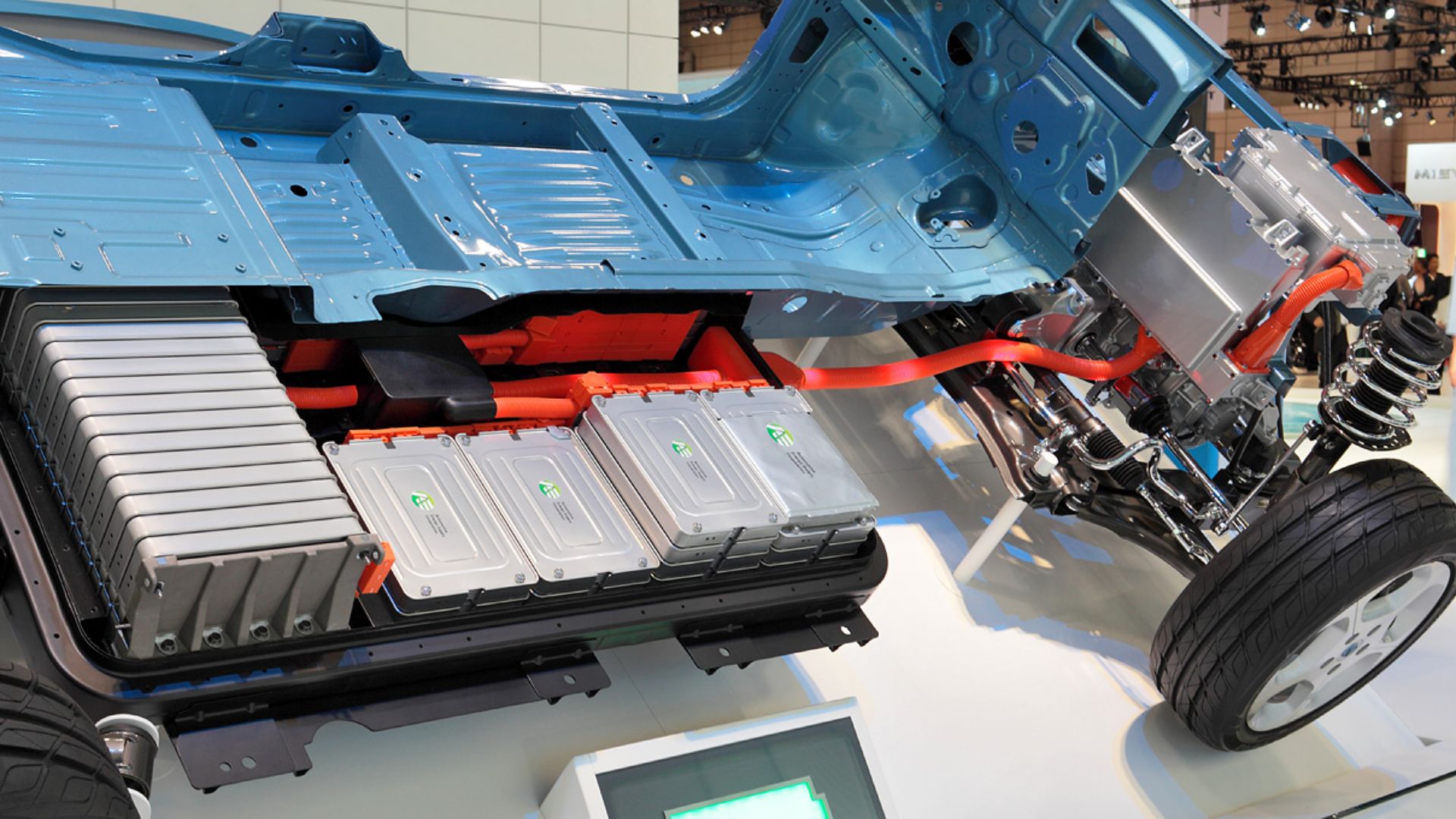
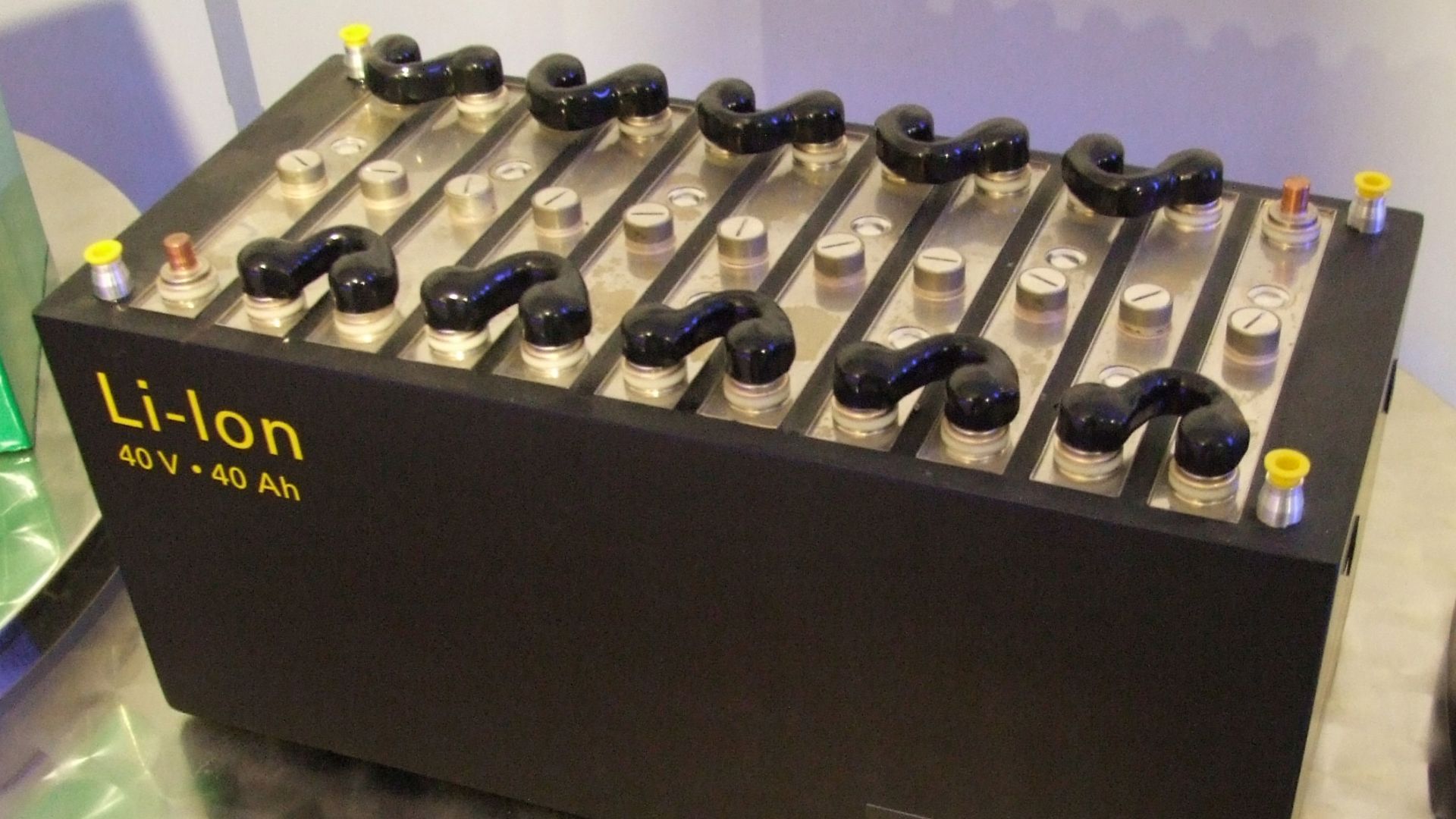
It is easy to get pulled in by headlines about solid-state batteries, sodium-ion cells, or ultra-fast charging. Toyota, QuantumScape, and others have talked for years about next-generation battery progress. Those announcements are worth watching. But a promising lab result or pilot line is not the same thing as affordable mass-market cars showing up next year.
Solid-State Batteries Are Still A Longer-Term Story
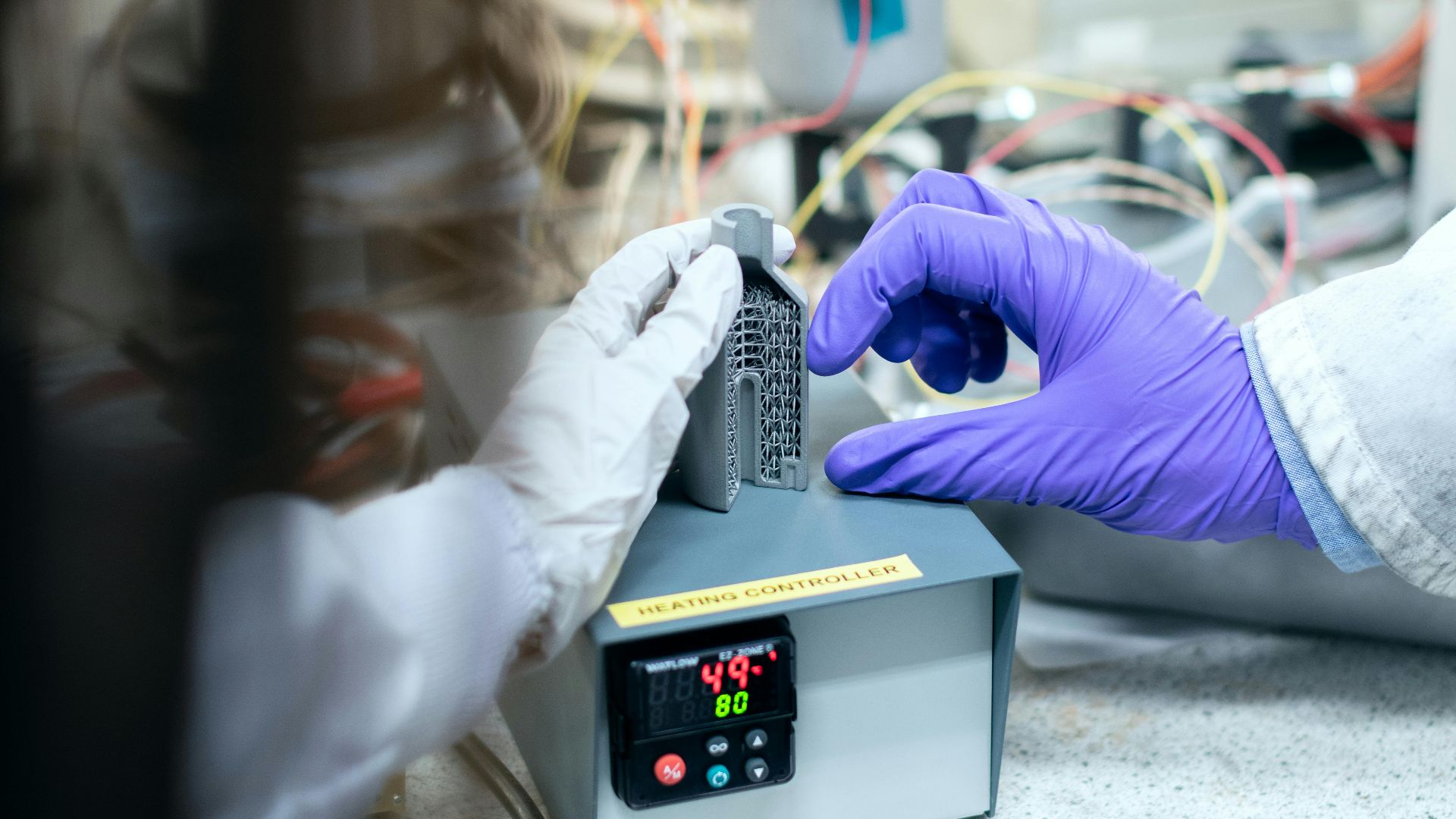
Toyota said in 2023 that it had made a breakthrough related to solid-state battery durability and planned commercialization efforts later in the decade. That is interesting. It is not the same as saying today’s lithium-ion EVs will suddenly look hopeless next year. Battery breakthroughs often take years to move from announcement to mass production.
 Claus Ableiter, Wikimedia Commons
Faster Charging Is Mostly Showing Up At The Higher End
Porsche’s Taycan and Hyundai Motor Group’s E-GMP models helped bring 800-volt EV architecture into the mainstream conversation. These vehicles can charge very quickly under the right conditions on compatible high-power DC fast chargers. That is a real advantage, but it first arrived on specific platforms, not across the whole market overnight.
Price Cuts Can Hurt More Than Tech Changes
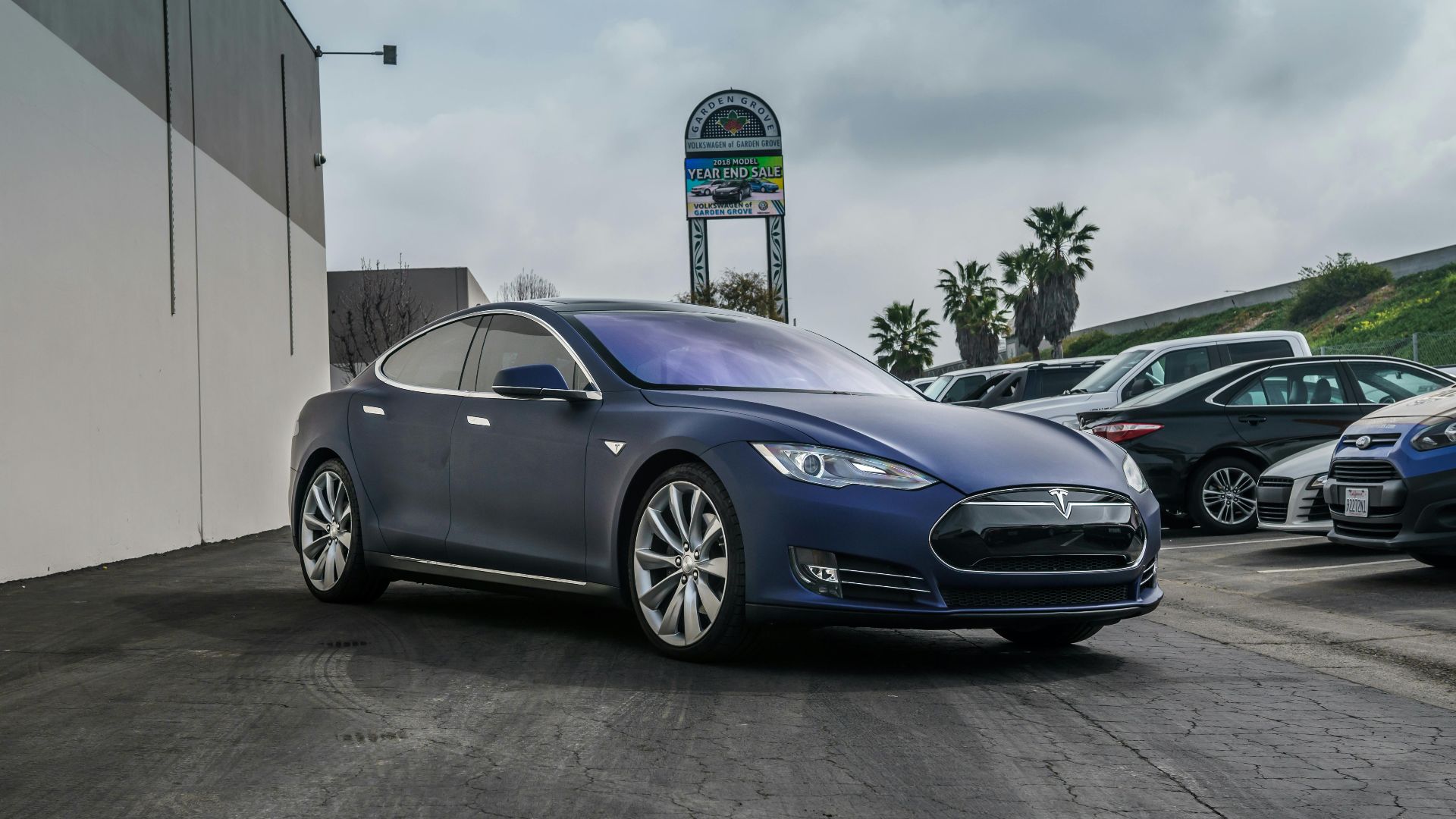
If there is one thing that can make a new EV buyer feel burned fast, it is sudden price cuts. Tesla slashed prices several times in 2023, and used EV values also got attention for how much they moved around. In real ownership terms, depreciation can matter more than whether next year’s model charges 15 minutes faster.
Tax Credits Make The Timing Messier
The Inflation Reduction Act, signed in August 2022, changed the rules for the federal clean vehicle tax credit. Eligibility depends on things like where the vehicle is assembled, battery sourcing, and income and price caps. For some shoppers, buying now can make more sense than waiting, because the deal matters just as much as the hardware.

Leasing Can Lower The Risk
If you are worried EV tech will move too fast, leasing is one of the simplest ways to protect yourself. It shortens the commitment and makes it easier to switch later if charging or battery tech improves. That is not how people think about phones, but cars are much bigger financial decisions.

Most Drivers Do Not Need A Big Breakthrough
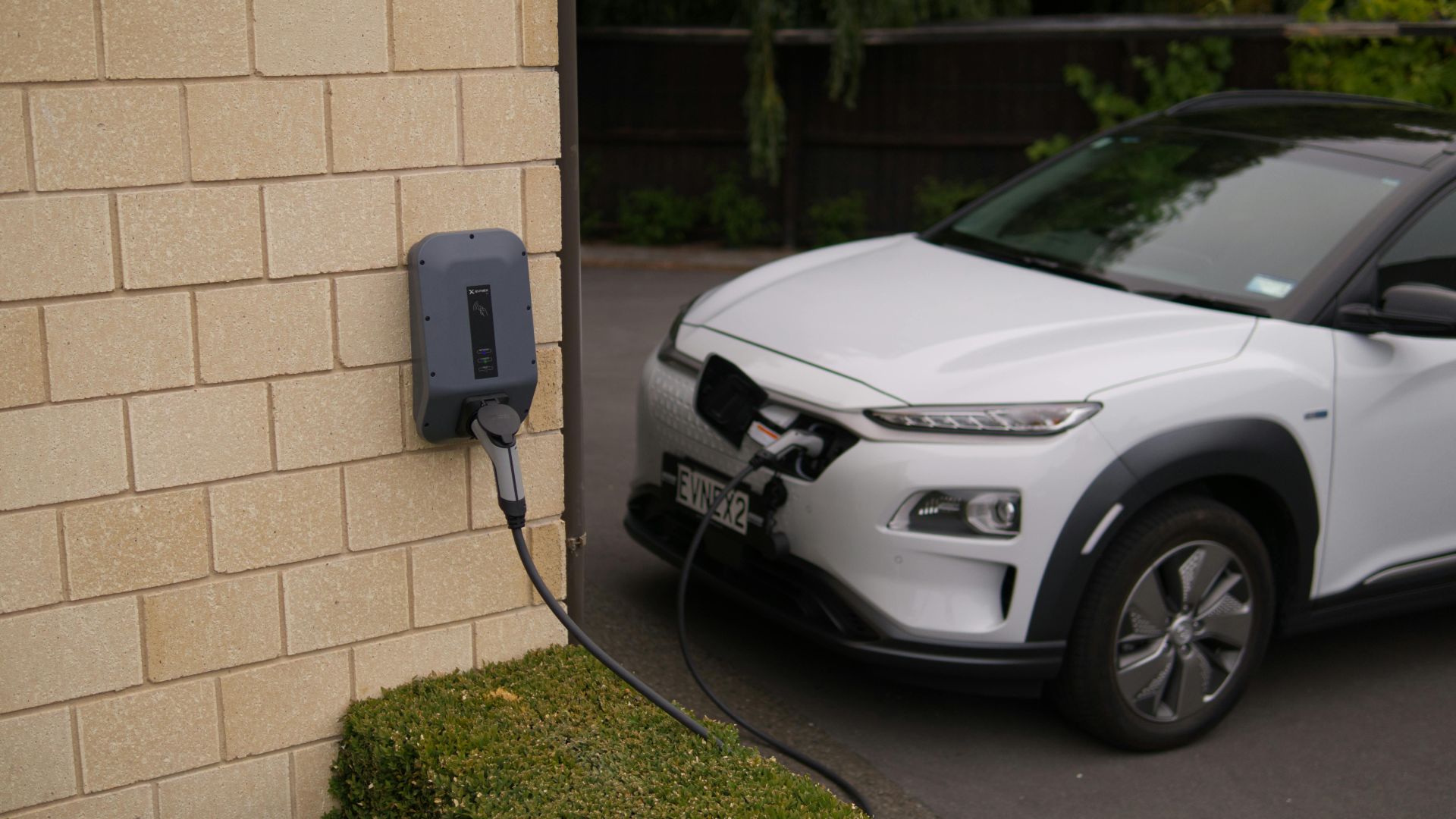
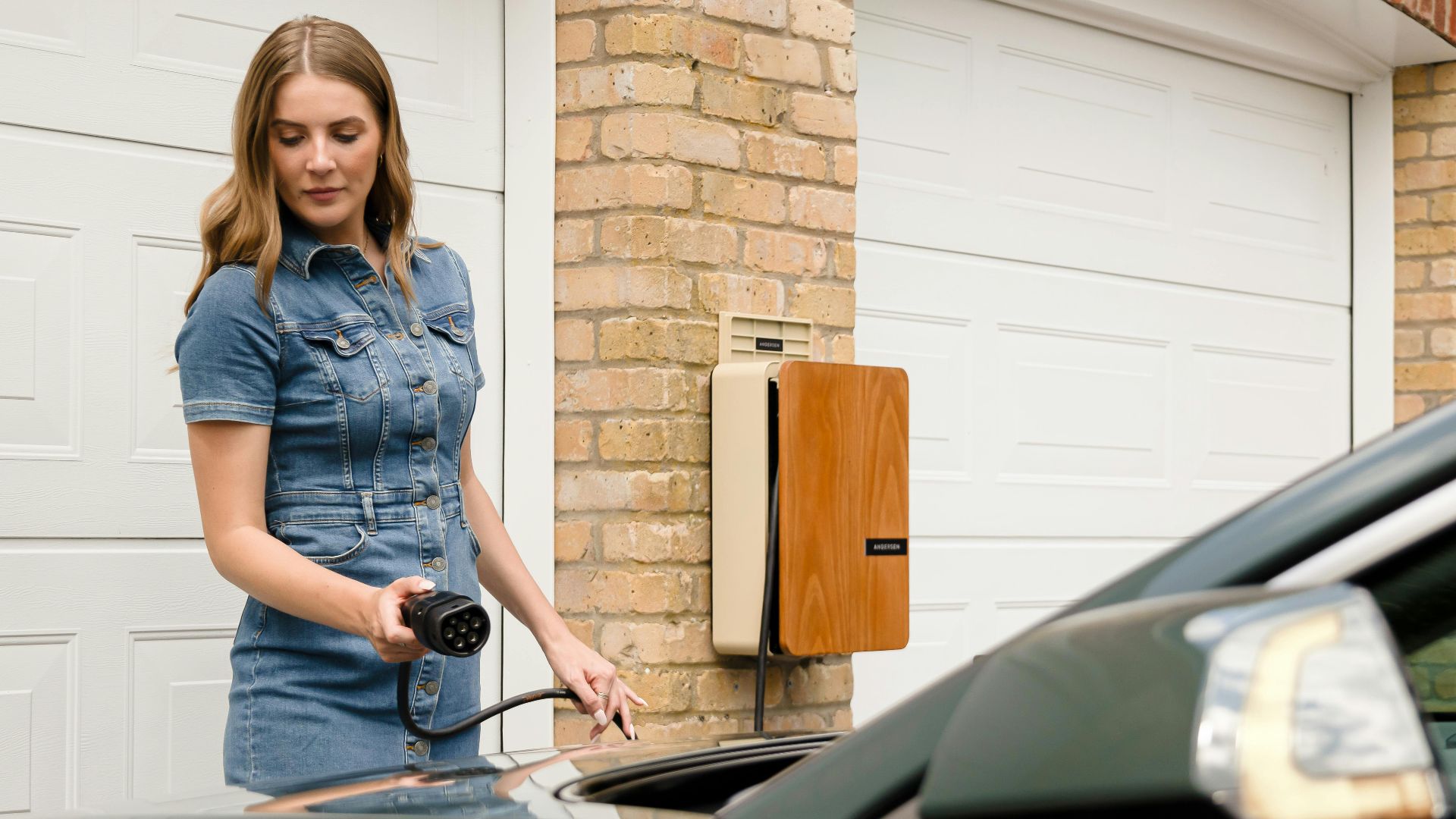
The average daily driving distance in the United States is far below the full range of most modern EVs. For people who charge at home and mainly use the car for commuting, school runs, and errands, today’s EVs are already enough. Waiting for the next breakthrough may not make much sense if the current car already fits your life.
Frequent Road-Trippers Should Be More Careful
If you often drive long highway routes, your friend’s warning carries more weight. Charging speed, charger reliability, route coverage, and cold-weather efficiency can all affect convenience. In that case, it is worth being picky and looking at newer platforms with stronger fast-charging performance and better charging access.

Reliability Beats Flashy Specs
The eye-catching numbers are easy to chase. The better question is whether the car works every day, charges predictably, and has a service network that can handle problems. A dependable EV with slightly slower charging can be a better buy than a futuristic one with buggy software or weak support.
Phones Became Obsolete Because The Whole World Around Them Changed
The original iPhone was not replaced by a phone that was merely a little better. It was overtaken by a fast-growing ecosystem of apps, networks, cameras, and processors that changed what a phone even was. EVs are improving, but they are still mostly trying to do one job better and more conveniently: move people around.

Most EV Improvements Are Incremental
A newer EV may have 30 more miles of range, better route planning, or faster charging on a trip. Those are useful upgrades. They usually are not the kind of change that makes the previous model unable to do its job.
The Used Market Shows Older EVs Still Matter
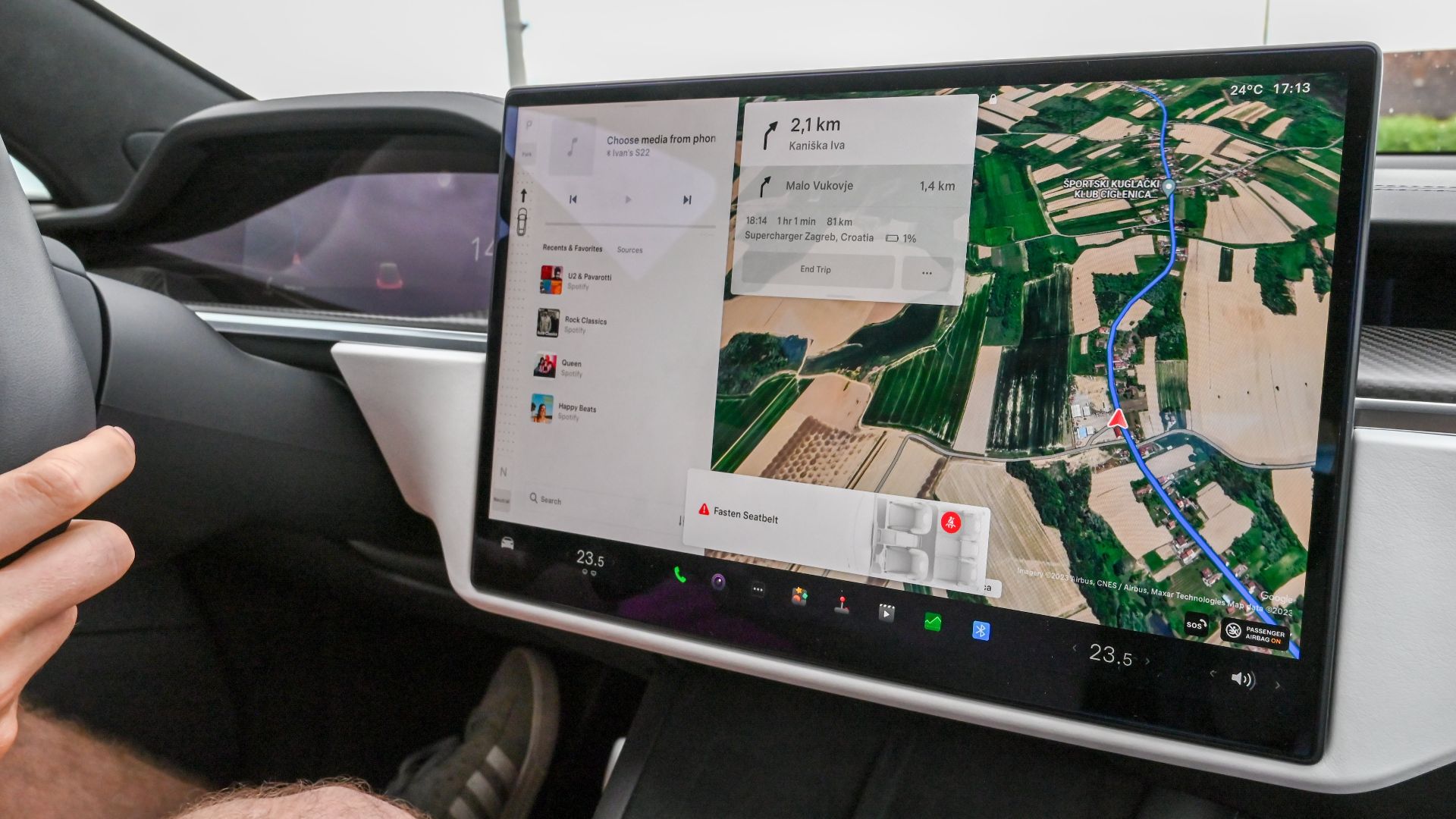
Older EVs with shorter range are still being bought and used, especially as second cars or local commuters. That is not how people usually talk about obsolete tech. If an older EV still fits a household’s budget and driving habits, it is still doing real work.
There Is One Good Reason To Wait
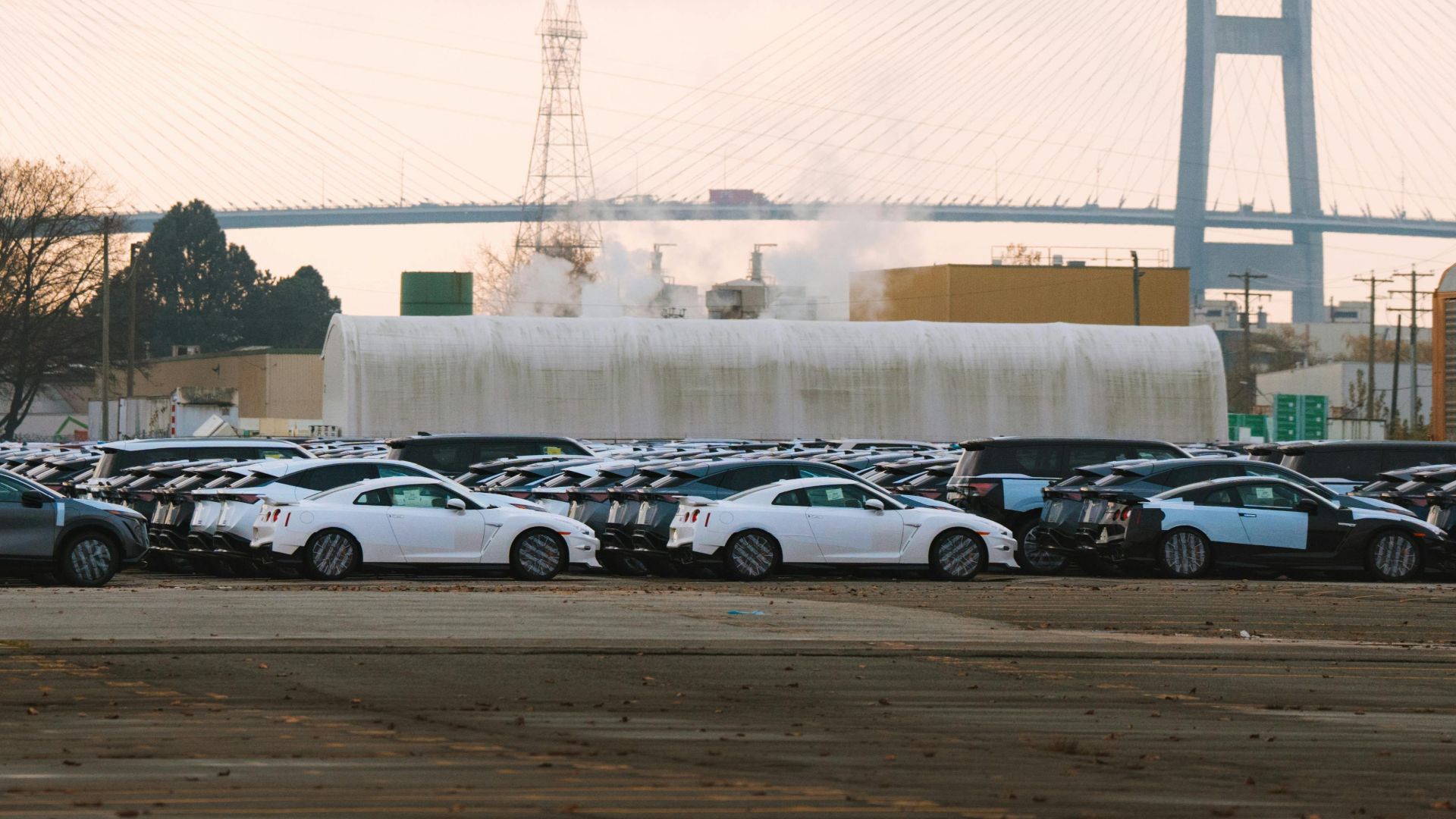
If you cannot charge at home or at work and will depend heavily on public charging, waiting may make sense. The charging landscape is still getting better, and easier access to reliable fast chargers can change the ownership experience in a major way. For those buyers, the next year or two could matter.
There Is Also A Good Case For Buying Now
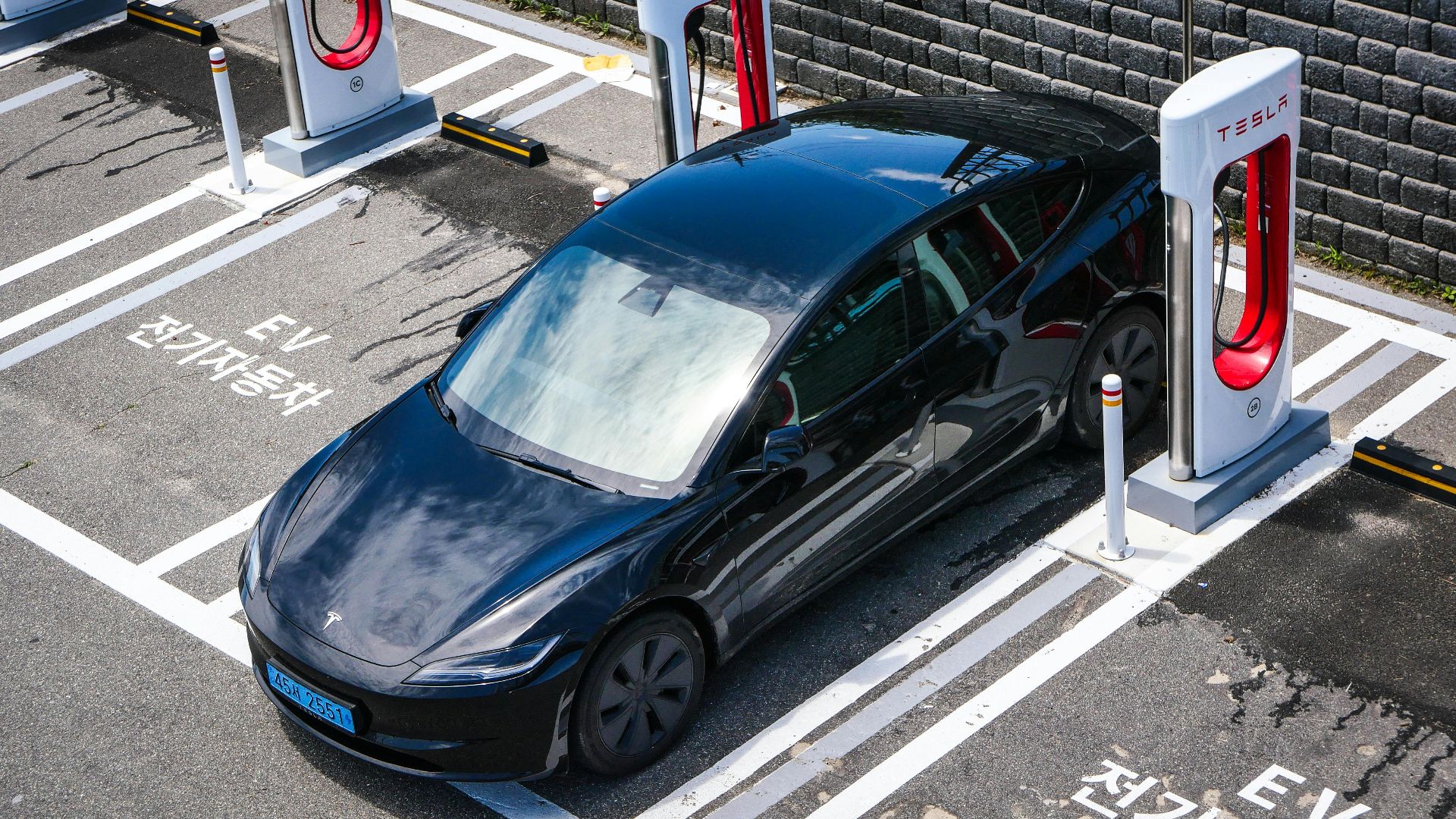
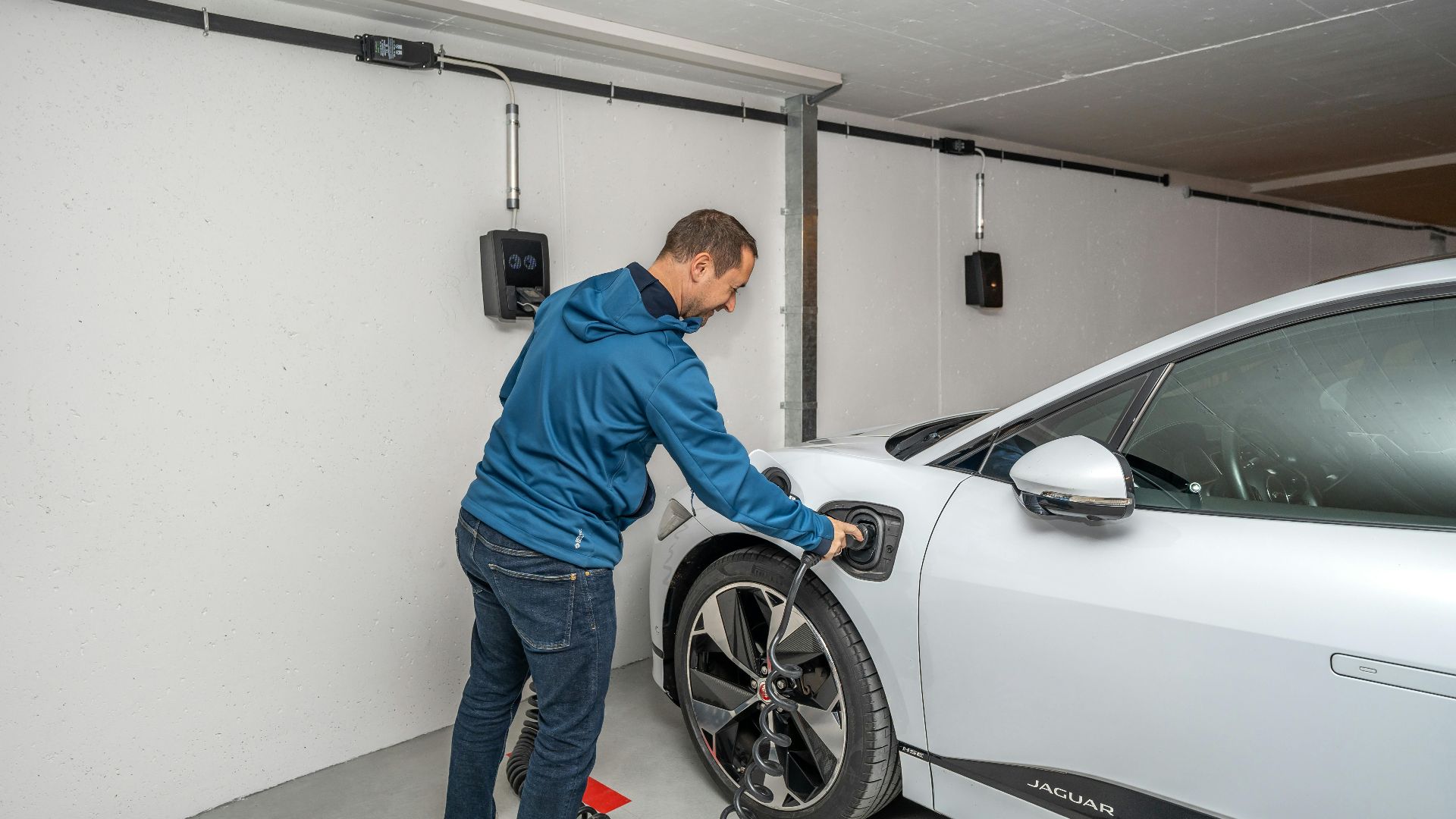
If you have reliable home charging, a solid deal, and a vehicle that easily covers your daily driving, there is not much evidence that a new EV bought now will become first-iPhone obsolete in a year. It may not be the best EV on sale in 2026, but that is true of any car. The best time to buy is usually when the car fits your needs and the numbers work.
So Is The Comparison Fair
Not really, at least not as a blanket rule. EVs are improving quickly by car standards, especially in charging access and software, but not at smartphone speed and not in a way that automatically dooms a smart purchase after one year. A better comparison is this: buying an EV today is more like buying a good laptop in a fast-moving market than buying the first iPhone right before everything changed.

The Bottom Line For Nervous Buyers
Do not buy an EV based on promises about future breakthroughs. But do not avoid one just because future models will be better. Shop based on the charging setup you actually have, the trips you actually take, and the price you can actually afford. That may sound less dramatic than the iPhone comparison, but it is the advice most buyers will be happiest they followed.