The Hot Take Everyone Is Hearing
If you have shopped for a car lately, you've probably heard some version of this claim: Buying a gas-powered car in 2026 will be a huge mistake. It sounds dramatic, which is part of why it spreads so fast. But once you look at sales data, regulations, charging access, and ownership costs, the picture gets a lot more complicated.
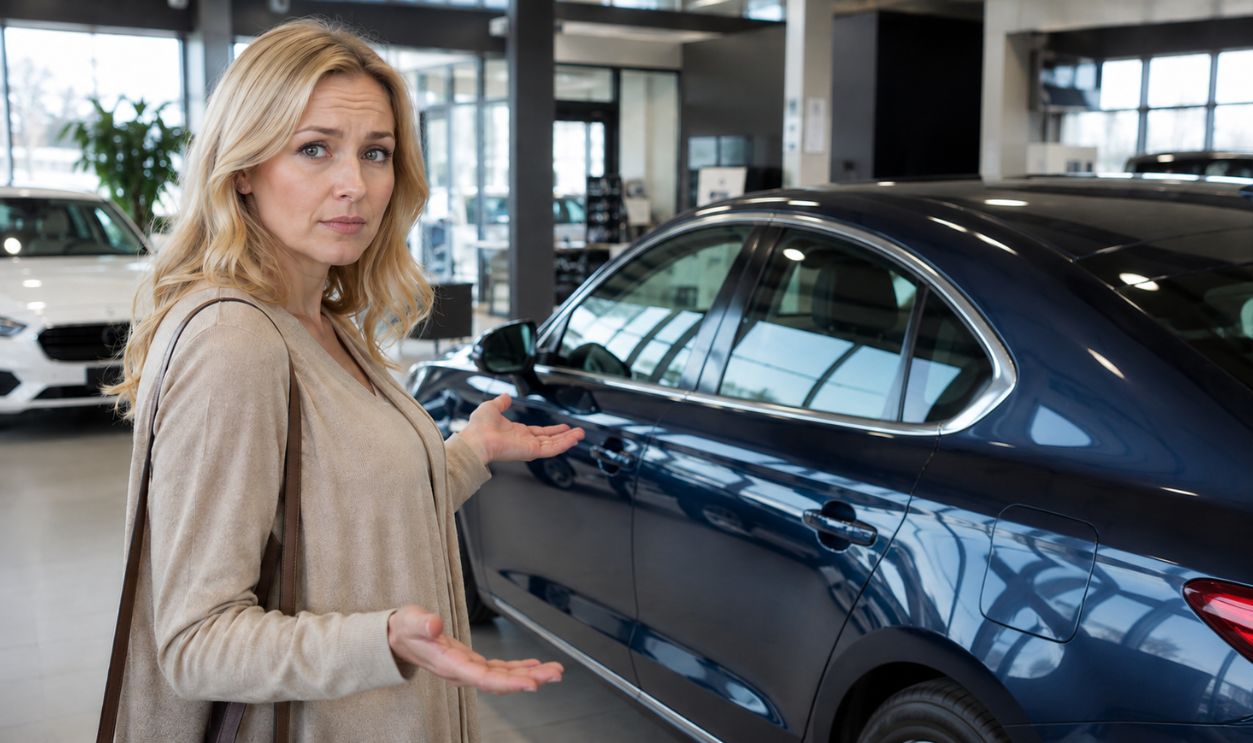
Why This Question Feels So Pressing Right Now
Automakers have spent the past few years rolling out big electric vehicle plans, while governments have put future emissions rules in place that push the market toward electrification. At the same time, many buyers are still dealing with high prices, uneven charging access, and questions about resale value. That tension is exactly why this debate has gotten so heated heading into 2026.
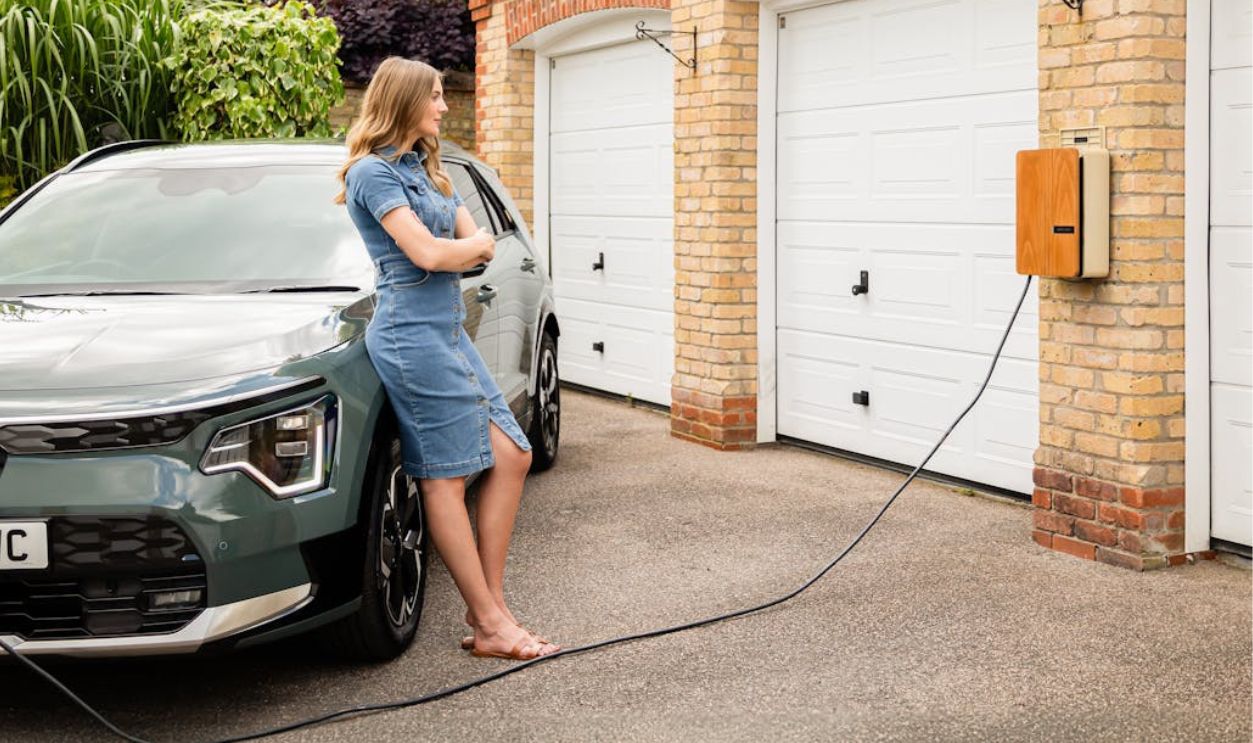
Gas Cars Are Not Vanishing In 2026
One basic fact clears up a lot of the noise. There is no nationwide U.S. ban on new gas-powered car sales taking effect in 2026. Buyers will still be able to walk into dealerships and buy gasoline vehicles, hybrids, plug-in hybrids, and battery-electric models.

What California Actually Decided
California made the headline-grabbing move in August 2022, when the California Air Resources Board approved its Advanced Clean Cars II rule. The rule says that 100 percent of new passenger cars, trucks, and SUVs sold in California must be zero-emission by 2035. It does not ban owning used gas cars, and it does not stop new gas-car sales in 2026.

Why California Matters Outside California
California’s rules matter because other states can choose to follow its emissions standards under the Clean Air Act framework. Several states have moved to adopt or consider the same Advanced Clean Cars II program. Even so, those timelines point to later years, not to some sudden end of gas-car buying in 2026.
 California Air Resources Board, Wikimedia Commons
The Federal Rule Putting Pressure On Automakers
In March 2024, the U.S. Environmental Protection Agency finalized new multi-pollutant emissions standards for light-duty and medium-duty vehicles for model years 2027 through 2032. The EPA did not require buyers to purchase EVs. Instead, it set stricter fleet emissions rules that automakers can meet with a mix of EVs, hybrids, plug-in hybrids, and cleaner gas vehicles.
 USEPA Environmental-Protection-Agency, Wikimedia Commons
Sales Data Shows EVs Are Growing, Not Taking Over
Electric vehicles are gaining ground, but they are not swallowing the market overnight. Cox Automotive reported that EVs made up 8.1 percent of total U.S. new-vehicle sales in 2024. That is real growth, but it also means the vast majority of new vehicles sold were still not fully electric.

Hybrid Buyers Are Sending A Clear Signal
One of the biggest clues about what shoppers actually want is the surge in hybrids. Many drivers like using less fuel without changing their routines around charging. That trend suggests 2026 is more likely to be a year of mixed powertrains than a clean break where gas vehicles suddenly become a bad idea for everyone.

The Charging Buildout Is Real, But Uneven
A lot of the gas-versus-EV debate comes down to charging. The Joint Office of Energy and Transportation tracks a national buildout backed by the federal NEVI program, created by the Bipartisan Infrastructure Law signed in November 2021. Progress is real, but public charging still varies a lot by region, and that matters for people who cannot charge at home.

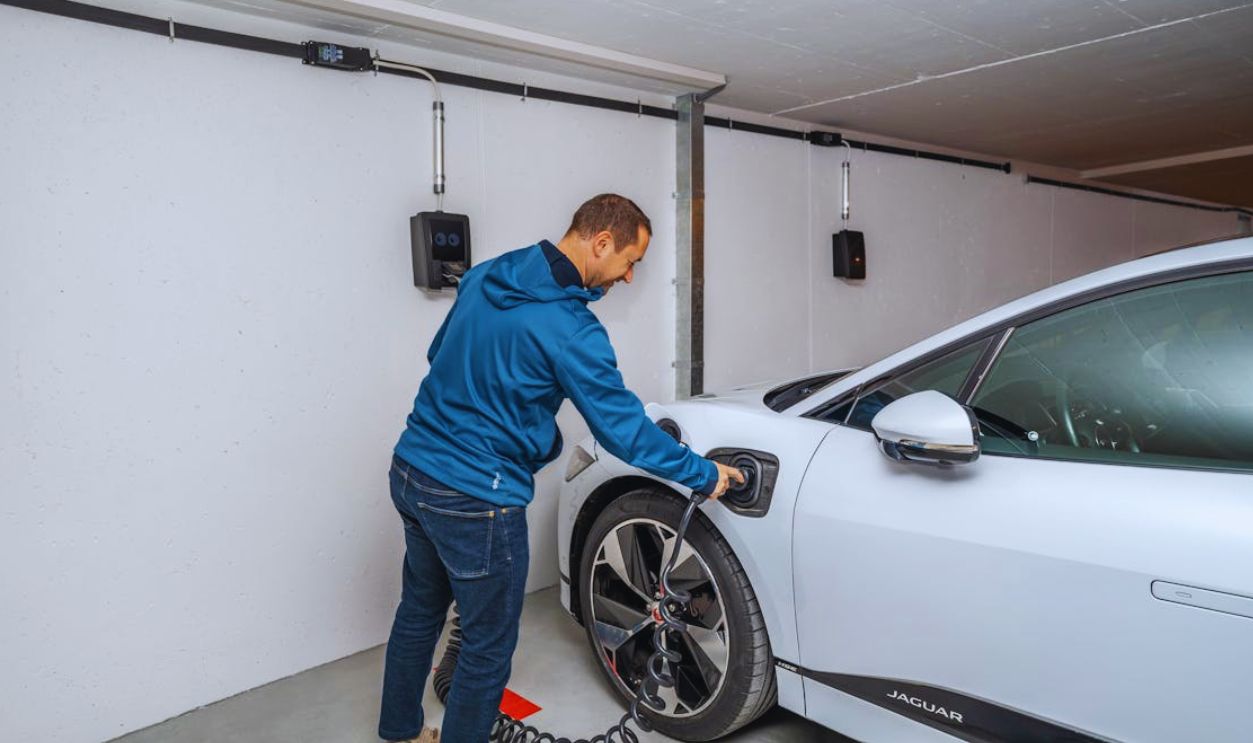
Home Charging Changes The Equation
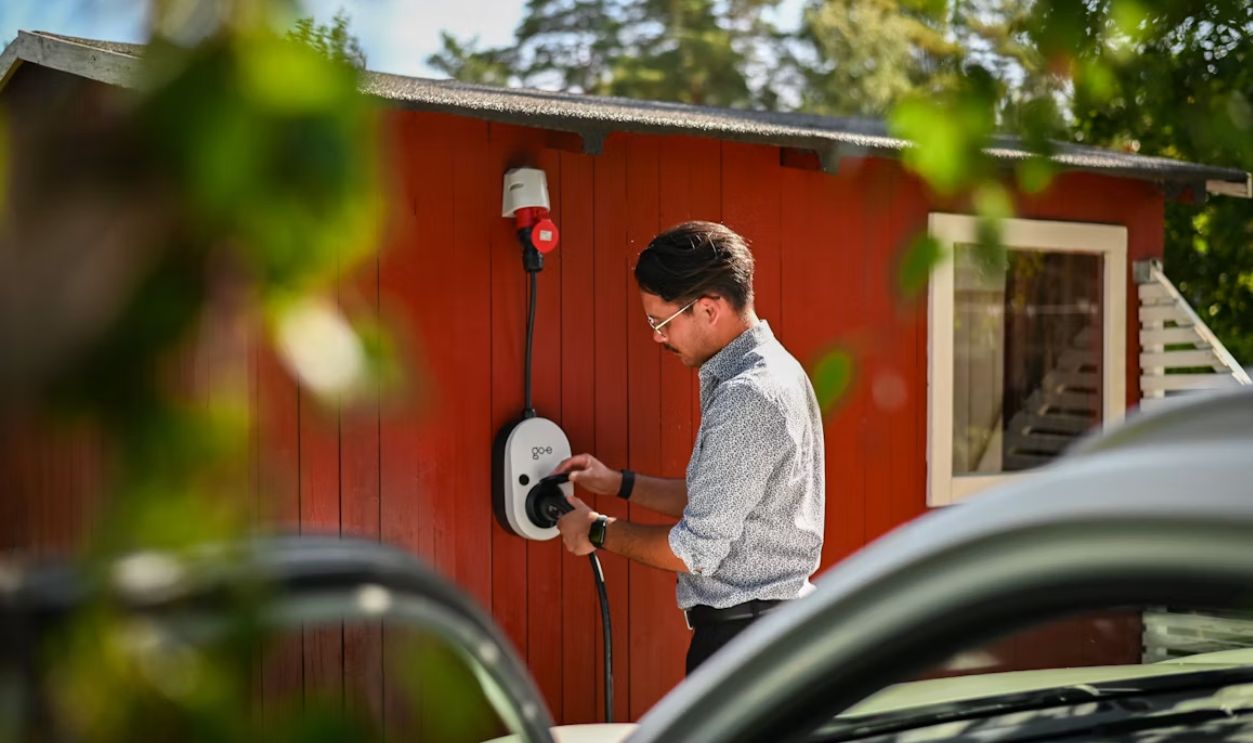
If you own a home, have off-street parking, and can install a Level 2 charger, an EV can be much easier to live with. Overnight charging is convenient, and it often cuts fueling costs compared with gasoline. But that advantage is not universal, especially for renters and city drivers who depend on public charging.
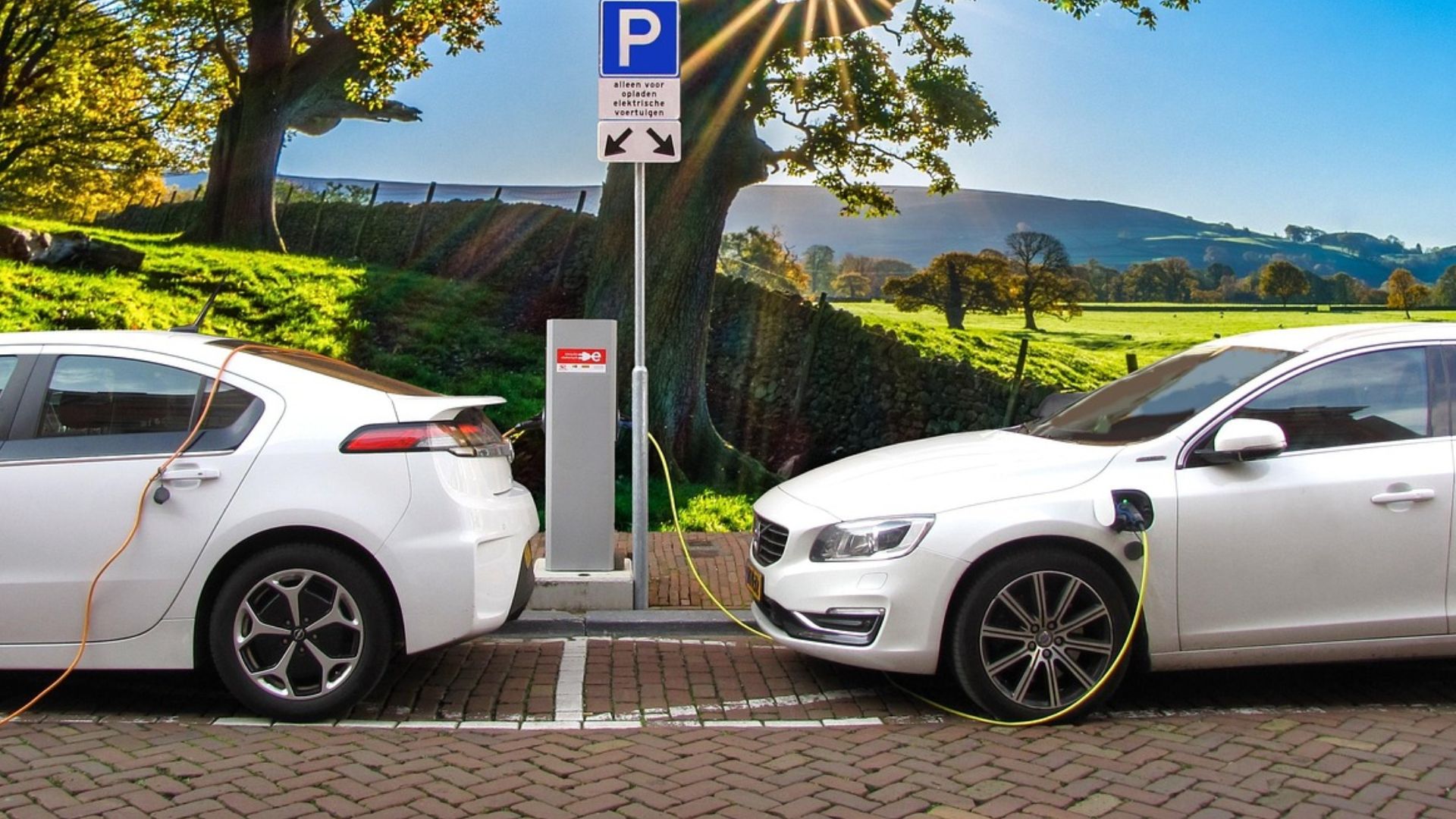
Public Charging Still Comes With Friction
For many drivers, the real-world EV question is not whether chargers exist at all. It is whether the charger is open, working, fast enough, and reasonably priced when you need it. That is one big reason calling every 2026 gas-car purchase a mistake goes too far.
Fuel Costs Often Favor EVs
The U.S. Department of Energy’s fueleconomy.gov tools consistently show that EVs can have lower fuel costs than comparable gasoline vehicles. Electricity prices and local gas prices vary, so the savings depend on where you live and how you charge. Still, on pure energy cost, EVs often have a real edge.
Maintenance Can Tilt Toward EVs Too
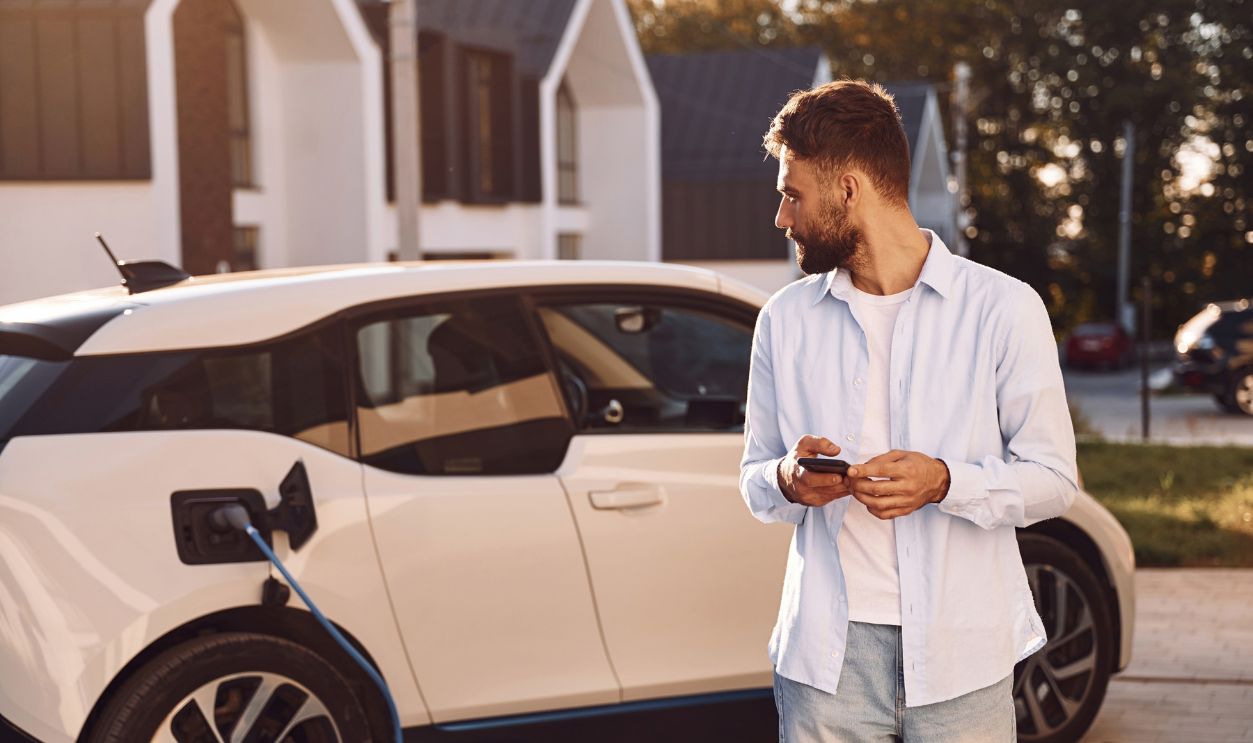
Battery-electric vehicles usually need less routine maintenance because they have fewer moving parts and no oil changes. Regenerative braking can also reduce brake wear. That said, tires, insurance, and out-of-warranty repairs still matter, and not every owner will see huge savings.

The Sticker Price Still Stops A Lot Of Buyers
Upfront purchase price is still a major reason some people hesitate. According to Kelley Blue Book reporting on market trends, EV prices have fallen from earlier peaks, but transaction prices remain a big shopping issue. For budget-focused buyers, a lower-priced gas car or hybrid can still be the more realistic choice in 2026.

The Tax Credit Helps, But It Is Not Simple
The federal clean vehicle credit can be worth up to $7,500 for eligible new EVs, with rules tied to assembly location, battery sourcing, MSRP caps, and buyer income. The IRS has published detailed guidance, and those requirements are stricter than many shoppers expect. That means some EVs qualify, some do not, and some buyers will not meet the income rules.

Used EVs Add Another Option
There is also a federal used clean vehicle credit for certain lower-priced used EVs and plug-in hybrids. For some shoppers, this can make going electric much more affordable than buying a new model. But availability, battery condition, and local charging access still need a close look.

Range Anxiety Is Not What It Used To Be
Modern EVs generally offer far more range than the early models that shaped many people’s opinions. The EPA’s fuel economy and range listings show a wide spread, from city-friendly affordable EVs to long-range models that can handle serious highway driving. Even so, long trips can still require more planning than they do in a gas car.
Road Trips Are Still Where Gas Feels Easiest
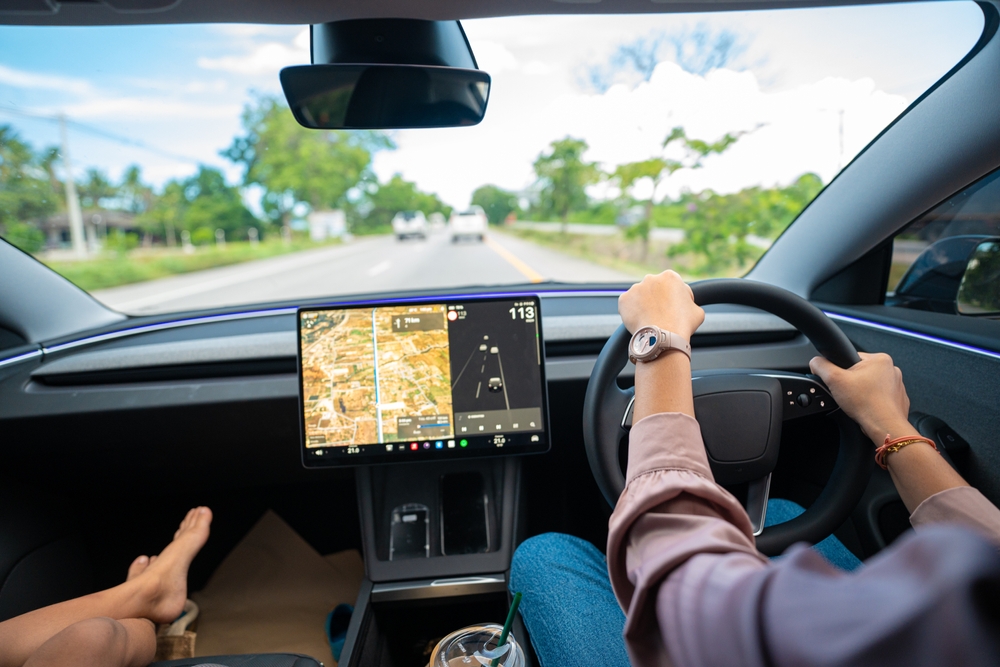
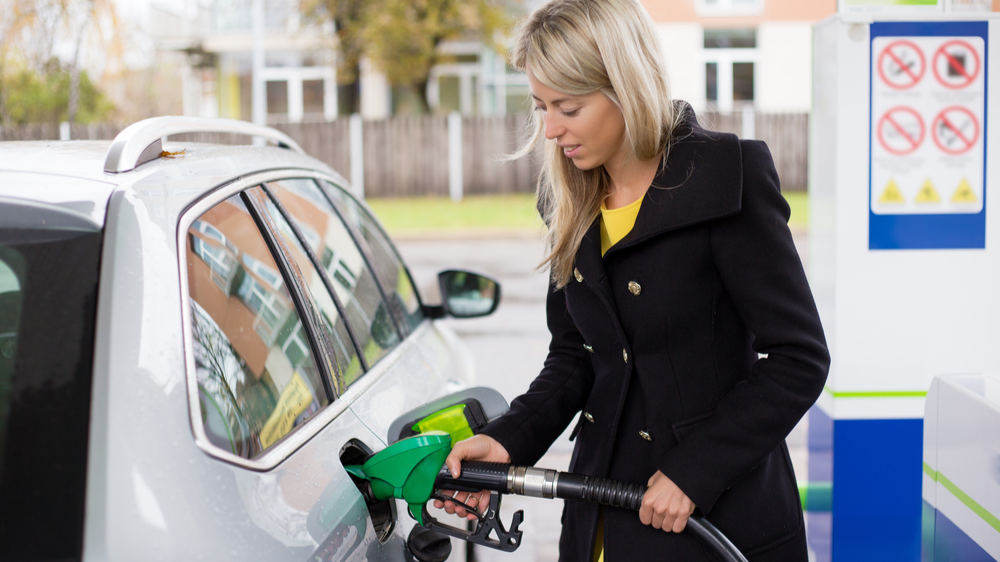
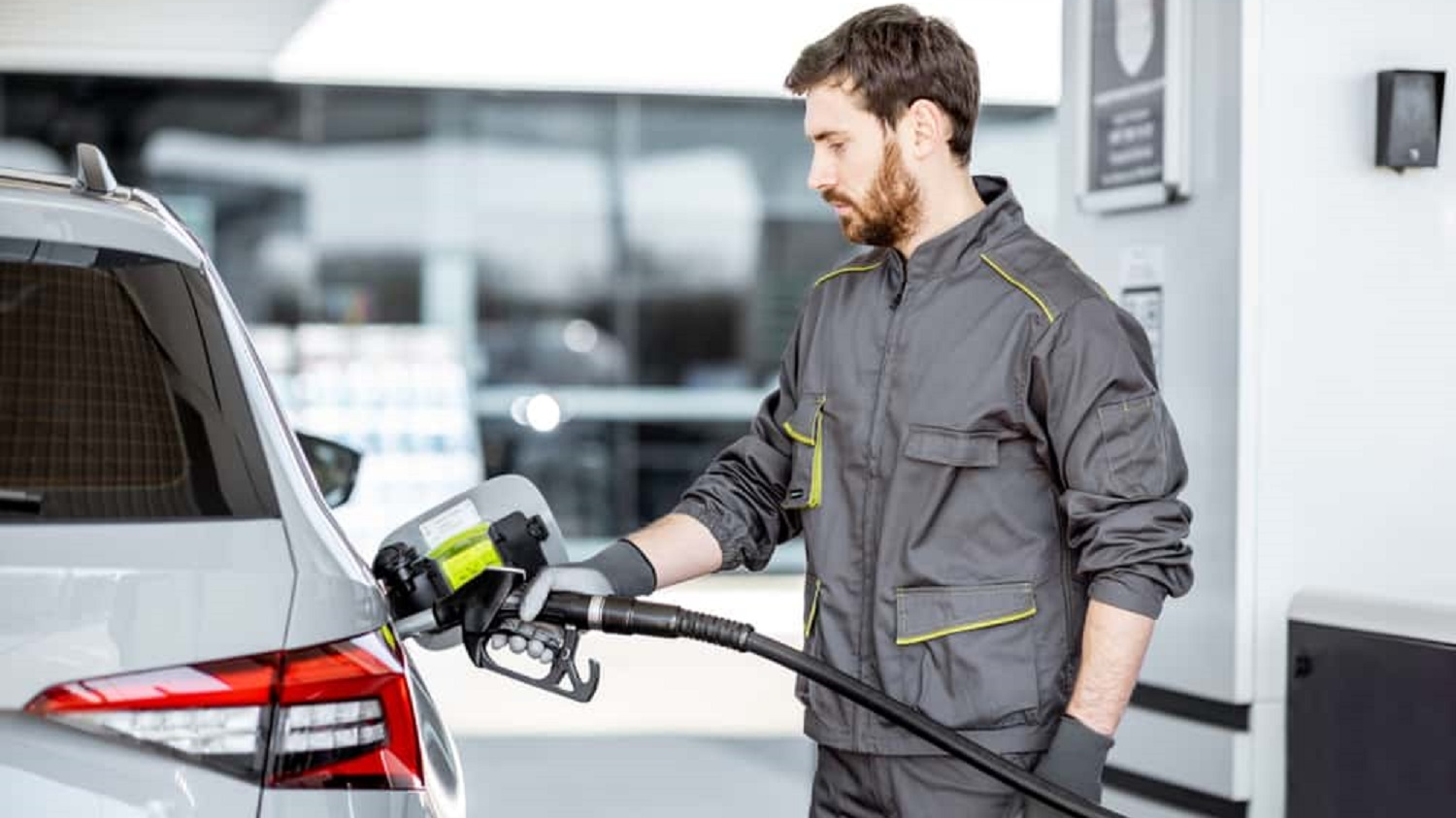
For drivers who regularly cover long rural routes, tow heavy loads, or travel in places with sparse fast-charging coverage, gasoline and hybrid vehicles still have a convenience edge. A quick fuel stop is hard to beat when time matters. This is one of the strongest practical arguments against calling all 2026 gas-car buyers foolish.
 Kaspars Grinvalds, Shutterstock
The Climate Case For EVs Is Real
If the question is bigger than your own driveway, the climate case for EVs is serious. The U.S. Department of Energy and EPA both point to lower lifecycle emissions for EVs in many situations, especially as the grid gets cleaner. That does not mean every household should buy one right away, but it does explain why policy is pushing hard in that direction.
Battery Concerns Need A Reality Check
Battery degradation is real, but it is often less dramatic than skeptics assume. The Department of Energy has noted that most EV batteries are designed for long service life, and automakers provide battery warranties that commonly run eight years or 100,000 miles, sometimes more. Buyers should still compare warranty terms and look into model-specific reliability.

Resale Value Is Not A One-Way Story
Some people argue that gas cars bought in 2026 will quickly become impossible to resell. Current market reality does not support that. Used gas vehicles, hybrids, and EVs each have resale patterns shaped by fuel prices, incentives, supply, brand reputation, and local demand.
 Anatoliy Cherkas, Shutterstock, Modified
Depreciation Risk Goes Both Ways
EV depreciation has gotten attention because price cuts on new EVs can drag down used values. Gas vehicles can also lose value if fuel prices spike or if future regulations and consumer preferences shift faster than expected. In other words, there is no risk-free powertrain, only different kinds of risk.
Hybrids May Be The Best Middle Ground
For a lot of shoppers, the best answer is not gas versus EV in absolute terms. It is a hybrid that cuts fuel use without asking you to change much about how you drive or refuel. The EPA’s 2024 Automotive Trends Report also shows that fleet efficiency has improved over time, and hybrids are a big part of that story.

Urban Drivers And Homeowners Have More Reason To Go Electric
If you mostly drive locally, can charge at home, and want lower fuel and maintenance costs, buying a gas-only car in 2026 may indeed look shortsighted. In that situation, an EV or plug-in hybrid can be a very strong fit. The warning starts to sound a lot more reasonable when the use case lines up that well.

Apartment Dwellers And Rural Drivers Face A Different Reality
If you rent, street park, drive long distances in cold weather, or live where fast charging is scarce, a gas car or hybrid can still be the practical call in 2026. Convenience matters because a car is not a theory project. It is something you rely on to get to work, haul family, and handle whatever the week throws at you.

What Automakers Are Actually Doing
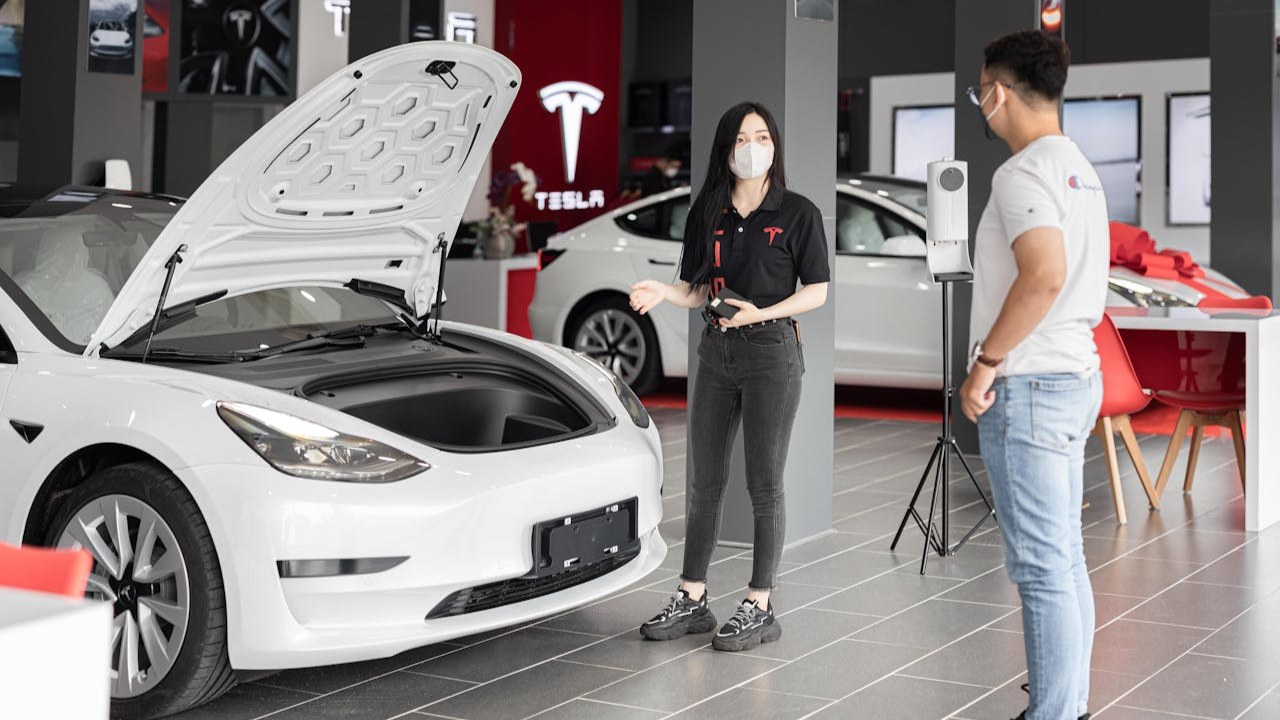
Automakers are continuing to invest in EVs, but most are also still selling and updating gas models and hybrids. That is a clue worth noticing. The industry clearly sees the market moving toward electrification, but it also knows millions of buyers still need conventional options for the next several years.
So, Is Buying Gas In 2026 A Huge Mistake
For some buyers, yes, a gas-only vehicle will be the wrong long-term move because an EV or hybrid would save money and fit daily life better. For many others, especially those without reliable home charging or with heavy highway use, calling it a huge mistake is not realistic. The smart answer in 2026 will depend less on internet certainty and more on your budget, where you live, how far you drive, and whether charging is easy for you.

The Best Question To Ask Before You Buy
Instead of asking whether gas is dead, ask what powertrain fits your actual life over the next five to eight years. Look at total cost, tax credits, insurance, charging access, winter driving, road trips, and resale in your local market. That approach is much more useful than treating every 2026 gas-car buyer like they somehow missed the future.