The Rumor That Won’t Quit
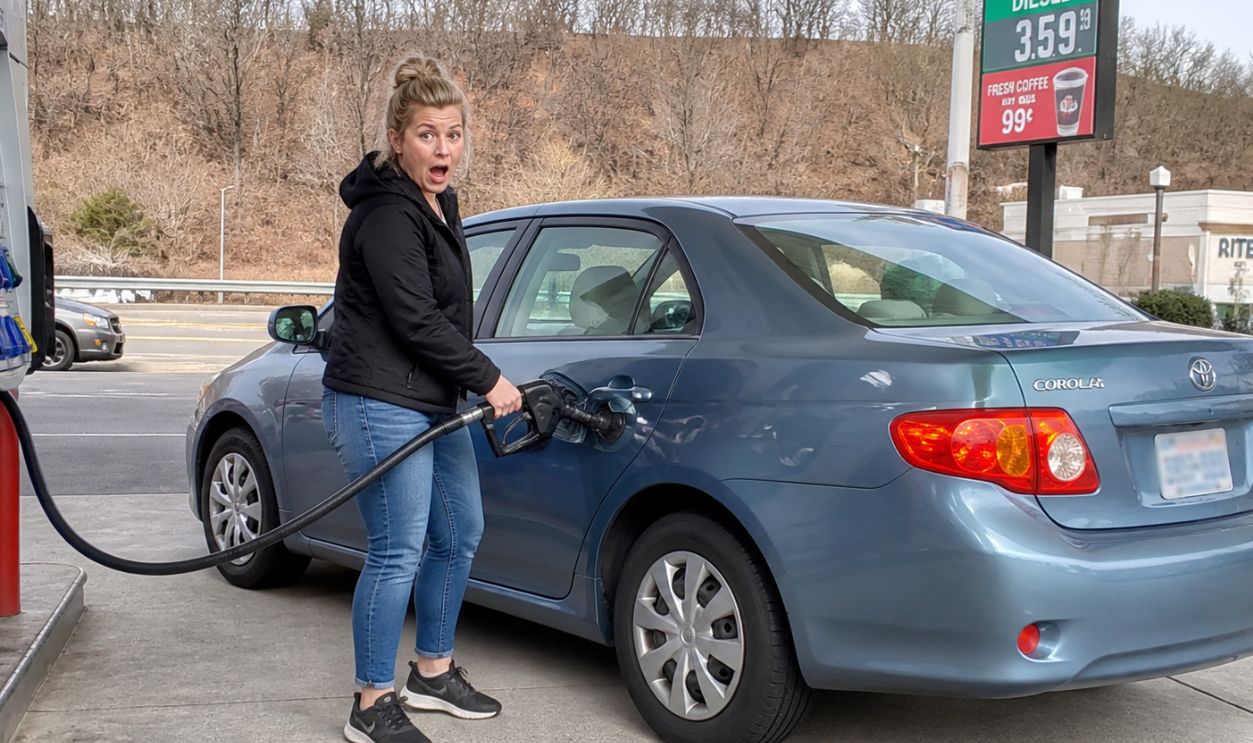
EVs are more common than they've ever been, but if someone just told you gas cars will be banned any day now, slow down before you make a rushed decision. The real story is much less dramatic. Most of the policies being enacted around gas vehicles are about the future sale of new vehicles, not the car already sitting in your driveway.
What People Usually Mean By “Banned”
In most cases, governments are not talking about taking away gasoline cars or forcing owners to junk them. They are talking about ending sales of some new internal combustion vehicles after a future date. That is a big difference, especially if you are wondering whether to sell now.

California Is The Headline Everyone Hears
A lot of this panic traces back to California. In August 2022, the California Air Resources Board approved its Advanced Clean Cars II rule. The rule says that 100 percent of new passenger cars, trucks, and SUVs sold in California must be zero-emission by 2035, with the requirement ramping up before then.
 California Air Resources Board, Wikimedia Commons
California’s Rule Does Not Ban Your Current Car
California’s own materials are clear on this point. The rule applies to new vehicle sales, not to keeping, driving, buying, or selling used gasoline vehicles. If you own a gas car in California, the state has not set a date when you must stop driving it.

Other States Can Follow California
Under the Clean Air Act, California can receive waivers to set stricter vehicle emissions rules, and other states can choose to follow California’s standards. Several states have moved toward adopting Advanced Clean Cars II. That makes the trend feel broader, but it still mainly deals with future new-car sales.
The Federal Government Did Not Announce A National Gas Car Ban
There is no current nationwide U.S. law saying gas cars will be banned soon. In March 2024, the Environmental Protection Agency finalized light- and medium-duty vehicle emissions standards for model years 2027 through 2032. EPA said the rule is technology-neutral and does not require a set number of EVs, even though it is expected to push the market toward cleaner vehicles.
 USEPA Environmental-Protection-Agency, Wikimedia Commons
EPA’s Rule Is About Emissions Standards
That distinction matters. Emissions rules tell automakers how clean their fleets have to become over time. They do not tell private owners they have to sell their gasoline cars by a certain date.

Europe Has A Big Date, But It Is Not Your Date
The European Union approved a major policy in 2023 that requires a 100 percent CO2 emissions cut for new cars and vans by 2035. In practice, that means new cars sold there would need to be zero-emission at the tailpipe. Again, that is about new sales in the EU market, not a worldwide order for current owners to dump gas cars.
 Anatoliy Cherkas, Shutterstock
The UK Also Shifted The Market Timeline
The United Kingdom has its own phaseout path for new petrol and diesel car sales, with hybrids treated differently under the current plan. Those rules have changed over time as governments revised deadlines. That alone is a good reminder that policy targets can move, so panic-selling based on a rumor is a bad bet.

Automakers Saw This Coming Years Ago
Car companies did not wake up to this last week. Many brands have spent billions on EVs because they saw stricter emissions rules and future zero-emission sales requirements coming in major markets. That shift is real, but it is a business and policy transition, not a sign that used gas cars become worthless overnight.
Used Gas Cars Are Not About To Vanish
Even in places with aggressive rules, the used market will stay huge for years. The average age of vehicles on U.S. roads keeps rising, according to S&P Global Mobility, and Americans are holding onto cars longer than they used to. A market with millions of existing gasoline vehicles does not disappear just because a future new-sales target gets announced.

The Average Vehicle Age Tells The Story
S&P Global Mobility reported in 2024 that the average age of vehicles in operation in the United States rose to 12.6 years. That is a simple clue with a big message. Cars stay on the road for a long time, so even ambitious rules for new sales take years to reshape the vehicles people are actually driving.

Your Gas Car’s Value Depends On More Than Politics
Resale value depends on condition, mileage, reliability, maintenance history, local fuel prices, and the broader used-car market. Regulations are only one part of the picture. If your car is dependable and in a category buyers still want, there may be no urgent reason to sell it now.

There Is One Big Exception To Watch
If you live in a place with specific local rules, your situation can be different. Some cities and regions have low-emission zones, congestion charges, or diesel restrictions that can affect daily use and value. Those are real issues, but they are not the same as a broad ban on gasoline car ownership.

Classic And Niche Vehicles Are A Different Conversation
Special-interest vehicles often follow their own rules in the market. Enthusiast demand, collectibility, and limited production can support values even as the mainstream market changes. That does not mean every old gas car becomes a future collectible, but it does show why blanket predictions usually miss the mark.

Fuel Prices Can Change The Mood Faster Than Policy
Sometimes the used market reacts faster to gas prices than to laws. When fuel costs jump, buyers often shift toward hybrids and efficient compact cars. When prices settle down, demand for trucks and SUVs often bounces back.
Charging Growth Matters More Than Headlines
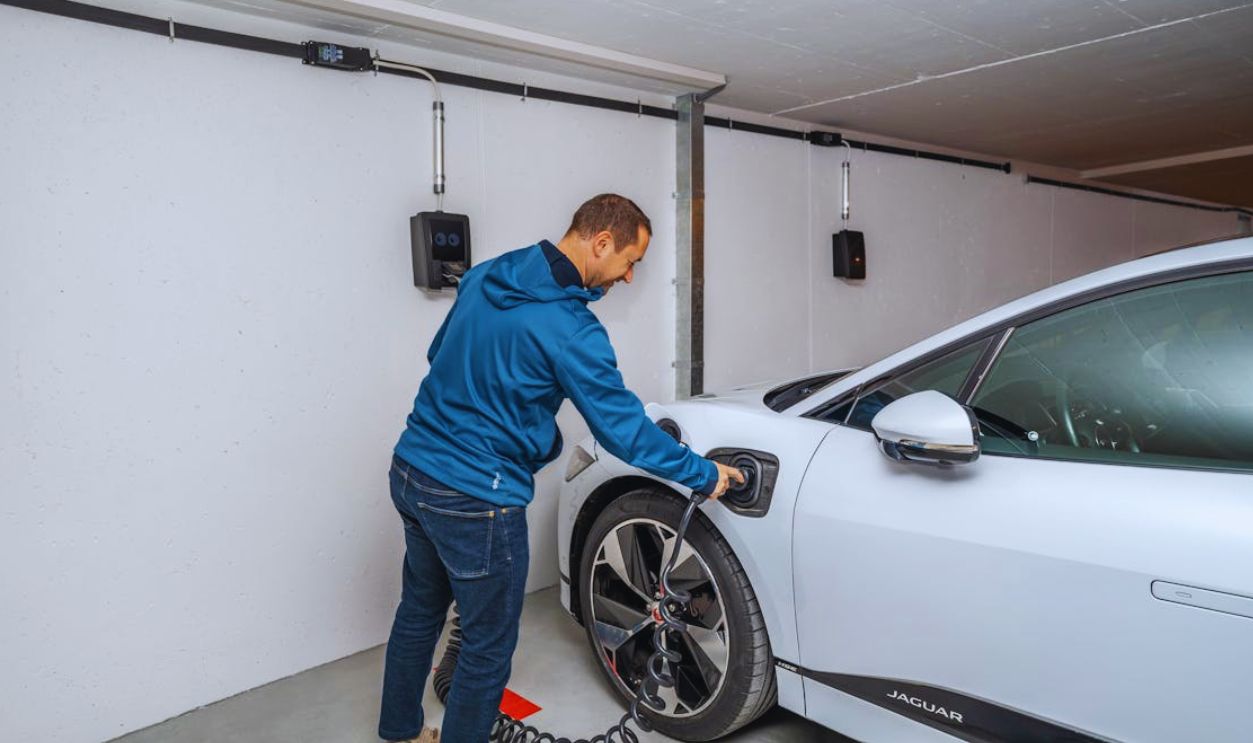
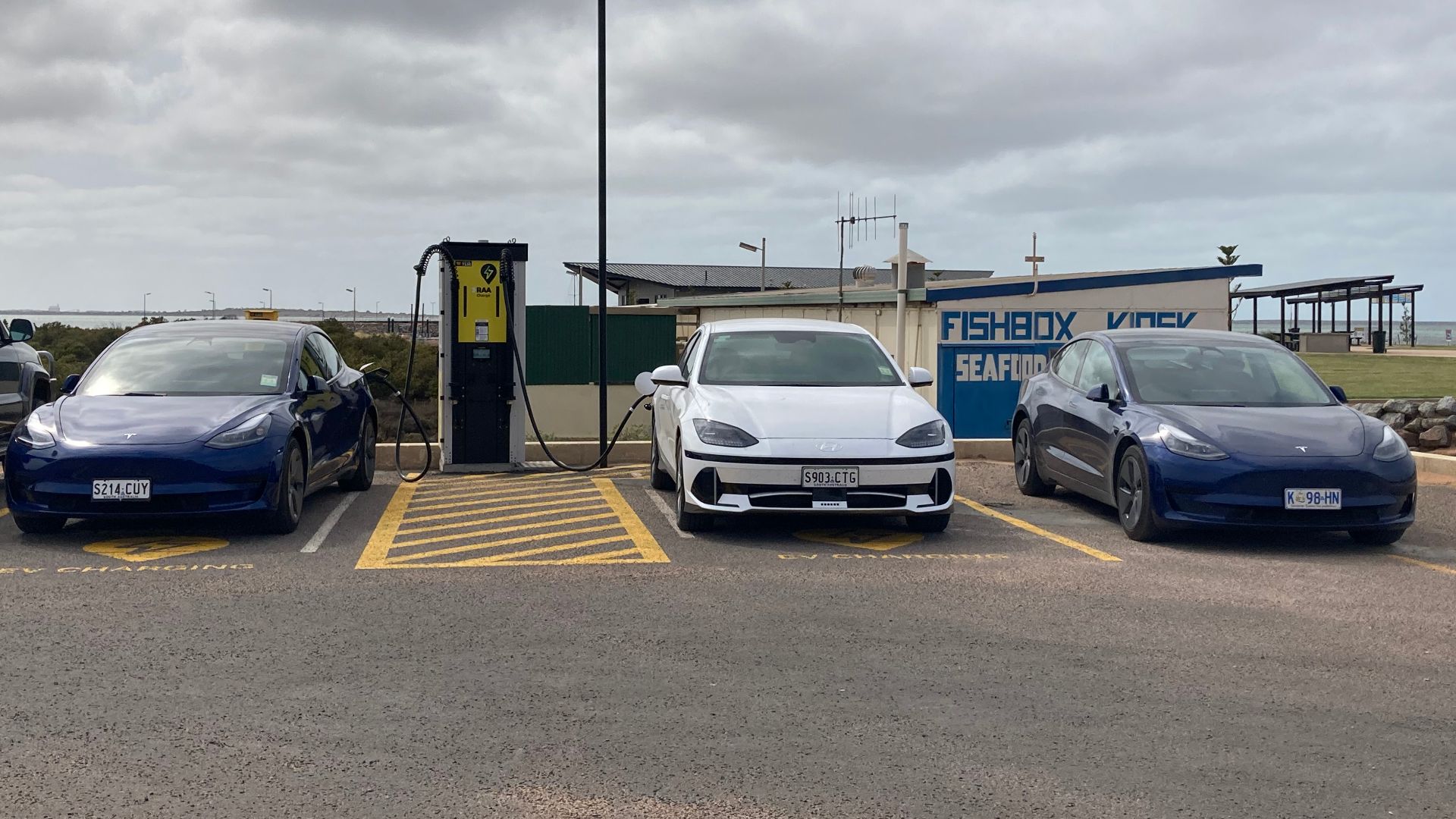
If you are deciding when to move from gas to electric, real-world charging access may matter more than social media panic. Public charging, home charging, and local electricity rates all shape whether an EV makes sense for you. Those factors are changing, but not evenly from one place to another.
Battery Prices And EV Competition Are Also In The Mix
EV prices have become more competitive in some parts of the market as battery costs changed and more models arrived. At the same time, incentives can appear and disappear, and automakers have adjusted production plans based on demand. That means the smartest time to sell a gas car often depends more on what you would replace it with than on regulation alone.
What Happens In 2035 Is Not What Happens Tomorrow
This is the part fear usually skips. A 2035 target is still years away, and many rules tied to that date apply only to new vehicle sales in certain places. If someone is acting like a statewide or global ban is right around the corner, that is not what the actual policies say.

Even Strict Rules Usually Have Flexibility
California’s ACC II framework includes phase-in percentages before 2035 and detailed compliance rules for manufacturers. The European rules also came out of negotiation and include important legal specifics. These are complex regulatory systems, not simple flip-the-switch bans.

There Is Also Politics
Transportation policy can shift when governments change. Deadlines can be challenged in court, revised by lawmakers, or softened by future administrations. That does not mean the long-term move toward lower emissions is fake, but it does mean you should be careful with absolute claims.

If You Need Your Car, Keep The Decision Practical
The best question is not, “Will gas cars be banned soon?” The better question is, “Does selling this car now make financial sense for me?” If your current vehicle is paid off, reliable, and fits your life, keeping it may be smarter than rushing into a replacement because of a scary headline.

When Selling Now Could Make Sense
There are good reasons to sell a gas car now, but they are usually personal, not apocalyptic. Maybe your maintenance costs are climbing, your commute changed, or you now have home charging and qualify for EV incentives. Those are solid reasons to make a move.

When Holding On Could Be The Better Play
If your car is in good shape and local rules do not restrict it, waiting can make sense. EV technology, charging networks, and prices may look better in a few years. You also avoid replacing a car before you actually need to.

What To Check Before You Panic
Look up your state’s actual regulations, not a meme or a group-chat summary. Check whether the rule applies to new sales, used sales, registration, or access to certain city areas. Most people find that the scary claim was much broader than the real policy.

The Bottom Line
No, it is not realistic to say gas cars will be broadly banned soon in a way that means you must sell yours now. The strongest policies on the books mainly target future sales of new vehicles, often around 2035, and they vary by country and state. If you sell, do it because the numbers and your lifestyle say it is time, not because someone turned a policy trend into a countdown clock.