The Upsell That Feels Like a Requirement
You're finally ready to buy the car, and then the dealer hits you with a surprise. They say the deal only works if you also buy paint protection, window etching, VIN marking, or some other add-on. That's when a sales pitch starts sounding like a legal rule, and in many cases, that is a red flag.

The Short Answer
If a dealership says you must buy paint protection to purchase a car, that is often not legal if the add-on is not truly required for financing or already built into the advertised price. Federal law and state consumer protection rules generally ban deceptive sales tactics and bait-and-switch pricing. The real issue is whether the dealer is falsely presenting an optional product as mandatory.

Why This Keeps Happening
Car buyers have complained about forced add-ons for years, especially during inventory shortages and other hot markets. When cars are harder to get, some dealers try to raise profits with accessories and protection packages. Consumer agencies and attorneys general have repeatedly warned that optional products cannot just be turned into fake requirements without clear disclosure.

What Paint Protection Usually Means
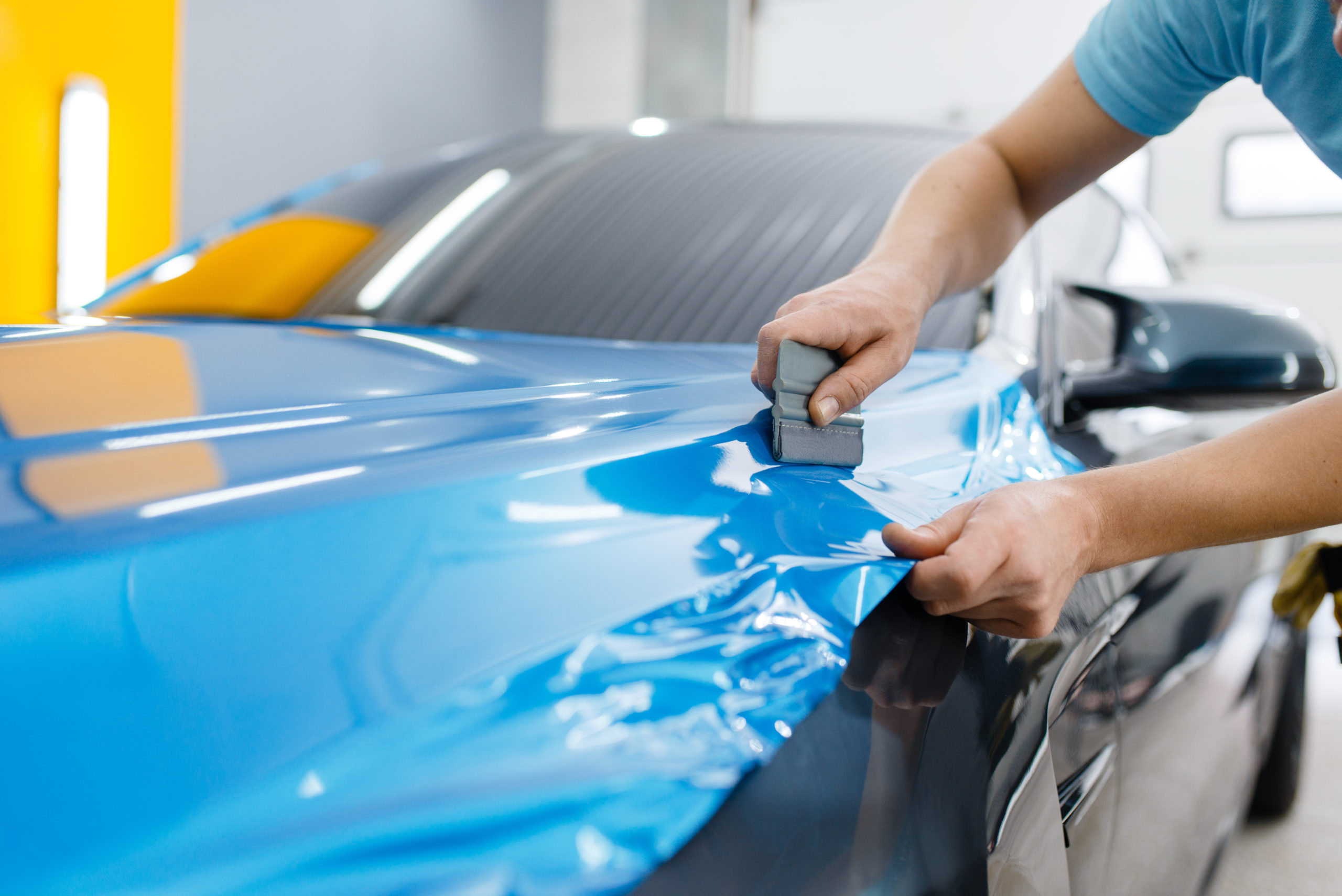
Paint protection can refer to a few different things, including sealants, ceramic-style coatings, film, or dealer-applied chemical treatments. Sometimes it is a real product with some value. The legal problem usually is not the product itself. It is whether the dealer tells you that you have no choice but to buy it.

The FTC Has Been Focused on This
The Federal Trade Commission has taken aim at deceptive auto sales practices. In December 2023, the FTC announced a final rule called the Combating Auto Retail Scams Rule, often called the CARS Rule. The rule targets misrepresentations about pricing and add-ons, though its rollout has been delayed by court challenges.

Why the CARS Rule Still Matters
Even with the litigation, the FTC's position is clear. Dealers cannot mislead shoppers about whether add-ons are required, and they cannot charge for products without consent. This was not suddenly a problem in 2023, either. The FTC Act has long banned unfair or deceptive acts or practices.

The Core Federal Law
Section 5 of the Federal Trade Commission Act bans unfair or deceptive acts or practices in commerce. That broad rule has been used for decades against false advertising and misleading sales behavior. If a dealer says an optional paint package is mandatory when it is not, that can fit squarely into deceptive conduct.

There Is Also a Financing Angle
If the dealership is arranging your loan, federal lending law matters too. The Truth in Lending Act requires accurate disclosure of credit terms and charges. If an add-on gets folded into financing in a misleading way, or if the dealer says the bank requires it when the bank does not, that can create serious legal trouble.

What the CFPB Says About Add-Ons
The Consumer Financial Protection Bureau has repeatedly warned consumers to watch for pricey extras in the finance office. The CFPB's car-buying guidance tells shoppers to check whether products are optional and whether they are worth the money. That advice is practical, but it also reflects a real concern from regulators about hidden or misrepresented charges.

State Law Can Be Even Tougher
Many states have their own unfair and deceptive acts and practices laws, often called UDAP laws. These rules can give consumers and state attorneys general more tools to challenge misleading dealer conduct. In some states, advertising a vehicle at one price and then insisting on mandatory add-ons can trigger direct enforcement.

California Has Been Especially Active
California's Department of Motor Vehicles and Department of Justice have both addressed dealer advertising and add-on issues. State rules generally require accurate pricing disclosures and ban misleading statements in vehicle sales. If a dealer advertises one price and later says paint protection is mandatory, California regulators may look at that very closely.

When a Dealer Might Defend the Charge
A dealer may argue that every vehicle on the lot already has the product installed. They might say the car has already been treated, and now the package is part of that vehicle's price. That does not automatically make the practice lawful. The real question is whether the pricing and advertising were clear and honest from the start.

Already Installed Is Not the Same as Clearly Disclosed
This is where many disputes get heated. Dealers sometimes say the add-on cannot be removed because it has already been applied, while consumers say they were pulled in by a lower advertised price. If the ad did not clearly disclose the extra charge, regulators may still see that as deceptive even if the product is physically on the car.
 Zoriana Zaitseva, Shutterstock
What Counts as a Real Requirement
Some things really can be required in a car deal, but the list is shorter than many sales pitches make it sound. Government fees, taxes, and sometimes lender-required items tied directly to credit risk may be mandatory. Paint protection is usually a dealership product, not a legal necessity for you to buy and own the car.

If the Lender Requires Something, Ask for Proof
Sometimes a dealer blames the bank. If they say the lender requires a service contract, GAP product, or protection package, ask which lender and request that requirement in writing. Consumer regulators have long warned that falsely claiming a lender requires add-ons is a classic deceptive move.

Advertising Rules Matter More Than Buyers Realize
The FTC's guidance to dealers has stressed that price advertising must be truthful and not misleading. A low teaser price that leaves out unavoidable dealer-installed extras can become a problem if that omission misleads shoppers. In plain English, an ad cannot bait you with one number and then hide the real price behind a fake mandatory package.

Recent Enforcement Shows This Is Real
Regulators have brought cases against dealers and dealer groups over junk fees, surprise add-ons, and misleading pricing. The FTC and state officials have announced settlements involving payment packing, unauthorized products, and deceptive representations. The facts vary from case to case, but the message stays the same: consent and honest disclosure matter.

The Word Mandatory Does a Lot of Damage
There is a big difference between saying a product is available and saying you have to buy it. Once a salesperson describes an optional item as mandatory, the legal risk rises fast if that statement is false. That is because consumer protection law often turns on how an ordinary buyer would understand the claim.

How to Tell If You Are Being Misled
Ask three direct questions. Is this required by law, required by the lender, or required by the dealership as a condition of sale? If the answer is only that it is the dealer's policy, you may be dealing with a business choice rather than a legal requirement, and that difference matters.

A Dealer Can Refuse to Sell, but That Does Not End the Story
In many situations, a private dealership can choose the terms on which it offers its inventory, as long as it does not discriminate illegally or violate advertising and consumer laws. So yes, a dealer might refuse to sell a particular car without its package. But if the vehicle was advertised deceptively or the add-on was falsely presented as legally required, the dealer can still face legal exposure.

Why Buyers Get Confused
People often hear two ideas that sound like they conflict. One is that a dealer cannot force optional products on you. The other is that a dealer can set its own sale terms. Both can be true at the same time, because the dealer may control its offer, but it still cannot use deception, fake lender requirements, or misleading advertising to make the sale.

What to Do in the Moment
Stay calm and ask for a buyer's order or out-the-door quote that lists every charge. Circle the paint protection line and ask whether you can decline it. If they say no, ask them to say in writing whether it is a dealer policy, a lender requirement, or a government requirement.

How to Push Back Without Starting a Fight
You do not need a long speech. Try something simple like, “If this is optional, please remove it. If you say it is required, please show me who requires it.” That puts the burden back where it belongs and often changes the conversation quickly.

When to Walk Away
If the numbers keep changing, the explanation keeps shifting, or nobody will put the requirement in writing, walking away is often the smartest move. There are too many dealers and too many cars to reward a bad deal. A rushed purchase can leave you financing an expensive product you never wanted.
Where to File a Complaint
If you think a dealership used deception, you can file complaints with your state attorney general, your state motor vehicle dealer regulator, the FTC, and in some cases the CFPB if financing is involved. Keep screenshots of the ad, texts, emails, worksheets, and the final contract. Dates, names, and documents are what turn a frustrating story into usable evidence.

How to Protect Yourself Before You Visit
Ask for the out-the-door price by email before you go to the dealership. Request a full itemization and ask whether any dealer-installed products are preloaded on every vehicle. If the answer is vague, you have learned something useful before wasting an afternoon in the showroom.

The Best Bottom Line for Buyers
No, paint protection is generally not some universal legal requirement for buying a car. A dealership may say it is part of its package or already installed, but it cannot lawfully use deception to present an optional product as mandatory or hide it behind misleading pricing. If that happens, ask for proof, get everything in writing, and be ready to leave.
 Hryshchyshen Serhii, Shutterstock