That Tiny Fail Can Feel Ridiculous
Emissions tests are an annoyance at the best of times, but then you get your result and your car is just barely over the line. It feels petty, especially when the car seems to run fine and no warning lights look urgent. But whether you really need to spend hundreds on repairs depends on why it failed, what your state allows, and whether the problem is a real repair issue or just a testing issue.
 Andrea Piacquadio, Pexels, Modified
Start With The Main Thing
An emissions test is usually a legal requirement in states and counties that run inspection programs. If your registration renewal depends on a passing result, a near miss is still a fail. The good news is that many states offer retests, repair-cost thresholds, waivers, or readiness-monitor rules that can change what you need to do next.
 Lyntha Scott Eiler, Wikimedia Commons
Not Every State Handles This The Same Way
The U.S. Environmental Protection Agency says vehicle inspection and maintenance programs are run at the state or local level, not through one national system. So your options after a close failure can vary a lot depending on where you live. Before you spend money, check your state program’s exact rules, because the right move in Arizona may be the wrong move in Texas or New York.
What “Failed By A Tiny Margin” Usually Means
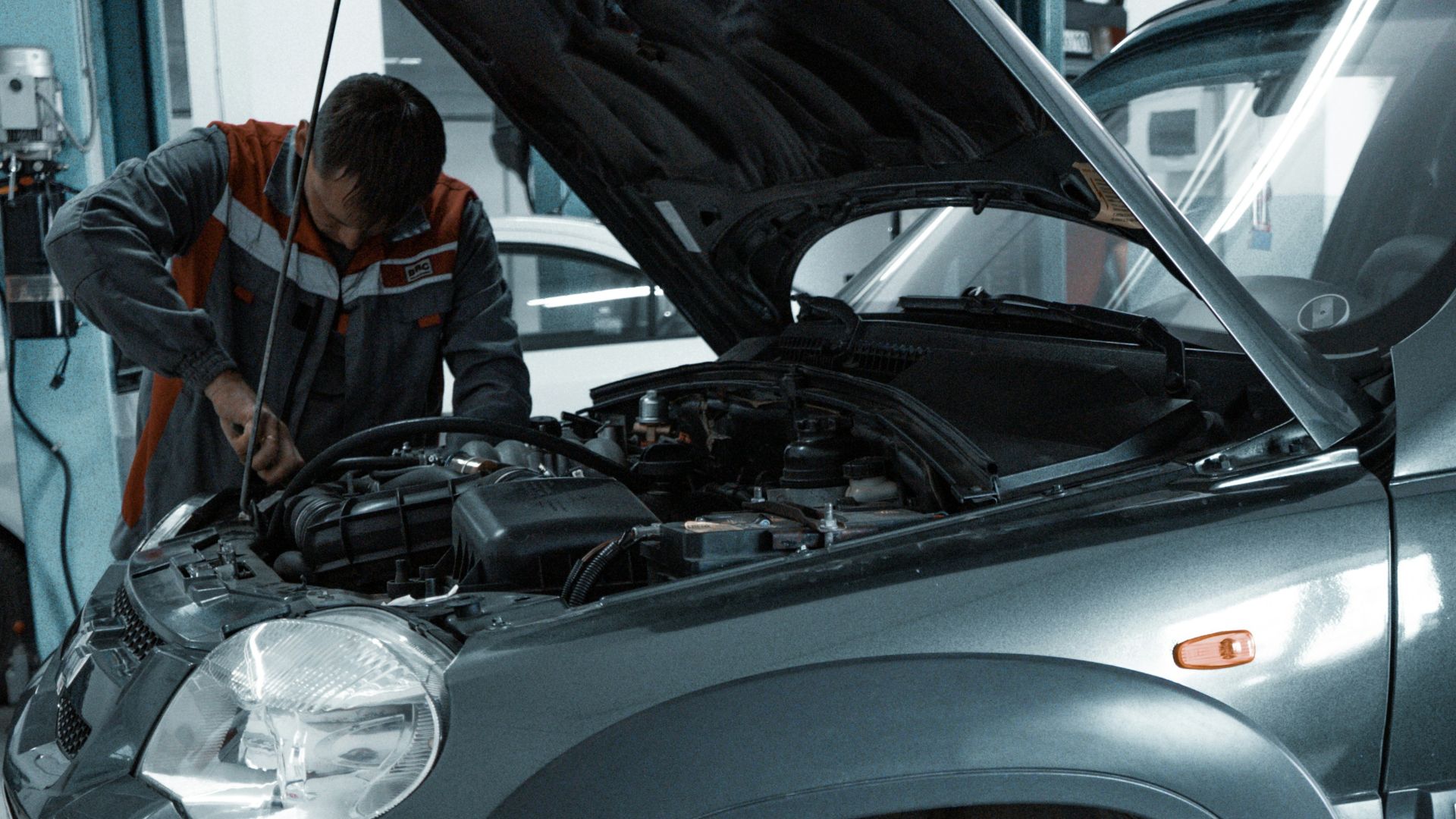
On older tailpipe tests, a small failure means measured pollutants like hydrocarbons, carbon monoxide, or nitrogen oxides came in above the allowed limit. On newer OBD-based tests, the problem is often something else. The car may fail because the check engine light is on, trouble codes are stored, or too many emissions readiness monitors are marked “not ready.”
Most Modern Cars Get An OBD Check
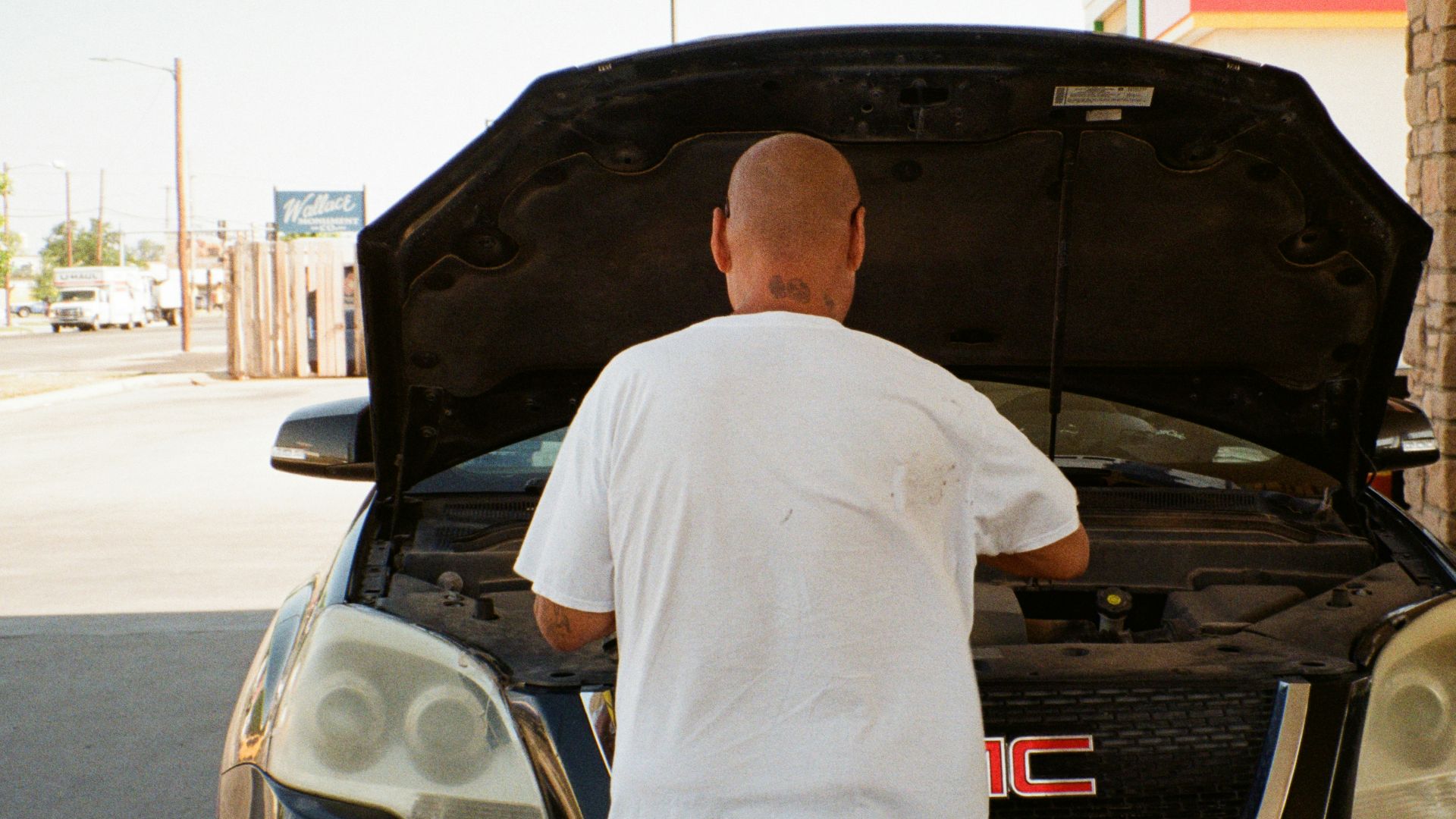
The EPA notes that 1996 and newer gasoline vehicles generally use onboard diagnostics, or OBD, for emissions inspection in many programs. That matters because a car can fail without being especially dirty at the tailpipe. A loose gas cap, an evaporative emissions fault, a misfire code, or monitors that have not reset after the battery was disconnected can all trigger a failure.
A Small Miss Does Not Always Mean A Small Problem
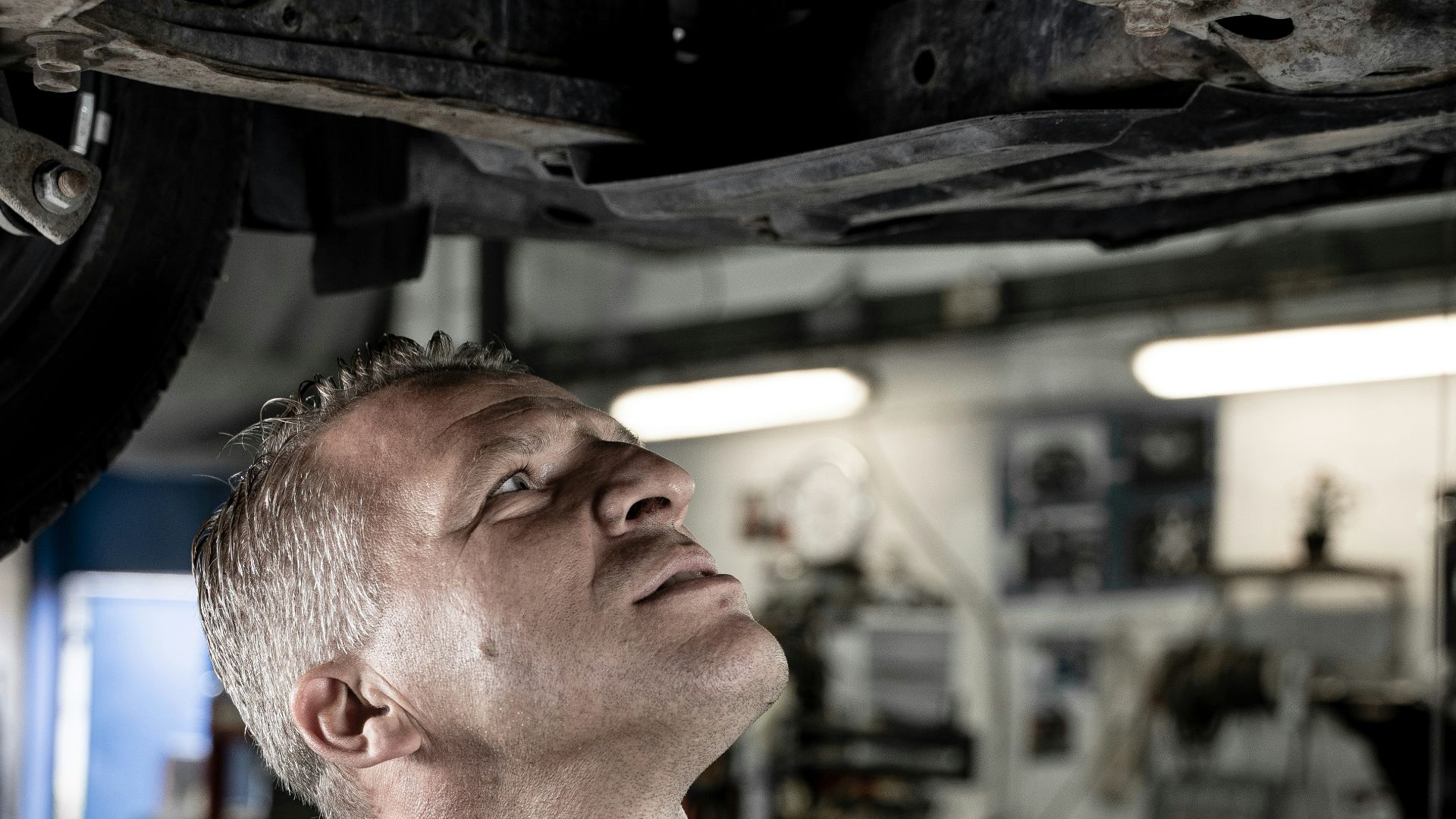
This is the part drivers usually do not want to hear. A slight miss can still point to a catalytic converter that is getting weak, an oxygen sensor that is aging, an exhaust leak, or an engine that is not running quite right. Small emissions changes can come from subtle problems, and those problems can get more expensive if they are ignored.

But It Does Not Always Mean A Huge Bill Either
There are plenty of cases where the fix is not that serious. Basic maintenance items like spark plugs, an air filter, a fuel cap, or a vacuum leak can affect emissions. If you jump straight to replacing the catalytic converter without a solid diagnosis, that is when a minor fail can turn into a painful repair bill.
Your Failed Test Sheet Is The First Clue
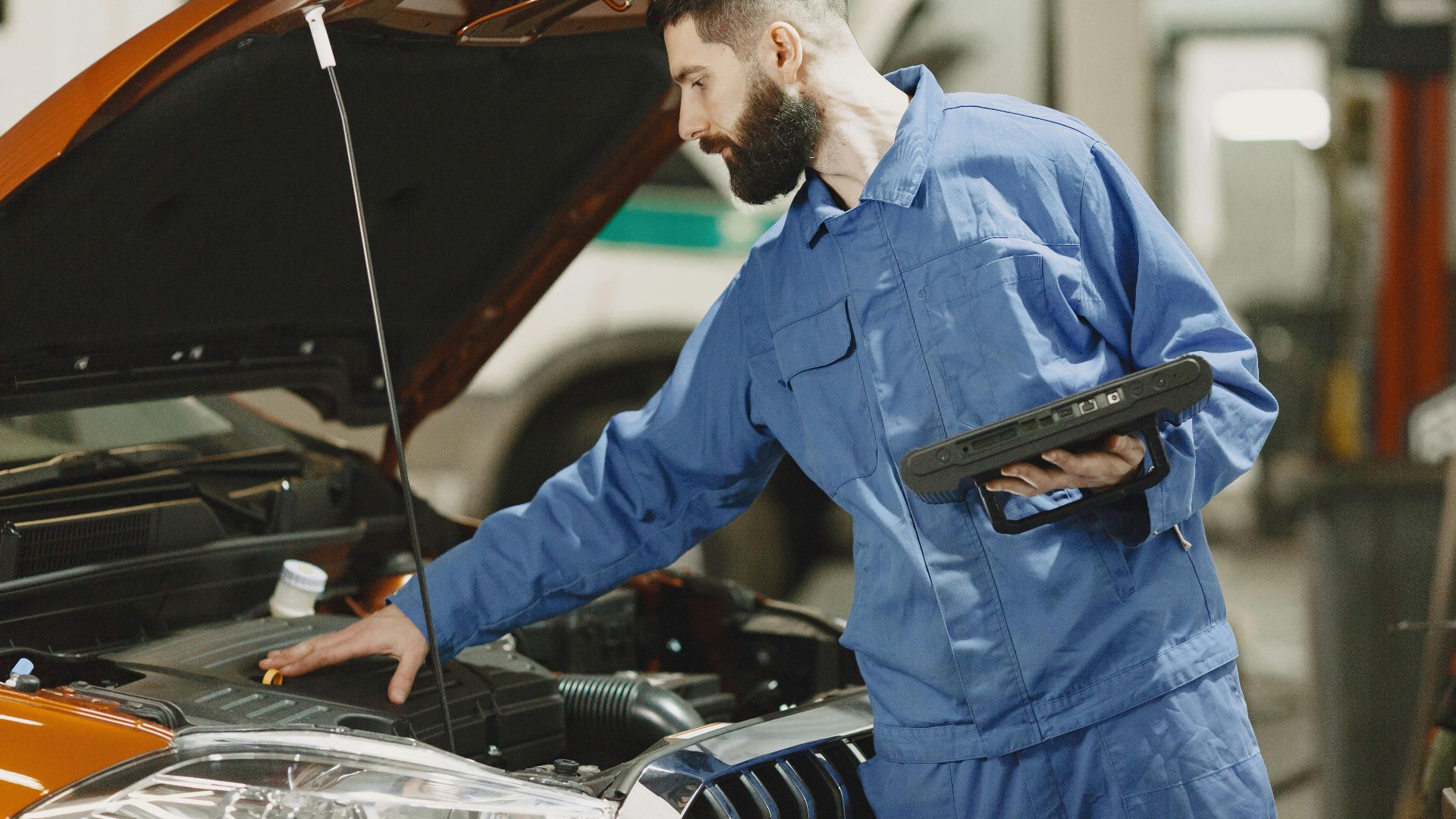
Before approving any repair, read the inspection report closely. It should show whether the car failed for tailpipe numbers, an active malfunction indicator light, specific diagnostic trouble codes, or incomplete monitors. That report is your roadmap. Without it, you are guessing.

If The Check Engine Light Is On, That Usually Answers It
In most OBD-based programs, an illuminated malfunction indicator light means an automatic failure. That is not a shop trying to sell you something. It is built into the inspection rules because the onboard system has already detected an emissions-related fault.
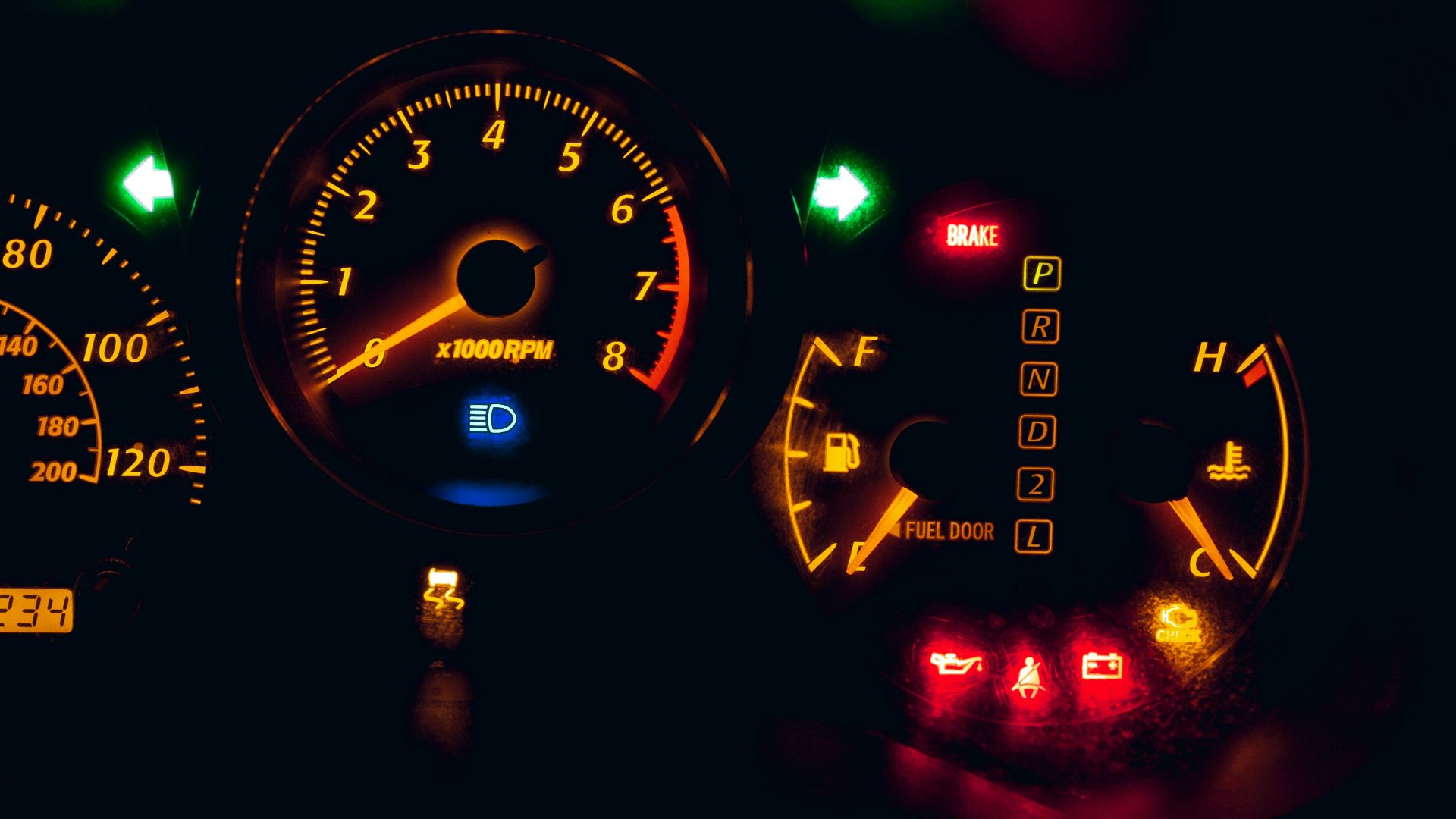
The “Not Ready” Problem Trips Up A Lot Of People
Many drivers clear codes or disconnect the battery right before a test, hoping to slip through. Instead, the car shows up with readiness monitors unset, and that can also cause a failure if too many monitors are incomplete. The EPA and many state programs explain that the car needs enough normal driving time for its self-checks to run before inspection.

A Free Retest Can Change Everything
Some state programs or test stations offer a free or discounted retest within a certain number of days. If that applies to you, it may make sense to fix only the obvious issue first and then try again. A free second shot is a lot cheaper than approving a long list of maybe-repairs on the first visit.

Your State May Offer A Repair Waiver
This is one of the biggest things to check before spending a lot of money. Several states allow some kind of waiver if you spend at least a required minimum amount on emissions-related repairs and the car still does not pass. The rules are usually strict and often require approved shops and paperwork. The details vary a lot by state, so you need your local program’s exact requirements.

Texas Is A Good Example Of How Specific These Rules Get
The Texas Department of Public Safety says a vehicle may qualify for certain emissions waivers, including a low-income time extension or an emissions repair waiver, if specific requirements are met. Texas also spells out county coverage, model-year rules, and inspection criteria. That is a good reminder that the right answer is often about procedure and local rules, not just the repair itself.

New York Has Its Own Cost Threshold
New York’s Department of Motor Vehicles says a motorist may qualify for an emissions waiver if the vehicle fails an OBD inspection, gets qualifying repairs, and meets a minimum spending requirement at a registered repair shop. New York also makes clear that the waiver is not permanent and that documentation matters. If your car is close to passing but the repair estimate is steep, that kind of rule can matter a lot.

Arizona Has Its Own Twist Too
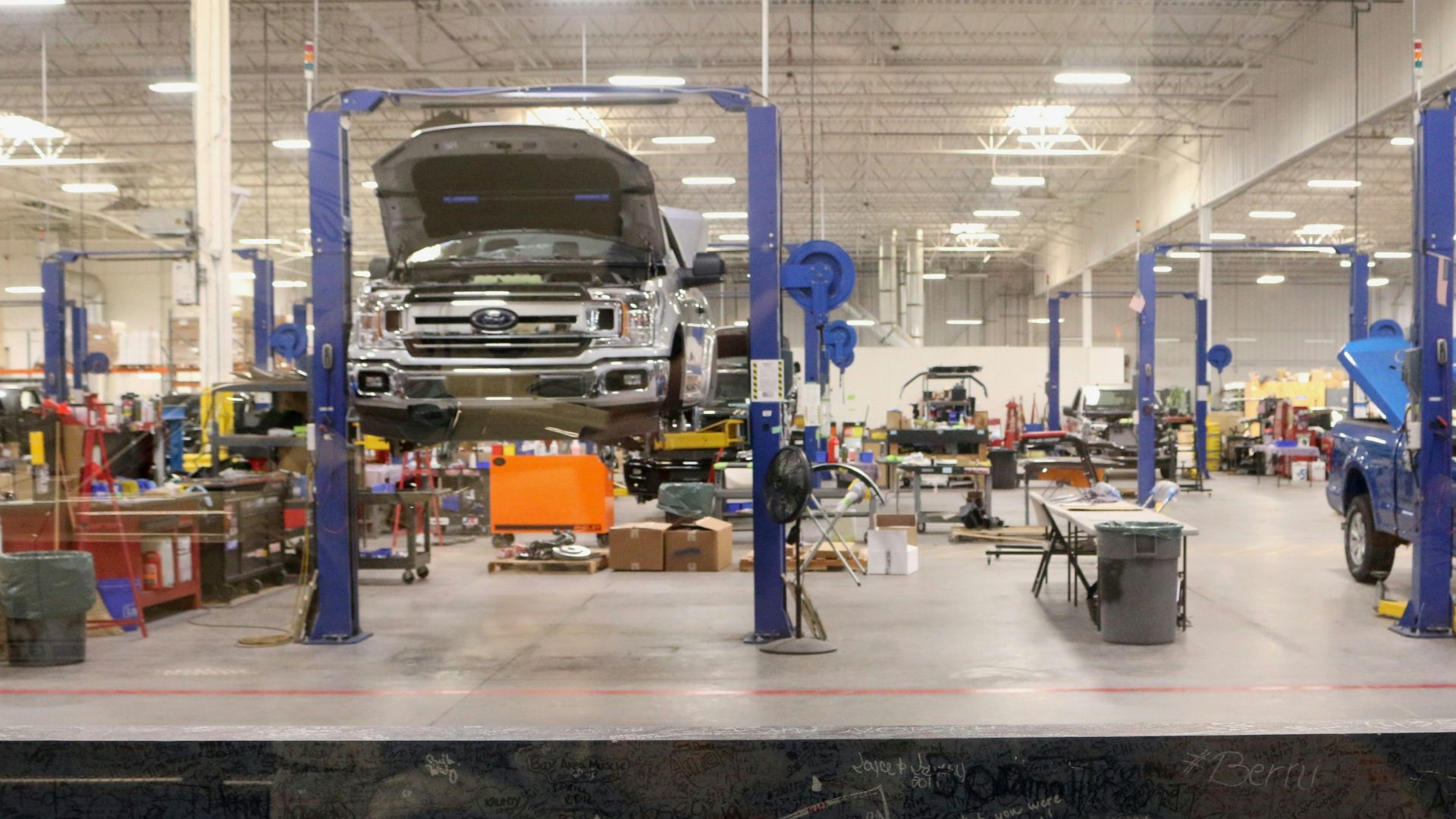
Arizona’s vehicle emissions program says repair waivers may be available under certain conditions after a vehicle fails and a required amount is spent on emissions-related repairs. It also gives special guidance for retirees and out-of-state situations. Again, the takeaway is simple: a tiny fail does not automatically mean you should say yes to the first expensive estimate you get.
 Laurel and Michael Evans, Unsplash
California Plays By Its Own Rules
California’s Smog Check program is one of the strictest and most detailed in the country. The Bureau of Automotive Repair explains repair assistance and waiver information for eligible consumers, but California also has strict anti-tampering rules and specific inspection procedures. If you are in California, generic internet advice is especially risky because state-specific rules matter so much.

Do Not Replace A Catalytic Converter On A Guess
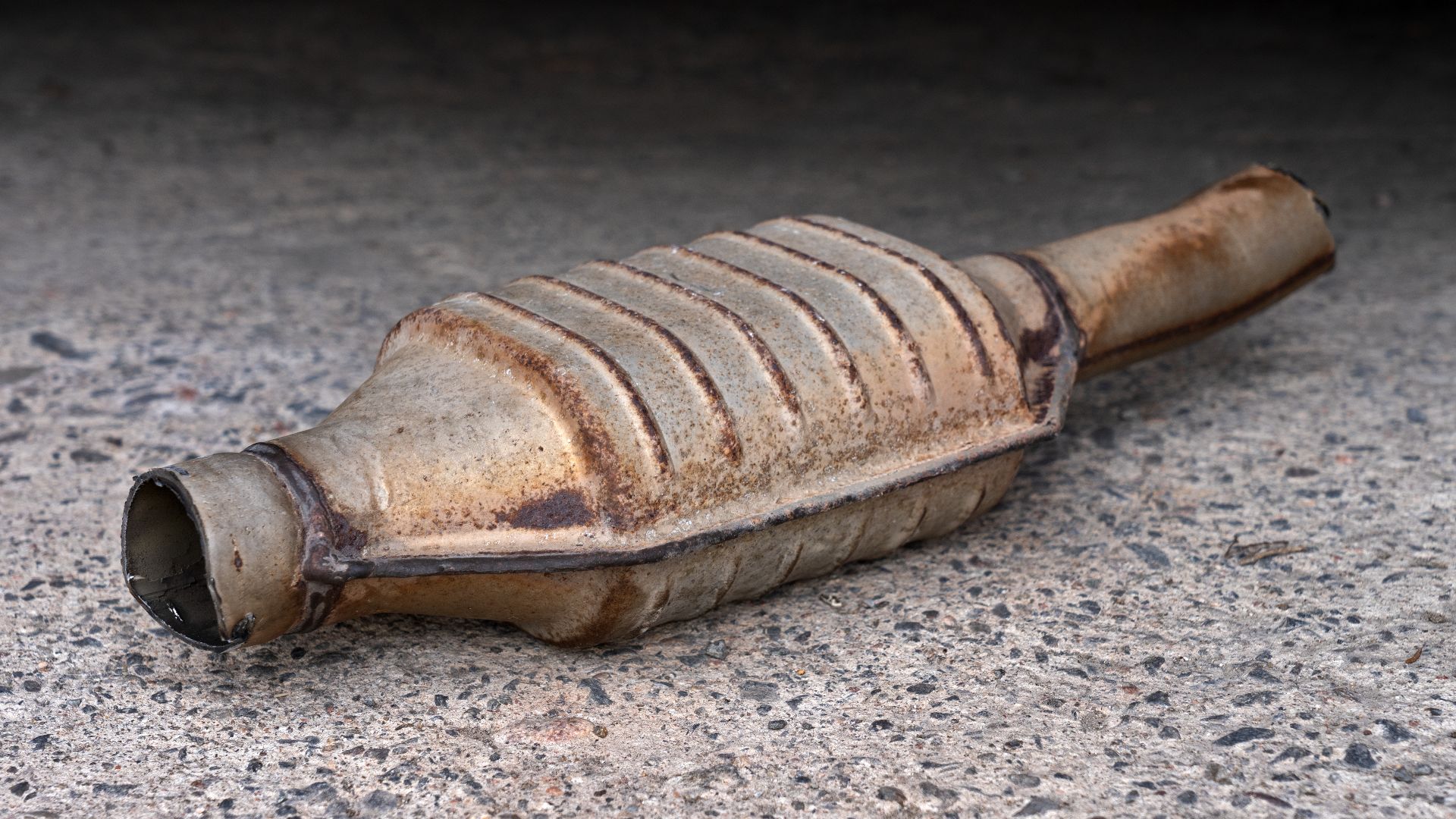
The catalytic converter gets blamed all the time because it is expensive and because a failed emissions test sounds like converter trouble. But EPA guidance and state inspection materials make clear that failures can start with upstream issues like misfires, fuel-control faults, or evaporative leaks. A converter should be diagnosed, not guessed at, because replacing it without fixing the real cause can lead straight to another failure.
 Santeri Viinamäki, Wikimedia Commons
Reading Codes Is Helpful, But It Is Not A Full Diagnosis
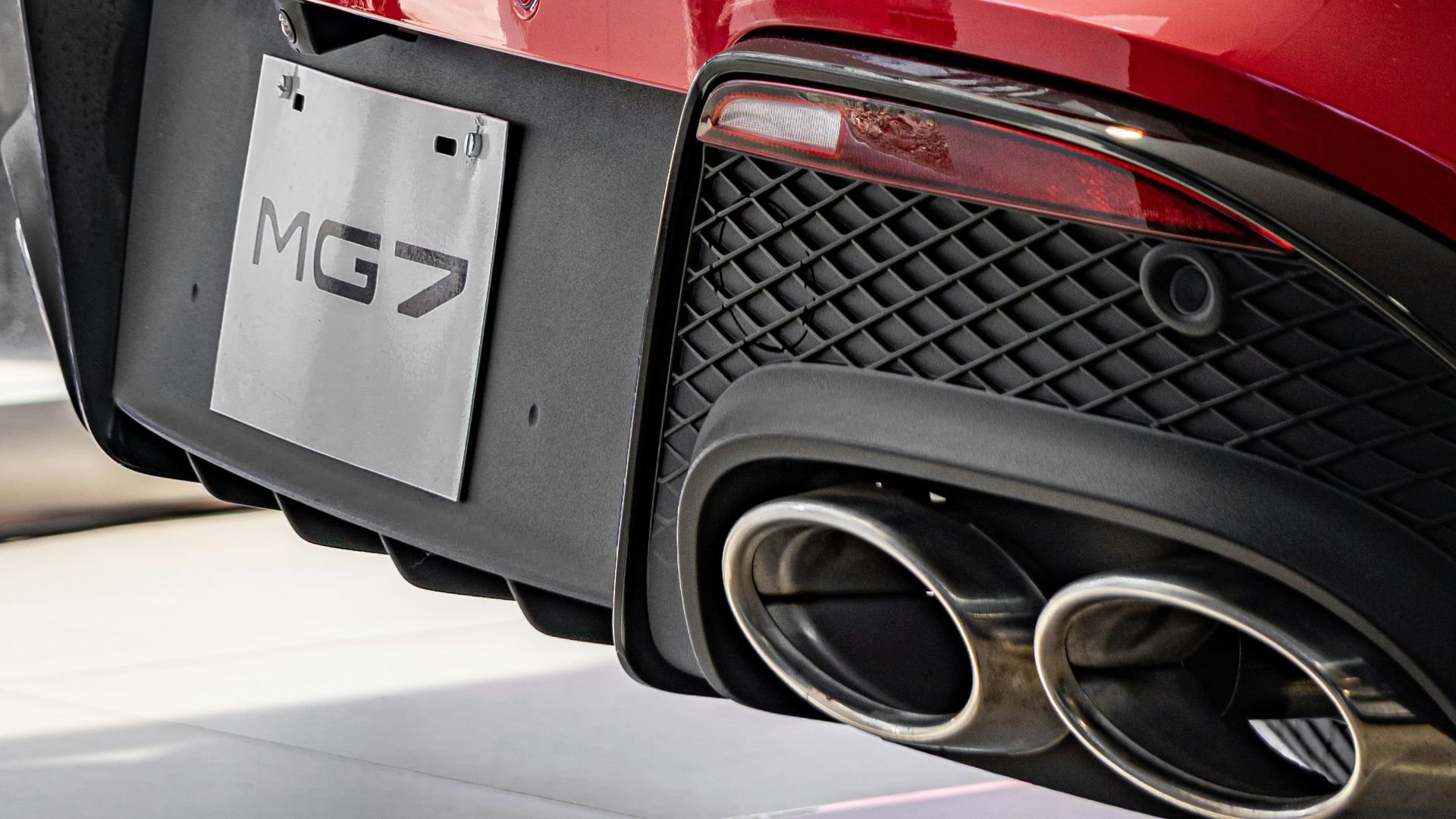
Pulling trouble codes can help, and many parts stores or shops can do that quickly. But a code tells you what system raised the complaint, not automatically which part needs to be replaced. An oxygen sensor code, for example, can point to wiring problems, exhaust leaks, fuel-mixture issues, or converter performance, not just a bad sensor.
 Portafolio fotográfico automotriz, Unsplash
A Tune-Up Might Help, If The Car Actually Needs One
Drivers often hear that they should “just get a tune-up” before retesting. That can help if the spark plugs are worn, the air filter is clogged, or regular maintenance is overdue, because poor combustion can raise emissions. But replacing random maintenance items on a modern car that is otherwise up to date is still a gamble unless the inspection results suggest it.
A Warm Engine Can Test Better Than A Cold One
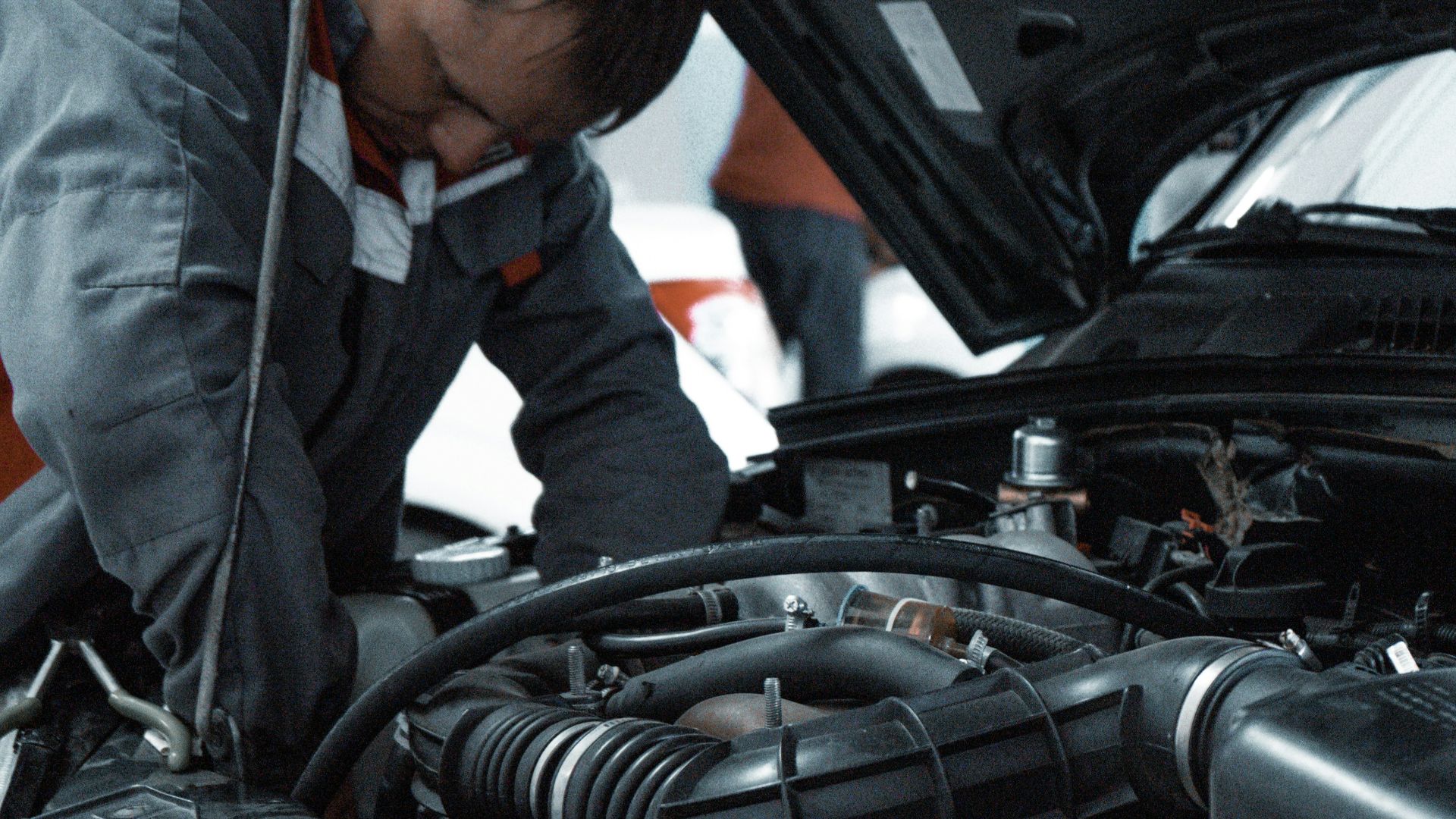
Basic emissions logic matters here. Catalytic converters work best when they are hot, so taking the test after a proper drive instead of after the car has been sitting cold can improve the odds on some older-style tests. It will not fix a real defect, but it can help avoid borderline results caused by a car that was not fully warmed up.

Use A Good Repair Shop, Not Panic Buying
If you do need repairs, find a shop that handles emissions diagnosis regularly and can explain the problem in plain English. Ask what evidence supports the recommended repair and whether there are cheaper steps to confirm the fault first. A solid shop should be able to talk through test data, codes, fuel trims, monitor status, and why a retest should pass.
 Ann Kosolapova, shutterstock.com
Ask These Three Questions Before You Spend
First, what exactly caused the failure according to the test report? Second, what is the cheapest diagnostic path to confirm the cause? Third, if the estimate is high, does my state offer a waiver, financial help, or a retest policy that changes the decision?

Be Wary Of “Guaranteed To Pass” Fixes
Bottled fuel additives and miracle products are everywhere, especially when drivers are stressed after a close fail. Some may clean deposits to a small degree, but neither the EPA nor state inspection programs treat them as a substitute for actual repair. If a product promises a guaranteed pass, that is a warning sign, not a solution.
 LightField Studios, Shutterstock
Keep Every Piece Of Paper
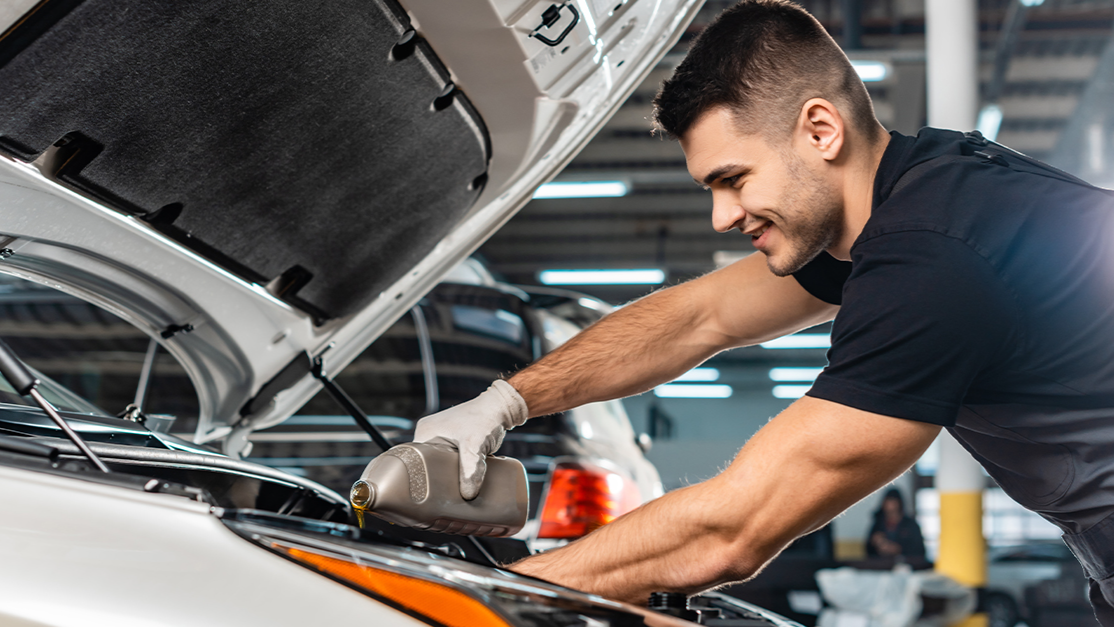
Hold on to your failed report, repair invoices, parts receipts, and any diagnostic printouts. States that offer waivers or assistance programs usually require proof of qualifying repairs and proof that the work addressed emissions-related problems. Losing the paperwork can cost you more than the repair if you need a waiver review later.

Timing Matters Too
If your registration deadline is coming up, waiting too long can shrink your options. You may need time for diagnosis, repairs, drive cycles, and a retest, especially if readiness monitors need time to reset. Starting early can be the difference between a modest fix and a rushed expensive one.

So Do You Actually Need To Spend Hundreds
Sometimes yes, but not always, and not right away. If the car has a confirmed emissions-related fault and your state requires a pass, you usually need a real repair or a state-approved waiver path. But if the failure came from incomplete monitors, a simple issue like a loose gas cap, or a problem that has not been properly diagnosed, spending hundreds immediately may be unnecessary.

The Smart Move Is Not Very Glamorous
Read the failed report carefully, check your state’s rules, and get a real diagnosis before approving expensive parts. It is not exciting advice, but it is the best way to avoid turning a razor-thin emissions failure into an oversized repair bill. With emissions testing, the smartest move is usually not panic. It is paperwork, diagnosis, and patience.