
The Empty Tank Is Not The Real Problem
If your brother keeps bringing your truck back on fumes, the gas money matters today more than ever. But the bigger issue is respect, reliability, and whether family sees your vehicle as shared property instead of yours. That will quickly turn a small annoyance turns into a pattern that costs real money and strains the relationship.

Start With The Numbers, Not The Drama
Before you decide how many chances to give, look at the real cost. AAA said in 2024 that the average ownership cost for a new vehicle driven 15,000 miles a year was 97.0 cents per mile. That includes fuel, maintenance, tires, depreciation, finance charges, fees, and insurance, so every “quick borrow” usually costs more than it seems.

Fuel Is Only The Most Obvious Expense
An empty tank feels insulting because you notice it right away. But every borrowed trip also means tire wear, less oil life, brake use, and depreciation. The U.S. Department of Energy says aggressive driving like speeding and hard acceleration can cut gas mileage by 15 to 30 percent at highway speeds, so how your truck is driven matters just as much as how far it goes.

A Borrowed Truck Can Turn Into A Legal Mess Fast
This is the part many families ignore until something goes wrong. Insurance follows a mix of vehicle and driver rules, and the Insurance Information Institute explains that auto insurance usually follows the car, with coverage depending on the policy and the situation. If your brother crashes your truck, it is no longer just a family argument.
Permission Changes Everything
If you handed over the keys, insurers often treat that differently than if someone took the truck without permission. The Insurance Information Institute specifically talks about “permissive use,” and that can be a major factor in how a claim is handled. In plain terms, if you keep saying yes, you may also be taking on more risk than you think.

The First Chance Should Be Clear And Direct
If this has happened once, the best move is not a blowup. It is a straightforward conversation with simple rules like return it with the same fuel level, tell me where you are going, and bring it back by the agreed time. A first chance only means something if the expectations were actually said out loud.

The Second Chance Needs Rules
If you decide to lend it again, make the rules practical and easy to measure. Take a photo of the fuel gauge and odometer before he leaves, and agree that the truck comes back at the same level or better. That is not petty. It is the easiest way to avoid fuzzy memories and family revisionism.

The Third Chance Is Usually The Last Useful One
By the third time, you are not dealing with a misunderstanding. You are dealing with a habit. If he still brings it back empty or late, he has already shown you that your inconvenience is acceptable to him.

Why Three Chances Is A Fair Limit
Three chances leaves room for one honest mistake, one reminder, and one final test of whether the behavior changes. After that, extra chances usually just teach the other person that your boundaries will bend. In real life, that means the pattern keeps going because it works for them.

Do Not Ignore Maintenance Timing
Extra use is not just about fuel. The National Highway Traffic Safety Administration stresses the importance of tire safety and proper vehicle maintenance, and those service intervals do not pause just because the miles came from a relative. If borrowing your truck speeds up oil changes, tire replacement, or brake work, that cost belongs in the conversation too.
Who Pays For Wear And Tear
This is where a lot of family arrangements fall apart because nobody defines what “helping out” really covers. If he borrows the truck for moving, hauling, or regular commuting, he is using up part of the truck’s life. AAA’s per-mile cost data helps because it gives you a clear way to explain that using a vehicle is not free, even if the borrower only notices the gas gauge.

Set A Return Standard Before The Keys Leave Your Hand
Say exactly what “returned properly” means. That could mean a full tank, no warning lights, no trash in the cab, and a text if anything unusual happens. The goal is to close the usual family loophole where the borrower says he “didn’t know it mattered.”
Texting The Terms Is Smarter Than Saying Them
A short text gives you a record without turning the situation into a courtroom. Send something simple like, “Bring it back by 7, refill what you use, and let me know if any light comes on.” If the same issue happens again, you are no longer arguing about who remembers what.
Watch For The Real Red Flags
An empty tank is annoying, but it is not the worst sign. Bigger red flags are unexplained miles, damage he hopes you will not notice, or vague answers about where the truck was used. Those clues suggest the real problem is honesty and accountability.

Your Insurance Company Cares About Patterns Too
If someone uses your truck regularly, that can matter more than a one-time favor. Coverage can depend on who is listed, who lives in the household, and how often other people drive the vehicle. That is why repeated “just this once” borrowing should push you to review your policy and call your insurer if needed.

Family Discount Does Not Mean Unlimited Access
Helping a sibling once in a while can be generous and practical. Becoming his unofficial fleet manager is something else. If the borrowing happens so often that you feel annoyed before he even asks, that is a sign a firmer boundary makes sense.

There Is A Big Difference Between Emergency And Convenience
Most people will put up with a lot more for a real emergency. A medical issue, a breakdown, or a last-minute crisis is not the same as wanting your truck because his tank is low or he does not want to rent one. Treating those situations differently makes your rule feel more fair.

Hauling Jobs Raise The Stakes
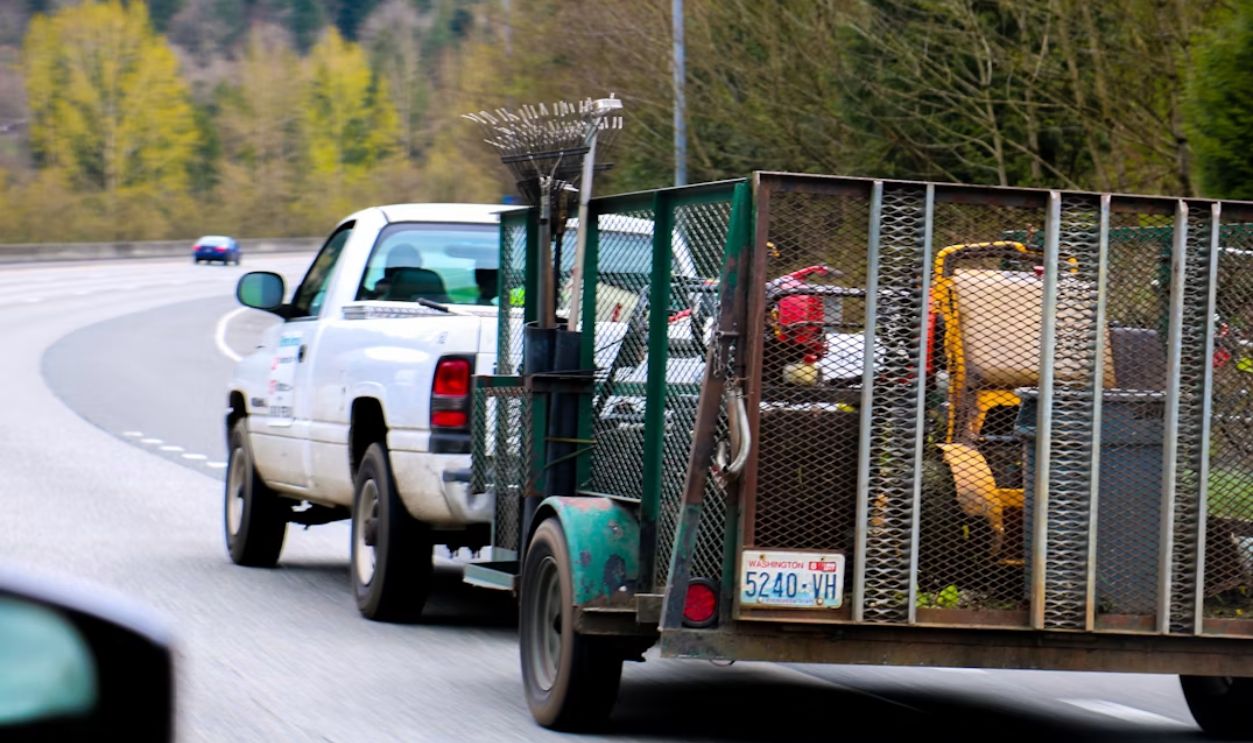
Pickup trucks usually get borrowed for the hardest jobs, not the easiest. Moving furniture, towing, yard waste runs, and home project loads put more stress on brakes, tires, suspension, and the bed itself. If the truck comes back empty after heavy use, that is a double hit because you paid for fuel and took the extra wear.
Do Not Lend A Truck You Cannot Afford To Lose For A While
It sounds harsh, but it is practical. If a crash, breakdown, or repair would derail your week or wreck your budget, think hard before handing over the keys. Insurance claims, body shop delays, and parts shortages can turn one favor into weeks without your own vehicle.
Make The Boundary About The Truck, Not His Character
If you want to protect the relationship, keep the language focused on the truck. Say, “I am not lending it out anymore because it keeps coming back empty,” instead of “You are selfish.” That usually lands better because it points to behavior, not identity.

Offer Alternatives If You Want To Keep The Peace
You can say no without leaving him stuck. Offer a ride, suggest a rental, or ask him to send fuel money before borrowing next time. Giving another option can soften the boundary while still protecting your truck.

If You Keep Lending It, Ask For Money Up Front
This is one of the cleanest ways to separate promises from reality. Ask for enough to cover the expected fuel and a little extra for wear, especially if the trip is long or the work is heavy. If that causes instant outrage, you have probably learned that he values the convenience more than your costs.

One Useful Rule Is Same Level Or Better
A full-tank rule sounds simple, but “same level or better” is often easier and more fair. It accounts for whether the truck left with half a tank or three-quarters. It also gives you a clear standard you can check in five seconds.
Another Good Rule Is No Borrowing Without A Specific Return Time
Open-ended borrowing creates stress before the truck even leaves the driveway. Every loan should have a return deadline, even if it is just “back by 6 p.m.” A specific time makes follow-up easier and stops the borrower from treating your schedule like an afterthought.

When To Stop Giving Chances
Stop when the pattern is obvious, not when you finally lose your temper. If he ignores a clear fuel rule, brushes off your concerns, or repeats the same behavior after reminders, the answer is already there. You do not need one more empty tank to prove it.

The Best Answer For Most Adults Is Two To Three Chances
For a first offense, talk. For a second, set written rules. If there is a third failure, the borrowing privilege should usually end unless there was a real emergency or some truly unusual situation. That balance is generous without being naive.
Protecting Your Truck Can Also Protect The Relationship
It sounds backward, but it is often true. Ongoing resentment over repeated borrowing can damage family ties faster than one firm boundary. Sometimes the healthiest move is to stop lending the truck so you can go back to being siblings instead of fighting over a gas gauge.