America Fell In Love With Eating Behind The Wheel
For millions of Americans, ordering dinner without getting out of the car is about as ordinary as driving to work. But the familiar routine of pulling up to a speaker, ordering a burger, and collecting food through a window was once a revolutionary idea. The drive-thru restaurant transformed American eating habits, reshaped the fast-food industry, and helped turn the automobile into something resembling a mobile dining room.
It All Started With America's Obsession With Cars
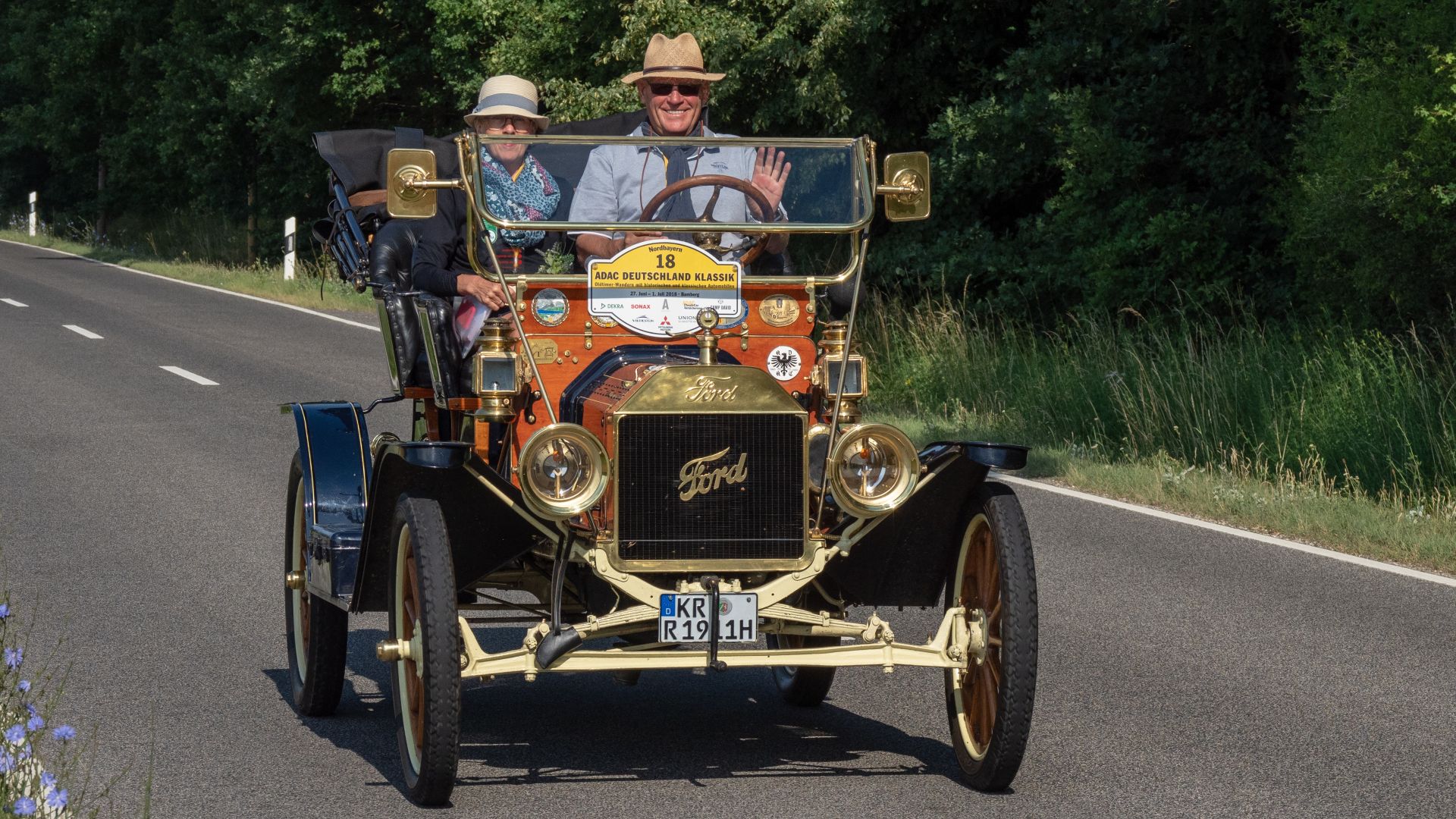
During the early 20th century, automobile ownership expanded rapidly as manufacturers made cars increasingly affordable. Businesses began adapting to customers who preferred traveling by automobile rather than walking through busy downtown streets. Restaurants were among the first to recognize that motorists represented an enormous new market, especially as roadside dining became part of American driving culture.
The First Drive-In Restaurant Arrived In 1921
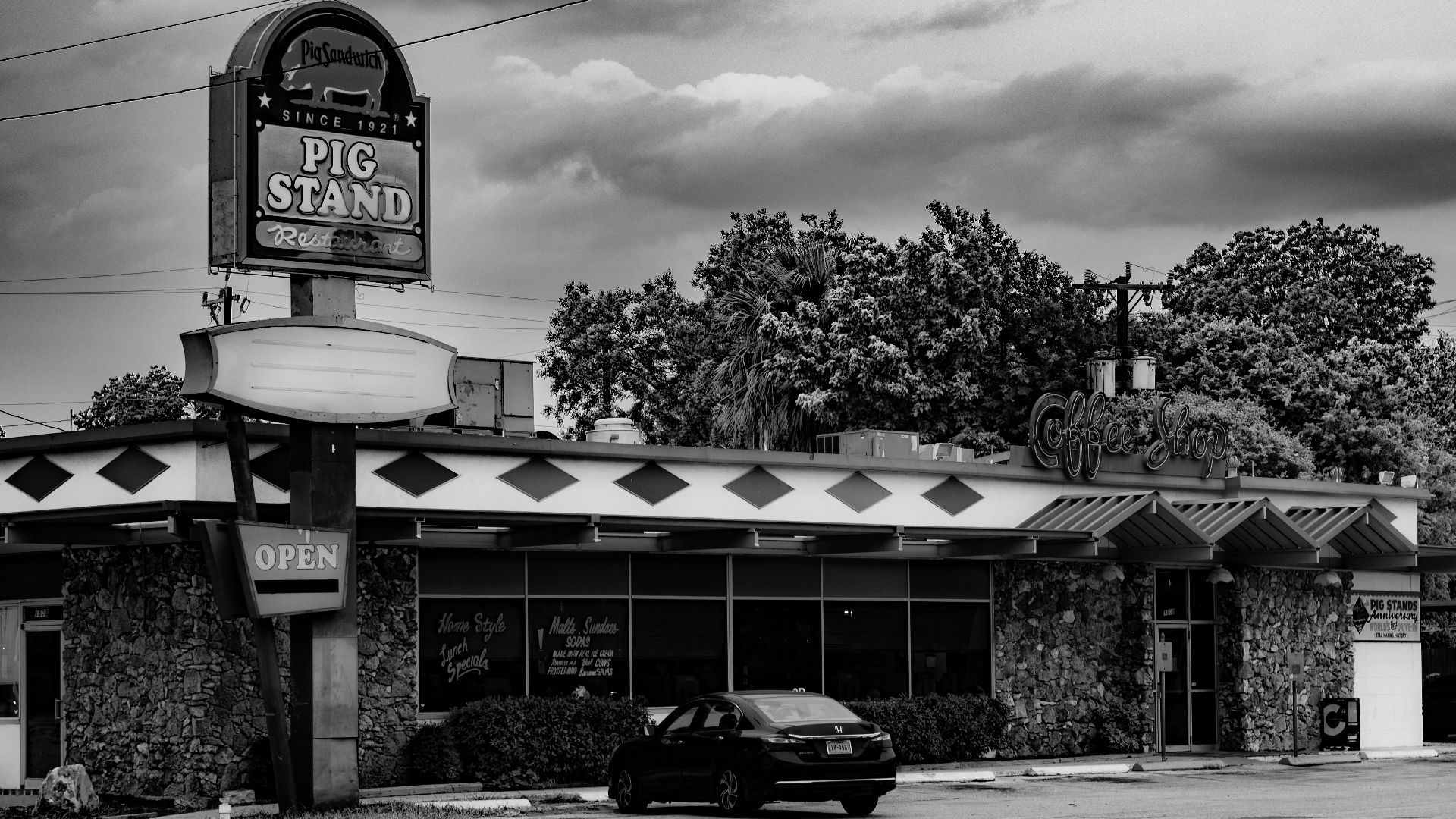
In 1921, Kirby's Pig Stand opened in Dallas, Texas, and became widely recognized as America's first drive-in restaurant. Instead of requiring customers to enter a dining room, employees brought meals directly to automobiles parked outside. The concept combined two growing American interests: convenient meals and the freedom associated with car ownership.
 Corey Leopold, Wikimedia Commons
Carhops Turned Parking Lots Into Dining Rooms
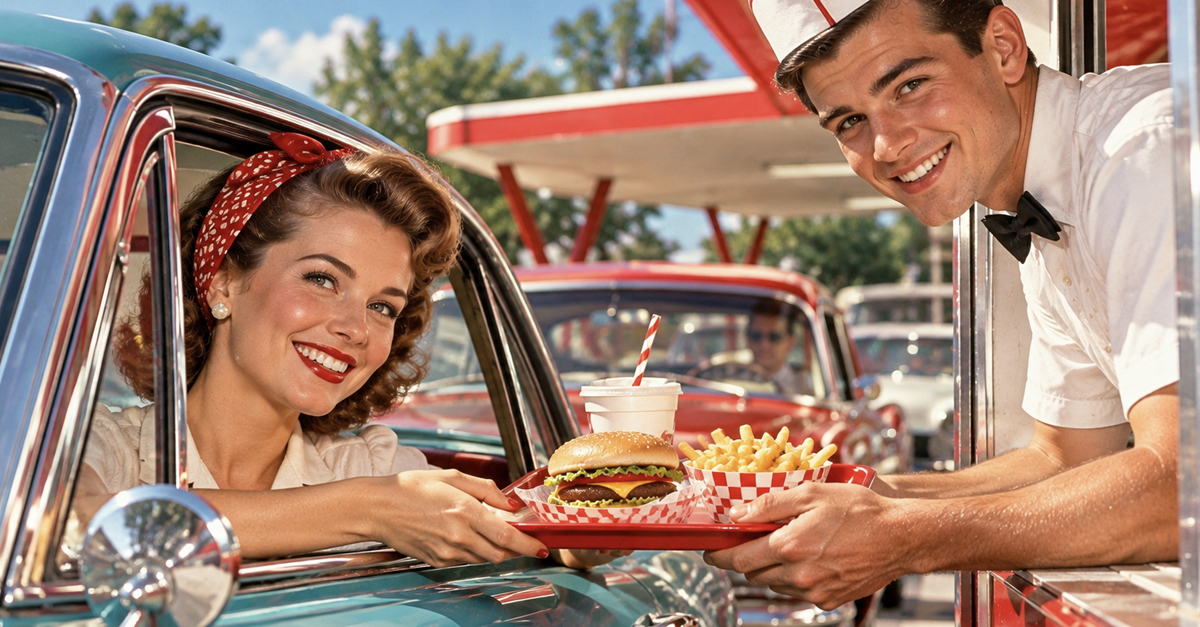
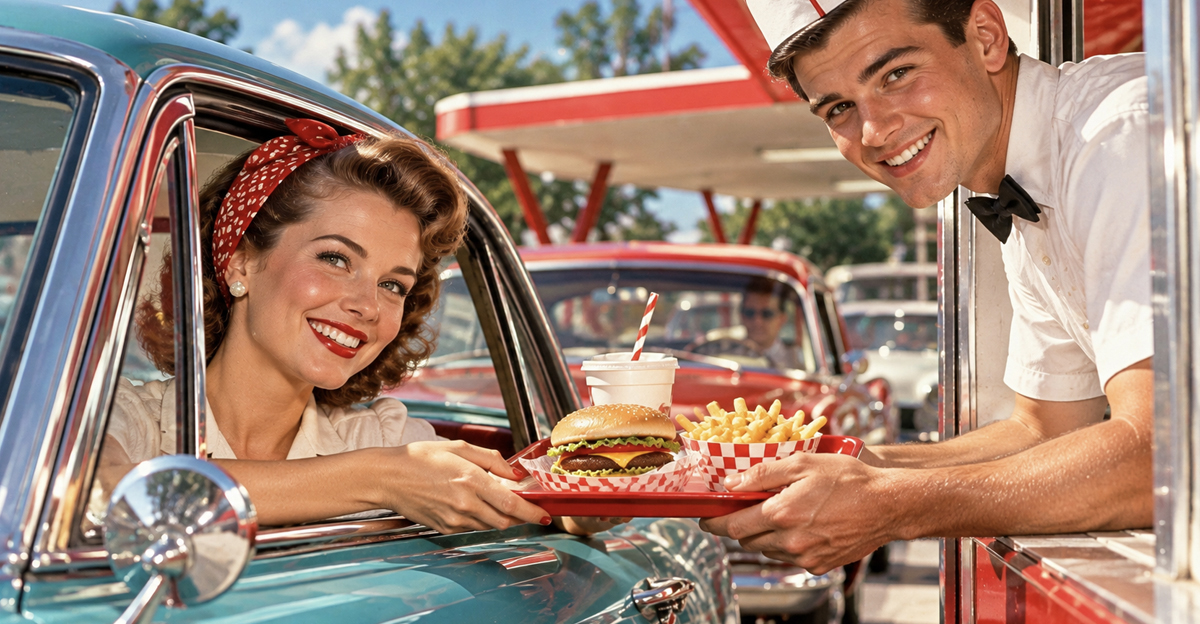
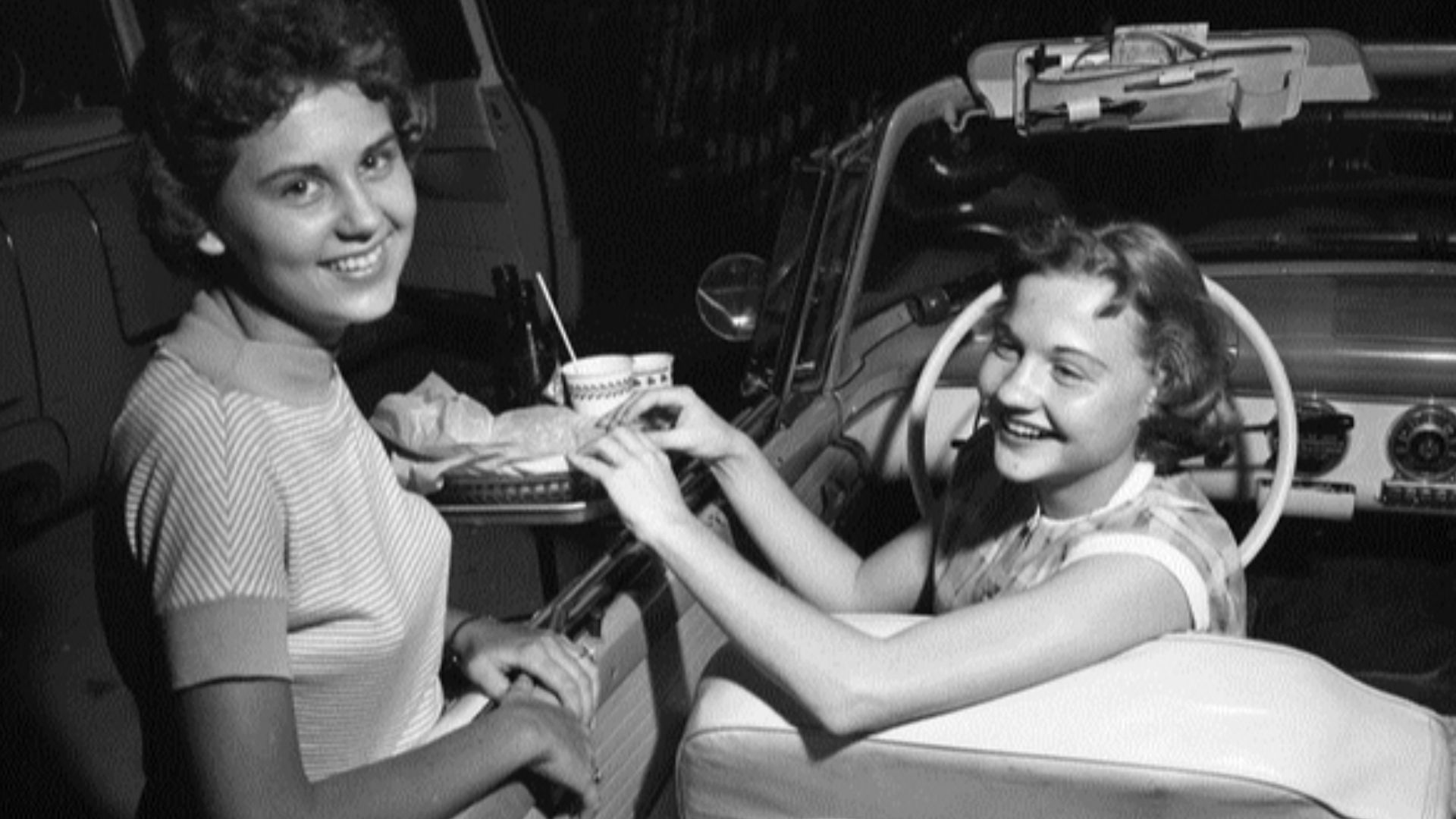
Drive-in restaurants became increasingly popular during the following decades, with carhops carrying food to customers waiting in their vehicles. Some establishments became known for energetic service, distinctive uniforms, and elaborate roadside architecture designed to attract passing motorists. Eating at a drive-in was about more than convenience because the experience also offered entertainment and a place to socialize.
 Florida Memory, Wikimedia Commons
The Hamburger Helped Fuel A Revolution
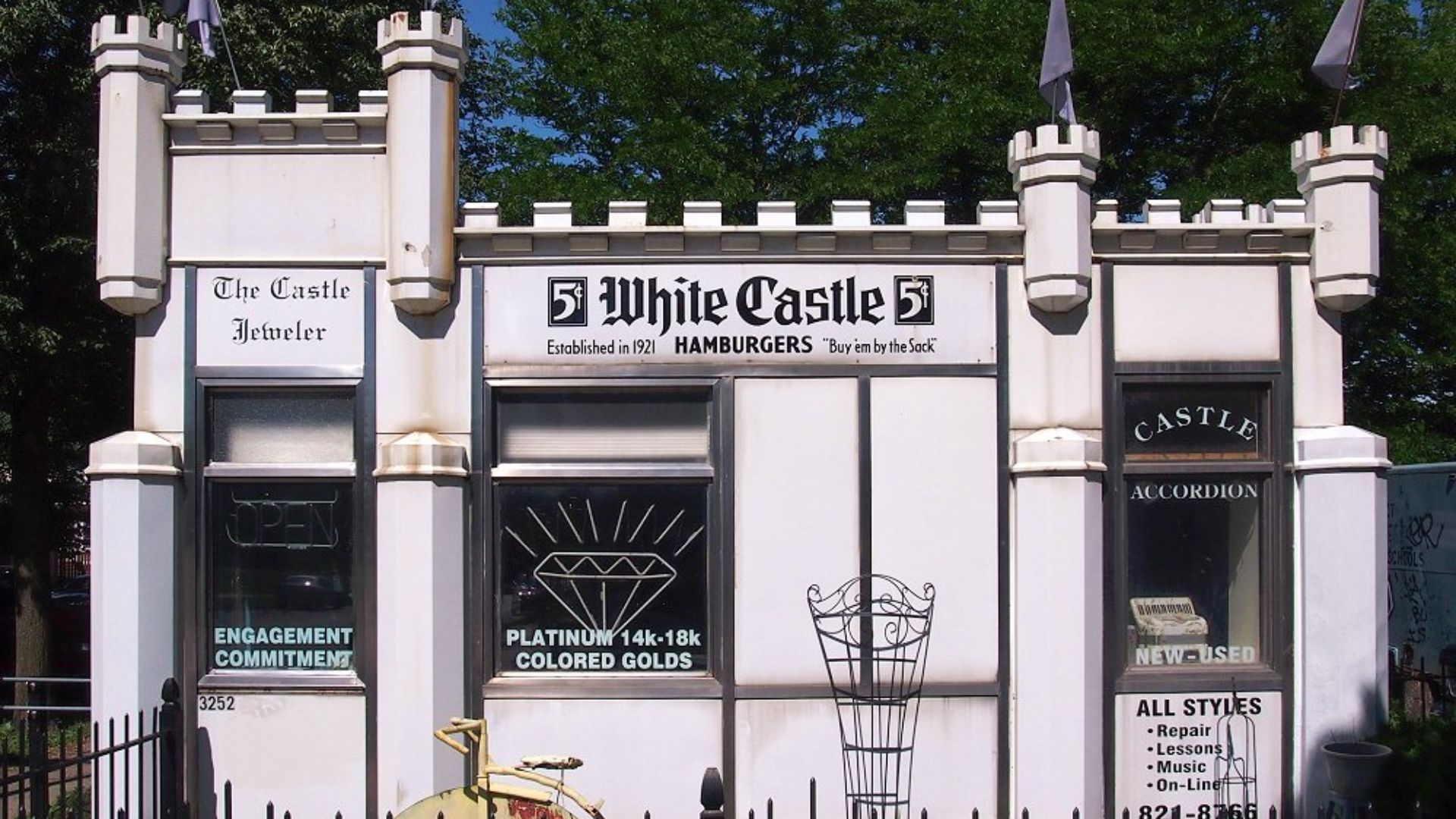
Another important development arrived in 1921 when White Castle opened in Wichita, Kansas. Founded by Walter Anderson and Billy Ingram, the company helped establish the standardized hamburger restaurant through inexpensive food and highly organized preparation methods. Its success demonstrated that Americans were willing to embrace restaurants built around consistent menus, recognizable branding, and rapid service.
One Missouri Restaurant Changed Everything
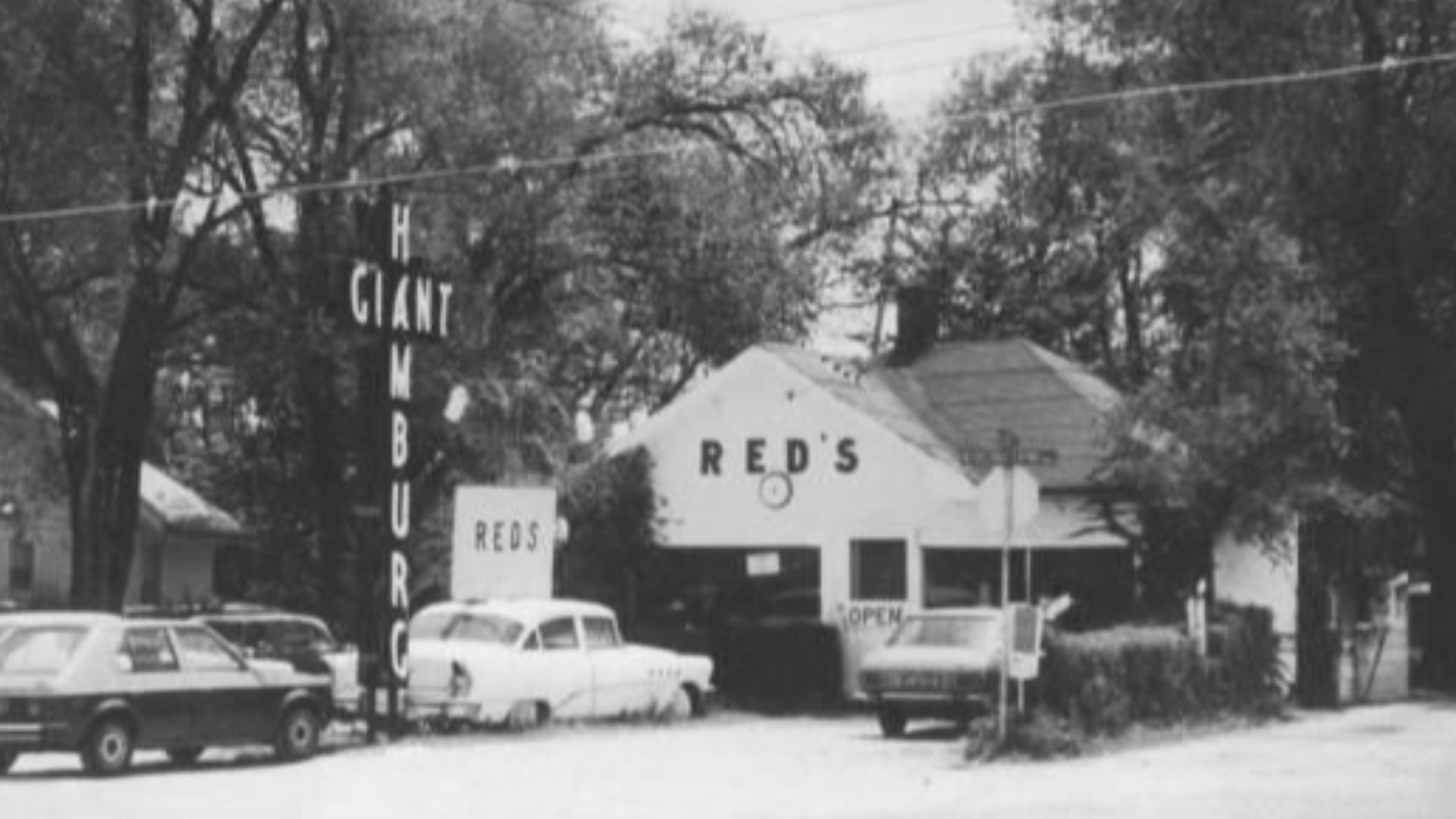
In 1947, Red's Giant Hamburg opened along Route 66 in Springfield, Missouri, introducing what is widely credited as America's first drive-thru restaurant. Rather than parking and waiting for a carhop, customers could purchase food through a window without leaving their vehicles. Although the restaurant eventually closed in 1984, its pioneering approach helped establish a model that would transform roadside dining.
California Became The Drive-Thru Capital
The drive-thru concept found especially fertile ground in Southern California, where automobile ownership and roadside development shaped everyday life. The region's extensive road network and favorable climate made restaurants designed around cars particularly appealing. As fast-food businesses competed for motorists, California became an important testing ground for innovations that would eventually spread nationwide.
In-N-Out Introduced A Game-Changing Invention
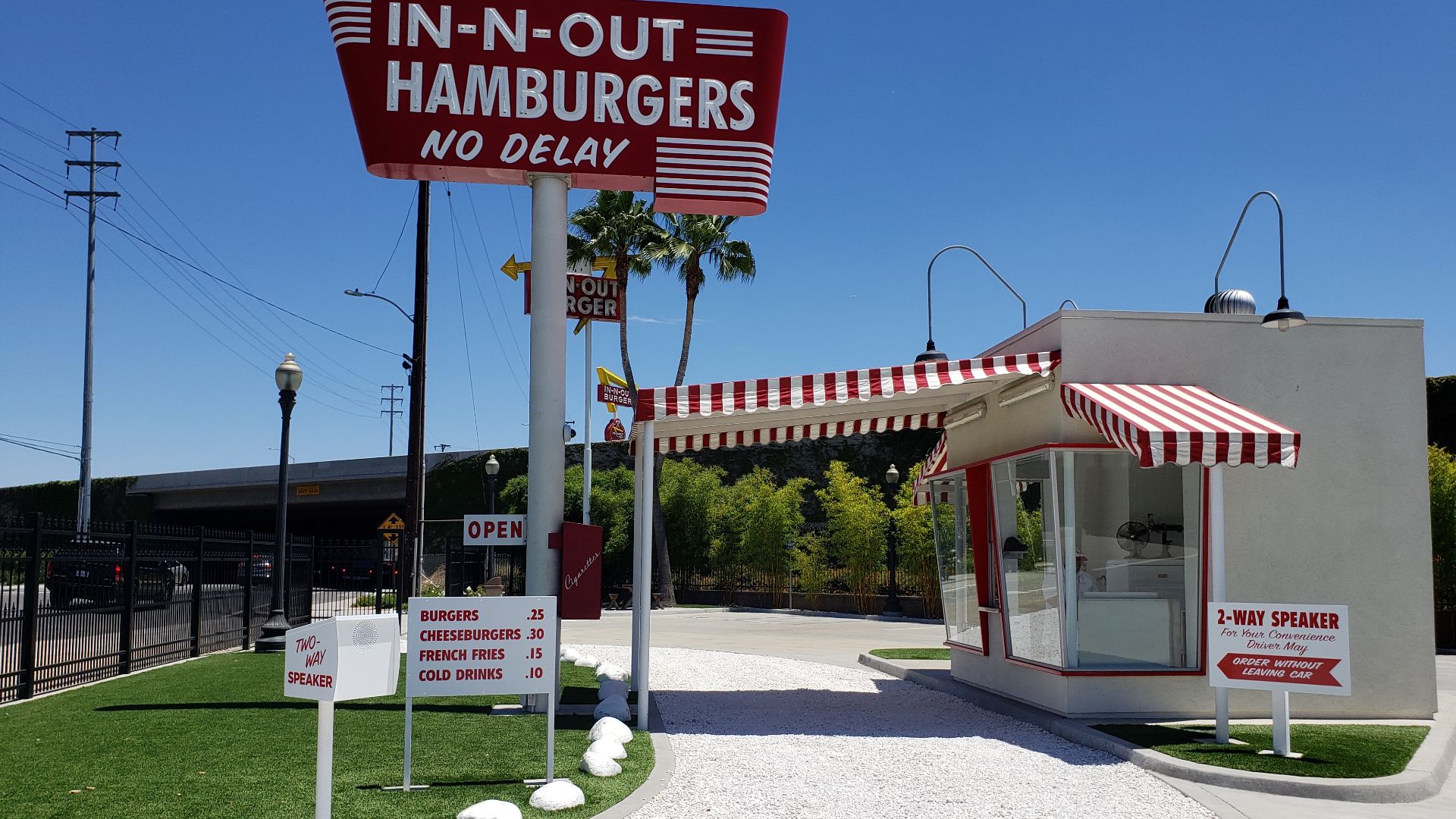
In 1948, Harry and Esther Snyder opened the first In-N-Out Burger in Baldwin Park, California. Harry developed a two-way speaker system that allowed customers to communicate with employees and place orders without leaving their vehicles. This innovation helped establish the recognizable drive-thru routine of ordering through an intercom before moving forward to collect food.
 RightCowLeftCoast, Wikimedia Commons
Customers Could Finally Order Without Leaving Their Cars
The two-way speaker eliminated much of the communication previously required between carhops and parked customers. Drivers could place orders while sitting behind the wheel, allowing restaurants to organize food preparation around an approaching line of vehicles. In-N-Out also provided sheets of butcher paper that customers could place across their laps while eating, an early example of packaging designed specifically for automobile dining.
McDonald's Was Making Its Own Revolution
While drive-thrus were emerging, brothers Richard and Maurice McDonald were developing another influential approach to fast food. In 1948, they reorganized their San Bernardino, California, restaurant around a limited menu and an efficient preparation system called the Speedee Service System. Their emphasis on standardized meals, inexpensive hamburgers, and rapid production helped lay the groundwork for modern fast-food operations.
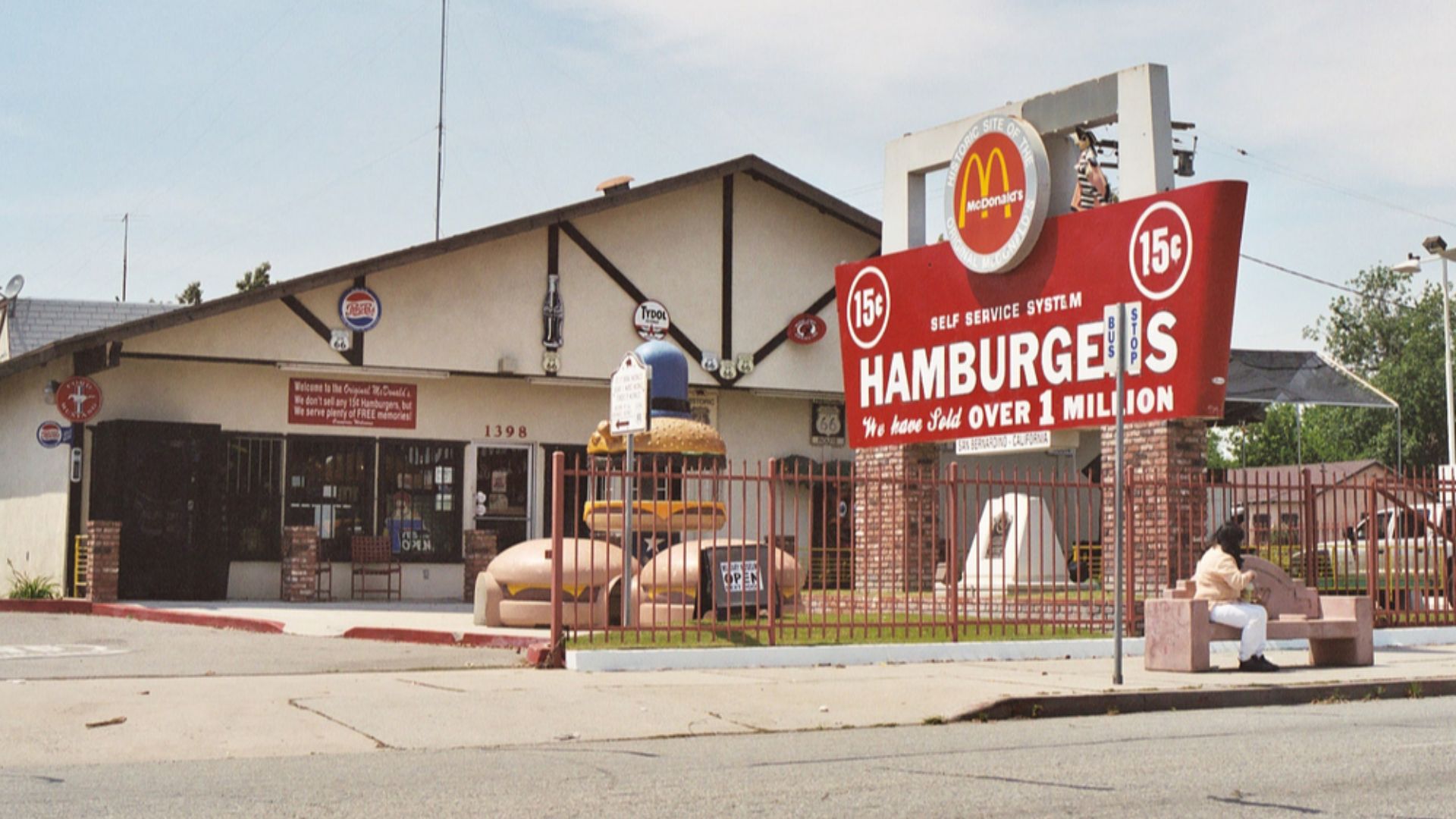 Cogart Strangehill, Wikimedia Commons
The End Of The Traditional Carhop Was Coming
The McDonald brothers' new restaurant model eliminated carhop service in favor of customers collecting meals themselves. Smithsonian historians note that this change helped inspire other restaurateurs who recognized the potential savings and efficiency of operating without traditional car-side service. The shift also reflected an important change in priorities, as fast-food operators increasingly emphasized speed and consistency over the leisurely drive-in experience.
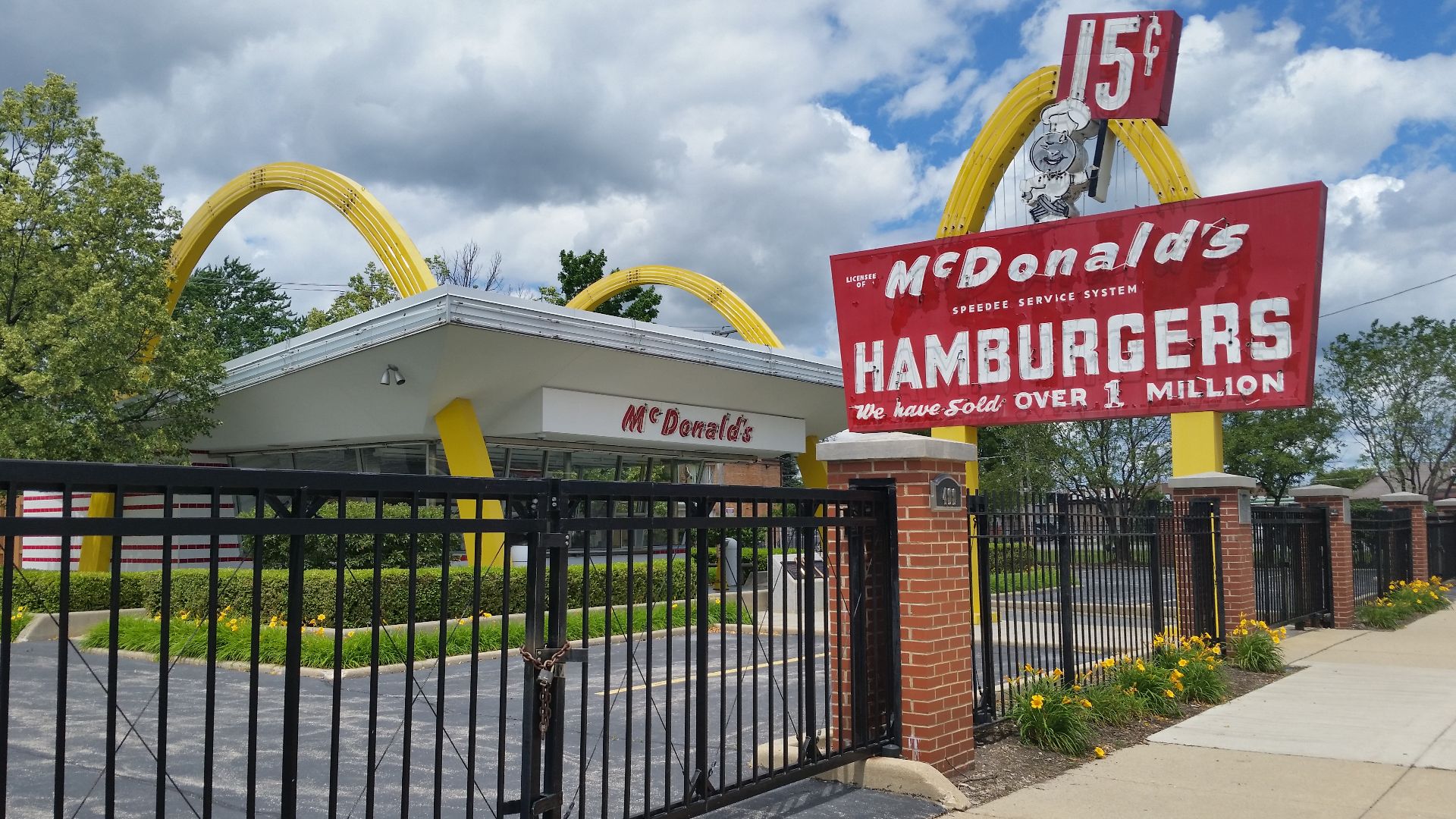 Michel Curi, Wikimedia Commons
Jack In The Box Took Things Even Further
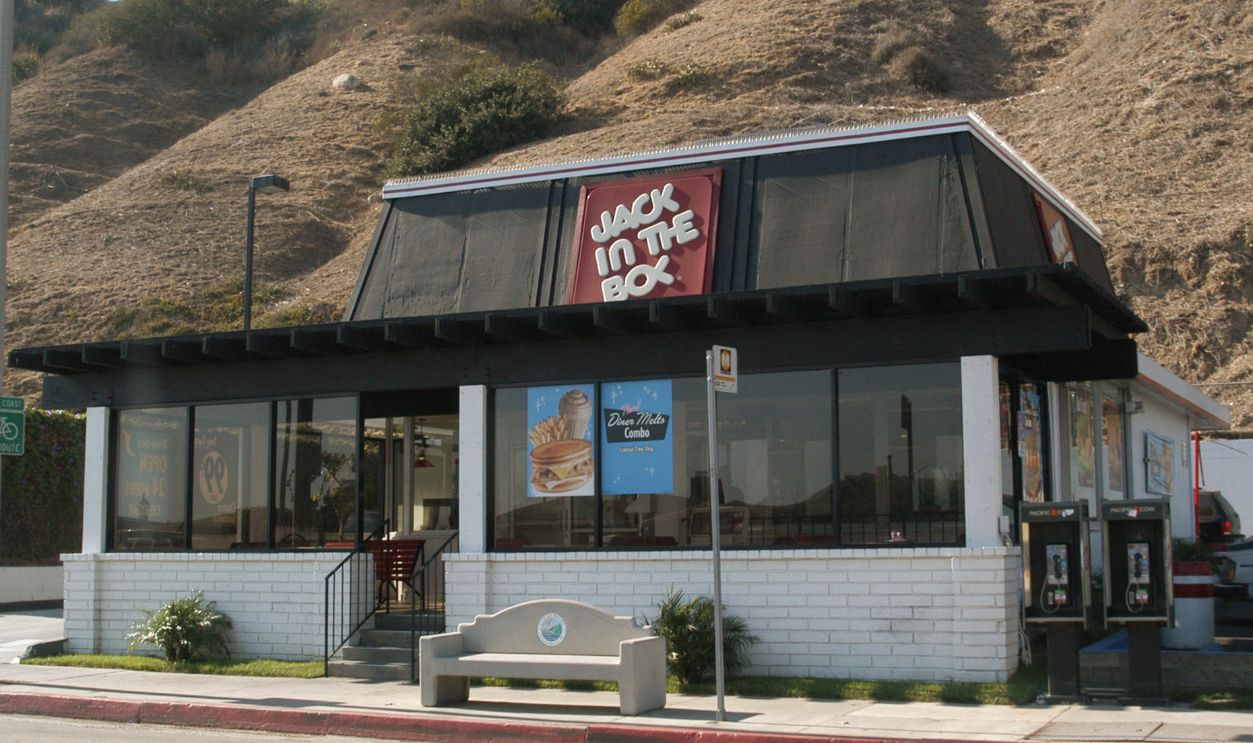
In 1951, entrepreneur Robert O. Peterson opened the first Jack in the Box restaurant in Southern California. The business focused entirely on drive-thru service, using a limited menu and distinctive clown-themed architecture to attract passing motorists. Its original restaurants operated without indoor dining rooms, demonstrating that a fast-food business could succeed by concentrating on customers arriving in automobiles.
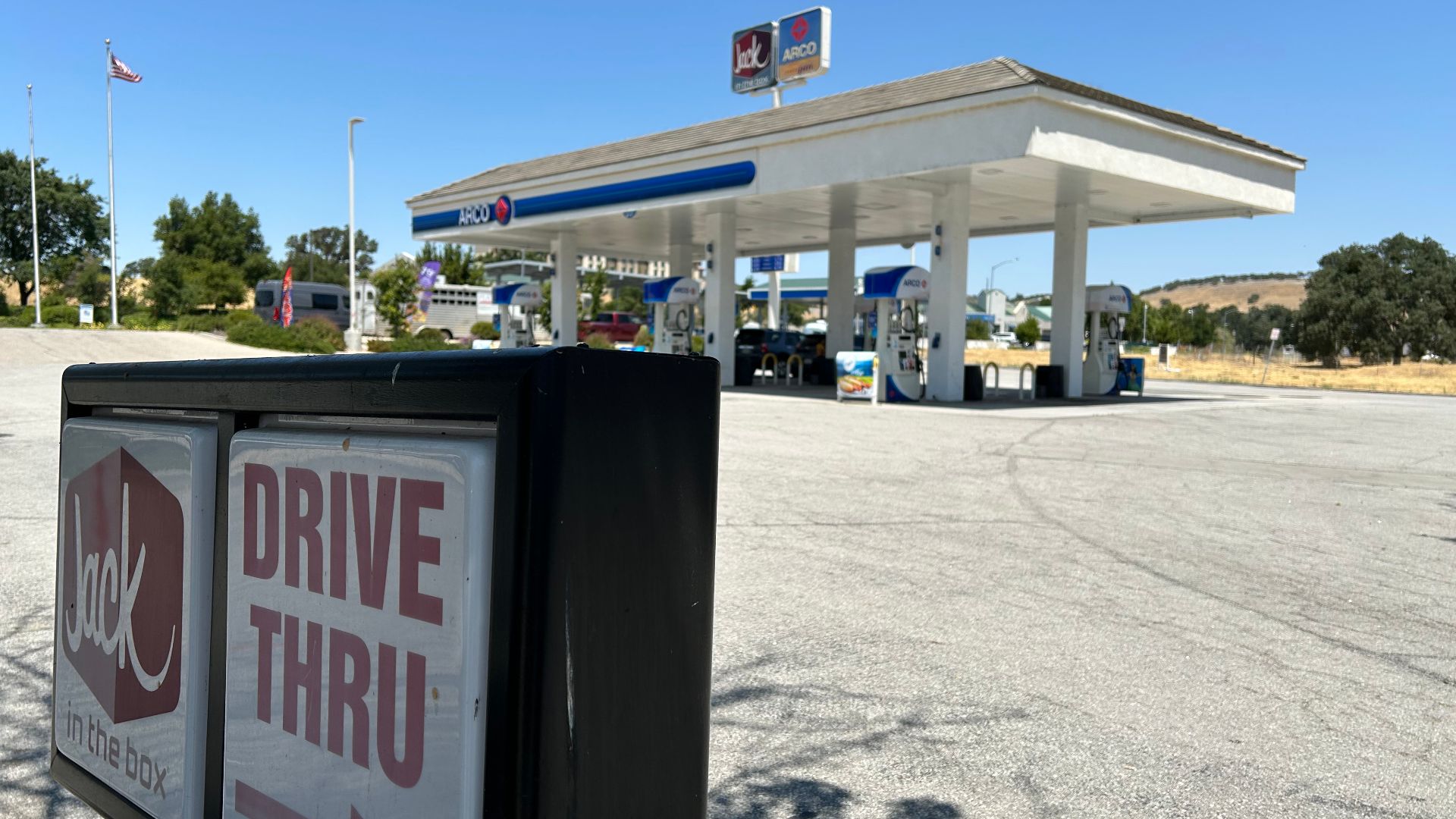 DanielMichaelPerry, Wikimedia Commons
Even Ordering Food Required Instructions
Early drive-thru technology was unfamiliar enough that restaurants had to explain how customers should use it. Jack in the Box installed signs telling motorists that Jack would speak to them through the ordering equipment. Surviving examples of these signs and early menu boards are preserved by the Smithsonian's National Museum of American History, offering a glimpse of a time when ordering through a speaker seemed remarkably futuristic.
Not Every Restaurant Abandoned The Drive-In
While drive-thru restaurants became increasingly popular, some businesses continued embracing traditional carhop service. Sonic traces its origins to a small Oklahoma root beer stand called Top Hat, which began operating in 1953. The business adopted the Sonic name in 1959, reflecting its emphasis on rapid service while retaining the distinctive drive-in experience.
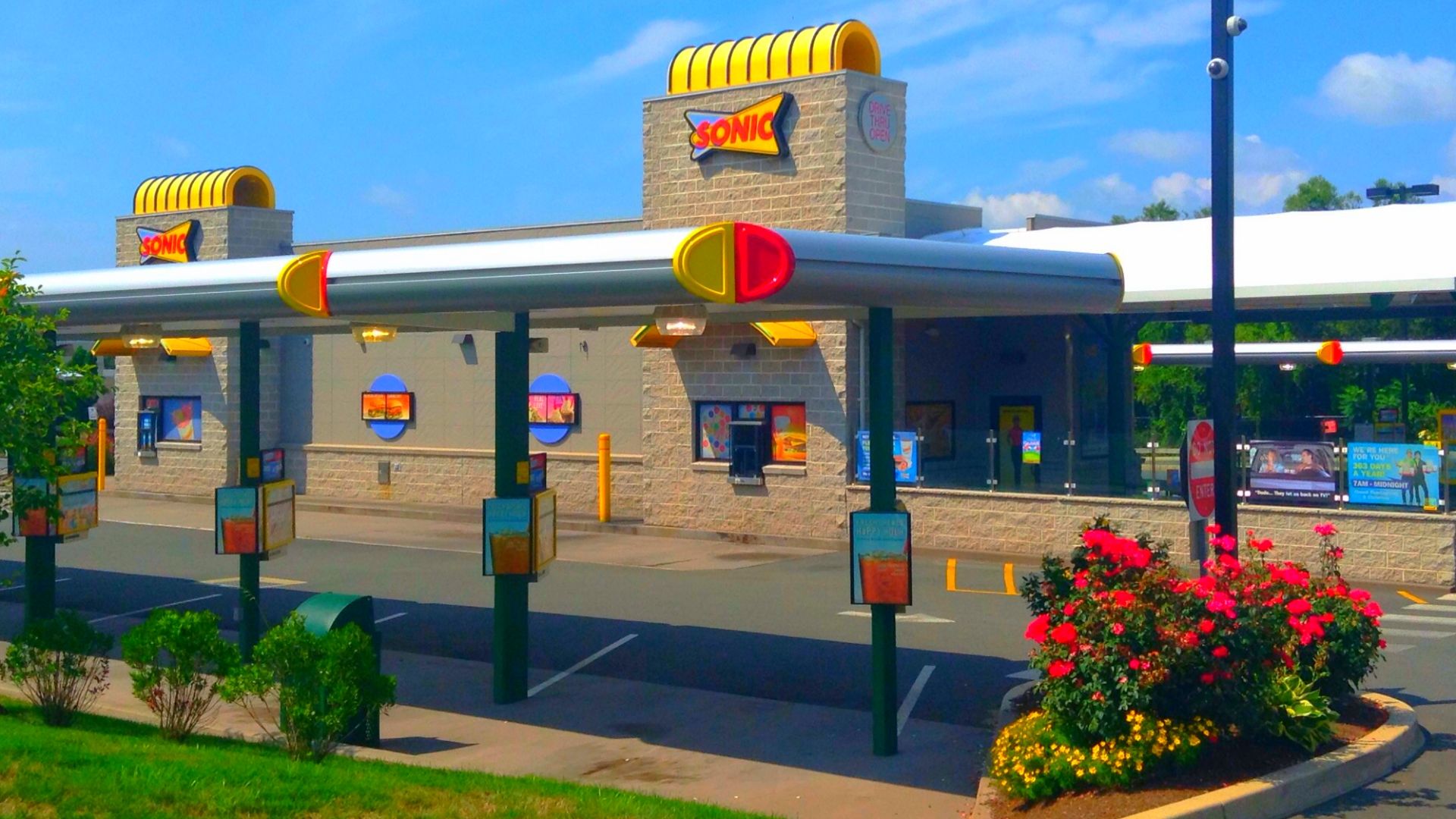 Mike Mozart from Funny YouTube, USA, Wikimedia Commons
Fast Food Became A Nationwide Business
The rapid expansion of fast-food franchises helped bring standardized restaurant experiences to communities across the United States. Ray Kroc became involved with McDonald's in the 1950s and helped expand the company's franchising operations. As recognizable brands multiplied, drivers increasingly encountered familiar menus and restaurant designs while traveling between cities and states.
Wendy's Helped Modernize The Drive-Thru
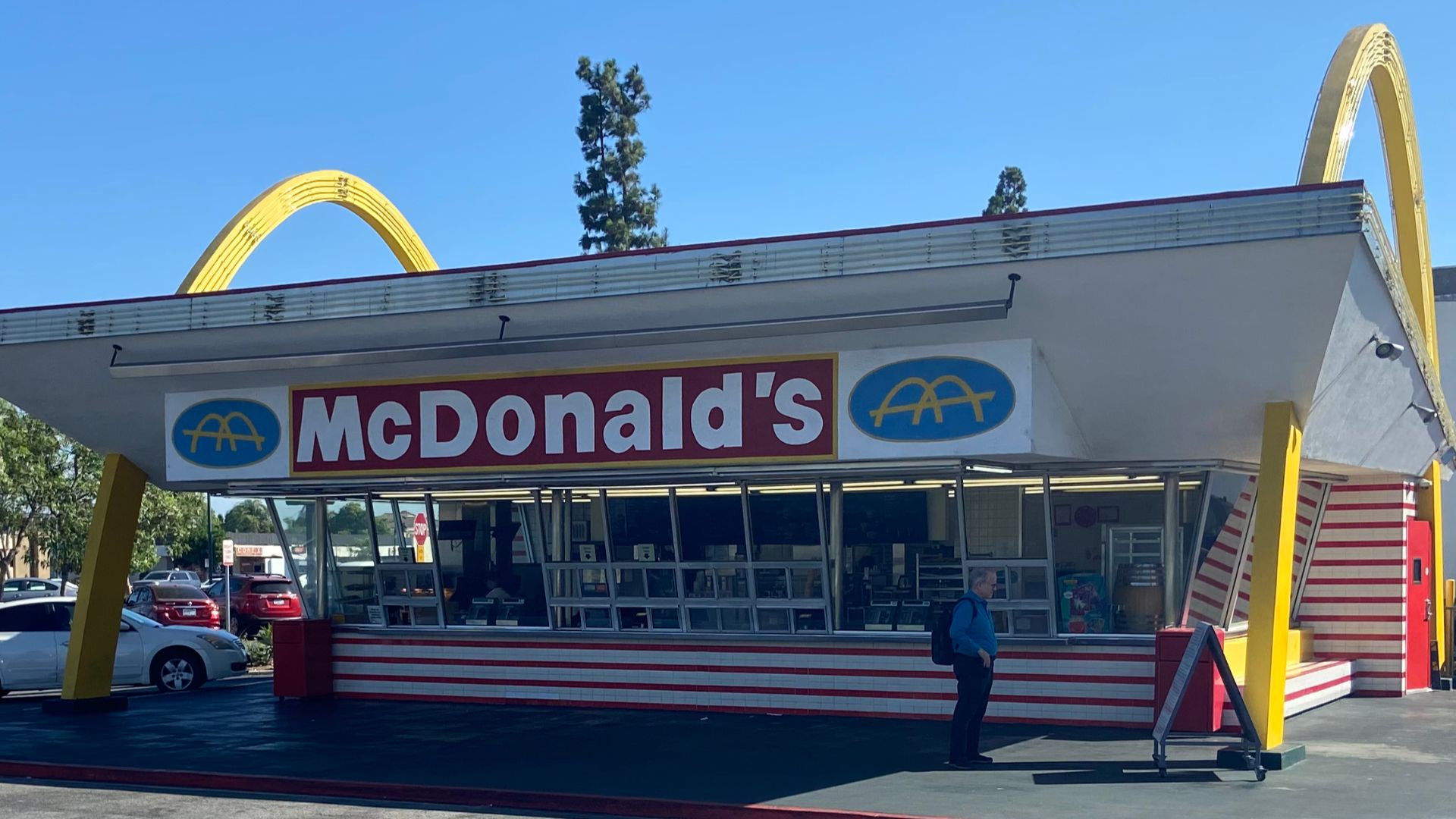
When Dave Thomas opened the first Wendy's restaurant in Columbus, Ohio, in 1969, drive-thrus were already an established concept. In November 1970, Wendy's introduced what Thomas called the Pick-Up Window, helping popularize the modern drive-thru arrangement. The company even provided instructions for customers unfamiliar with placing orders through a speaker, illustrating how the technology was still evolving.
 Phillip Pessar, Wikimedia Commons
McDonald's Arrived Late To The Drive-Thru Party
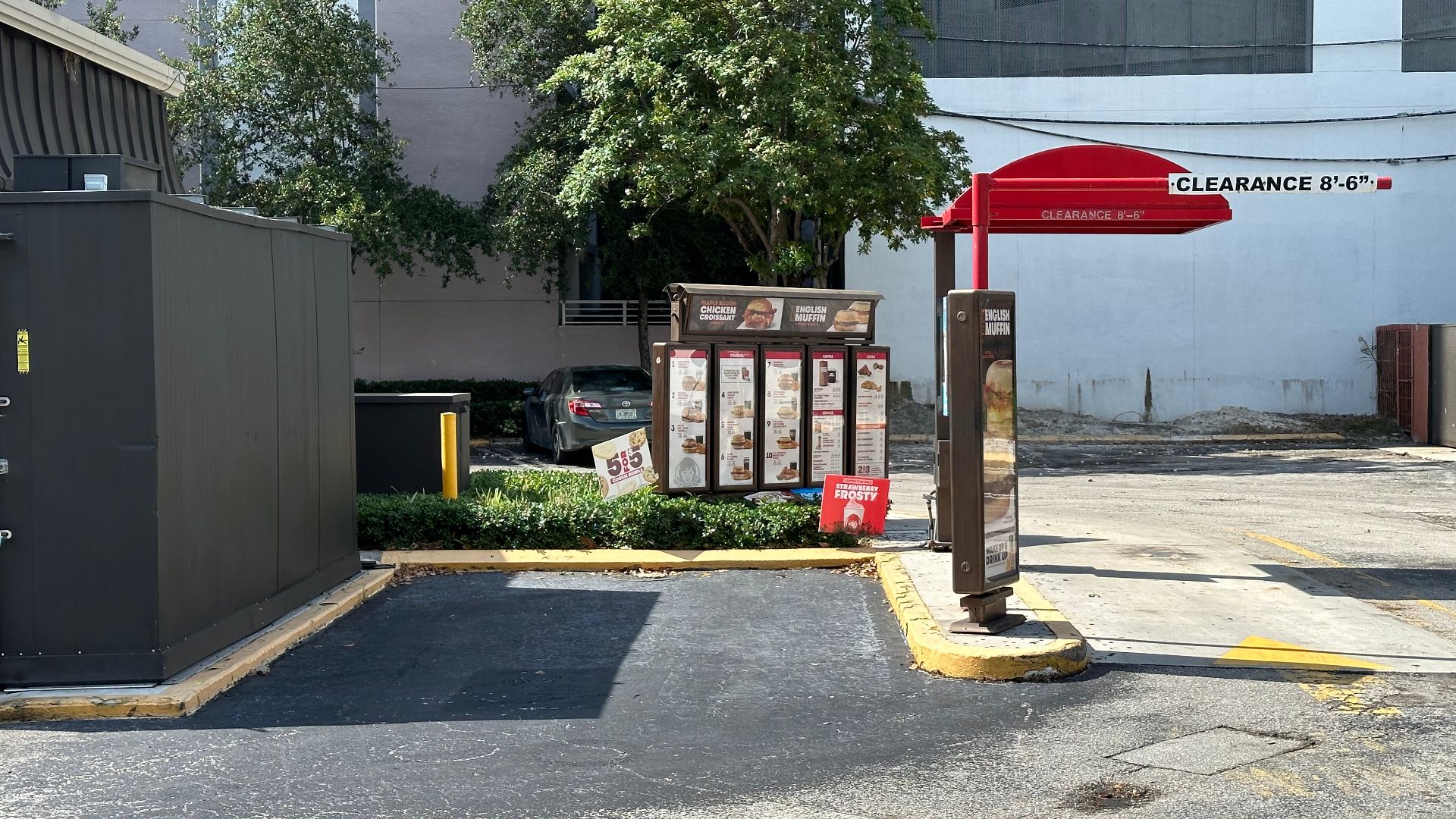
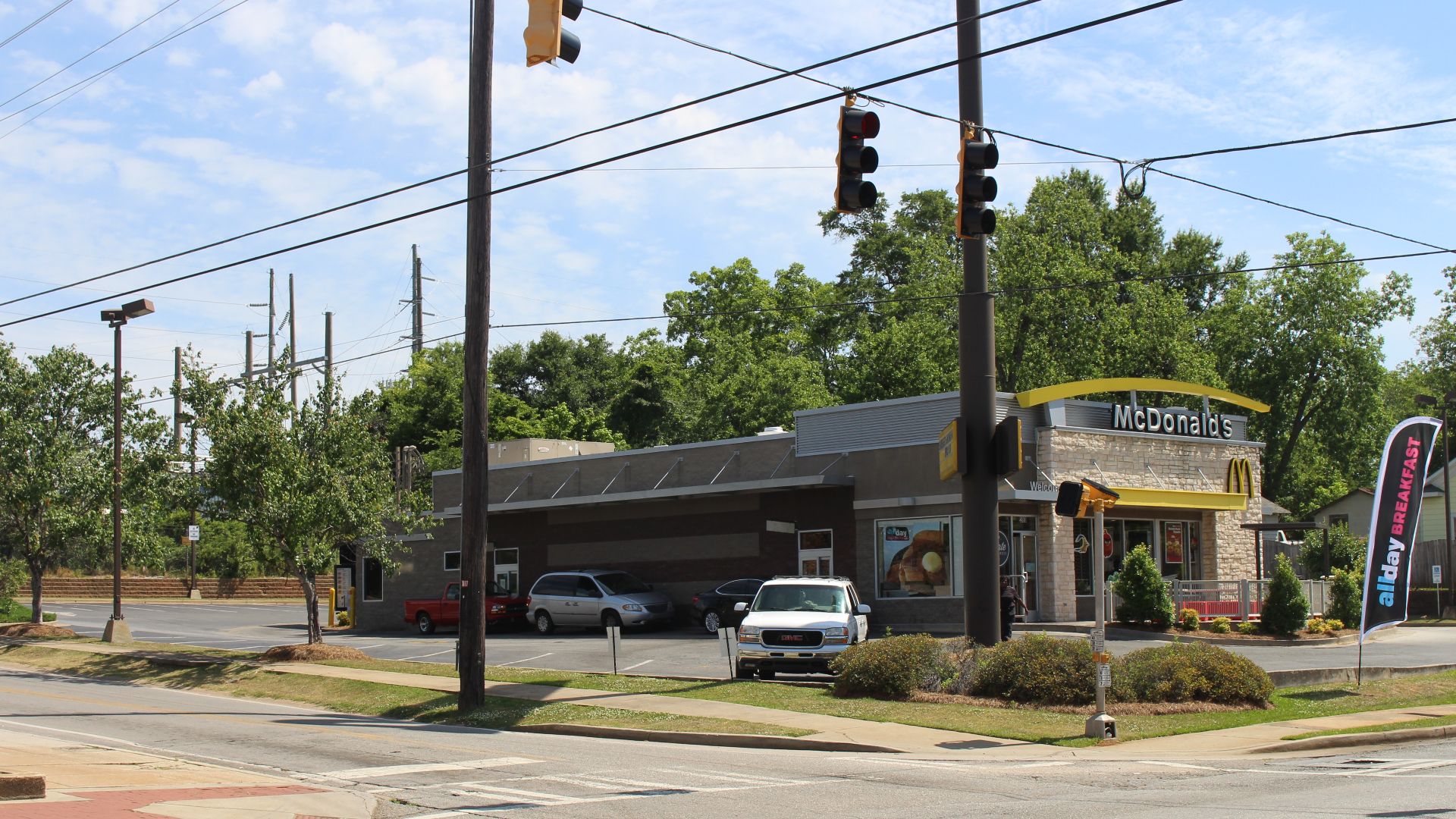
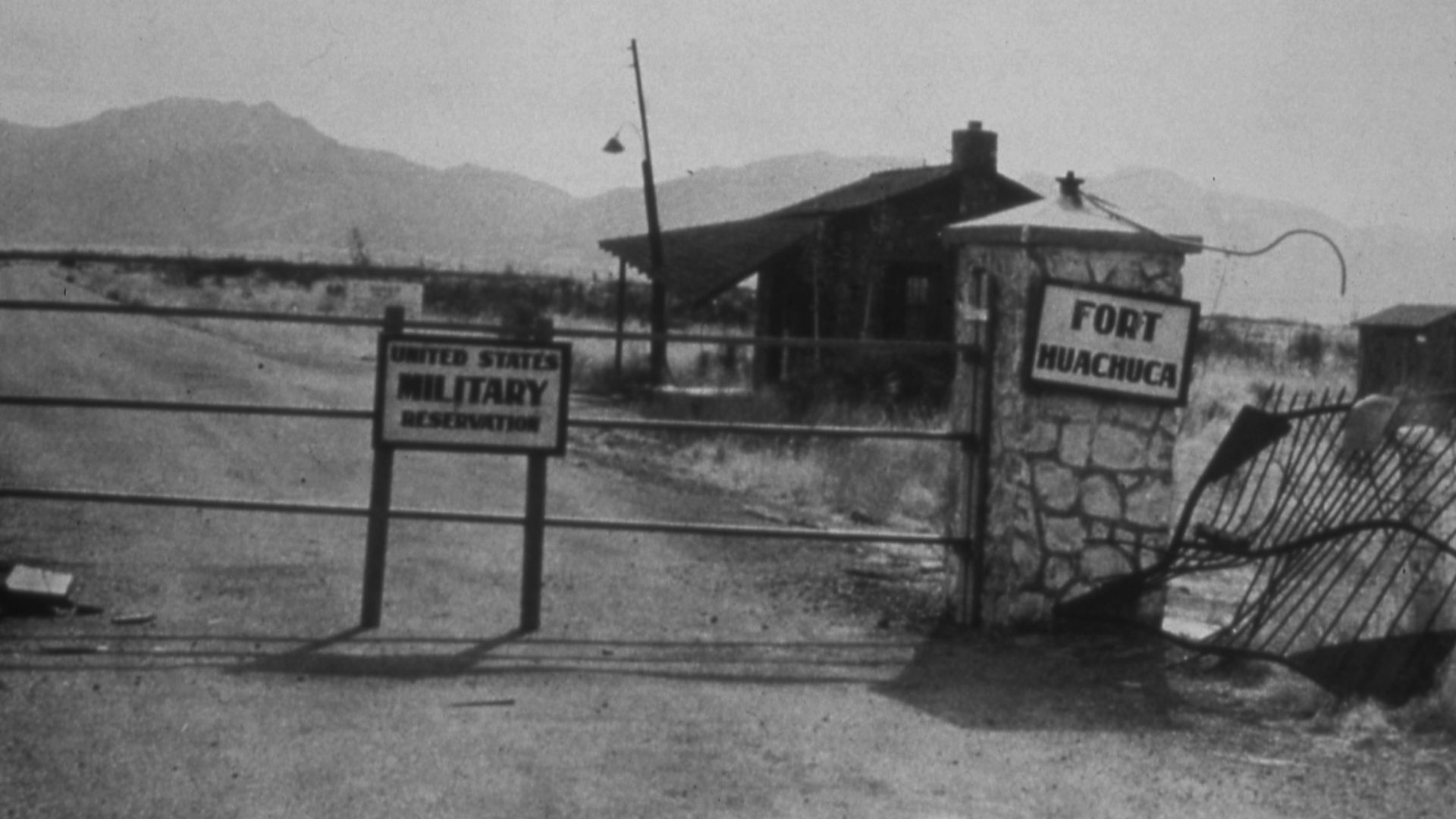
Despite its reputation as a fast-food pioneer, McDonald's did not open its first drive-thru until January 24, 1975. The location was in Sierra Vista, Arizona, near the Fort Huachuca military installation. By that point, competitors had already demonstrated the commercial potential of serving motorists without requiring them to park and enter a restaurant.
 Michael Rivera, Wikimedia Commons
American Soldiers Inspired A Famous Innovation
The first McDonald's drive-thru was developed partly to accommodate soldiers stationed at Fort Huachuca, who were restricted from getting out of their vehicles off base while wearing military uniforms. Local operator David Rich installed a sliding window that allowed these customers to purchase food while remaining inside their cars. McDonald's later reported that another early drive-thru installation in Oklahoma City produced a 40 percent increase in sales, demonstrating the business potential of the new format.
 Unknown authorUnknown author, Wikimedia Commons
The 1970s Turned Drive-Thrus Into A National Phenomenon
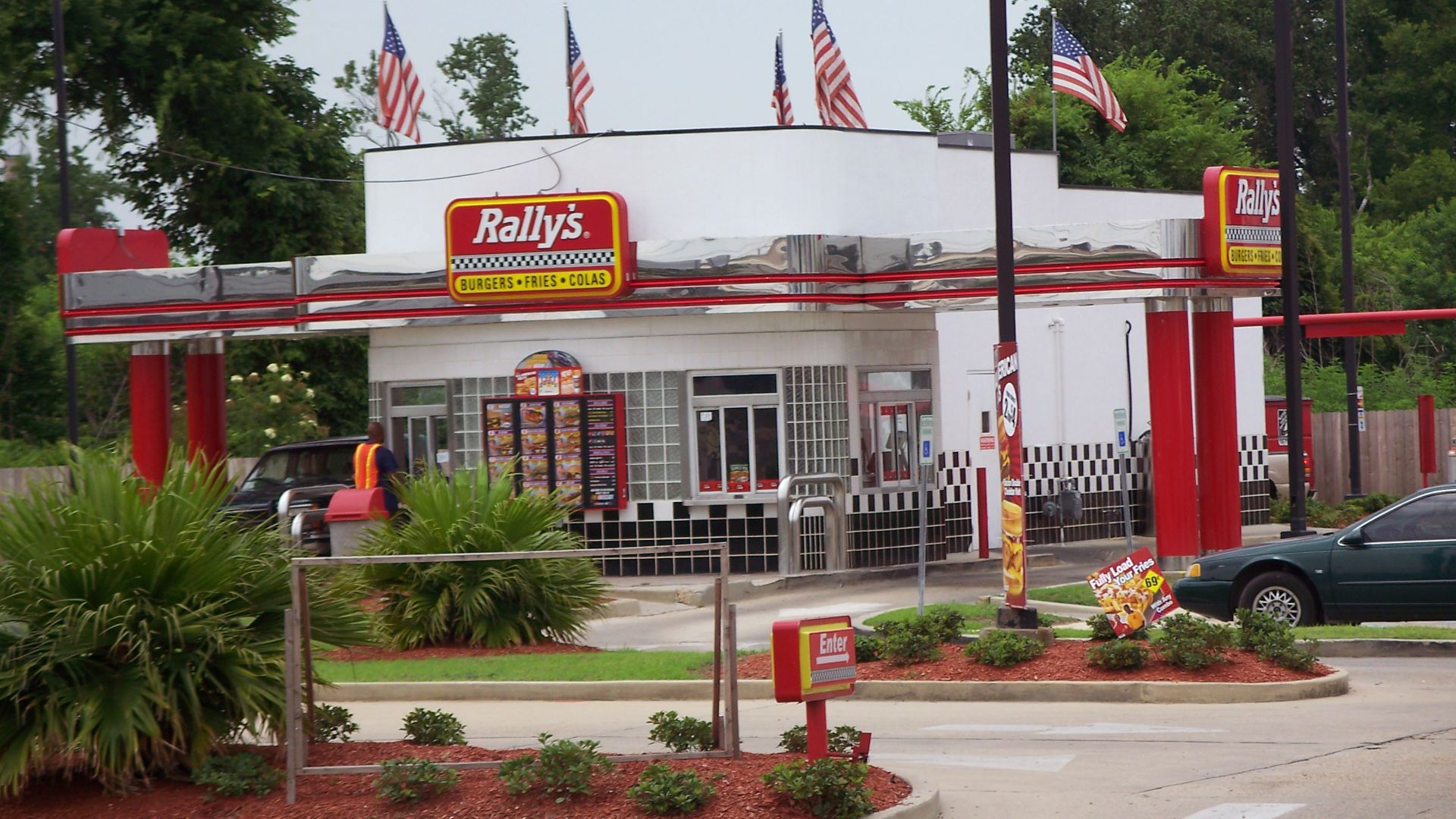
By the 1970s, major fast-food franchises were increasingly adding drive-thru windows across the United States. The Smithsonian identifies this period as a turning point when drive-thru dining began moving from a regional innovation into a nationwide fixture. Growing commuting demands, changing household routines, and busy family schedules helped make automobile-based meal service especially attractive.
 Vrlobo888 at en.wikipedia, Wikimedia Commons
Convenience Changed The Family Dinner
As more Americans became accustomed to purchasing meals from their cars, fast food became an increasingly practical alternative to preparing dinner at home. Parents managing work schedules and children's activities could collect a meal without unloading everyone from the vehicle. This convenience helped strengthen the connection between automobile travel and eating, particularly for households with demanding daily routines.
Restaurants Began Designing Meals For Drivers
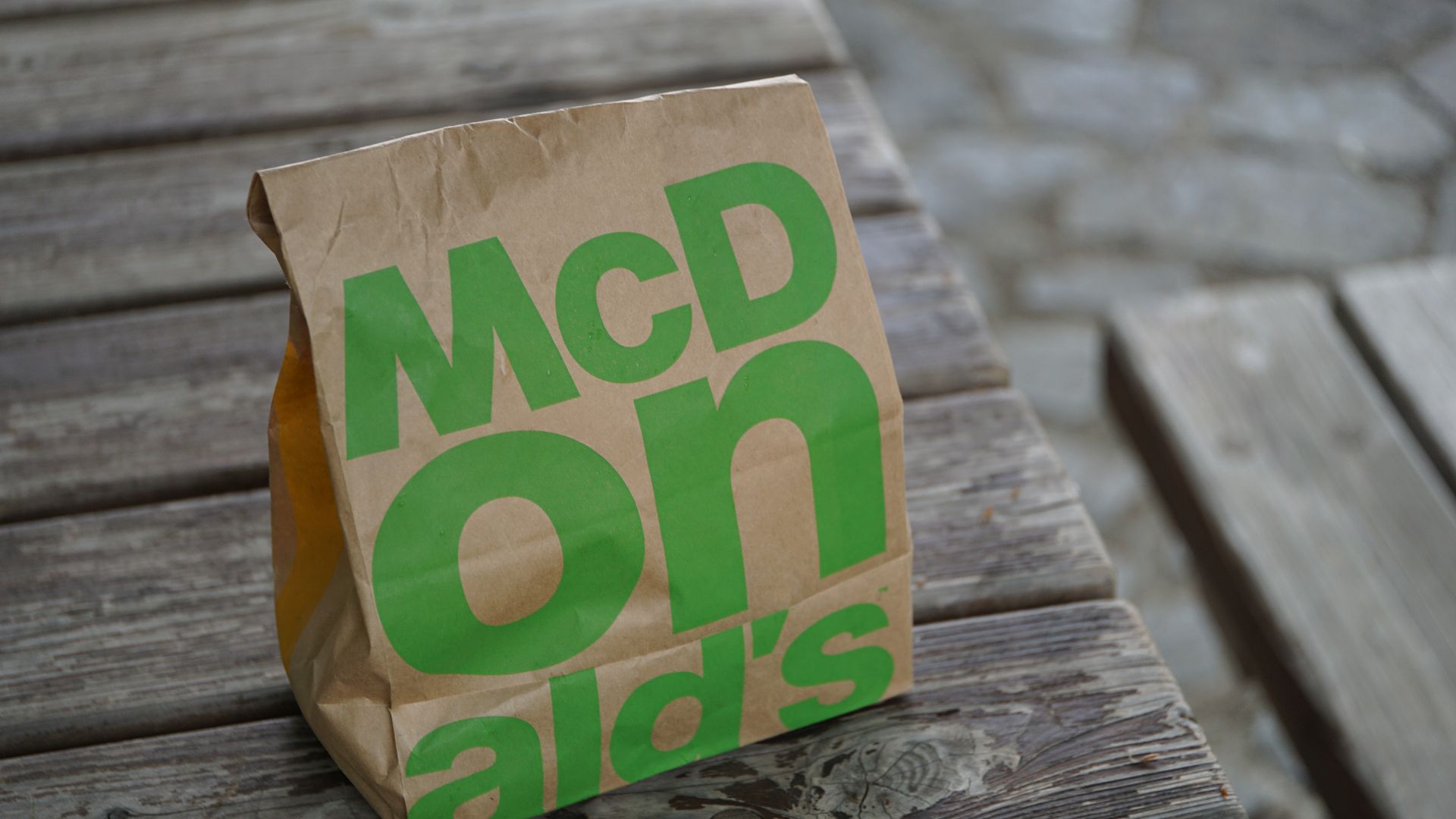
Serving customers in automobiles required restaurants to think carefully about how food was packaged and consumed. In-N-Out's early paper lap mats were one practical response to the challenge of eating without a dining table. As drive-thru dining expanded, portability became an important consideration for everything from food containers to the way customers handled drinks and meals during their journeys.
 Xie saina nichijou, Wikimedia Commons
Drive-Thrus Changed Restaurant Architecture
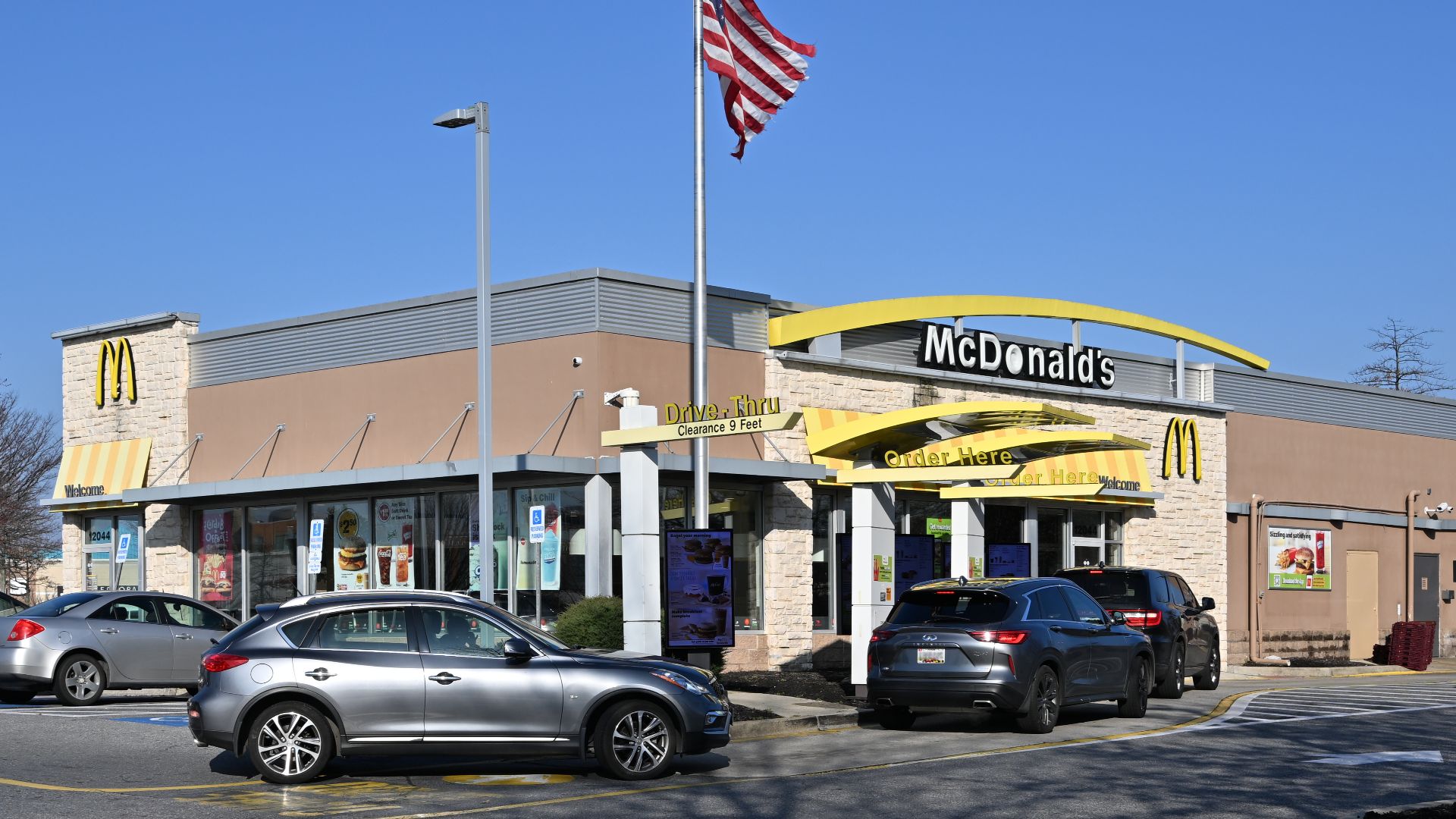
Traditional restaurants were designed around dining rooms, but drive-thru operations introduced an entirely different set of requirements. Businesses needed vehicle lanes, accessible ordering equipment, pickup windows, and layouts that allowed cars to circulate around buildings. Over time, the drive-thru became a central feature of restaurant planning rather than an additional convenience attached to an otherwise conventional dining room.
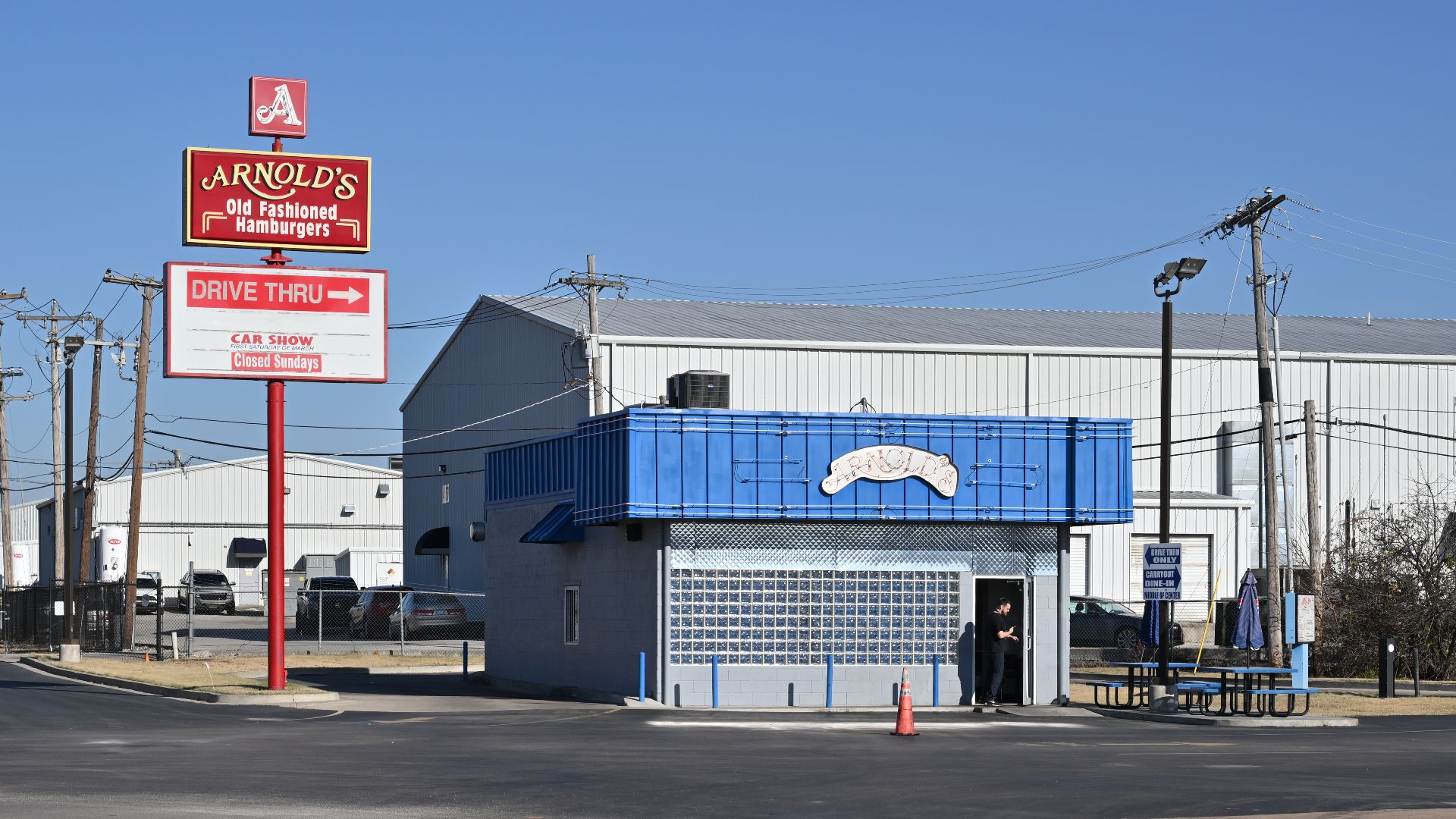 G. Edward Johnson, Wikimedia Commons
Waiting In Line Became Part Of The Business
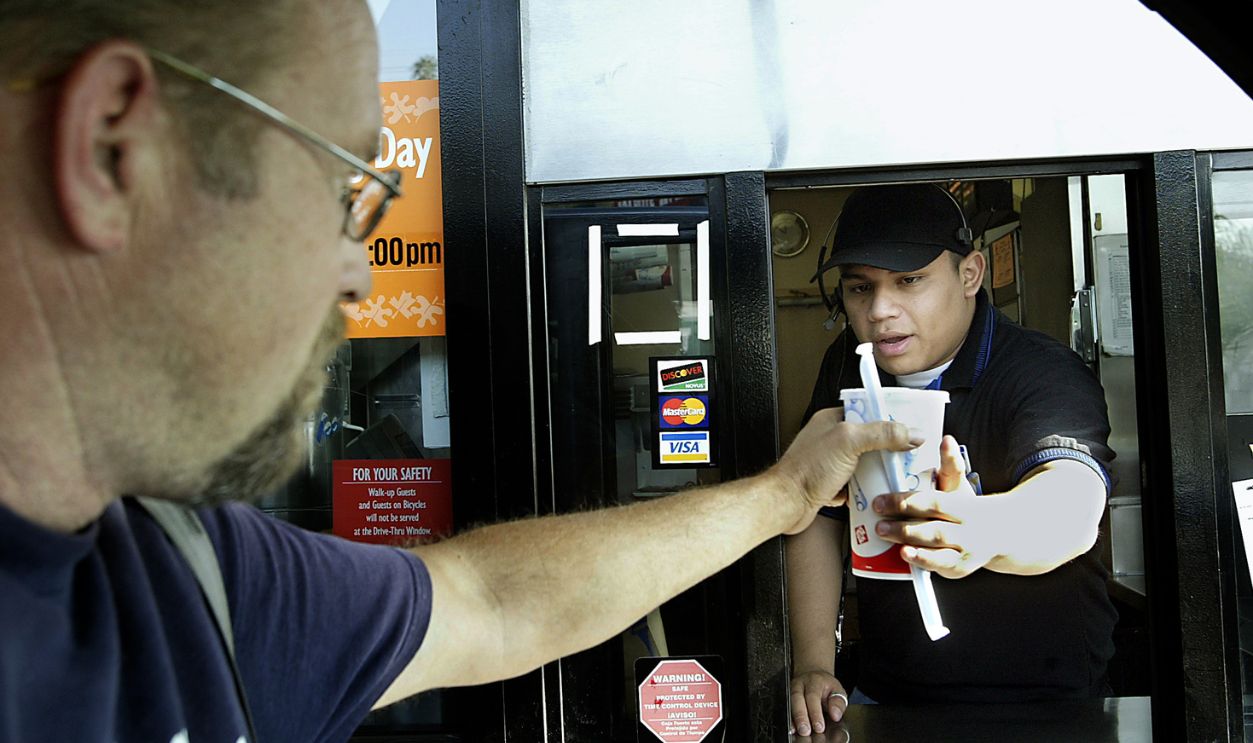
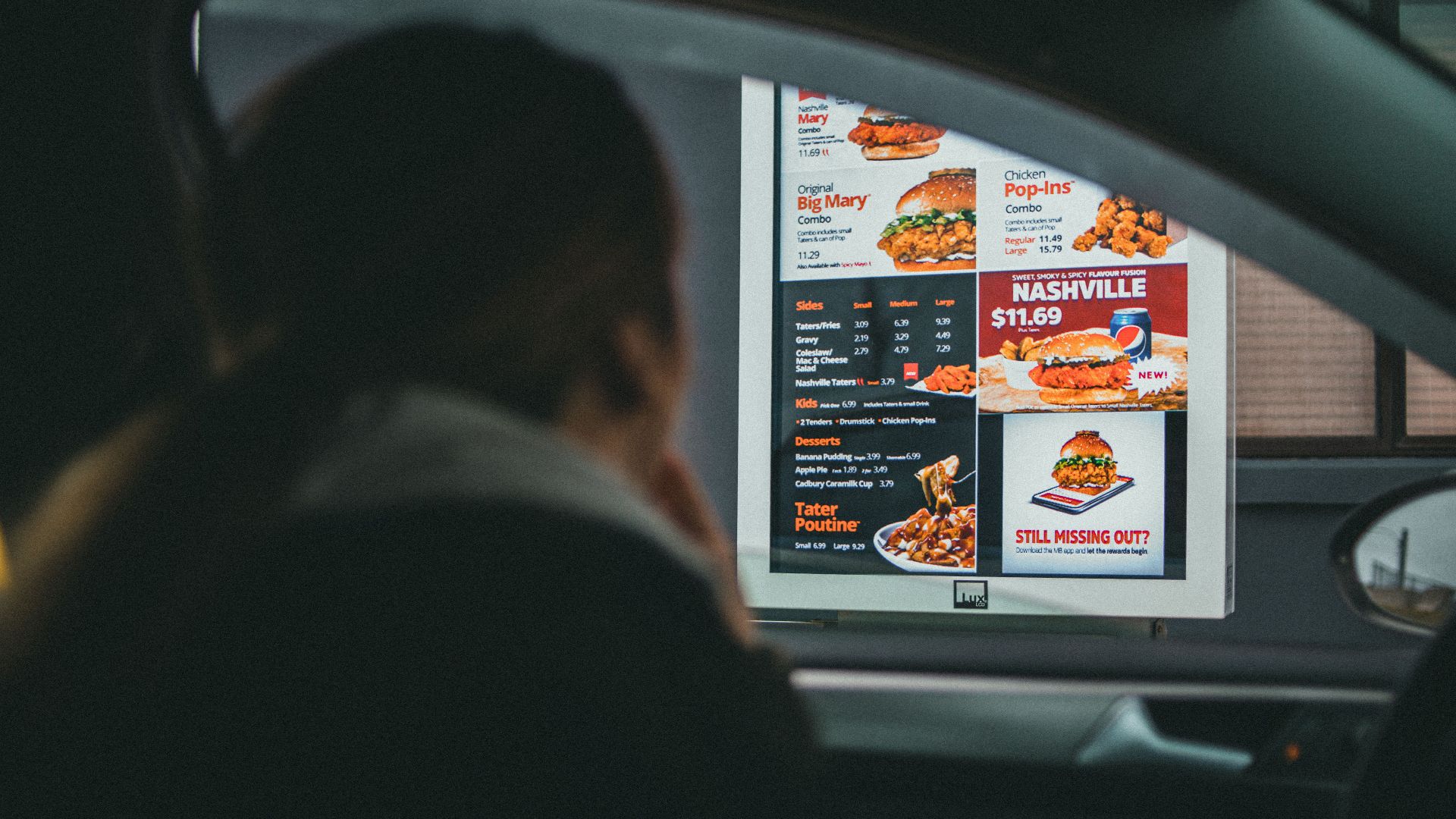
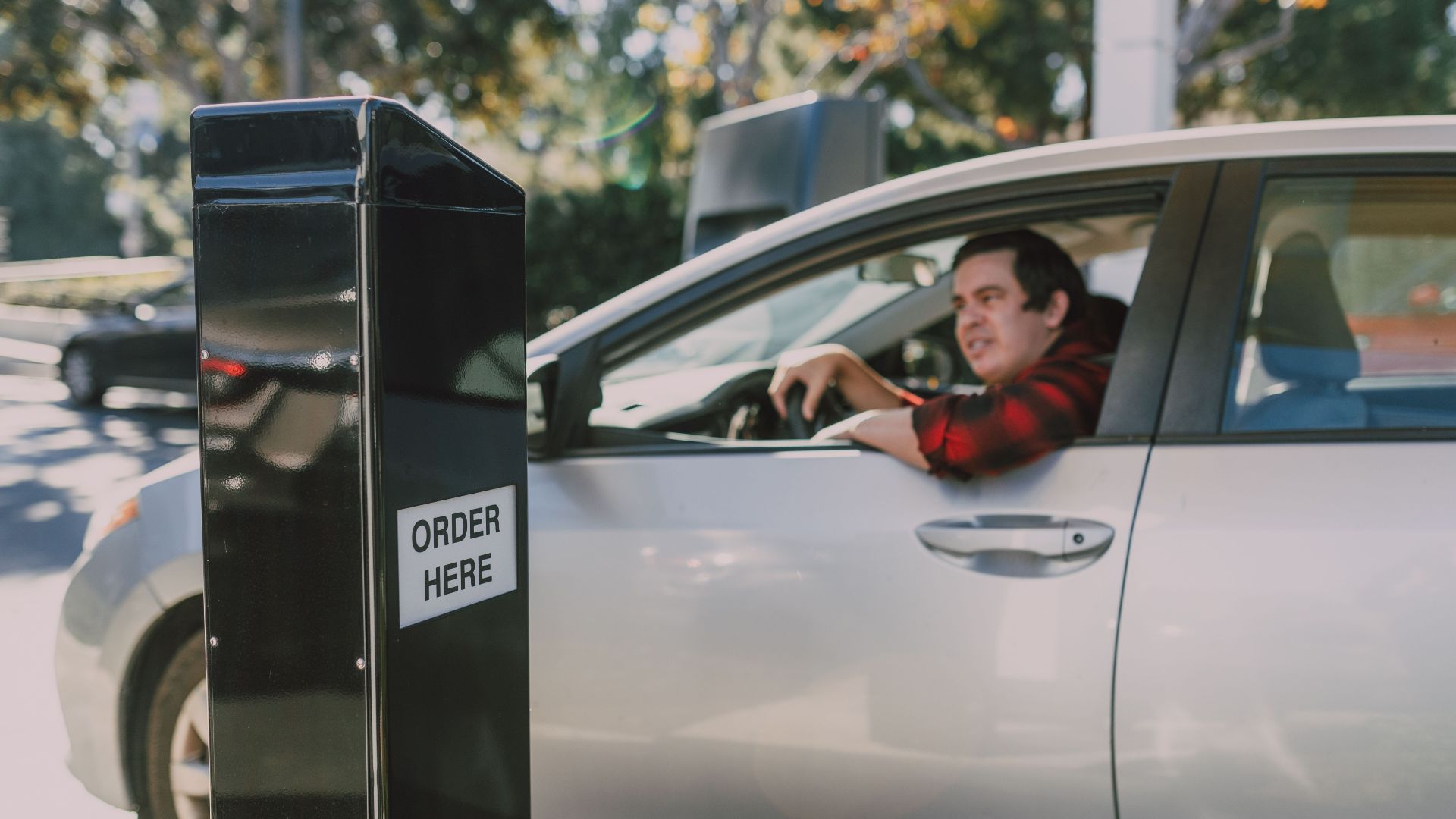
Drive-thru restaurants promised convenience, but their success created a new operational challenge: managing queues of waiting vehicles. Restaurants began paying close attention to how quickly customers could order, pay, and receive their meals. Modern industry studies examine everything from speaker clarity to order accuracy and total service time, showing how the familiar drive-thru line has become a carefully measured business operation.
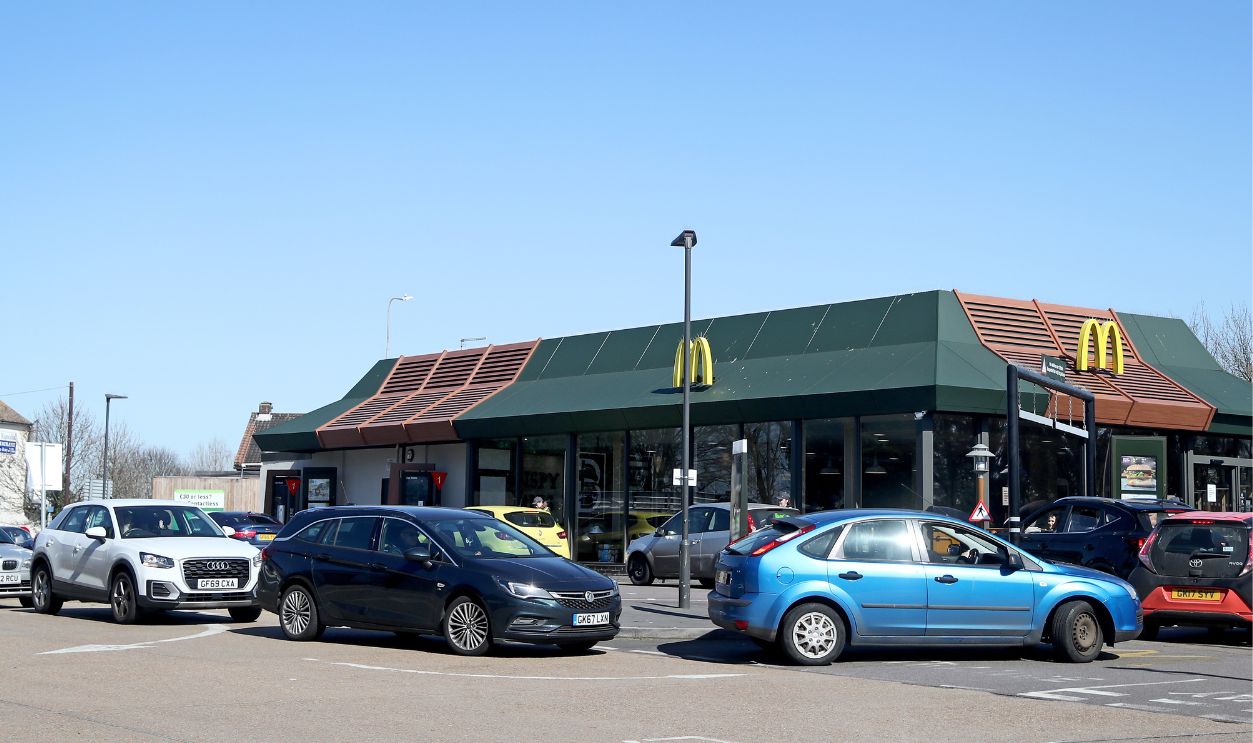 Gareth Fuller - PA Images, Getty Images
The Pandemic Gave Drive-Thrus New Importance
When the COVID-19 pandemic disrupted restaurant operations in 2020, drive-thru service became especially valuable. With dining rooms closed or restricted in many locations, restaurants relied heavily on food purchased for consumption elsewhere. Research from the National Restaurant Association documented the industry's rapid shift toward takeout, curbside pickup, delivery, and drive-thru service as businesses adapted to changing conditions.
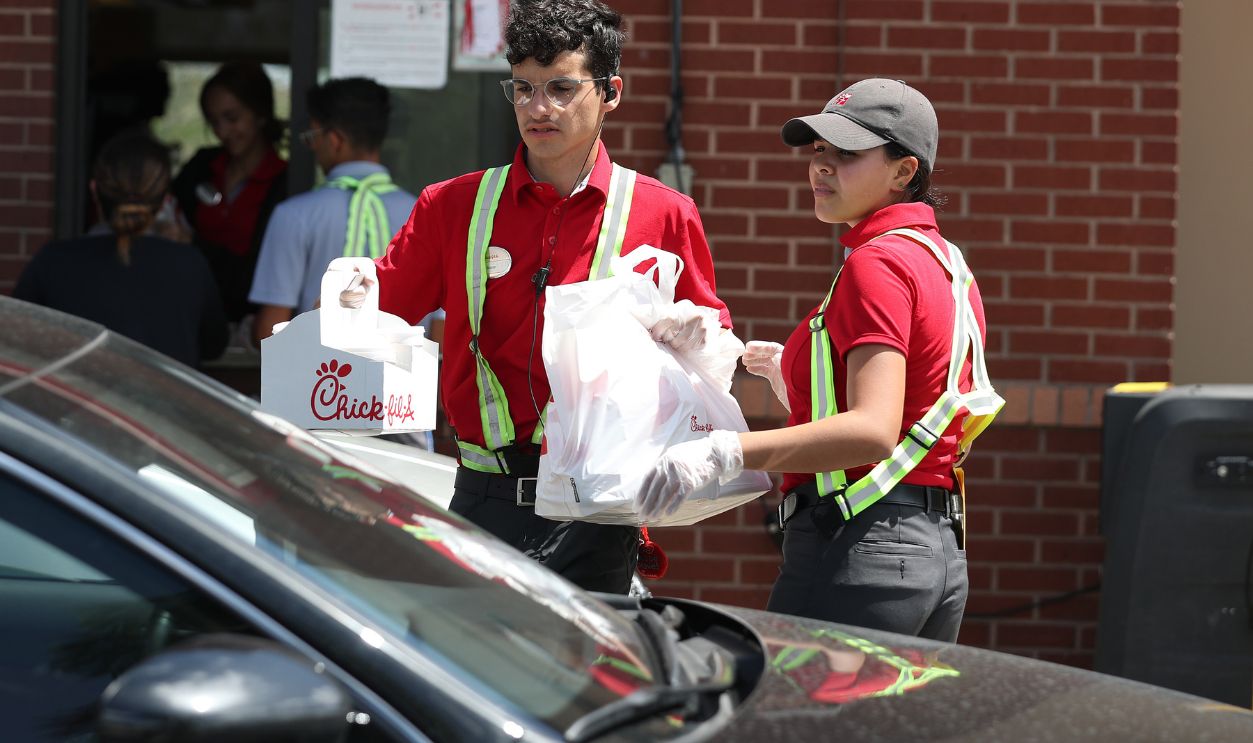
Restaurants Started Bringing The Order Taker Outside
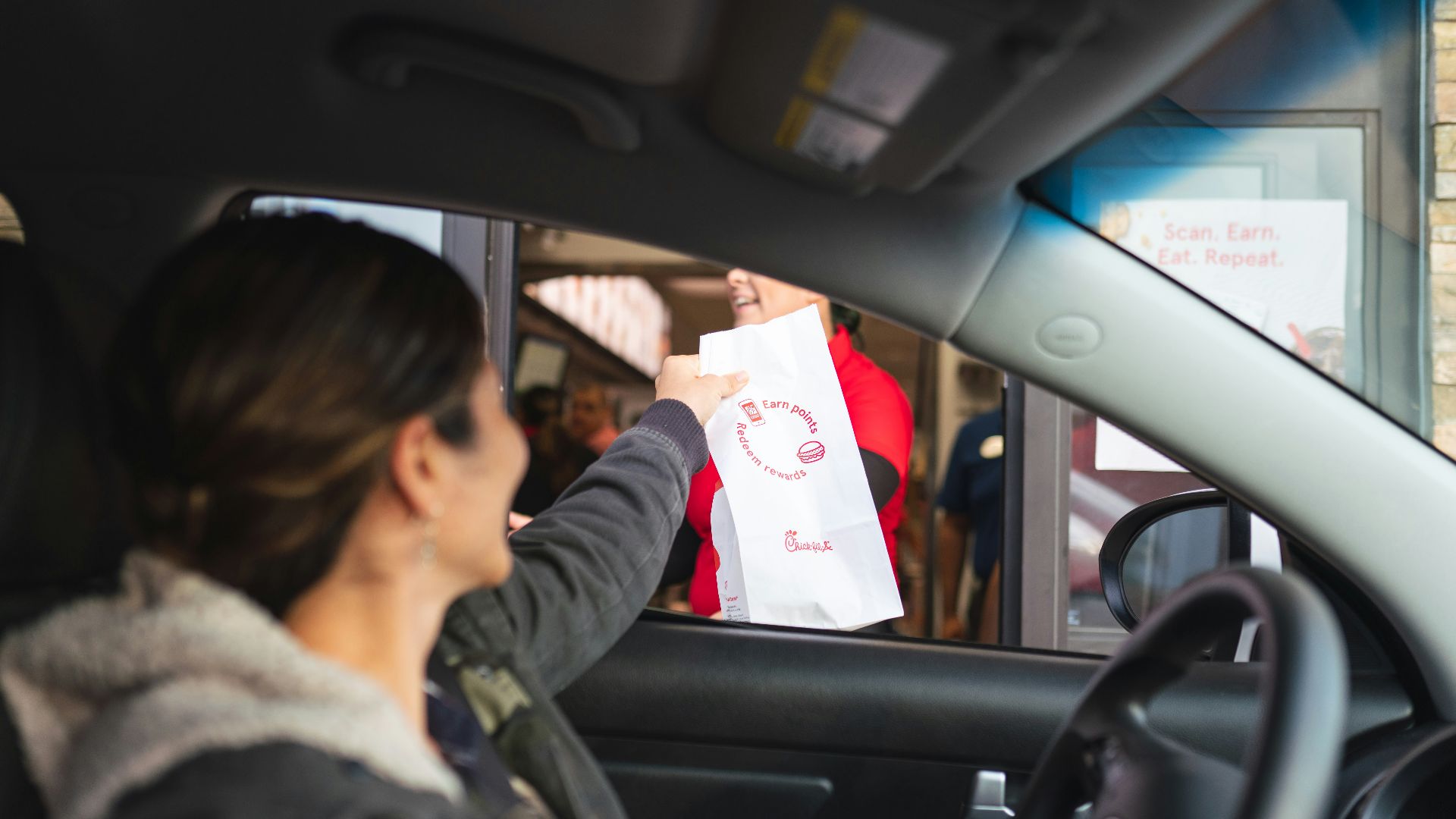
Modern drive-thru operations have increasingly moved beyond the traditional speaker box. Chick-fil-A developed systems allowing employees to walk along vehicle queues carrying tablets and taking orders directly from customers. The company also introduced methods for delivering meals to multiple waiting cars rather than requiring every vehicle to collect food at a single window.
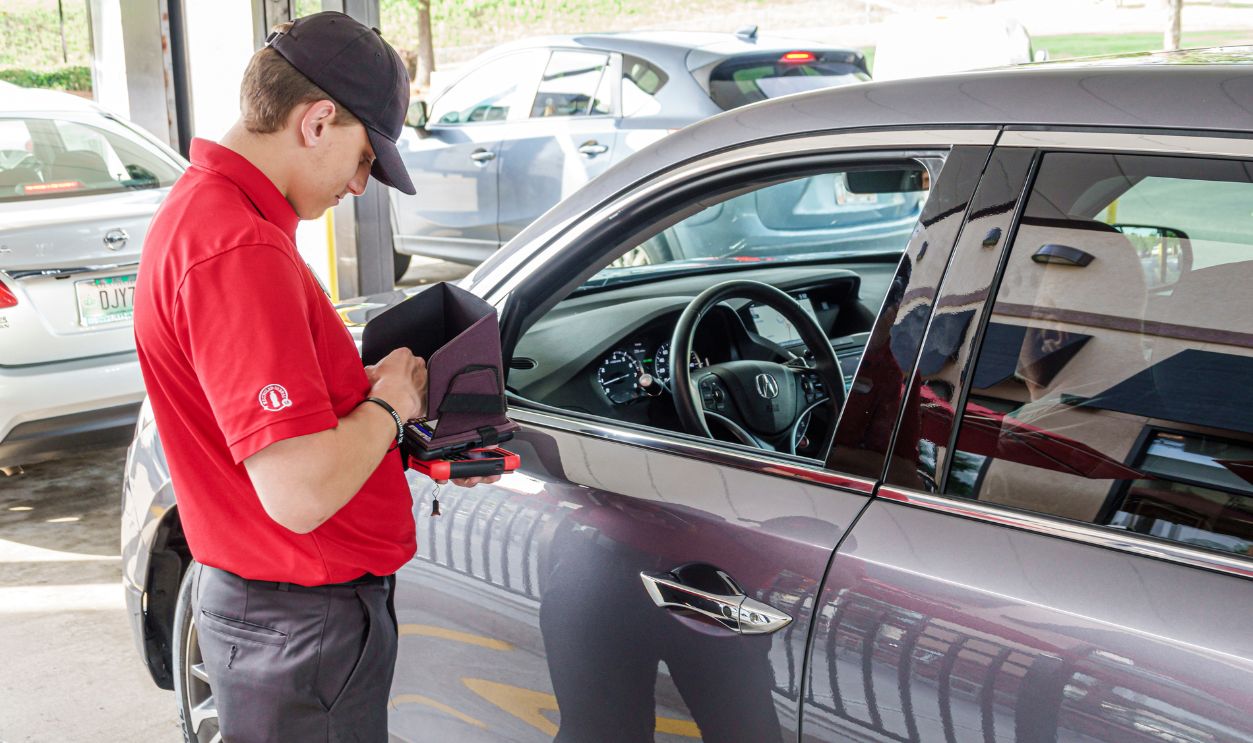
Mobile Apps Changed The Ordering Process Again
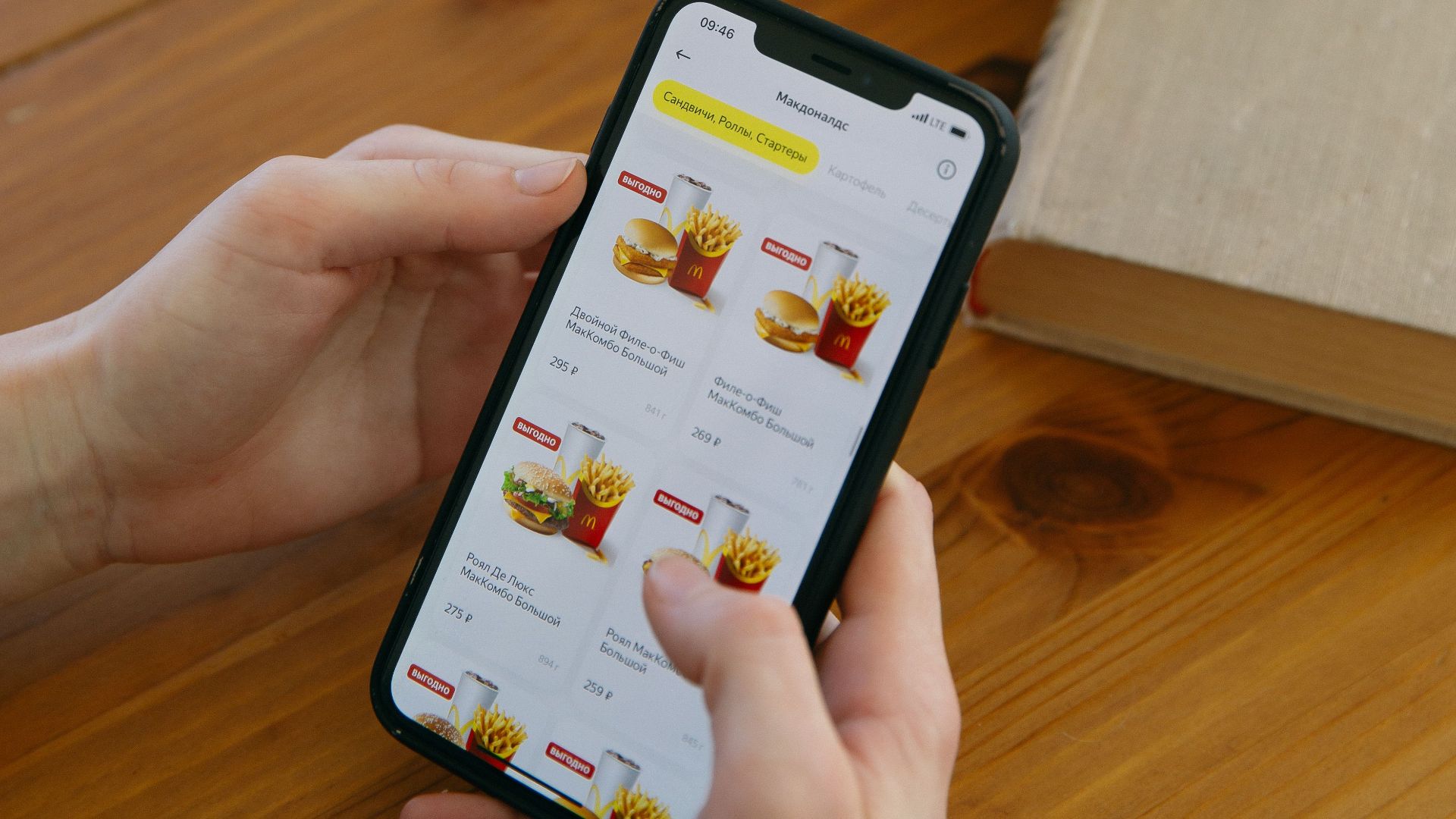
Digital ordering introduced another major shift by allowing customers to select and purchase meals before arriving at a restaurant. Some chains developed dedicated pickup lanes for customers who had already placed orders through mobile applications. Chick-fil-A has experimented with drive-thru designs that incorporate these features, reflecting a broader effort to combine automobile convenience with digital technology.
Artificial Intelligence Entered The Drive-Thru
Restaurants have also experimented with artificial intelligence systems capable of taking spoken orders. McDonald's tested automated ordering technology developed with IBM at more than 100 locations before ending that particular trial in 2024. Other restaurant operators continued exploring the technology, hoping that automated systems could improve efficiency while maintaining order accuracy.
The Drive-Thru Is Still Changing How Americans Eat
According to the National Restaurant Association's 2025 Off-Premises Restaurant Trends report, 42 percent of American adults said they used a drive-thru at least once a week. The same research found that nearly three-quarters of restaurant traffic occurred off-premises, including takeout, delivery, and drive-thru orders. Although the drive-thru represents only part of that larger market, its popularity demonstrates how thoroughly convenience has become embedded in American eating habits.
America's Most Unusual Dining Room Is Here To Stay
From the carhops of 1920s Texas to today's app-connected ordering lanes, automobile dining has undergone an extraordinary transformation. The drive-thru changed how restaurants were built, how employees served customers, and how Americans incorporated meals into their daily travels. More than a century after the earliest drive-ins appeared, the relationship between cars and restaurants remains one of the defining features of American food culture.
 G. Edward Johnson, Wikimedia Commons
You May Also Like:
Robot Restaurants: The Fast-Food Wave Of The Future?
1980s McDonalds Menu Items They Need to Bring Back
The Best Seafood Restaurant in Every State
Sources: 1, 2, 3, 4, 5, 6, 7, 8, 9, 10, 11, 12, 13, 14, 15, 16, 17, 18