Your Car’s Cry for Help
We get it — cars make all kinds of weird sounds, and most of the time you probably turn up the radio and hope it goes away. But some noises are your car’s way of crying out for help.
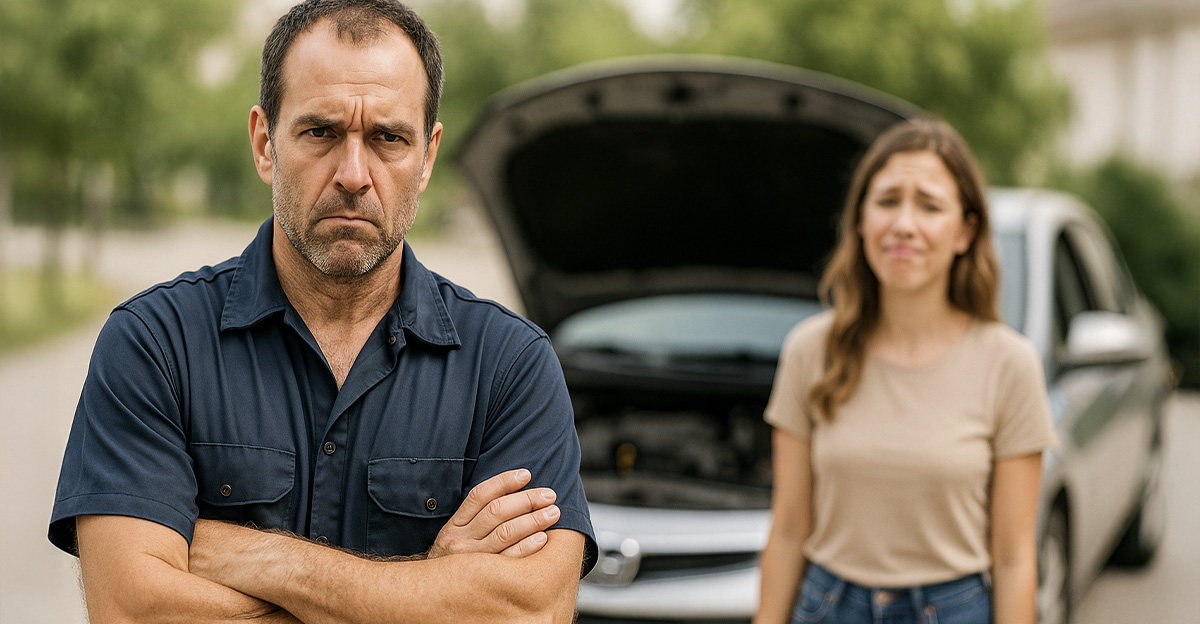
1. Screeching When You Brake
If your brakes sound like metal-on-metal, your brake pads are probably worn out. Ignore it, and you could damage your rotors — which costs way more to fix.
2. Squealing at Startup
If you hear a loud squeal when you start your car, it might be a loose or worn serpentine belt. This belt powers stuff like your alternator and AC, so don’t ignore it.
3. Knocking From the Engine
A knocking noise from under the hood can mean serious engine problems, like worn bearings. It usually means something’s not getting enough lubrication.
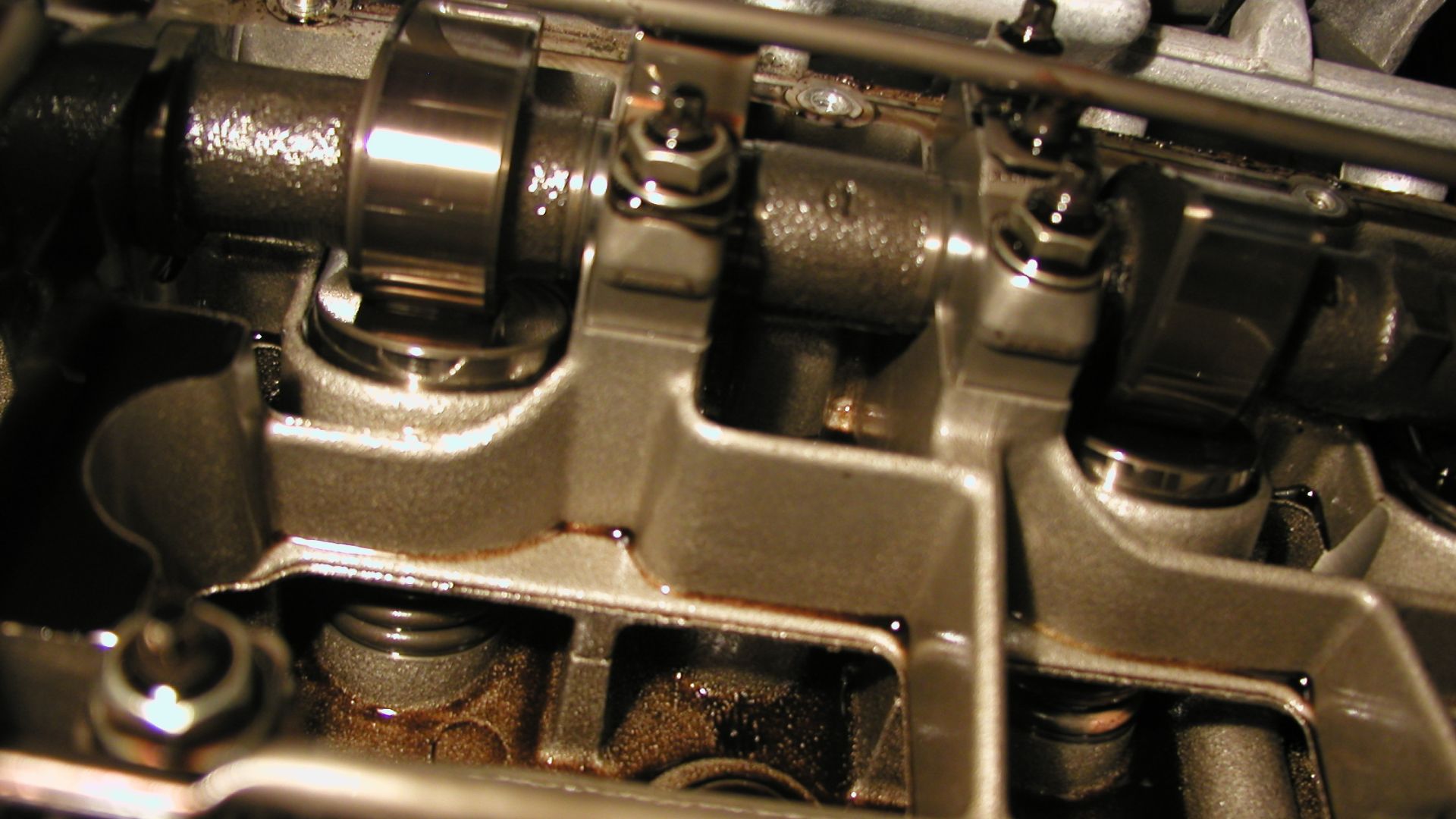 Dolda2000 at English Wikipedia, Wikimedia Commons
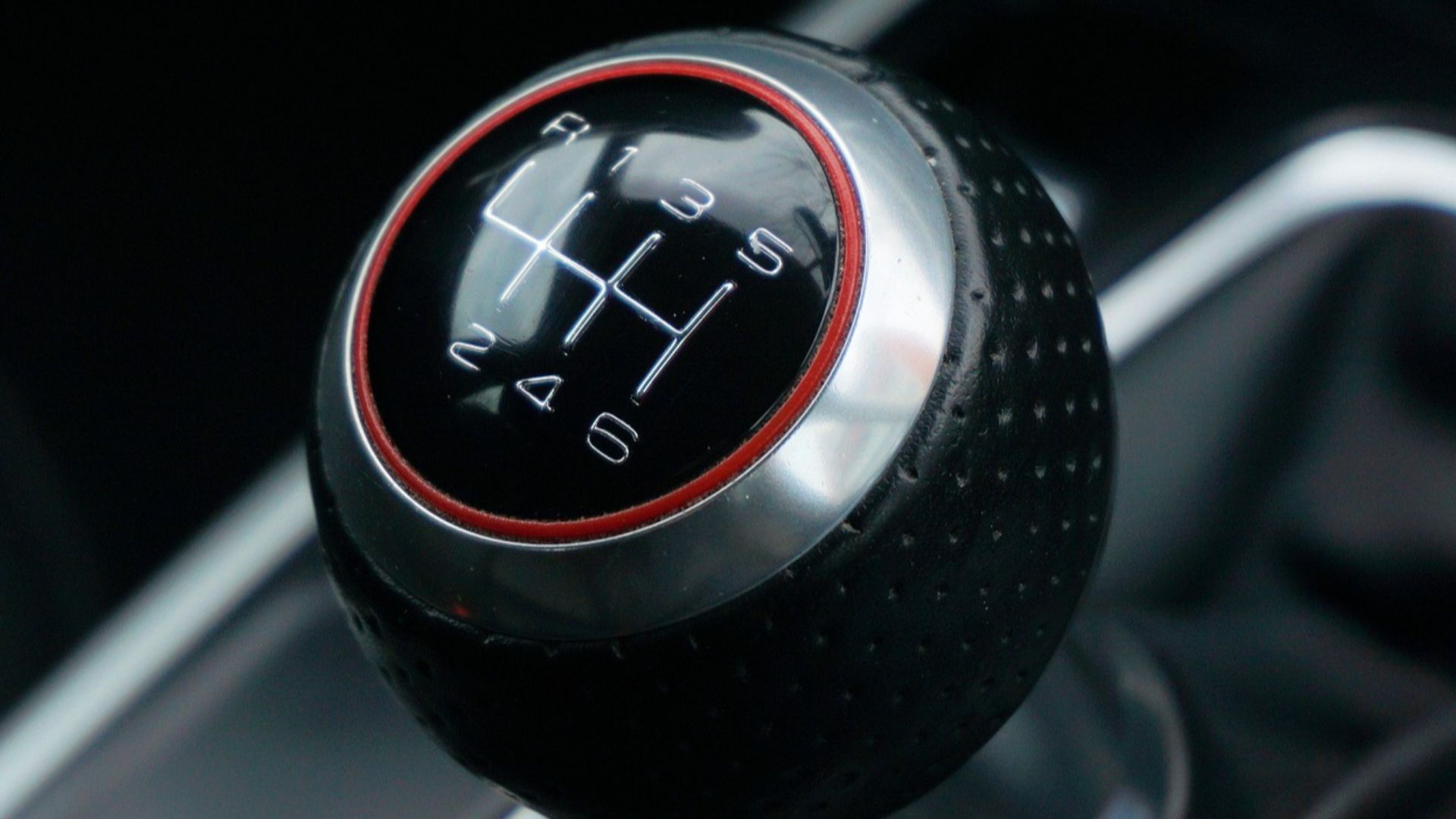
4. Grinding While Shifting
Manual car drivers — if it grinds when you change gears, your clutch could be going out. It could also be transmission trouble. Either way, get it checked.
5. Hissing Under the Hood
A hissing sound could mean a vacuum leak or something leaking onto hot engine parts. It could also mean you’re losing coolant or oil. That’s never good.

6. Clicking While Turning
Hearing a clicking or popping when turning your steering wheel could point to a bad CV joint. That’s a key part of your front axle. Get it fixed before it fails completely.

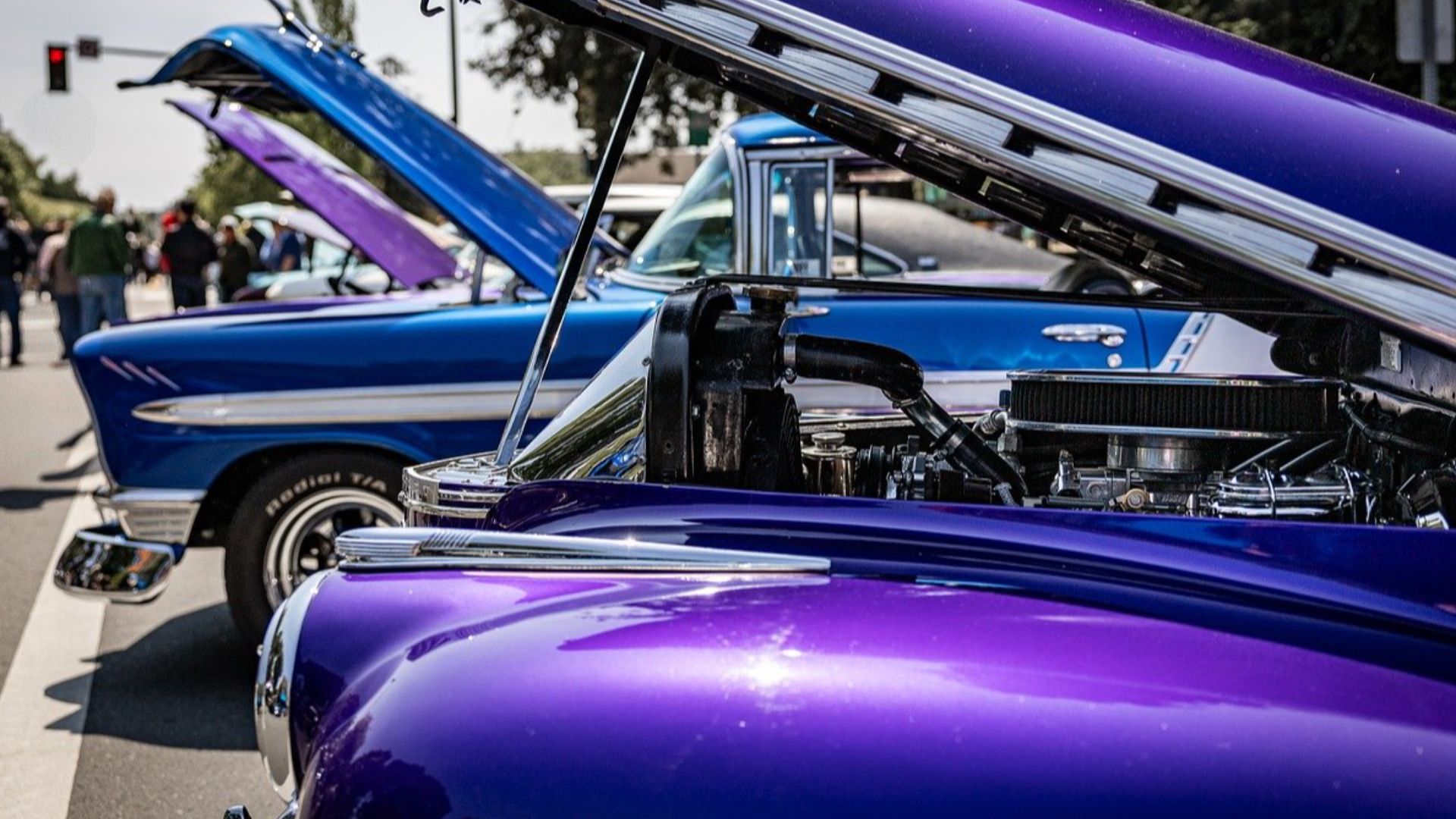
7. Whining From the Hood
If your car whines when you’re driving, especially while turning, you could be low on power steering fluid or have a failing power steering pump.
8. Rattling From Underneath
A rattling sound from under the car might mean a loose heat shield, exhaust problem, or even a broken catalytic converter. It’s worth a mechanic’s opinion.
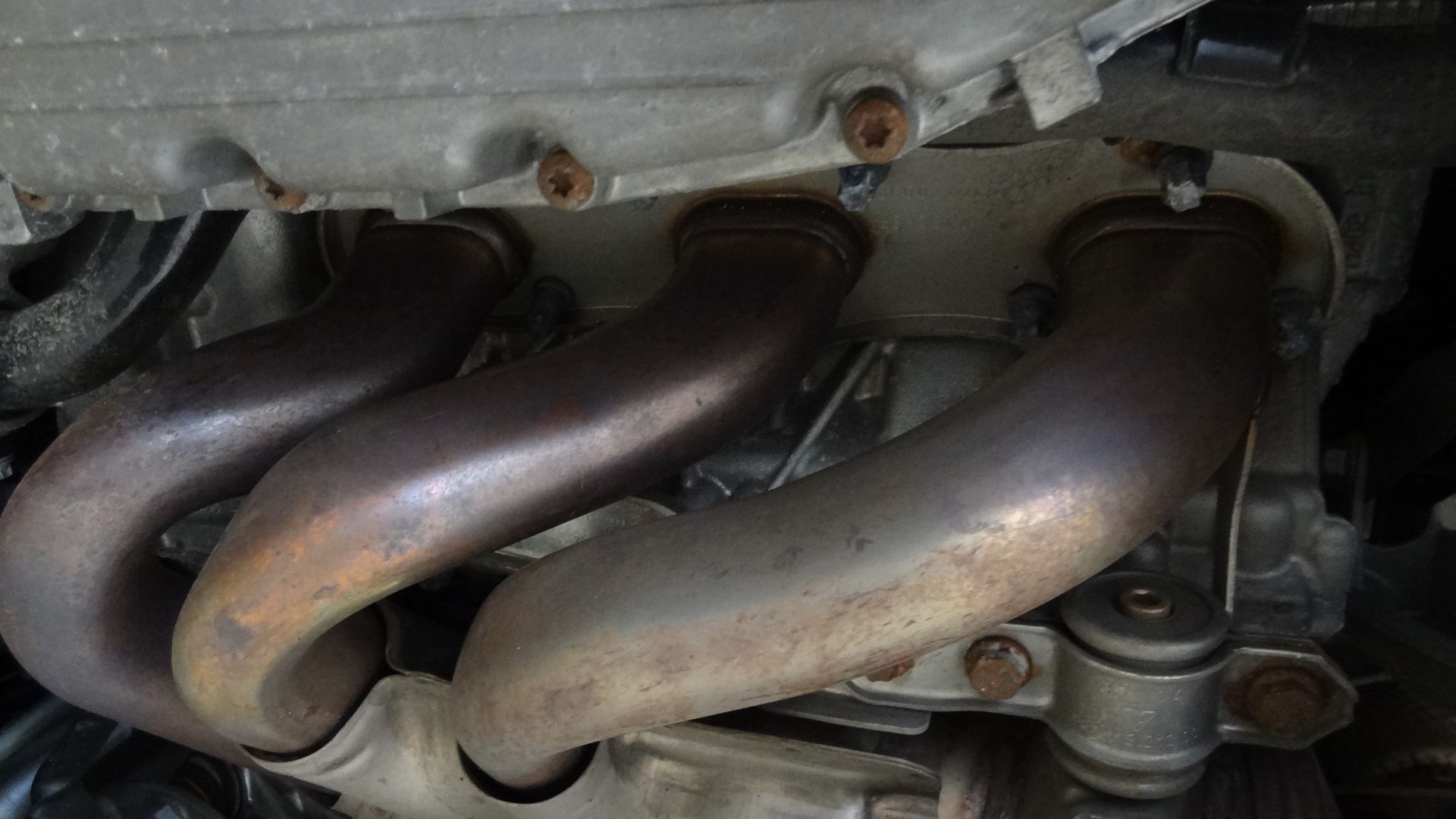 Iain Cameron from Ellon, Scotland, Wikimedia Commons
9. Roaring That Gets Louder With Speed
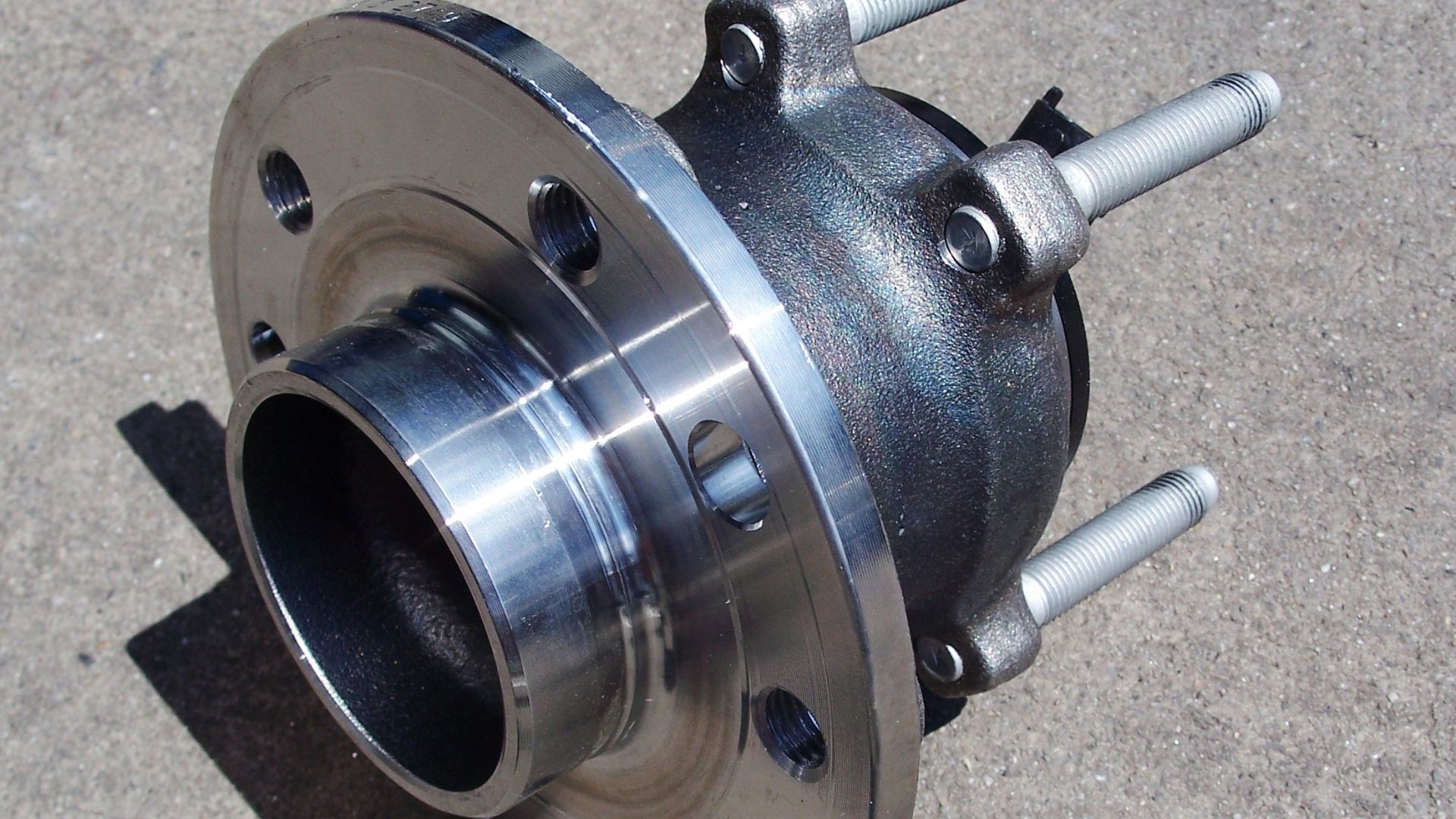
If your car sounds like it’s getting louder as you go faster, it might be a worn wheel bearing or tire issue. Either way, it’s a safety problem.

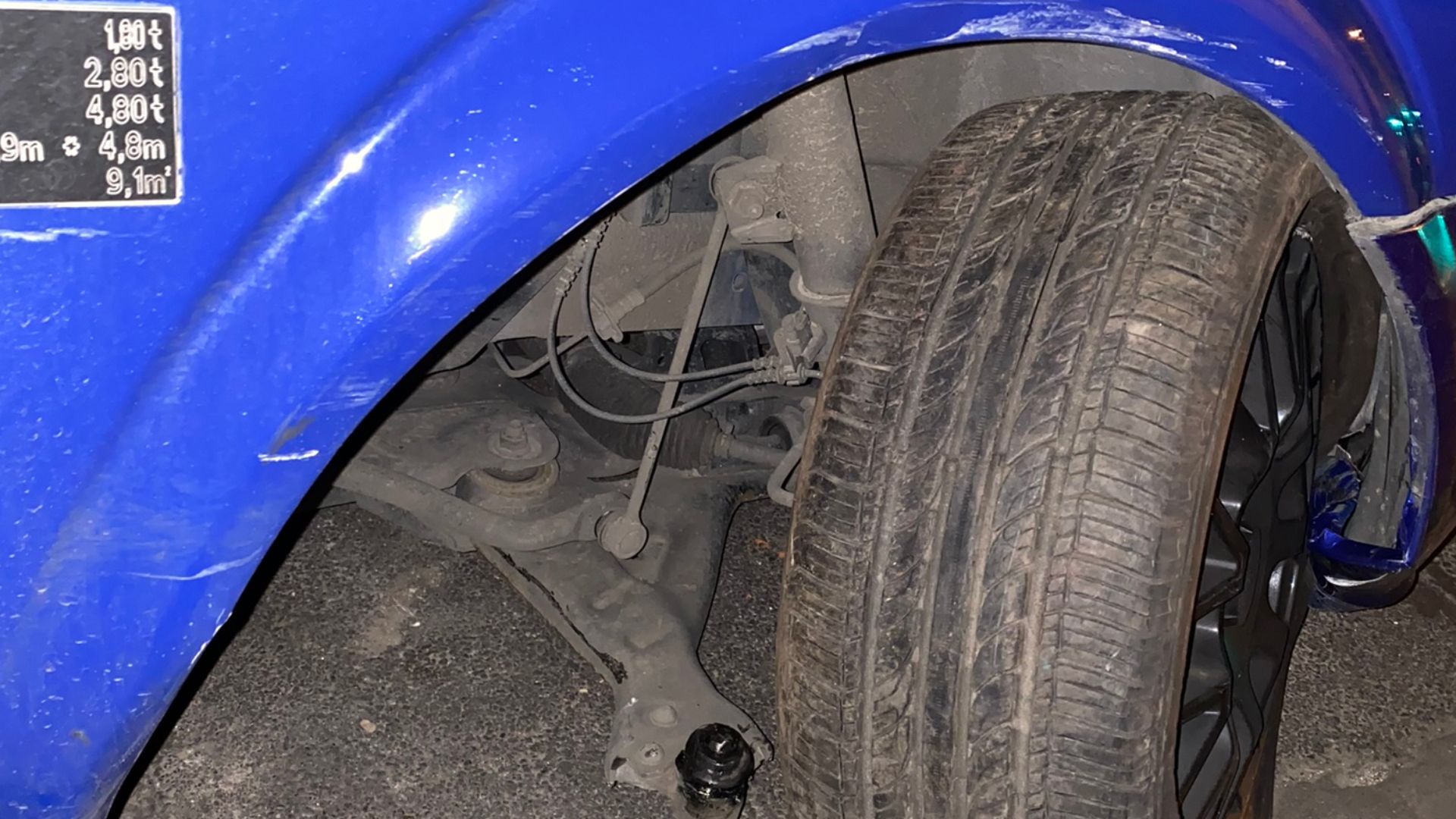
10. Thudding or Clunking
Clunks when going over bumps could mean worn suspension parts like struts or ball joints. Don’t let your suspension give out completely.
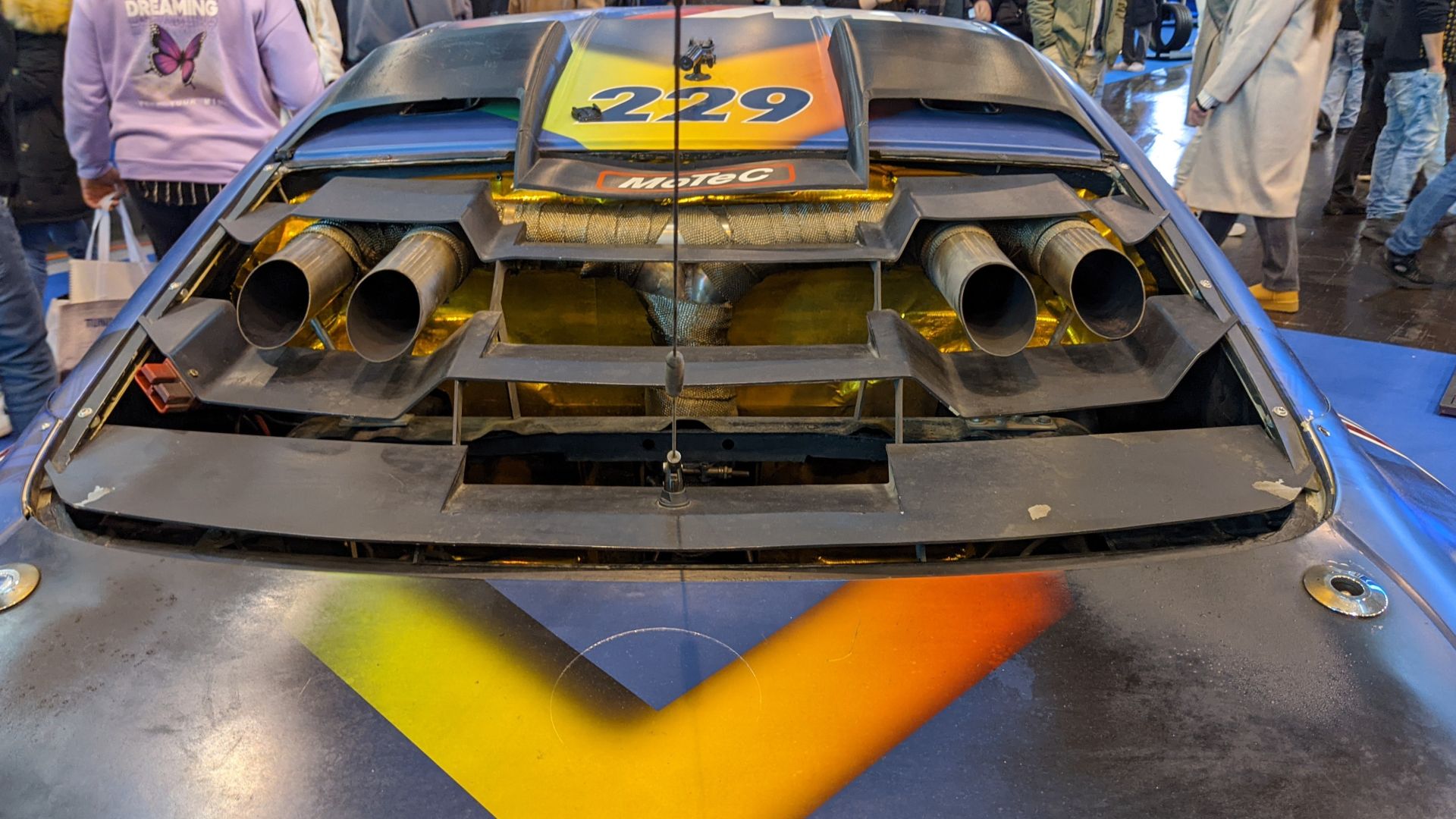
11. Popping From the Exhaust
Popping noises from your tailpipe could mean your engine isn’t burning fuel properly. It might be a spark plug or fuel injector issue.
 Thomas Vogt from Paderborn, Deutschland, Wikimedia Commons
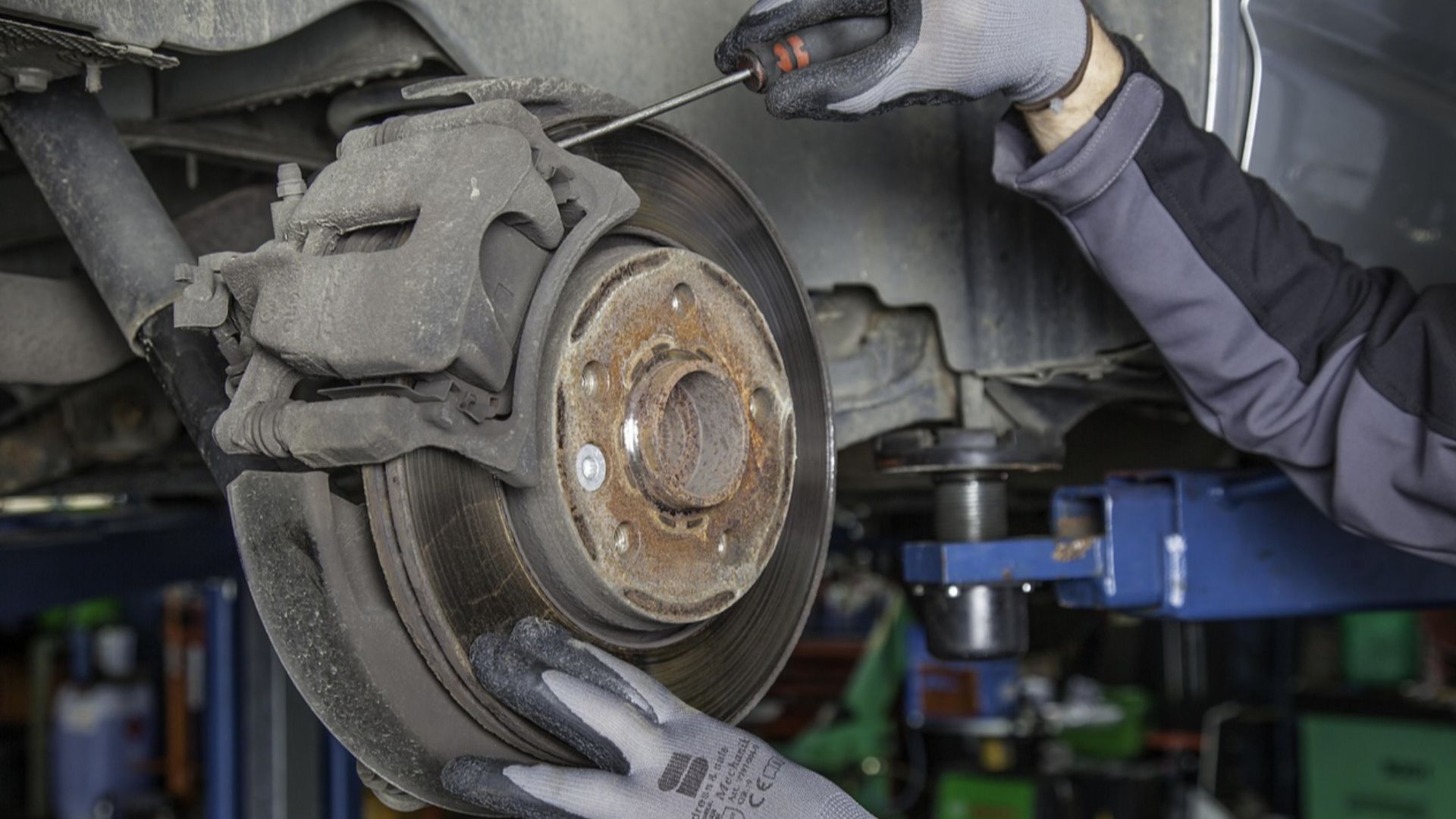
12. Squeaking While Driving
Constant squeaking as you drive — even without braking — might be worn-out brake pads that have hit the warning tab. It’s your cue to replace them.
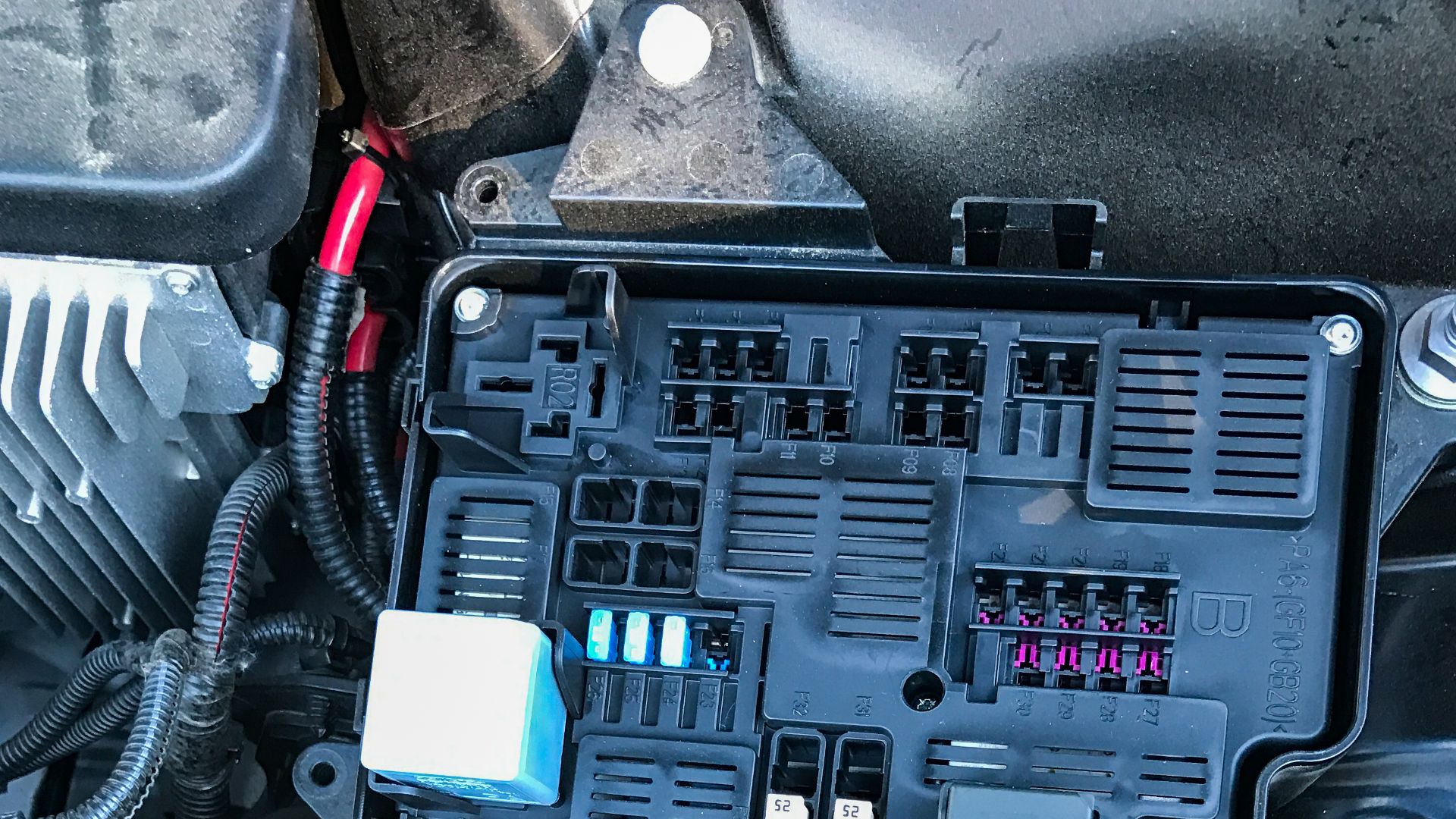
13. Buzzing From the Dashboard
Buzzing behind your dash might just be a loose panel… or it could be an electrical short. If it’s near your fuse box, get it checked soon.
 Tony Webster, Wikimedia Commons
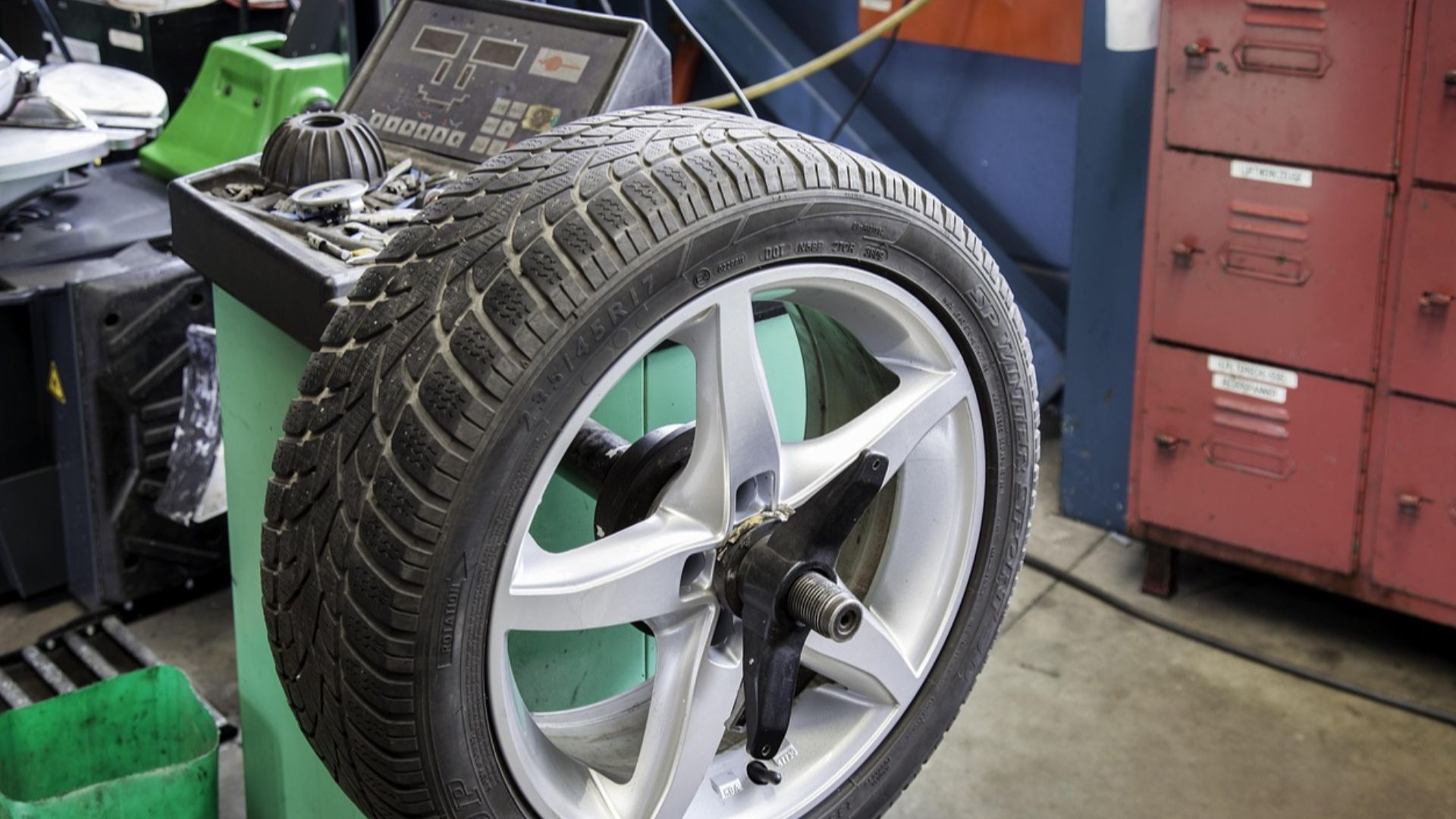
14. Slapping From the Wheels
A flapping or slapping sound could mean your tire is damaged or your tread is separating. This could lead to a blowout — super dangerous.
15. Gurgling After Shutdown
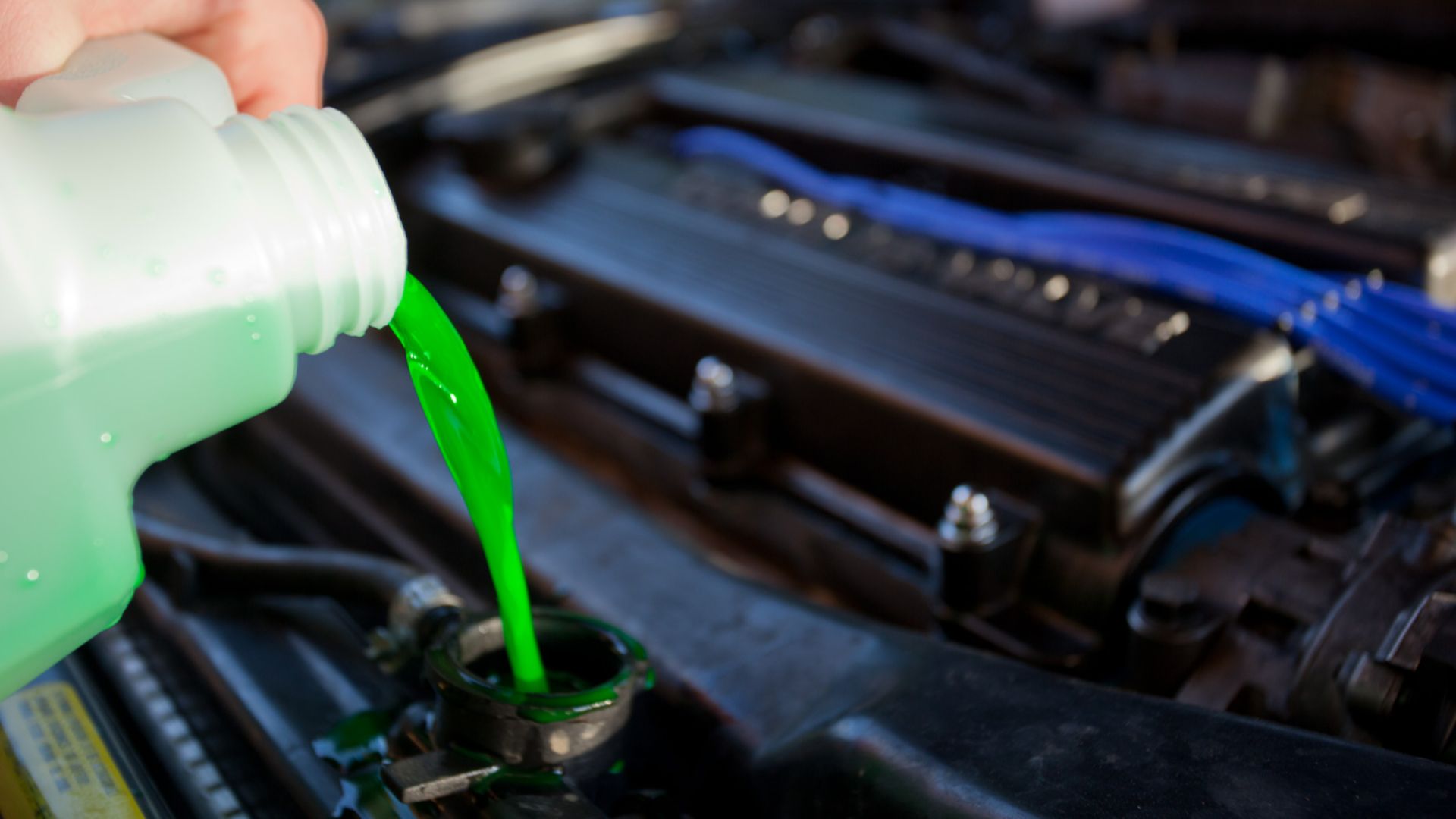
If you hear a bubbling or gurgling sound after turning off your engine, your coolant might be boiling. That’s a sign of overheating or a coolant system issue.
16. Chirping While Accelerating
If your car chirps while you hit the gas, it could be a drive belt slipping. Those belts are important for running your alternator and AC.

17. Whistling From the Engine
A high-pitched whistle might mean a vacuum leak in your intake system. This affects engine performance and fuel efficiency.
18. Ticking From the Engine
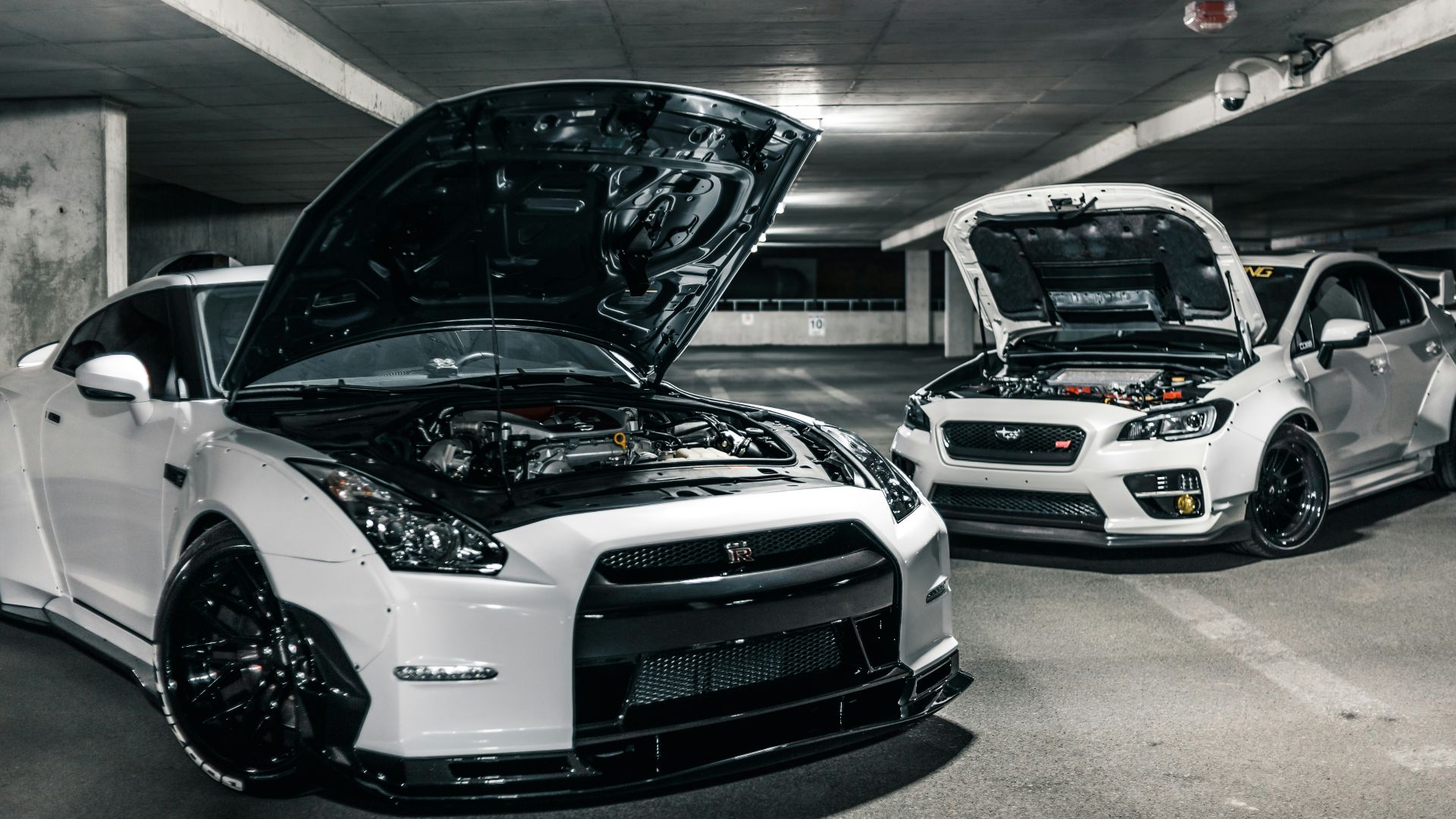
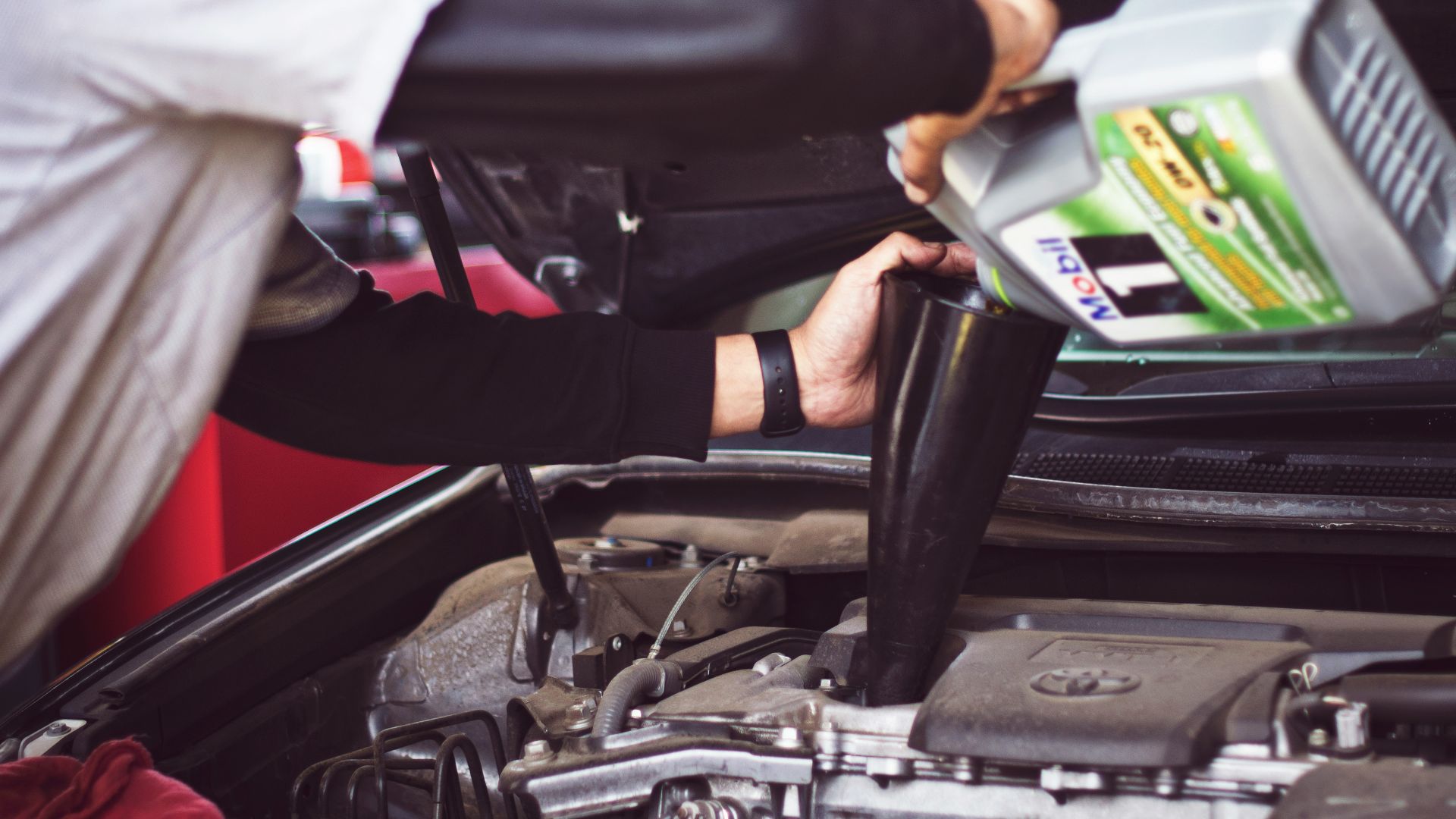
Ticking sounds from the top of the engine might be low oil or valve lifter issues. Check your oil level first, but don’t delay a visit to the shop.
19. Moaning When You Turn
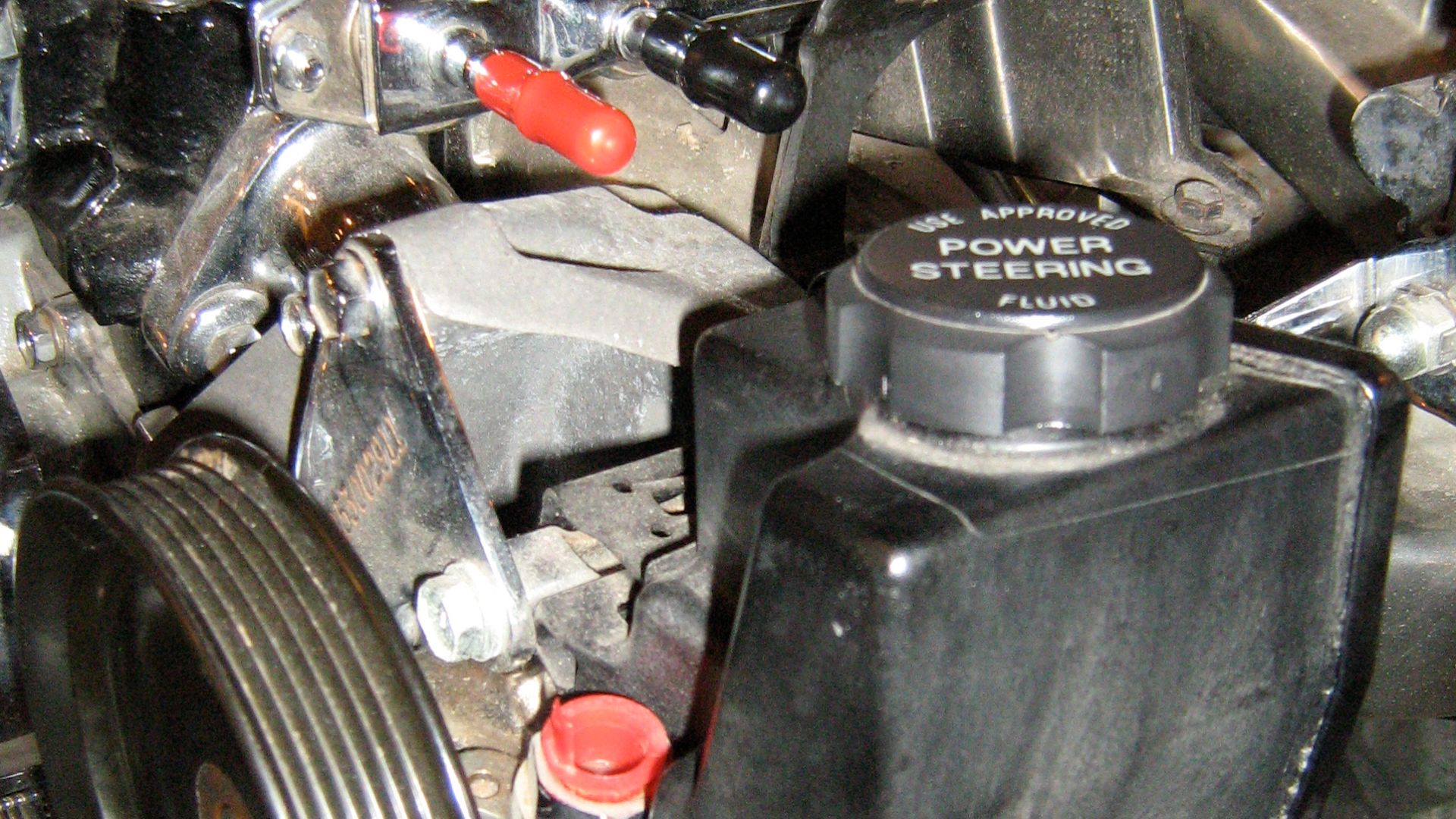
A moaning or groaning noise when turning the steering wheel usually means a power steering problem. Check your fluid or listen for pump issues.
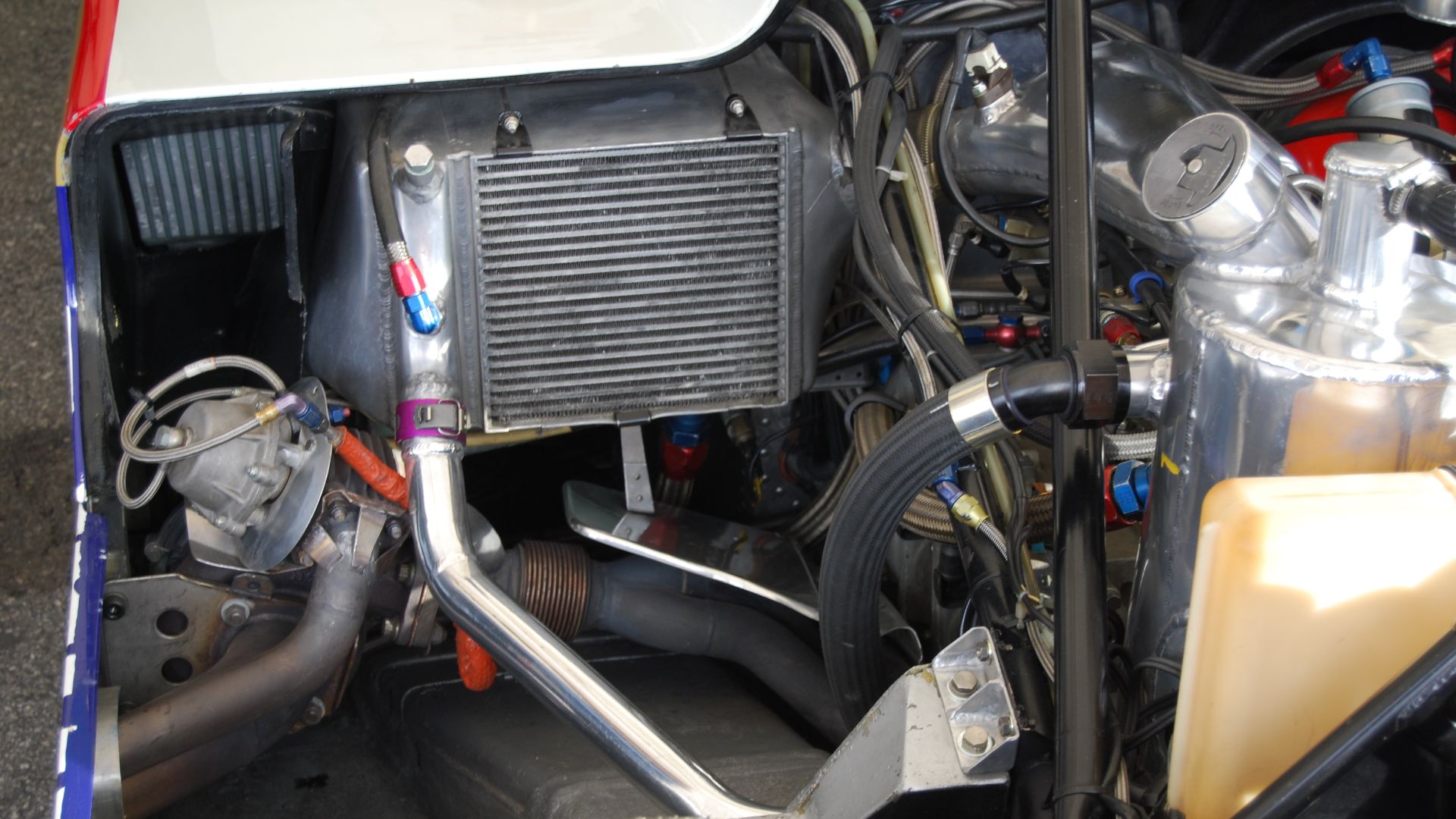
20. Banging From Underneath
A loud bang or thud could be a loose exhaust part or broken suspension. If it keeps happening, get your car on a lift and inspected.
 Bill Abbott, Wikimedia Commons
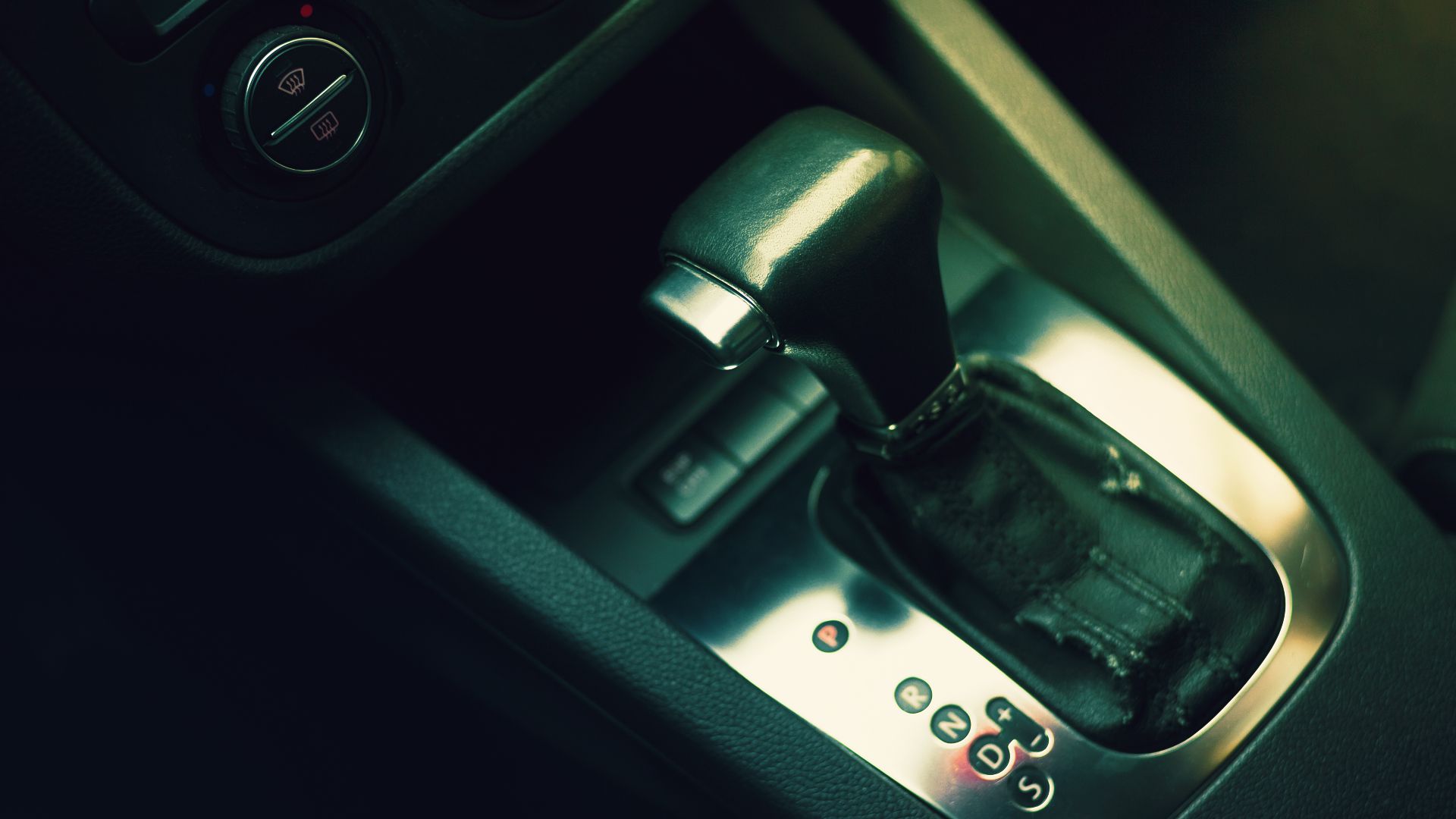
21. Screaming From the Transmission
A high-pitched screaming noise could be low transmission fluid or internal gearbox issues. Don’t wait on this one — it gets expensive fast.
 Dejan Krsmanovic, Wikimedia Commons
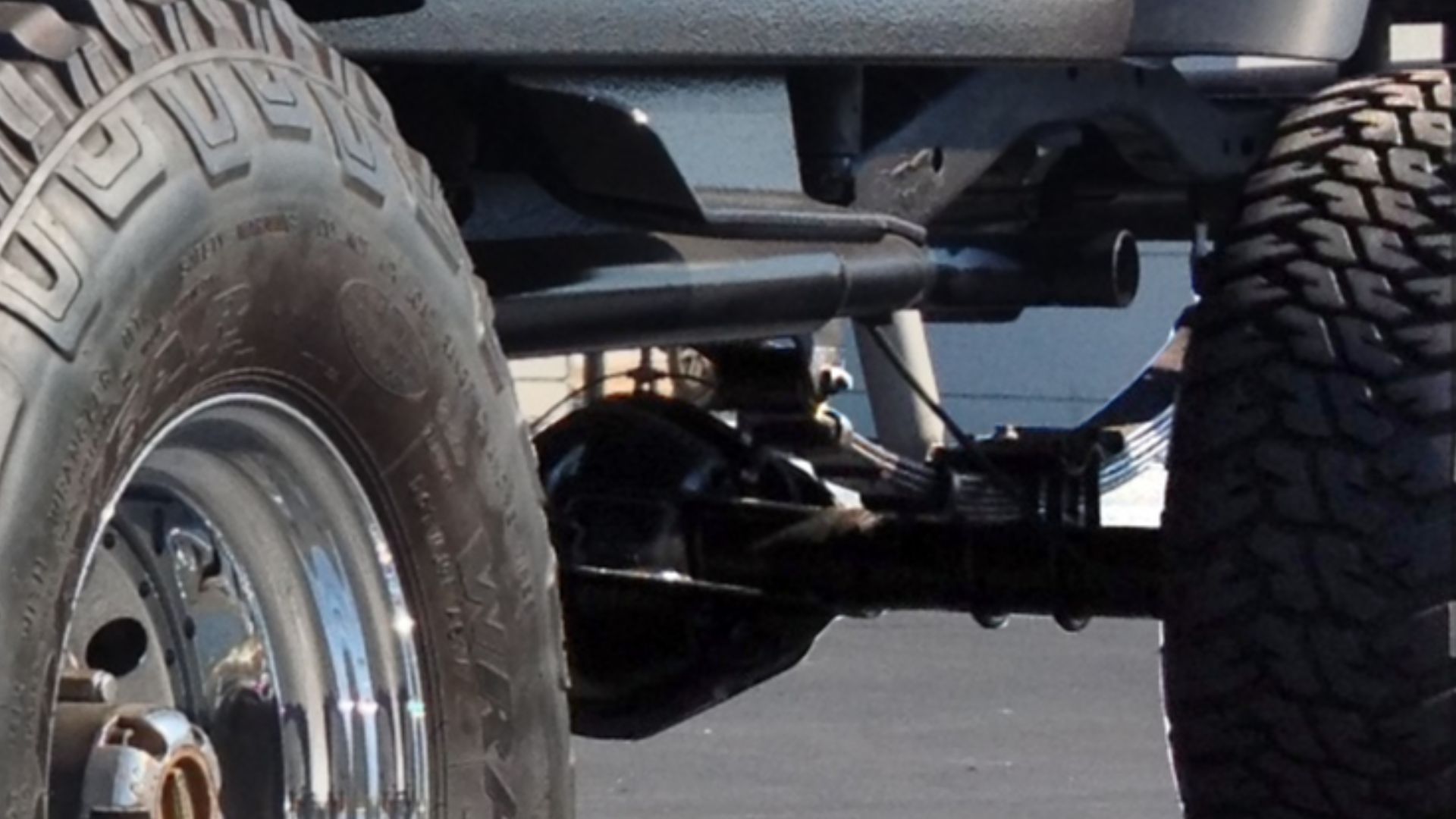
22. Whirring From the Rear
Whirring from the back of your car might be the differential or a bad wheel bearing. Either way, it needs attention before things lock up.
 User:wallerdog, Wikimedia Commons
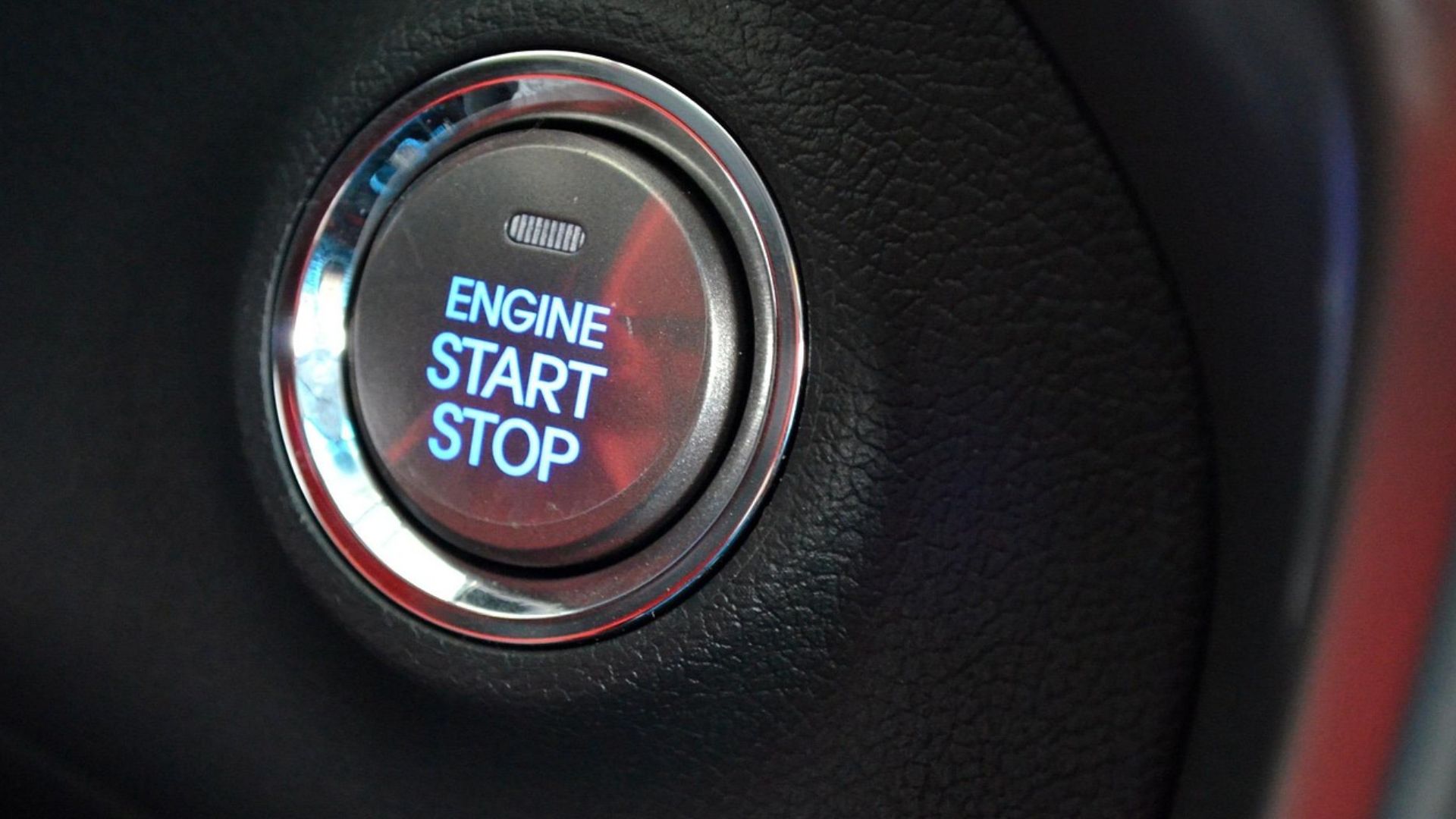
23. Silence When You Turn the Key
Okay, not a noise — but silence when your car should start could mean a dead battery, failed starter, or electrical fault. It’s your car’s cry for help.
 Mobiletireservicegta, Wikimedia Commons
You May Also Like:
The Ultimate Guide to Tire Maintenance
DIY Car Maintenance That Anyone Can Do
Steer Clear Of These Costly Car Maintenance Mistakes