A New Parking Squeeze Is Hitting Drivers
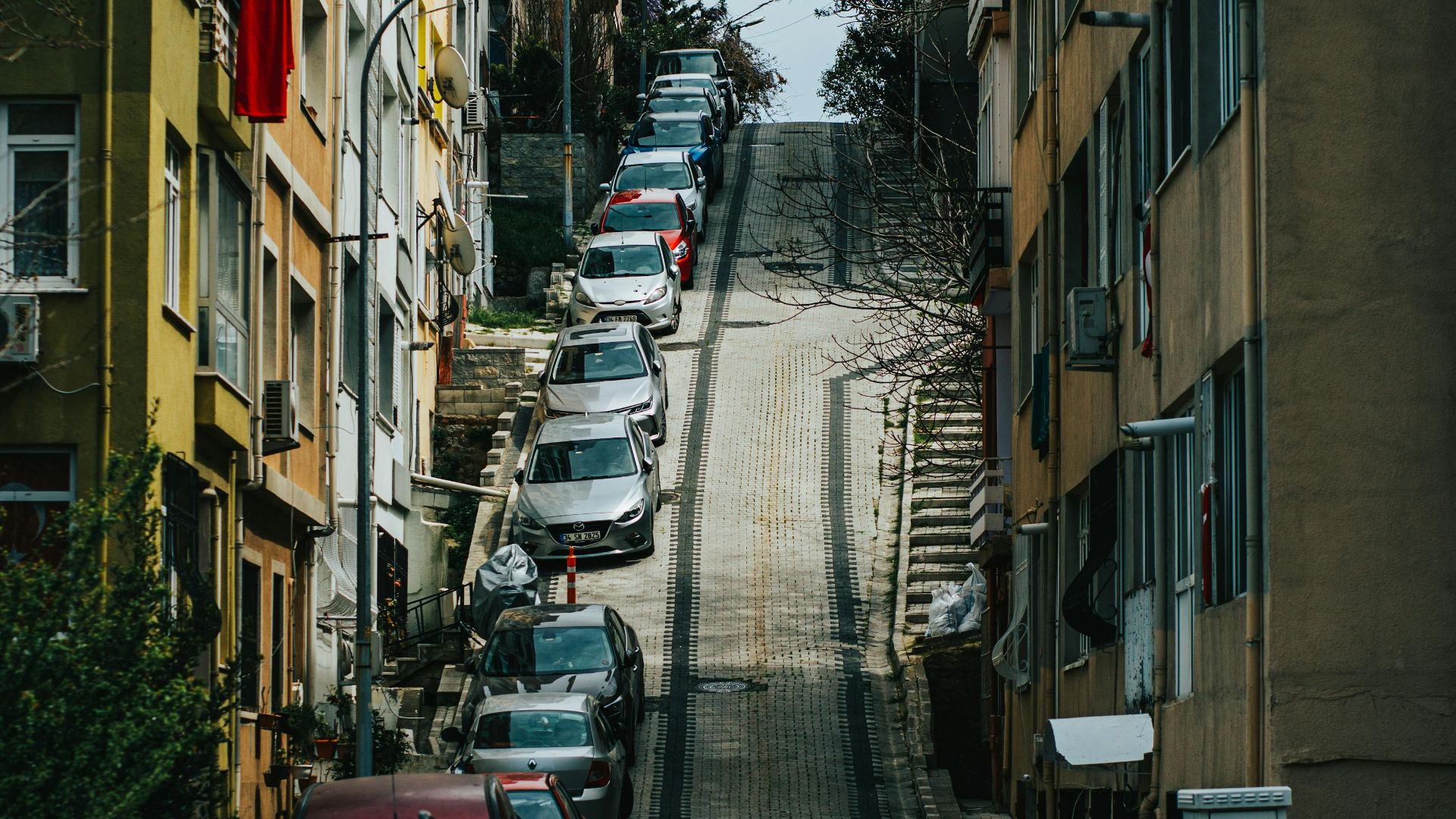
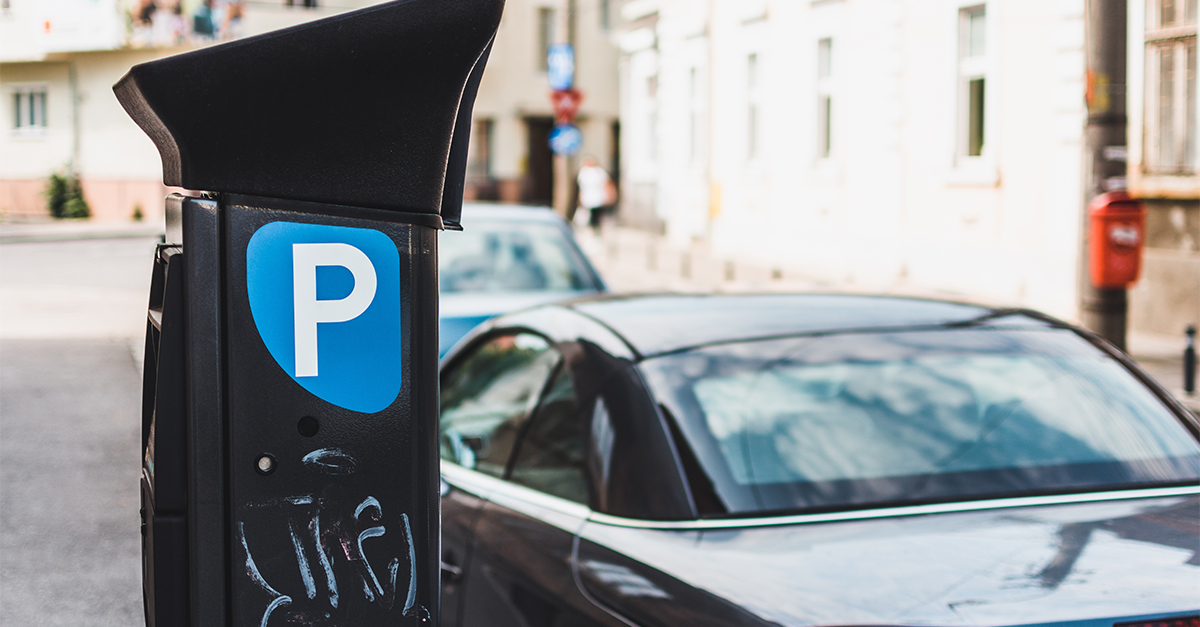
For a lot of drivers, curb space is not a perk; It's the only practical place to leave a car. However, modern cities are taking another look at these rules as they deal with drawbacks like snow removal, street sweeping, emergency access, denser housing, and neighborhood complaints.
Why This Debate Feels So Personal
An overnight parking ban hits differently than a higher registration fee or slower permit process. It changes everyday life right away because drivers need a legal place to park every night. That is why these proposals often spark strong reactions. Renters, apartment residents, shift workers, and households with more than one car usually feel it first.
Yes, Some Cities Already Ban It
Year-round overnight street parking bans are not just talk. Some U.S. cities already limit or ban overnight parking unless a permit is issued, while others ban it more broadly and make exceptions. The exact rules can change a lot from one city, neighborhood, or even block to the next. So whether cities are making car ownership impossible depends a lot more on local policy than on any one national trend.
Chicago Is One Of The Biggest Real-World Examples
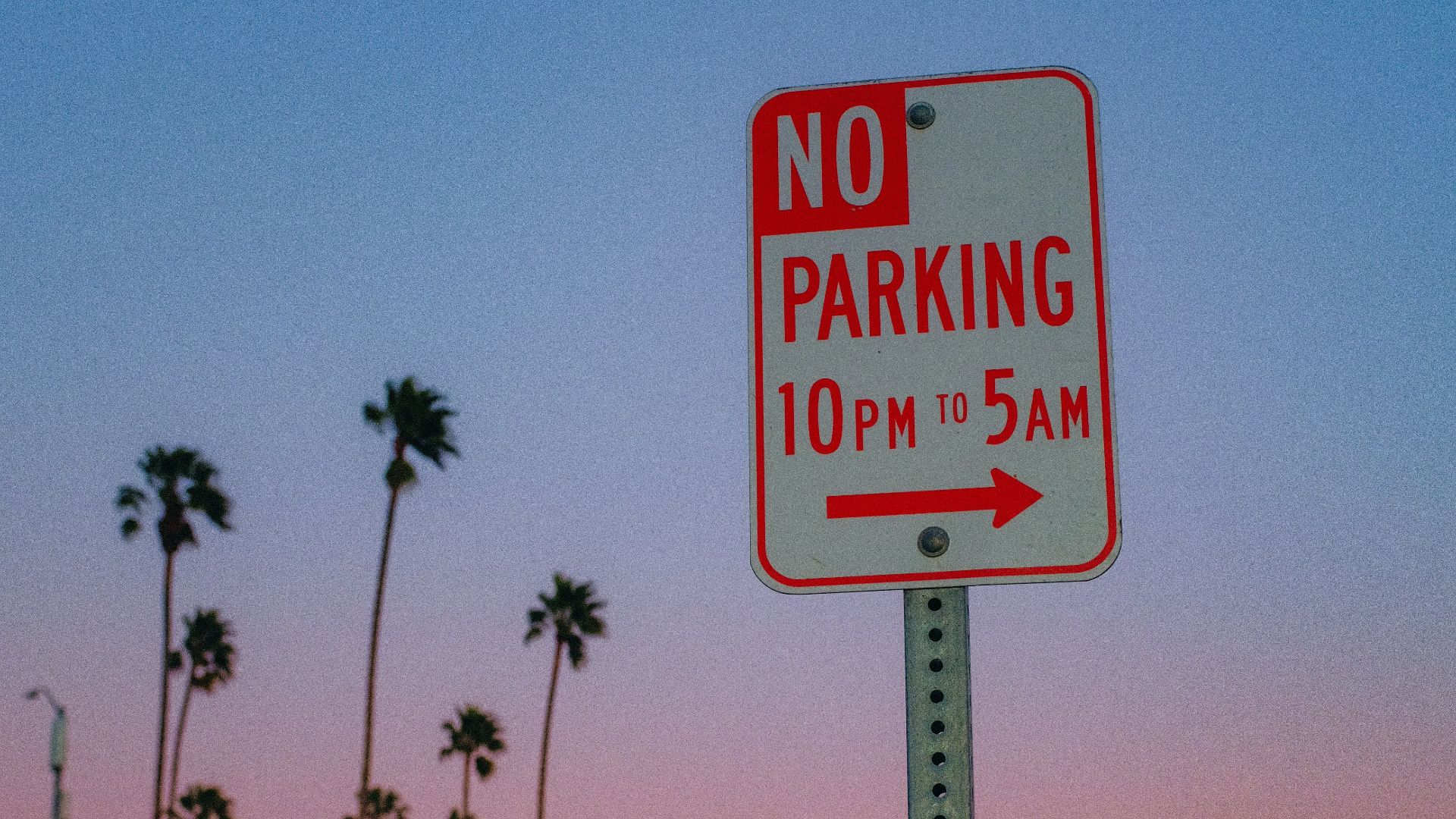
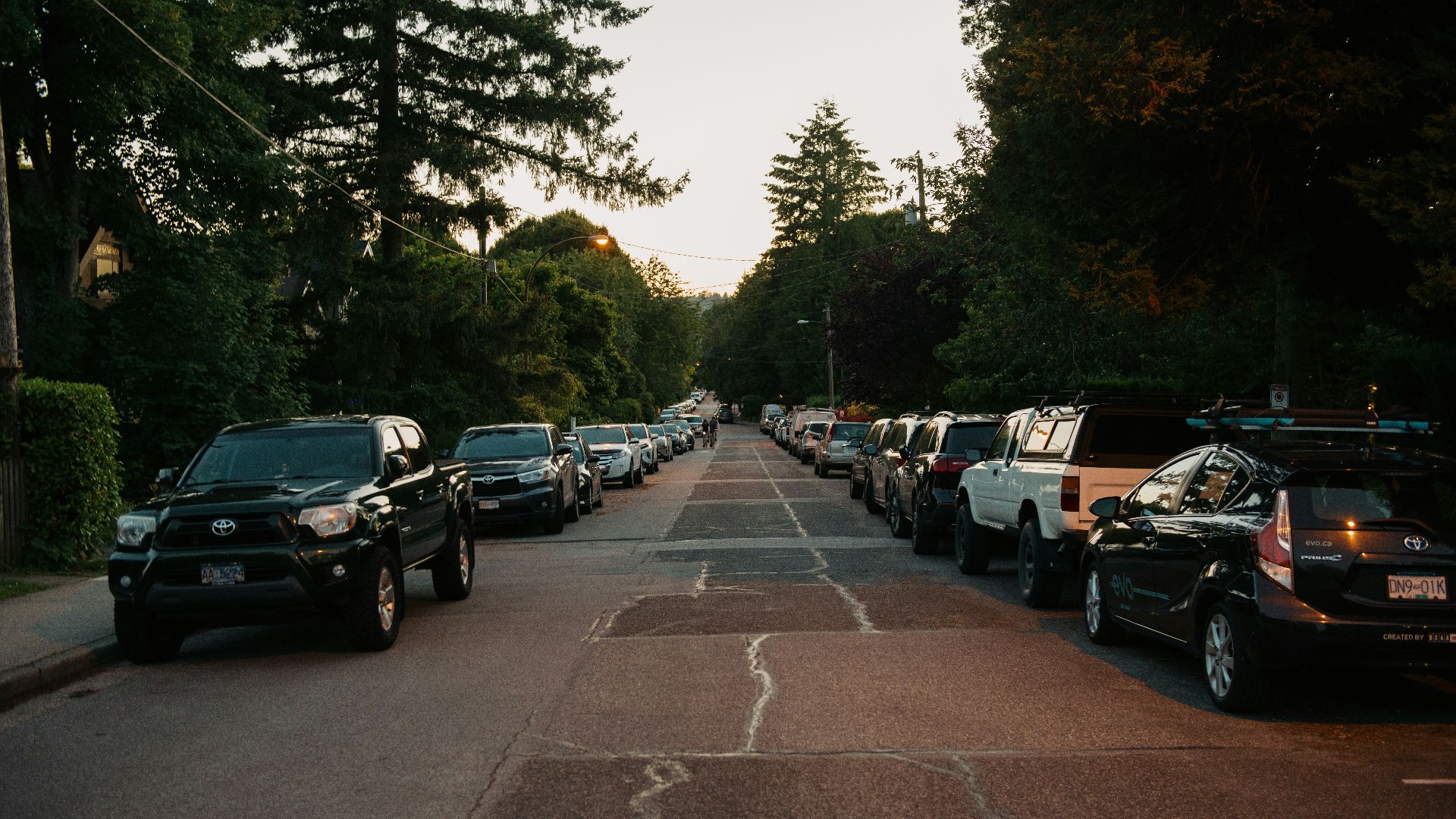
In Chicago, overnight parking restrictions have been part of city life for years on many residential streets. The city’s Residential Zone Parking program, along with separate overnight parking restrictions, shows how complicated curb rules can get when demand is high. Some streets require permits during certain hours, while some routes ban parking overnight for traffic flow and safety. For drivers, the message is simple: legal curb space is limited and tightly managed.
Winter Is Often The Original Reason
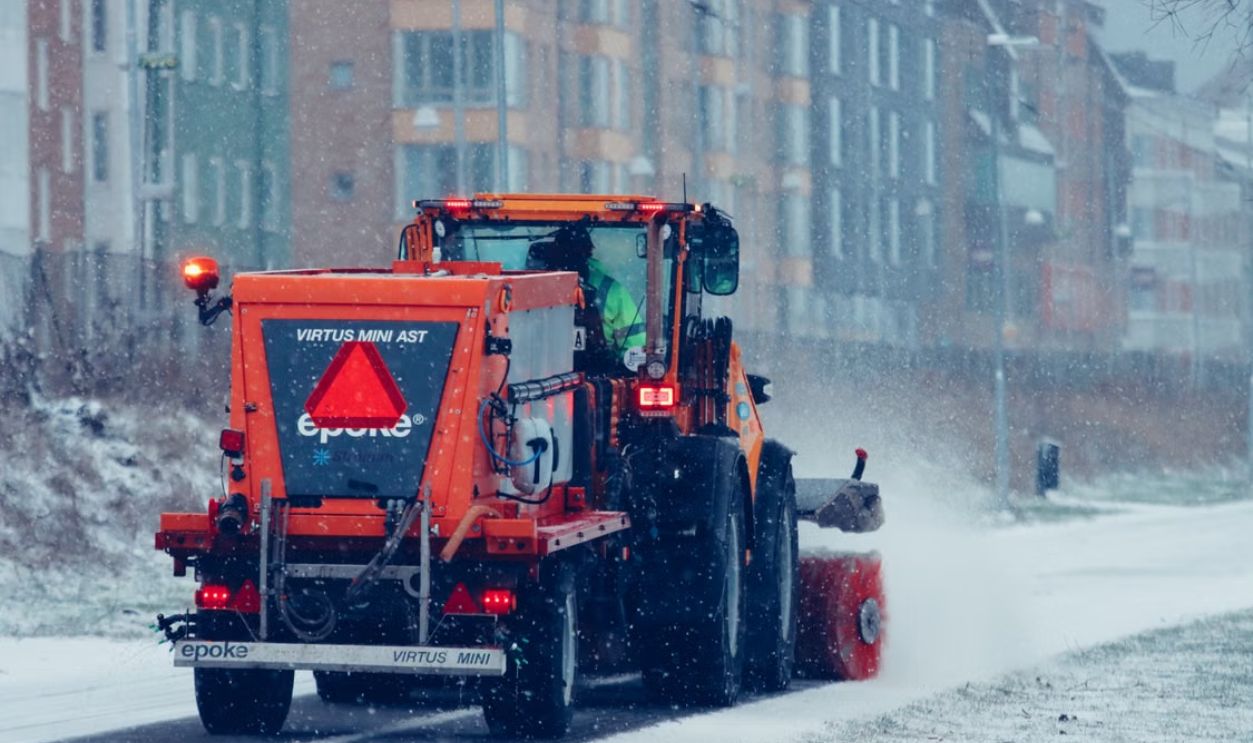
Many overnight parking bans started for practical reasons, not because cities wanted to push people out of cars. Snowplows need room to work. Street crews need access to clear ice, collect leaves, and maintain roads. In northern cities especially, overnight bans were often sold as a way to keep streets open for emergency vehicles and winter operations.
But Some Cities Keep Restrictions Beyond Snow Season
The real fight starts when a winter rule becomes a permanent one. Drivers usually accept seasonal limits more easily because the reason is obvious. A year-round ban feels much broader because it affects every month, even when the roads are clear. That is when the debate stops being about snow and starts being about fairness, housing, and cost.
Madison Shows How Strict Overnight Rules Work
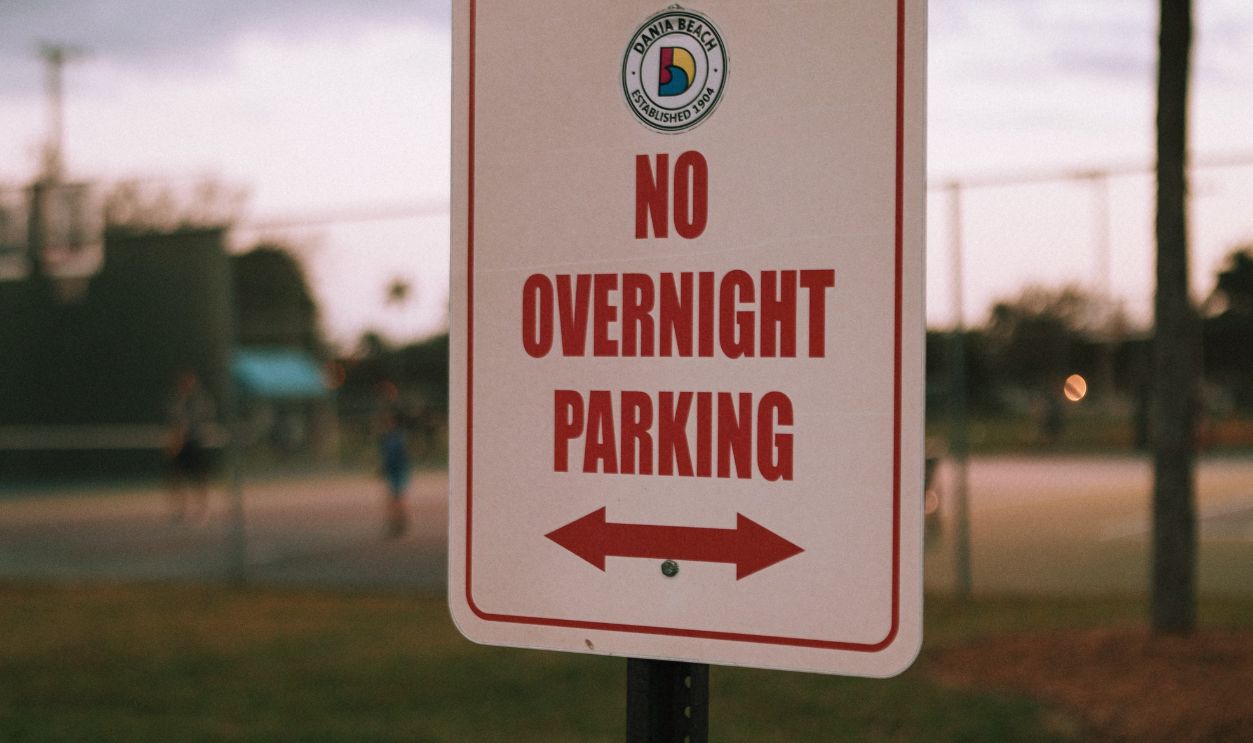
Madison, Wisconsin, is one of the clearest examples of a city with detailed overnight parking rules. The city generally prohibits parking on the street for more than 48 hours, and it also enforces alternate-side and winter-related overnight rules in certain cases. Madison also runs an overnight parking permission system that lets drivers request exemptions on eligible streets. That setup shows an important reality: even where overnight parking is restricted, cities often need permit or exception systems because a total ban is hard to live with.
Boston Adds Another Layer
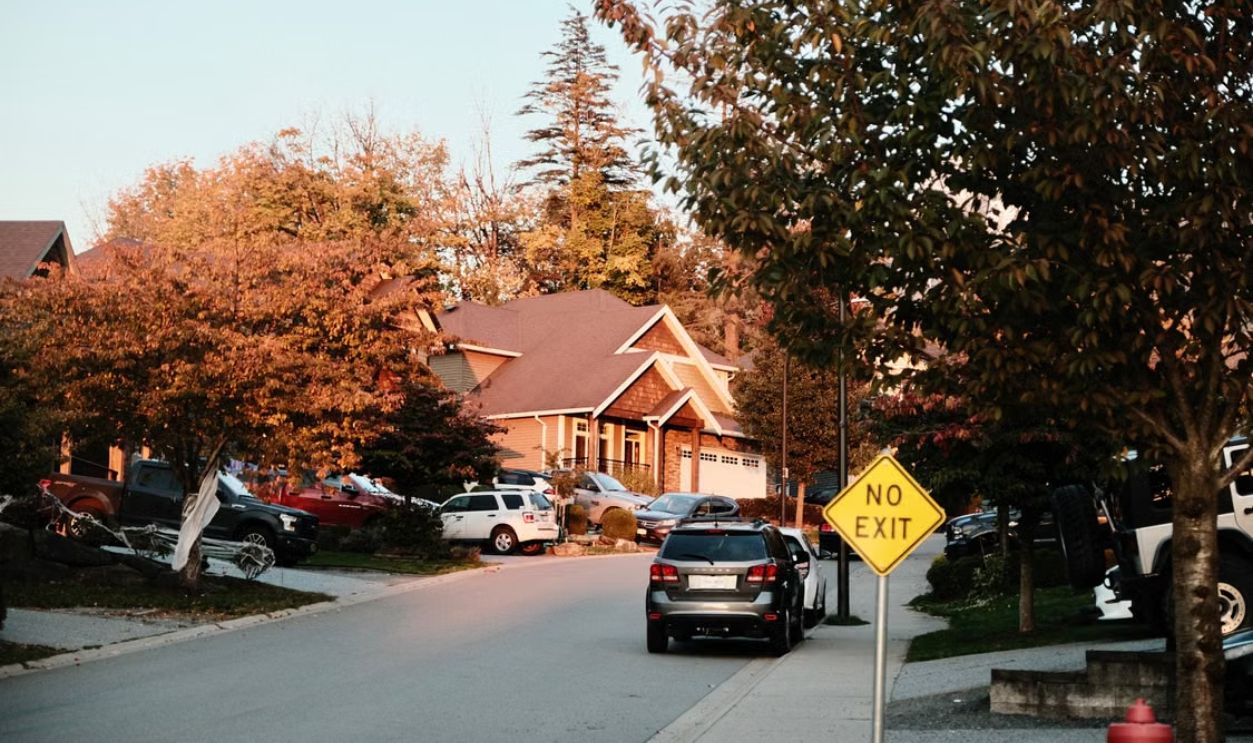
Boston’s parking rules are known for being highly specific by block and neighborhood. Residents often need permits, and snow emergencies can bring even tighter limits. The city also relies on posted signs, neighborhood permit systems, and enforcement windows that make legal parking something drivers have to track closely. Car ownership can still be possible, but it can also be exhausting.
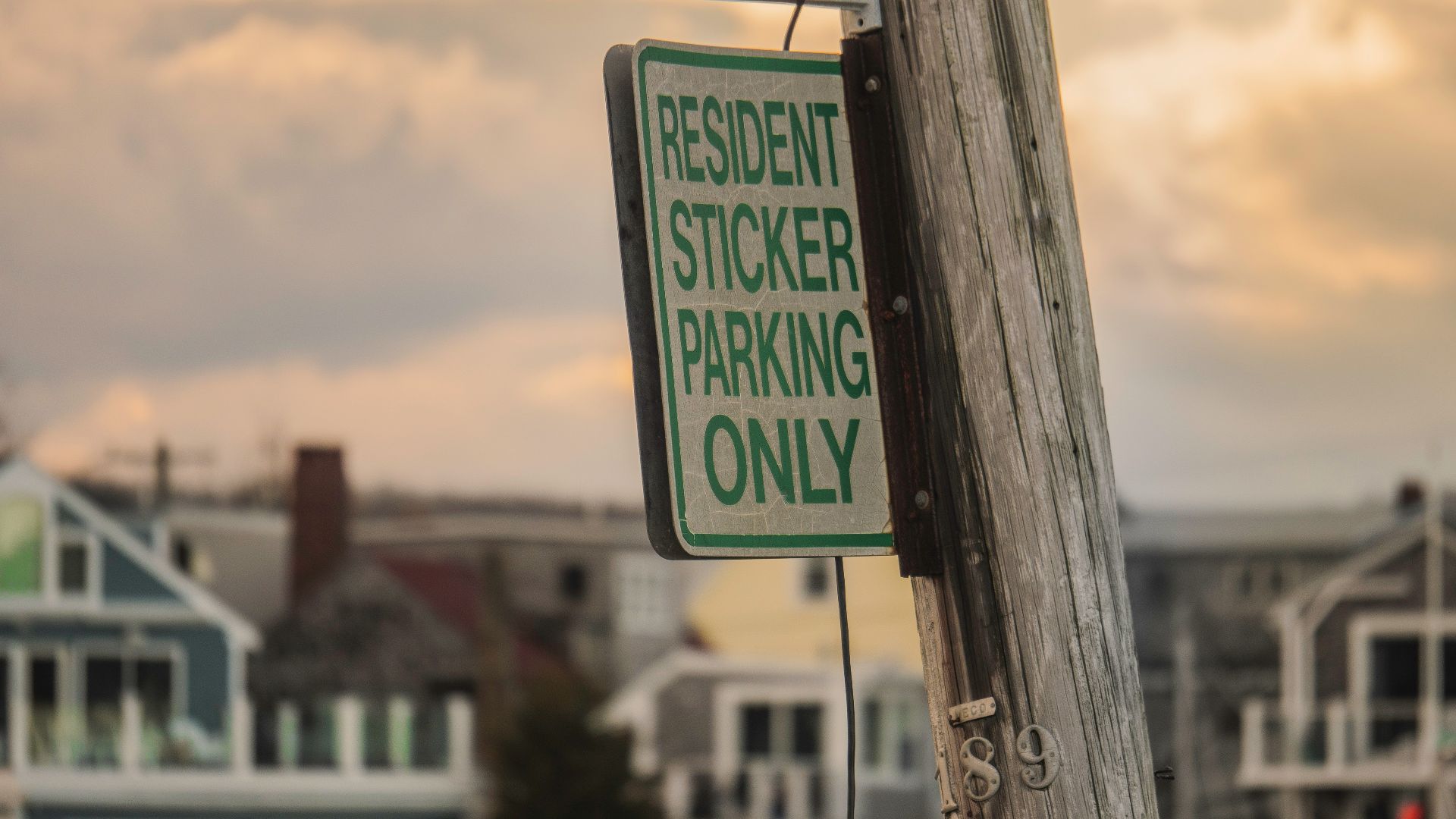
Why Cities Keep Tightening Curb Rules
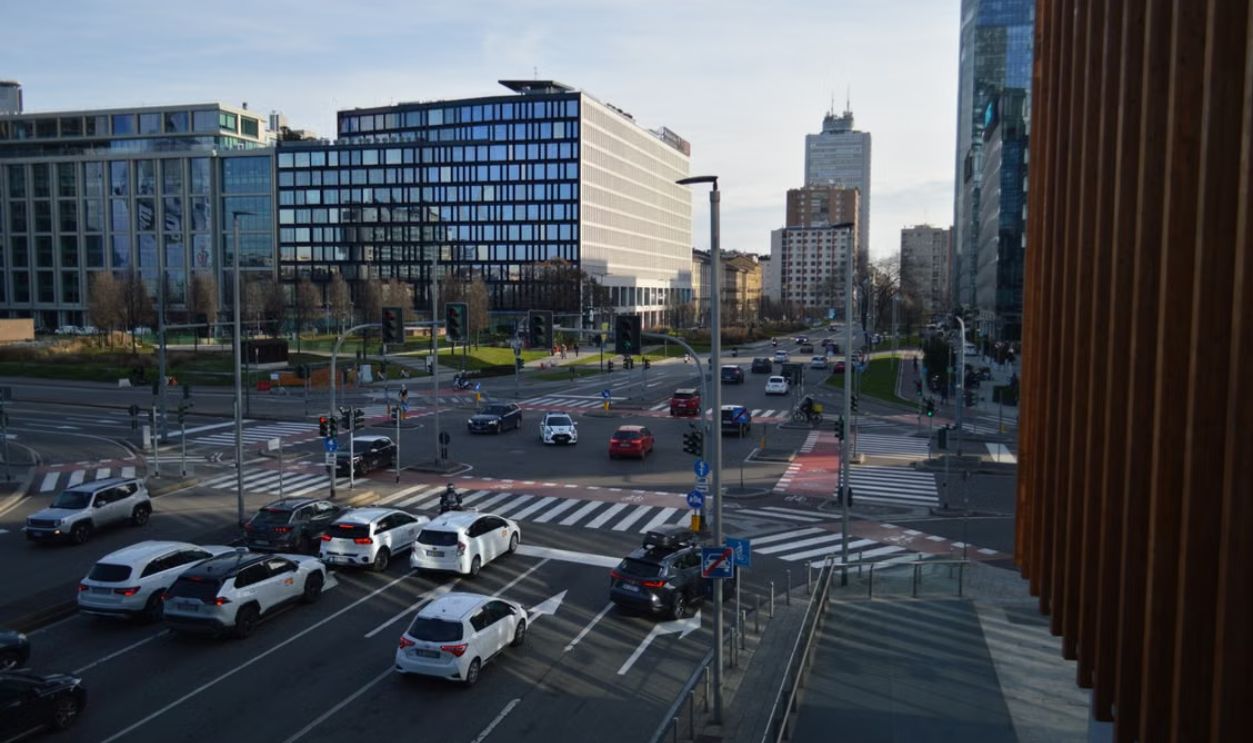
The curb has become valuable real estate. Cities use it for parking, bike lanes, bus lanes, loading zones, outdoor dining, ride-hail pickups, and better visibility at intersections. Transportation planners increasingly see curb space as something to manage on purpose, not just hand out for car storage. That shift has shown up for years in guidance from the National Association of City Transportation Officials, which treats the curb as a public asset that needs active management.
The Housing Piece Matters Too
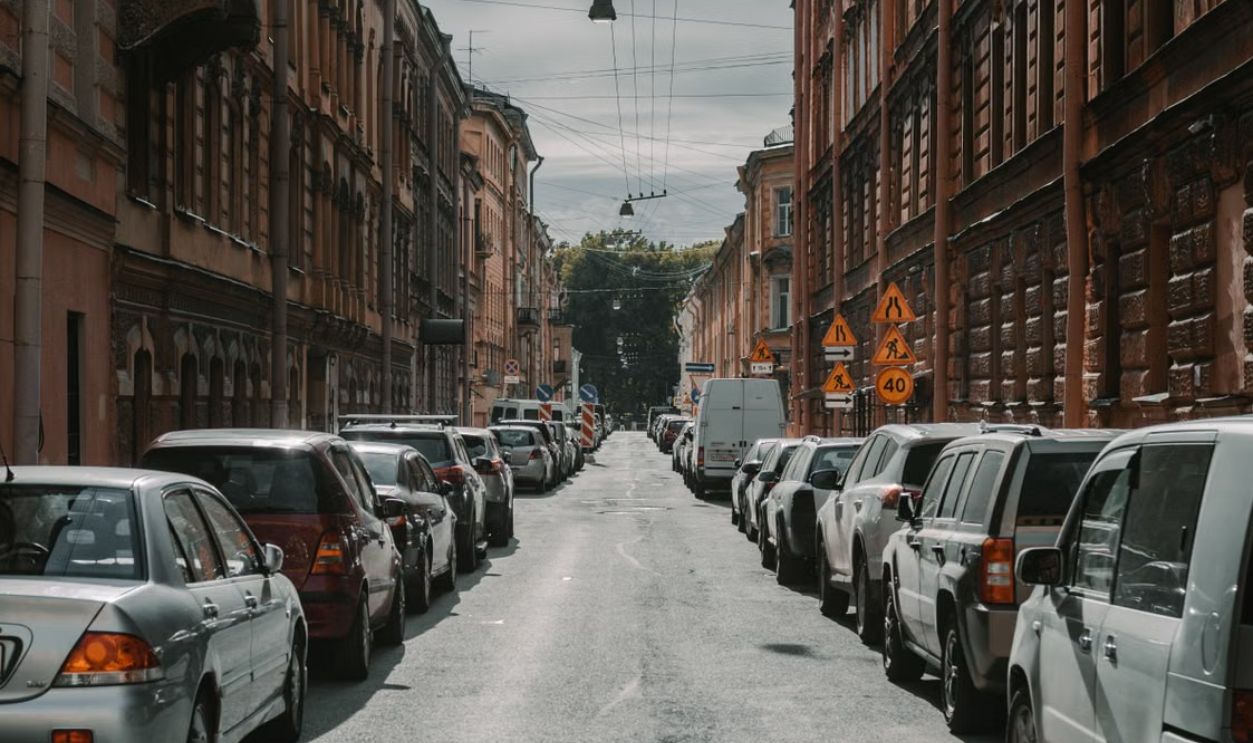
As cities add more apartments without matching off-street parking, pressure spills onto the street. That is one reason overnight bans feel especially harsh in dense neighborhoods. A household may legally own a car but have no driveway, garage, or lot. In that situation, taking away overnight curb access can act like an indirect penalty on renters.
So Are Cities Trying To End Car Ownership
Usually, no. The evidence points more to cities rationing limited space than trying to ban cars outright. Local governments are trying to balance traffic flow, safety, sanitation, and neighborhood access. The problem for drivers is that rationing can feel a lot like exclusion when there is no realistic place else to park.
That Difference Matters In Real Life
A city official may say, correctly, that owning a car is still legal. A driver may say, also correctly, that a car with no legal overnight parking option is basically unusable. Both can be true at the same time. That is why this issue creates so much anger. It exposes the gap between what is technically allowed and what actually works in daily life.
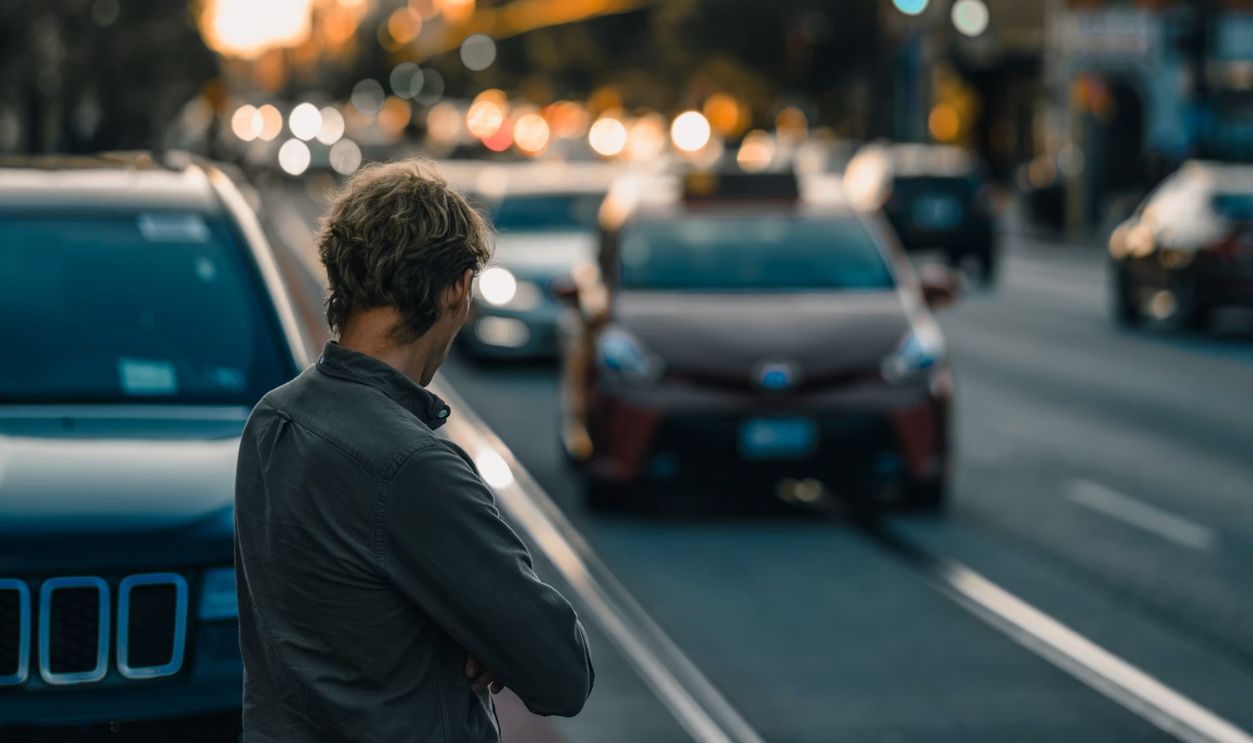
Low-Income Drivers Often Feel It First
Households with private garages or paid lots can usually adapt more easily. People living in older apartments or small multifamily buildings usually cannot. In larger cities, monthly garage parking can cost hundreds of dollars. A year-round ban can end up working like a new monthly charge, even if the city never calls it one.
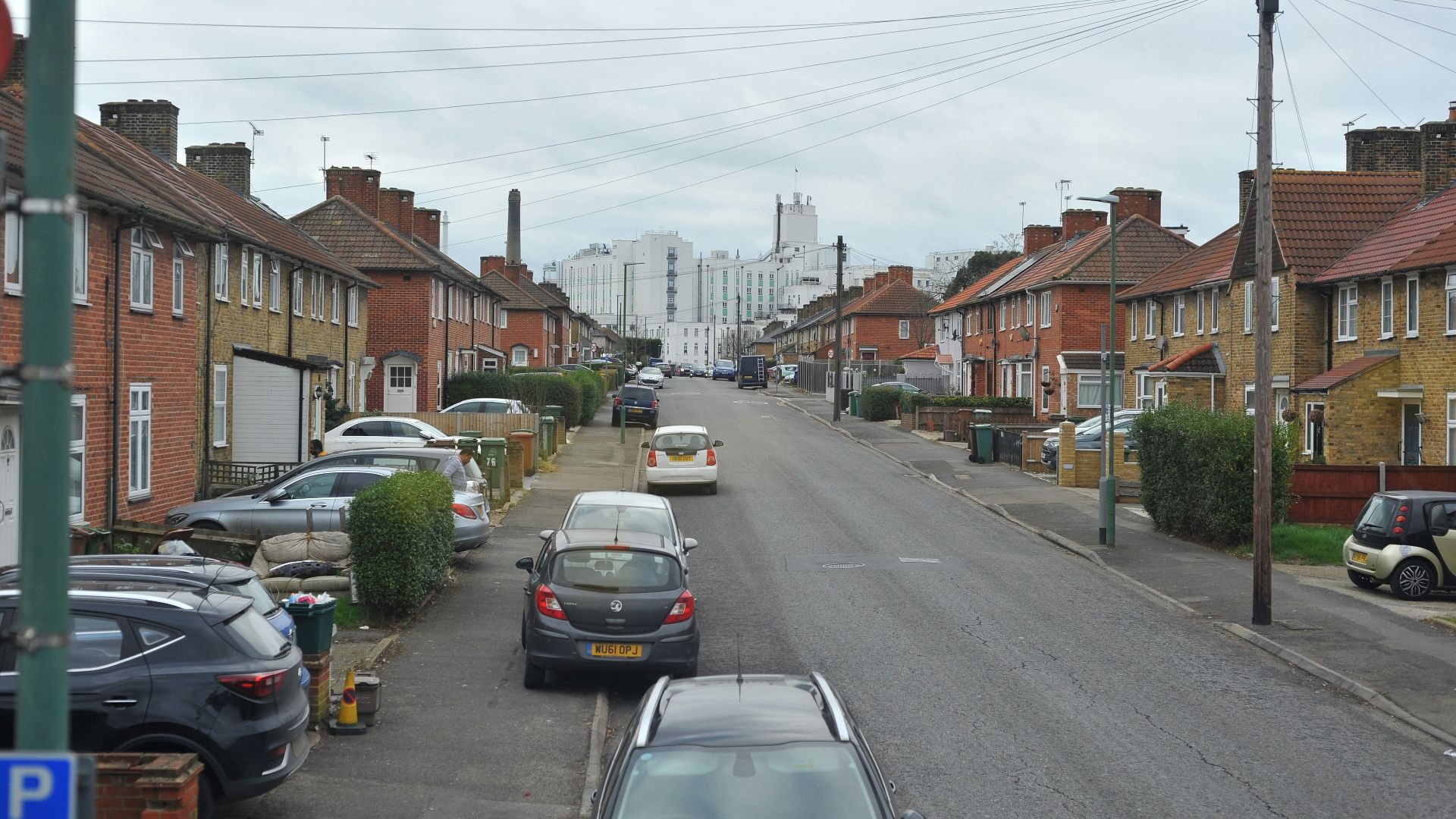
Workers With Odd Hours Face Extra Risk
Nurses, hospitality workers, warehouse staff, and airport employees often get home late or leave before dawn. For them, overnight rules are not just annoying. They create constant exposure to tickets, towing, and late-night car moves. If the policy includes narrow exception windows, shift workers may be the least able to use them.

Enforcement Is Where Policy Becomes Painful
The real impact of an overnight parking ban depends a lot on enforcement. A rule that is rarely enforced may irritate residents but not change whether they keep a car. Strict ticketing and towing can change behavior fast. Once towing becomes common, the cost of owning a car can rise in a hurry.
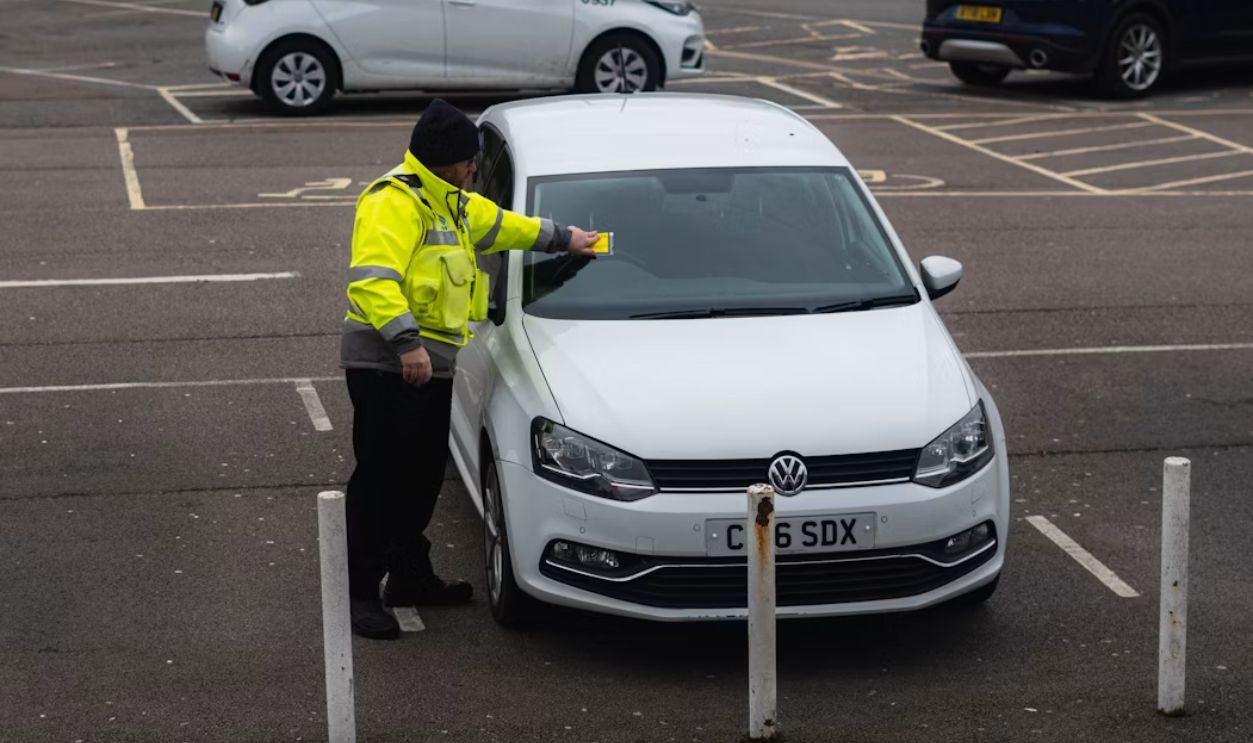
Ticket Revenue Is Not The Whole Story
Drivers often suspect overnight parking rules are mainly about money. Sometimes ticket revenue becomes part of the backlash, but cities usually defend these rules by pointing to safety, maintenance, and street operations. The bigger question is whether the city can show a clear public benefit and whether it looked at less burdensome options first. That is where the policy stands or falls.
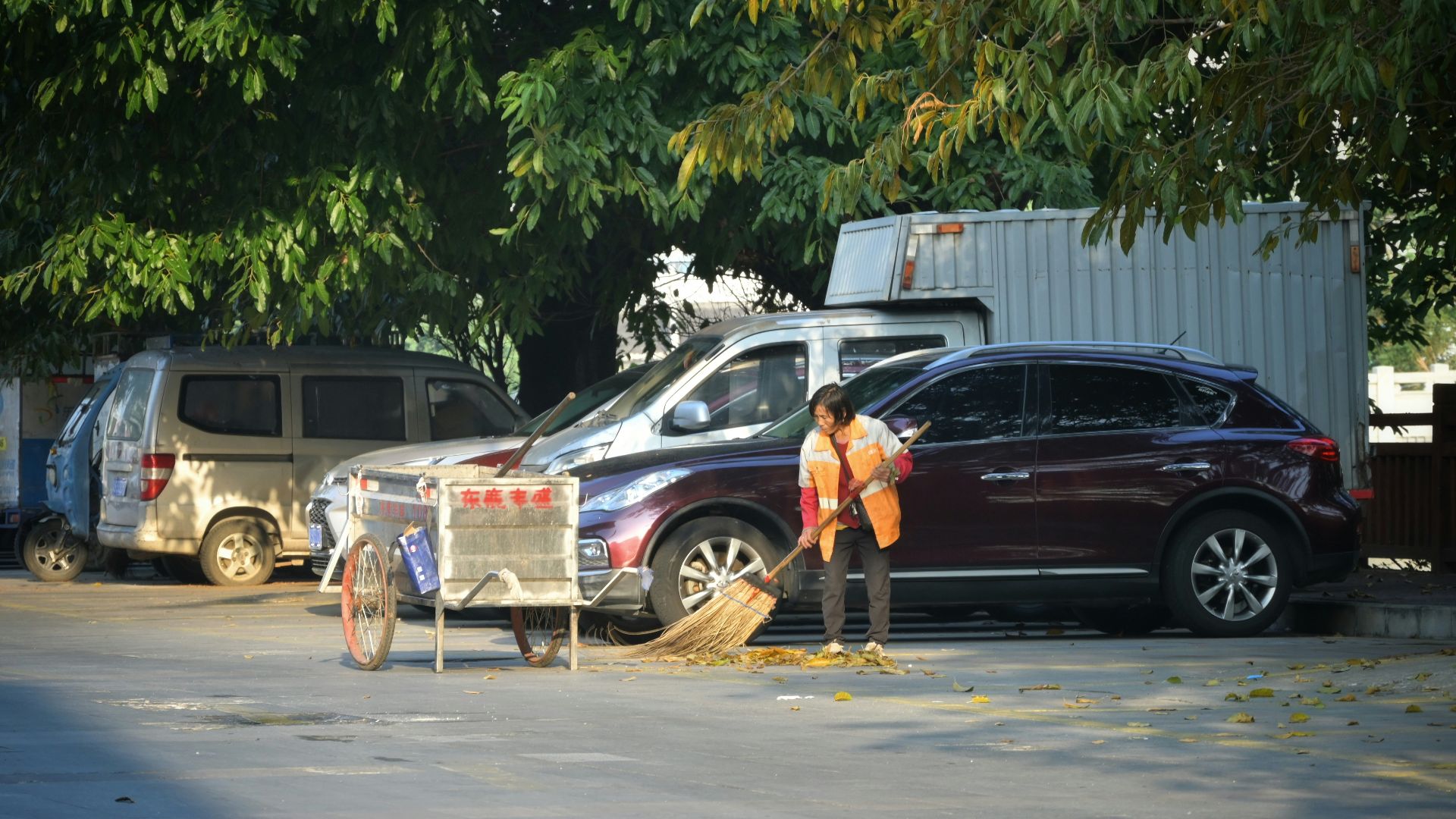
Some Restrictions Really Do Have Safety Logic
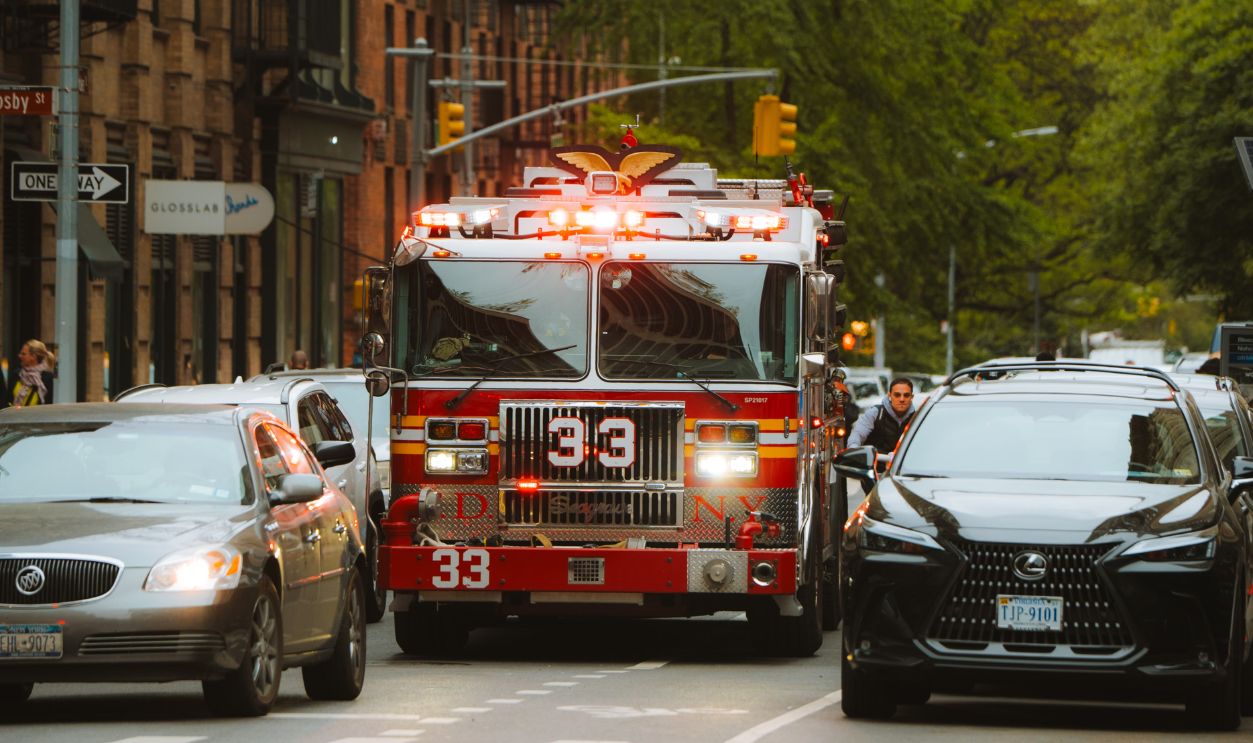
Narrow streets can become dangerous when both sides are packed with parked cars overnight. Fire trucks, ambulances, and plows need room to get through. Visibility at corners matters too, especially as cities follow newer sight-line standards. The Federal Highway Administration has backed intersection daylighting and similar measures because reducing visual obstructions can improve safety for both drivers and pedestrians.
Still, Blanket Bans Deserve Scrutiny
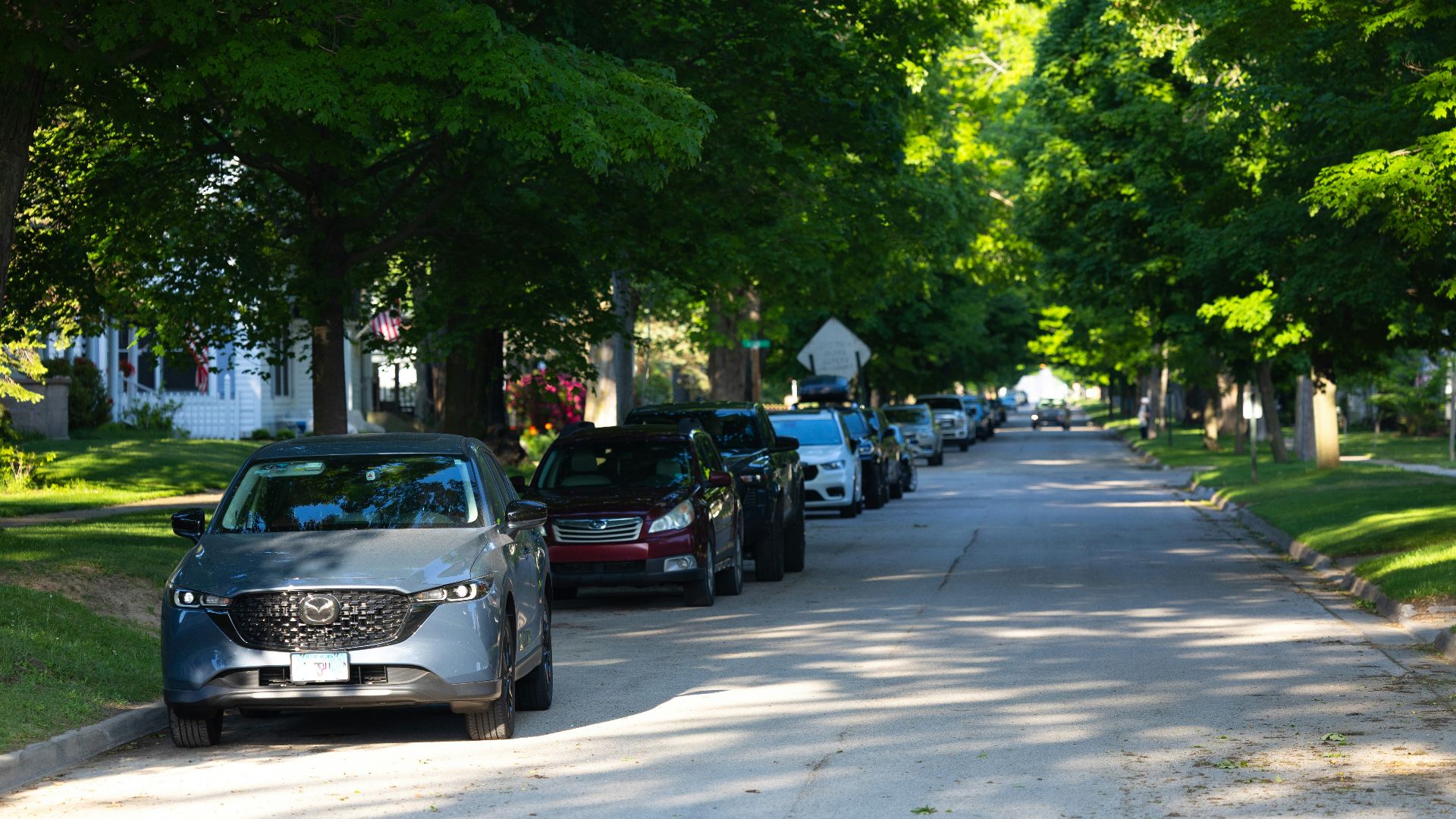
A city may have a strong case for targeted restrictions on narrow streets or snow routes. That does not automatically justify a citywide year-round ban. Drivers should ask whether the problem exists everywhere or only on certain streets and in certain seasons. The broader the ban, the stronger the evidence should have to be.
What Cities Should Show Before Expanding A Ban
At a minimum, local leaders should identify the exact streets affected, the dates of enforcement, and the documented reason for the restriction. They should show crash concerns, access problems, or operations data instead of vague claims. They should also explain what alternatives exist for residents who rely on curb parking. If the answer is basically “find a garage,” the burden may be landing hardest on people least able to afford it.

Permit Systems Can Be A Middle Ground
One compromise is a resident permit system for overnight parking on eligible streets. That lets cities limit abuse while still preserving access for locals. It is not perfect, because permits can be expensive and caps can leave some households out. Still, it is often more workable than a flat ban with no relief valve.
Exemptions Matter More Than Cities Admit
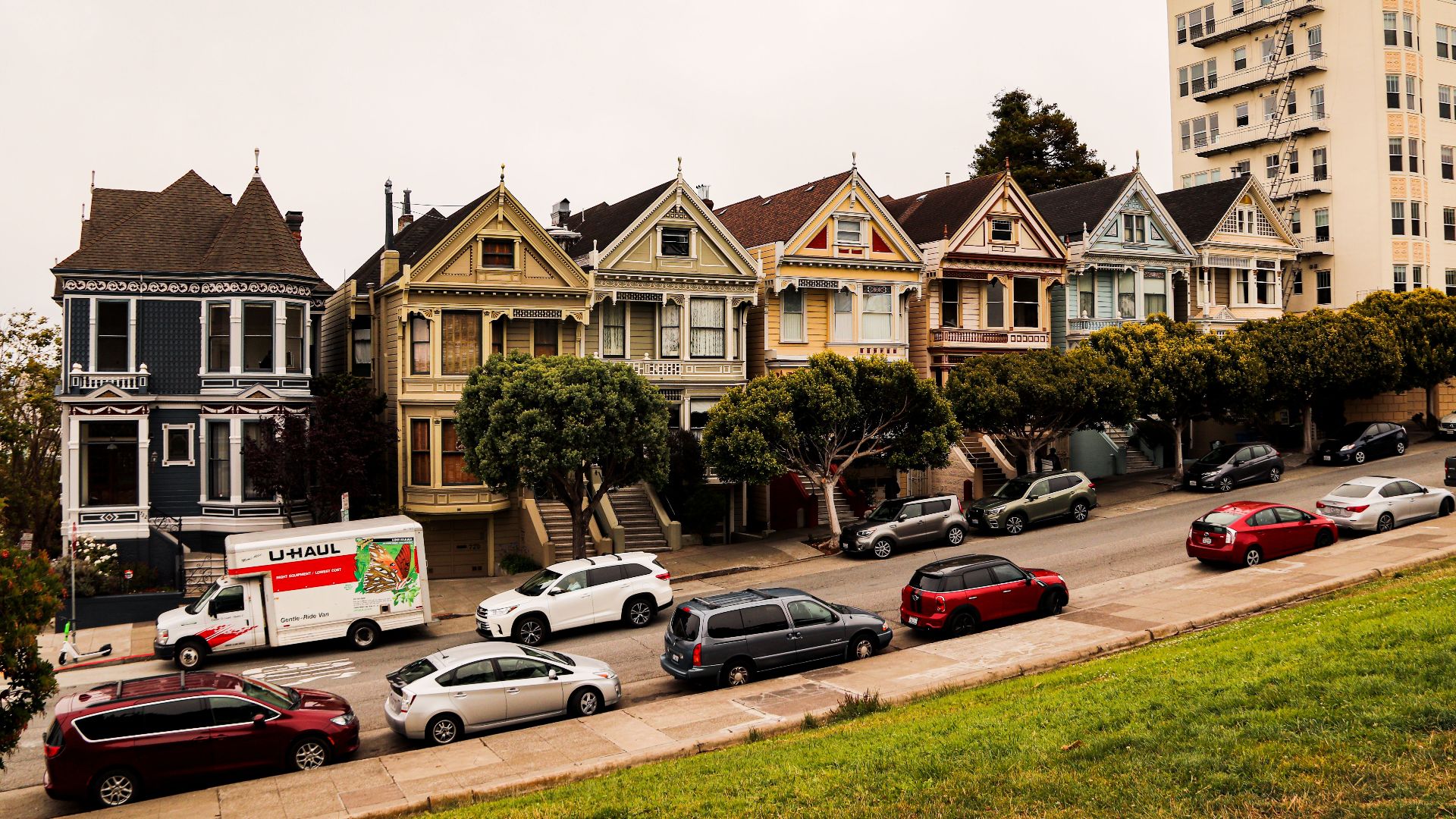
Good overnight parking policy usually includes options for medical needs, caregivers, moving days, visitors, and temporary hardship cases. Without them, rules that look clean on paper can fall apart in real life. Madison’s online overnight parking permission system shows one way cities can build in flexibility. The basic lesson is simple: if a city expects people to follow the rules, it needs a realistic way to handle normal exceptions.
Off-Street Supply Is The Elephant In The Room
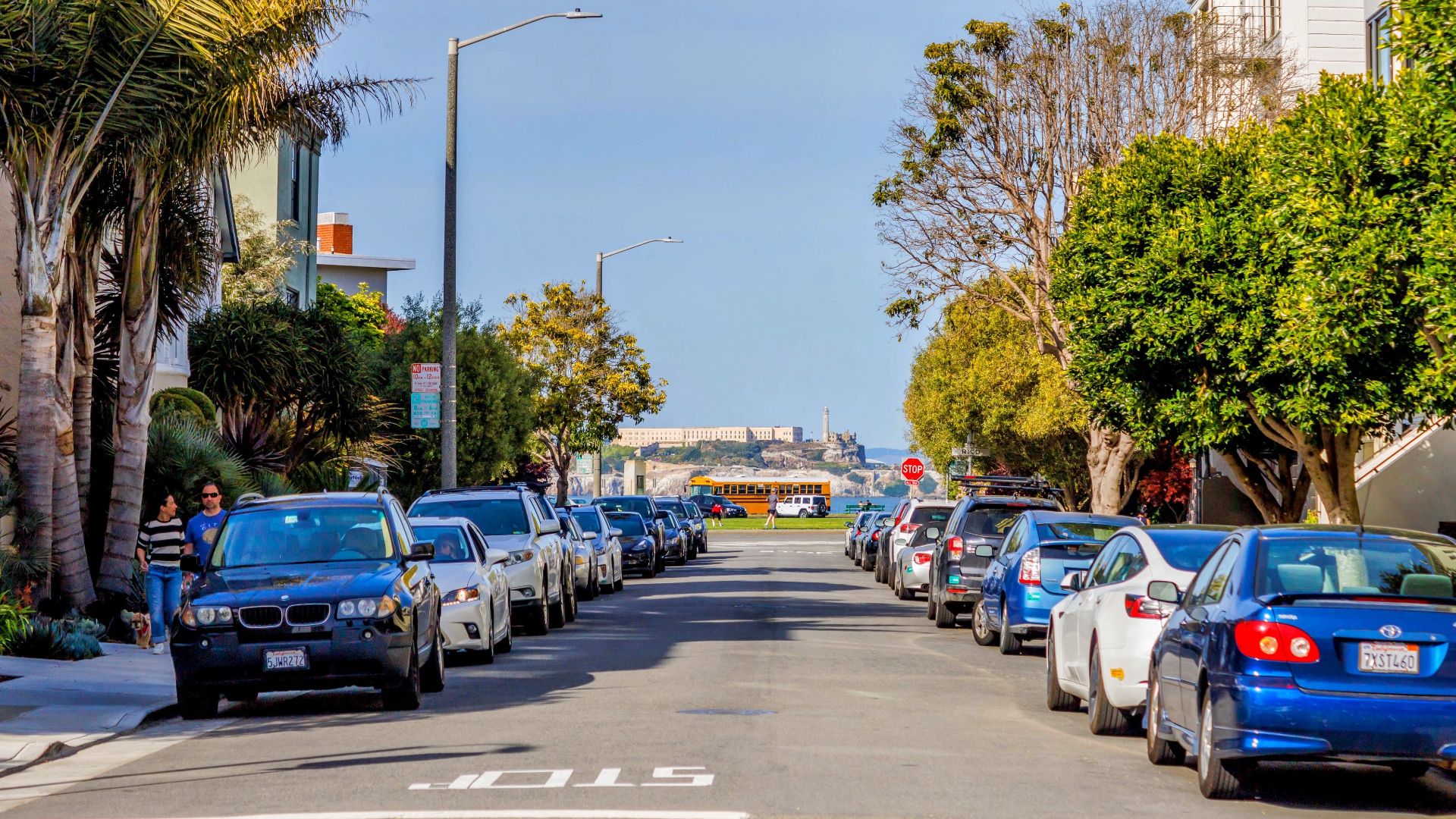
Cities often tighten curb rules faster than they create replacement parking. That mismatch is a big reason many residents feel squeezed. If officials want fewer cars on the street at night, they need to deal with where those cars are supposed to go. Public garages, shared lots, church lot partnerships, and zoning changes can all matter.
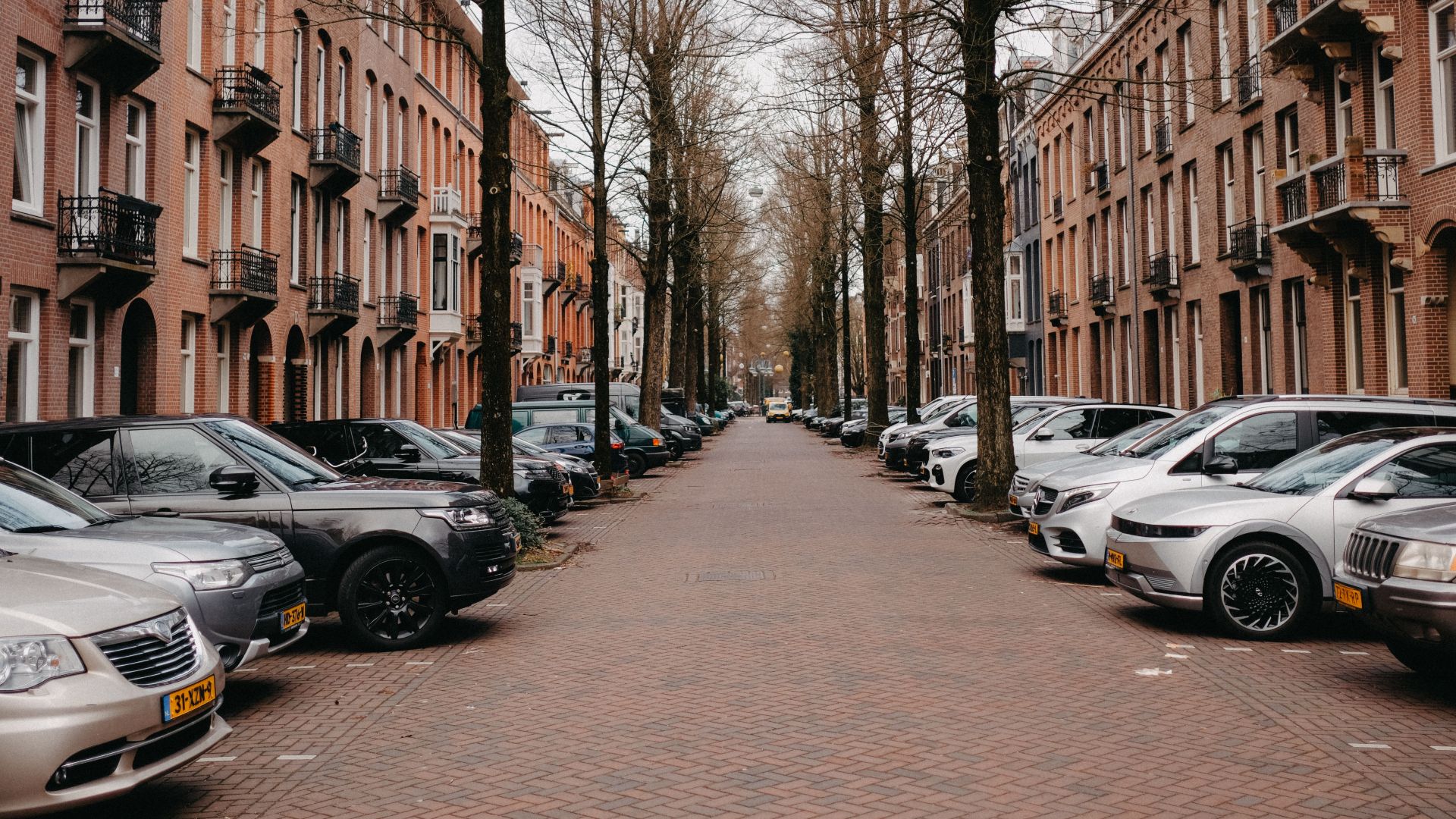
Transit Is Not Always A Real Substitute
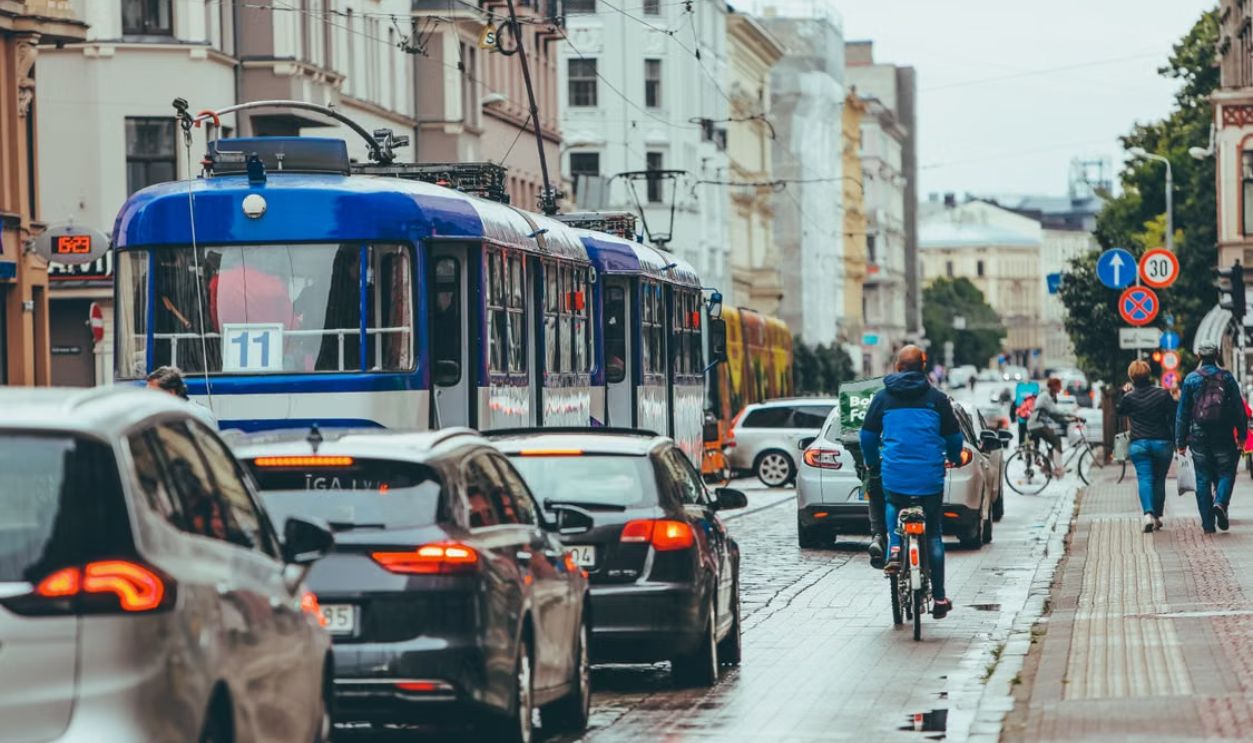
City leaders sometimes point to buses, trains, biking, and walking as the answer. In some neighborhoods, that is fair. In many others, service is limited, trips take too long, or jobs are simply not reachable without a car. A parking ban only feels reasonable when the alternatives are actually useful, not just technically available.
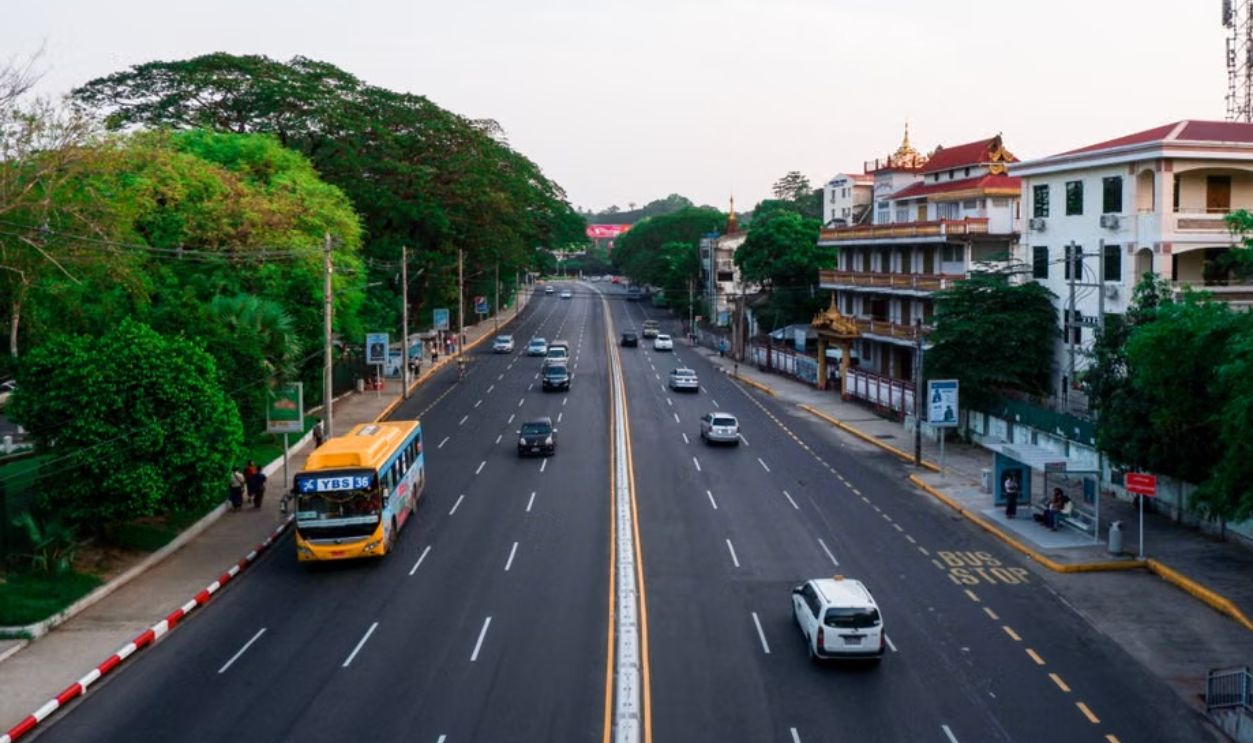
Families Often Need More Than One Vehicle
It is easy to frame overnight parking as a problem caused by too many cars, but household needs are not always optional. Two adults commuting in different directions may need two vehicles. A caregiver may need a reliable car for school pickups, doctor visits, or family emergencies. Policy works better when it starts with how people really live.

What Drivers Should Ask At Public Meetings
If your city is considering a year-round overnight ban, ask for maps, dates, and street-level evidence. Ask how many tickets and tows are expected, what permit options exist, and whether renters were specifically considered. Ask what changed and when city staff first documented the issue. Those details push the debate out of slogans and back into facts.

What A Fairer Policy Could Look Like
A more balanced plan might limit restrictions to narrow streets, snow routes, and blocks with proven emergency access problems. It might allow resident overnight permits with low-income discounts and digital guest passes. It might also use seasonal rules instead of blanket year-round bans where winter is the main issue. That kind of targeted approach respects public operations without ignoring the fact that many residents depend on street parking.
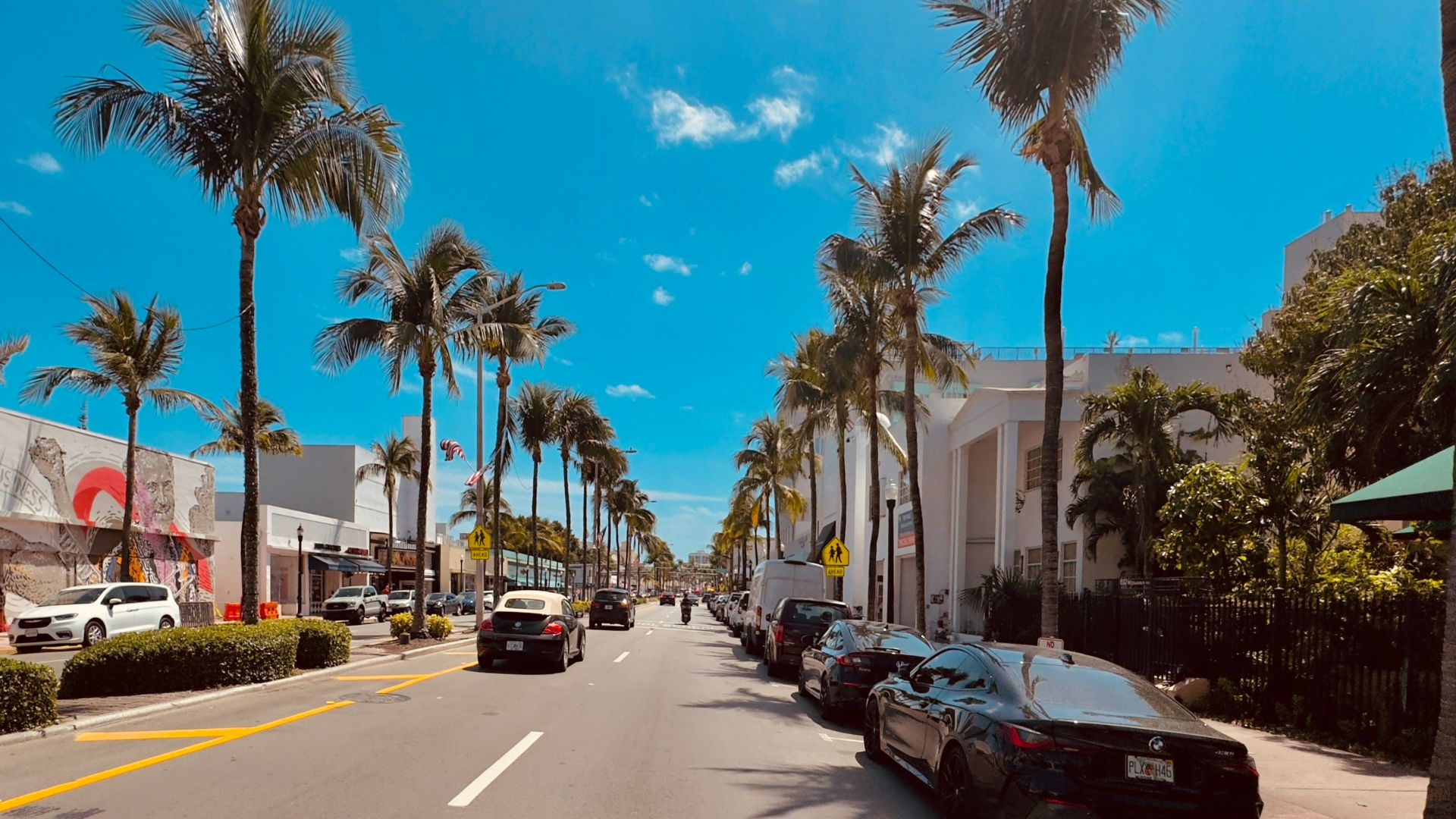 Juan Pablo Mascanfroni, Unsplash
So, Are Cities Making Car Ownership Impossible
Not everywhere, and usually not on purpose. But in some neighborhoods, aggressive overnight parking rules can make owning a car much harder, especially for renters and lower-income residents without off-street options. The fairest conclusion is that cities are not broadly outlawing cars. They are making drivers compete for limited curb space, and when policy goes too far, that can make legal car ownership feel uncomfortably close to impossible.