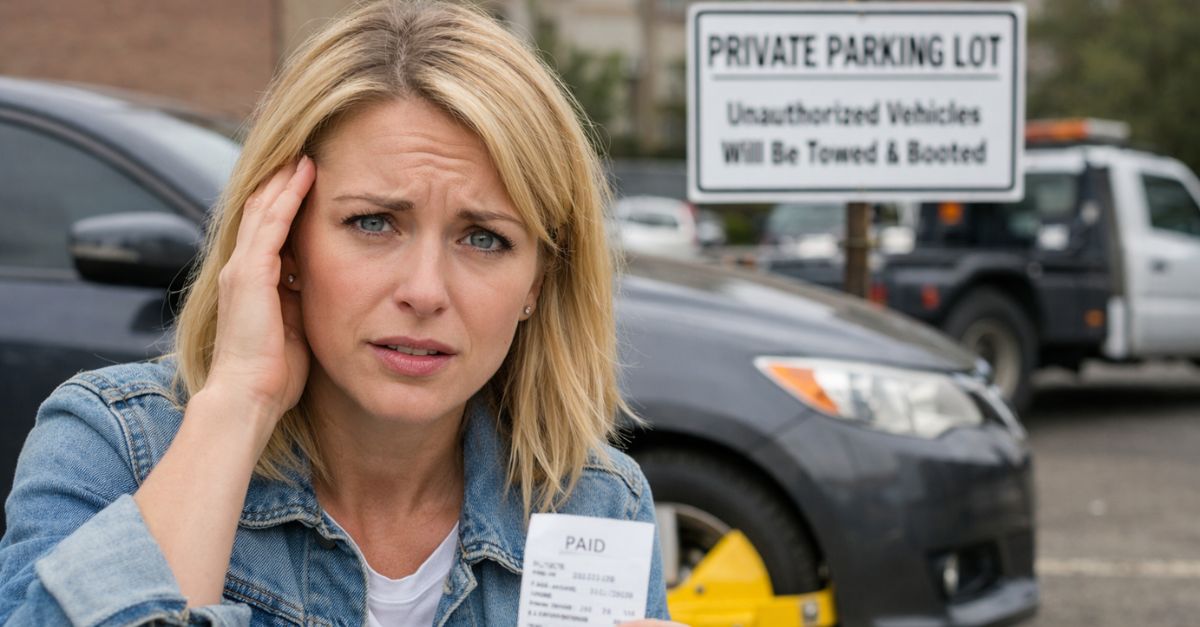
You Paid, But Your Car Got Booted Anyway
Few parking surprises are more maddening than coming back to your car, seeing a wheel boot, and knowing you already paid. In a private lot, that usually means you are dealing with a private company, not the police or a city parking office. Unfortunately, your rights in this circumstance depend a lot on state law, local rules, and the signs and fine print tied to that lot.
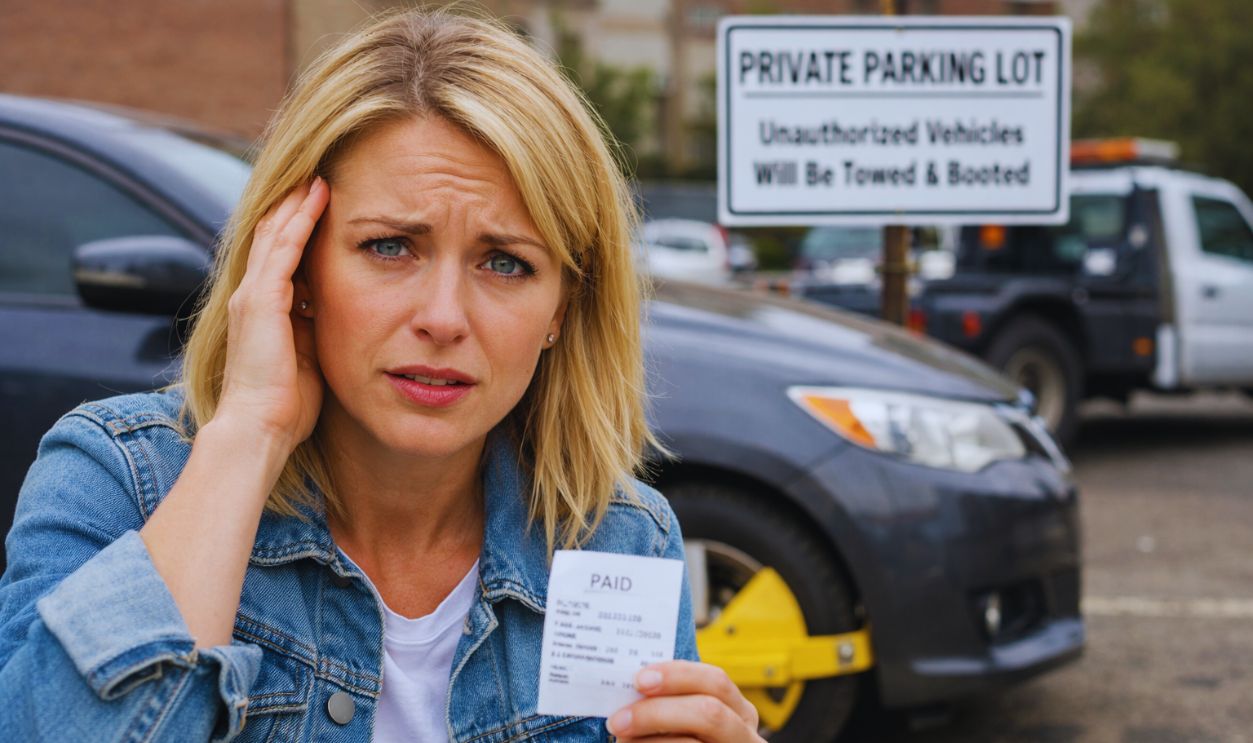
The First Thing To Know About A Private Boot
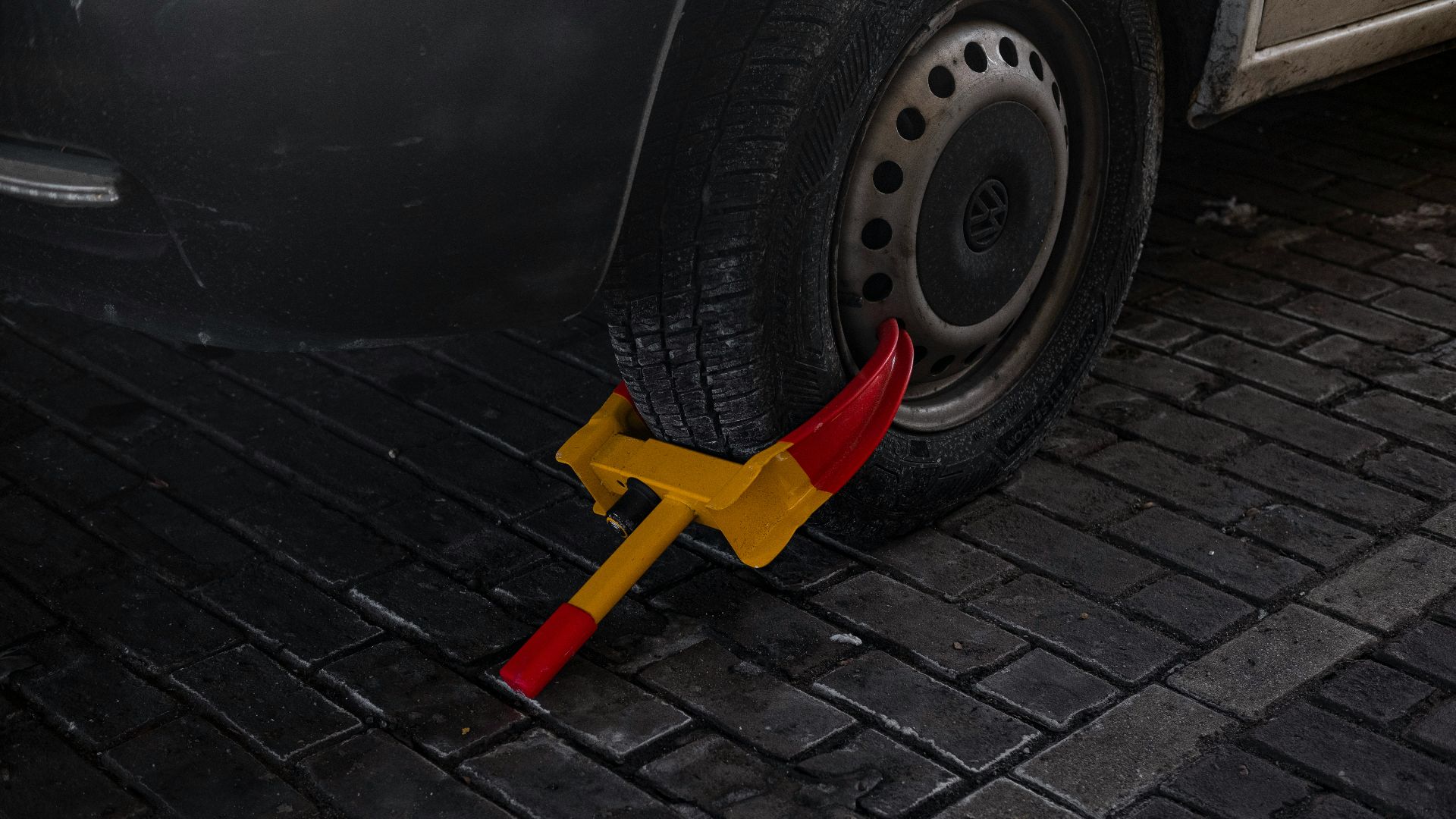
A boot on private property is usually treated as a private enforcement action, not a criminal penalty. That matters because the company that immobilized your car still has to follow state and local rules. If it did not, the boot may be unlawful even if the lot claims it had a reason.
Your Receipt Can Make Or Break The Case
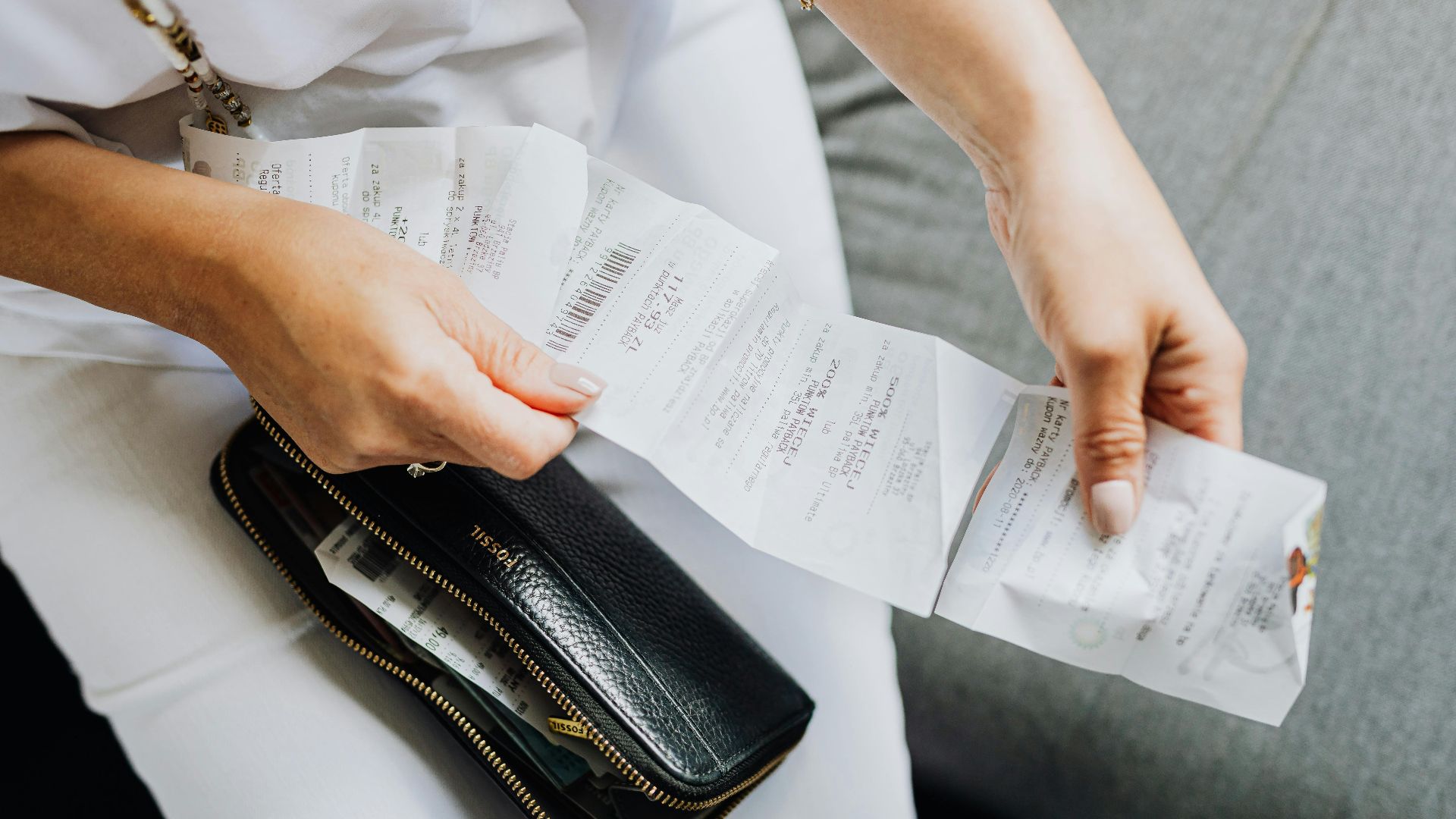
If you paid for parking, your proof of payment is the most important place to start. A payment app screenshot, kiosk receipt, text confirmation, or bank transaction record can show the date, time, and amount. Save those records right away before your phone dies, the app logs you out, or the paper receipt disappears.
 www.kaboompics.com, Pexels, Modified
Why Signs Matter More Than Most Drivers Think
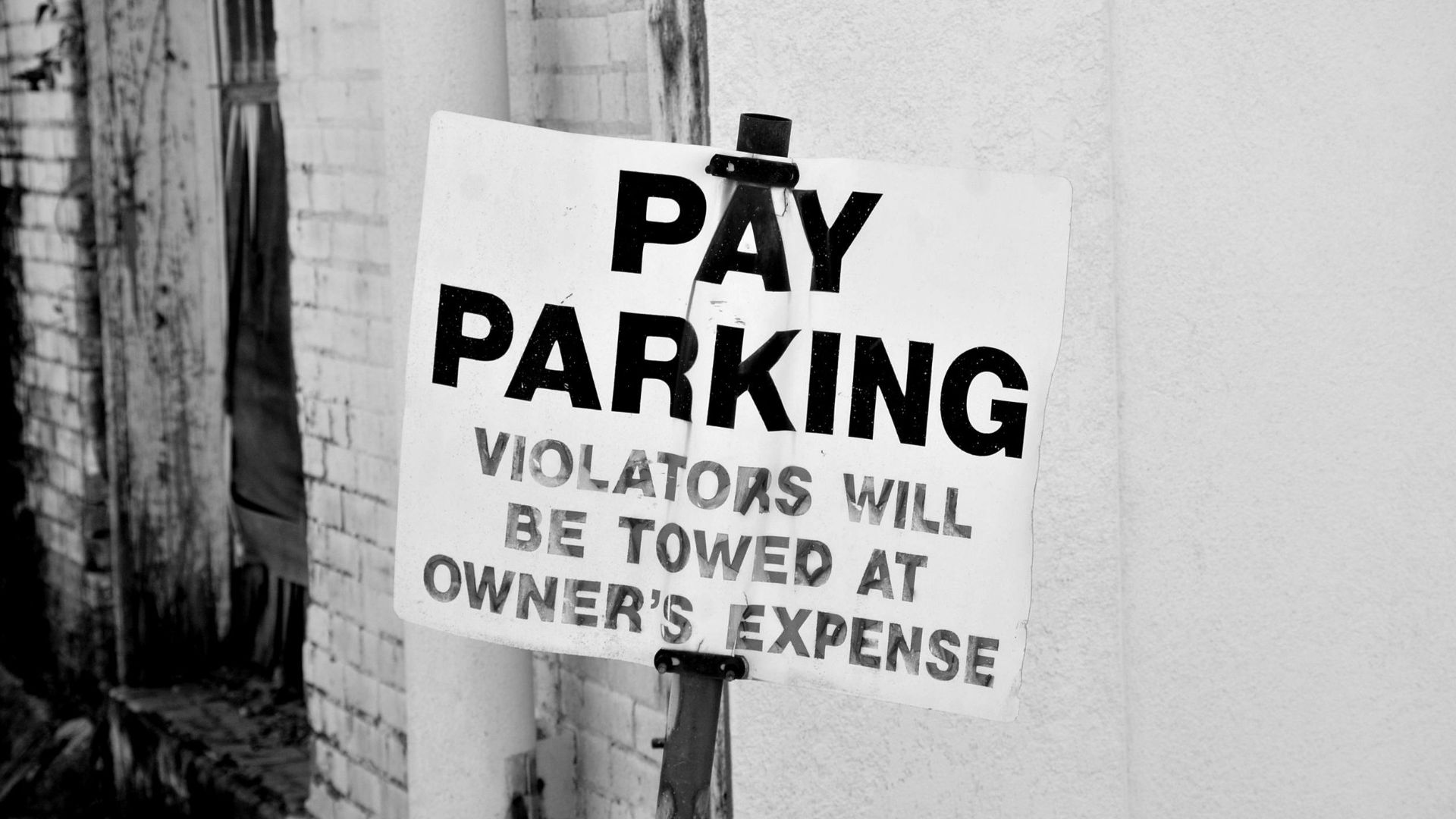
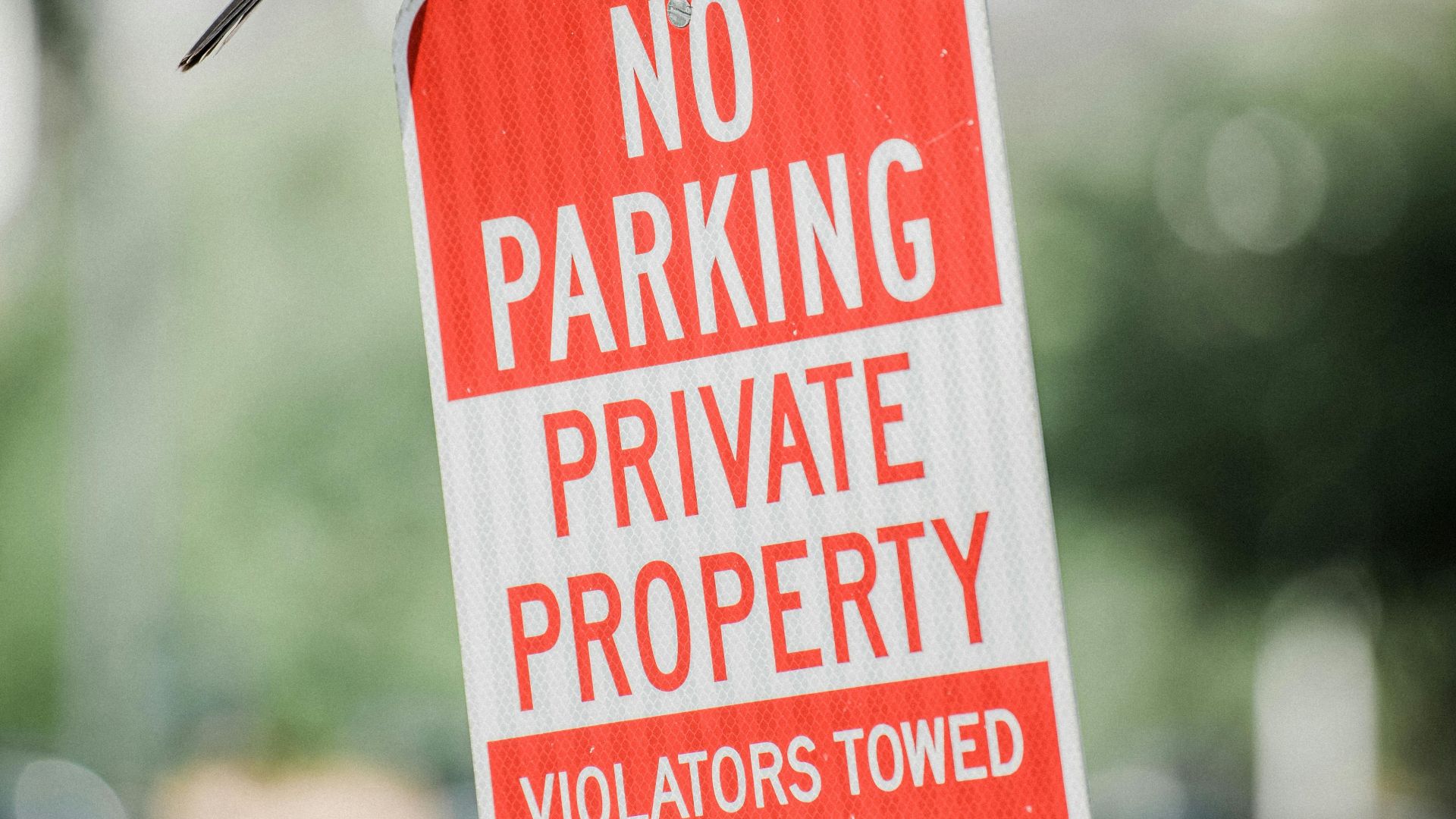
Private lots usually rely on posted signs to set the rules drivers are expected to follow. Courts and regulators often look at whether the lot clearly disclosed prices, restrictions, booting practices, release fees, and contact information. If signs were missing, hidden, contradictory, or hard to read, that can seriously weaken the lot operator's position.
Booting Rules Are Different Depending On Where You Are
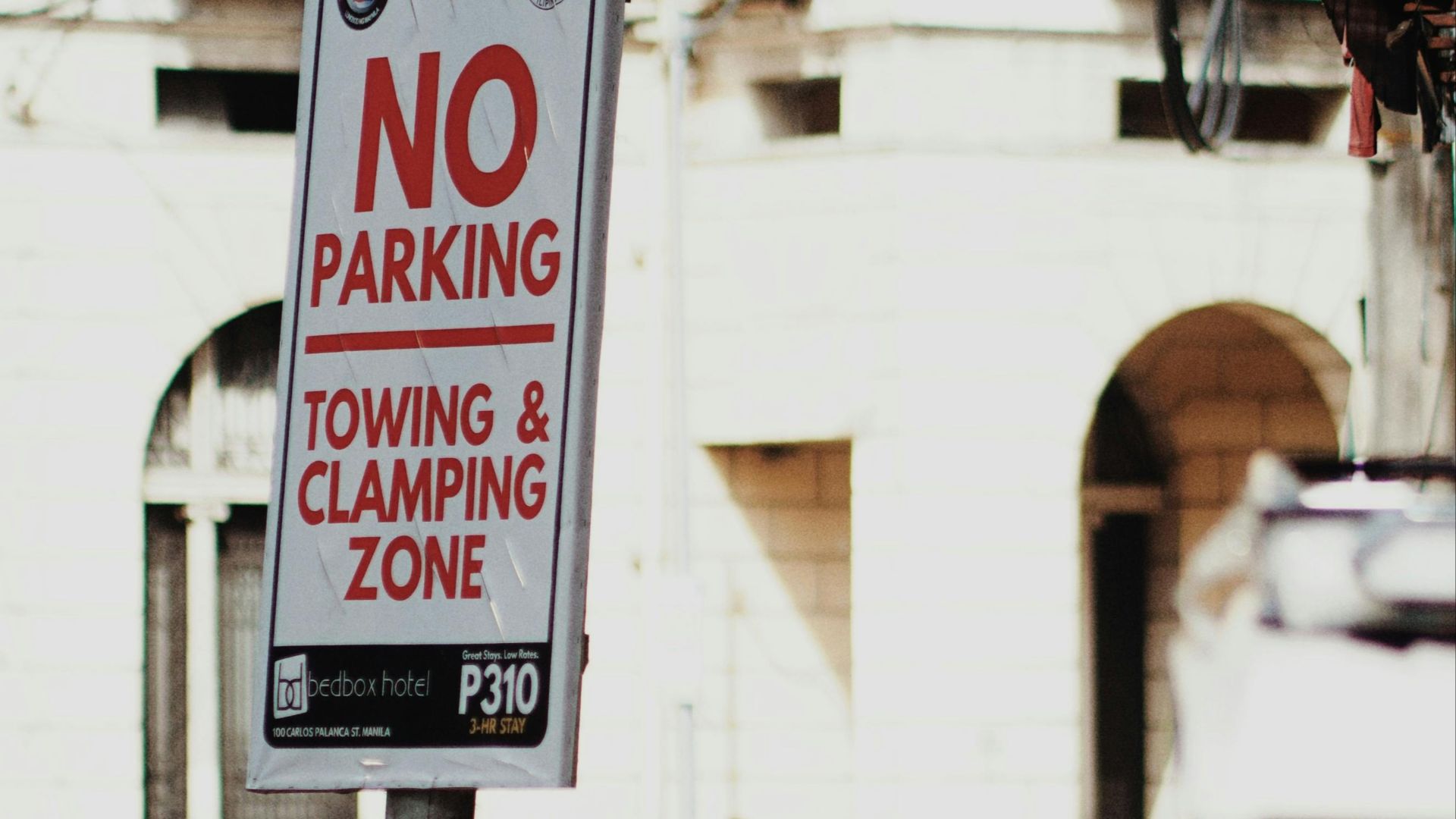
There is no single national rulebook for private booting in the United States. Some states allow it with limits, some cities regulate it closely, and some places ban certain private immobilization practices altogether. That is why the answer to “What are my rights?” starts with your state and city, not a generic online post.
California Is One Of The Strongest Examples
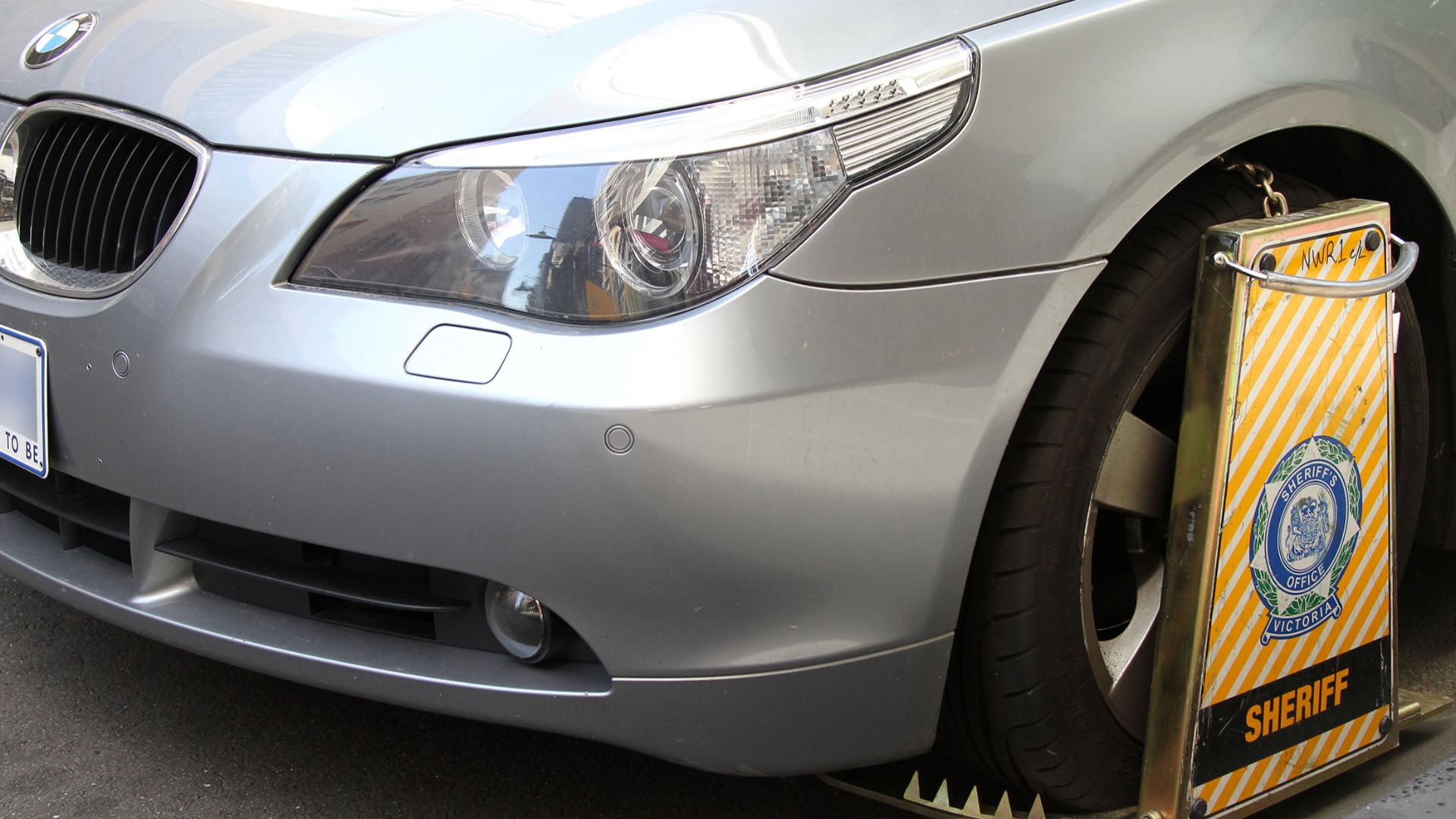
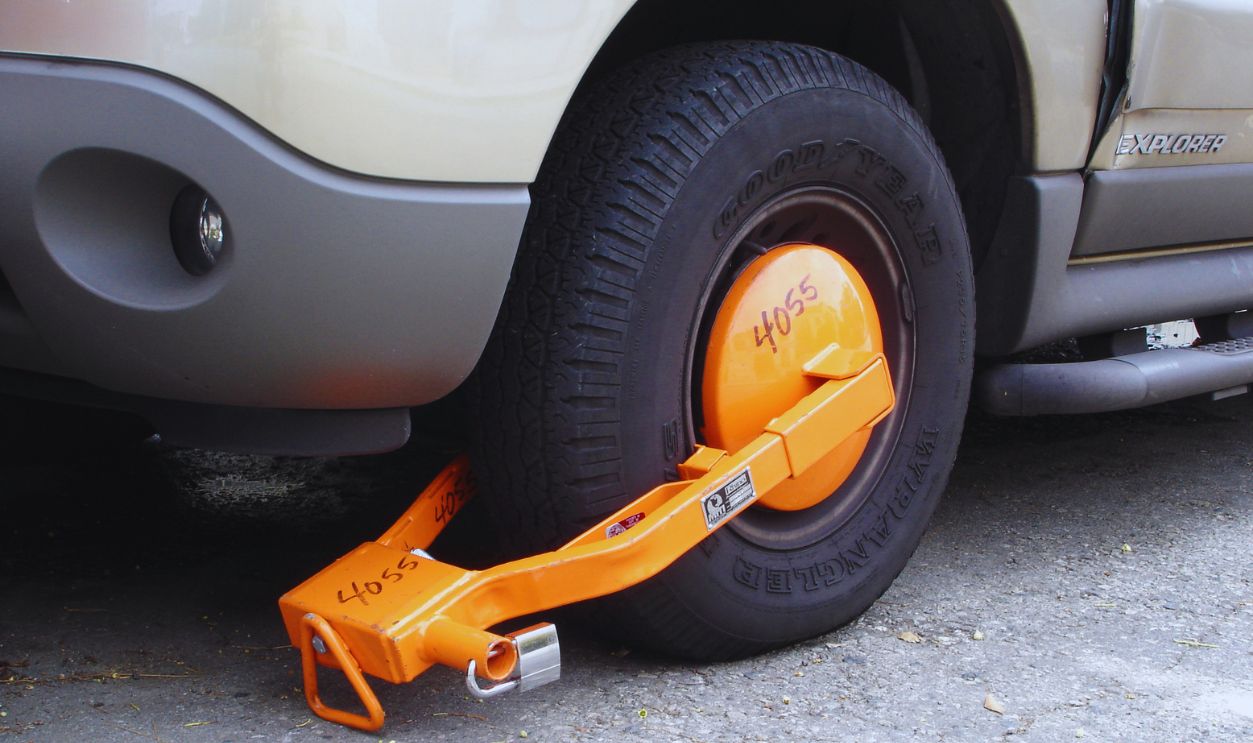
California Vehicle Code section 22658 tightly regulates towing from private property, and California generally does not allow a private property owner to use a vehicle immobilization device like a boot instead of towing. The California Department of Consumer Affairs says private property owners cannot use a boot to hold a vehicle on private property. If this happened in California, the boot itself may be unlawful, which changes the whole dispute right away.
 Stromcarlson at English Wikipedia, Wikimedia Commons
Washington, DC Has Detailed Private Booting Rules
Washington, DC is one of the clearest examples of a place that allows private booting but regulates it closely. DC law requires licenses, signs, receipts, payment options, and fee caps for private immobilization. The District's Department of Licensing and Consumer Protection also explains how consumers can file complaints if a company breaks those rules.
In DC, Timing And Payment Options Matter
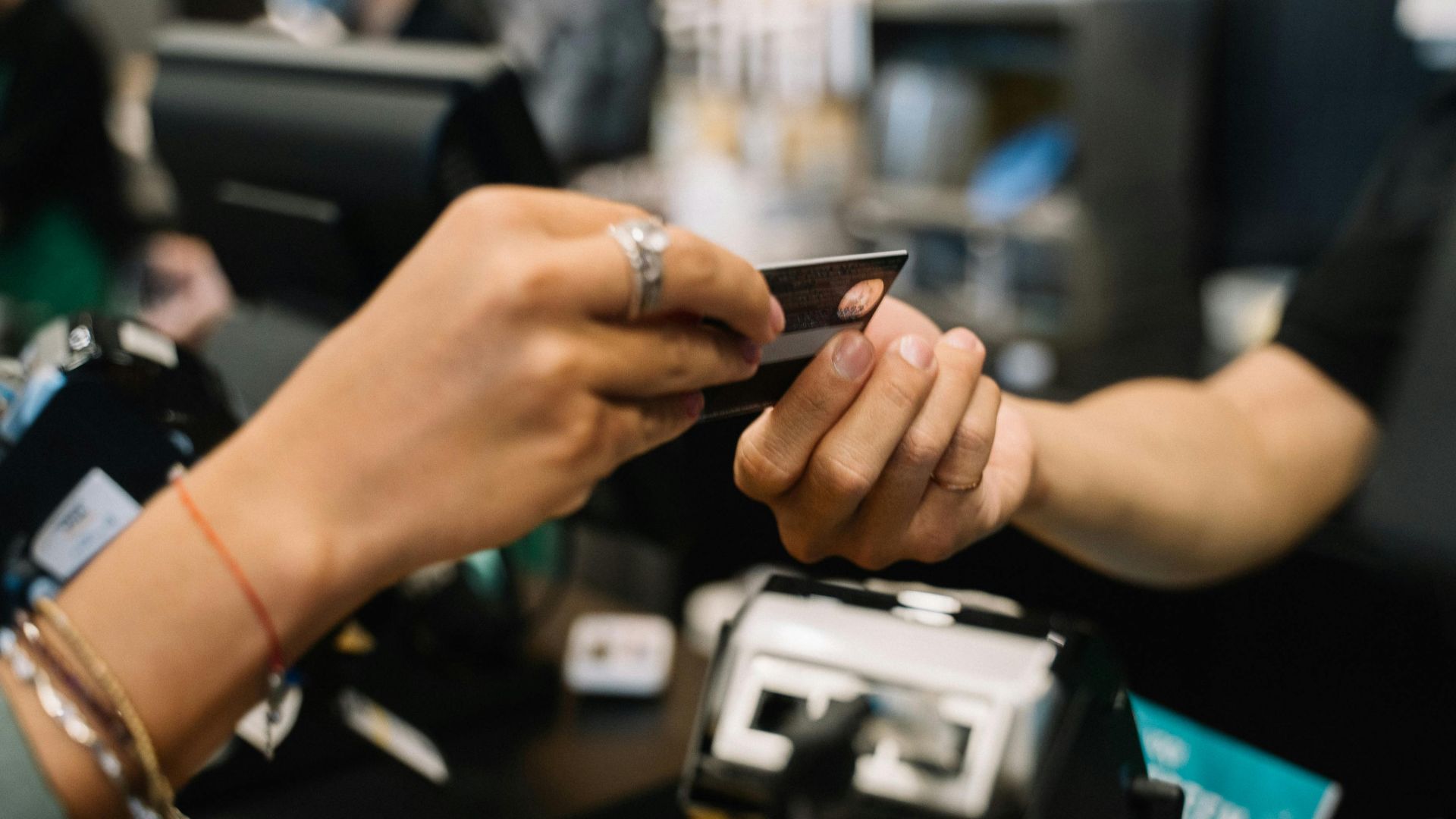
DC requires booting companies to accept major credit cards and to release a vehicle quickly after payment. The rules also require a receipt and specific information about the booting company and the fees charged. If a private lot in DC booted your paid car and did not meet those duties, you may already have a strong complaint before you even get into whether the boot was justified.
Illinois Also Regulates Private Immobilization
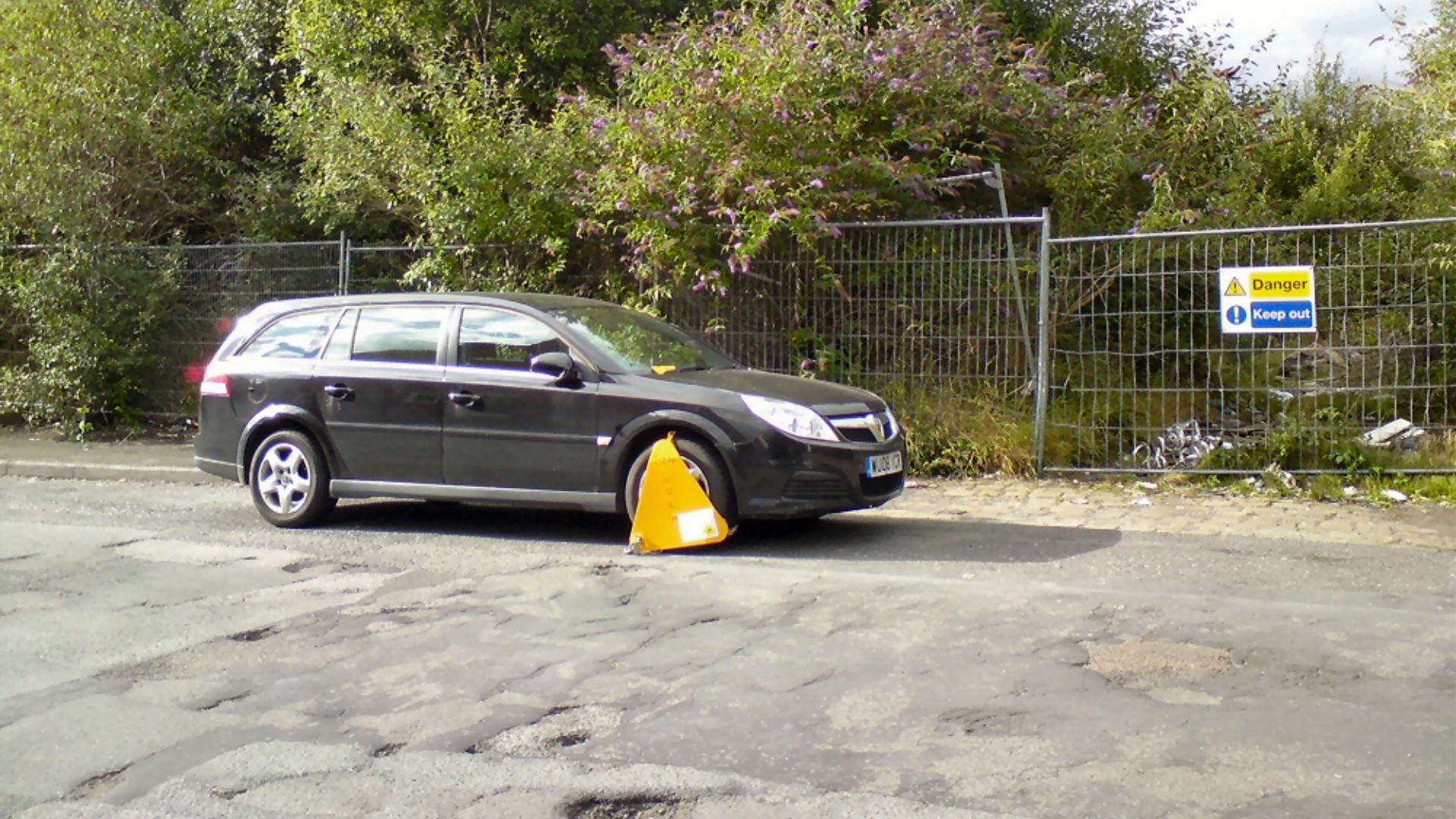
Illinois law places rules on private parking lot operators that immobilize vehicles. The Illinois Vehicle Code includes requirements about signs, releases, and fee limits in certain situations. That means a paid driver in Illinois may be able to challenge not just the boot, but also the amount charged and the way the company handled the release.
 Gerald England , Wikimedia Commons
Texas Gives Drivers A Clear Complaint Path
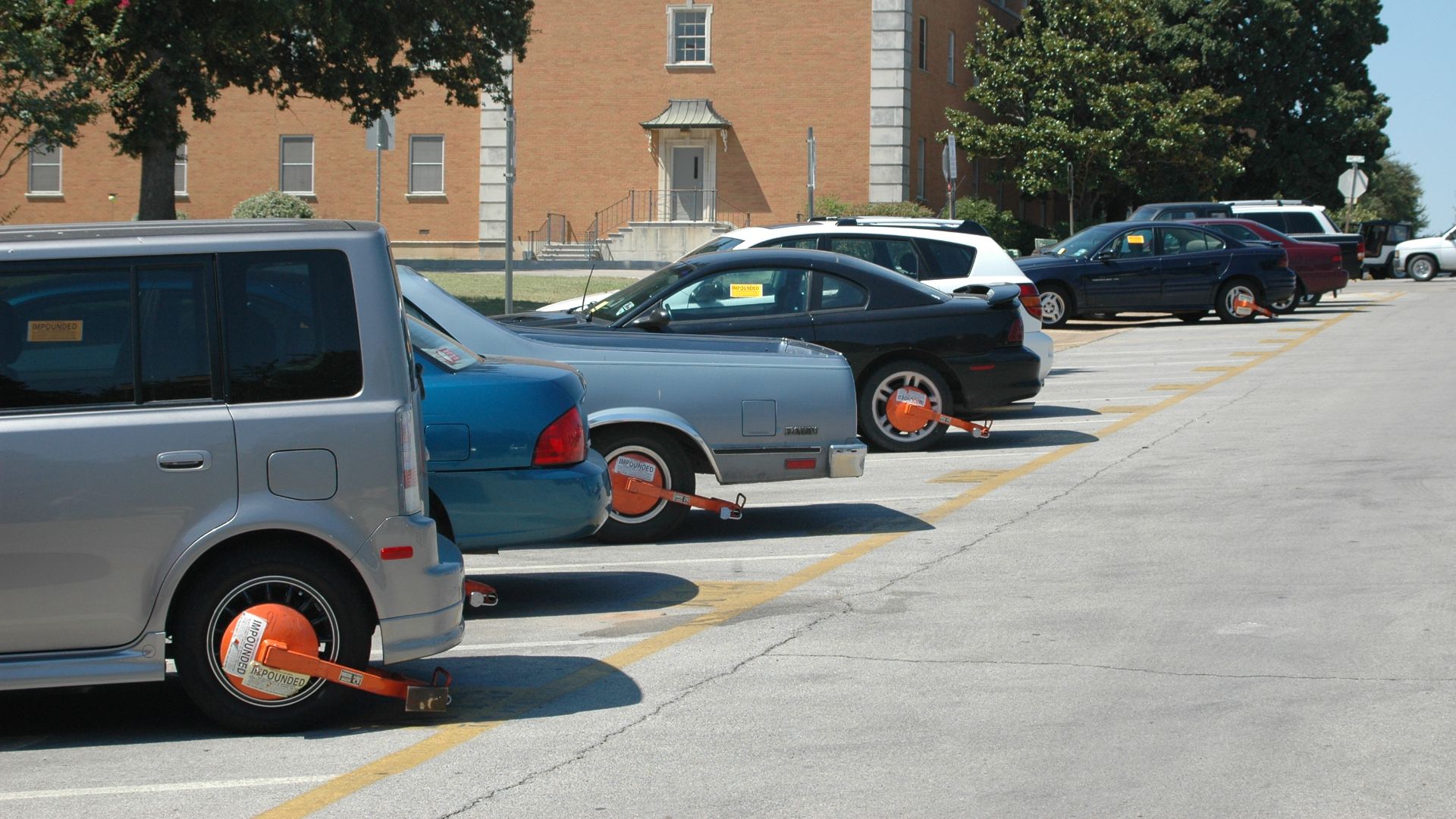
Texas allows booting in some cases, but it regulates the practice through the Texas Department of Licensing and Regulation. State rules cover signage, receipts, maximum fees, and licensing for booting operators. Texas also provides a complaint process, which can be especially useful if you had proof of payment and your car was still immobilized.
 Richard Anderson from Denton, United States, Wikimedia Commons
Nevada Limits How Private Booting Can Work
Nevada law also addresses vehicle immobilization on private property. State rules require signs and set conditions for using an immobilization device. If your car was booted despite valid payment, Nevada law gives you a framework for asking whether the operator followed the legal basics before charging you a release fee.
What If The Lot Says You Entered The Wrong Plate
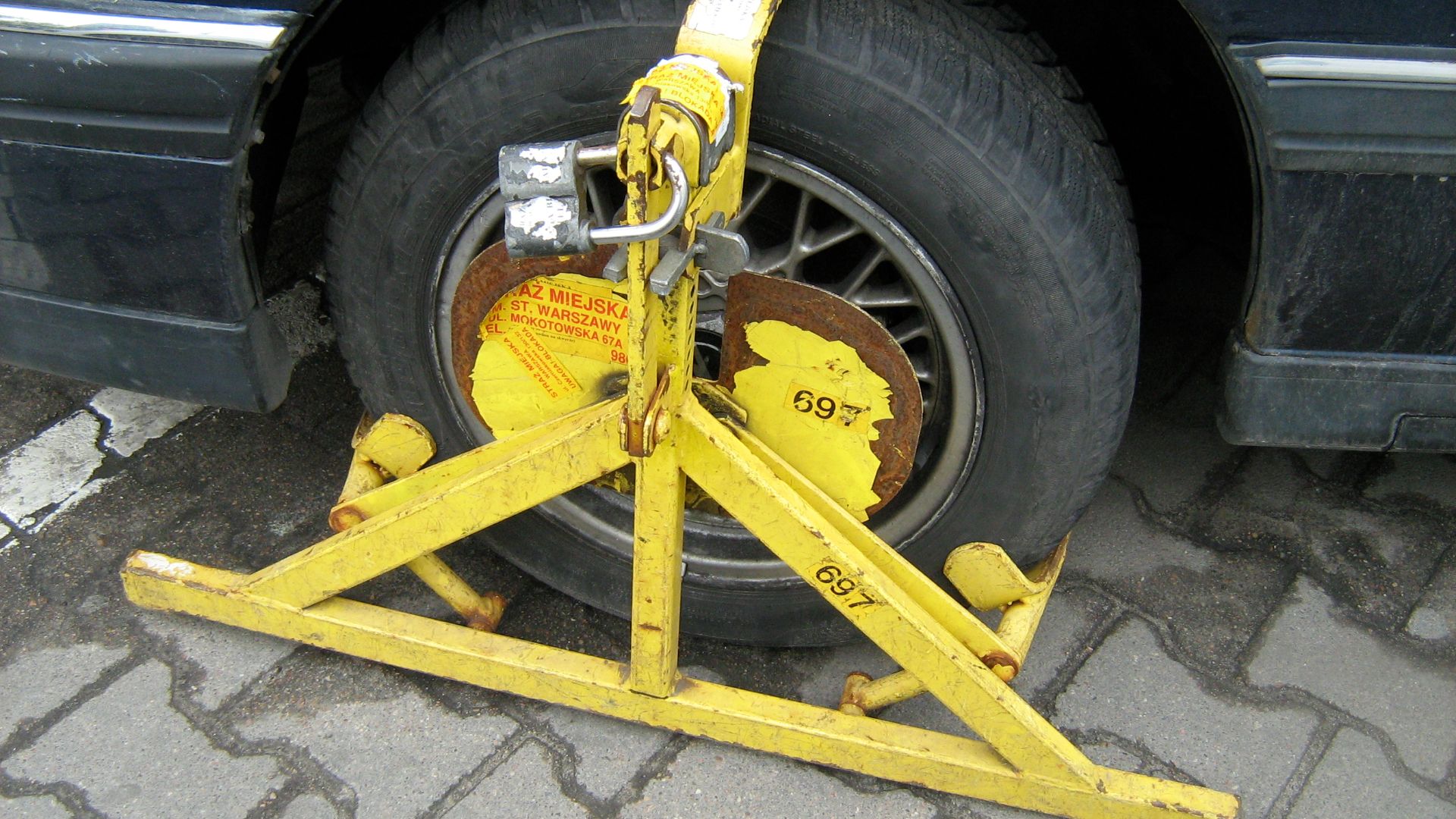
One of the most common disputes is a plate entry error. A lot may argue that you paid, but entered one digit wrong or picked the wrong state in an app or kiosk. In that situation, your rights often turn on what the posted terms said, whether the error was minor, and whether the company had a reasonable way to verify your payment some other way.

Minor Errors Do Not Always Justify Aggressive Enforcement
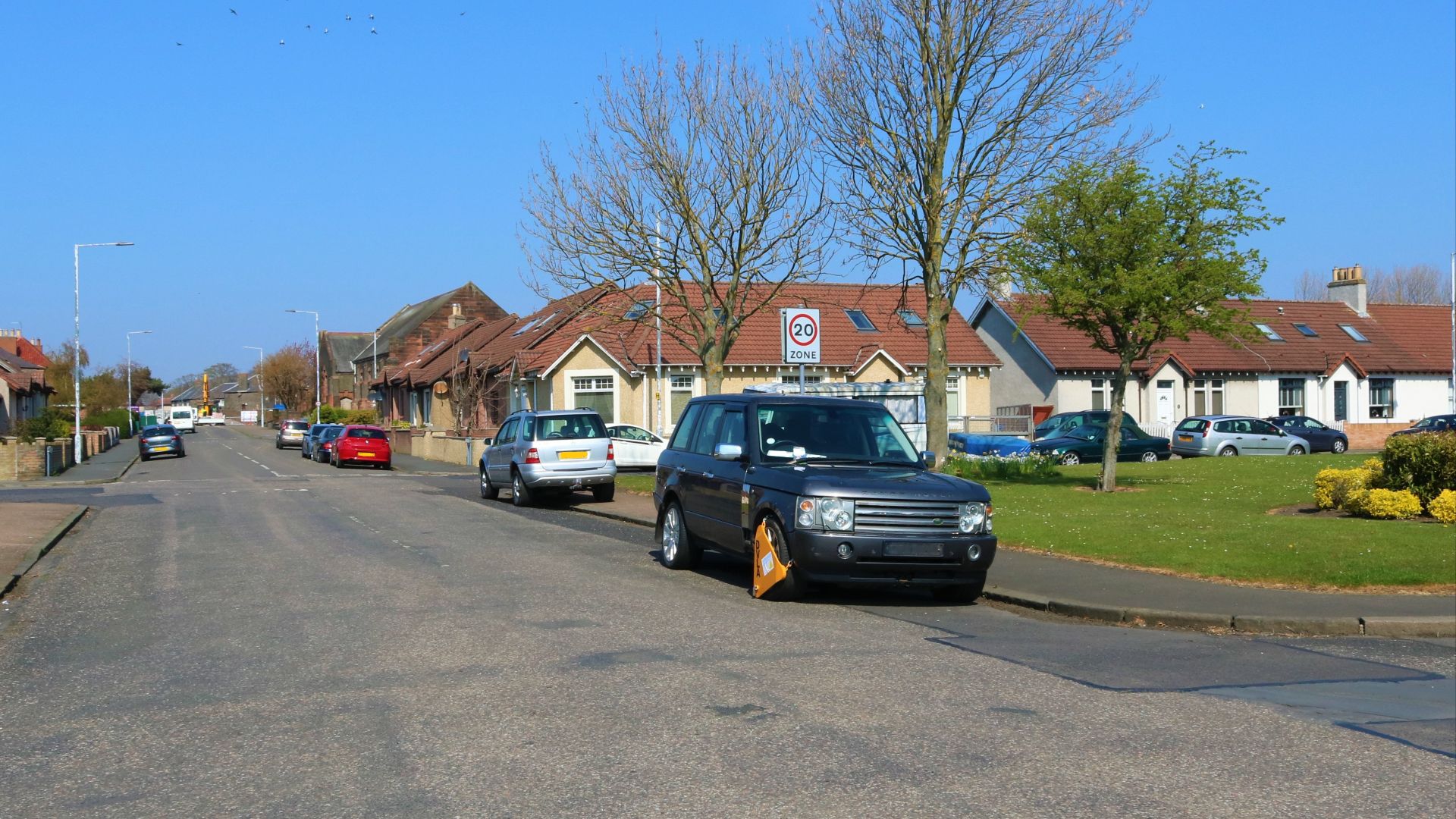
Consumer protection agencies have repeatedly warned that parking systems can produce unfair results when they rely too heavily on technical mistakes. If your transaction time, location, and payment amount all match the lot, that evidence can support your claim that the company should have corrected the issue instead of booting your car. A company that refuses to review obvious proof may be opening itself up to complaints or small claims liability.
 Bill Kasman , Wikimedia Commons
Take Photos Before You Do Anything Else
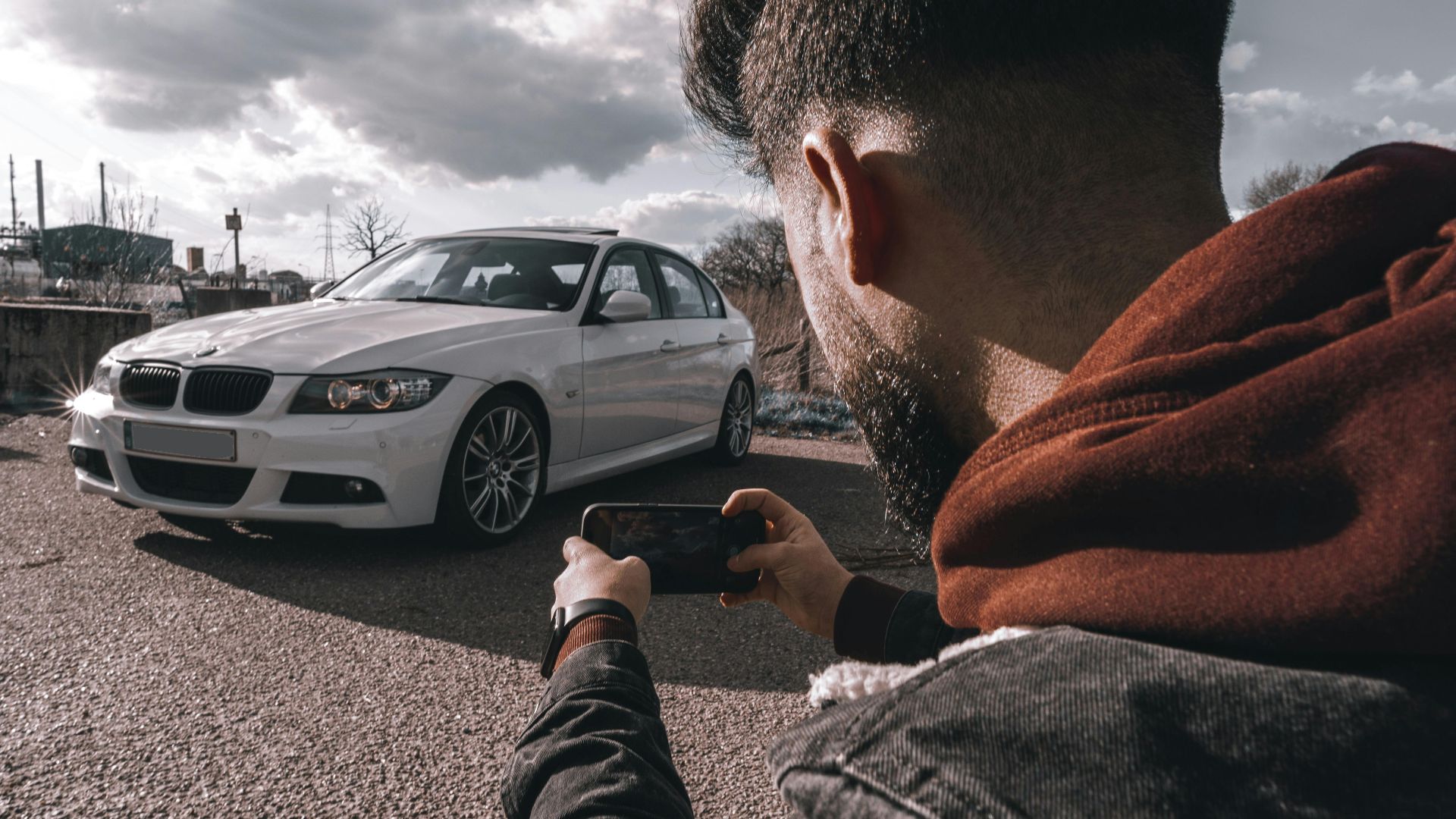
Document the whole scene before you shift into problem-solving mode. Photograph the boot, your license plate, the surrounding lot, the entrance, every posted sign, the payment machine, and any printed terms visible on the kiosk or app. Get wide shots and close-ups so you can later show what a normal driver could actually see.
Get The Boot Company Name On Record
The boot itself or the receipt should identify the company that put it on your car. Write down the company name, phone number, employee name if available, time of contact, and anything they say about why your car was immobilized. If the company cannot clearly explain the reason, that is worth noting.

Ask One Direct Question Right Away
Ask the operator to state the exact reason for the boot and to point to the sign or rule they say you violated. Keep the question simple and factual. If you paid, the company should be able to explain why your payment did not count.

Do Not Start Cutting Or Removing The Boot Yourself
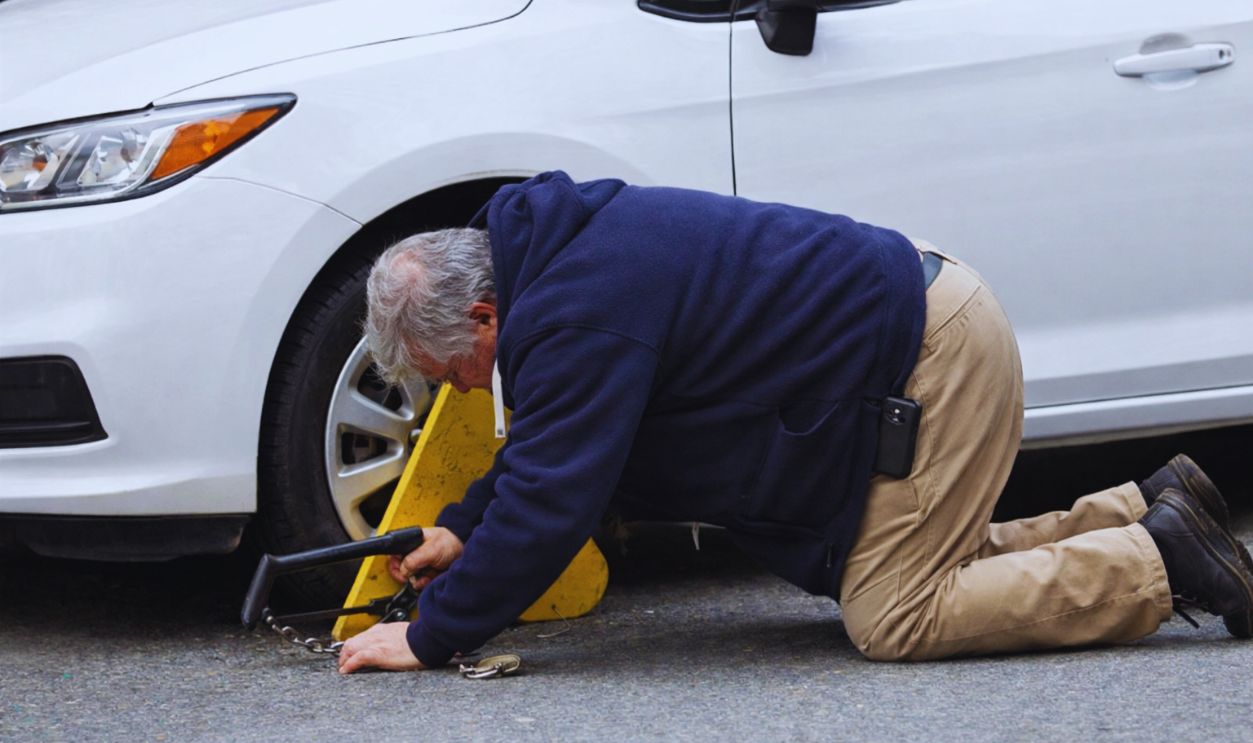
It is tempting, but trying to remove the boot on your own can create bigger legal and financial problems. Damaging the device may expose you to repair costs, trespass claims, or accusations that you interfered with private property. It is much safer to document everything and challenge the boot through the release process, a charge dispute if appropriate, and formal complaints.
Paying To Get Released Does Not Always Mean You Admit You Were Wrong
Sometimes the practical move is to pay the release fee so you can leave, especially if you are stranded or late for work. If you do, say clearly that you are paying under protest and want a detailed receipt. Keep that receipt because it may help you recover the money later if the boot was improper.

Receipts And Written Notes Win Arguments
Write down the timeline while it is fresh. Note when you parked, when you paid, when the session was supposed to expire, when you found the boot, and when you called the company. A clean timeline can be more convincing than an angry story with missing pieces.
Your Credit Card Issuer May Help
If you paid a release fee after showing proof that you had already paid for parking, you may be able to dispute the charge with your card issuer. The Fair Credit Billing Act gives consumers rights to dispute certain billing errors on credit accounts. It will not solve every parking fight, but it can be a useful tool when a private company refuses to refund an obviously wrongful fee.

Consumer Protection Laws May Also Apply
Depending on the state, you may have an unfair or deceptive practice claim if the lot posted misleading terms, hid fees, or ignored clear proof of payment. State attorneys general and local consumer agencies often handle complaints involving abusive private parking practices. That can matter when the booting company is counting on drivers to give up over a relatively small amount of money.
Small Claims Court Is Often Built For This Kind Of Fight
If the amount is not huge, small claims court can be a realistic next step. Your claim may include the release fee, the original parking charge, related bank fees, and in some cases other provable losses. Judges usually care about simple facts, clear documents, and whether the company followed the rules posted on site and required by law.

The Property Owner May Share Responsibility
Do not focus only on the booting contractor. The property owner or lot operator may have hired the company and may have the power to order a refund or step in. If the lot was attached to a store, apartment complex, hospital, or business, escalate to management in writing and include your evidence.

Watch For Red Flags That Suggest The Boot Was Illegal
Major warning signs include no visible notice that booting is used, no listed fees, no company contact information, cash-only release demands where local rules require card acceptance, and refusal to give a receipt. Another big red flag is being in a place where private booting is broadly prohibited. In those situations, the issue may not be a bad call by the company, but an unlawful immobilization from the start.
If You Were In California, Push Harder
California drivers should pay especially close attention because state consumer guidance says private property owners cannot use a boot to hold a car on private property. That guidance reflects California's stronger focus on regulated towing rather than private immobilization. If your paid car was booted there, you may have especially strong grounds to demand reimbursement and file a complaint.

If You Were In DC, Check The Rulebook Closely
DC's consumer guidance is detailed enough that many disputes can be measured against a checklist. Was the company licensed, were the signs compliant, were the fees lawful, did they accept a card, and did they provide the required receipt and release. For a paid driver, that checklist can turn a frustrating story into a concrete legal complaint.

If You Were In Texas, Licensing Can Be A Big Deal
Texas requires booting companies and booting operators to meet licensing and regulatory rules through TDLR. If the company that booted your paid vehicle was not properly licensed or did not follow state rules, that can strengthen your refund demand. It also gives you a state agency with a direct enforcement interest in the conduct.
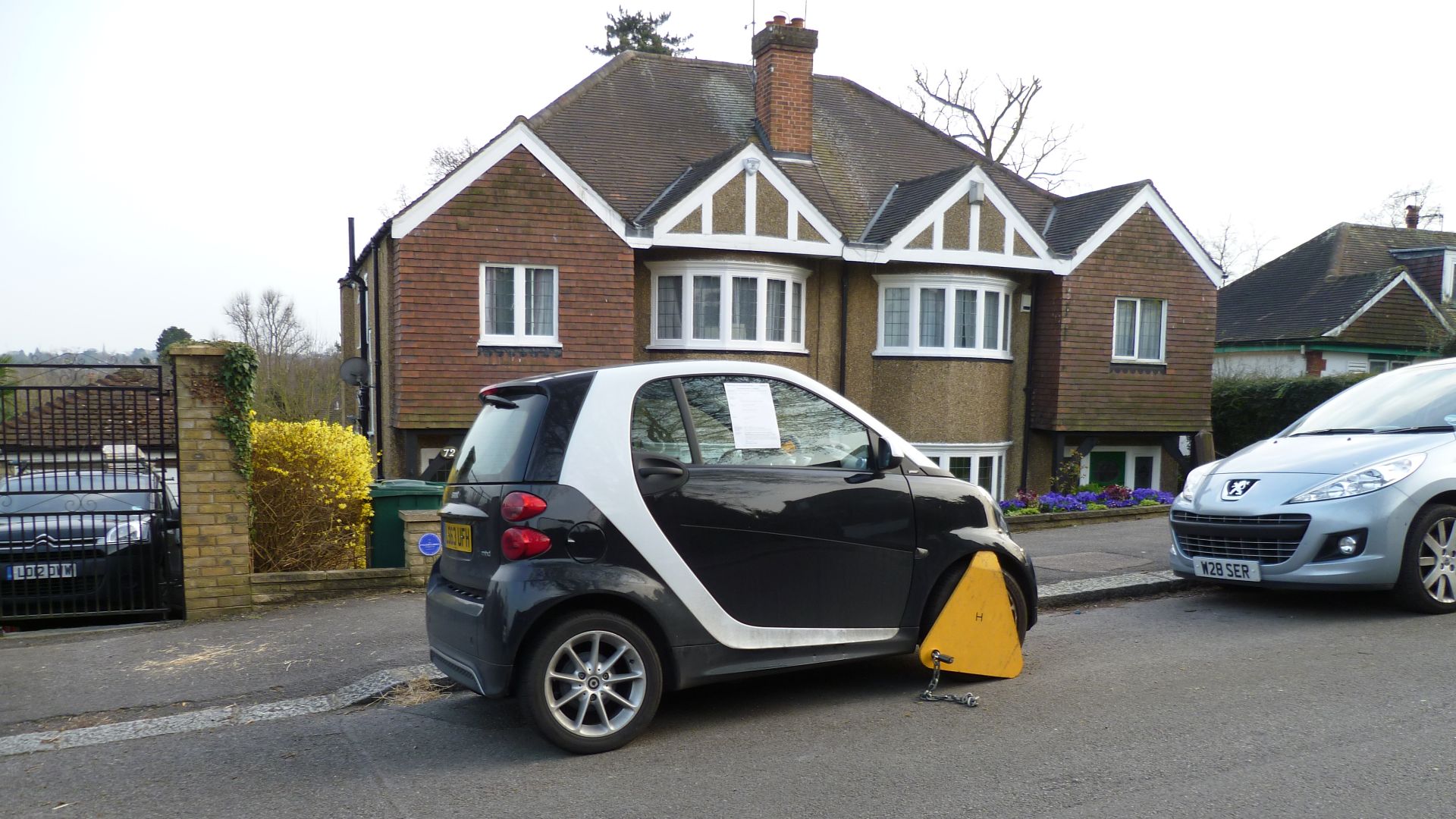 Philafrenzy, Wikimedia Commons
How To Build A Strong Refund Demand
Send a short written demand to the lot operator and the booting company. Attach your proof of payment, photos of the signs, the receipt for the release fee, and a one-page timeline. Ask for a refund by a specific date and mention any law or agency rule that appears to apply where this happened.

The Bottom Line On Your Rights
If your car was booted in a private lot even though you paid, you may have the right to a refund, the right to challenge the fee, and the right to file a complaint with a state or local regulator. Your strongest tools are proof of payment, photos of the signs, and knowing the rules where it happened. The facts can swing in your favor fast once you show that the company immobilized the wrong car, ignored valid payment, or broke the law doing it.