The Question Sounds Simple Until The First Icy Morning
If your car already has all-season tires, buying a whole second set of winter tires might seem unnecessary. That's why this debate comes up every year. But the difference in winter performance is surprisingly vast, and it has been backed up for years by tire makers, safety groups, and engineering organizations.

All-Season Does Not Mean All-Winter
The name causes a lot of confusion. All-season tires are built to handle a wide range of conditions, but they are still a compromise. Consumer Reports says they can offer decent traction in light snow, but they usually cannot match winter tires in serious cold, snow, or ice.
Winter Tires Are Built For A Different Job
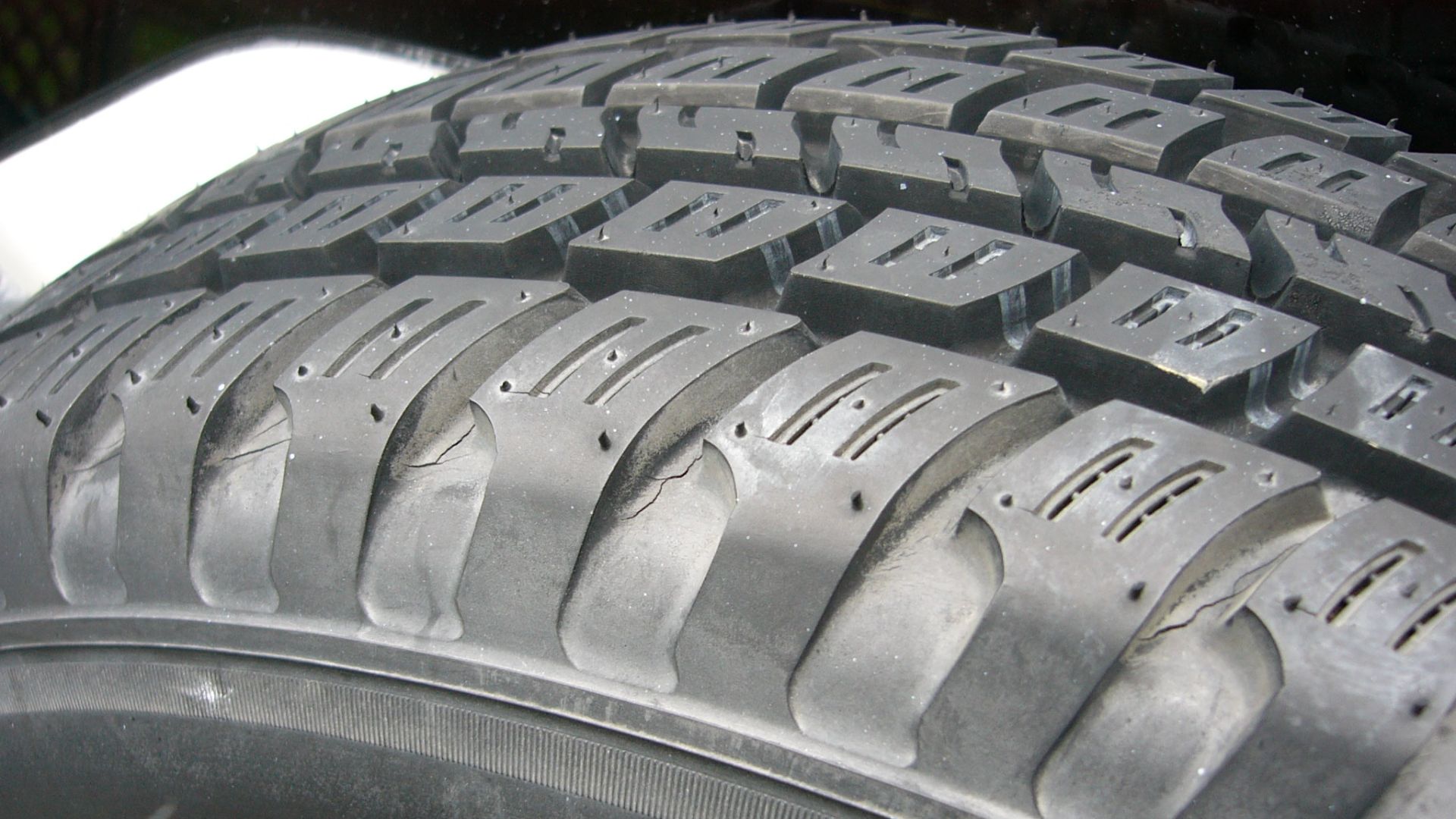
Winter tires are not just regular tires with deeper grooves. Their rubber is made to stay flexible in low temperatures, which helps the tire grip the road better. The tread also has more biting edges and sipes to dig into snow and slush.
The Temperature Rule Matters More Than Many Drivers Think
One of the most common guidelines in the tire world is the 45-degree rule. Bridgestone and other tire makers say winter tires start to make sense when temperatures regularly drop below 45 degrees Fahrenheit. That matters because even dry pavement can get slippery when all-season rubber stiffens in the cold.
This Is Not Just About Deep Snow
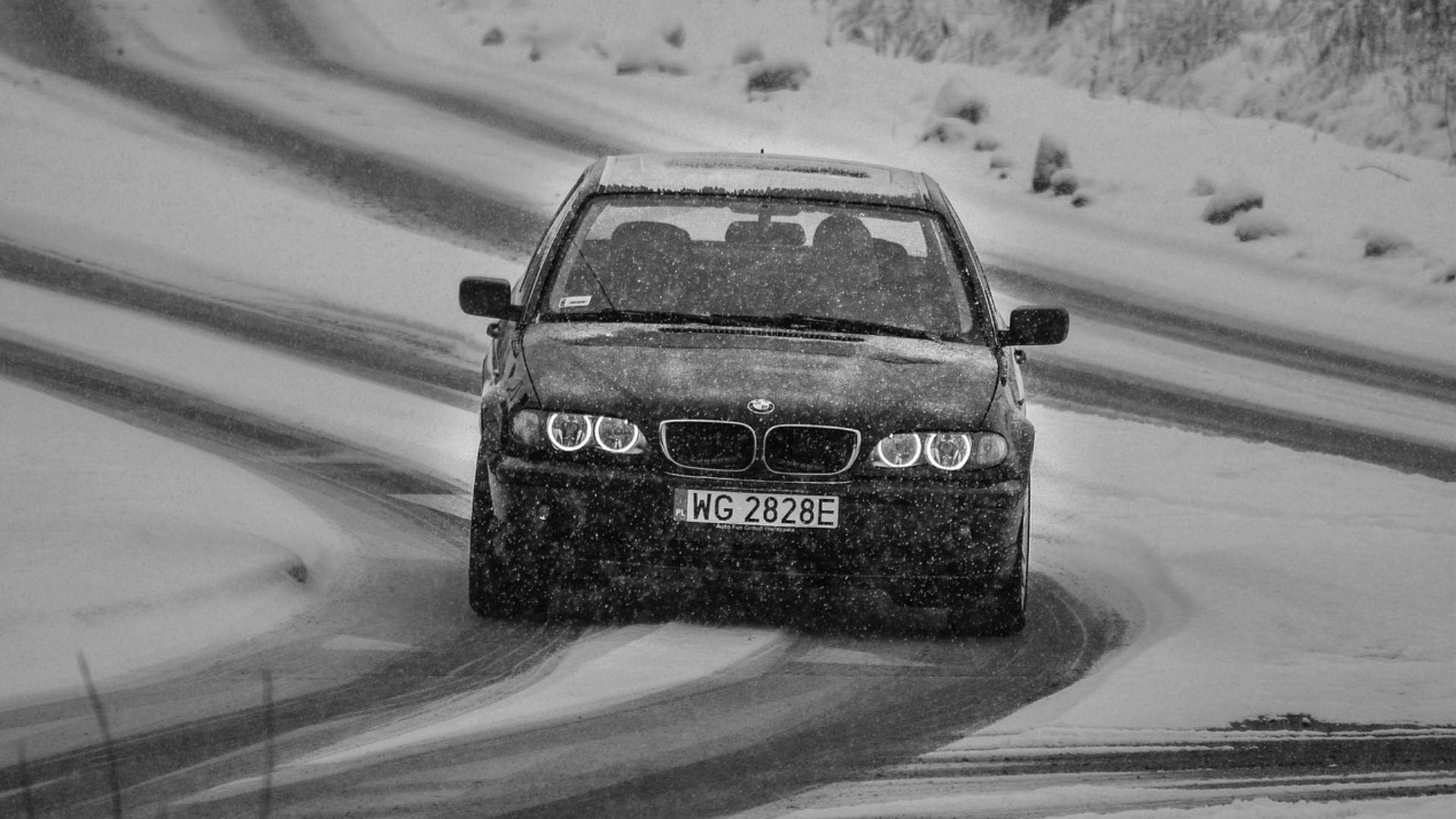
Many drivers think snow tires only matter when roads are buried in powder. In reality, their biggest advantage often shows up on packed snow, slush, black ice, and cold pavement. Those are the conditions that catch people off guard because the road can look fine until the car does not stop or turn the way you expect.
The Industry Has Tried To Separate Marketing From Real Capability
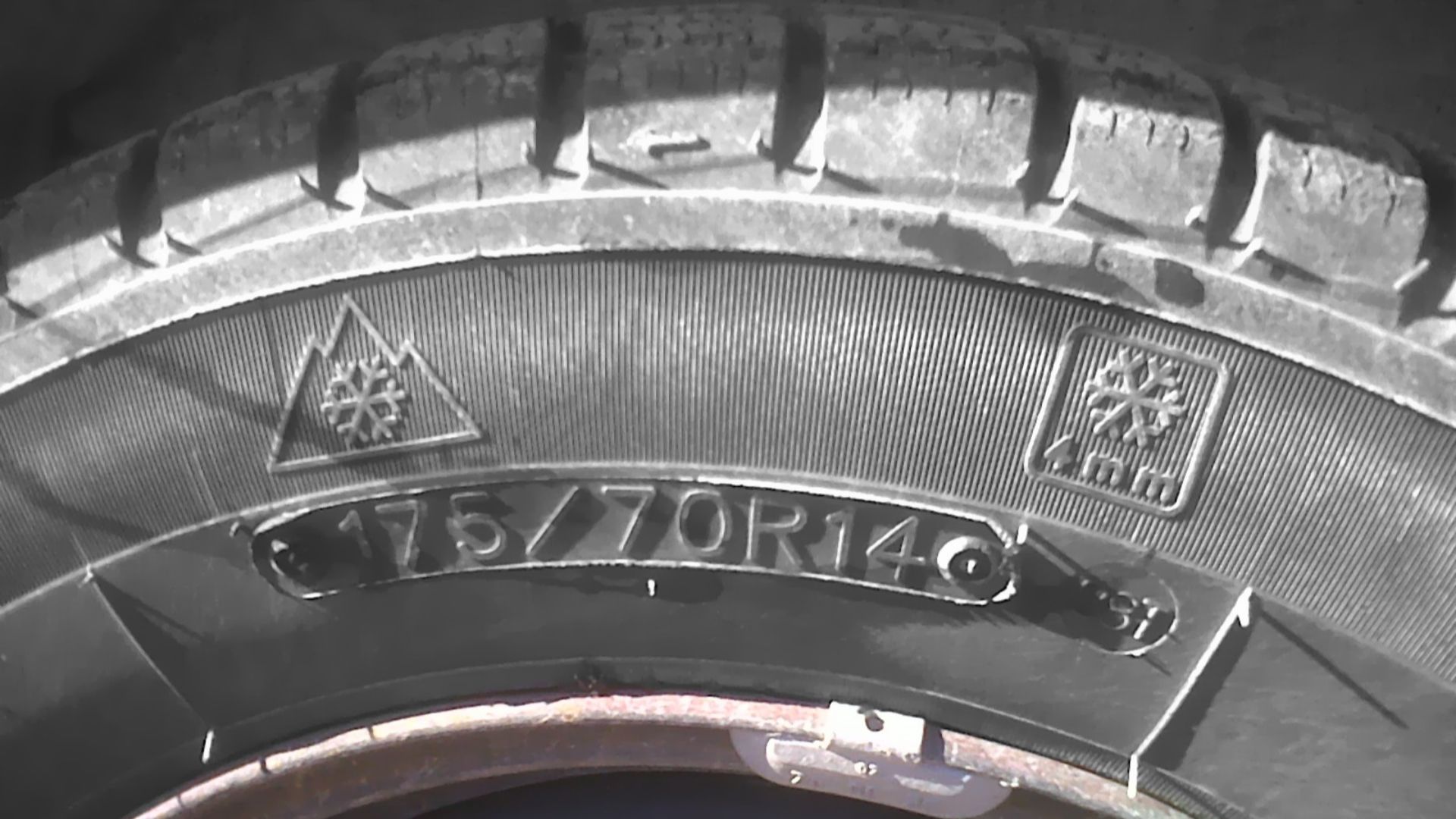
There is an official mark that helps identify tires with stronger winter performance. The U.S. Tire Manufacturers Association says the three-peak mountain snowflake symbol is only used for tires that meet specific snow traction standards. A basic M+S mark, by contrast, does not mean the tire passed the same severe snow testing.
That Little Mountain Symbol Is A Big Clue
If your current all-season tires do not have the three-peak mountain snowflake symbol, they are not in the same class as true winter-focused tires. Some newer all-weather tires do carry that symbol, which makes them a useful middle ground for some drivers. Even so, a dedicated winter tire is still the specialist choice when conditions get rough.
 Arizonaman1, Wikimedia Commons
Stopping Distance Is Where The Argument Gets Serious
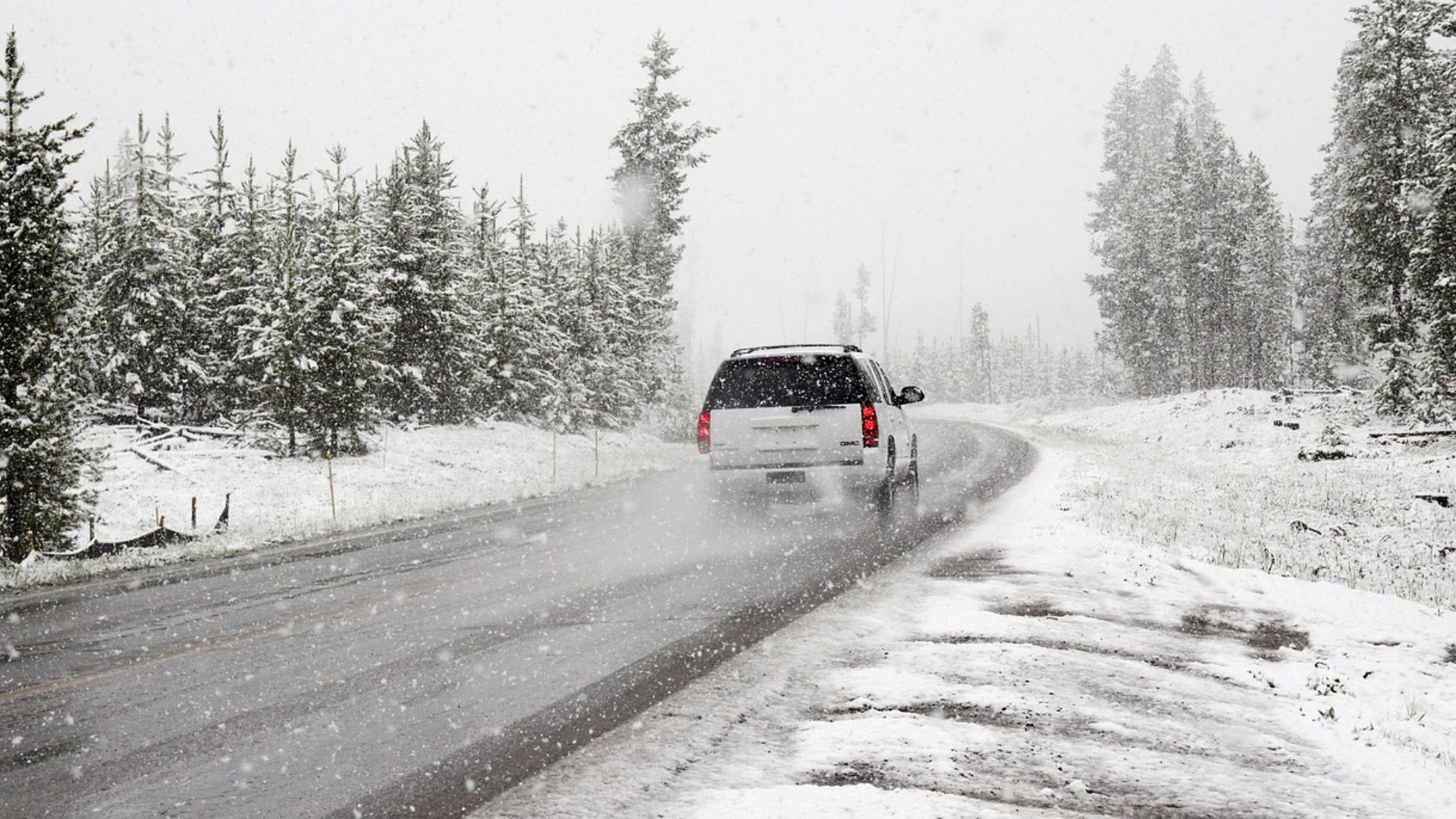
The biggest question is not whether your car can get moving in snow. It is whether it can stop and steer when traffic suddenly slows or a child runs into a crosswalk. Tire Rack testing has repeatedly shown that dedicated winter tires can shorten stopping distances and improve control compared with all-season tires in cold-weather conditions.

Even AWD Cannot Rewrite Physics
A lot of drivers assume all-wheel drive solves the winter problem. It helps with acceleration, but it does not create extra grip for braking if the tires cannot hold the surface. Consumer Reports and tire makers keep making this point because many drivers confuse getting going with getting stopped.
Your Wife Is Not Crazy, But The Risk Calculation May Be Off
There are plenty of reasons people push back on winter tires. They cost money, take up storage space, and usually mean an extra swap every year. But if the argument is that all-season tires are basically equal to winter tires in winter weather, the evidence does not back that up.

Where You Live Changes The Answer Fast
If you live in Miami, winter tires make little sense. If you live in Minneapolis, Buffalo, Burlington, or anywhere with long stretches of cold pavement and regular snow, the math changes fast. Geography matters, but so does how often temperatures stay low even when roads are plowed.
Your Commute May Matter Even More Than Your Zip Code
A short drive on well-plowed suburban roads is one thing. A predawn trip on untreated back roads, a hilly route, or a highway drive through lake-effect snow is something else. The more often you have to drive before plows and salt trucks have done their work, the stronger the case for winter tires becomes.

Light Snow Is Where All-Seasons Can Fool You
All-season tires can feel fine in a light dusting of snow, and that is part of the problem. That limited competence can make drivers think they are fully ready for winter. Trouble usually starts when temperatures drop hard, surfaces glaze over, or a normal trip suddenly turns into an emergency maneuver.
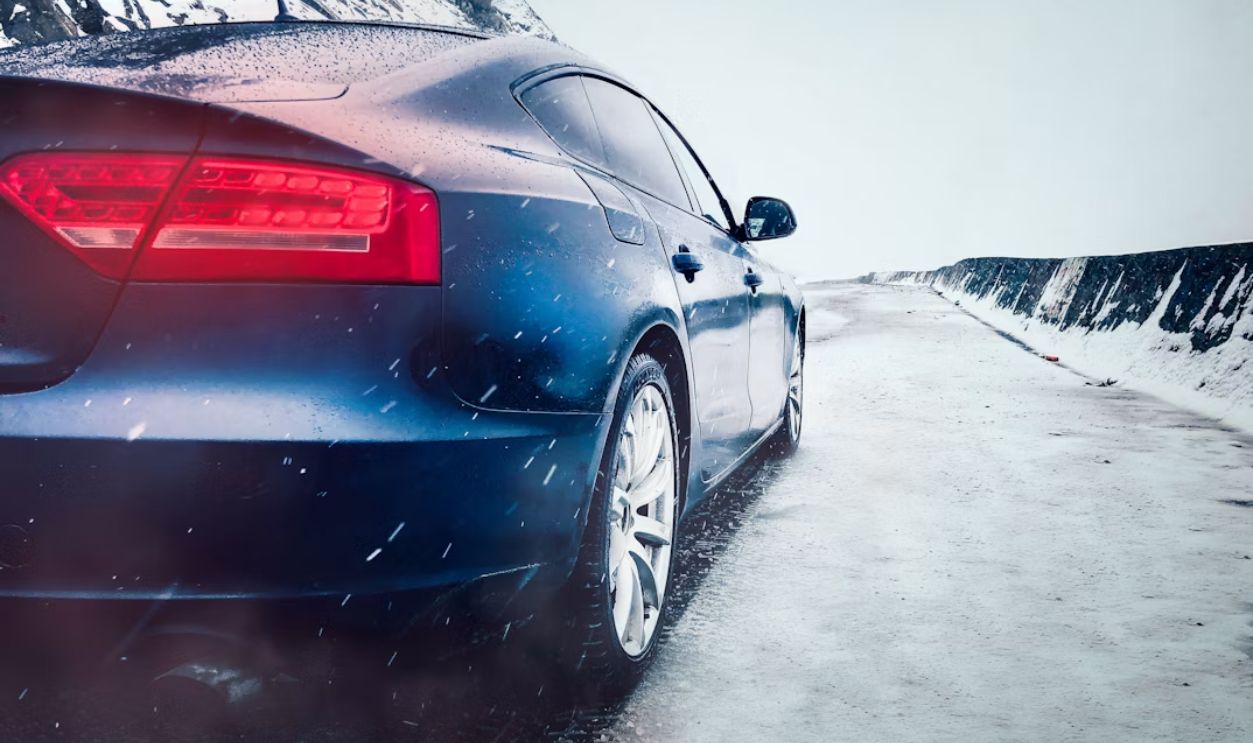
Cold Dry Pavement Is An Underrated Hazard
Many people think winter tires are only for snowy roads. But tire companies point out that cold, dry pavement is also a big reason to use them. Once temperatures stay low, winter compounds remain flexible better than many all-season tires, which can improve braking and cornering even when the road looks clear.

There Is A Middle Ground Called All-Weather Tires
If the cost and storage of a second set are deal breakers, all-weather tires are worth a look. Unlike many standard all-season tires, all-weather models are meant for year-round use and often carry the three-peak mountain snowflake symbol. They are still a compromise, but for many drivers they are a better winter choice than regular all-seasons.

Why Tire Age And Wear Change The Conversation
An all-season tire that is half-worn is already at a disadvantage compared with a fresh one. Add snow and cold weather, and the gap gets wider. The National Highway Traffic Safety Administration notes that tread depth is critical for traction, and winter performance drops as tires wear down.

Shallow Tread Can Turn A Minor Storm Into A Major Problem
Tires do not need to be bald to get bad in snow. As tread depth shrinks, the tire loses more of its ability to move slush and pack snow effectively. That helps explain why a driver might honestly say their all-seasons used to feel okay in winter even though the same model now feels shaky.
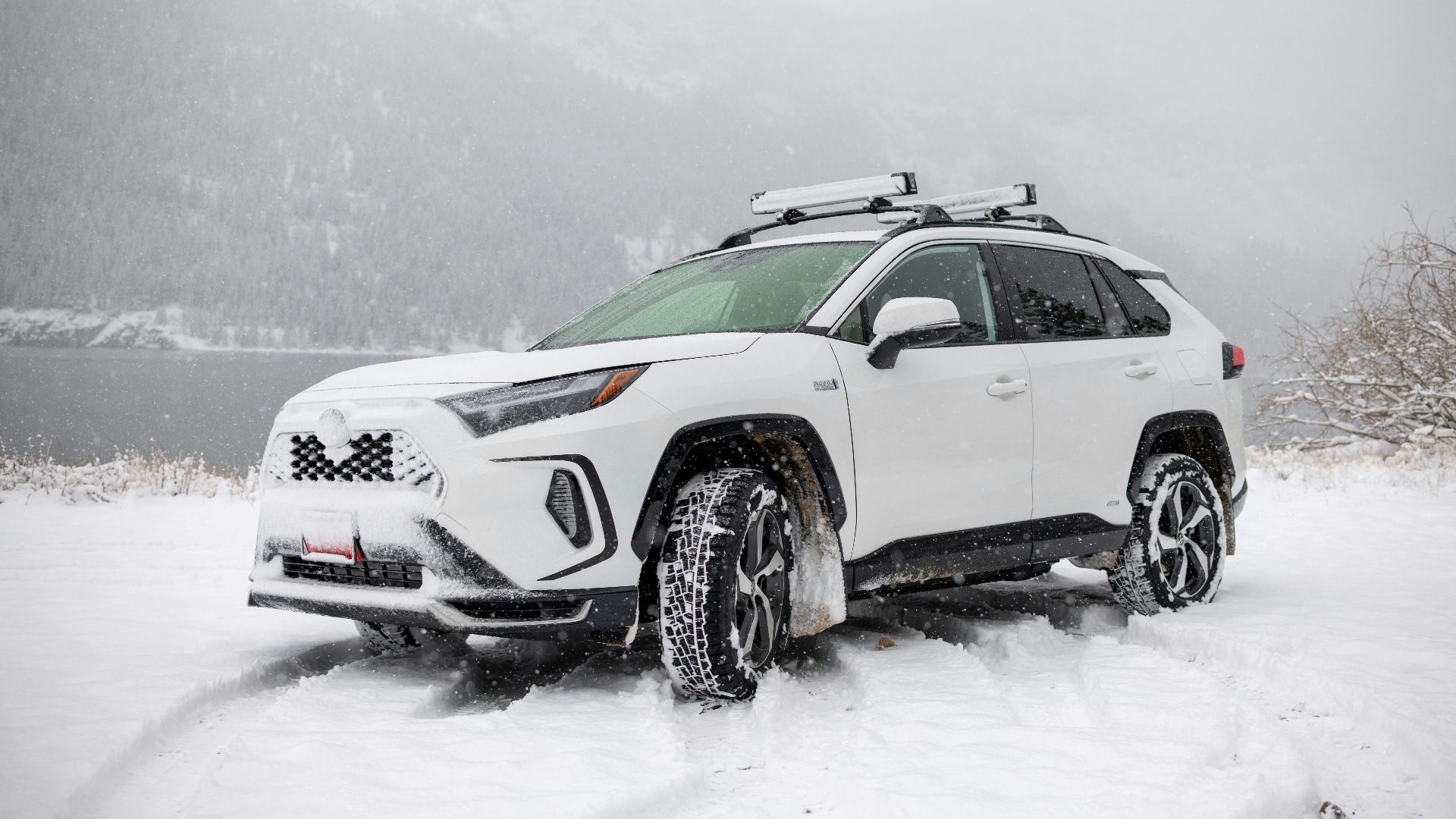
Front-Wheel Drive Cars Benefit Too
This is not just an issue for pickup trucks and SUVs. A front-wheel-drive sedan with good winter tires can be far more secure in winter than an all-wheel-drive crossover on mediocre all-seasons. Grip at the tire’s contact patch still decides the outcome, no matter how fancy the drivetrain is.
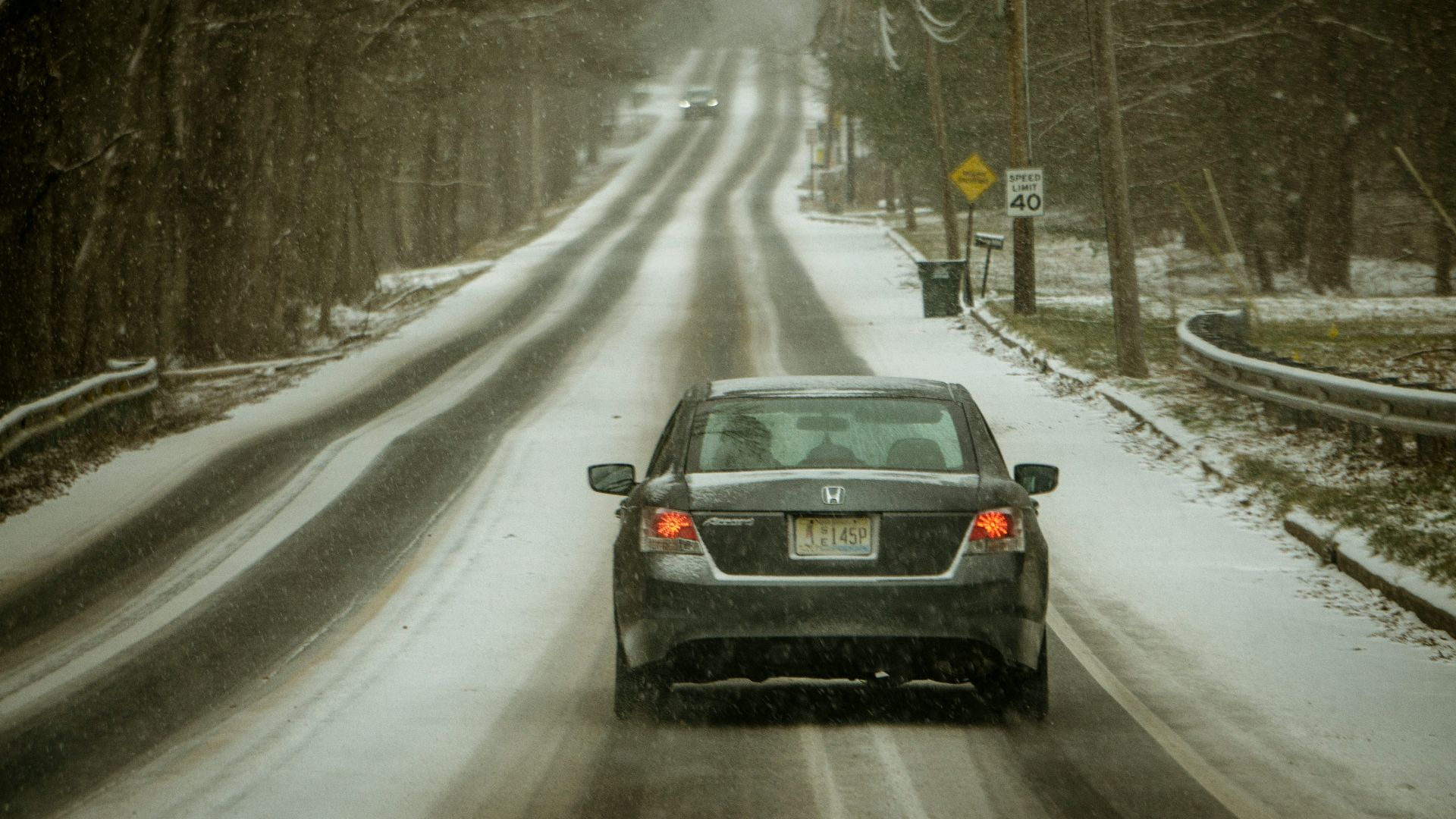
Rear-Wheel Drive Makes The Decision Easier
If your vehicle is rear-wheel drive and you get real winter weather, the argument for snow tires gets stronger. Rear-drive vehicles can be harder to manage on slick roads during acceleration and cornering. Dedicated winter tires help cut that disadvantage and make the vehicle much more predictable.
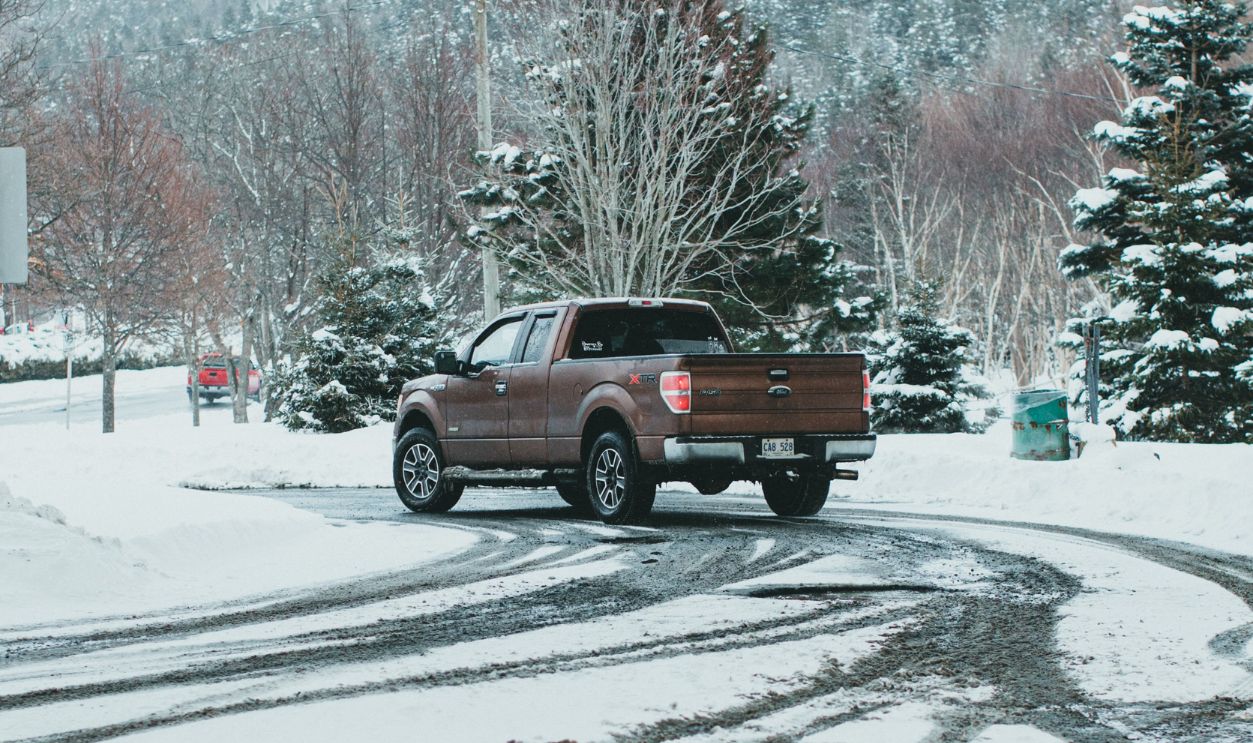
Emergency Maneuvers Are The Real Test
Most winter drives are uneventful, which is why the benefit can seem abstract. The real value shows up when you have to swerve around a spun-out car, brake for a deer, or move away from a sliding truck. Tires with more grip can buy a few crucial feet and fractions of a second, and that can decide everything.

Insurance Against The Worst Day Is Never Cheap
Winter tires are not cheap, and there is no point pretending otherwise. The upside is that using a dedicated winter set can also reduce wear on your summer or all-season tires, since each set spends less time on the road. For some drivers, the cost makes more sense when seen as paying for a safety margin, not buying a duplicate product.
There Are Cases Where Winter Tires Really Are Unnecessary
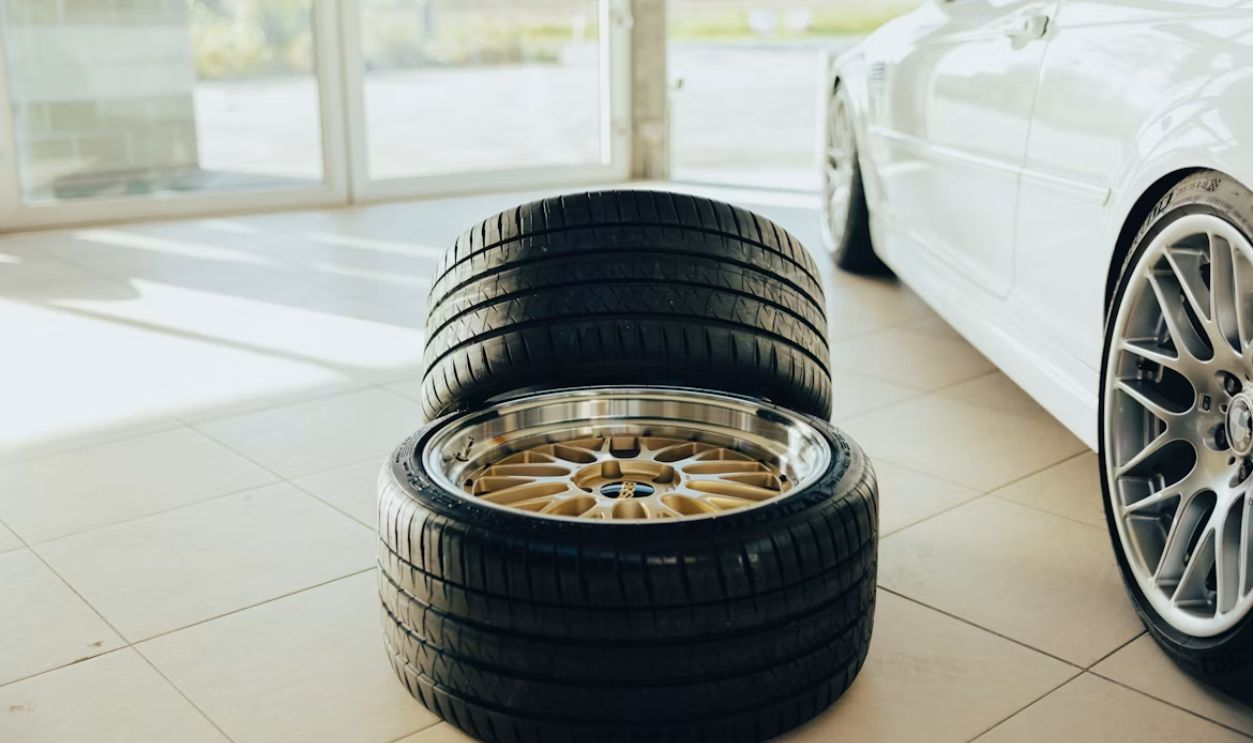
If you rarely drive, can stay home during storms, and live somewhere roads are cleared quickly and temperatures do not stay low for long, all-seasons may be enough. The same goes for warm areas where true winter weather barely happens. In that case, snow tires may create more hassle than real benefit.
There Are Cases Where Skipping Them Is Clearly A Risk
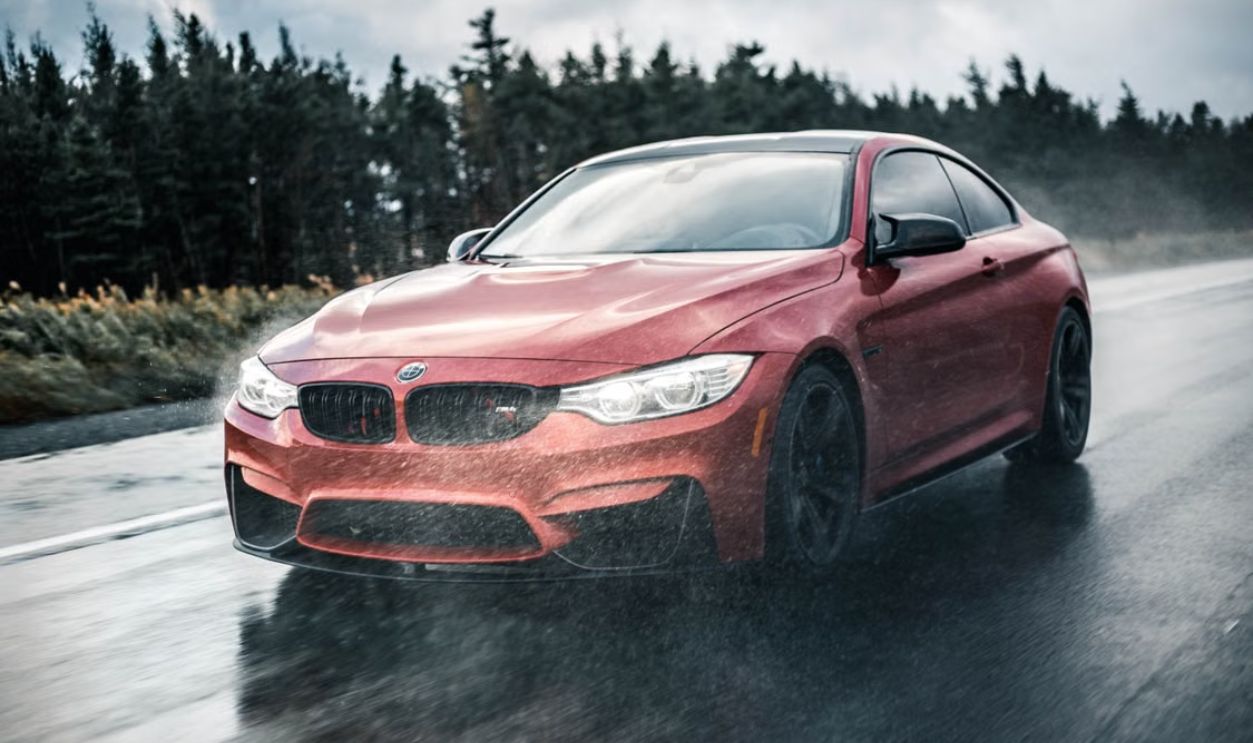
If you have to commute no matter the weather, regularly deal with snow or ice, or drive kids on winter mornings, the trade-off looks different. In those situations, regular all-season tires are being asked to do more than they were really built for. That is where the risk stops being theoretical.

Look At Your Tires Before You Settle The Debate
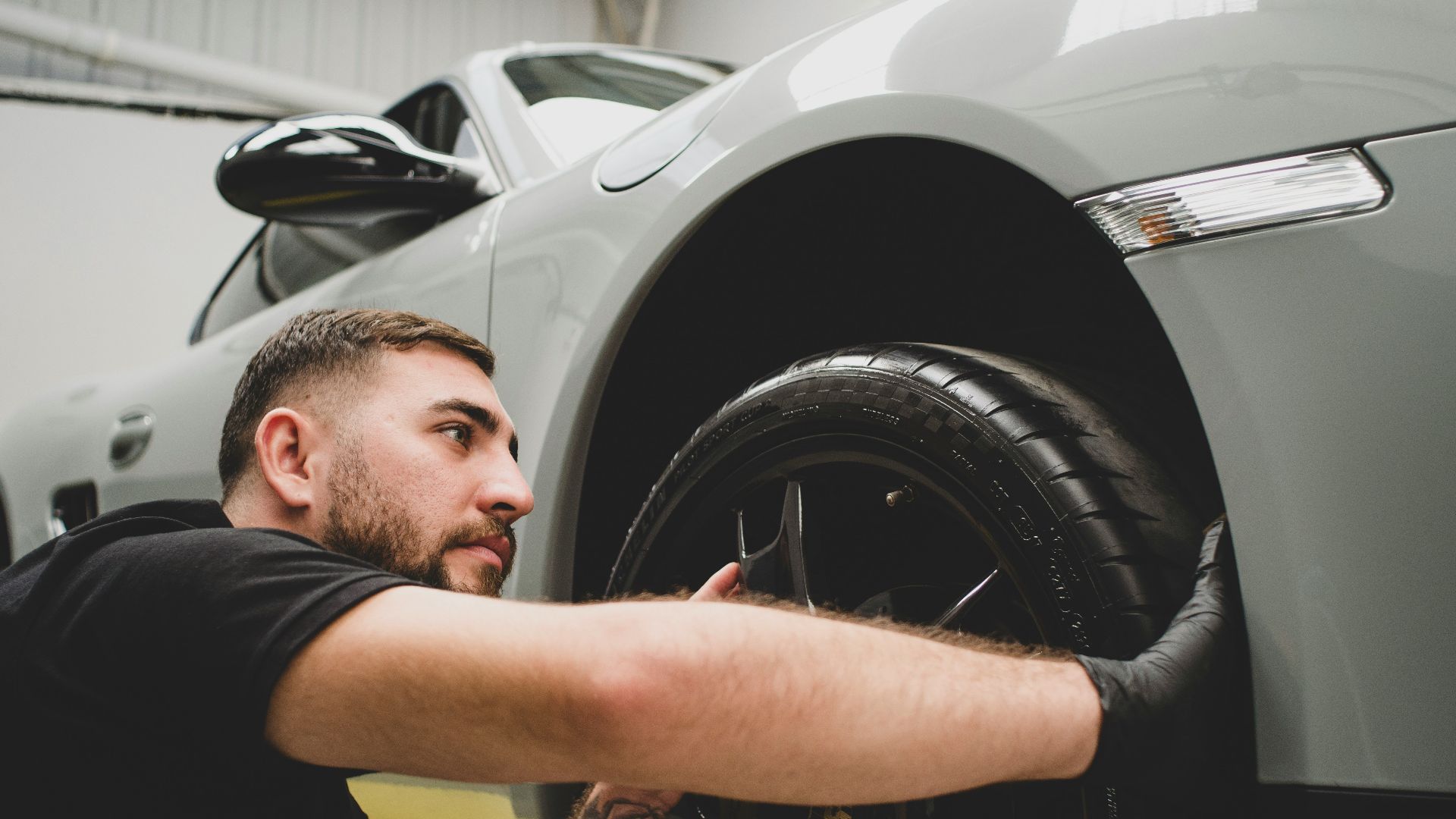
Check the sidewall for the three-peak mountain snowflake symbol. Measure tread depth and note the tire model, because not all all-season tires perform the same. A premium all-weather tire in good shape is one thing. An older budget all-season with weak tread is something else entirely.
The Smart Household Answer Is Usually Conditional
This debate does not have a one-size-fits-all answer. Your climate, road conditions, driving schedule, vehicle type, and current tires all matter. But the big takeaway is clear: dedicated winter tires are not a waste in real winter conditions, and brushing them off completely can mean accepting avoidable risk.
So Is She Taking An Unnecessary Risk
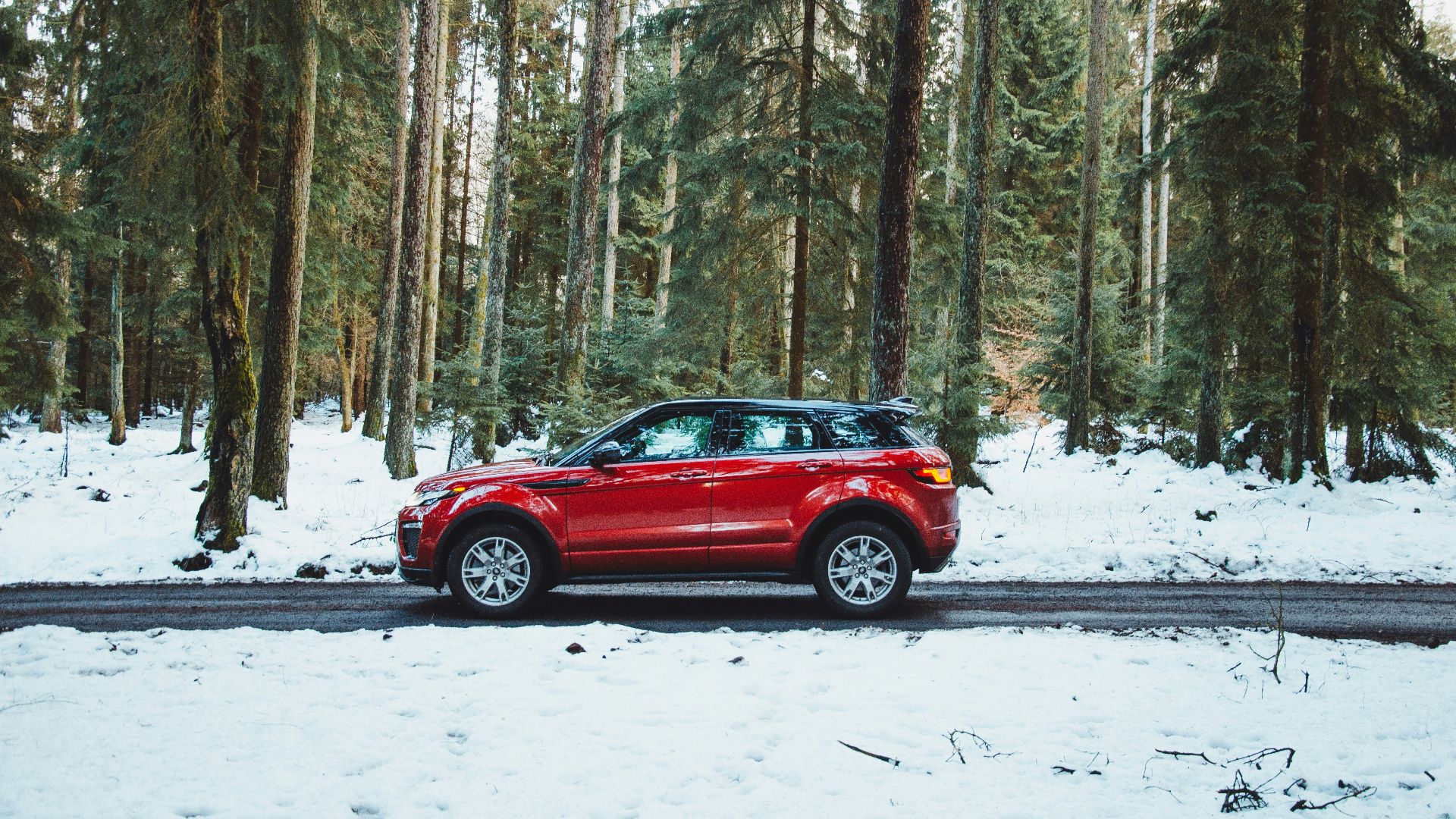
Possibly yes, if your winters are cold, snowy, icy, or unpredictable and you drive regularly no matter what the forecast says. Probably not, if you live in a mild climate and your all-season or all-weather tires are in good shape. The honest answer is that snow tires are not always necessary, but in true winter country they are one of the most meaningful safety upgrades you can buy.