The Sinking Feeling of Finding a Fresh Gouge
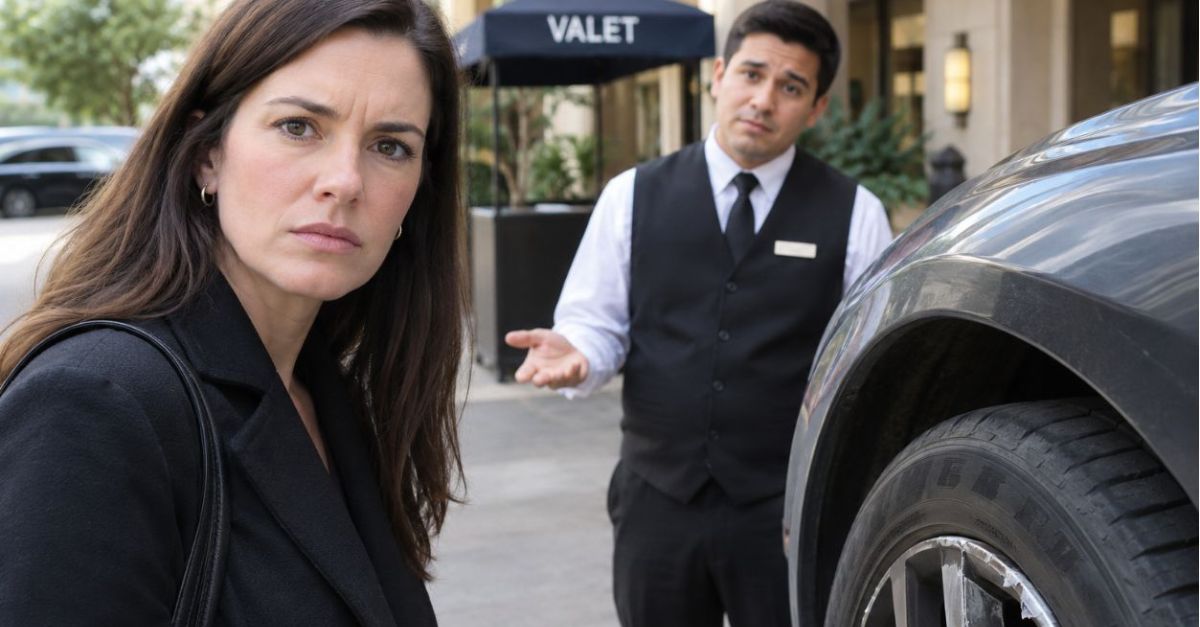
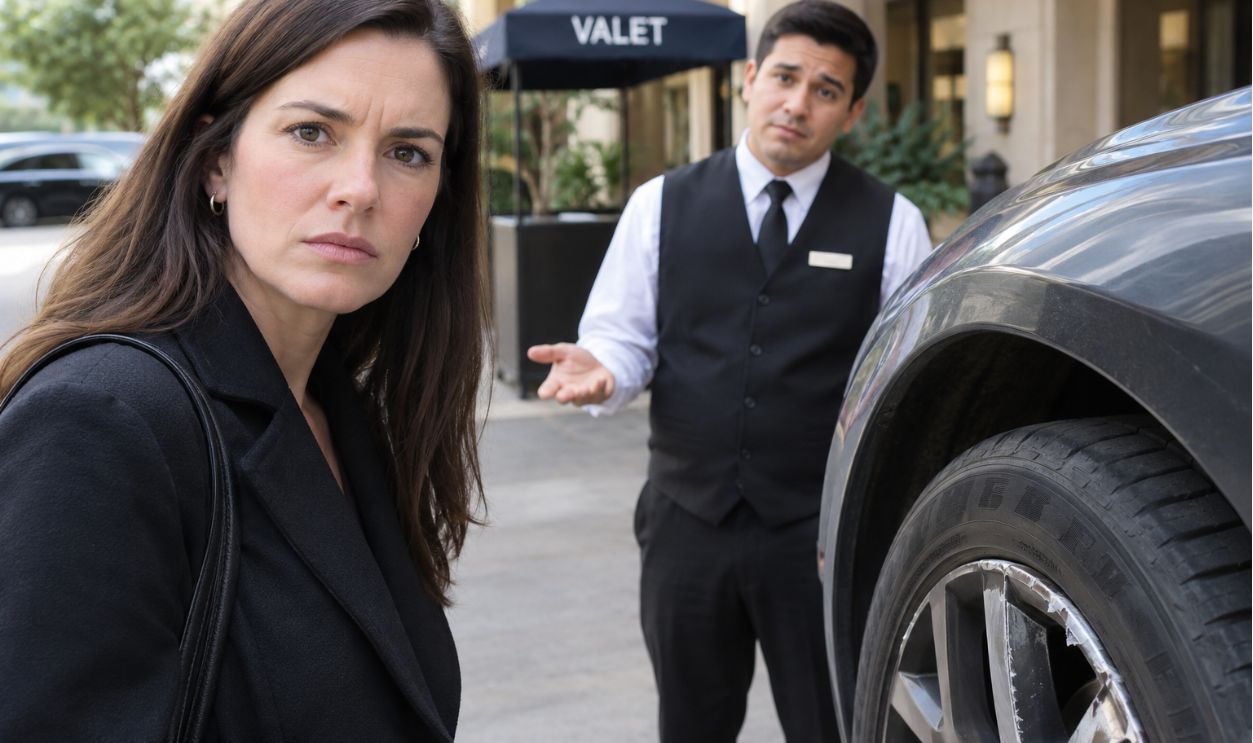
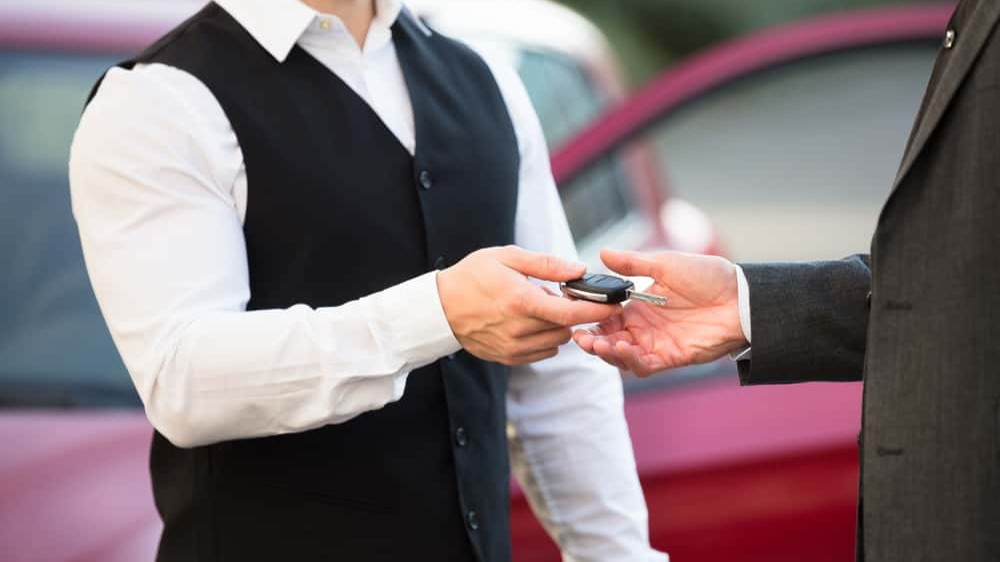
We've all had this fear when giving our keys to a stranger at a valet: You get your car back at the end of your night and there's clearly damage, but the valet swears it was like that when you dropped it off. What would really happen in that situation? The short answer is: If you want compensation, you'd better have evidence.
These Fights Usually Come Down to Evidence
In plain terms, cases like this are usually about proof. If you say the valet damaged the wheel, you generally need evidence showing the car went in one condition and came back in worse shape. The valet company, meanwhile, may point to tickets, signs, photos, or employee notes to argue the damage was already there before they took the car.
Bailment Is the Main Legal Idea Behind Valet Claims
When you give your car to a valet, a legal relationship called a bailment is often created. That just means you handed your property to someone else for a specific purpose, and they were supposed to return it. Courts have long looked at parking and valet disputes through that lens, and it matters because it can affect who has to explain damage.
The Key Rule Is Usually Possession Plus Damage
A common rule in bailment law is that if you show the property was delivered in good condition and returned damaged, that can create an inference of negligence. In many states, that shifts the burden of going forward to the bailee, meaning the valet operator may have to explain the loss or damage. It does not always shift the final burden of proof, but it can put real pressure on the business to produce facts.
Why That Rule Matters
The basic reason is simple. Once your car is in the valet's custody, the valet usually knows a lot more than you do about what happened while it was parked or moved. Courts and legal authorities often rely on that practical point when sorting out possession and responsibility.
Not Every Parking Setup Is the Same
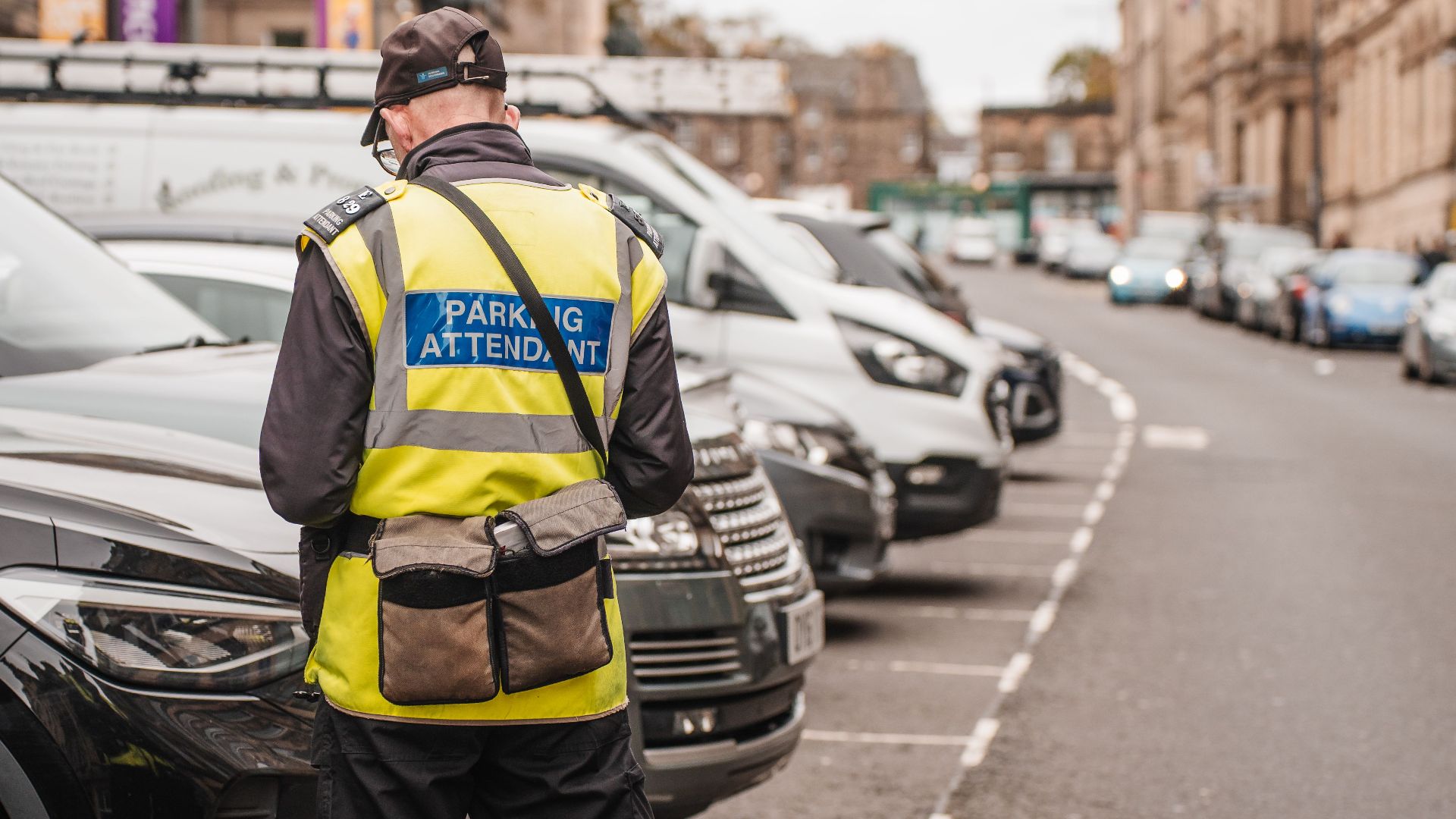
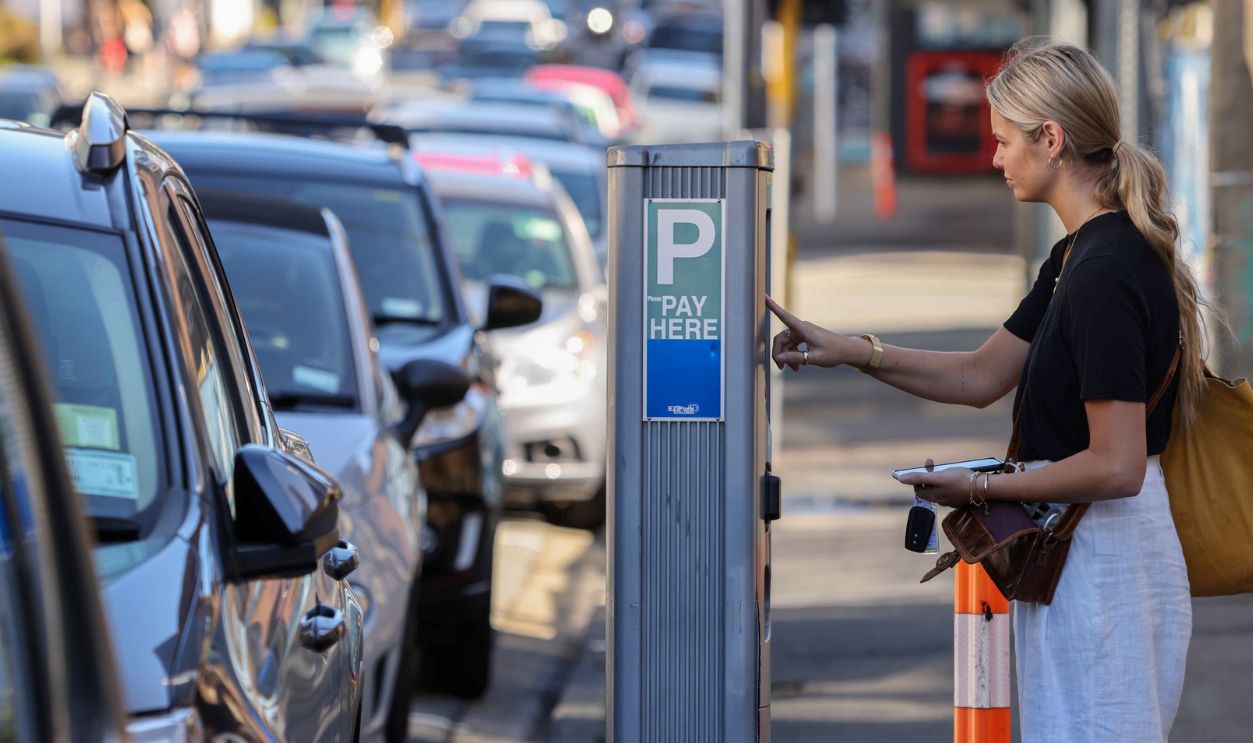
One big detail is whether this was true valet service or just a self-park lot with a ticket machine. Courts often draw a line between a business that took custody of the vehicle and one that simply let you park in a space. If an attendant parked, moved, or controlled access to the car, your argument that a bailment existed is usually stronger.
 Xinhua News Agency, Getty Images
Receipts and Claim Tickets Can Matter a Lot
Many valet tickets include language trying to limit liability for theft or damage. Those disclaimers are not always enforceable, especially if they are vague, hard to read, or run against state law. Even so, the ticket can become an important piece of evidence about the terms of the deal and whether the valet actually accepted custody.
What You Usually Need to Prove First
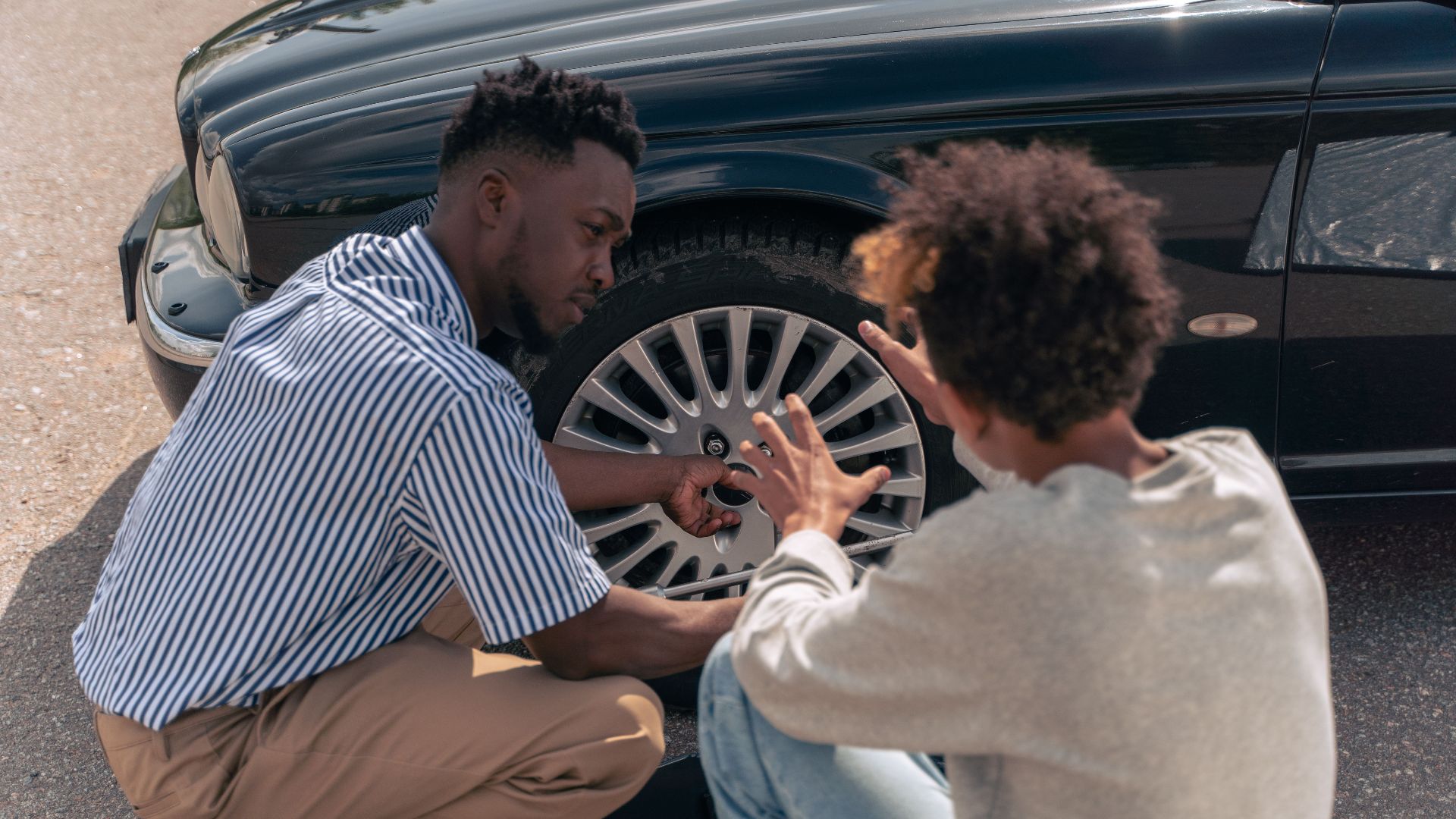
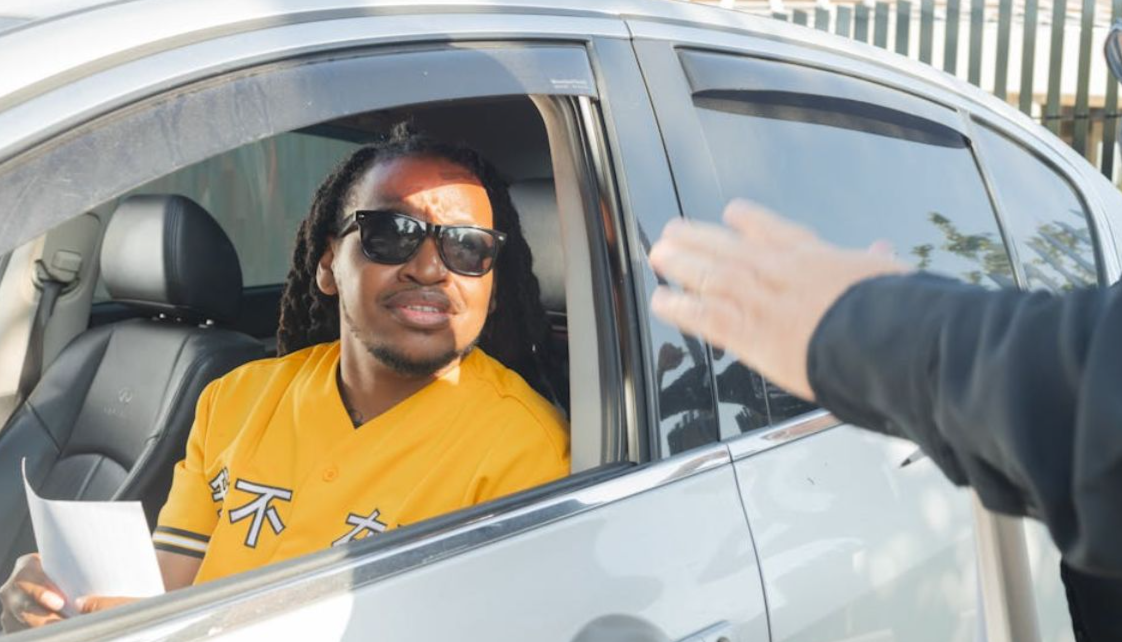
Your first step is usually to show three things. You gave the car to the valet, the wheel was not damaged when you handed it over, and the wheel was damaged when the car was returned. Time-stamped photos, witness statements, and a quick walk-around video can make or break that opening step.
Why Wheel Damage Can Be Hard to Prove
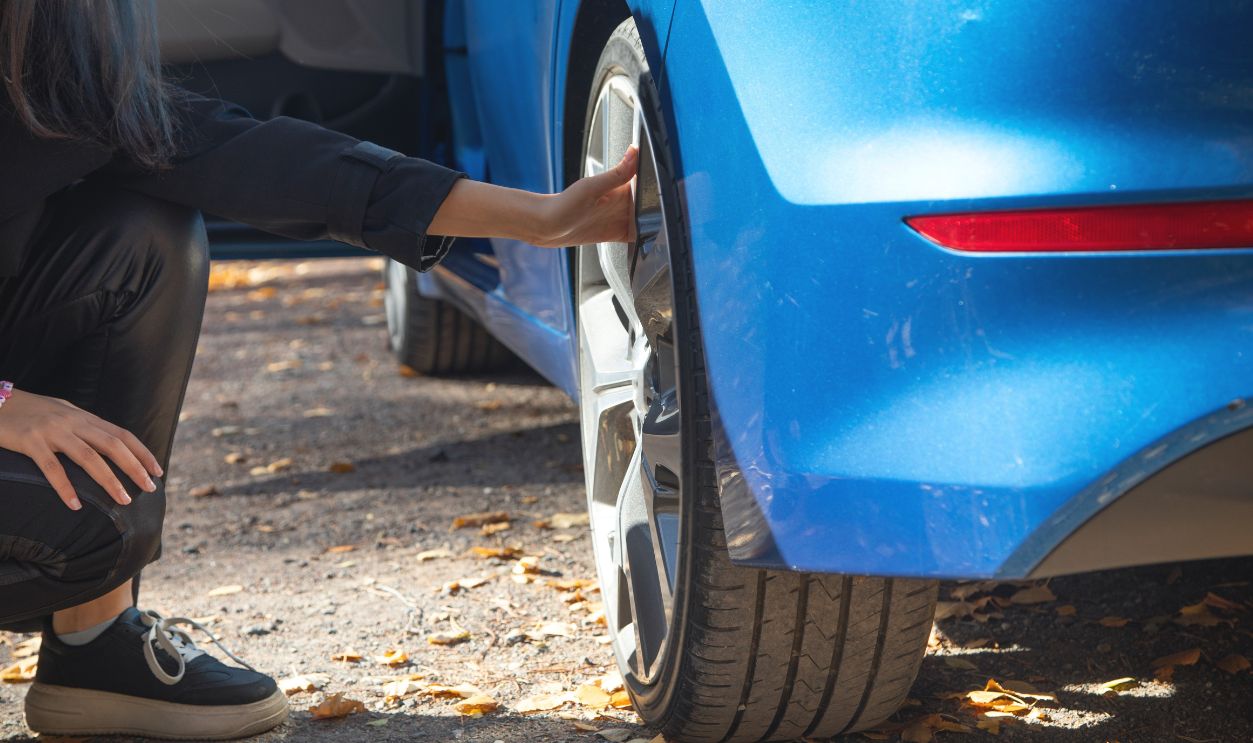
Wheel damage is especially easy to argue about because curb rash can be old, minor, and hard to date just by looking at it. A valet company may say the scrape was preexisting wear. That is why clear before-and-after photos, service records, or even a recent detailing invoice that noted wheel condition can be so useful.
 ANDRANIK HAKOBYAN, Shutterstock
Photos Taken Before Dinner Can Save You Later
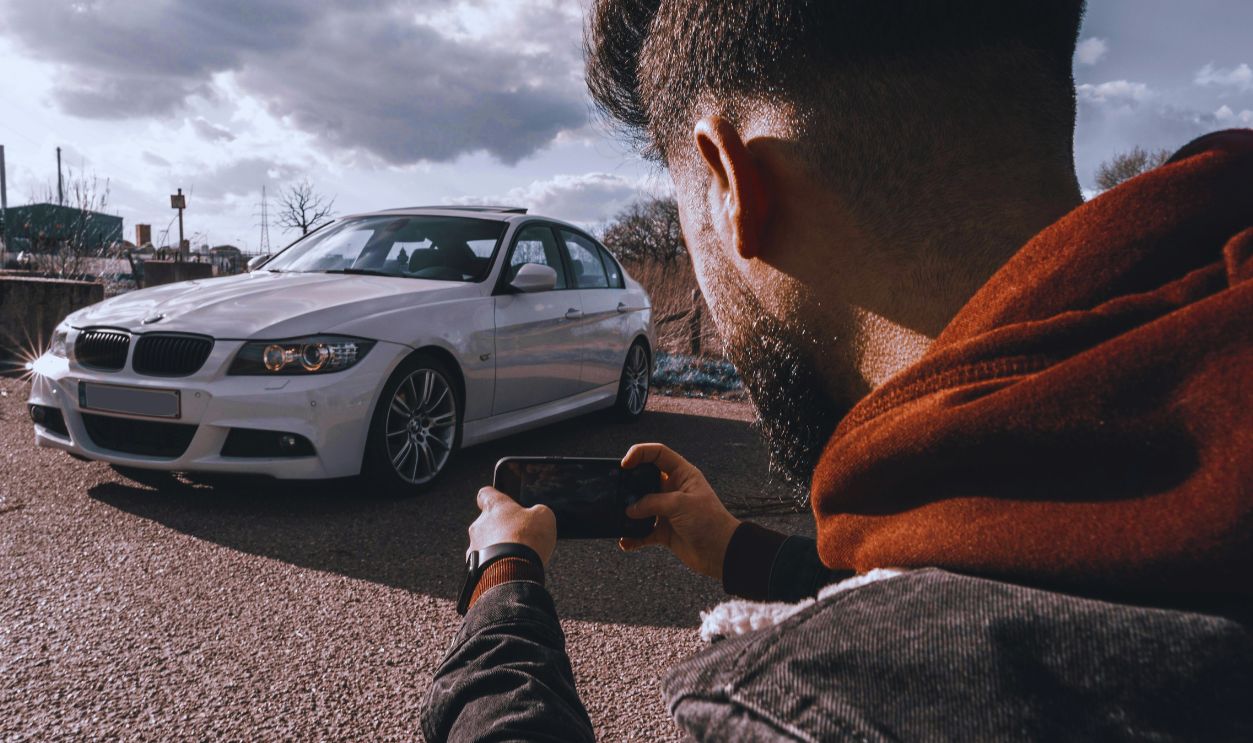
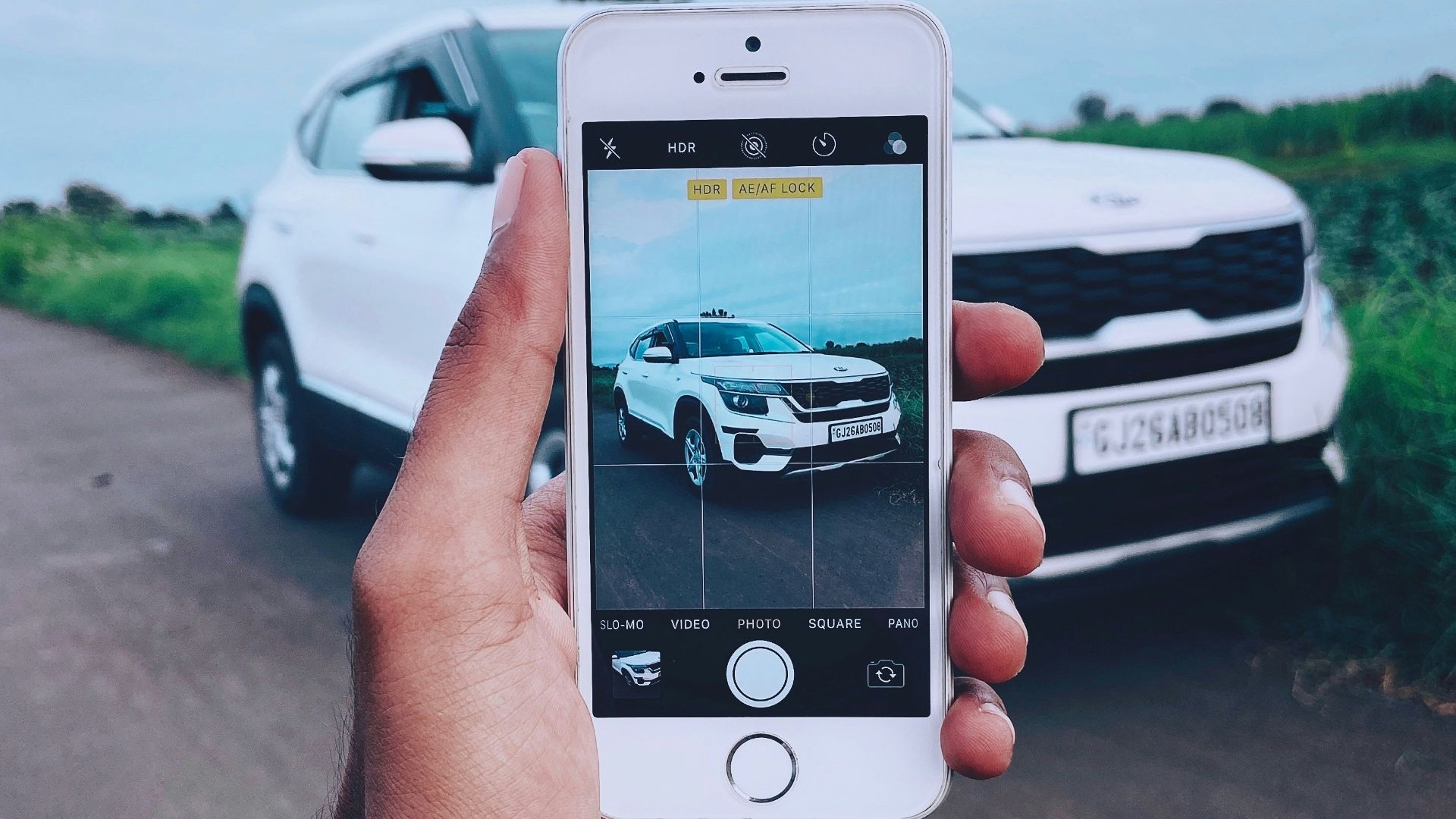
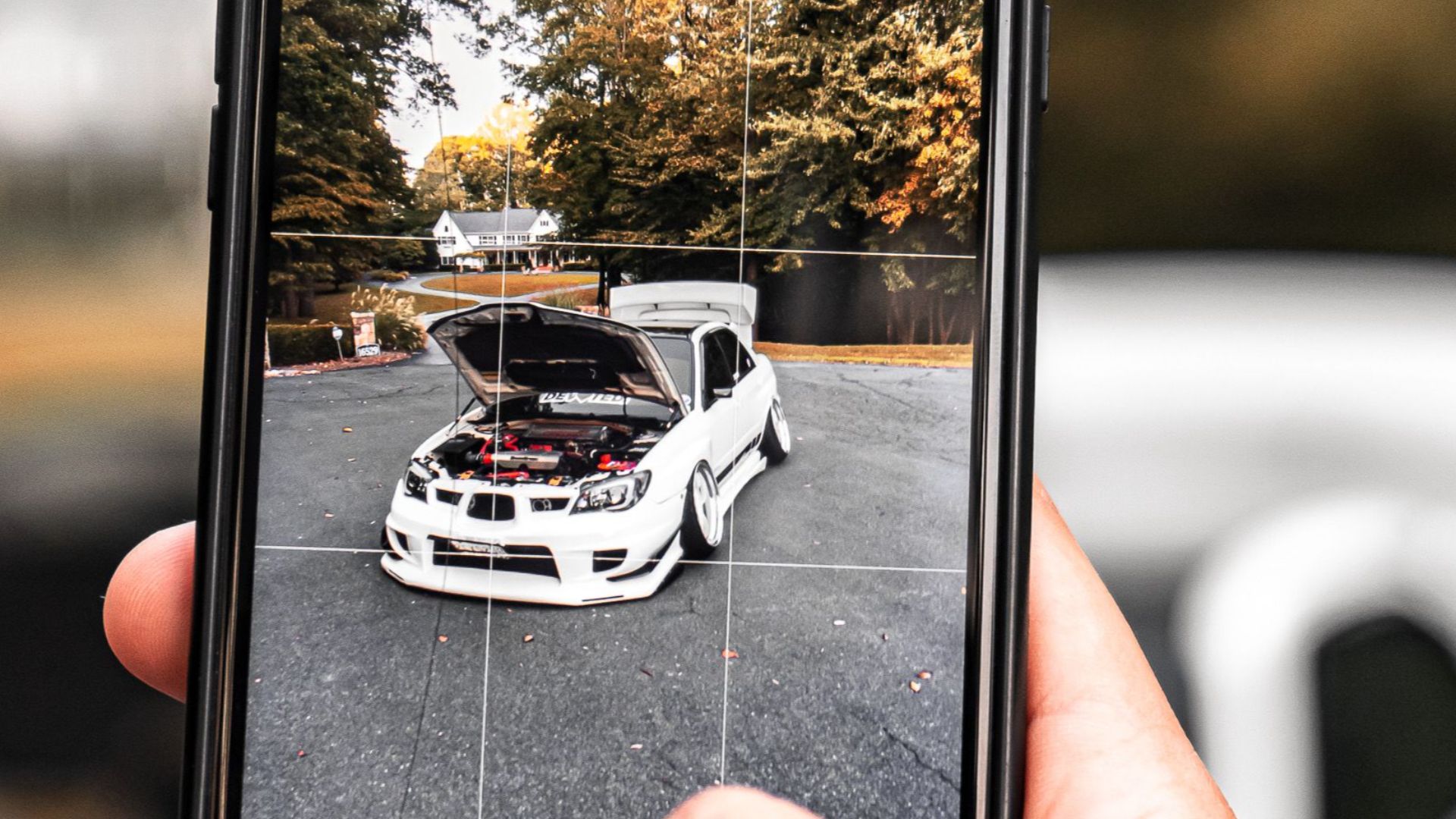
A quick set of smartphone photos before handing over the keys can do a lot of work for you later. Get each wheel, the bumpers, and the sides of the car in decent light. If you only notice the damage later, photograph the wheel, the valet stand, the ticket, and anything nearby that might help explain how the scrape happened.
Video Can Be Even Stronger
A short walk-around video with a visible time and date can be more convincing than still images. It shows continuity and makes it harder for someone to argue that a photo missed the area in question. If your phone stores metadata automatically, keep the original file and do not edit it.

Tell the Valet Manager Right Away
Timing matters. Report the damage before leaving if you can, and ask for a written incident report on the spot. A complaint made that same night is usually more believable than one made days later, after the car has been somewhere else.

Get Names, Not Just a Shrug
Ask for the manager's name, the driver's name if known, and the legal business name of the valet operator. Many valet stands are run by third-party contractors, not the hotel or restaurant at the entrance. That matters because the company that actually had the car may be the one you need to pursue.
 Hryshchyshen Serhii, Shutterstock
Ask About Cameras Immediately
Surveillance footage can vanish fast. Some systems overwrite video in days, not months. If there may be footage, ask the company in writing to preserve video from the arrival, parking, retrieval, and return times.

A Preservation Letter Can Help
This is a simple written request telling the valet company and the property owner not to destroy relevant evidence. That can include camera footage, incident logs, driver assignments, text messages, and damage reports. If the dispute gets bigger, it helps to show that you quickly asked them to preserve evidence.
Who Has to Prove What in Court
The short version is that you usually have to start things off. You generally must show the car was entrusted to the valet and came back damaged. In many places, once you make that showing in a bailment case, the valet business must come forward with evidence that it used reasonable care or that the damage happened some other way.
That Does Not Mean the Valet Automatically Loses
Even when the burden of going forward shifts, the result still depends on the evidence. The valet might produce intake photos, testimony from the driver, or video showing old curb rash. If their records are solid and your proof is thin, your claim can still fall apart.
State Law Can Change the Exact Rule
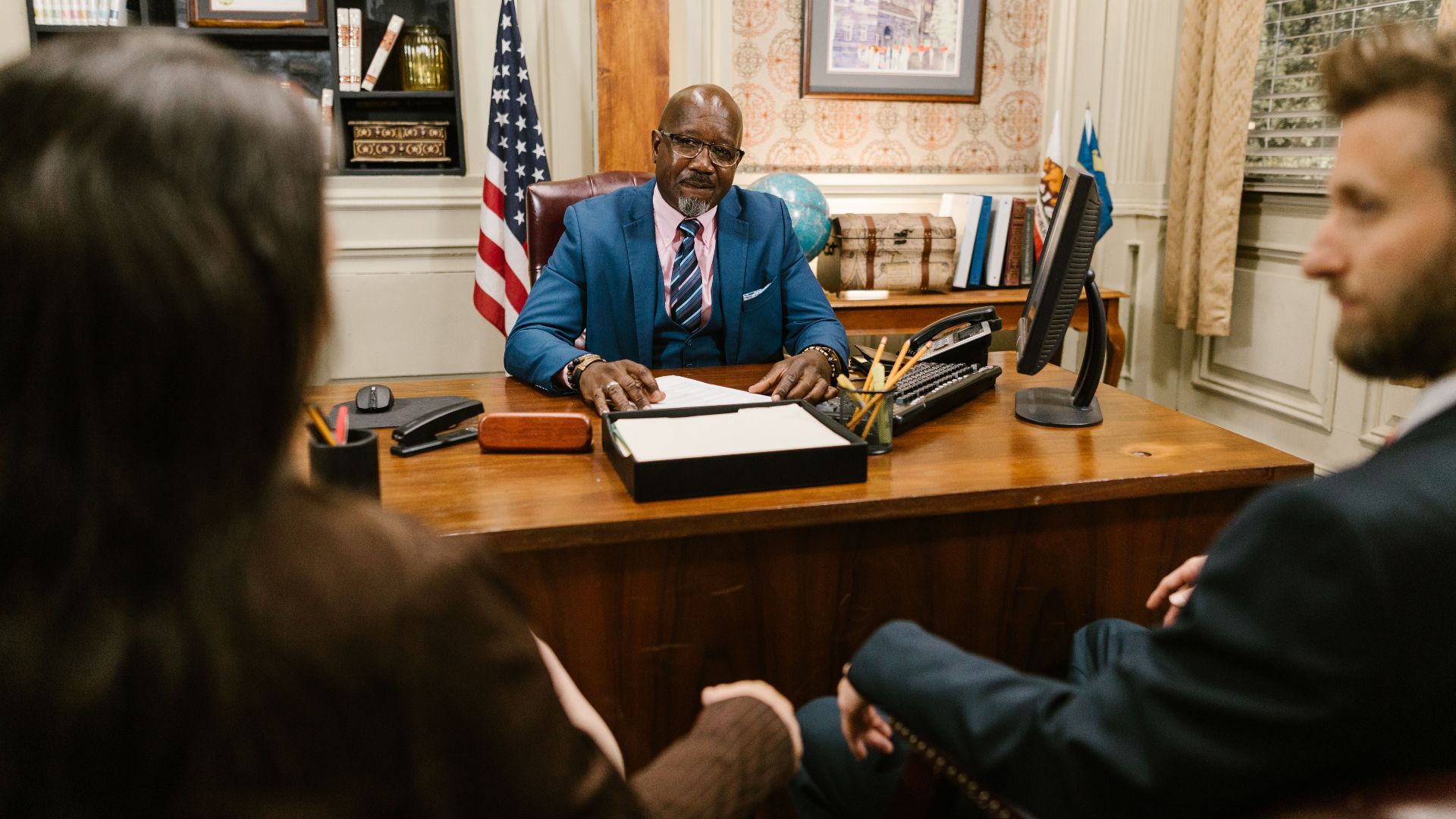
This is where things get a little less neat. Bailment rules are common across the United States, but the exact burden-shifting language can vary by state and by the facts of the parking setup. Some courts talk about a presumption of negligence, while others describe a duty to explain the loss once delivery and damage are shown.
Why Small Claims Court Comes Up So Often
Wheel damage claims often end up in small claims court because the amount matters, but it usually is not huge. A refinished alloy wheel, a replacement wheel, mounting, balancing, and alignment can get expensive fast. Small claims is built for this kind of dispute, where photos, receipts, and a clear timeline matter more than dramatic legal arguments.
 https://kaboompics.com/, Pexels
Repair Estimates Turn a Complaint Into a Claim
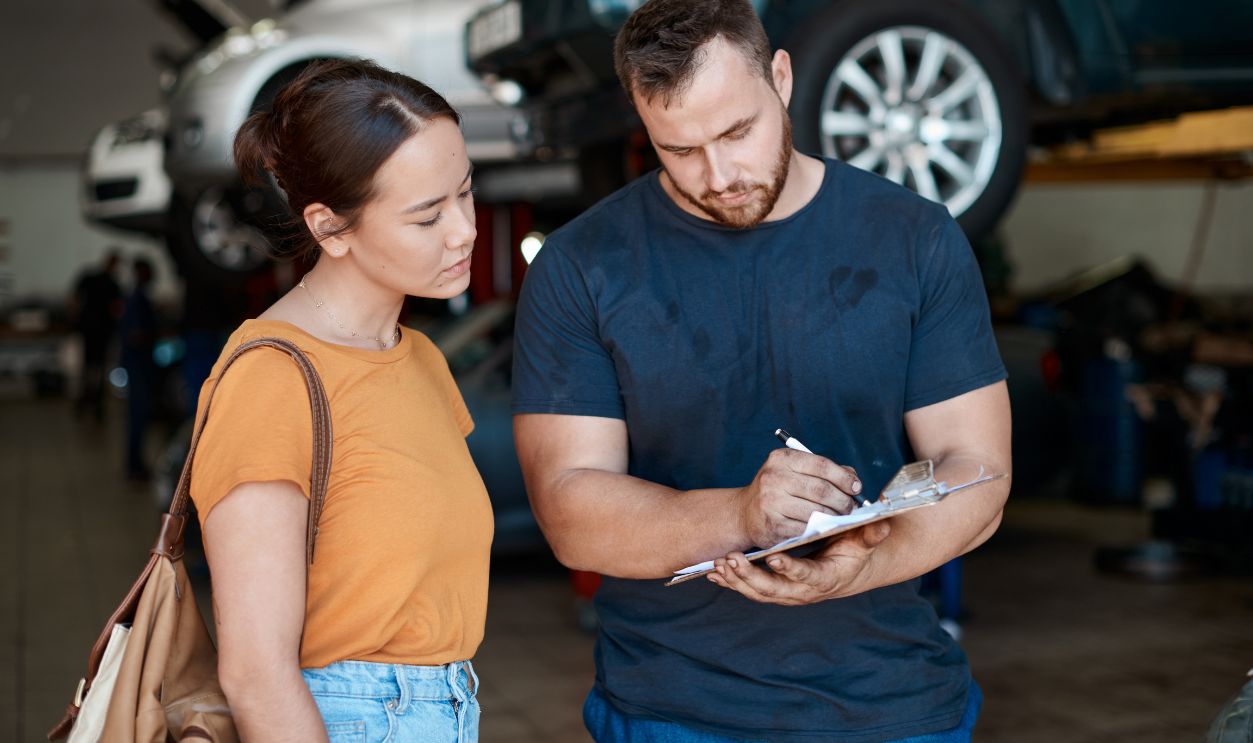
Get a written estimate from a reputable wheel repair shop or dealer. Ask the shop to describe the kind of damage, whether it looks fresh, and whether repair or replacement makes more sense. A clean estimate with photos gives your claim a real dollar amount and a professional opinion to back it up.
Credit Cards and Insurance May Give You Backup
If the valet charge went on a credit card, keep the statement and receipt because they help prove the transaction happened. Your auto insurer may cover the damage, though a claim could affect your deductible or premiums. Some policies also require quick notice, so check the terms before waiting too long.

Do Not Ignore the Property Owner
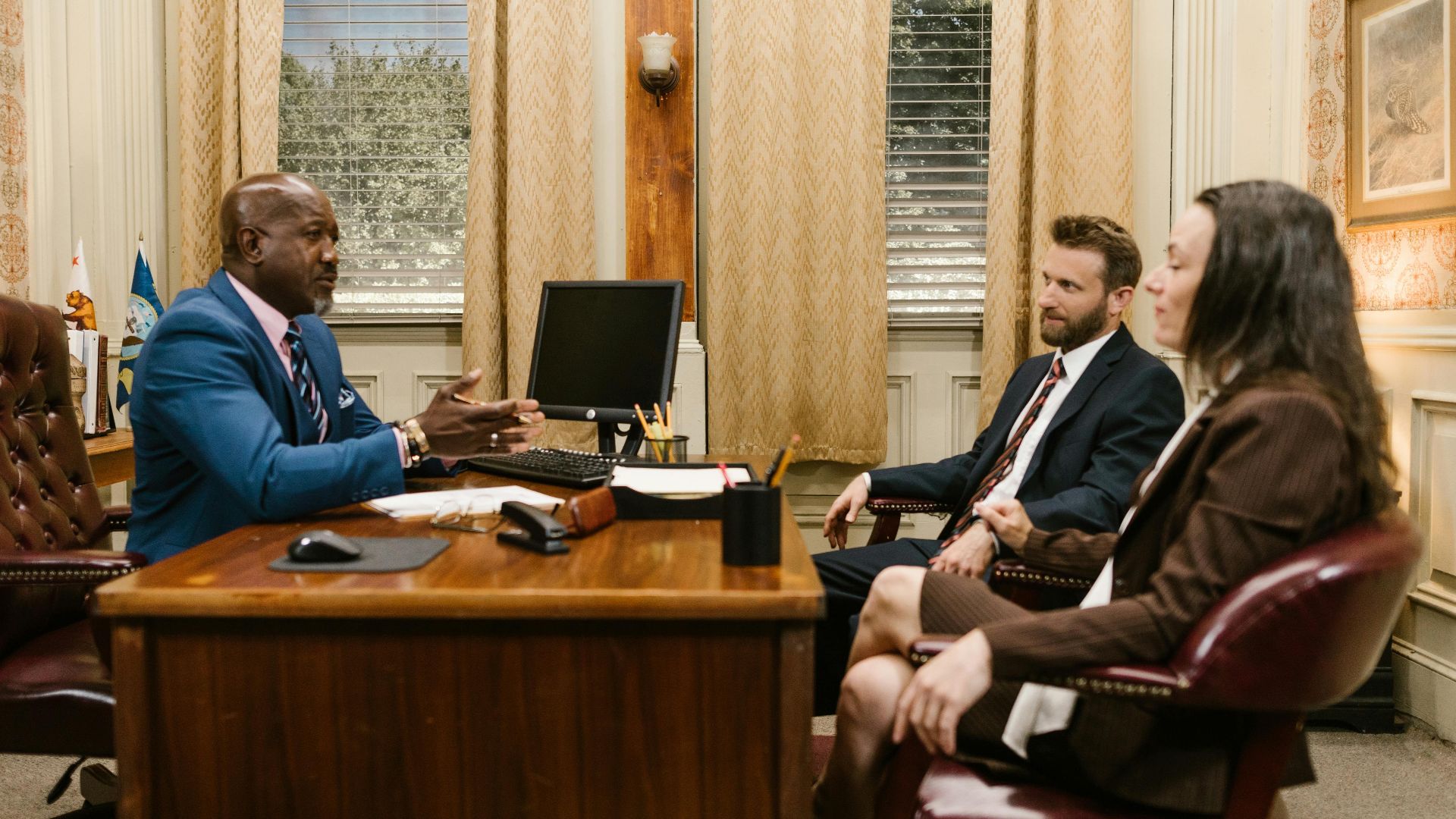
The hotel, restaurant, hospital, or event venue may say the valet is an independent contractor. Sometimes that ends the issue, and sometimes it does not. Depending on the facts, the venue may still have useful records, contract details, or enough customer service pull to push the operator toward a resolution.
Fine Print Is Not a Magic Shield
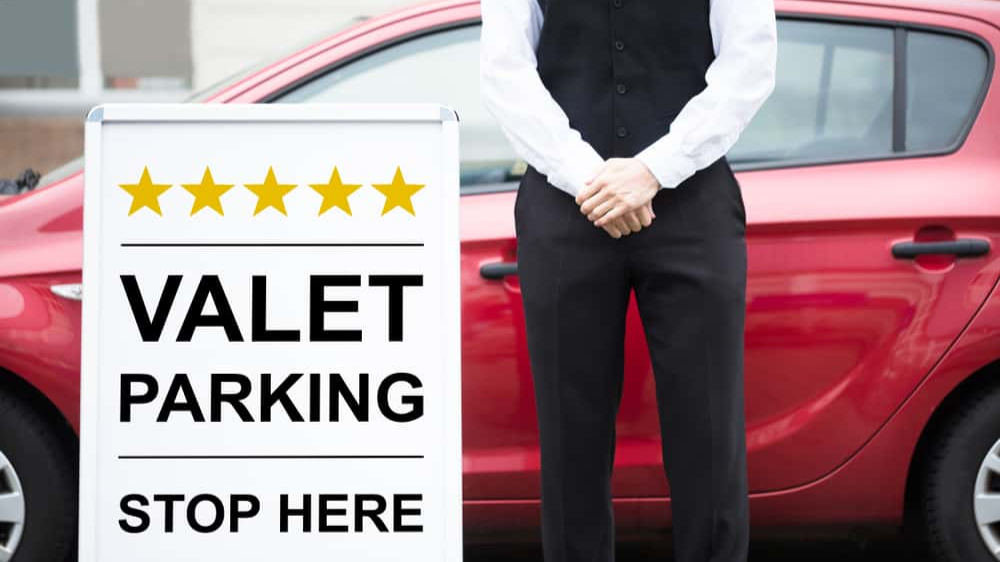
Businesses often lean on signs saying they are not responsible for damage. Courts do not always treat those signs as automatic winners, especially if the business took possession of the vehicle and was paid to protect it. Visibility, wording, state consumer law, and the parties' actual conduct can all affect whether a disclaimer holds up.
Independent Proof Beats a Back-and-Forth
If a passenger, friend, or door staff member saw the car before and after, get a statement while memories are fresh. Text yourself a timeline, save location data, and keep all emails with the valet company. The more your story rests on neutral records, the less it depends on anybody's memory weeks later.

What to Say in Your Demand Letter
Keep it short and factual. Say when and where the car was delivered, when it was returned, what damage you found, what evidence you have, and how much you are seeking based on the repair estimate. Set a reasonable deadline for a response and attach copies, not originals, of your photos, ticket, and estimate.

If the Valet Says the Damage Was Already There
Ask what supports that claim. Do they have check-in photos, a condition log, or camera footage from arrival? A flat denial is common, but a denial backed by records is much stronger, so the answer tells you a lot about your chances.

The Best Practical Answer
Legally, you usually have to get things moving by showing the car went into valet custody without that wheel damage and came back with it. Once you do that, many courts require the valet to explain what happened and show reasonable care. In real life, the side with the better photos, faster reporting, and cleaner paperwork usually has the stronger case.

How to Protect Yourself Next Time
Take a 30-second walk-around video before handing over the keys. Keep the ticket, photograph the odometer and wheels, and inspect the car before driving away. It may feel a little fussy, right up until it saves you from paying for someone else's scrape.