The Morning Spray That Can Wreck A Finish
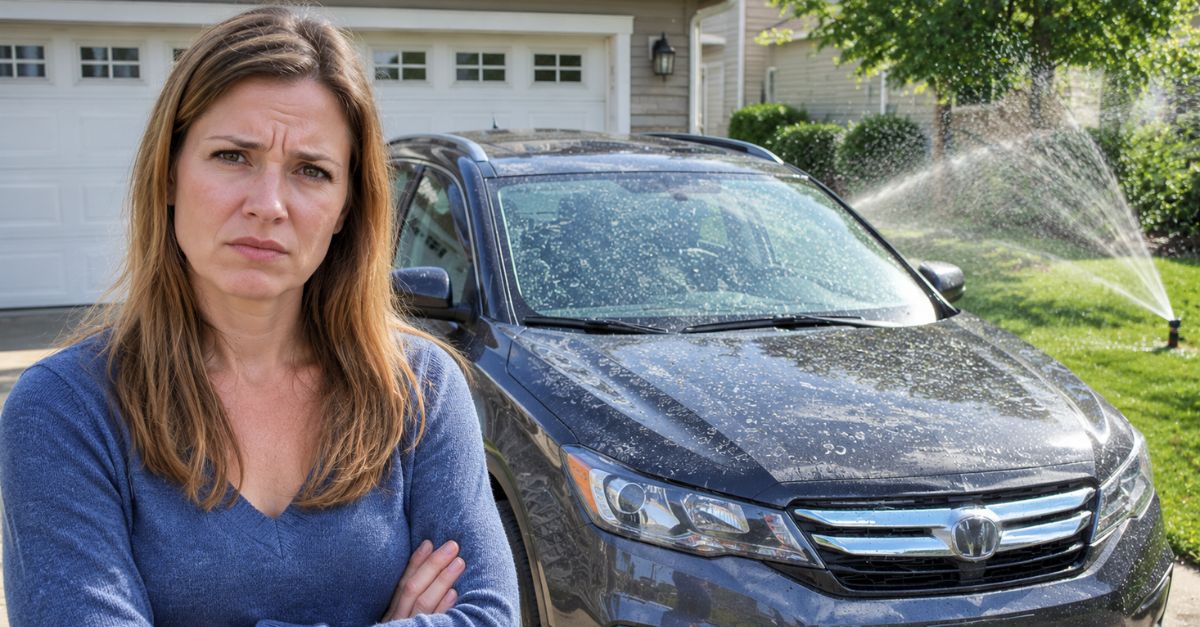
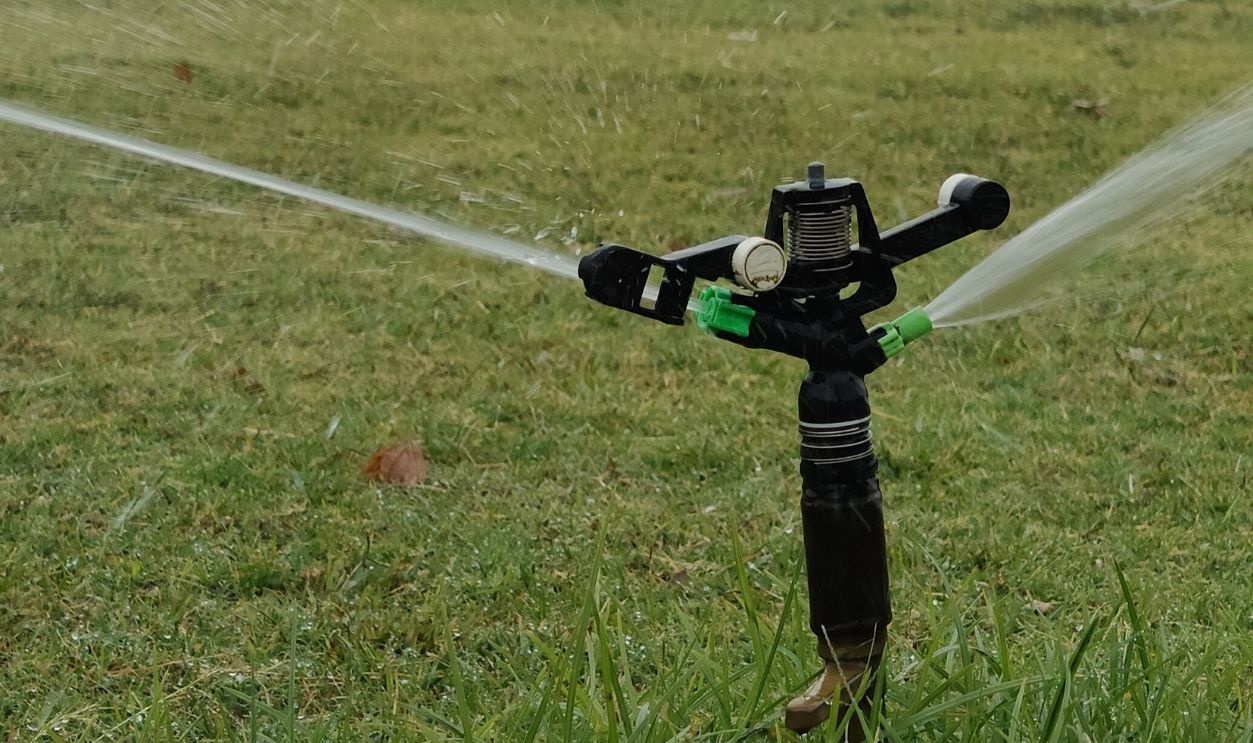
If you notice your neighbor’s sprinkler hitting your car, it might seem like a small thing, but it can get expensive fast. Hard water can leave mineral deposits that etch into paint and glass, especially when the sun bakes those droplets in day after day. But if you want to make your neighbor pay for it, that is going to depend on your proof, notice, and the local law.
Why This Is More Than A Cosmetic Annoyance
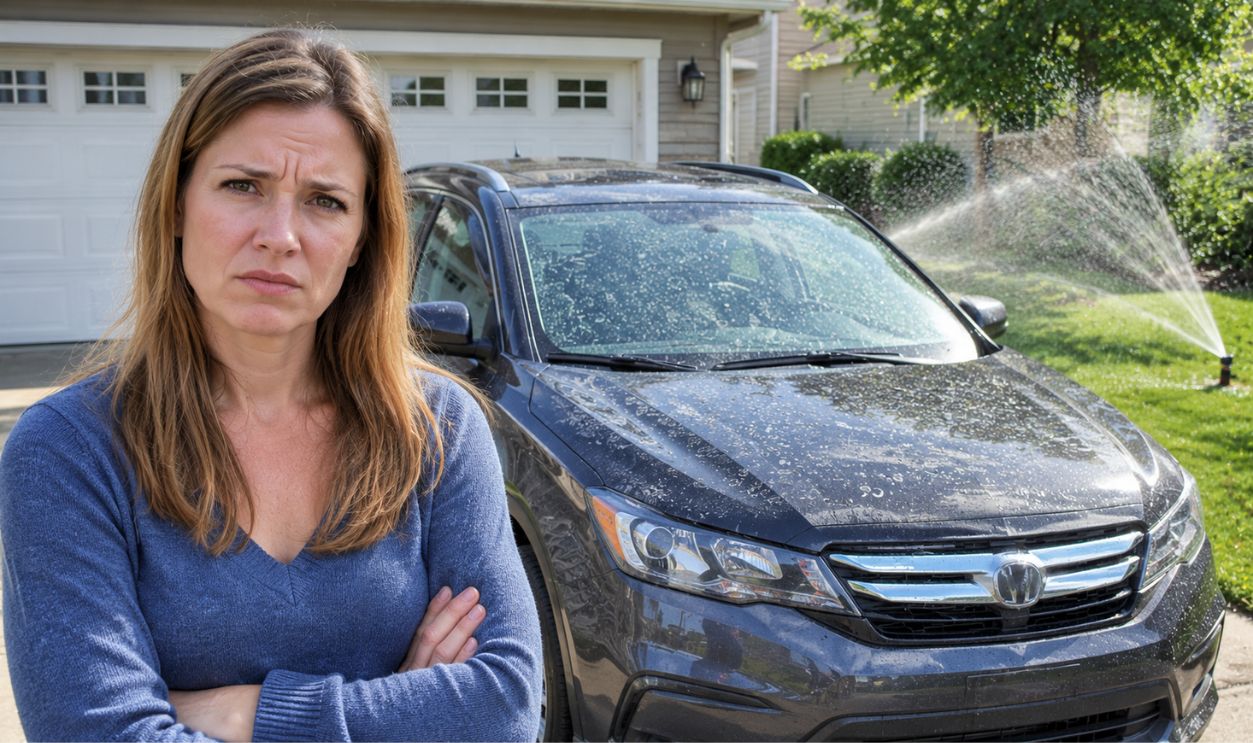
Water spots are not always just surface grime. The Car Care Council warns that contaminants can damage vehicle finishes if they are left in place, and hard water minerals are a common culprit. When repeated overspray happens on a schedule, what starts as a nuisance can turn into a real paint correction bill.
 https://kaboompics.com/, Pexels
What Hard Water Actually Does To Paint
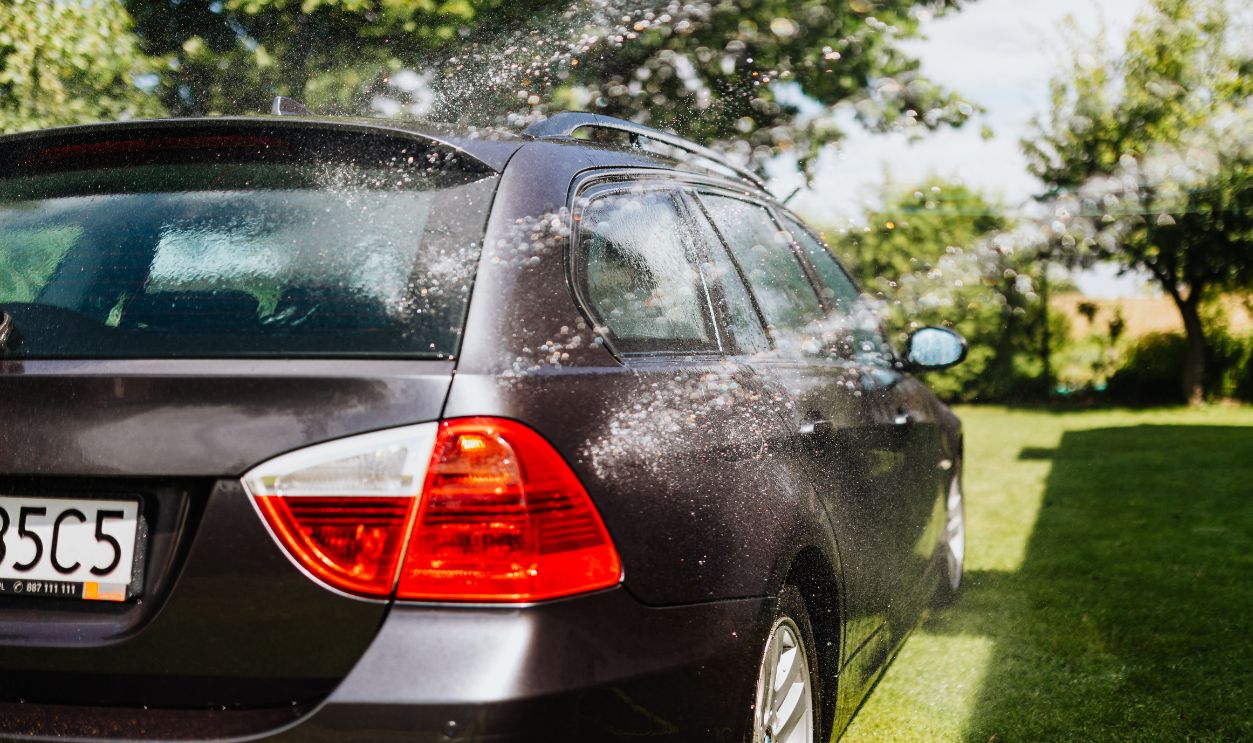
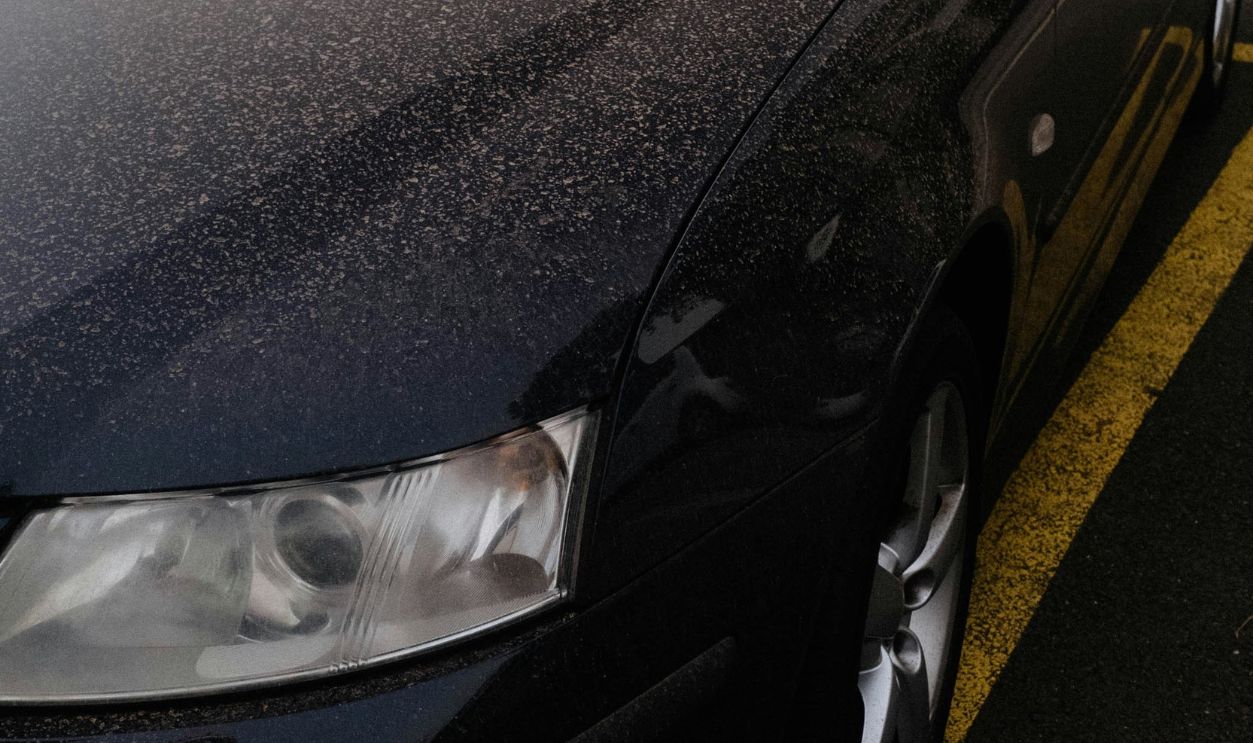
Hard water contains dissolved minerals, mainly calcium and magnesium. When droplets dry on your car, those minerals stay behind and can bond to the surface. Meguiar’s, a long-established car care company, notes that water spots can become difficult to remove and may require more than a basic wash if they are allowed to sit.
Sunlight Makes The Problem Worse
The nastiest part is timing. A sprinkler that hits your car in the early morning may seem harmless, but once temperatures rise, those droplets can bake onto paint and glass. The longer that cycle repeats, the more likely you are to end up needing clay treatment, chemical decontamination, polishing, or full paint correction.
Detailing Costs Can Escalate Fast
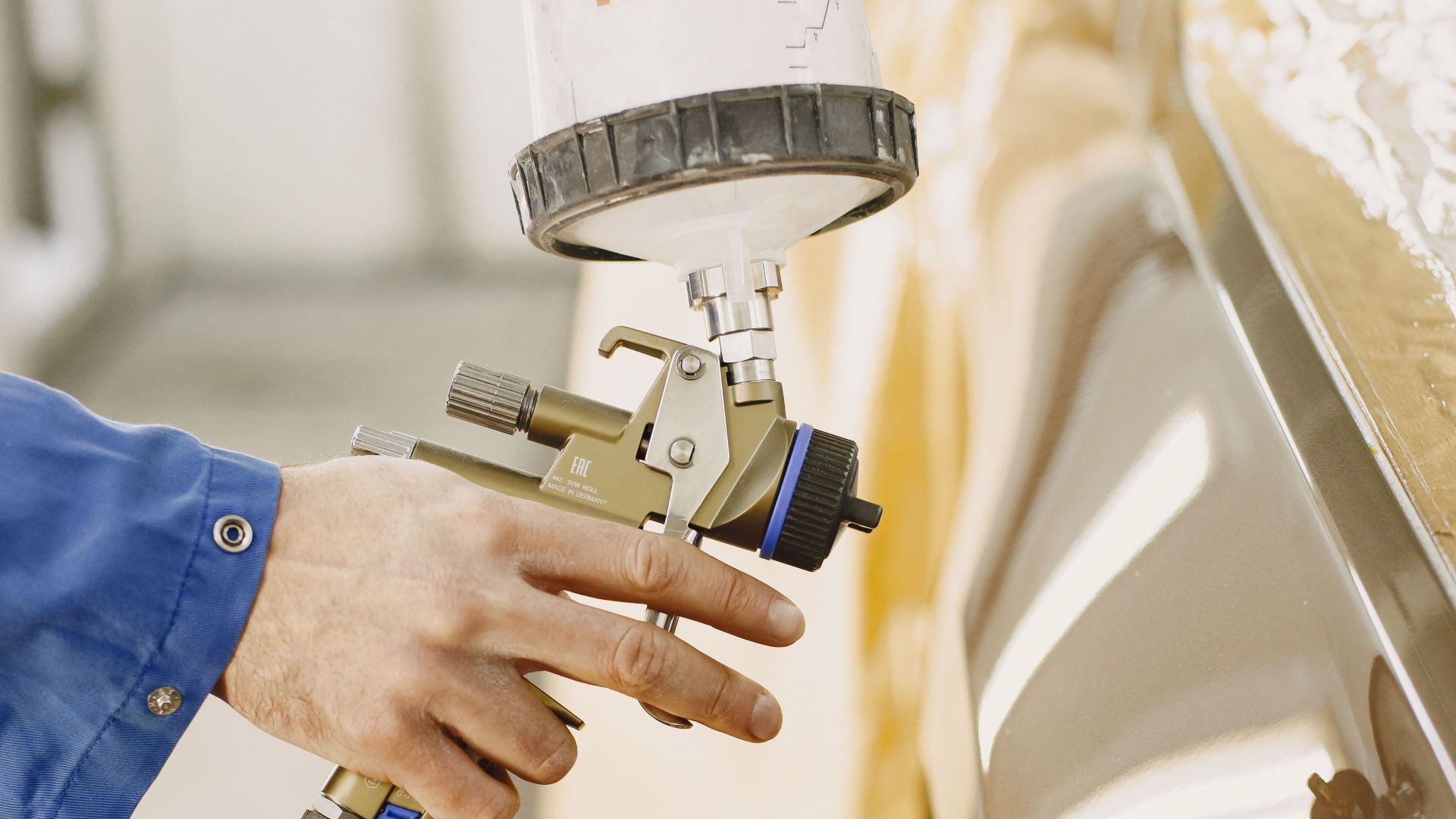
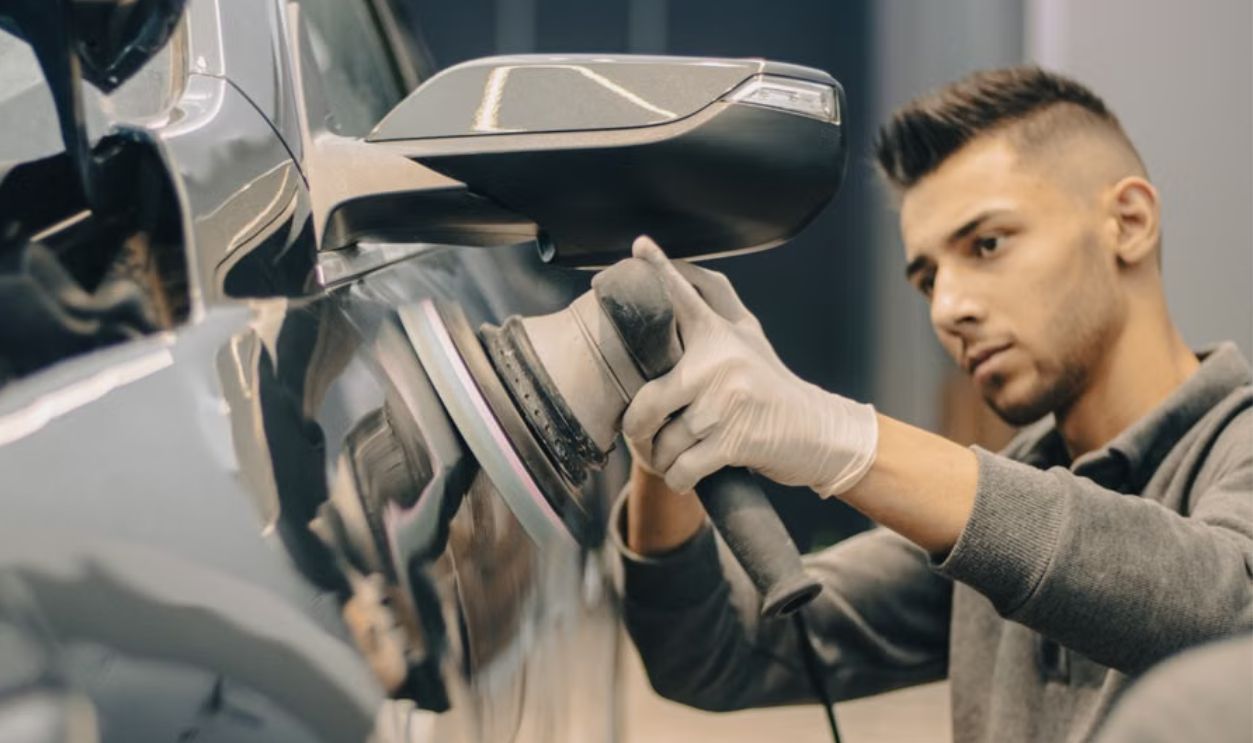
A basic wash will not always fix etched mineral spots. Professional detailing shops often charge more when paint needs correction because that work takes machine polishing, inspection, and time. If the finish has been repeatedly exposed, the bill can move from a simple spot treatment into several hundred dollars or more, depending on the vehicle and severity.
Can You Actually Make A Neighbor Pay
Possibly, but not automatically. In most cases, you would need to show that the neighbor’s sprinkler caused the damage and that the neighbor failed to fix the problem after being told about it. This usually becomes a property damage dispute, and whether you recover money may depend on negligence, local ordinances, and the quality of your evidence.

Start With The Simplest Move First
Before you start pricing lawyers, talk to your neighbor calmly and directly. Many people have no idea where their sprinklers are throwing water, especially if the system runs on a timer before they wake up. A friendly conversation can solve in ten minutes what would otherwise become a months-long headache.

Give Notice And Keep It Polite
If the first conversation does not fix it, put your complaint in writing. A short text or email that says the sprinkler is hitting your vehicle, causing hard water spotting, and needs to be adjusted creates a useful record. That notice can matter later because it helps show the problem continued after the neighbor was informed.

Photos Are Your Best Friend
Take clear pictures of your car, the sprinkler spray pattern, and where the car is parked. Do this on multiple days if possible, preferably with date stamps or automatically stored metadata. Wide shots and close-ups together are ideal because they help connect the source of the water to the visible damage.

Video Can Be Even Better
A short video of the sprinkler actively spraying your car can be powerful evidence. Try to capture the timer cycle, the direction of the sprinkler head, and how long the water hits the vehicle. If your phone records the date and time, that is even more helpful.
Do Not Wait To Document The Spots
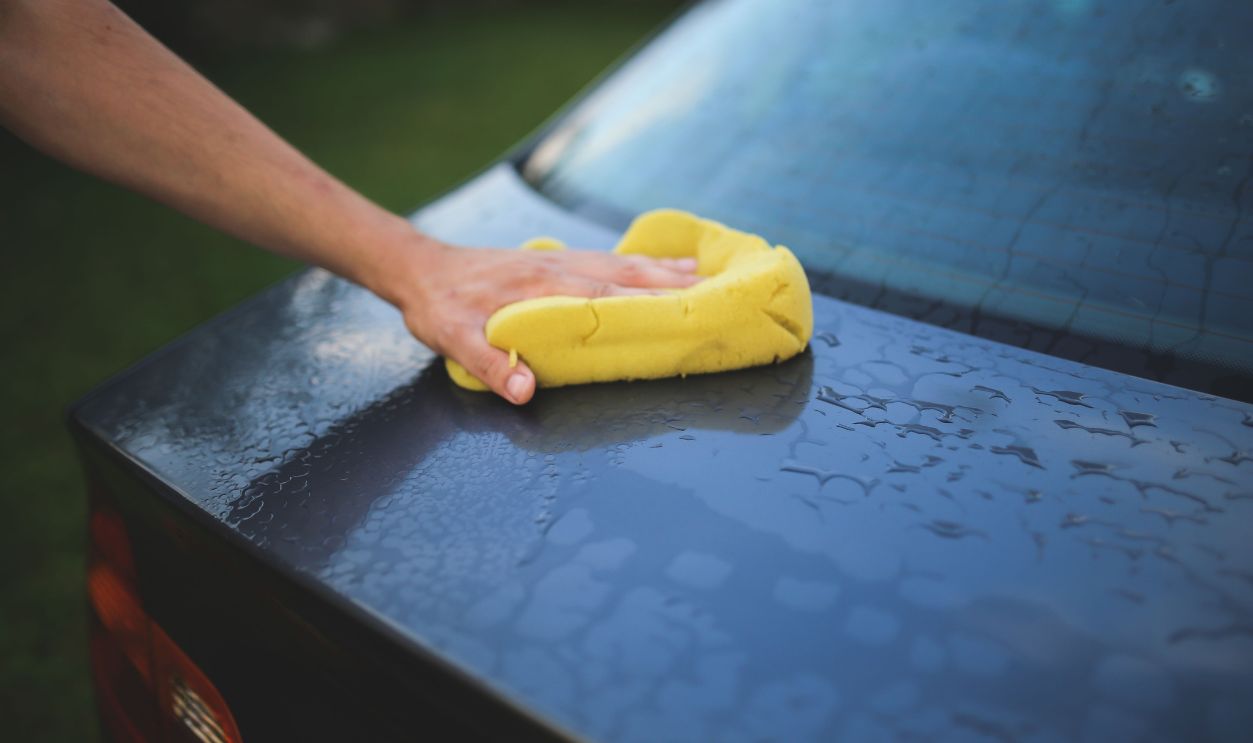
Fresh water spots can sometimes be removed before they turn into lasting damage. That means the physical evidence on your car may change after cleaning or weather exposure. Photograph the spots early, then keep records of any wash attempts, detailing estimates, and expert opinions about what caused them.
 Karolina Grabowska www.kaboompics.com, Pexels
A Detailer’s Written Estimate Matters
If you want reimbursement, get at least one written estimate from a reputable detailer or body shop. Ask them to describe the condition as specifically as possible, including whether the damage appears consistent with hard water mineral deposits or etching. That kind of independent assessment can help if the neighbor claims the marks came from something else.

Receipts Turn Complaints Into Claims
Keep every receipt tied to the problem. That includes car washes, spot-removal products, detailing quotes, final invoices, and even certified mail if you formally notify the neighbor. A clean paper trail makes you look reasonable and prepared, which matters if the dispute ends up in small claims court.

Check Local Watering Rules
Some cities and homeowners associations have rules against irrigation overspray onto streets, sidewalks, or neighboring property. Local code enforcement or the HOA may not handle your detailing bill, but they may pressure the neighbor to fix the sprinkler. That can stop further damage, which is half the battle.

Insurance Might Play A Limited Role
Your own auto policy may help in some cases, but it depends on the coverage and the amount of damage. Even when coverage exists, filing a claim for minor detailing can be a poor trade if the cost is near your deductible. It can still be worth calling your insurer and asking how they classify repeated sprinkler-related mineral damage.

Your Neighbor’s Homeowners Coverage Could Matter
If your neighbor accepts responsibility, their homeowners liability coverage might come into play. That does not guarantee payment, and insurers usually want proof before they pay a third-party property damage claim. Still, asking the neighbor to submit the claim can be easier than fighting over cash out of pocket.

Negligence Is Usually The Core Legal Theory
In everyday terms, negligence means someone failed to act reasonably and that failure caused damage. If a neighbor knows their sprinkler is hitting your car and does nothing, your argument gets stronger after that point. If they did not know and fix it immediately once told, your path to reimbursement may be weaker.

Small Claims Court Is Often The Real Venue
For a detailing bill, small claims court is usually the practical forum if informal efforts fail. The rules vary by state, but the process is designed for relatively modest amounts and often does not require a lawyer. Courts generally care about documentation, timelines, and whether your requested amount is reasonable.
 https://kaboompics.com/, Pexels
Judges Like Specific Dates
If this goes to court, make a timeline. Note when you first noticed the spots, when you observed the sprinkler hitting the car, when you told the neighbor, and when you obtained estimates or had the work done. Specific dates make your story easier to verify and harder to dismiss as a vague neighborhood grudge.

What If The Car Was Parked On The Street
That does not automatically kill your claim. A legally parked car can still be damaged by someone else’s irrigation overspray. The neighbor may argue that street parking exposed the car to ordinary outdoor conditions, but repeated sprinkler contact is more specific than general weather and may still support a damage claim.

What If You Park In The Same Spot Every Day
Your routine does not excuse a sprinkler from soaking your vehicle. At the same time, if the neighbor warned you about the spray and you kept parking there without trying to mitigate damage, that could complicate the argument. Courts often like to see that both sides acted reasonably once the issue became clear.
 Alexandra Rotanova, Shutterstock
You Still Have A Duty To Limit Damage
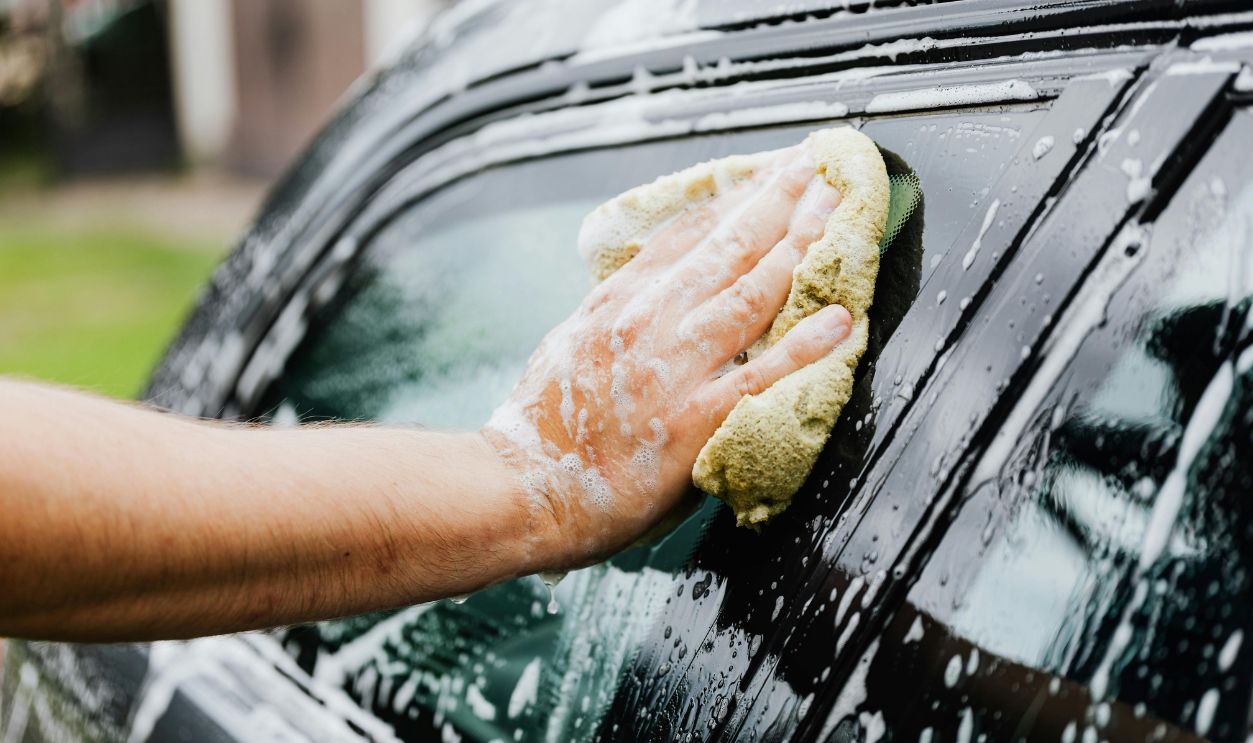
In many disputes, the damaged party is expected to act reasonably to prevent losses from getting worse. That might mean moving the car, covering it temporarily, or promptly removing fresh mineral spots if you can. Doing nothing for months while the sprinkler keeps firing can weaken a later demand for a large correction bill.
 https://kaboompics.com/, Pexels
Do Not Exaggerate The Harm
Stick to what can be shown. If the issue is removable spotting, do not claim the entire car needs repainting unless a qualified shop says so in writing. Reasonable, well-supported requests are much more persuasive than inflated ones.

A Demand Letter Can Change The Tone
If friendly conversations fail, a short demand letter may get results. It should explain the facts, include dates, summarize the evidence, attach the estimate, and request payment by a specific deadline. A measured letter often gets taken more seriously than another frustrated driveway conversation.

Sometimes Mediation Is Smarter Than Court
Community mediation programs exist in many areas for neighbor disputes. They can be cheaper and faster than filing a case, and they preserve the chance of a civil relationship after the problem is solved. That matters when the person on the other side of the dispute lives twenty feet away.

Prevention Is Worth More Than Polishing
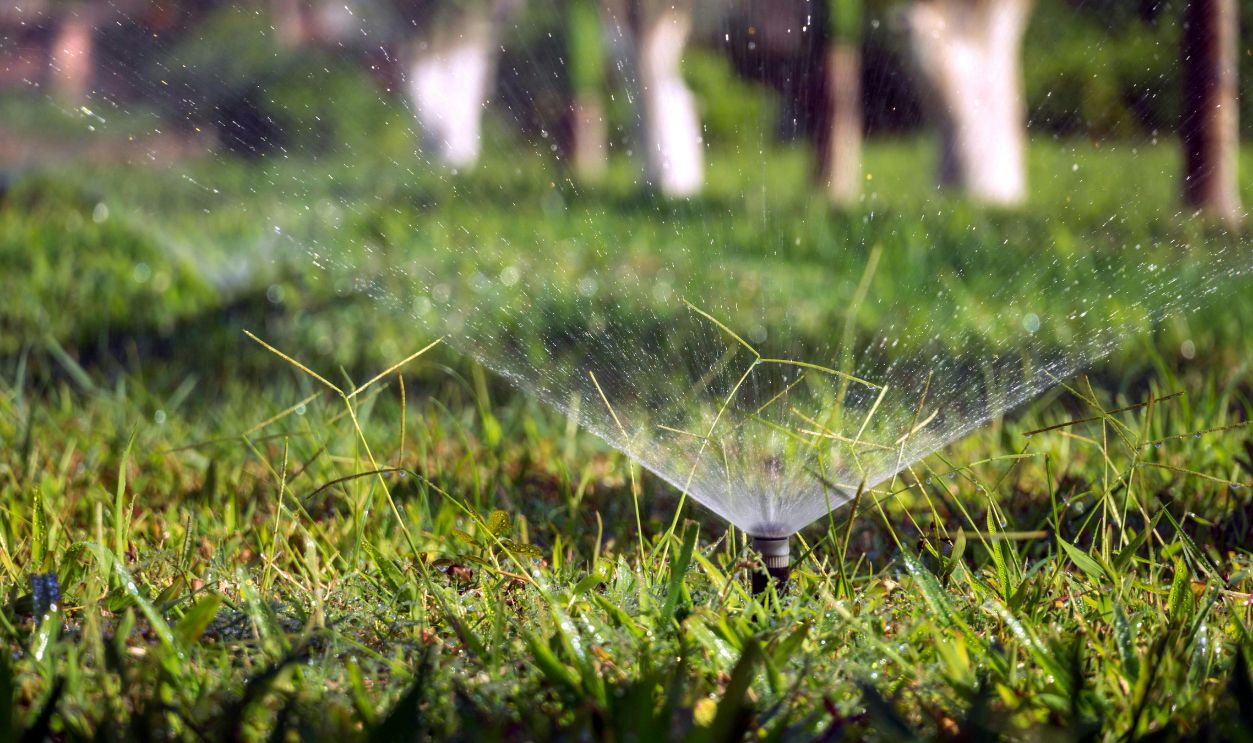
If the sprinkler is still active, stopping the overspray should be the first objective. Adjusting a head, changing a nozzle, reducing pressure, or shifting the watering schedule can end the damage immediately. Even if you later seek reimbursement, preventing another month of spotting is the smartest win.
How Strong Is Your Case Really
Your case is strongest when you have clear evidence of repeated overspray, written notice to the neighbor, a professional estimate tying the damage to hard water, and a reasonable bill. It is weaker when the spotting is minor, proof is thin, or the neighbor corrected the issue as soon as they learned about it. Most disputes like this are won or lost on documentation, not outrage.
 Krakenimages.com, Shutterstock
The Practical Bottom Line
Yes, you may be able to make your neighbor pay for detailing, but success usually depends on proving the sprinkler caused the damage and showing the neighbor failed to fix it after notice. Start with photos, video, written communication, and a professional estimate, then escalate only if necessary. In a case built on hard water spots, the softest touch at the beginning often gives you the best shot at getting paid in the end.