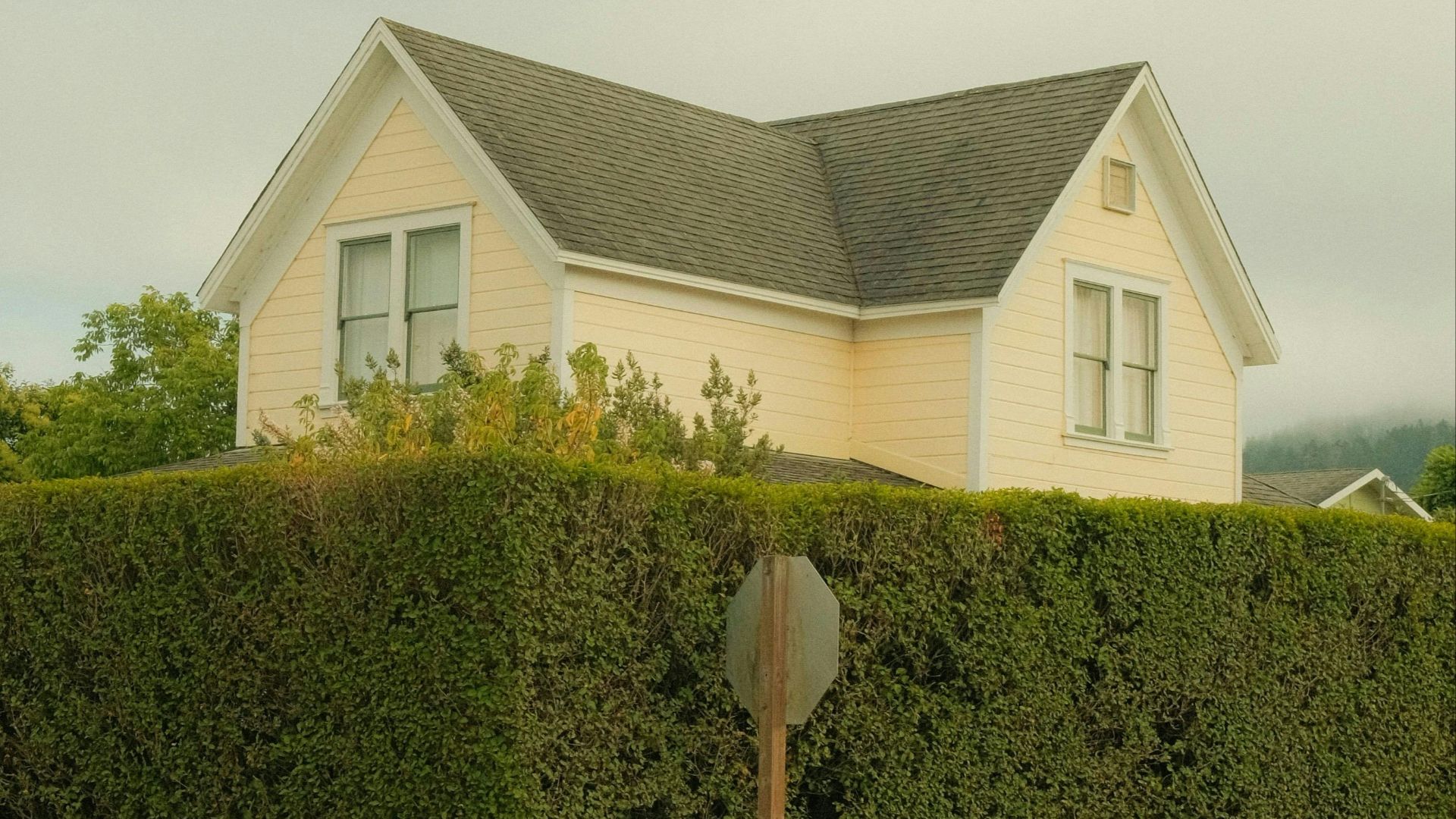
When a Hedge Turns a Driveway Into a Blind Spot
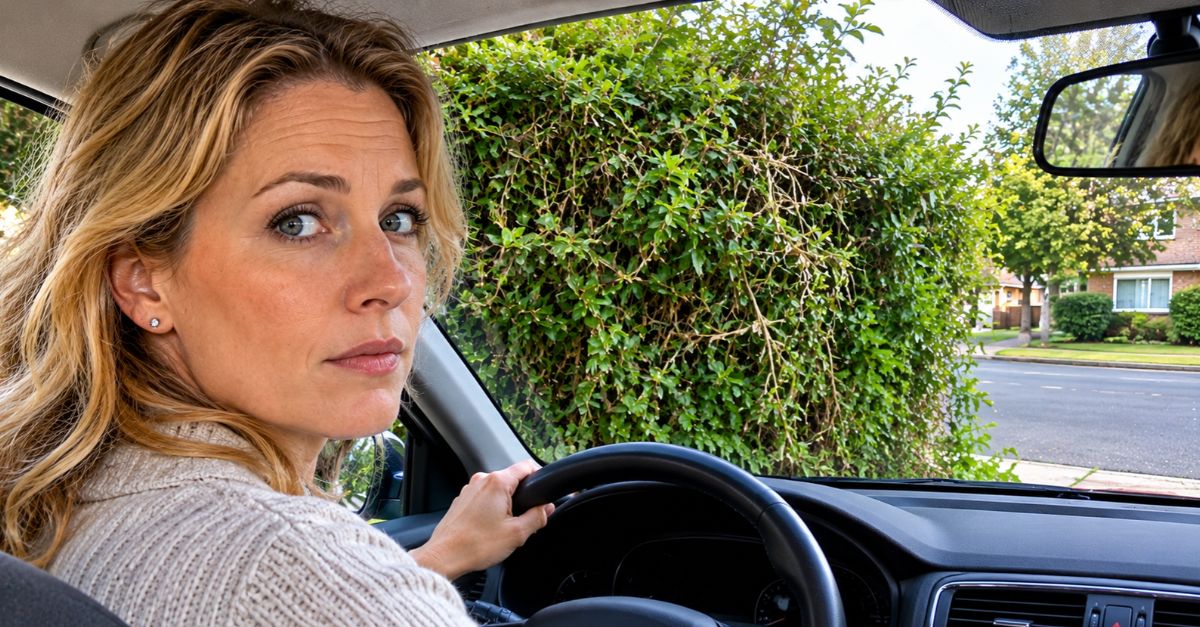
A tall hedge by a driveway can make a normal trip out of the house feel risky. The tricky part is that figuring out who has to trim it is not always as simple as blaming the neighbor. In most places, the answer depends on where the hedge sits, whether it blocks a public area, and what local or state rules say.
Start With the Main Question
The first thing to figure out is location. If the hedge is fully on your neighbor’s property, they usually control routine trimming on their side, but that does not always end the matter if it creates a visibility hazard. If any part of it extends into a sidewalk, street, or other public easement, the city or county may have the power to require trimming.

Why Sightlines Matter
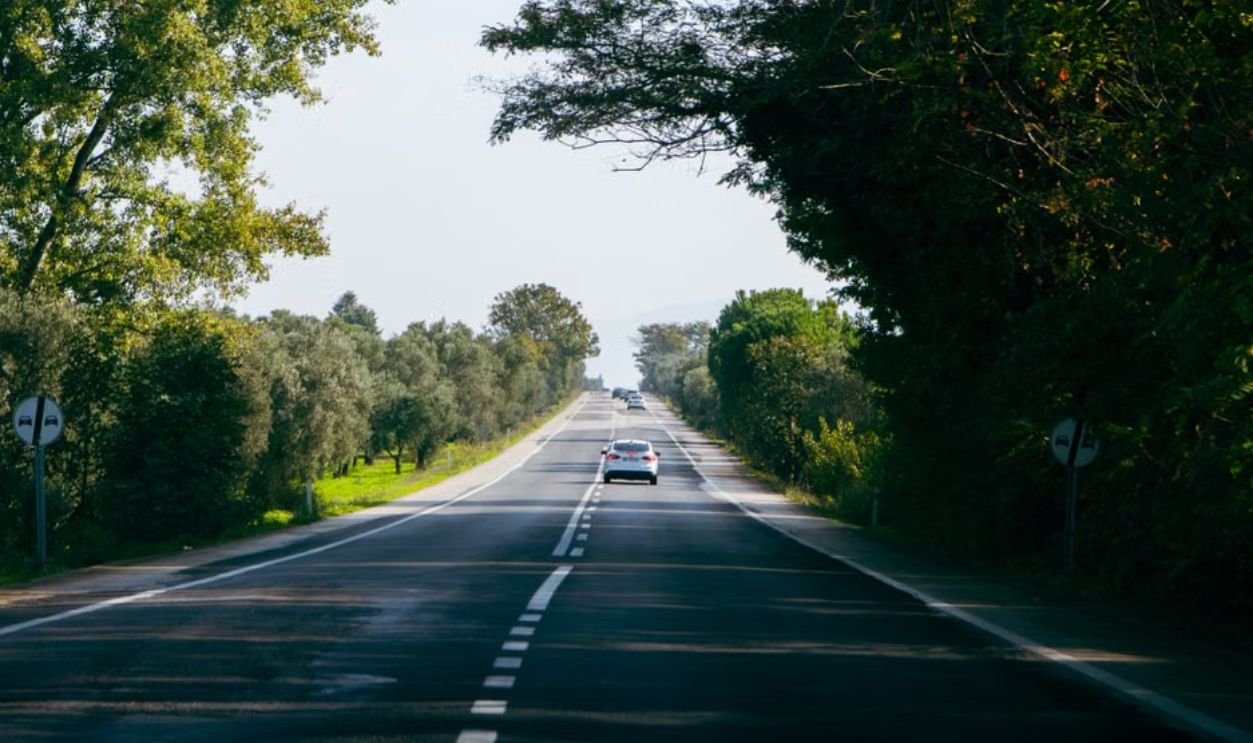
Driveway sightlines are not just a landscaping issue. They are a safety issue. The Federal Highway Administration has long treated clear sight distance as a basic part of safe access to roads and intersections. When a hedge keeps you from seeing approaching traffic, the problem can go from annoying to dangerous fast.
 Muhammad Junaid Javed, Unsplash
Public Safety Rules Often Decide It
Many cities and counties regulate plants near intersections, sidewalks, and driveways because blocked visibility can lead to crashes. Those rules are often buried in local code under terms like “corner clearance,” “visibility triangle,” or “obstructions.” If your local code says property owners must keep plants from blocking views, your neighbor may be the one legally required to trim the hedge.

The Right-of-Way Detail Changes Everything
One of the biggest surprises in these disputes is that the hedge may not be where everyone thinks it is. A strip of land between the sidewalk and curb may look private, but it can actually be part of the public right-of-way even if the homeowner takes care of it. County parcel maps, plats, or a survey can help show where the property line really is.

Do Not Guess About the Property Line
A lot of neighbor fights get worse because both sides assume they know where the boundary is. Usually, the best proof comes from a survey, deed, subdivision plat, or local parcel map. If the hedge sits on the line, responsibility for maintenance can be shared or disputed, and cutting it without permission can create a whole new problem.

Local Codes Can Get Very Specific
Some local rules set exact height limits for fences, shrubs, and hedges in visibility areas. Those rules often apply near street corners, alleys, and driveways where drivers need a clear view of traffic and pedestrians. The exact measurements change from place to place, which is why the local code is often the most important document in the whole dispute.
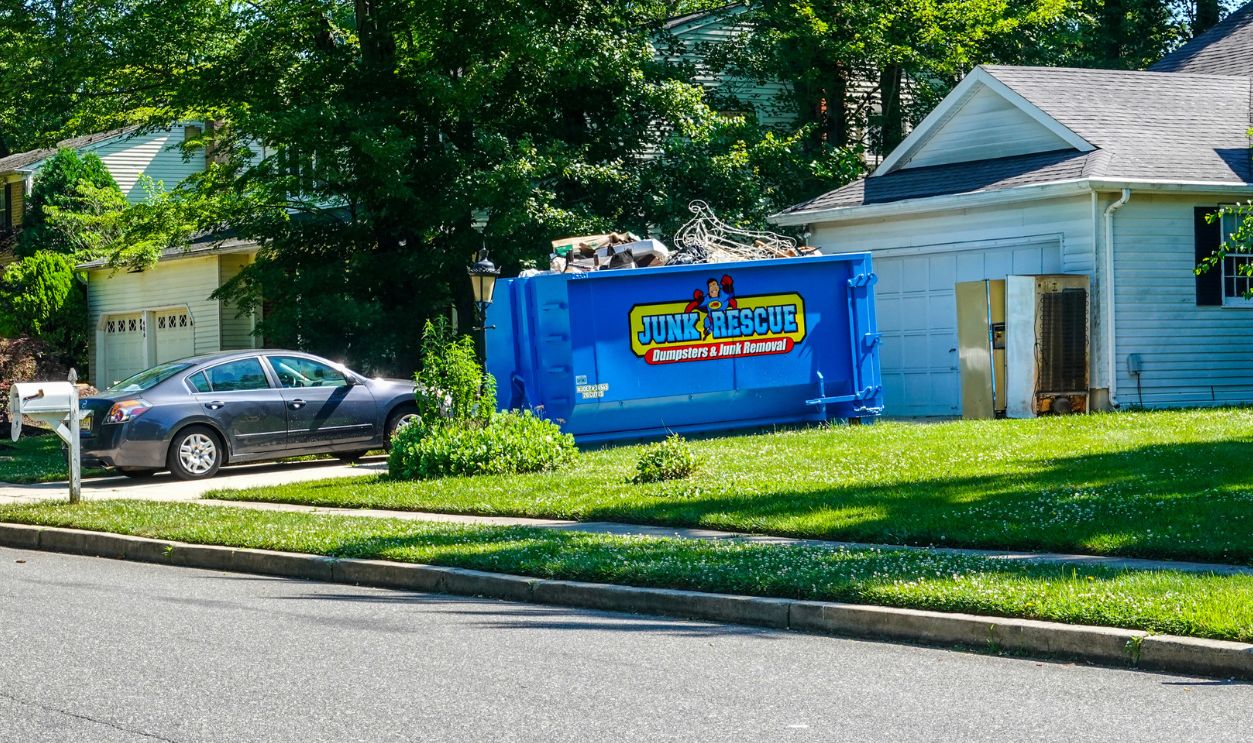
Corner Lots Get More Scrutiny
Local governments often apply stricter vegetation rules to corner properties because they affect drivers coming from more than one direction. If your neighbor’s hedge sits near an intersection as well as your driveway, that can strengthen the case that this is a code issue, not just a private disagreement. In some places, the city can send a violation notice and order the owner to cut it back.

Your Neighbor May Own It and Still Have Duties
Even if the hedge is clearly on private land, ownership does not always mean the owner can let it grow however they want. Property owners are often required to maintain landscaping so it does not block sidewalks, signs, or sightlines needed for safe travel. That is why a calm conversation backed by the actual code often works better than arguing based on instinct.

You Usually Cannot Just Cut It Yourself
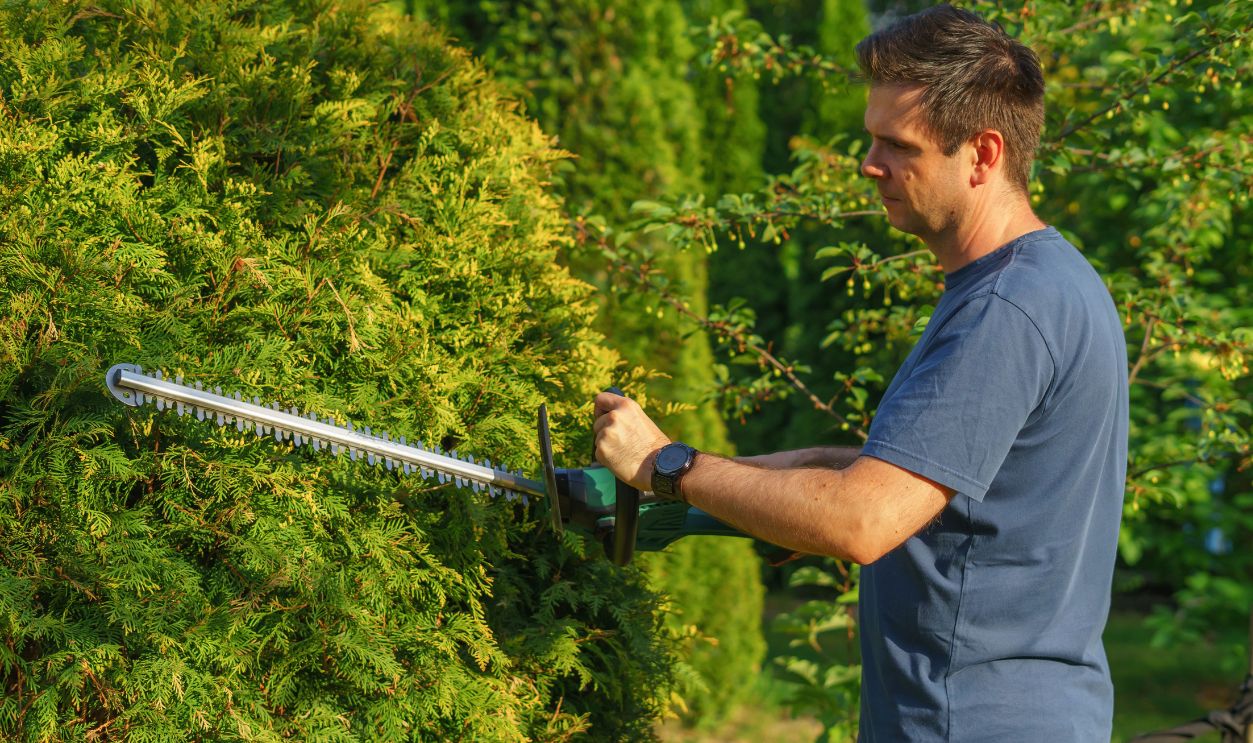
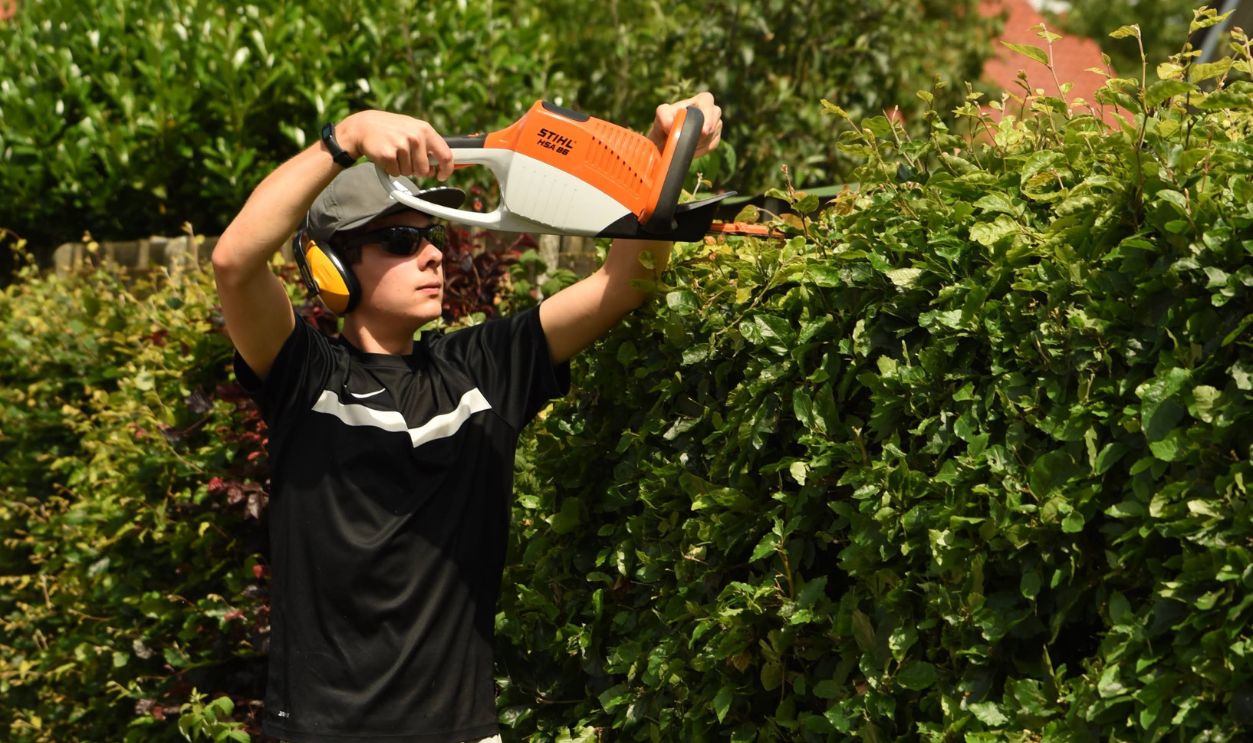
It is tempting to grab the trimmers and handle it in one afternoon, but that can go badly. In many states, damaging a neighbor’s tree, hedge, or ornamental plant can leave you on the hook if you cut beyond your rights. Self-help is usually safest only for growth that crosses onto your own property, and even then you generally have to avoid killing or seriously damaging the plant.
What the Restatement Says About Encroaching Plants
The Restatement (Second) of Torts, a legal reference often cited by courts, recognizes a landowner’s limited right to cut invading branches and roots back to the property line. Courts in different states have relied on that general rule, though the details vary by place. So you may have some rights when plants cross onto your land, but that does not give you free rein to reshape your neighbor’s hedge.
Blocked Visibility Is Not the Same as Overhang
That difference matters. A hedge can block your view without crossing onto your property at all. When that happens, the issue is often less about your right to trim and more about code enforcement, nuisance claims, or showing that the obstruction creates an unreasonable safety risk.

Transportation Guidance Backs Up the Safety Risk
Transportation agencies regularly publish driveway design and access guidance that stresses the need for clear sight distance. Those documents are aimed at road safety and land-use planning, but they also show why local governments take visibility complaints seriously. If a hedge keeps you from seeing cars, cyclists, or pedestrians, you are describing a recognized traffic hazard.
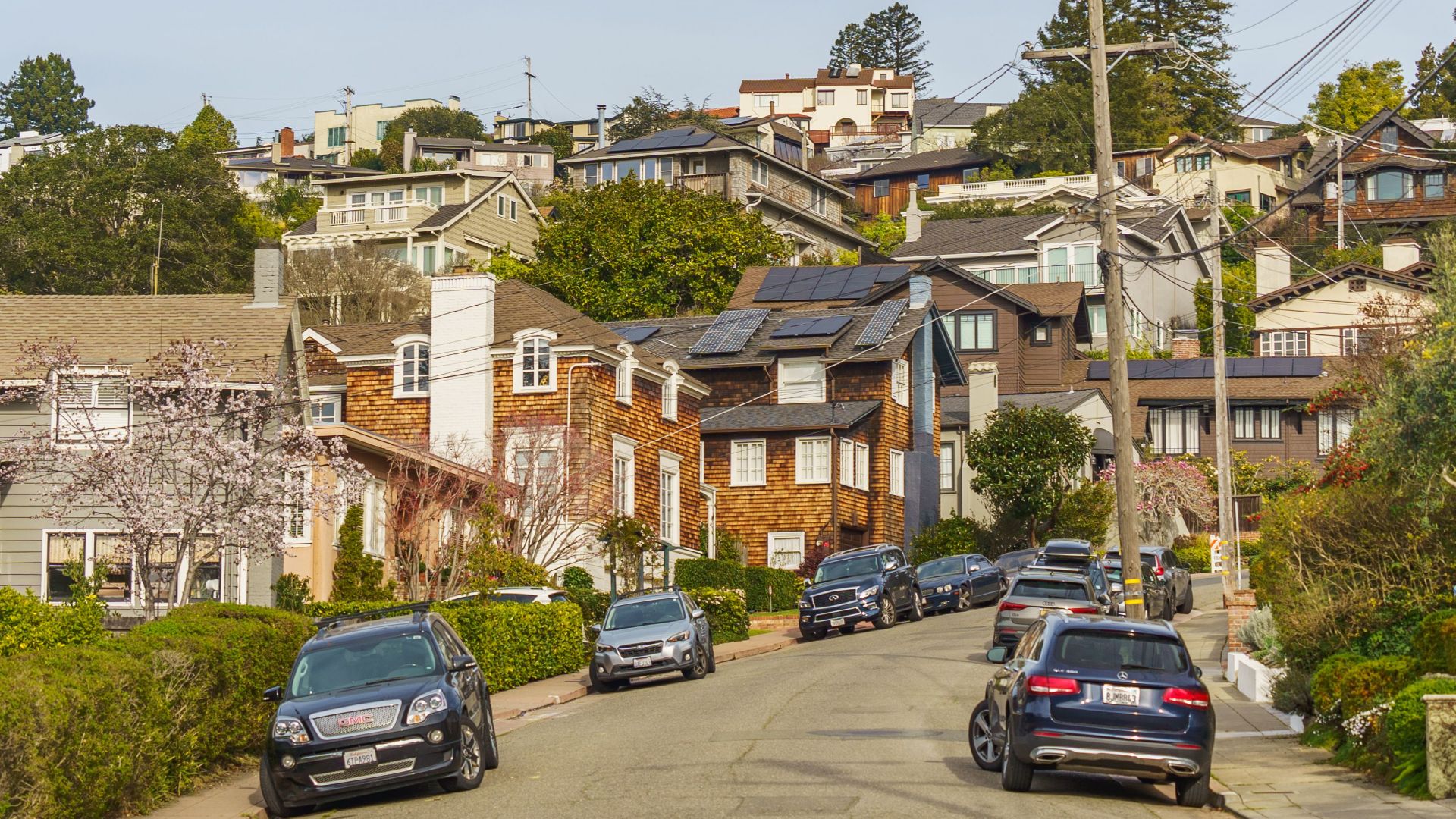
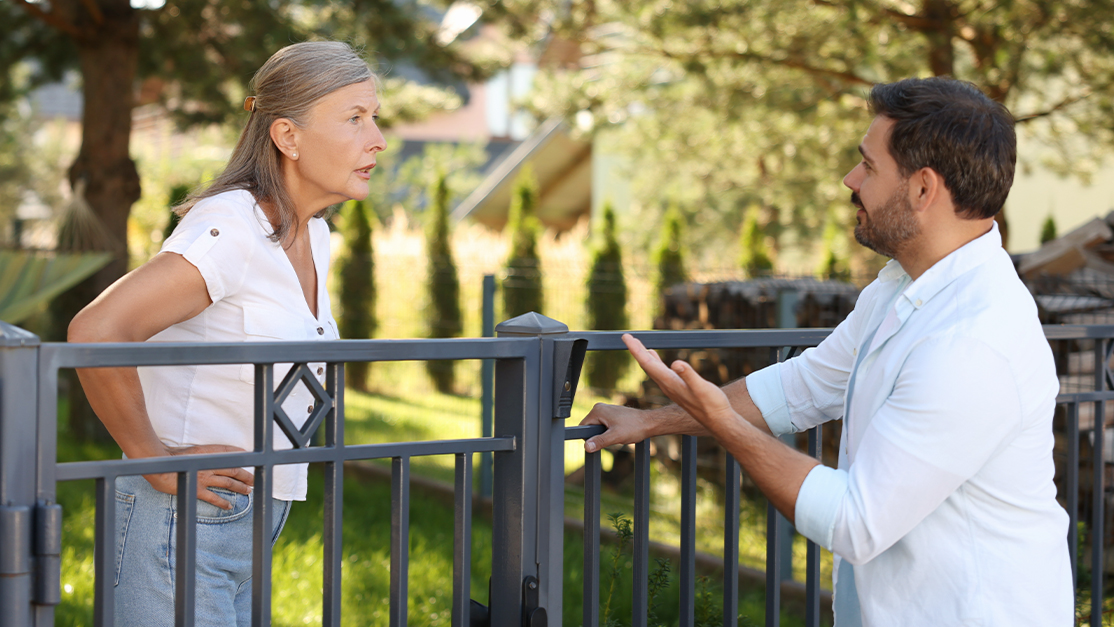
Start With a Calm Conversation
The best first move is often the simplest one. Show your neighbor what you can and cannot see when backing out or pulling forward, and explain the safety issue plainly. A lot of hedge disputes get solved before code enforcement or lawyers ever get involved.

Bring Proof, Not Heat
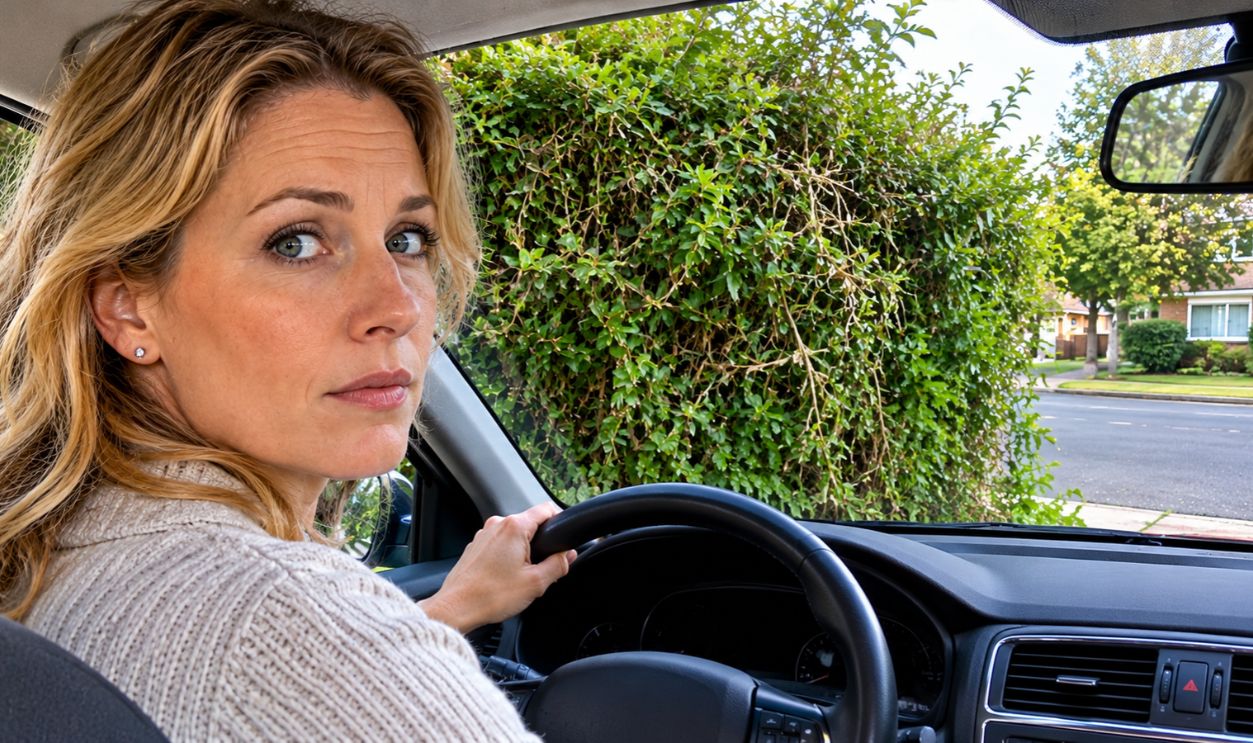
Photos taken from the driver’s seat can be very convincing. A short video showing how the hedge blocks your view of oncoming traffic can help even more. Add a copy of the local rule, and the conversation shifts from personal friction to safety and compliance.
Call the Right Local Office
If talking does not fix it, the next step is usually a city or county office. Depending on where you live, that could be code enforcement, public works, transportation, zoning, or even a police traffic unit. Ask whether there is a vegetation rule, sight-triangle rule, or right-of-way obstruction rule that applies.

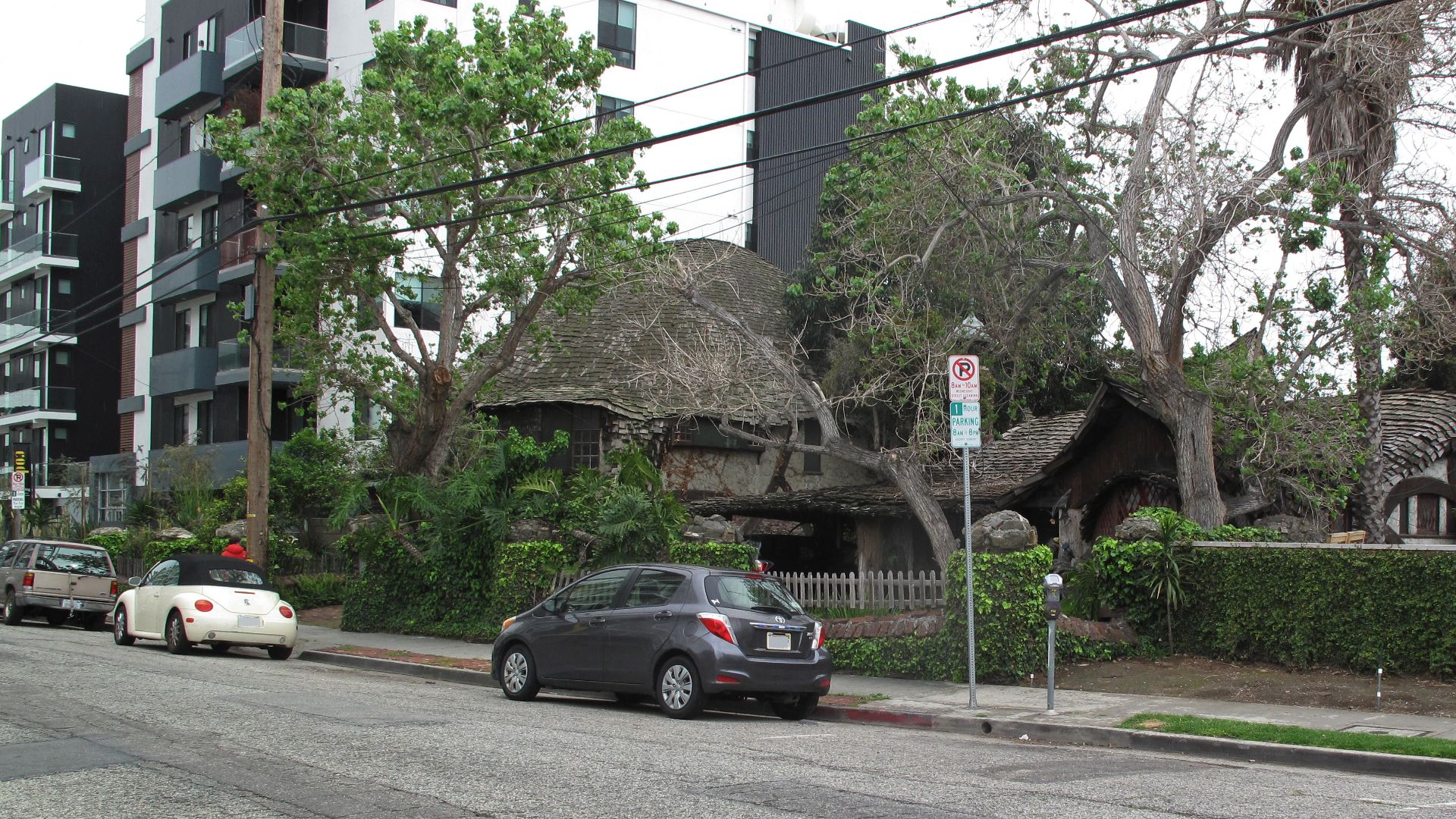
Sidewalk Obstructions Are Often Easier Cases
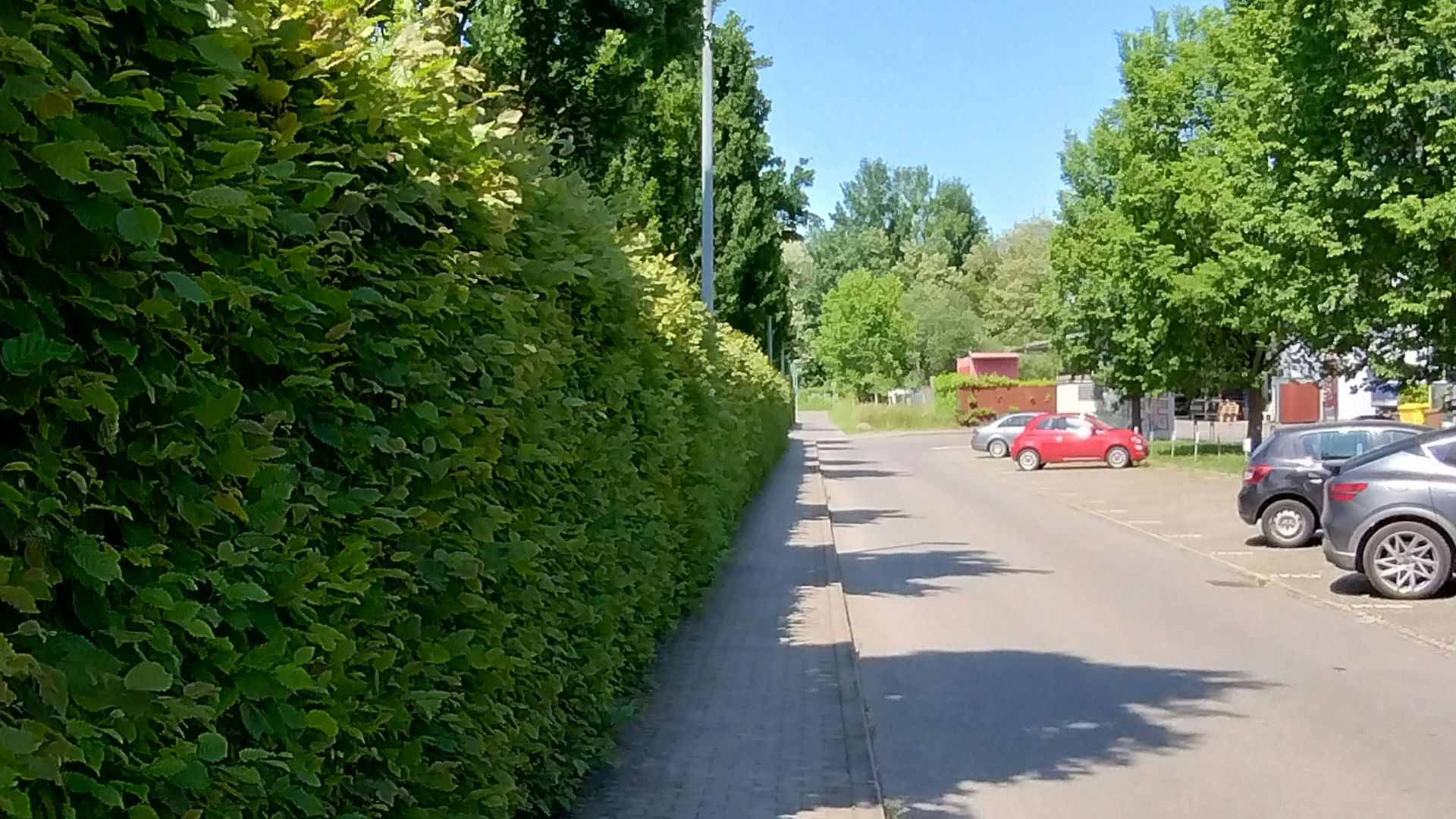
If the hedge spills into the sidewalk and forces people to go around it, officials are often quicker to act. Sidewalk access rules are common, and blocked walkways create a direct public safety issue for kids, older adults, and people using wheelchairs. A hedge that blocks both the sidewalk and your line of sight gives the city more than one reason to step in.
 Downtowngal, Wikimedia Commons
Utility Easements Can Make Things More Complicated
Some hedges sit in areas covered by utility or drainage easements. In those spots, there may be extra limits on what can be planted or allowed to grow. Your deed, subdivision records, or local planning office may show an easement that affects who is responsible or what enforcement options exist.
HOA Rules Can Matter Too
If you live in an HOA community, check the governing documents. Many associations have rules about hedge height, maintenance, and landscaping visibility, especially near streets and shared access points. That does not replace city law, but it can give you another way to get the problem handled.

When the City Steps In
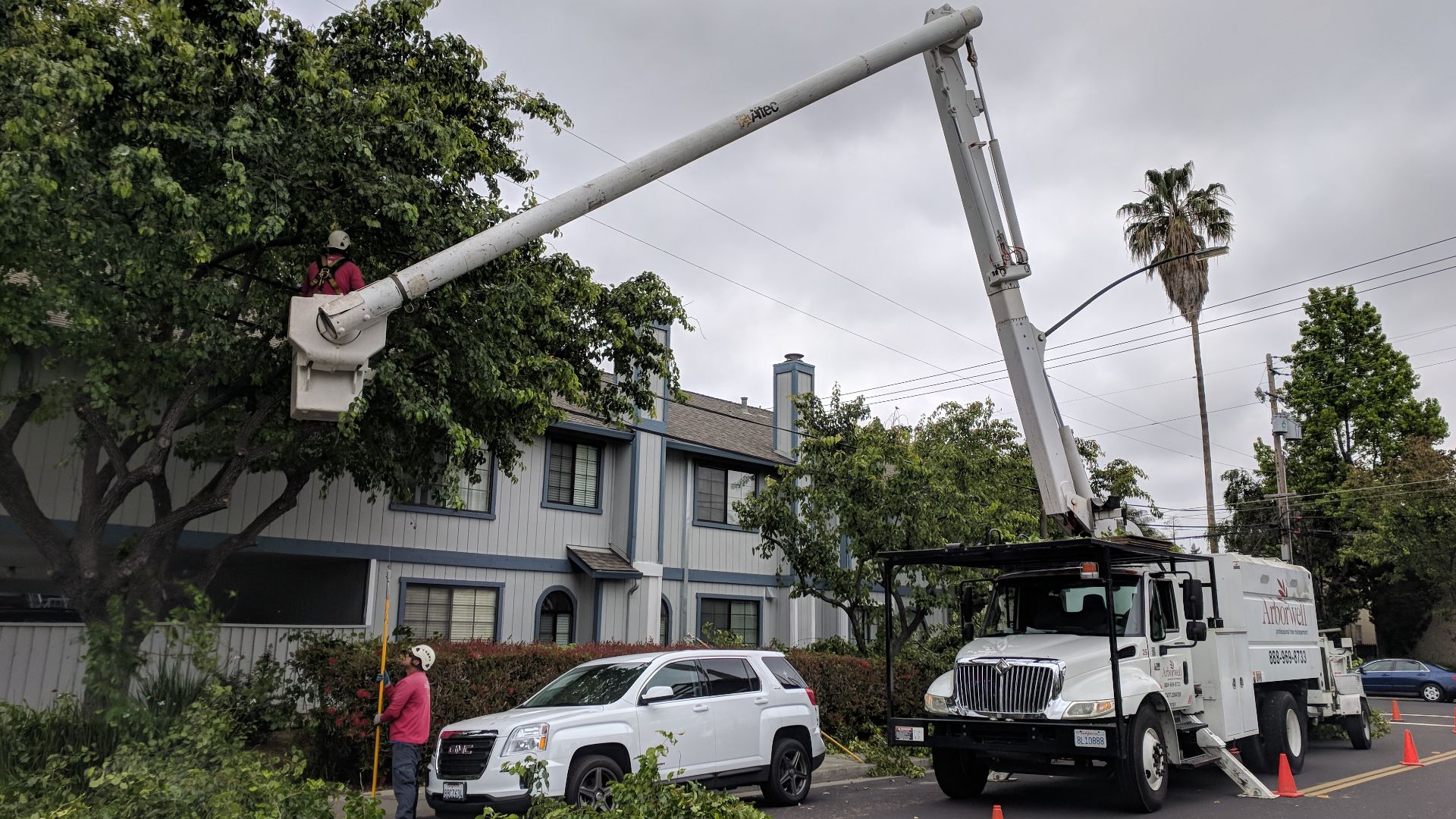
Some cities inspect after a complaint and then send a written notice giving the owner time to trim the vegetation. If the owner does not comply, the city may impose fines or arrange for the work under local procedures. The process varies, but it is common enough that it is worth asking how your local office handles complaints like this.
 Grendelkhan, Wikimedia Commons
Nuisance Law Can Come Into Play
If the obstruction is dangerous and nothing happens through discussion or code enforcement, a lawyer may talk with you about a private nuisance claim. Nuisance law depends heavily on the state, the facts, and local court decisions. For most people, though, this is a later step, not the first move.

Document Everything
Keep a simple record of dates, photos, messages, and any reports you make to local officials. If the problem grows into a formal complaint or follows a near miss, that record can matter. It also helps keep everyone honest if memories start to shift a few weeks later.
Do Not Brush Off an Immediate Hazard
If the blocked view has already led to crashes, near misses, or close calls with pedestrians, say so when you report it. That kind of detail can affect how quickly officials inspect the site. If you think there is an immediate danger in a public area, a local non-emergency police line or public works office may be the right place to start.
What Usually Decides Responsibility
In the real world, four facts usually decide who has to act. First, who owns the hedge. Second, whether it extends onto your property or public land. Third, whether a local rule requires trimming for visibility. Fourth, whether an HOA rule or easement adds separate duties.
The Answer Most Drivers Actually Need
If the hedge is on your neighbor’s land and only affects your private convenience, they may not automatically have to trim it unless local law says they do. If it blocks a public sidewalk, street visibility, or a protected sight triangle, the chances of official action go up a lot. That is why the most useful answer is usually at city hall, not in an argument over the fence.
The Real Goal Is a Safe Way Out
No one wants a landscaping fight, but everyone wants to leave the driveway without guessing at unseen traffic. Treat the problem like a safety issue, confirm the property line, check the local code, and document the obstruction clearly. That gives you the best shot at getting the hedge trimmed by the person or agency actually responsible.