Why This Gets Under People’s Skin
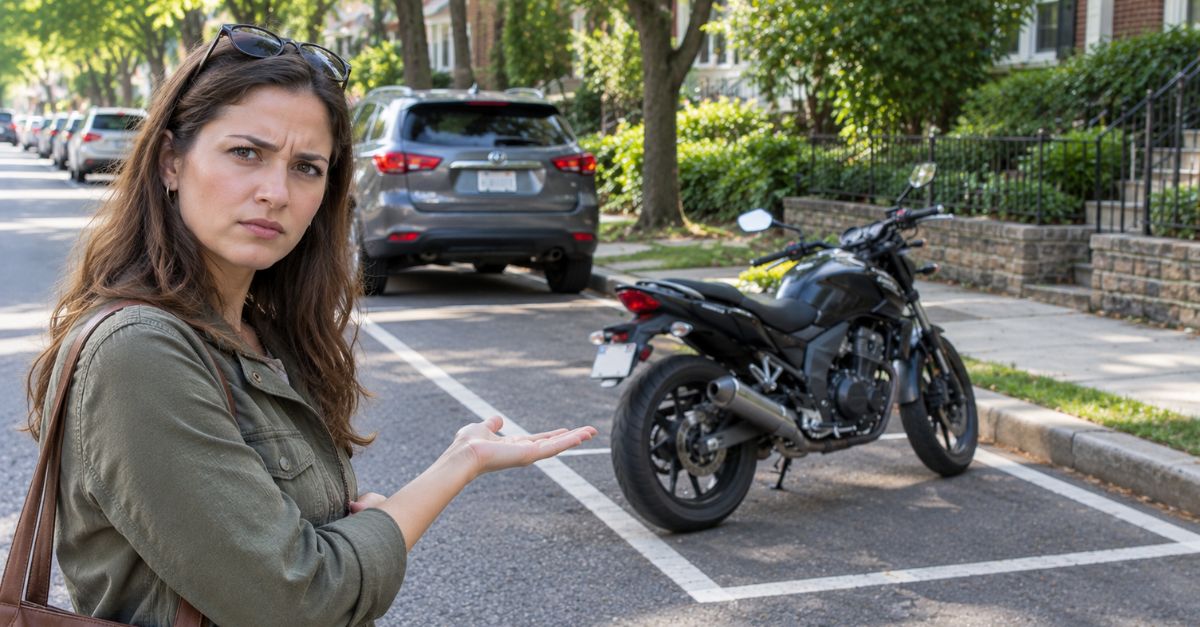
When a neighbor parks one motorcycle in a full street space every day, it can feel like a raw deal. Curb parking is hard to find in a lot of neighborhoods, so seeing a single bike take up a car-sized spot can be irritating. The catch is that in many places, it is completely legal unless a local rule says otherwise.
Start With The Main Rule
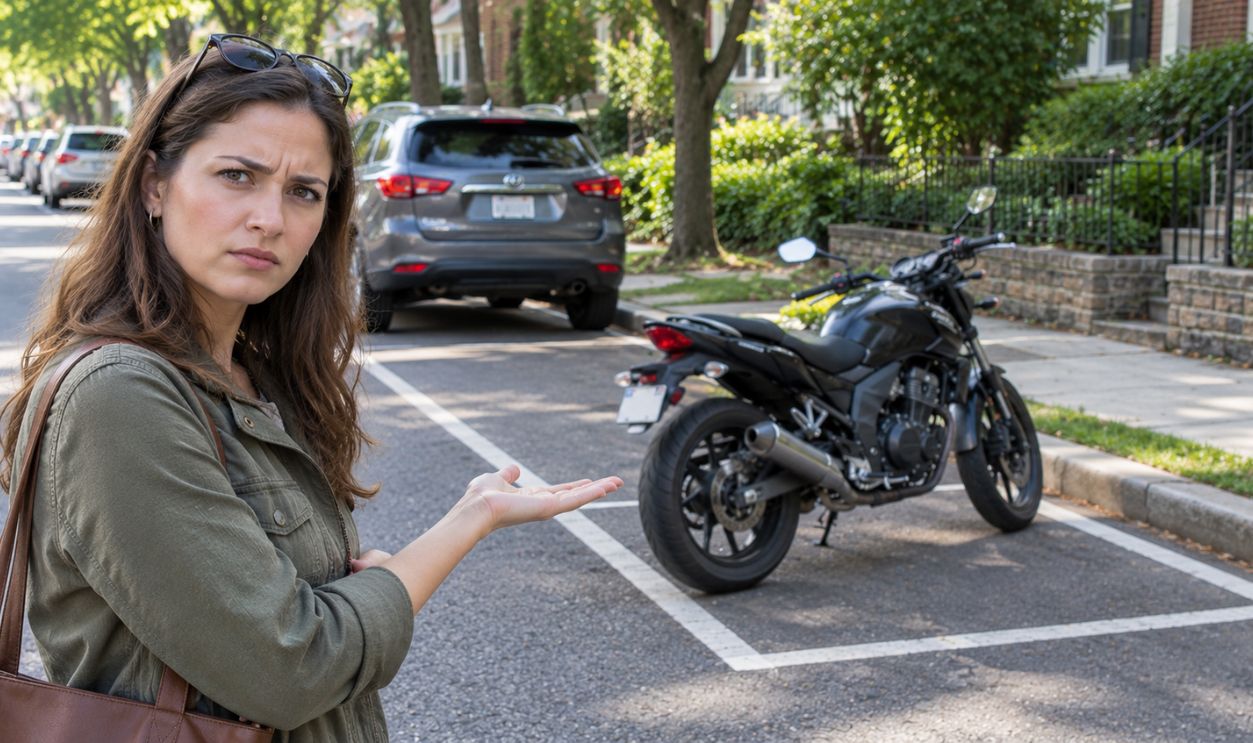
On most public streets, parking laws deal with the space itself, not how efficiently a vehicle uses it. If a motorcycle is legally registered, properly parked, and within posted limits, the rider can often use a standard curb space just like a car. In other words, one bike can legally take one whole spot.
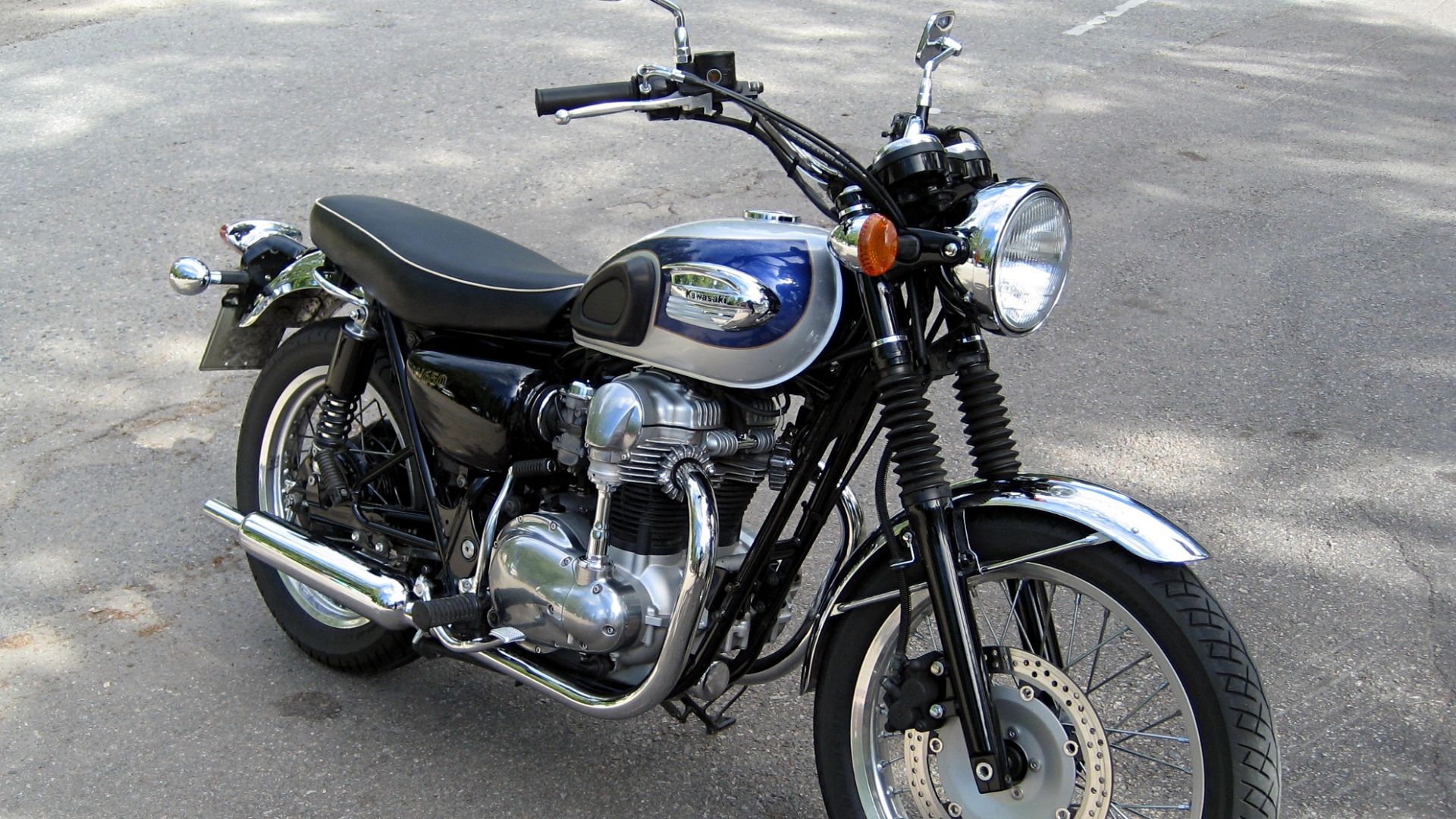
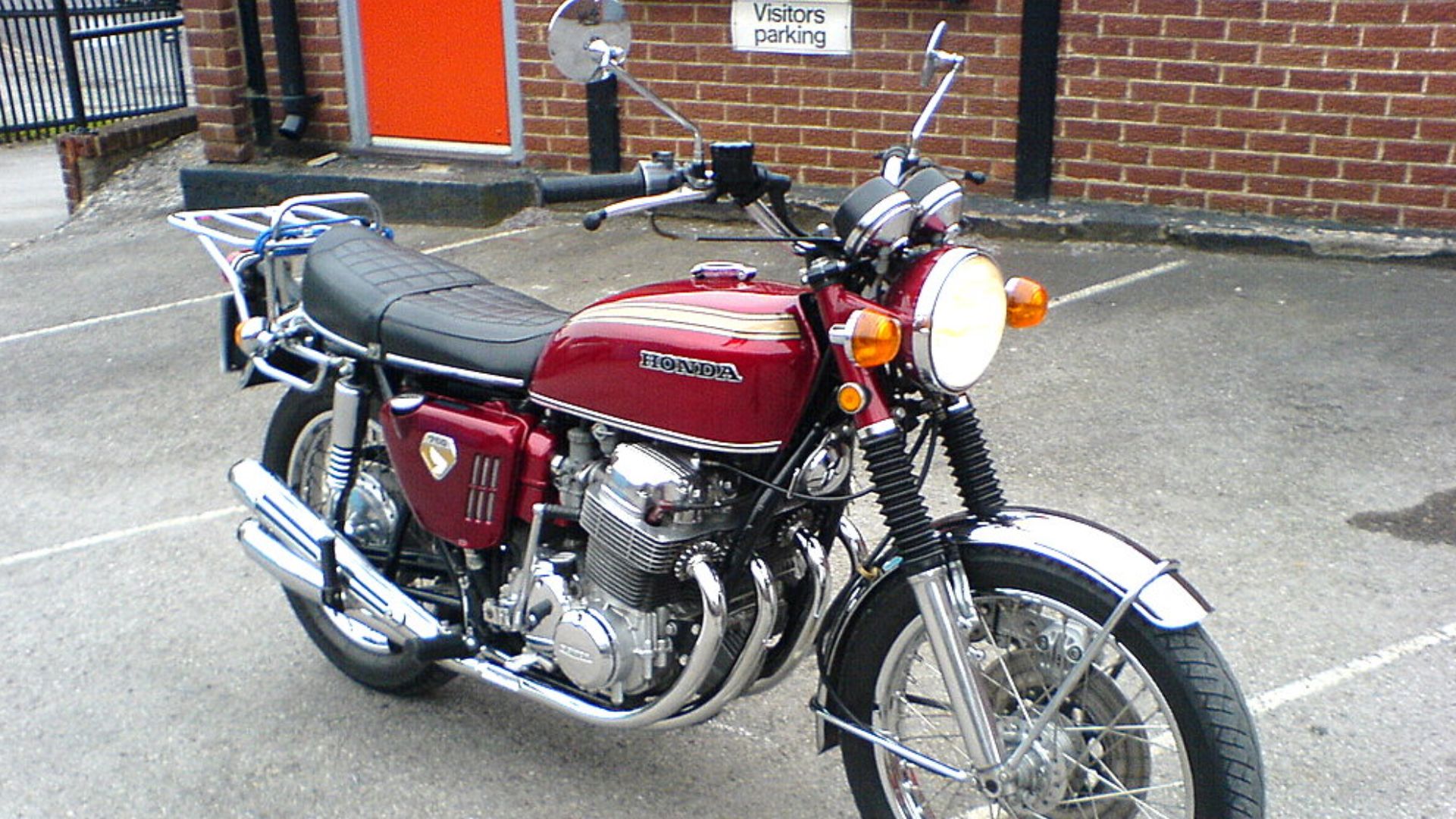 Original uploader was Slarty-bart-farst at en.wikipedia, Wikimedia Commons
What Parking Laws Usually Focus On
Cities usually care about time limits, permit zones, meters, street cleaning, and safety clearances. They also care about whether a vehicle is inside marked lines when spaces are painted. What they usually do not do is require a motorcycle to share with another vehicle unless a sign or local law specifically says so.
Motorcycles Are Usually Treated Like Motor Vehicles
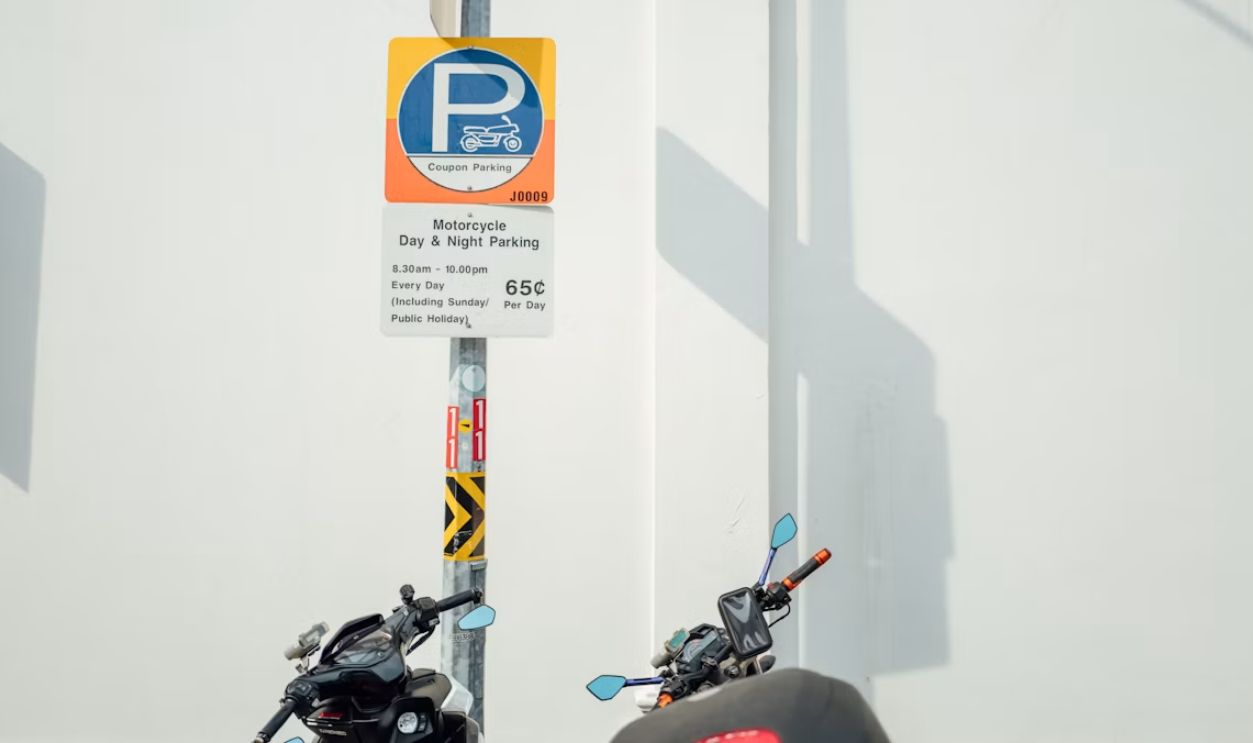
That helps explain why they often get the same access to street parking as cars. State and city traffic rules generally treat motorcycles as motor vehicles unless there is a special exception. That can mean the same right to use a normal curb space.
There Is No One National Rule
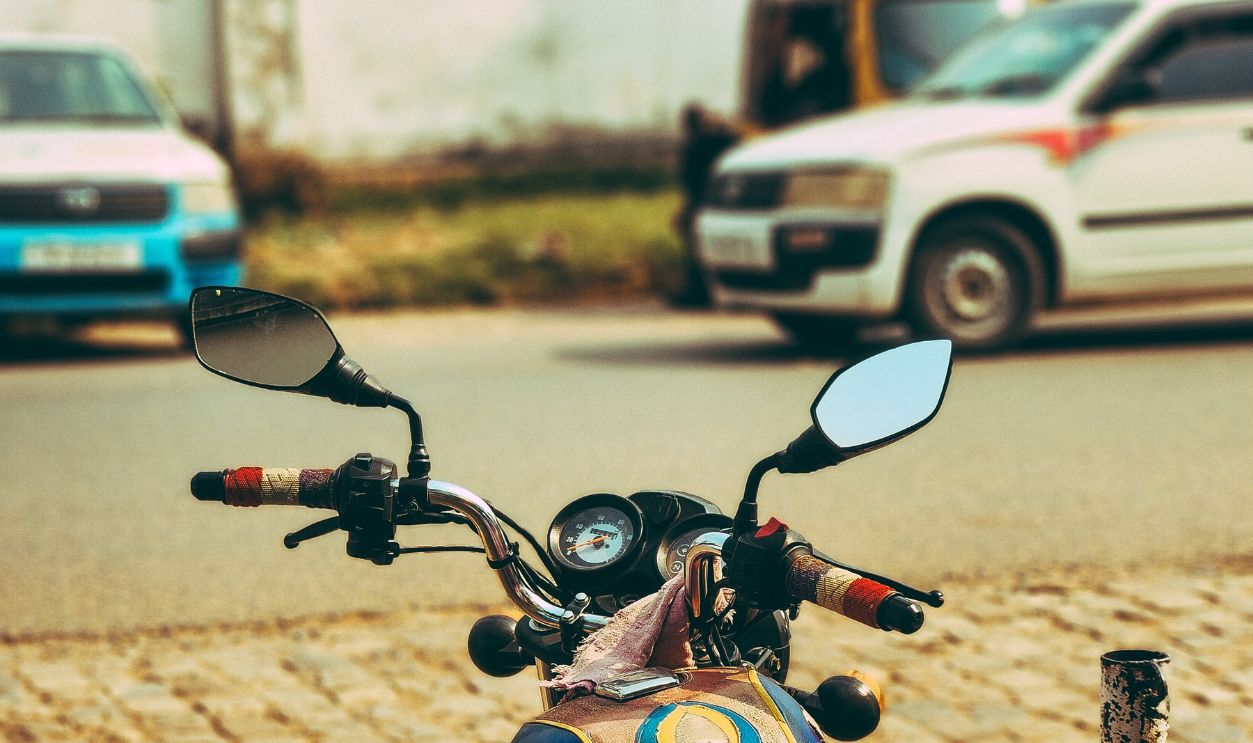
This is the part many people miss. There is no nationwide rule saying a motorcycle must share a car space or can always claim one by itself. Street parking is mostly governed by state law and local ordinances, so the answer can change from one city to the next.
California Offers A Clear Example
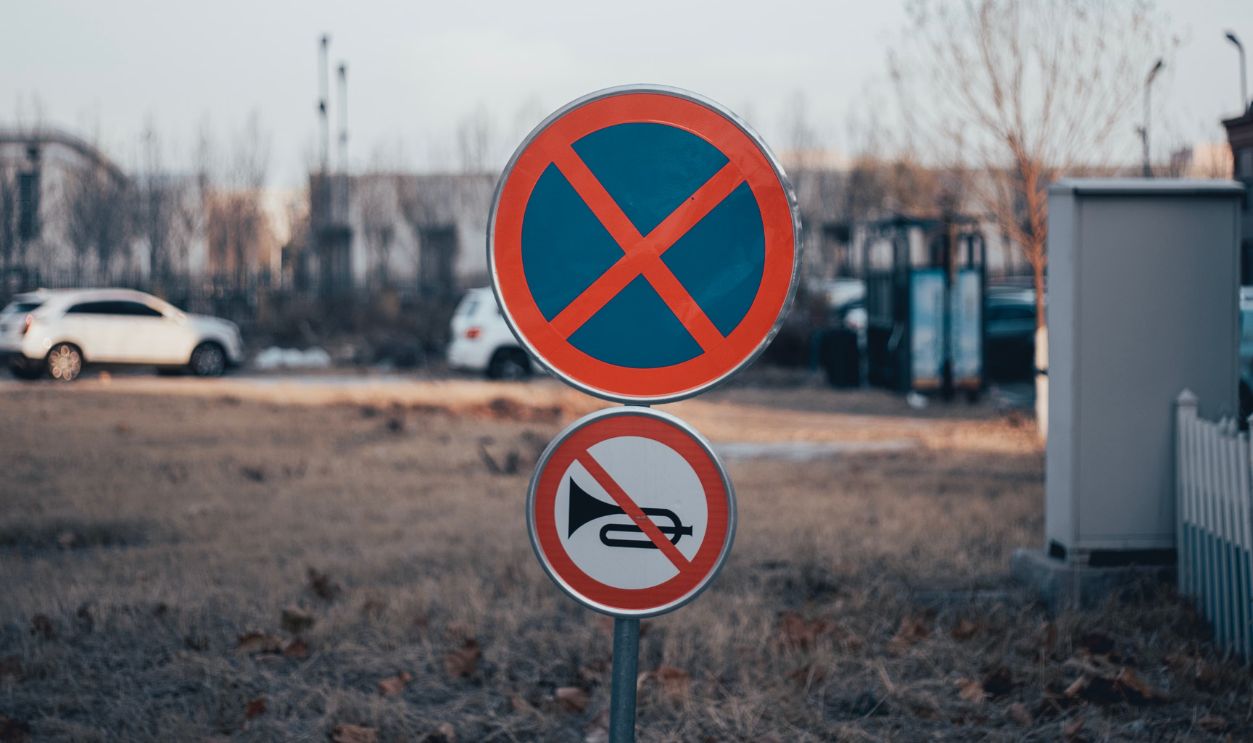
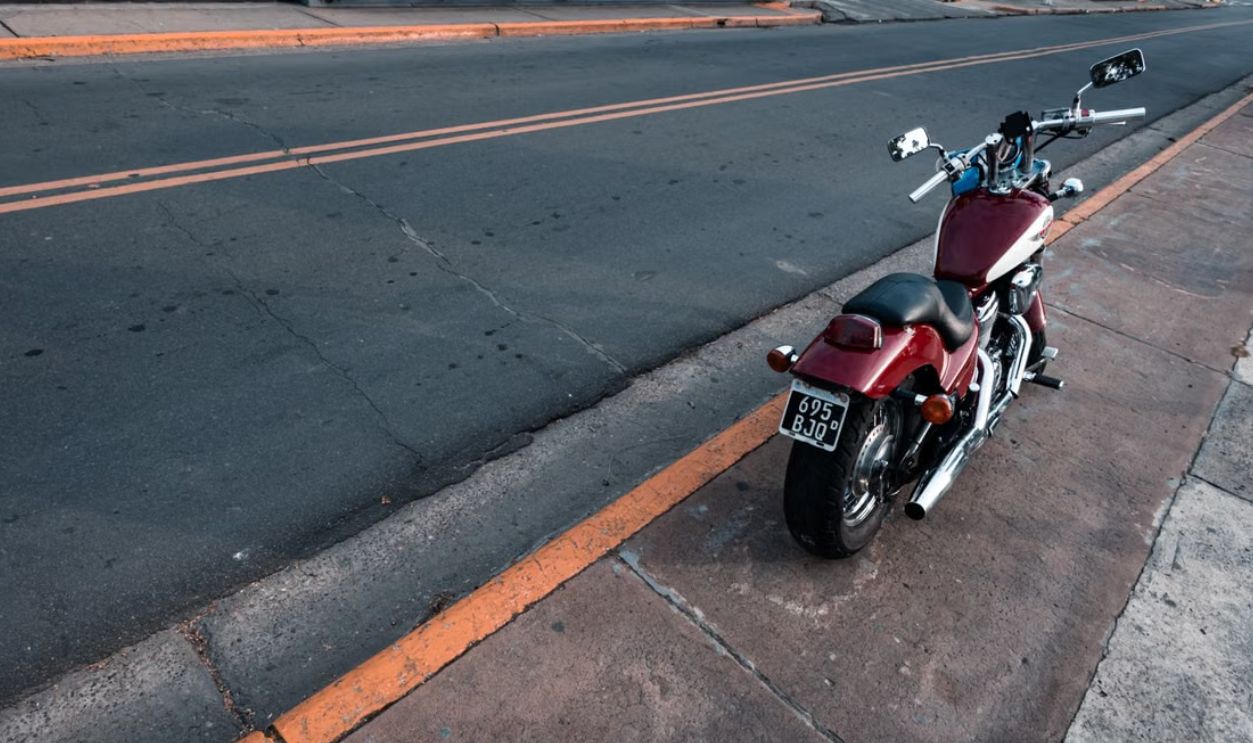
California’s motorcycle handbook says a motorcycle parked on the street should be parked parallel to the curb. It also says the bike should be positioned with at least one wheel or fender touching the right-hand curb. That shows the state treats street parking for motorcycles as a normal use of curb space, not a lesser one.
In California, Angle Parking Is Not The Default
The same California guidance tells riders not to park at an angle with the rear wheel touching the curb. That matters because many people assume motorcycles can always squeeze in diagonally and leave more room for cars. In California, the rule is much simpler: park along the curb, which can easily mean taking up a full standard space.
New York City Uses A Similar Setup
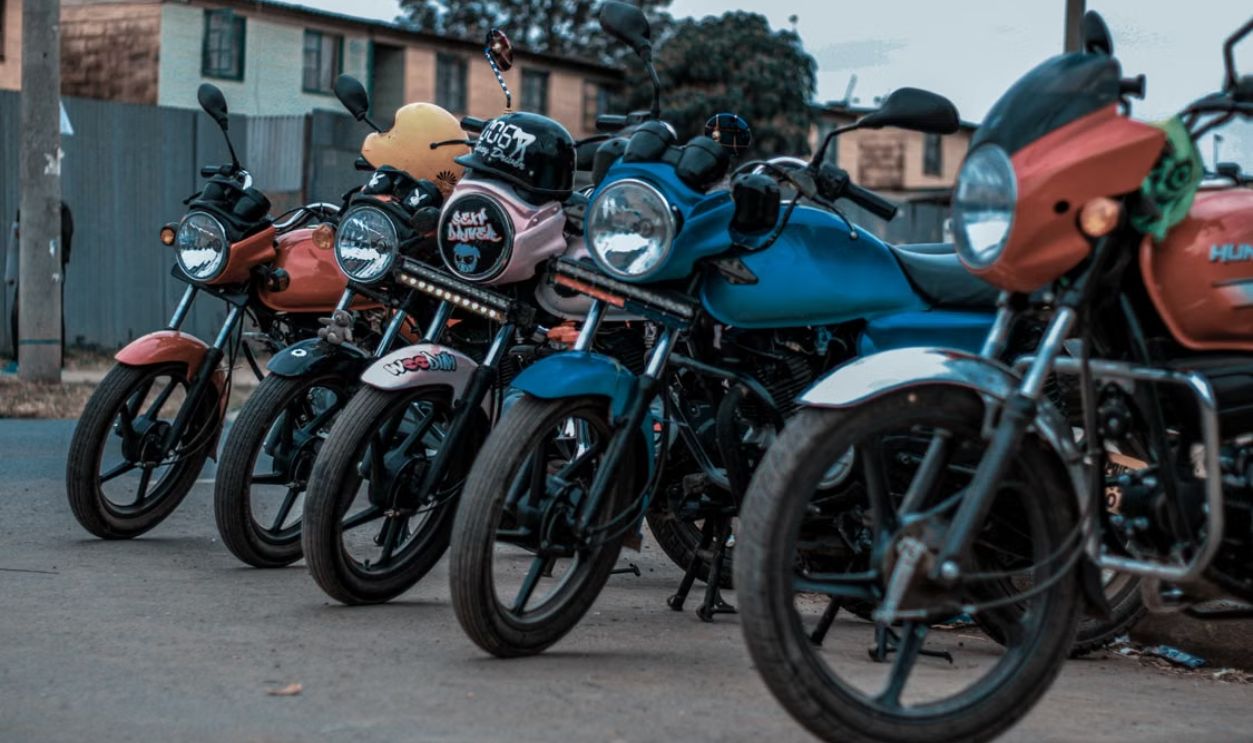
New York City’s parking rules tell riders to park motorcycles at an angle to the curb and keep the meter or muni-meter receipt visible when one is required. The city also says motorcycles must park within marked spaces where spaces are painted. That still means one motorcycle can occupy one marked spot if it is parked the way the rule requires.
One Important Catch In New York City
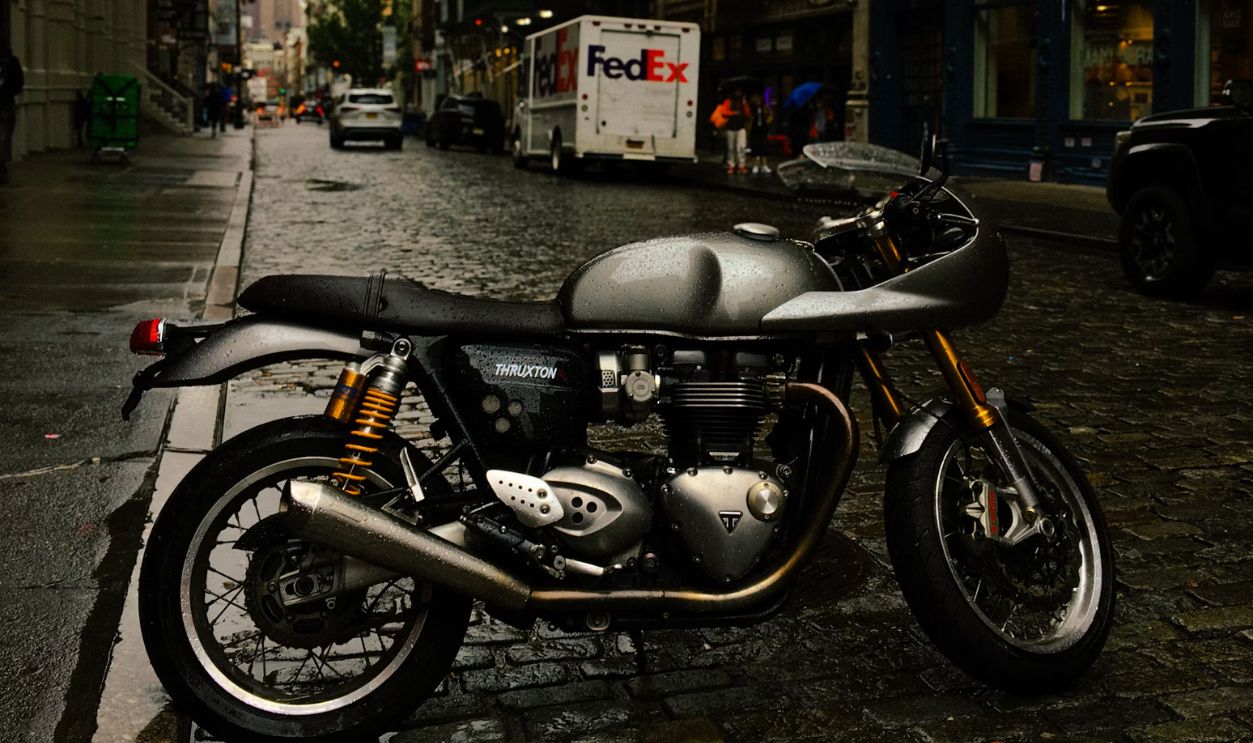
New York City also says no vehicle can occupy more than one parking space. For motorcycles, that means taking one space is fine, but crossing the lines is not. So the real issue is usually not whether a bike can use a whole spot, but whether it stays within that one spot.
Seattle Shows How Local Rules Can Change Things
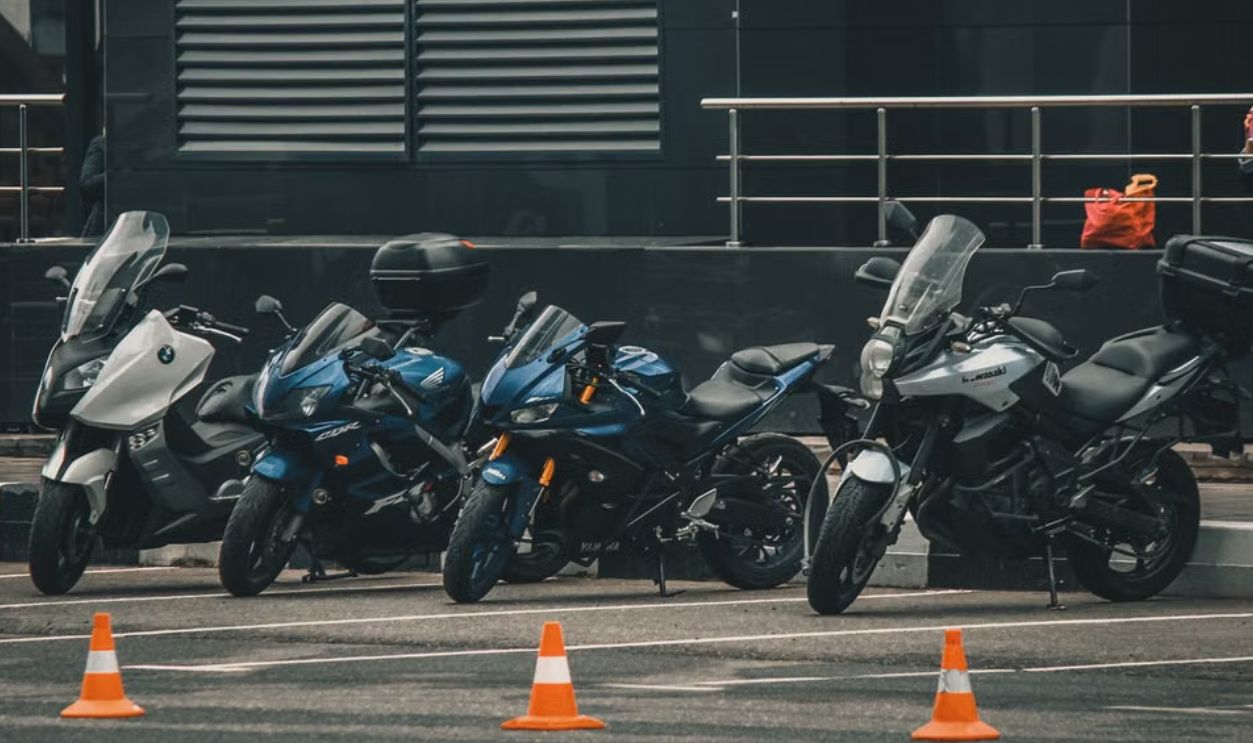
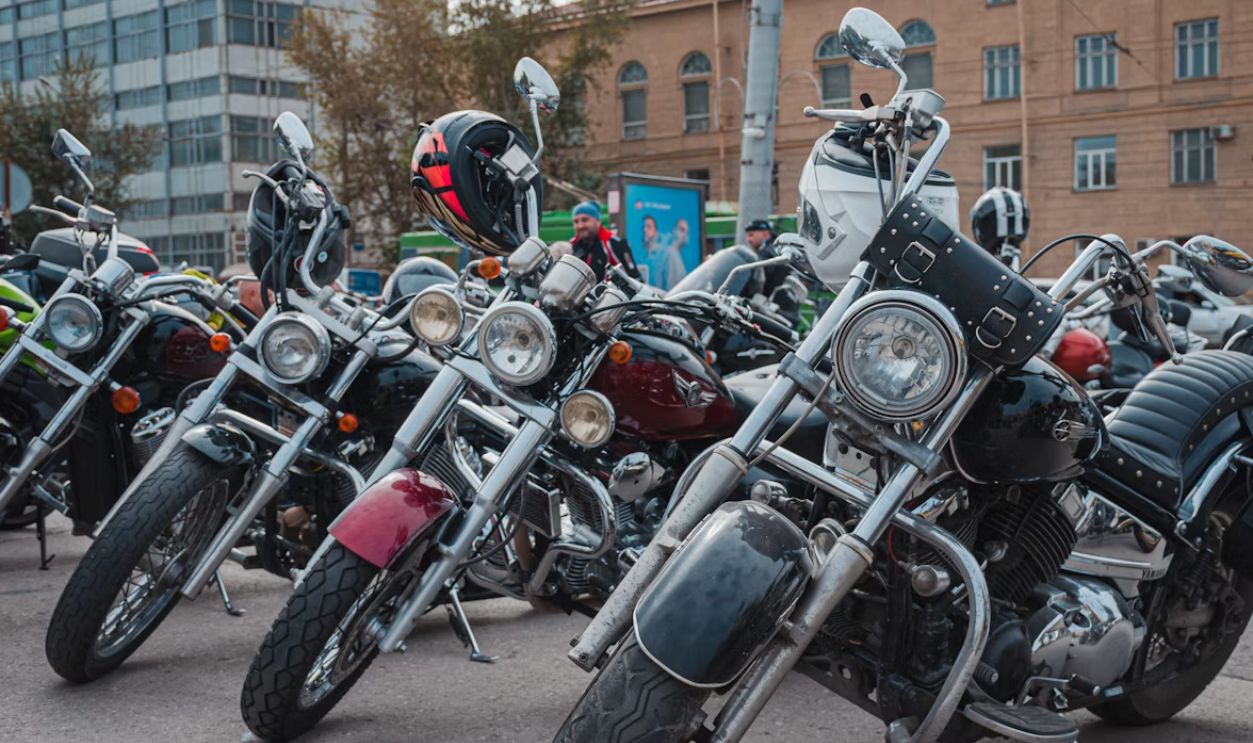
Seattle’s municipal code takes a different approach by specifically allowing more than one motorcycle in a single parking space. The city says the first motorcycle in the space can pay for the entire space. Other motorcycles can then use that same space without paying separately, as long as they follow the rest of the rules.
Why Seattle Stands Out
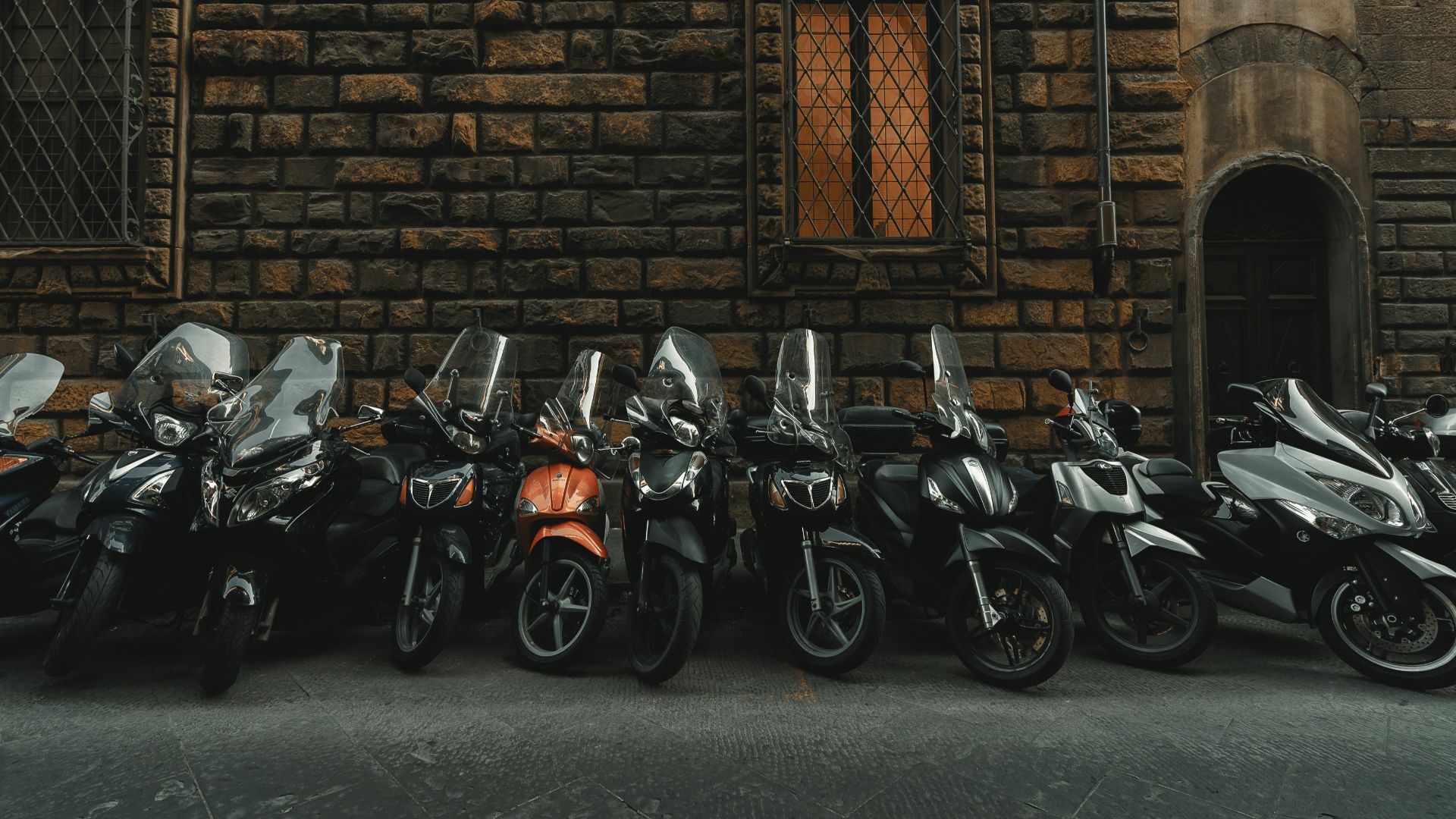
Seattle is a good reminder that this issue is local. Some cities push riders to share a space so curb parking is used more efficiently. Others simply treat motorcycles like any other vehicle and let each one take a full spot.
Yes, Motorcycles Often Have To Pay Meters
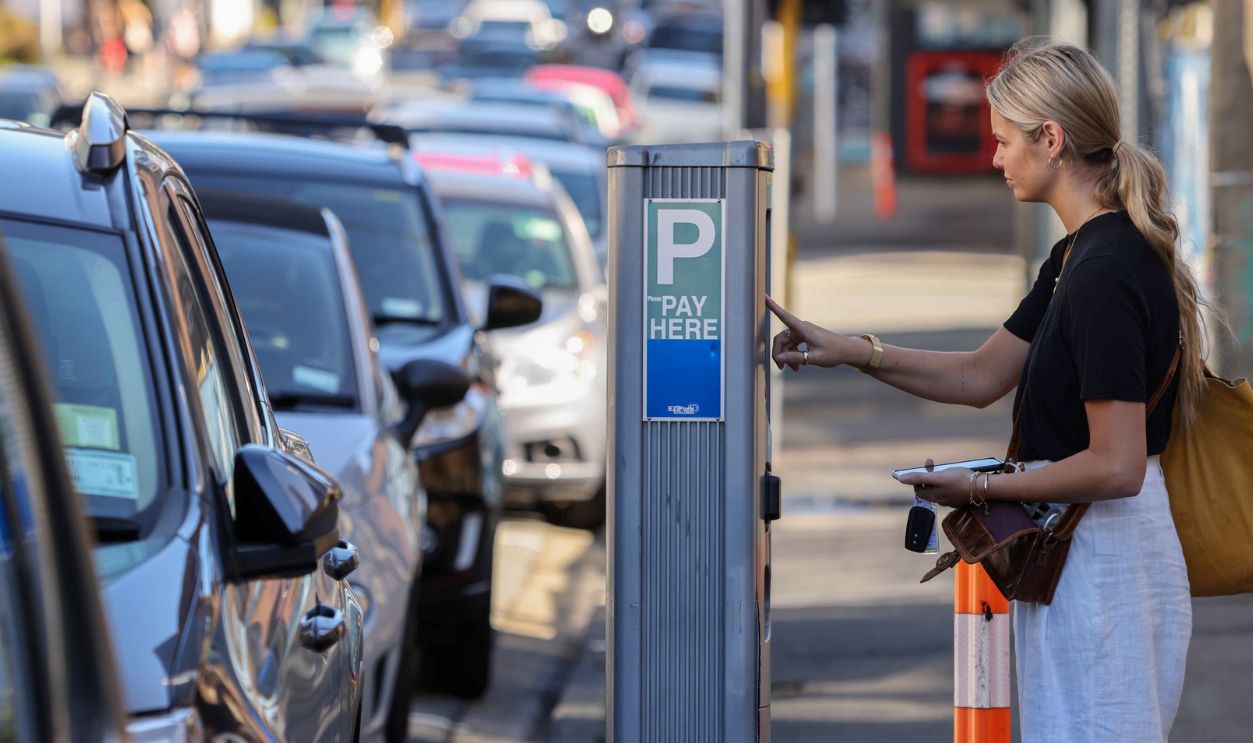
In many places, they do. New York City says motorcycles must pay the meter or muni-meter in metered areas. Seattle’s code also covers paid parking for motorcycles. That is another sign that cities often see a motorcycle as a full user of a parking space, not a free exception.
 Xinhua News Agency, Getty Images
Street Space Is A Legal Issue, Not Just A Courtesy
This is where neighbor disputes usually flare up. People often think curb parking is mostly about manners, but city rules treat it as a regulated public resource. If the motorcycle is following posted signs, permit rules, and parking requirements, annoyance alone does not make it illegal.
Marked Spaces Make The Rules Clearer
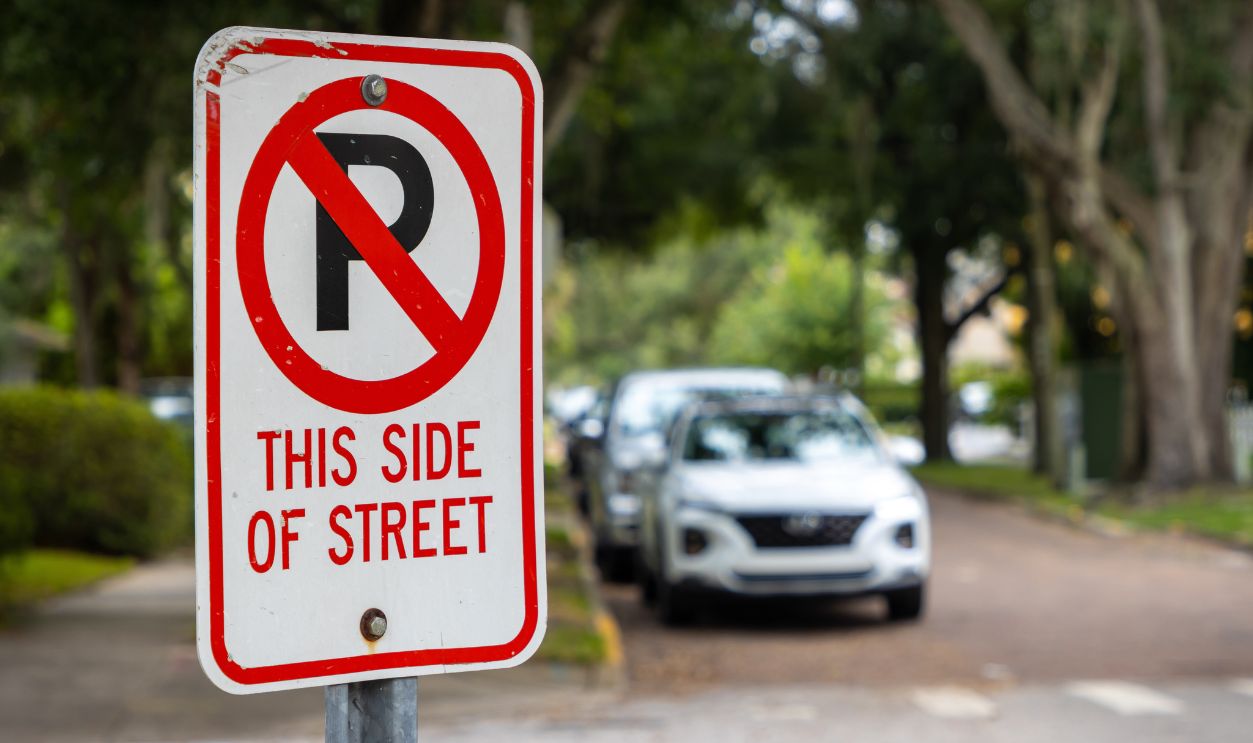
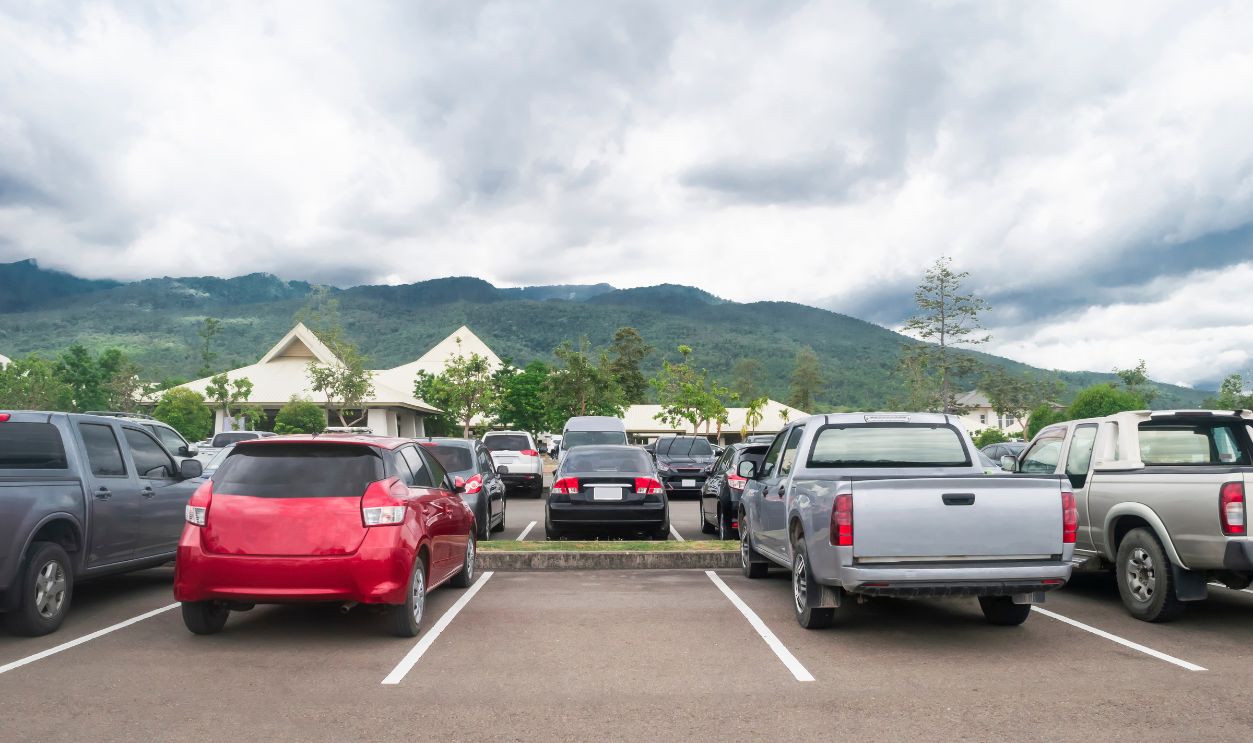
When spaces are painted on the street, the lines matter. New York City requires motorcycles to park within marked spaces. A rider who straddles lines or leaves part of the bike outside the boundary can get ticketed, but a rider fully inside one space is usually on firm ground.
Unmarked Streets Feel More Personal
On unmarked residential streets, the tension can get worse because there is no visual guide for what feels fair. A motorcycle may leave enough curb for another bike but not enough for a car. Even so, many cities still do not require the rider to use the absolute smallest amount of space possible.
Why Riders May Want A Full Spot
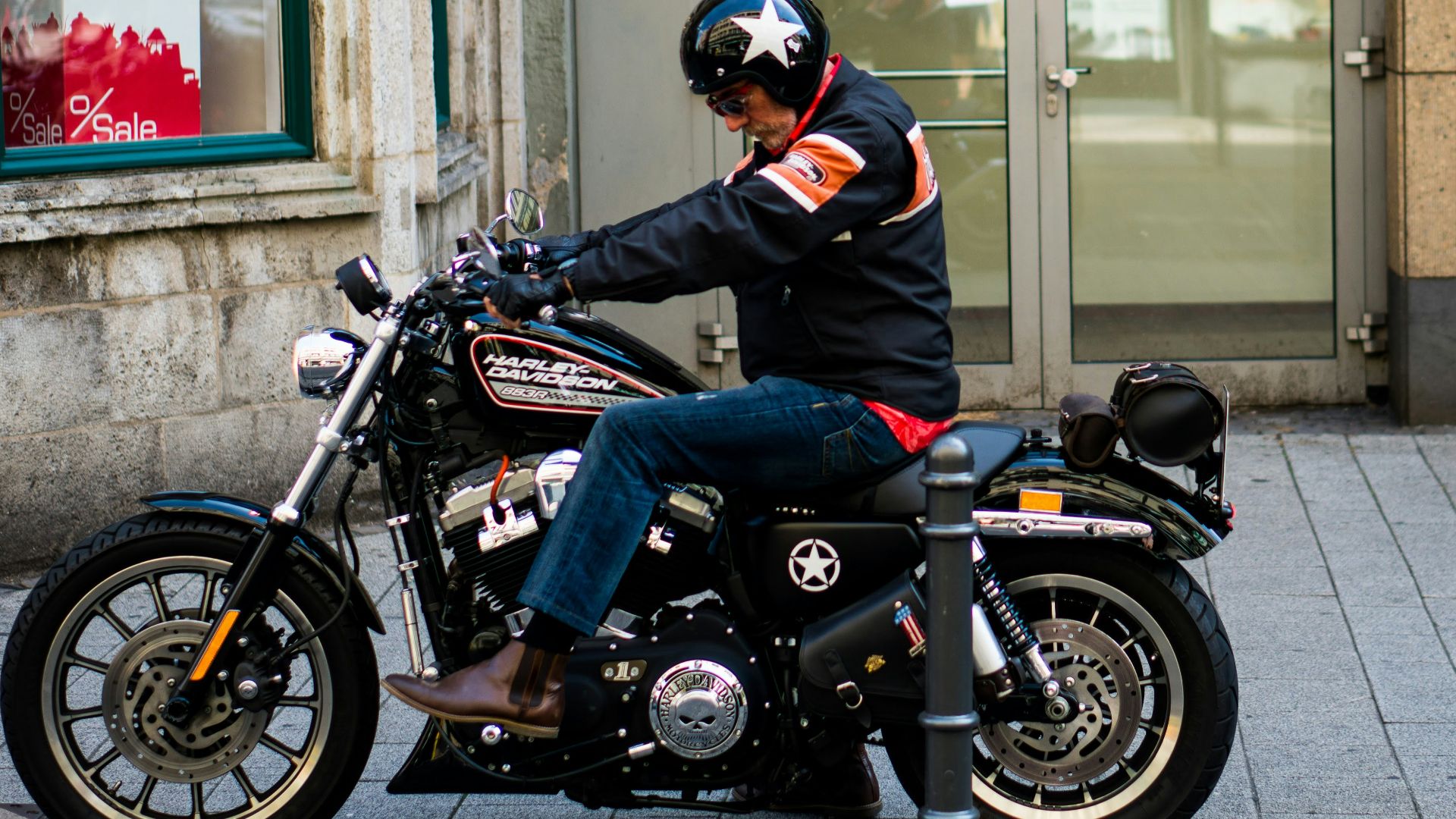
There is also a practical reason for this. A full spot gives a rider room to get in and out safely and lowers the chance that another vehicle crowds the bike. It can also make the motorcycle easier for drivers to see, which matters on busy streets where a less visible bike can get clipped.
Safety Is Part Of The Equation
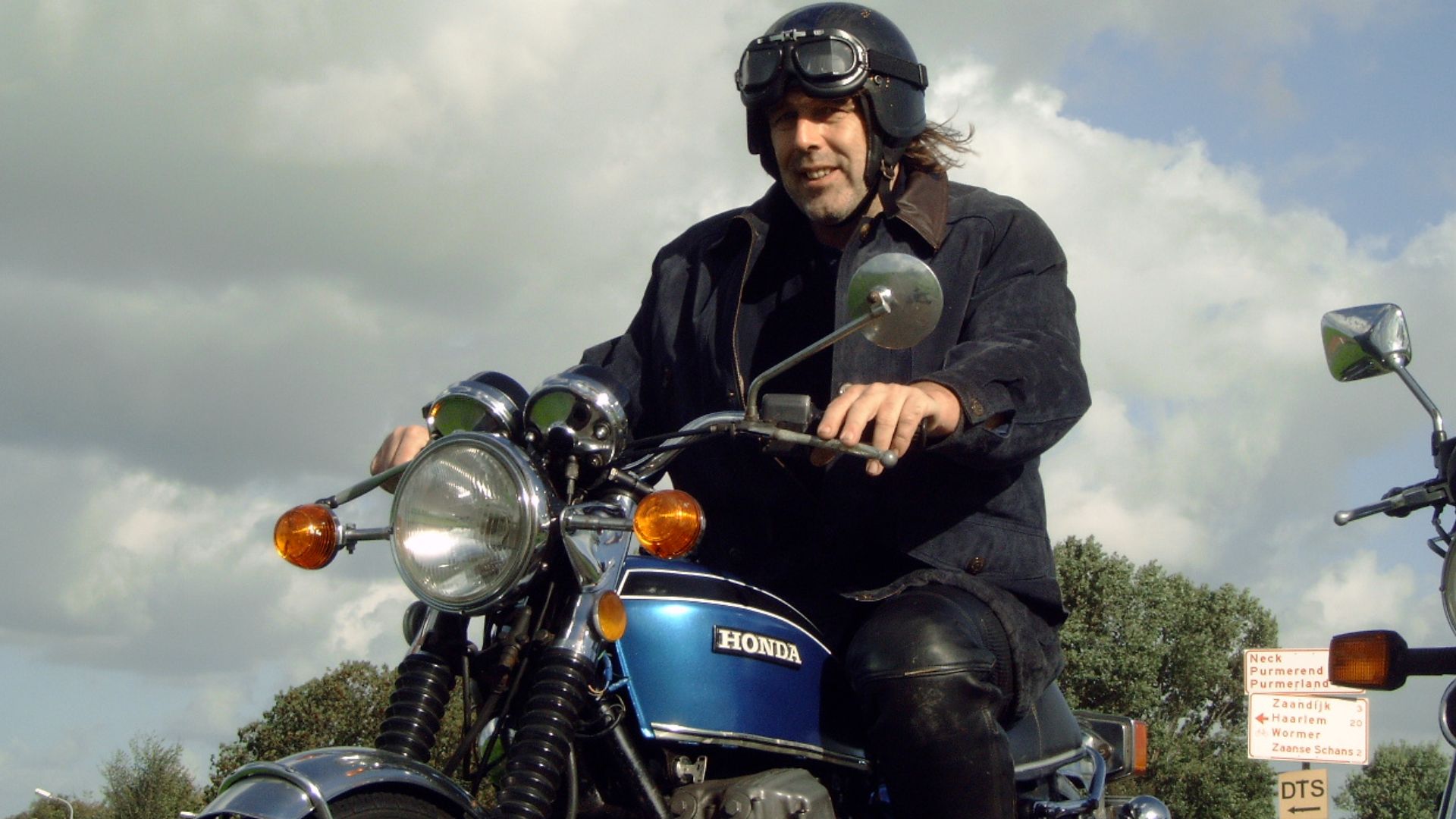
The Washington State Department of Licensing notes that motorcycles can be harder to see because of their smaller size. That helps explain why many parking rules focus on clear placement instead of squeezing bikes into tight corners. Saving space sounds good until it creates a safety problem.
Permit Zones Still Apply
A motorcycle does not get to skip residential permit rules just because it is small. If a street requires a neighborhood permit, the rider usually has to follow that rule like anyone else. The same goes for street-cleaning schedules and temporary no-parking signs.
When The Neighbor Might Actually Be Violating The Rules
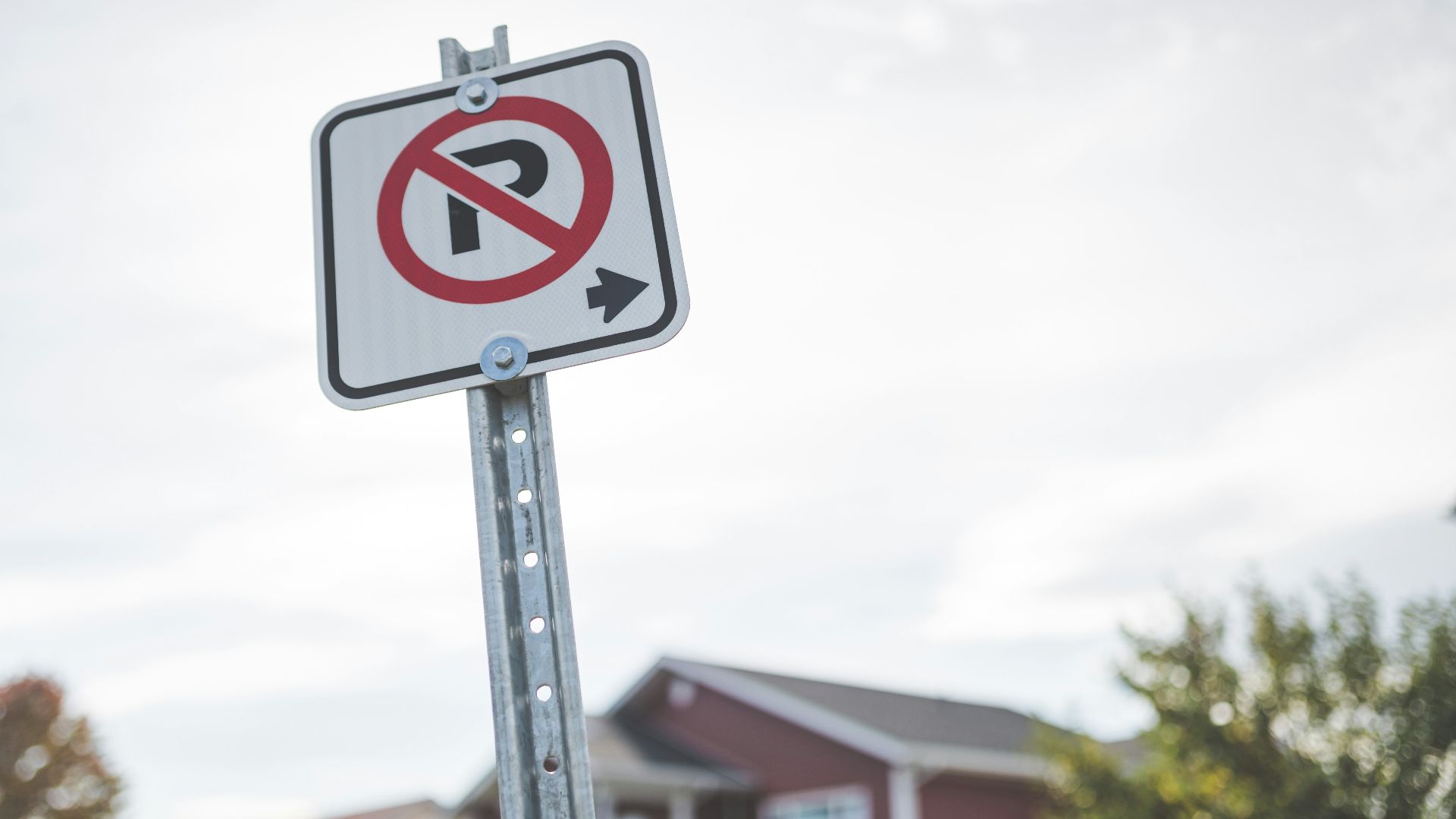
The bike could be parked illegally if it blocks a driveway, sits too close to a crosswalk or hydrant, ignores permit restrictions, stays past the time limit, or breaks local positioning rules. In some places, the wrong angle or curb placement can also lead to a ticket. The key is to check the local ordinance, not just go by what seems fair.
When The Neighbor Is Probably In The Clear
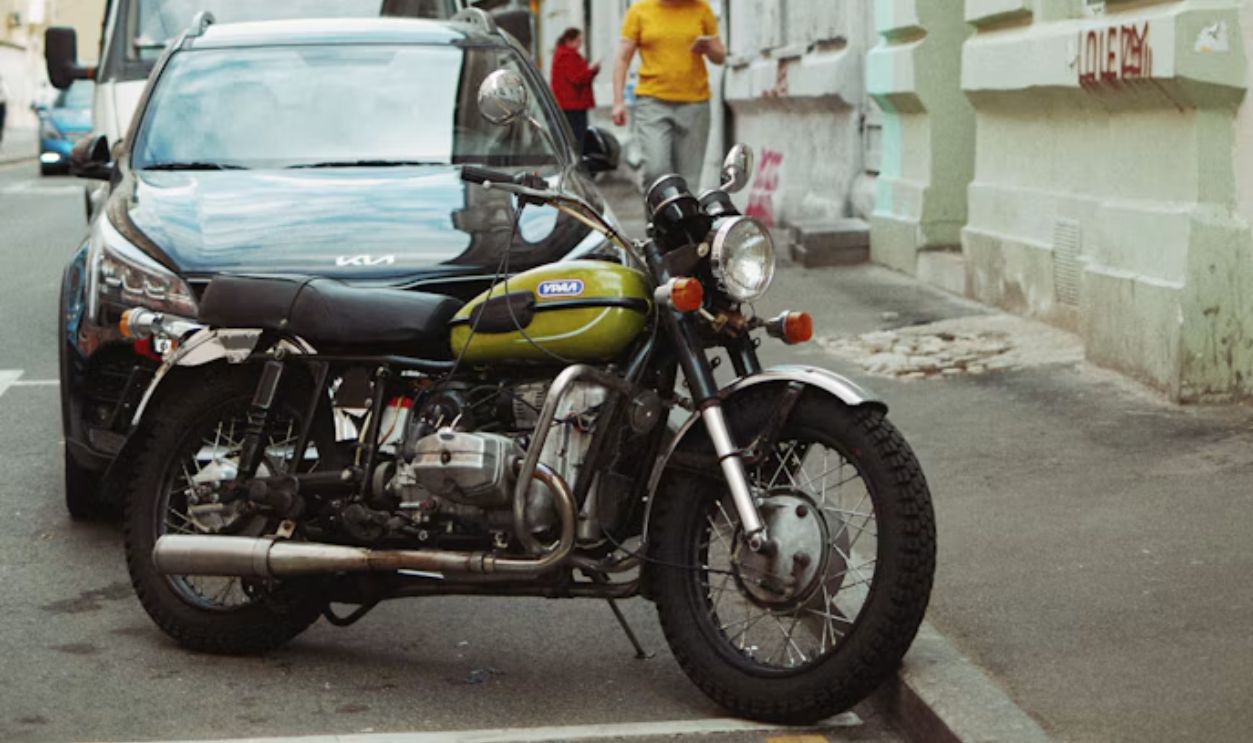
If the motorcycle is registered, operable, within marked lines when lines exist, and following posted rules, there may be nothing to challenge. That may still be frustrating, but legality and fairness are not always the same thing. Public parking does not promise the most efficient use of every inch of curb.
Do Not Assume Sharing Is Required
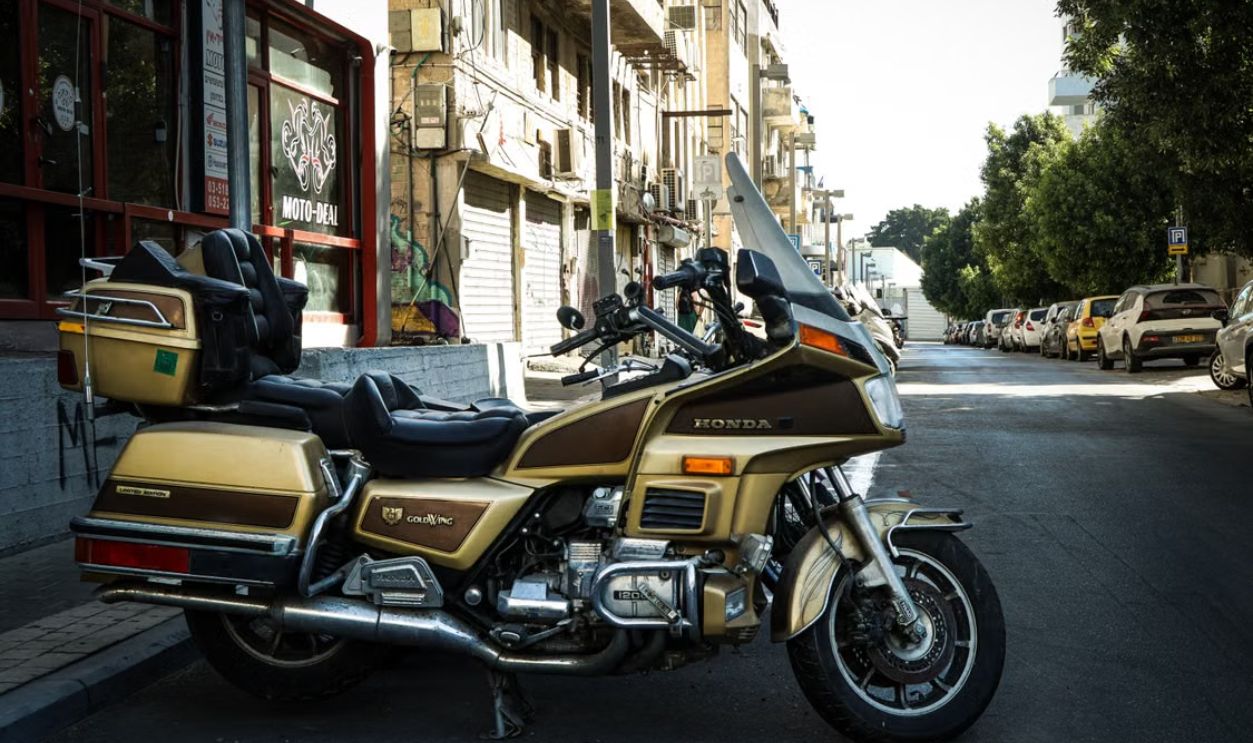
Some drivers think a motorcycle has to leave room for another vehicle whenever it can. The rules in California, New York City, and Seattle show that is usually not how it works. When sharing is allowed, it is generally because a local rule creates that option, not because every rider has a general duty to do it.
Your Best First Step Is Research
Before confronting a neighbor, check your city’s parking page and municipal code. Look for rules on motorcycles, meters, curb positioning, and marked spaces. A quick search can tell you whether the bike is actually breaking a rule or simply using one.

What To Search For
Useful search terms include your city name plus motorcycle parking, municipal code, residential permit parking, and curb regulations. If the street has meters, check whether a motorcycle has to pay and whether multiple motorcycles can share one space. If the area is unmetered, focus on general parking placement and neighborhood restrictions.

If The Rule Still Is Not Clear, Ask The City
Parking enforcement offices and transportation departments deal with these questions all the time. If the online code is confusing, send a photo of the street and ask whether one motorcycle can legally use a full curb space there. An official answer is better than turning a small parking issue into a bigger neighbor fight.

A Polite Conversation Can Still Help
Even if the rider is legally allowed to take the space, a calm conversation may still help. Some riders are willing to park in a way that leaves room for another motorcycle or shift a little if it stays legal and safe. It usually goes better when the issue is framed as a practical neighborhood problem, not a personal attack.

The Bottom Line
Yes, one motorcycle can be entitled to a full street parking spot if local rules allow it. In many places, that is exactly how the law works, even if it feels wasteful to people hunting for parking. The real answer is in the city code, not in curbside etiquette.