When “There’s Still Enough Room” Stops Making Sense
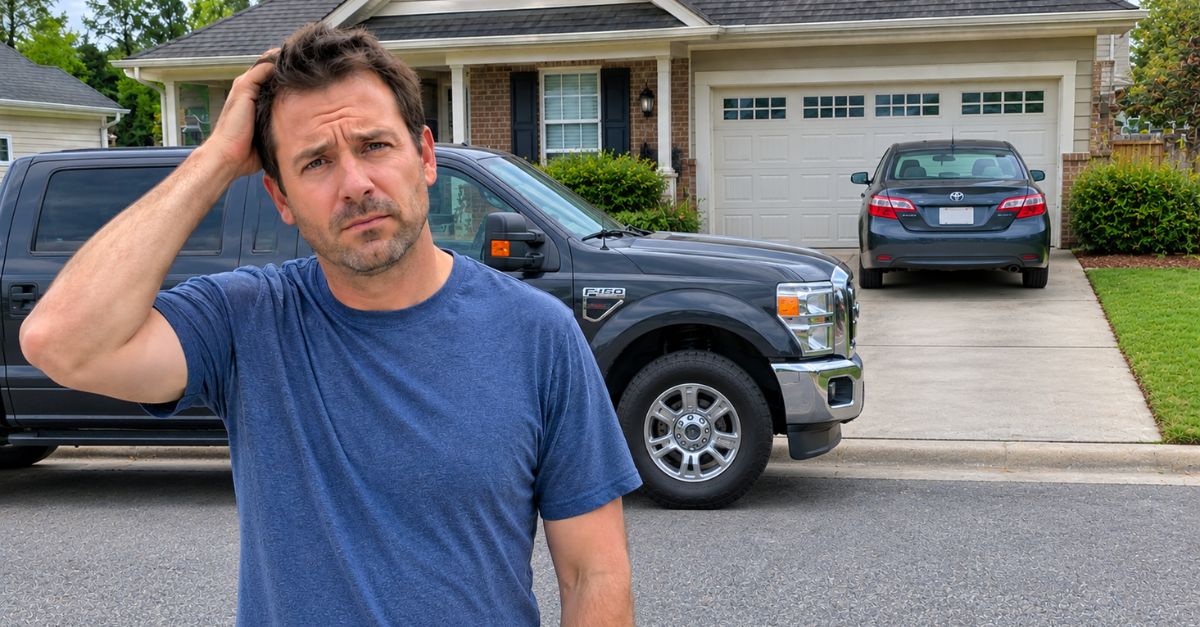
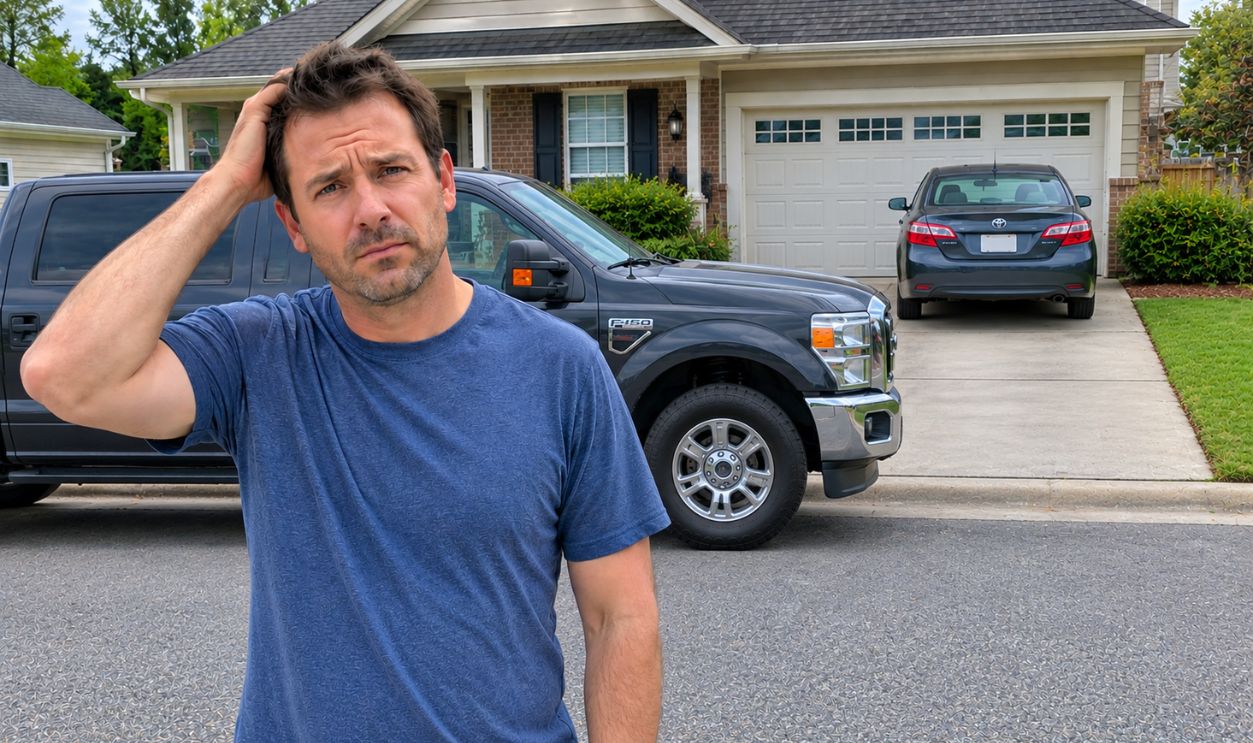
If your neighbor’s oversized truck is sticking into your driveway, the real question is simple: how much is too much? In most places, the answer has less to do with what your neighbor thinks and more to do with whether the vehicle is blocking driveway access under state or local law.
The First Thing To Know
There is no single nationwide rule saying a vehicle can block exactly a certain number of inches of a driveway. Parking rules usually come from states, cities, and counties. That means the legal line changes depending on where you live, but many places ban blocking any part of a driveway entrance.

Why This Argument Happens So Often
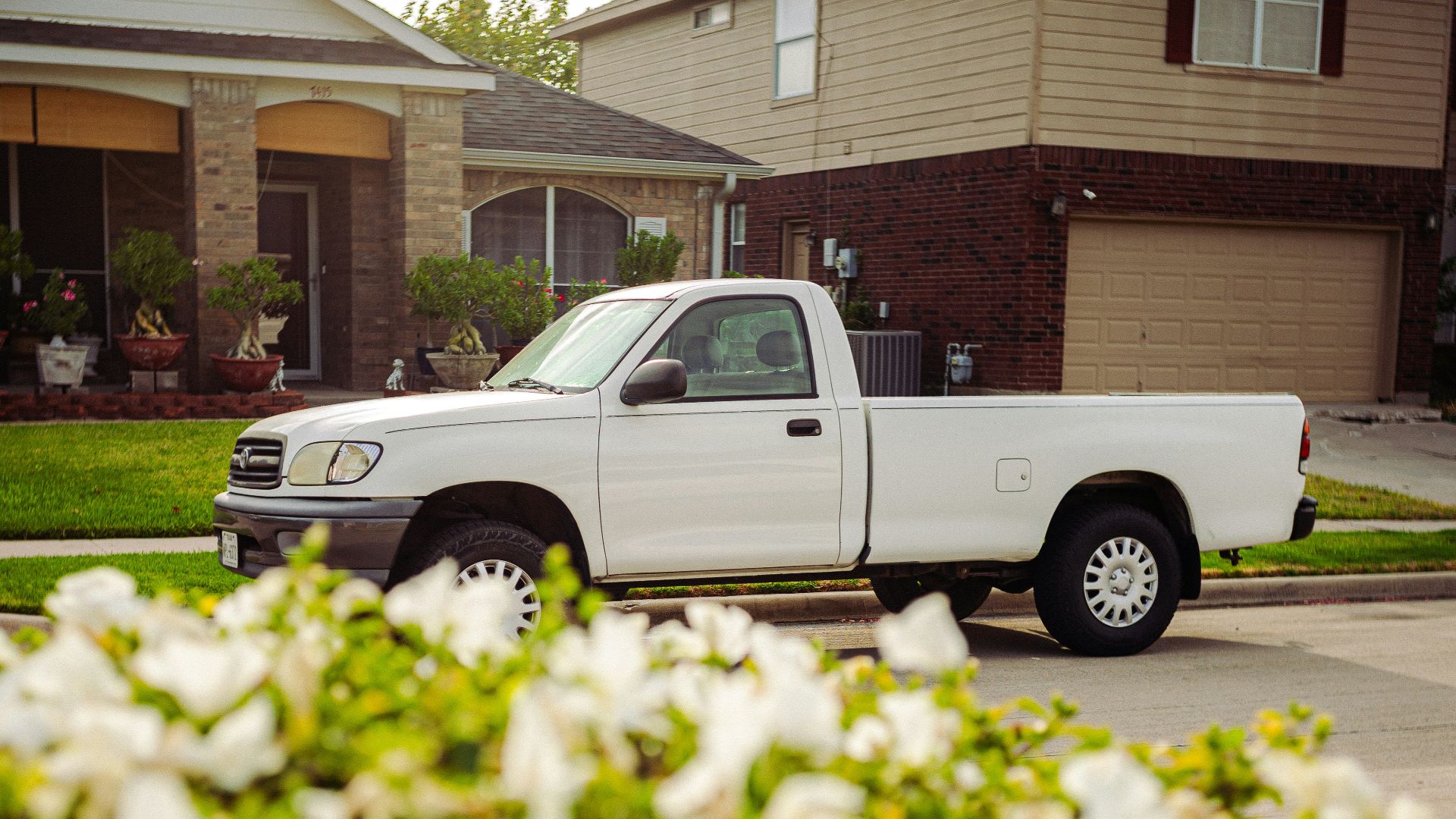
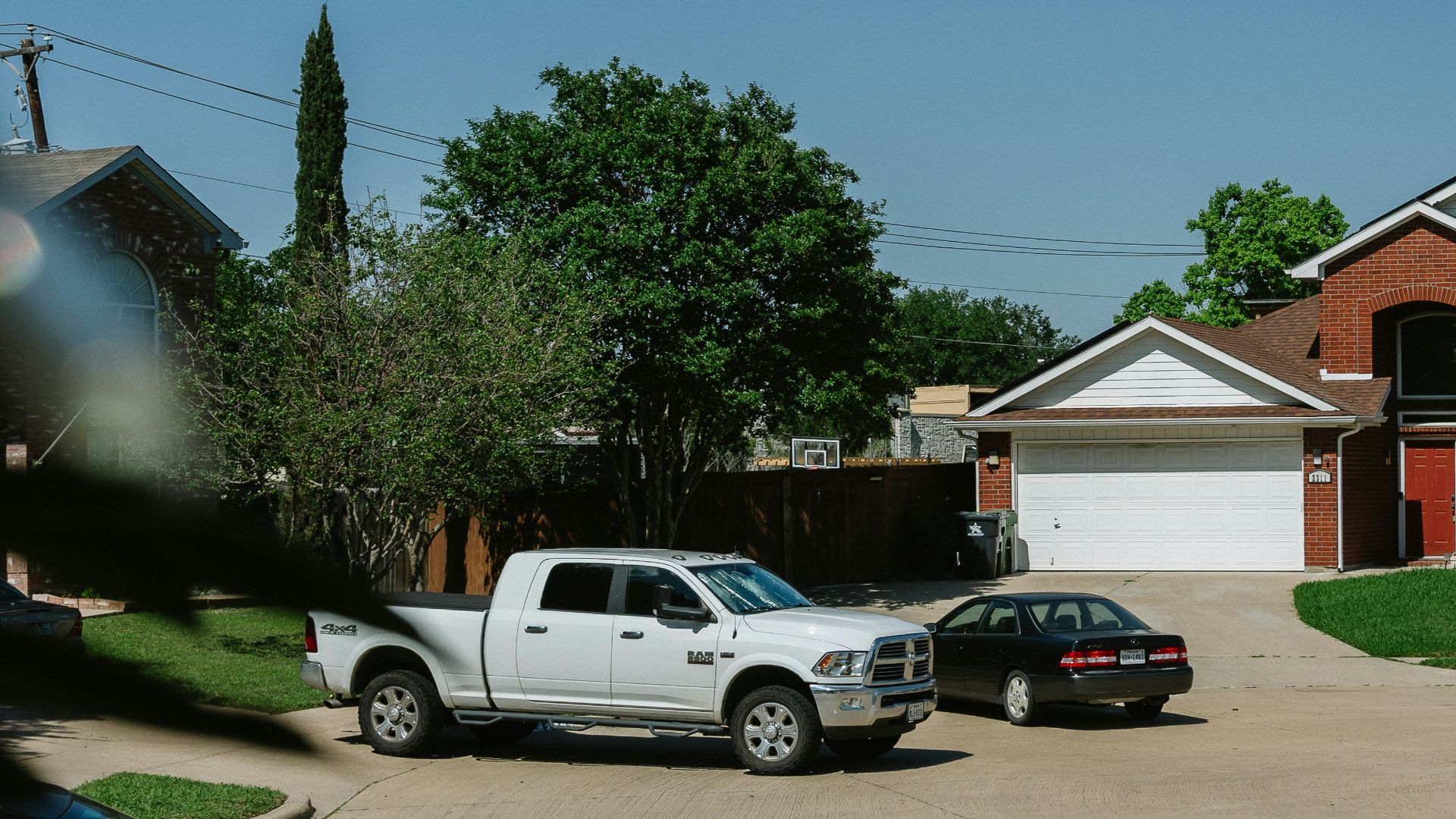
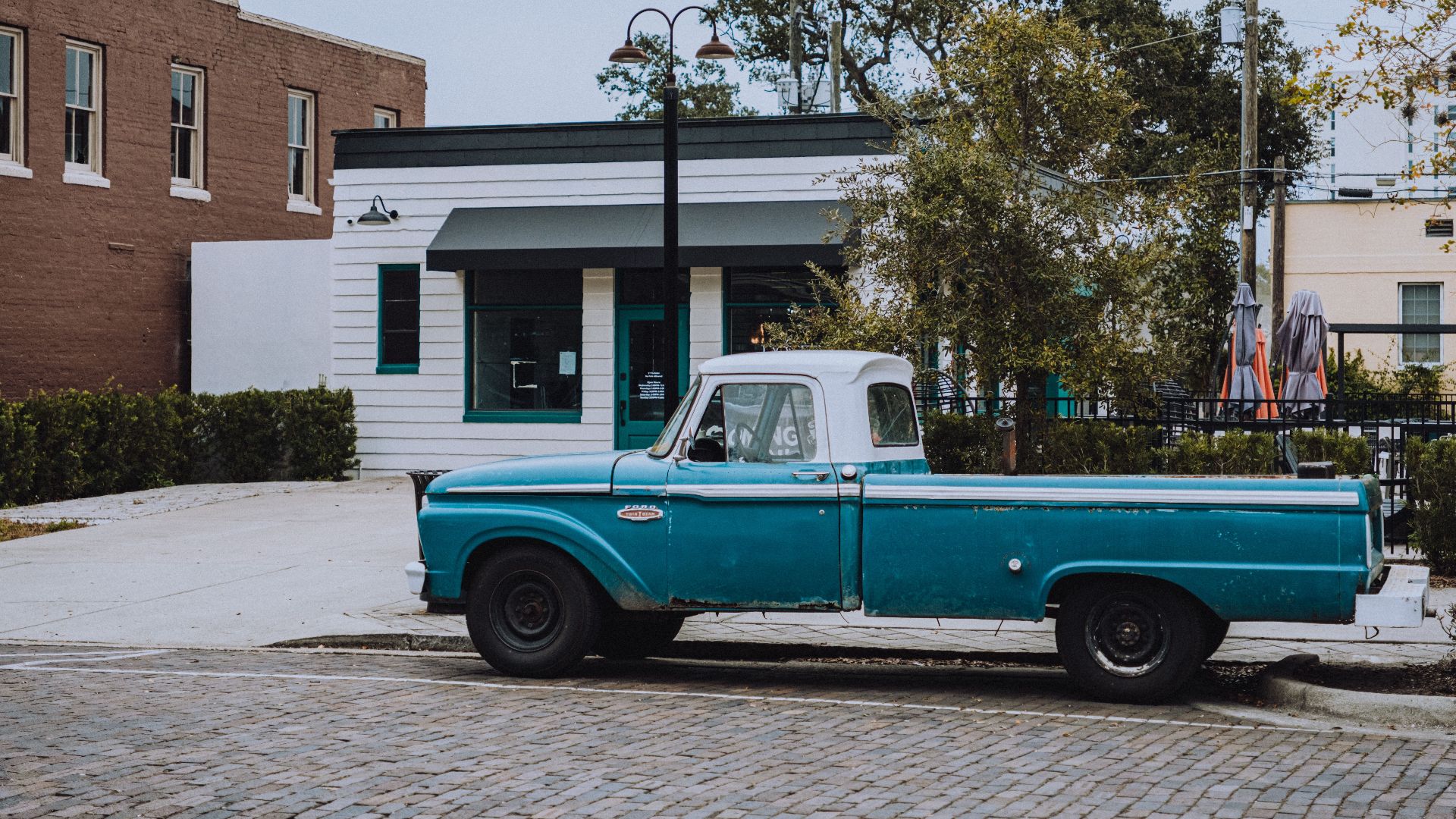
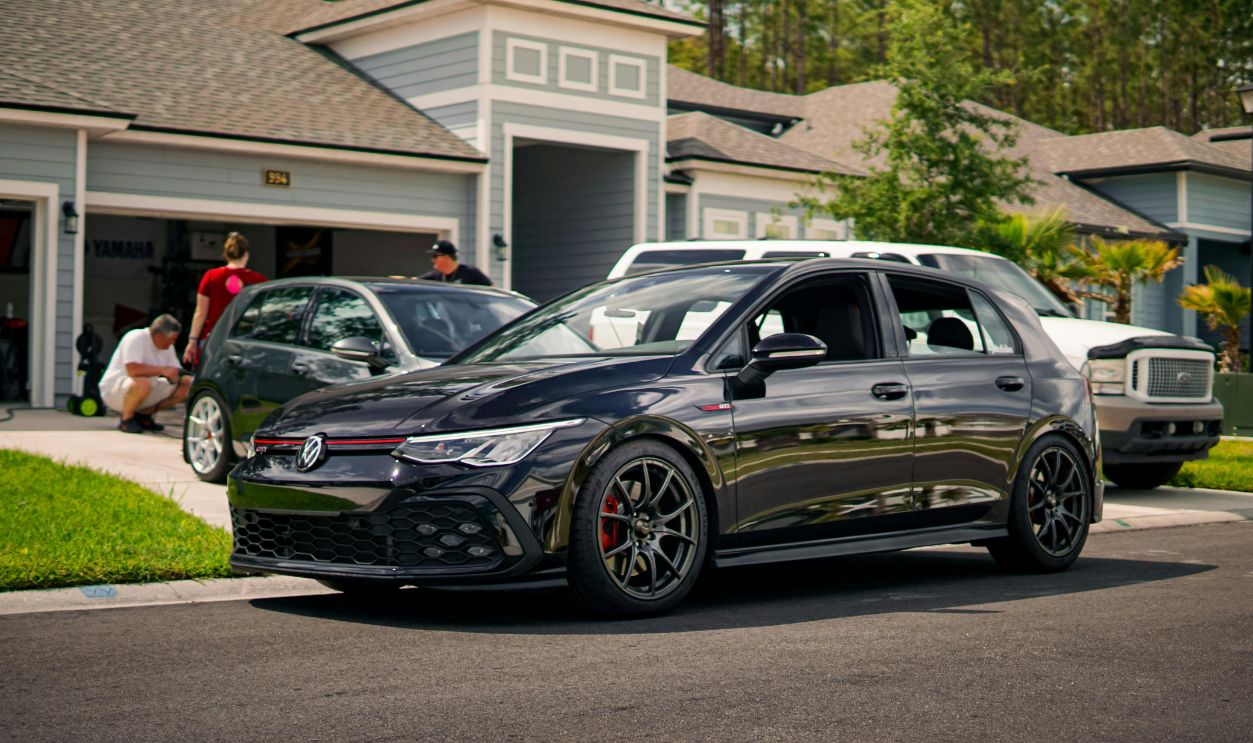
Pickups and SUVs have grown a lot over the last couple of decades. A vehicle that seems only a little too long can now hang over sidewalks, crosswalks, and driveway aprons. What feels like “just a little” to one driver can be a real problem for the person trying to use the driveway.
California Is Pretty Clear About It
California Vehicle Code section 22500(e) says a person must not stop, park, or leave a vehicle in front of a public or private driveway. The language is broad, and it does not make a small exception for “enough room.” If any part of the truck is in front of the driveway, local enforcement may treat it as a violation.
 Sharon Hahn Darlin, Wikimedia Commons
New York City Takes A Similar Approach
New York City’s parking rules are just as direct. The city says you cannot park in front of a driveway. In a crowded neighborhood, even partial blockage can turn a normal pull-in or exit into an awkward multi-point turn that wastes time and raises the risk of a scrape.
 Jakub Halun, Wikimedia Commons
Texas Cities Often Ban It Too
Texas law and local enforcement also tend to treat this as off-limits. In Houston, for example, city parking guidance says vehicles may not park in front of a public or private driveway. The same idea keeps showing up from place to place: partial blockage is often still blockage.
 Quintin Soloviev, Wikimedia Commons
Florida Gives Another Clear Example
Florida law bans stopping, standing, or parking in front of a public or private driveway. That wording appears in section 316.1945. Like California’s rule, it focuses on where the vehicle is, not on whether the driver thinks someone can still squeeze through.
 Alvesgaspar, Wikimedia Commons
So How Much Blockage Is Too Much
If your city or state says drivers cannot park in front of a driveway, then the legal answer is often any amount that crosses the driveway opening. A tire, bumper, hitch, or tailgate can be enough. The real test usually is not whether you can barely get in or out, but whether the vehicle is blocking the driveway area at all.
Partial Blockage Can Still Mean A Ticket
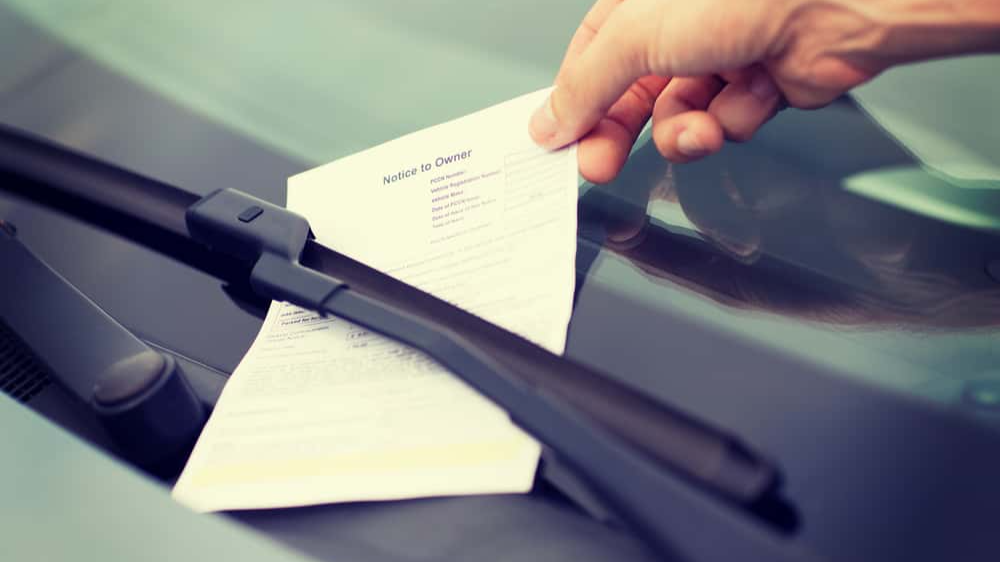
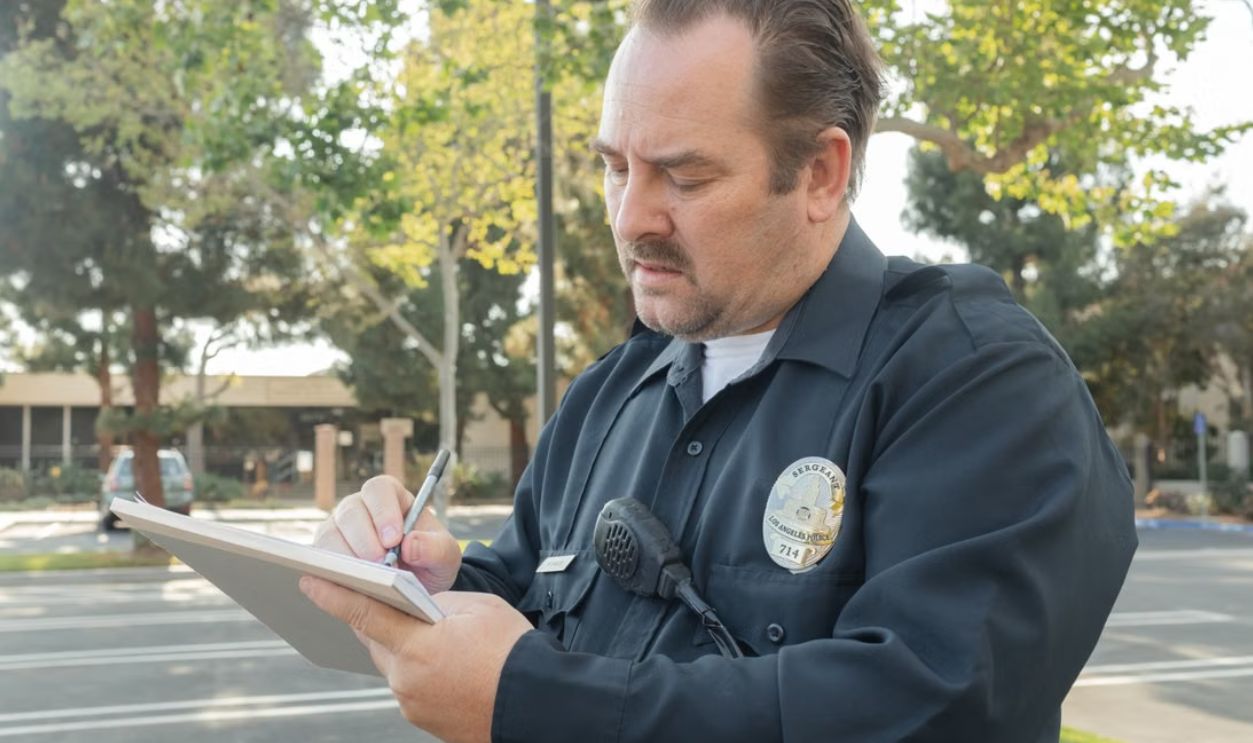
This is the part that catches people off guard. Enforcement officers do not usually have to prove you were completely trapped. If the truck is sticking into the driveway cut or entrance, that may be enough for a citation under local rules that ban parking in front of driveways.

Your Curb Cut Matters
The driveway opening is often defined by the curb cut, also called the depressed curb or apron area that connects the street to the driveway. If the truck extends into that space, many parking authorities will treat the driveway as blocked. That is why people can get ticketed even when a small car could technically still get by.
Why “I Can Still Fit” Is A Weak Defense
Just because you can angle around a bumper does not mean the blockage is legal. These laws are usually meant to keep driveway access clear and predictable, not barely possible with a careful three-point turn. They also help protect access for larger vehicles, delivery vans, emergency vehicles, and drivers with mobility limits.

There Is Also A Safety Issue
Backing around a truck that cuts into your sightline is more than annoying. The National Highway Traffic Safety Administration has long warned about blind zones and low-speed backing risks. A partial blockage can force tighter turns and worse visibility when you are pulling into traffic.

Local Codes Can Be Even More Specific
Some cities go beyond the basic rule. They may regulate distance from the curb cut, ban parking across the sidewalk part of a driveway, or post extra rules in permit zones. That is why the best source is usually your city parking code or parking authority website, not what people on the block say.

HOA Rules Might Matter Too
If you live in an HOA community, there may be private rules on top of public law. HOA covenants can restrict parking even on private community streets in some developments. Those rules do not replace city law, but they can create another way for someone to get warned or fined.
What To Document Before You Complain
Take clear photos showing the truck, the driveway opening, the curb line, and the license plate. Time-stamped images help even more. If it keeps happening, keep a simple log with dates, times, and whether you were trying to enter or leave when access was blocked.

Measure The Encroachment If You Can
You do not need to be exact, but a rough measurement can help. Note how far the bumper, tire, or hitch crosses into the driveway opening. If the truck is gone before an officer arrives, those photos and measurements may be your best proof.

Start With The Least Combative Option
Before calling enforcement, a calm conversation is often the easiest place to start. Keep it short and specific. Say the truck is blocking the driveway entrance and ask that it be kept fully clear, instead of arguing over whether there is “enough room.”
 https://kaboompics.com/, Pexels
Use The Right Words
Clear wording helps. You might say, “I need the full driveway opening kept clear,” or “The bumper is crossing the curb cut.” That keeps the issue focused on access and legality instead of turning it into a personal fight. It also gives your neighbor a clear line not to cross.

If Talking Fails, Check Your City’s Reporting Process
Many cities now take parking complaints by phone, website, or 311 app. New York City, for example, routes many non-emergency issues through 311. Other cities send driveway obstruction complaints to parking enforcement or the police department’s non-emergency line.

When A Tow Is Possible
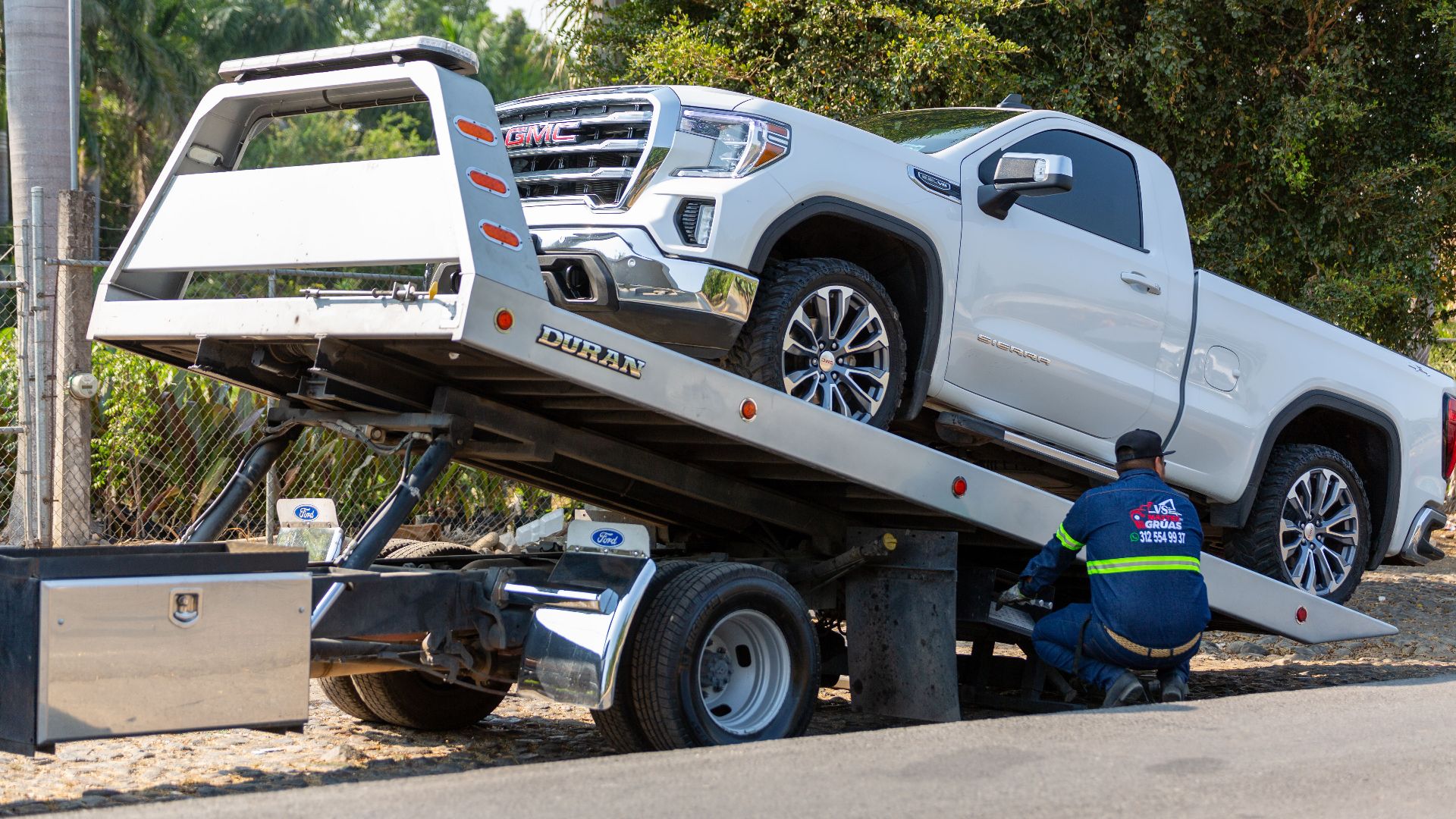
Towing rules vary a lot, so do not assume you can call a private tow truck yourself. In many places, towing from a public street needs law enforcement approval or a city process. Some places allow immediate towing for driveway blockage, while others start with a ticket.
Do Not Retaliate Against The Truck
It is tempting to block the blocker or leave an angry note, but that can go sideways fast. Do not touch the vehicle, damage it, or create your own parking violation. A simple complaint can turn into a bigger mess if both sides end up in the wrong.

Your Own Driveway Can Have Rules Too
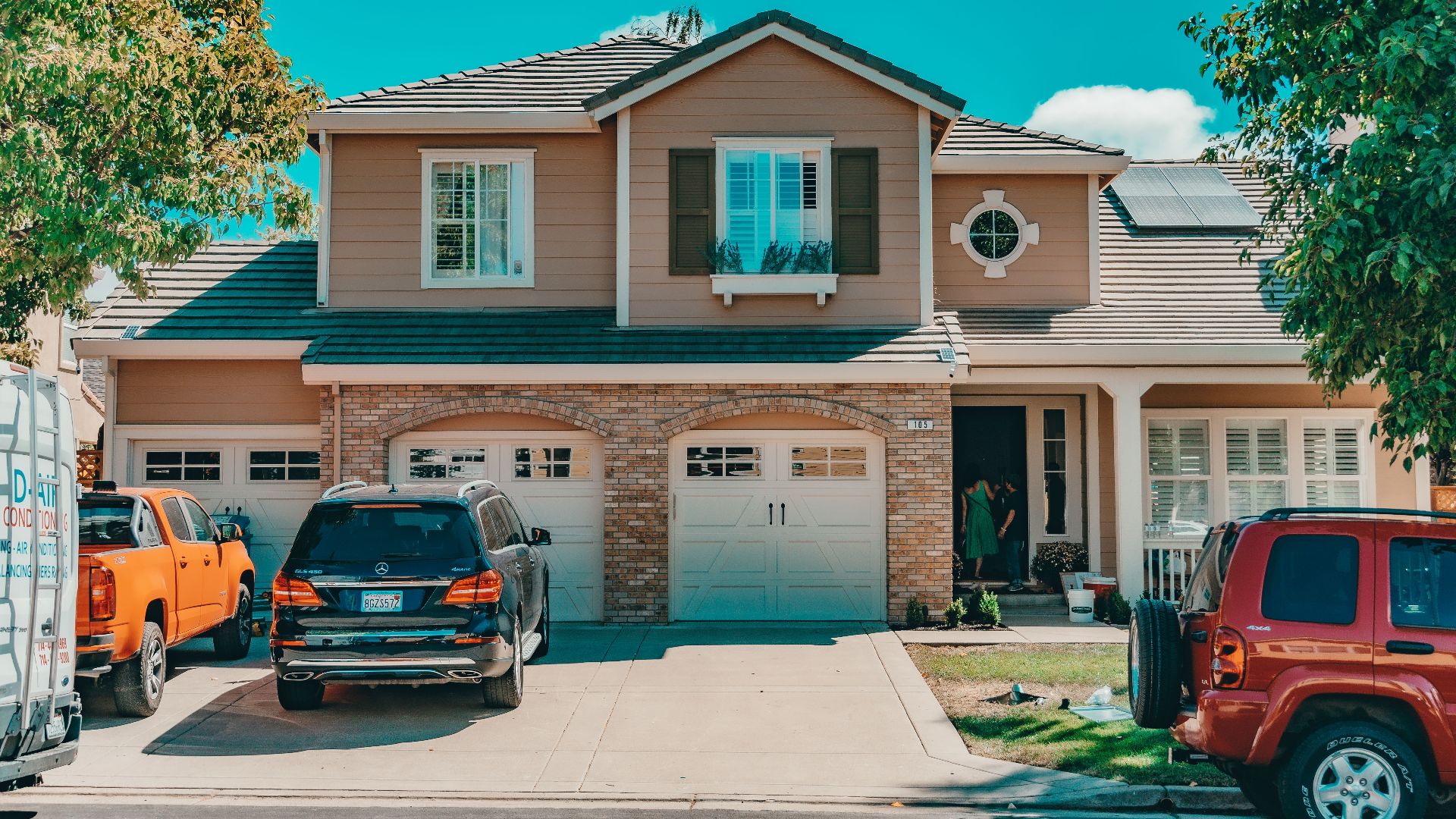
One strange twist surprises a lot of homeowners. In some places, even the resident can be cited for parking in a way that blocks the sidewalk or sticks into the public right of way at the driveway apron. The curb area is often regulated public space, even if it is in front of your house.
Emergency And Accessibility Concerns Raise The Stakes
A partly blocked driveway matters even more if someone in the home needs dependable vehicle access for medical appointments, mobility equipment, or caregiving. The same goes for homes that regularly need service vehicles to get in or out. What seems minor on a quiet afternoon can turn into a serious problem at the worst time.

Why Officers Like Bright-Line Rules
From an enforcement point of view, “no parking in front of a driveway” is easier than arguing over inches. Clear rules cut down on curbside debates. That is one reason many local codes do not allow any overlap at all.
What If The Truck Is Only Across The Flared Edge
This is one of the most common gray areas people argue about. Some drivers think the sloped or flared curb edge does not count because the wheels are not centered in the driveway opening. In practice, local enforcement may still treat that space as part of the driveway access zone, especially if it makes turning in or out harder.

The Practical Answer Most Drivers Need
If any part of the truck crosses into your driveway entrance, assume it may be illegal unless your local code says otherwise. Do not rely on whether a small sedan can just barely slip through. In day-to-day life, and under many parking rules, the standard is clear access, not barely possible access.
The Bottom Line
Your neighbor’s “there’s still enough room” argument usually is not the legal standard. In many places, blocking even part of a public or private driveway can be enough for a ticket and sometimes a tow. The smartest move is to check your city’s code, document the encroachment, ask once politely, and report it if it keeps happening.