Two Shops, Two Verdicts, One Confused Driver
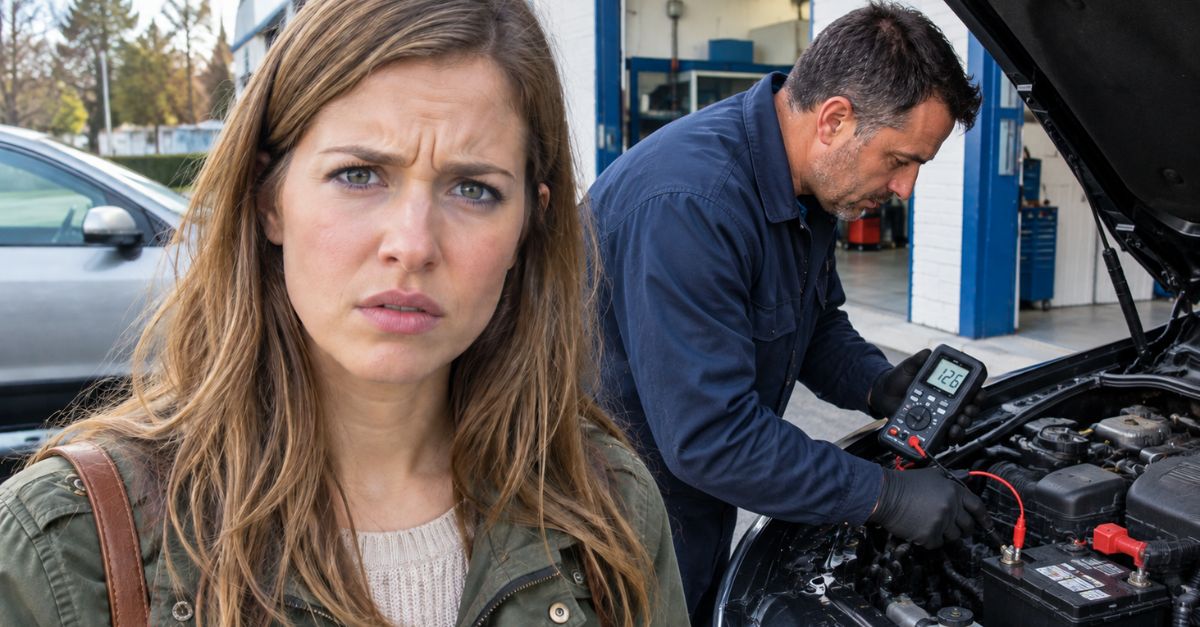
The dealership tests your car's battery and says it needs to be replaced right away, but your favorite shop says it's fine. You obviously want to go with the "no car repair" option, but it's common for battery reports like this to disagree. Different garages use different tests, deal with different battery types, and follow different standards for what counts as a pass or fail. Your mechanic could be right, but they also might not know the whole story.

Battery Testing Seems Simple, But It Is Not
A car battery looks straightforward, but checking its condition is not. A battery can show decent voltage and still fall flat under load. It can also test weak after a short drive and look better later. That gap between a quick reading and real-world performance is where a lot of mixed results start.

Different Tests Measure Different Things
Not every battery test is asking the same question. Some estimate cranking power. Some check state of charge. Others focus on whether the charging system is working properly. If two shops run different tests, they may both be right about different parts of the same battery story.

Voltage Alone Can Fool You
A fully charged 12-volt lead-acid battery at rest should read around 12.6 volts or a little higher. But voltage mostly shows charge level, not overall battery health or reserve capacity. A battery can still show solid voltage and be close to the end of its useful life.
Conductance Testers Changed Battery Checks
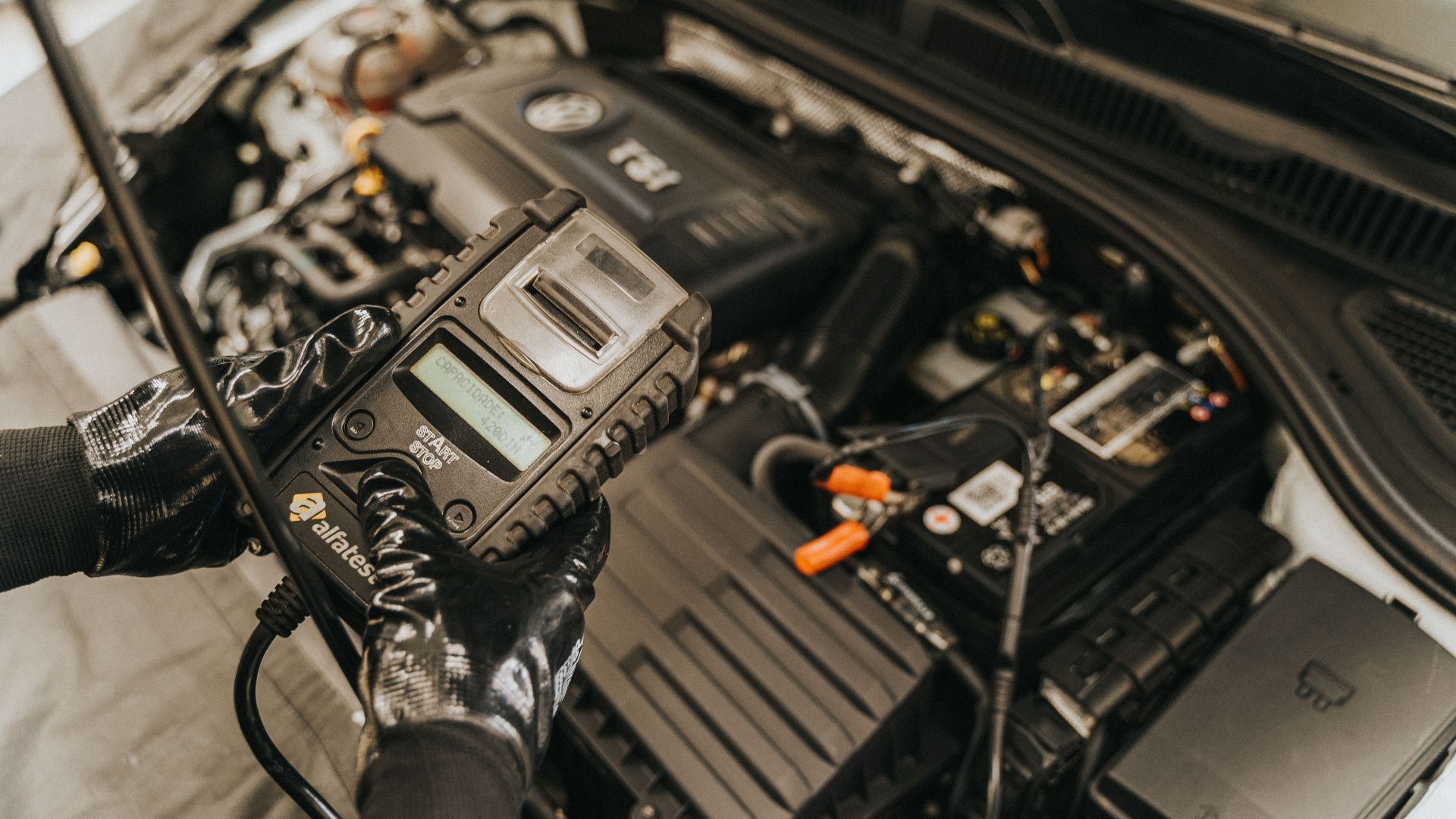
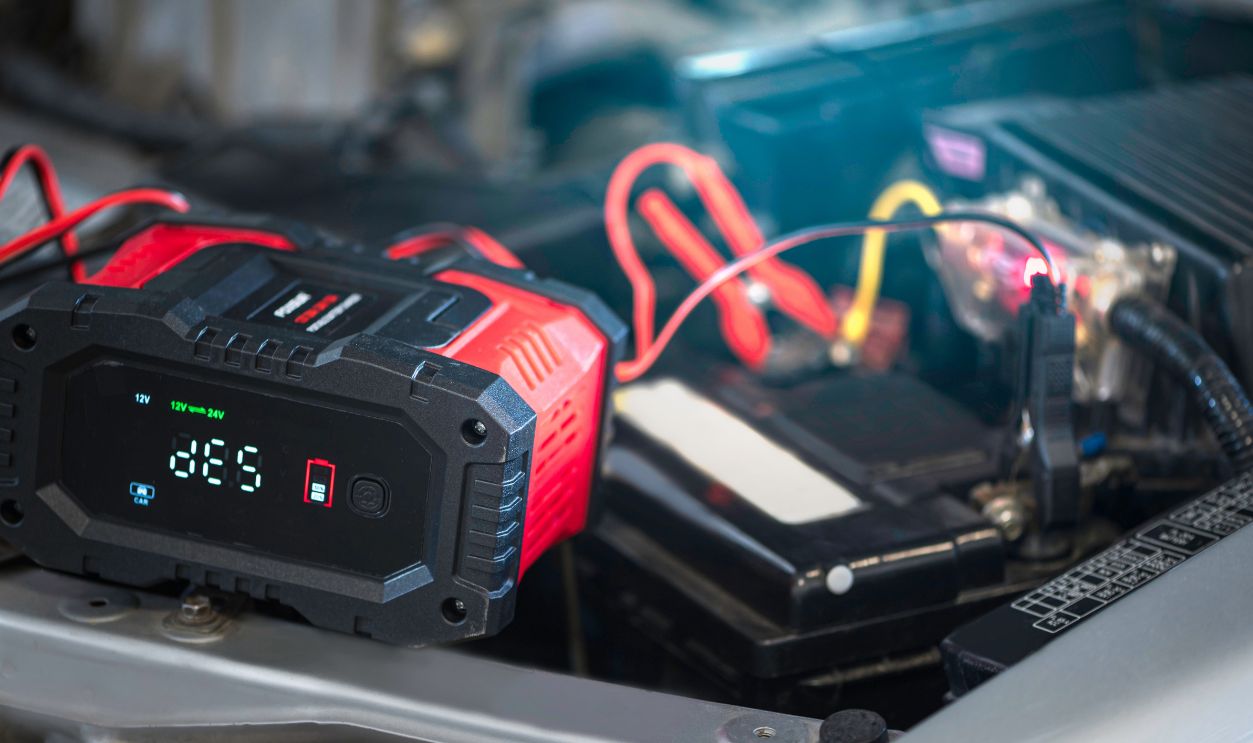
Many modern shops use conductance testers, which estimate battery condition by measuring how easily current moves through the battery. Midtronics helped make this method common in automotive service, and the company says conductance testing can quickly check battery health without a full discharge. That speed is handy, but it also means the result depends a lot on correct inputs and good test conditions.
 Mangkorn Danggura, Shutterstock
The Old Load Test Can Tell A Different Story
Traditional load testing puts the battery under electrical strain and watches how the voltage responds. It has been around for decades and is still used because it can expose weakness that a simple voltage check misses. But there is a catch: the battery needs to be properly charged first, or the result can look worse than it really is.
State Of Charge And State Of Health Are Different
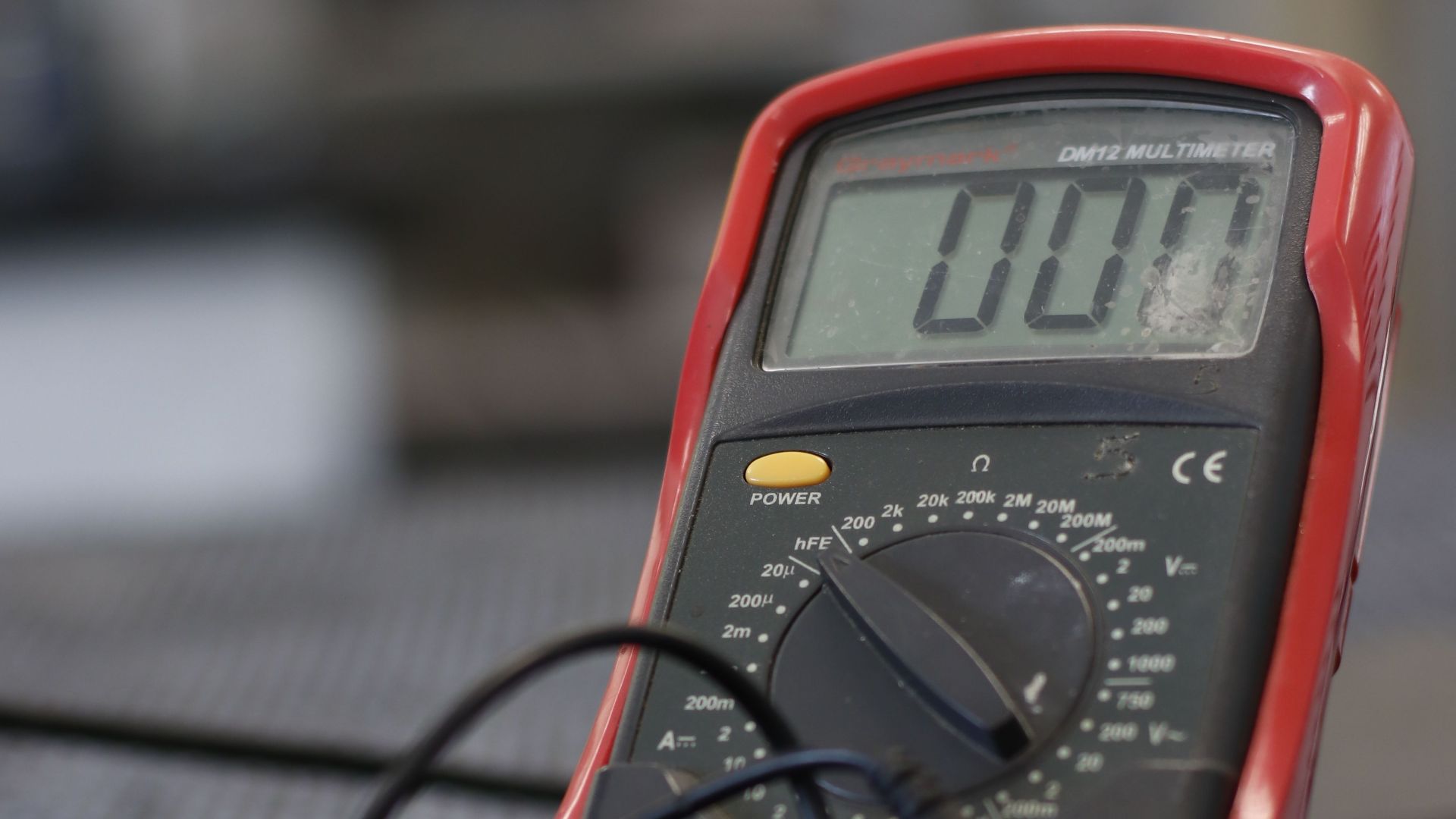
This is one of the biggest reasons battery results clash. State of charge is how full the battery is right now. State of health is how much of its original ability it still has after age and wear. A battery can be fully charged but worn out, or low on charge but still healthy once it is recharged and tested again.
Temperature Can Change The Result
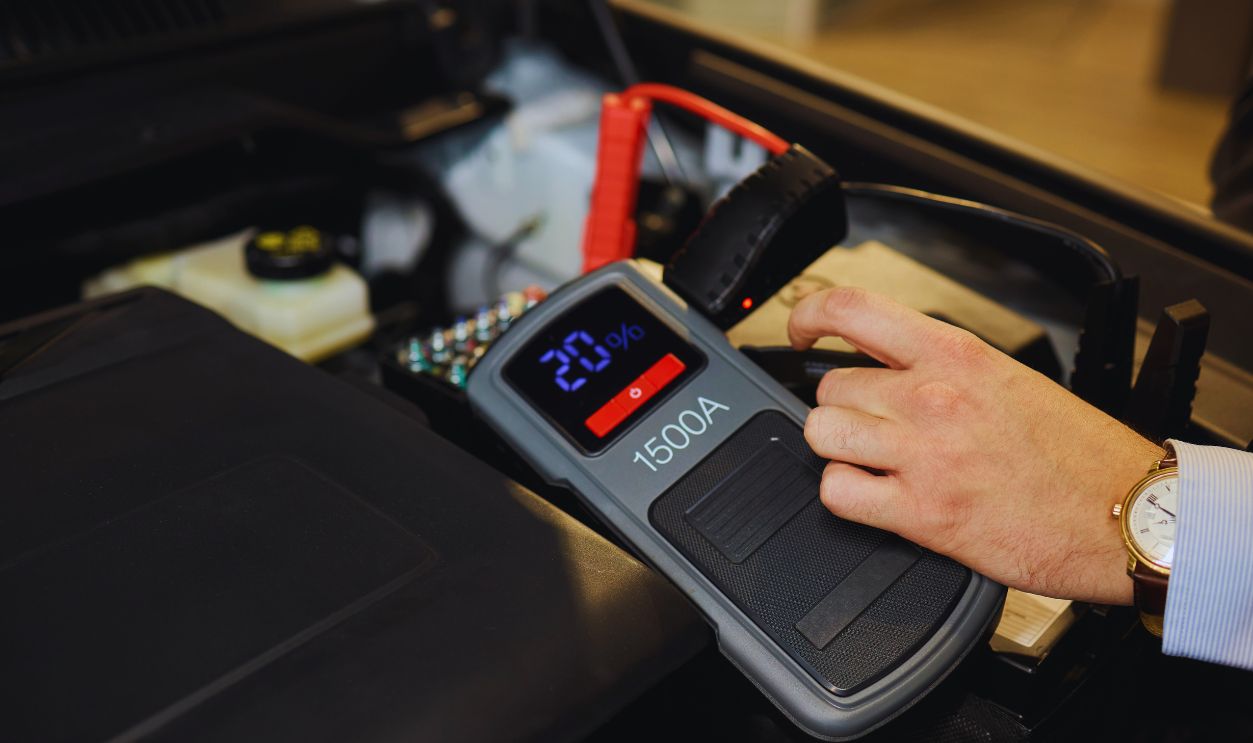
Cold weather slows the chemical reactions inside lead-acid batteries and cuts available power. That is why batteries often seem to fail at the first cold snap. Many testers ask for temperature or adjust for it automatically, and if that step is off, a borderline battery can swing from pass to fail.
Short Trips Can Trigger False Alarms
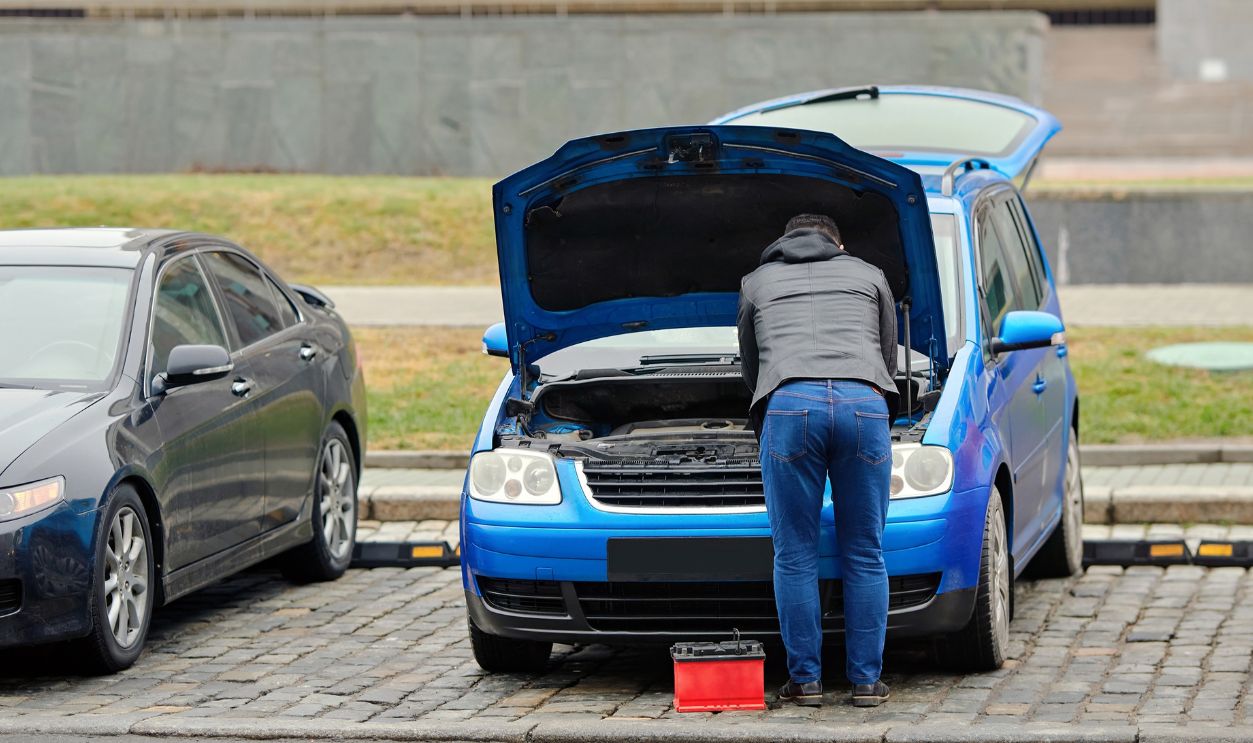
If you only drove a few minutes before getting the battery checked, it may not have fully recovered from the last engine start. The Battery Council International and battery makers note that repeated short trips can leave batteries undercharged. One shop may charge the battery first and get a decent result, while another may test it as-is and call it weak.

Surface Charge Can Make A Battery Look Better Than It Is
Right after driving, a battery can hold a temporary surface charge that bumps up voltage readings. Service procedures often call for removing that charge before testing, sometimes by turning on the headlights for a short time. If one shop does that and the other does not, the numbers can split fast.

Modern Cars Are Tougher On Batteries
Today’s cars use more power even when the engine is off. Alarm systems, telematics, keyless entry, and onboard computers all slowly drain the battery. AAA has warned for years that heavier electrical loads and extreme weather both add to battery failures. So a battery that still starts the car may still test poorly under stricter standards.

Start-Stop Systems Raise The Pressure
Cars with automatic stop-start usually use AGM batteries instead of traditional flooded batteries. These batteries are built to handle more frequent cycling, but they also need the right testing profile. If a shop tests an AGM battery with settings meant for a regular flooded battery, the result may be off.

AGM Batteries Need The Right Settings
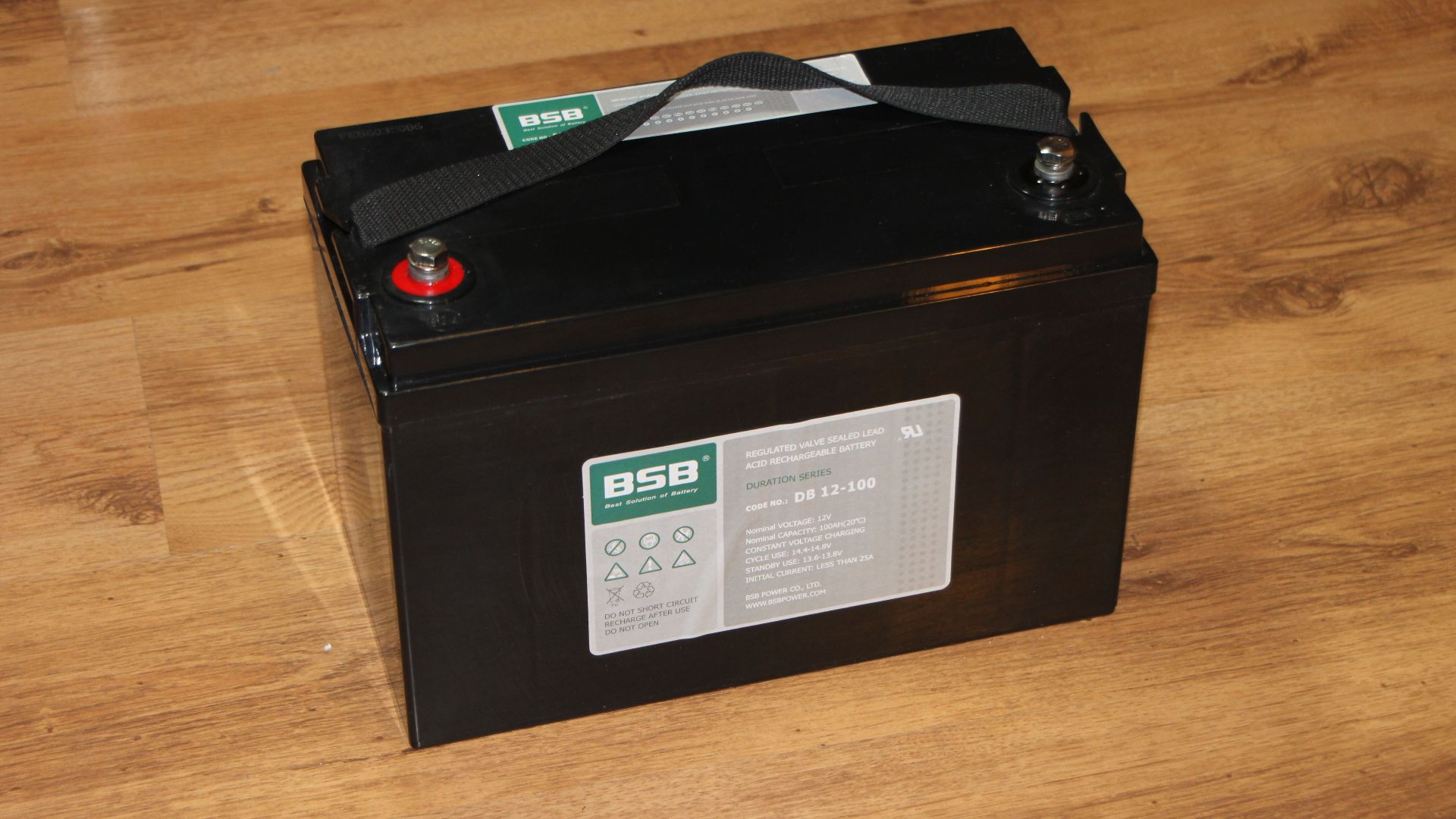
Absorbent Glass Mat batteries became more common as automakers chased better fuel economy and added more electrical demand. *Battery University* and major battery makers note that AGM construction changes charging behavior and performance. If a technician picks the wrong battery type, wrong rating standard, or wrong cold cranking amp value, even a good tester can give the wrong answer.
 Emilian Robert Vicol, Wikimedia Commons
Input Errors Matter More Than Most Drivers Think
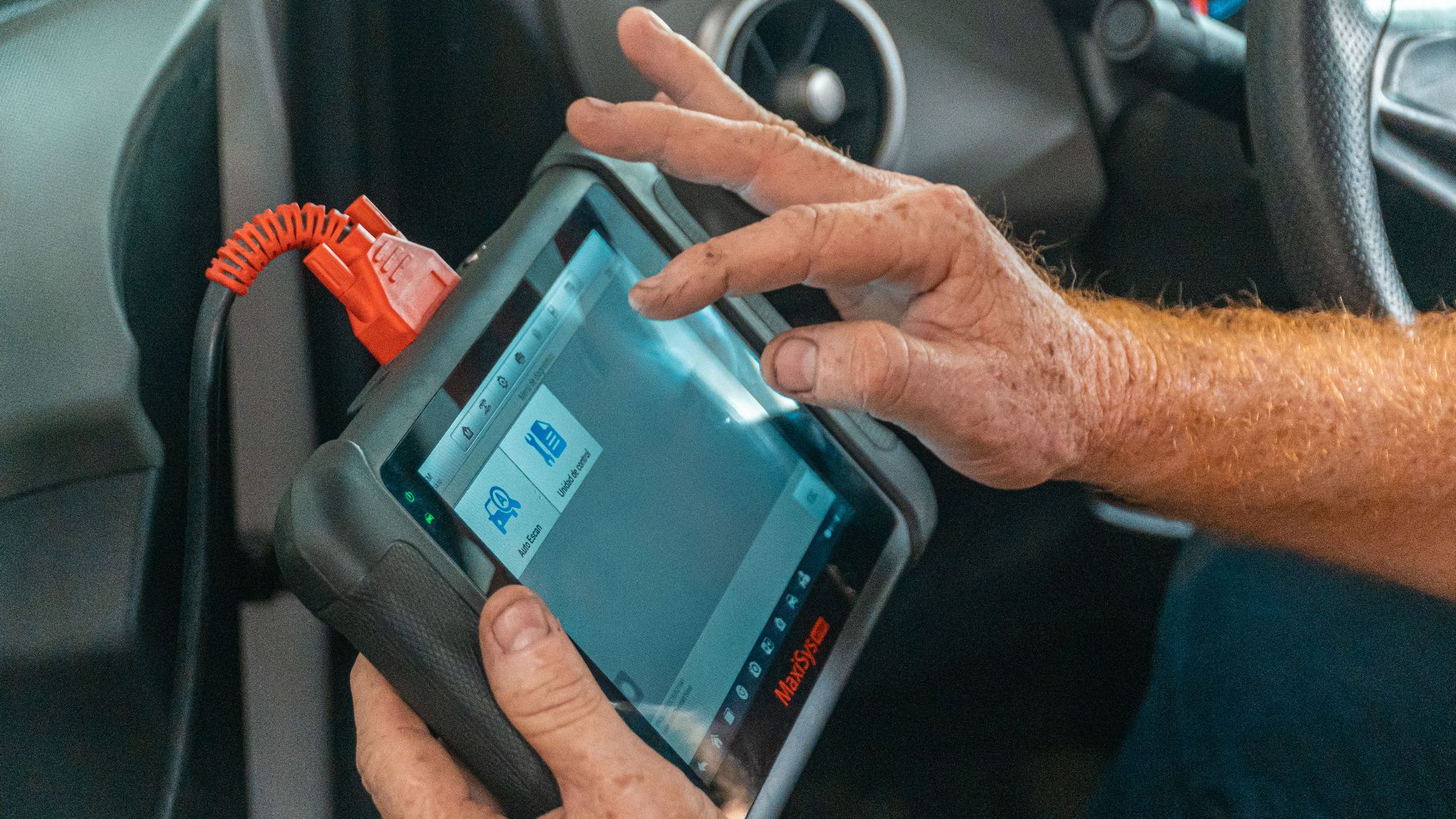
Many digital battery testers need the user to enter the battery rating from the label. That number might be listed as CCA, CA, DIN, EN, or SAE depending on the battery and market. If the shop enters the wrong figure, or guesses because the label is faded, the final pass-fail result can change.
 Jose Ricardo Barraza Morachis, Pexels
Cold Cranking Amps Are Only Part Of The Picture
Cold cranking amps measure how much current a battery can deliver at 0 degrees Fahrenheit for 30 seconds while keeping voltage above a set level. That matters, but it is not the whole story. Reserve capacity and how the battery recovers after repeated starts also count, especially in newer cars packed with electronics.

Reserve Capacity Can Be The Missing Clue
Reserve capacity measures how long a fully charged battery can supply a set load before voltage drops too low. A battery might still post acceptable cranking numbers and still have weak reserve. That can show up as trouble after the car sits overnight, weaker performance with accessories on, or bigger voltage dips during stop-start use.
Dealerships And Independent Shops May Use Different Standards
A mechanic may say the battery is okay for now, while the dealership says it should be replaced before it causes trouble. Those are not always opposite answers. One shop may be asking, “Will it start today?” while the other is asking, “Will this come back as a problem next month?”

Service Departments Often Focus On Risk
Dealerships are often more cautious because they do not want a customer stranded right after service. If a battery is borderline, replacing it now may feel like the safer call from their side. That does not always mean the battery is dead today. It may just mean the dealer has less tolerance for risk.

Independent Mechanics May Watch The Pattern Over Time
An independent shop that knows your car and your driving habits may be more willing to keep an eye on the battery instead of replacing it right away. If they have seen it hold charge over several visits, they may treat one weak result as a maybe, not a verdict. That kind of history can matter.

The Charging System Can Muddy The Diagnosis
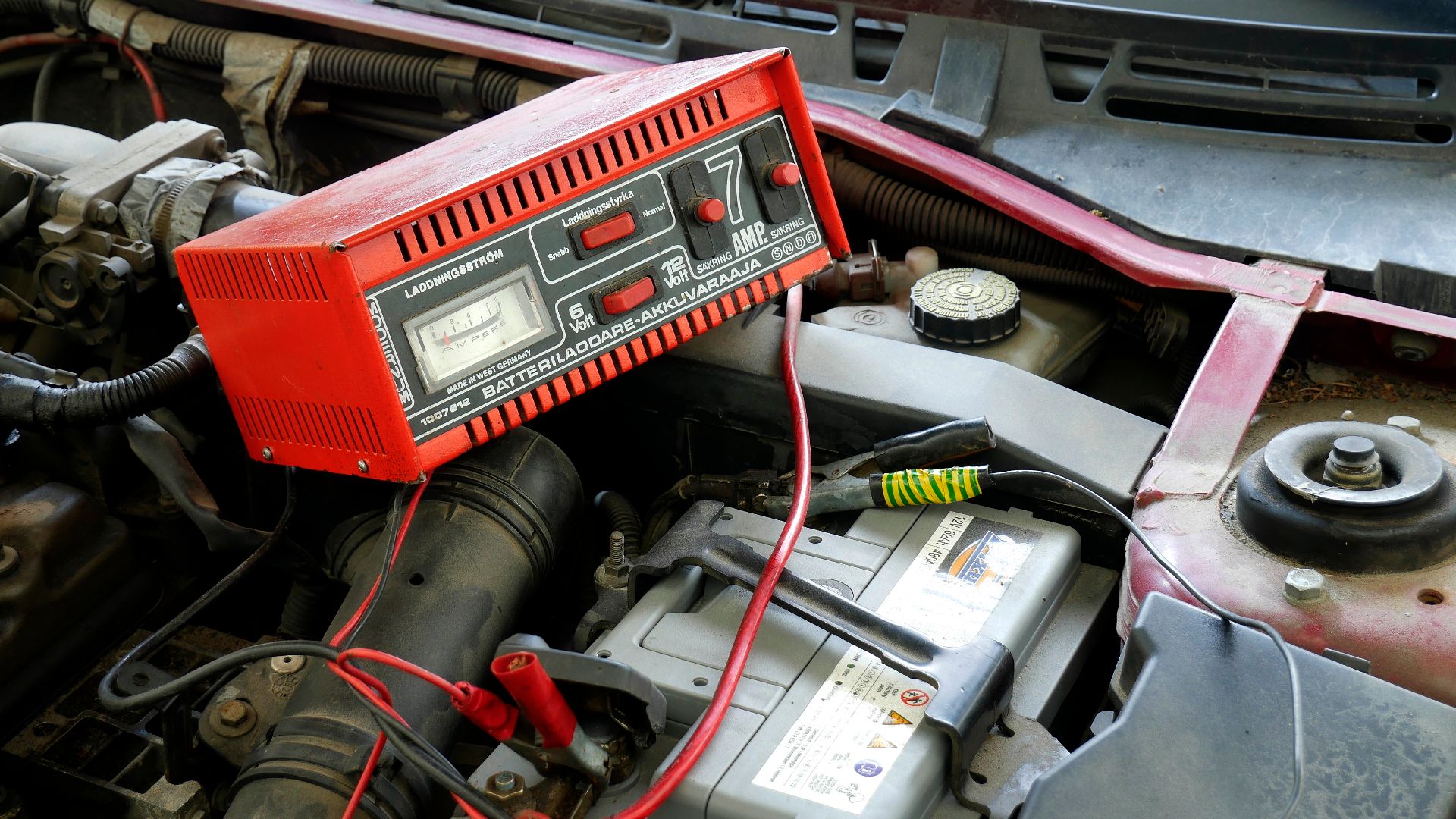
Sometimes the battery gets blamed for trouble that really comes from the alternator, voltage regulator, or a parasitic draw. A weak charging system can leave a good battery undercharged. A hidden electrical drain can kill a brand-new battery just as easily as an old one. That is why proper diagnosis usually includes checking charging voltage and looking for excessive key-off current draw.
 Santeri Viinamäki, Wikimedia Commons
Parasitic Drain Is A Common Plot Twist
If your battery keeps testing low after the car sits, the battery may not be the real problem. Cars can develop parasitic drains from modules that do not go to sleep, aftermarket accessories, or even something simple like a glovebox light staying on. In that case, one shop may fail the battery because it is discharged, while another may charge it, find the drain, and call the battery healthy.

Battery Age Still Matters A Lot
Even the best test results are judged partly by age. AAA has long said the average car battery life is often around three to five years, with heat being especially hard on batteries. A five-year-old battery that barely passes may still get a replacement recommendation because it is already near the end of the usual window.
Heat Does More Damage Than Most People Realize
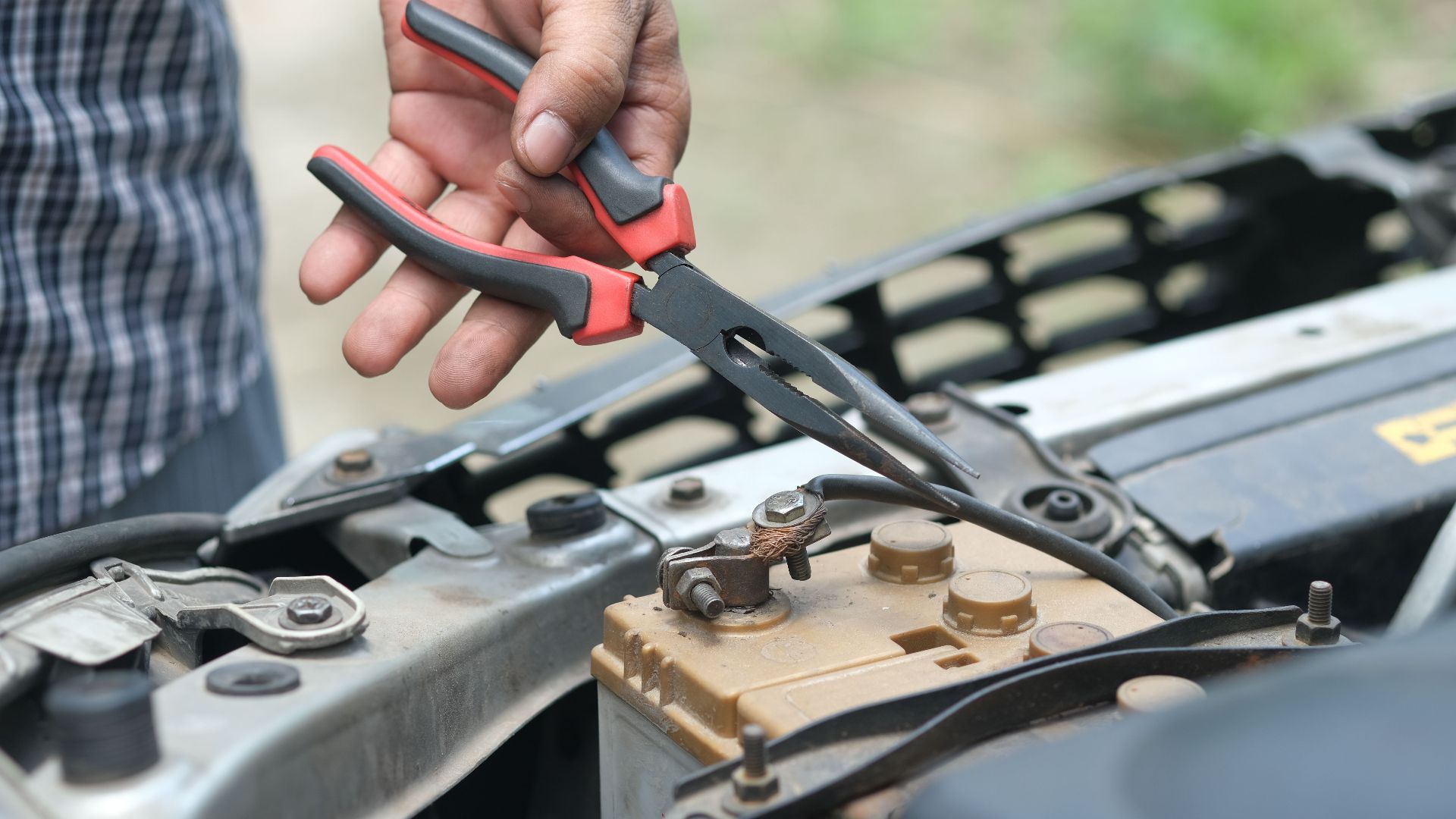
Drivers often blame winter because that is when the car will not crank, but summer heat does a lot of the long-term damage. High temperatures speed up internal chemical breakdown and water loss in lead-acid batteries. By the time cold weather arrives, the damage from hotter months is finally showing.

The Timing Of The Test Matters
A battery tested right after a long highway drive may score differently than one checked first thing in the morning. The same goes for a battery tested right after charging versus after it has had time to rest. Manufacturers and tester makers often lay out specific conditions for reliable readings, and skipping those steps makes disagreement more likely.

There Is No Single Perfect Battery Test
That is the hard truth. Industry groups and tester makers treat battery testing as a process that combines charge level, measured performance, temperature, and the needs of the vehicle. So the battery is not necessarily lying, and neither shop is necessarily wrong. They just may not be seeing the full picture from one quick test.

What To Ask Before You Approve A Replacement
Ask what kind of test was done, whether the battery was fully charged first, and what numbers it produced. Ask for the measured voltage, the rated CCA, the tested CCA or conductance result, and whether the battery is AGM or flooded. If the answer is vague, ask for a printout or ask for the battery to be charged and tested again.

When A Second Opinion Is Worth It
If the battery is old, slow to crank, or keeps going dead, replacing it may make sense even if one shop says it still passes. But if the battery is fairly new and the recommendations are far apart, getting a second opinion with a proper charge, retest, and drain check is worth it. That matters even more if the dealership is pushing hard but cannot show clear test data.

The Bottom Line On Conflicting Battery Tests
Battery test results can disagree because batteries are affected by charge level, temperature, recent driving, age, battery type, and the exact test method used. Add in human input errors and different replacement standards, and two honest shops can end up with different answers on the same day. The smart move is to ask for the actual numbers, confirm the battery type and age, and make sure the charging system and parasitic draw have been checked before you spend the money.