The Tiny Drip That Can Get Expensive
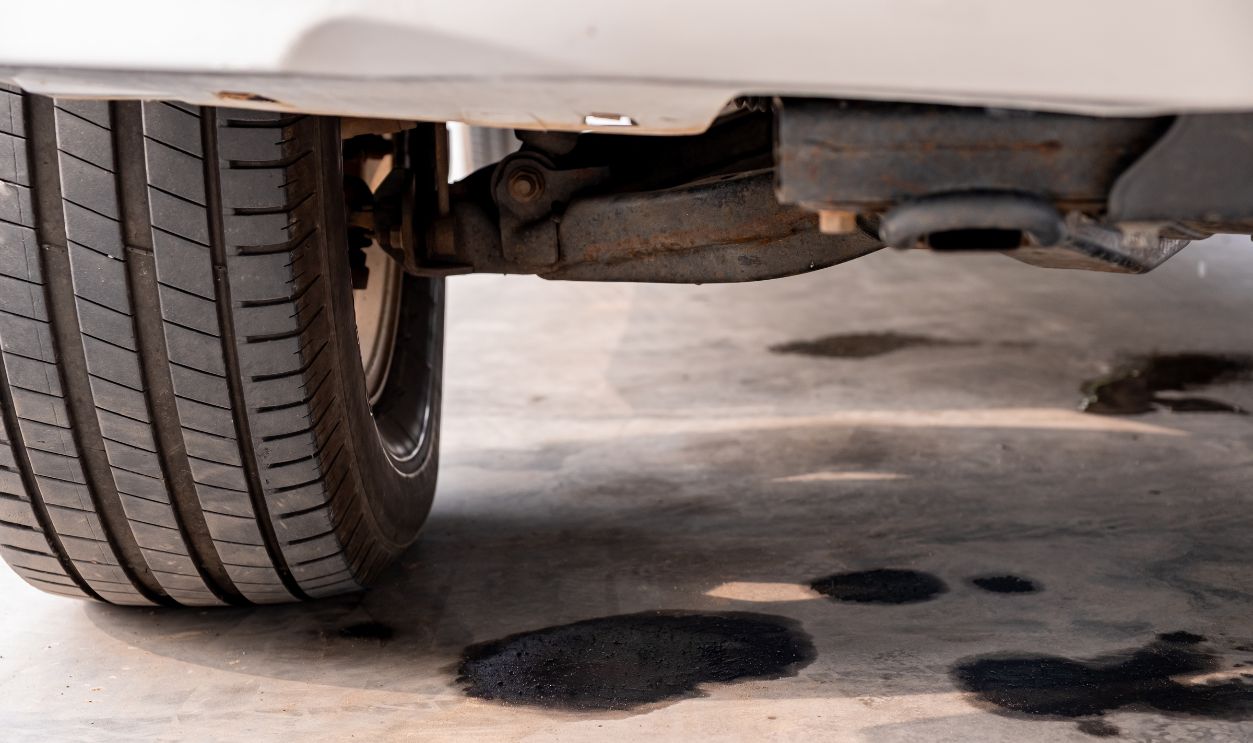
It can be tempting to hear “small oil leak” and move on. Sometimes that is fine for a while. But engine oil is what keeps your engine alive, and even a slow seep can point to a worn gasket, a loose filter, or a bad seal. The real issue is not whether every tiny leak needs immediate repair. It is whether the leak has been correctly identified, stays small, and is being watched.

Why Mechanics Sometimes Say To Wait
There is a practical reason some mechanics tell you to keep an eye on a minor leak instead of fixing it right away. On older vehicles, repairing a damp valve cover gasket or a slight seal seep can cost more in labor than the leak is worth at the moment. If the oil level stays steady and no oil is reaching hot exhaust parts, waiting can be a reasonable short-term plan.
What Counts As A Tiny Oil Leak
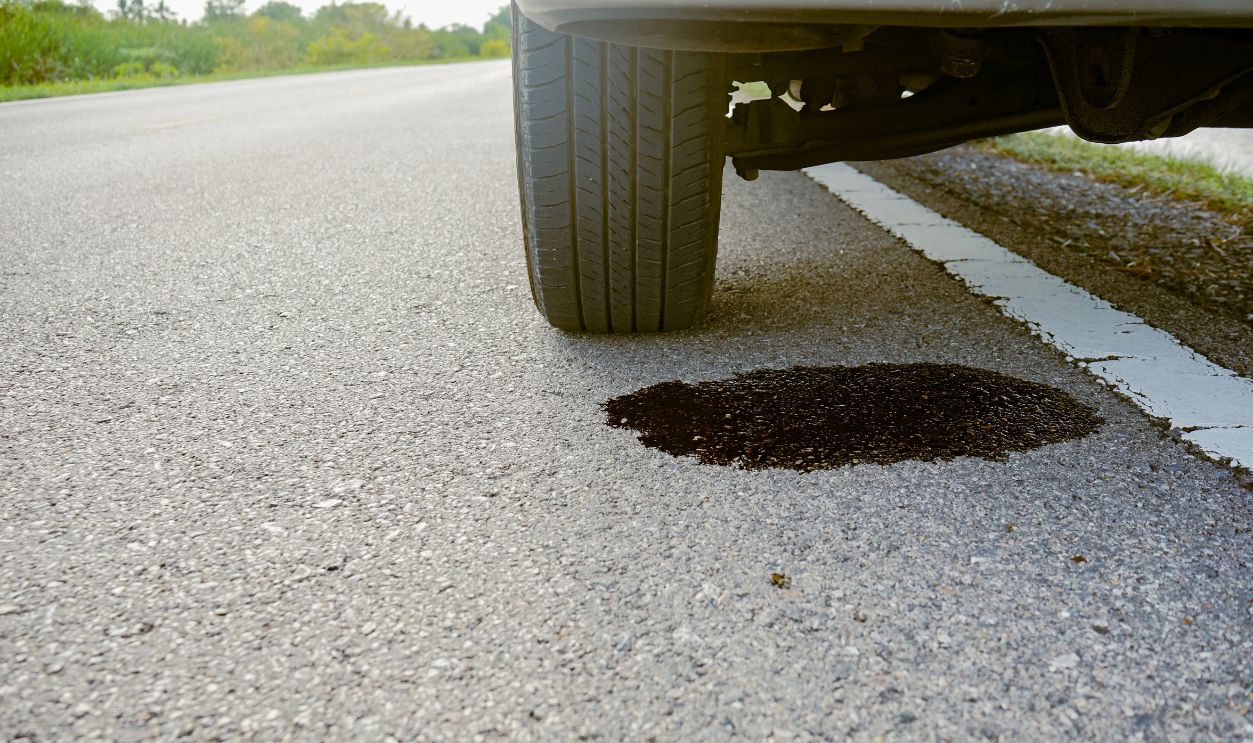
A tiny leak usually means light wetness around a gasket or a few drops on the driveway now and then, not a puddle under the car by morning. AAA says oil spots under a parked car can be a sign of a leak and should be checked, because leaks can turn into bigger repair problems if ignored. If you are adding oil often or seeing smoke, it is not really a tiny leak anymore.
 Mr.Anuwat Rumrod, Shutterstock
The Biggest Risk Is Running Low On Oil
The main danger is not the stain on the driveway. It is the chance that a small leak turns into low oil and leaves the engine short on lubrication. NHTSA has long warned in owner guidance and recalls that low oil can lead to engine damage, and modern engines can rack up expensive wear fast when oil drops too low.
Why Oil Matters So Much
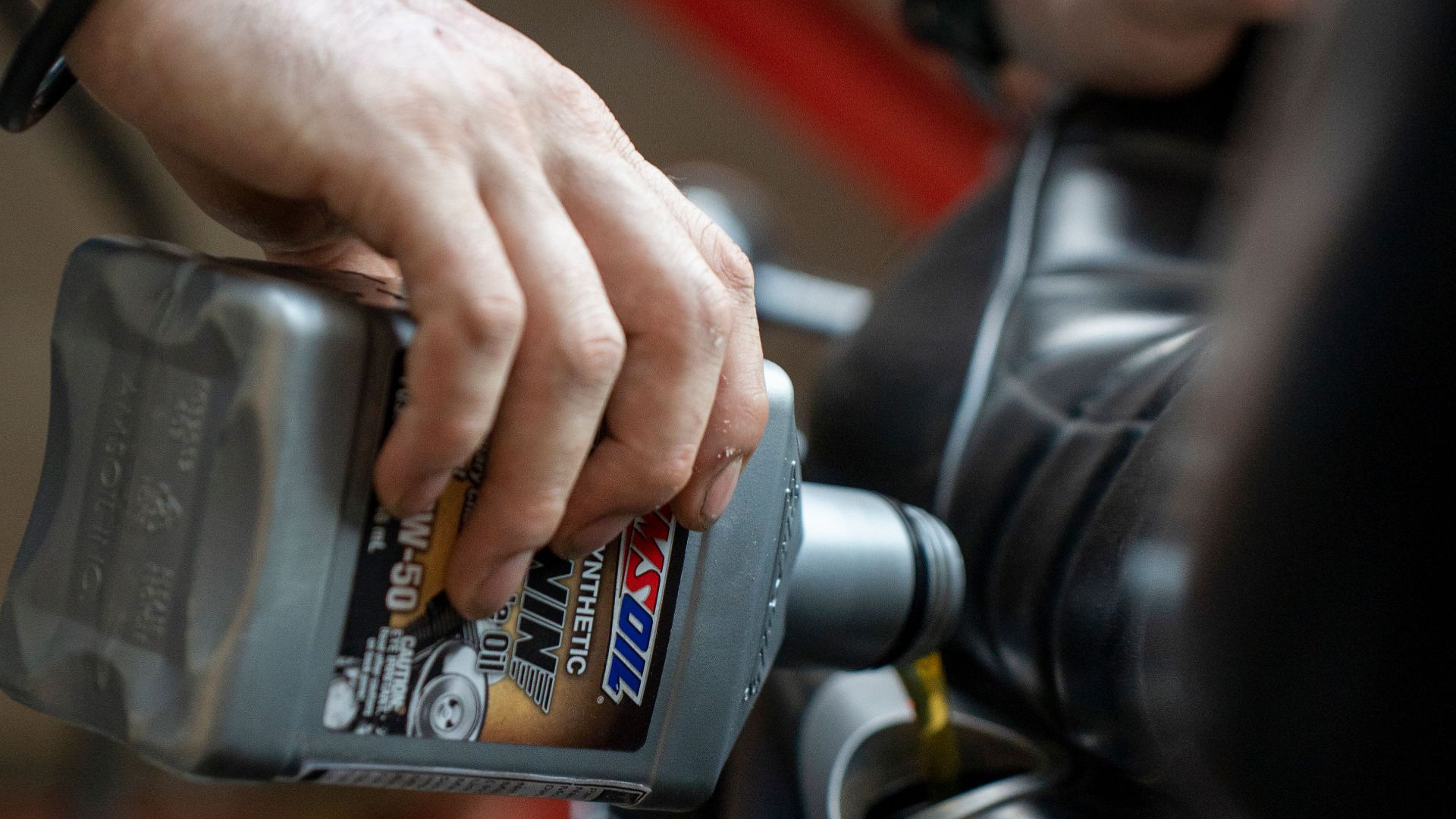
Motor oil cuts friction, helps cool moving parts, controls deposits, and protects against wear. AAA notes that routine oil maintenance is still one of the basics of car care. If oil leaks out faster than you realize, metal parts that depend on that thin oil film can heat up and wear down in a hurry.
A Leak Can Also Become A Fire Risk
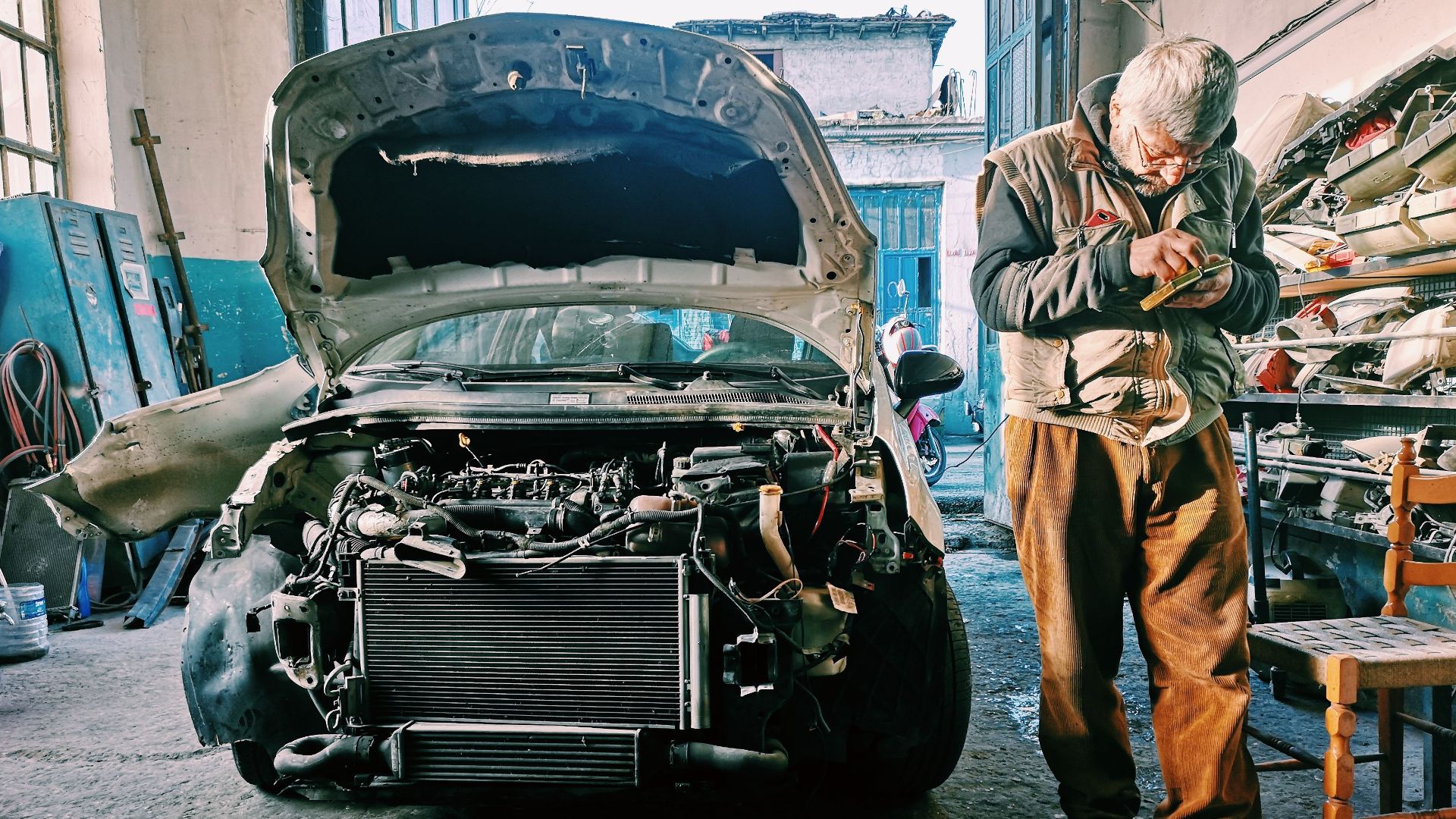
This is the part many drivers miss. The U.S. National Park Service and other safety agencies warn that leaking automotive fluids can catch fire if they hit hot engine or exhaust parts. A tiny leak near a valve cover above an exhaust manifold may need quicker attention than a damp oil pan gasket that never touches anything hot.
Burning Oil Leaves Clues
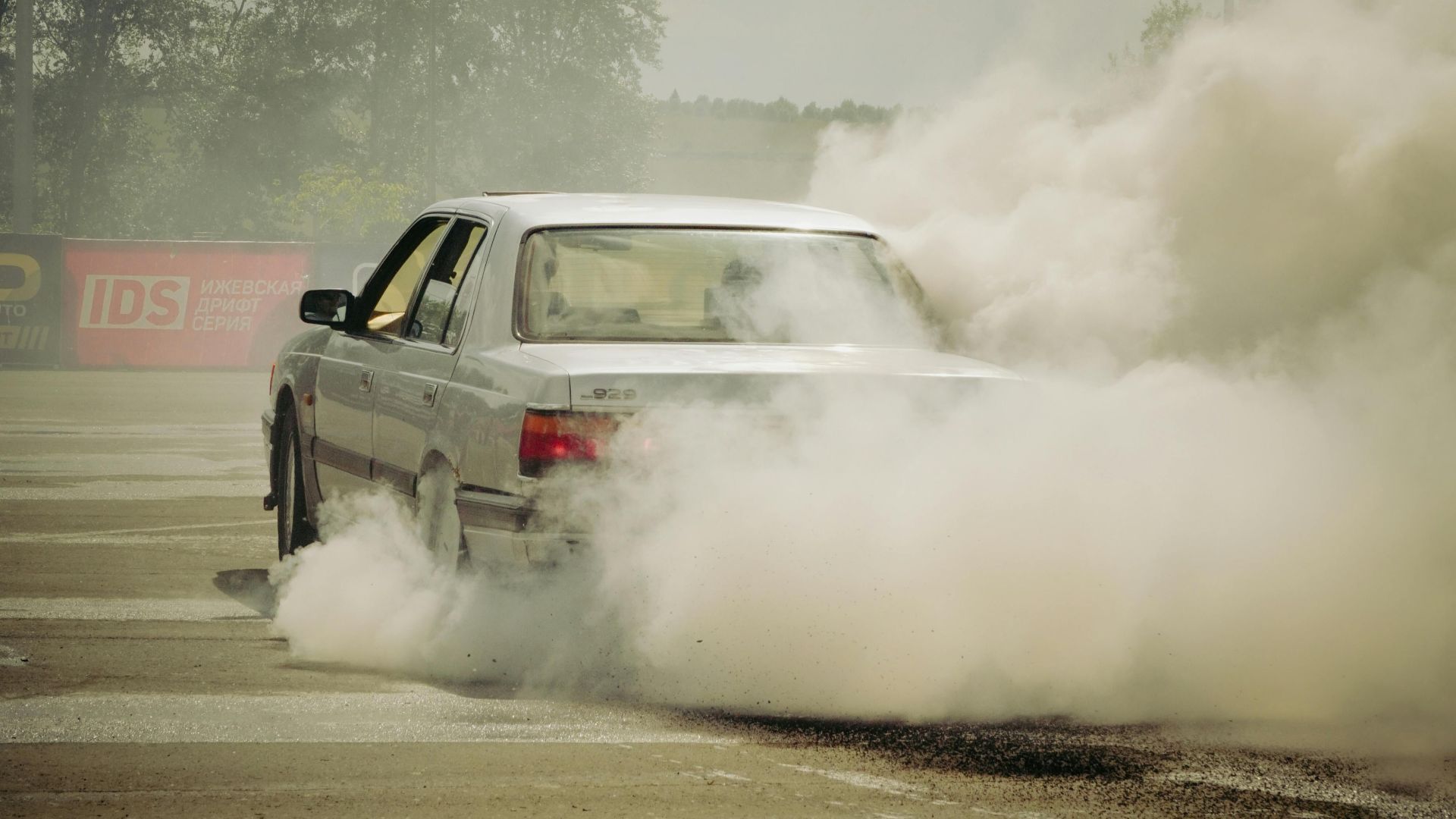
If oil is leaking onto hot parts, you may notice a sharp burning-oil smell after driving. You might also see light smoke from the engine bay after you park. Those are signs the problem has moved past harmless seepage and should be checked soon.
The Driveway Test Can Tell You A Lot
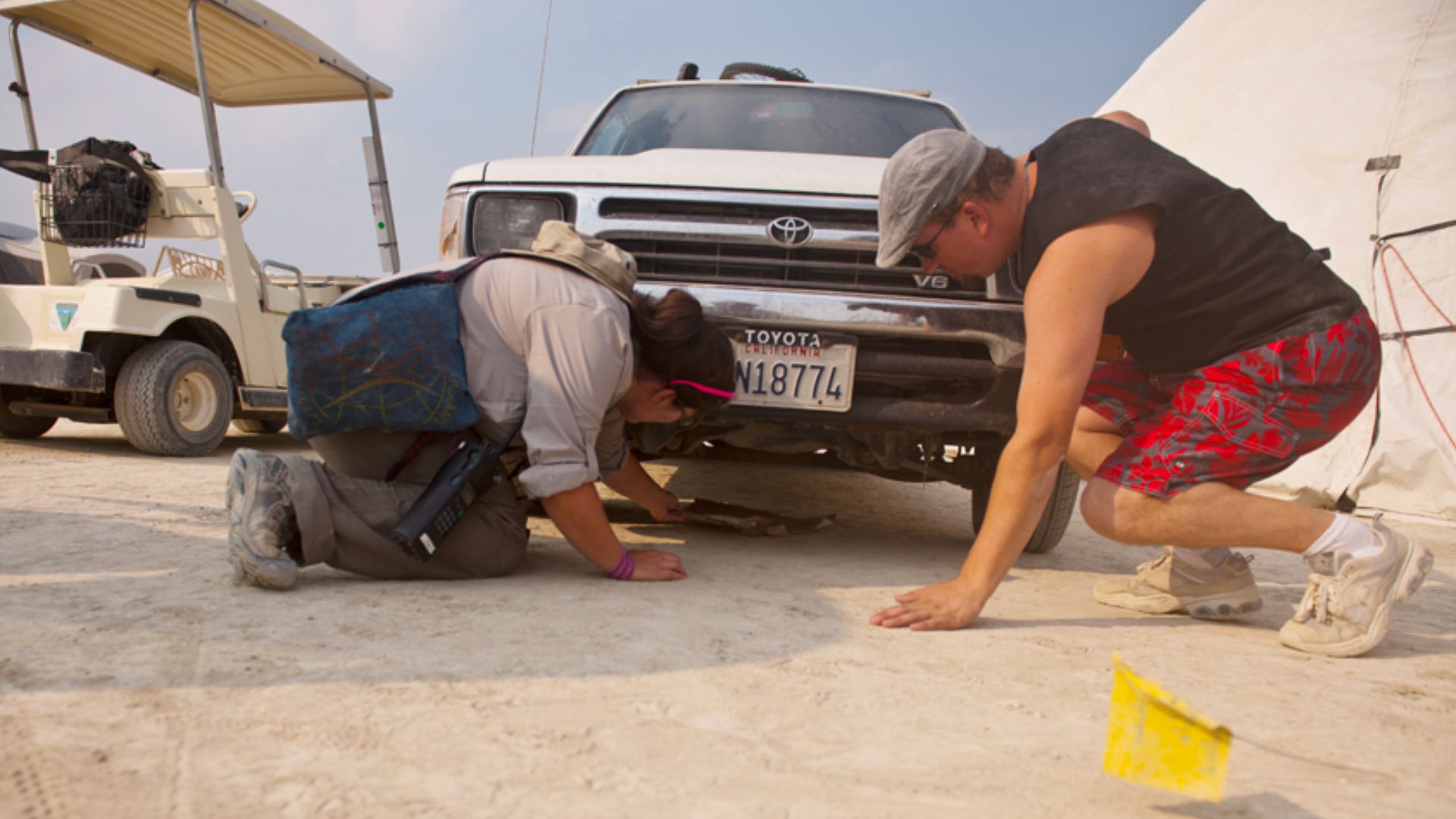
Put clean cardboard under the engine overnight. It can help show whether you have an active drip or just leftover oily residue from an older repair. A few random drops after a long drive may point to a minor leak. Fresh spots showing up again and again suggest the leak is active. It is a simple way to see whether things are staying the same or getting worse.
Check Your Oil Level The Old-Fashioned Way
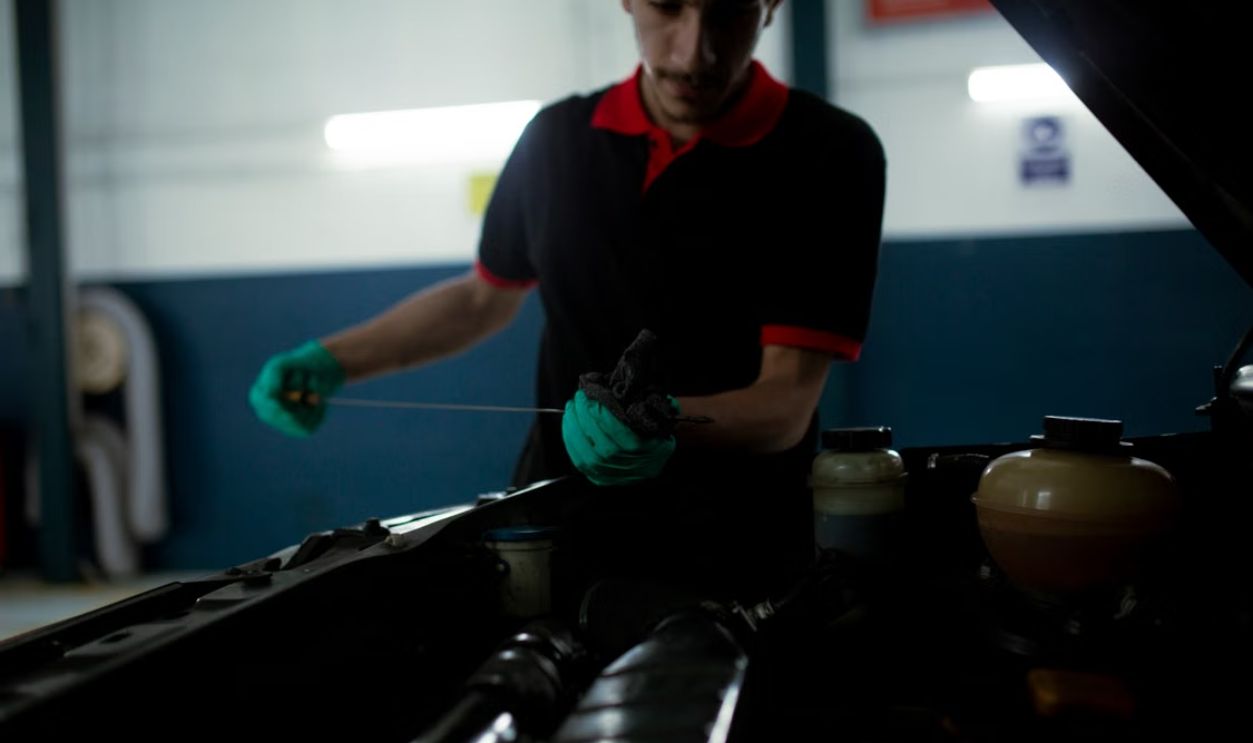
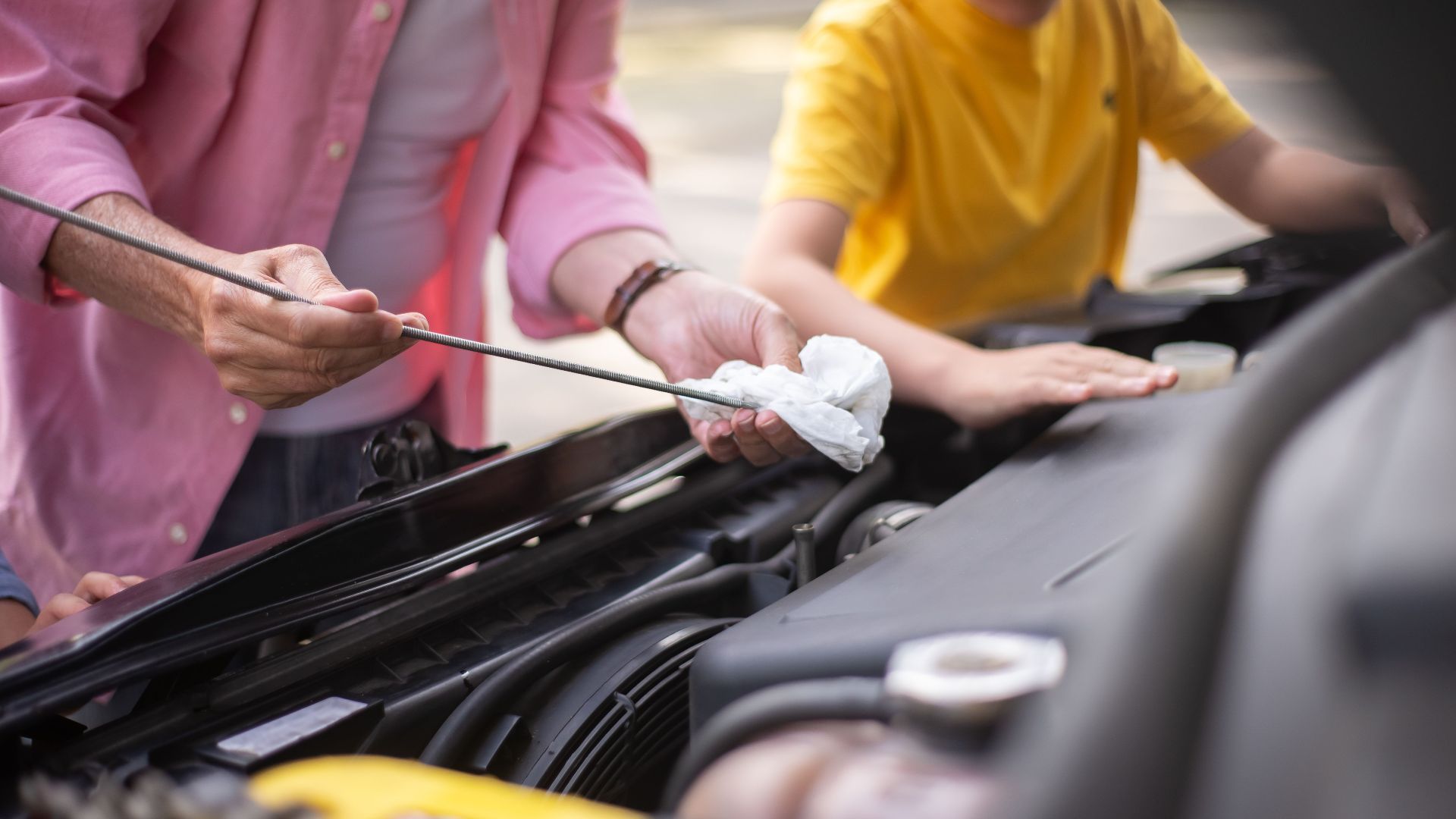
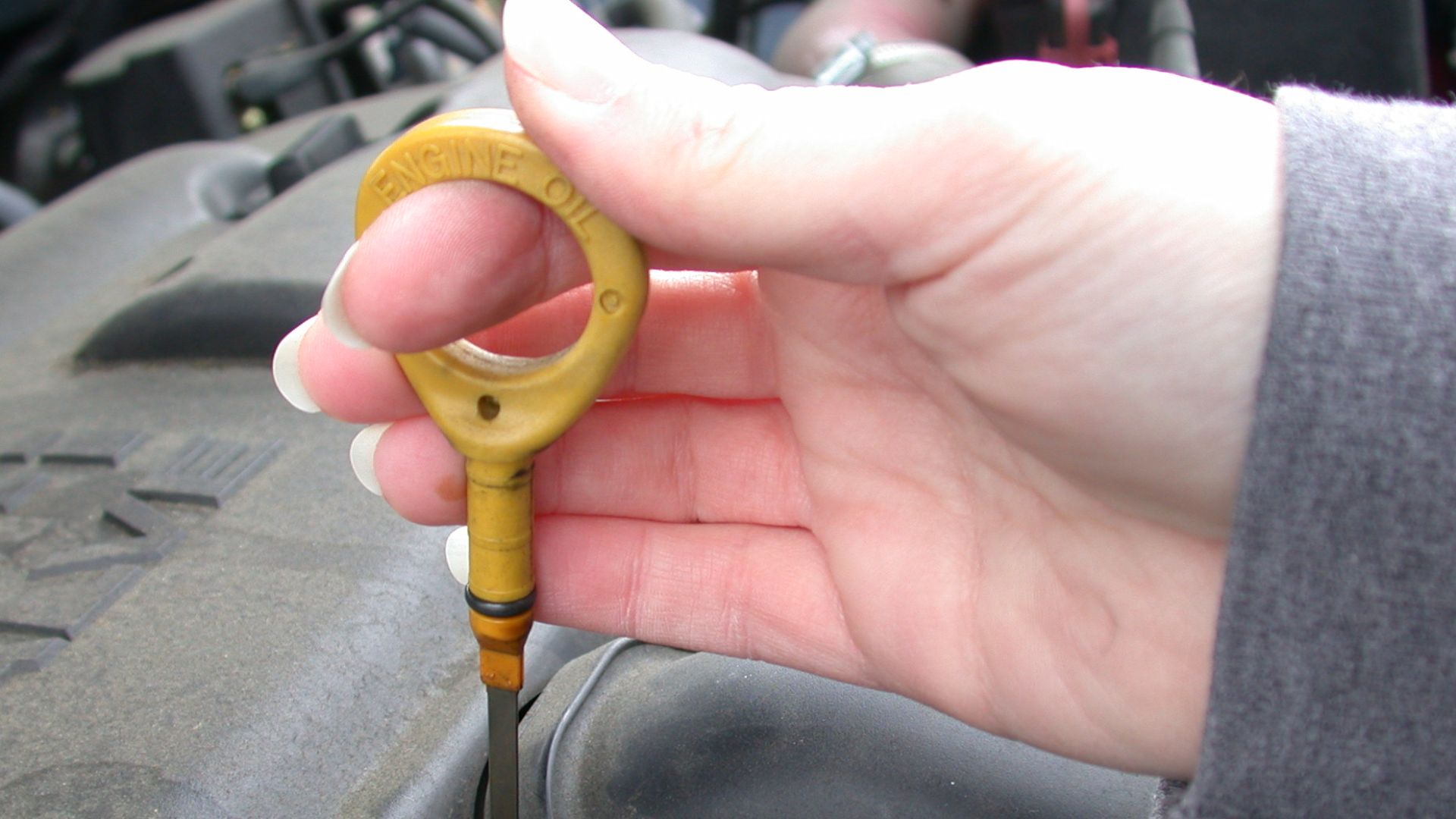
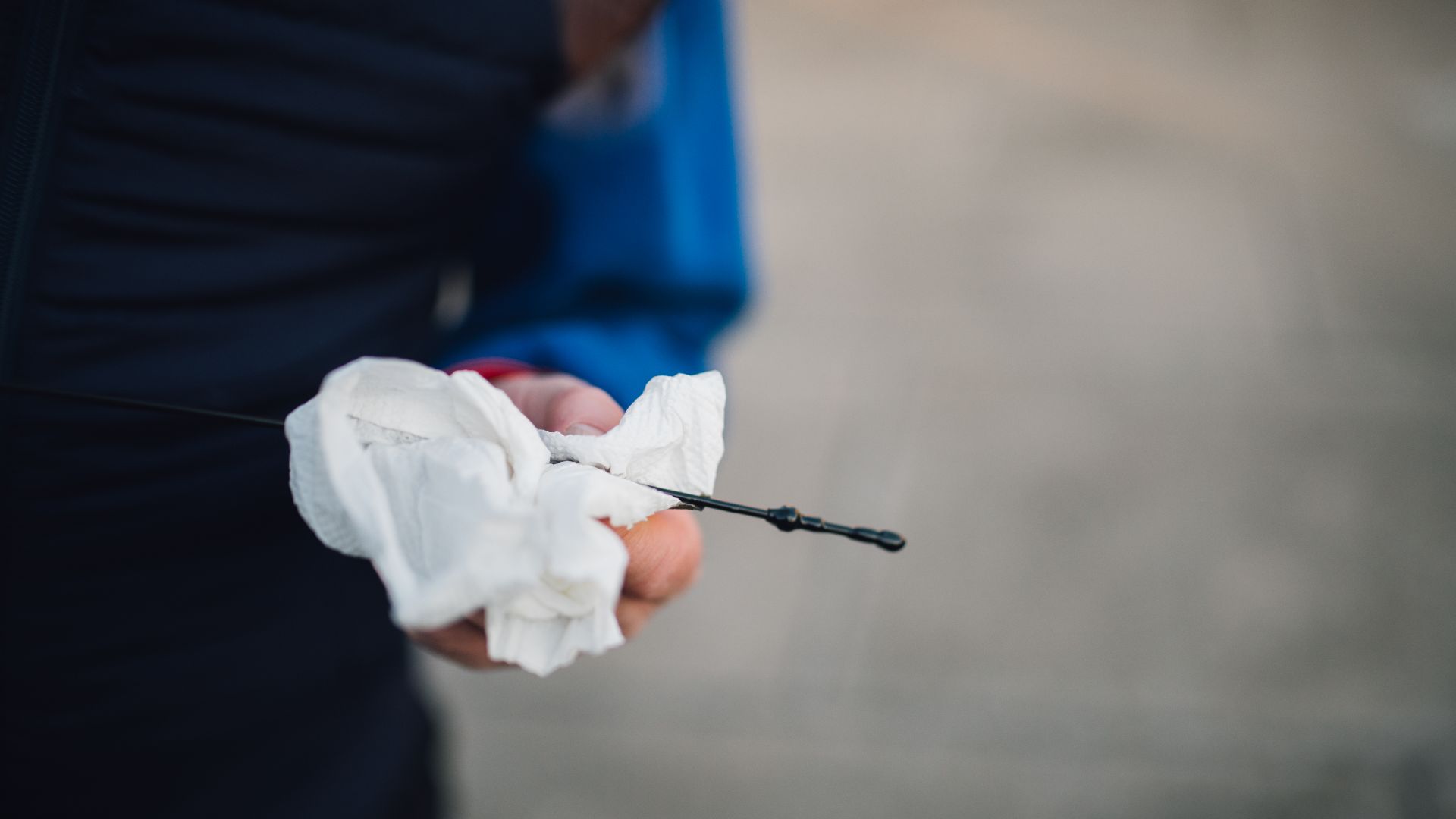
If your mechanic says it is safe to wait, that only works if you actually check the oil. Use the dipstick on level ground with the engine off long enough for the oil to settle. If the level drops in a noticeable way between normal service intervals, the leak is no longer something to brush off.
Warning Lights Are Not Early Warnings
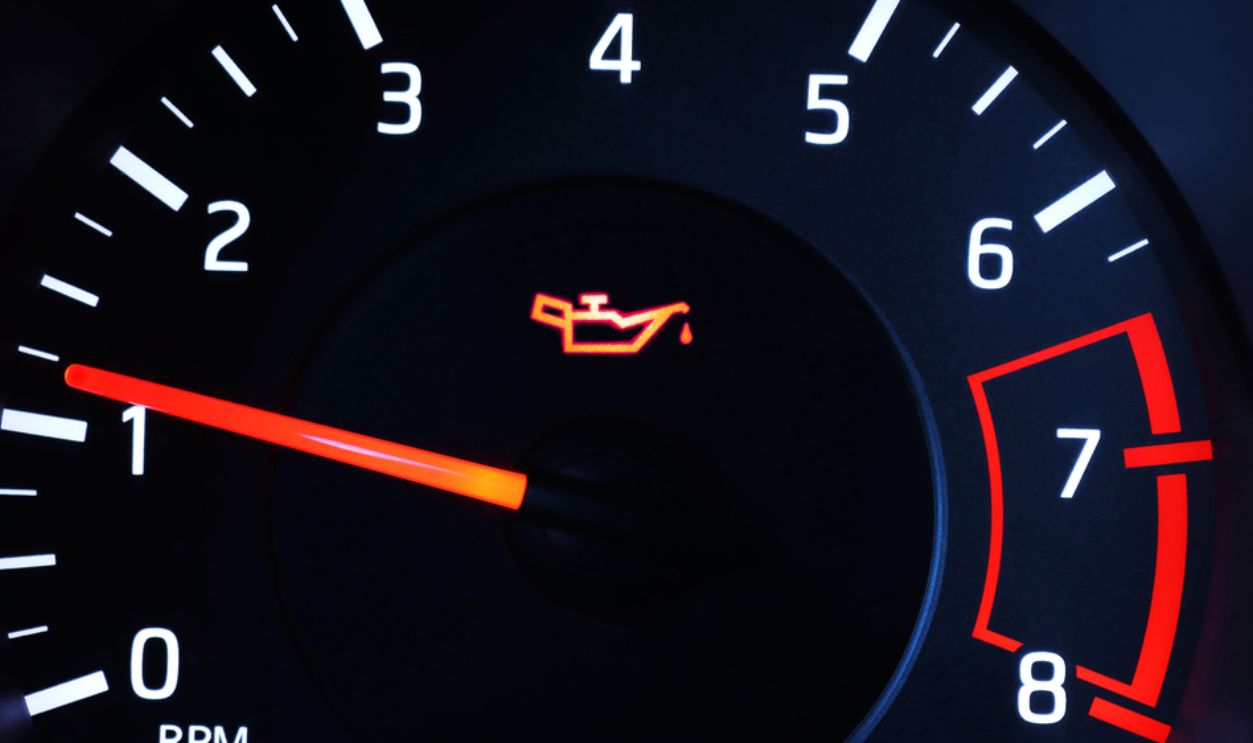
A lot of drivers assume the oil warning light will protect them. That is a risky assumption. In many cars, the oil-pressure light comes on only after pressure has already fallen to a dangerous level. By then, damage may already be happening.
Some Leaks Stay Small For A Long Time
Not every minor seep turns into a disaster next week. A lightly sweating gasket can stay about the same for months, especially on an older engine. That is why experienced mechanics sometimes suggest monitoring it, especially when the repair would take many labor hours to fix a small annoyance.
Other Leaks Get Worse Fast
Rubber seals harden with age and heat, and a faint seep can turn into a real drip without much warning. A clogged PCV system can also raise crankcase pressure and push oil past worn seals. If a leak suddenly gets worse after a long trip, a heat wave, or an oil change, it deserves another inspection.
Location Matters More Than Size
A tiny leak from the timing cover, rear main seal, or oil cooler lines can matter more than a messier-looking leak from a less serious area. Some leak points are expensive to reach, which is one reason shops may delay the repair until the leak gets worse or related work is already being done. Ask exactly where the leak is, because “small leak” does not tell you enough.
Valve Cover Gaskets Are A Common Cause
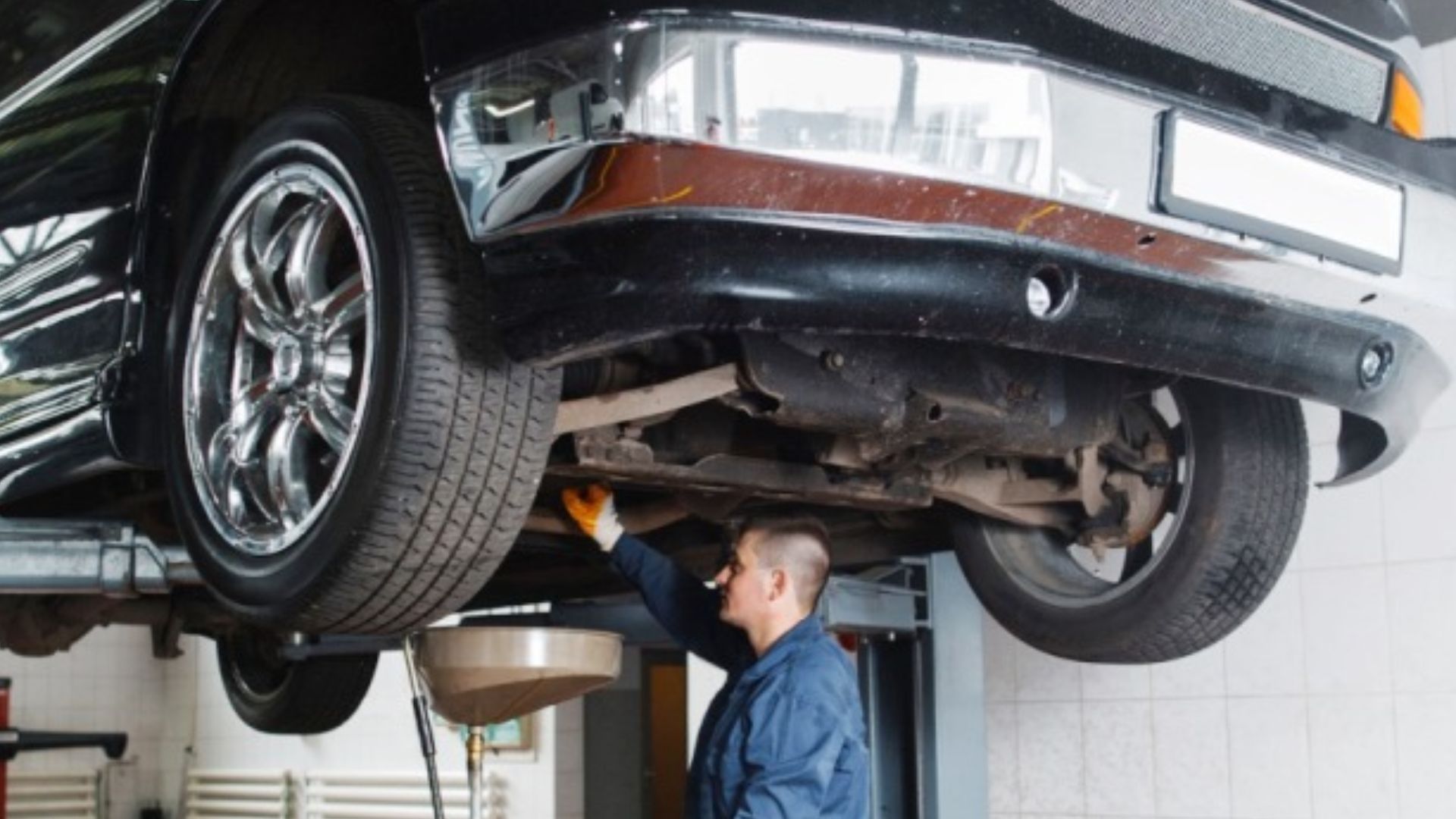
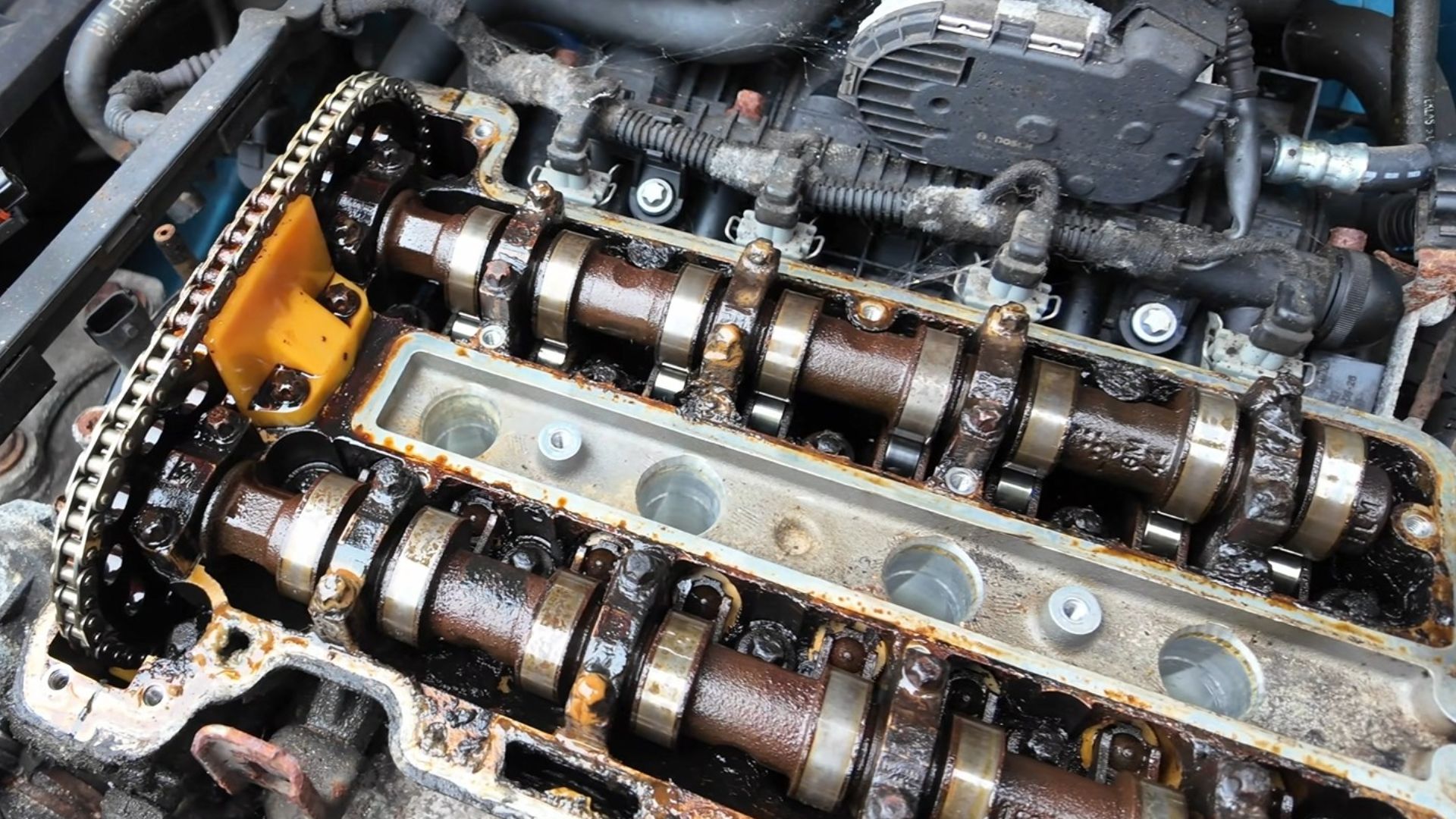
One of the most common minor leaks comes from the valve cover gasket at the top of the engine. When it seeps, oil can run down the engine and make the leak look worse than it really is. But if that oil gets into spark plug wells or reaches hot exhaust parts, the situation becomes more urgent.
 Ethan Tyrer, Wikimedia Commons
Oil Pan Leaks Usually Start As A Nuisance
Oil pan gasket seepage often leaves spots where you park and can be messy without being dangerous right away. Still, road debris, rust, or a damaged drain plug can turn a modest pan leak into a sudden oil loss. If the source is the pan itself and not just old residue, regular checks matter.
Rear Main Seal Leaks Can Get Expensive Fast
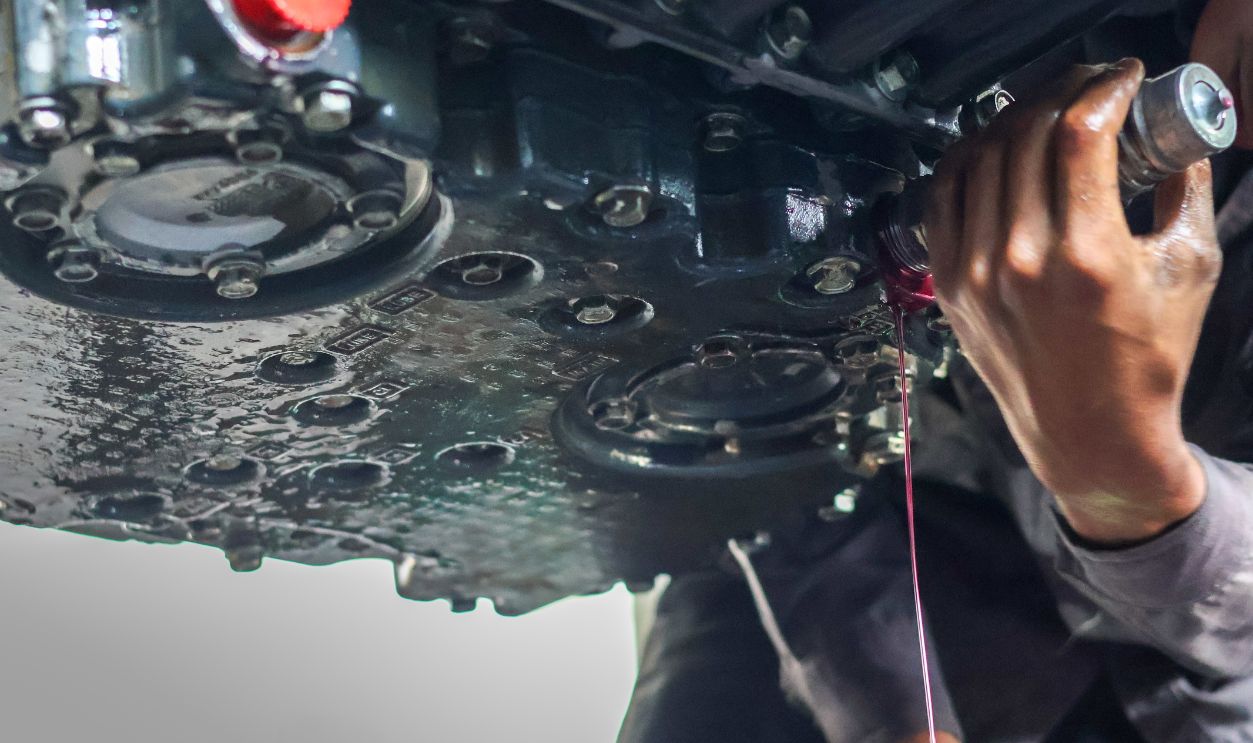
A rear main seal leak can start small, but it often gets attention because of the labor involved, not because it is pouring out oil. Replacing it usually means major disassembly and often transmission removal. That is why mechanics sometimes recommend watching it closely unless the leak is severe or the transmission is already being removed for another job.
Fresh Oil Change Mistakes Can Look Worse Than They Are
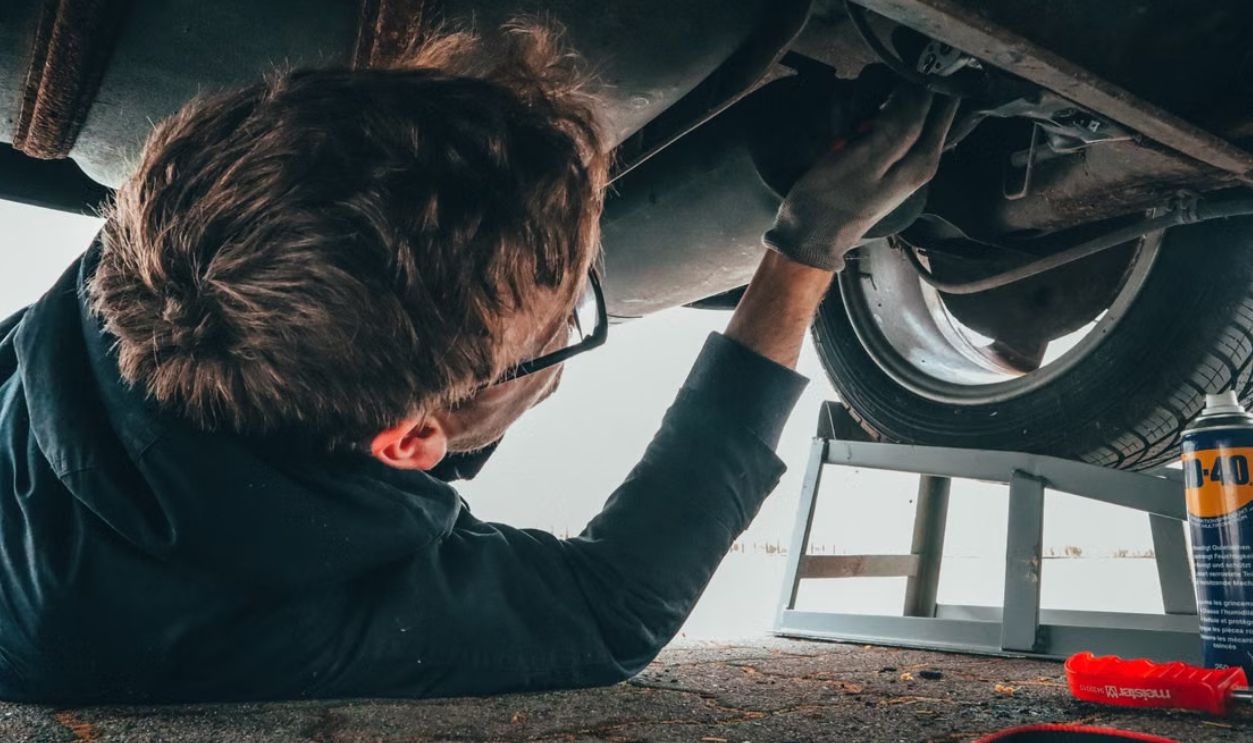
A loose drain plug, a damaged drain plug washer, or a badly installed oil filter can all cause leaks right after service. Those are not wait-and-see issues, because they can get worse quickly and are often easy to fix. If the leak started right after an oil change, head back to the shop as soon as you can.
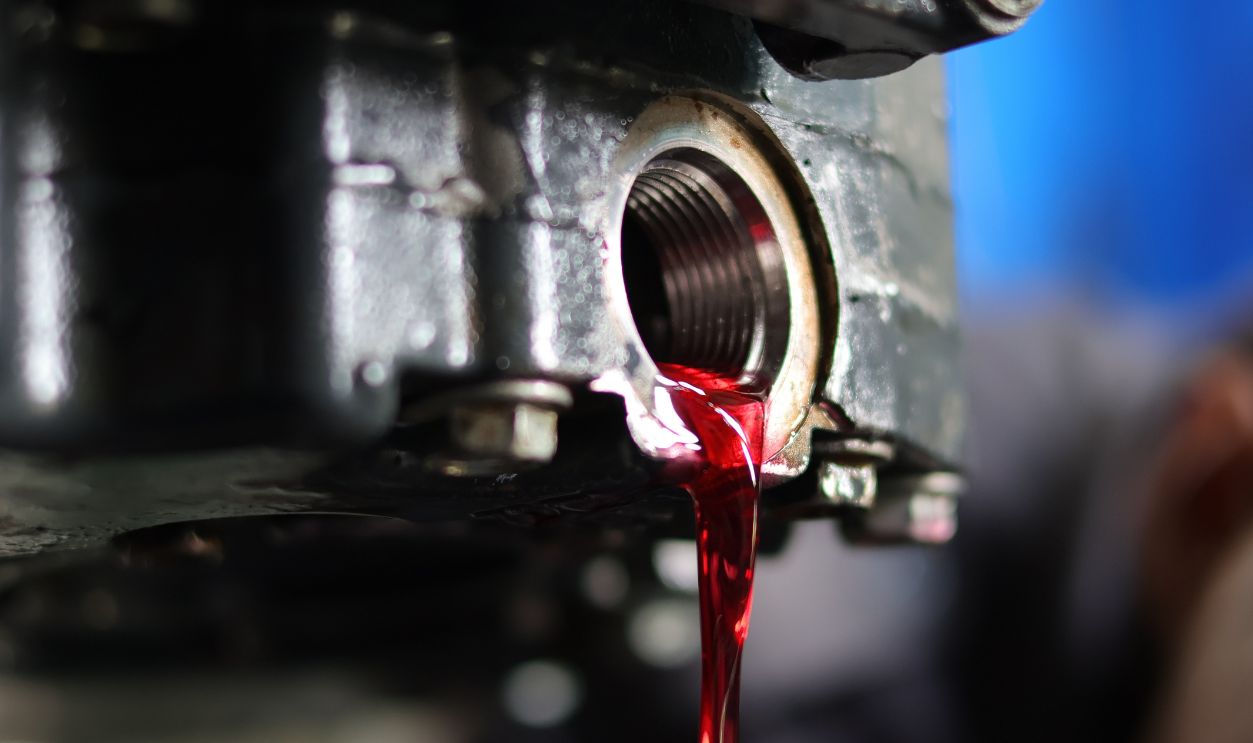
Modern Undershields Can Hide The Real Problem
Many newer vehicles have large plastic splash shields under the engine. Those panels can catch and spread oil, making the leak harder to trace and harder for owners to notice. A proper inspection by a technician, sometimes with dye, is often the best way to confirm what is really happening.
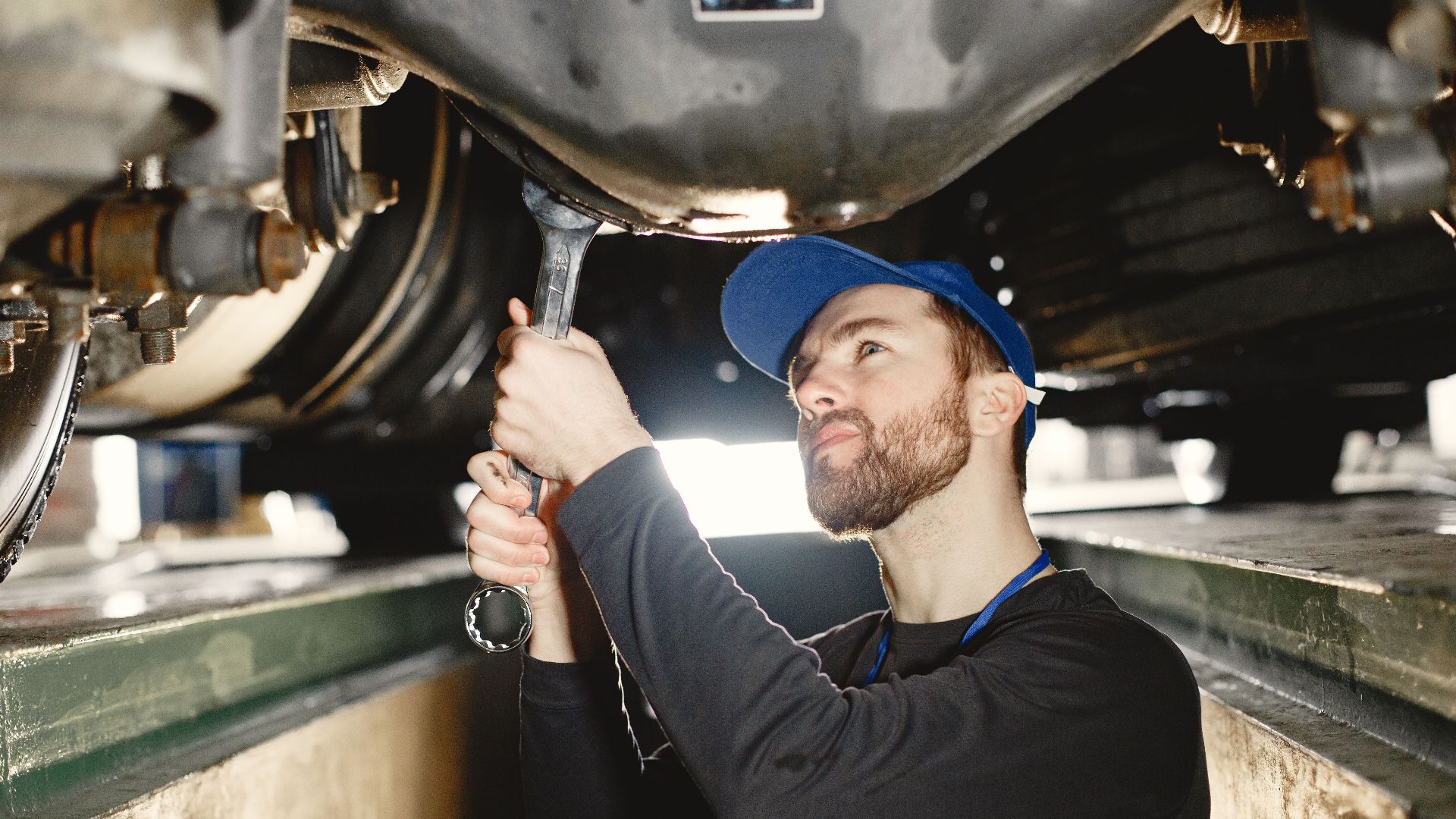
Dye Testing Can Show What You Cannot See
Shops sometimes add ultraviolet dye to the oil and check the engine with a UV light after some driving. This can separate an active leak from old oily grime. It is one of the most reliable ways to pinpoint the source before spending money on repairs.
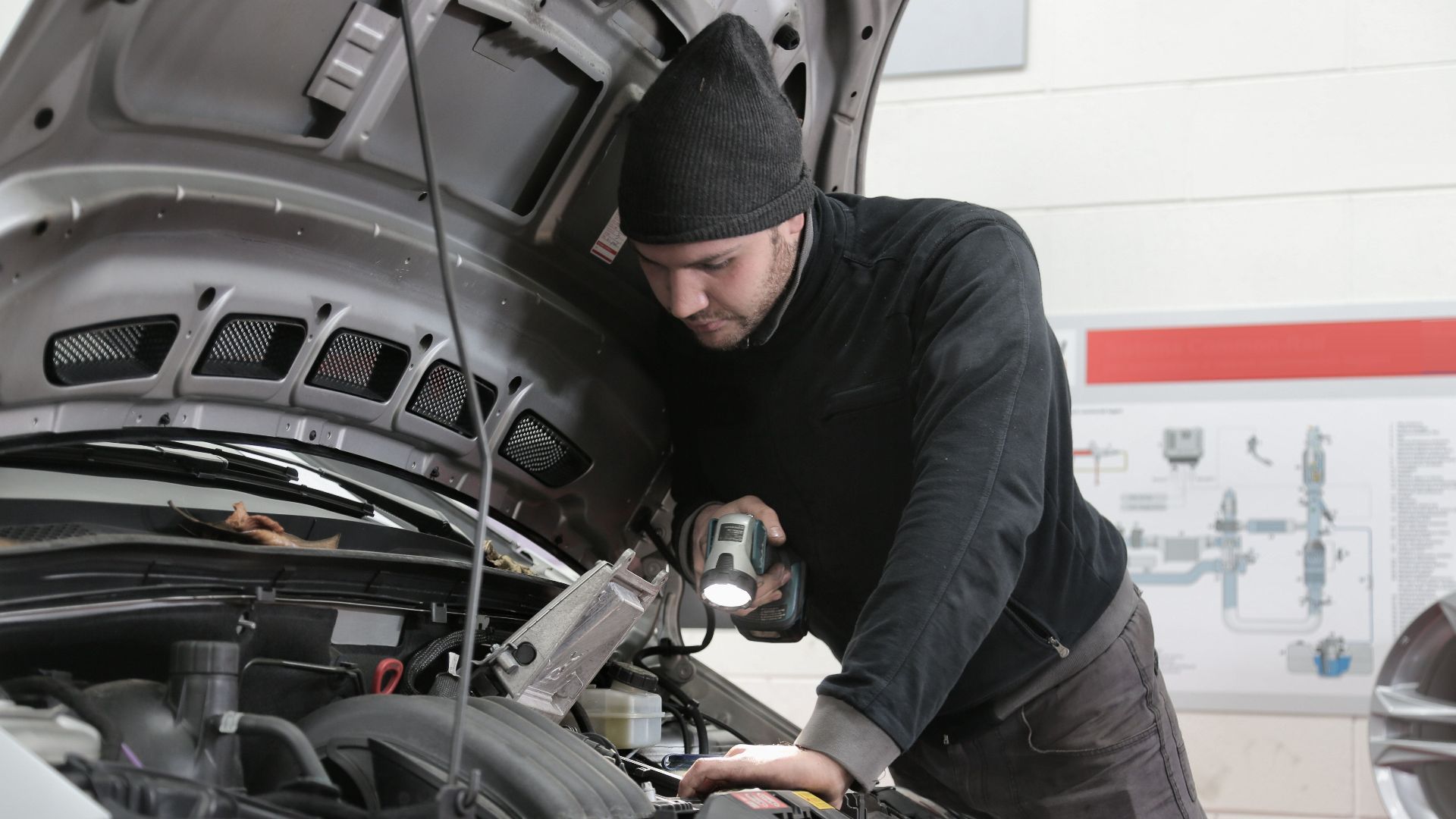
Waiting Is Only Safe If You Have A Plan
If you are going to put off repairs, set some rules. Check the oil at least once a week, look under the car for fresh spots, and pay attention to smells or smoke. A mechanic saying “wait” should come with clear monitoring advice, not just a shrug.
 Nenad Stojkovic, Wikimedia Commons
Ask Your Mechanic These Questions
Ask where the leak is, how fast it seems to be losing oil, whether it could reach hot exhaust parts, and what signs mean you should come back right away. Also ask whether it makes sense to fix the leak during another repair to save on labor. The more specific the diagnosis, the better the advice.

Short Trips Can Hide A Leak
If you mostly drive short distances, a leak can seem harmless because the engine never gets fully hot and oil loss stays low. Then a long highway trip exposes the problem, raises temperatures, and can make the leak worse. Before a road trip, it is smart to recheck any known oil leak and top off the oil if needed.

What The Experts Generally Agree On
Advice from AAA and major service groups points to the same bottom line. Some minor leaks can be monitored, but low oil level, smoke, burning smells, fresh drips, or a leak that is clearly getting worse are signs to act sooner. The safe choice depends less on the word tiny and more on where the leak is, how it behaves, and what risk it creates.

When You Should Fix It Now
Do not wait if oil is dripping onto the exhaust, if you are adding oil between routine service intervals, if the leak started suddenly, or if the oil warning light comes on. Do not delay either if the underside is so wet that the source cannot be confirmed without cleaning and checking it again. At that point, the leak is no longer in the harmless category.
When Watching It Is Usually Reasonable
If the leak has been confirmed as minor seepage, the oil level stays full, there is no smoke or burning smell, and the area can be checked easily, monitoring it may be perfectly reasonable. That is especially true on older cars where repair costs are high and the leak is not getting worse. Even then, it only works if you stay on top of it.
The Bottom Line For Real-World Drivers
Yes, it can be safe to wait on a tiny oil leak, but only if the leak is truly small, correctly diagnosed, and actively monitored. The bigger risk comes from ignoring changes, not from every minor seep by itself. If you know where the leak is coming from, keep the oil topped up, and act fast if it gets worse, you can often stop a manageable issue from turning into an engine-damaging one.