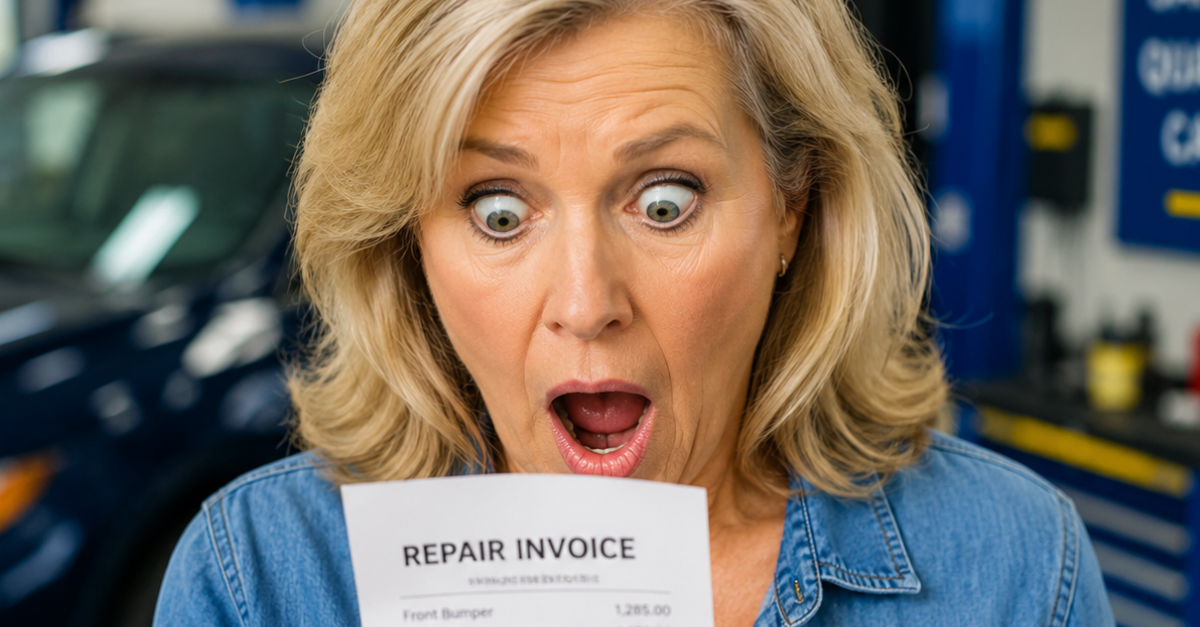
A Two-Day Repair And 180 Surprise Miles
You pick up your car after a two-day repair and see that the odometer jumped by 180 miles. The shop says it was part of “testing.” Maybe. But that kind of number should make any driver stop and ask questions. Is it normal, or is something off?
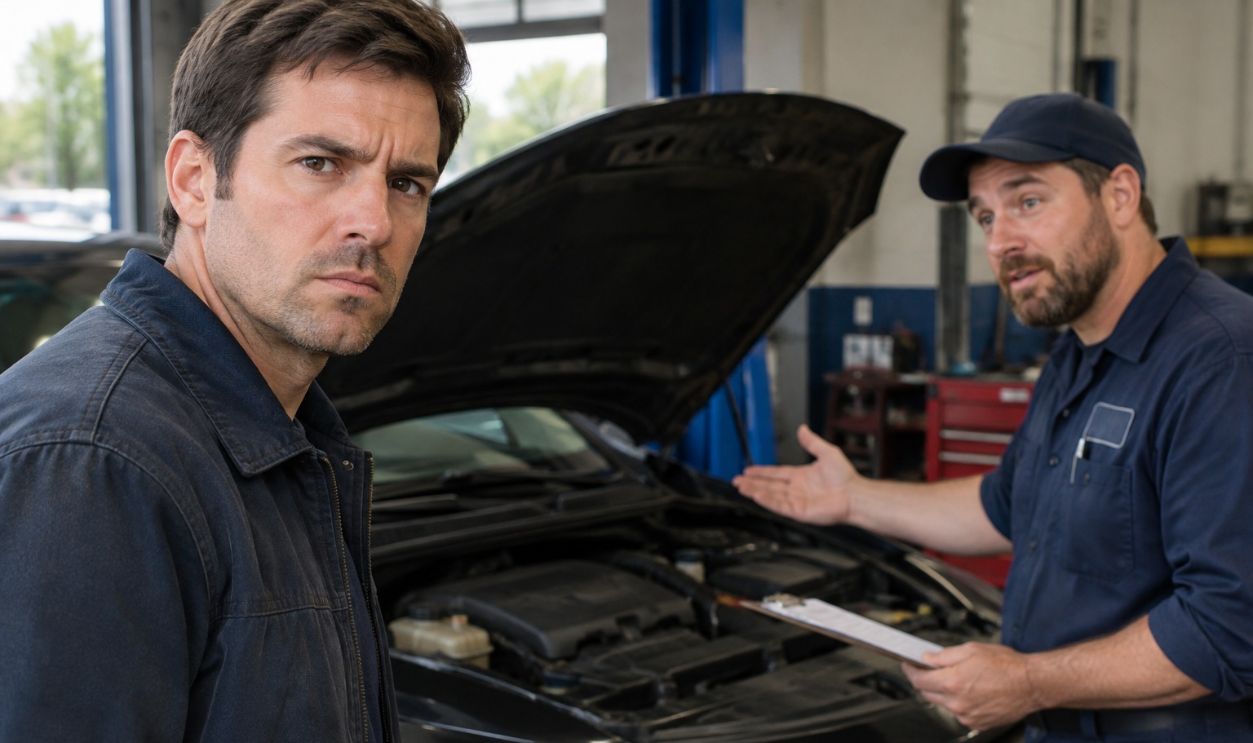
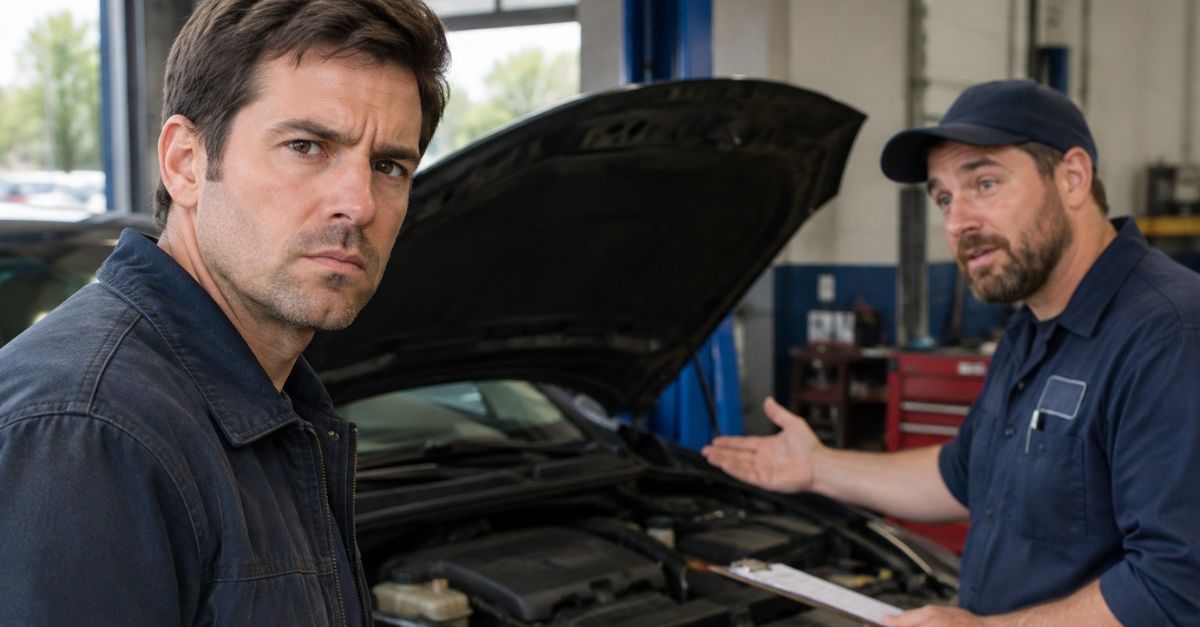
Short Answer: Usually No
For most repairs, 180 miles is far beyond what you should expect from normal diagnosis and road testing. A real test drive is usually a handful of miles, not the distance of a mini road trip. There are exceptions, like hard-to-catch problems, emissions readiness checks, or factory procedures. But if the shop cannot clearly show why that much driving was needed, it is fair to be skeptical.

What A Normal Test Drive Usually Looks Like
Many repairs call for a technician to confirm the problem before work starts and check the fix afterward. That usually means a short drive on local roads and maybe a brief highway run. In real terms, that is often around 5 to 15 miles, sometimes a little more depending on the issue. It is usually nowhere near 180 miles over two days.

Why Shops Test Drive Cars In The First Place
Road testing is not automatically a joyride. It can be a real part of diagnosis. A technician may need to check for noises, steering pull, brake shake, transmission shift problems, overheating, or warning lights that only show up under certain conditions. The National Institute for Automotive Service Excellence, or ASE, treats road testing as a valid part of diagnosis and quality control. But valid does not mean unlimited.

ASE Says Road Tests Need A Reason
ASE’s consumer advice says road tests are commonly used to confirm symptoms and check repairs. The goal is to recreate a problem or make sure the fix worked, not to rack up miles for no clear reason. A good shop should be able to tell you exactly what it was testing, under what conditions, and why that required that distance. If the answer stays vague, that is a problem.

Some Problems Really Are Hard To Catch
Some faults do take time to show up. A stumble that only happens after the engine gets fully hot, or a transmission issue that appears only at a certain speed after extended driving, can require a longer test. Even then, a solid shop will usually note that the problem is intermittent and may need extended road testing. The big thing is communication before the miles add up.
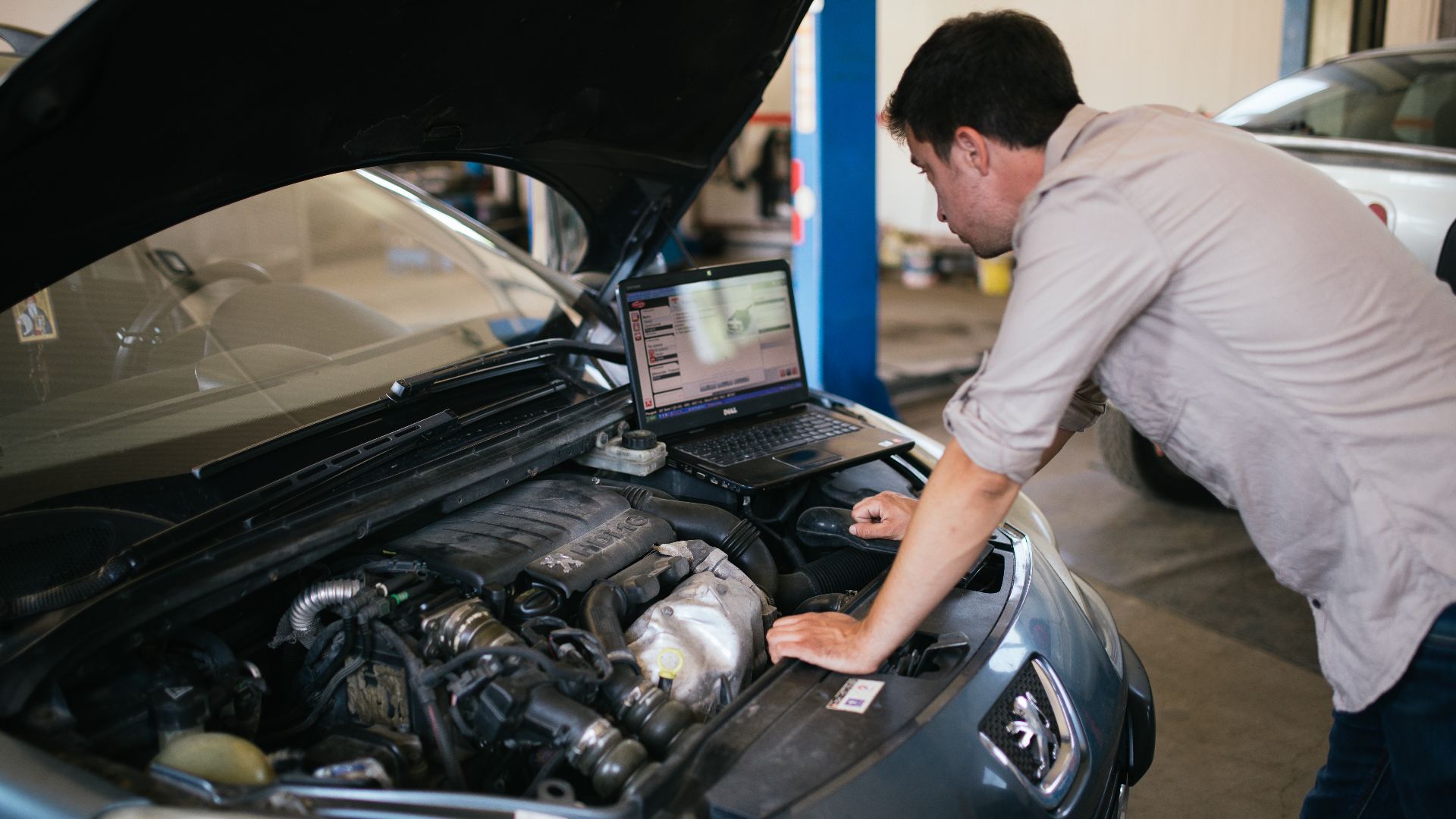 Shixart1985, Wikimedia Commons
Modern Cars Can Need Drive Cycles
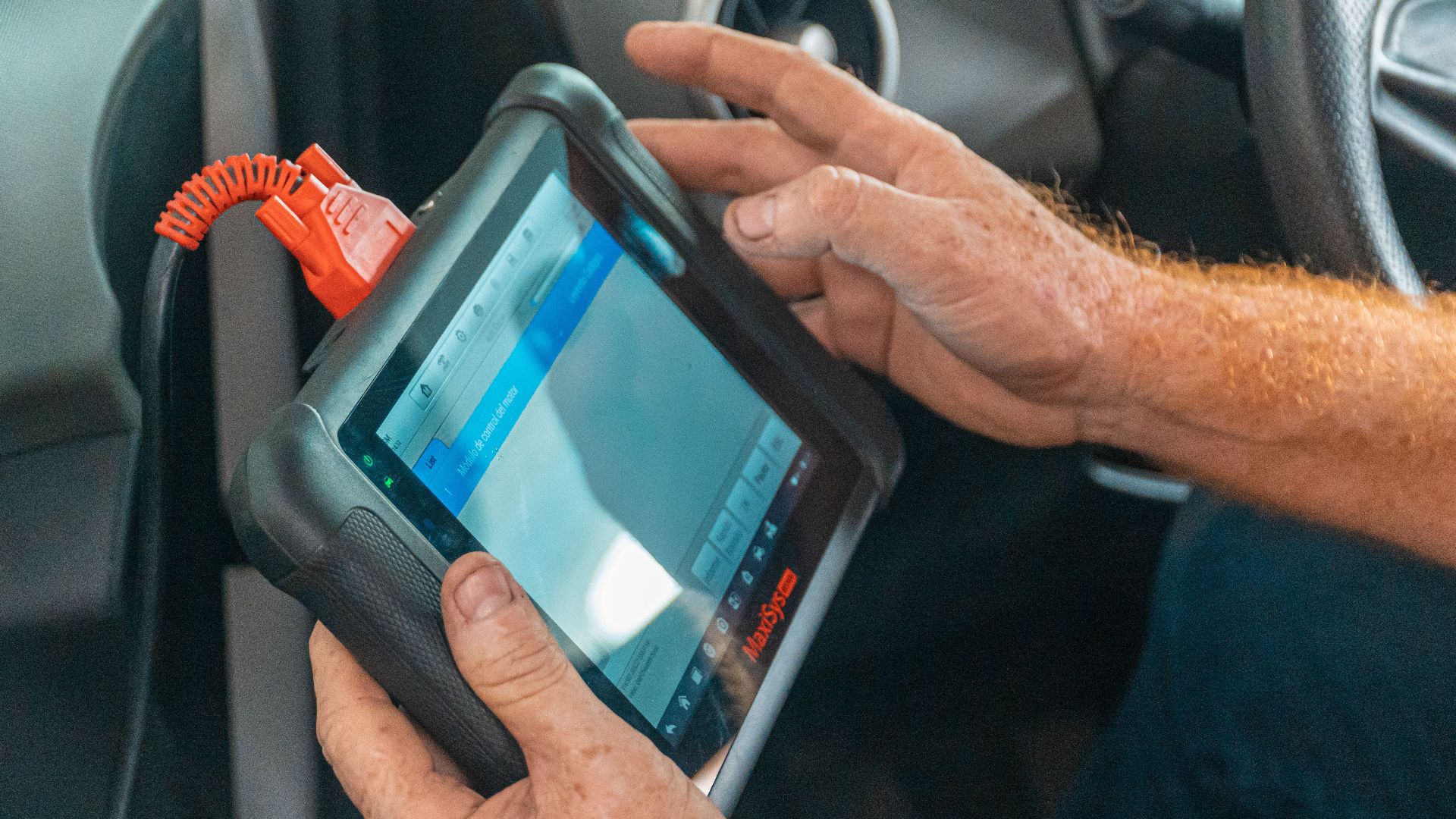
There is one technical reason a shop might put more miles on a car than you expect. After some repairs, or after clearing trouble codes, the car’s onboard monitors may need a full drive cycle to run and show the systems are ready. The Environmental Protection Agency explains that readiness monitors do not all reset right away. Even so, a drive cycle does not automatically make 180 miles reasonable.
 Jose Ricardo Barraza Morachis, Pexels
What A Drive Cycle Actually Is
A drive cycle is a set of driving conditions that lets a car run its own emissions checks. That can include cold starts, idling, steady cruising, acceleration, deceleration, and stop-and-go driving. Different vehicles have different rules, and some monitors may need more than one trip to complete. Still, a shop should be able to tell you if that was the goal and how much driving it expected to take.

The EPA’s Point On Readiness Monitors
The EPA explains that readiness status can stay incomplete if the battery was disconnected or codes were cleared shortly before testing. That is why some cars need extra driving before an emissions inspection. The important part is that this is a real process with a technical basis, not a catchall excuse. If that is what happened, the shop should be able to say so clearly.
Factory Procedures Can Call For More Driving
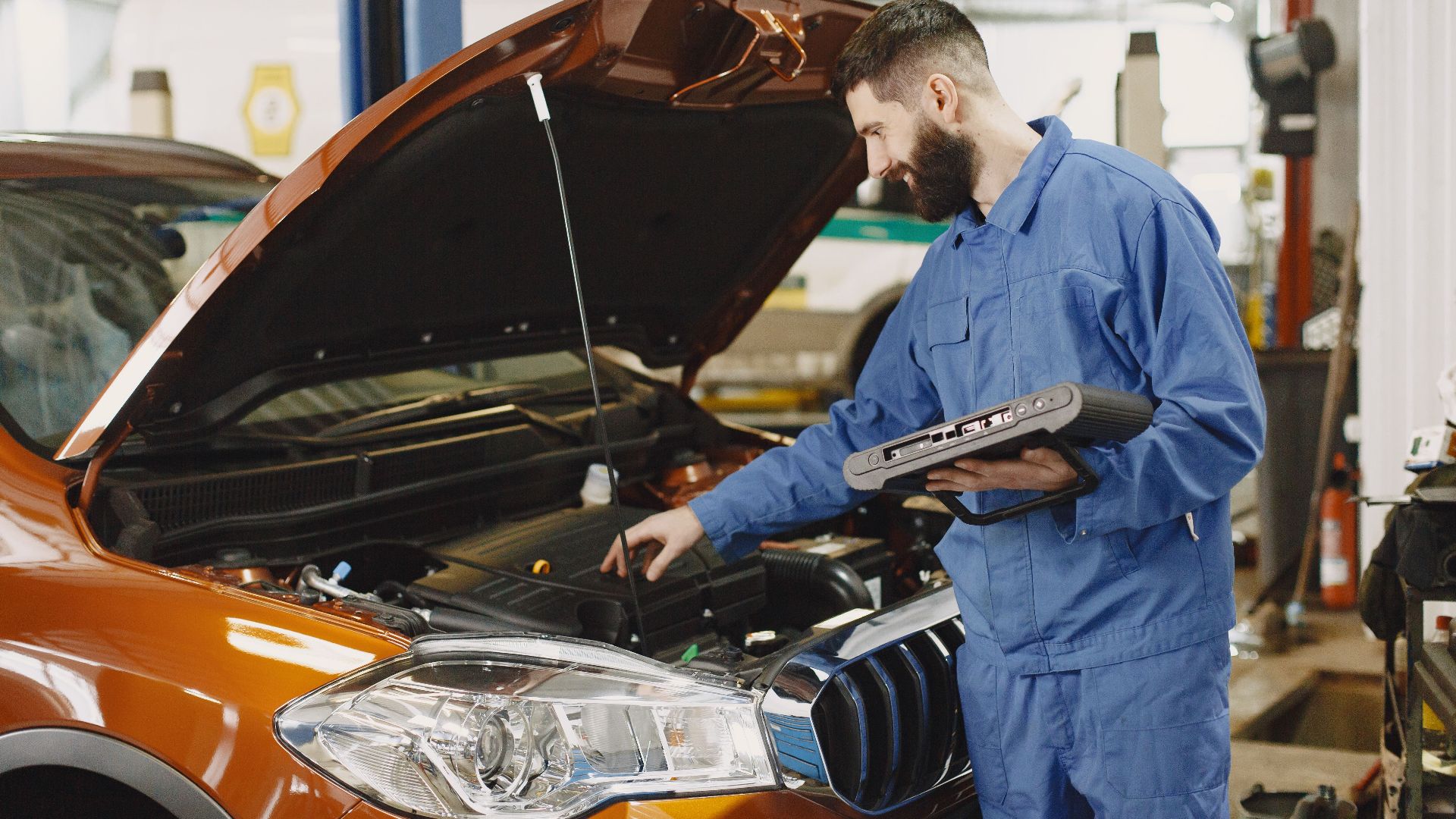
Some manufacturer service procedures include specific road-test steps. A technician may need to drive within a certain speed range, recreate a symptom under load, or complete a monitor in a set way. There are also cases where a vehicle needs to finish self-checks after parts like sensors, catalytic components, or EVAP parts are replaced. But if the answer is “the manufacturer required it,” there should be paperwork to back that up.
Consumer Advice Groups Push For Transparency
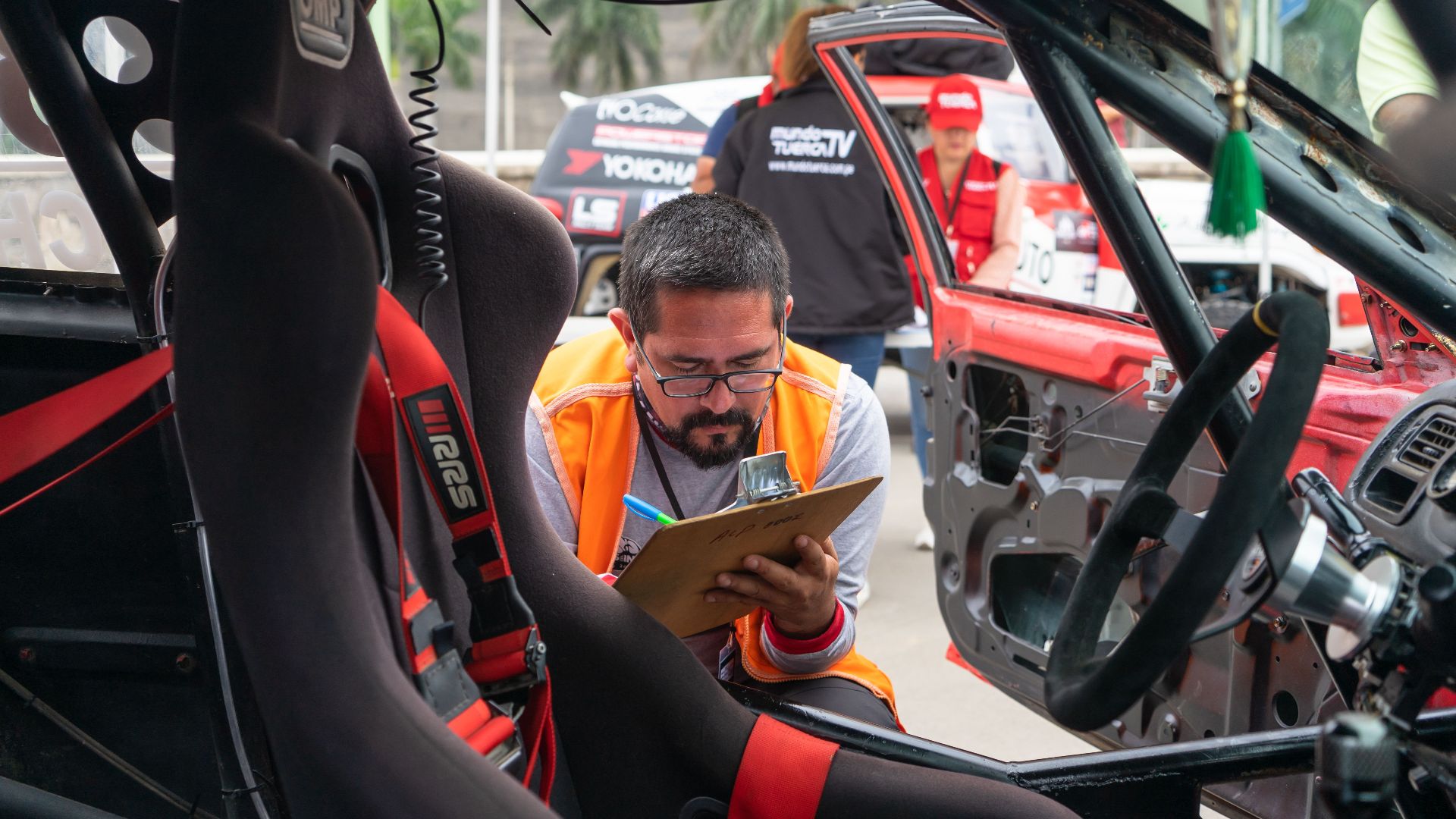
AAA’s repair advice stresses getting a written estimate and understanding what work is being done. That applies to diagnostic time and road testing too, not just parts and labor. If a shop expects unusual mileage, the best move is to say so up front. Odometer surprises are a quick way to lose a customer’s trust.

State Rules Often Require Written Approval
In many states, repair shops have to provide written estimates and get the customer’s approval before doing work beyond the original plan. California’s Bureau of Automotive Repair, for example, requires shops to record the vehicle’s mileage on the estimate and final invoice and to get authorization for repairs. That does not create a nationwide mileage limit for test drives. It does show how much documentation matters.

Why The Odometer Matters So Much
The odometer is more than a number on a form. It is a basic record of what happened while your car was in the shop’s hands. If the intake mileage and release mileage do not fit the repair, you deserve an explanation. A careful owner should compare those numbers before driving away.

Some Shops Have Even More Data
Many newer vehicles store trip information, and some dealer or fleet systems can track movement in more detail. That makes the old “trust us” answer harder to sell. If the shop drove the car long distances, there may be timestamps, routes, fuel-use records, or camera footage to support that story. A serious shop should not be nervous about that trail.

What A Solid Explanation Sounds Like
A believable explanation is specific. It might be something like, “We replaced an EVAP component, cleared the code, and needed to run the manufacturer’s drive cycle over multiple trips because the EVAP monitor would not complete.” Or, “The transmission flare only showed up after full warm-up at highway speed, and we documented it on two separate road tests.” Details matter. Vague answers do not.

What A Weak Explanation Sounds Like
“We were just testing it” is not enough on its own. It does not tell you what system was being checked, what driving conditions were needed, or why the mileage got so high. Shops that communicate well usually put these details in the repair order or invoice notes. If all you got was a quick verbal brush-off, ask for more.

Fuel, Wear, And Risk Still Matter
Even if nothing was damaged, 180 miles is not nothing. It adds tire wear, burns fuel, increases the chance of road damage, and takes a little bite out of resale value. If your car is leased, specialized, or carefully maintained, those miles matter even more. Testing can be legit, but it is not free to the owner.

Big Test Mileage Should Come With Consent
The common-sense standard is pretty simple. If a shop thinks a repair will need unusual road testing, it should tell the customer beforehand whenever possible. That gives you the chance to ask questions, set limits, or approve it in writing. Good communication can stop a fight before it starts.
 Quality Stock Arts, Shutterstock
Ask For The Paper Trail
If this happened to you, start by asking for the full estimate, authorization, technician notes, and final invoice. Ask what problem was being checked, how many road tests were done, and why 180 miles were necessary. Ask whether a manufacturer procedure or emissions drive cycle was involved. Then ask where that shows up in the paperwork.

Check The Mileage On The Forms
Many repair orders list both arrival mileage and departure mileage. Compare those numbers carefully with your odometer. If something does not match, take photos right away. Those simple records can turn a frustrating argument into a fact-based complaint.

If The Explanation Makes Sense, That May Be The End Of It
Not every high-mileage case means abuse. If the shop has clear notes, points to a real diagnostic reason, and the explanation fits the repair, you may decide the issue is settled. You can still ask for a goodwill gesture, like fuel reimbursement or a discount, if the mileage was unusually high. A professional shop should understand why you asked.
If It Does Not Make Sense, Escalate Calmly
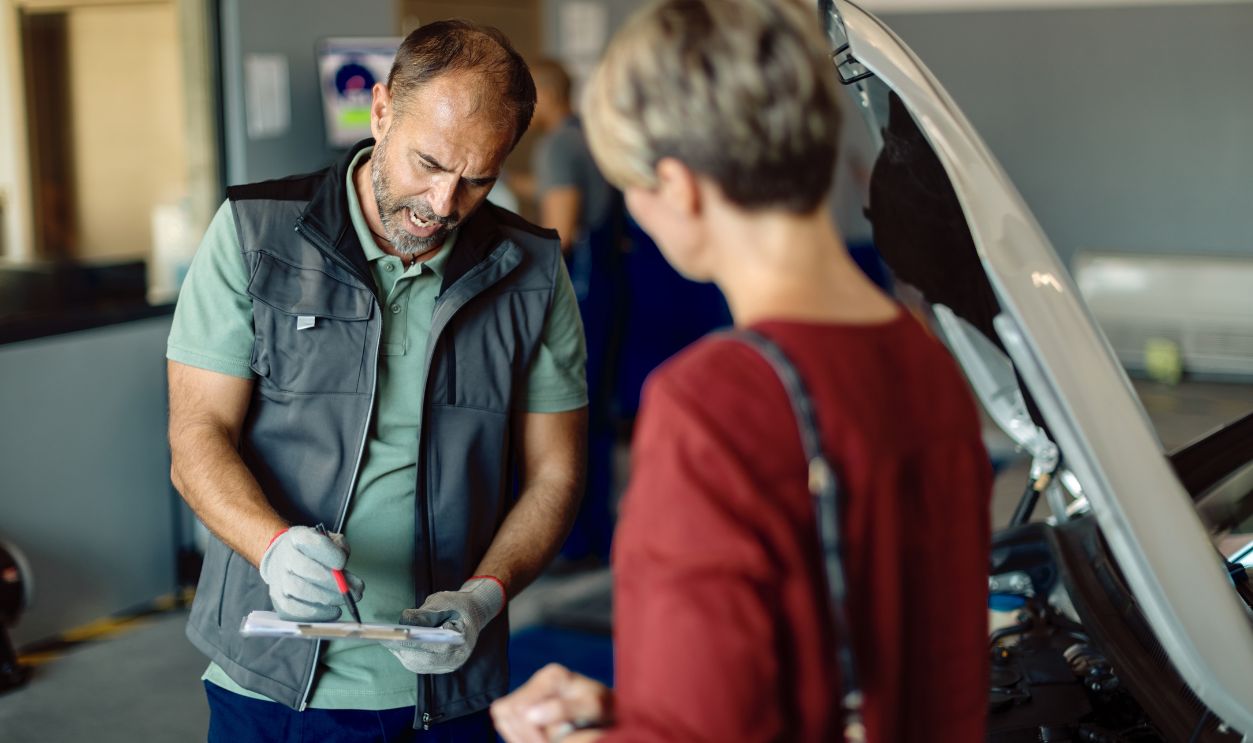
If the answer stays fuzzy, ask to speak with the service manager or owner. Keep it polite and stick to the facts. Point out the mileage difference, the repair dates, and the lack of clear documentation. The goal is to give the shop a fair chance to fix the issue before you take the next step.

Your Next Move May Be A Consumer Complaint
If the shop will not give a solid explanation, your state may have a consumer protection office or repair regulator that handles complaints. California’s Bureau of Automotive Repair is one example. In other states, complaints may go through the attorney general, a DMV-related office, or a consumer affairs agency. If you go that route, documentation will matter a lot.
 https://kaboompics.com/, Pexels
Credit Card Protections May Help
If you paid by credit card and believe the shop charged you for improper or unauthorized work, you may have dispute options through your card issuer. It is not a guaranteed fix, and the rules vary, but it can give you some leverage. Keep your paperwork, photos, and messages organized. A clear timeline always helps.

How To Protect Yourself Next Time
Before leaving your car at a shop, take a quick photo of the odometer and fuel level. Ask the service advisor to note both on the repair order. If the issue might need a road test, ask how much driving they expect and whether they will call before going past a certain number of miles. That small step can save you a major headache later.

It Also Helps To Be Fair
Drivers should leave some room for honest diagnostic work. A technician cannot solve every problem by looking at a parked car. Some issues only happen on the road, and some repairs really do need real-world testing. The fair middle ground is simple: necessary testing, explained ahead of time, backed up by records.

The Bottom Line On 180 Miles
Is 180 miles over two days of repair remotely normal? In most cases, no. Not as routine testing, and not without a very specific technical reason. It can happen in unusual cases involving intermittent faults or emissions drive cycles, but a legitimate shop should be able to document exactly why. If your mechanic cannot do that, your suspicion is reasonable.