The Rough Surprise After a Total Loss
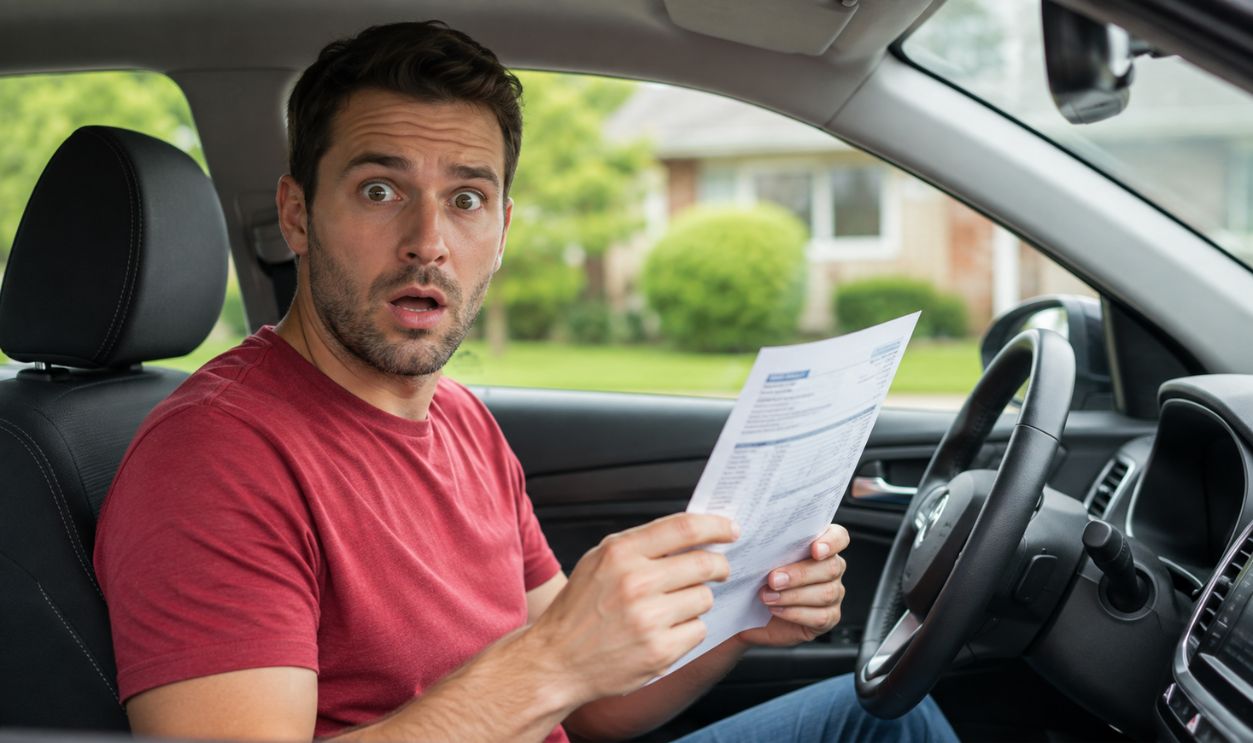
You expect insurance to make things right after your car is totaled. Then the settlement shows up, and it's not nearly enough to pay off your auto loan. That gap between what the car was worth and what you still owe is exactly what gap insurance is meant to cover—but lot of consumers realize that's only guaranteed if you had the right kind of protection in place.
What Gap Insurance Is Meant to Do
Gap insurance, also called guaranteed asset protection, usually pays the difference between your car’s actual cash value and the amount you still owe on your loan or lease after a covered total loss. The Insurance Information Institute explains that standard auto insurance pays actual cash value, not the price you paid or the balance left on your loan. That is where a lot of drivers get caught off guard.

Why Regular Insurance Often Falls Short
Cars usually lose value faster than loan balances go down, especially early in the loan. If you made a small down payment, took a long loan, or rolled old debt into a new car loan, you can easily end up owing more than the car is worth. The Consumer Financial Protection Bureau has warned that long auto loans can leave borrowers upside down for much of the loan term.

The Important Term Is Actual Cash Value
When an insurer totals a vehicle, the payout is usually based on actual cash value, or ACV. That means the car’s market value right before the crash, theft, or other covered event, minus any deductible. It is not replacement cost, and it is not your lender’s payoff amount.

Is This What Gap Insurance Prevents
In simple terms, yes. Gap coverage is there to keep you from being stuck with the leftover loan or lease balance after a total loss settlement comes up short. But the fine print matters, because gap insurance does not always pay every dollar listed on your payoff quote.

Why the Fine Print Matters So Much
Many gap policies do not cover overdue payments, late fees, missed-payment penalties, security deposits, extended warranties, or debt rolled over from an older vehicle. Some also limit how much they will pay above the car’s actual cash value. The National Association of Insurance Commissioners says policy terms vary, which is why two drivers with similar losses can end up with very different results.

You Can Have Gap and Still Owe Money
That is the part many people do not expect. A driver can have gap coverage and still owe money if the policy has a payout cap or leaves out negative equity from an earlier loan. If your payoff includes add-ons that are not part of the covered vehicle balance, the gap provider may not pay them.

Deductibles Can Leave You Short Too
Some gap products cover your collision or comprehensive deductible, but many do not. If your main insurer takes out a $500 or $1,000 deductible from the total loss payment, that amount may still be on you. It all comes down to the contract you bought, not the general idea of gap coverage.
 f.t.Photographer, Shutterstock
Gap Insurance and Gap Waivers Are Not the Same
This difference can matter more than it sounds. The CFPB says some lenders and dealers sell debt cancellation agreements or gap waivers instead of insurance. They can still help, but they are handled under contract law rather than insurance law, and the rules, terms, and refunds may be different.

Where Drivers Usually Buy It
Gap coverage usually comes from one of three places: your auto insurer, the dealership during financing, or the lender or leasing company. Price and terms can vary a lot, so it often makes sense to compare an insurer’s version with what the dealer is selling.

Dealer Add-Ons Can Cost More
The Federal Trade Commission has repeatedly warned buyers to be careful with add-on products sold in the finance office. Gap can be useful, but the dealer’s price may be much higher than similar coverage from your insurer. The FTC’s advice is straightforward: ask what it covers, what it leaves out, and whether you can get it somewhere else for less.

Refunds Matter More Than Most Drivers Realize
If you paid for gap upfront and then paid off the loan early, traded in the car, or refinanced, you may be owed a partial refund for the unused part. State rules and contract terms differ, but this issue has drawn serious attention from regulators and courts. A lot of drivers never realize there may be money they can claim back.

A Major Lawsuit Brought Gap Refunds Into Focus
In February 2023, the Consumer Financial Protection Bureau sued Credit Acceptance Corporation. The CFPB said the company failed to provide refunds for unused gap products and misled borrowers in connection with auto financing. The case put a spotlight on a problem consumer advocates had been warning about for years.

What the CFPB Says Happened
According to the CFPB’s 2023 announcement, borrowers who ended their loans early could be owed refunds for unused gap amounts. The bureau alleged that Credit Acceptance kept those refunds instead of returning them to consumers in many cases. Even if your loan has nothing to do with that company, the lesson is clear: ask whether your gap product is refundable.
 Frame Stock Footage, Shutterstock
State Regulators Have Flagged the Same Problem
Insurance and banking regulators in several states have issued guidance explaining that gap may be canceled or refunded if a loan ends early. The exact rules are not the same everywhere, but the core point is consistent. Keep your contract and ask direct questions anytime your loan changes.
 Tualek Photographer, Shutterstock
If Your Payout Came Up Short, Start With the Paperwork
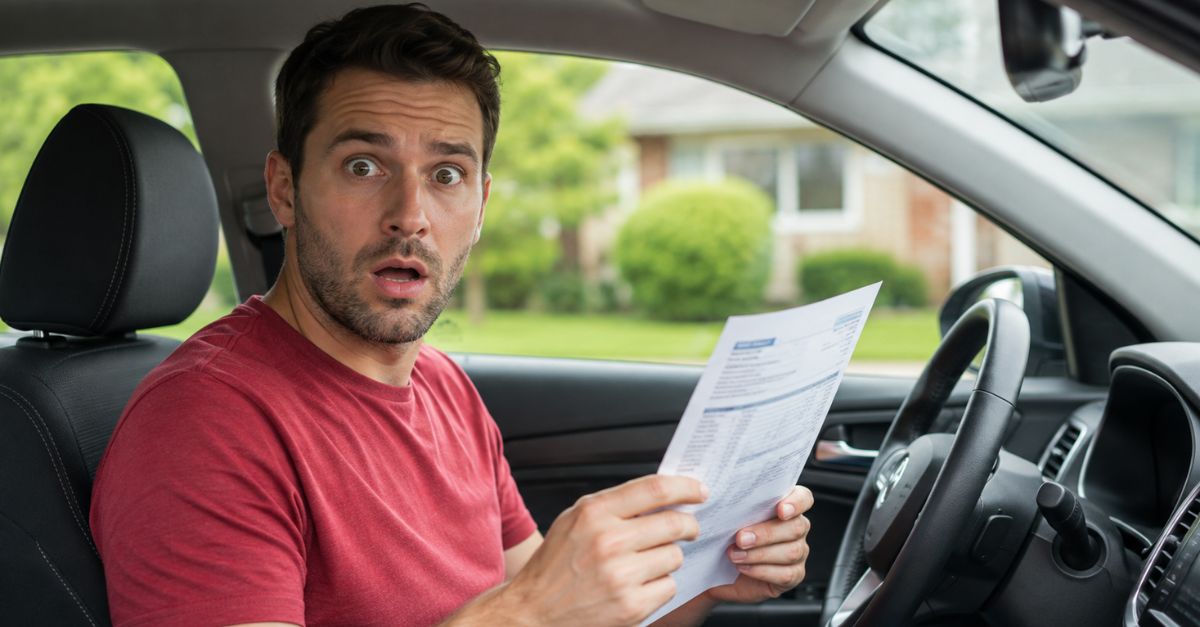
Do not guess. Put three documents side by side: your primary insurer’s total loss valuation, your lender’s payoff statement, and your gap contract or declarations page. Those papers usually show whether the shortfall came from depreciation, a deductible, excluded add-ons, or a payout limit.

Check the Total Loss Valuation Closely
Insurers usually use market data, mileage, vehicle condition, and comparable cars to figure out actual cash value. If the report has the wrong trim, options, mileage, or condition adjustments, your payout could be too low. Ask for the valuation report and go through it line by line.

You Can Push Back on a Low Valuation
If you spot mistakes or find better comparable sales, you can dispute the insurer’s number. The NAIC and many state insurance departments tell consumers to provide proof such as local listings, maintenance records, and evidence of trim level or equipment. A higher ACV can shrink or even erase what you still owe.

Ask Your Lender for a Per Diem Payoff
Loan balances change every day because interest keeps building. A payoff quote from last week may not match what is owed when the insurer sends payment. Ask the lender for a payoff statement that includes a per diem amount so you can see exactly how the balance was figured.

Watch for Rolled-In Debt From Your Last Car
This is one of the biggest reasons people think gap let them down. If you traded in a car with negative equity and that old debt was rolled into the new loan, the extra amount may not be covered. Many gap contracts specifically exclude unpaid balances from an earlier loan or lease.

Extended Warranties and Service Contracts Can Add to the Problem
Finance contracts often bundle in optional products like service contracts, tire coverage, maintenance plans, and credit insurance. If those costs were financed into the loan, they can push up the payoff after a total loss. Gap coverage may not repay all of them, though some of those products may be canceled separately for a prorated refund.
Long Loan Terms Raise the Risk
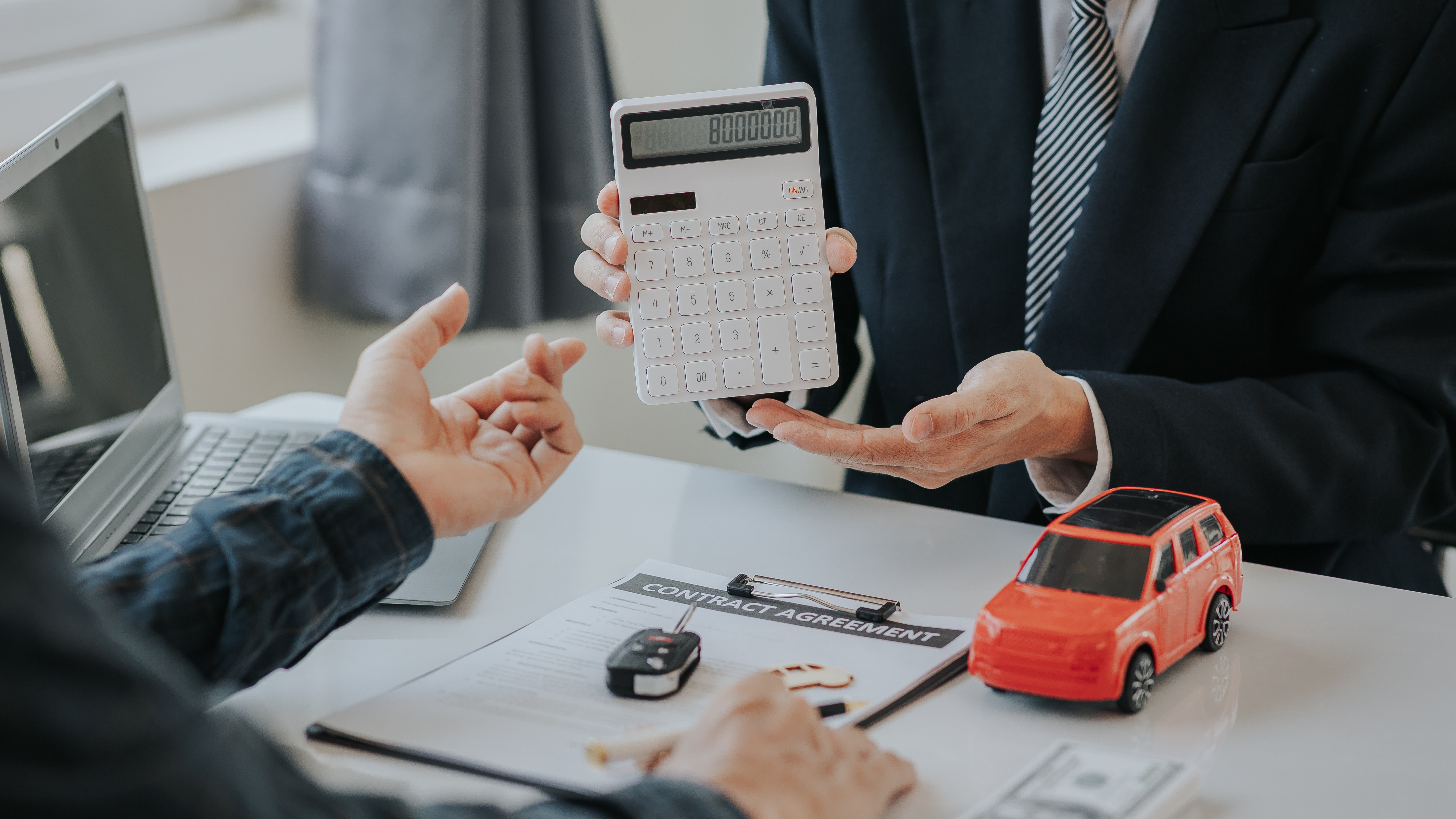
The longer the loan, the slower your balance usually drops compared with the car’s value. The CFPB has warned that extended loan terms can raise the chances that borrowers stay underwater. That is one reason gap is often recommended for loans lasting 72 months or more.

Small Down Payments Change the Math Fast
A small down payment can leave you owing almost the full purchase price on day one while the car starts losing value right away. Add taxes, fees, and optional products, and the loan can be higher than the car’s value before you even make the first payment. Gap is designed for exactly that kind of mismatch.

Leases Often Include Gap From the Start
Many lease agreements include gap protection automatically, though not all of them do. The Insurance Information Institute notes that gap is especially common in leasing because a total loss can leave a big gap between the car’s value and what is still owed under the lease. Still, you should check the contract instead of assuming it is included.

When Gap Usually Makes Sense
Gap usually makes the most sense when your loan-to-value ratio is high. That often means a low down payment, a long loan, a vehicle that loses value quickly, or negative equity rolled into the deal. If covering a shortfall after a total loss would be a real financial hit, gap is worth a close look.

When Gap May Not Be Worth It
If you made a large down payment and your loan balance is well below the car’s market value, gap may not do much for you. The same can be true later in the loan after you have paid down enough principal. Check the numbers from time to time, because something that made sense in year one may not make sense in year four.

What to Do Right Now if You Still Owe Money
First, confirm that you actually bought gap coverage and find out whether it is insurance or a waiver. Second, ask for a written explanation of any denial or partial payment and compare it with the contract language. Third, if something looks off, contact your state insurance department, your state attorney general, or the CFPB, depending on who sold the product and how it is regulated.

The Bottom Line on That Shortfall
Yes, gap insurance is meant to stop you from owing money after a total loss when your car is worth less than your loan balance. But it is not a cure-all for every charge packed into an auto loan, and it only works if the right coverage was in force. If your payout came up short, the answer is usually buried in the contract, the valuation report, or the loan payoff details.