The Short Answer
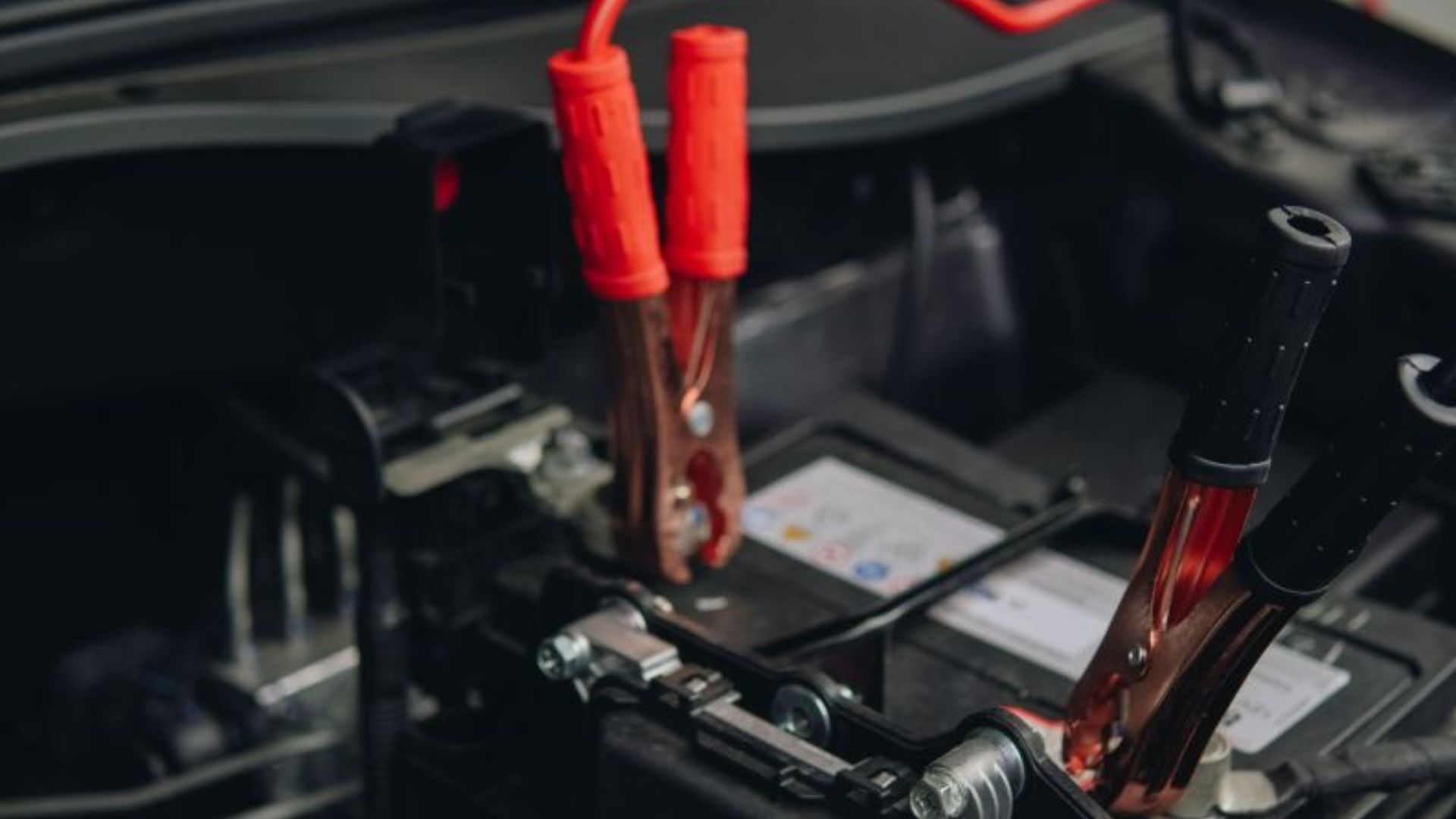
Your friend is not completely wrong, but the full story is less dramatic. Jump-starting a modern car can damage electronics if it is done the wrong way, especially if the cables are reversed or a big voltage spike happens. But when it is done properly, jump-starting is still a normal procedure recognized by automakers, battery makers, and safety groups.
 Gustavo Fring, Pexels, Modified
Why This Fear Exists
Modern cars are loaded with control modules, sensors, infotainment systems, and other electronics older cars never had. That makes people nervous about hooking up another battery. The concern is fair, because sensitive electronics do not handle major wiring mistakes well.
 Shixart1985, Wikimedia Commons
Cars Got A Lot More Electronic In A Hurry
By the 1990s and 2000s, electronic engine controls, anti-lock brakes, airbags, and body control modules had become standard in many vehicles. In the 2010s, start-stop systems, driver-assist features, and bigger screens added even more complexity. A modern vehicle can have dozens of modules talking over internal networks, which means more can go wrong if voltage ends up where it should not.
The Biggest Danger Is Human Error
The main reason a jump-start goes bad is not that the idea itself is unsafe. It is that someone hooks up the cables backward, clamps onto the wrong spot, or makes a spark near a battery venting hydrogen gas. Those risks have always been there, but in a modern car a mistake can mean damaged modules on top of a dead battery.
 Mobiletireservicegta, Wikimedia Commons
Reverse Polarity Is The Real Electronic Killer
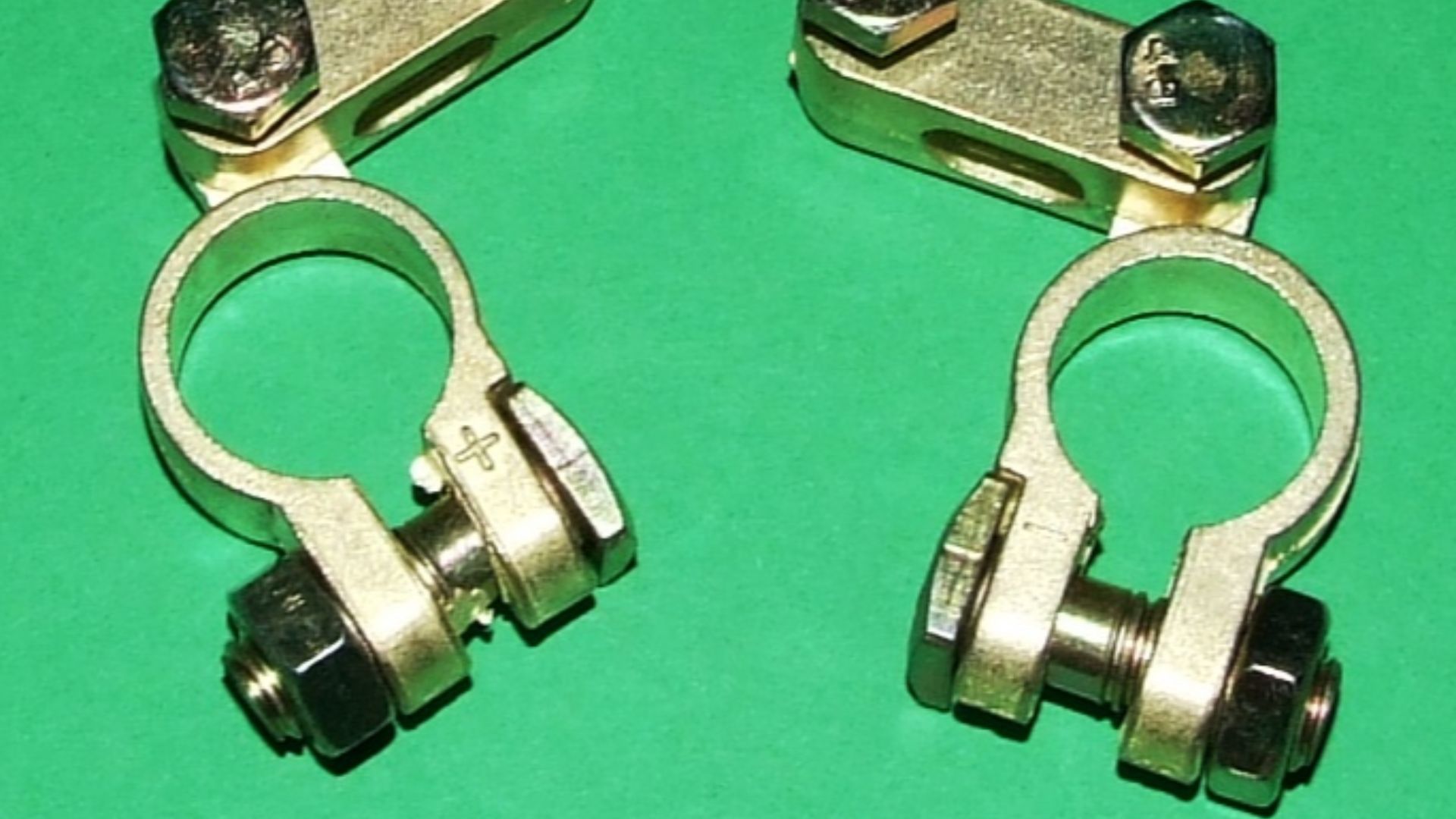
Connect positive to negative, even for a moment, and the damage can be immediate. Fuses may blow first, but sensitive modules can fail before those protections kick in. Battery maker Clarios warns that reversed jumper cable connections can damage both vehicles and create a serious safety hazard.
 Aleksander Ślązak, Wikimedia Commons
Voltage Spikes Are A Legit Concern
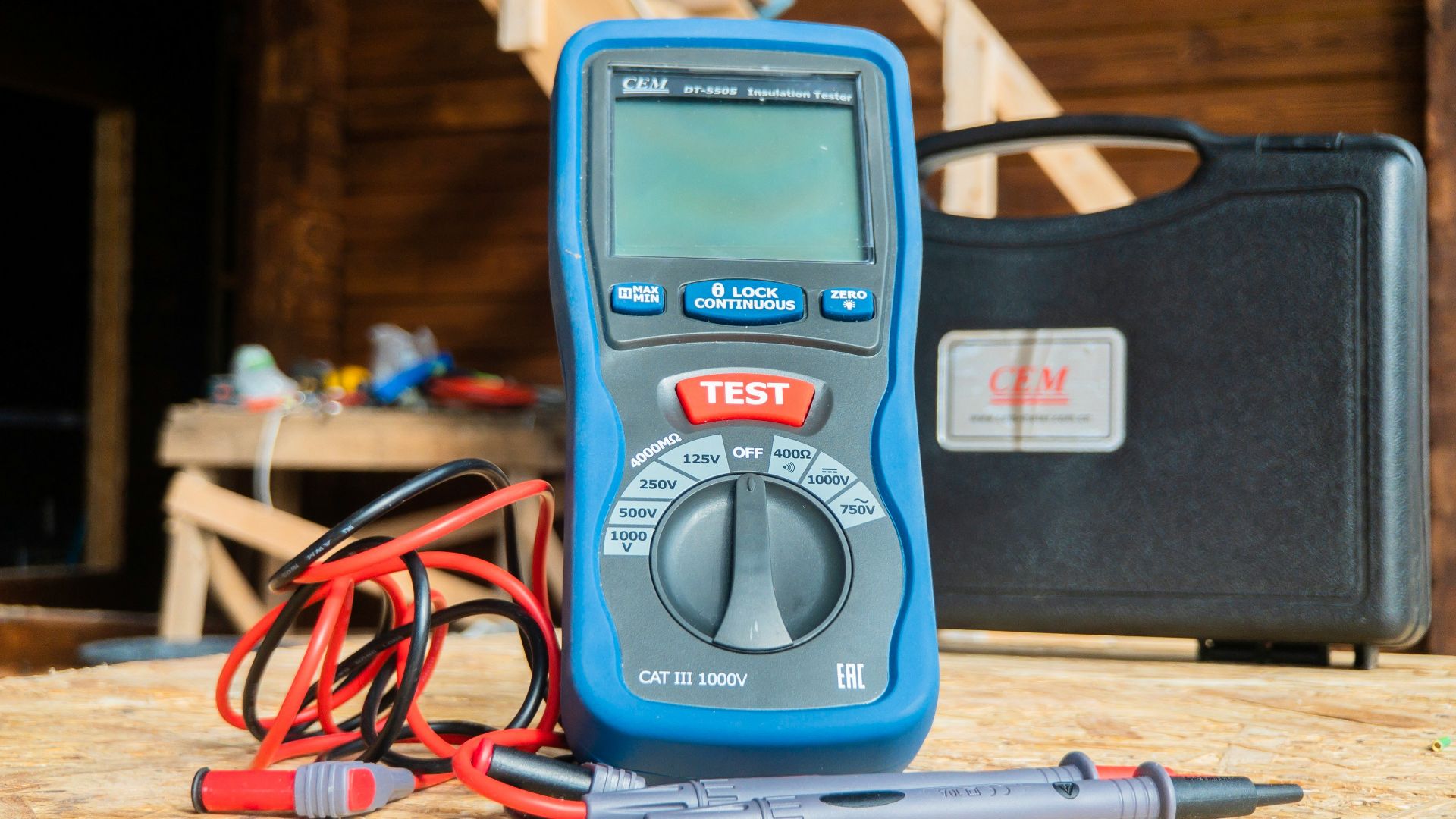
Even when polarity is correct, sudden electrical surges are not great for electronics. That is one reason many technicians would rather use a stable jump pack than another running vehicle. The issue is not that every jump-start creates a spike big enough to fry a car. It is that sloppy procedure can create conditions modern electronics do not like.
What Safety Experts Actually Say
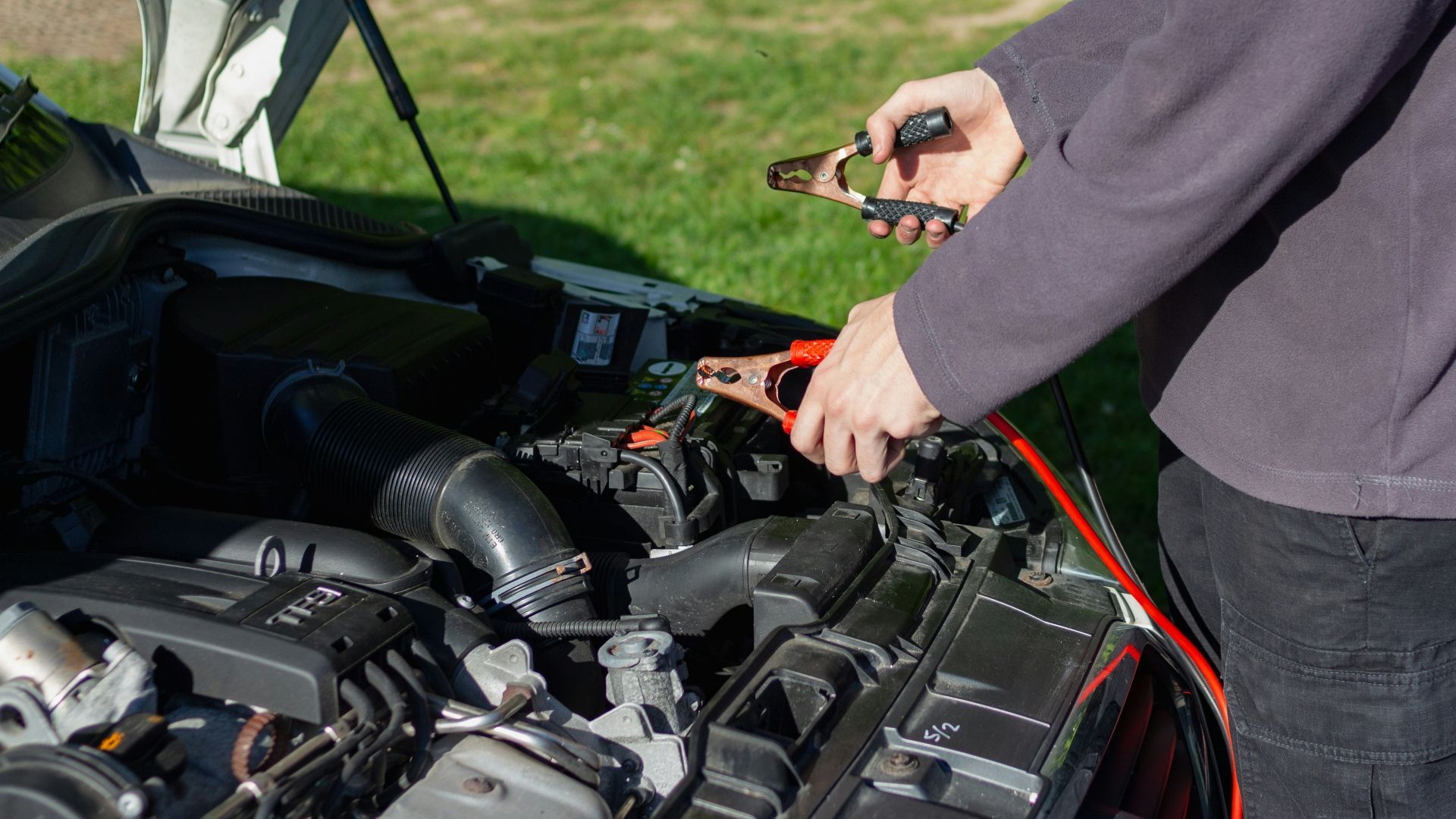
The National Safety Council does not tell people to avoid jump-starting modern vehicles altogether. Instead, it gives a step-by-step process meant to reduce sparks, battery explosions, and wiring mistakes. That says a lot. The standard view is practical, not alarmist.
 Daniel @ bestjumpstarterreview.com, Unsplash
Why The Engine On Or Off Debate Matters
You have probably heard mixed advice about whether the donor car should be running. Consumer Reports says to follow the owner’s manual first, because vehicle designs differ and some manufacturers give specific directions. In general, the key is not to wing it. Use the procedure your car calls for.
 Shixart1985, Wikimedia Commons
The Owner’s Manual Is Not Just Legal Fine Print
This is one of those times when the manual can save you real money. Automakers often list specific jump points, especially on cars where the battery is tucked away in the trunk or under a seat. They may also warn against connecting directly to the negative battery terminal in certain setups.

Some Cars Want You To Use A Chassis Ground
A common instruction is to connect the last negative clamp to an unpainted metal ground point away from the dead battery. That lowers the chance of igniting hydrogen gas near the battery. It also helps keep the current path in line with what the manufacturer intended.
 Daniel @ bestjumpstarterreview.com, Unsplash
AGM And EFB Batteries Changed The Conversation
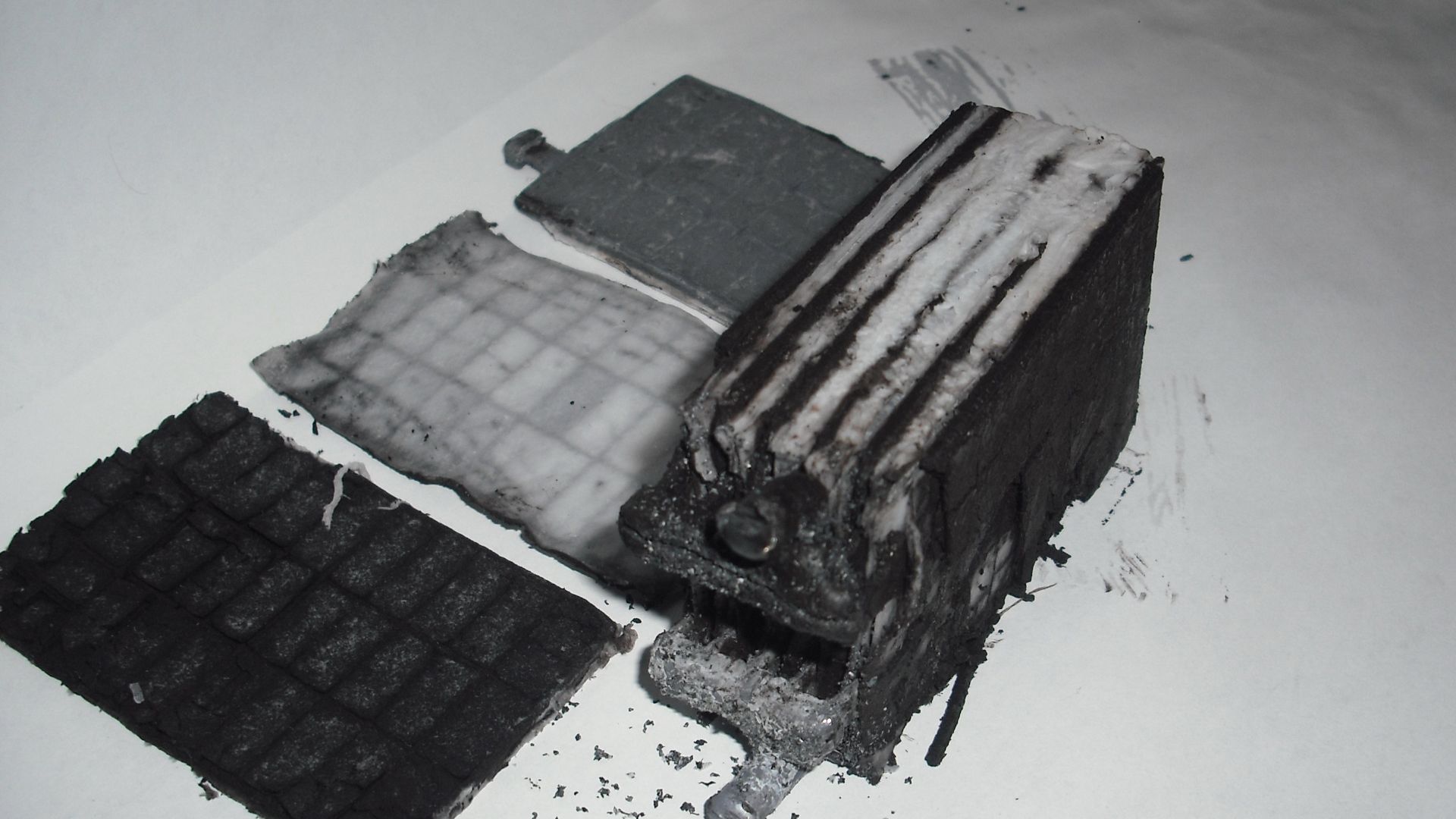
As stop-start systems spread, absorbed glass mat and enhanced flooded batteries became more common. These batteries can charge differently than older flooded lead-acid units. That does not mean they cannot be jump-started. It just means the battery type and the vehicle instructions matter more than they used to.
 Lukas A., CZE, Wikimedia Commons
Hybrids And EVs Need Extra Caution
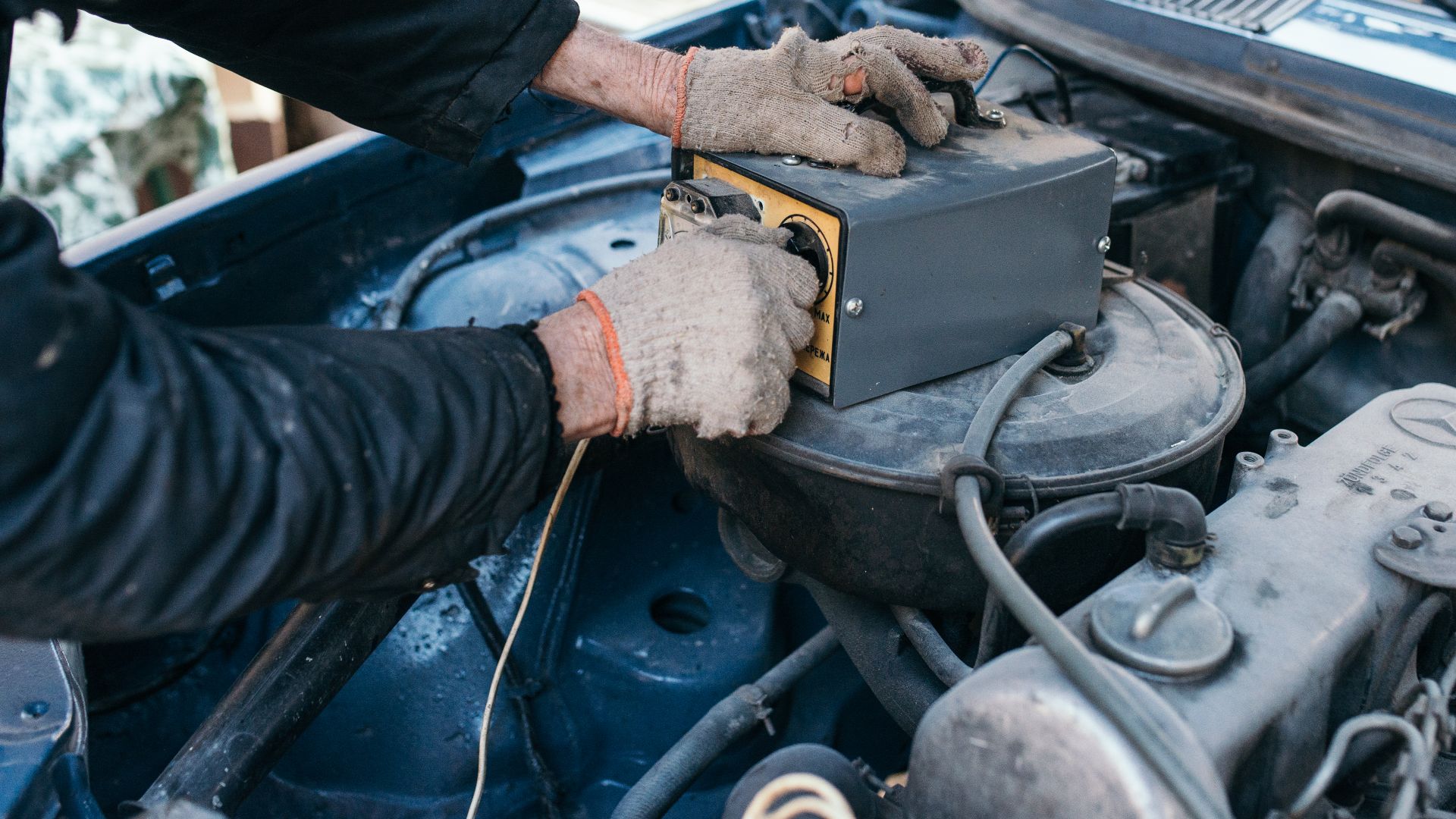
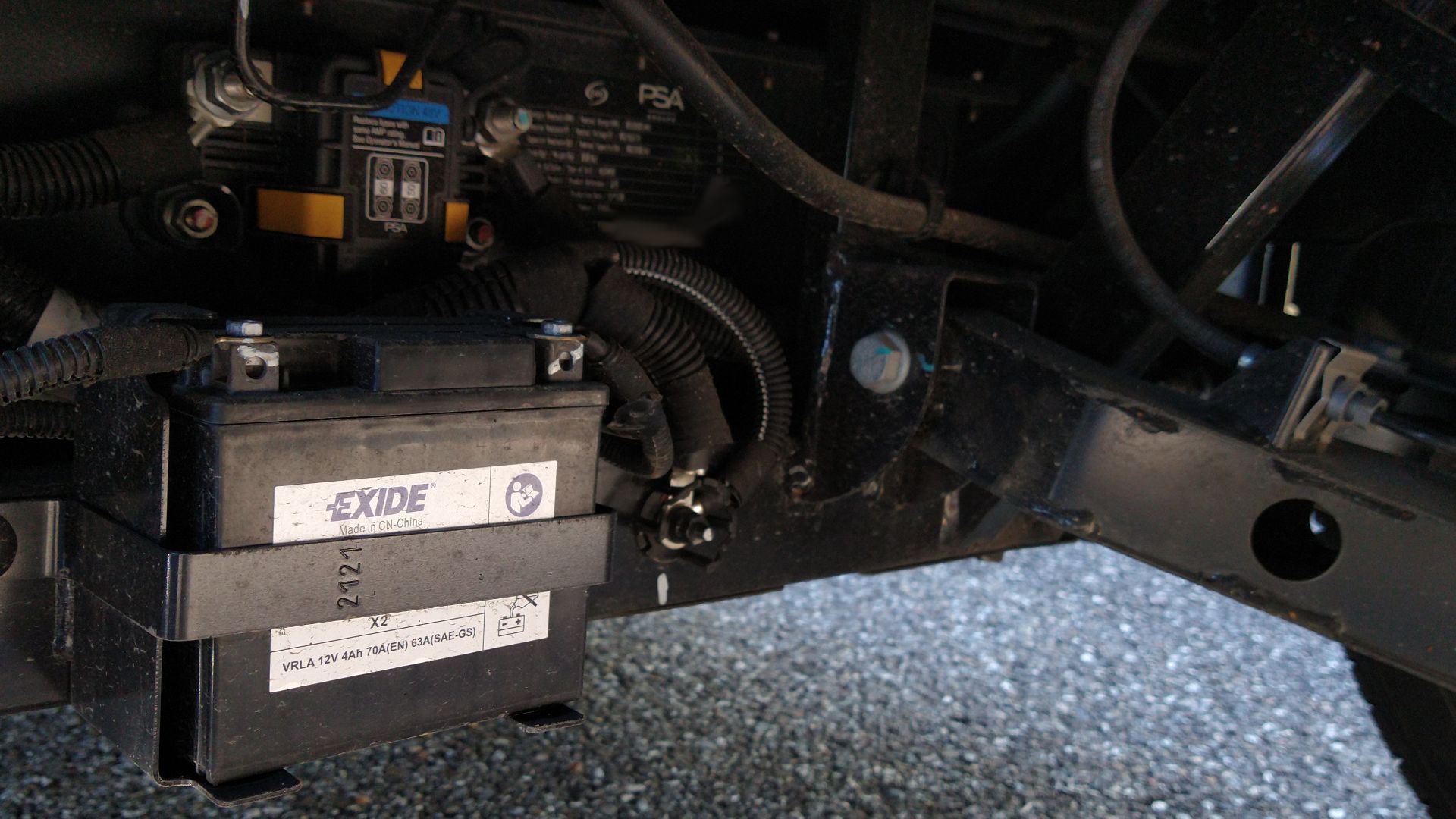
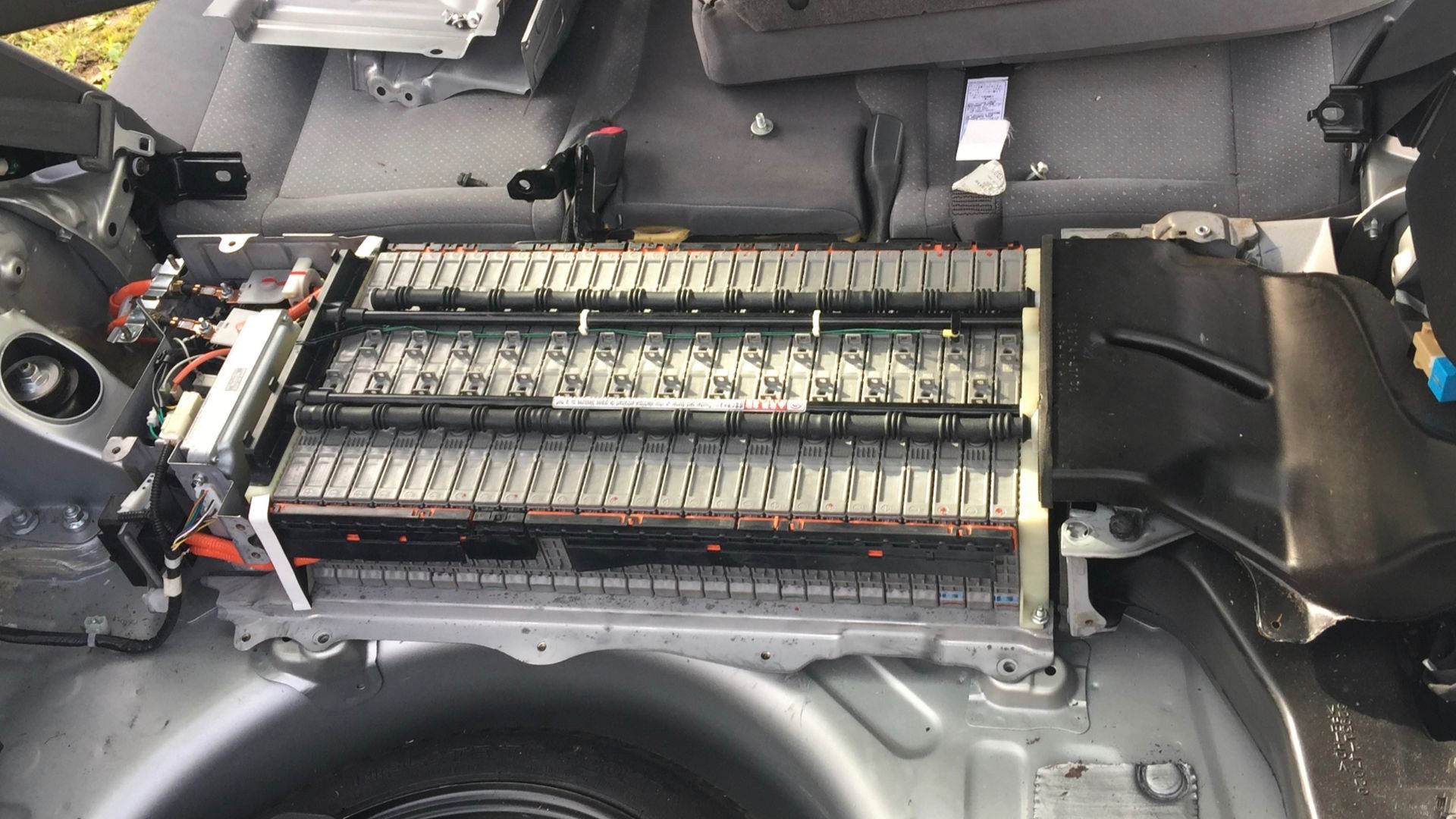
Many hybrids and EVs still use a 12-volt battery to wake up computers and close high-voltage contactors. If that 12-volt battery dies, the vehicle can seem completely dead even when the traction battery is fine. Manufacturers usually provide specific jump-start points and warnings, and those instructions should be followed exactly.
You Are Usually Not Jump-Starting The Big Battery
This matters most with hybrids and full EVs. The jump-start procedure usually powers up the low-voltage 12-volt system, not the high-voltage drive battery. That helps explain why owner instructions can be so specific and why advice from older gas cars does not always carry over.
 User:Ww2censor, Wikimedia Commons
Portable Jump Packs Changed The Game
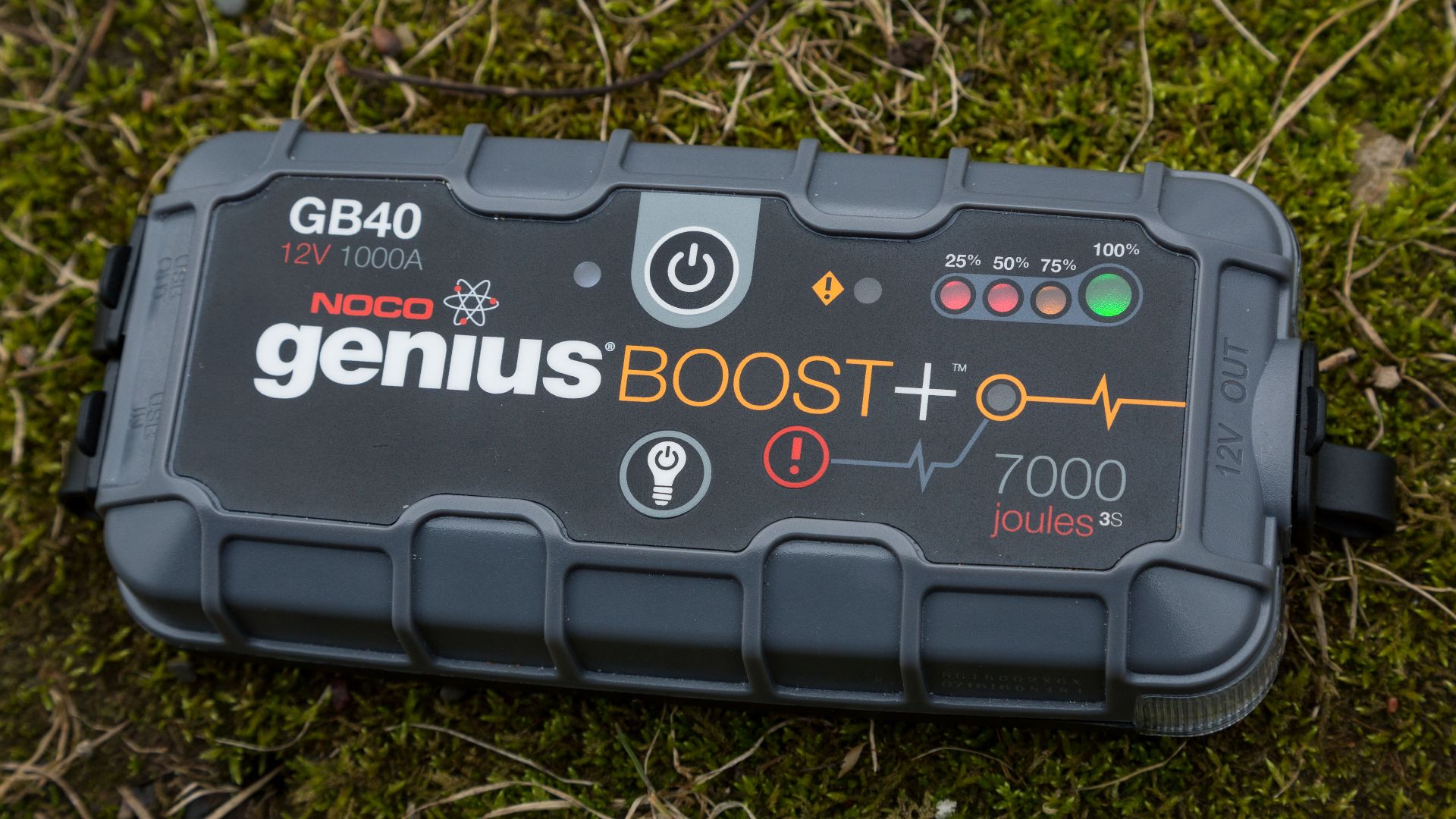
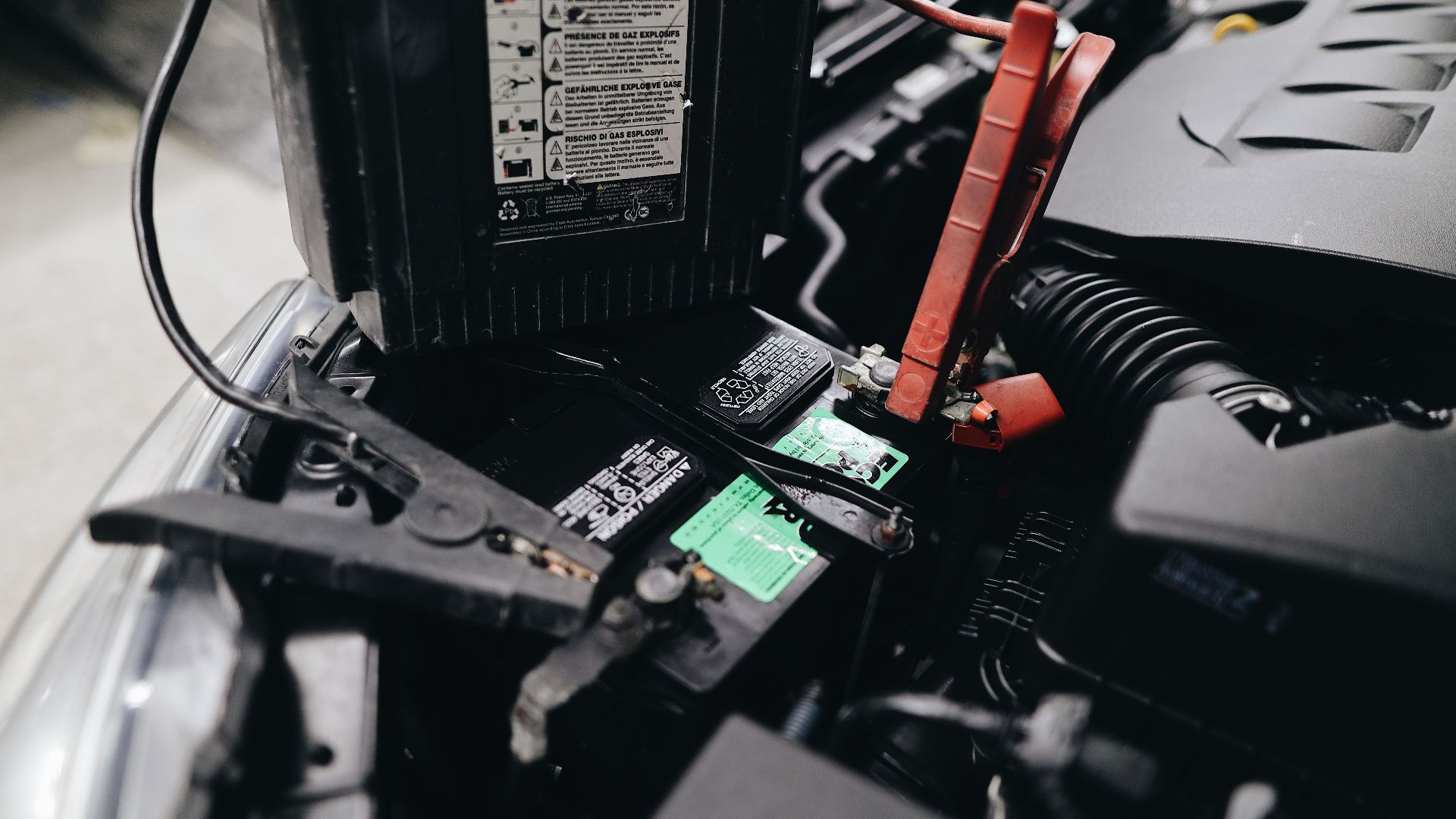
Modern lithium jump starters have made the job easier and often safer for everyday drivers. Many have reverse-polarity protection, short-circuit protection, and spark-resistant connectors. They are not foolproof, but they can cut the odds of an expensive mistake.
 Tony Webster from Minneapolis, Minnesota, United States, Wikimedia Commons
Battery Condition Still Matters
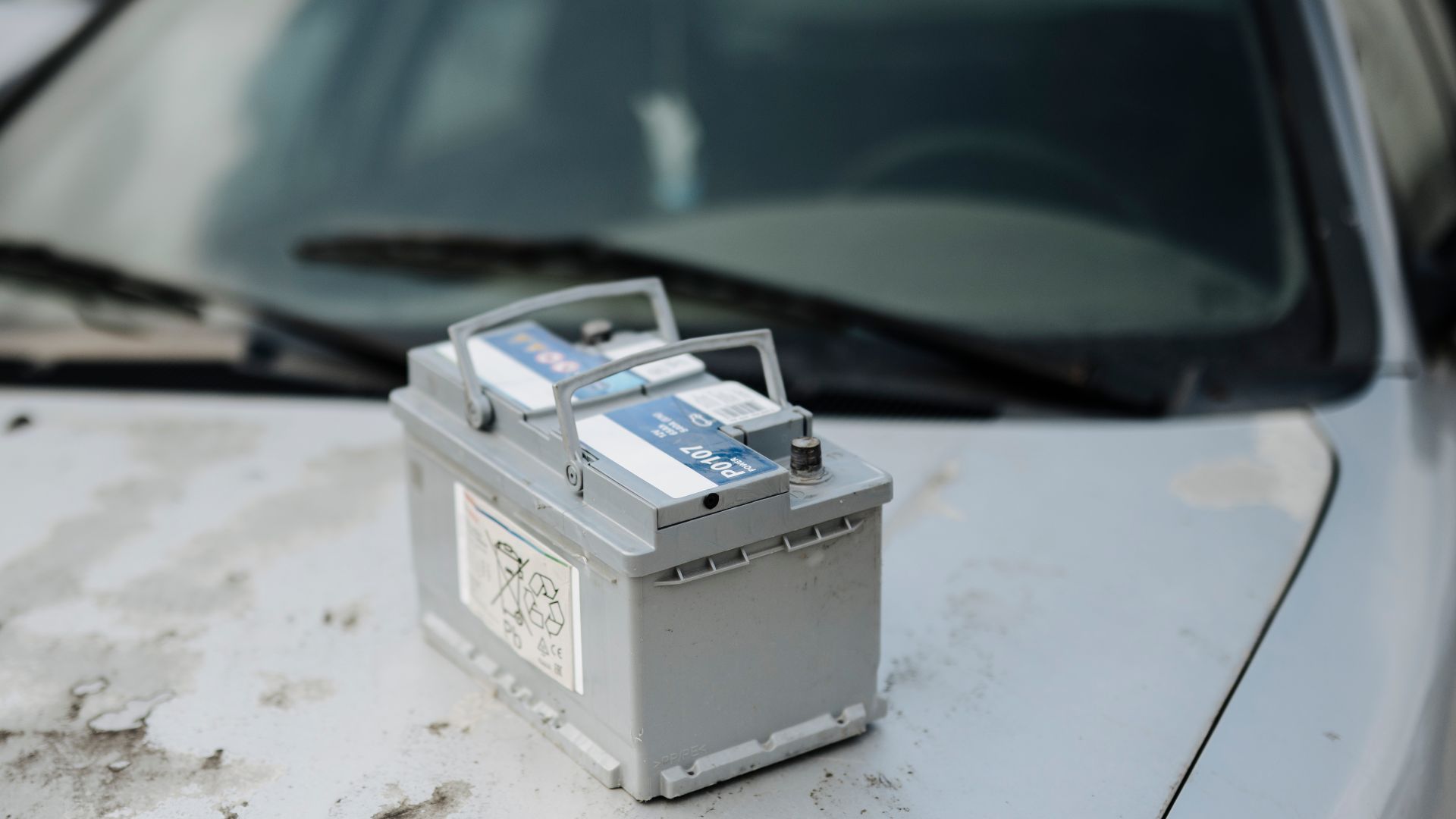
If a battery has an internal short, is frozen, leaking, or visibly damaged, jump-starting may be a bad idea. The Battery Council International and other safety guides warn that damaged batteries can vent explosive gas or fail without much warning. Sometimes the smart move is to stop trying to jump it and replace the battery or have it checked by a professional.
 MarkBuckawicki, Wikimedia Commons
A Dead Battery Is Often A Symptom
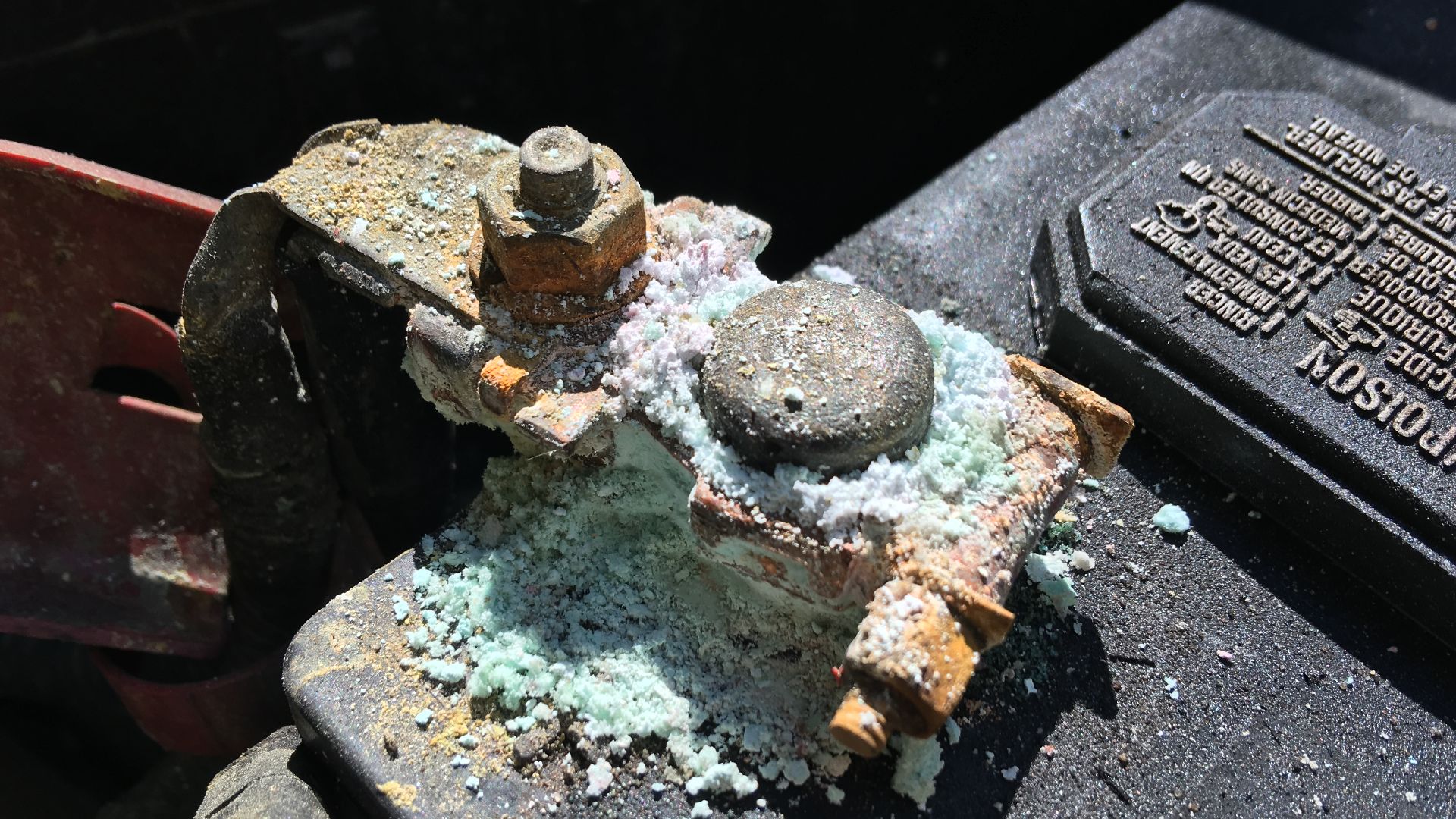
Even if the jump works, that still does not explain why the battery died. The cause could be an old battery, a failing alternator, a parasitic drain, corrosion at the terminals, or simply lights left on overnight. If the car keeps needing jumps, the battery and charging system should be tested.
 Shixart1985, Wikimedia Commons
How To Do It The Safer Way
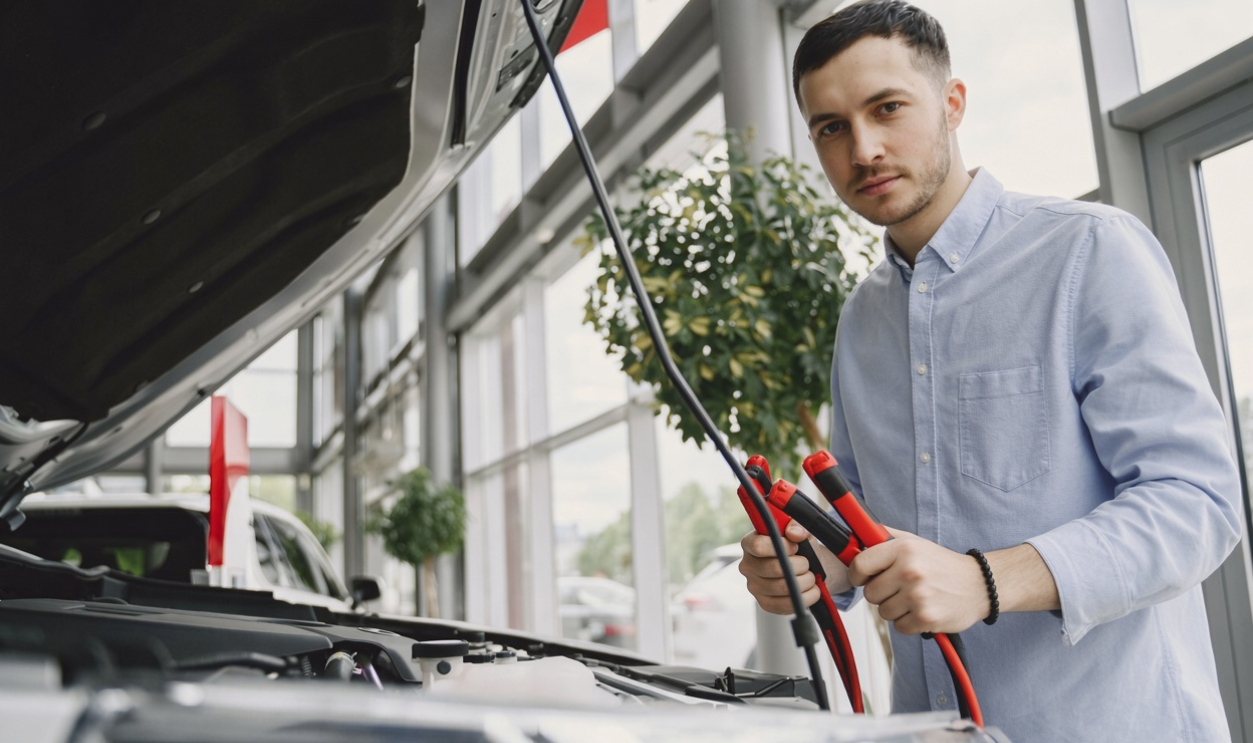
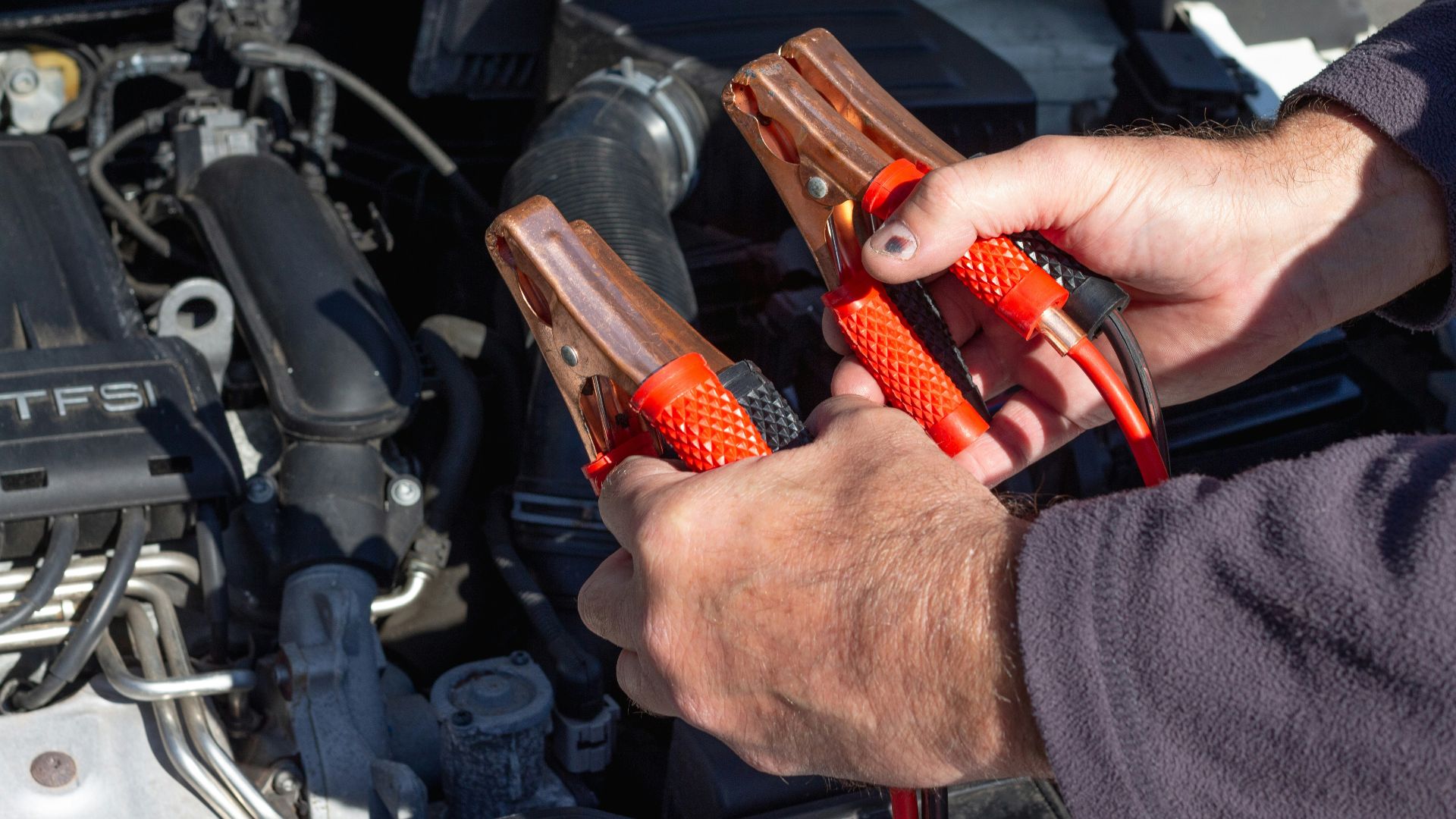
The basic process is pretty consistent across trusted sources. Park the vehicles so they do not touch, turn off ignitions and accessories, identify the positive and negative terminals, and connect everything in the correct order. The last negative connection usually goes to a solid metal ground on the disabled vehicle, not right next to the battery.
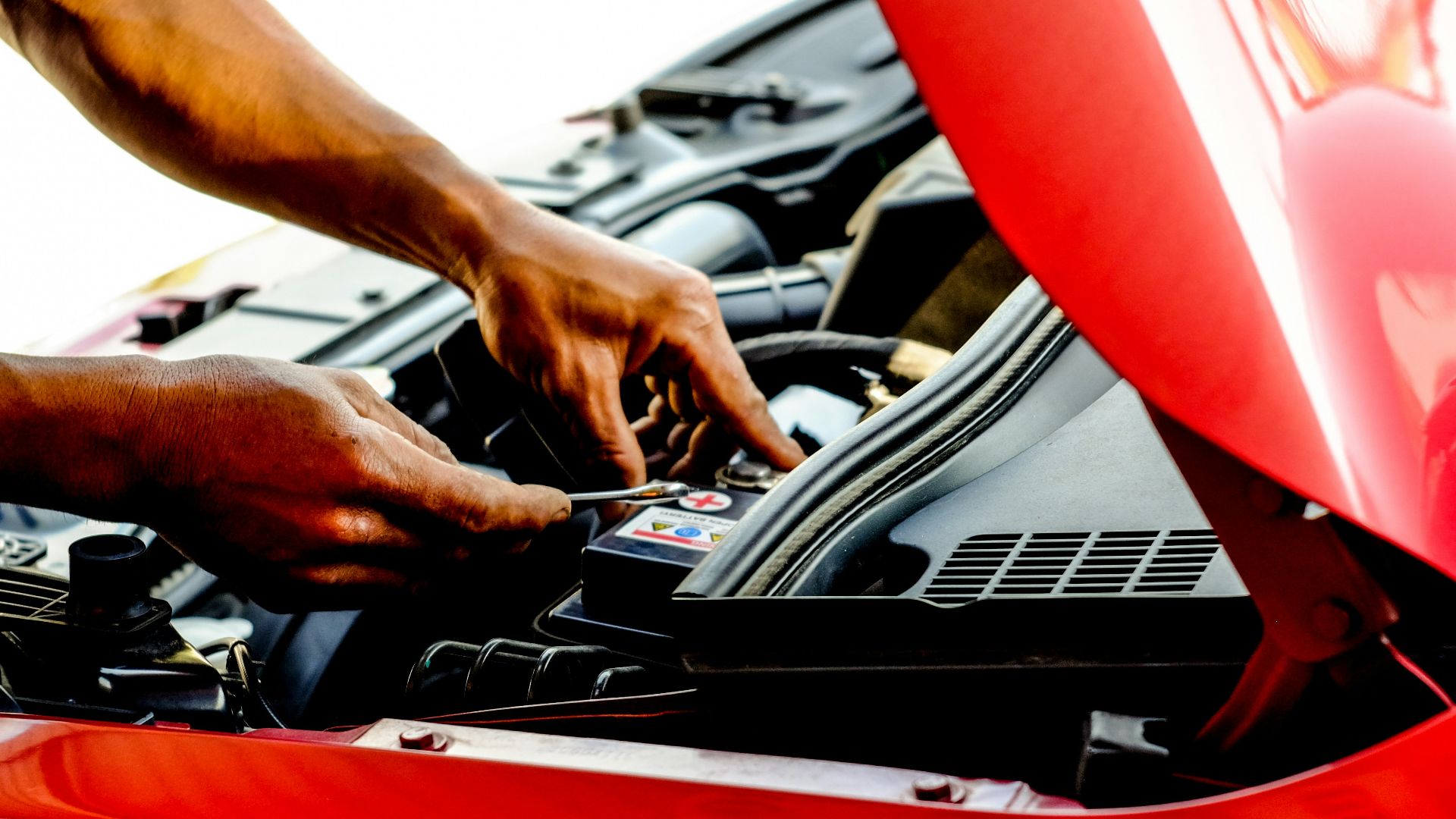
The Connection Order Matters
Attach the positive cable to the dead battery first, then to the donor battery’s positive terminal. Next attach the negative cable to the donor battery’s negative terminal, then connect the last clamp to the recommended ground point on the disabled vehicle. This order is widely recommended because it helps limit sparks near the discharged battery.
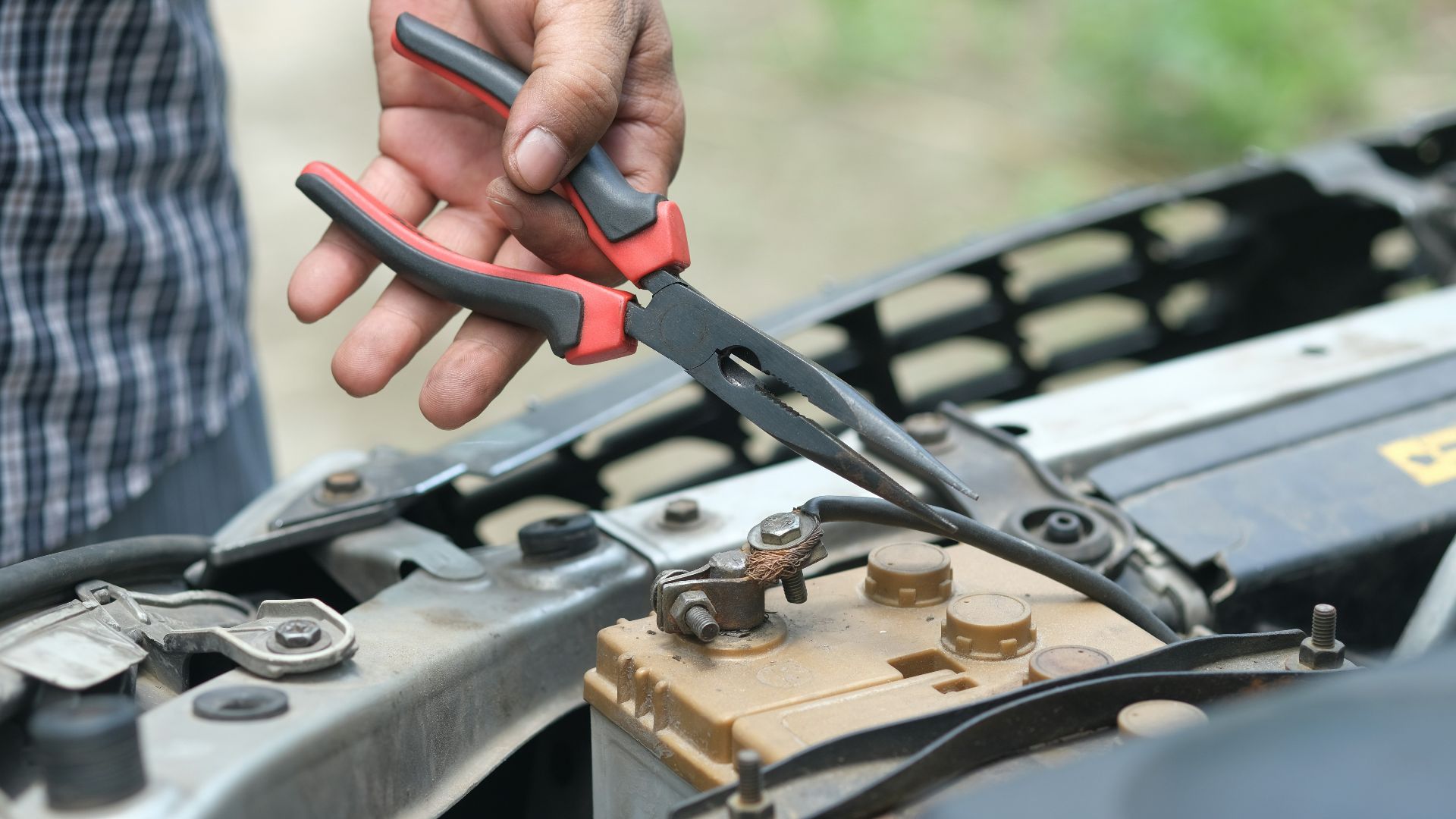
Starting The Car Is Only Part Of The Job
Once the disabled vehicle starts, do not rip the cables off right away. Let the vehicle settle briefly, then remove the cables in the reverse order of installation. After that, drive long enough to recharge the battery a bit, but keep in mind that a deeply discharged battery may still need proper charging or replacement.
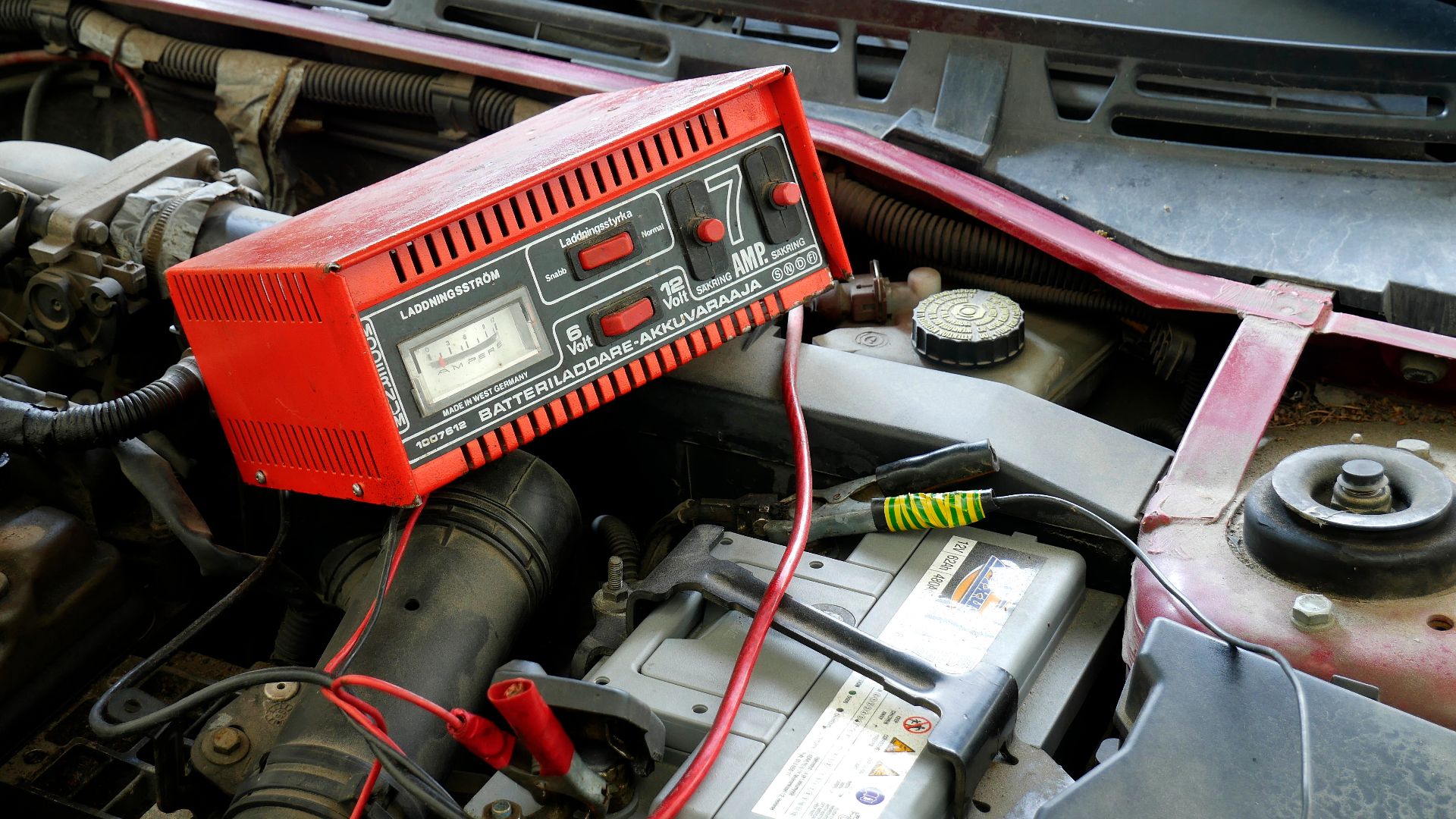 Santeri Viinamäki, Wikimedia Commons
Why Modules Sometimes Fail After A Jump
When owners say a jump-start fried their electronics, the jump may not always be the only cause. A dying battery can create low-voltage conditions that already confuse modules, trigger warning lights, or store fault codes. In other cases, the real culprit is reversed polarity, poor grounding, or an unsafe booster device.
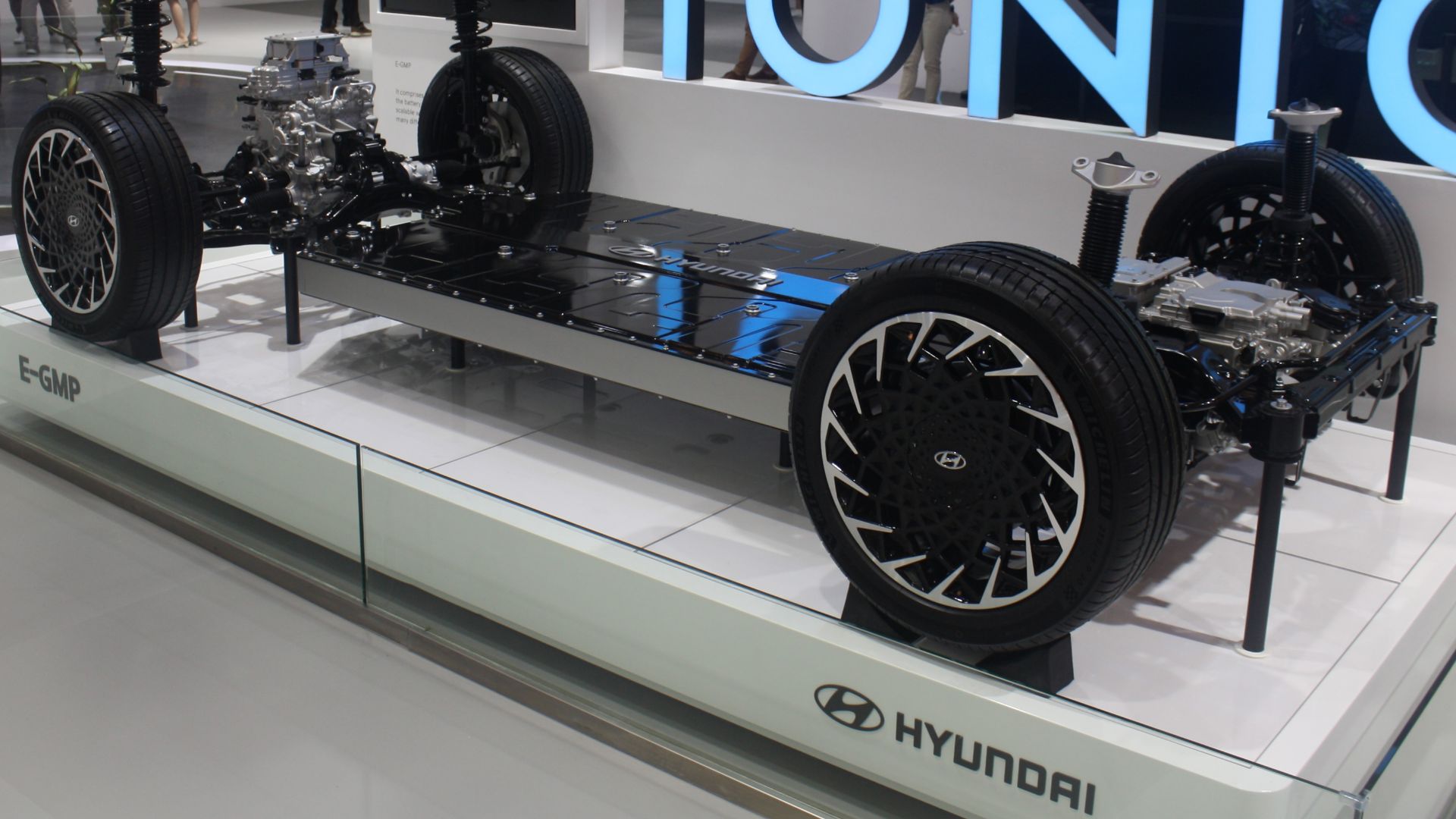 Andra Febrian, Wikimedia Commons
Professional Shops See The Difference
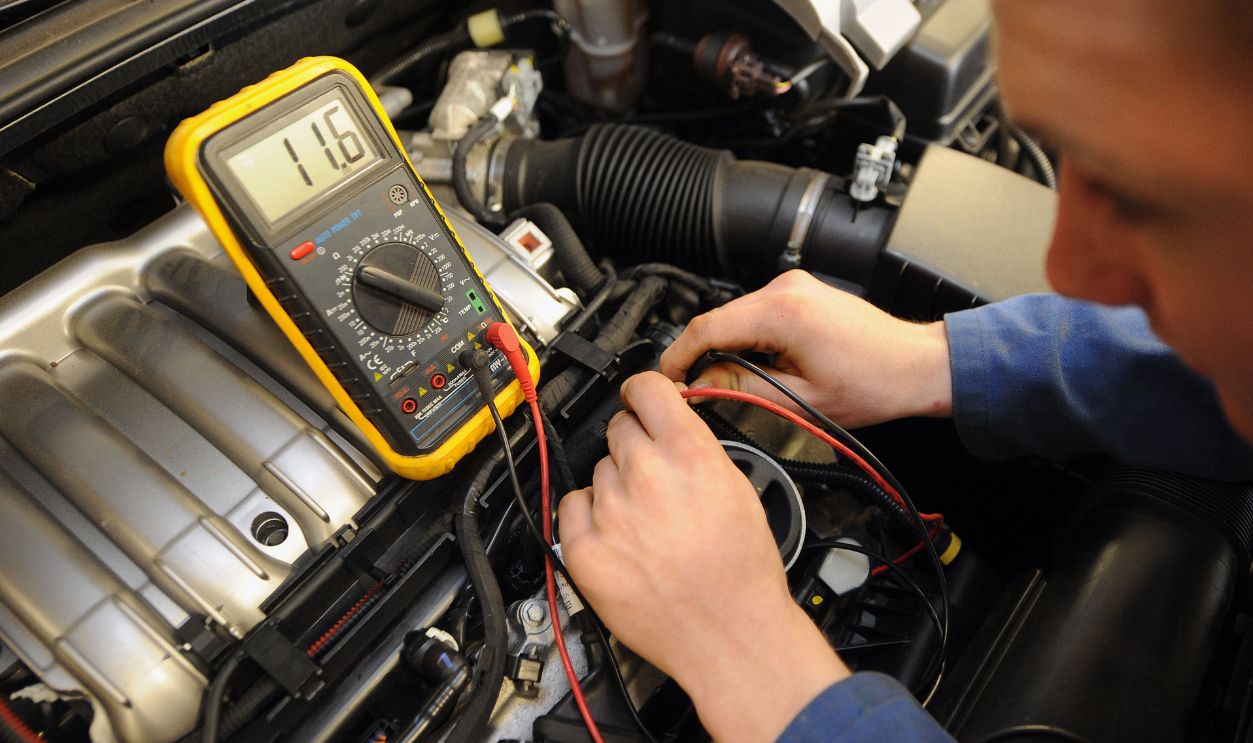
Technicians know there is a huge difference between a careful jump-start and a careless one. A proper power supply, memory saver, or quality booster pack can support a vehicle with far less drama than cheap cables and guesswork. In other words, the tool and the method often matter more than the age of the car.
Start-Stop Cars Can Be Picky
Vehicles with start-stop systems often keep a close eye on battery condition. A weak battery or the wrong replacement can cause strange behavior, warning messages, or stop-start to quit working. That is one reason modern cars seem more fragile, even though the deeper issue is usually battery management rather than the jump-start itself.
 ScrewsHirsch, Wikimedia Commons
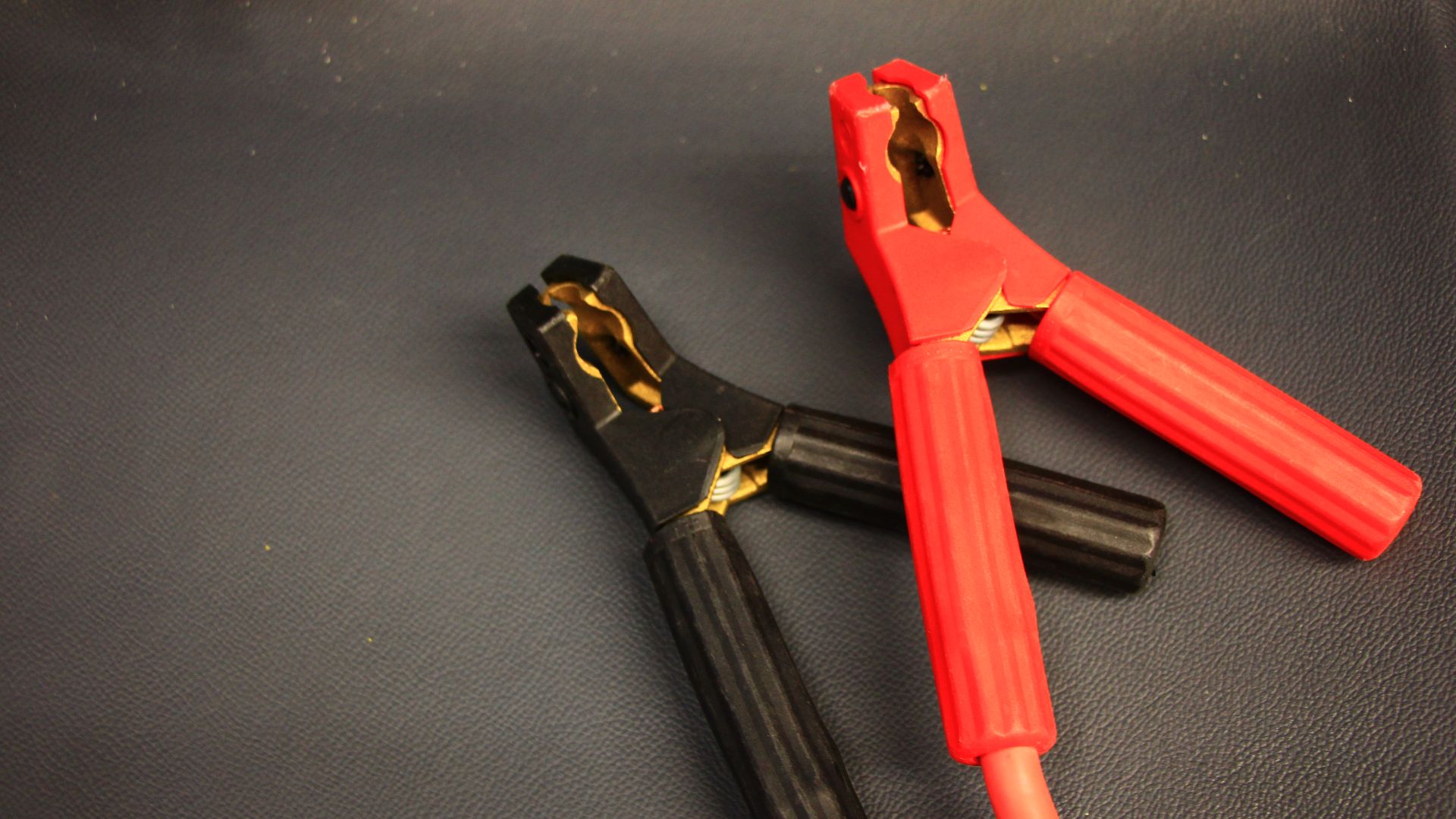
Corrosion And Bad Clamps Cause Trouble Too
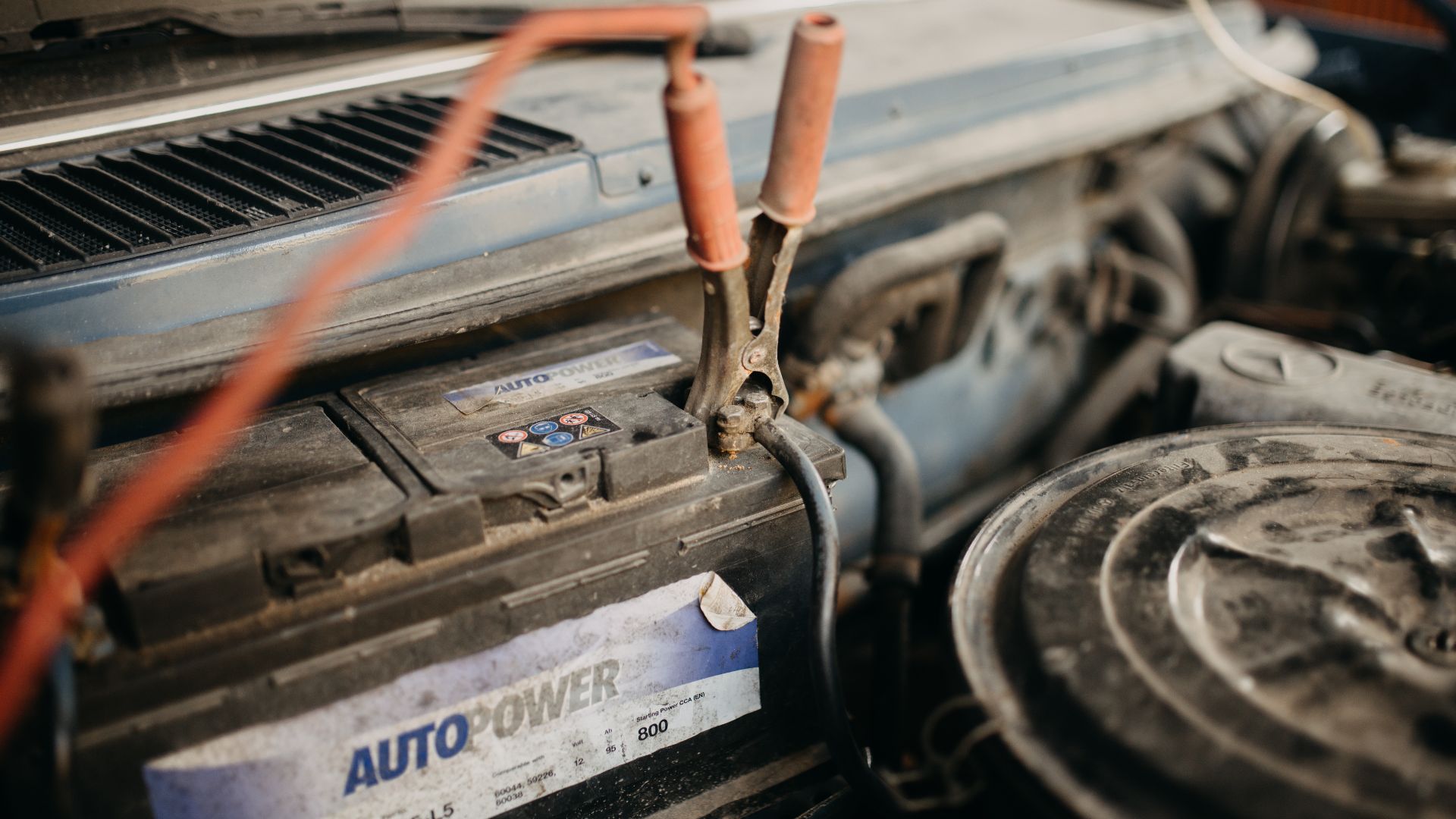
A poor connection can create resistance, heat, and unreliable current flow. That can leave you with clicking relays, dim lights, or a no-start problem that looks like some mystery electronics failure. Cleaning the terminals and making sure the clamps bite firmly can solve more trouble than many drivers expect.
 Karl Gruber , Wikimedia Commons
When Not To DIY
If the battery case is cracked, the terminals are loose, there is a rotten-egg smell, or the car is in a dangerous spot near traffic, this is not the time to do it yourself. Roadside assistance is cheaper than replacing control modules or getting hurt. The same goes if the owner’s manual has special instructions you are not confident you can follow.
 Shixart1985, Wikimedia Commons
So, Can A Jump-Start Fry A Modern Car
Yes, it can, but that is not the same as saying jump-starting modern cars is inherently unsafe. The real risk comes from doing it wrong, ignoring the owner’s manual, or using damaged equipment. With correct polarity, proper connection points, and a good jump pack or donor vehicle, a jump-start is usually safe and uneventful.
The Best Practical Advice
If you want the lowest-risk option, keep a quality lithium jump pack in the car and read your manual before you ever need it. Know where the jump points are, inspect the battery for damage, and never guess on polarity. That way, the only shock is to your schedule, not your car’s electronics.