The Certified Badge Feels Reassuring
Your friend is not wrong that a certified pre-owned car can be a safer bet than a random used car. But certified does not mean the same thing everywhere, and it does not promise a perfect car. The real value depends on who did the certifying, what kind of inspection the car went through, and what warranty coverage actually comes with it.

What Certified Pre-Owned Usually Means
In the car business, certified pre-owned usually means a used vehicle that meets an automaker or dealer program’s standards. These cars are often newer models with limits on age and mileage, and they are usually inspected before sale. The Federal Trade Commission says a dealer should be able to explain exactly what was inspected and what protection comes with the car.

CPO Is Not One Universal Standard
This is where a lot of shoppers get tripped up. A factory-backed CPO vehicle from a brand like Toyota, Honda, or BMW is not the same as a dealer-labeled certified car on an independent lot. Consumer Reports has pointed out that inspection quality, warranty coverage, and other benefits can vary a lot from one program to another.

Factory Certified and Dealer Certified Are Not the Same
A manufacturer-backed CPO program is supported by the automaker and usually comes with strict rules about which vehicles qualify. Dealer-certified cars can come from a dealership or a third-party provider with looser standards and different coverage. If the salesperson cannot clearly explain who stands behind the certification, slow down.
Certification Usually Starts With Age and Mileage Limits
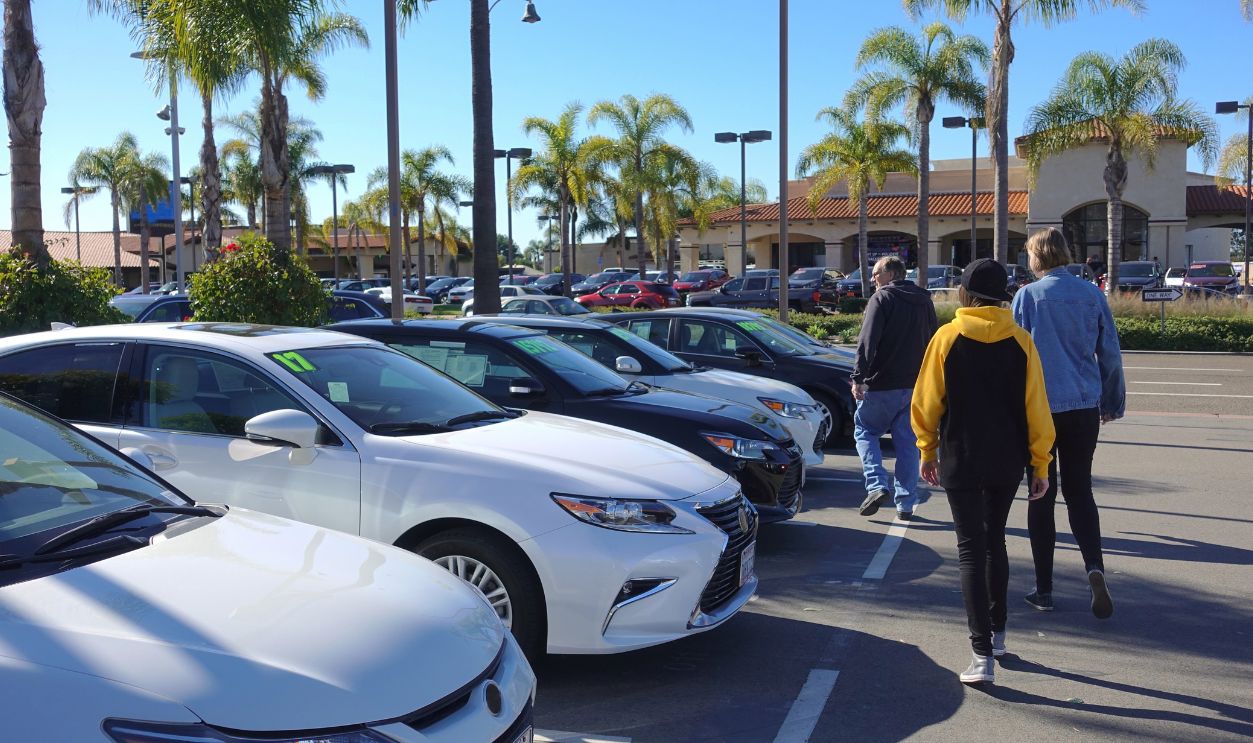
Most factory programs only take vehicles under a certain age and below a mileage cap. That is one big reason CPO cars cost more than regular used cars. Part of what you are paying for is the fact that the car had to clear those filters before it even reached the inspection stage.

The Inspection Matters, but It Is Not Magic
Automakers love to advertise multi-point inspections with big numbers like 100-point or 172-point checks. Those inspections can be useful, but the number alone does not tell you how deep the review really went. A checked box on a form does not mean every future problem was found or prevented.
What an Inspection Usually Covers
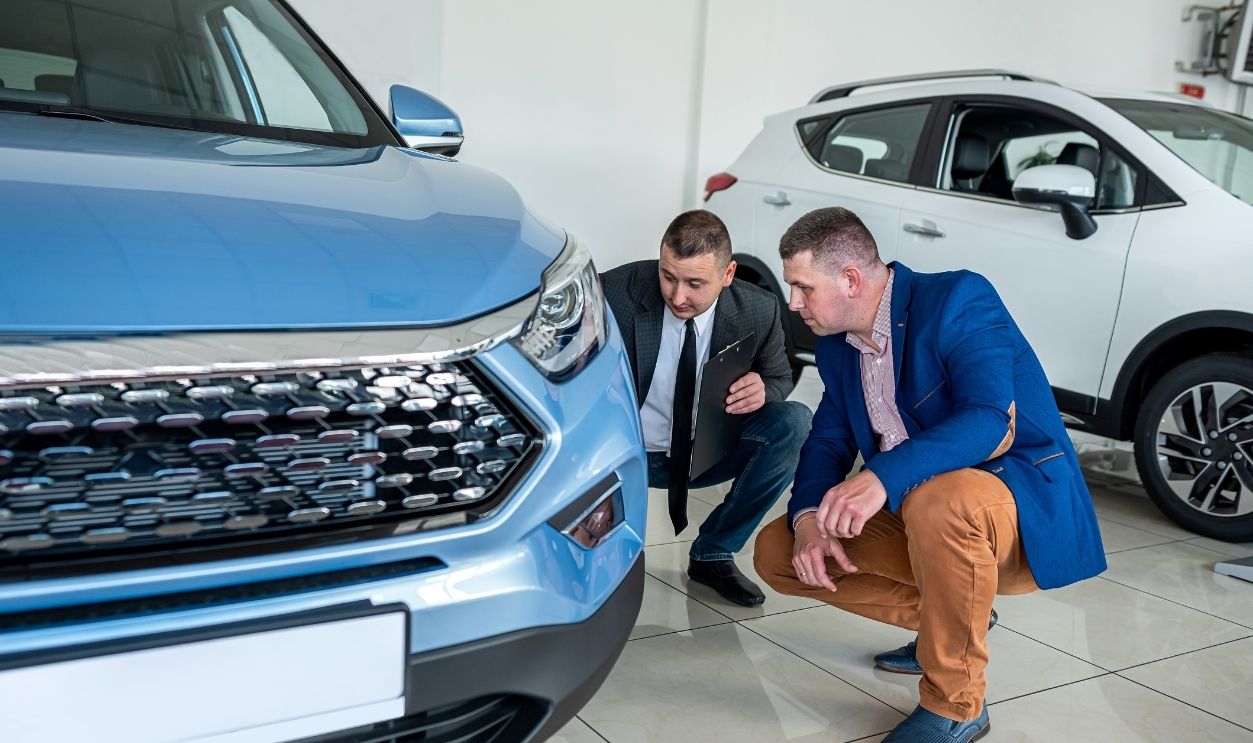
Most CPO inspections focus on major systems like brakes, tires, steering, suspension, engine parts, interior features, and exterior condition. Many programs also include reconditioning to bring the car up to the brand’s standards. That can be a real plus, especially if worn tires or brakes were replaced before you ever take delivery.

What Certification Does Not Guarantee
Certification does not mean a car has never been damaged, never needed repairs, or will never break. It also does not erase normal wear or the chance that something will need attention soon after you buy it. Even with a CPO car, you can still run into maintenance costs, deductibles, and warranty exclusions.

A Clean Inspection Is Not the Same as a Clean History
A strong CPO program usually includes a vehicle history report, but that has limits. CARFAX says not every crash, repair, or service event makes it into its database. If damage was never reported to police, insurers, or repair shops that share data, it may never show up on the report.

Title History Matters Too
The National Motor Vehicle Title Information System helps flag serious title issues like salvage or junk branding. The Department of Justice says NMVTIS is meant to protect consumers from fraud and unsafe vehicles. A legit CPO car should not carry those kinds of title brands, but it is still smart to check the paperwork yourself.
 Anatoliy Cherkas, Shutterstock
Some Programs Exclude Cars With Certain Histories
Many automaker CPO programs specifically leave out vehicles with salvage titles, flood damage, or major structural issues. That is good, but it does not mean every past incident was minor or repaired perfectly. It only means the car met that program’s bar for certification at the time it was inspected.
The Warranty Is Often the Real Selling Point
For many buyers, the inspection matters less than the extra warranty coverage. Factory CPO programs often extend powertrain coverage or add limited bumper-to-bumper protection after the original new-car warranty runs out. Edmunds notes that warranty support is one of the biggest reasons certified cars cost more.

But Warranty Coverage May Be Narrower Than You Think
Some parts are covered, some are not, and maintenance items are usually excluded. Depending on the program, you may also have to pay a deductible for covered repairs. Before paying extra for a CPO car, ask for the actual warranty booklet and read the exclusions, not just the headline on the brochure.

Roadside Assistance and Perks Are Nice, but They Are Not the Main Thing
Many CPO programs include roadside assistance, rental reimbursement, trip interruption coverage, or even a free maintenance visit. Those extras can save money and make life easier if something goes wrong. But they should not distract you from the car’s real mechanical condition.

A Return Policy Is Not Automatic
Some shoppers assume certification comes with a generous return window. That is not standard across the industry. The FTC’s Used Car Rule makes it important to review the Buyers Guide and any written promises because most used-car sales still come down to the dealer’s own terms.

The Buyers Guide Is One of Your Best Reality Checks
Since July 2024, the FTC’s CARS Rule has required dealers to give key pricing and add-on disclosures in a way meant to cut down on bait-and-switch tactics and junk fees, though legal challenges have affected parts of the rollout and buyers should still read everything carefully. Separately, the FTC’s Used Car Rule requires a Buyers Guide on used cars sold by dealers, showing whether the vehicle is being sold as-is or with a warranty. If a certified car really comes with warranty coverage, the paperwork should spell that out in writing.

An Independent Inspection Still Matters
This is still one of the smartest moves you can make, even with a CPO car. Consumer Reports recommends an independent pre-purchase inspection because certification is still done by the seller or its chosen network. A fresh set of eyes can spot leaks, uneven tire wear, accident repairs, or delayed maintenance that a branded checklist may miss.

Yes, Certified Cars Usually Cost More
That extra price is the heart of the debate. Kelley Blue Book and Edmunds both note that buyers often pay more for CPO vehicles than for similar non-certified used cars because of inspections, warranty coverage, and program perks. The real question is whether that premium is lower than the risk and repair bills you might face with a cheaper alternative.
 Zoriana Zaitseva, Shutterstock
Sometimes the Premium Is Worth It
If you are buying a complex luxury vehicle, a model loaded with expensive electronics, or a car you plan to finance for years, CPO coverage can take a lot of stress out of the deal. The added warranty may help during the years when repair costs start to show up. For drivers who want more predictability, that can be money well spent.

Sometimes the Premium Is Mostly Branding
If the car still has plenty of original factory warranty left, the extra CPO premium may not add much. The same goes for a simple, reliable model with a solid service history and a clean independent inspection. In those cases, a non-certified car at a lower price may be the smarter buy.

Watch for Overlap in Warranty Coverage
This is an easy detail to miss. Some CPO programs extend coverage only after the original new-car warranty ends, while others start from the date of the CPO purchase. If the new coverage overlaps heavily with factory warranty that is already active, the premium may not be as impressive as it first sounds.

Ask Who Pays if Something Breaks
A warranty sounds great until you learn there is a deductible for every visit or that only certain repair shops can do the work. Ask whether repairs have to be done at a franchise dealer and whether out-of-state claims are easy to handle. Those details matter just as much as the length of the coverage.

Certification Does Not Replace a Test Drive
You still need to drive the car long enough to listen for suspension clunks, feel how the transmission behaves, and test every switch you care about. If possible, check how it acts on a cold start, because some problems disappear once the engine warms up. A CPO label should never rush you past the basics.

Paperwork Can Tell You More Than the Sticker
Ask for the inspection checklist, reconditioning records, vehicle history report, and warranty booklet. A confident dealer should be able to hand them over without much fuss. If the store leans hard on the word certified but gets vague when you ask for documents, that is a red flag.

The Best CPO Deals Are Usually the Most Transparent
The strongest programs make the rules easy to verify. You can usually find age limits, mileage limits, warranty terms, and benefit details on the automaker’s own website. That makes it much easier to compare one certified car with another instead of buying into a vague sales pitch.

So What Does Certification Actually Guarantee
In plain English, certification usually guarantees only what is written in the program documents. That often means the car met certain age and mileage rules, passed a brand or dealer inspection, and comes with specific warranty coverage and perks. It does not guarantee perfection, trouble-free ownership, or that the extra cost is always worth it.

The Bottom Line
Your friend’s advice is a decent starting point, but it is not a rule. A certified pre-owned car can be worth the extra money when the program is factory-backed, the warranty is meaningful, and the price gap is reasonable. The smart move is to compare the documents, get an independent inspection, and decide whether the added protection is real enough to justify the higher price.