The Heated Seat Pitch That Raises Eyebrows
If a dealer tells you heated seats now require a subscription because “the industry is changing,” that is only partly true. Some automakers have tested subscriptions for in-car features, but the details vary a lot by brand, model, and year. The bigger story is not one unavoidable future. It is a messy shift that has already triggered plenty of backlash.

Why This Even Became A Thing
Software now plays a much bigger role in modern cars, and that gives automakers the ability to switch some features on or off even after the car leaves the factory. Companies call these “digital services,” “functions on demand,” or software-based upgrades. The appeal is easy to see: recurring revenue looks better to a car company than a one-time option sale.
BMW Put The Issue On Everyone’s Radar
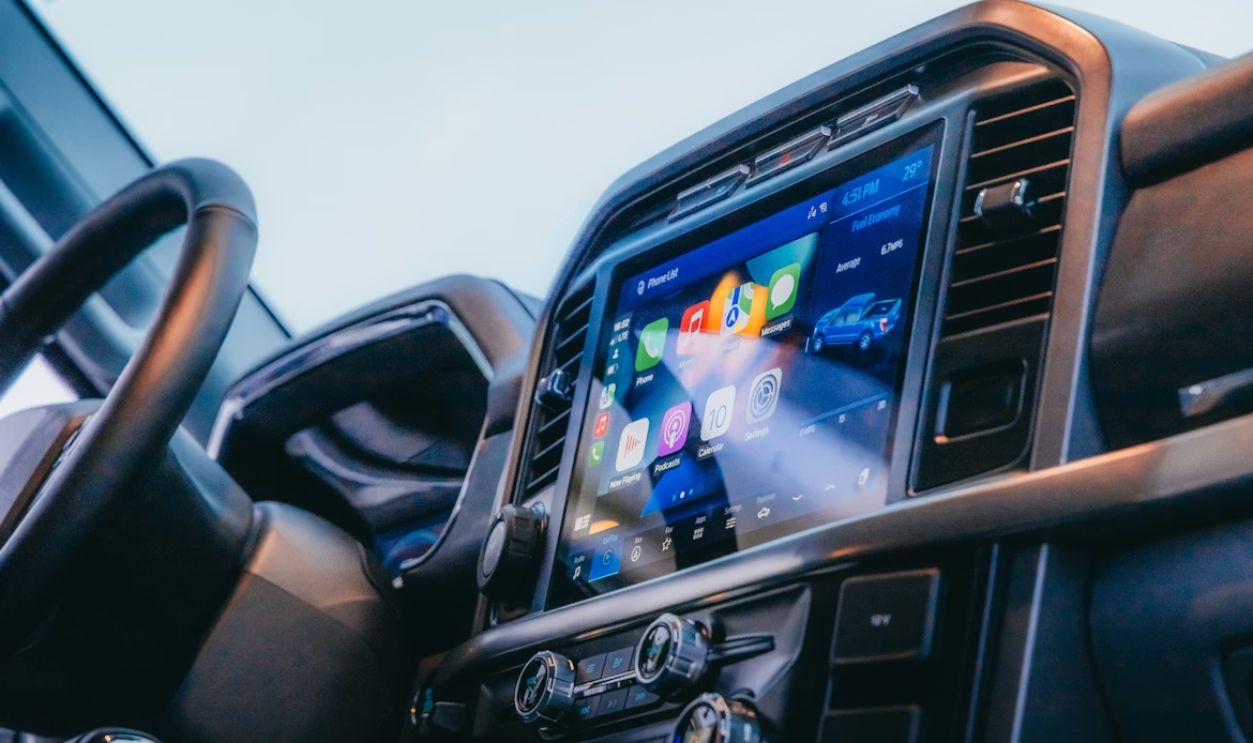
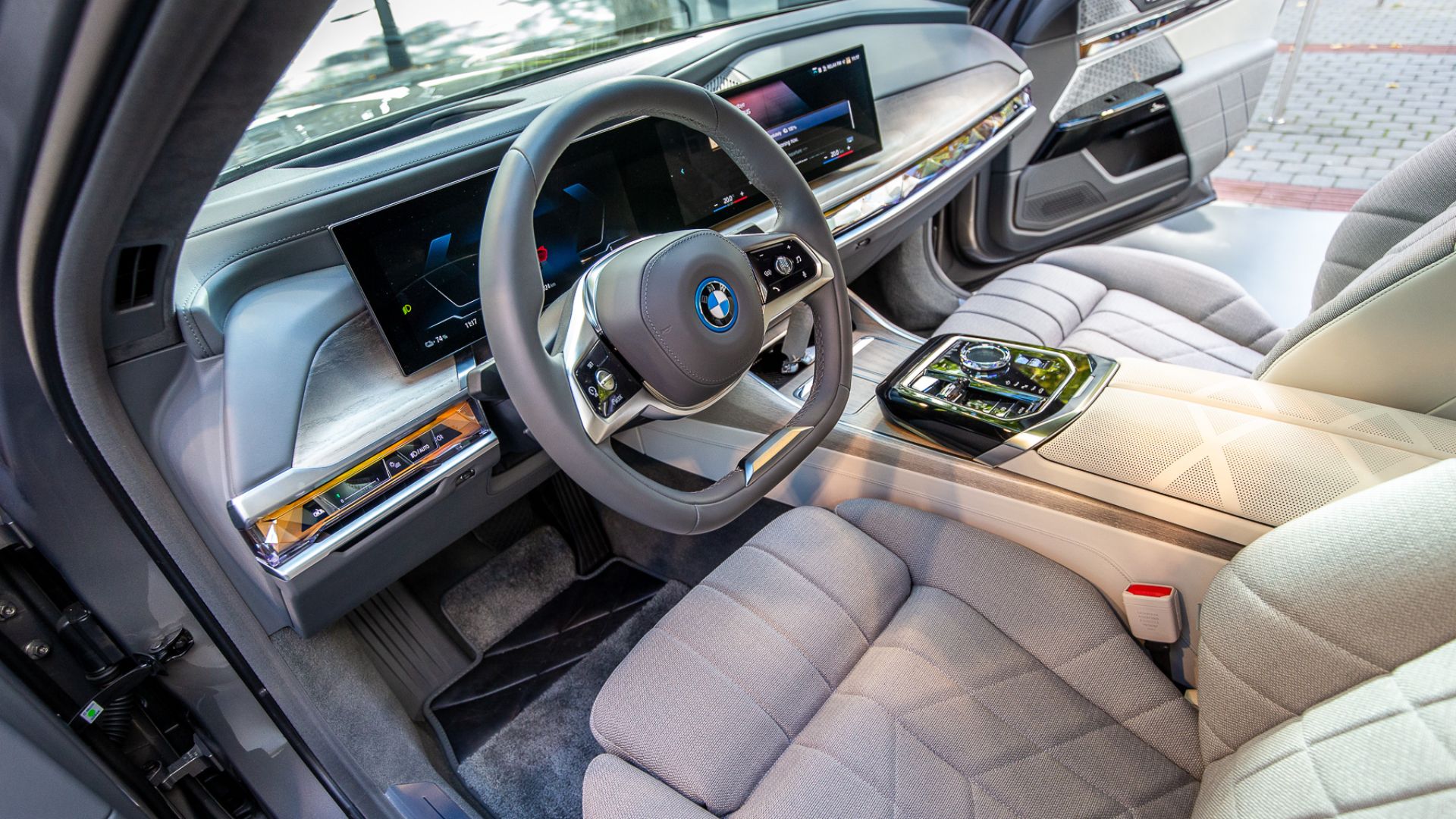
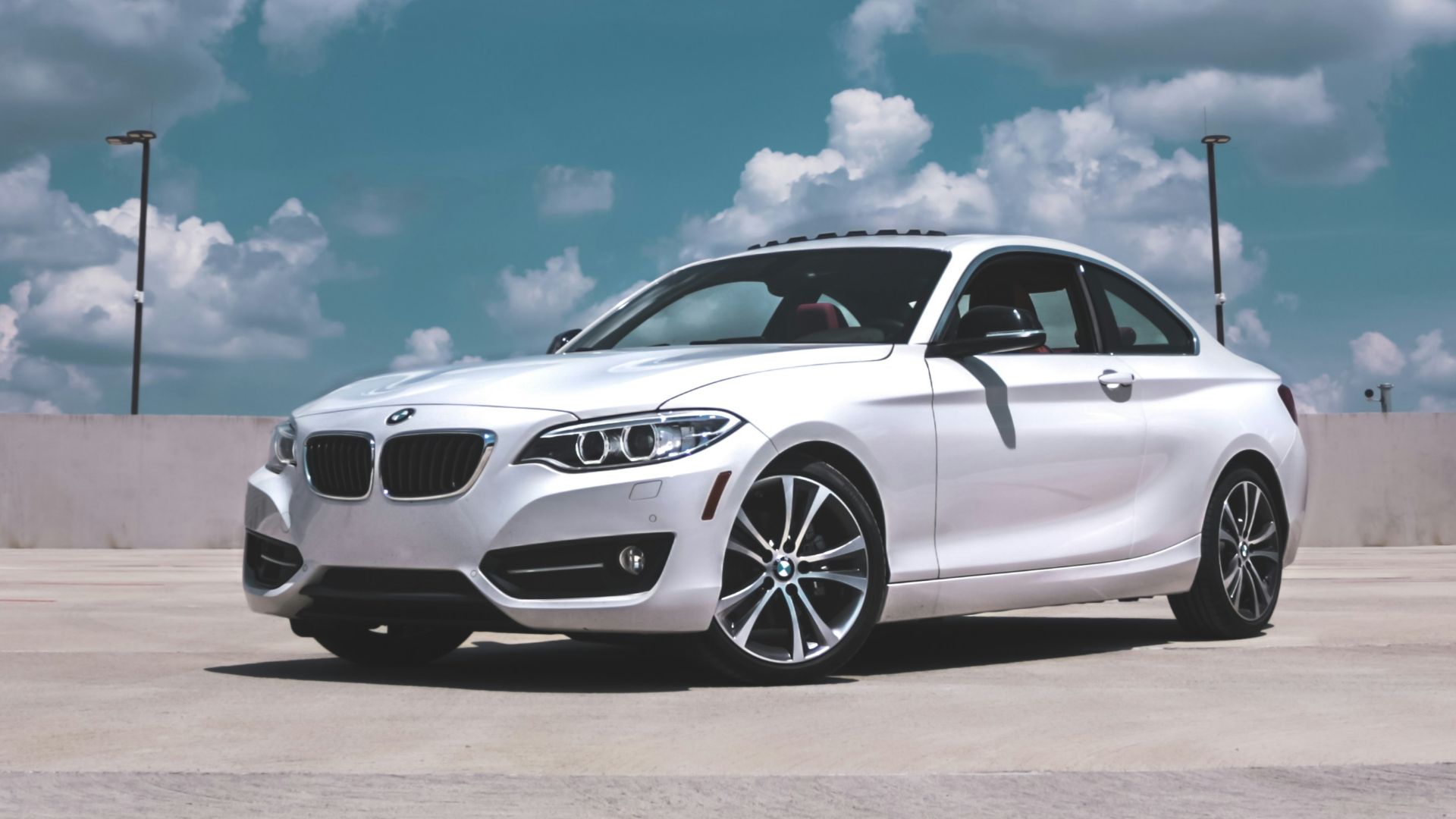
The heated seat subscription story blew up in July 2022, when BMW’s ConnectedDrive stores in countries including the United Kingdom, Germany, New Zealand, and South Africa showed monthly subscriptions for seat heating. Reporting from The Verge and others documented the listings at the time. BMW had tested feature subscriptions before, but heated seats became the flashpoint because many buyers felt like they were being asked to pay twice for hardware already in the car.
 Augustas Didzgalvis, Wikimedia Commons
What BMW Actually Offered
It was not just a monthly fee. In some markets, BMW offered monthly access, a one-year plan, a three-year plan, or the option to buy unlimited access outright through ConnectedDrive. That matters because it shows the company was testing different pricing models, not just one endless rental scheme.

Why People Got So Angry
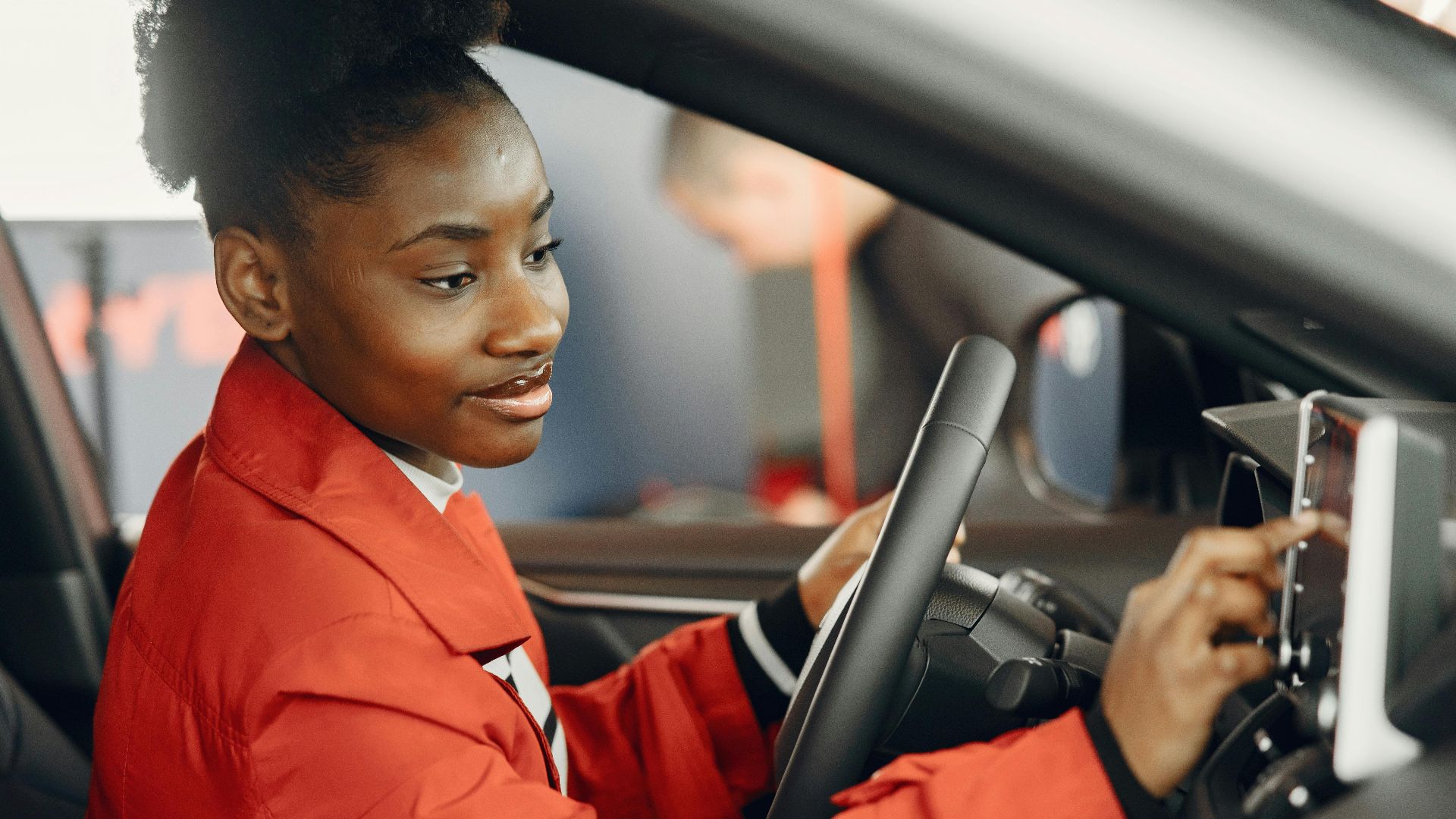
The backlash was immediate because heated seats feel basic, physical, and already paid for once the hardware is installed. Buyers were not reacting to some abstract cloud service. They were reacting to the idea that a button in the cabin might stop working unless another payment went through.

BMW Later Backed Away From The Idea
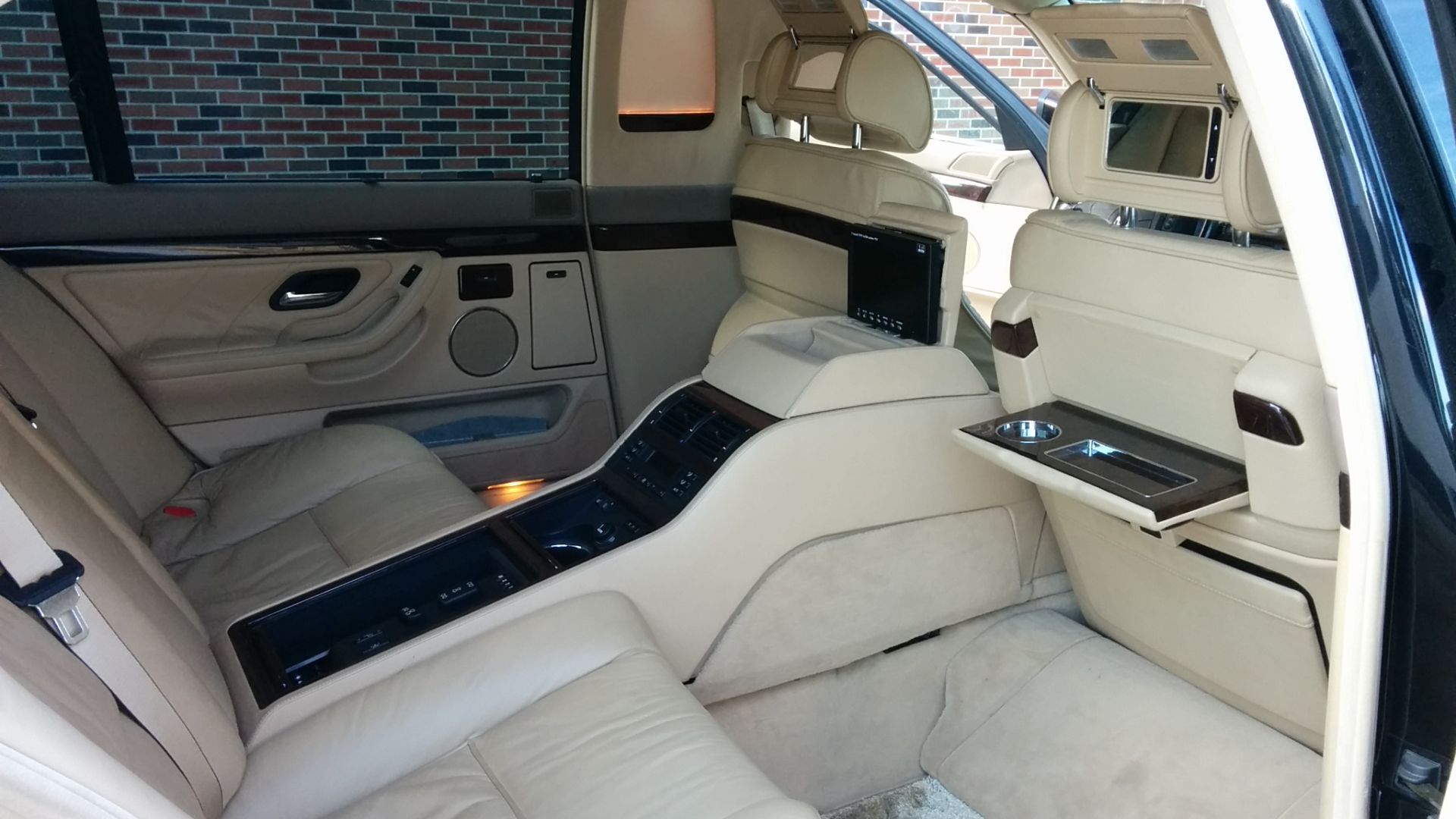
In September 2023, BMW board member for sales Pieter Nota told Autocar the company had stopped offering subscriptions for heated seats. He said people felt the feature should simply belong to them if the car already had the hardware fitted. That reversal was one of the clearest signs that car subscriptions are not automatically the future.
 Stirling7 at English Wikipedia, Wikimedia Commons
That Does Not Mean BMW Quit Subscriptions Entirely
BMW still supports software-based upgrades in some areas through its digital system. The key point is that the company openly recognized that heated seats crossed a line for many customers. In other words, the industry got a reminder that not every feature works as a subscription.

Mercedes Tried A Different Subscription Angle
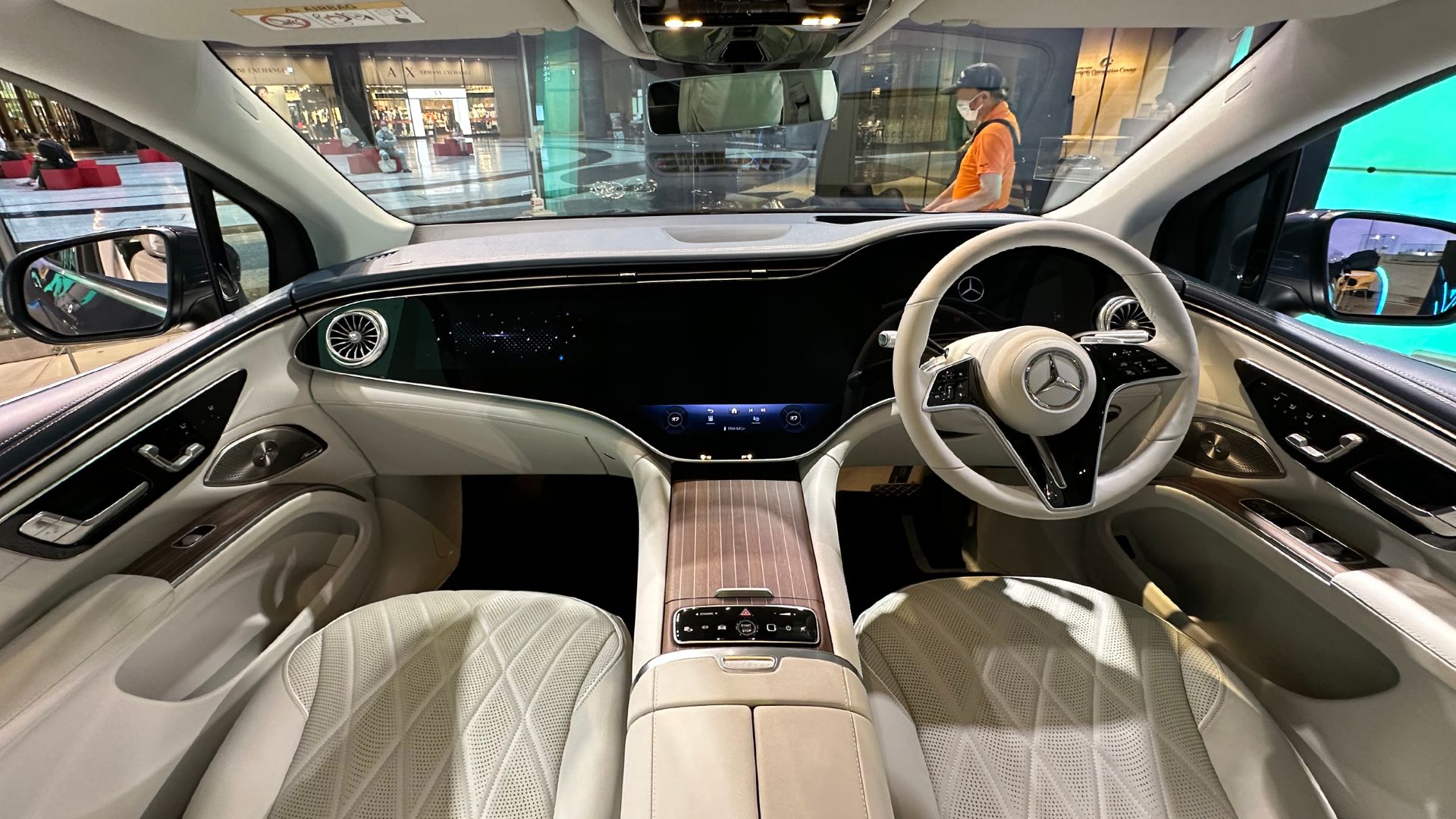
Mercedes-Benz drew attention in November 2022 for offering an “Acceleration Increase” subscription for certain EQ electric models in the United States. The company said the service boosted motor output and cut 0-to-60 times by roughly a second, depending on the vehicle. That is a very different pitch from heated seats because it sells extra performance, not access to a comfort feature many drivers see as routine.
 Tokumeigakarinoaoshima, Wikimedia Commons
Why Performance Add-Ons Are Easier To Sell
Drivers have been paying extra for more speed, more power, and special drive modes for a long time. That makes performance subscriptions less irritating than charging monthly for seat warmth in winter. People may still dislike subscriptions, but they usually react differently when the add-on feels optional rather than basic.
GM Made A Bigger Bet On Recurring Revenue
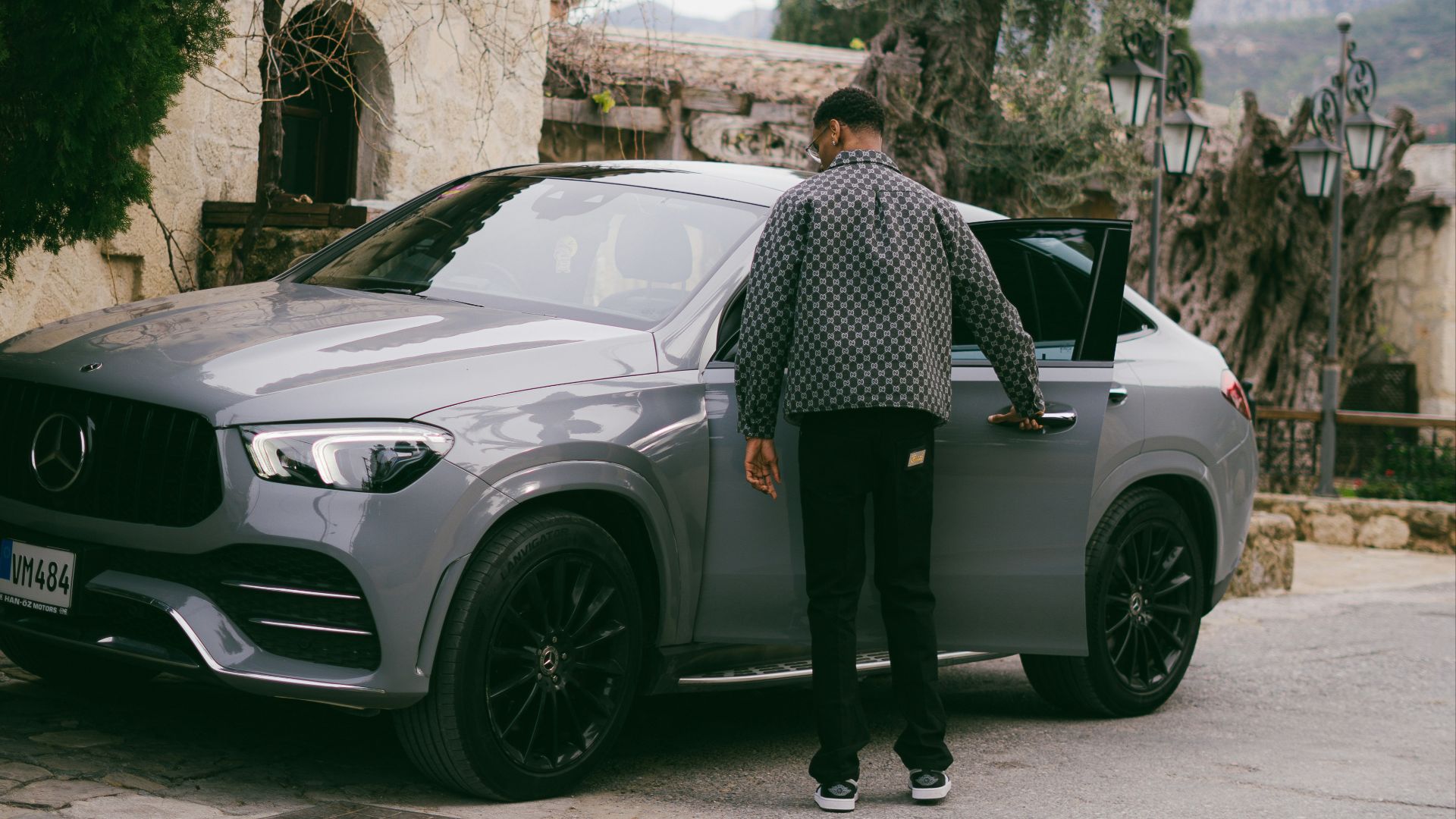
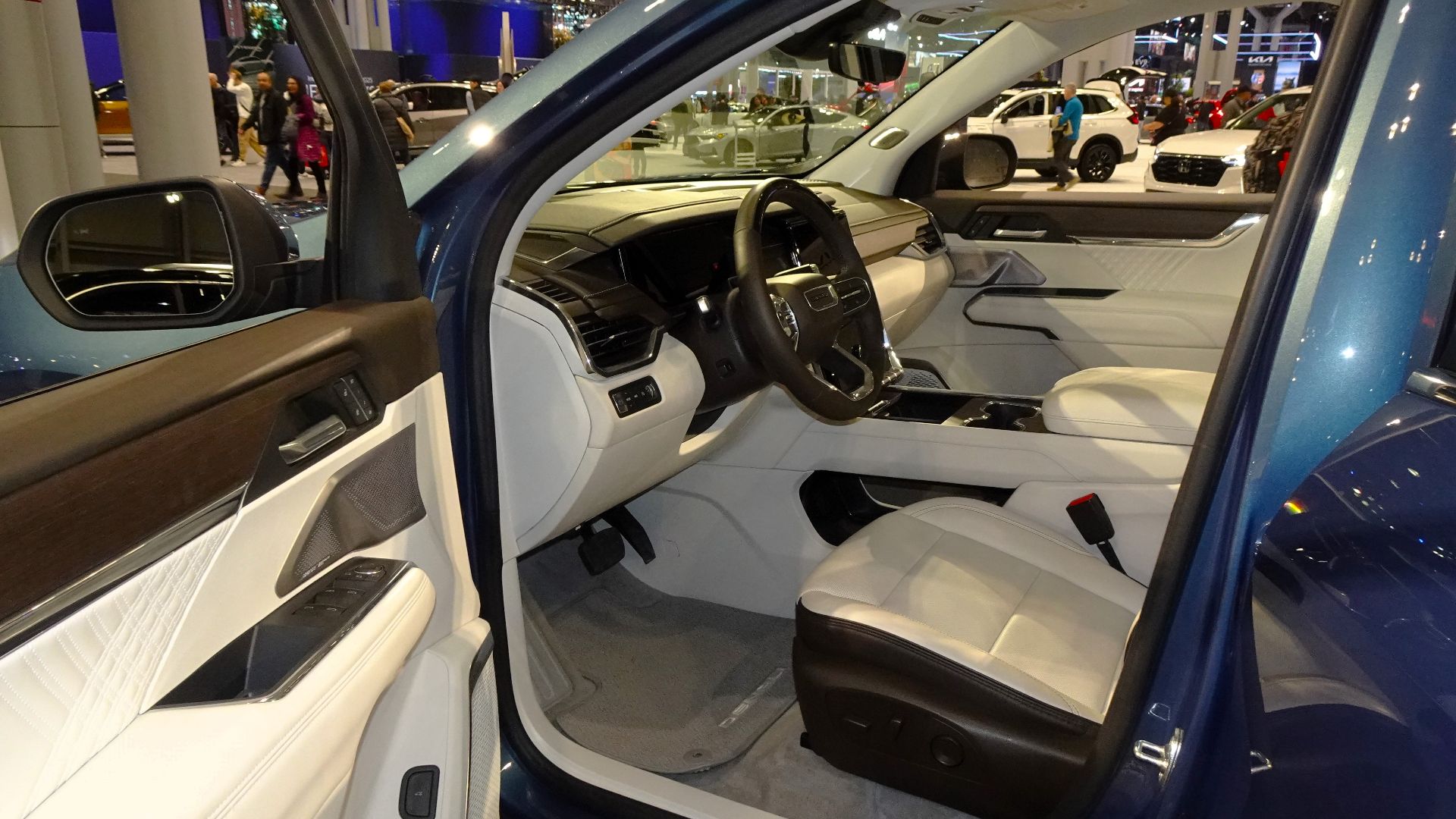
General Motors has been unusually clear about wanting more software and subscription income. In 2021, GM told investors it expected annual revenue from software and new businesses to grow significantly by the end of the decade. That forecast helped explain why the company started talking about vehicles as long-term digital platforms, not just products sold once at a dealership.
 Charles from Port Chester, New York, Wikimedia Commons
OnStar Shows The Subscription Model Is Not New
If this trend sounds familiar, that is because some car subscriptions have been around for years. OnStar, satellite radio, and connected navigation services all got buyers used to recurring charges for certain features. What is different now is that automakers are testing whether more of the car itself can be sold that way after purchase.
Tesla Changed Expectations About Post-Sale Upgrades
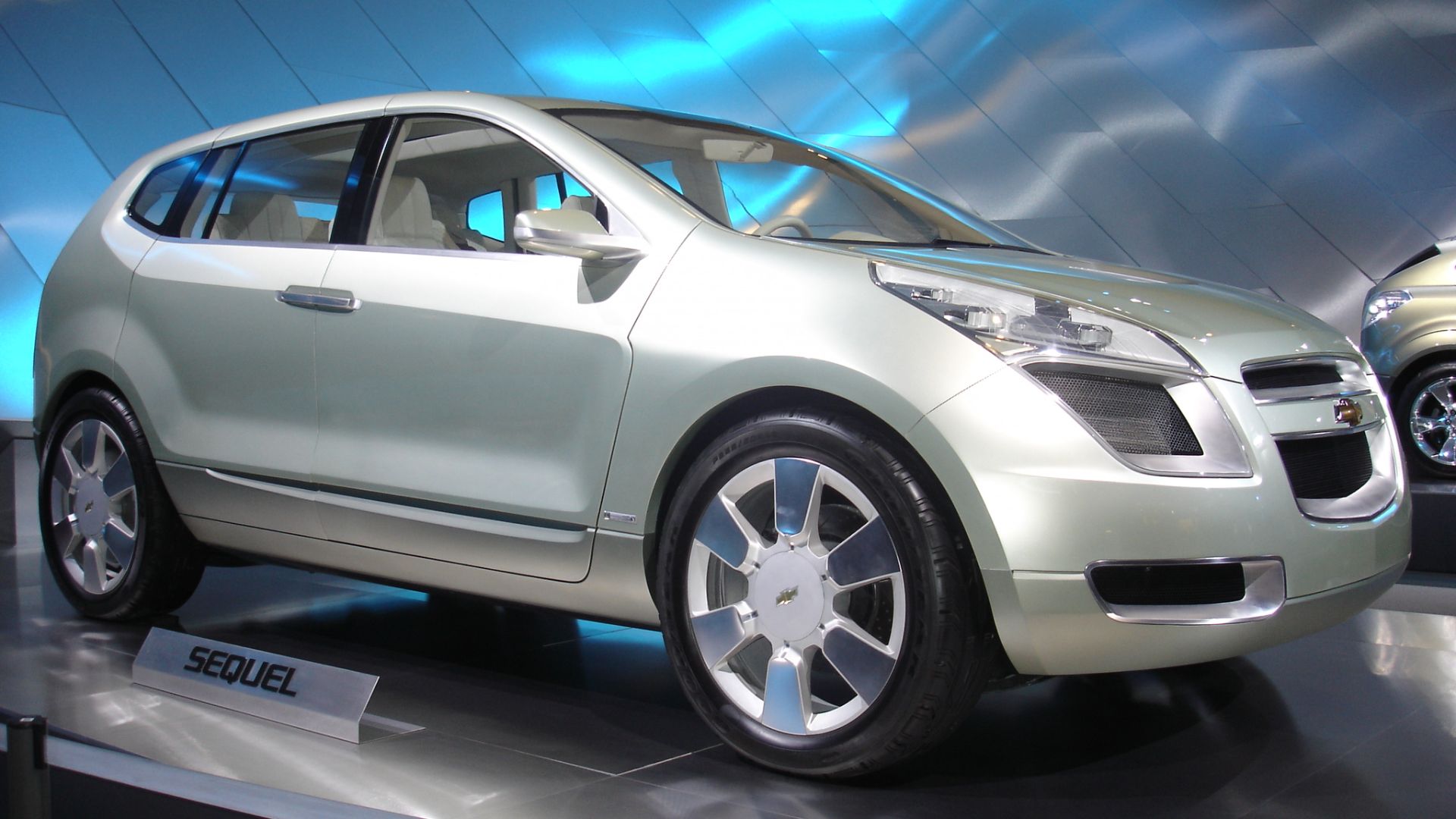
Tesla did not invent the idea of paid features after delivery, but it helped make the idea feel normal. Features like Full Self-Driving capability, premium connectivity, and other software-enabled upgrades showed that a car could keep changing after it was sold. That pushed the rest of the industry to think harder about software revenue.
Subscriptions And One-Time Unlocks Are Not The Same
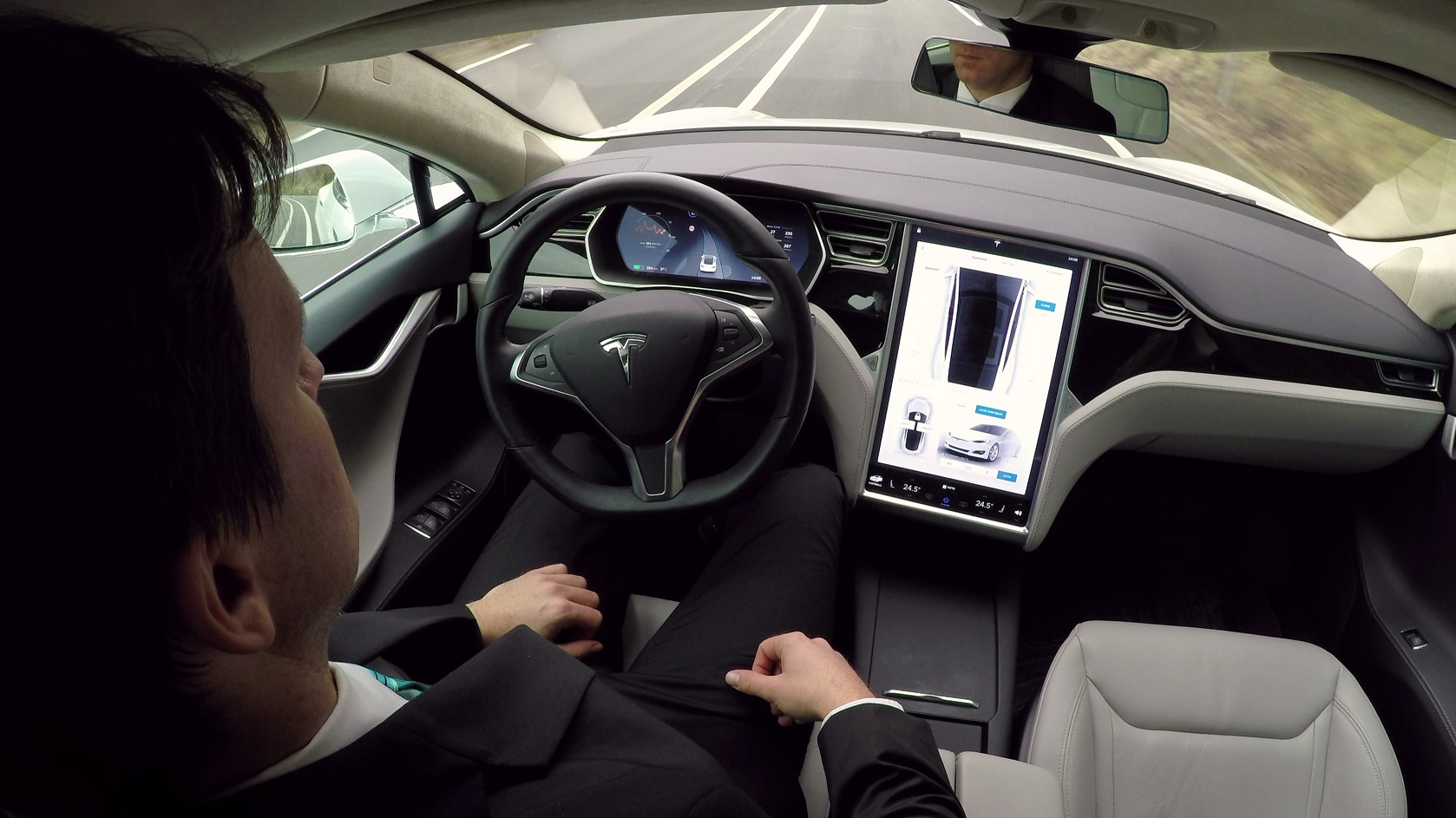
This is where dealer claims can get blurry. Some vehicles offer a permanent paid unlock for a feature that is already installed. Others offer monthly or annual subscriptions. Still others include the feature from the start. If a dealer says heated seats require a subscription, ask whether that is really the only option or whether a one-time activation is available.
 Artist Linbei, PexelsYour Dealer May Be Describing A Specific Brand Policy
There is no industry-wide rule saying heated seats must be subscription-based. Policies change from one automaker to another, from one market to another, and sometimes even between trims. A dealer may be accurately describing one brand’s setup, but that is very different from saying subscriptions are unavoidable everywhere.

Regulators And Right-To-Repair Debates Matter Here
As more vehicle functions are controlled by software, bigger questions come up about ownership, access, and repair rights. Consumers, independent repair shops, and lawmakers have all pushed back against business models that lock functions behind proprietary systems. Heated seats may sound minor, but the issue underneath is much bigger because it touches control over the whole vehicle.
Europe Helped Expose The First Big Examples
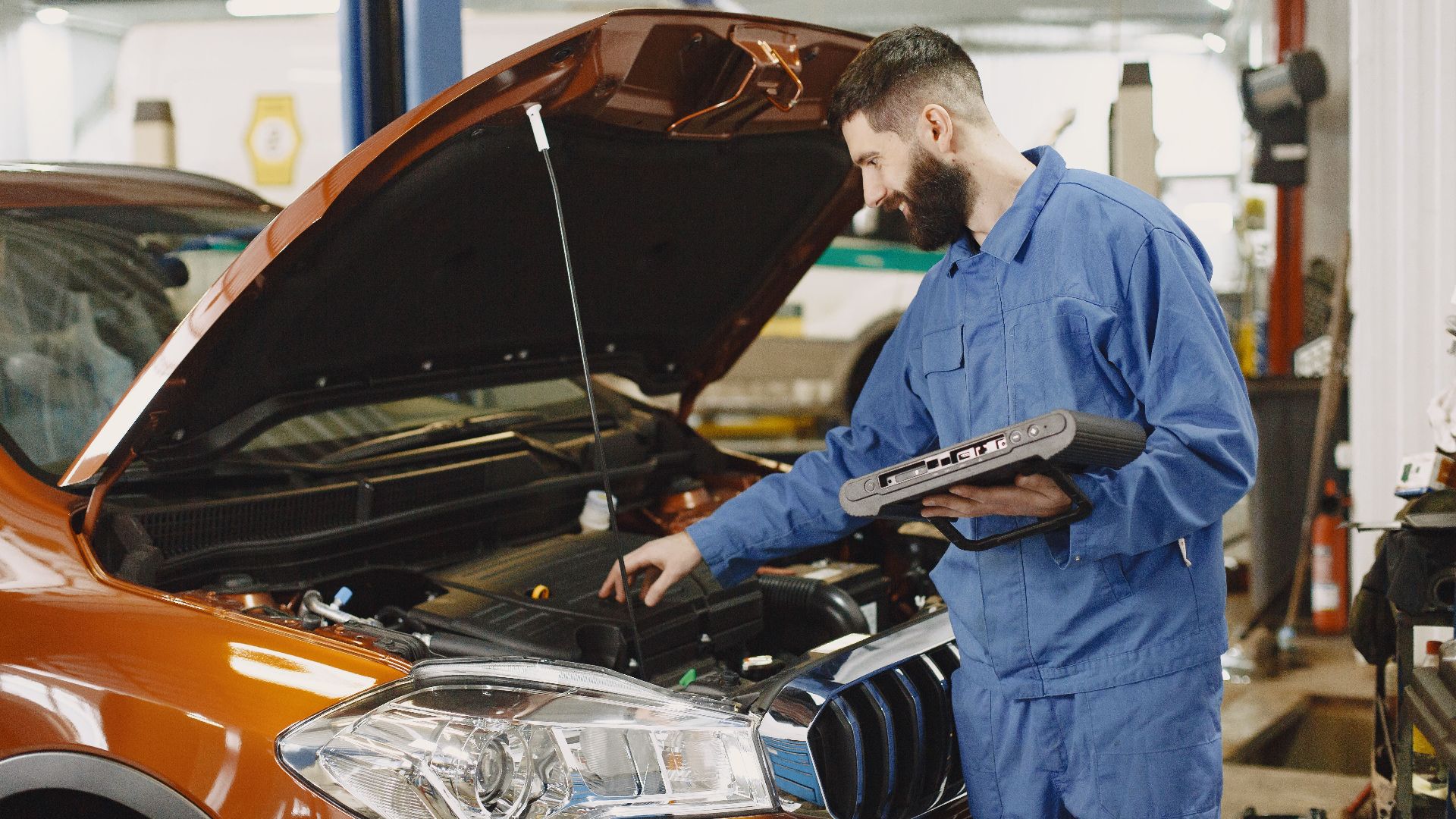
Some of the earliest heated seat subscription reporting focused on BMW’s ConnectedDrive stores outside the United States. That is why many American buyers first heard about it through screenshots and international coverage in mid-2022. The idea spread fast as a warning sign, even in places where the exact offer was not available locally.
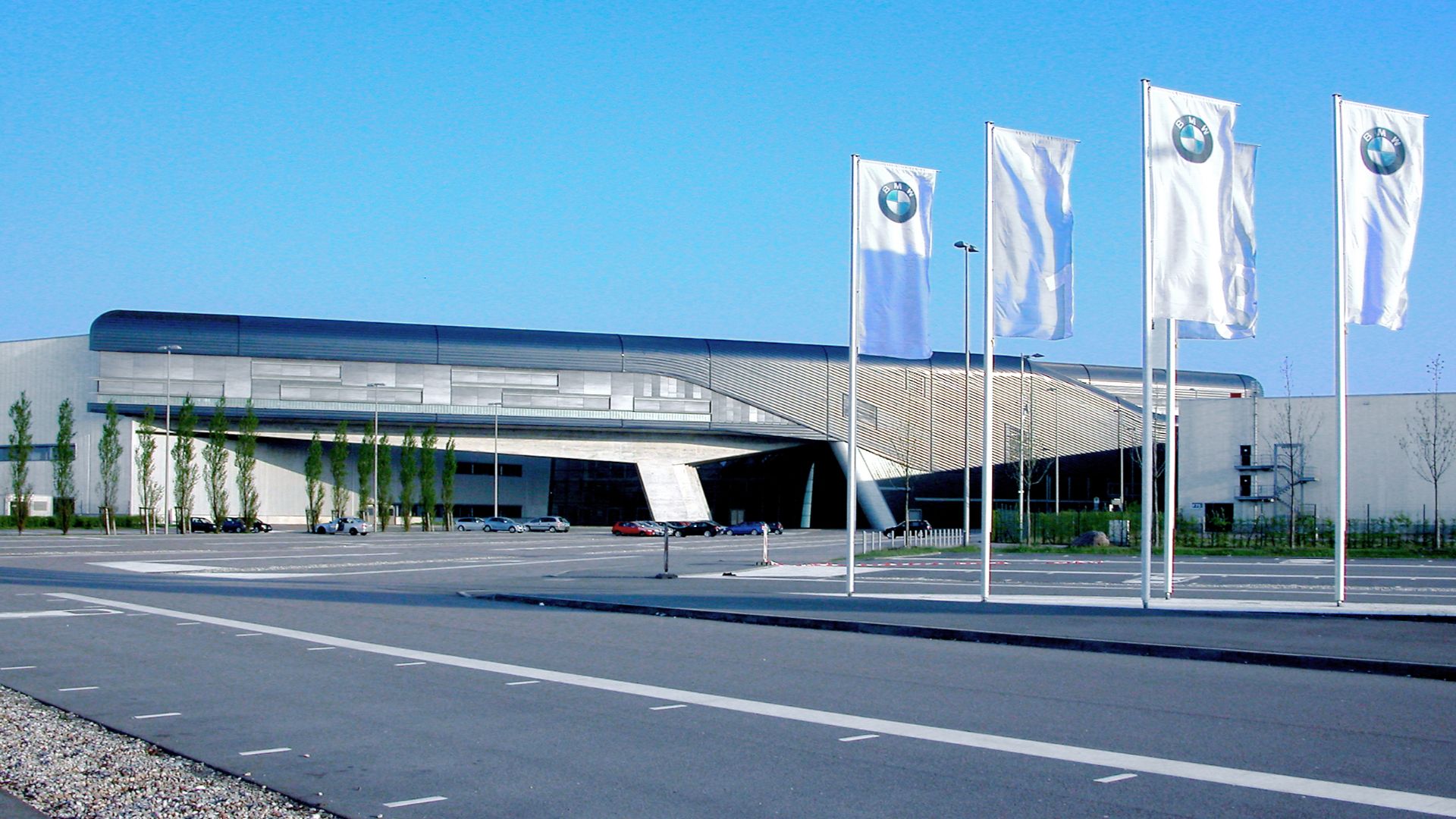 Jorg Blobelt, Wikimedia Commons
Customers Have Already Proven They Can Kill Bad Ideas
The heated seat uproar became one of the clearest examples of consumers forcing an automaker to rethink its strategy. BMW’s later decision to stop offering that particular subscription is not a small detail. It shows that public pressure still matters when a company pushes too far.
Some Subscriptions Do Make Sense
Live traffic, data connectivity, concierge services, stolen-vehicle tracking, and streaming apps all come with ongoing operating costs. Many buyers understand why those services may have monthly or annual fees. The line gets much blurrier when the charge is attached to physical hardware that is already sitting in the seat or dashboard.

Automakers Love The Predictability
From a business standpoint, subscriptions smooth out revenue and keep owners tied to the brand for longer. Investors usually like recurring income because it is easier to predict than hoping every buyer chooses expensive options up front. That incentive is real, and it is one reason the subscription push is not going away anytime soon.
Drivers Still Hold More Power Than They Think
Car companies can test new pricing models, but customers still decide whether those models survive. The heated seat controversy showed that some subscription ideas create more anger than income. If enough buyers reject a fee, brands often retreat, rework it, or fold it into a trim package instead.
Watch The Language In The Finance Office
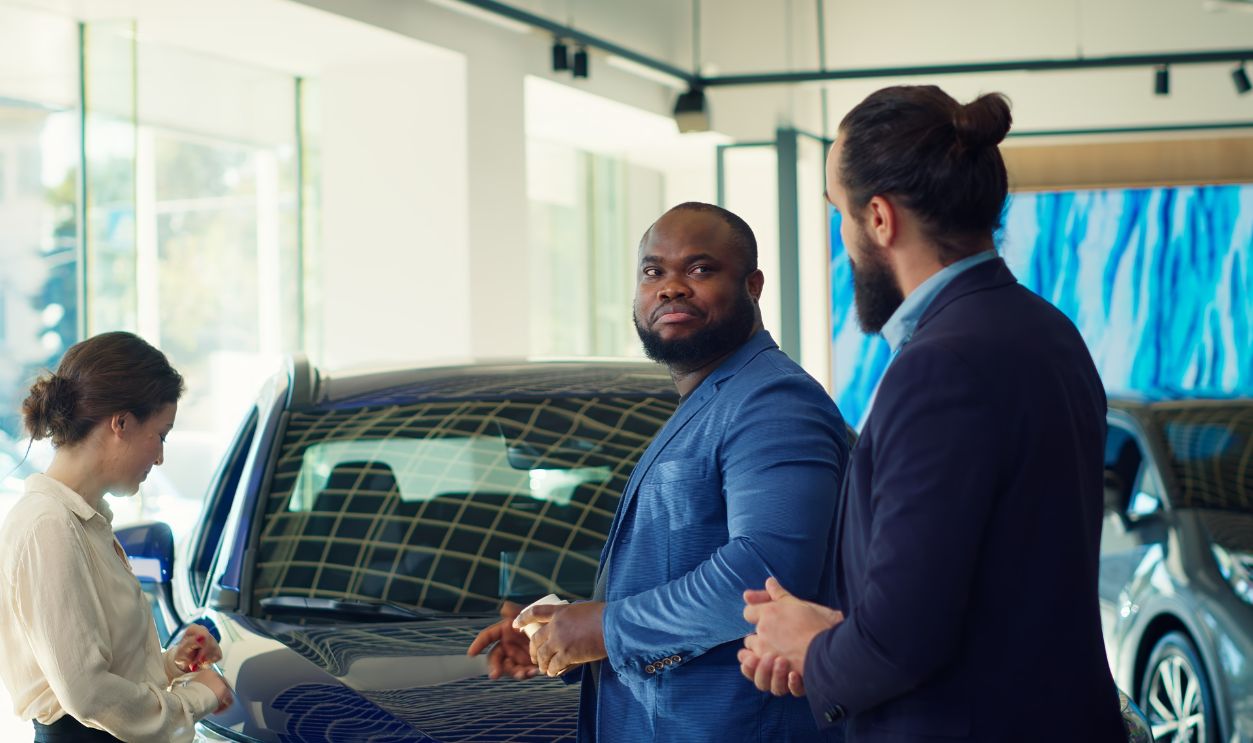
A smart move is to ask for plain-English definitions before signing anything. Is the feature included permanently, free for a trial period, renewable each year, or transferable to the next owner? Get the answer in writing, because vague terms like “connected services” can hide real costs.

Ask Whether The Hardware Is Already Installed
This is the key question in any dispute over paid features. If the car already has the heating elements, wiring, switches, and control modules, many buyers will naturally ask why the feature is being held back. If the hardware is not installed, then the charge may simply be the cost of adding equipment, not a subscription issue.

Check The Trim Walk Before You Buy
The easiest way to avoid future frustration is to compare trims carefully before you buy. In many cases, stepping up one trim level or adding a package at the time of sale may be cheaper and simpler than dealing with digital add-ons later. It also lowers the odds of finding out too late that a favorite feature depends on an expiring plan.

Leases Complicate The Value Equation
Subscriptions can feel less painful on a short lease because the monthly cost is spread across a shorter ownership window. On a long loan or during long-term ownership, repeated charges can become a lot more annoying and a lot more expensive. That is why shoppers should look at the total cost over the full time they expect to keep the vehicle.

Used-Car Buyers Need To Be Extra Careful
Software-linked features can create fresh headaches in the used market. A second owner may assume a feature is included because the hardware is there, only to learn that the old subscription expired or cannot be transferred. Ask for a complete list of active subscriptions and permanent options before buying any modern used car.

So Are Subscriptions Becoming Unavoidable
No, not in the sweeping way that dealer pitch suggests. Subscriptions are becoming more common in certain parts of the car business, especially for connectivity, digital services, and some software-based upgrades. But the heated seat backlash showed there are limits, and automakers ignore those limits at their own risk.

The Smart Bottom Line For Shoppers
Treat every subscription claim as something to verify, not something you have to accept. Ask what is standard, what is optional, what is temporary, and what can be purchased outright. The industry is changing, yes, but drivers still have a strong say in which changes stick and which ones flop.