The Payment Looks Great Until You Check The Calendar
A 96-month car loan can make an expensive car seem affordable at first glance, especially to a younger driver. Spreading payments over eight years definitely brings the monthly bill down, which is why a lot of first-time buyers get pulled in. But the catch is that the lower payment can hide a much higher total cost and a very long stretch of financial risk.

Why This Matters More Right Now
Long car loans are no longer unusual. Consumer Financial Protection Bureau data released in 2024 showed that loans longer than 72 months made up more than 20% of new vehicle loans in the first half of 2024, up from under 10% in 2015. More buyers are making a car fit the budget by stretching the timeline, not by lowering the price.
 G. Edward Johnson, Wikimedia Commons
Eight Years Is A Long Time To Owe Money On A Car
If your daughter takes a 96-month loan, she is signing up for eight full years of payments. That is longer than many people stay in the same job, apartment, or phase of life. A first car loan should leave room for change, not lock someone into a commitment that lasts most of a decade.

What A 96-Month Loan Really Means
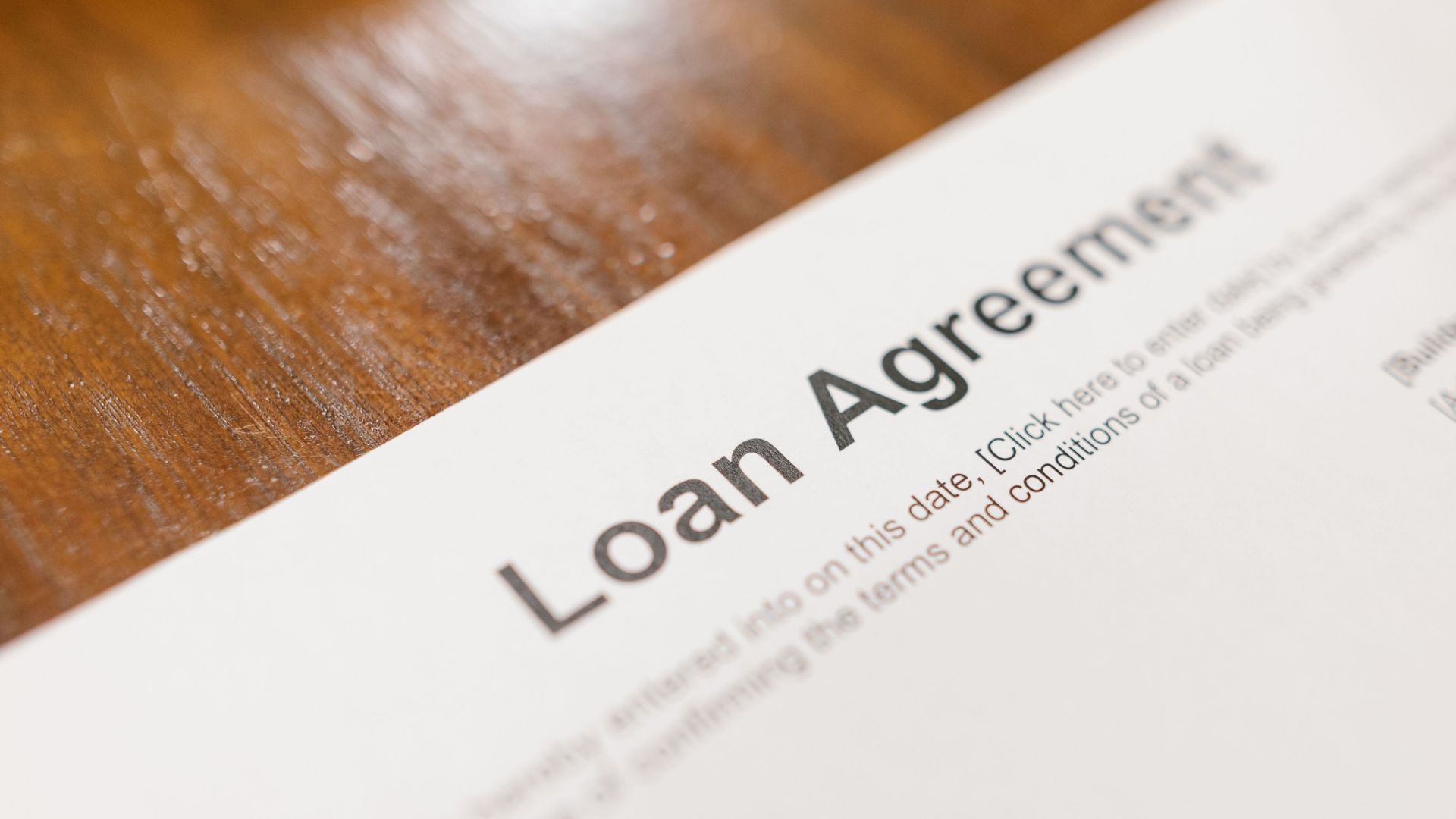
A 96-month loan is just an auto loan with 96 monthly payments. Lenders offer them because longer terms lower the required payment and help sell more expensive vehicles. Experian’s auto finance data has shown average new-car loan terms above 68 months in recent years, which helps explain why eight-year loans have become more common.

The Monthly Payment Trap
A low monthly payment can make a car look manageable, but that is only part of the story. The real question is whether the buyer can afford the car’s price, insurance, maintenance, fuel, taxes, and registration without feeling squeezed. If the only way the payment works is by stretching the loan to eight years, the car is probably too expensive.

The Math That Changes The Conversation
Take a $35,000 car loan at 8% APR. A 60-month loan would cost about $710 a month, while a 96-month loan would drop the payment to about $491. That lower number can feel like a win, but it comes with a much bigger interest bill over time.

Total Interest Is Where The Real Cost Shows
Using that same example, the 60-month loan would cost about $7,600 in interest over the life of the loan. The 96-month version would raise total interest to about $12,100. That is thousands of extra dollars spent just for taking longer to pay off something that is losing value the whole time.

Cars Lose Value Faster Than Long Loans Shrink
Cars usually drop in value fast, especially in the first few years. Kelley Blue Book notes that depreciation is one of the biggest costs of owning a vehicle, and many cars lose a large share of their value within five years. A very long loan can leave the borrower owing more than the car is worth for years.

That Is Called Negative Equity
Negative equity means the loan balance is higher than the car’s market value. It becomes a real problem if the owner wants to sell, trade in, or if the car gets totaled in a crash. The buyer can end up stuck paying off debt on a car that is gone or no longer fits their life.

First-Time Buyers Have Less Room For Error
A first-time buyer often has limited credit history, less savings, and higher insurance costs. That already makes car ownership harder before the loan term gets stretched out. Add an eight-year note and there is very little breathing room for a job change, repair bill, or rent hike.

Used Cars Can Make The Risk Bigger
A 96-month loan on a used car can be even riskier because the vehicle will be much older by the time the loan ends. Even a reliable used car can start needing bigger repairs as the years go by. Few things are worse than making a monthly payment on a car that also needs major work.
 293.xx.xxx.xx, Wikimedia Commons
The Warranty Usually Will Not Last That Long
Many new-car powertrain warranties last five years or 60,000 miles, though it varies by brand. A 96-month loan runs well past most factory warranties. That means the owner could still be making payments long after warranty coverage is gone and repair bills are fully their problem.

Insurance And Gap Coverage Matter More With Long Loans
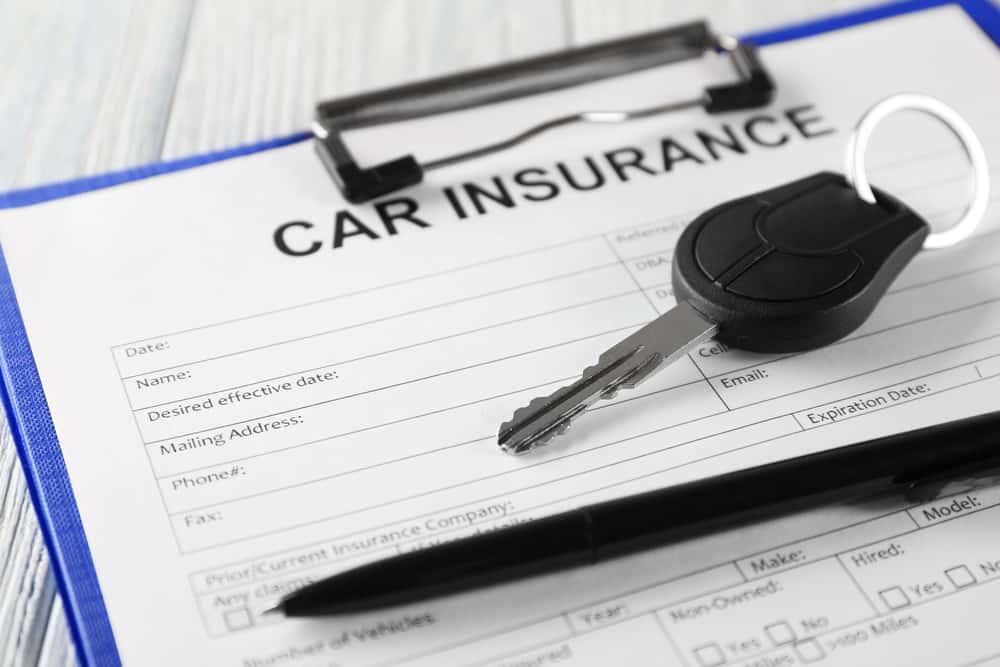
Because long loans raise the odds of negative equity, gap insurance becomes more important. Gap coverage may help pay the difference between the car’s value and the loan balance if the vehicle is totaled or stolen. It can be useful, but it also adds cost and does not solve the bigger problem of borrowing too much for too long.
The CFPB Has Warned About Long Loan Terms
The Consumer Financial Protection Bureau has said clearly that longer loan terms can lower monthly payments while raising the total cost of borrowing. Its guidance also warns buyers to focus on the full price, not just the monthly payment. That is an important point for any parent trying to help a child avoid an expensive first mistake.
 Tony Webster, Wikimedia Commons
There Are A Few Cases Where It Might Make Sense
An eight-year car loan is not automatically a bad idea in every case. It can be more reasonable if the buyer is getting a new, very reliable vehicle at a low interest rate, plans to keep it for a long time, puts a solid amount down, and has an emergency fund. Even then, it is more of a compromise than a smart default.

A Low APR Helps, But It Does Not Remove The Risk
If a manufacturer offers subsidized financing with a very low APR, a long loan will cost less than it would at normal rates. That can reduce the interest hit. But it does not change depreciation, warranty limits, or the simple fact that eight years is a long time to still owe money on one car.

A Big Down Payment Changes A Lot
Putting money down lowers the amount financed and can reduce the chances of going upside down on the loan. Financial educators often suggest aiming for at least 20% down on a new car if possible, though many buyers cannot manage that. If 96 months with little or no money down is the only way to make the deal work, that is a strong warning sign.

A Cheaper Car Usually Beats A Longer Loan
The simplest fix is usually to buy less car. Moving from a newer compact SUV to an older sedan, or from a higher trim to a base model, can save far more than stretching the loan. It may not be flashy advice, but it is the kind that can save a young buyer from years of financial drag.
A Credit Union Might Offer A Better Option
Before agreeing to dealer financing, it is worth checking local credit unions and banks. Credit unions often offer lower auto loan rates than buyers get at the dealership, especially if the dealer is adding markup to the lender’s rate. A shorter loan with a better APR may bring the payment closer to something manageable.

Waiting And Saving More Can Be The Smartest Move
If she can wait, saving for a bigger down payment may help more than stretching into a long loan right now. Even a few thousand dollars down can lower both the payment and the risk of negative equity. Waiting is not exciting, but it is usually cheaper than paying interest for eight years.

Do Not Ignore The Full Cost Of Ownership
The monthly payment is only one part of the real budget. Insurance for younger drivers can be very expensive, and fuel, tires, oil changes, parking, and repairs all matter too. If the deal only works by pretending those costs do not exist, the car is not truly affordable.
 Tualek Photographer, Shutterstock
Reliable And Boring Is Often The Best First-Car Formula
For a first car, reliability matters more than image. A modest used sedan or hatchback with a solid service history can be much cheaper to buy, insure, and maintain than a newer, pricier option. Boring can be a very good deal when it leaves room in the budget for savings and emergencies.
Refinancing Later Is Possible, But Far From Certain
Some buyers assume they can always refinance later into a better loan. That can happen if credit improves and rates are favorable, but there is no guarantee. If the car loses value faster than the balance drops, refinancing choices may be limited or not worth it.
Dealer Add-Ons Can Make A Long Loan Even Worse
Extras like service contracts, paint protection, wheel coverage, and accessory packages can quietly push the amount financed much higher. On a 96-month loan, those add-ons can keep costing money for years. A first-time buyer should be especially careful to separate the car’s price from everything the finance office tries to roll in.

The Mental Weight Is Real Too
There is also the stress of carrying a car payment for eight years. A long loan can make it harder to move, go back to school, change jobs, or deal with an emergency. A car should make life easier, not pin someone down.

So, Is A 96-Month Loan Ever Reasonable?
Yes, but only in a pretty narrow set of situations. The buyer should have stable income, a solid down payment, a low APR, a vehicle with a strong reliability record, and a plan to keep it for most of the loan term. If your daughter needs 96 months just to make the payment fit, the safer answer is probably to shop for a cheaper car or wait.

The Best Advice Is Usually The Least Exciting
A shorter loan, a lower price, and more money down are still the safest ingredients for a first car purchase. It may feel cautious now, but it can save her from years of overpaying for a car that stops feeling new long before the loan is gone.