The Big SUV Safety Myth Has A Strong Hold
Bigger vehicles often do protect their own passengers better in crashes with smaller vehicles, and that idea has been backed up for years by ads and common sense. But for a nervous new driver, the story gets more complicated once you look at visibility, braking, handling, and how large SUVs affect everyone else on the road.
Feeling Safe Is Not Always The Same As Being Safe
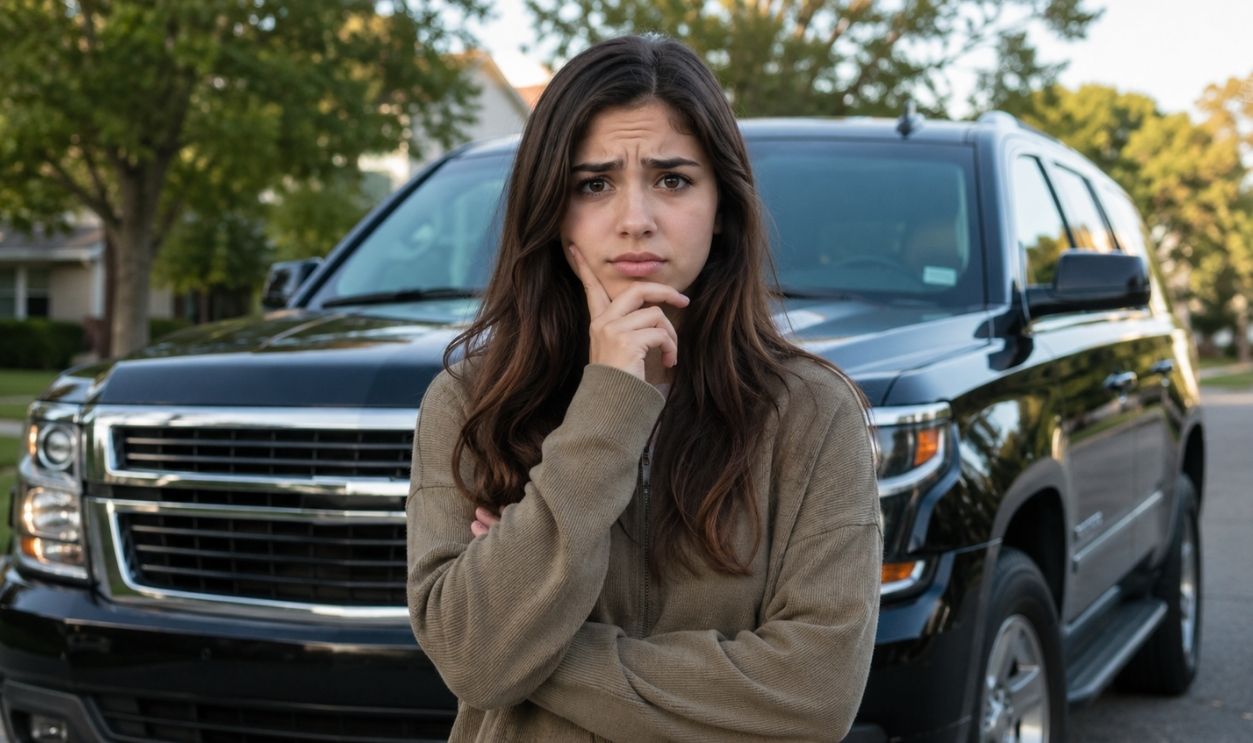
Sitting high up can make a driver feel more in control because it gives a better view down the road. That sense of comfort is real, especially for someone still learning. But safety research shows that size by itself does not guarantee the best outcome, especially when the driver is inexperienced and the vehicle is harder to place, stop, and maneuver.

What The Insurance Data Really Shows
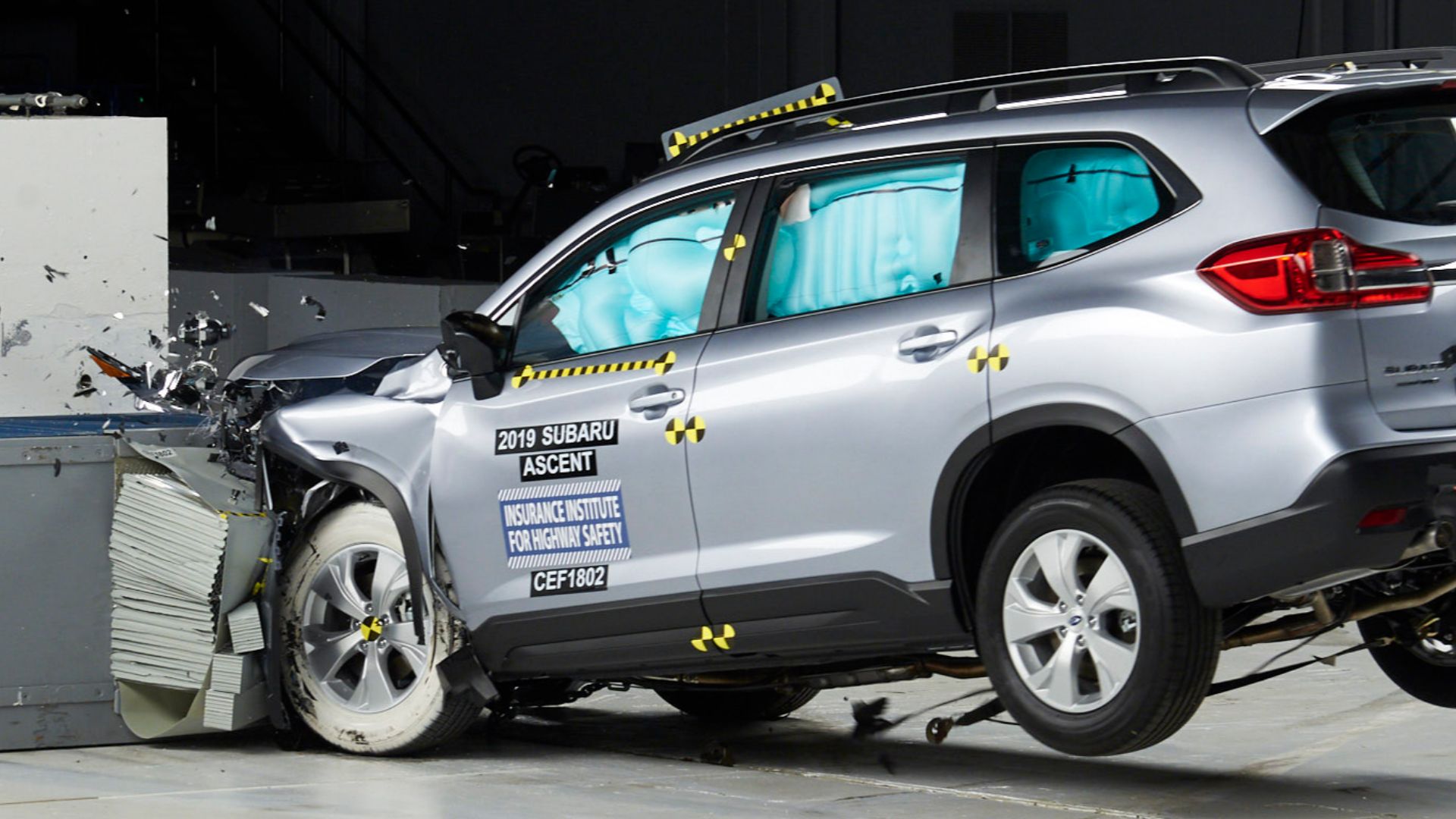
The Insurance Institute for Highway Safety, or IIHS, has long tracked driver death rates by model. In its 2024 analysis of 2020 model-year vehicles, IIHS found very low driver death rates in many newer vehicles, including some SUVs. But the bigger point was not that the largest vehicles always come out ahead. Vehicle design, crash protection, safety tech, and compatibility matter too, and those factors can narrow or even outweigh the simple advantage of size.
 Insurance Institute for Highway Safety, Wikimedia Commons
Crash Protection Has Improved A Lot
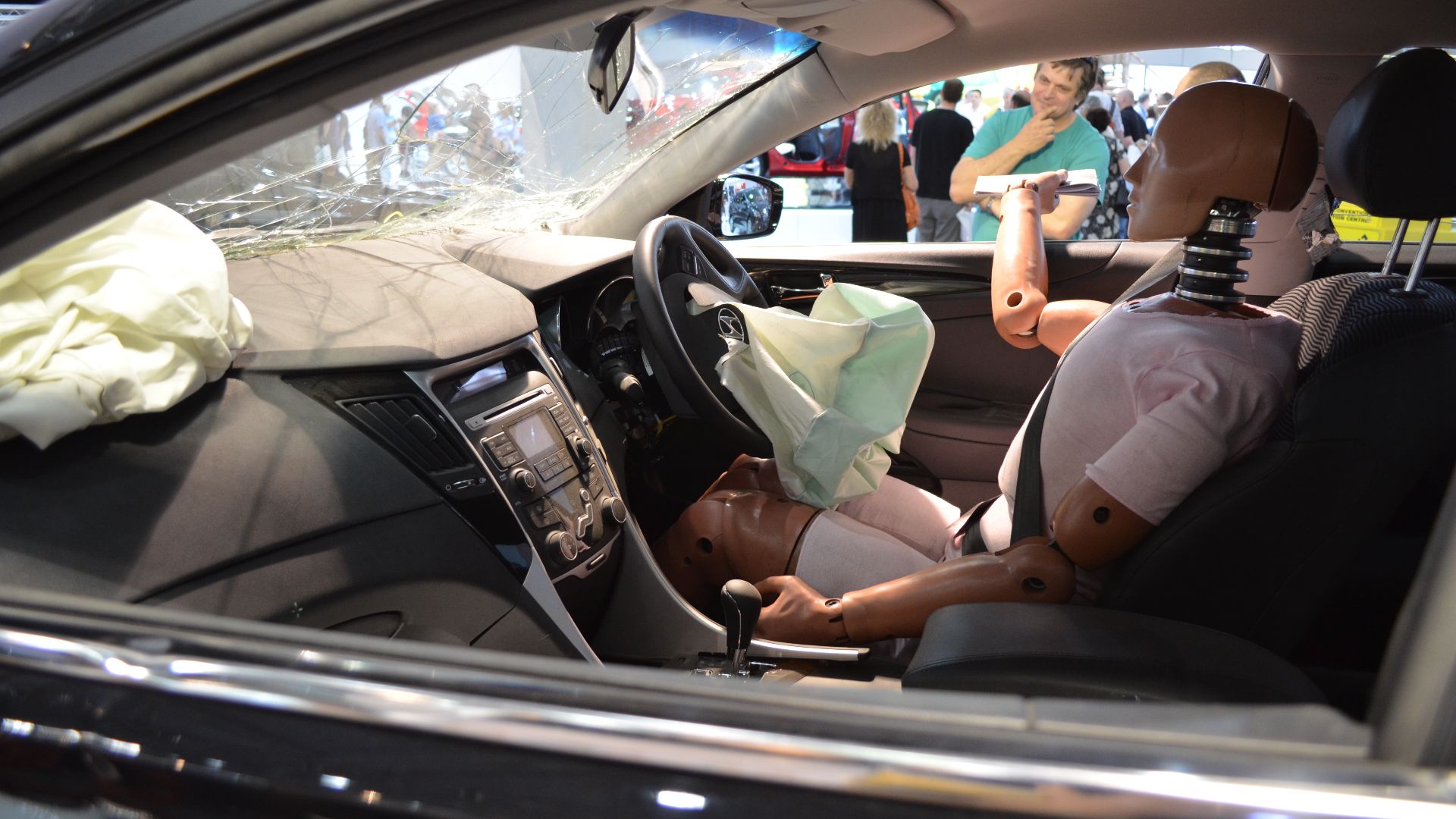
One reason this debate looks different today than it did 20 years ago is that many newer vehicles are much safer across the board. IIHS said driver death rates for 2020 models were the lowest it had ever calculated for a full model year. That means a well-designed midsize SUV or even some cars may offer far more protection than many people assume if they are only comparing bulk.
 Simon Yeo from Drouin, Australia, Wikimedia Commons
Bigger Vehicles Still Have A Physics Advantage
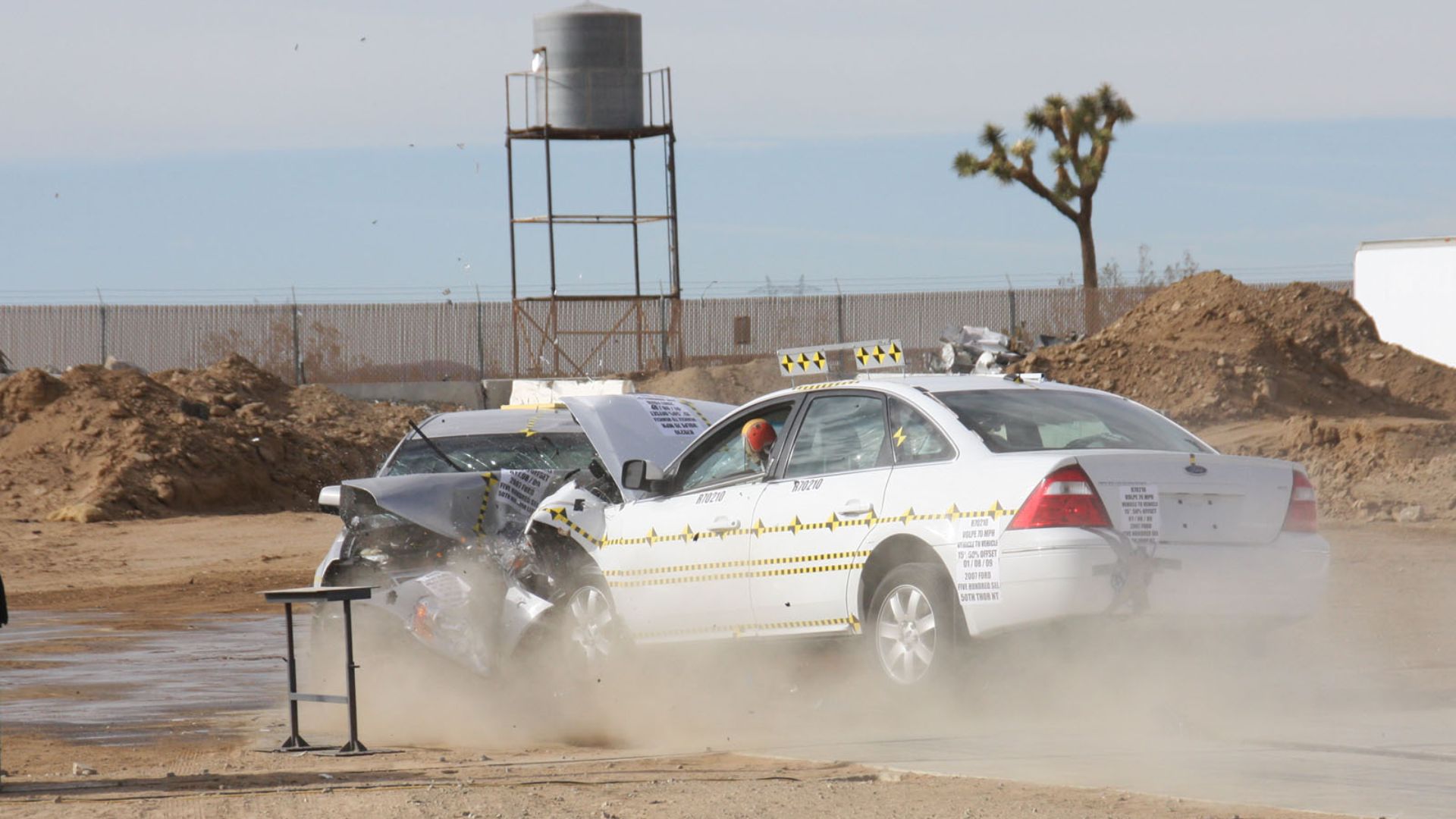
There is no way around physics. In a crash between two vehicles, the heavier one usually exposes its own passengers to lower forces than the lighter one. The National Highway Traffic Safety Administration, or NHTSA, has also recognized the protection benefits that can come with greater size and weight, but that is only part of the story.
 Karco Engineering LLC, National Highway Traffic Safety Administration, Wikimedia Commons
The Other Side Of The Story Is Hard To Ignore
As vehicles get bigger, taller, and heavier, they can become more dangerous to people in other vehicles, as well as pedestrians and cyclists. That has become a major issue in the United States as more drivers have moved into SUVs and pickups. So if the question is whether a huge SUV is safer in every possible way, the honest answer is no.

Taller Front Ends Raise Pedestrian Risk
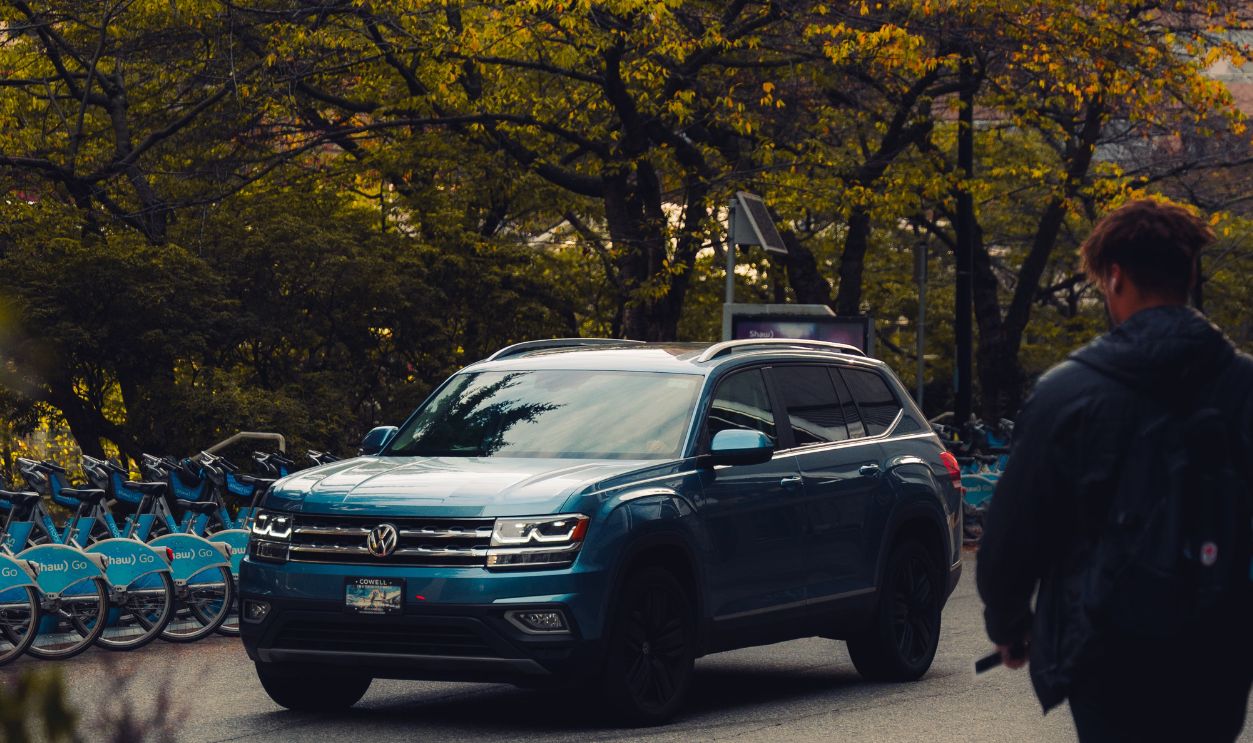
In June 2023, IIHS published research showing that vehicles with taller, blunter front ends are more likely to cause fatal injuries in pedestrian crashes. The study found that pickups, SUVs, and vans with hood heights greater than 40 inches were about 45 percent more likely to cause pedestrian fatalities than cars and other vehicles with hood heights of 30 inches or less. That does not directly settle what is best for your daughter, but it does show the tradeoff that comes with very large vehicles.
Big Hoods Mean Big Blind Zones
One of the most overlooked downsides of a huge SUV is the front blind zone. The driver sits high, but the hood can also be high and long, which can hide children, curbs, poles, and even low cars at close range. Consumer Reports and safety advocates have repeatedly pointed out how poor forward visibility can be in large SUVs and pickups, especially compared with sedans, wagons, and smaller crossovers.
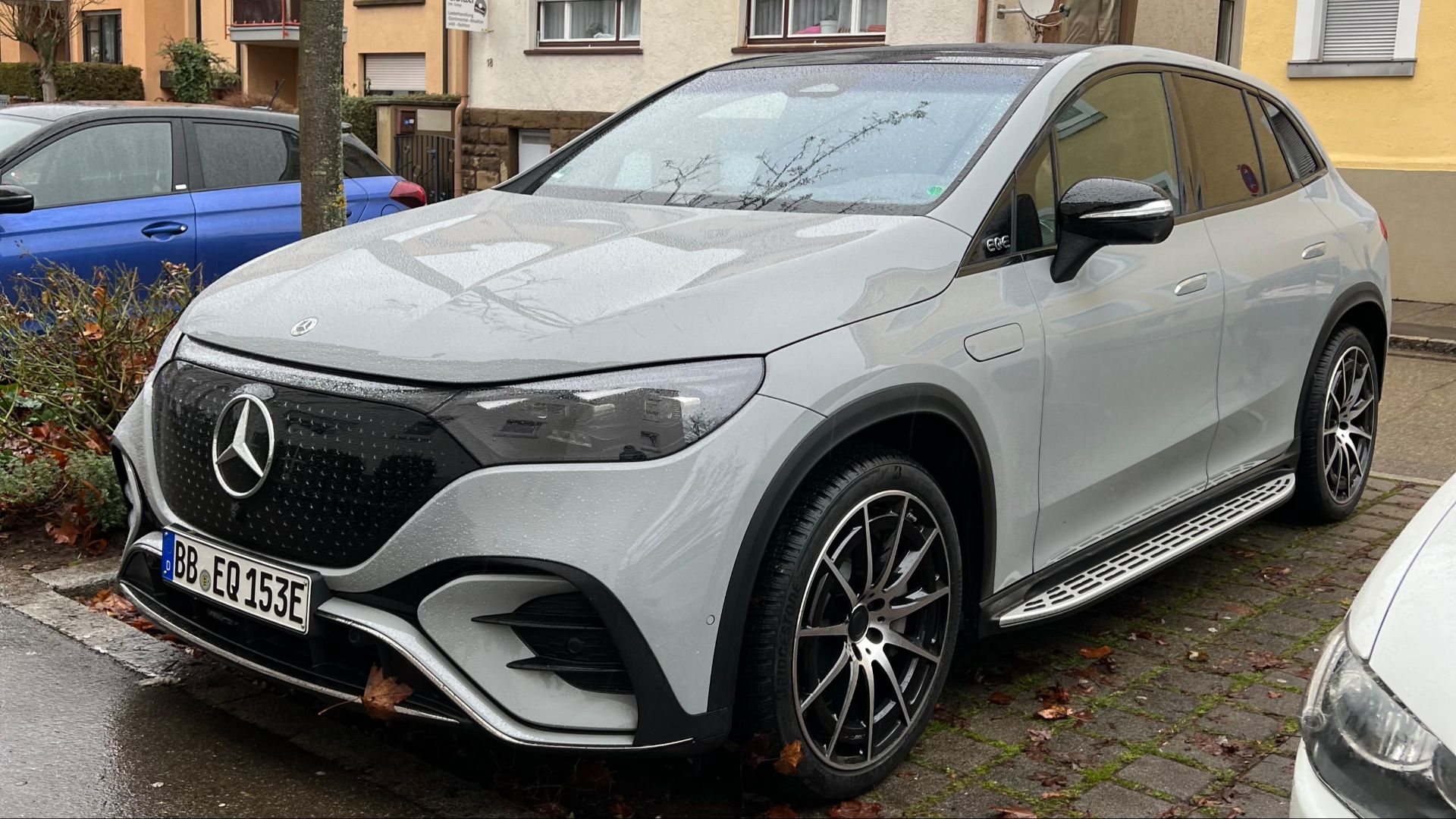
Nervous Drivers Need A Vehicle That Is Easy To Place
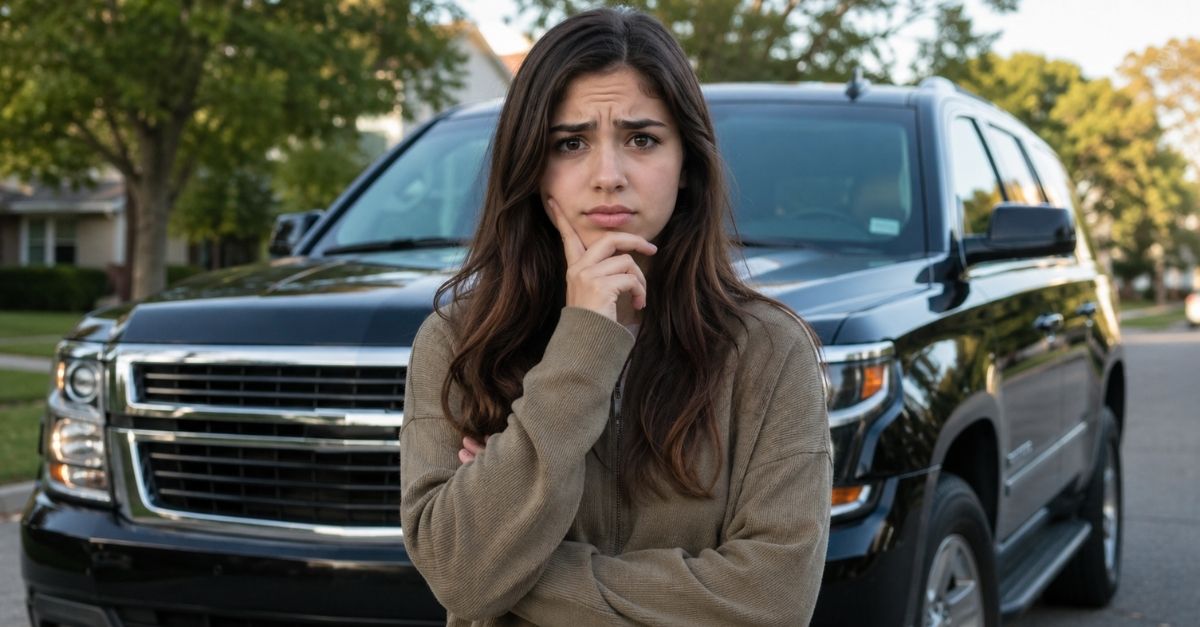
A nervous new driver usually does better in a vehicle that is easy to judge from the driver’s seat. That means moderate width, good visibility, predictable steering, and a shape that is easy to park. A huge SUV can feel commanding on the highway, but in school lots, tight turns, gas stations, and neighborhood streets, it can quickly become tiring to manage.
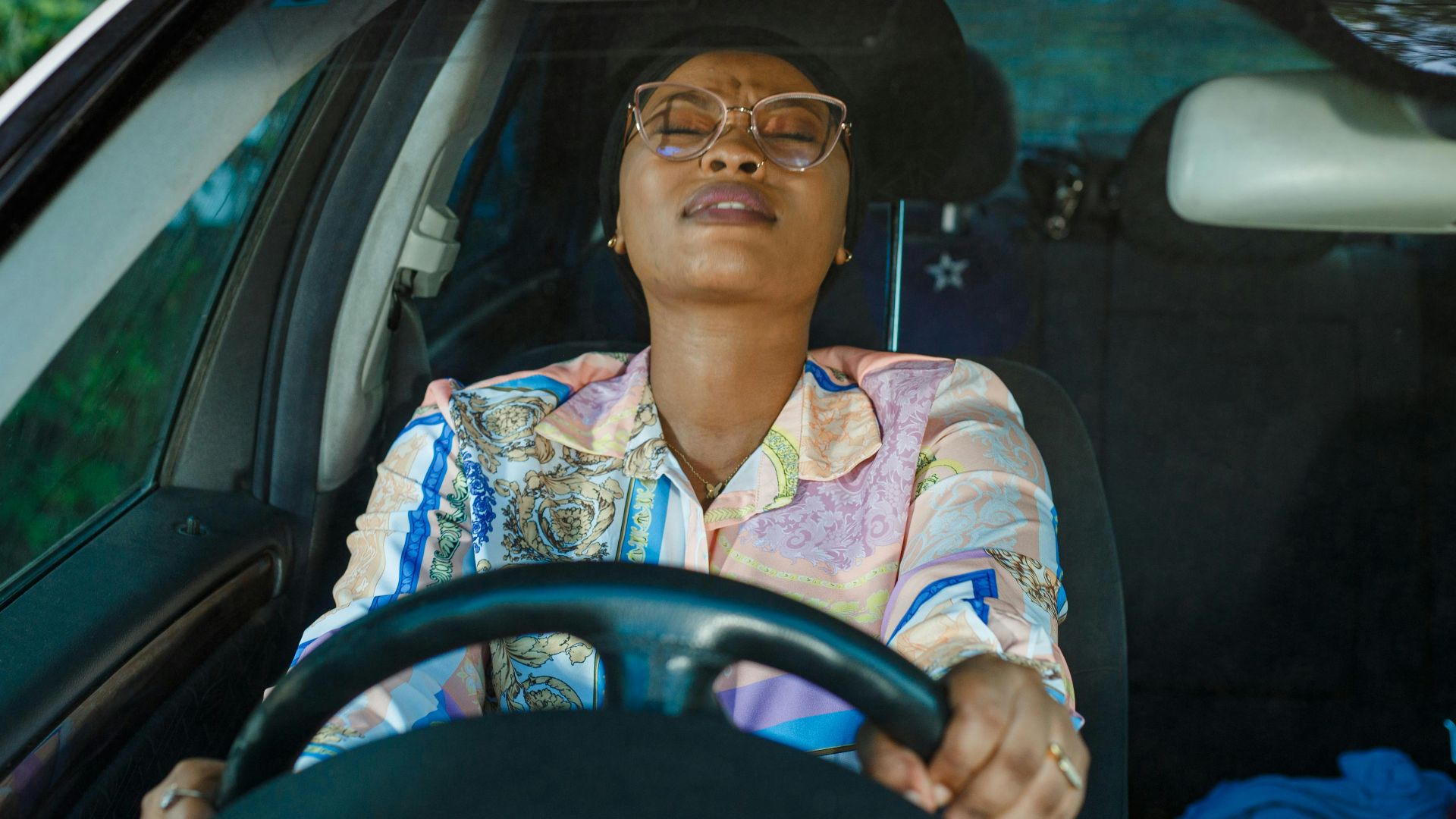
Stopping Distance Matters More Than Many Parents Think
Heavier vehicles usually need more room to stop, all else being equal. Modern brakes and tires can shrink the gap, but weight still matters when a driver has to react fast. For a new driver who may already be a little slow to respond, a bigger and heavier vehicle can make a tough moment even tougher.
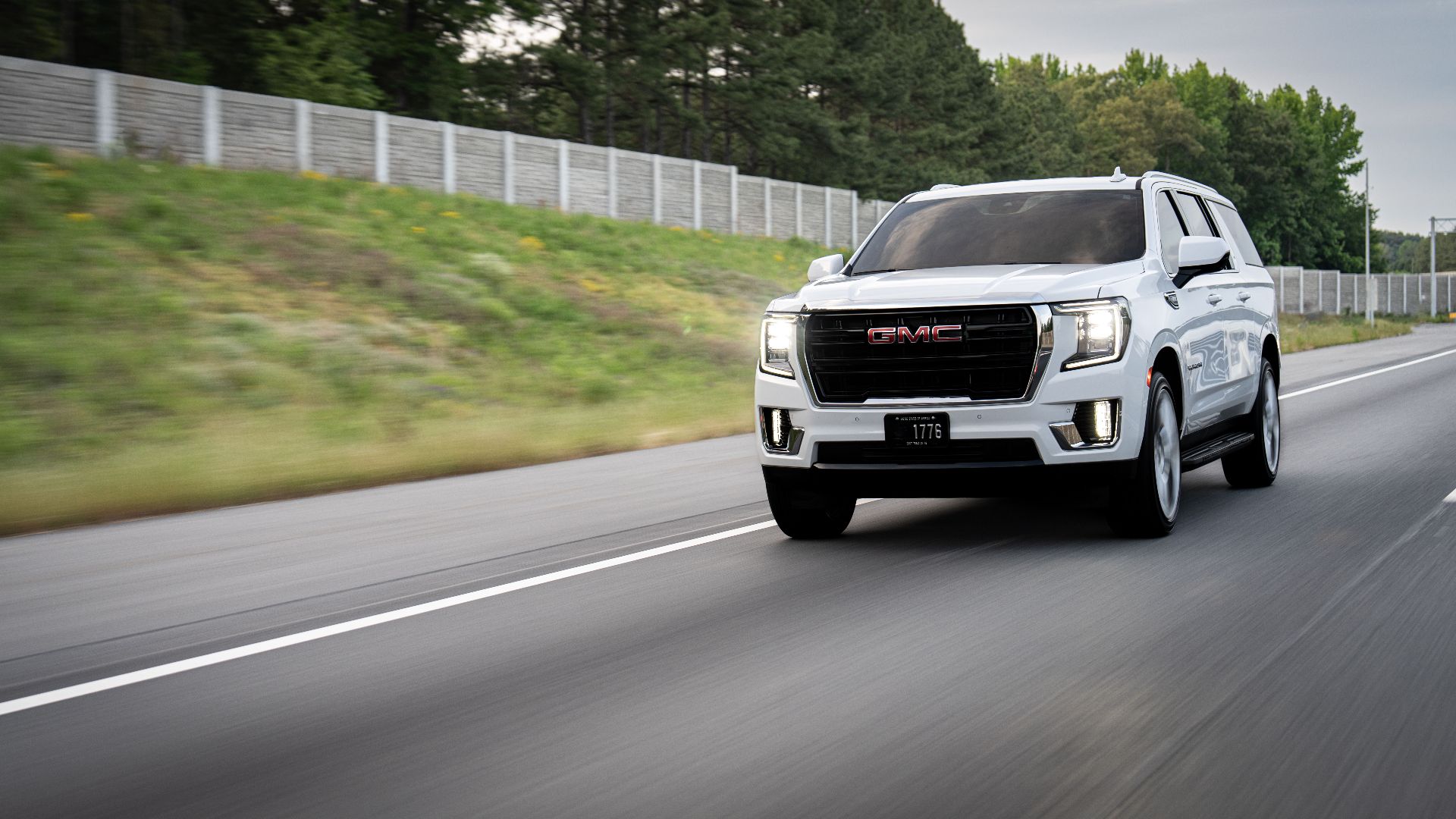
Handling Can Be Less Forgiving In A Giant SUV
Large SUVs have come a long way, but they still tend to feel bulkier in sudden moves than smaller vehicles. A nervous driver may overcorrect or brake in a turn, and a heavier, taller vehicle can be less forgiving when that happens. Electronic stability control has made a huge difference, but it does not change the laws of physics.
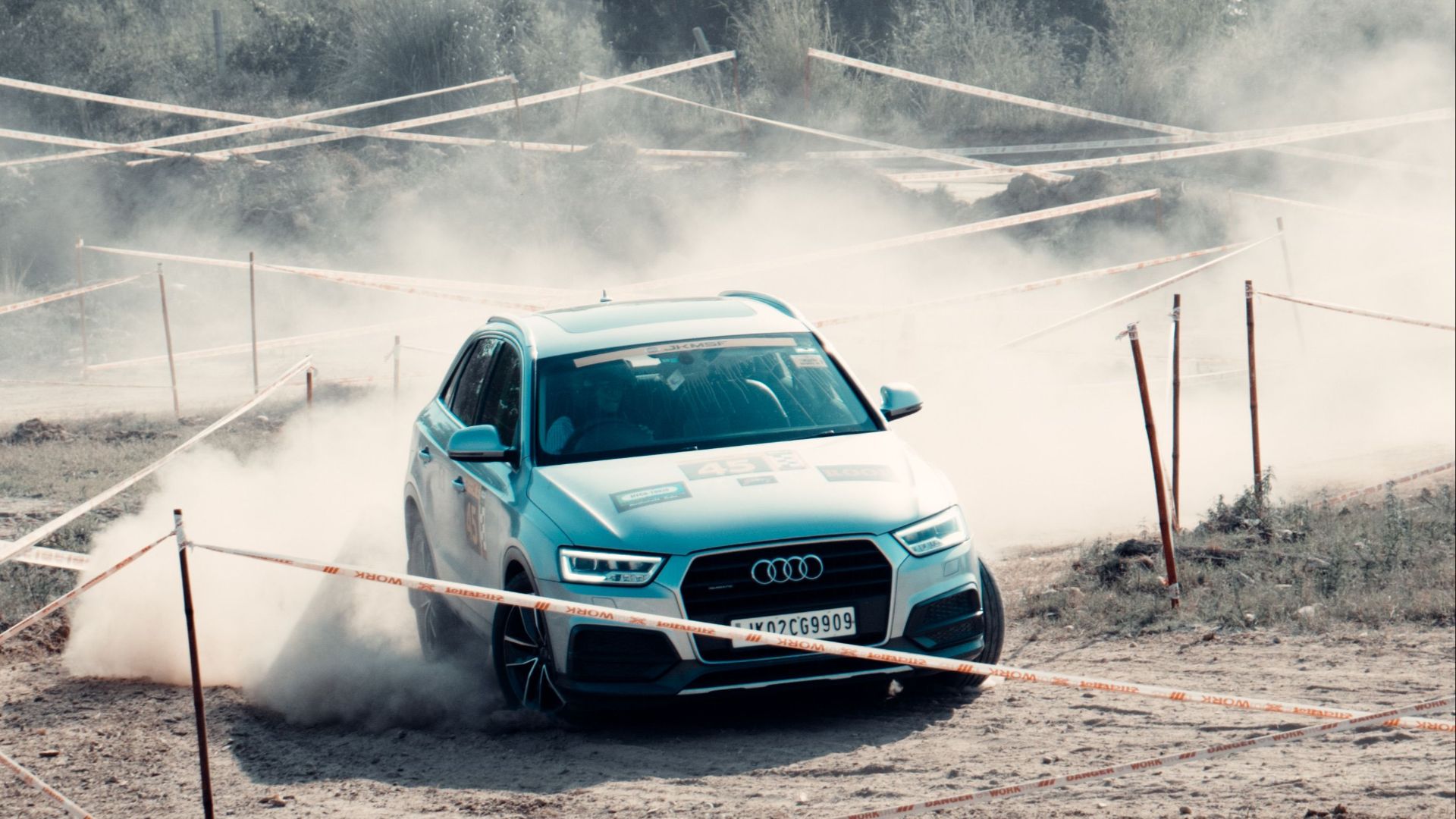
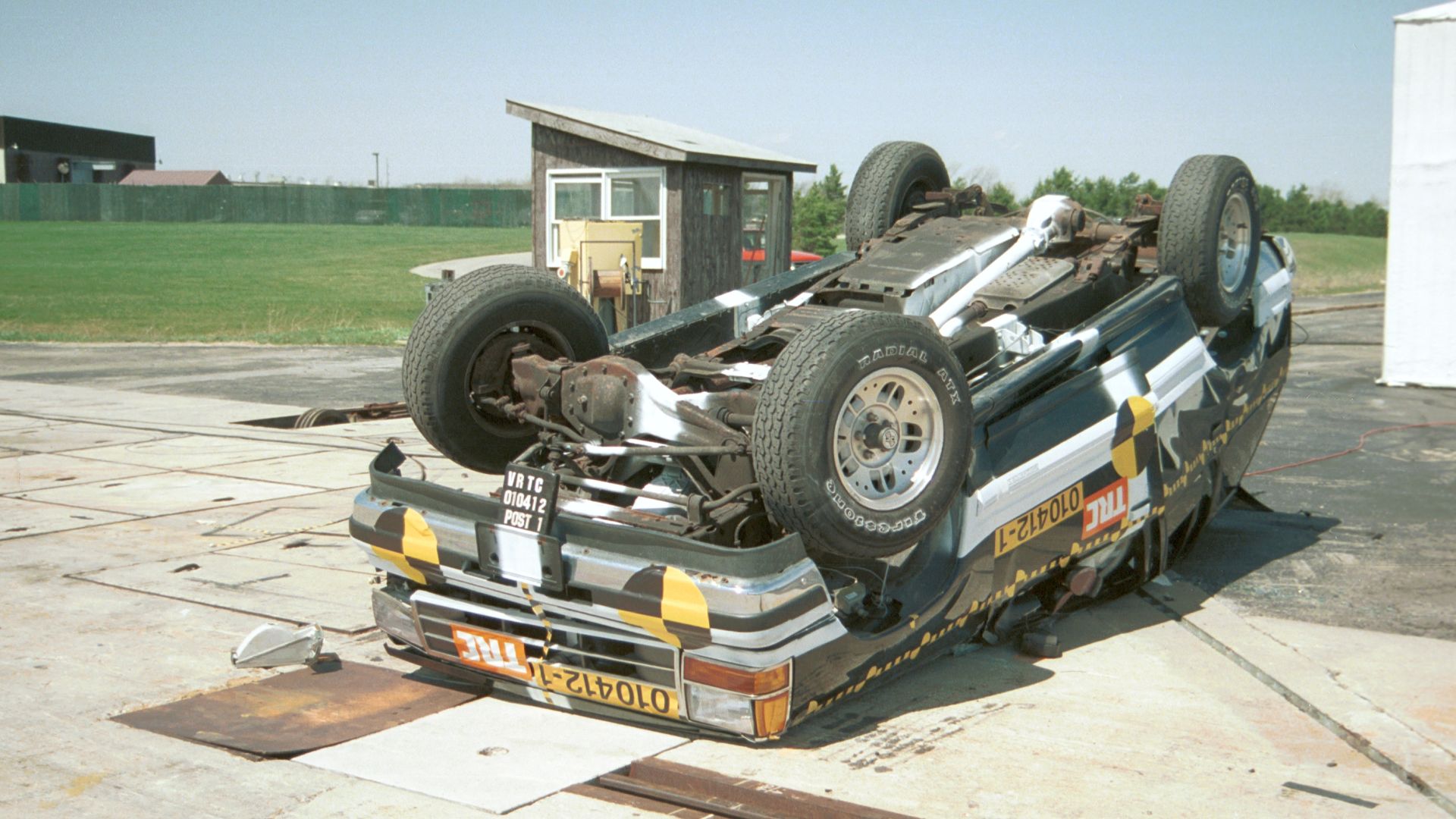
Rollover Risk Used To Be A Major Weak Spot
Years ago, rollover risk was one of the biggest safety problems with SUVs. NHTSA’s rollover ratings still reflect the basic fact that taller vehicles with higher centers of gravity face more rollover risk than lower passenger cars. Modern stability control has sharply reduced rollover crashes, but the issue has not gone away, especially in emergency swerves and run-off-road crashes.
 TRC Ohio, NHTSA, Wikimedia Commons
Electronic Stability Control Changed A Lot
NHTSA has credited electronic stability control with saving thousands of lives by helping drivers keep control and by reducing single-vehicle crashes, including rollovers. The technology became mandatory on new passenger vehicles in the United States for the 2012 model year. If your daughter is shopping used, this is one of the most important features to check before worrying about size.
Teen Crash Risk Is Mostly About Inexperience
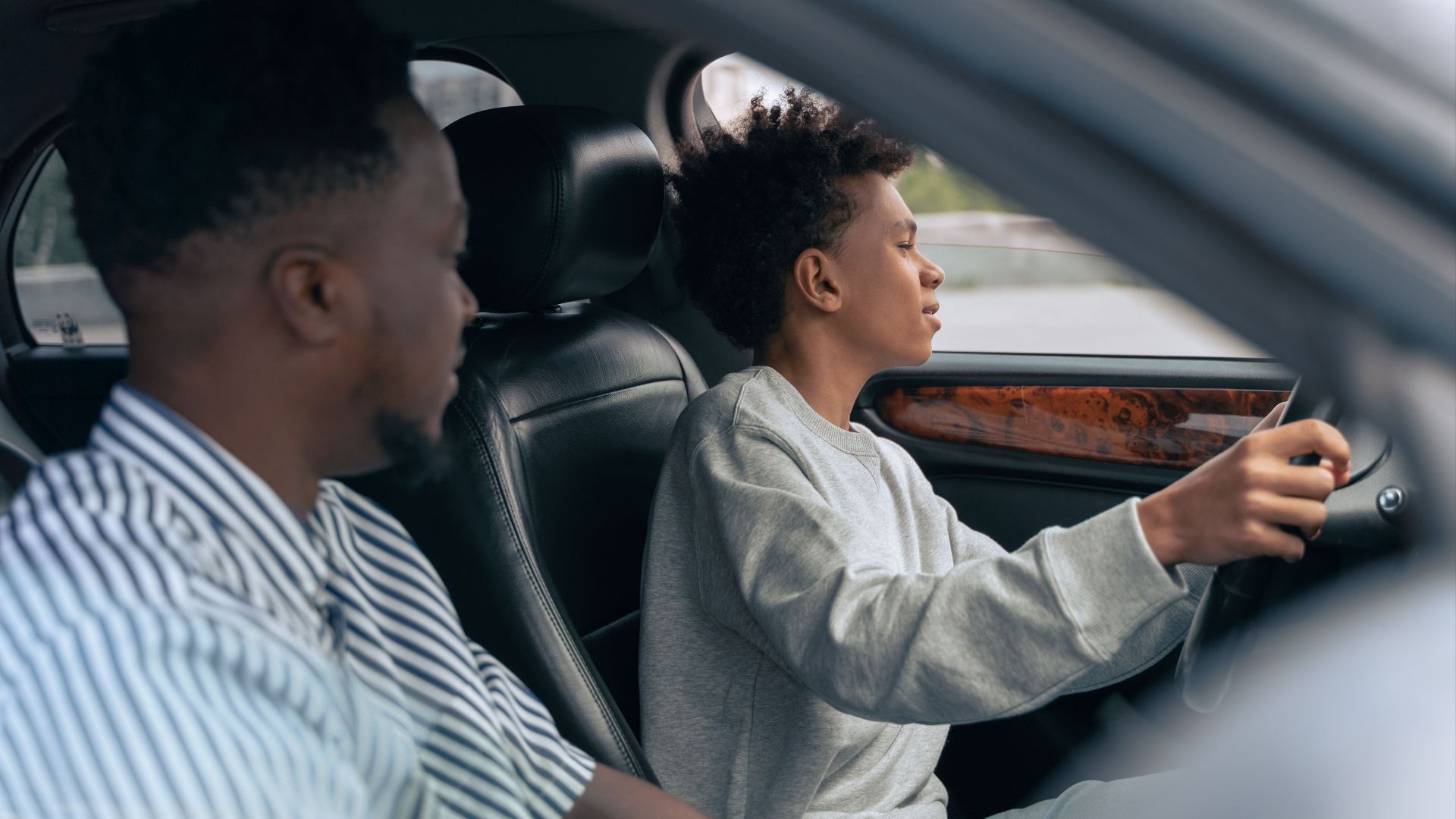
The Centers for Disease Control and Prevention has been direct about the main problem. Teens have higher crash rates than older drivers largely because of inexperience, along with risk factors like speed, nighttime driving, distractions, and carrying teen passengers. That means the safest choice often starts with a vehicle that helps a new driver make fewer mistakes, not one that simply looks tough.
Visibility Is A Safety Feature You Use Every Day
Parents often focus on crash-test scores because they are easy to compare, but visibility matters on every drive. A vehicle with thinner roof pillars, a clear rear view, and manageable dimensions helps a new driver spot hazards sooner. That everyday advantage can matter more often than the extra crash mass of a giant SUV.
 Shixart1985, Wikimedia Commons
Cameras Help But They Do Not Solve Everything
Rearview cameras became mandatory on new U.S. vehicles beginning in May 2018 under a NHTSA rule. They are very helpful, especially when backing up, but they do not remove front blind zones or fix awkward sight lines in parking lots. A huge SUV loaded with cameras can still be harder to handle than a smaller crossover with naturally better visibility.
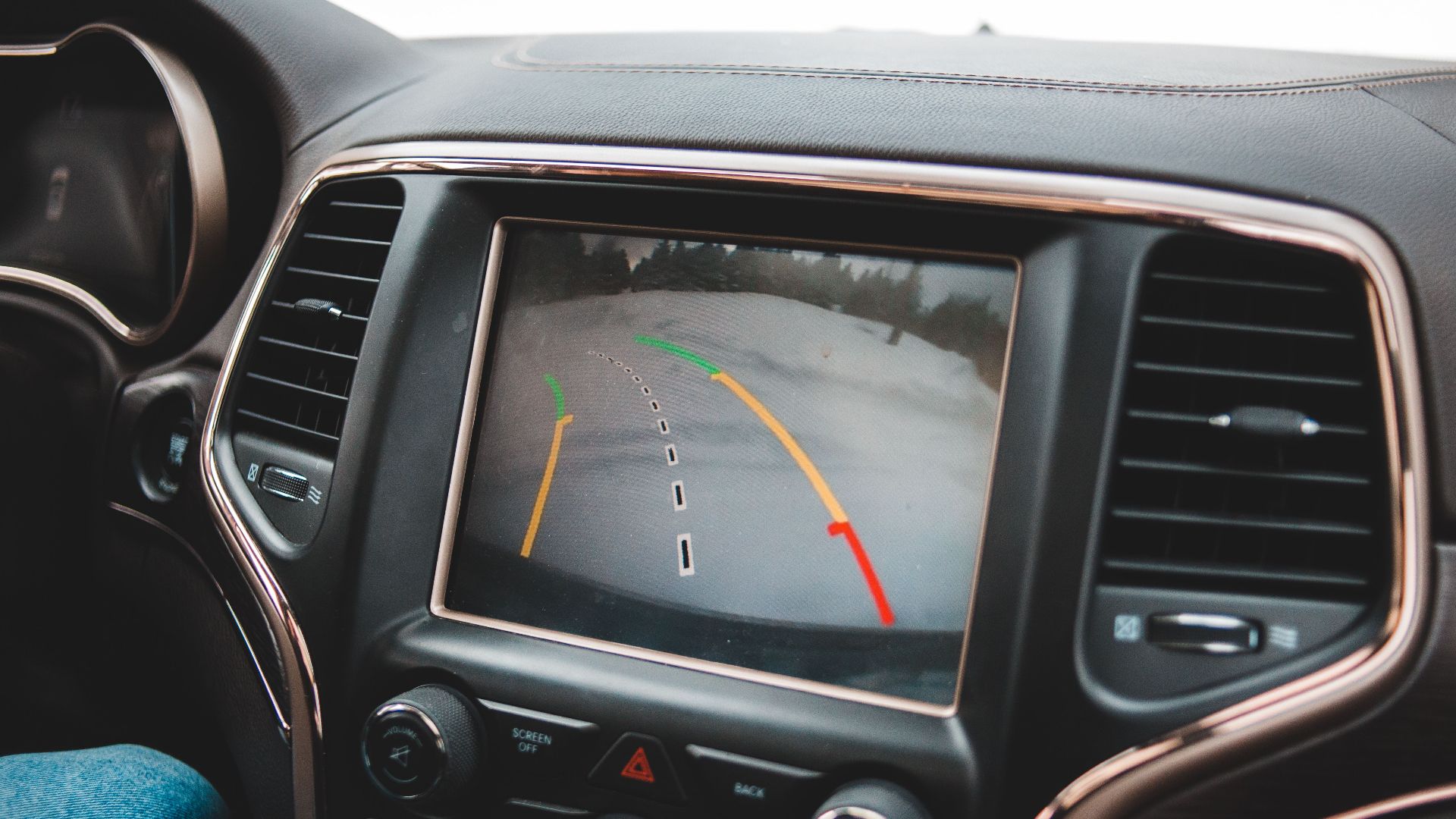
Driver Assistance May Matter More Than Extra Bulk
For a nervous new driver, features like automatic emergency braking, blind-spot monitoring, rear cross-traffic alert, and lane-departure warning may do more for real-world safety than moving up two size classes. IIHS has repeatedly pushed automatic emergency braking and stronger crash-prevention systems because avoiding a crash is even better than surviving one. A midsize vehicle with strong crash-avoidance tech can be a smarter pick than a giant one without it.

Not All SUVs Are The Same
The term SUV covers everything from compact crossovers to truck-based full-size giants. That matters because a Honda CR-V, Subaru Forester, or Toyota RAV4 creates a very different driving experience than a Chevrolet Tahoe or Ford Expedition. If your daughter says she wants an SUV, there is a big difference between wanting a practical compact crossover and wanting the biggest thing on the lot.
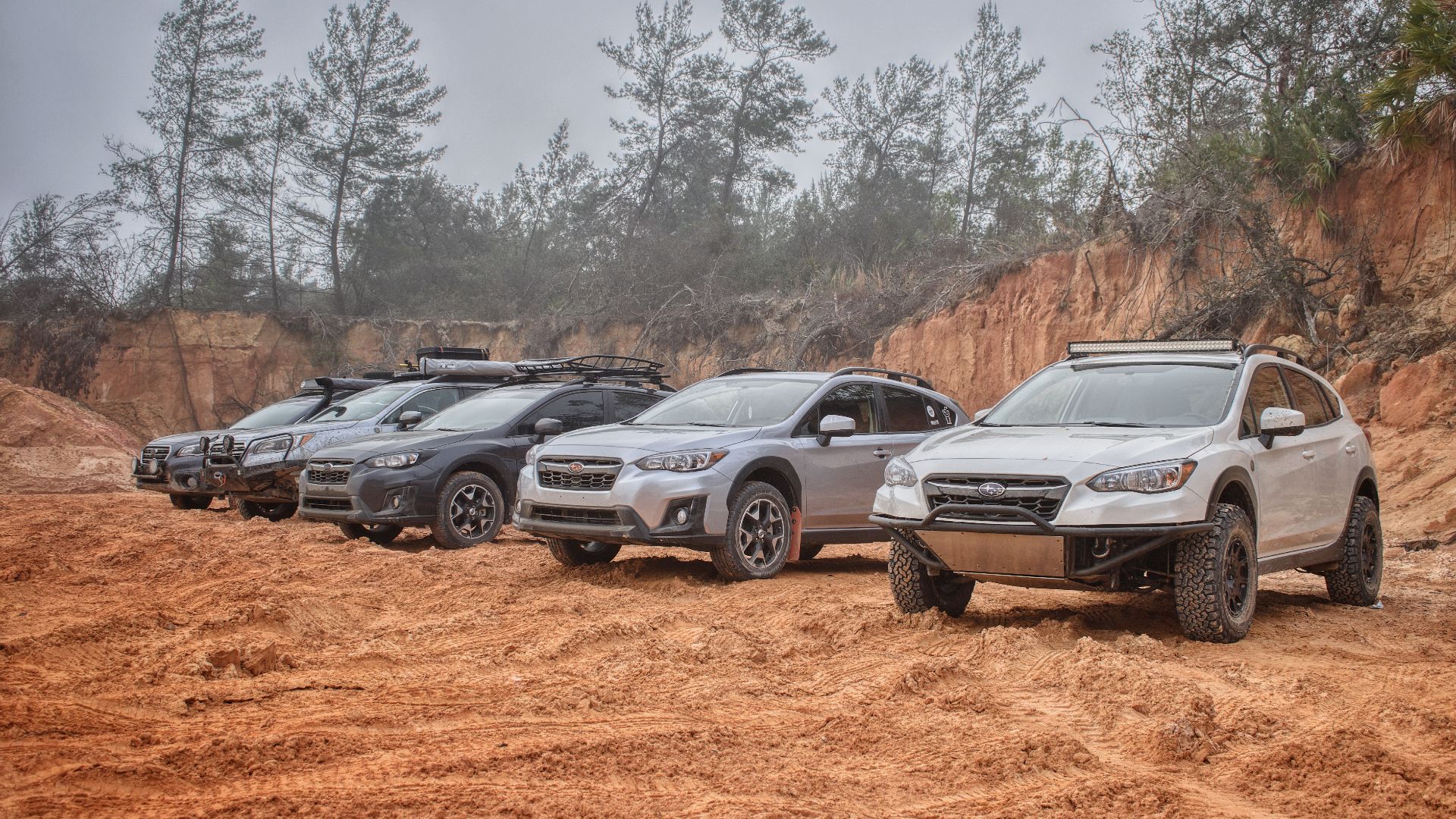
The Sweet Spot Is Often Smaller Than People Think
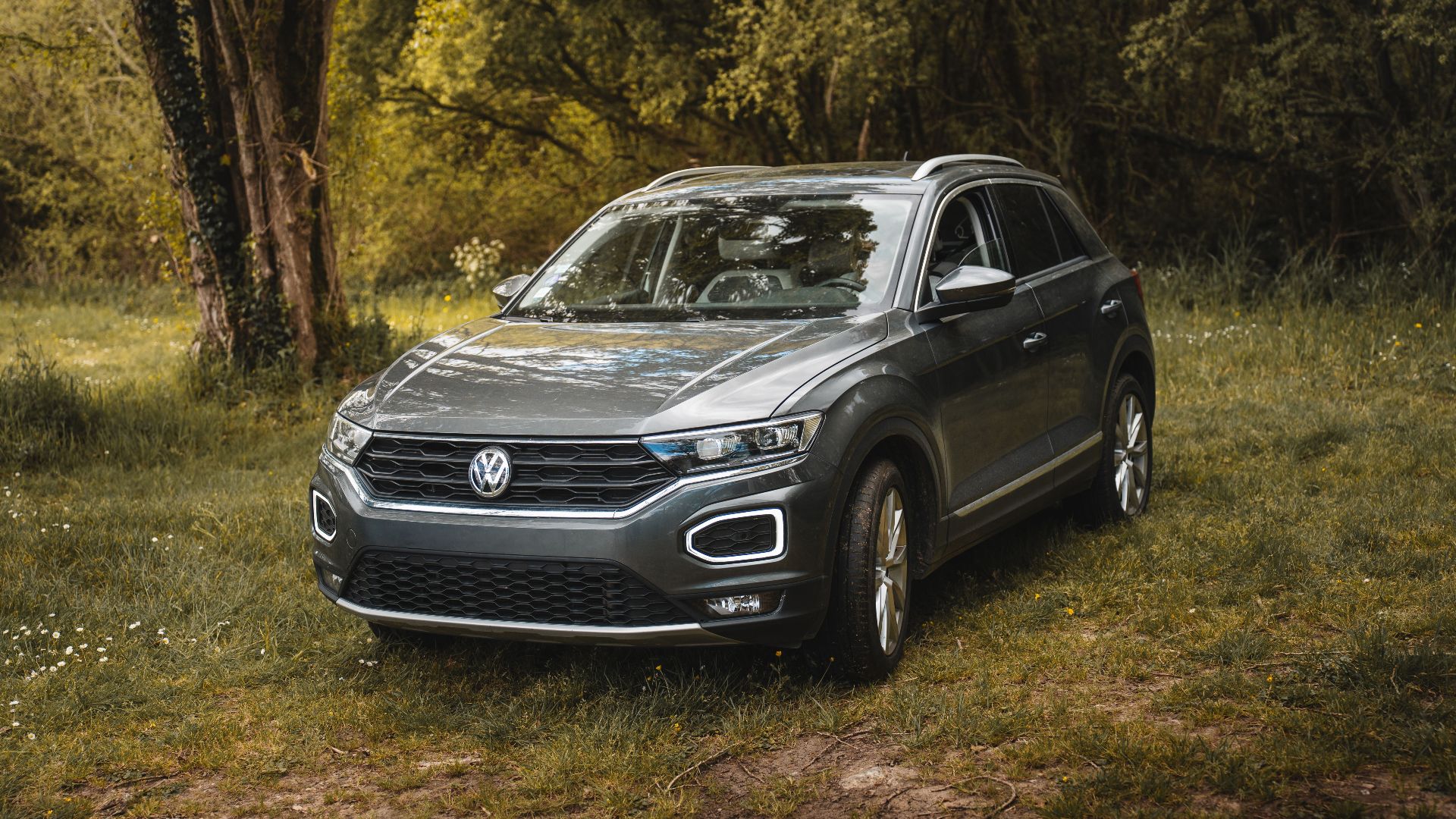
For many families, the best answer is a compact or midsize SUV with top crash scores, standard stability control, and modern driver aids. That kind of vehicle is easier to park, easier to keep in its lane, easier to get into, and usually cheaper to fuel, while still giving drivers the higher seating position they like. It can deliver the feeling of security without the downsides of oversized dimensions.
IIHS Top Safety Pick Awards Can Save Time
If you are sorting through options, IIHS Top Safety Pick and Top Safety Pick+ awards are a useful place to start. These awards look at both crash protection and crash prevention, and in recent years IIHS has tightened the rules for rear-seat protection and pedestrian front crash prevention. That helps point families toward vehicles that are current, not just large.
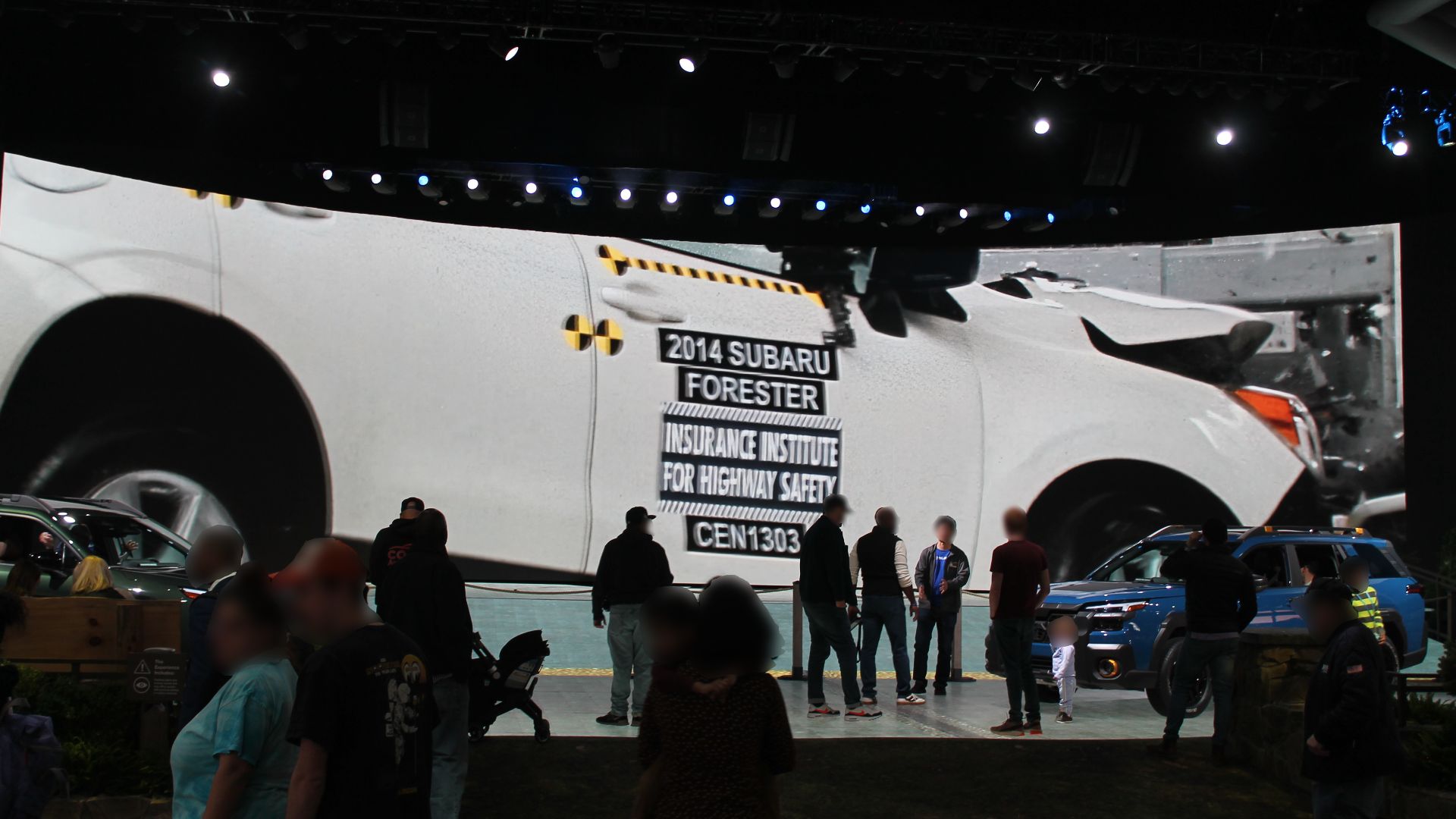
NHTSA Ratings Add Another Layer
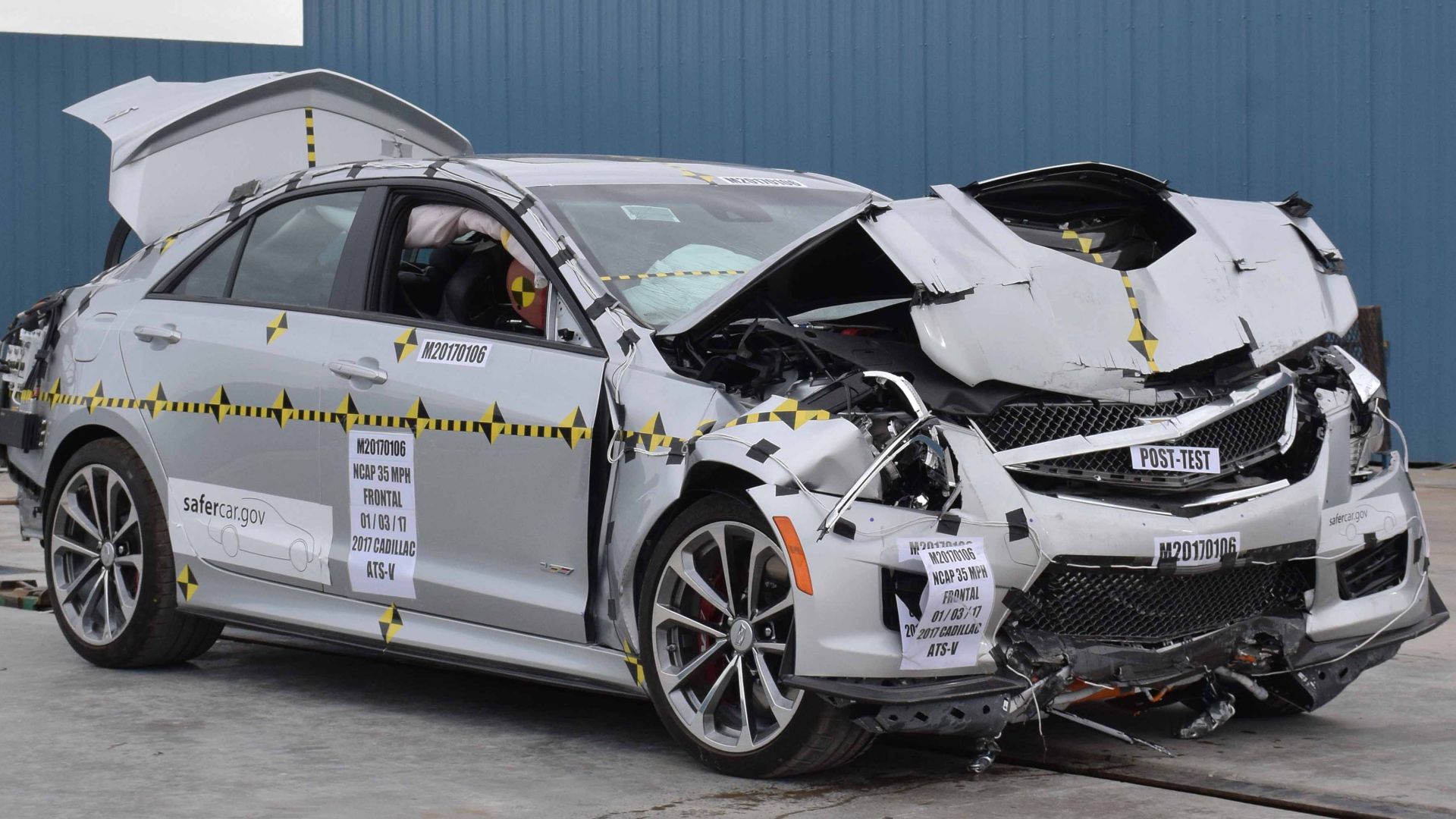
NHTSA’s 5-Star Safety Ratings can also help narrow the list. They include frontal crash, side crash, and rollover resistance tests, and they remain one of the simplest public tools for comparing vehicles. Checking both IIHS and NHTSA is smarter than relying on size alone.
 Karco Engineering LLC, NHTSA, Wikimedia Commons
Used Car Buyers Need To Be Careful
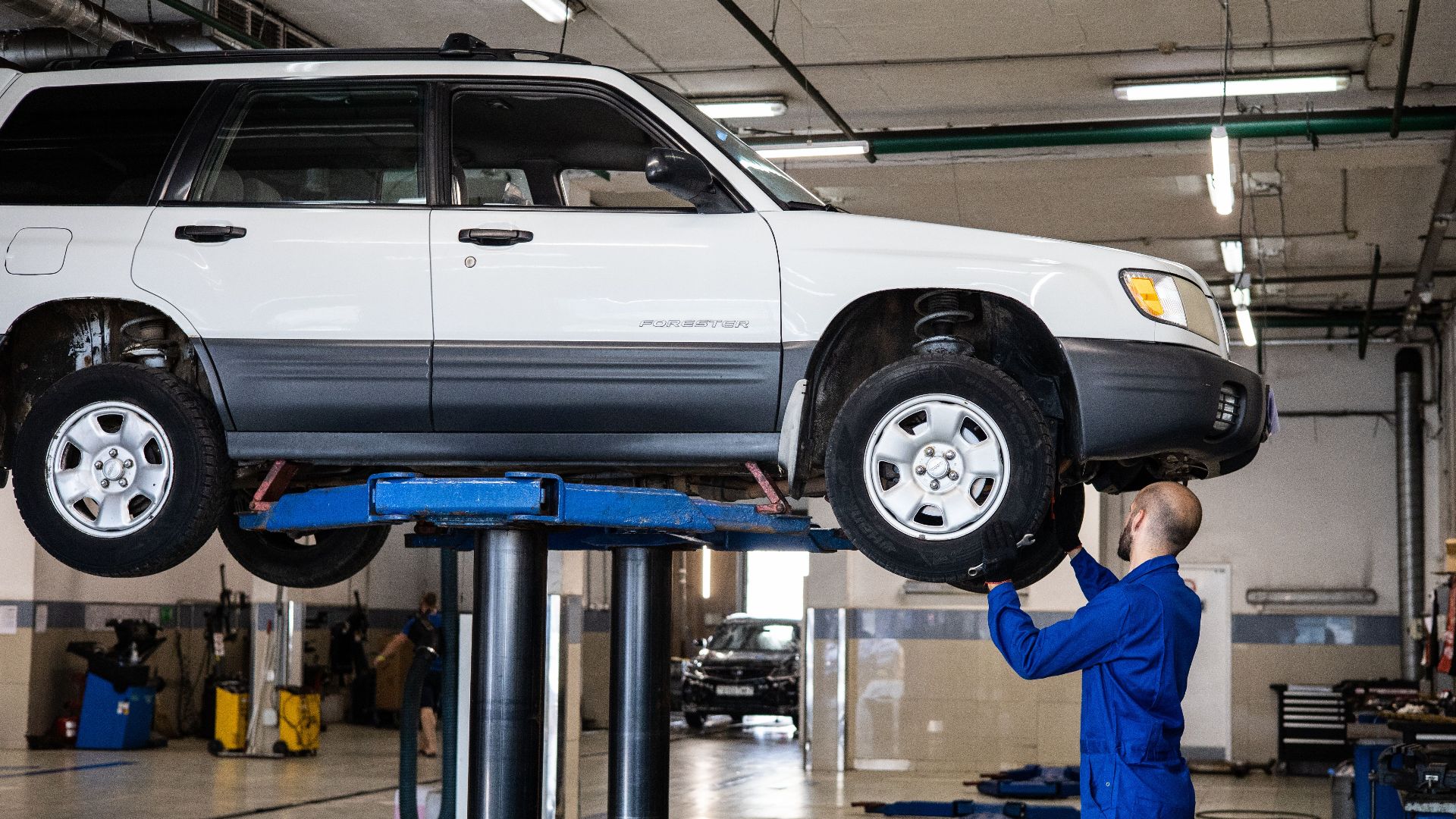
If the budget pushes you toward used vehicles, age matters almost as much as category. A newer compact or midsize SUV with a strong crash structure and modern safety tech can be a better choice than an older, larger SUV with weaker crash performance and fewer electronic aids. This is one place where buying the biggest vehicle for the money can backfire.
Parents Should Think About Everyday Stress
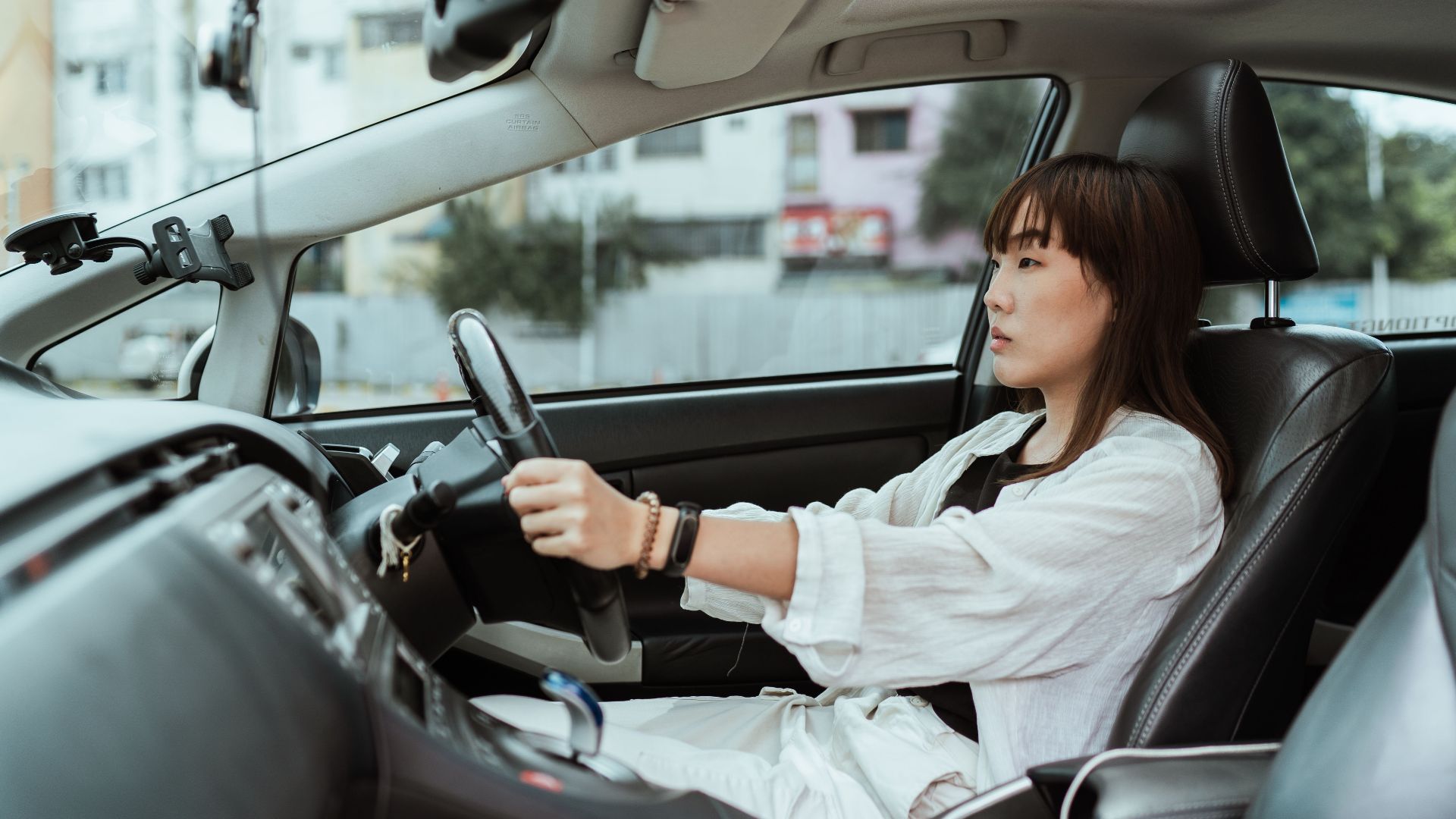
A nervous driver does not just need a safe vehicle on paper. She needs one that lowers stress every time she changes lanes, enters a parking garage, or works through pickup traffic at school or work. If the vehicle feels clumsy, anxiety can rise, and anxiety can lead to hesitation or bad decisions.
The Best First Vehicle Is Usually Predictable
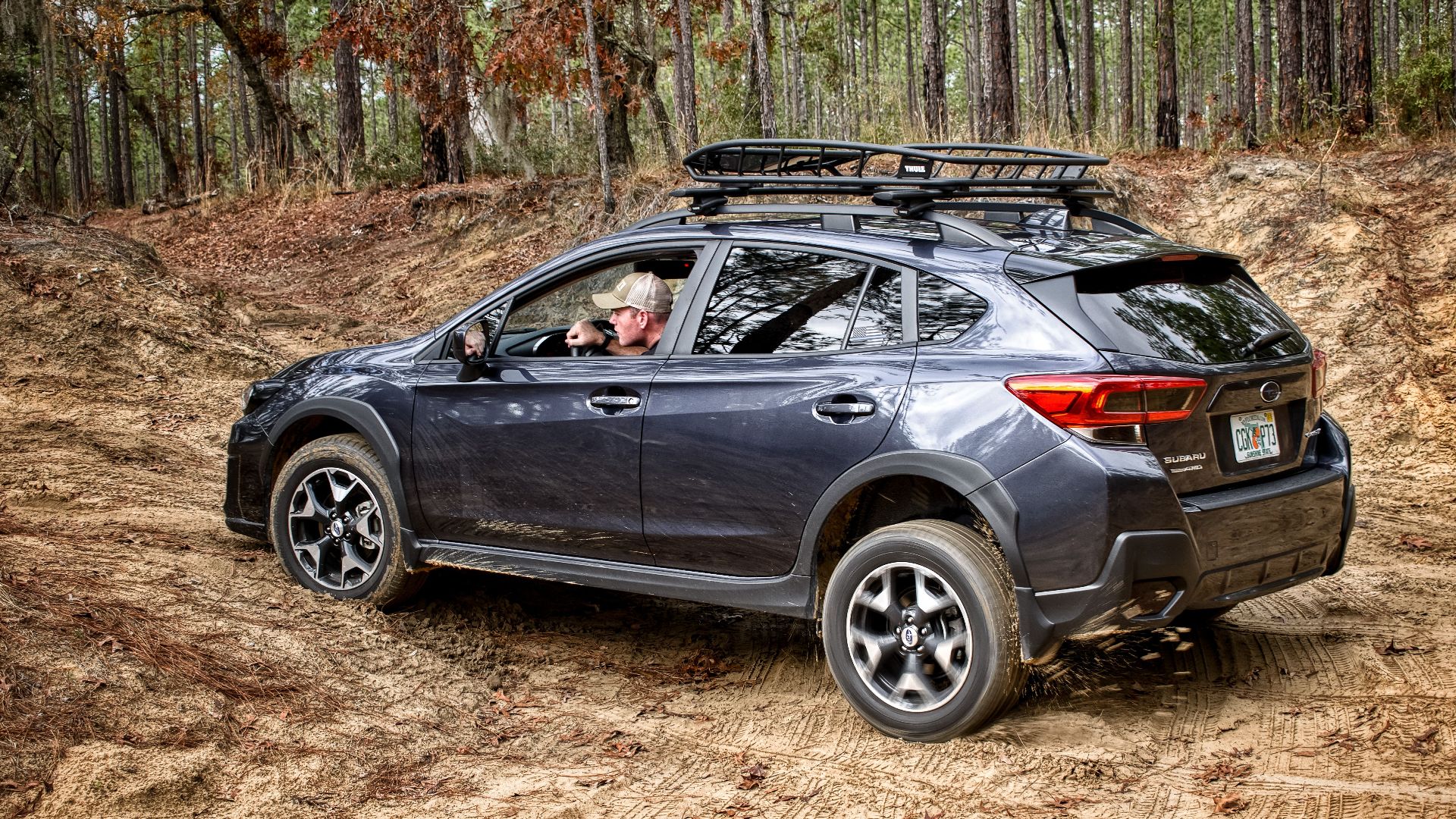
Predictability does not get enough credit. A good first vehicle should respond cleanly to steering and braking, offer excellent visibility, and avoid overwhelming the driver with sheer size. Many compact and midsize crossovers do this much better than full-size SUVs.
Cost Matters Too
Huge SUVs usually come with higher prices, higher fuel costs, and often higher tire and maintenance bills. Insurance costs can vary, but newer safety tech and expensive repairs both play a role. If a family stretches the budget and ends up choosing an older large SUV instead of a newer, safer, smaller one, that is not a great trade.
What Safety Experts Usually Recommend For Teens
Safety groups and consumer advocates often steer teens toward vehicles that are not too small, not too fast, and not too old. That advice exists for a reason. The ideal first vehicle is usually a well-rated midsize sedan or a compact to midsize SUV with strong crash scores and crash-avoidance features, rather than a tiny economy car or an oversized truck-based SUV.
So Could Bigger Actually Be Worse
Yes. For a nervous new driver, bigger absolutely can be worse if it cuts visibility, increases stopping distance, makes parking harder, and adds stress behind the wheel. A huge SUV may offer more protection in certain crashes, but it can also raise the odds of avoidable mistakes and create bigger risks for people outside the vehicle. In many cases, the smartest move is to choose the newest, best-rated, easiest-to-drive vehicle you can afford in the compact or midsize range, with automatic emergency braking and electronic stability control high on the list.
The Practical Bottom Line For Your Daughter
If she wants to sit high up and feel secure, steer the conversation toward a well-rated compact or midsize crossover instead of a full-size giant. Test drive several on the same day and pay close attention to visibility, turning radius, braking feel, seat comfort, and how easy they are to park. Very often, the vehicle that feels less intimidating after 20 minutes of real driving is the one that will do a better job keeping a nervous new driver safe over the next few years.