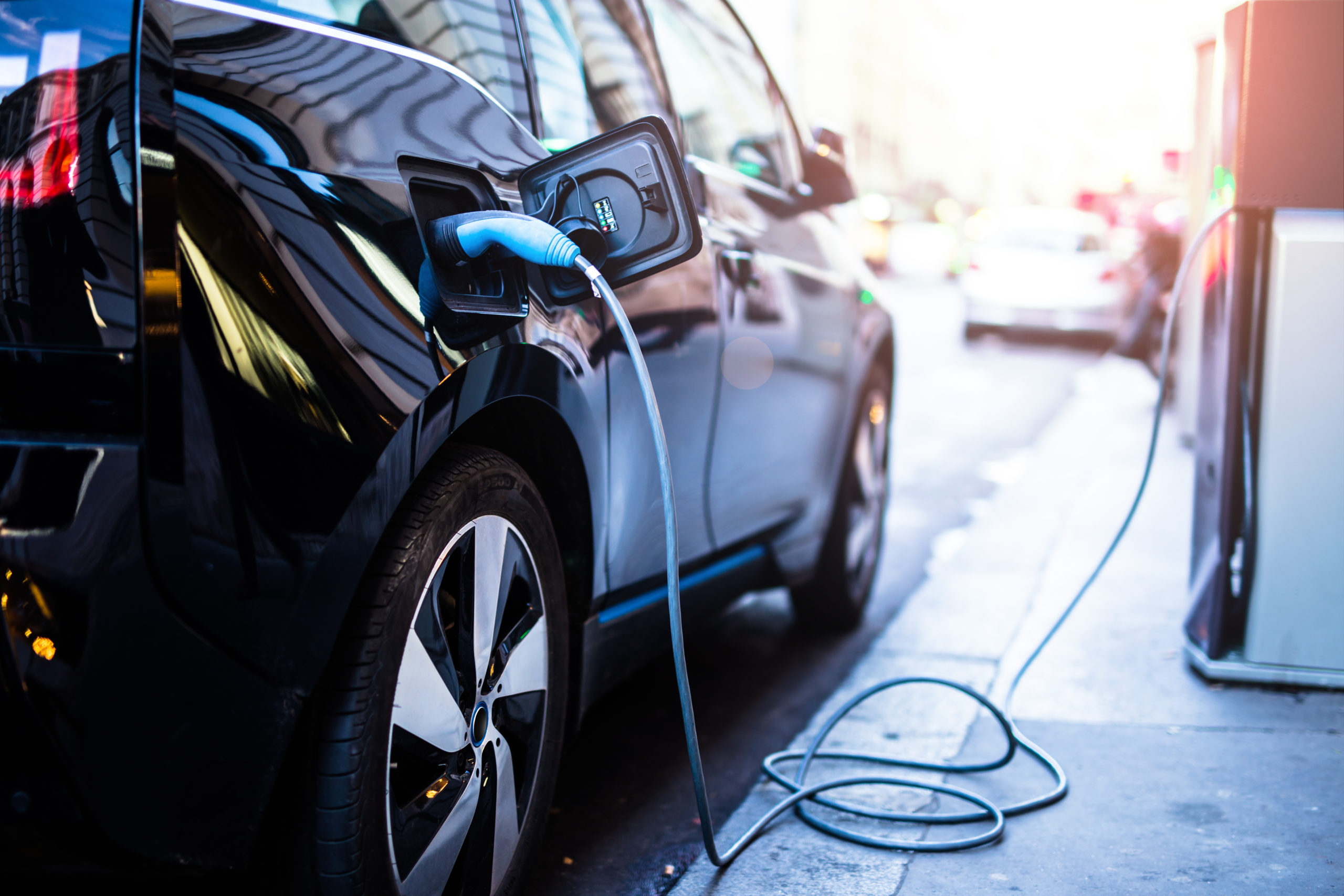
Your Car May Be Talking More Than You Realize
Modern connected cars can transmit information without the driver manually sending anything. Depending on the vehicle, that information can include mileage, diagnostic trouble codes, oil life, battery condition, location, and other operating data. Some manufacturers use this information to power maintenance reminders and vehicle health reports.

Those Dealer Calls Probably Have A Digital Trigger
A maintenance warning that appears on your dashboard may also travel through the vehicle's cellular connection to the automaker. The manufacturer can then use that information for connected services or make certain vehicle health information available to an authorized dealer. Toyota, for example, says its Service Connect system can use vehicle health data to provide maintenance alerts and service-related communications.

The Short Answer Is Usually Yes
In many vehicles, drivers have at least some ability to limit connected services, dealer communications, or both. The exact controls depend heavily on the manufacturer, model year, software, and services activated on the car. Turning everything off may also disable useful features, so the better approach is usually to identify exactly which sharing or communication you want to stop.

Dealer Calls And Vehicle Data Are Two Different Problems
It helps to separate the unwanted phone calls from the underlying data transmission. You may be able to stop the dealership from contacting you without completely disconnecting your vehicle. Conversely, stopping promotional calls does not necessarily mean the car has stopped transmitting diagnostic information to its manufacturer.

Maintenance Data Can Be Surprisingly Detailed
Connected diagnostic information can involve much more than a simple reminder that an oil change is due. Toyota lists information including odometer readings, oil life, battery information, fuel level, and diagnostic trouble codes among the data used by its connected services. Kia similarly describes collecting information about vehicle condition, tire pressure, battery information, odometer readings, and diagnostic data.
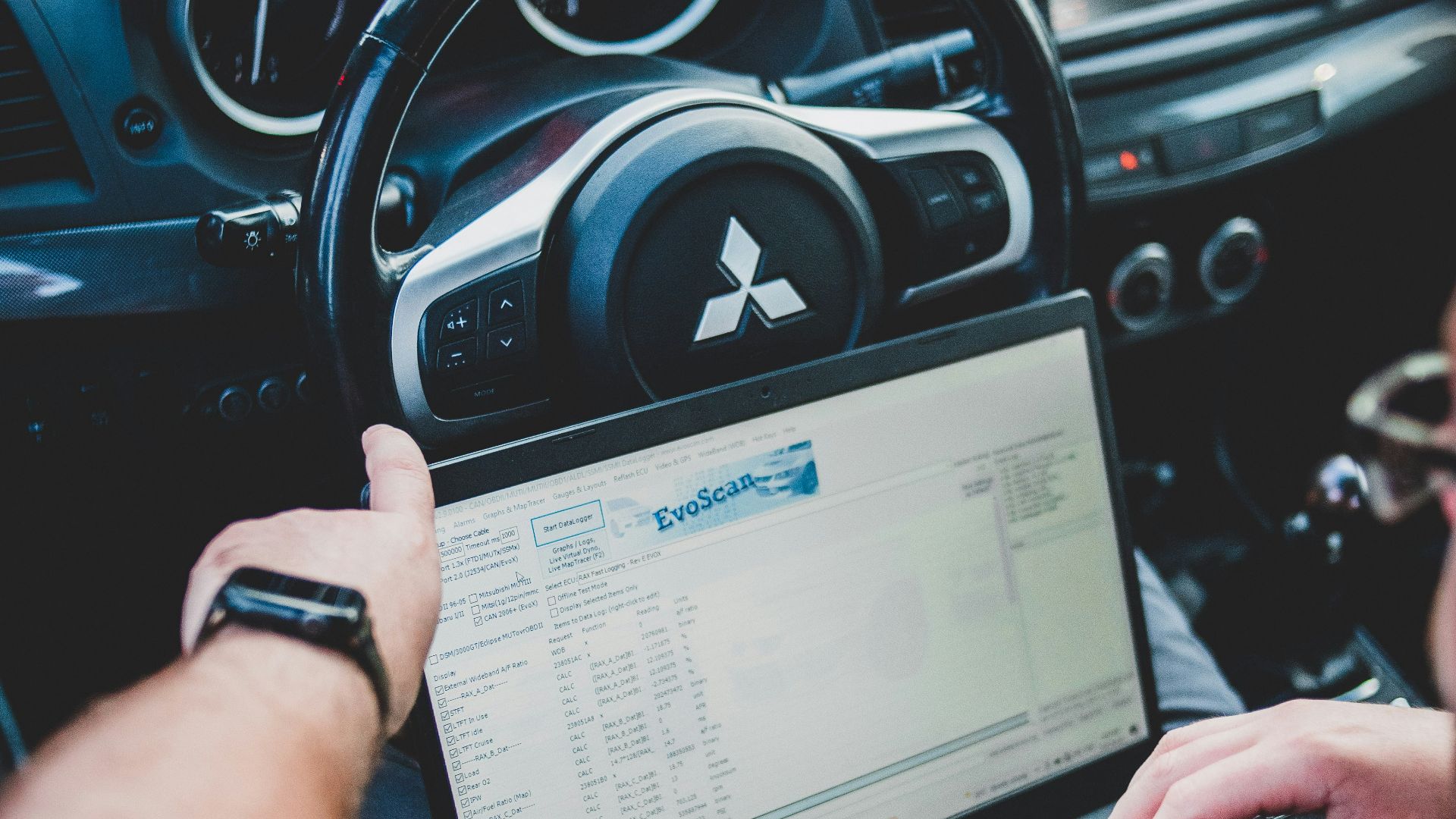
Your Vehicle Identification Number Connects The Dots
Vehicle data often becomes particularly useful because it can be associated with the vehicle identification number, or VIN. Ford says connected vehicle information may be linked to a VIN or another identifier that can ultimately be associated with a person. That connection allows a manufacturer or authorized service network to know which specific vehicle generated a health alert.
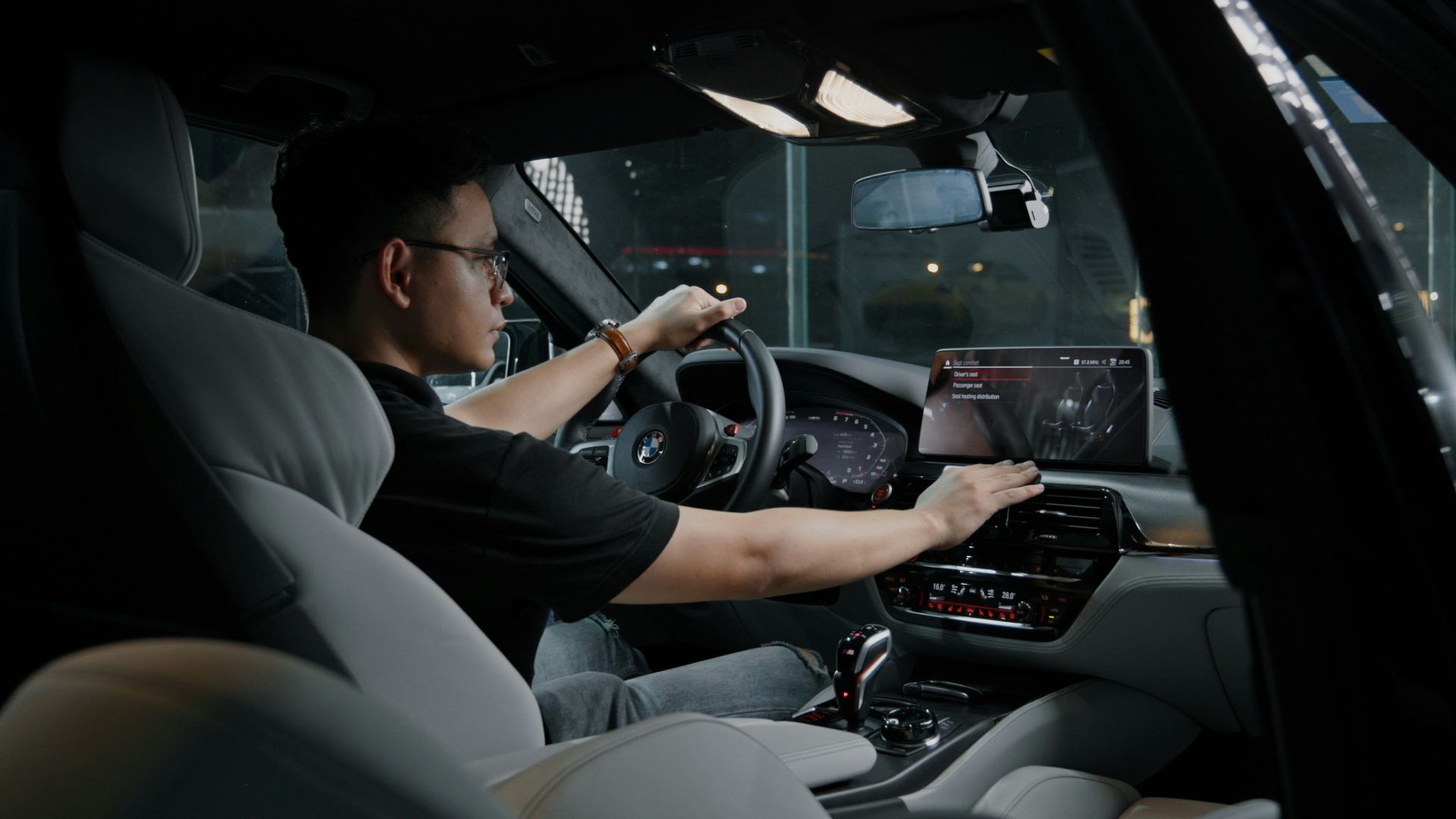
The Dealer May Not Actually Own The Data System
Your dealership and your automaker are often separate businesses, even if the dealer's signs carry the manufacturer's name. Ford expressly states that authorized dealers are separate legal entities with their own privacy practices. That distinction matters because changing a manufacturer's privacy setting may not automatically remove your phone number from a dealership's own customer database.

Your Car May Have Arrived Connected
Drivers sometimes assume data collection begins only after they buy a subscription. That is not necessarily true because connectivity equipment may already be operating when the vehicle is delivered. Ford says some model year 2020 and newer vehicles automatically transmit certain vehicle analytics and diagnostic data, while Toyota says connected data collection may be active when an equipped vehicle is purchased or leased.
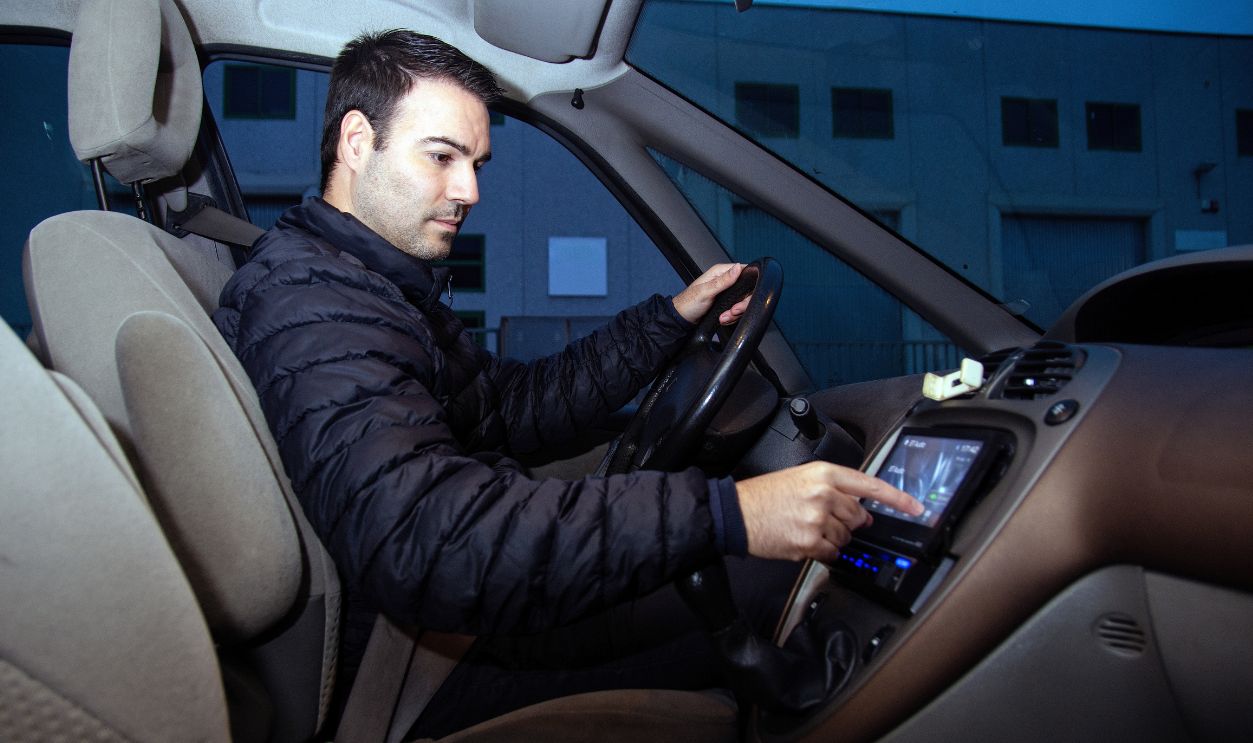
A Free Trial Can Still Involve Data
Connected services are frequently bundled with a vehicle for an introductory period. Toyota's Service Connect, for example, can provide vehicle health reports, alerts, and maintenance information through an active trial or paid subscription. The fact that the service does not yet appear as a separate monthly charge does not mean the underlying connected features are inactive.
Start With The Car's Privacy Menu
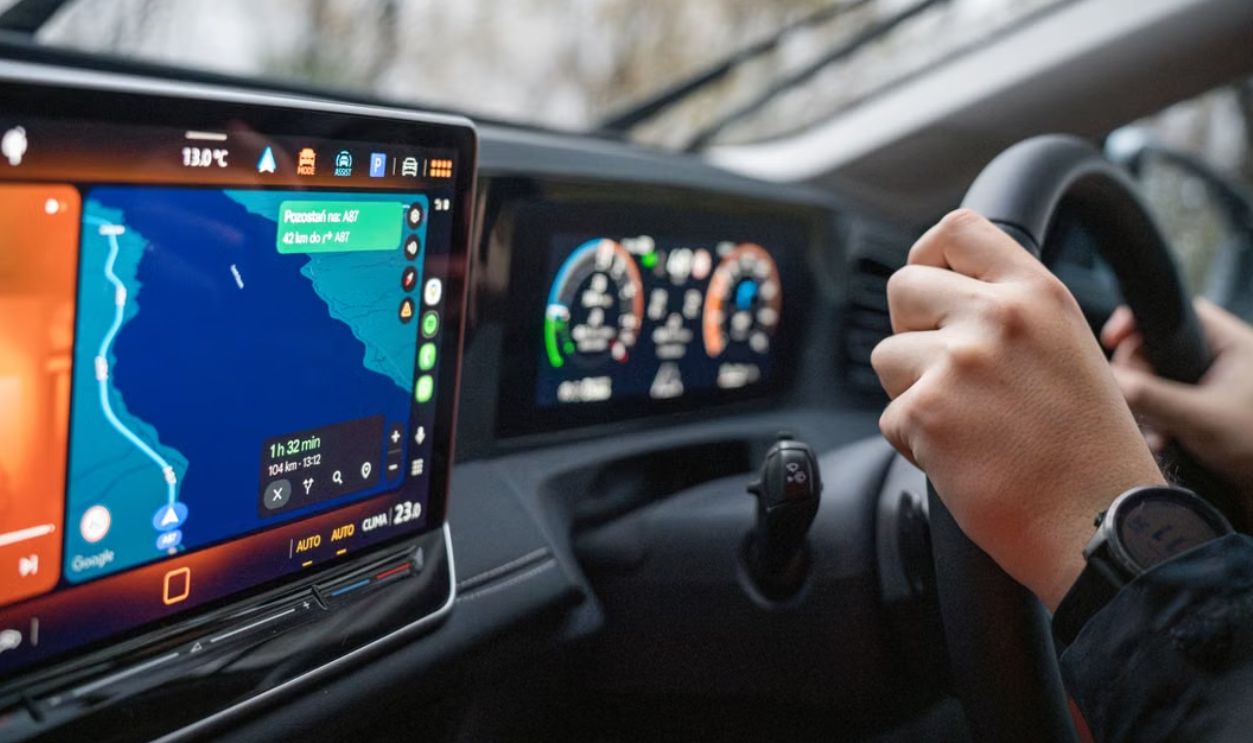
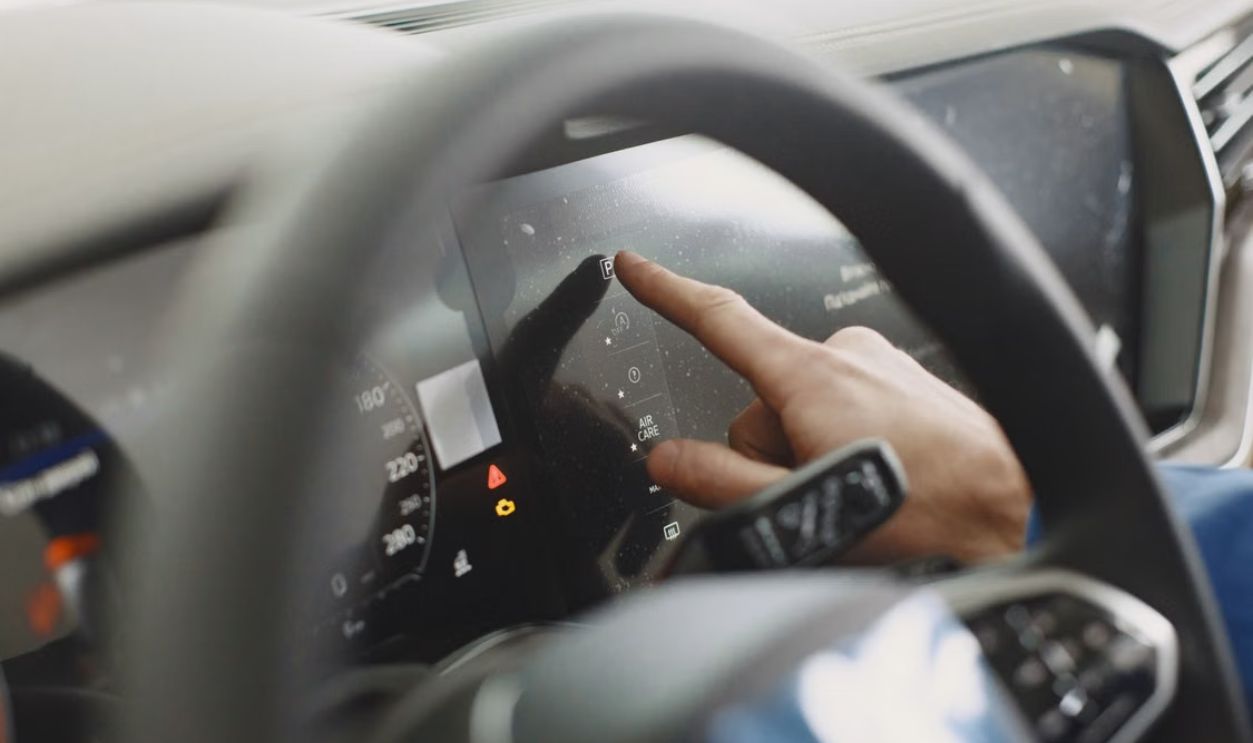
Before disconnecting anything, look through the vehicle's infotainment settings for privacy, connectivity, data sharing, connected services, or modem controls. Ford specifically directs owners to the in-vehicle settings menu and owner's manual for information about available connectivity controls. Available options vary, so your vehicle's instructions matter more than generic advice found online.

Check The Manufacturer's App Too
Some manufacturers place important privacy controls in the companion smartphone application rather than the dashboard. Toyota's current Privacy Portal lets drivers review what their vehicle is transmitting and change certain data transmission preferences. Drivers can also change their Vehicle Connectivity Consent through the Toyota app.

Look For A Separate Service Sharing Setting
The ideal solution is a setting that disables dealer-oriented maintenance sharing while preserving features you actually want. Toyota provides a clear example because its Service Connect choices include sharing vehicle health data with a dealer and allowing certain service-related communications. Other manufacturers organize these controls differently, so look for settings involving service, diagnostics, preferred dealer, or vehicle health.
Toyota Owners Have A Particularly Clear Option
Toyota says users can opt out of Service Connect and stop certain dealer service appointment and service-related marketing calls and texts associated with that program. Its policy provides several methods, including the Toyota app and customer support, and says processing the revocation may take several business days. That means Toyota owners bothered specifically by Service Connect communications do not necessarily have to disable every connected feature first.

Ford Handles Dealer Health Information Differently
Ford states that it can make VIN-based vehicle status information and vehicle health alerts available to authorized dealers. The stated purpose is to help a dealer diagnose and repair the vehicle when the owner schedules service. Ford also tells owners to consult the vehicle settings, owner's manual, or dealer for information about connectivity and how it can be deactivated.

Kia Shows Why Brand-Specific Instructions Matter
Kia says its connected services can collect operating, performance, diagnostic, location, and driving information. Its privacy materials also state that certain information may be shared with dealers to assist with service diagnosis and repairs. Kia advises owners who want vehicle-information collection stopped to determine whether the relevant connected hardware can be deactivated or uninstalled.

Turning Off The App May Not Turn Off The Car
Deleting a manufacturer's smartphone app is not necessarily the same thing as disabling a vehicle's embedded cellular connection. Connected cars can have factory-installed hardware capable of transmitting information independently. A driver who wants the vehicle itself to stop sending information should therefore check vehicle-level controls or obtain instructions directly from the manufacturer.
A Full Disconnect Comes With Tradeoffs
Some automakers allow broader data transmission to be disabled, but doing so can affect connected functions. Toyota says declining its Vehicle Connectivity Consent turns off vehicle data transmission and eliminates access to Connected Services. Features such as remote controls, connected navigation, stolen vehicle assistance, or certain vehicle health functions can therefore be affected when connectivity is disabled.
Not Every Data Stream May Disappear
Drivers should not assume that an opt-out guarantees that absolutely no vehicle information will ever be collected. Some data can be necessary for safety, warranty, legal compliance, emergency response, security, or other limited functions. Manufacturer policies should explain which categories remain active after optional connected services are deactivated.

Emergency Features Can Be The Biggest Compromise
Connected technology can provide genuine benefits when something goes wrong. Manufacturers use telematics for services such as automatic crash notifications, roadside assistance, stolen vehicle recovery, and emergency support. Completely disabling connectivity may therefore solve a privacy concern while also removing features that some owners consider valuable.
Privacy Regulators Are Watching Connected Cars
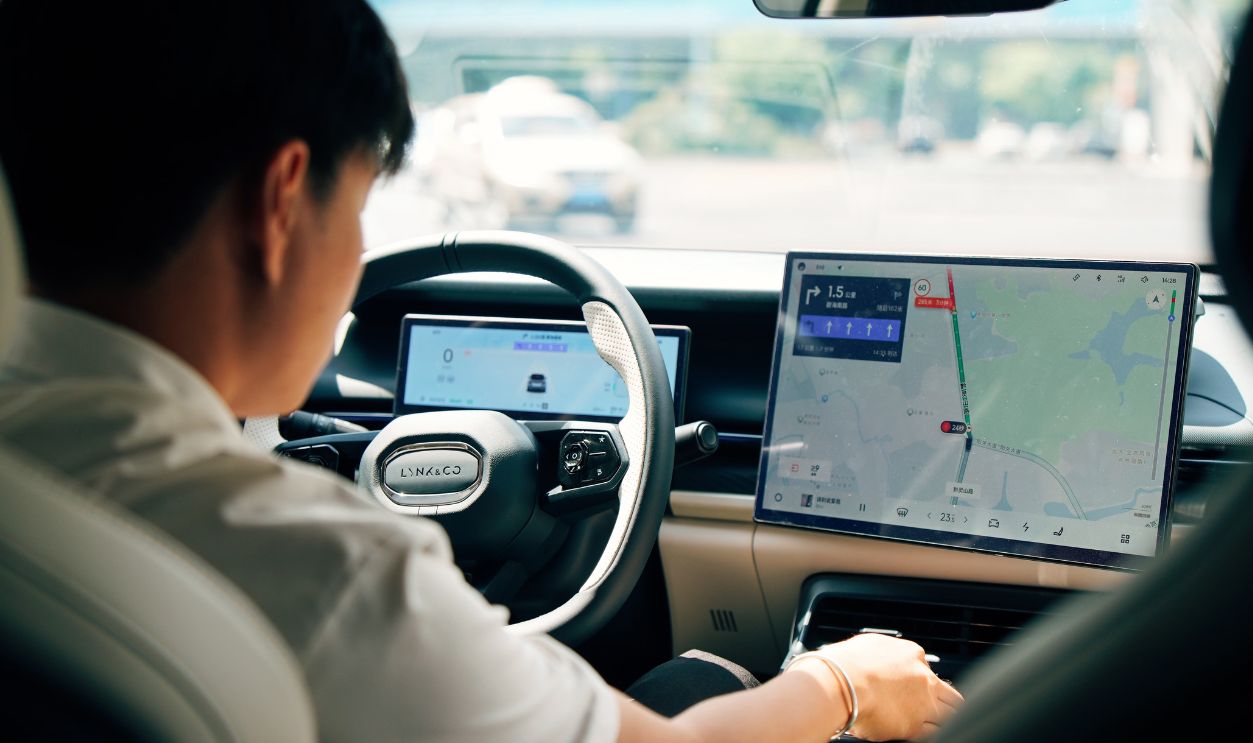
Connected-vehicle data is no longer just an issue buried inside lengthy automaker privacy policies. The Federal Trade Commission has warned that vehicles can collect sensitive information such as geolocation and driving behavior data. The agency has also said unlawful collection, use, or disclosure of that information can trigger enforcement action.
The GM Case Changed The Conversation
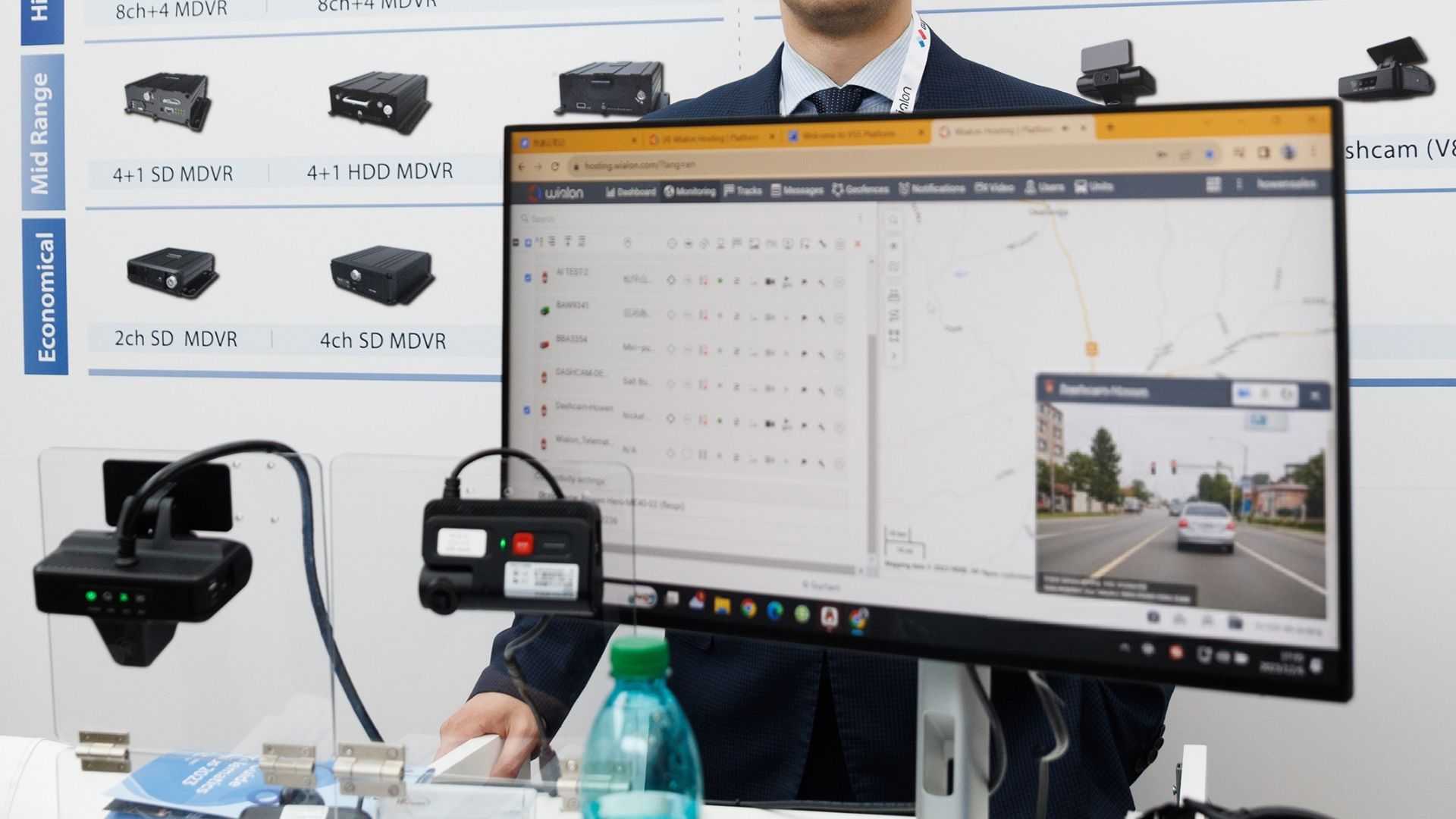
In January 2026, the FTC finalized an order resolving allegations that General Motors and OnStar collected and sold certain precise geolocation and driving behavior information without adequate notice and consent. Under the order, GM must provide greater transparency and consumer controls, including options involving certain geolocation and driving behavior collection. The case demonstrates that connected-car privacy choices can have regulatory consequences rather than being merely optional customer-service features.

State Privacy Laws Can Give You Extra Leverage
Your legal options may also depend on where you live. California residents covered by the California Consumer Privacy Act can exercise rights that include requesting access, correction, deletion in qualifying circumstances, and opting out of certain sales or sharing of personal information. Other states have enacted privacy laws as well, although the exact rights, definitions, exemptions, and procedures vary.

California Treats Precise Location As Sensitive
California's privacy framework specifically recognizes precise geolocation as sensitive personal information. Eligible consumers can have rights to limit certain uses or disclosures of sensitive information when statutory conditions apply. That does not automatically prohibit every legitimate vehicle use of location, but it gives covered consumers additional tools for controlling some data practices.
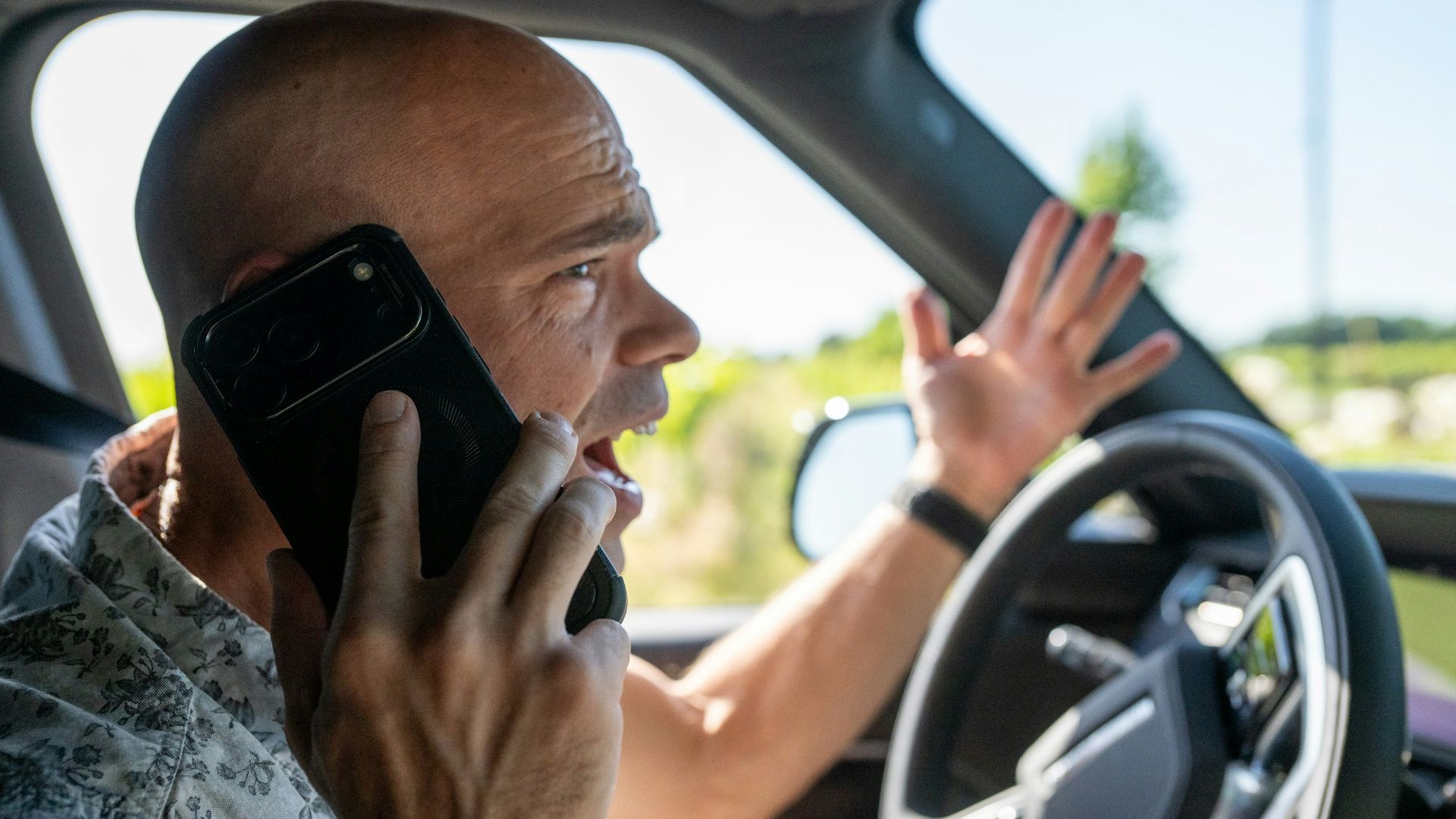
 Jose Ricardo Barraza Morachis, Pexels
Deleting Old Data Is A Separate Request
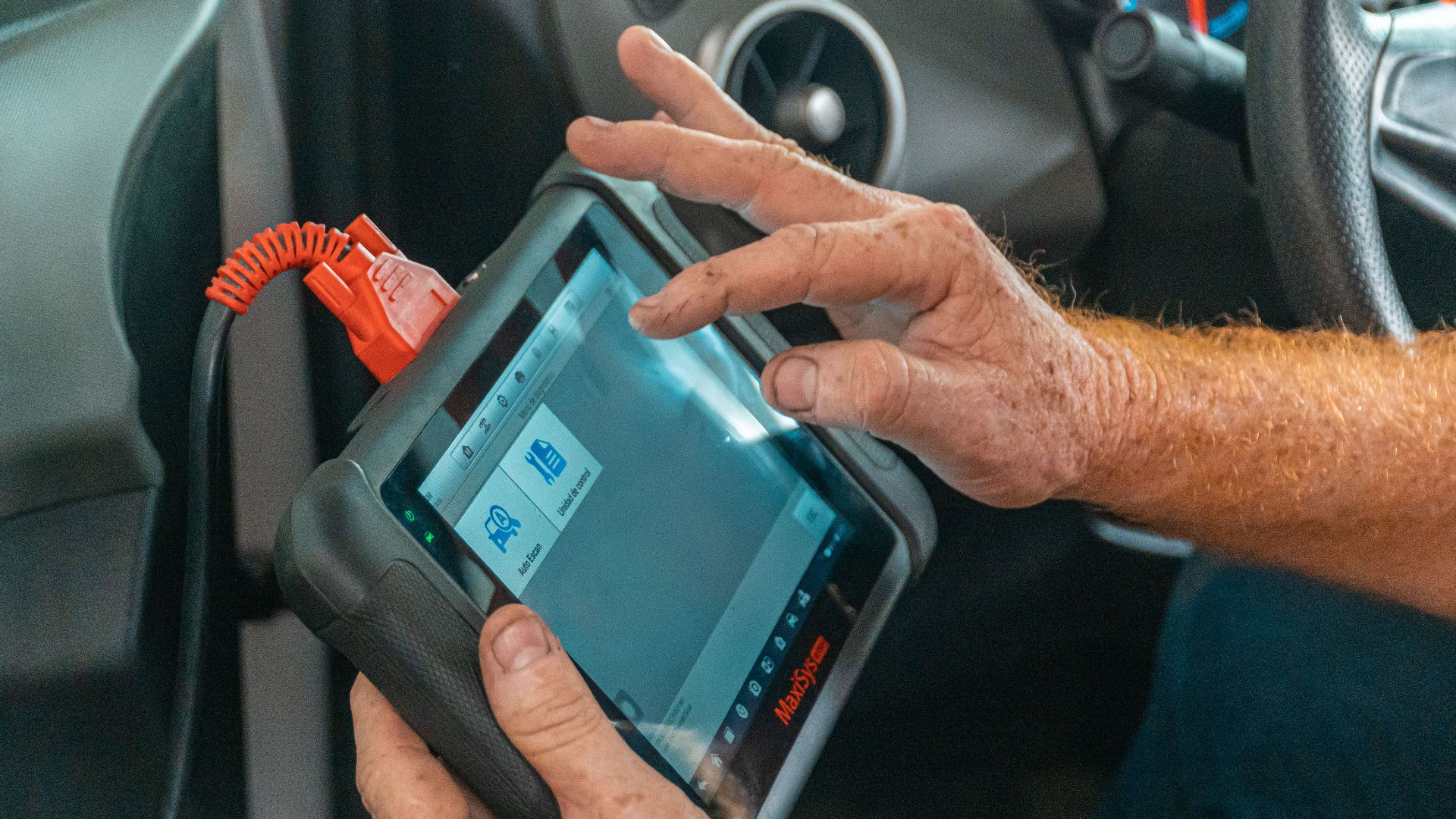
Stopping future transmission and deleting information already stored by a company are not necessarily the same action. Depending on the company and applicable law, a consumer may need to submit a separate deletion request through the manufacturer's privacy portal. Even then, some information can legally be retained for purposes such as warranties, recalls, legal compliance, security, or completing requested services.

Tell The Dealer To Change Its Own Records
If calls continue after changing the vehicle's connected-service settings, contact the dealership separately. Ask whether the calls are being generated by its own customer relationship management or service reminder system and request that your number be removed from unwanted service marketing communications. This separate step is sensible because dealerships can maintain privacy and customer-contact systems that are distinct from those operated by the automaker.

Keep Safety Notices Separate From Marketing
You may still want genuine recall and safety information even if you dislike repeated maintenance sales calls. Manufacturers and dealers can handle safety, warranty, maintenance, connected-service, and marketing information under different rules and systems. When changing preferences, specify that you want unwanted promotional or routine service contacts stopped rather than simply saying that you never want to hear from the company again.

Write Down What You Changed
Take screenshots of your app privacy settings and save confirmation emails or request numbers after changing connected-service preferences. If calls continue, those records can help you determine whether the manufacturer, dealer, or another system failed to process your request. They can also be useful if you later need to contact the company's privacy office or a state privacy regulator about an applicable legal right.

The Best Solution Is Usually A Selective Opt-Out
You probably do not need to choose between constant dealer calls and turning your connected car into a completely offline vehicle. First disable dealer service marketing or vehicle-health sharing if your manufacturer provides a separate control, then ask the dealership to suppress its own unwanted contacts. Only consider shutting down broader vehicle connectivity after checking which remote, emergency, navigation, diagnostic, and security features you would lose.
Take Control Before The Next Alert
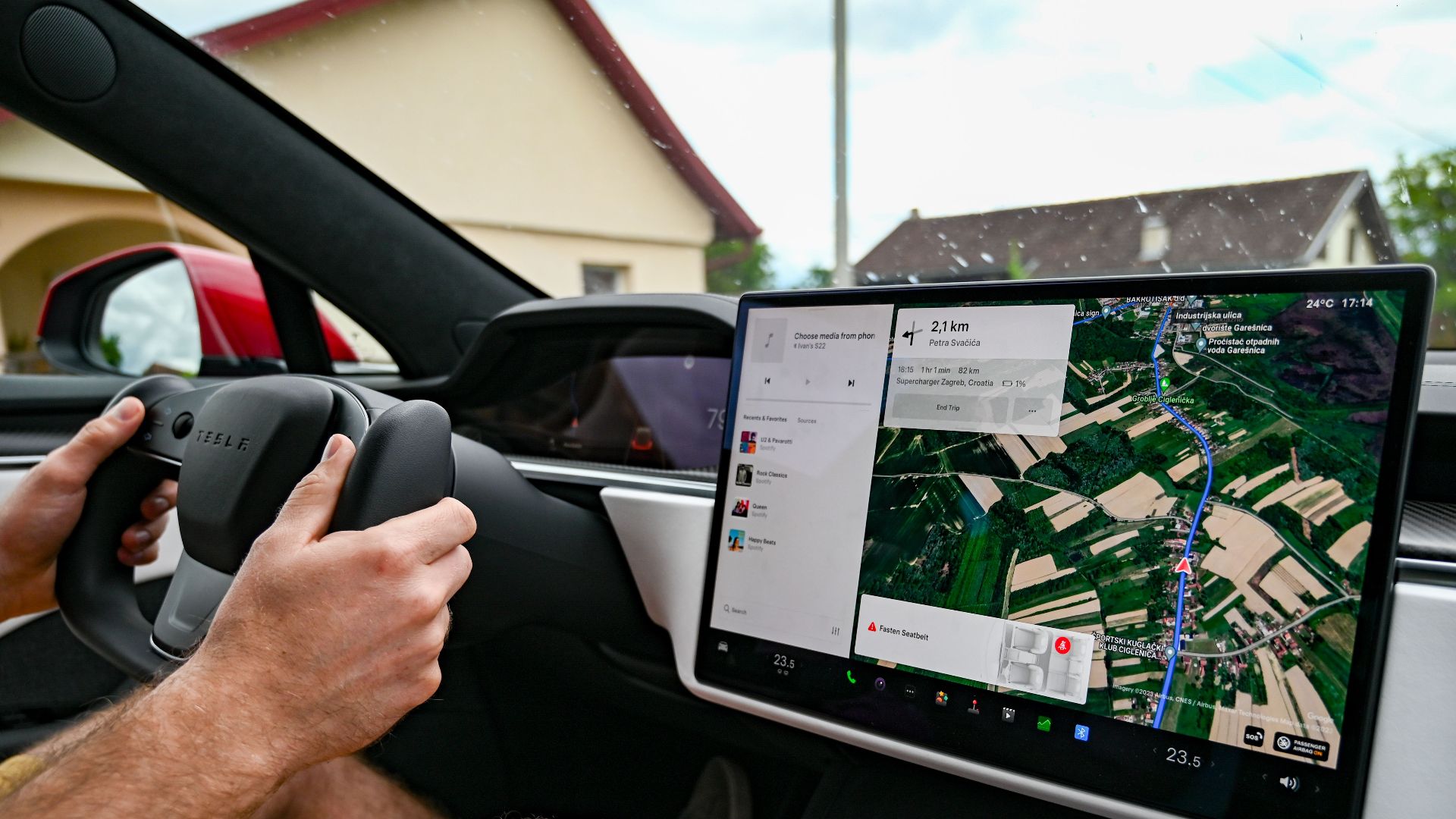
Start with the manufacturer's privacy portal, connected-services app, and the privacy settings inside the vehicle itself. Then contact the dealer independently if the calls continue, because dealer communication preferences and vehicle telemetry may be maintained by separate organizations. Connected cars are designed to exchange data, but current manufacturer controls and privacy laws increasingly give drivers ways to decide how much of that exchange they want.
You May Also Like:
The Most Overrated Cars Today, According To Car Enthusiasts
People With The Largest Car Collections In The World