
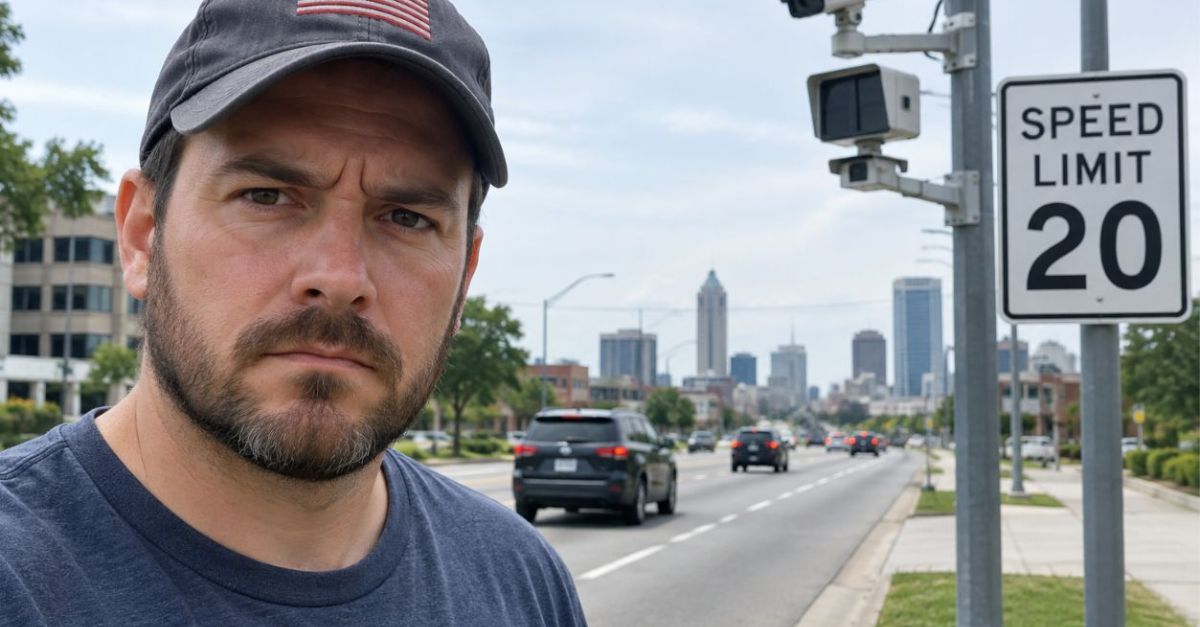
A New Speed Limit And Instant Cameras Raises Eyebrows
When a city drops a major road to 20 mph and installs enforcement cameras right away, drivers tend to ask the same blunt question. Is this a safety move or just a polished revenue machine? The truth is, both can be true—but the truth will depend on your city government officials.
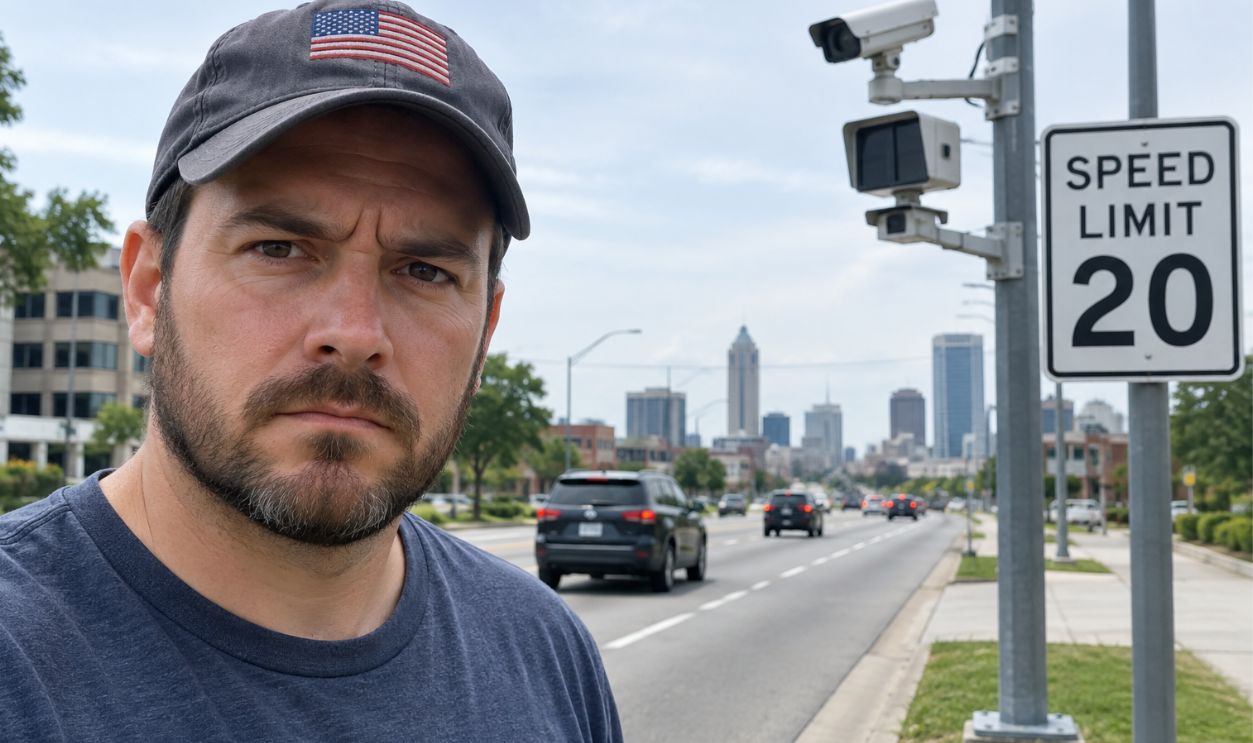
Why This Feels Suspicious To Drivers
The timing is what makes people bristle. A lower speed limit by itself is one thing, but pairing it immediately with automated tickets can look less like education and more like an ambush. That reaction is understandable, especially on roads that drivers have known for years at much higher posted speeds.

What Safety Officials Usually Say
Transportation agencies and safety advocates typically argue that lower speeds save lives, especially where there are many pedestrians, cyclists, schools, transit stops, and turning conflicts. The U.S. Department of Transportation has said that higher speeds increase both crash risk and crash severity. That basic point is not really controversial, even if the local politics often are.
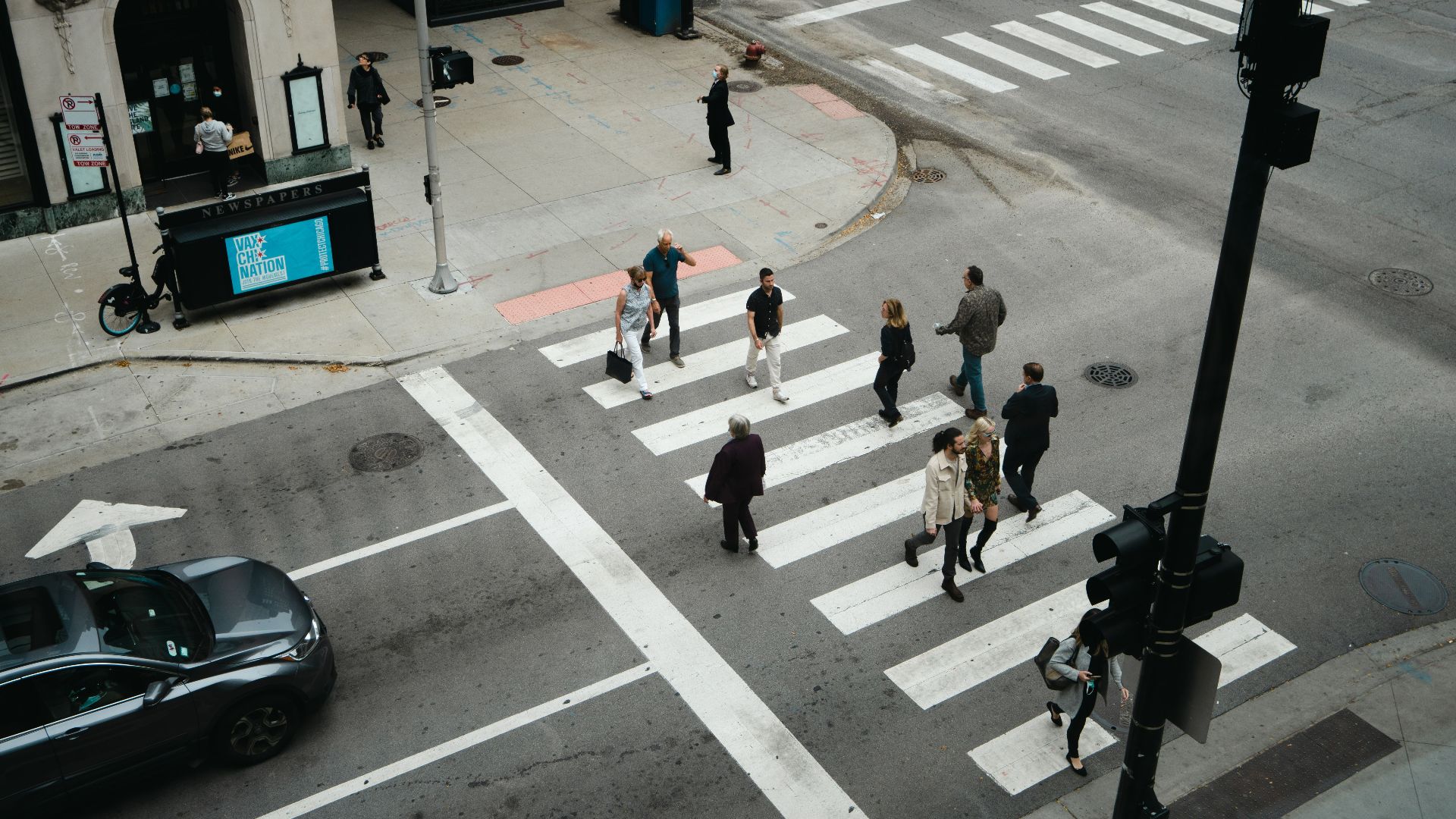
The Federal Case For Slower Speeds
The Federal Highway Administration has repeatedly emphasized that impact speed matters a lot for people outside a vehicle. Its Safe System guidance argues that road design and speed management should reflect human vulnerability, not just vehicle throughput. In plain English, if a person is hit at a lower speed, their odds are generally much better.
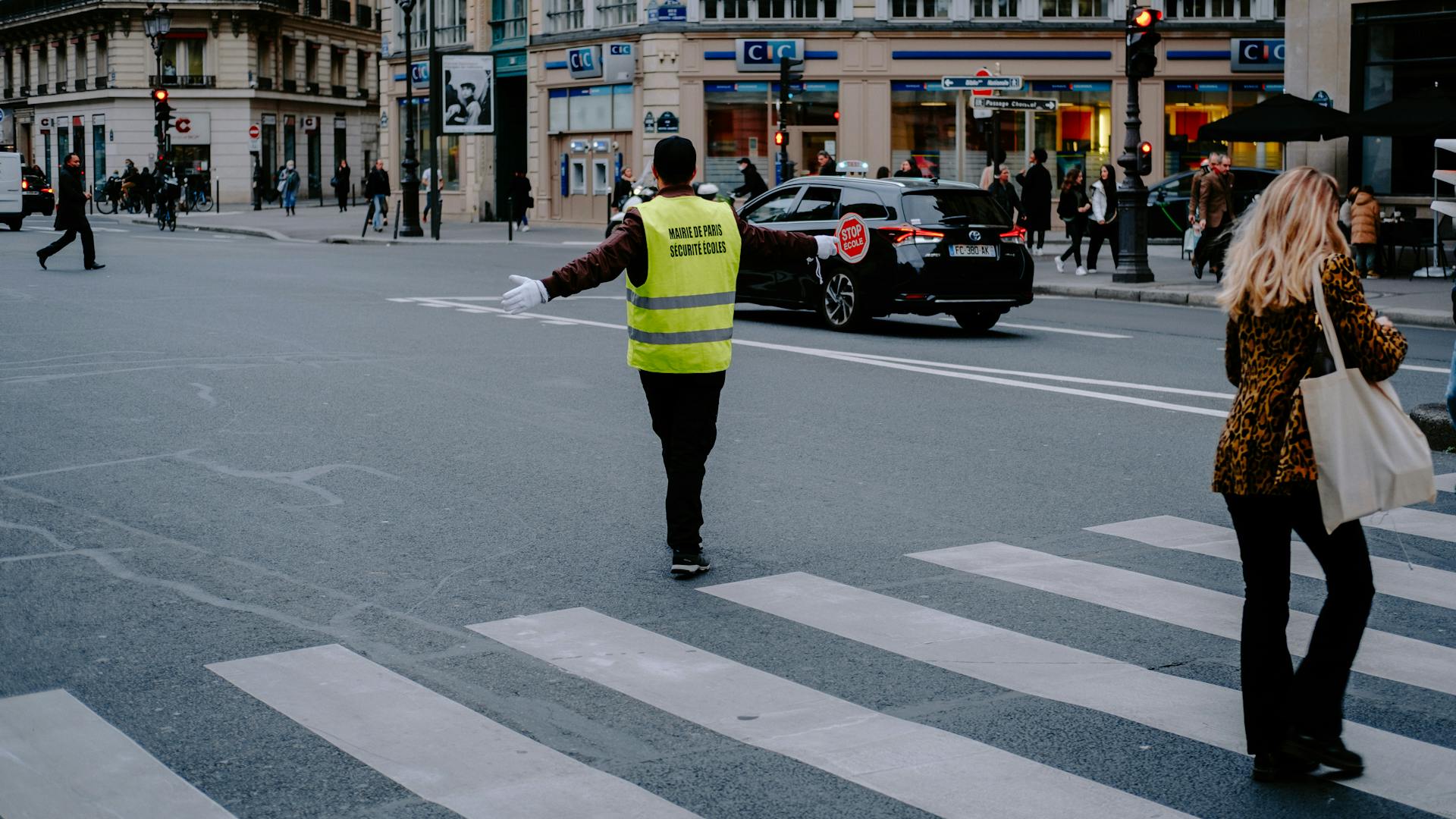
What The Research Says About Pedestrian Risk
The Insurance Institute for Highway Safety has published research showing that a pedestrian’s risk of severe injury climbs sharply as vehicle speed rises. That is one reason many local governments have pushed 20 mph zones in dense urban areas. It is not just about stopping distance. It is also about the violence of the impact when a crash happens.

Stopping Distance Is Only Part Of The Story
Drivers often focus on whether they can stop in time, and that matters. But speed also affects how much distance a driver covers before even reacting, plus how much kinetic energy is released in a collision. The National Highway Traffic Safety Administration has long stressed that speeding is tied to both crash likelihood and crash severity.
Why A Major Road Is Different From A Side Street
This is where the debate gets real. A quiet residential block posted at 20 mph feels very different from a wide arterial road built to move traffic efficiently. If the road still looks and feels like a 35 mph or 40 mph corridor, simply swapping signs to 20 mph can create a mismatch between engineering and enforcement.
Road Design Often Predicts Actual Speeds
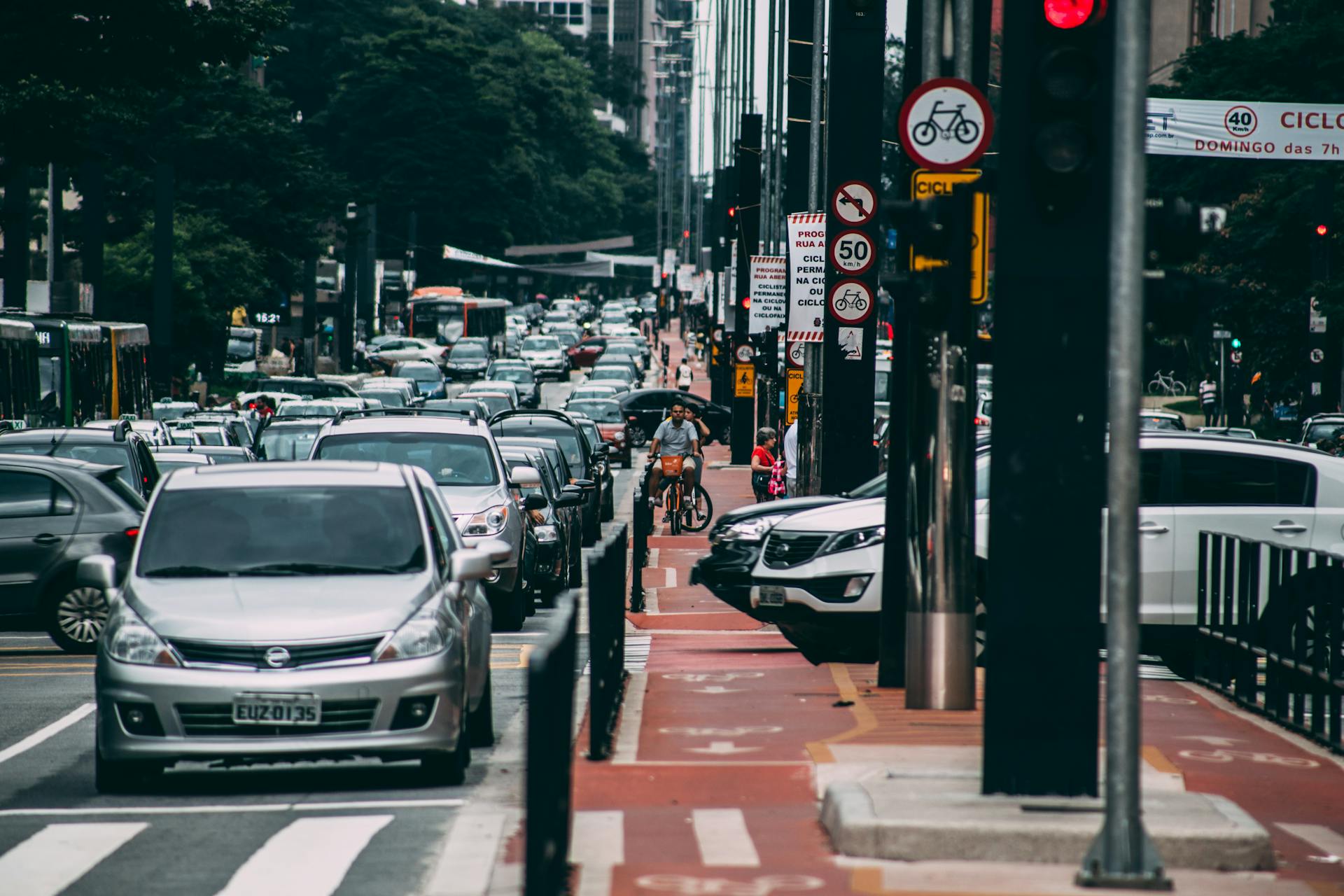
Traffic engineers have long known that drivers tend to respond to the street in front of them, not just the number on a sign. Wide lanes, long sightlines, sparse roadside friction, and limited crossing activity all encourage higher speeds. If a city wants real compliance, it usually has to redesign the road, not just post a lower number and switch on cameras.
The 85th Percentile Debate Matters Here
For decades, engineers have used the so-called 85th percentile speed as one tool for setting limits, meaning the speed at or below which 85 percent of free-flowing traffic travels. The method is controversial because critics say it can ratify roads designed too fast for their surroundings. Supporters say ignoring prevailing speeds altogether can produce limits that many reasonable drivers will not obey.

Federal Guidance Does Not Support Purely Revenue Driven Limits
The Manual on Uniform Traffic Control Devices says speed zones should be based on an engineering study. FHWA guidance has also warned that unrealistic limits can foster disrespect for traffic laws. That does not mean a city cannot lower a limit to 20 mph, but it does mean officials should be able to explain exactly why this road justifies it.
 yeowatzup, CC BY 2.0, Wikimedia Commons
What Counts As A Good Reason To Lower A Limit
There are several legitimate reasons. A city may cite a crash history, a high rate of serious pedestrian injuries, proximity to schools or senior housing, frequent bus activity, poor sightlines, or a broader road safety plan such as Vision Zero. If those facts are documented and public, the policy looks much more like safety than a quick cash grab.
Vision Zero Changed The Conversation
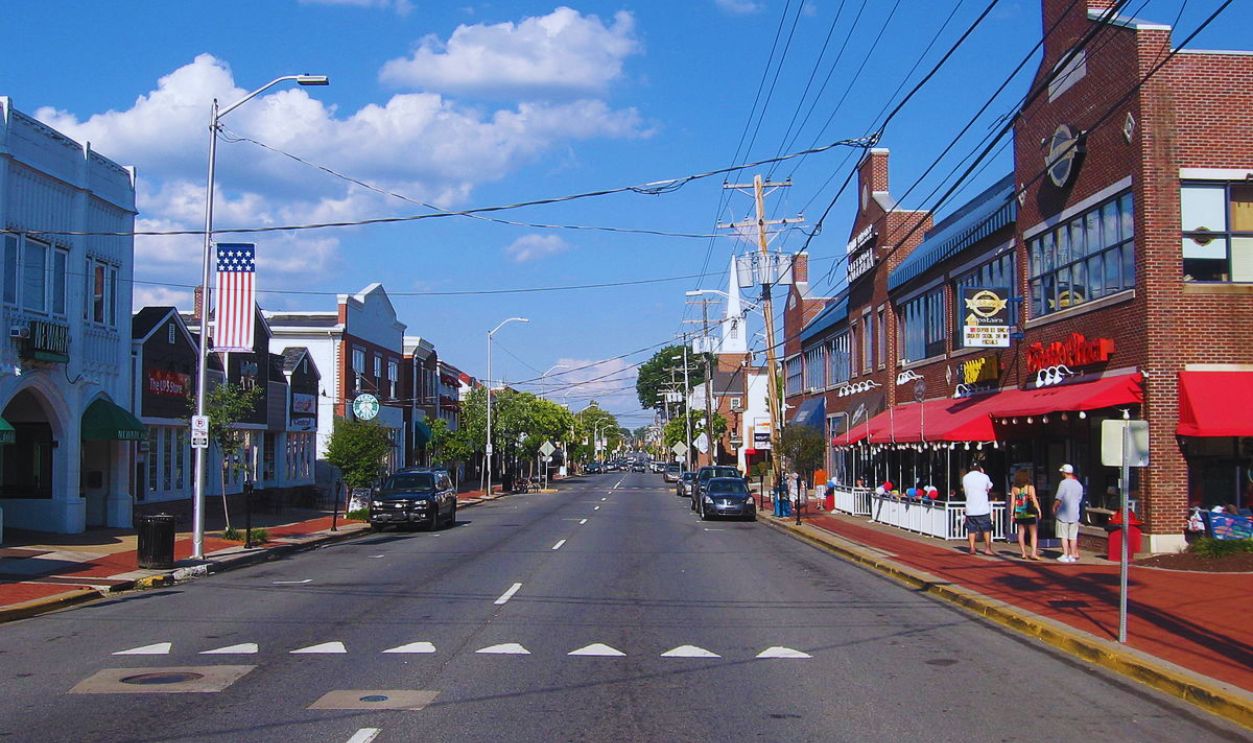
Since New York City launched Vision Zero in 2014, many U.S. cities have moved toward lower urban speed limits and more aggressive enforcement. The strategy rests on the idea that traffic deaths are preventable and that street systems should anticipate human mistakes. That has made 20 mph limits more politically common, even on corridors that once would have seemed too busy for such a low number.
 PookieFugglestein, CC0, Wikimedia Commons
Automated Enforcement Also Has A Safety Case
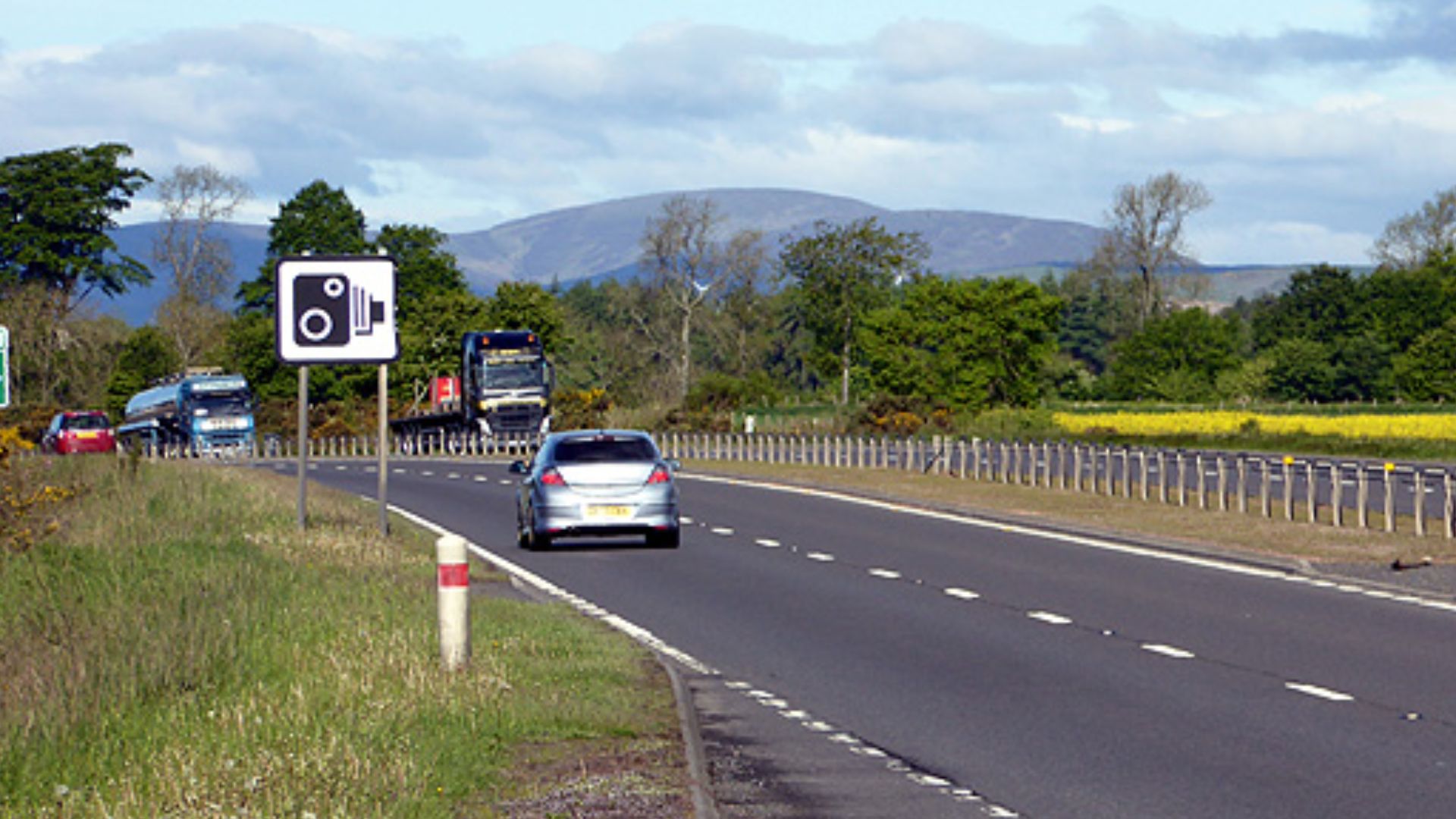
Cameras are not just about punishment. The IIHS and other researchers have found that speed cameras can reduce speeding and, in some settings, lower crashes and injuries. A camera does not get distracted, does not need a traffic stop, and can create more consistent enforcement than sporadic patrols.
 John Lucas , Wikimedia Commons
But Cameras Need Public Trust To Work
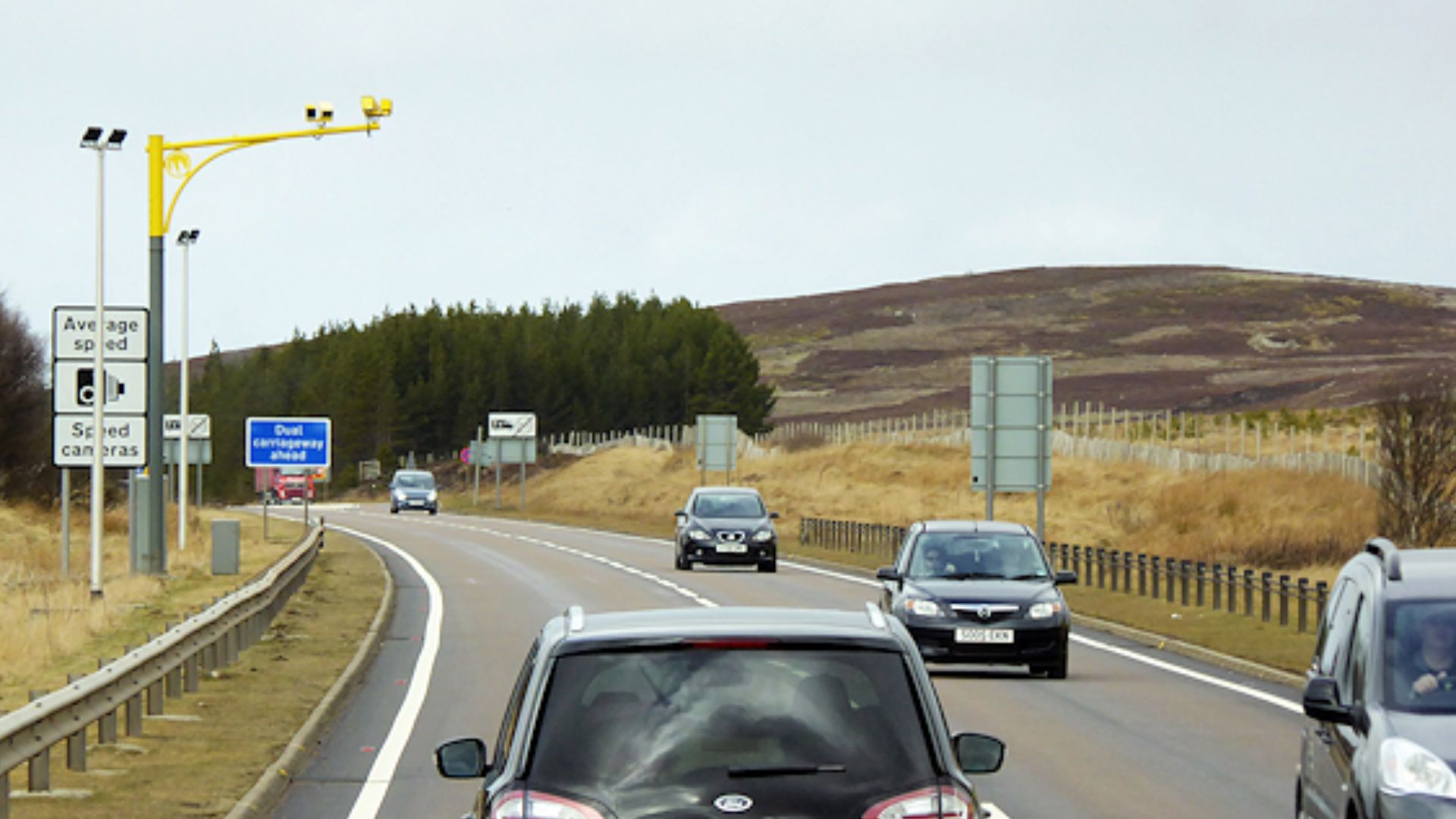
The moment cities appear sneaky, they lose that trust. If warning signs are poor, grace periods are short, public notice is weak, and the road still feels engineered for higher speeds, cameras start to look predatory even if the official rationale is safety. Trust rises when the city clearly explains the data, the legal authority, the citation rules, and what changes will be made if compliance stays low.
 David Dixon , Wikimedia Commons
Follow The Money But Do It Carefully
Revenue is the obvious red flag, but it is not proof by itself. A program can collect a lot of money at first and still be rooted in a real safety problem, especially if many drivers continue to speed after warnings. The sharper question is what the city does with the money and whether the fines seem calibrated for deterrence or for maximizing collections.
Where Ticket Trap Claims Get Stronger
The ticket trap argument gets stronger when the city lowers the limit suddenly, gives little transition time, adds cameras immediately, and targets a road that still looks fast by design. It also grows stronger if officials cannot point to a crash pattern or vulnerable road users who clearly need more protection. If all they can say is that lower is safer in general, drivers will reasonably demand more specifics.
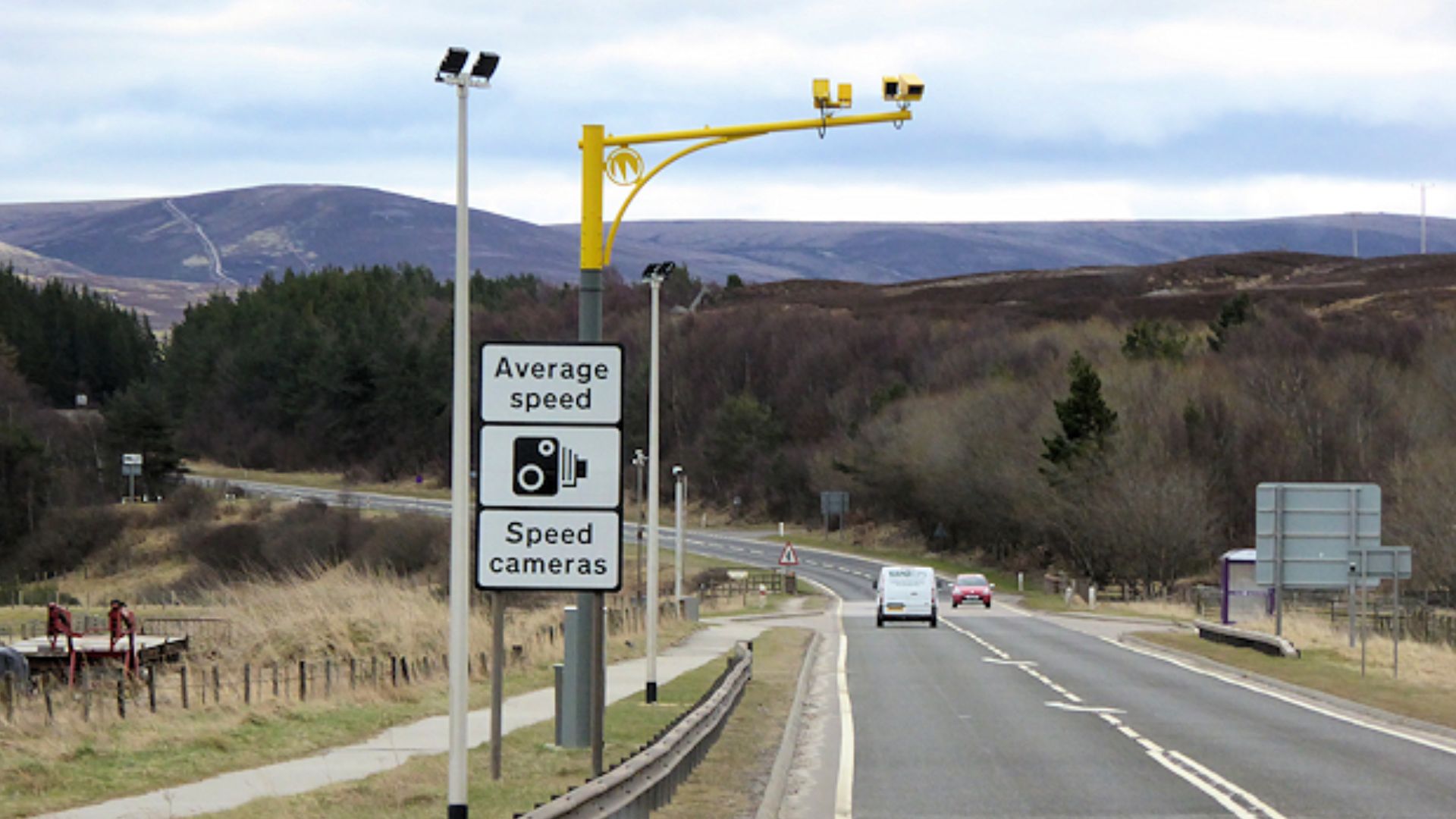 David Dixon , Wikimedia Commons
Where The Safety Case Gets Stronger
The safety case strengthens when the city releases before-and-after crash data, speed studies, and an engineering justification. It gets even stronger if the road has a documented history of severe injuries, near schools or business districts with heavy foot traffic, and if the city also adds physical traffic calming. Cameras are more persuasive when they are one piece of a broader redesign, not the whole plan.

Engineering Study Is The Phrase To Listen For
If you want one phrase that separates policy from trap, it is engineering study. Local leaders should be able to identify when the study was done, who conducted it, what crash years were reviewed, what traffic conditions were measured, and why 20 mph was chosen instead of 25 or 30. If that paper trail is vague or unavailable, skepticism is fair.

Ask Whether The Road Was Physically Changed
Signs and cameras can change behavior, but road geometry often matters more. Narrowed lanes, curb extensions, raised crossings, refuge islands, signal timing changes, and shorter crossing distances tell drivers in a very direct way to slow down. If the city skipped those steps and went straight to automated tickets, critics have a stronger point.

Grace Periods Tell You A Lot About Intent
Some cities launch new camera programs with warning notices before real fines begin. That kind of grace period can signal that the goal is behavior change first. If tickets start instantly the same day a major arterial becomes 20 mph, many drivers will see that as a sign the city cared more about citations than education.

Transparency Should Be Easy To Verify
Drivers should be able to find the local ordinance, camera locations, violation thresholds, fine amounts, appeal process, and safety justification without digging through a maze of city PDFs. The best-run programs publish these details clearly and update results over time. If basic facts are hard to find, the city is making its own legitimacy problem worse.

Equity Questions Also Deserve Attention
Automated enforcement is often defended as more consistent than officer discretion, but that does not end the debate. Fine amounts can still hit lower-income drivers harder, and camera placement can become controversial if residents think certain neighborhoods are being targeted. Good policy addresses that directly with transparent siting criteria and fair penalty structures.
What Drivers Can Do Right Now
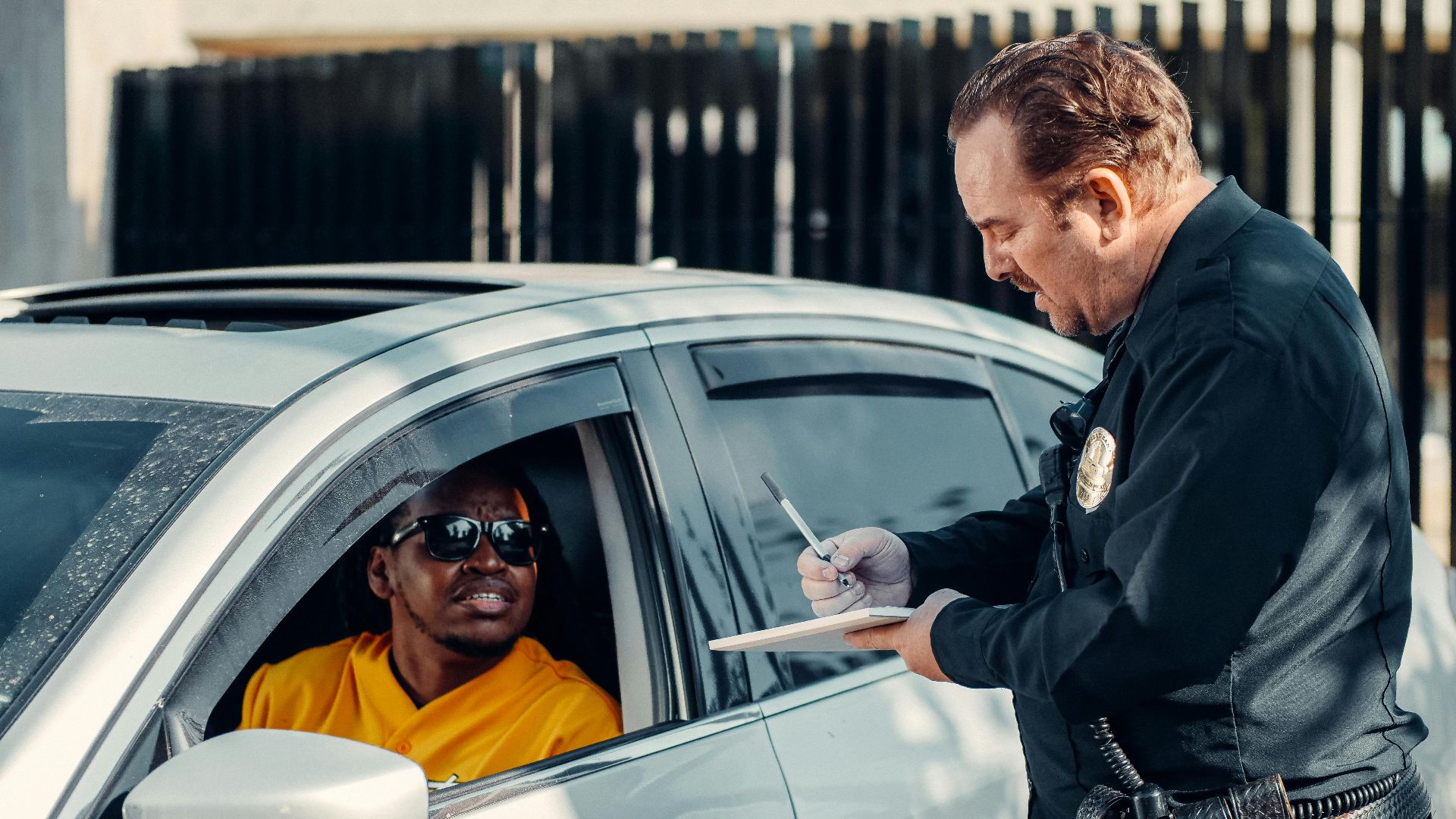
First, assume the cameras are real and active unless the city explicitly says otherwise. Second, watch for posted warning signs, school zone language, and camera enforcement notices because rules vary by jurisdiction. Third, if the road truly seems mismatched to a 20 mph limit, look up the city council action and engineering documents before deciding this is just a money grab.

Questions To Ask Your City Hall
Ask when the speed study was completed, which crash years were analyzed, how many serious injuries occurred on that corridor, and whether vulnerable road users were a major factor. Ask why cameras were installed immediately rather than after a warning period. Ask where the revenue goes and whether the city plans physical street changes to support the new limit.
 BikePortland, Wikimedia Commons
How Courts And Public Opinion Usually View These Fights
These disputes often turn less on the broad idea that slower can be safer and more on whether local procedures were followed. If the city had legal authority, documented its rationale, signed the road correctly, and notified the public, the policy tends to stand. But politically, a rollout that feels abrupt or opportunistic can become a long-running headache for officials.
 https://kaboompics.com/, Pexels
The Practical Bottom Line For Drivers
If the limit is posted and the cameras are authorized, treating it like a bluff is an expensive mistake. Even if you believe the city handled this badly, your best short-term move is to slow down while you check the facts. You can fight bad policy, but it is much easier to do that without a stack of camera citations on your record.

So Is It Safety Policy Or A Ticket Trap
Sometimes it is plainly one or the other, but often it is a mix of valid safety logic and clumsy, trust-destroying execution. A 20 mph limit on a major road can be justified if the crash history, land use, and engineering support it. If the city cannot show that work and relied mostly on instant cameras, then drivers are not wrong to smell a trap.





.jpg)
