It’s Happening to More Drivers Than You Think
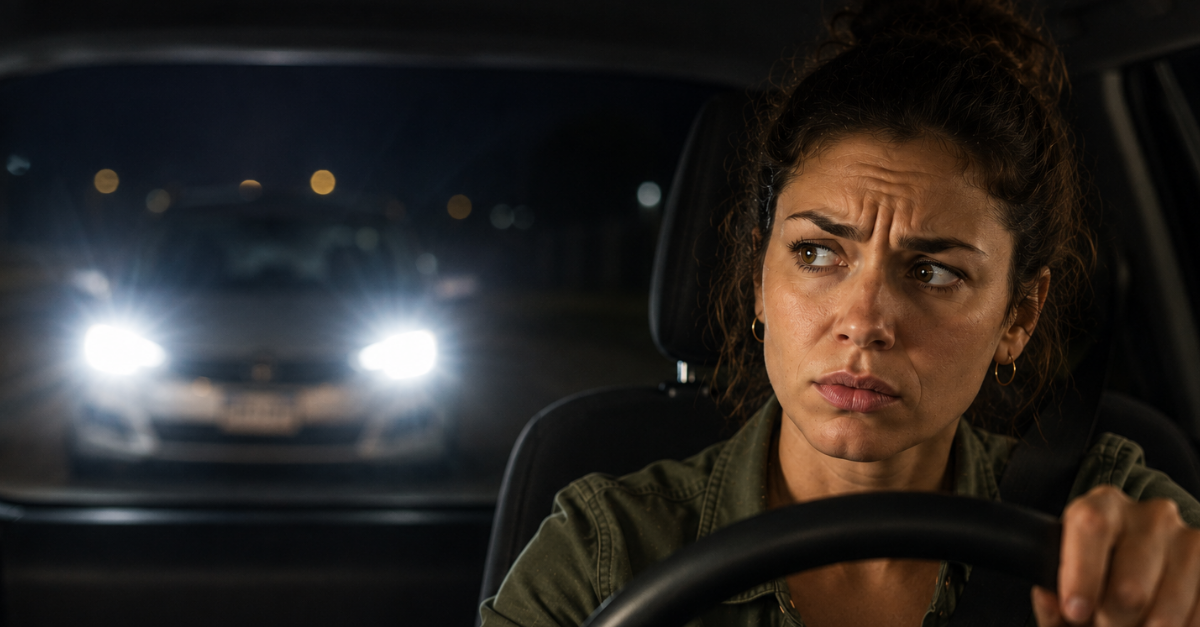
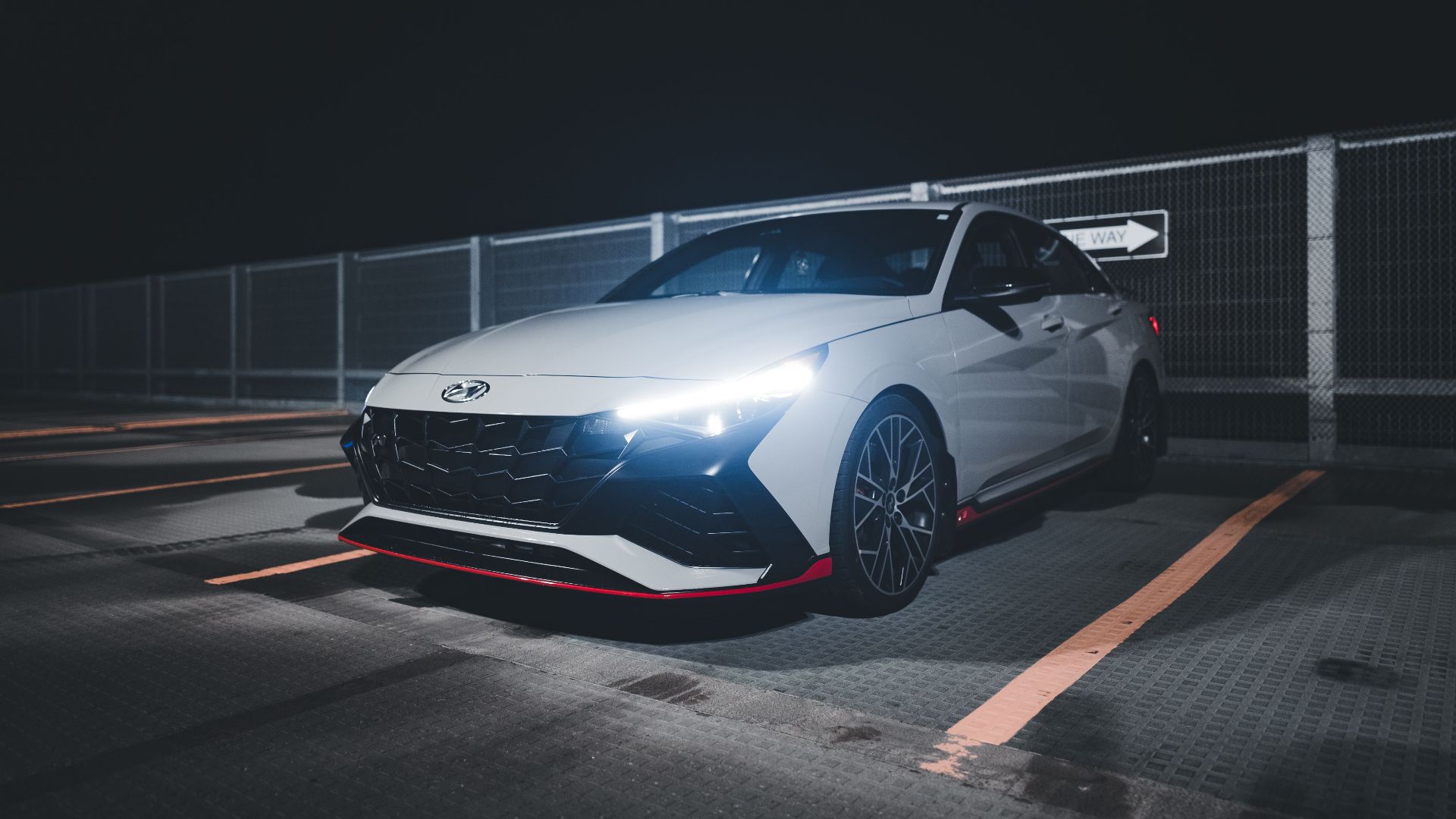
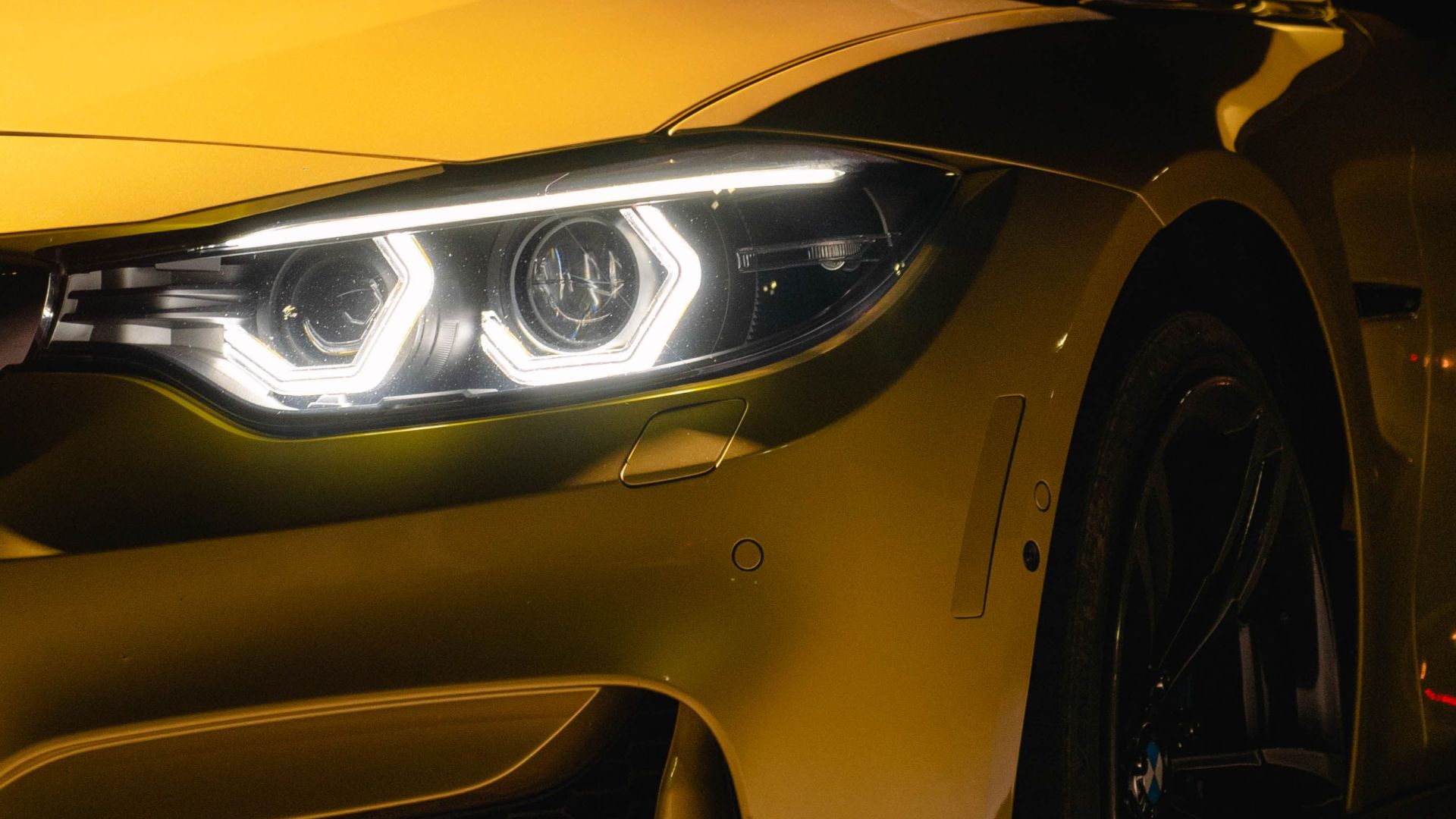
If other drivers constantly flash their high beams at you, it's easy to assume they think you've accidentally left your brights on. But in many cases, your low beams may be working exactly as designed. Modern factory-installed LED headlights are brighter, whiter, and more sharply focused than older halogen lights, making them appear unusually intense even when they're operating normally. Modern lighting improves your ability to see the road, but it has also fueled growing complaints about glare.
Bright Doesn't Always Mean Wrong
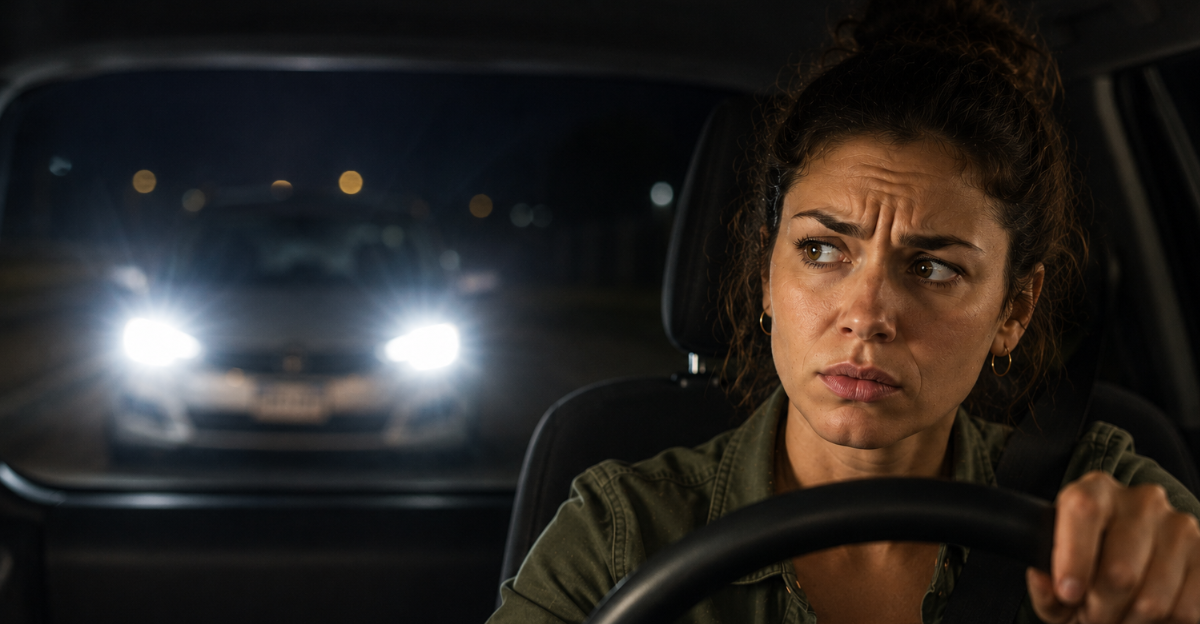
Many drivers assume that if headlights come from the factory, they can't possibly create problems for other people. In reality, federal safety standards set limits on headlight performance, but compliant headlights can still produce glare under certain real-world conditions. Vehicle height, road angles, and headlight aim all affect how bright your lights appear to approaching traffic.
LEDs Changed What Night Driving Looks Like
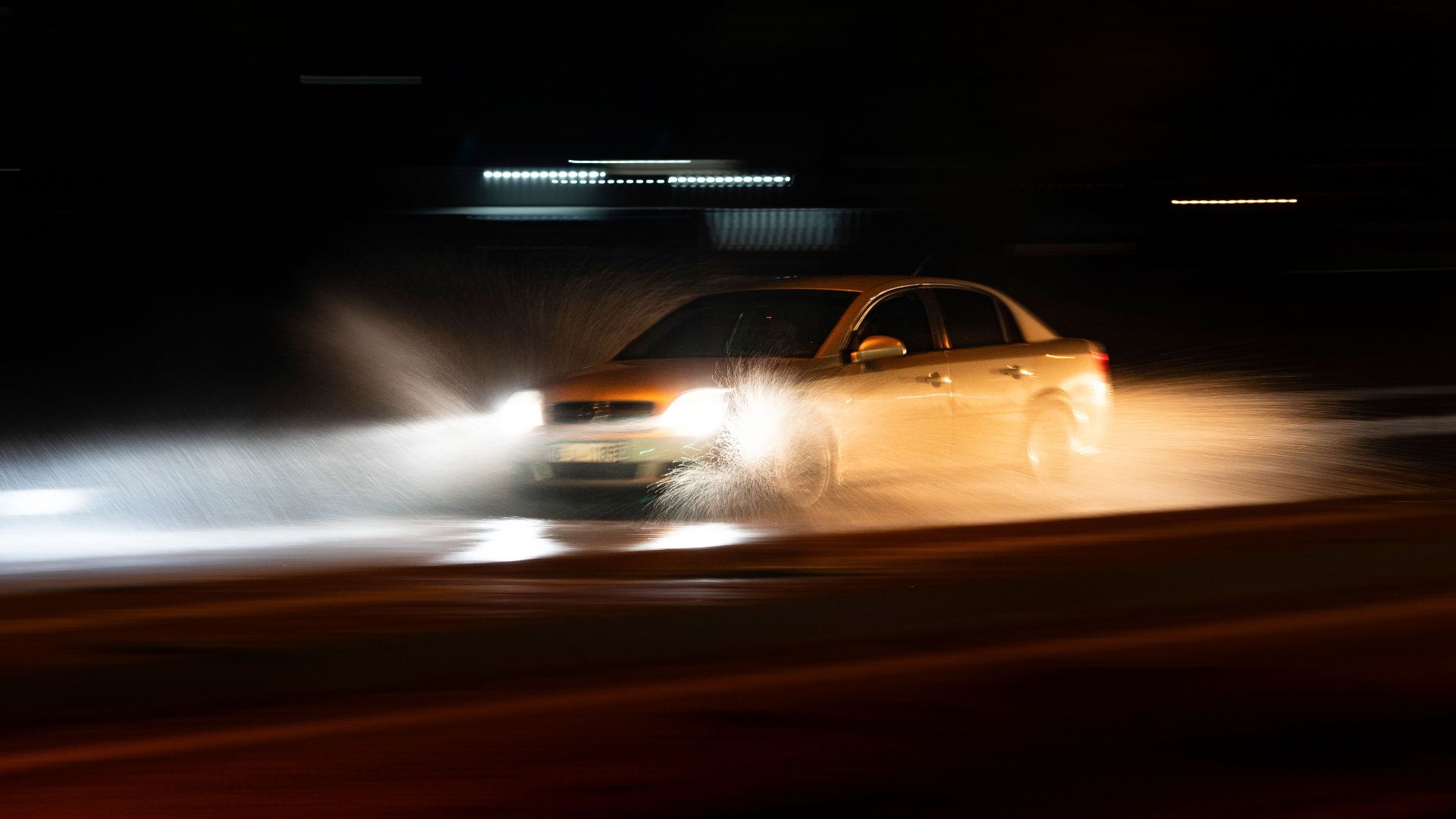
For decades, halogen bulbs dominated the market with their softer yellow light. Today's LEDs produce a cooler white beam while using less energy and lasting much longer. They also allow engineers to create highly focused beam patterns that improve forward visibility, though that sharper light can sometimes feel much harsher to oncoming drivers.
The Color of Light Matters Too
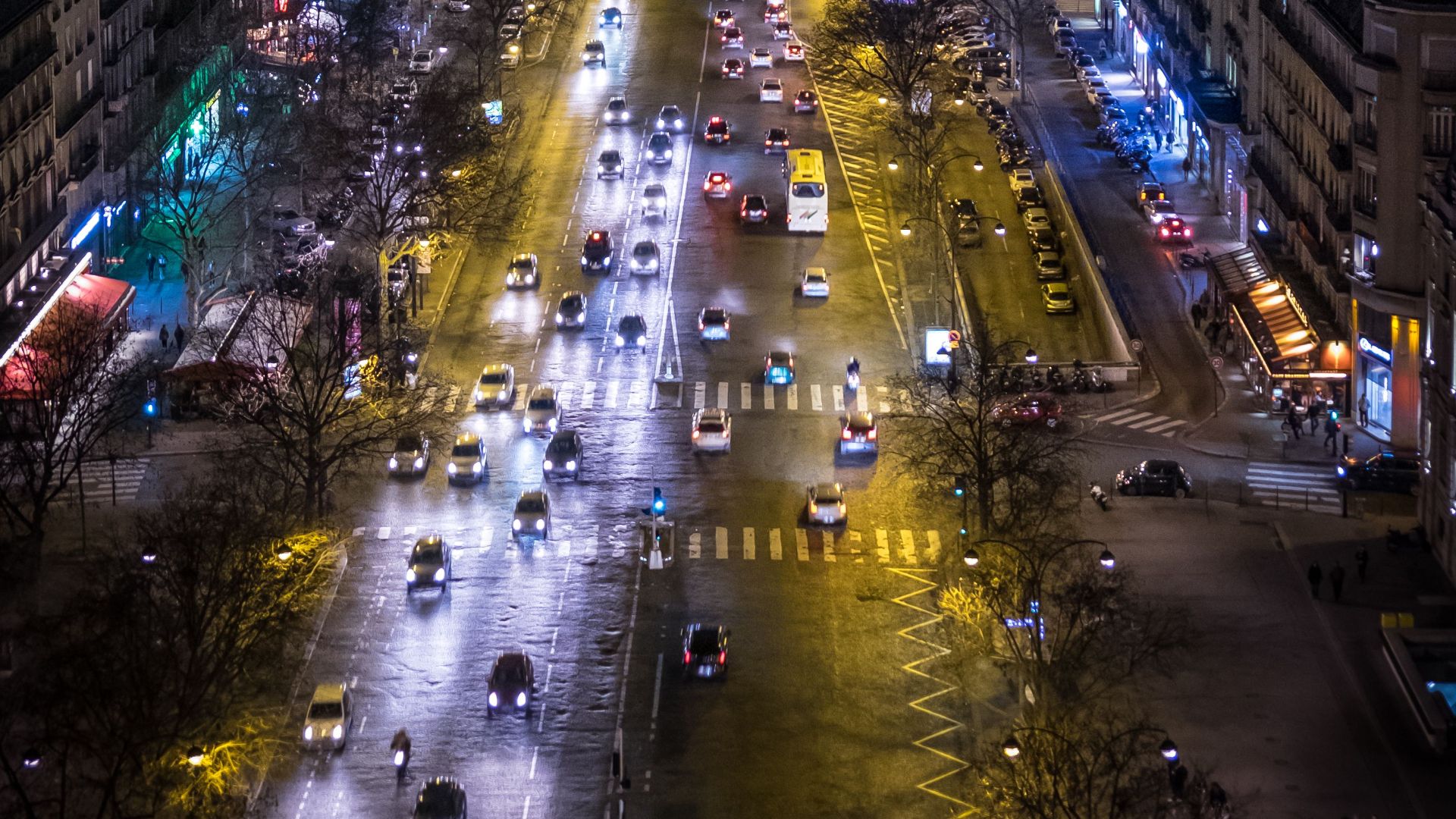
Many drivers complain less about raw brightness than about the color temperature of modern headlights. White or bluish light scatters differently inside the eye than warmer light, which can make glare seem more uncomfortable. People with certain eye conditions or older eyes often notice this effect more than younger drivers.
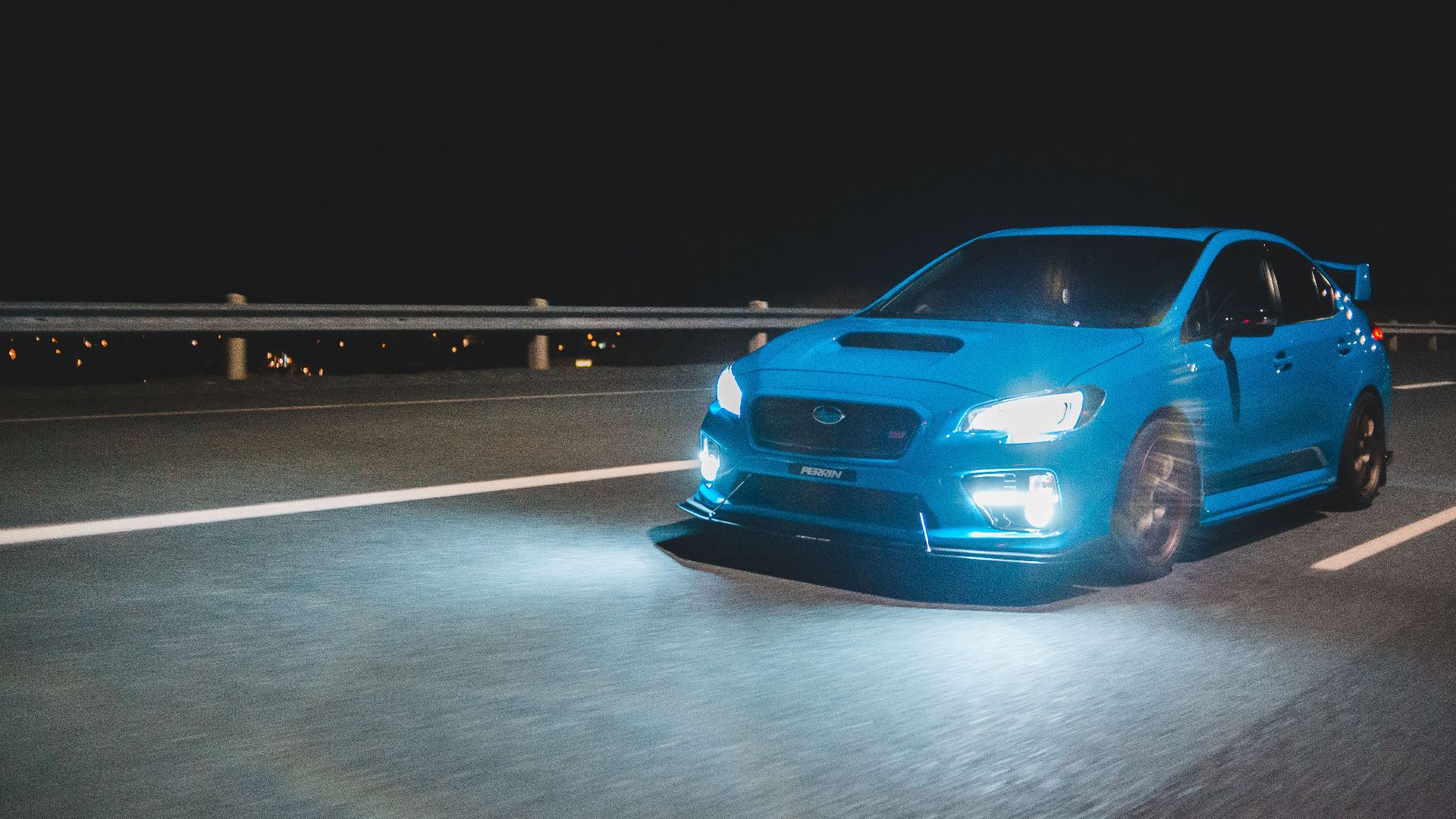
Your Headlights Might Be Properly Working but Poorly Aimed
Even factory headlights can become misaligned over time. Hitting potholes, minor collisions, suspension wear, or replacing components can change headlight aim enough to shine directly into other drivers' eyes. That's why manufacturers and safety organizations recommend checking alignment whenever front-end work is performed.
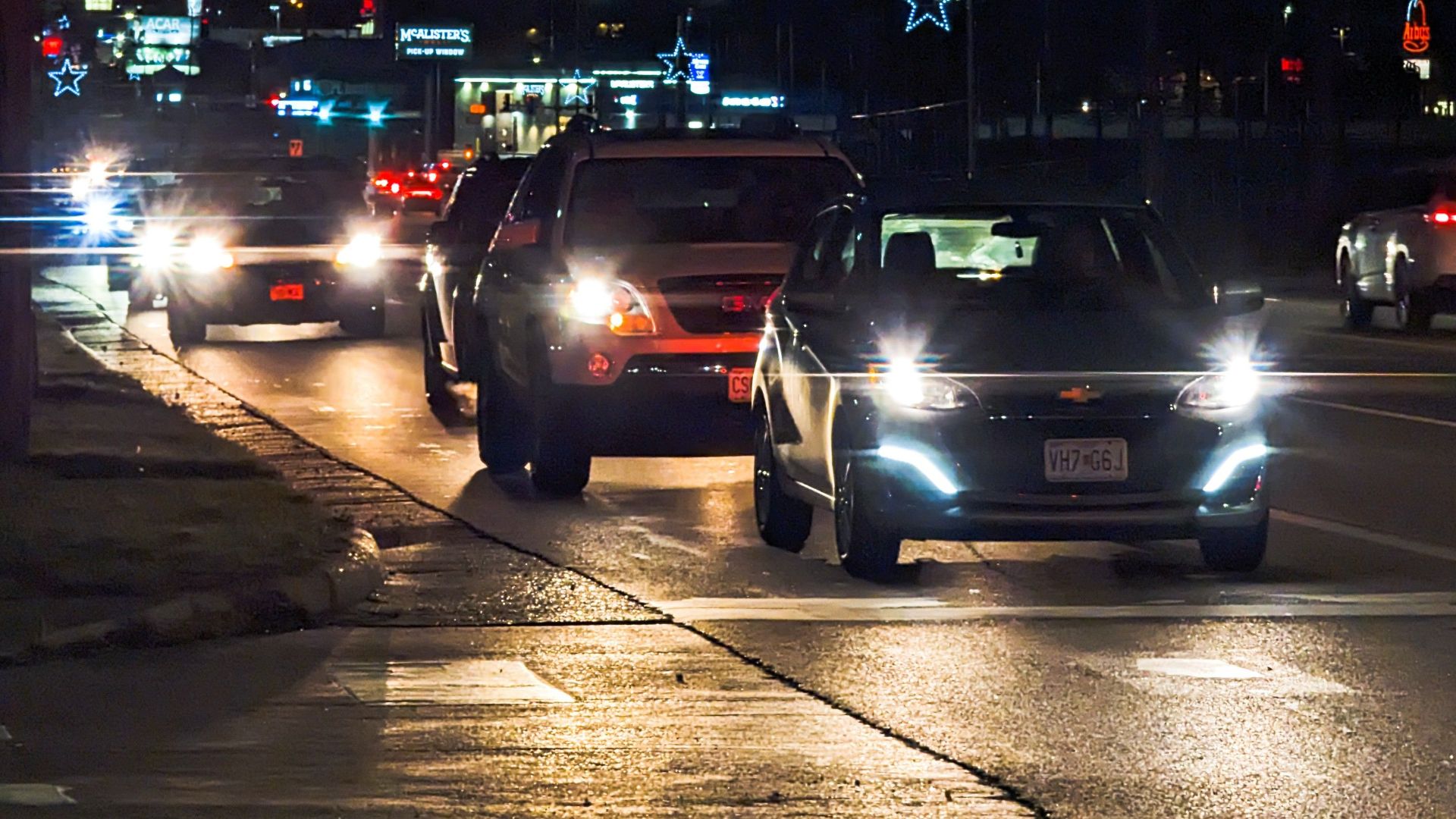
Bigger Vehicles Can Make Glare Worse
The growing popularity of SUVs and pickup trucks has changed nighttime driving. Their headlights sit higher than those on sedans, so even correctly aimed lights may shine closer to the eye level of drivers in lower vehicles. That height difference can make perfectly allowed factory lights seem much brighter.
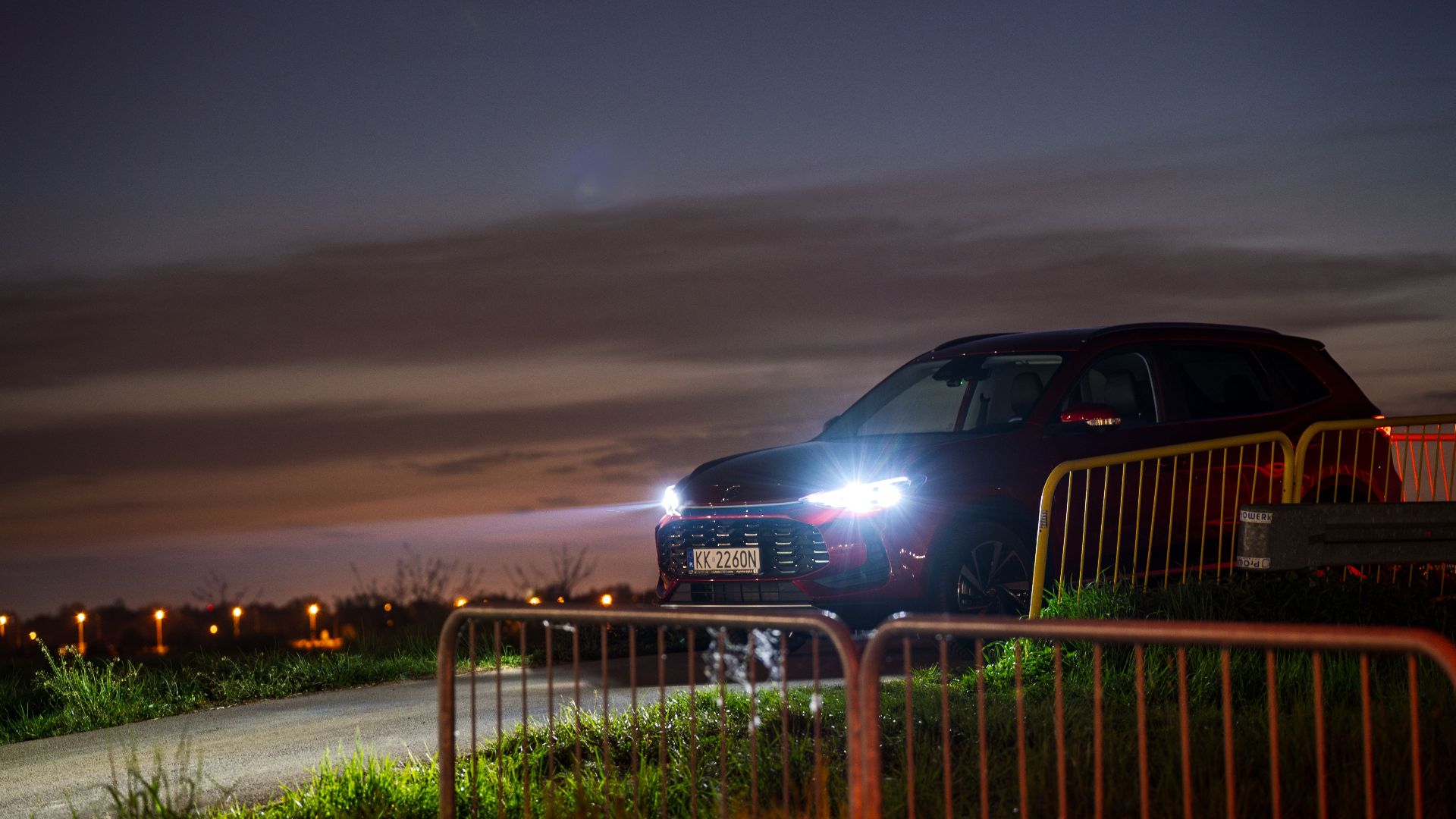
Hills and Bumps Change Everything
Headlights are aimed for level roads, but roads rarely stay perfectly flat. As vehicles crest hills or bounce over uneven pavement, the beam briefly points higher than intended. During those moments, even well-adjusted factory lights can create intense glare for oncoming traffic.
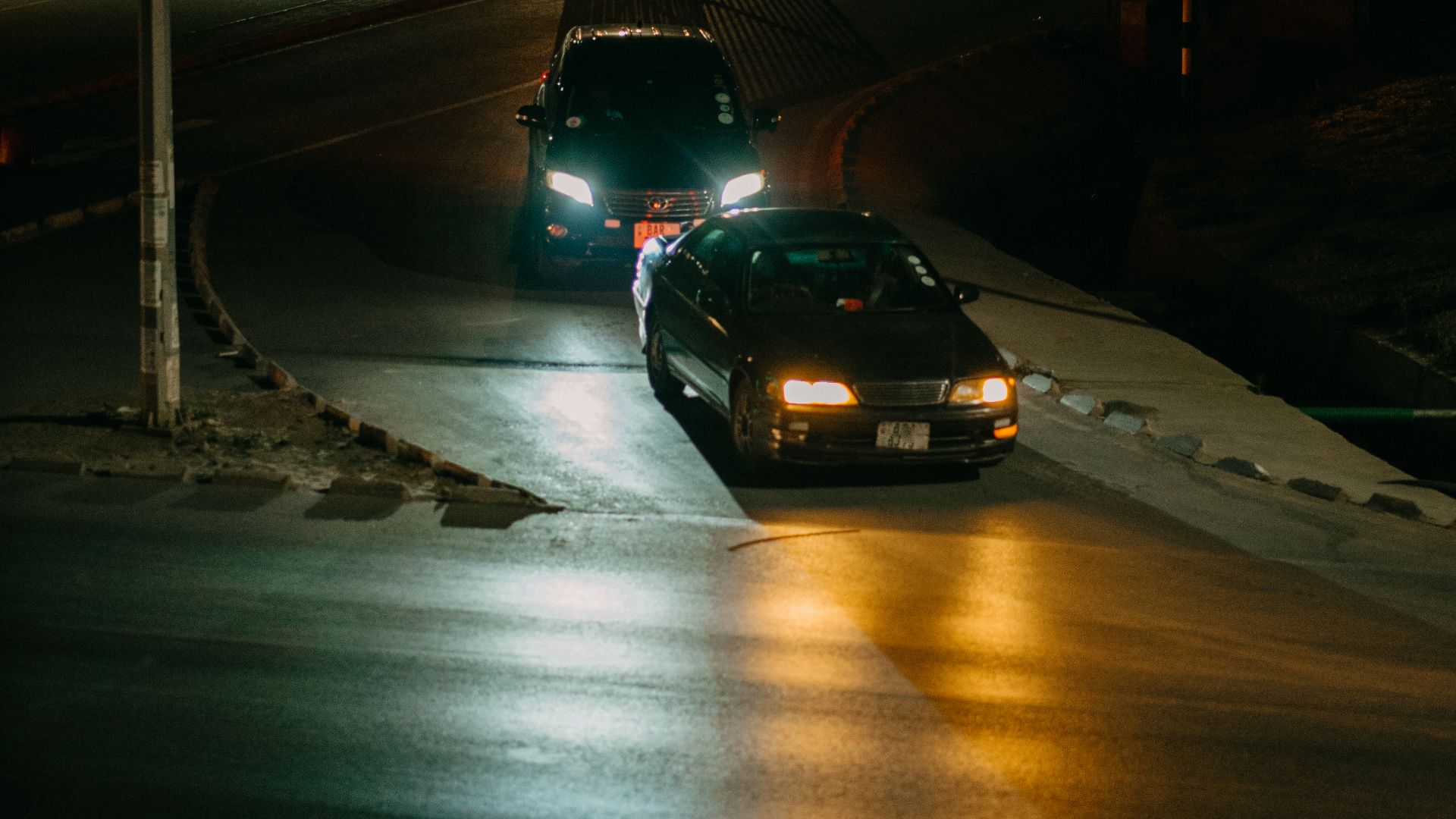
You May Be Mistaken for Driving With High Beams
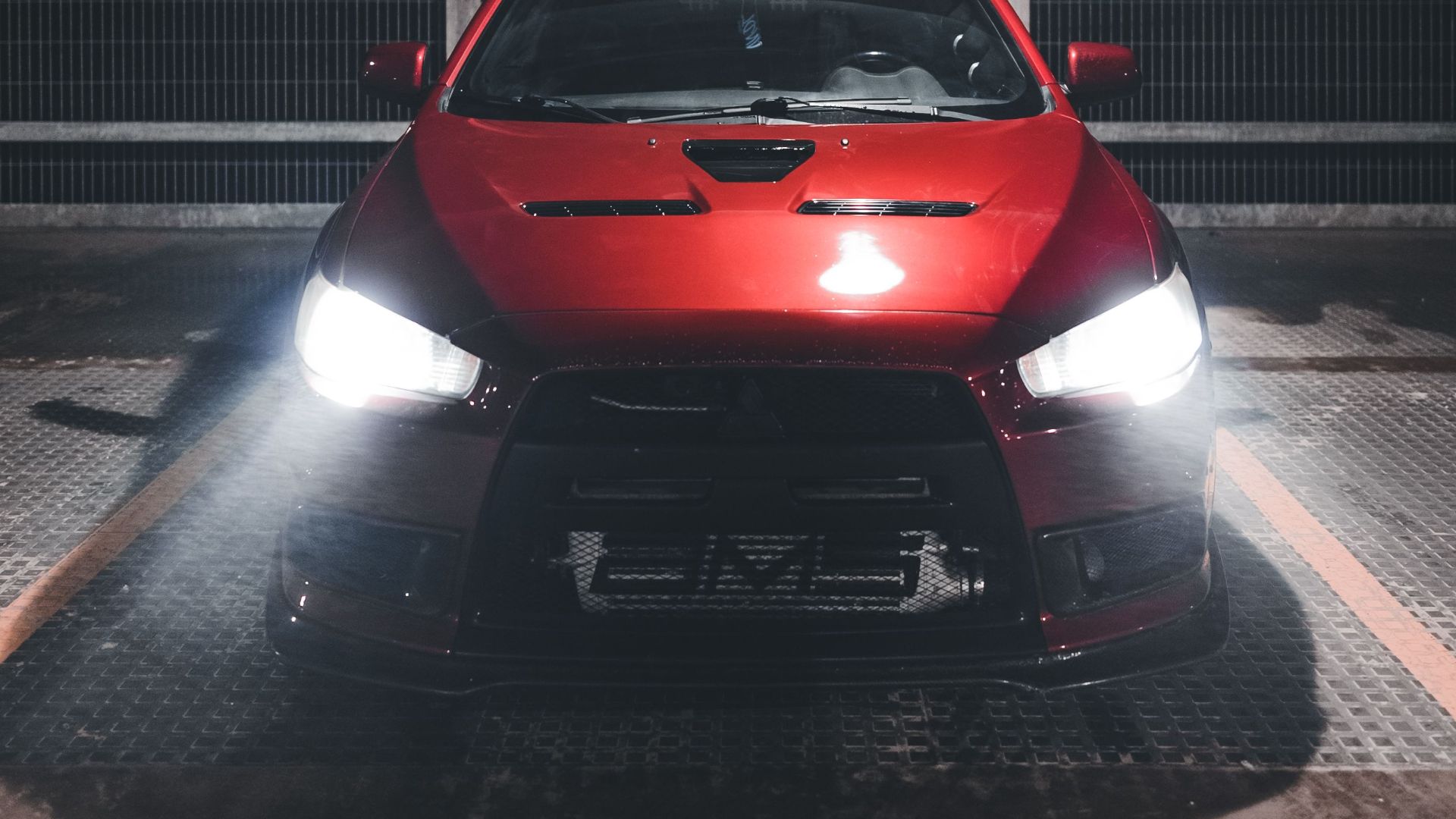
Modern LED low beams often have a crisp cutoff and intense center hotspot that resembles older high beams. Drivers unfamiliar with newer lighting technology may assume you've forgotten to dim your lights and flash you in response. That doesn't necessarily mean your headlights are malfunctioning.
Automakers Have Been Improving Headlight Design
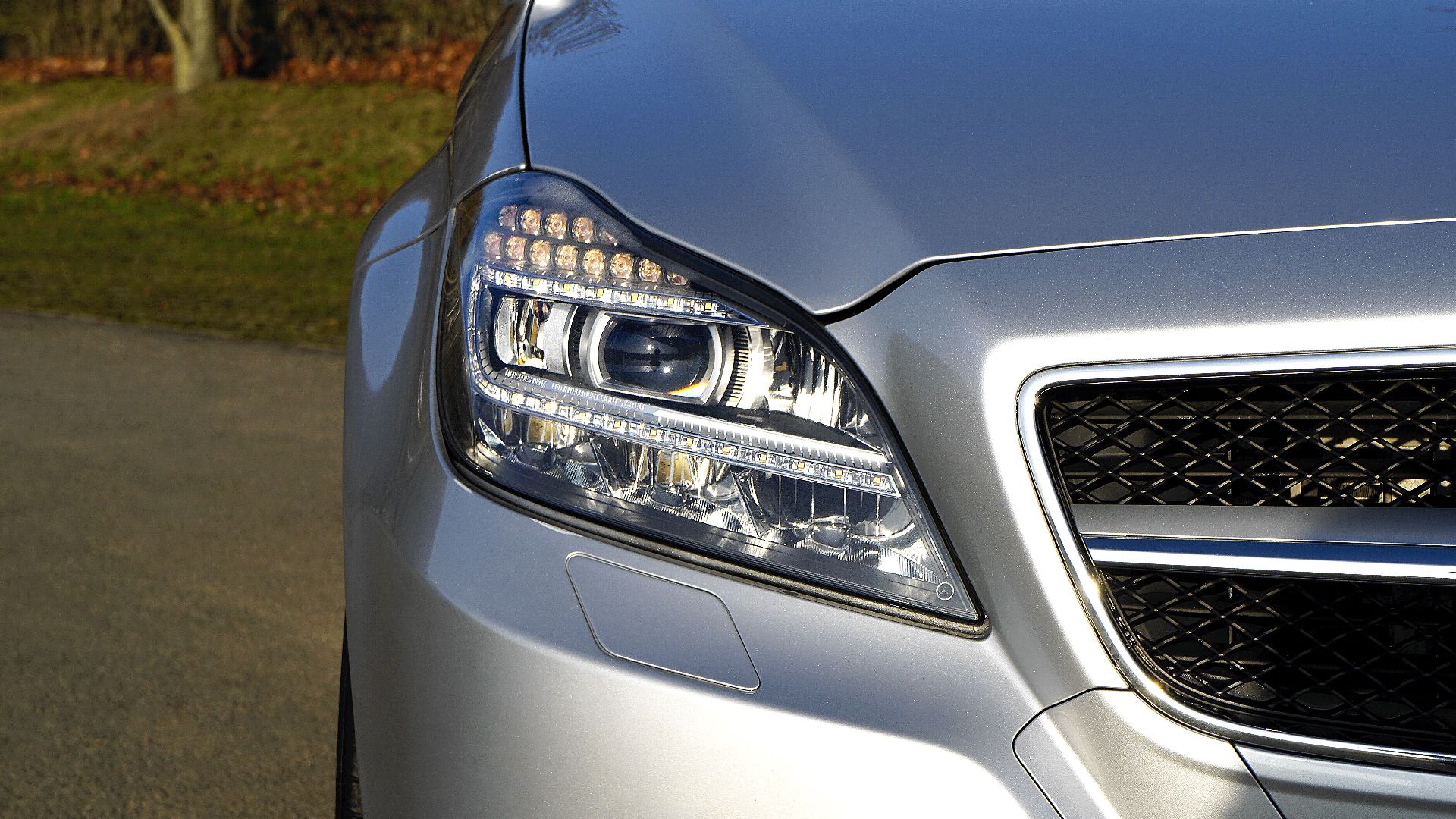
The Insurance Institute for Highway Safety (IIHS) began rating headlights in 2016, evaluating both visibility and glare. Early results showed many systems performed poorly, but manufacturers have steadily improved designs. Today, a much larger share of tested headlights earn good ratings because companies have paid greater attention to beam patterns and proper aim.
Better Visibility Saves Lives
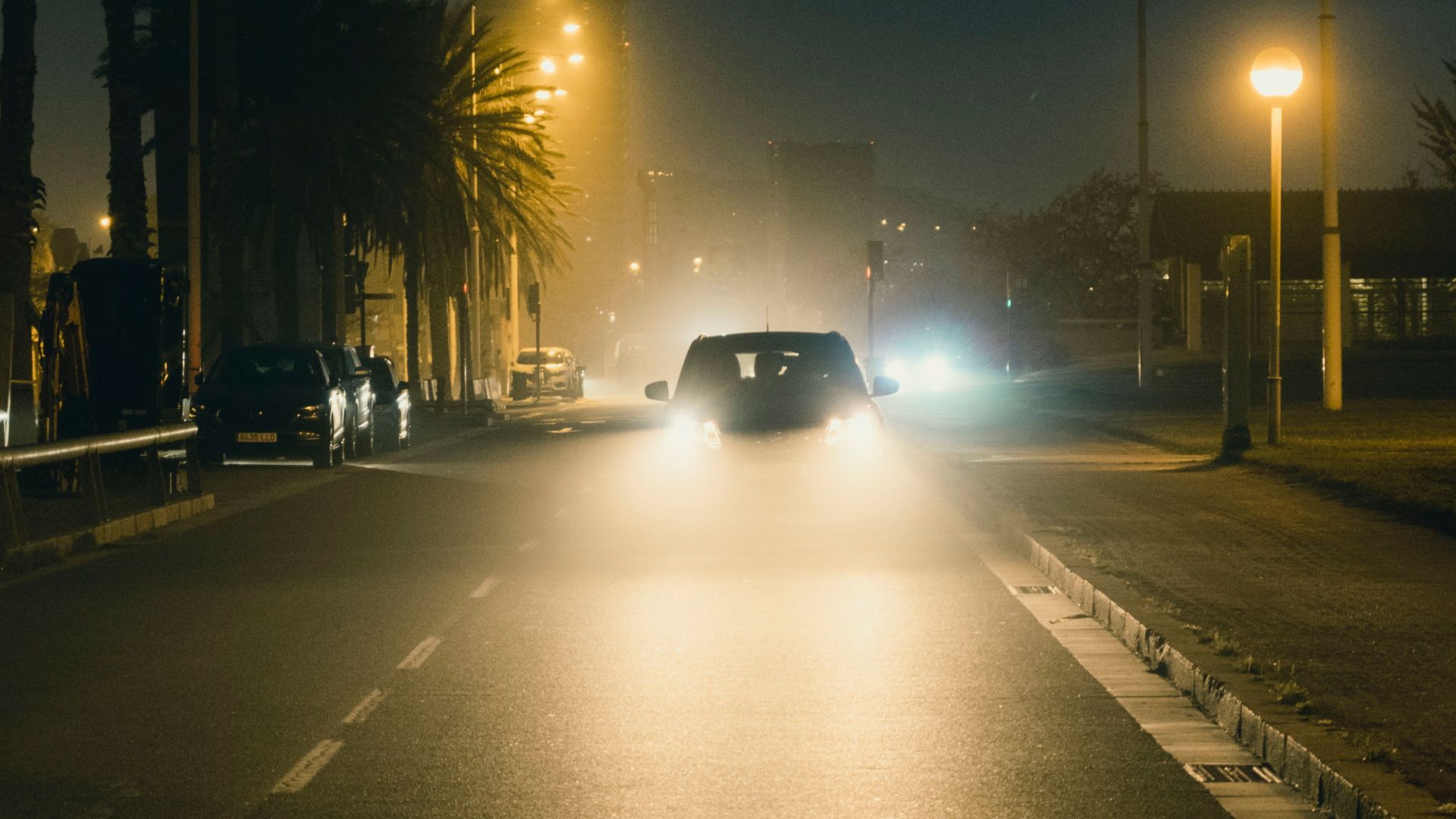
There's a reason automakers continue investing in brighter, more effective headlights. Roughly half of US traffic fatalities occur in darkness or during dawn and dusk, despite those periods accounting for much less overall driving time. Better illumination helps drivers detect pedestrians, animals, and road hazards sooner.
Glare Complaints Are Real
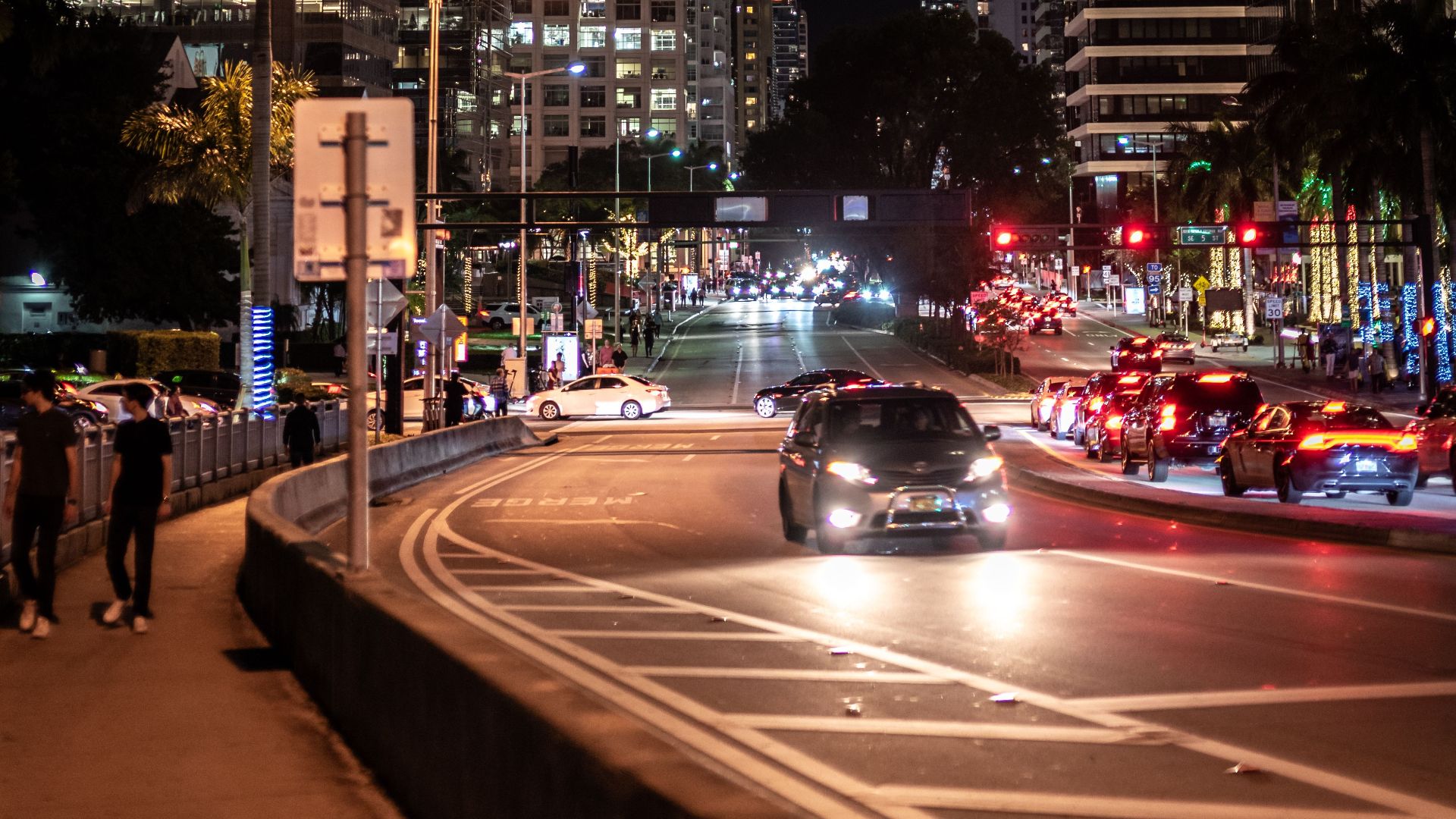
Although improved headlights offer safety benefits, driver frustration is widespread. AAA found that about six in ten American drivers consider headlight glare a serious problem, and most of those respondents believe it has become worse in recent years. Many specifically cited oncoming traffic as the biggest source of discomfort.
Surprisingly, Crash Data Doesn't Show a Matching Spike
Despite the growing number of complaints, researchers have not found a corresponding increase in crashes specifically linked to headlight glare. IIHS analyzed crash reports over multiple decades and found that mentions of glare remained relatively stable even as headlights became brighter overall. That doesn't mean glare isn't annoying, but it suggests the relationship between brightness and crashes is more complicated than many assume.
Some People Experience More Glare Than Others
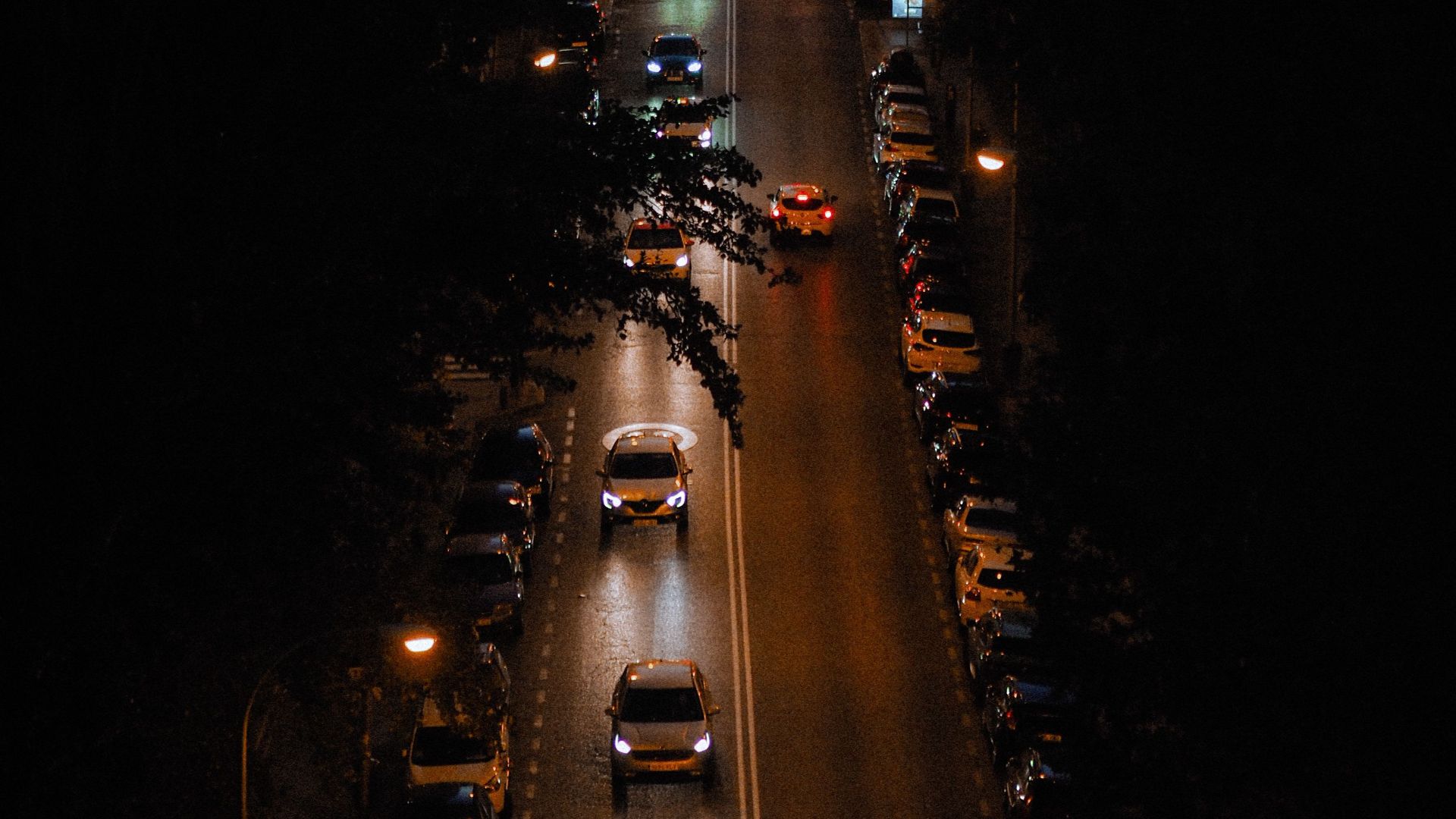
Age plays a major role in nighttime vision. As people grow older, the eye scatters light more easily, making bright headlights feel much more intense. Cataracts, macular degeneration, and other eye conditions can further increase sensitivity, even when another driver's headlights meet all applicable standards.
Clean Glass Makes a Difference
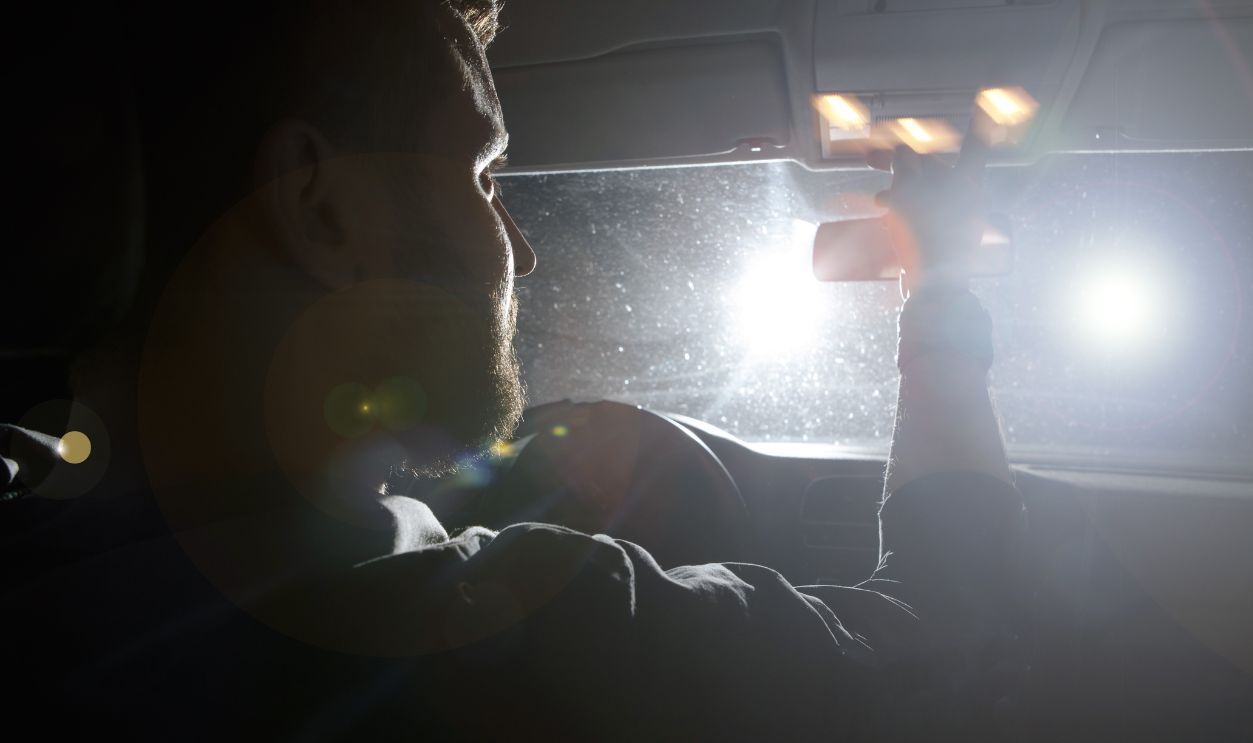
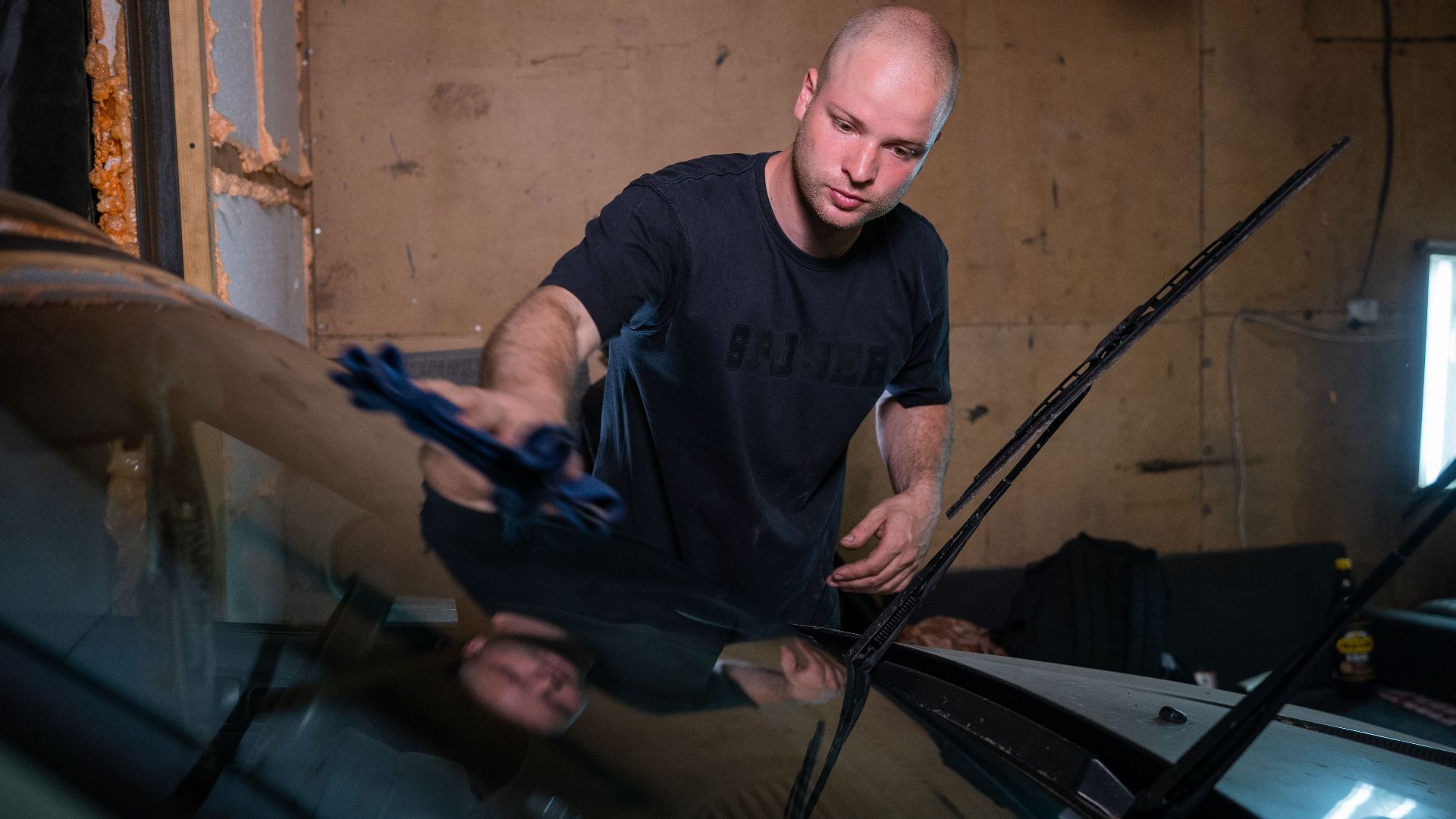
Dirty windshields dramatically increase glare because dust, streaks, and tiny scratches scatter incoming light. Cleaning both the inside and outside of your windshield often reduces nighttime discomfort more than many drivers expect. The same applies to dirty eyeglasses.
Adaptive Headlights Could Reduce Complaints
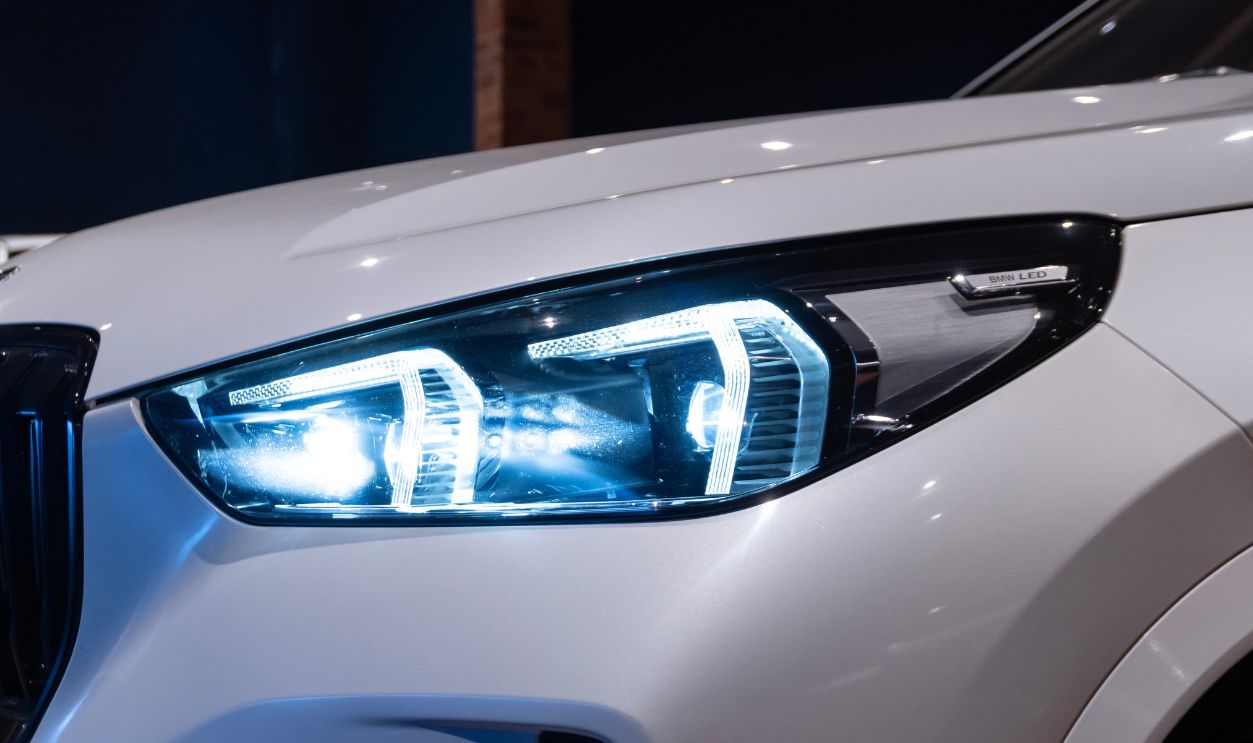
New adaptive driving beam systems can automatically shape the light pattern to avoid shining directly at other vehicles while keeping the rest of the road brightly illuminated. These systems have been common in Europe for years. The United States approved adaptive driving beams in 2022, but regulatory differences have slowed widespread adoption.
Automatic High-Beam Systems Also Help
Many newer vehicles automatically switch between high and low beams whenever another vehicle approaches. This technology reduces the chance that drivers accidentally leave their high beams on. IIHS even awards bonus points in its testing program for effective high-beam assist systems.
Should You Have Your Lights Checked?
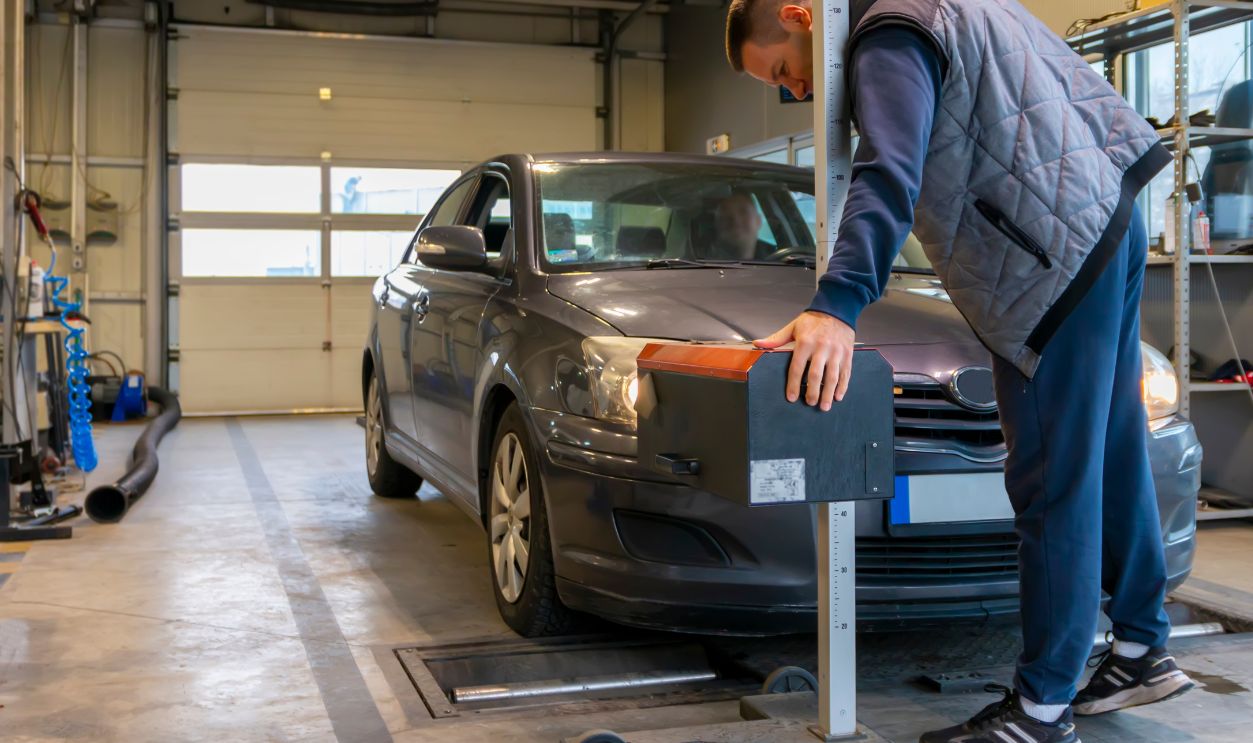
If multiple drivers flash their headlights every night, it's worth having your headlight alignment inspected. Dealers and independent repair shops can verify whether the beams are aimed correctly using specialized equipment. A simple adjustment may reduce glare without sacrificing your own nighttime visibility.
 Anastasija Vujic, Shutterstock
Avoid Aftermarket Bulb Swaps Without Research
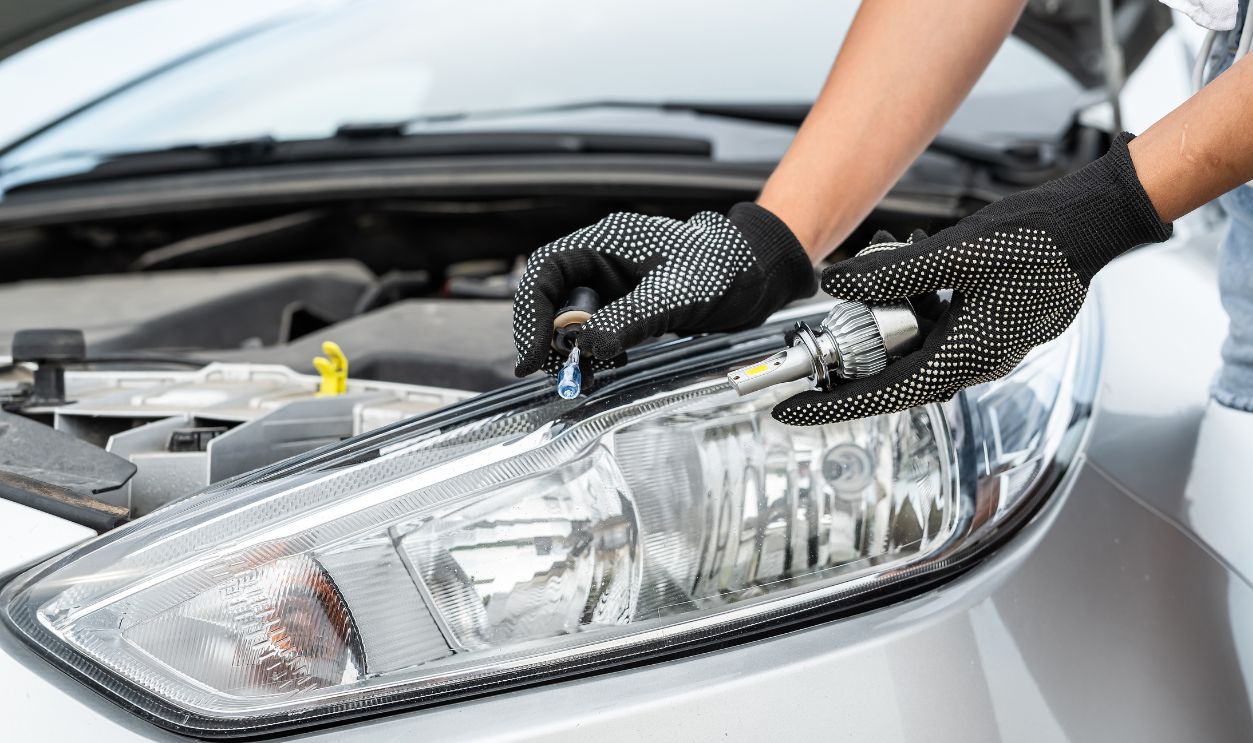
Many glare complaints involve aftermarket LED replacement bulbs installed in housings originally designed for halogen lamps. Those conversions often create uncontrolled beam patterns if the housing wasn't engineered for the new light source. Factory LED systems, by contrast, are designed as complete units that meet federal requirements.
There Isn't One Simple Villain
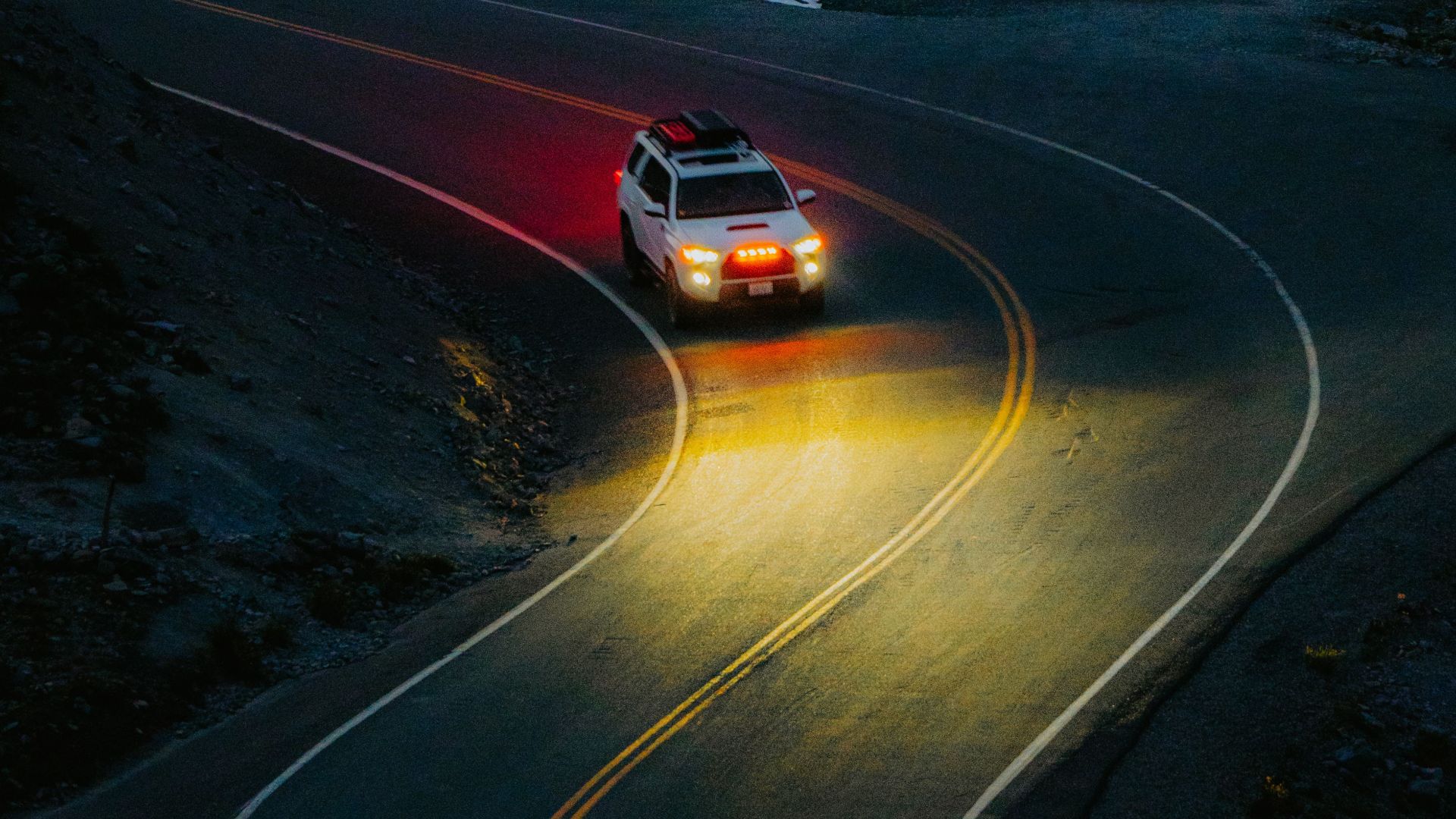
It's tempting to blame LED technology alone, but the reality involves several factors working together. Vehicle height, beam aim, road design, lighting color, aging eyes, and increasing numbers of SUVs all influence how bright headlights appear. That's why two drivers can experience the same headlights very differently.
Factory Lights Can Still Be Part of the Conversation
So can factory headlights still be a problem? Yes—but not necessarily because they're defective or unlawful. Many factory systems provide excellent visibility while still creating discomfort under certain conditions. As lighting technology continues evolving, manufacturers, regulators, and safety researchers are all working toward the same goal: helping drivers see farther without making everyone else squint.
You May Also Like:
Keep Your Car In Mint Condition With These Simple Tips And Tricks