A Flying Rock May Be Random, But The Bill Usually Isn’t
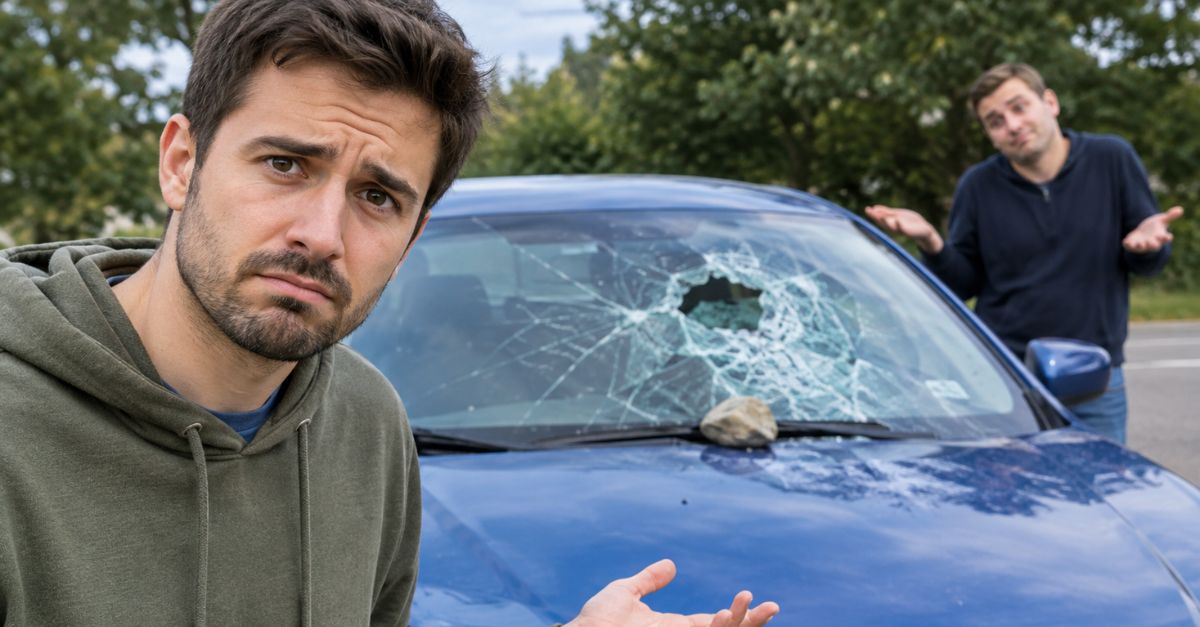
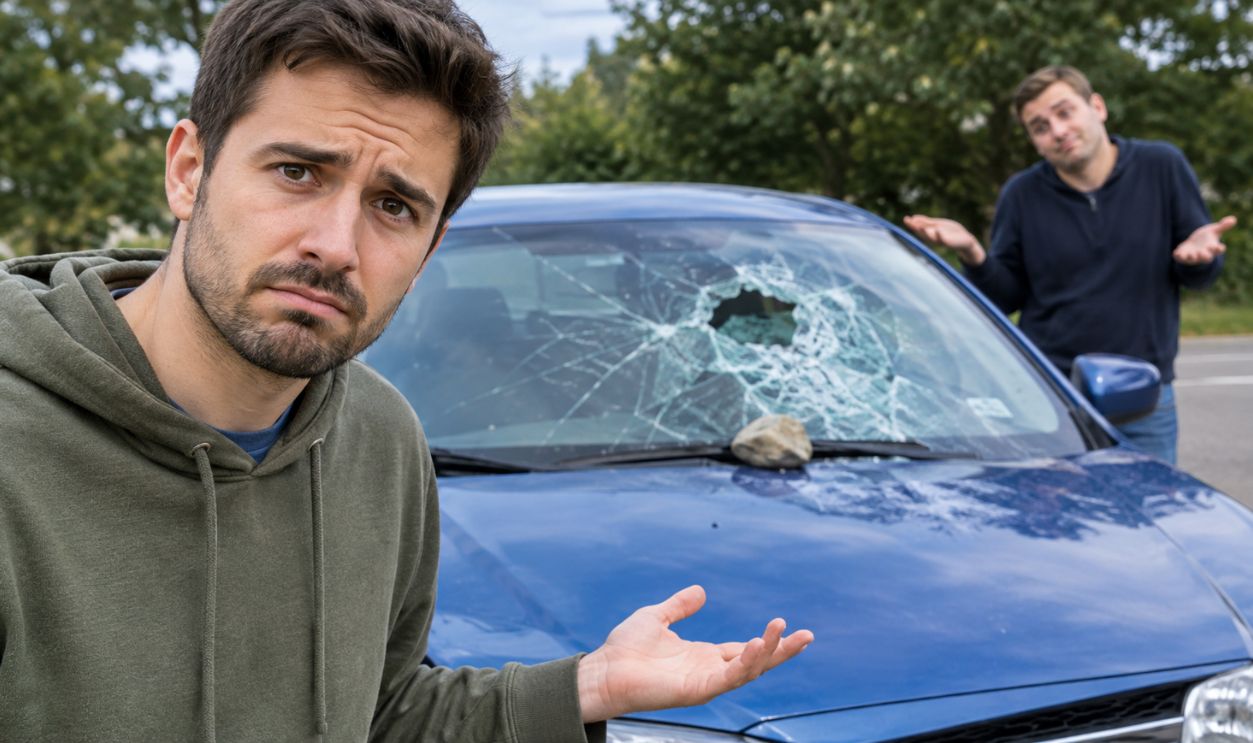
A cracked windshield can feel like rotten luck, especially when the person who borrowed your car says a rock flew up out of nowhere. That may be true, but if the damage happened while he had the car, should he pay for it? That's a surprisingly complicated question.
Why This Turns Into An Argument So Fast
Nobody threw the rock on purpose, nobody wanted the crack, and yet someone has to cover the cost. Windshield damage is common enough that insurers and glass shops deal with it all the time. Families, though, tend to turn it into a debate about fairness.

The Basic Starting Point
If your brother brought your car back with a cracked windshield, the damage happened while the car was in his hands. That does not automatically decide every legal question in every state. But in everyday terms, it is a strong reason to expect him to pay for the repair or at least cover your deductible.

The Legal Idea Behind Borrowing Someone’s Car
When one person gives property to another for temporary use, the law often treats that as a bailment. Cornell Law School’s Legal Information Institute defines bailment as rightful possession of property by someone who is not the owner. A borrowed car fits that idea, and it matters because the borrower is expected to use reasonable care.
Reasonable Care Doesn’t Mean Total Control
Your brother does have one fair point. He cannot control every loose pebble, truck tire, or bit of road debris. But reasonable care still matters. It can include how closely he followed other cars, whether he drove in risky conditions, and what he did after the windshield was hit.
Why “A Rock Flew Up” Doesn’t End The Discussion
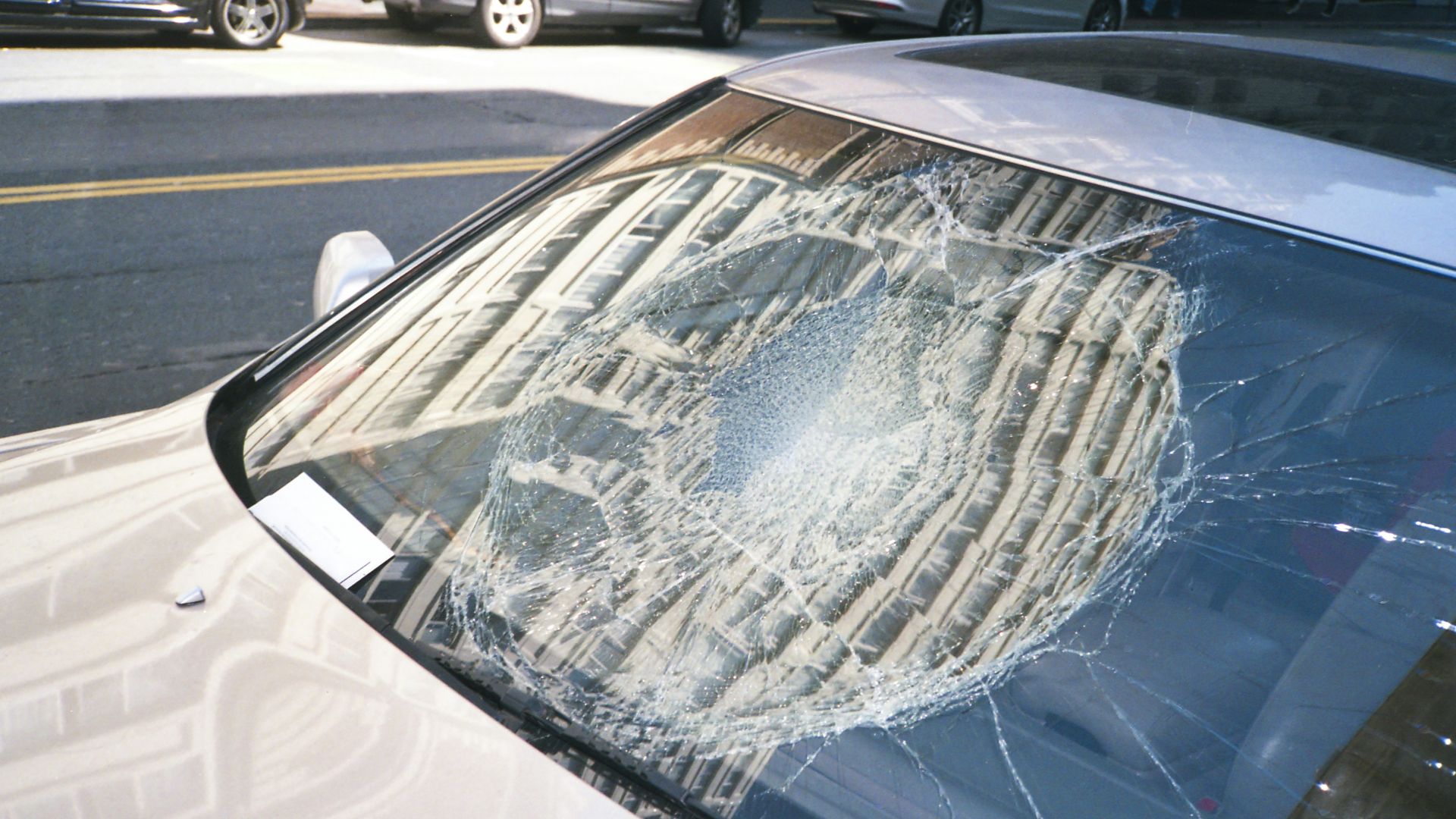
Saying a rock caused the crack explains what happened, but it does not always settle who should pay. Courts and insurers often look at whether the damage came from a truly unavoidable road hazard or from careless driving. Tailgating a gravel truck looks very different from getting hit by a random pebble in normal traffic.

Insurers Treat Windshield Damage As A Normal Risk
Major insurers openly describe windshield damage as a standard auto claim. Progressive says comprehensive coverage usually helps with windshield damage caused by rocks and road debris, while collision coverage usually does not apply unless there was a crash. That says a lot. The industry treats this as accidental damage, but still damage someone has to pay for.

Why Comprehensive Coverage Matters
If your policy includes comprehensive coverage, the crack may be covered, depending on your deductible, policy terms, and state law. GEICO says the same basic thing: comprehensive coverage can cover windshield damage from a rock if it did not happen in a collision. In real life, that often means the main argument is not whether the crack counts, but who should pay the deductible or out-of-pocket cost.
State Law Can Change The Cost A Lot
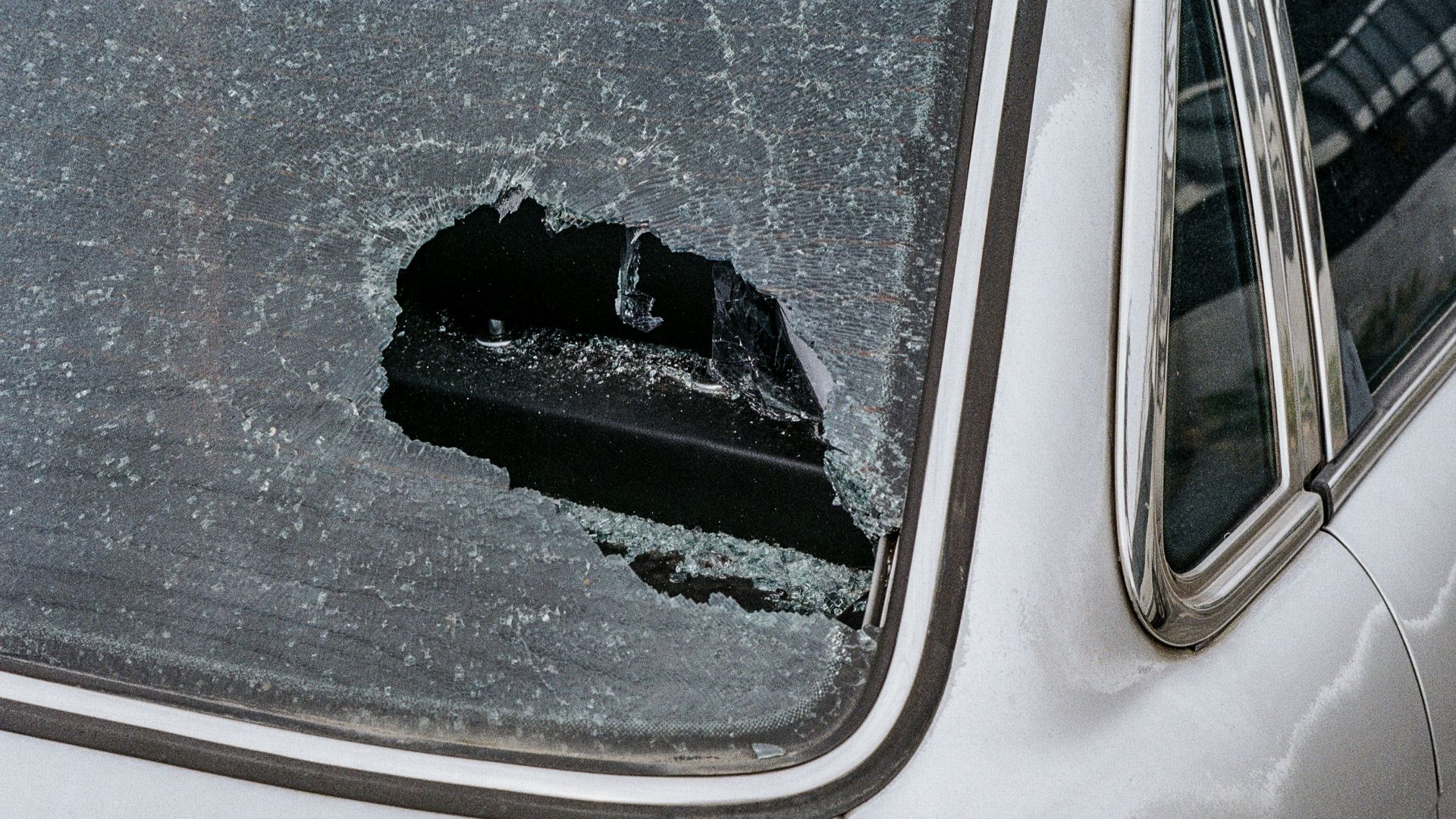
Windshield claims do not work the same way everywhere. The Insurance Information Institute notes that some states require insurers to waive the deductible for glass repair or replacement under certain comprehensive policies. So your cost could be almost nothing in one state and several hundred dollars in another.

Repair Or Replacement Makes A Big Difference
A small chip can sometimes be repaired. A long crack often means replacing the whole windshield. The National Windshield Repair Association says repairs usually work only when the damage falls within certain size and location limits. If the crack is in the driver’s line of sight or spreads too far, replacement is often the safer choice.
Why A Cracked Windshield Is More Than A Cosmetic Problem
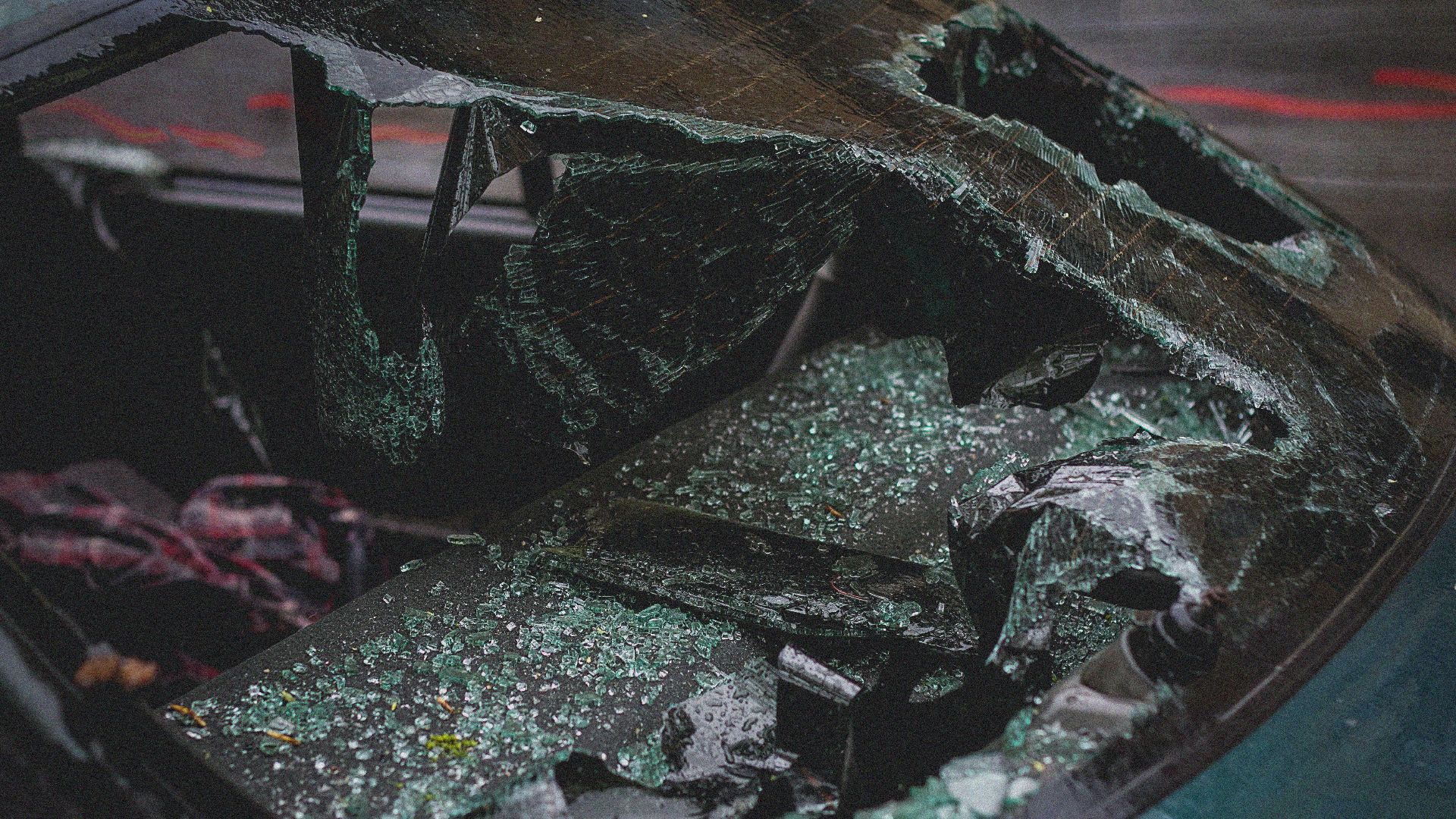
Modern windshields do more than keep out wind and rain. The National Highway Traffic Safety Administration has long stressed the safety role of vehicle glazing, and windshield strength can help with roof support and proper airbag performance in many cars. A growing crack can become a real safety issue.
Waiting Can Make It Worse
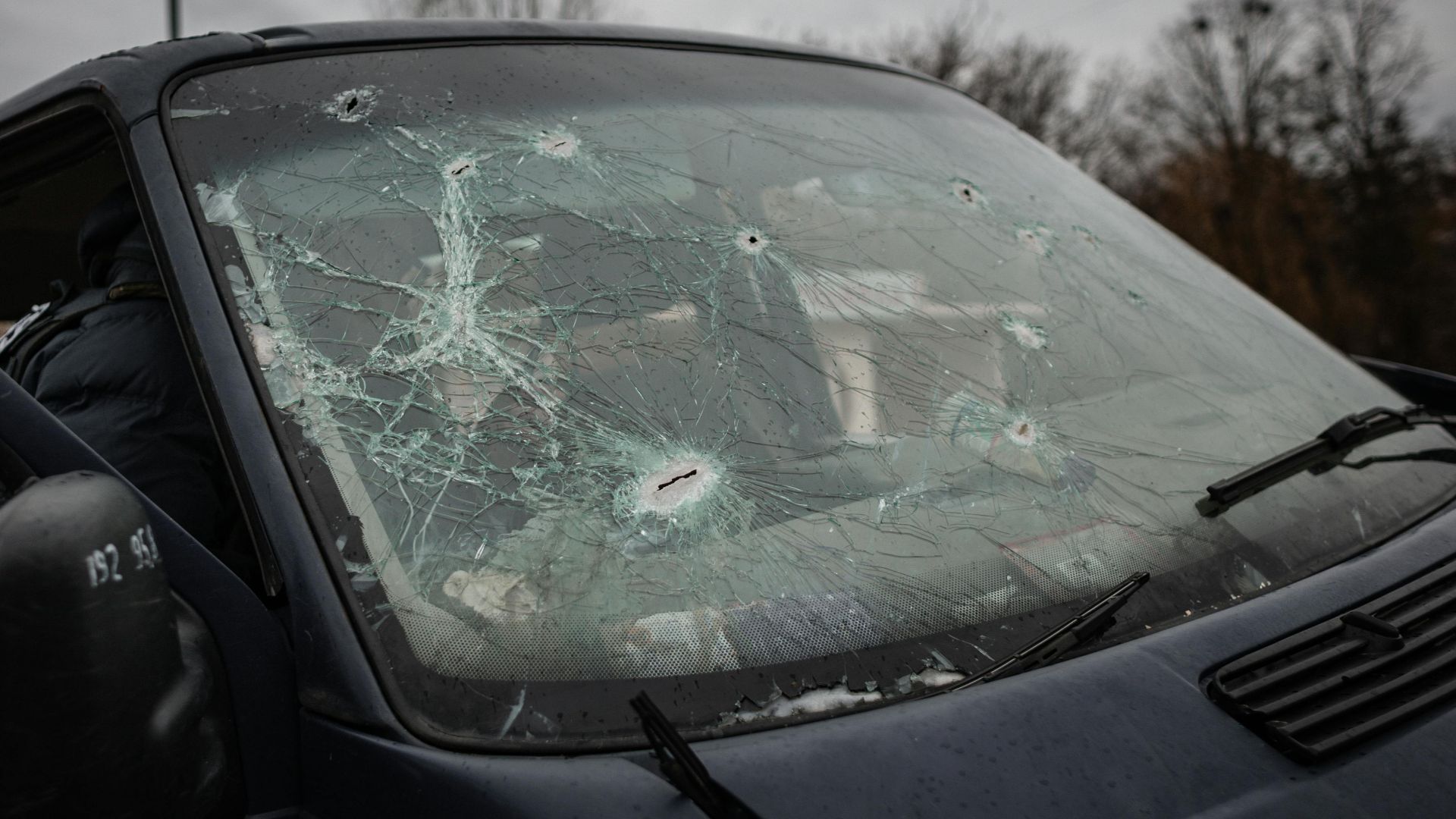
Even a small chip can spread from heat, cold, potholes, vibration, or normal flex in the car’s frame. Safelite and other repair companies regularly point out that acting quickly can mean the difference between a simple repair and a full replacement. So if your brother caused the problem, dragging out the argument may just make the bill bigger.

The Main Legal Question Is Negligence
If this ever became a formal dispute, the core issue would usually be negligence. Did your brother use the car with reasonable care under the circumstances? If yes, a court might not automatically blame him for every random road hazard. But family situations are not just about strict legal liability. Practical responsibility often goes further.

Borrowing In A Family Runs On Trust
Most people do not hand a sibling the keys with a signed damage contract. They lend the car because they trust them. That is why many people would say your brother should pay even if the damage was accidental. He borrowed the car, brought it back in worse shape, and should make it right.

Fault And Responsibility Are Not The Same Thing
Your brother may not be morally at fault if a random rock hit the glass. But responsibility can still follow possession. If you borrow a lawnmower, drop a phone, or return a car with fresh damage, the decent move is often to cover the loss even if you were not reckless.
What Insurance Doesn’t Really Solve
Your insurer might cover part or all of the damage if you have the right policy, but that does not settle the family side of it. Insurance answers what the policy covers. It does not answer whether your brother should repay your deductible, cover any premium increase, or pay the full amount if you decide not to file a claim.
 Hryshchyshen Serhii, Shutterstock
Why Premiums Matter
Many drivers hesitate to file glass claims because they worry about higher rates or losing a claim-free discount. Insurers differ, and state rules differ, so there is no one-size-fits-all answer. That uncertainty is one reason many borrowers choose to pay the cost directly instead of telling the owner to run it through insurance.

Who Should Pay The Deductible
If comprehensive coverage applies but your deductible is $500, the practical answer is usually pretty clear. The person who had the car when it was damaged should pay that deductible. If the repair costs less than the deductible, he should usually cover the whole bill.

Replacement Costs Are Not What They Used To Be
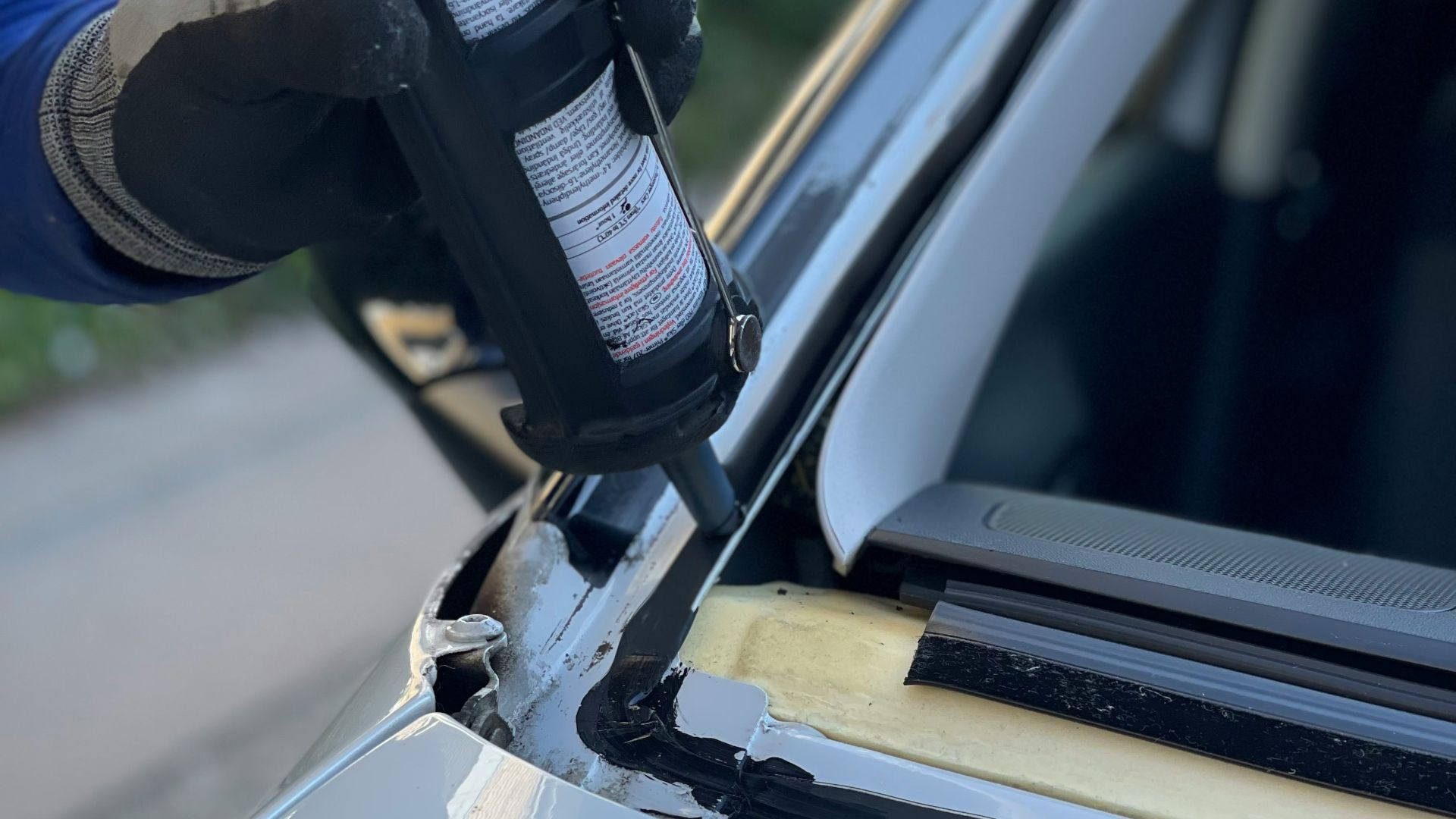
Windshield replacement is not always cheap. Cars with rain sensors, heating elements, acoustic glass, lane-keeping cameras, and other safety tech can need extra work after a new windshield goes in. That can drive the price up fast and make “it was just a random rock” sound a lot less convincing to the person holding the estimate.
 Quality Stock Arts, Shutterstock
ADAS Calibration Can Add Even More
The Auto Glass Safety Council and auto glass industry guidance note that cars with advanced driver assistance systems often need recalibration after windshield replacement. If a camera is mounted near the windshield, a bad or incomplete job can affect safety features. At that point, it is not just glass and adhesive anymore.

Document The Damage Before The Story Changes
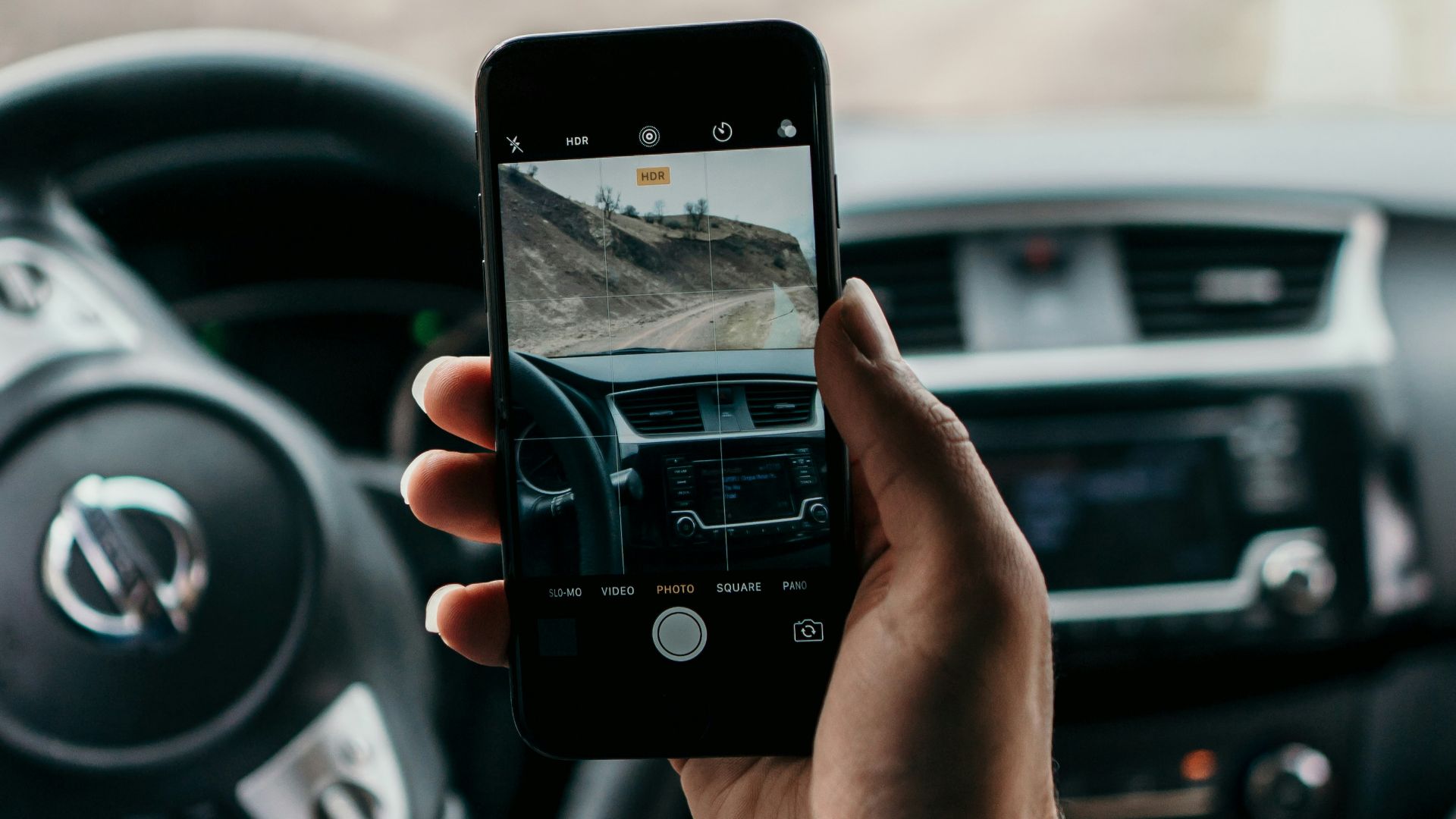
Take photos of the crack, note when the car was returned, and save any texts where your brother explained what happened. If the windshield already had damage before he borrowed the car, be honest about that too. Clear facts make calm conversations easier and help keep the argument grounded in reality.
Get The Estimate First
Before arguing, get a written quote from a reputable glass shop or your insurer’s approved repair network. Once you know whether the fix is a small repair, a standard replacement, or an expensive replacement with calibration, the conversation gets a lot more concrete.

The Fairness Test Is Pretty Simple
If the situation were reversed, would your brother be fine with you returning his car with a new crack and a casual excuse? Probably not. Most adults understand the basic rule: you return borrowed property in the same condition, or you pay for the difference.

When His Side Gets More Reasonable
There are cases where his argument gets stronger. If you clearly told him the car was fully insured and not to worry about minor damage, or if the windshield was already badly chipped and close to cracking anyway, then splitting the cost may make more sense. The details matter, and so does whatever understanding you had before he borrowed the car.

How To Bring It Up Without Blowing Up The Family Group Chat
Keep it calm and factual. Tell him the windshield cracked while he had the car, you got an estimate, and you want him to cover the repair or the deductible. It often goes better if you frame it as fixing the car rather than trying to pin blame on him.

A Practical Compromise If He Pushes Back
If he insists it was unavoidable, suggest a middle ground. He could pay the deductible, cover half the replacement, or pay whatever insurance does not. That may not be the perfect legal answer, but it can be the cheapest way to save both the windshield and the relationship.

The Bottom Line
Yes, he probably should pay for it, even if the crack came from a flying rock. Not because every random road hazard creates automatic legal liability, but because he borrowed your car and brought it back damaged. In the real world, that usually means making the owner whole.