The Awkward Question After A Borrowed-Car Crash
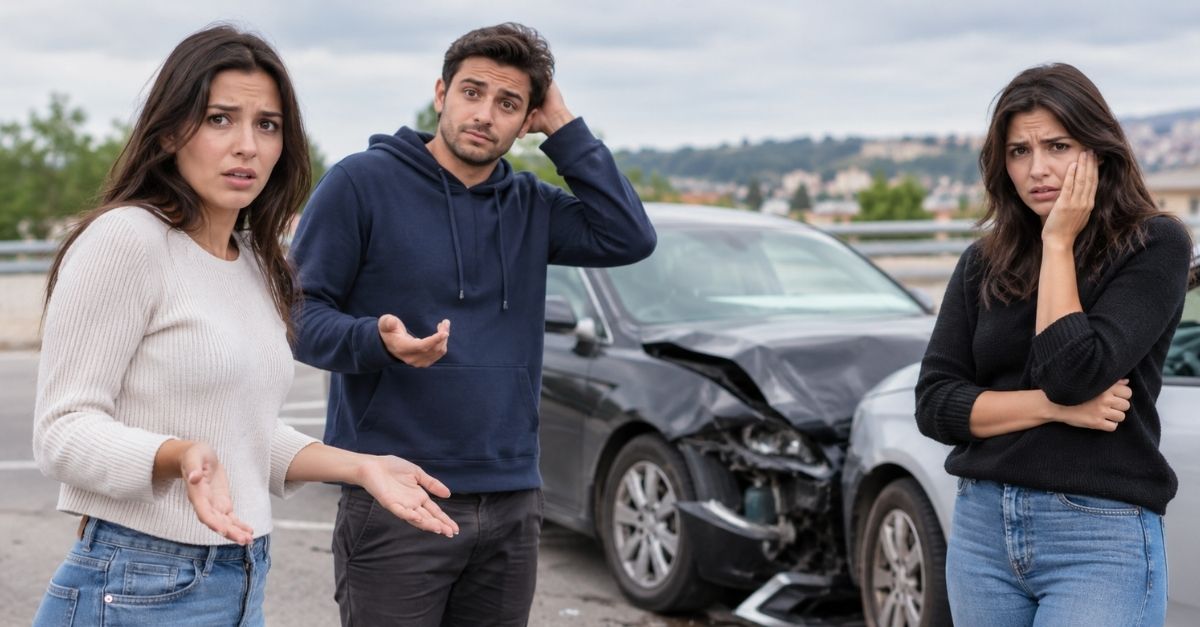
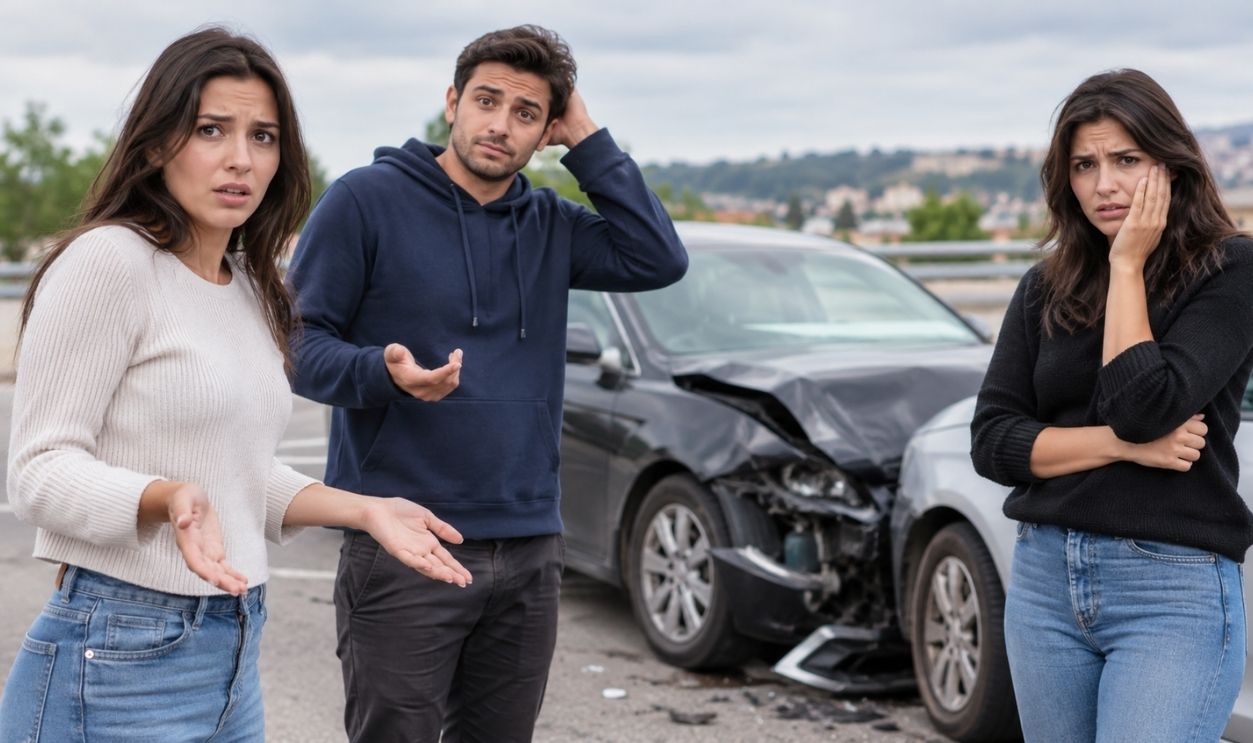
Your brother borrows your car, then hands the keys to his girlfriend without asking. If she crashes, the legal and insurance mess can get complicated fast. In many cases, the car owner’s insurance is the first place a claim lands, but the outcome depends on permission, policy wording, and state law.
Why This Situation Gets Complicated Fast
A lot of people assume insurance follows the driver. Usually, it follows the car first. That is why owners can get pulled into claims they never saw coming. It sounds simple, but the details matter.

The First Big Rule Insurance Companies Look At
The first question is whether the driver had permission to use the car. If your brother had permission to borrow it, insurers may then ask whether that permission also covered his girlfriend. A claim can turn on that one detail.

What Permissive Use Usually Means
Insurers often use the term permissive use, which means the owner gave someone consent to drive the vehicle. The Insurance Information Institute explains that coverage generally follows the car and can extend to occasional drivers who have permission. If the girlfriend counts as a permitted driver, your policy may be the primary source of coverage.
When Your Brother Had Permission But She Did Not
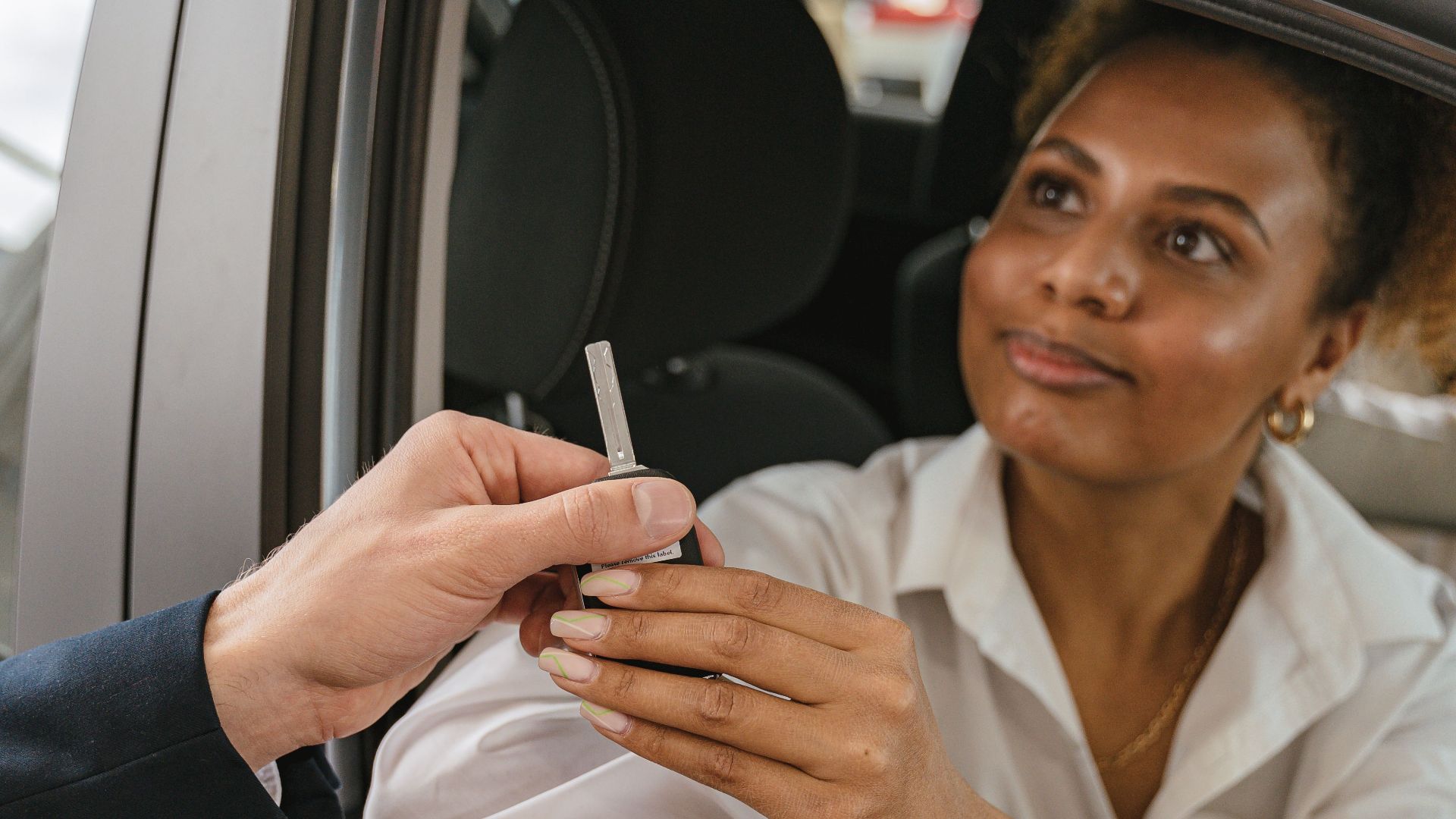
This is where things get tricky. If you told your brother he could drive the car, but you never said anyone else could, the girlfriend may be treated as someone outside your permission. Some policies may still cover that situation, while others may push back hard, especially if you clearly said no one else could drive.
Express Permission Versus Implied Permission
Insurers and courts often separate express permission from implied permission. Express permission is direct, like telling your brother he can use the car. Implied permission can come from past behavior, family habits, or the situation itself, which is why repeat lending situations can get harder to sort out after a crash.

If You Specifically Said No Other Drivers
If you clearly told your brother not to let anyone else drive, that can become a key fact. It may help your insurer argue that the girlfriend was a non-permissive driver. Even then, some states still require liability coverage to protect injured third parties.

Why State Law Can Change The Outcome
Auto insurance is regulated at the state level, so the same crash can play out differently depending on where it happened. Some states have owner-liability rules or financial responsibility laws that can still expose the vehicle owner even when someone else was driving. That is why there is rarely a clean yes-or-no answer.
The Owner Can Still Be In The Crosshairs
Even if your brother’s girlfriend caused the crash, the owner of the car can still be sued. People making claims often name everyone who might be responsible, including the driver, the person who borrowed the car, and the registered owner. Being sued does not always mean you will have to pay, but it can mean your insurer has to defend the claim.
Your Insurance Is Often Primary
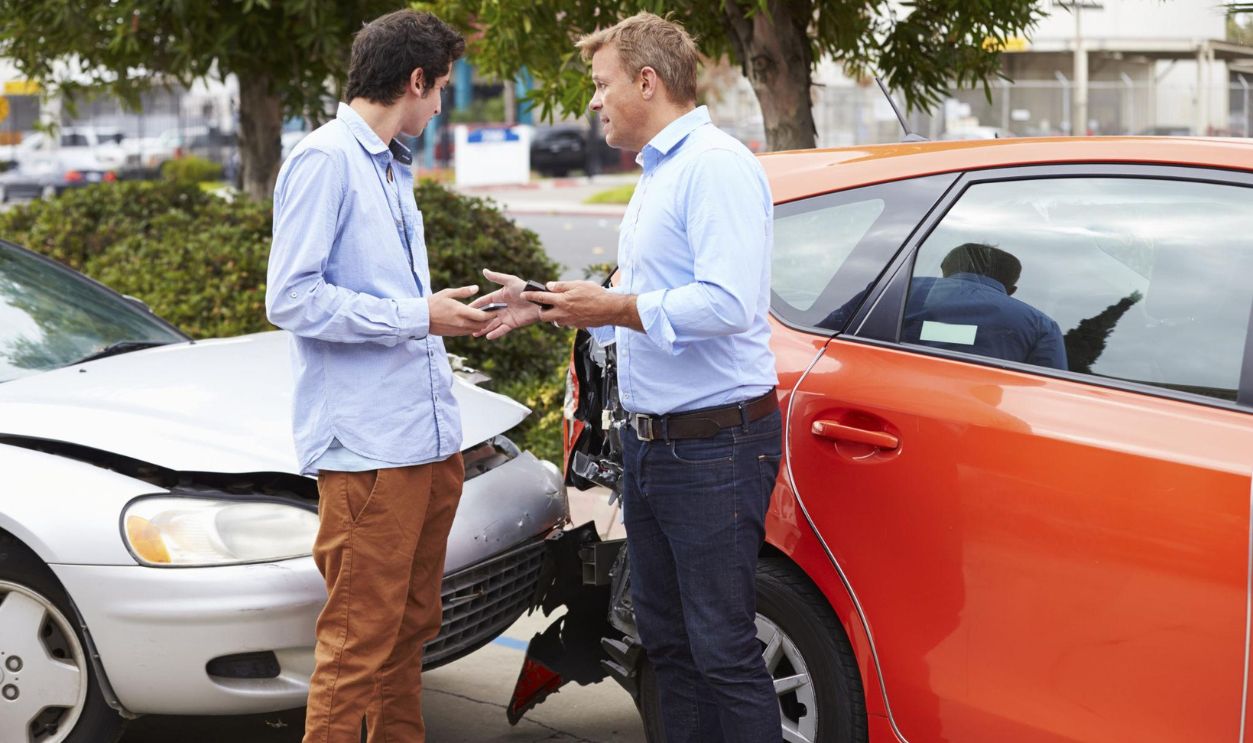
One of the biggest surprises for owners is that their policy is often primary when their car is involved in a crash. That means your liability coverage may pay first for injuries or property damage up to your policy limits. If the losses go beyond those limits, the driver’s own policy may come into play as secondary coverage.

What Happens If The Girlfriend Has Her Own Insurance
If she has her own auto insurance, that may help, but it may not keep your policy out of it. Many insurers treat the owner’s policy as primary and the driver’s policy as excess. So even if she is insured, your claims history and rates could still take a hit.
Collision Coverage Raises A Different Problem
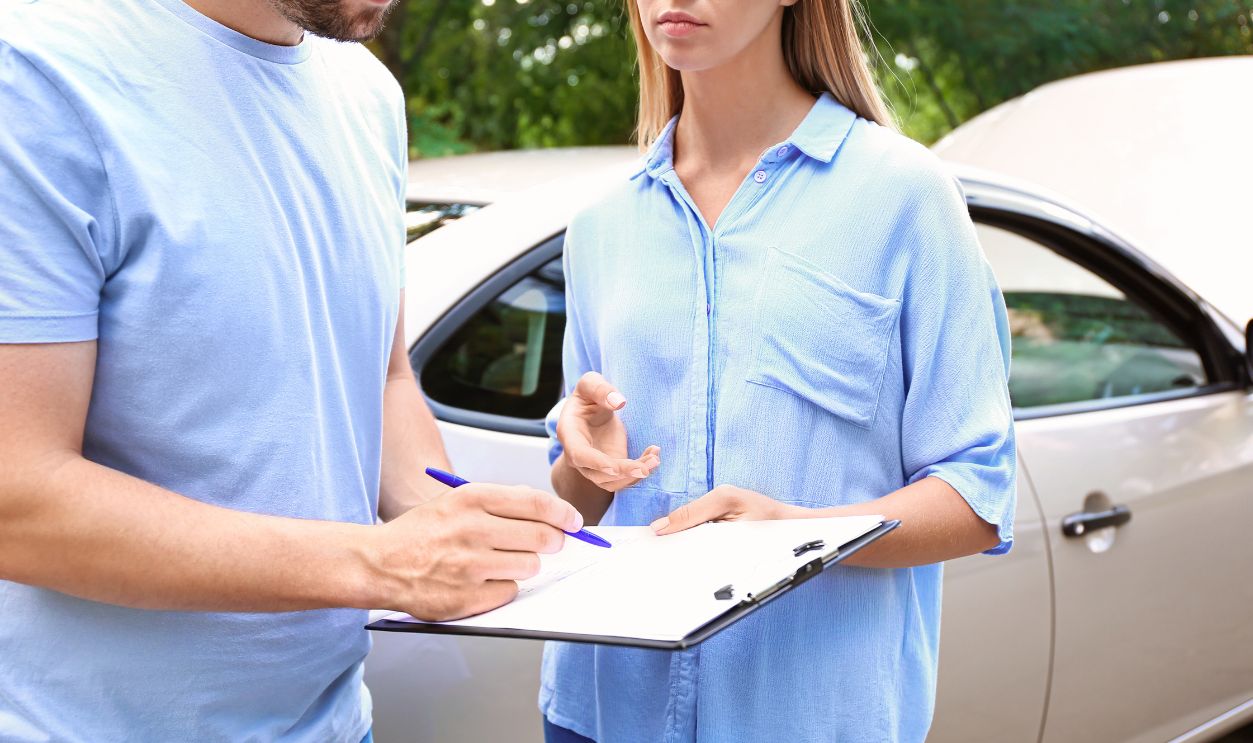
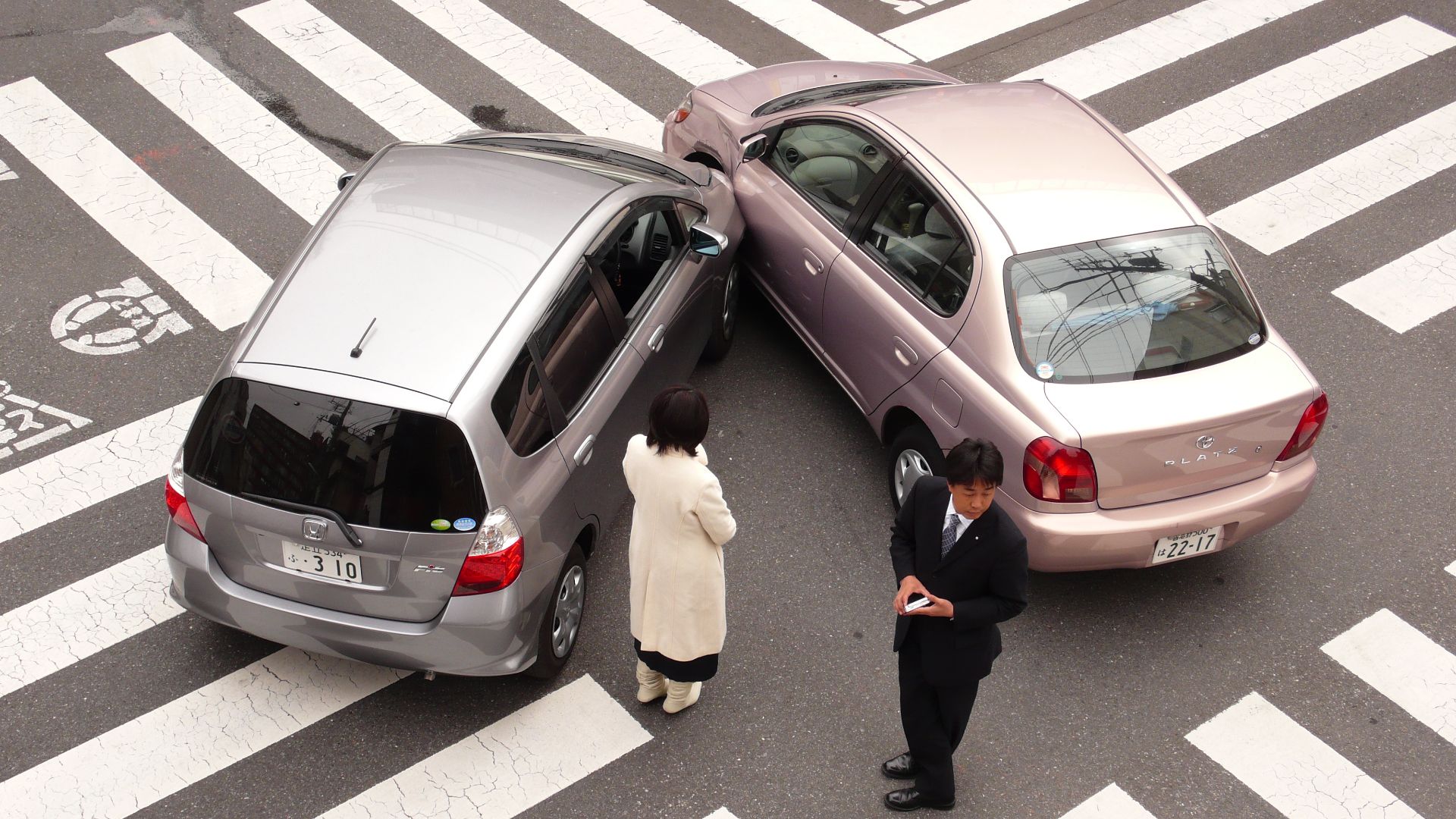
Damage to your own car is a separate issue from liability for injuries or damage to other people. If you carry collision coverage, your insurer may pay to repair your car, minus your deductible, depending on the policy and whether the driver was covered. If the insurer decides the girlfriend was not an authorized driver, that can lead to a fight over damage to your own vehicle too.
 Shuets Udono, Wikimedia Commons
Excluded Drivers Can Change Everything
Some policies exclude certain drivers by name. If the girlfriend was a named excluded driver, coverage may be denied more clearly. The same goes if your brother was excluded and borrowed the car anyway.

Household Members Get Extra Attention
Insurers pay close attention to who lives in the household. If your brother or his girlfriend lives with you, or regularly uses the car, the insurer may ask whether they should have been listed on the policy. Undisclosed regular drivers are a common source of disputes after a crash.
Negligent Entrustment Is The Legal Phrase To Know
There is another risk beyond simple permission. If an owner knowingly lets an unsafe, unlicensed, intoxicated, or reckless person use the car, that can lead to a negligent entrustment claim. In that situation, the owner can face direct liability for handing over the keys.
Could Your Brother Be Responsible Too
Possibly. If your brother let his girlfriend drive when he had no authority to do so, he may face blame from you, from insurers, or from others involved in the crash. He may not have caused the collision himself, but his decision to pass along the keys can still matter.

If She Was Driving Without Any Permission At All
If neither you nor the policy language can be read to allow her use of the car, the insurer may classify her as a non-permissive driver. That can open the door to a coverage denial, especially for damage to your own car. Still, state minimum liability rules may require some coverage for injured third parties.
Why Injured Third Parties Are Treated Differently
Insurance law often tries to protect innocent people hurt in crashes. That means a dispute between the owner and insurer does not always wipe out coverage for someone else’s medical bills or repair costs. In some states, the insurer may still have to pay certain claims even while arguing over permission.

Your Rates Could Rise Even If You Weren’t Driving
People often focus on legal fault and forget the practical hit that comes later. If a claim is paid under your policy, your premiums could go up at renewal even though you were nowhere near the driver’s seat. Lending a car can be a lot riskier than it seems.

What To Do Right After The Crash
If this happens, report the crash to your insurer quickly and stick to the facts. Be clear about what permission you gave, whether you limited other drivers, and whether your brother had ever let someone else use the car before. Save texts, emails, and messages, because they can help show what was actually authorized.
Do Not Guess Or Fill In Gaps
When emotions are high, people often start making assumptions. Do not speculate about who was allowed to drive if you are not sure what was said. Insurers and lawyers care about exact details, and casual statements can cause bigger problems later.

Check Your Policy For The Fine Print
Look for sections on permissive use, excluded drivers, household residents, and notice requirements. Policies do not all use the same wording, and small differences can matter a lot after a crash. If the language is unclear, ask the insurer to explain its position in writing.

When You Should Talk To A Lawyer
If there are injuries, major property damage, a coverage denial, or threats of a lawsuit, talking to a lawyer is often a smart move. A local attorney can explain how your state handles owner liability and permissive use. That matters because general online answers do not always match the law where you live.
 https://kaboompics.com/, Pexels
How To Reduce The Risk Next Time
If you lend your car, be clear about who may drive it and who may not. Put it in a text if needed, because written proof can matter later. If there is someone you never want driving the car, say so directly and review your policy for any related exclusions or restrictions.
The Family Part Is Messy, But The Insurance Part Is Predictable
The emotional side of this kind of situation can blow up fast. The insurance side usually follows a more familiar path: figure out permission, read the policy, apply state law, and sort out which coverage pays first. It is not always quick, but that is usually how responsibility gets untangled.
So Who Would Be Responsible
The short answer is that the girlfriend would likely be primarily at fault for causing the crash, but your car insurance could still be the first policy on the hook because coverage usually follows the vehicle. You, as the owner, could also be sued, especially if there is a dispute over permission or allegations of negligent entrustment. Your brother may also face fallout for letting an unauthorized person drive.

The Bottom Line Before You Hand Over The Keys
If your brother borrowed your car and let his girlfriend drive it without asking, you are not automatically off the hook just because you were not there. In many cases, your insurance is still the first stop, and your financial exposure depends on permission, policy wording, and state law. Lending a car is easy. Cleaning up after a borrowed-car crash usually is not.